Recap
The 20 Biggest Revelations from aka Charlie Sheen
The wild and surprising truths in the new documentary — from inflight antics to a cheeky use of ice cubes.
Sept. 11, 2025
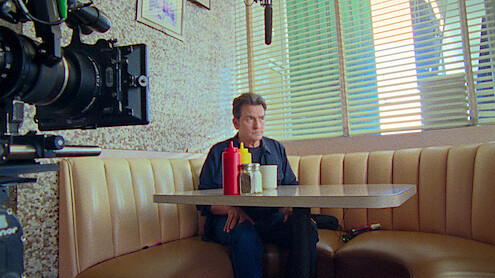
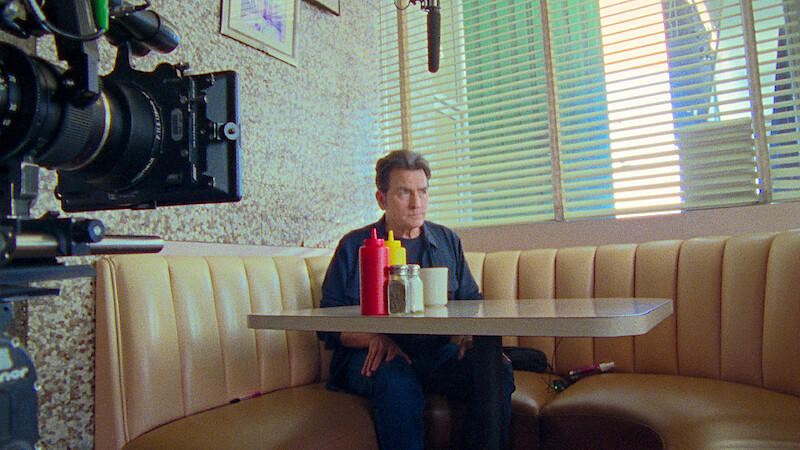
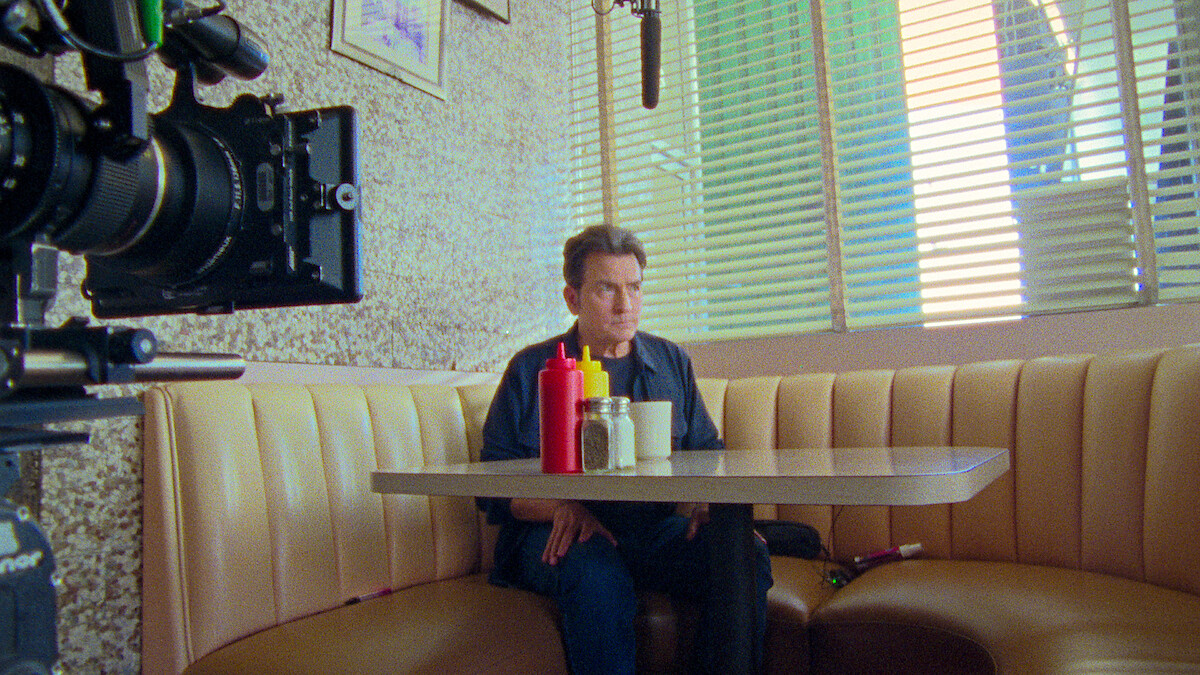
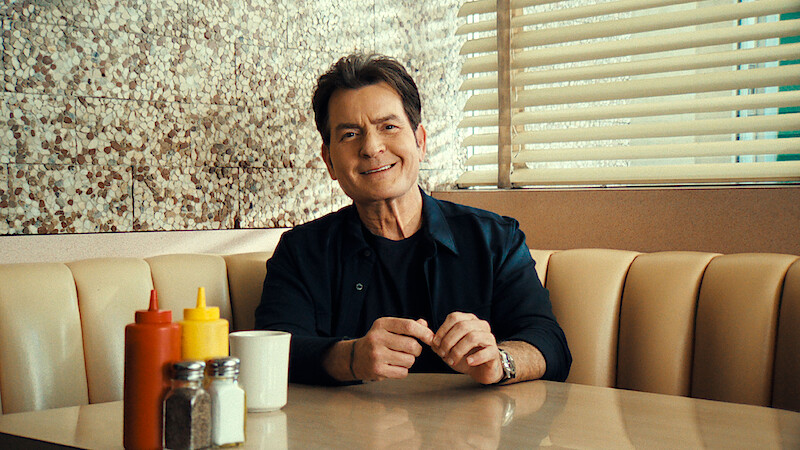
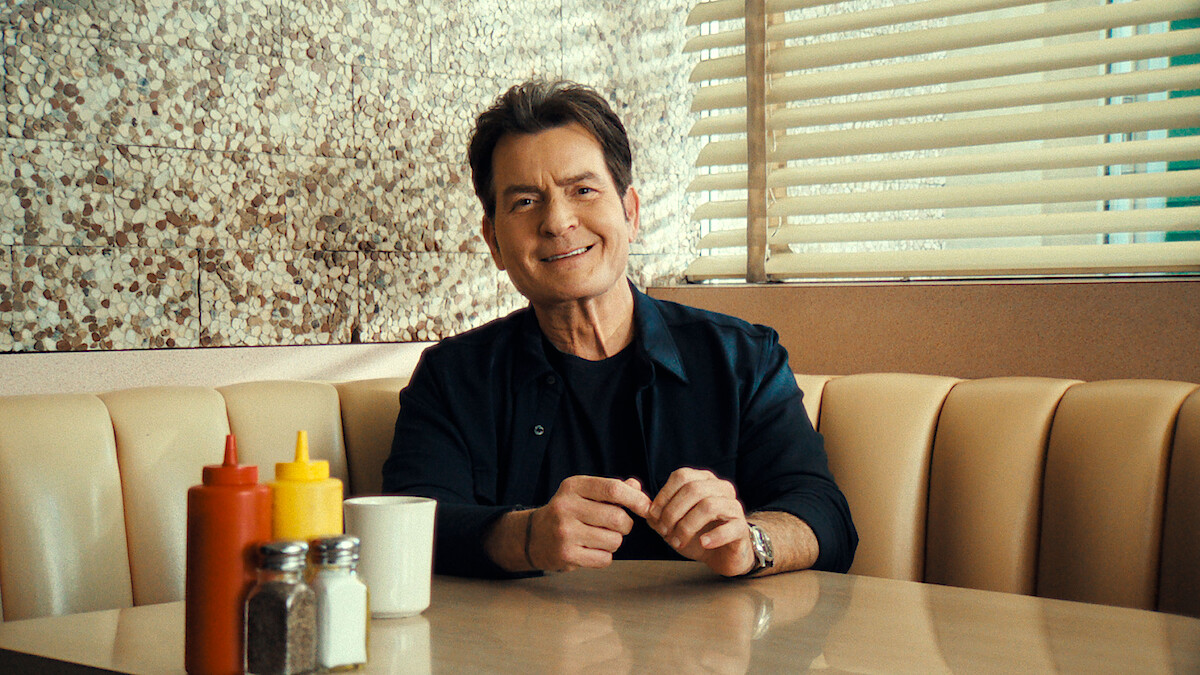
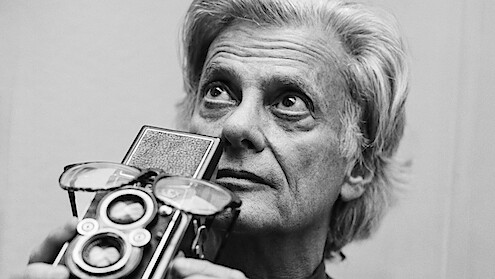
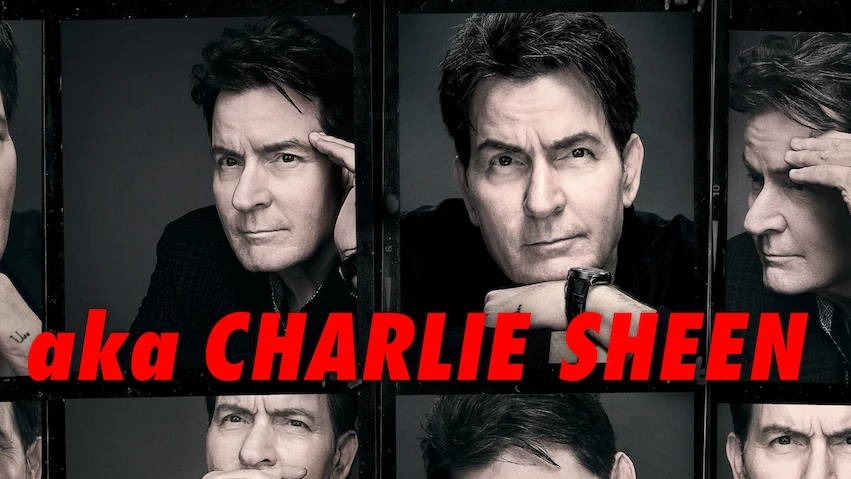
Actor Charlie Sheen’s life has been laid bare for the public eye like few others, with every success and scandal splashed across headlines for decades. But the real story — what was happening behind the chaos, the humor, the self-destruction, and raw survival — has always been harder to see. That’s what Andrew Renzi’s new two-part documentary on the actor, aka Charlie Sheen, sets out to reveal.
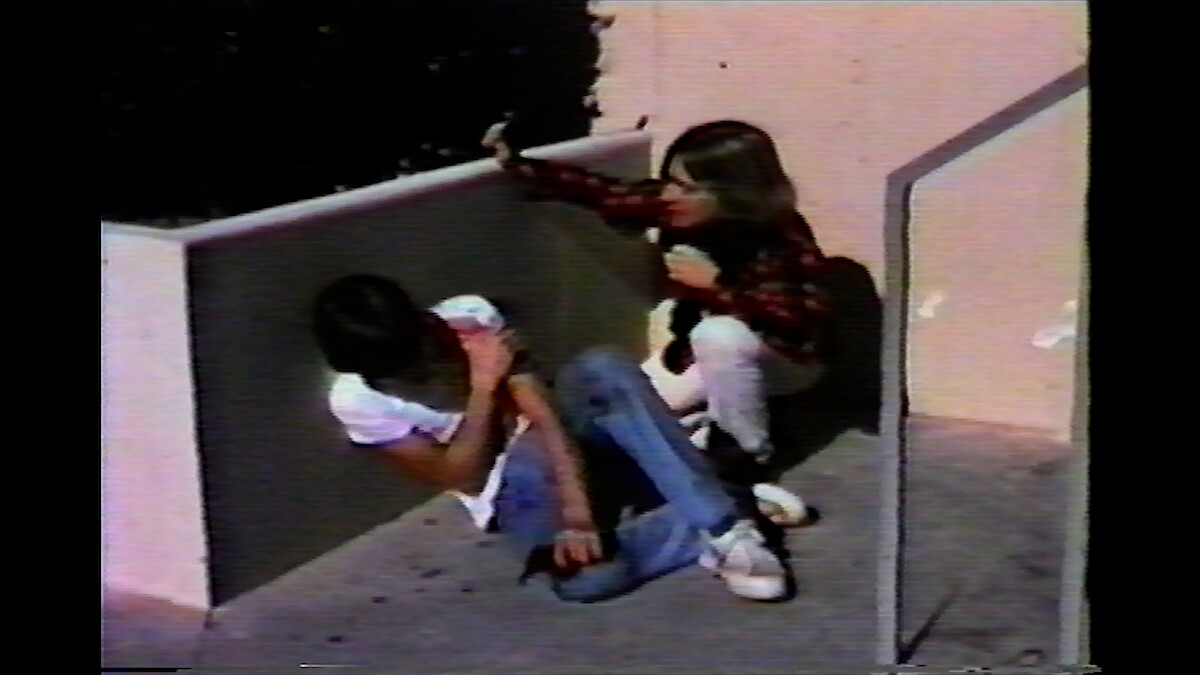
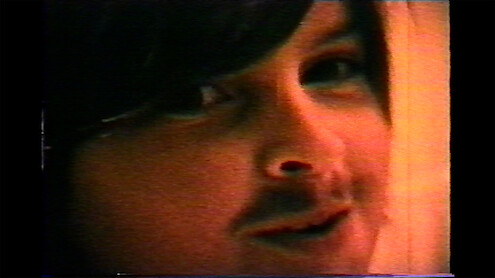
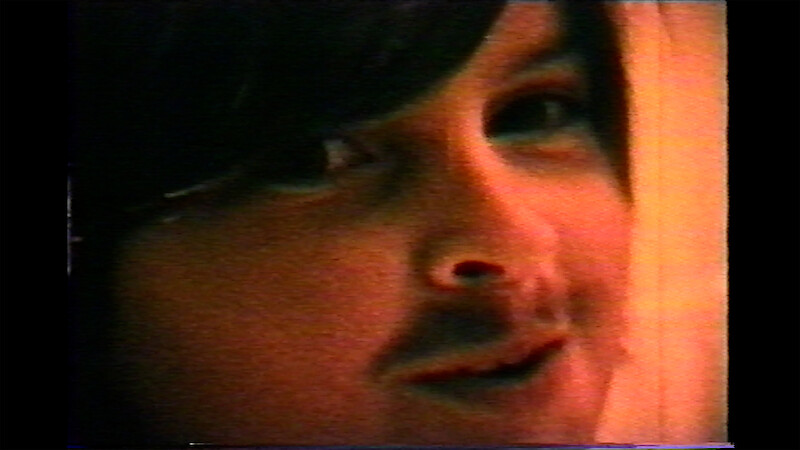
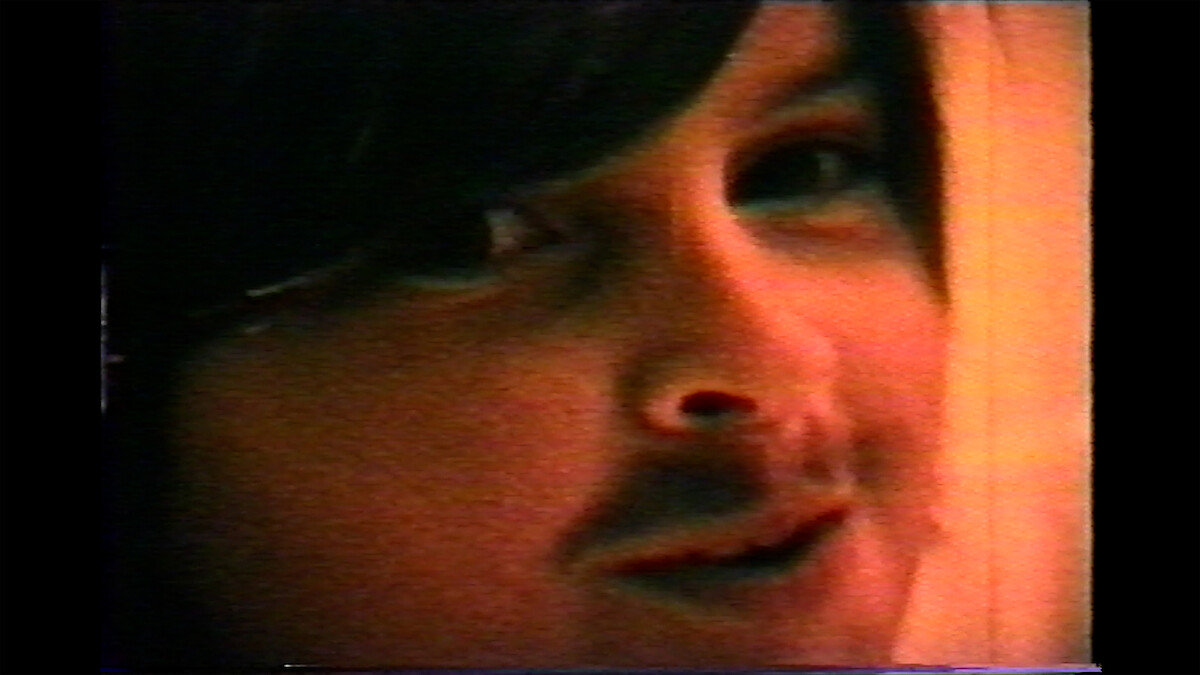
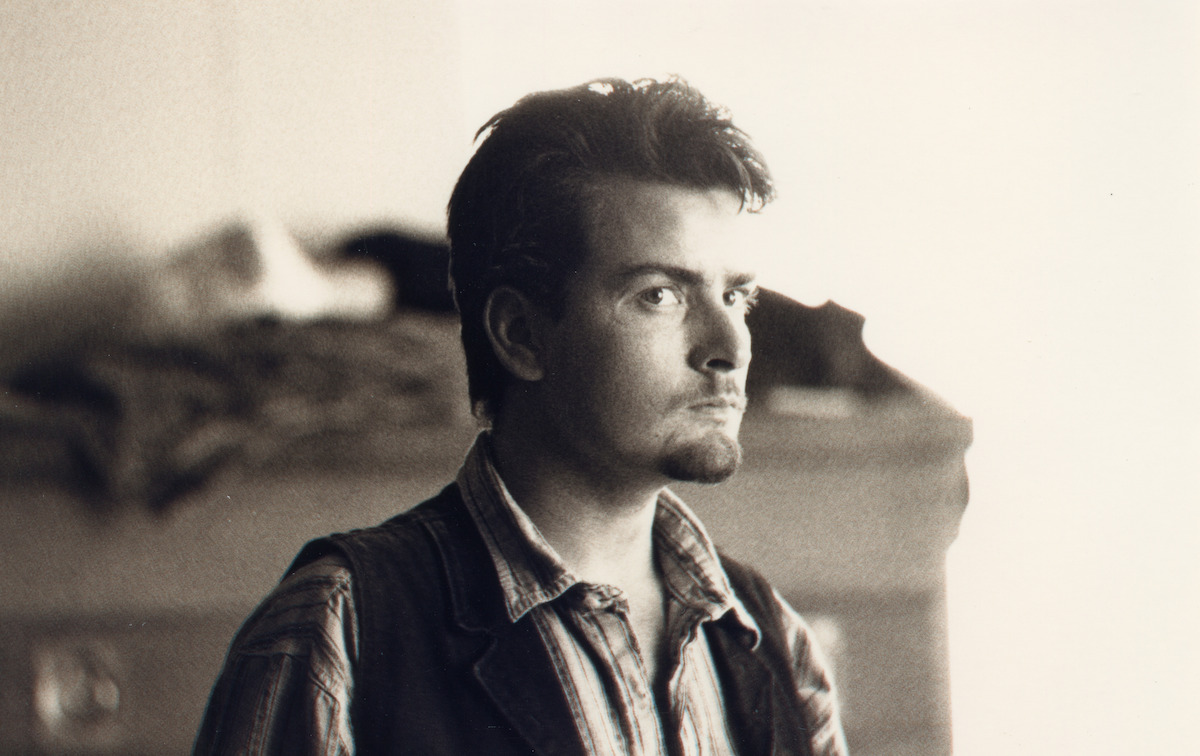
Instead of recycling old tabloid tales, the film features Sheen candidly revisiting the pivotal moments that defined his journey, from a childhood in Malibu (watch some of his first-ever home movies here) to onscreen glory then public breakdown — and now, seven years of hard-won sobriety. With the benefit of time and distance, Sheen and those closest to him revisit these moments with a mix of humor and hard-earned regret. But beneath the wild stories lies the reality of a life that came dangerously close to unraveling for good.
What emerges is a portrait that’s honest, unvarnished, and unexpectedly human. The documentary doesn’t shy away from the wildest chapters, but it also doesn’t let them stand alone. Each story is revisited with an eye toward what it cost, what it meant, and what the actor has learned since.
“Charlie has had every single thing said about him at some point in his life,” Renzi tells Tudum. “Part of my process was just wading through [everything] to tell a full picture. There was nothing I consciously avoided because I thought it would be hard … But despite all of the difficult themes, nothing was presented to me as being off limits.”
Below, we highlight the most revealing, notorious, and surprising moments from aka Charlie Sheen — not just as headlines, but as turning points in a life still being reckoned with.
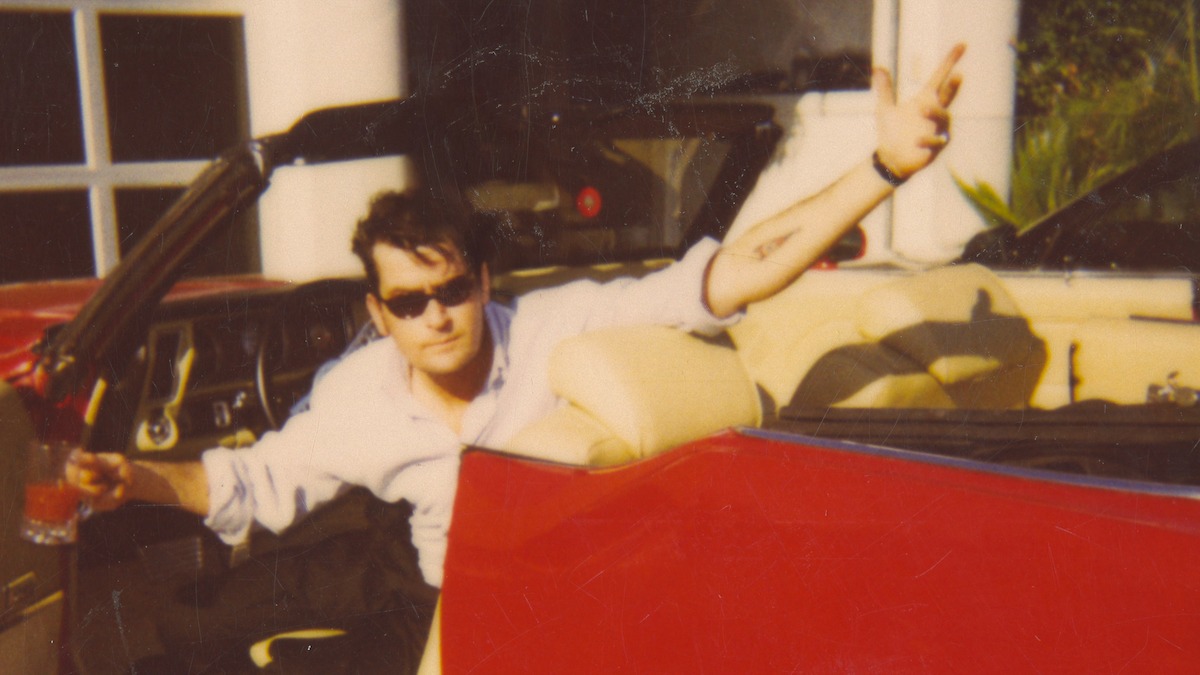
Yes. In one of the opening scenes of the documentary, Sheen describes how in 1995, while on his honeymoon with his first wife, Donna Peele, he was invited into the cockpit of the plane he was riding to pose for pictures with the flight crew. After donning the pilot’s jacket and cap, he asked if he could sit in the captain’s chair. Then, resting his hands on the controls, “approaching pirate drunk,” as Sheen remembers in the documentary, the co-pilot switched off the autopilot and briefly allowed Sheen to fly the plane, before switching it back on.
Sheen recalls, “I sat back down, owning this experience, and I just knew that trouble was on the horizon.” When asked in the film if he felt “untouchable” in that moment, Sheen simply answers, “yes,” in a clear-eyed acknowledgment that, even then, he recognized how easily boundaries could vanish when no one was willing to say no.
The documentary includes footage from a now-infamous 2011 ABC interview where Sheen described “banging seven-gram rocks” of crack cocaine. Also interviewed in the film’s second part is Sheen’s longtime friend and former drug dealer, Marco, who confirms that Sheen consumed incredibly high quantities of illegal drugs, underscoring just how extreme and dangerous his recreational use became.
“If you look at the consequences and the second part of the film, you recognize that there is nothing to glorify here,” Renzi says. “The way I tried to make the movie was to show that there is nothing glorious about this. This behavior is something that Charlie knows is not to be glorified.”
Briefly. Sheen recalls a period during his childhood when his parents practiced nudism: “Maybe for a month, or five, I don’t know. I’m 5, walking into the kitchen, and there’s my naked parents,” he says in the film.
“He experienced Hollywood in a way no one else had. His family lived in Malibu, and it was a totally different kind of Hollywood lifestyle,” says Renzi.
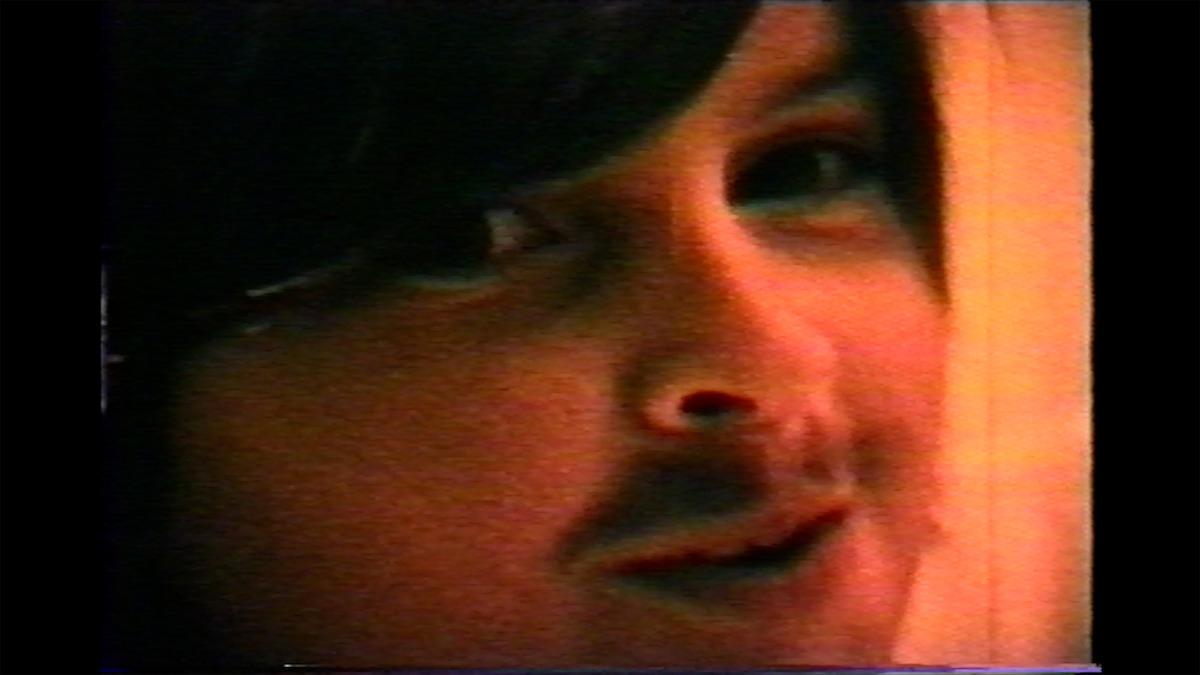
Yes, and the footage offers a rare, unguarded look at Sheen’s early years. Along with his brother Emilio Estevez, and friends like Sean Penn, Chris Penn, and George Clooney, Sheen was making Super 8 films from age 6.
“Finding out about the Super 8 footage was another moment where I knew this was the right movie to make,” Renzi says.
Yes. Sheen, at age 11, accompanied his father to the Philippines for portions of the filming of Francis Ford Coppola’s Apocalypse Now. In a moment that foreshadows his own struggles with substance abuse, Sheen reflects in the doc that he could “sense” his father’s struggle with alcoholism while on set, and specifically recalls a pivotal experience playing catch with his dad as he went through rehab.
“I hope he sees some of this as the love letter to him that it is,” Sheen says in the film.
Yes. Sheen says in the documentary that just before leaving for Budapest to film his first movie, Grizzly II: Revenge, with George Clooney and Laura Dern, he auditioned for The Karate Kid and was offered the lead role of Daniel LaRusso, later made famous by Ralph Macchio, by director John G. Avildsen. But his father, Martin Sheen, encouraged him to keep his word and honor his prior commitment to the other project.
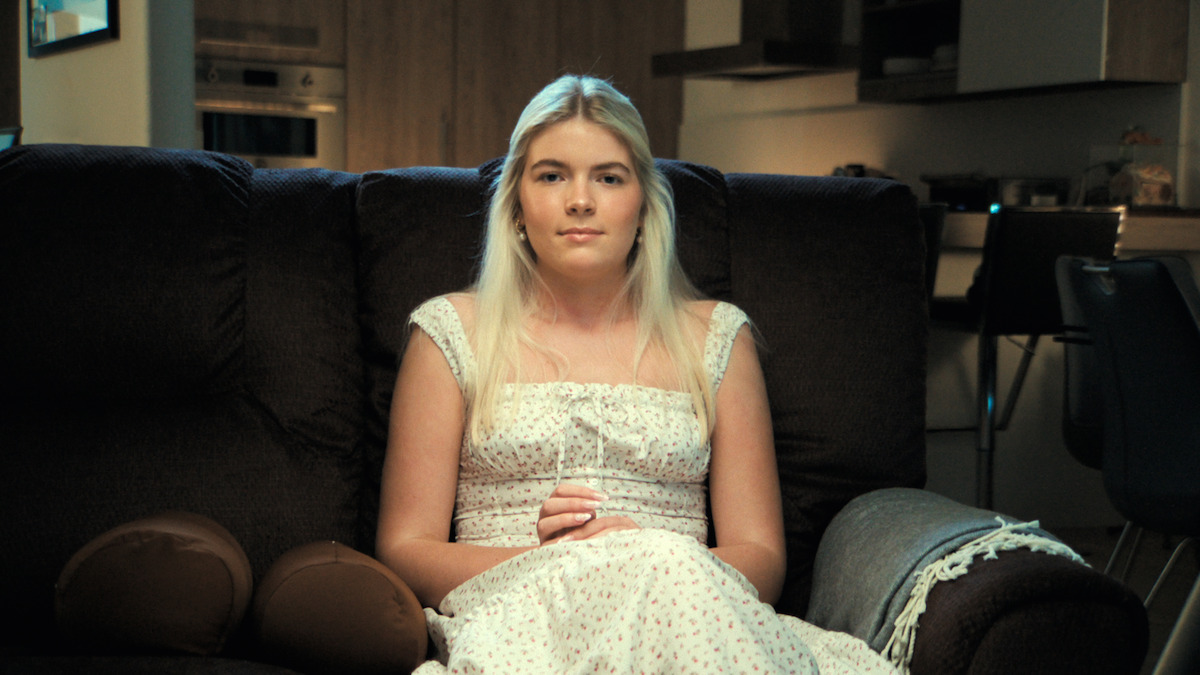
Yes. Charlie first became a father in 1984 when his high school girlfriend, Paula Profit, gave birth to his daughter, Cassandra Jade Estevez. He has five children: Cassandra, Sami, Lola, Bob — Lola and Bob are both interviewed in the film — and Max, plus one granddaughter.
Yes, but it’s worth noting that the competition included handicaps. The Sheens beat the legendary basketball player on a 1987 episode of ABC’s War of the Stars. Charlie made eight free throws in a row (Jordan was required to shoot his with his eyes closed) and his dad even nailed a half-court bucket during a game of HORSE.
Yes. Sheen stayed up all night to get into character as the leather-jacketed delinquent who Jeanie (Jennifer Grey) meets in the police station — “No booze, no dope … just purely organic, method approach,” as he says in the documentary. After sleeping through his alarm and arriving over an hour late to set, Sheen filmed what would become a pivotal scene in his burgeoning career. Watch the clip at the top of the page to hear Sheen explain how this near-mishap helped fuel his path to superstardom.
Yes. The documentary recounts a wild moment from Sheen’s younger years when he was flying with friend and fellow Brat Pack-era miscreant Nicolas Cage, who took over the plane’s PA system mid-flight, posing as a mentally unstable captain. When they landed and authorities boarded the plane to question the actors, they got off with a stern warning. This was music to Sheen’s ears, who shares in the doc that he had more than an ounce of cocaine taped to the inside of his leg.
Yes. The documentary describes Sheen’s first intervention, staged by his family and attended by several notable figures, including yoga guru Bikram Choudhury and actor Rob Lowe. Charlie recalls his father, Martin, handing him a phone with Clint Eastwood on the other line.
“He said something to the effect of, ‘You’ve got to get the train back on the tracks, kid,’” Sheen says in the documentary.
Yes. In the documentary, Sheen recalls losing his virginity to an escort named Candy on a trip to Las Vegas when he was 15 years old, paid for with Martin Sheen’s credit card.
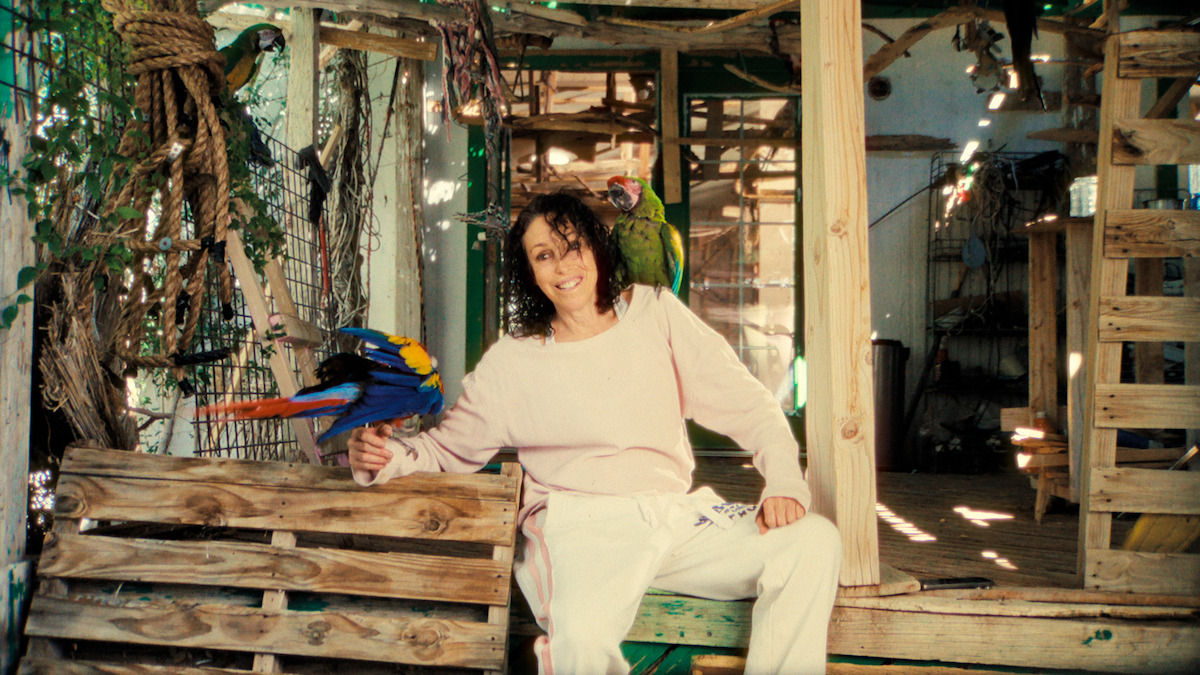
Yes. Sheen’s name was exposed as a client of notorious “Hollywood Madam” Heidi Fleiss in 1995, after he paid for the services of one of her escorts with traveler’s checks. Fleiss is interviewed in the documentary and speaks candidly of her feelings about Sheen testifying against her in court. Fleiss was convicted of tax evasion and money laundering and sentenced to 37 months in prison.
Yes. Sheen recalls in the documentary that while filming Free Money in Montreal, he was struggling to stay alert as a result of a marathon cocaine bender. Desperate, he ducked into a bathroom with a glass of ice and used an ice cube in an attempt to revive himself. The documentary even features the scene from Free Money filmed immediately after this incident.
Yes. In the documentary, Sheen reflects on his reluctance to return for additional seasons of Two and a Half Men, fearing he was quickly approaching burnout. After the former head of CBS personally went to Sheen’s house to convince him to stay, the actor ultimately agreed to a two-year deal at $2 million per episode — a sum he describes in the doc as “a recipe for disaster.” Sheen is candid in the film about how the enormous contract coincided with his relapse, acknowledging that the pressure and excess were too much for him at the time.
Yes. The documentary shows that while Sheen was experiencing severe illness — including headaches, chills, and full-body sweats — his ex-wife Denise Richards urged him to get tested for HIV. In the film, Sheen recounts the anxiety and uncertainty leading up to his diagnosis, plus a surprising sense of relief he felt after learning that there was a definitive, and now treatable, cause of his symptoms.
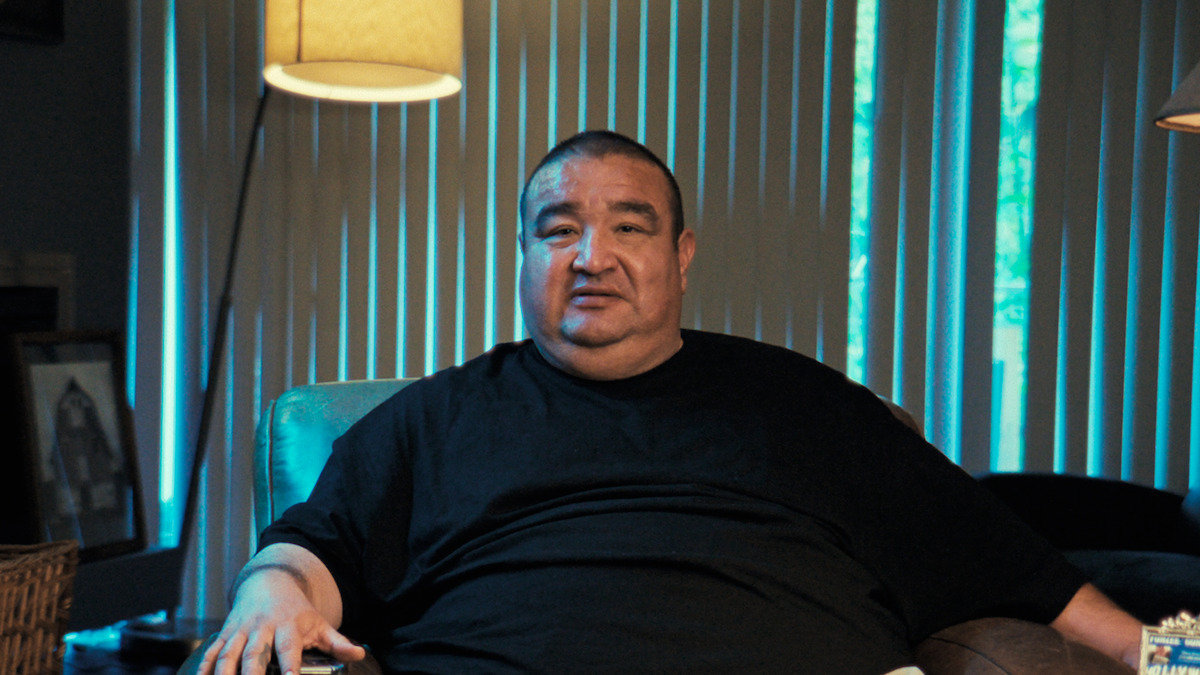
Kind of? In the documentary, Marco — Sheen’s friend and former drug dealer — explains that he was approached by Sheen’s drug counselor, who asked if he could make the crack he was supplying less potent. Marco describes how, little by little, he secretly reduced the amount of cocaine he used over the course of a year and a half, in an effort to help wean Sheen off the drug and support his path to sobriety.
Yes. The film directly addresses the allegation made by actor Corey Feldman, who claimed that actor Corey Haim told him Sheen had raped Haim on the set of Lucas. In aka Charlie Sheen, Sheen vehemently denies the accusation, calling it “a piece of vile fiction,” stating that he should have pursued legal action against Feldman. Sheen also points to the fact that Haim’s mother has publicly said Sheen never assaulted her son.
“We do address this in the documentary,” Renzi says. “There were questions around the credibility of this. I knew it was important to address because we wanted to be open about it. Corey’s version is in his doc. And Corey Haim’s mother disputed the claim. She said, ‘It didn’t happen.’ ”
The film also covers allegations from Sheen’s former fiancée, Brett Rossi, and others that he knowingly exposed women to HIV. Sheen says in the film he was always upfront with his sexual partners after his diagnosis and shares his experience of being blackmailed for millions of dollars by people threatening to disclose his HIV status.
“Nobody got this from me. Period. The end. Full stop,” Sheen insists in the documentary.
The documentary explores what Sheen calls his “hypersexuality,” which he attributes to being in the throes of crack addiction, but he does not discuss specific partners or label his sexuality. Instead, Sheen uses a metaphor in the film, saying, “If you’re looking at a menu, at some point, you’re going to turn that fucker over.” He describes finally being able to talk about these topics as “liberating.”
“This is something that I learned from him in the process [of interviewing] him,” Renzi says. “It was the most vulnerable thing for him, and I find the way he approached it to be brave and amazing. I am grateful that he trusted me enough to tell this part of his story.”
Sheen describes a pivotal moment that led him to give up alcohol: needing to take his daughter Sami to a hair appointment and realizing he was unable to drive her. He describes this as the inflection point that convinced him he needed to get get help, noting that alcohol was the last drug he was using at that time. Sheen credits his desire to show up for his kids as his primary motivation for sobriety.
“He was self-aware enough to explain that he knows he is a good person who has done bad things,” says Renzi.
Taken together, these unforgettable moments from aka Charlie Sheen paint a fuller picture of the actor’s life — choices he owns, challenges he confronts head-on, and the perspectives of those who shaped his journey. The documentary offers viewers a candid look at the events and reflections that defined his path, going far beyond the headlines to explore the human toll of a life of fame and excess.
aka Charlie Sheen is now streaming.