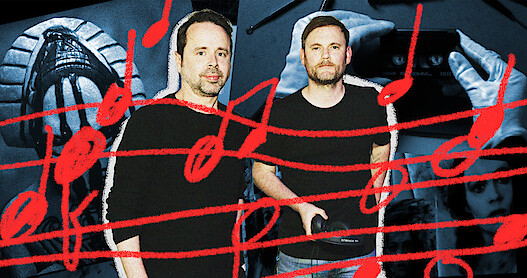
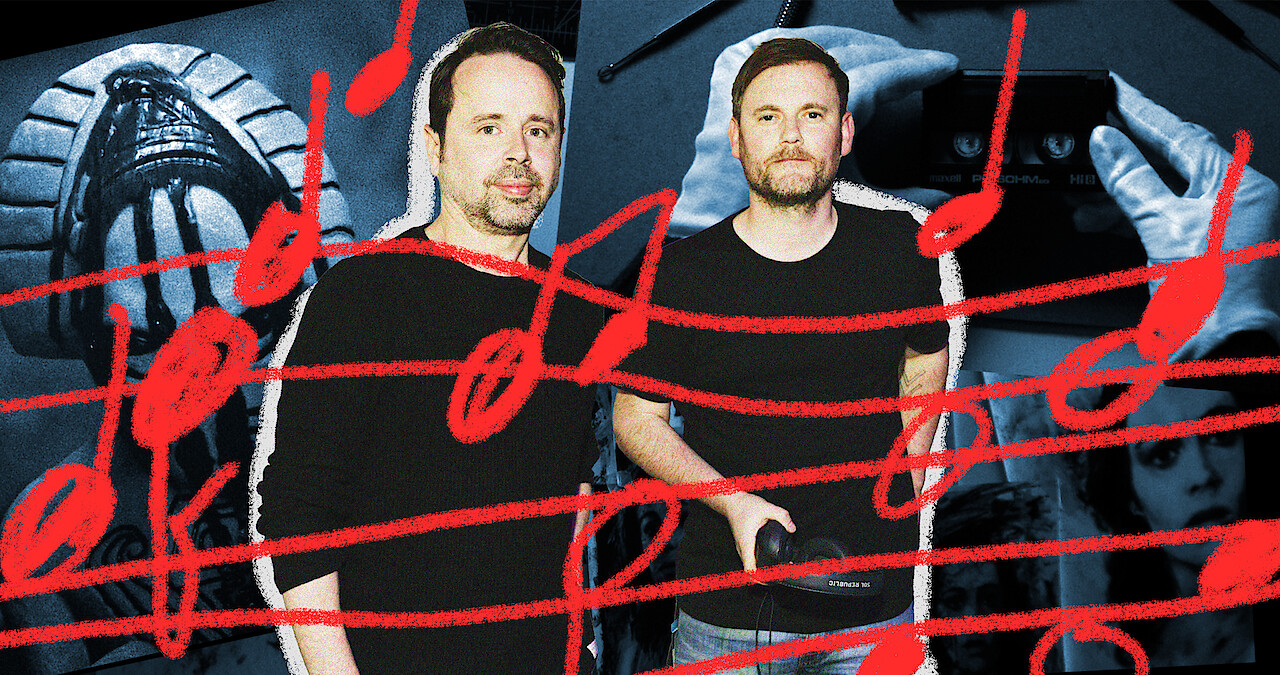
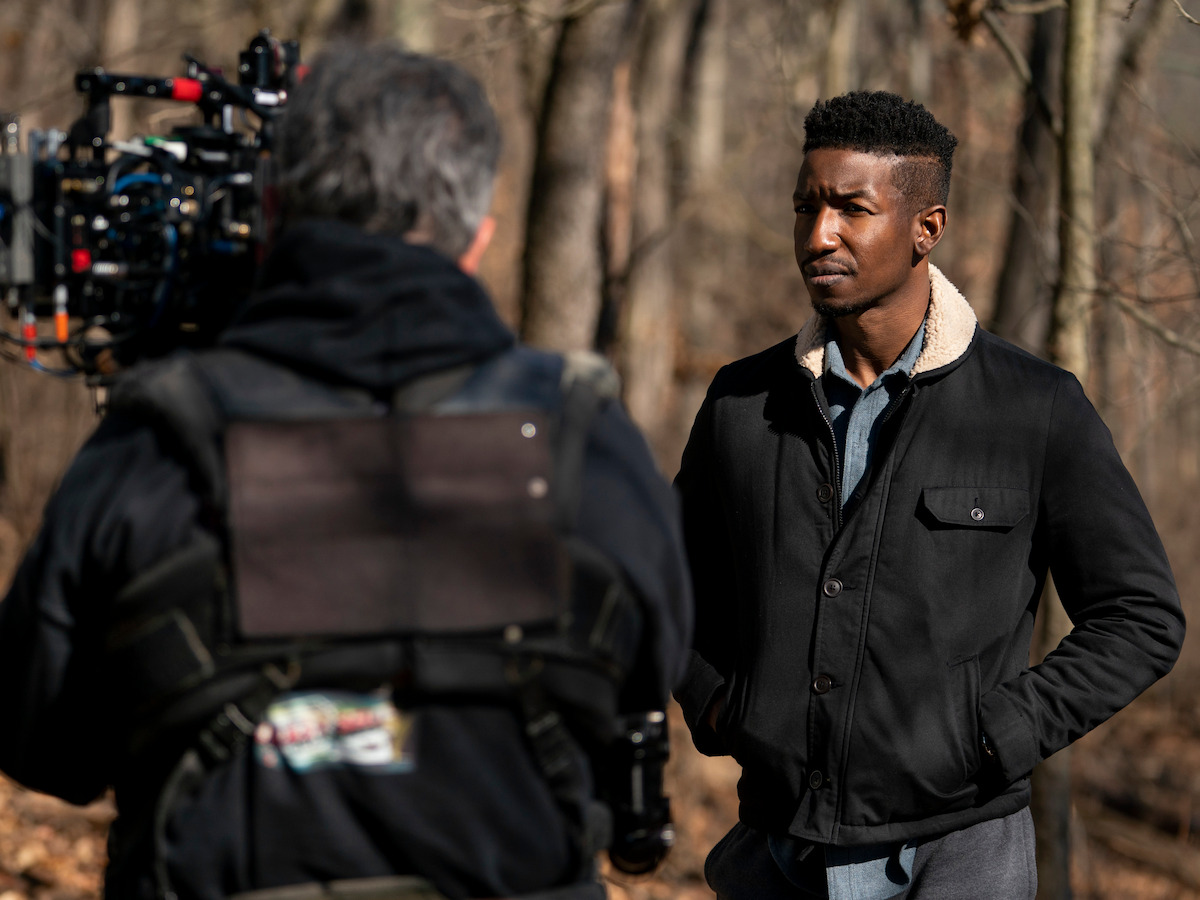
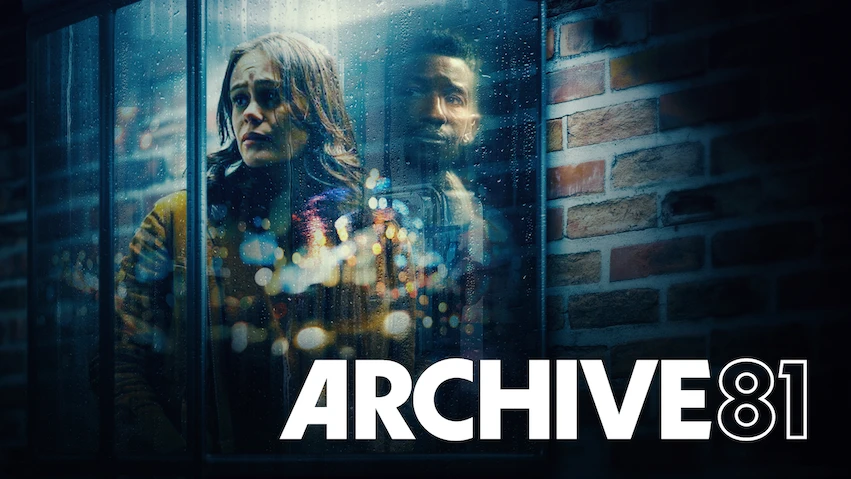
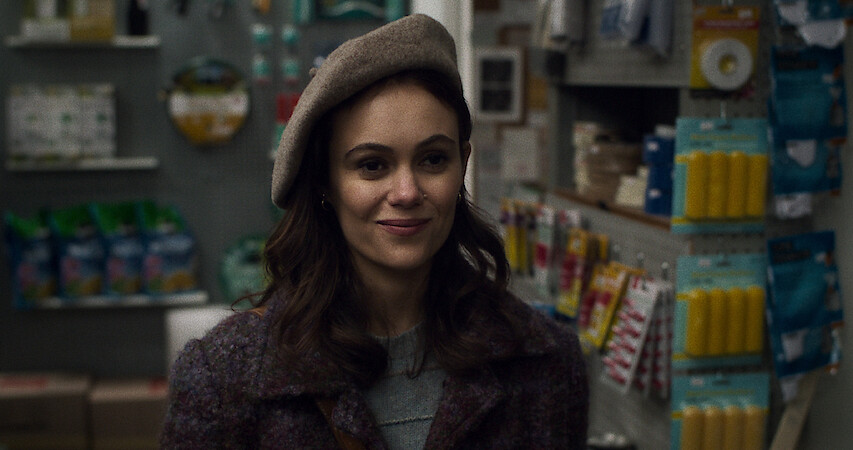
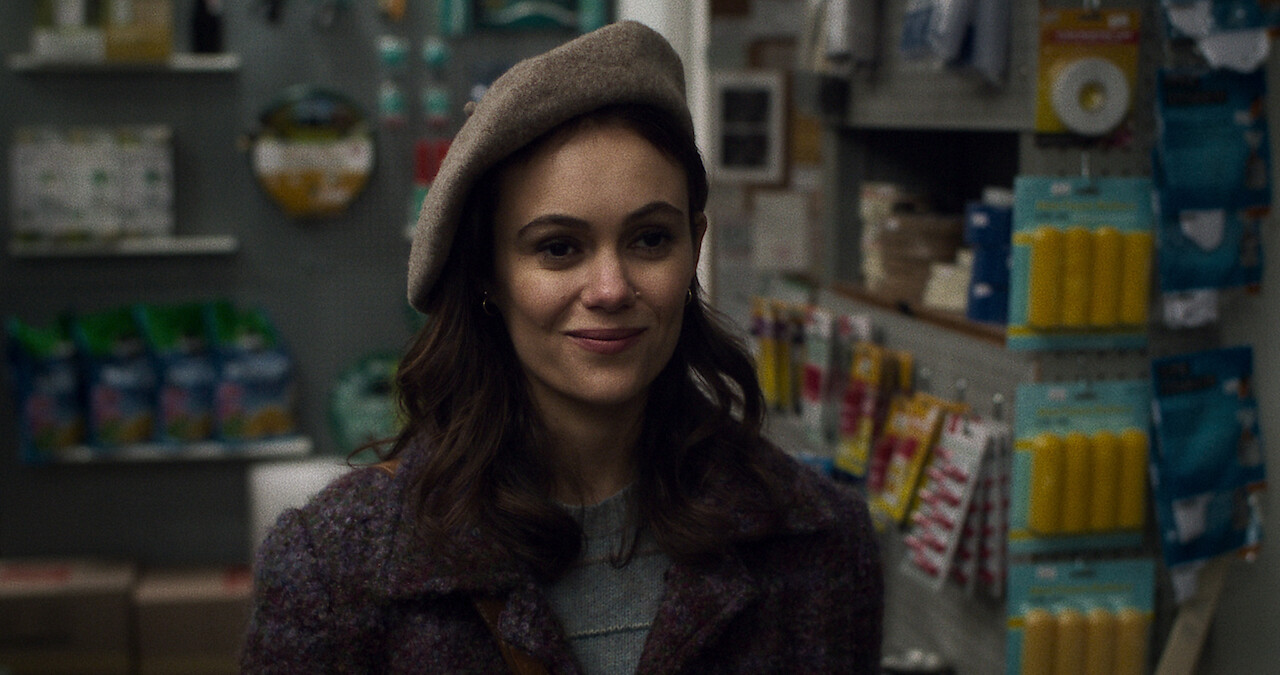
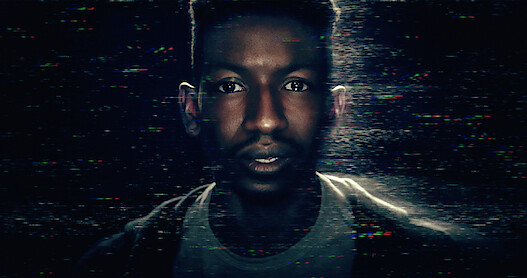
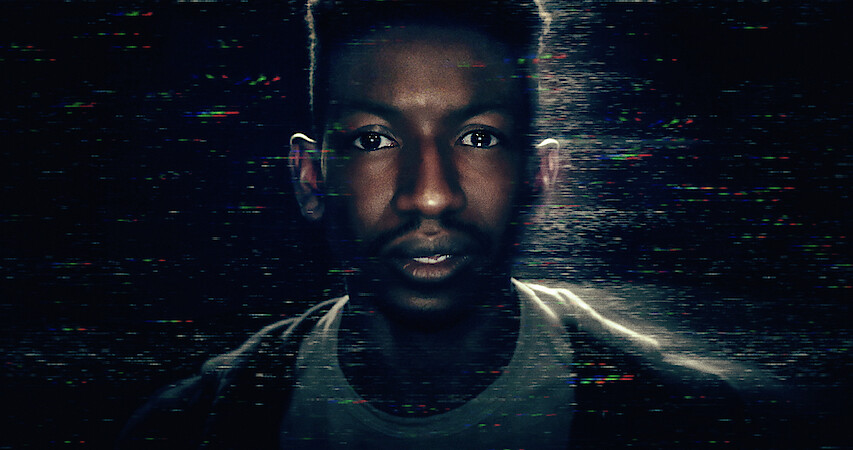
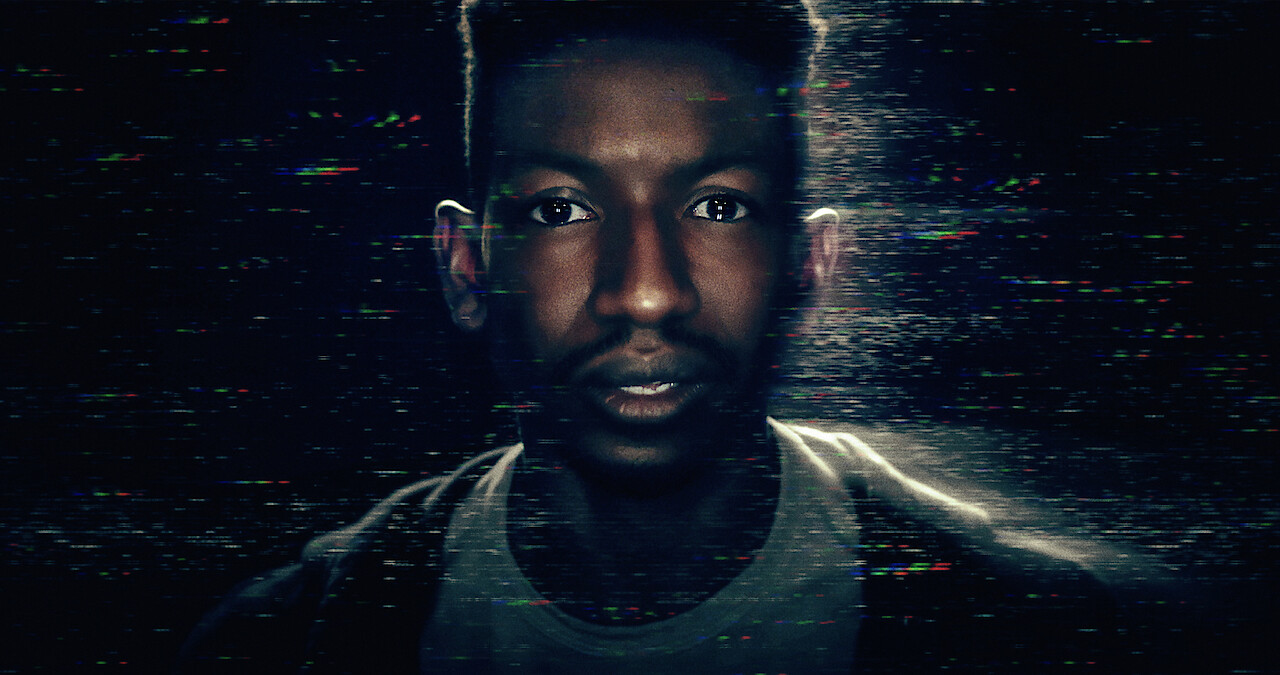
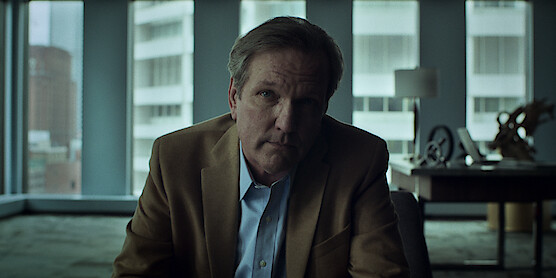
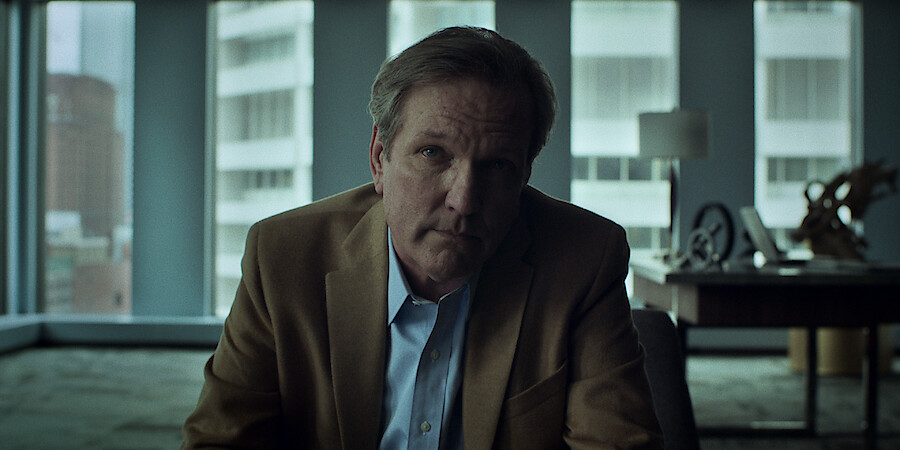
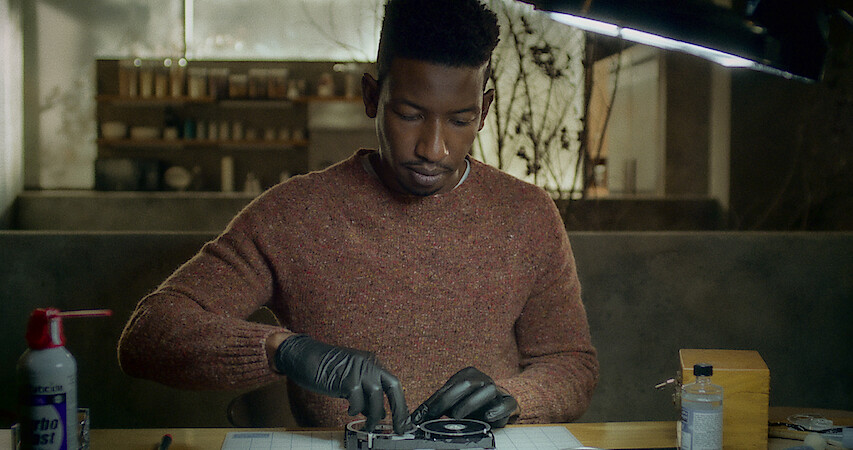
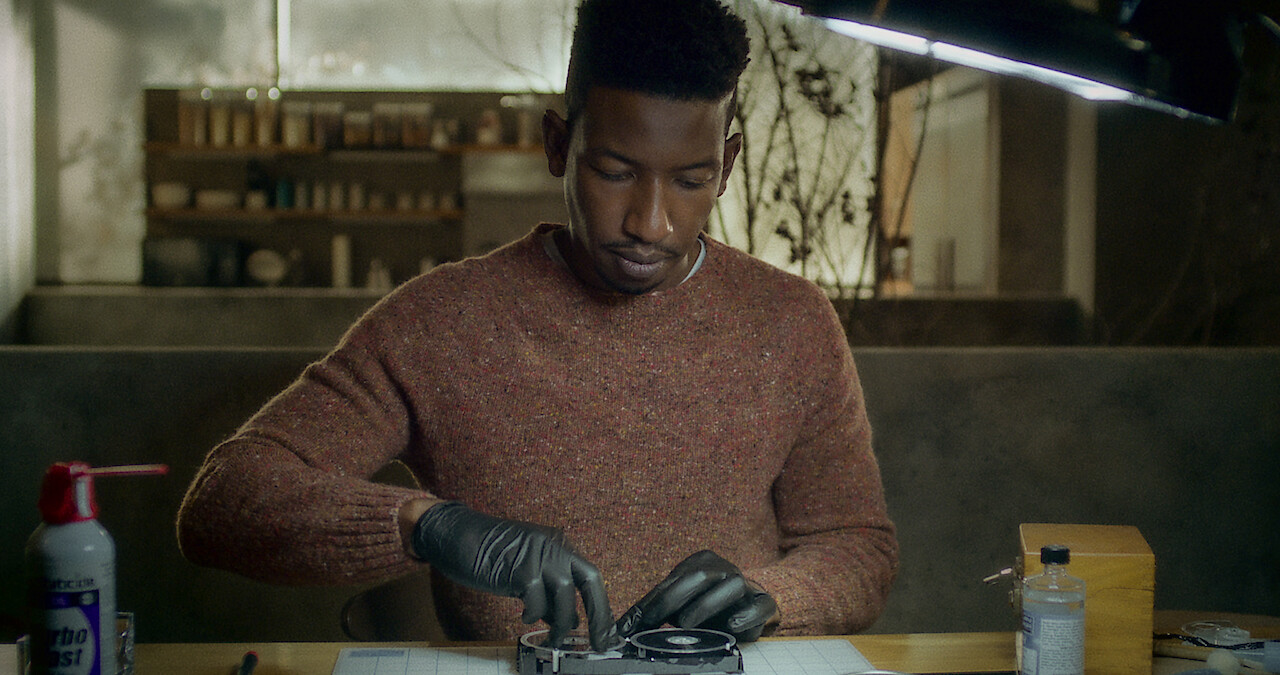
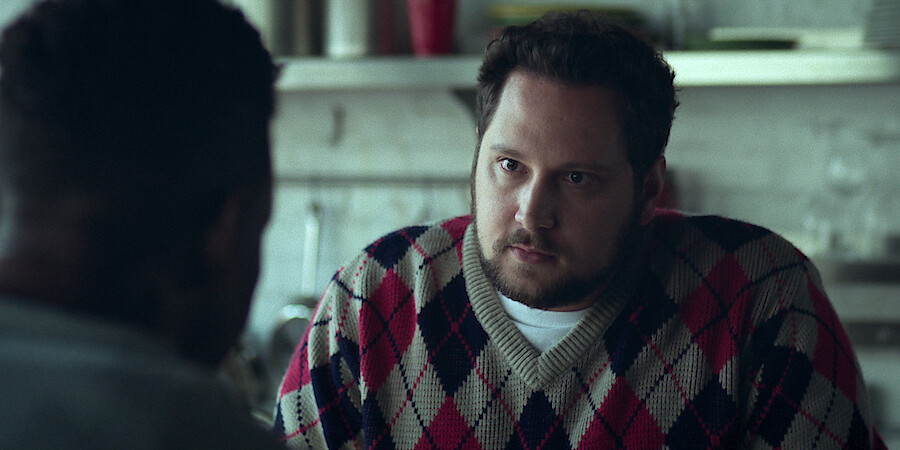
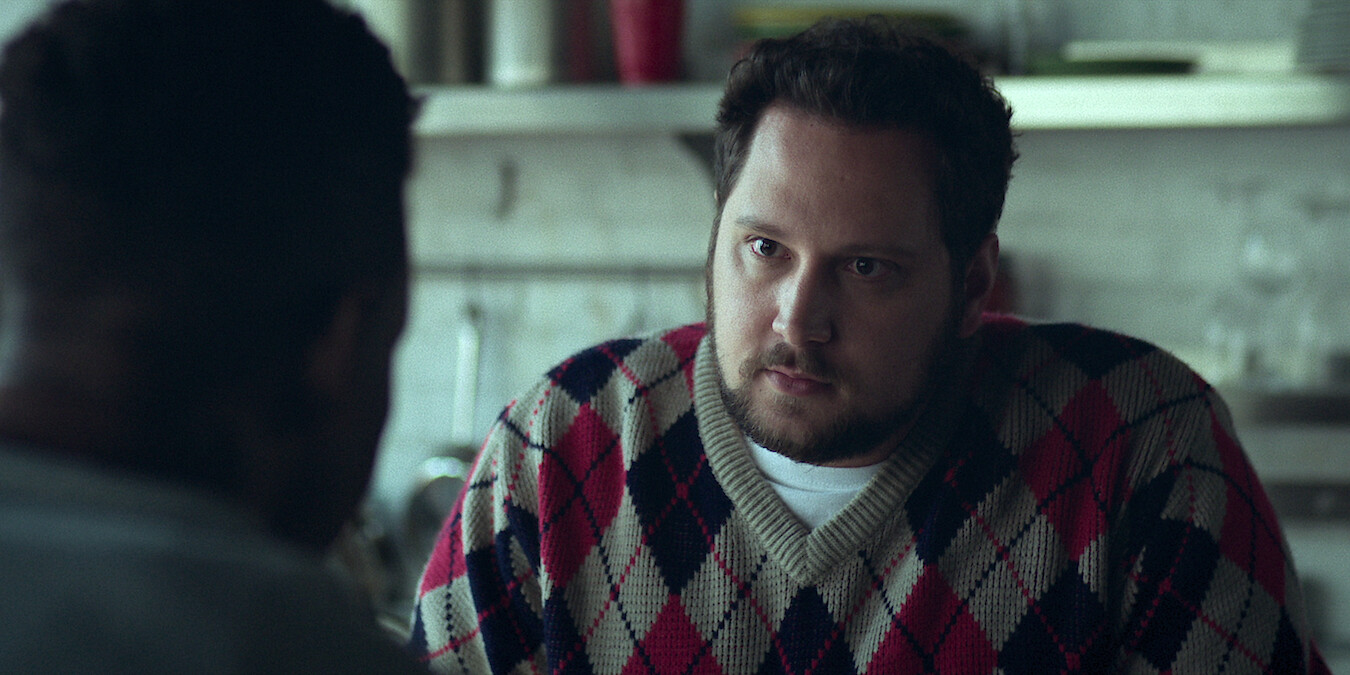
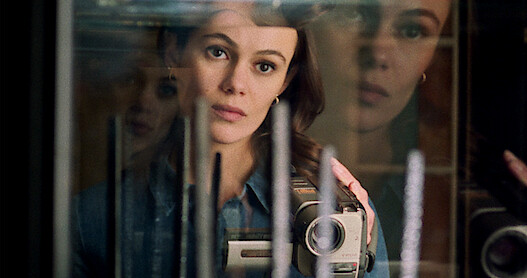
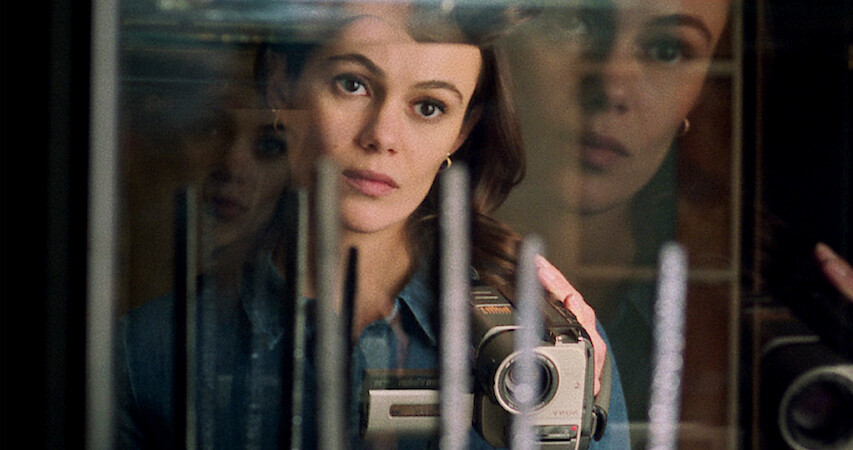
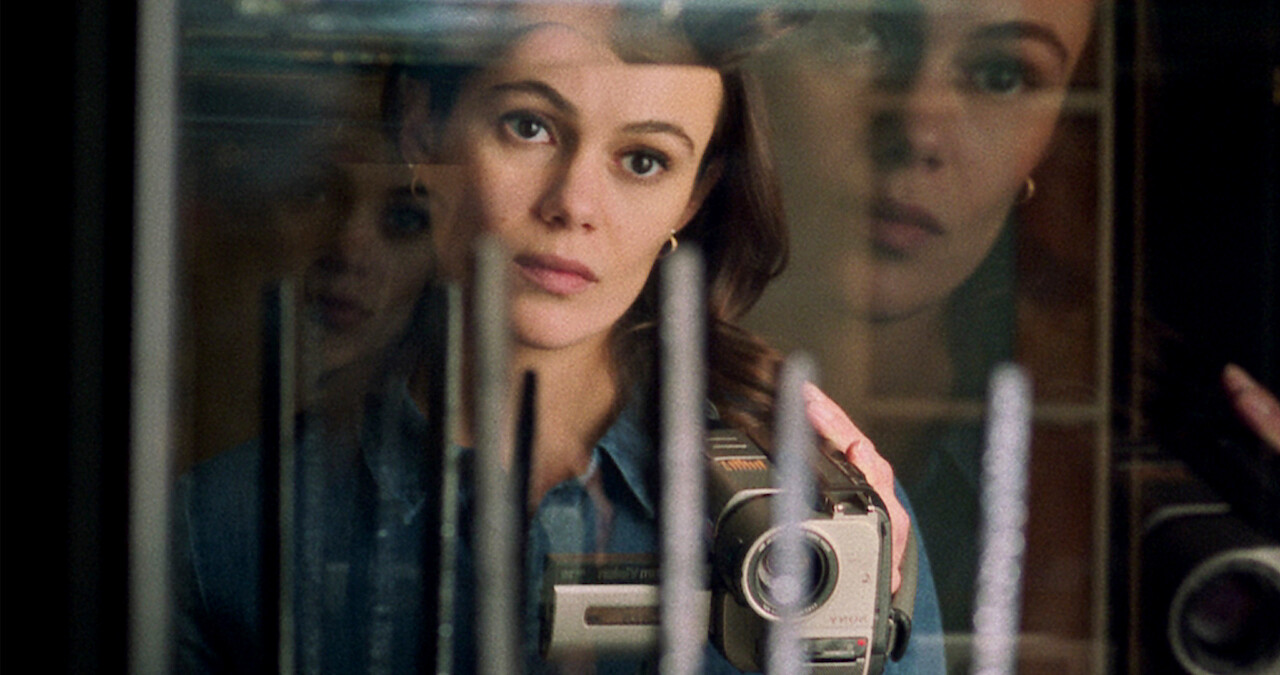
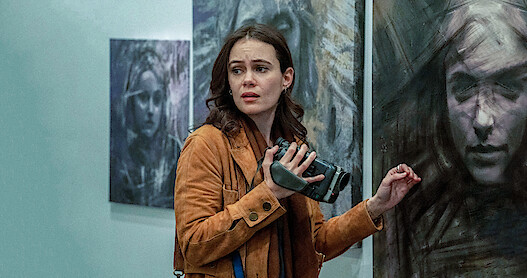
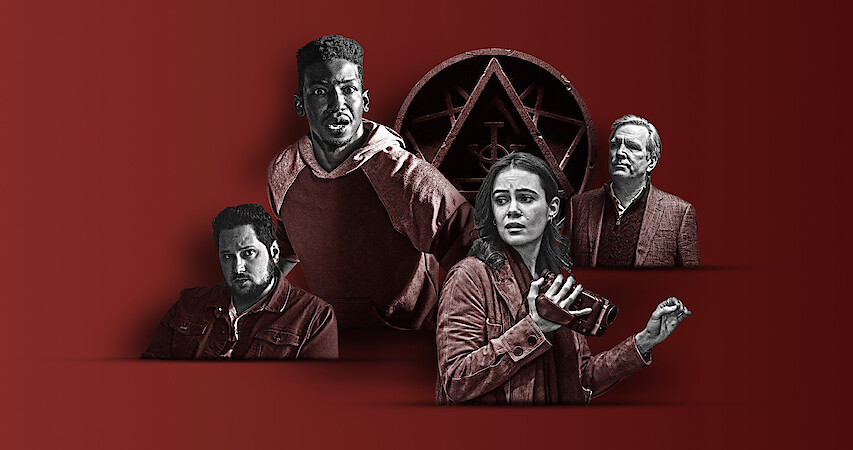
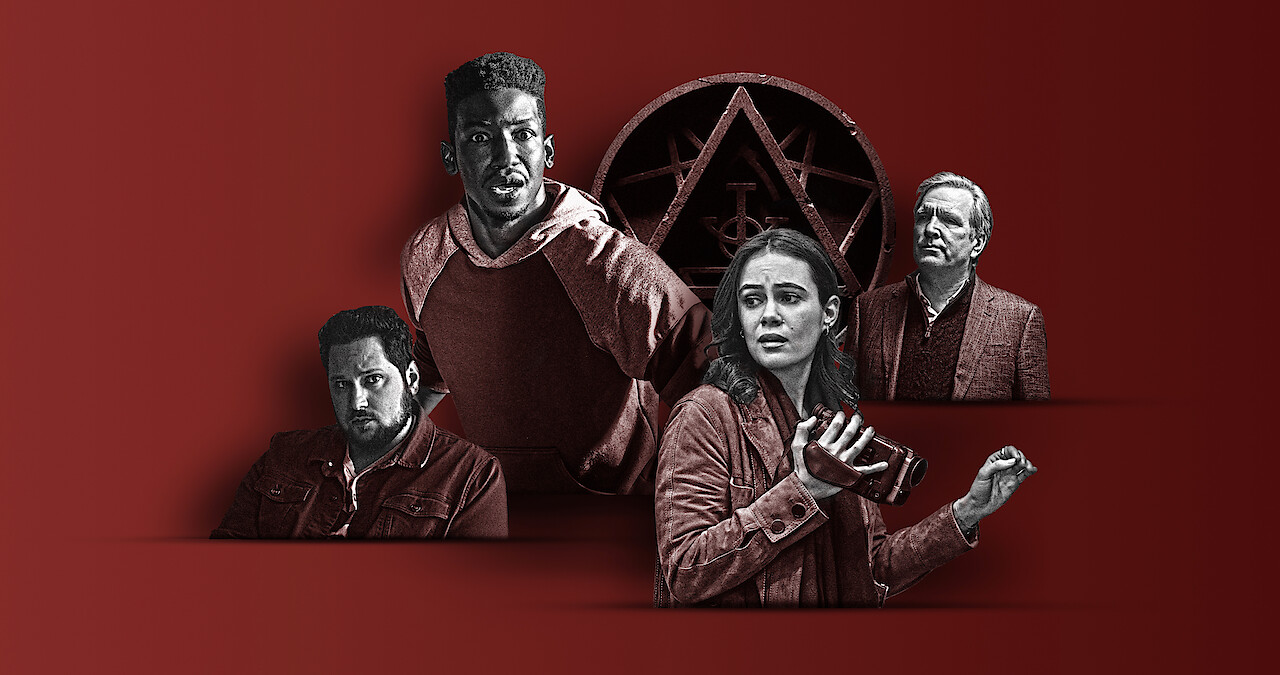
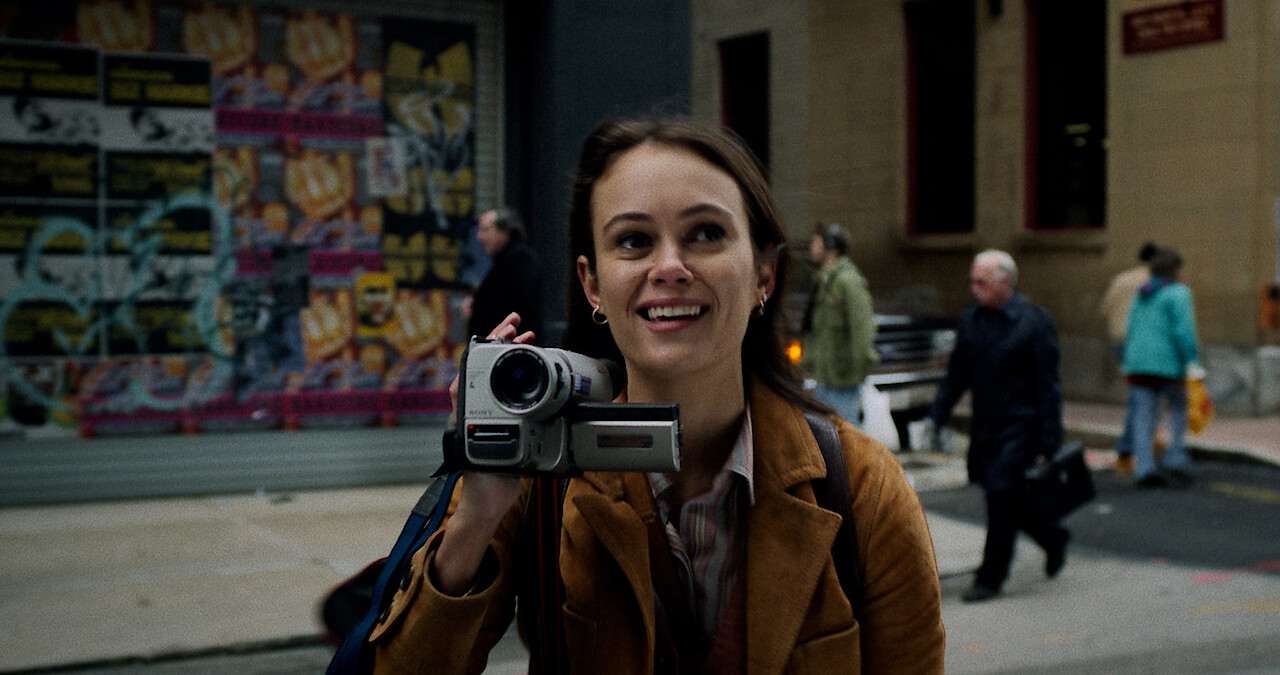
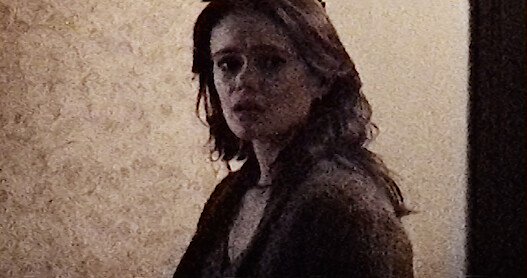
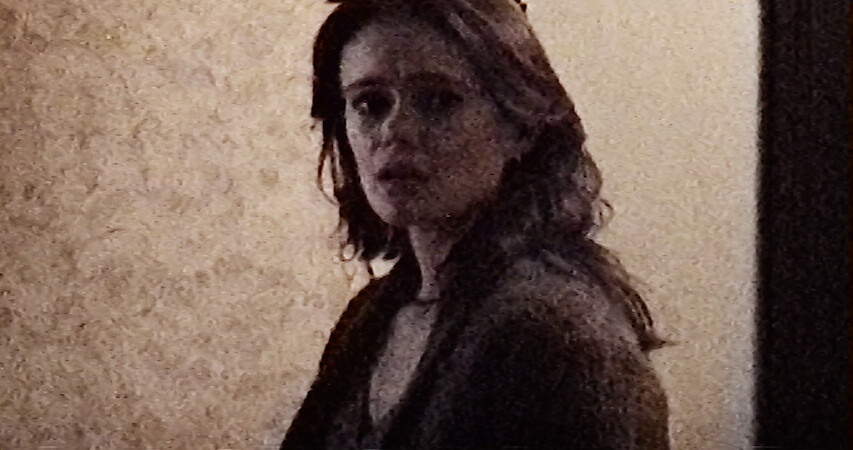
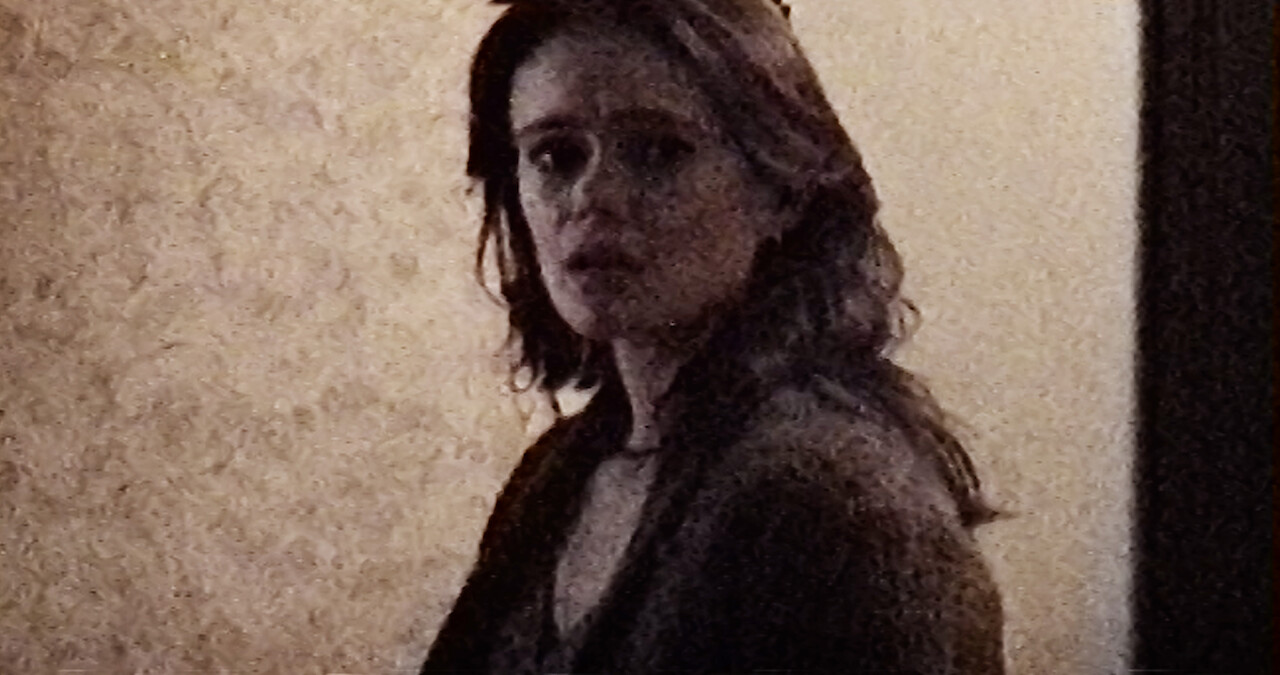
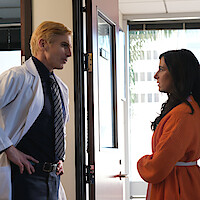
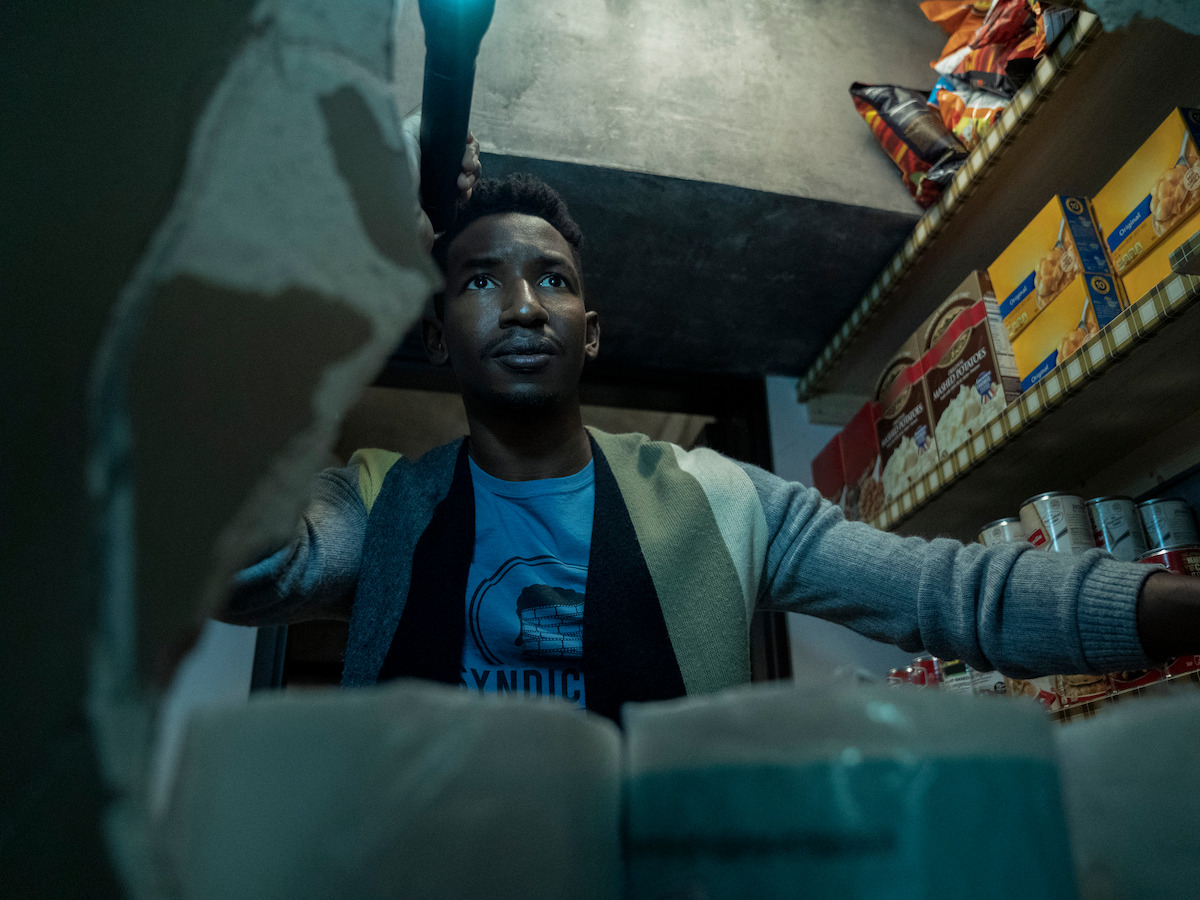
Composers Geoff Barrow (of Portishead) and Ben Salisbury have collaborated on film scores including Ex Machina and Annihilation, building memorable soundscapes for deep, fascinating cinematic universes. They teamed up once again to score the unique world of Archive 81 — part found-footage horror and part thriller series — following Dan Turner (Mamoudou Athie), an archivist drawn into the work of documentary filmmaker Melody Pendras (Dina Shihabi) and her mysterious disappearance.
Barrow and Salisbury were tasked with creating a score to keep viewers on edge — and their workflow was complicated by COVID-19. For this “Needle Drop,” they talk to us about their composing process, how they create sounds using everyday objects and how they wrote a cult chant that felt real and haunting.
Quantrell D. Colbert/Netflix
What drew you into Archive 81 as a project?
Geoff Barrow: When we read it, we kind of got a sense that there was something you could really have fun with and get to do something interesting with… Sometimes you feel like what people want is gonna be something quite normal, but on this we didn't get that feeling… We prefer to do stuff that's kind of slightly off-kilter... and we're trying not to make it standard.
Basically it didn't seem like it was gonna be a straightforward television job, and that's what we really liked about it.
Ben Salisbury: Obviously we read the scripts, loved the scripts. They were complete page-turners in the way that people like in a series. But I think... the fact that music, in-world music — so the music that the cult sings and the tune that sort of permeates and haunts the characters and the show — was written into it [was appealing]. We'd never really done anything like that, where music was part of the story.
We thought, "Oh yeah, this is a challenge." It also was very difficult to do without doing it in a terrible way... It was one of those things that, on the page, we found incredibly interesting. And then you have to sit down and do that, [and] that is actually much harder than it sounds on the page! But it was one of the things that made us wanna do it... As Geoff has said, it wasn't a boring job by any stretch!
Certain in-world melodies and the cult chant feel so different from other aspects of the score. How did you make it flow within Archive 81?
Salisbury: It was actually quite difficult to come up with a riff, wasn't it? We thought, “Ah, like four notes, three notes, five notes — it should be okay for us to do.” And it was really difficult... not just in terms of the actual notes, more in terms of... there was nothing [written] about actually how it sounded and what it did. So we had to invent this mythology of the music. Whether any of this is important or not is a different question, but it was in order for us to get our heads into it.
We had to speak to Rebecca [Sonnenshine, Archive 81 showrunner and executive producer], and she gave us the mythology of the show and what the various cults were doing with their singing and why they were singing. And then we had to sort of interpret that. So we got really nerdy and deep and... started investigating fundamental frequencies of the earth and things like that. It was more to do with giving it a real realism. Even though it's obviously fantastical, the whole element of the show, we had to sort of believe in it ourselves. And we had to believe that these people were singing this stuff and doing it seriously. Even though what they're doing is fantastical, it had to seem real and serious.
And so we had to invent this way [of] singing. And the other thing is... there were so many pitfalls we knew we could fall into. We just didn't want to get into that sort of very cliché chanting thing, which has been great throughout film history but would just have been wrong for this. So finding a way of doing it — making it recognizable so that when it comes back, you can instantly, hopefully, recognize it... It actually took a lot of thought.
And we thought, “It can't just be notes; it's gotta be like a breathing thing.” I think we invented some sort of thing in all the ritual pieces... They're heading toward the frequency that is a key that unlocks... the gateway to the Otherworld, you know? Whenever you do something fantastical, whether it's writing a show or acting in it, or all of those sort of things, you've gotta do it wholeheartedly.
Quantrell D. Colbert/Netflix
Were you present when voices were recorded for the score?
Barrow: Well, we did some of the voices of some of the actors.
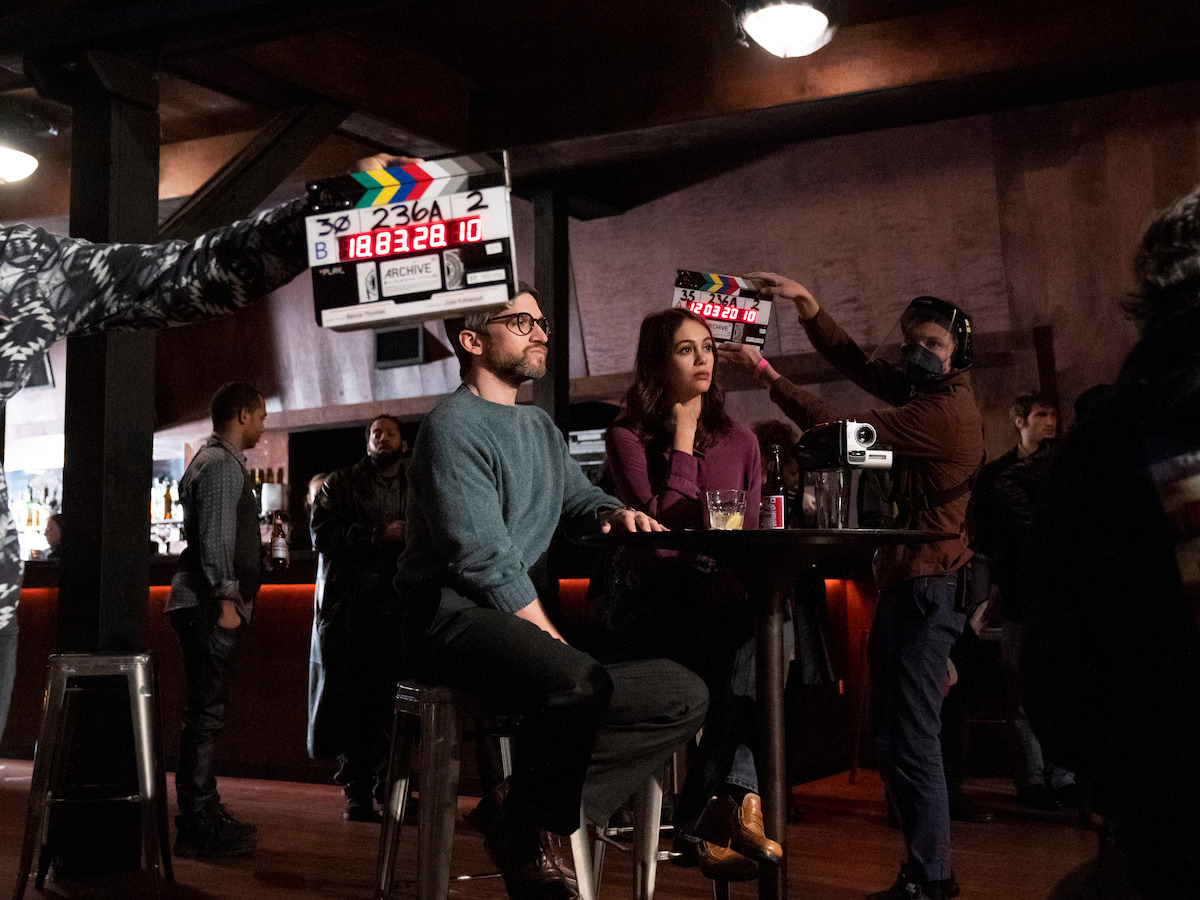
Salisbury: If it hadn't been for lockdown, we would've loved to have come over to every shoot and [been] present, but we just couldn't. So we were as present as we could be. We gave very, very detailed instructions... when we put the bits of music that were prerecorded. Which is, again, something we've never really done before. So they had to be recorded before the scenes were shot — things like the ritual in the community center, and the drug addicts, and the cult singers, and the piano playing, and the jazz piece, and all of those things had to be done pre-shooting. So we would have a lot of discussions with the directors of the various programs as to how they should be done. And they definitely listened to us. It was great.
Even with these difficulties, you created a score that propels the edge-of-your-seat thriller vibe of the whole series. Are you guys fans of horror or thrillers?
Salisbury: Neither of us are massive horror fans...
When you write a film score or a TV score, your sort of ideal situation is that you are having an impact... I know people say the composers should be behind the scenes... Certain times that obviously happens. But what you really want to do is have some sort of impact on people emotionally. Horror tends to give you the opportunity to do that in tension, in adrenaline, but also — in a series like this — in emotion. So it has all the aspects. It's brilliant from playing with the temperature of things and knowing how far you wanna push the tension and the scares...
You mentioned different drum kits earlier, and you’ve used synths in your past work. How did you know when you were using the correct unique sounds for this project?
Barrow: We like to create our own sound universe for every project that we do. We don't really like to repeat ourselves. So when we did Ex Machina, that was incredibly synth-based. You could tell; it was very, very inorganic in itself. It was really kind of cold... no live instruments on it, except for maybe a bit of guitar. When we did Annihilation as well, the other Alex Garland film, we decided that we wanted to go more organic... And that's a little bit of what we've done here.
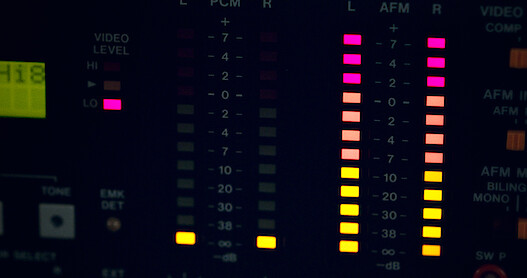
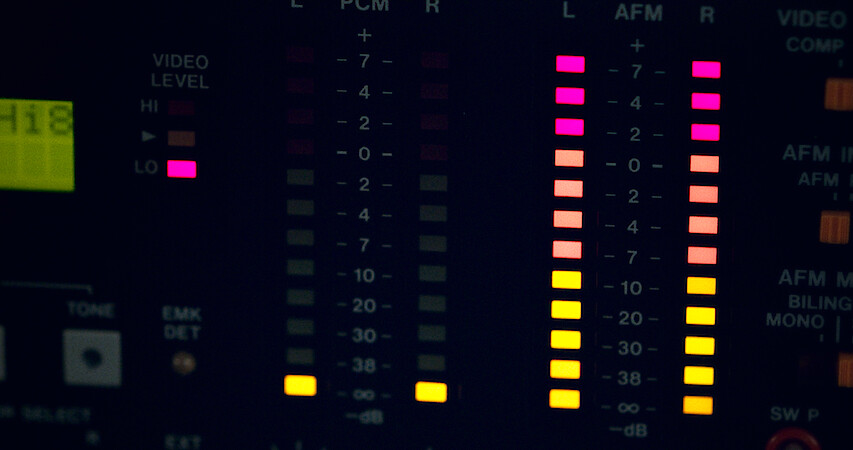
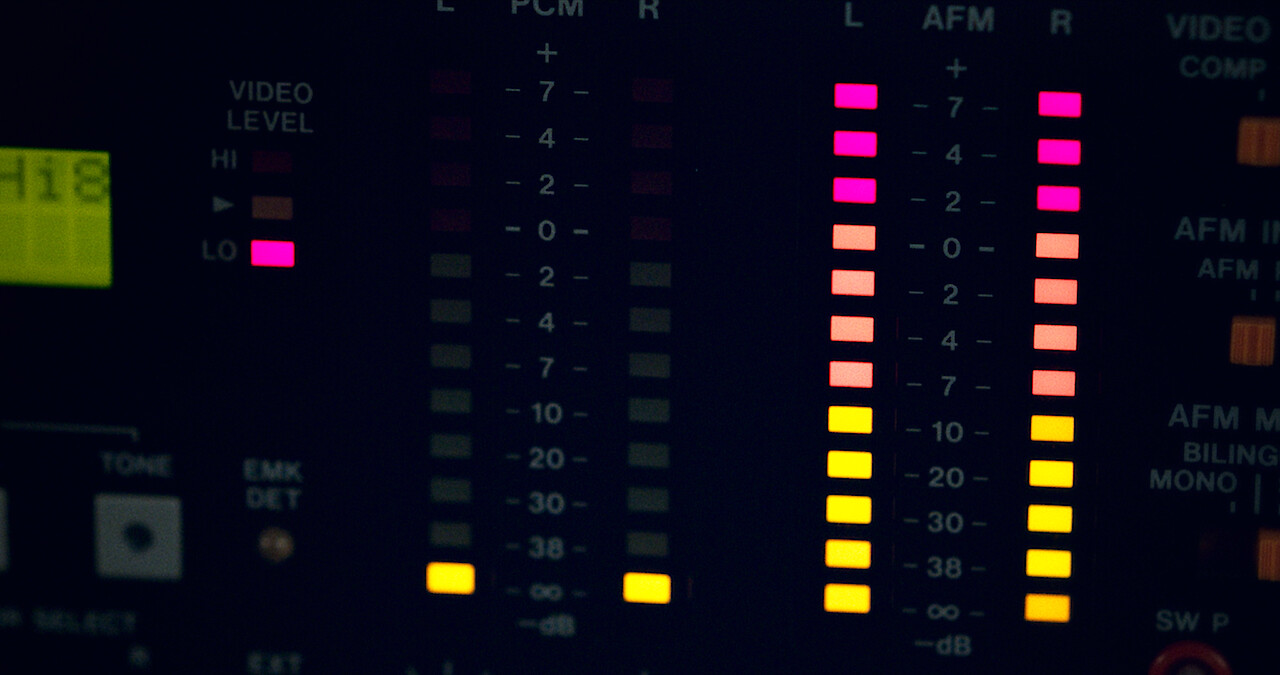
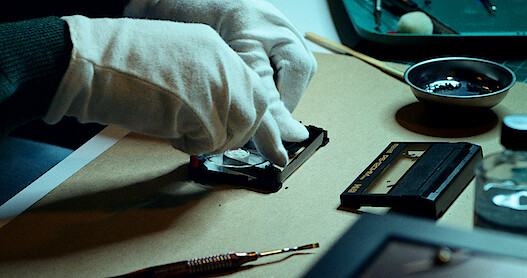
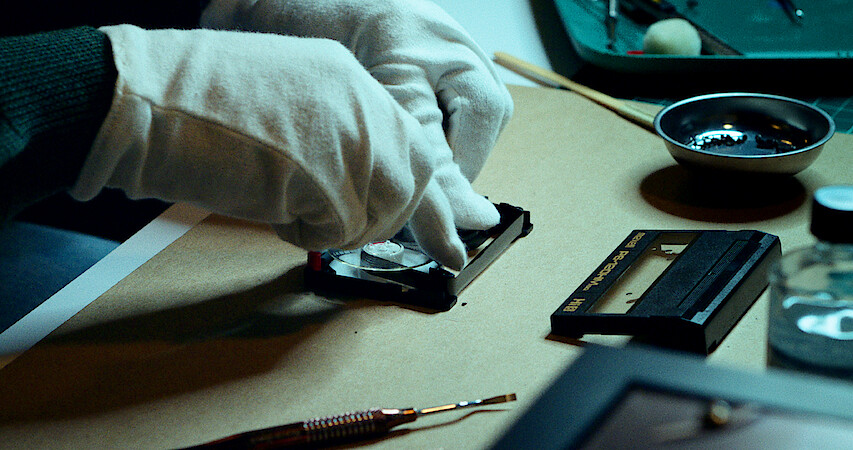
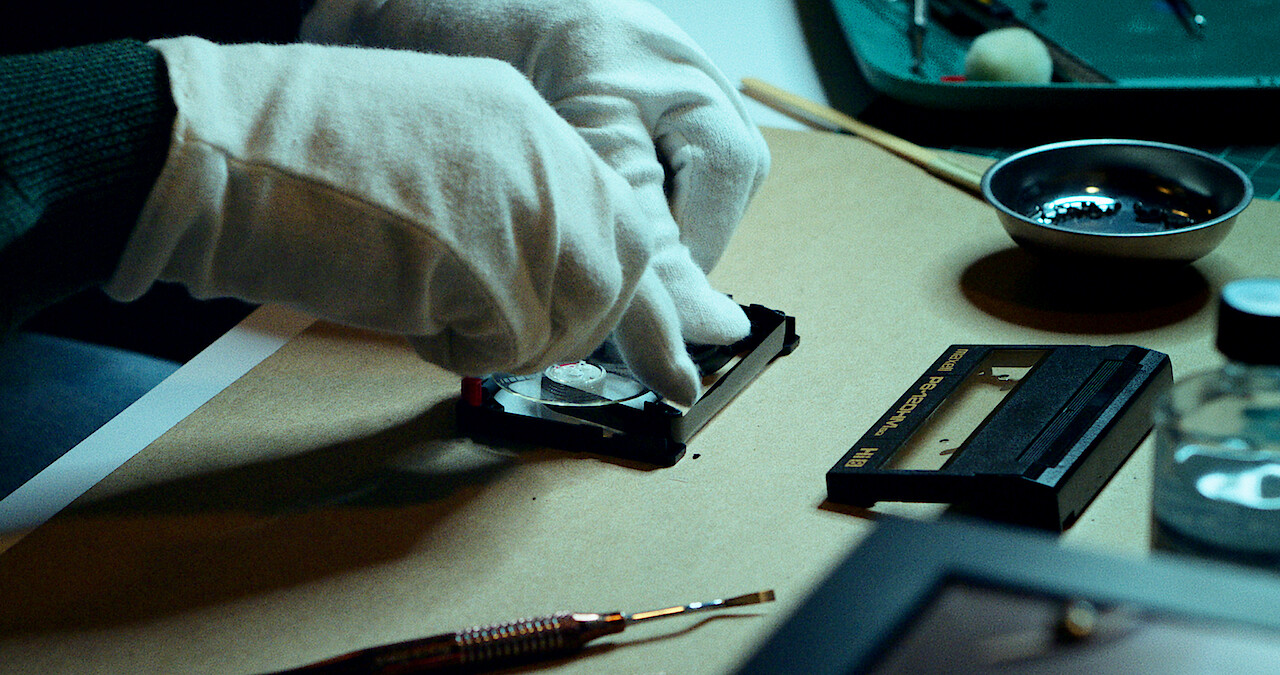
A lot of sounds that maybe sound like synths, they're not synths at all — they're actually kind of a lot of bowed glass instruments... It makes you think they're synths, but they're actually organic. This was based in a 1920s building, with seances, then mixing that with tape, with warbling tape. There's lots of ways that we found how to kind of drag tape out and there's some new programs that make it sound like old cassette tape, visual tape... And it made the whole thing a little bit woozy. So even when Dan and Melody are having a gentle moment, because they're in a kind of dreamworld and it's kind of all been recorded on tape, we would have the tape warble. So it just made you feel kind of slightly uneasy.
Salisbury: What Geoff's saying, exactly. We try to find a peg to hang the score on, or gateway, or what we call a palette to work with. And everything we do, we'll find a few things that really sort of unlock it for us. And for this, the sort of church hall was one thing, the voices, the in-world music, but a big thing was this was the idea of it all sounding like it was all tape — warped tape... Then one other thing, which was a running thing because it was a sort of big part of the story, was the building [itself] in a way. The pipes, the planking. So those are the elements, that's it.
Barrow: We made drums from our house hitting radiators, you know, building radiators and stuff.
Salisbury: Hopefully, if the score has an identity, it's because nothing really falls outside those parameters. Because if you limit yourself, hopefully, you were able to give it an identity. That's the idea anyway.
This interview has been edited and condensed for clarity.