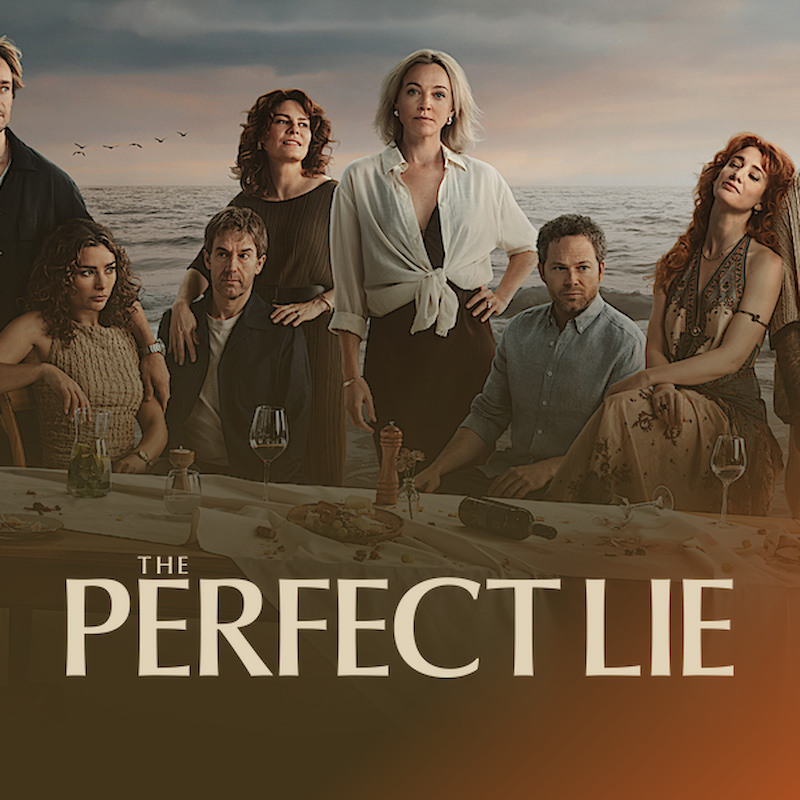
Journalist Allen Salkin first reported on Sarma Melngailis in 2016 for Vanity Fair. He wrote this op-ed about Bad Vegan.
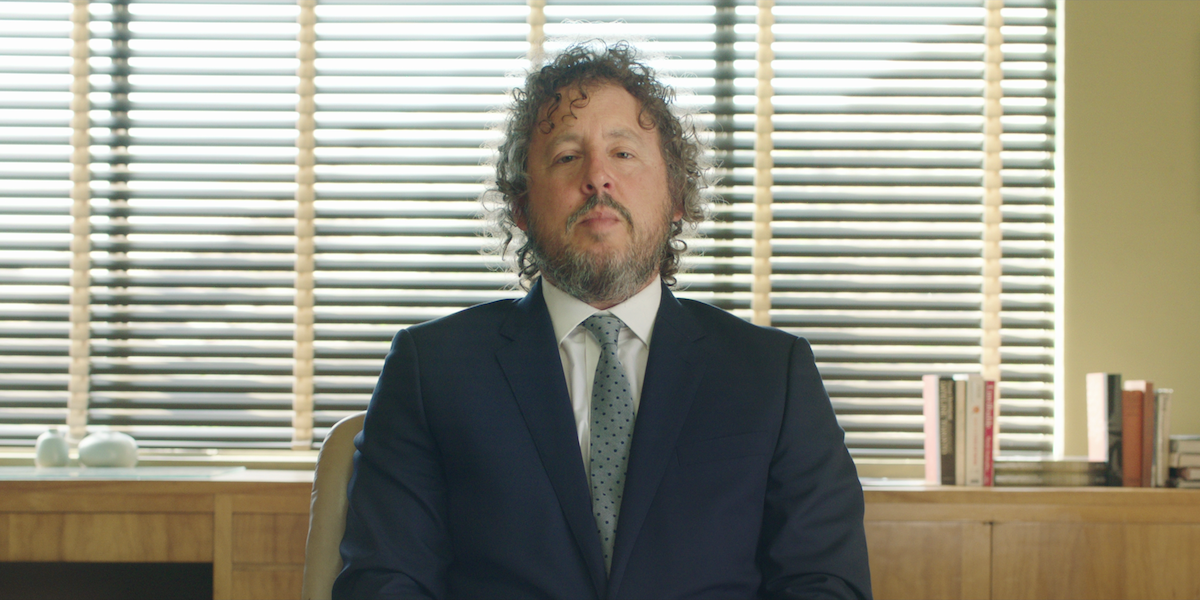
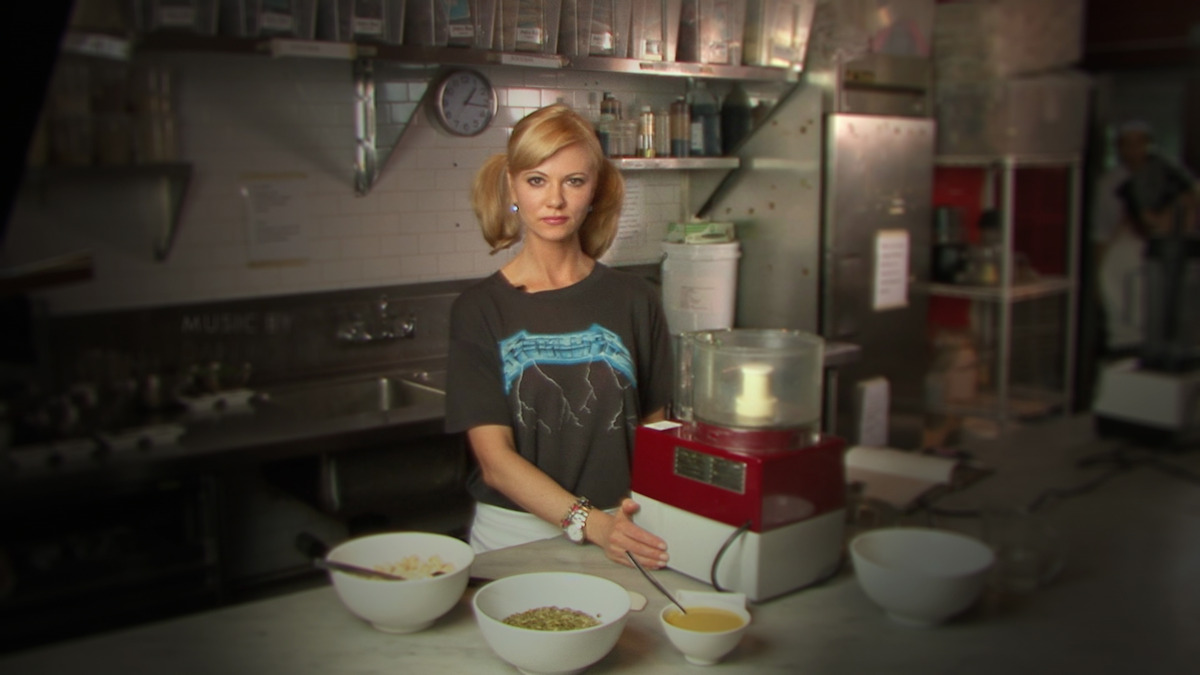
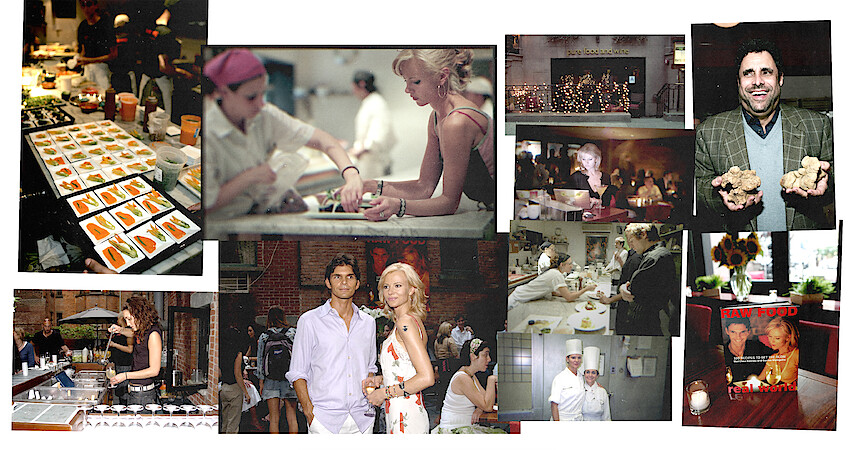
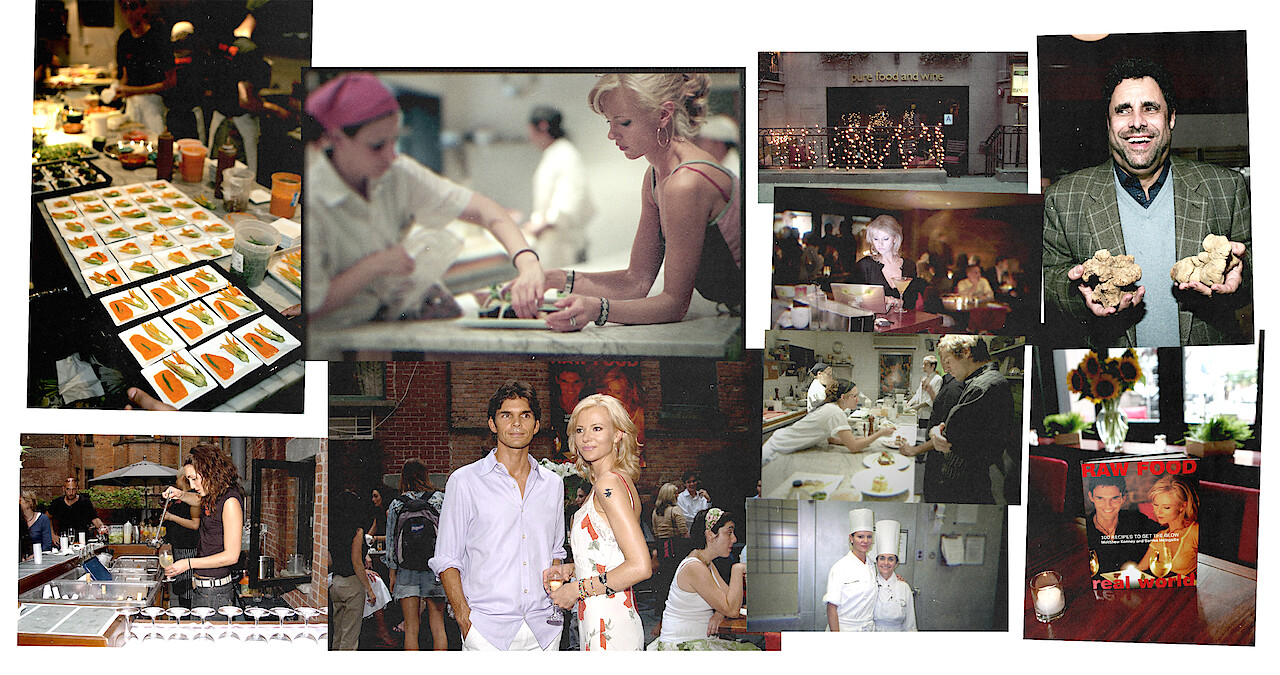
Allow me to reintroduce myself. You may know me as “that Vanity Fair cocksucker,” because that’s how I’m described in the opening moments of Bad Vegan: Fame. Fraud. Fugitives., a docuseries that profiles the downfall of Sarma Melngailis, the onetime owner of celebrated Manhattan raw vegan restaurant Pure Food and Wine, where regulars included the Clintons, Owen Wilson and Anne Hathaway.
You can just call me Allen. I’m a screenwriter, actor, rancher and investigative reporter. How I got involved in this wild story is a story, too. I stumbled into it innocently, even reluctantly. But I learned a lot from reporting it, not only about the ins and outs of Pure Food’s collapse but also the horrors of intimate partner abuse — and the ways in which the media was complicit in assigning guilt to Melngailis long before she’d been convicted of anything.
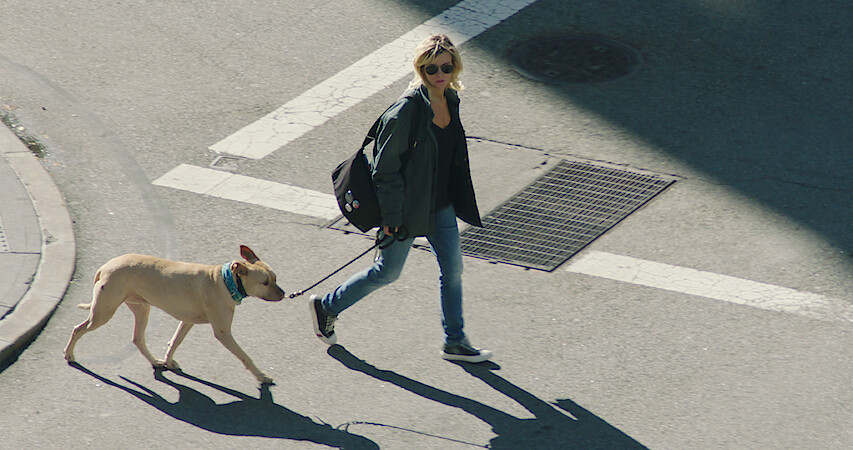
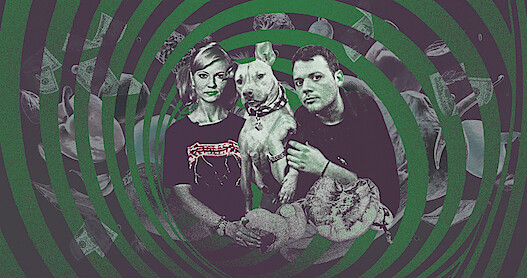
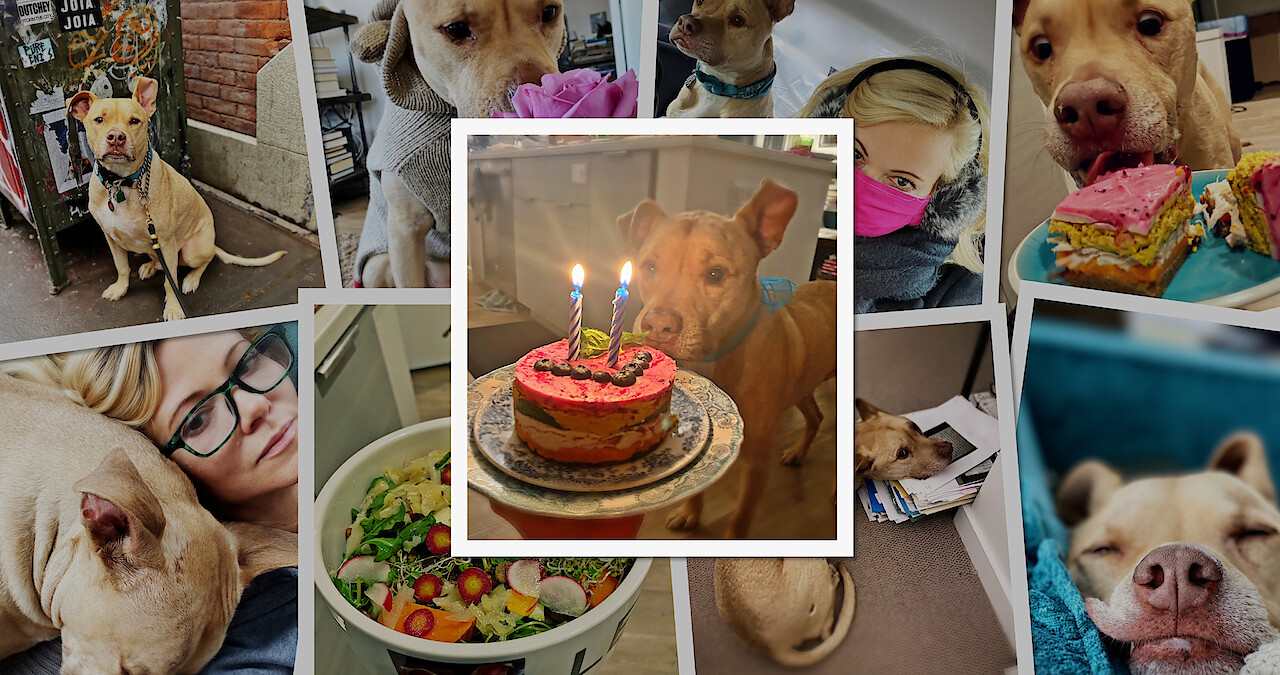
Between 2011 and 2016, Melngailis drained the restaurant’s coffers and defrauded investors of millions of dollars, much of which she gave to a guy she met on her friend Alec Baldwin’s Twitter feed and later married. That guy, Anthony Strangis, was a gambler and a con artist; he also convinced Melngailis he could make her and her pit bull Leon immortal, as well as give her power to steer the world toward a vegan future that could save the planet. All she needed to do was give him cash and the passwords to her bank accounts. She did this till the money ran out, and then the couple left New York. They were nabbed in Pigeon Forge, Tennessee, at a hotel near Dollywood where Strangis ordered Domino’s on a traceable cell phone. Both he and Melngailis, who are now divorced and no longer in touch, pled guilty to felonies and were sentenced to jail, probation and restitution.
My story with Pure Food and Wine began in 2006, when I profiled controversial vegan restaurateur Matthew Kenney for Time Out New York. Kenney had opened Pure Food and Wine with his then-girlfriend Sarma, but the two split acrimoniously. I found her cerebral and deeply dedicated to the business. The food was delicious by any standards. Throughout the years, she and I kept in touch, and I even invited her to the October 2013 publication party for my book on the history of the Food Network. At the time, I had no idea that her relationship with Anthony Strangis had begun or what madness would ultimately ensue. She came alone and seemed fine and was friendly. We chatted about the restaurant, and I told her I would come in soon. She cheerfully bought a copy of the book and even posted a photo of Leon “reading” it the next day.
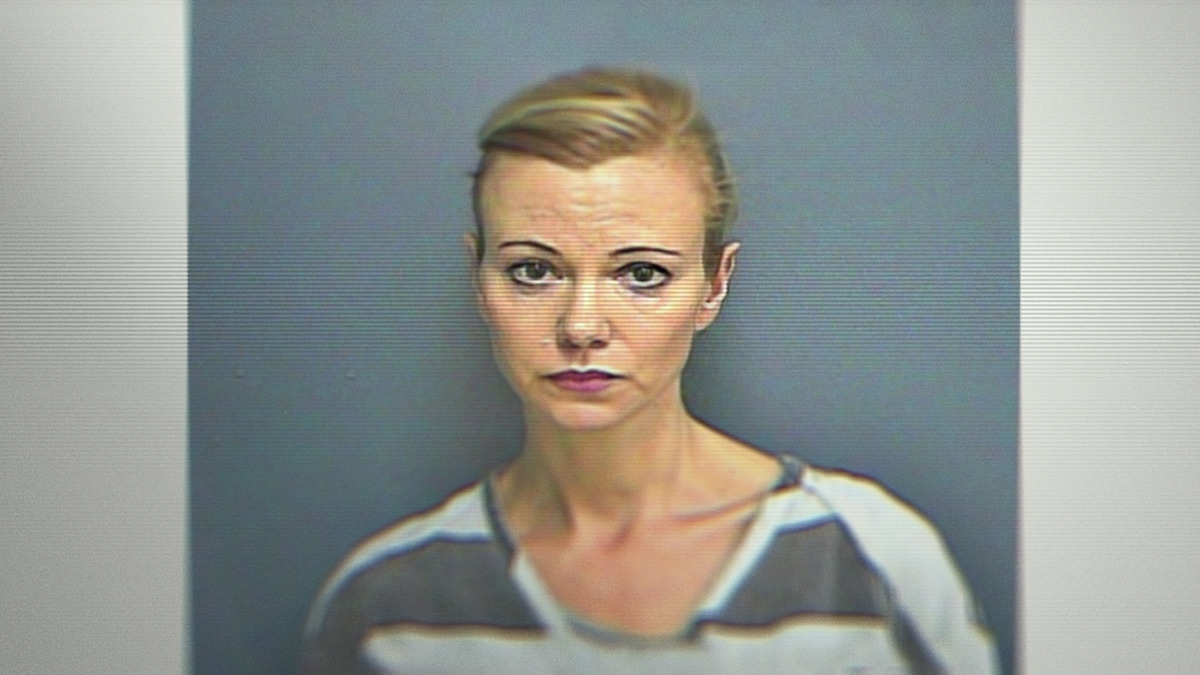
Which is why I was so surprised to see Melngailis’ mugshot on the news just three years later. After being on the run with a warrant out for her arrest on fraud charges, she had finally been caught.
As you can imagine, I thought, “What the fuck?”
And then my reporter’s instincts kicked in. “I know her. I always thought she had her feet on the ground. How did she end up there? Domino’s? No way. There’s got to be more to this story. And I’m the person to write it.”
At one time, Melngailis was considered to be “the Vegan Queen” — a glamorous restaurateur who felt it was her mission to lecture to the rest of the world about what to eat and how to live. Her public image was the kind people love to hate, and the fact that she was finally nabbed because of a clandestine order of cheese pizza was the ultimate schadenfreude. The widely publicized mugshots of Melngailis in prison stripes was reporter bait: “Well, look at Miss Righteous Raw Vegan now.”
The problem was that this depiction of Sarma didn’t much sound like the person I knew, for whom veganism was a real and not hokey way to bring environmental balance and spiritual peace to humans, animals and the planet. That was the story I wanted to tell.
Vanity Fair was interested in running it, and I spent months contacting lawyers for all the parties, attending court hearings, and interviewing friends and family of both Strangis and Melngailis. When pre-trial proceedings began, I sat in court next to reporters from the New York Post and the New York Daily News who were filing breaking news stories about Sarma; they came to call her the “vegan Bernie Madoff,” and that she’d “caved in” and ordered the pizza, even though that was inaccurate. (I discovered that Strangis was the one who ordered the pizza — the local Tennessee police confirmed it. Sarma had been mostly living off vegan bowls from a nearby Chipotle.) It was the summer of 2016, and I now believe that if Sarma had gotten arrested just a year later, things might have been different — at least in terms of media coverage.
Just as I was preparing to have my story run in October, word came that it was being held. I wasn’t sure it would ever get published. Later, I was told by a young woman assistant editor at the magazine that there had been a minor rebellion over holding this story. The #metoo era had not yet begun — the Harvey Weinstein stories in The New Yorker and The New York Times were still a year away — but this article about a successful woman who’d allegedly been subject to a controlling man and who was facing a court system that seemed to have no sympathy for her claims, struck a nerve with the younger staff at Vanity Fair. They wanted it to run.
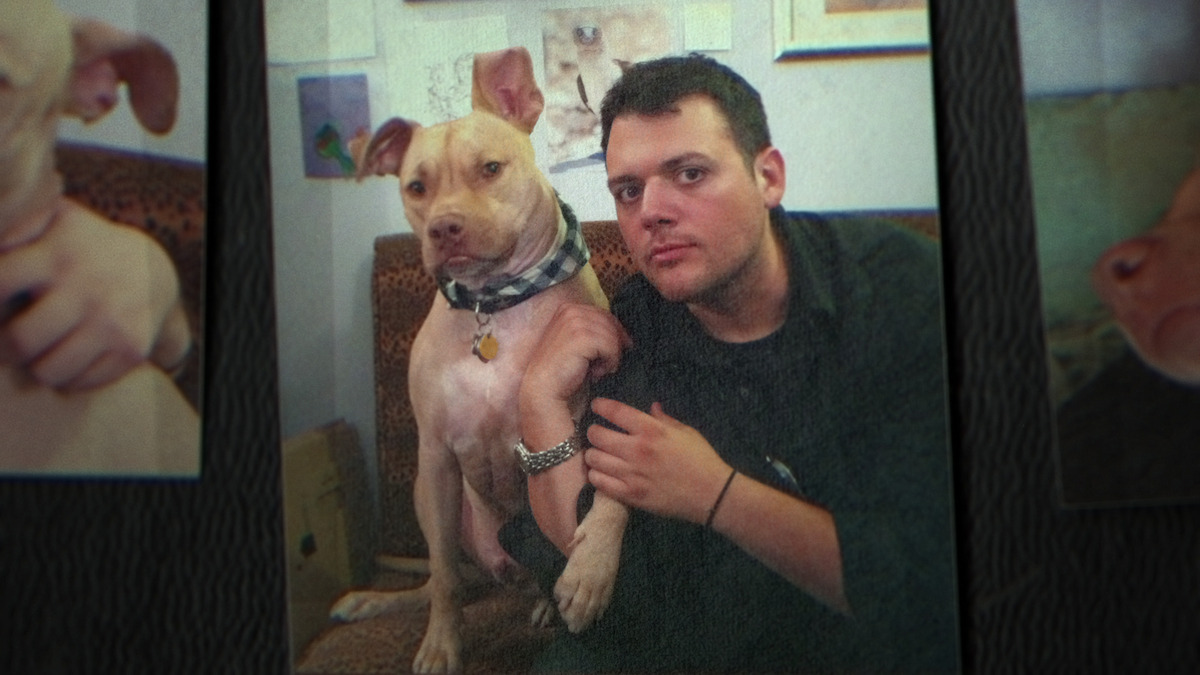
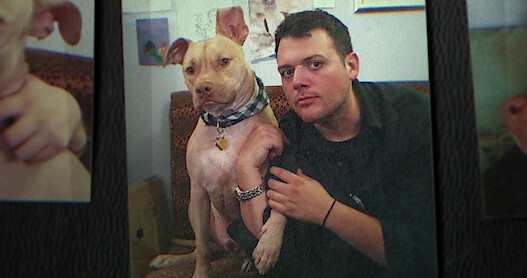
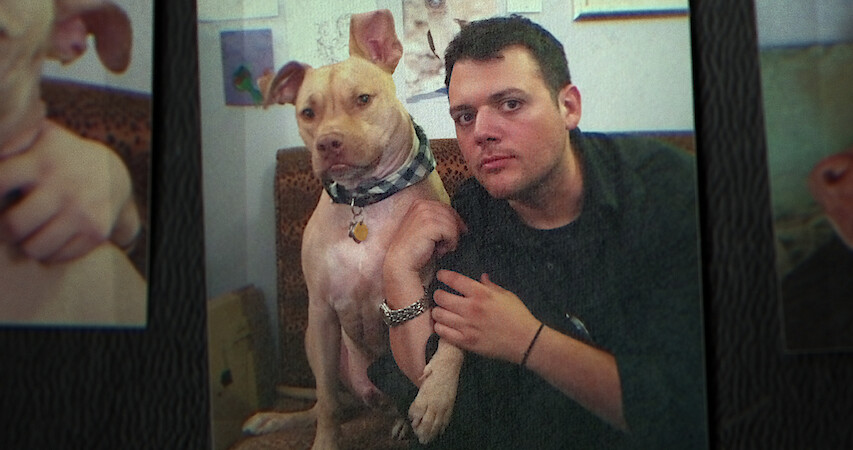
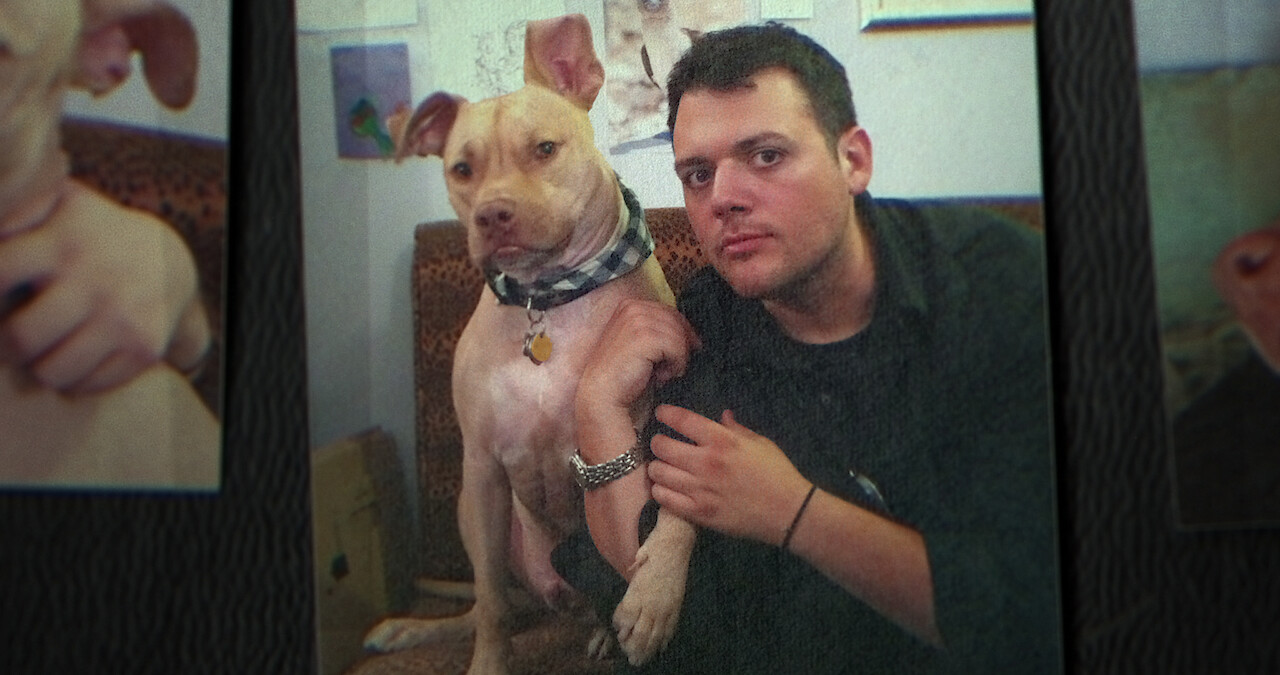
Anthony Strangis with Leon.
The article ran in November 2016. Strangis, through his lawyer, denied everything in it, including the assertion that he manipulated Melngailis. The next time I saw them at the trial, I asked the court reporters, who were still repeating the line about the pizza, if they’d taken the time to read an exhaustively researched and fact-checked article in Vanity Fair about this case they’d been covering for months. I remember their expressions — like something wet and repulsive had spilled on their phones.
But it was Melngailis who was rightly irked by them. Contrast her treatment in the media with that of so many women whose stories have since emerged. Those women were lauded for their courage in speaking out about abusive and controlling behavior by men in numerous industries and celebrated as heroes who risked their own careers. The offensive old question of domestic abuse victims, “Why did you stay with him if it was so bad?” seems to finally be falling out of fashion as focus has turned on the abuser.
We’re in a different world now. The ongoing, still-incomplete public reckoning around how the courts, media, workplaces, and society consider sexual harassment, domestic abuse and coercive control have changed many dynamics. Of course, a story about a vegan, a con man, Alec Baldwin and an immortal dog would still grab headlines and eyeballs. Now, however, my reporting would make me a voice among the chorus rather than a lonely voice of empathy. A year-and-a-half ago, when I was interviewed for the series, I said I hoped Sarma would find a way to reopen Pure Food and Wine, but that I wouldn’t invest my savings with her. Journalists should never invest with their subjects, but if I were free to do so, now I would — not all, but some. Sarma, while imperfect, is rebuilding a life that would never have spiraled like it did if she’d never met that man.
It’s time to reconsider Sarma’s story. This isn’t only about giving her a second chance, it’s also about giving ourselves one too.