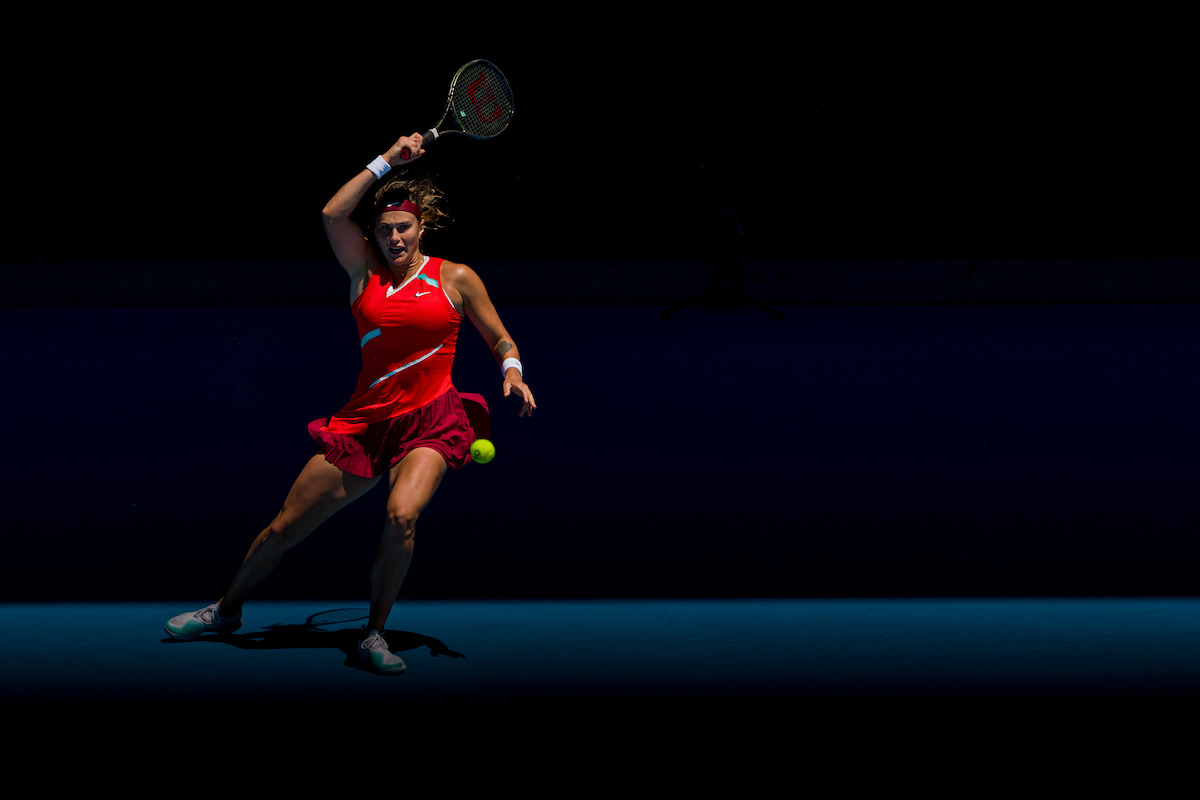
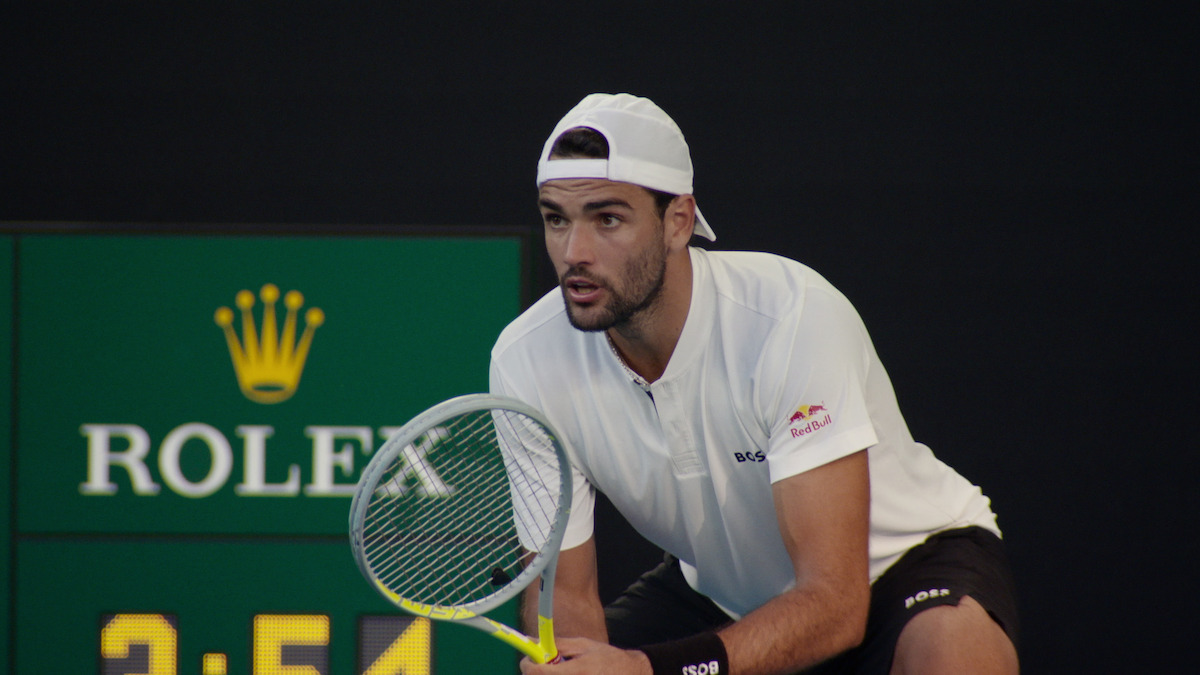
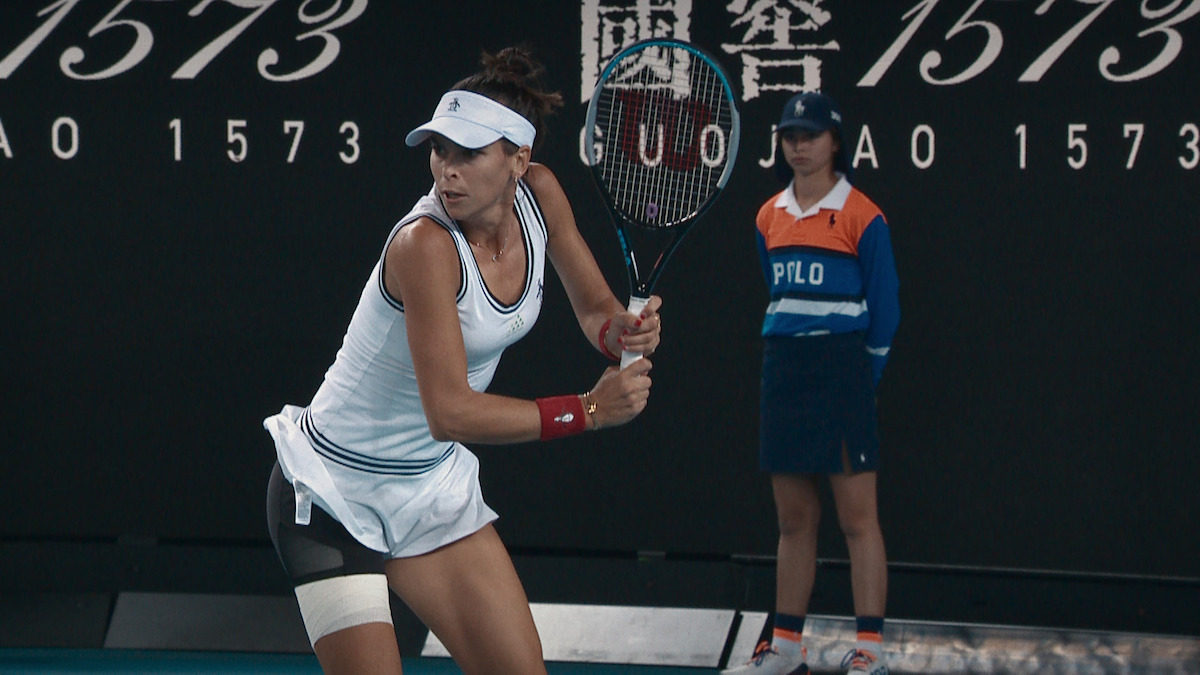
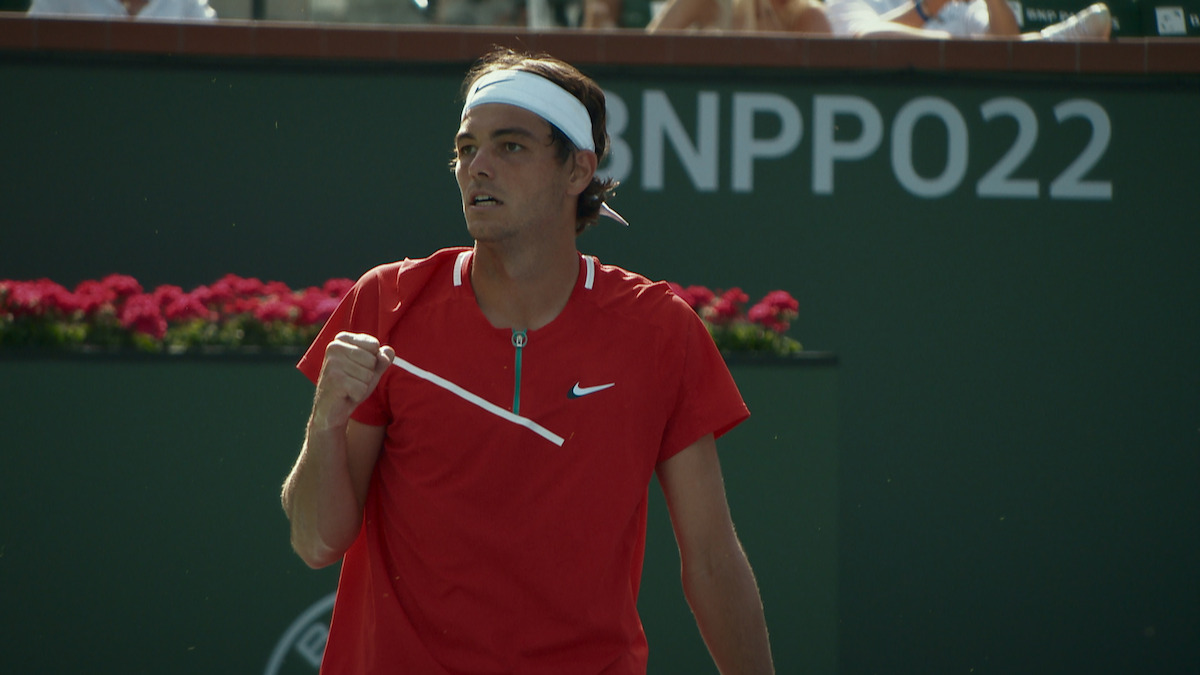
Tennis docuseries Break Point follows a group of players who are on the verge of becoming icons: Nick Kyrgios, Iga Świątek, Taylor Fritz, Ons Jabeur and more. Their journeys were filled with career-altering wins and heartbreaking losses — and all the backhands, breakdowns and knee surgeries in between. Much has happened in the tennis world since Episode 10 of Break Point. Here’s what’s been up with each player since we last saw them.
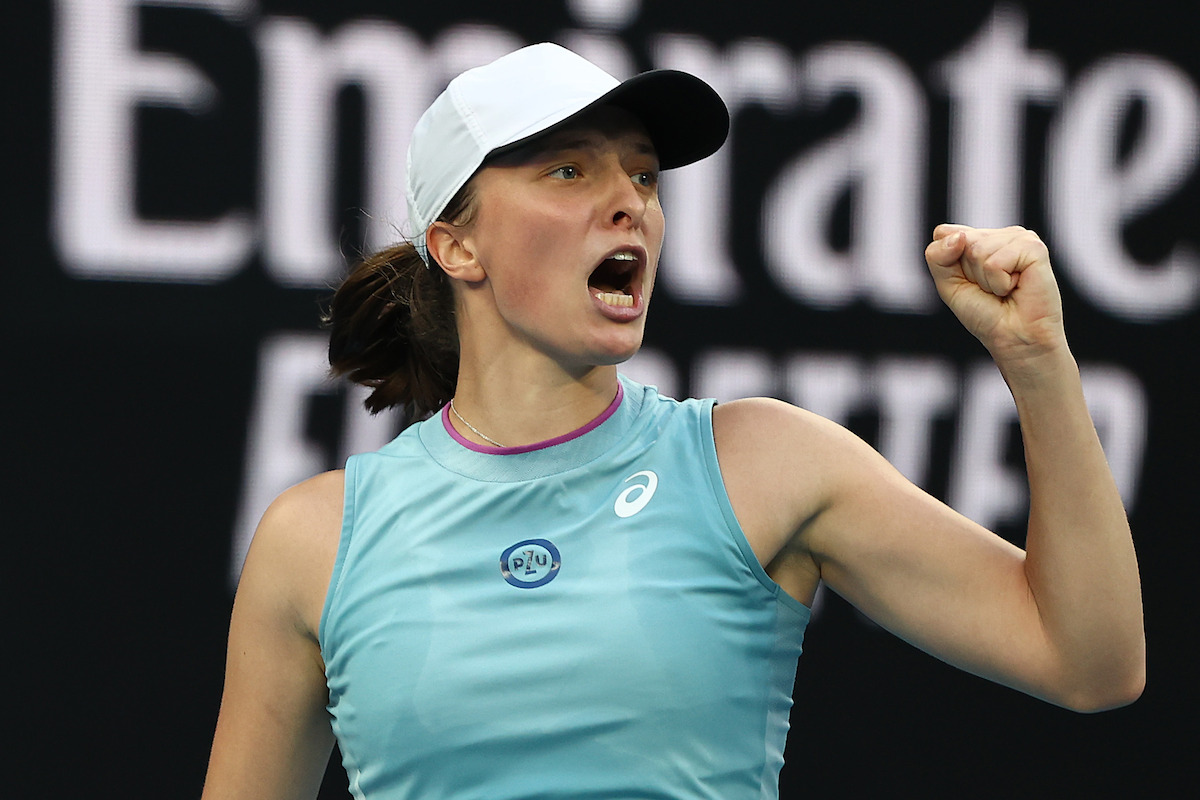
Mark Metcalfe/Getty Images
Iga Świątek
It seems that the only time Świątek doesn’t have a racket in her hand, it’s because she’s holding a trophy. The superstar defended two of her three titles this spring, repeating wins at Stuttgart and Qatar. She lost in the quarterfinal in the Australian Open before reaching semifinals at Indian Wells and the final at the Madrid Open.
Świątek’s most recent — and most stunning — title this year was at Roland-Garros. She dueled Karolína Muchová in three sets, finishing the match with a calm composure that’s become part of Świątek’s brand. It was her third French Open victory and her fourth overall Grand Slam title. At age 22, Świątek has already created a dynasty on clay.
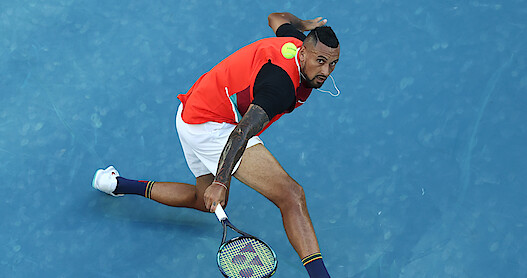
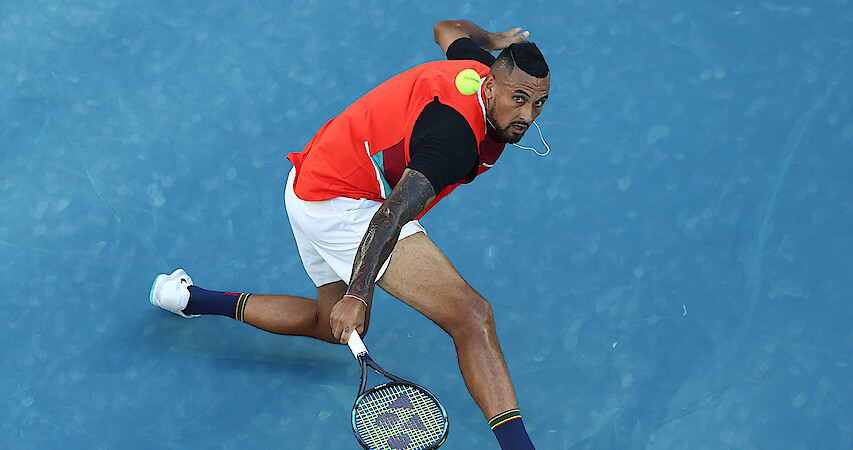
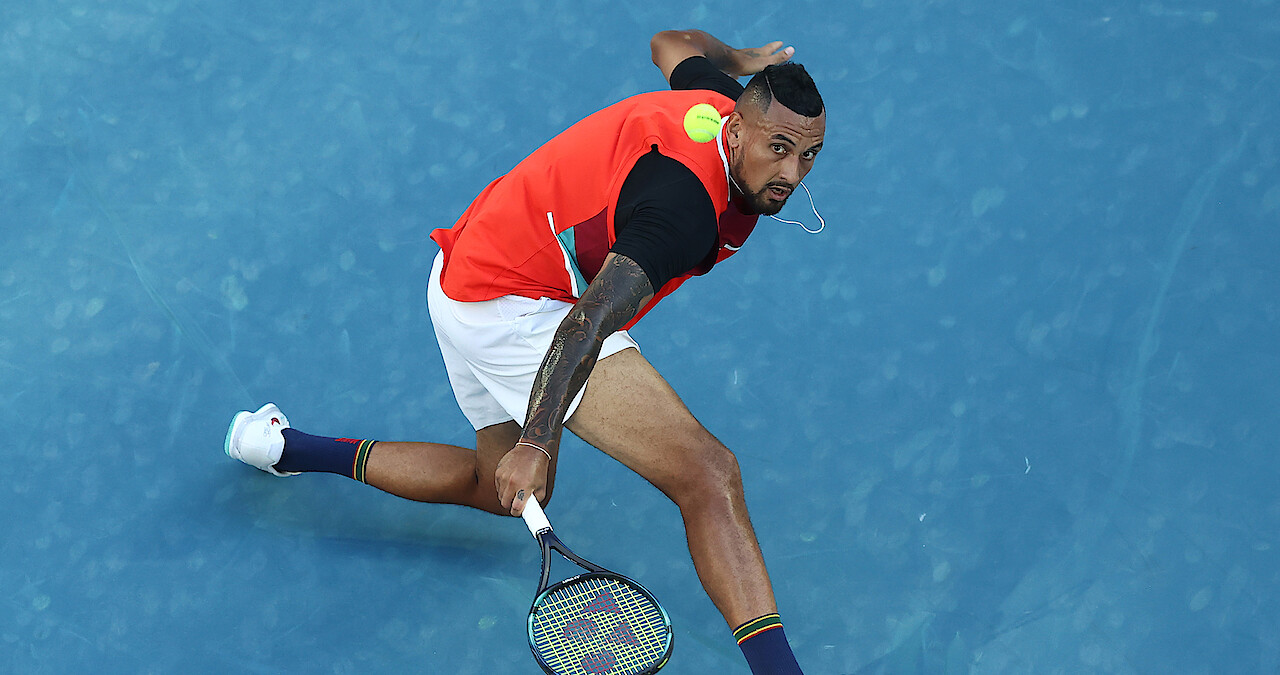
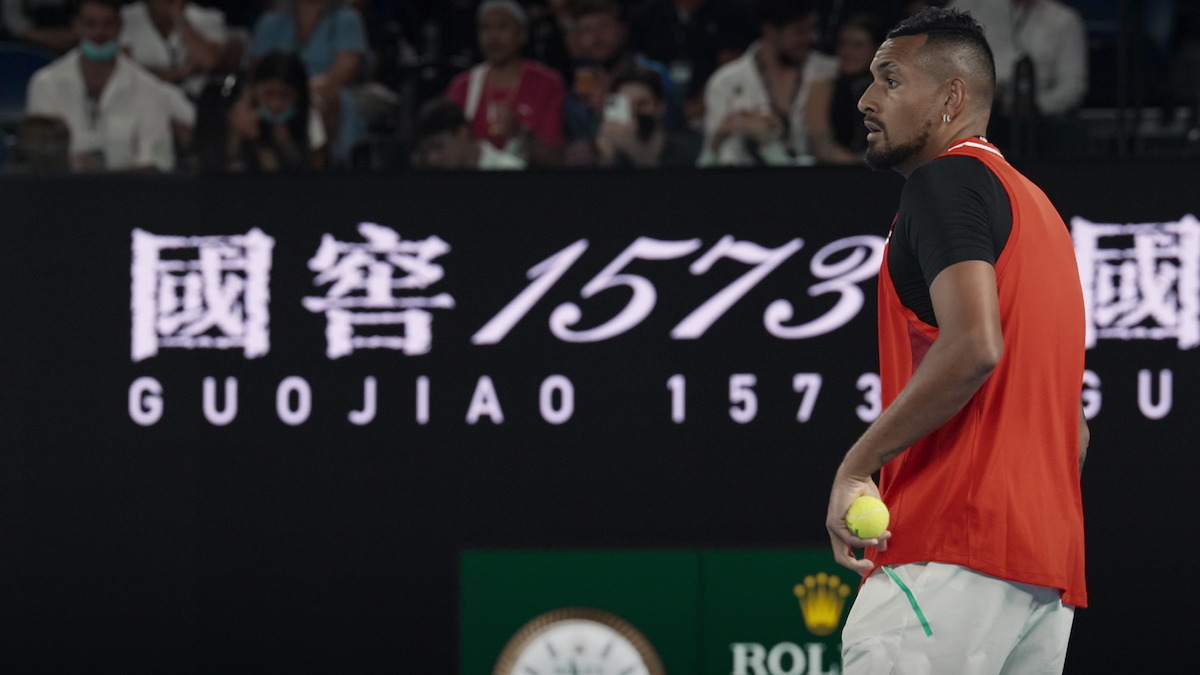
Nick Kyrgios
So far, Kyrgios’ 2023 highlight came in a January exhibition match. He defeated Novak Djokovic in three sets, cheered on by a sold-out Australian crowd. The remainder of the year has consisted of withdrawals: Kyrgios withdrew from the United Cup because of an ankle injury, and then withdrew from the Australian Open and the French Open due to a continuous issue with his knee. He underwent surgery in January to treat his meniscus, but the recovery has been slow.
It’s a disastrous setback for an already injury-prone player who’s determined to change the narrative of his career. However, Kyrgios could return this summer for the grass court tournaments.
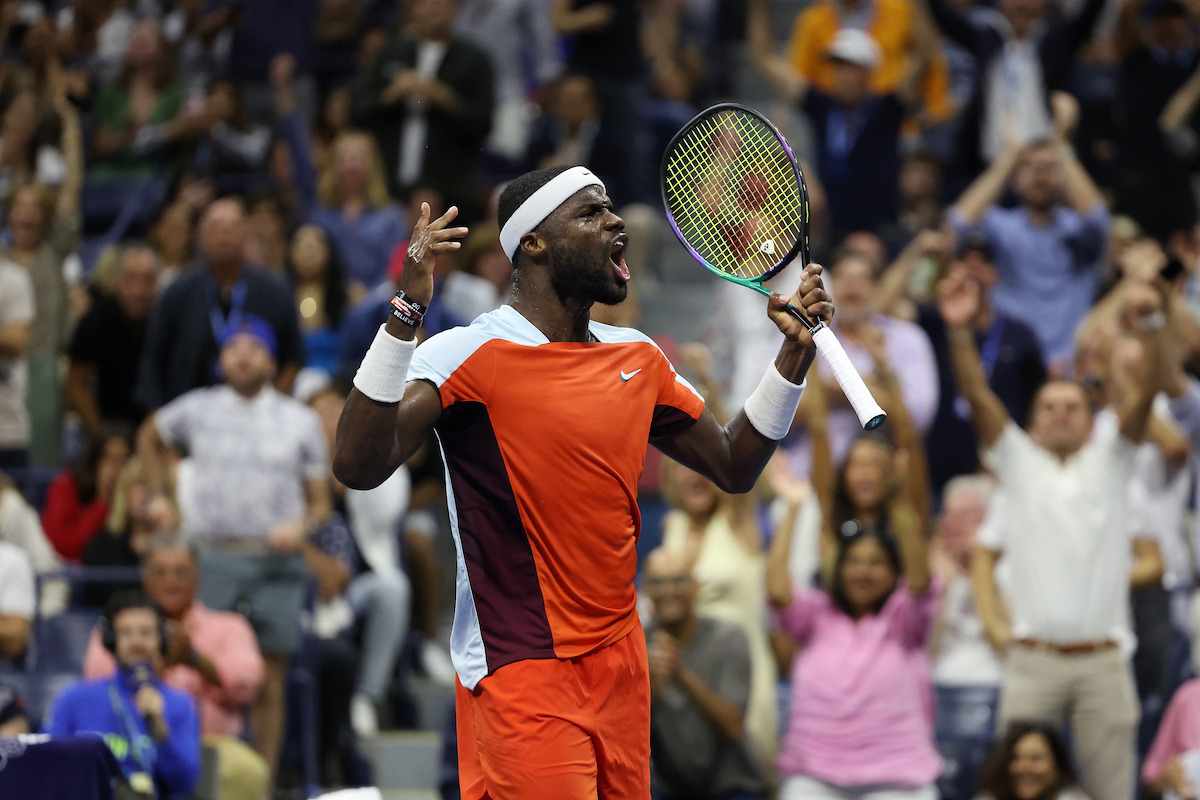
Matthew Stockman/Getty Images
Frances Tiafoe
One of the biggest knocks on Tiafoe’s game is that he begins matches with a convincing dominance only to fold in the final set. That hasn’t been true in 2023. He was part of the United States team that won the United Cup, he won his first title on a surface that wasn’t a hard court and he made the semifinals at Indian Wells without dropping a set. (That imposing run included a commanding win against Cameron Norrie, who won Indian Wells in 2021.)
Most recently, Tiafoe fell to Alexander Zverev in the third round of the French Open. The match was a thrilling nearly four-hour-long battle that exposed Tiafoe’s aforementioned weakness but also highlighted his potential. Who will be able to stop the Maryland native when he does learn to close?
Aryna Sabalenka
For all the turbulence Sabalenka felt at the end of 2022, she found success immediately in the new year. Sabalenka won Adelaide 1, her first title since 2021, and she carried that momentum to the Australian Open. In Melbourne, Sabalenka defeated reigning Wimbledon champion Elena Rybakina for her first Grand Slam tournament win. The two dueled in a rematch not long after in the Indian Wells final; this time, Rybakina came out on top. Still, Sabalenka beat some notable names on her way to that final match, including Coco Gauff and Maria Sakkari.
In the French Open, Sabalenka reached the semifinal. It seemed a sure bet that she would advance to play Świątek in the final; it also seemed probable that she’d swipe the world No. 1 ranking from Świątek in the process. But the Belarusian never got that far: She was startled by the unseeded Muchová in the semifinal match, losing 20 of the final 24 points. It was the first Grand Slam match that Sabalenka had dropped all year.
Matteo Berrettini
For the past couple years, Berrettini appeared poised to make the leap from a great player to an elite one. He made the Wimbledon final in 2021 and was ranked as high as No. 6 in 2022. But what Berrettini’s 2023 campaign has proved is that being on the verge of glory doesn’t guarantee staying there. He lost to American Fritz in the United Cup final in January. Then Berrettini fell to Andy Murray in an intense five-hour-long clash in the first round of the Australian Open.
An oblique injury then derailed Berrettini’s spring. It forced him to withdraw from the Monte-Carlo Masters in April, then prevented him from playing in Madrid, Rome and Paris at Roland-Garros. Berrettini says he’ll return for the Stuttgart Open in June — here’s hoping the grass season is friendlier to his sides.
Ajla Tomljanović
Much like her Australian counterpart Kyrgios, Tomljanović’s health has prevented her from participating in most of the tournaments this year. She’s been sidelined for the United Cup, the Adelaide International, the Australian Open and, most recently, the French Open.
Recovery from knee surgery in January has been an arduous process, and not without frustration: “If you ask me, this is probably the worst timing ever,” Tomljanović said in January. “I’m sure I would have said that even if it happened in six months. If I’m taking a 15-second pity party, this shouldn’t have happened now.”
Taylor Fritz
The top of the year was encouraging for Fritz, as he led the US team to victory in the United Cup. Since then, 2023 has contained many almost wins, in both matches and titles.
In the Australian Open, Fritz was on the wrong end of a major upset. He lost in the second round to a wild card (in tennis, a wild card is a player who was invited to play in the tournament despite not qualifying) in a match that lasted five sets and over four hours. He reached semifinal after semifinal, finally managing to win his fifth ATP Tour title at the Delray Beach Open. In June, Fritz lost in the third round of the French Open.
Maria Sakkari
Sakkari experienced a number of tough breaks in 2023. She was eliminated in the Australian Open by Zhu Lin, who was ranked world No. 87. It was a massive upset, and not the only one: In the French Open, Sakkari was knocked off on day 1 by Muchová, who was unseeded in the tournament. A bright spot for the Greek powerhouse was reaching the Qatar Open semifinals in February; though she didn’t win it all, Sakkari’s run was formidable, grinding out set after set to advance.
Paula Badosa
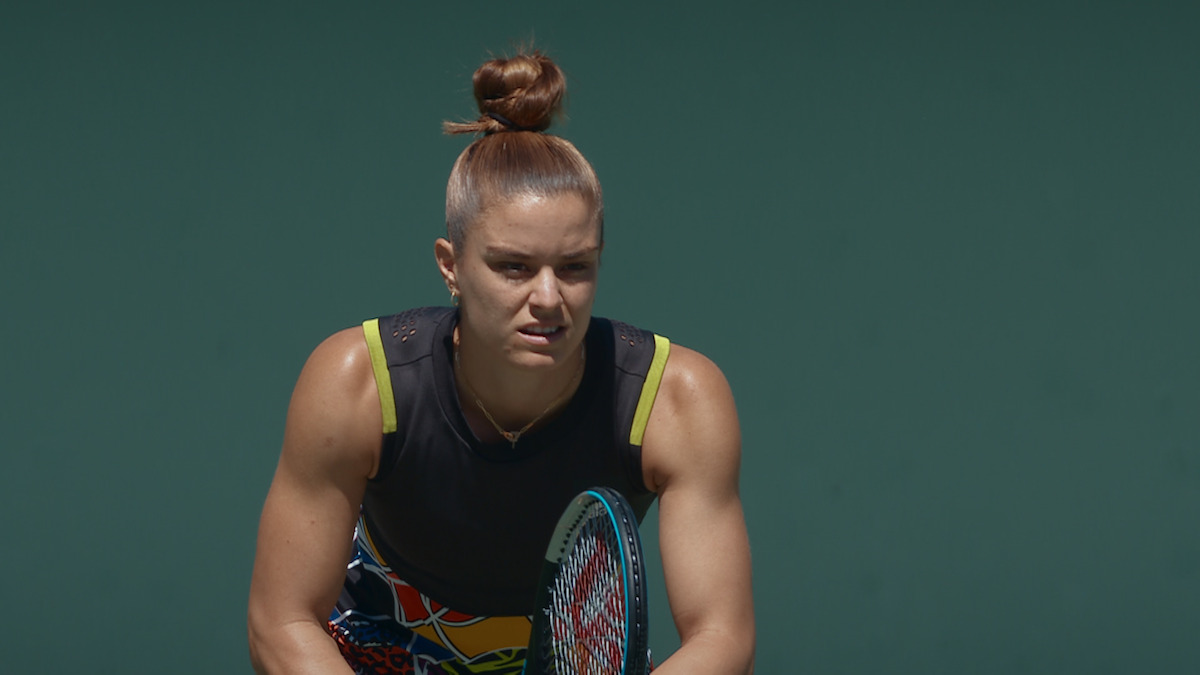
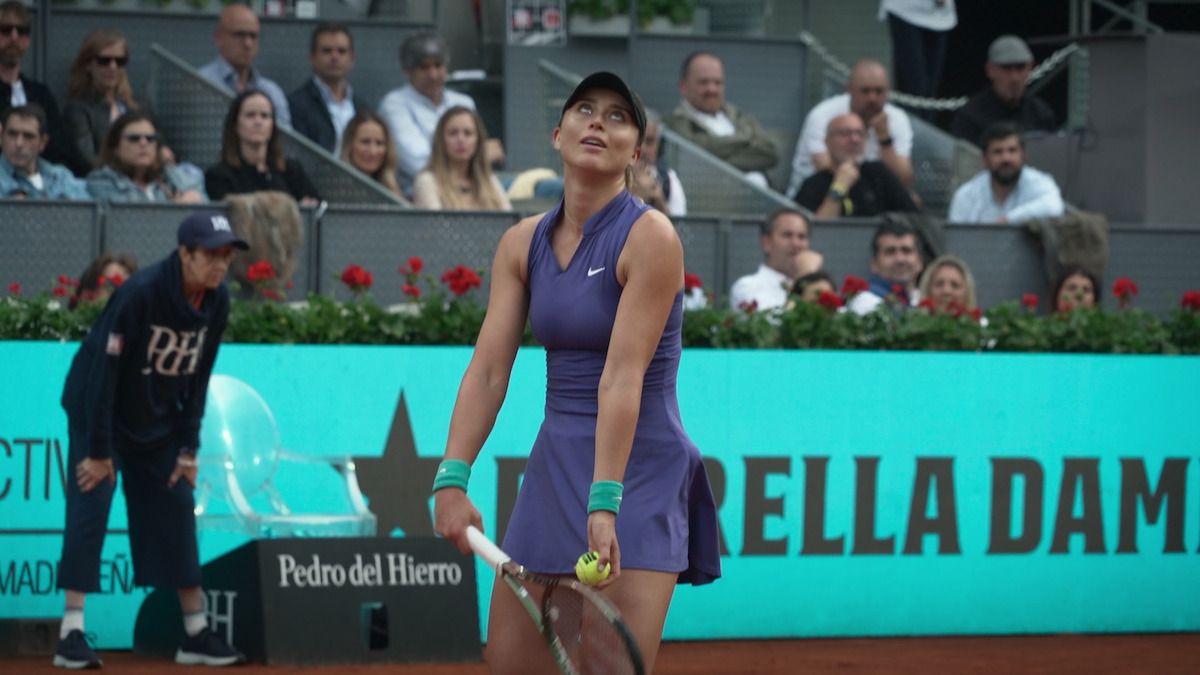
Former world No. 2 Badosa was forced to withdraw from the Australian Open and the Abu Dhabi Open due to injury, which resulted in a huge rankings drop. Just two months into the year, Badosa was no longer in the top 20.
The hard court season was defeating. Badosa lost in the first rounds of the Qatar and Dubai tournaments. There was an encouraging turnaround as the season transitioned to clay, Badosa’s favorite surface. She reached the quarterfinal or better in the majority of these events. A big French Open comeback performance felt inevitable. Yet as Roland-Garros neared, Badosa was sidelined once again. This time, it was a stress fracture in her spine. There’s no clarity yet on whether the Spaniard will be back in time for Wimbledon — or, as she’s currently ranked No. 29, how she’ll fare in the seeding.
Ons Jabeur
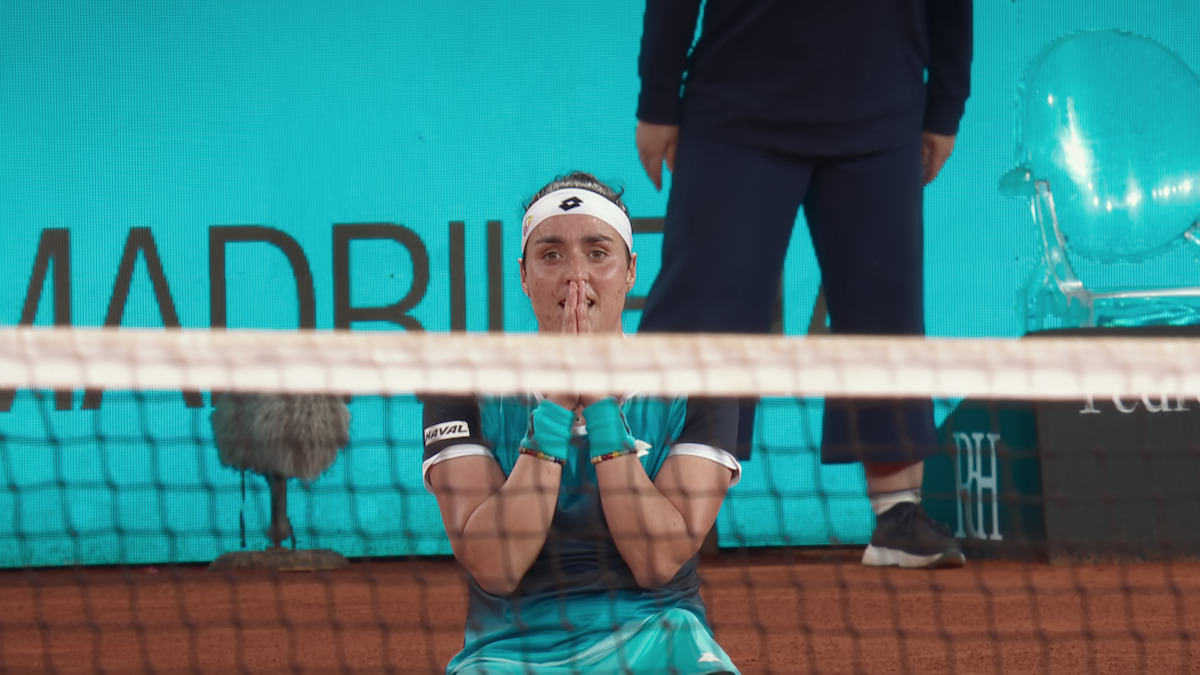
Jabeur spent the top of the year recovering from surgery on her right knee. She still seemed to be finding her footing at Indian Wells after a third-round exit. A win in the Charleston Open propelled Jabeur forward, and it appeared she was back on track. In April, she made the semifinal at Stuttgart only to retire in her match against Świątek because of a calf injury.
After reaching the quarterfinal at Roland-Garros, there was a chance Jabeur would get a rematch against Świątek. Instead, Jabeur was stopped in a major upset by No. 14 seed Beatriz Haddad Maia.
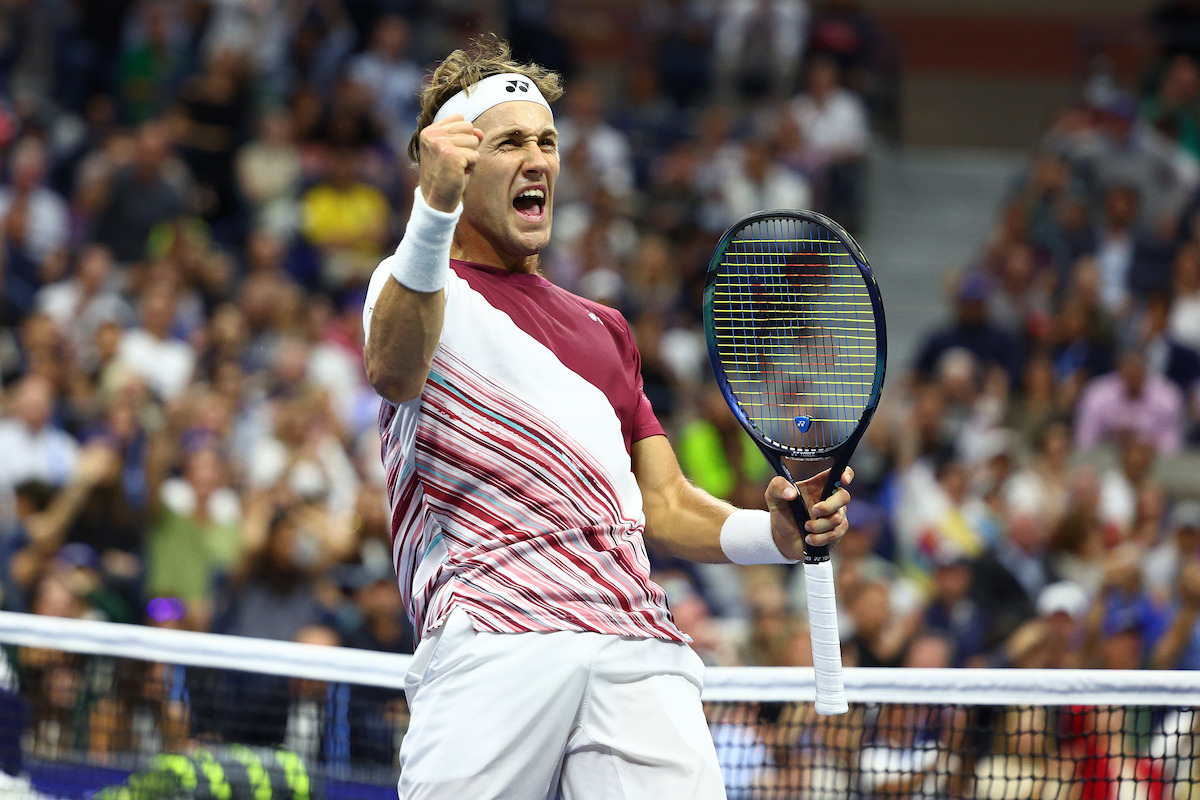
Elsa/Getty Images
Casper Ruud
After early eliminations in the United Cup and the Australian Open, Ruud did something top-tier pro athletes often hesitate to even consider: He took a break. Ruud didn’t compete in any February events.
When he returned to play in March, Ruud struggled. Two second-round exits dropped his world ranking to No. 5. Then, in the Italian Open, Ruud climbed to the semifinals, only to lose to Danish pro Holger Rune. The tennis gods love a rematch, though, and Ruud battled Rune again weeks later in the French Open. This time, Ruud came out on top. He grinded his way back to the finals to face Djokovic. It was a grueling, exhaustive match that Djokovic ultimately won. Ruud remained upbeat. “I think this is maybe the most important final that I reached, honestly,” he told reporters after the match. “I sort of proved that whatever happened last year is just not a one-time case.” It’s his second French Open final and his third major final.
Félix Auger-Aliassime
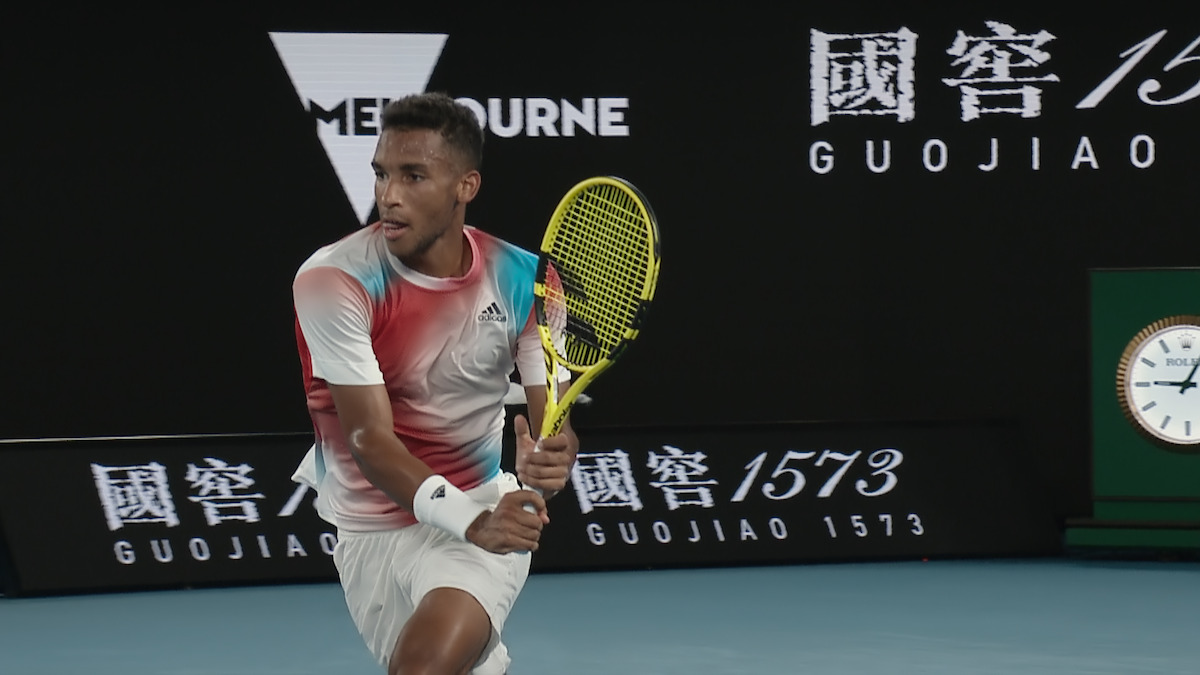
The peak of Auger-Aliassime’s 2023 was his Indian Wells performance — he lost in the quarterfinals to then world No. 1 Carlos Alcaraz. Reaching the fourth round in the Australian Open was an encouraging start to the year, but Auger-Aliassime has primarily managed only first- or second-round exits since (outside of performances in Rotterdam, Miami and Qatar). He was eliminated in his first match at the French Open to an unseeded opponent.