This article contains major character or plot details.
When Claire Danes began her work on The Beast in Me, there was a book she kept thinking about: Janet Malcolm’s The Journalist and the Murderer. “It’s always been one of my favorite books,” Danes tells Tudum. “[Malcolm’s] profiling a murderer who is objectively evil, and she is also kind of exploiting him, as a writer. And you start to see this writer and this murderer have a kind of equal value and how that is possible.”
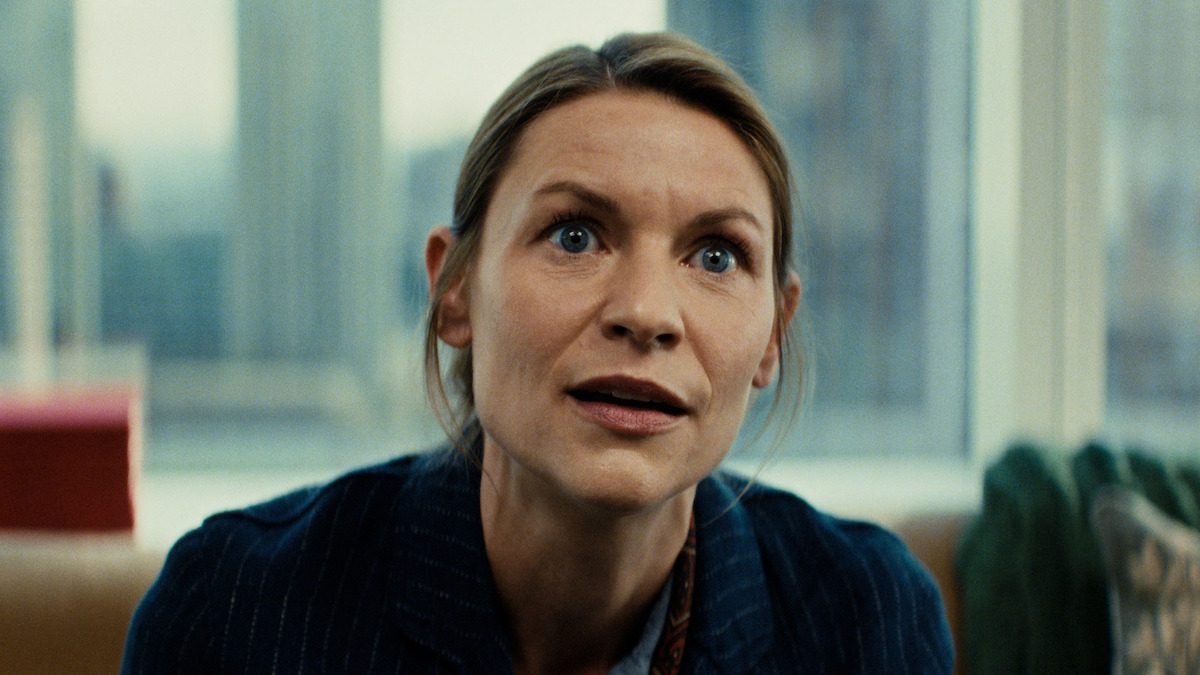
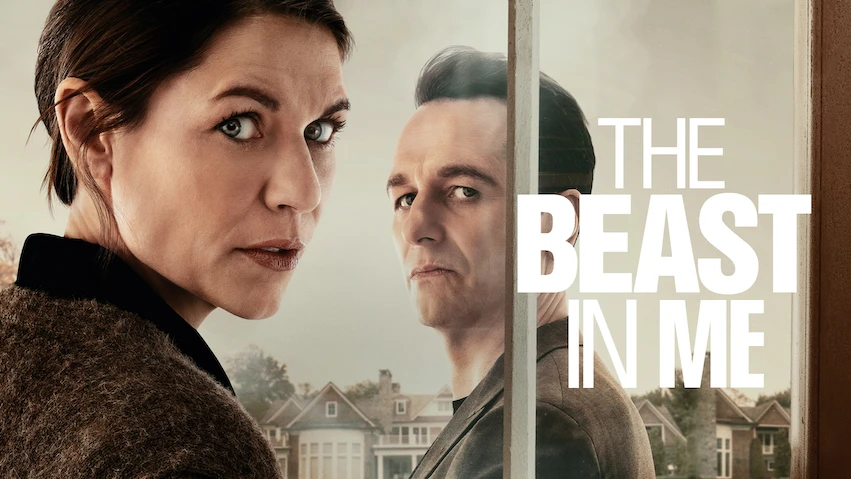
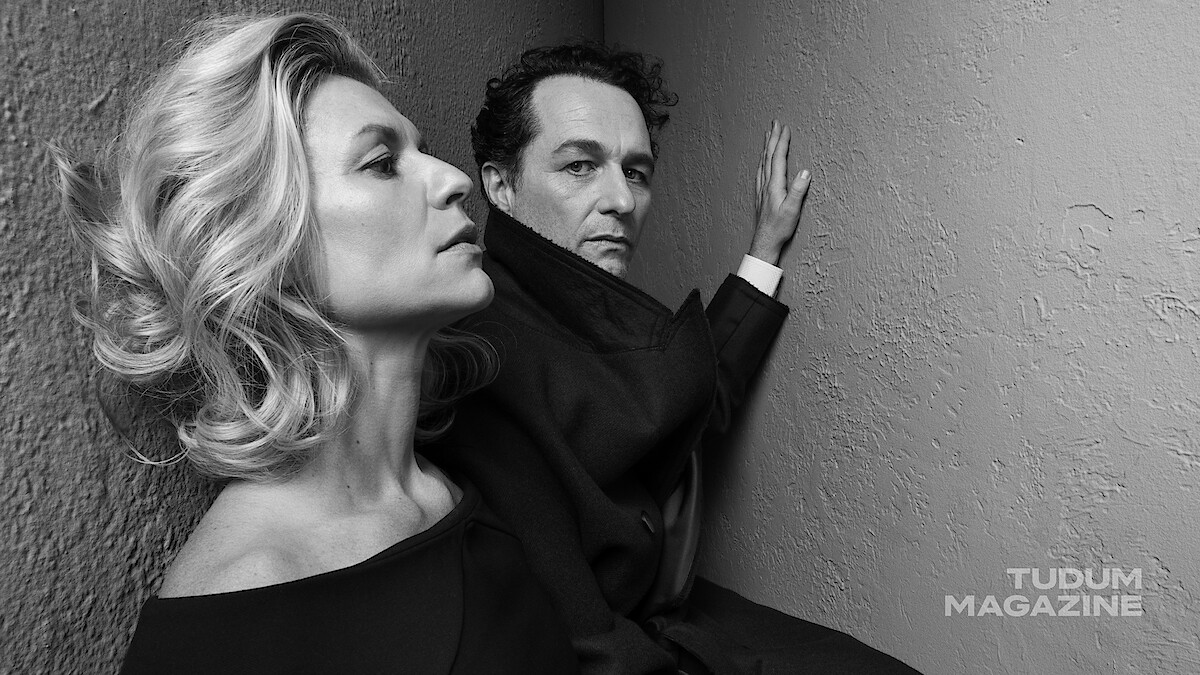
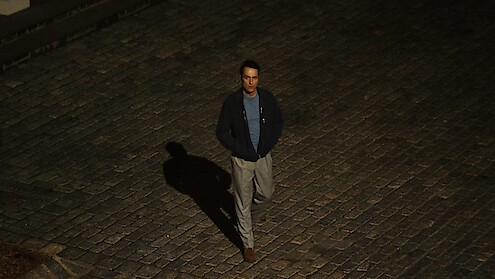
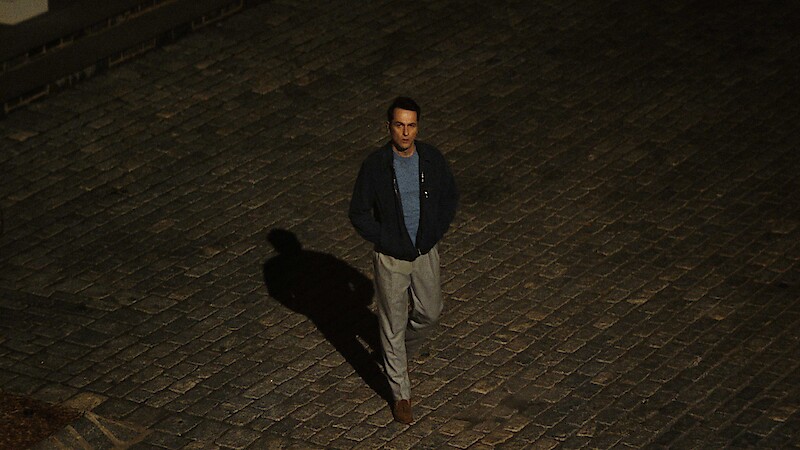
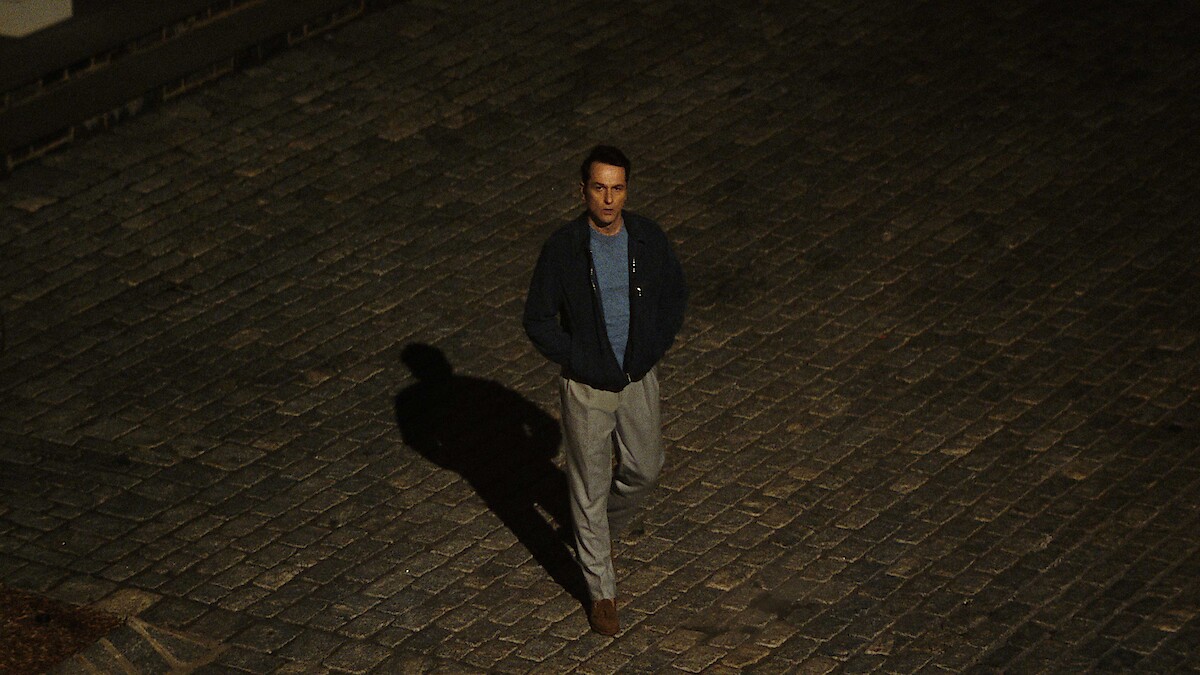
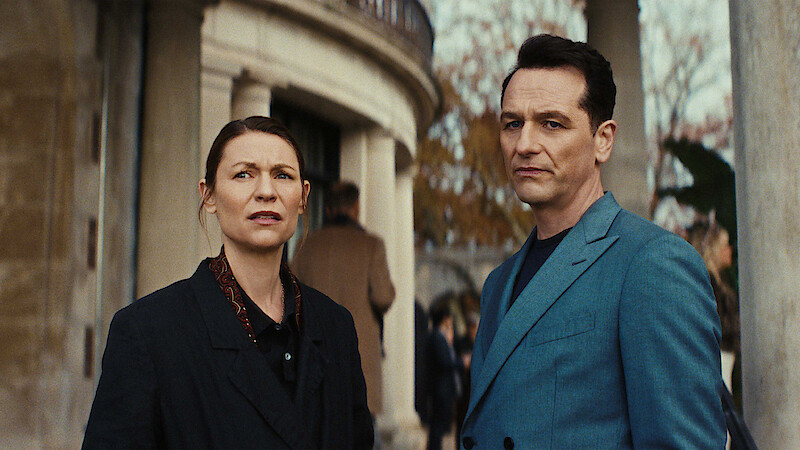
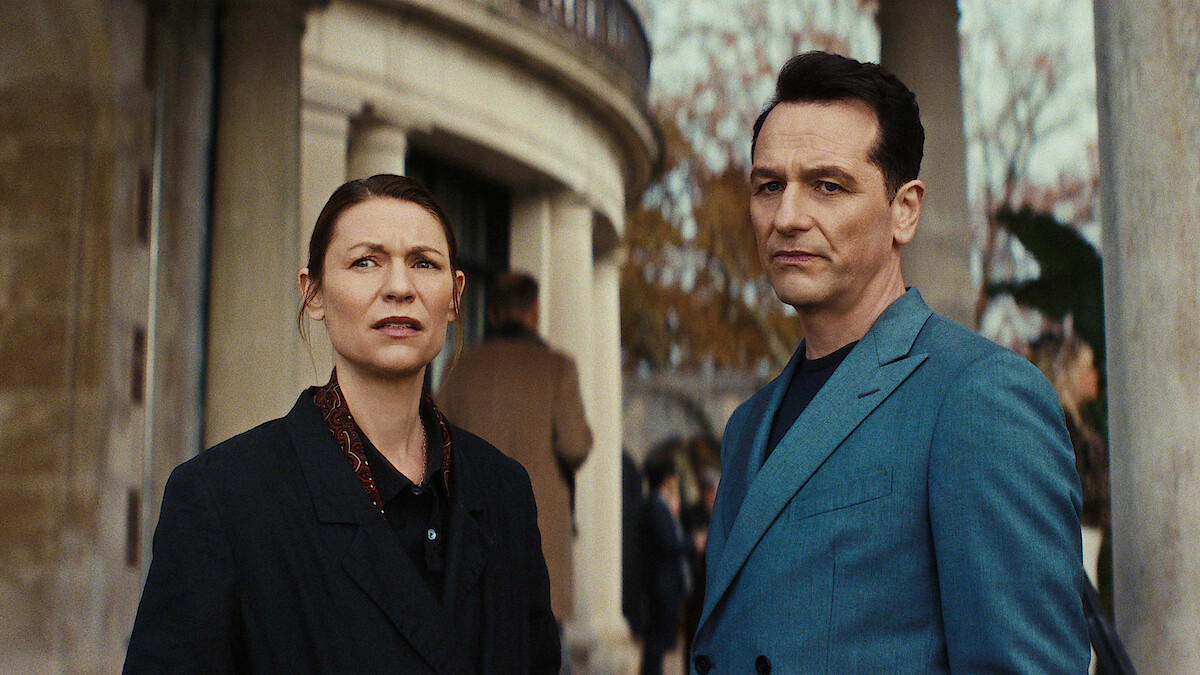
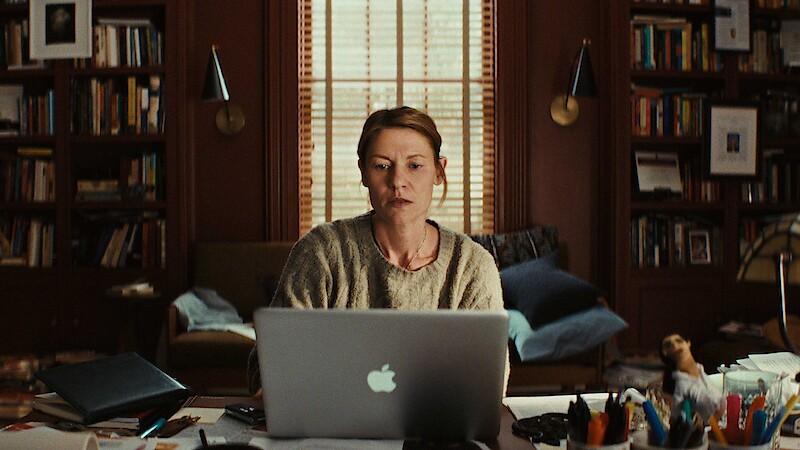
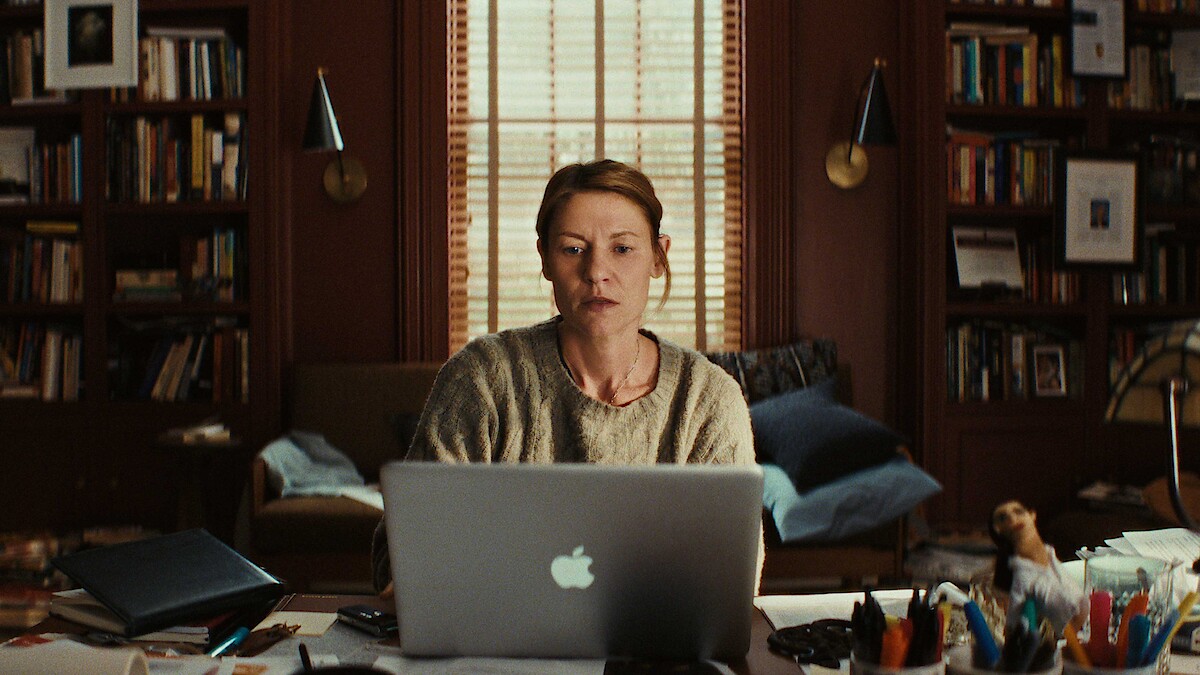
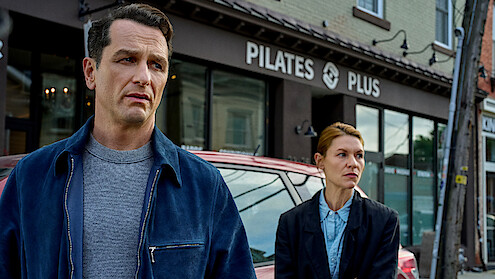
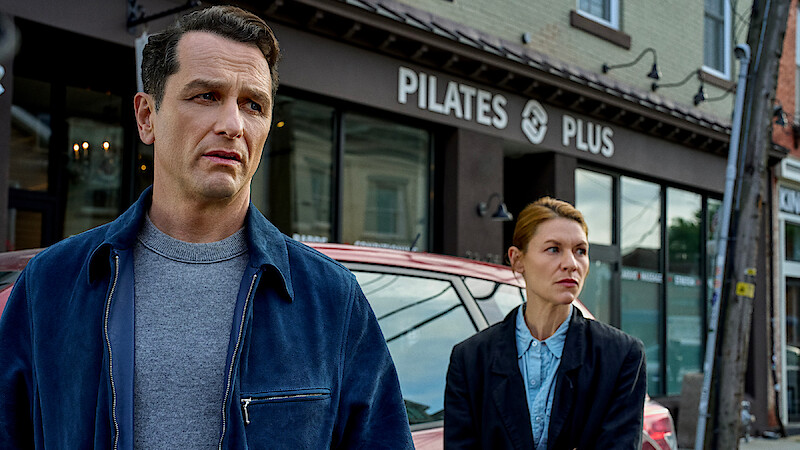
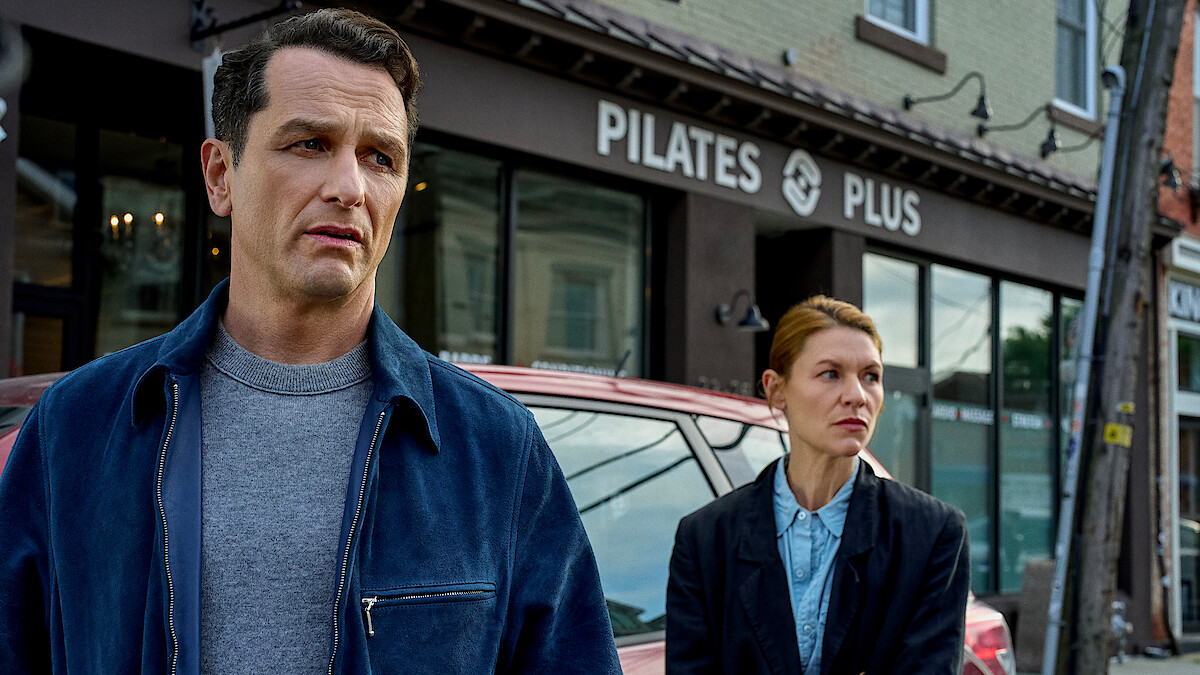
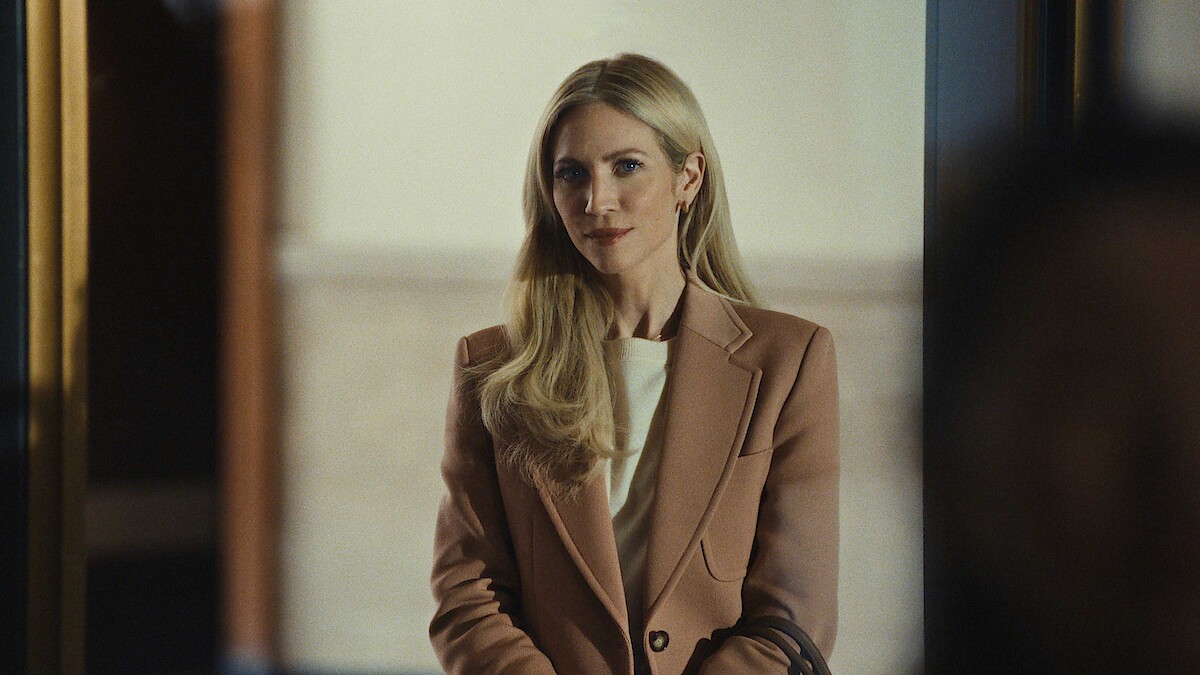
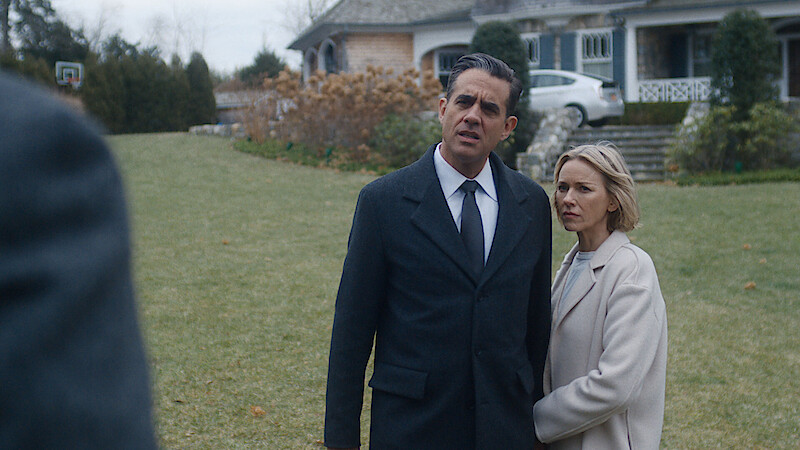
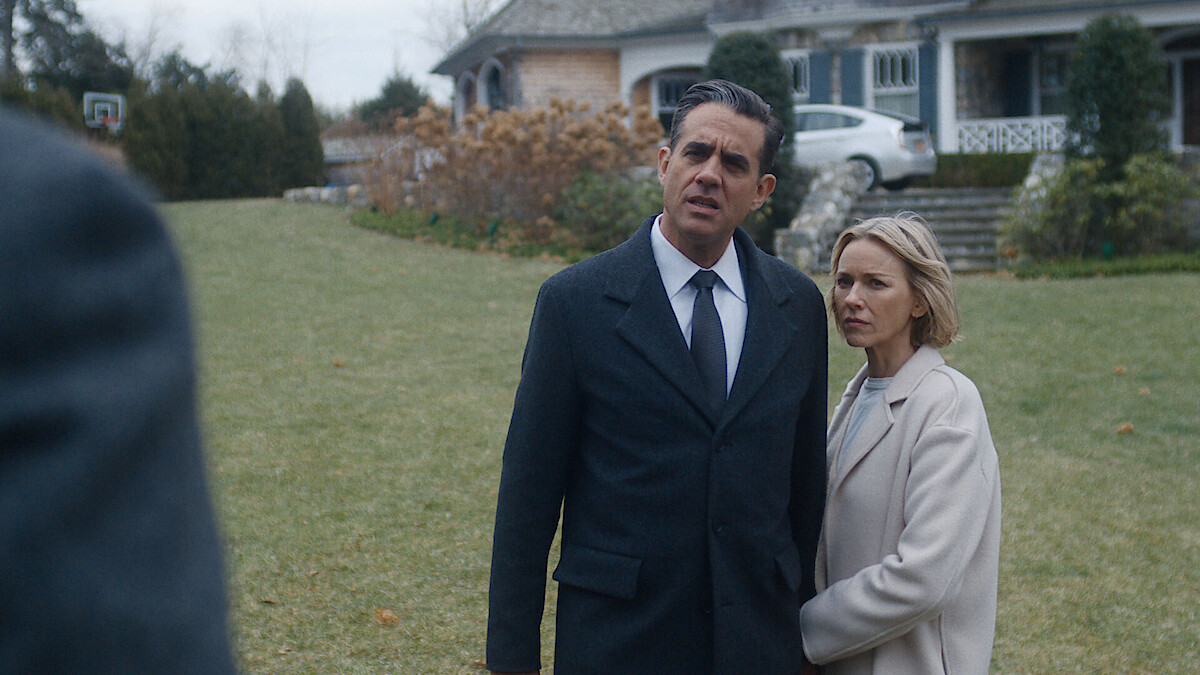
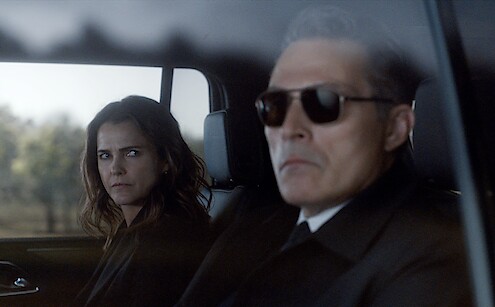
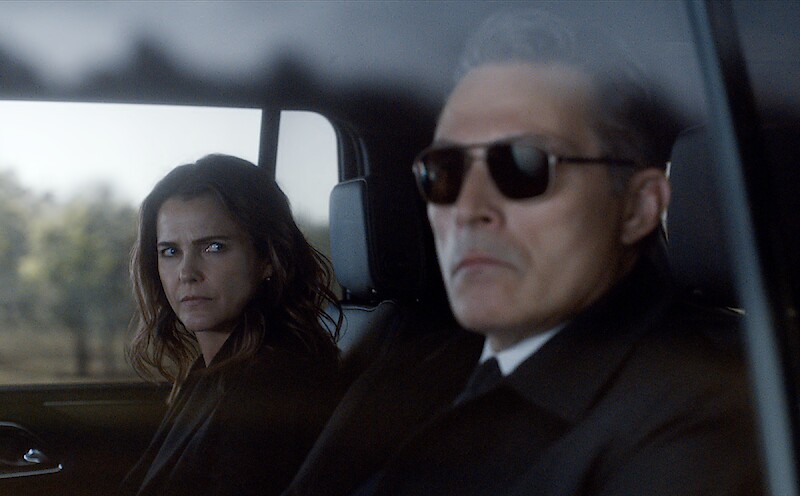
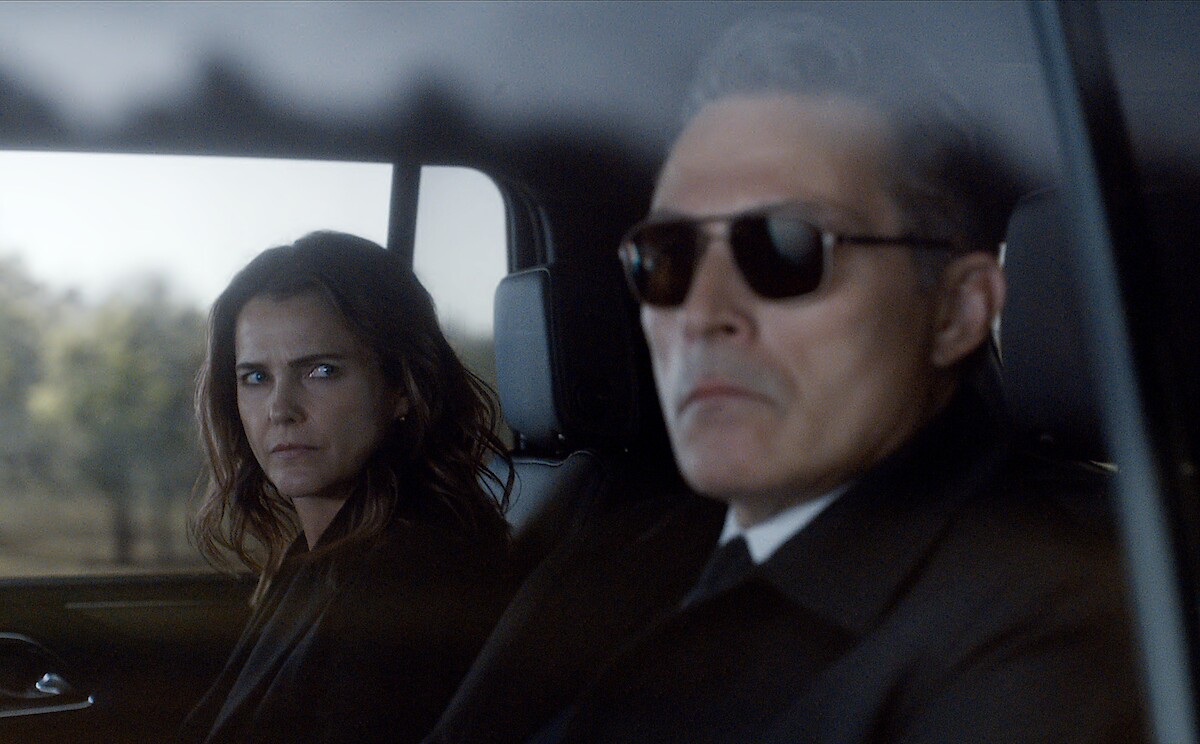
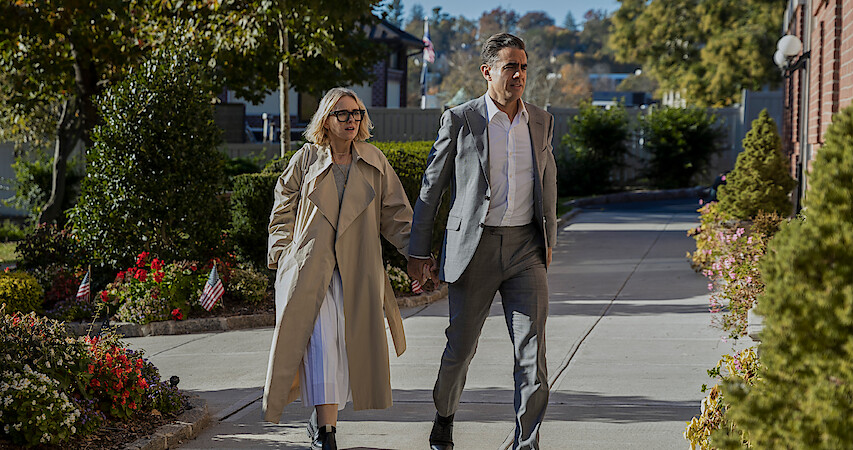
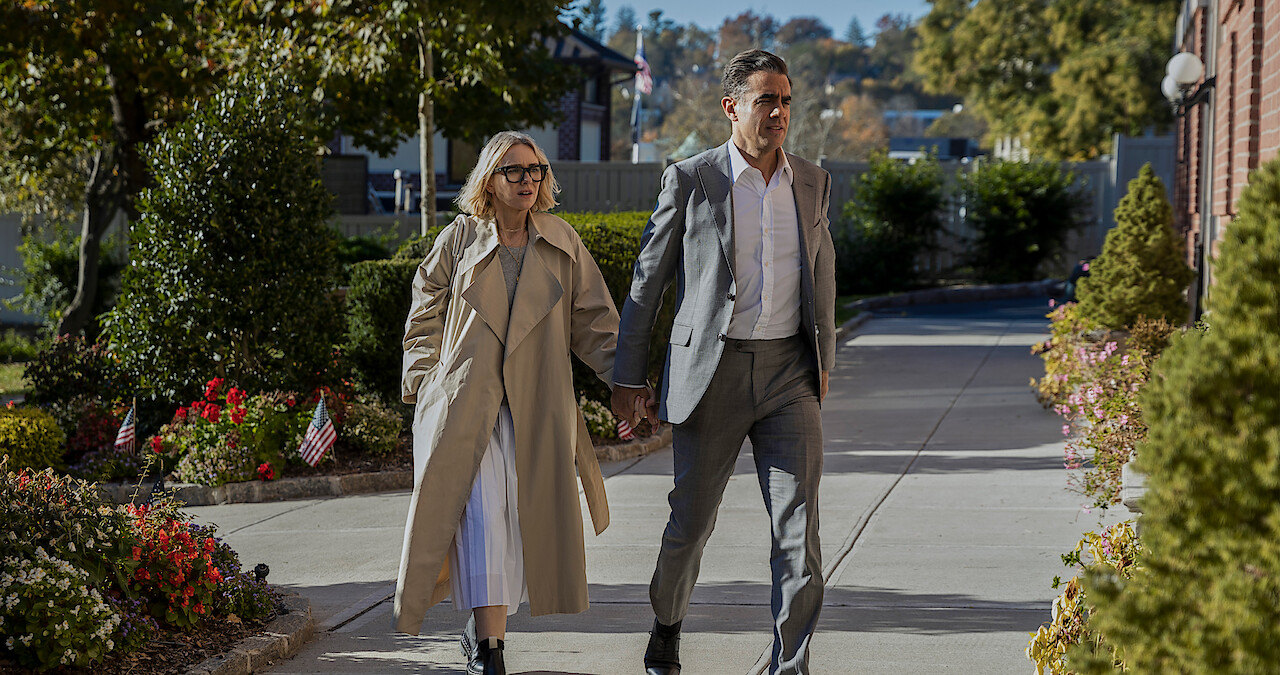
This perfectly describes the dynamic between Danes’s character, Aggie Wiggs, and Nile Jarvis (Matthew Rhys). Aggie is a renowned journalist who’s struggling to regain her footing after the death of her young son and dissolution of her marriage, and Nile is the charismatic real estate magnate next door, who’s long been rumored to be responsible for the disappearance of his wife, Madison (Leila George).
Aggie and Nile quickly find themselves engaged in a game of cat and mouse, though it’s hard to figure out who’s the prey and who’s the predator — they each use the other to get what they want. For Aggie, the goal is a good story, no matter the cost.
Danes — who has a lot of respect for the “power that [writers] wield” — is also an executive producer on the series, which reunites her with showrunner, executive producer, and writer Howard Gordon (Homeland). Below, Danes explains how she started working on The Beast in Me, what it was like working with Rhys, and what it was like playing someone whose “darkest urges come into existence.”
What was your first introduction to The Beast in Me?
Claire Danes: The dog started barking at my door in 2020, deep in the pandemic, when we were all wildly isolated. Jodie Foster, who I’ve known for a long time, initially brought it to me. She was going to direct it once upon a time. We started a conversation that lasted for years, and I loved [creator] Gabe [Rotter]’s conceit. I loved this character and this world that he drew. It was very familiar but heightened, and it felt faintly Hitchcockian. It talked about big, bold ideas but in a domestic, very relatable realm. I liked this idea of somebody having a shadow self, having their id become manifest in another person. “What if your most heinous, darkest urges actually come into existence?” I thought that was really intriguing.
What happened next? How did everyone else come aboard?
Danes: We eventually collected all these wonderful collaborators along the way, including Howard Gordon and [writer] Daniel Pearle, both of whom I had worked with independently — with Howard very meaningfully on Homeland for a decade, and then with Daniel on a film called A Kid Like Jake, based on a wonderful play he wrote. It was coincidental that they had already been in partnership, so it made sense to bring them on together. They enriched what Gabe had already dreamt up. Then [director] Antonio Campos came on, who was just the ideal visionary for this series. He really understood what was special and strong about it, and his ideas about how to animate and visualize it were really immediate and intuitive. It’s so much about atmosphere and tone and suspense, and that could have all become quite diffuse and muddy. But I think Antonio was able to dramatize it in such a brilliant way.
We just got so fortunate to have so many creative forces fall in love with it for all the right reasons and give it a happy birth. Also, of course, Matthew [Rhys]. Aggie remained pretty consistent throughout [the series’] evolution, but Nile was a really tricky character to make full sense of — maybe because he is so exaggerated and extreme — and figuring out how to make him seem credible and grounded was a trick. He also has to be really engaging — and seductive and appealing — in addition to being genuinely terrifying. So that’s a lot to ask of a writer, first, and then an actor, second. I was not envious of Matthew’s job — it seemed a little impossible — but he did such an exquisite job with it.
How did it feel to play Aggie, a woman who’s gone through extraordinary trauma and hasn’t fully processed it? She’s living with so much pain and almost wholly controlled by it, but she’s also occasionally liberated through her rage.
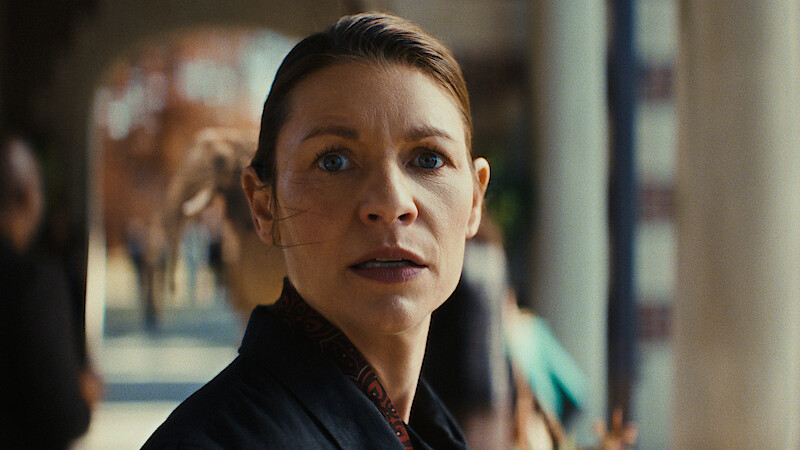
Danes: I worried about so much of the story revolving around this woman who is really introverted, really internal — paralyzed with grief, initially. Like, “Ah! How do we invite an audience into this woman’s world, when she’s worked so hard to create fences around it?” That was probably the biggest trick for me — and the greatest source of intimidation. But again, I think Antonio made all that possible. He really understood where that tension lay and how to make her accessible, even when she was so defended and kind of receding.
What stands out most to you about who Aggie is? How does being a writer inform her character?
Danes: Aggie has these contrasting qualities, because I think she is very controlled and contained and hyper-analytical and cerebral. But she does also have these visceral, animalistic urges. Playing with that got to be fun, when I started to become more comfortable with those contrasts. There was a book that I kept referencing when I first started thinking about this story, The Journalist and the Murderer by Janet Malcolm. It’s always been one of my favorite books. [Malcolm’s] profiling a murderer who is objectively evil, and she is also kind of exploiting him, as a writer. And you start to see this writer and this murderer have a kind of equal value and how that is possible.
I thought it was interesting, this idea of “writer as sniper,” as a potentially predatory character. There’s a lot of power that [writers] wield, and they can hide behind the document and behind objectivity or a journalistic practice, and they can evade a lot of responsibility for shaping an opinion — and maybe even ruining a life. That moral question was really fascinating.
I always thought of [Aggie and Nile] as being like the snake and the mongoose. I liked that they needed each other, and recognized themselves in each other, and kind of respected and even admired the gifts within the other, and were just really keen for a fight — to be working so much out in the ring together. Both these characters have very little left to lose, so all bets are off.
I love that shadow relationship you’re talking about, between Aggie and Nile, where Aggie’s power is much more internal. It’s her words that are powerful, not her — she can tear things down by writing a sentence. But Nile is in your face. It’s him, and it’s the big monuments he’s building. It’s a fascinating duality.
Danes: Yes, and I’ve been the subject of a lot of writers’ work, and I know how treacherous that can be. And how seductive writers can be, and how our vanity will fail us, and how inclined we are to share way too much. I think that was worth [pointing] a camera towards.
Nile knows who he is, and yet he entertains and encourages his own downfall — perhaps to really be perceived. What do you think Nile’s intent is with Aggie?
Danes: I think her pitch [to write his biography] is really successful. I think she judges that as well as she possibly could. She recognizes his isolation, his loneliness, his fear of being powerless, and [the biography gives] him a sense of agency. And he leaps at it. She ensnares him. But it’s certainly a risky move.
Do you think she had a plan for how it would go? What were her different motivations for this project?
Danes: I think she was underestimating how desperate she was. But I think her blood starts flowing. For whatever reason, this project gives her some kind of reason to be and think again. He’s this unlikely catalyst and muse, and she’s just so relieved to finally have access to her creative self again that she can’t help it. There’s also this ruse, the cover, the excuse really, of seeing if he was truly responsible for killing [the young man who killed Aggie’s son].
Aggie was also successfully seduced by Nile. His gesture was impactful. And she is sincere when she’s talking to her editor. She just knows that this book is going to be a hit. So there’s that part — the ambitious, maybe even venal, part of her that wants to pursue success of that kind and on that level again.
What was it like working closely with Matthew Rhys? What was this journey like with him?
Danes: Totally dreamy, because he’s crazy gifted and really hilarious. I’ve seen him play really muted performances where he’s brilliant, but where the internal strife is really intense and concentrated and compressed. He’s really expressive and kind of hammy, in the best way — and he just got to party hearty with all those natural resources.
He’s so amazingly kind and stable as a performer — and as a guy — and then also so skillful, even virtuosic. So that’s the best combination and so fluid and easy, from the word go. We just wanted to make a good scene together, and he’s so present and available, and every take would be really different from the last. He’s very playful.
The health of the show had everything to do with our dynamic and our chemistry, and that’s really hard to anticipate. You just have to take a whack at it and discover what it is. It can seem good on paper, and then not translate when you’re in [the process of] sharing, between action and cut. So I think we were fortunate in that respect, and we do our homework, and we’re both kind of earnest, goofy nellies, basically. I love him so much. Just mad, mad respect for that guy.
It really does translate onscreen in a completely unique way. It’s not just a battle between antagonists — it’s this beautiful engagement between people, even if they’re not always operating with good intent.
Danes: They’re playing each other, and they’re also inexplicably drawn to each other and genuinely charmed by each other. So that was just endlessly enjoyable. And they don’t actually want to have sex with each other. I’d never played that before. There is a friction and a tension, but it’s not exactly a sexual one. I think that renders it unique from other stories that resemble it.
There’s obviously an intense seduction taking place, which isn’t simply sexual. But then there’s the scene where Nile eats the roast chicken. There’s this element of wanting to devour each other, a tension that persists throughout the entirety of the series — they feed off each other.
Danes: You have to believe that they’re both exceptionally fast-thinking. They’re quite gifted, brilliant people, and there’s something a little lonely about that. So to find somebody who can exist with you, at that speed, is rare. And worth relishing. But in the end, it turns out she’s not a psycho killer, and it matters that she has urges and doesn’t act on them. And he does.
How do you feel Aggie is by the end of the series?
Danes: Part of me wishes we could have spent a little more time with her, as she’s in a place of reflection. She has faced the ugliest parts of herself. Not indirectly, not metaphorically, not by transferring her own ill will onto some other human — but by recognizing her failures and her own violence. I think she comes not to peace with that, but acceptance of it. She ultimately is able to forgive herself, but she has to admit her wrongdoings before she can.
Where has she landed with Nile?
Danes: I imagine that there’s part of her that kind of misses Nile. I liked that scene [when she visits him] at the jail. You see that they do fall right back into it — as evil as he’s exposed as being, there’s part of her that is a little happy to see him. It’s perverse, and impossible to reconcile, but there it is.
And how do you think she feels about who she is?
Danes: I don’t think she’s as afraid of herself at the end. I think she can live more comfortably in her own company and doesn’t feel so hungry for love, because she’s actually able to give it to herself.
The Beast in Me is now streaming on Netflix.