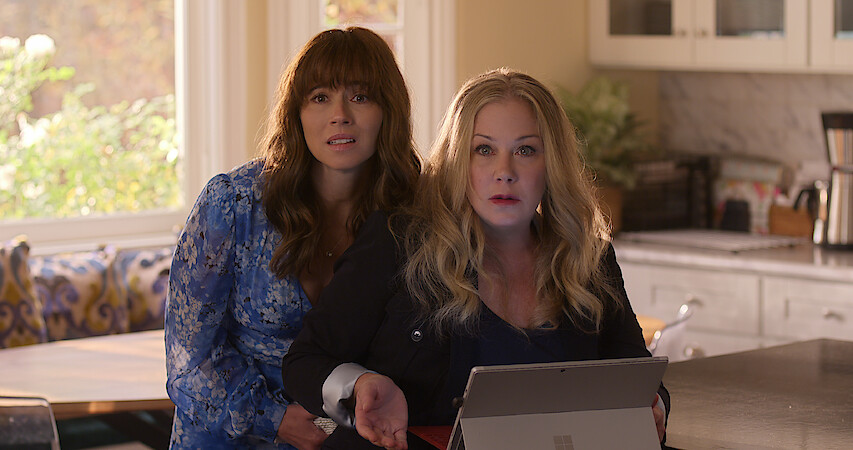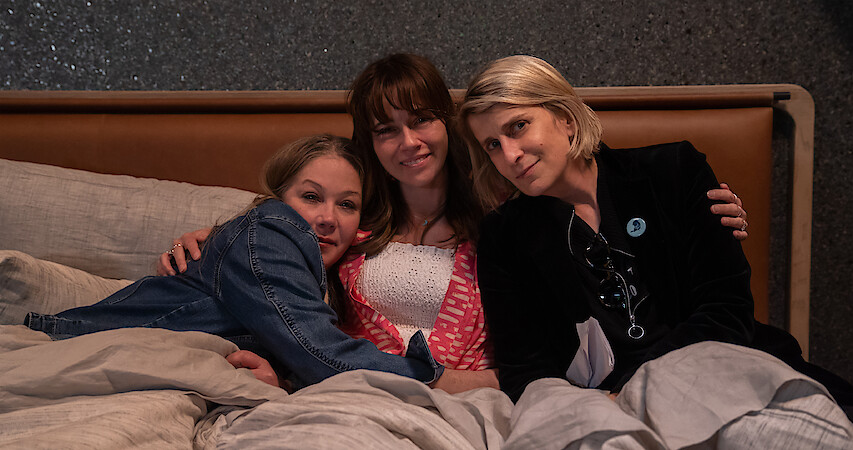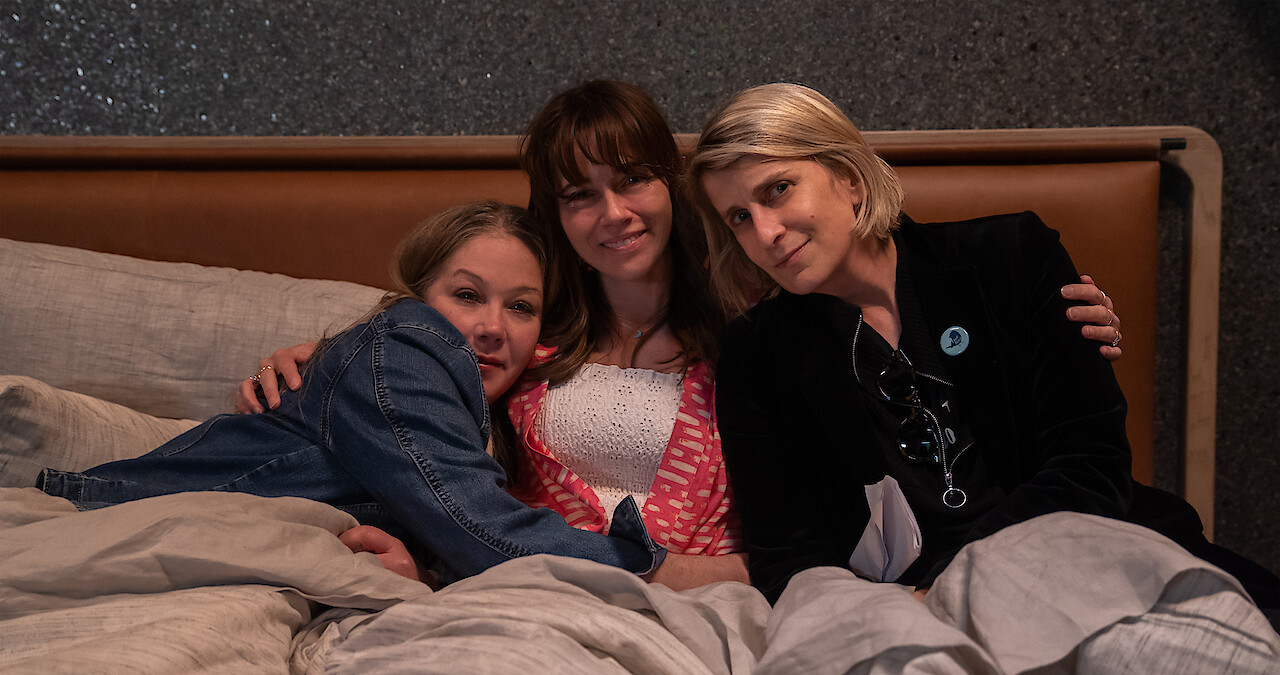
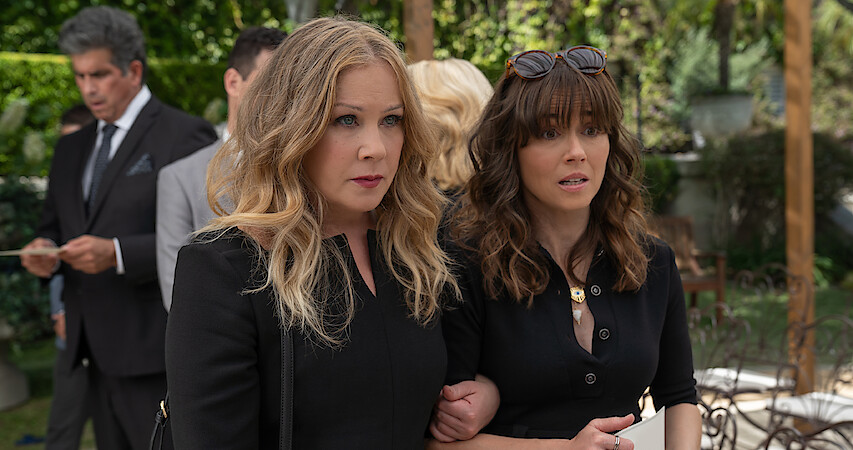
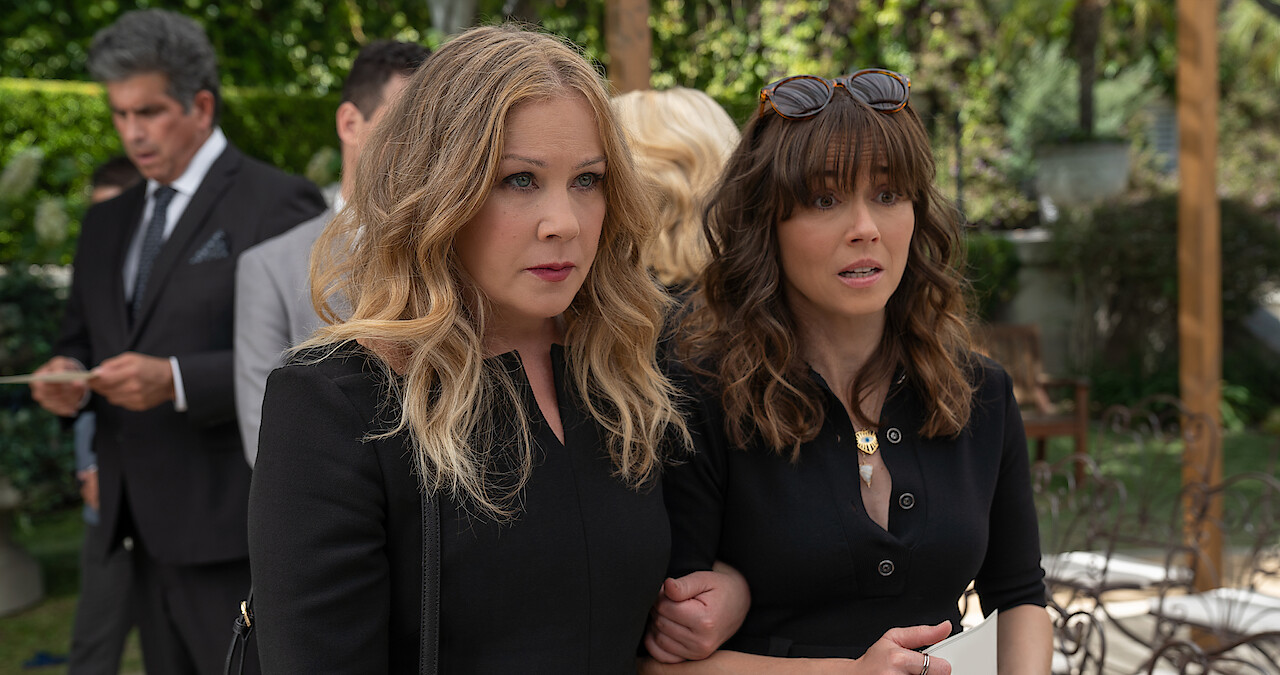
Saeed Adyani/Netflix
Explainer
The Ambiguous Ending of Dead to Me Was No Accident
What do you think happened?
By Olivia Harrison
May 14, 2024
🤐 SPOILER ALERT 🤐
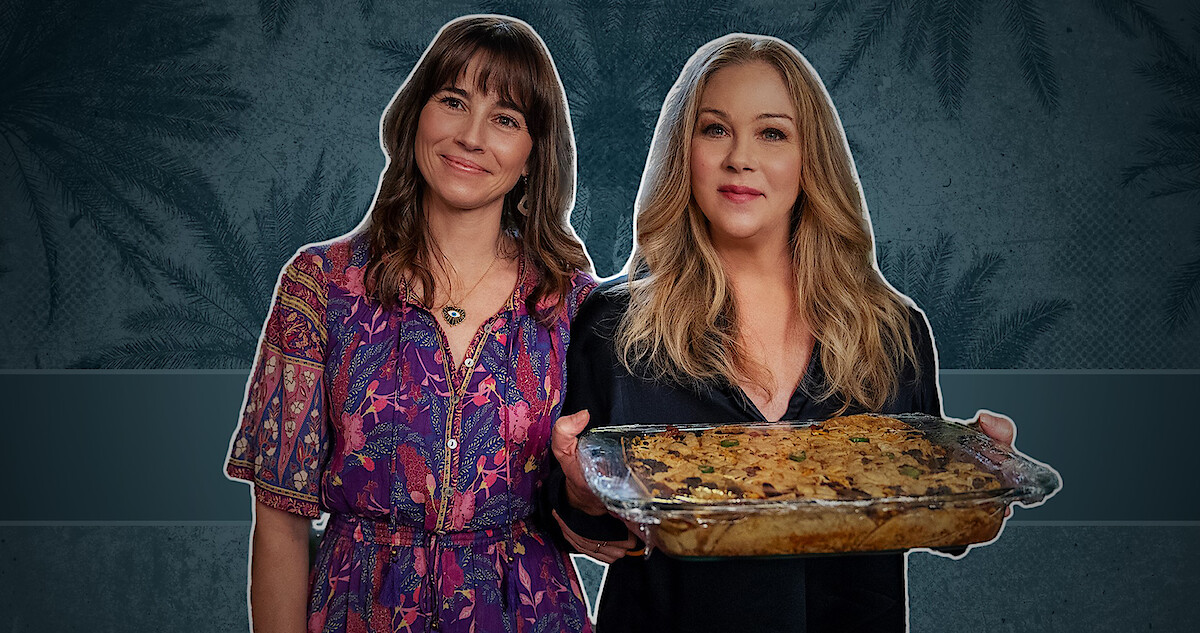
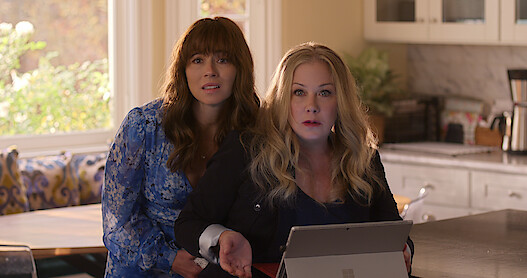
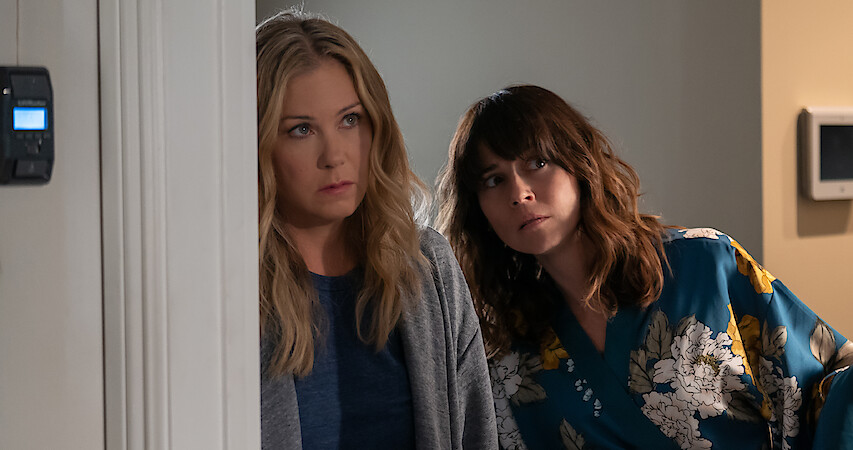
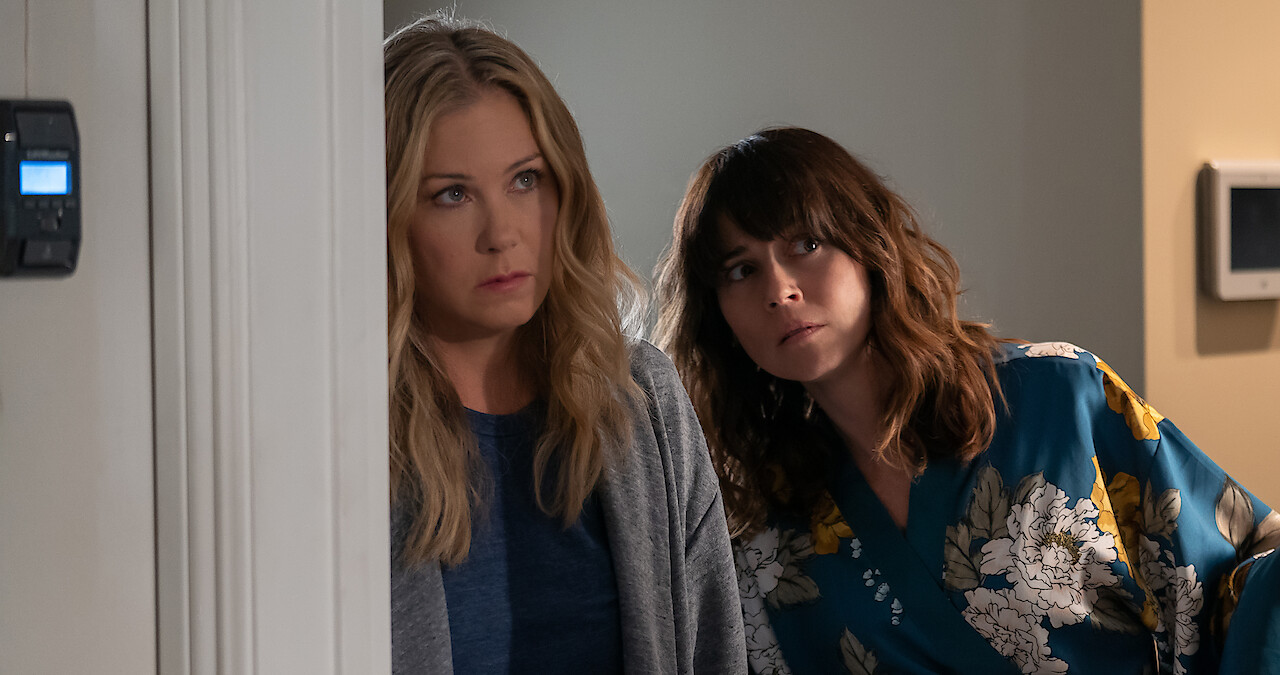
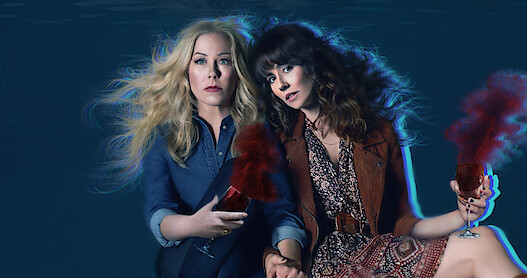
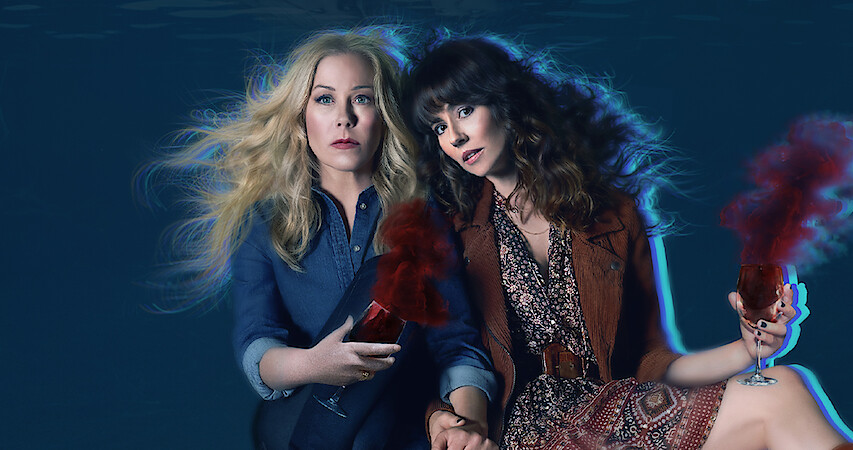
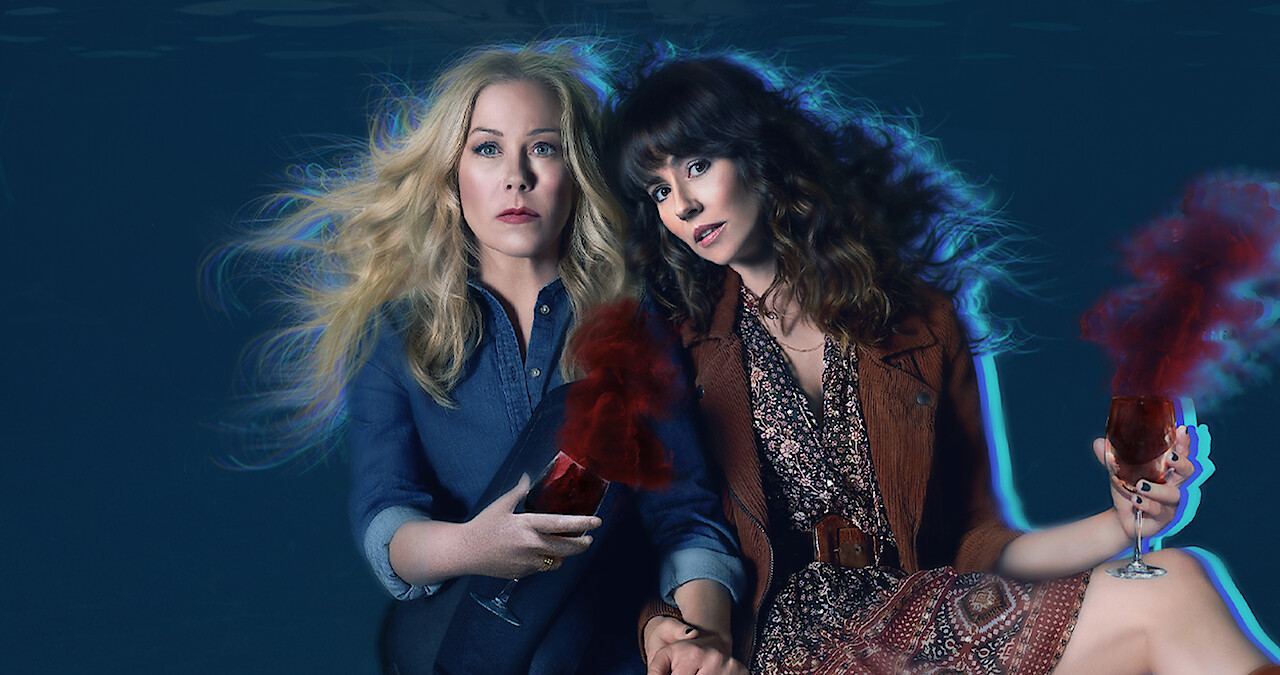
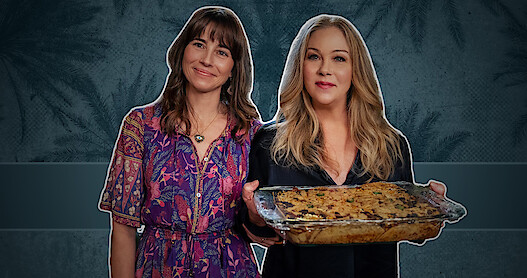
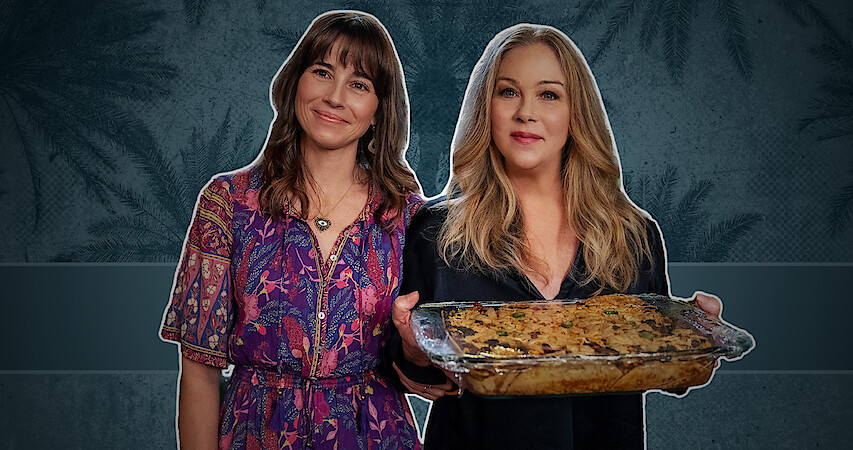
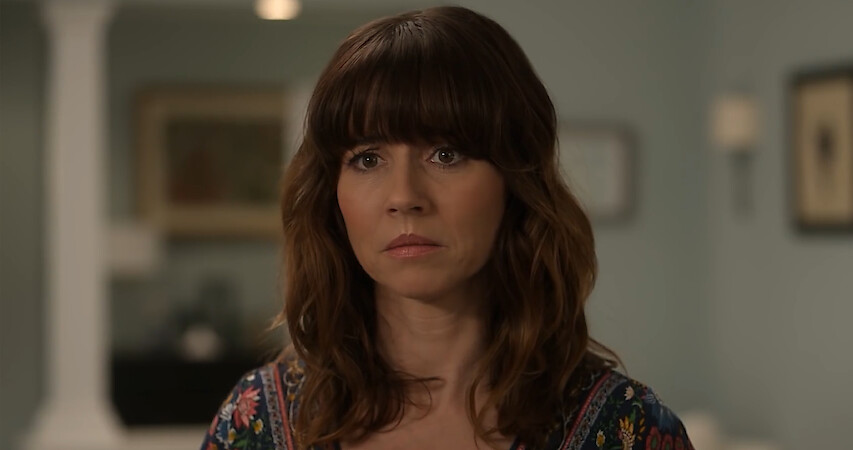
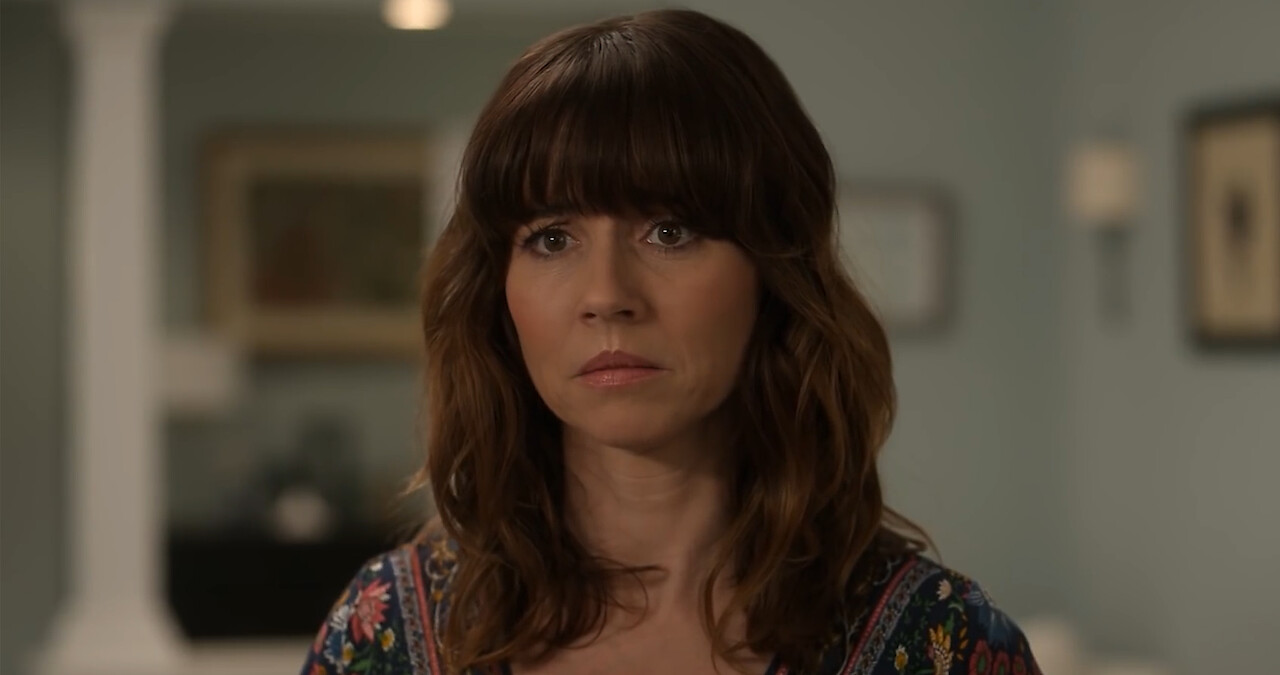
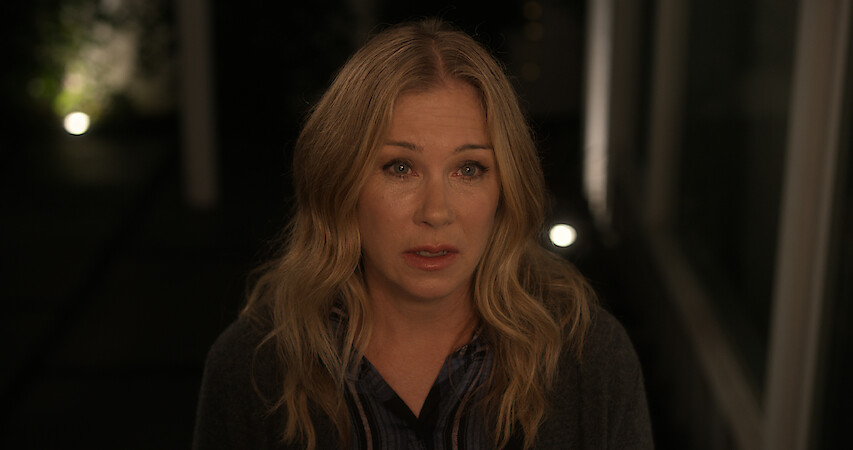
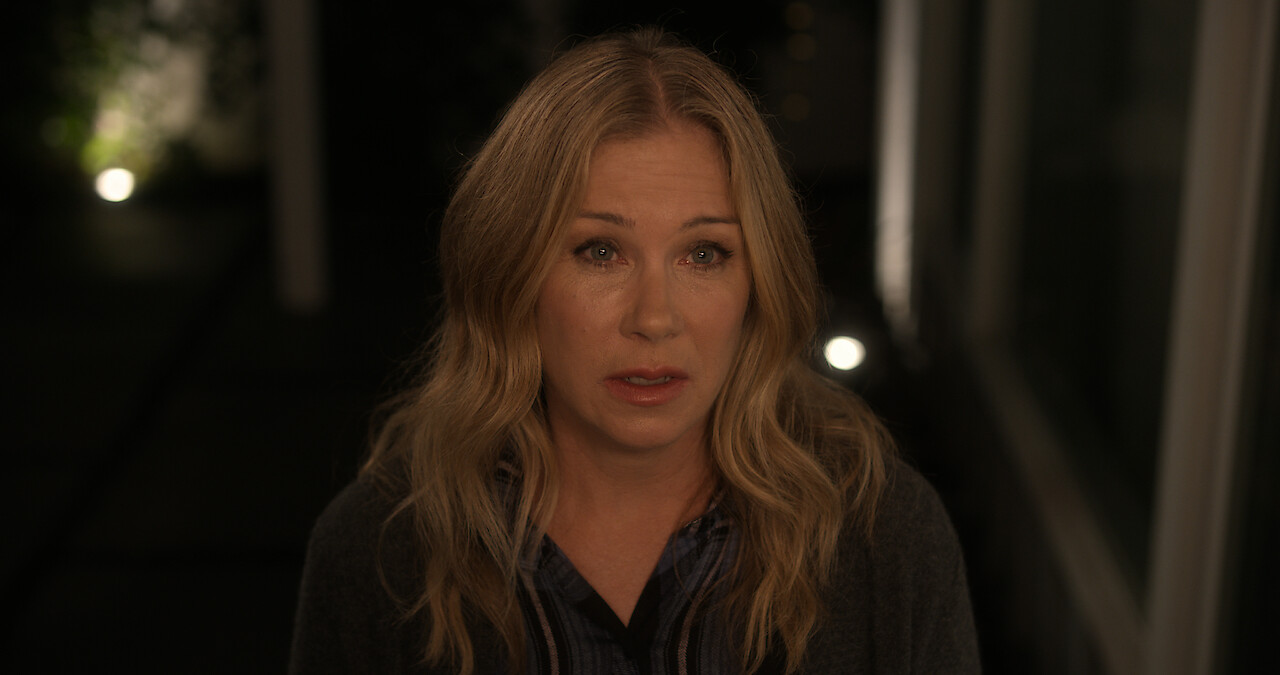
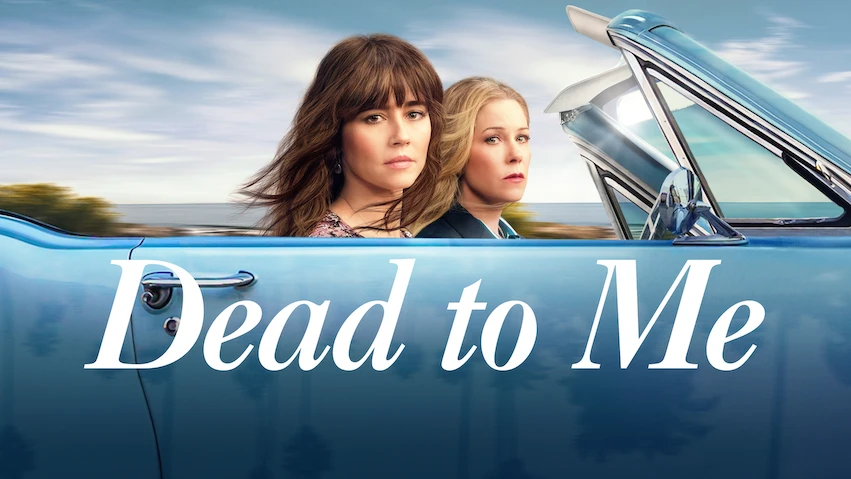
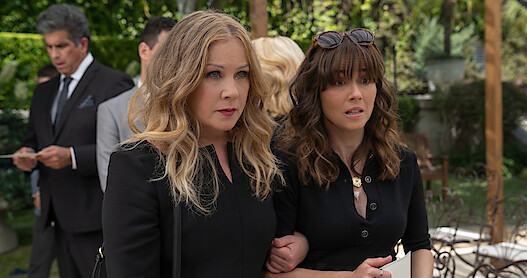
The final season of Dead to Me evokes — and explores — a range of emotions. As in the first two seasons, there’s gut-wrenching sadness prompted by the traumas that unfold in the lives of our two protagonists, Jen Harding (Christina Applegate) and Judy Hale (Linda Cardellini). Judy undergoes treatment for late-stage cervical cancer, and Jen supports her while simultaneously navigating the fear she experienced when her own mother died from cancer in a performance so powerful that Applegate was nominated for outstanding lead actress in a comedy series. (Check out the rest of Netflix’s Emmy nominations here.) But there are also incredibly bright spots, like when Jen and Judy take a trip together — a psychedelic one, on mushrooms. They laugh hard at the kind of specific nonsense that can only be shared between and understood by two best friends who bare their souls to each other, meeting every revelation with deep compassion. The series is devastating and joyful, suspenseful and breezy. It’s all a mixed bag, and its ending is full of both hopeful moments and heavy hearts, with nothing tied up perfectly or explained completely — just like in life.
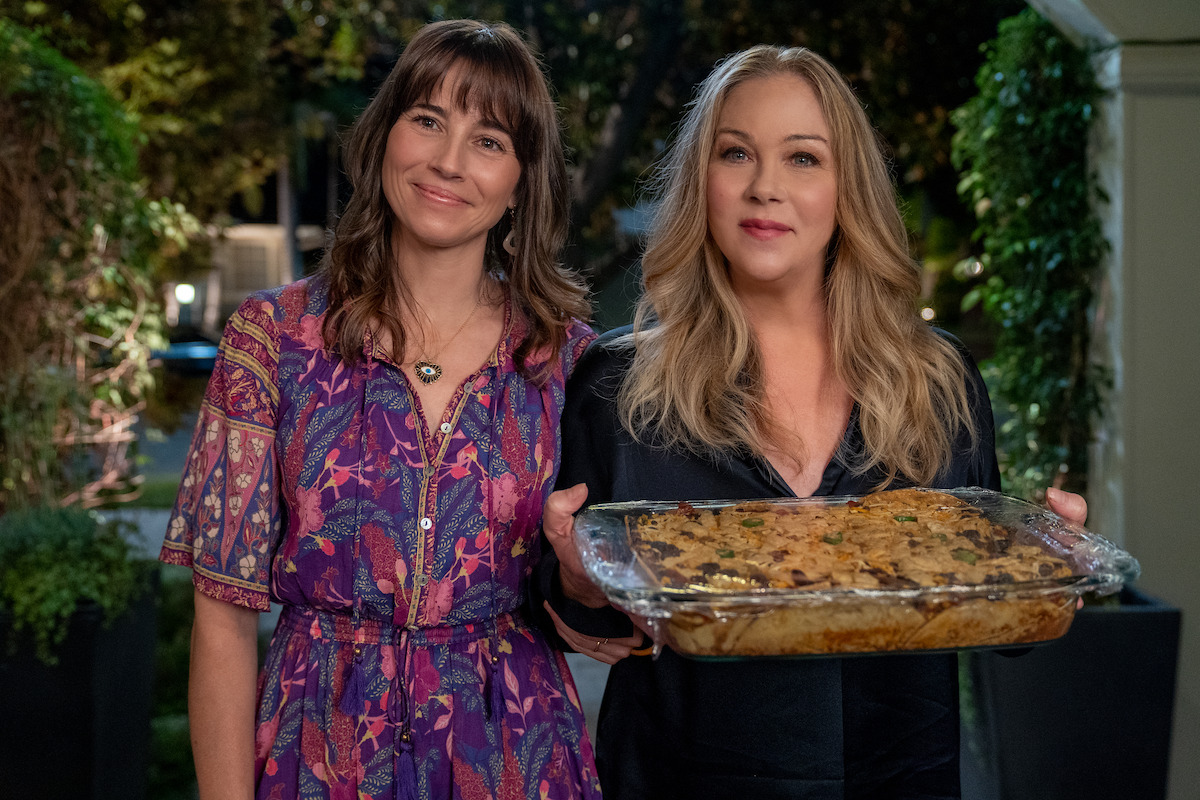
There are several unanswered questions about what exactly happens at the end of Dead to Me. In the penultimate episode, FBI Agent Glenn Moranis (Garret Dillahunt), who has been investigating the murder of Steve Wood (James Marsden), and surely — and rightfully — suspects Jen and Judy, is mysteriously killed. The presence of a scone that Jen baked for him at the crime scene, a shot of Detective Ana Perez (Diana Maria Riva) leaving the scene with Agent Moranis’ files, a bottle of lighter fluid and the fact that the Greek mob was spotted at the motel where the agent’s body was discovered all leave who is actually responsible for this convenient death up for debate.
“Everything that you see is deliberate, and everything that you don’t see is omitted deliberately,” Dead to Me creator and showrunner Liz Feldman tells Tudum. This decision to leave so many details of the story up in the air is a reflection, Feldman says, of “going through the pandemic and experiencing collective grief and ambiguous grief.” She explains that “the constant nagging feeling that the world might be pulled out from us at any moment shaped how I approached writing about grief... you don’t get all the answers, and you never quite know when it’s coming.”
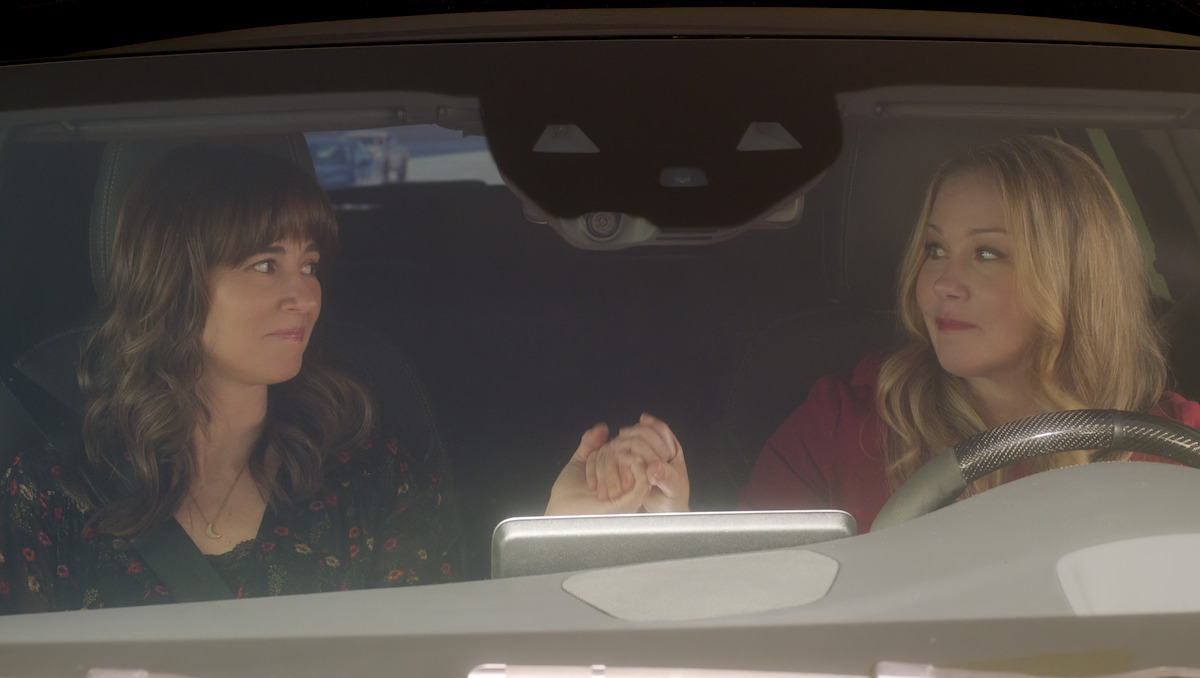
That ambiguity — and authenticity — is on full display during the show’s finale. On the last day of Jen and Judy’s much-anticipated vacation in Mexico, Judy shares that she will not be returning home. The two women cry together, hold each other, and express the love, healing and wholeness that they’ve exchanged over the course of their brief but intense friendship. The next morning, Jen wakes to find that Judy is no longer in bed next to her. Jen walks out to the beach and discovers footsteps in the sand, heading toward the ocean where a boat has set sail. It’s not clear what happened to Judy, and according to Feldman, that’s the point.
“Most of the time you’re not there when someone leaves you, so I wanted the audience to experience that too,” she says. “So much of that final episode is about Jen coming to a form of acceptance of what is happening in her life and what is happening with Judy, and I’m trying to bring the audience to a place of acceptance as well. They may not get all the answers, but what they’re left with is this feeling and memory of this beautiful friendship that they got to be a part of.”
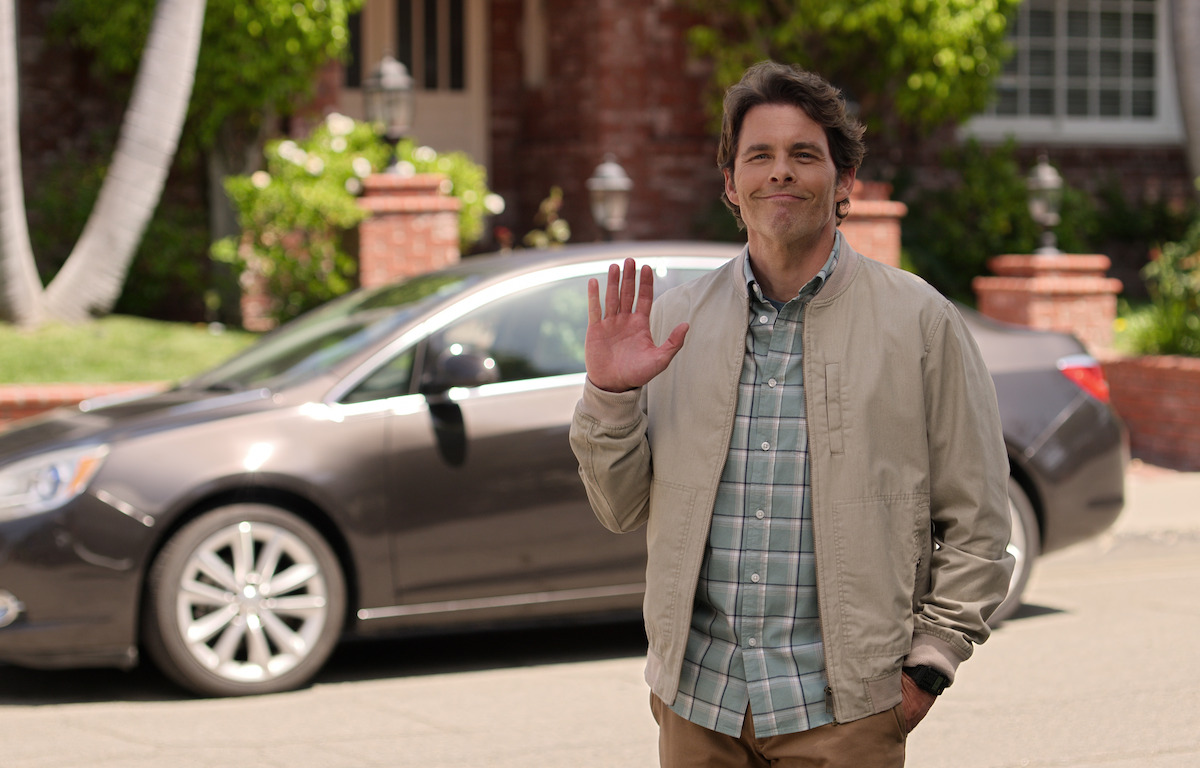
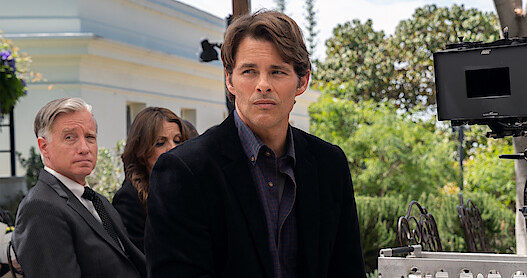
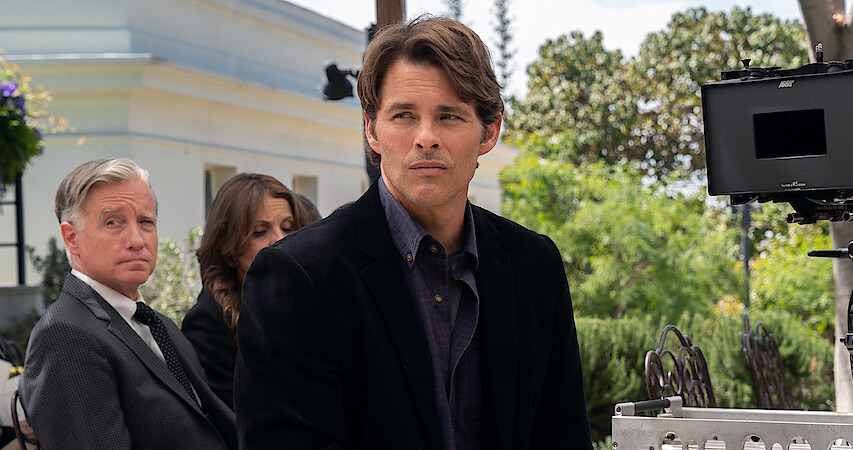
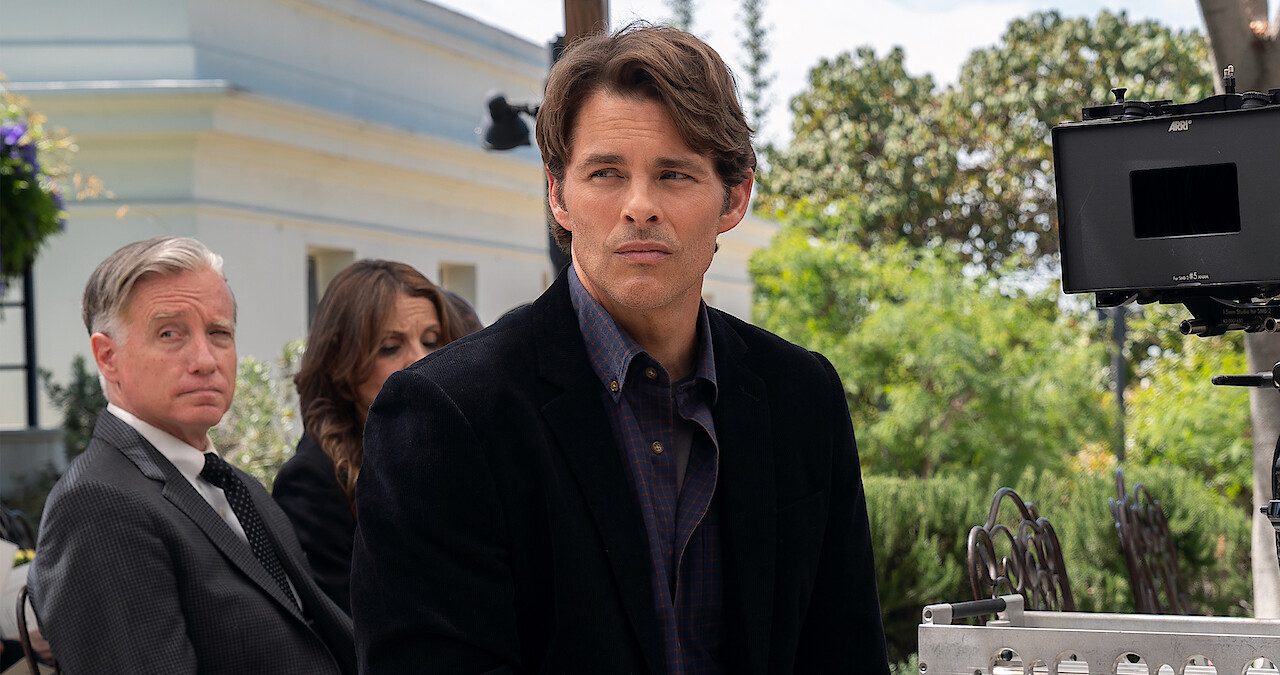
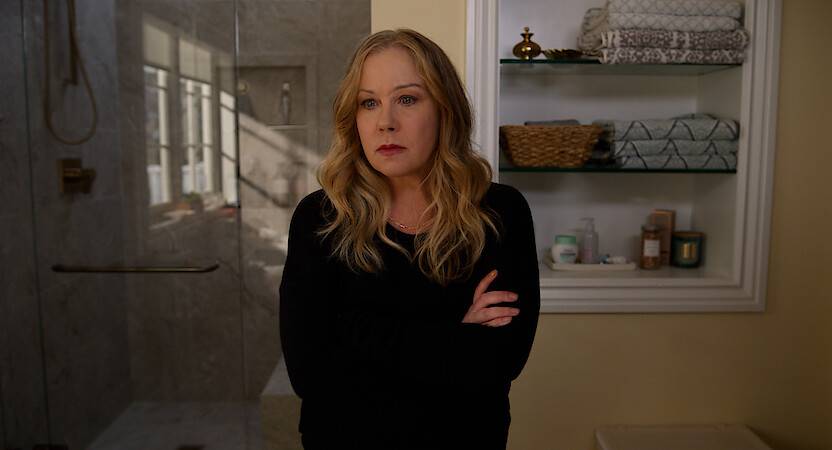
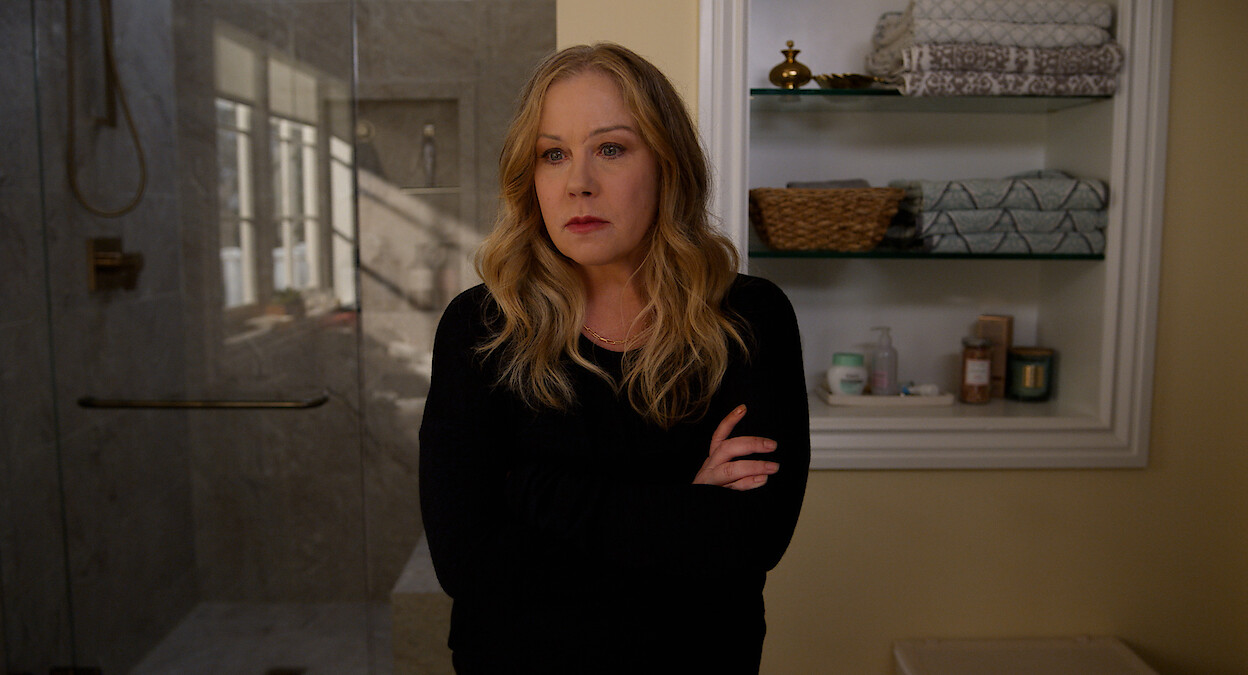
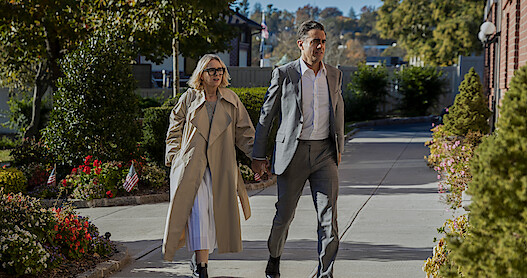
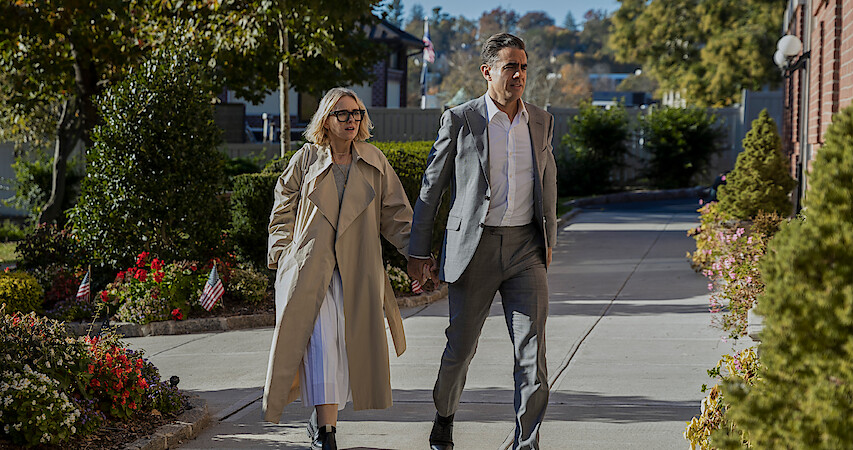
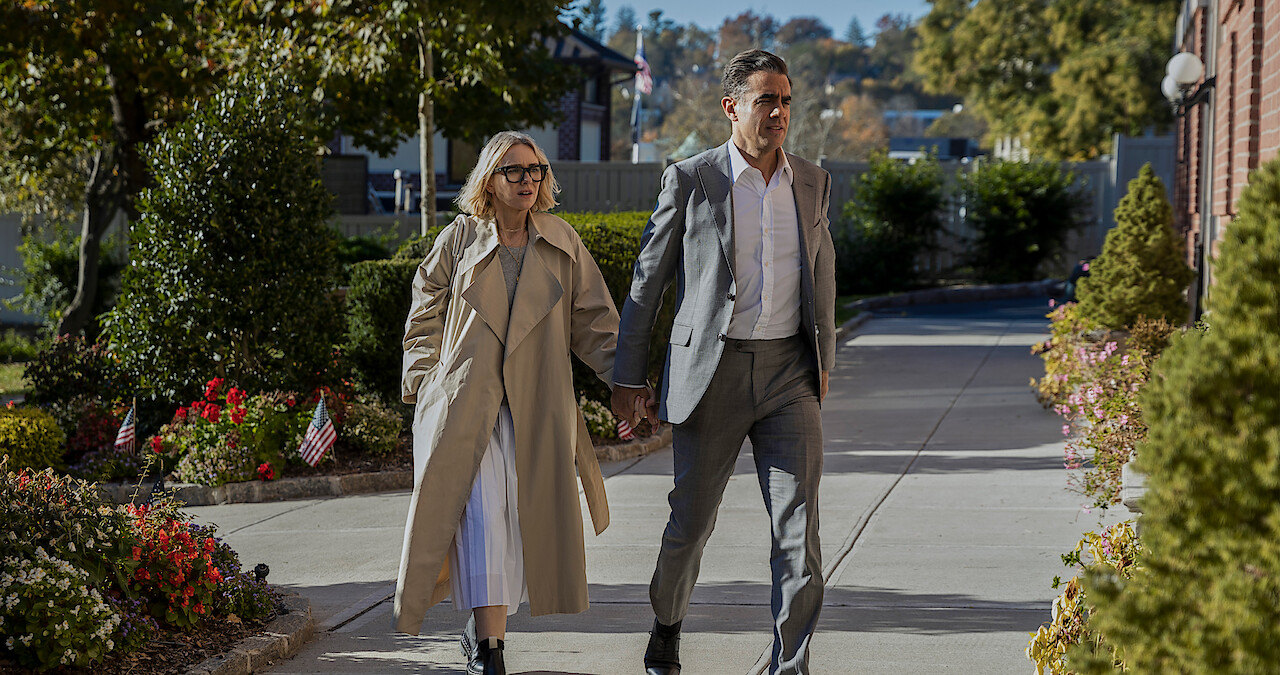
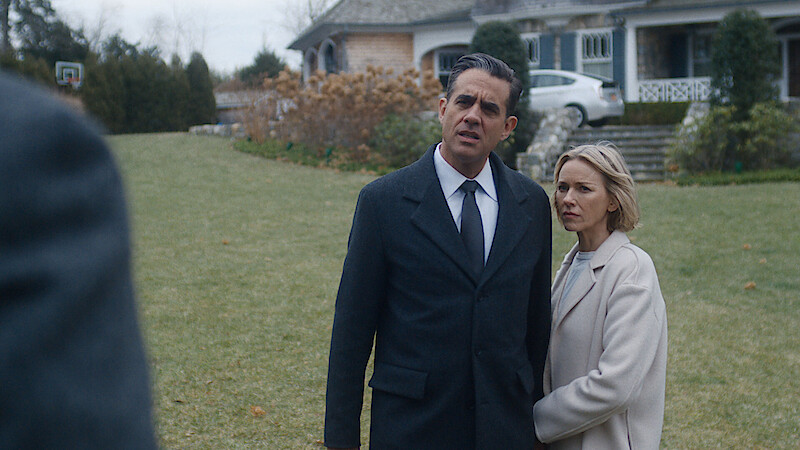
Dead to Me ends its three-season legacy of shocking twists with one final cliffhanger, which comes at the very end of the series finale. In the show’s final scene, Jen lounges on a lawn chair with her new baby as Ben (Marsden) and her sons play in the pool nearby. She gazes at the cat she brought home from Mexico after her final trip with Judy as it paws at the door of the pool house where her best friend used to live, which happens to be right next to where Jen killed Ben’s brother, Steve — a fact that Ben has never learned. Jen turns to her partner as he’s drying off and says, “Ben, I have to tell you something.” Then it’s all over.
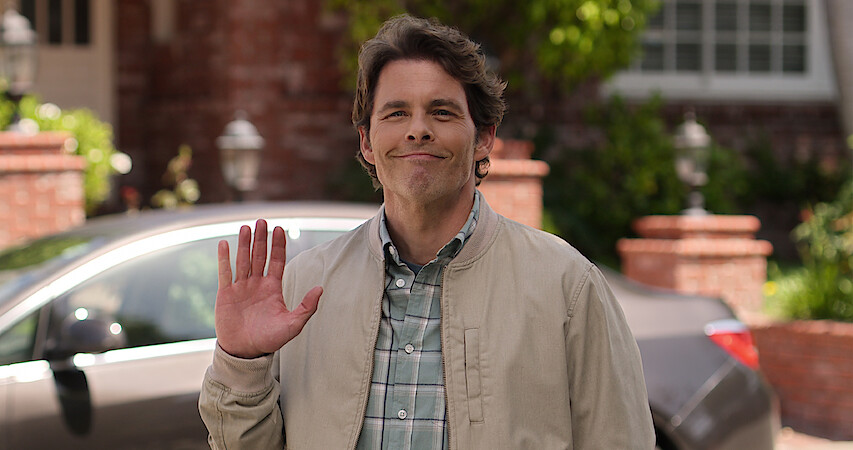
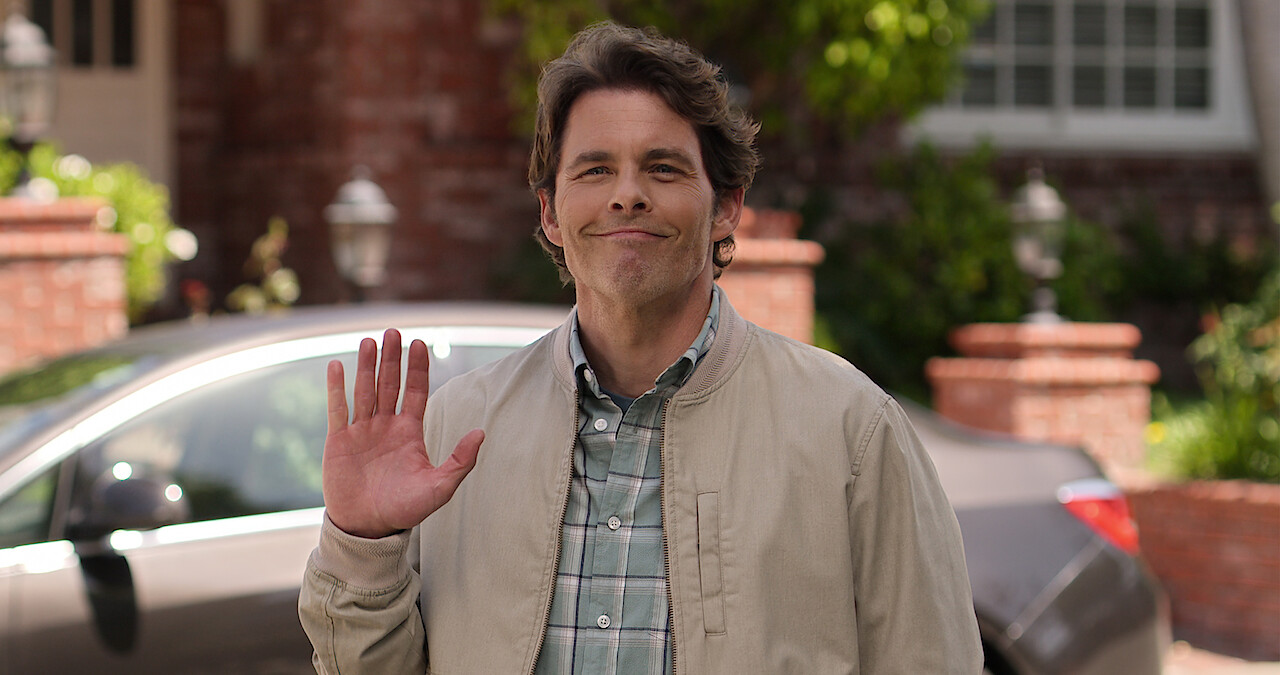
According to Marsden, the dynamic among himself, Applegate, Cardellini and Feldman is such that the actors instantly understood what the writers were saying with this open ending. “When we read that, I think in unison all of our heads started nodding,” he tells Tudum. “We got, creatively, what Liz wanted to achieve, which is, each audience member at home has their own specific relationship to these characters, so we’ve done enough. We’ve told enough story about where these people have come from, what they’ve been through, how they’ve suffered, what trauma they’ve dealt with in their life, what laughs they’ve had, good times, bad times. We hope that by leaving it a little bit open-ended, the answer will kind of be floating there in the air for the audience to grasp and interpret their own way.”
Though Feldman thinks she knows what happens to Judy, Jen, Ben and the rest of the Dead to Me characters she created, the showrunner agrees that it’s not up to her to decide for everyone else. “This is not really my show anymore,” she says. “The show belongs to the audience, and I want them to be able to decide how it ends for themselves.”