Erika Henningsen on Playing Ginny in The Four Seasons, Romancing Steve Carell - Netflix Tudum
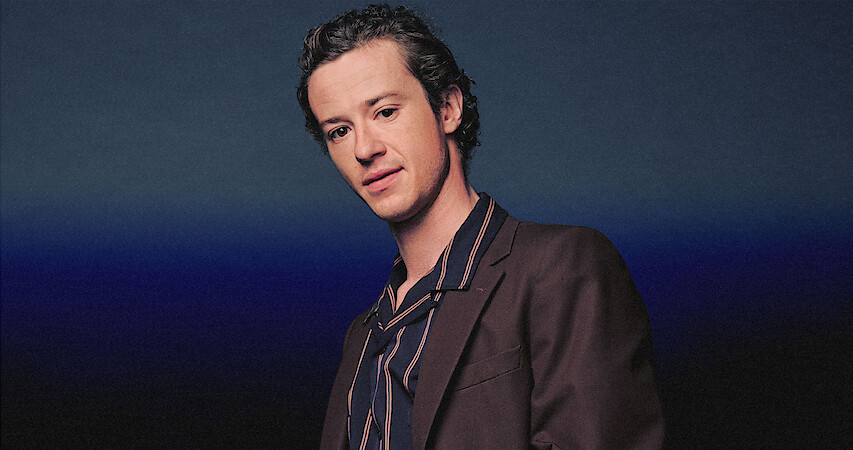
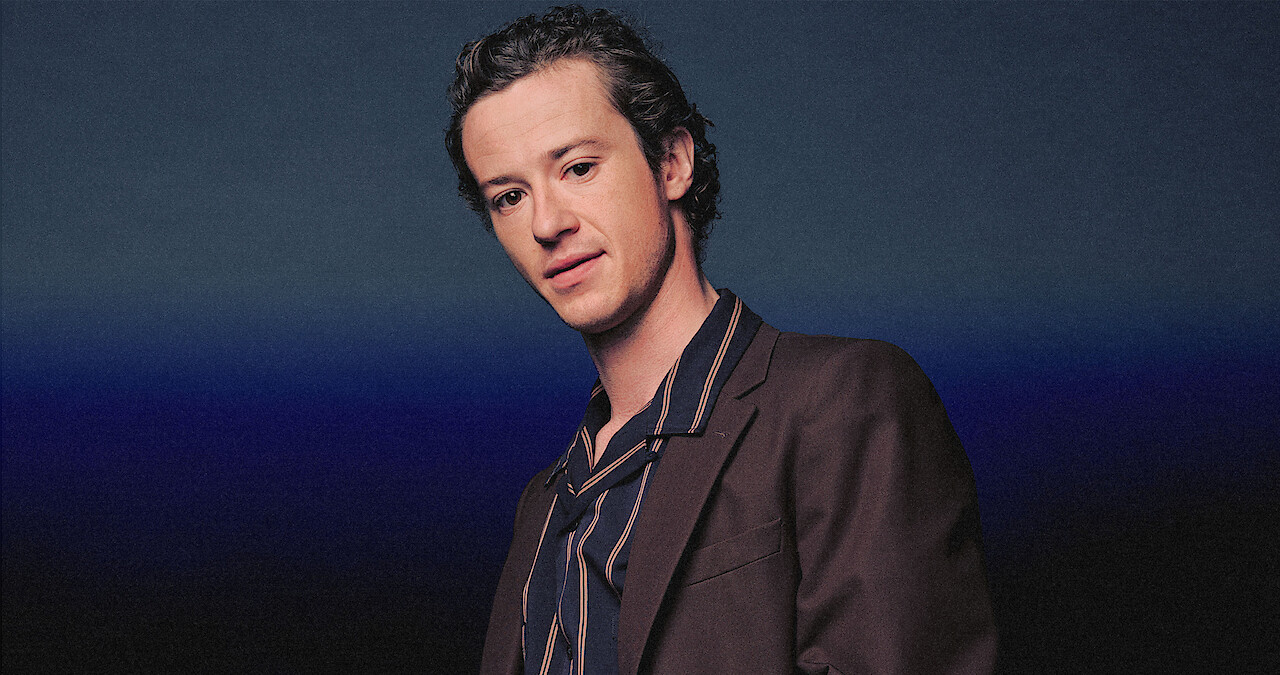
PHOTO BY JON PACK
Up Close
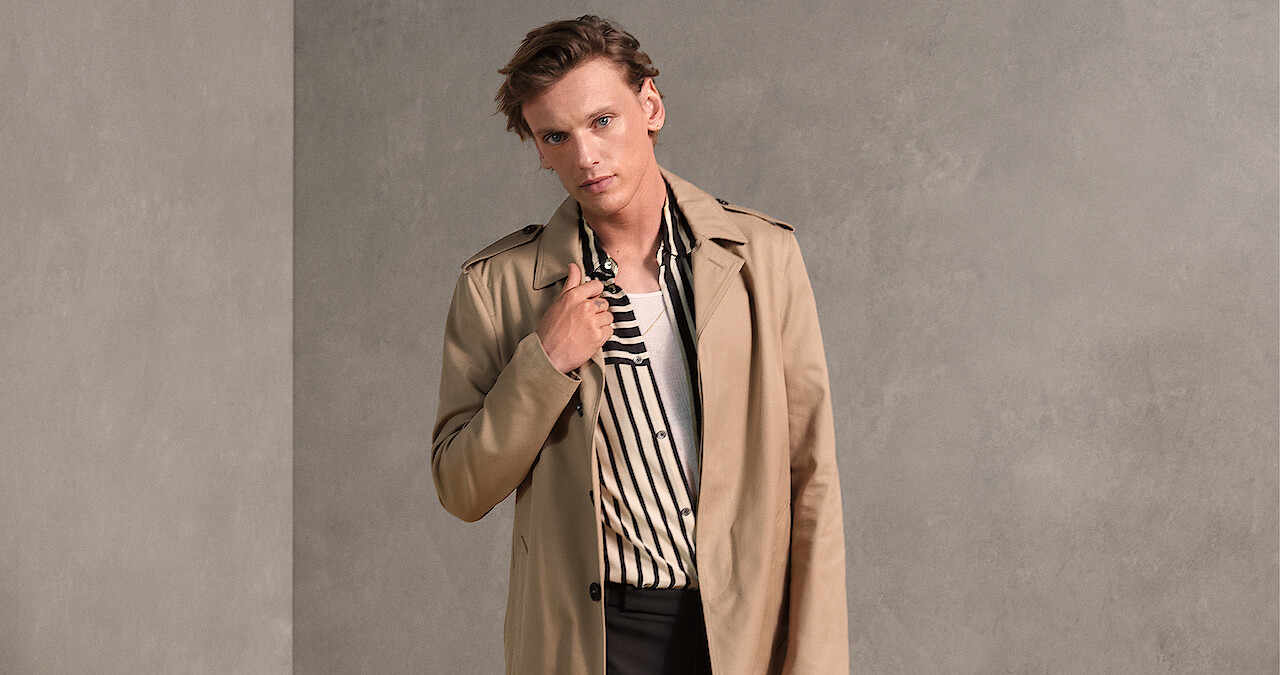
Don’t Underestimate The Four Seasons’ Erika Henningsen (or Her Character)
The actor takes a deftly multidimensional approach as new-to-the-group younger girlfriend Ginny.
By Brookie McIlvaine
May 1, 2025
This article contains major character or plot details.
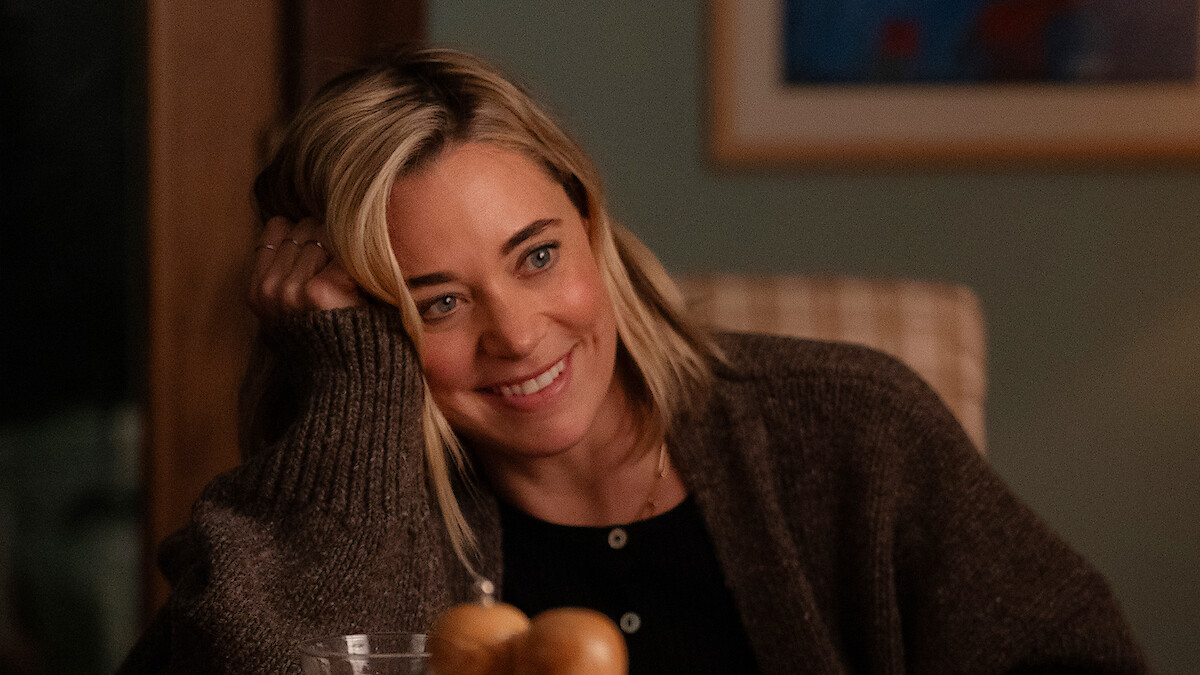
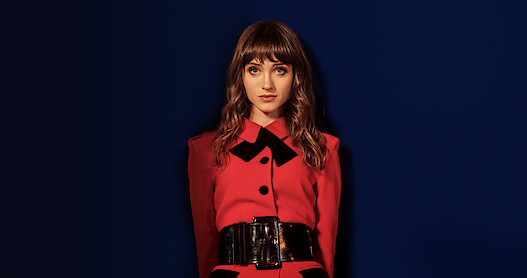
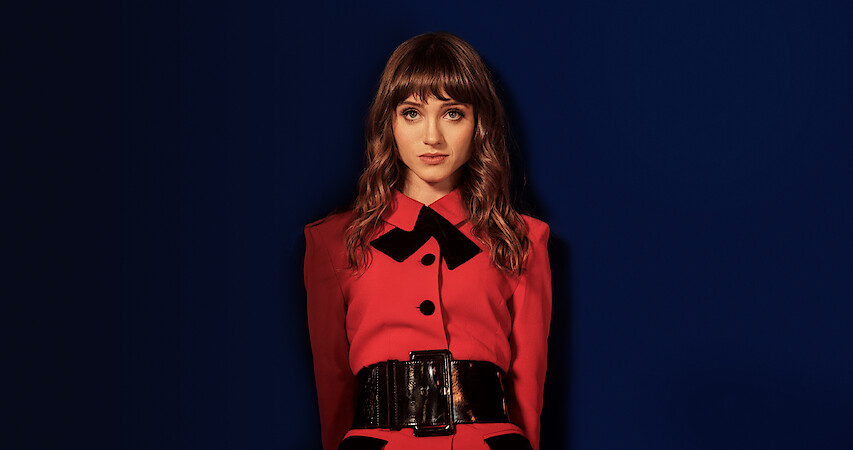
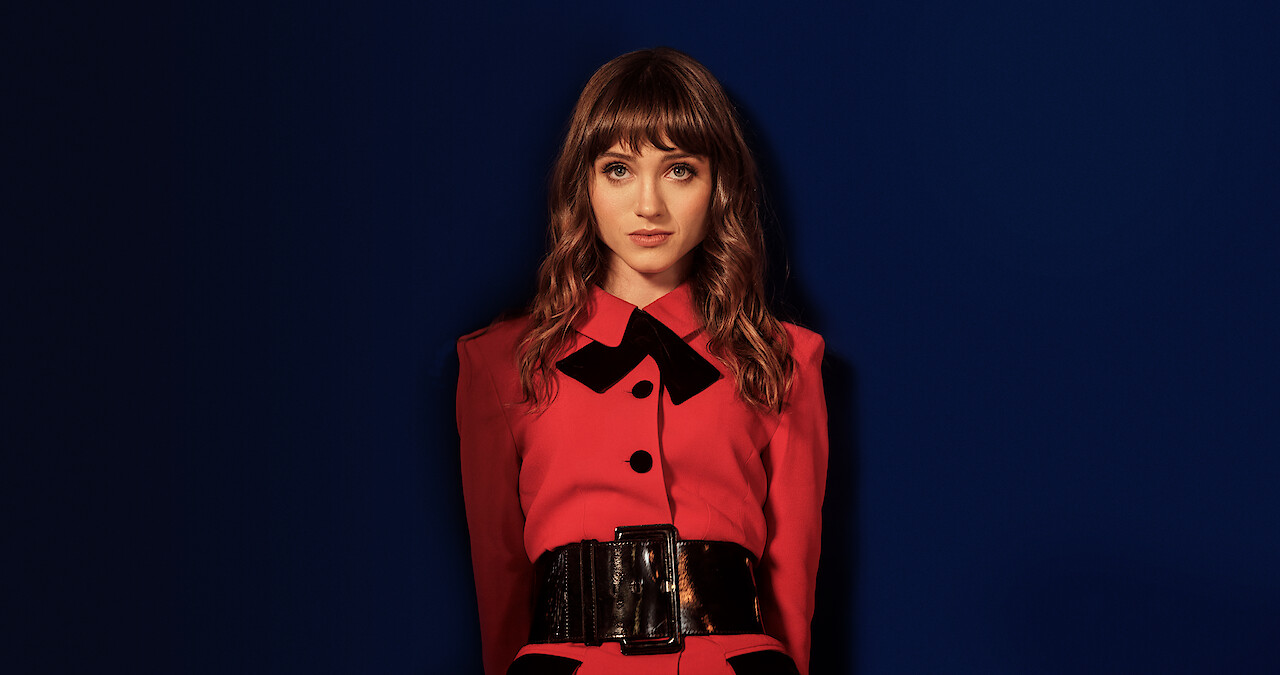
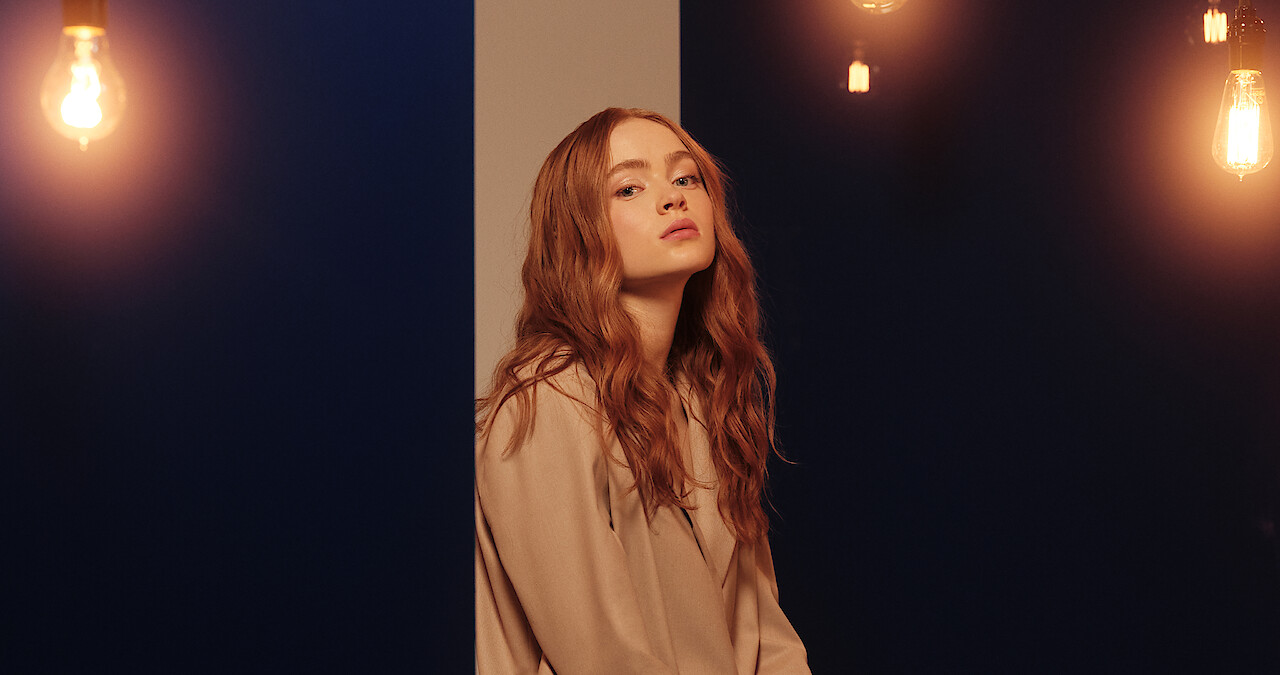
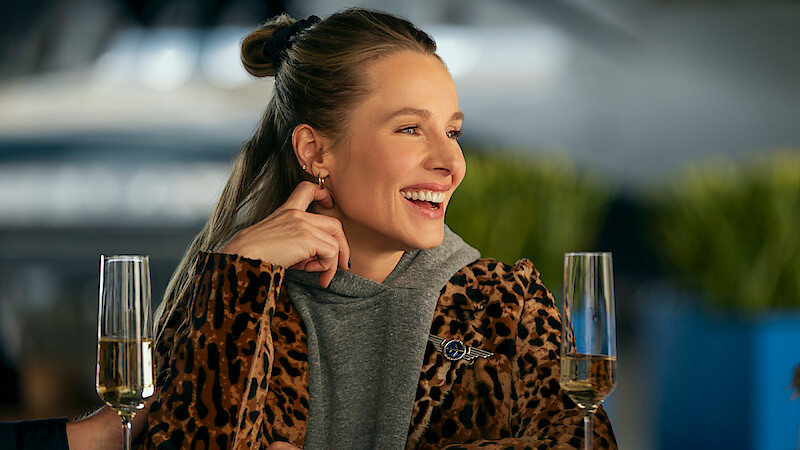
Erika Henningsen found the essence of her The Four Seasons character before she even had the role. Toward the end of her Zoom callback with co-creators Tina Fey, Lang Fisher, and Tracey Wigfield, she asked to try one more thing. At the end of the audition, she closed her laptop and thought, “I don’t know if I’m right, but I showed them every version of this character that made sense to me.”
PHOTO BY JON PACK
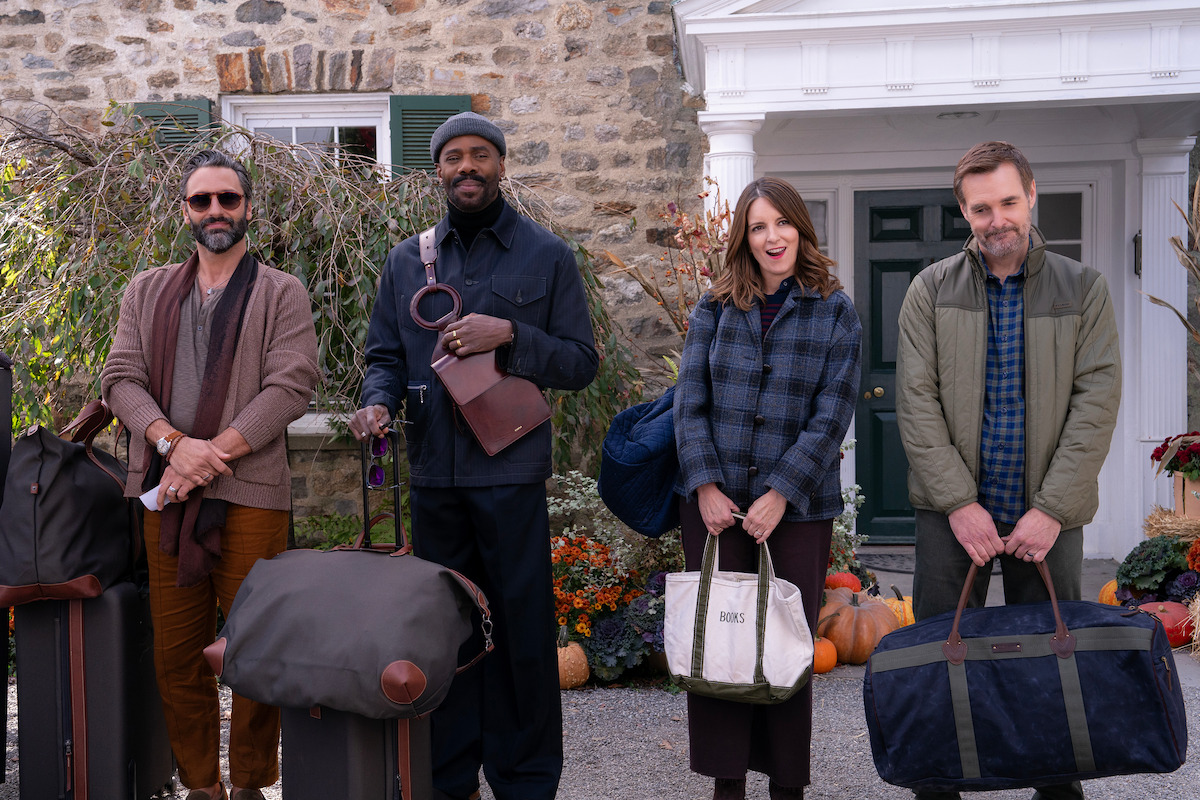
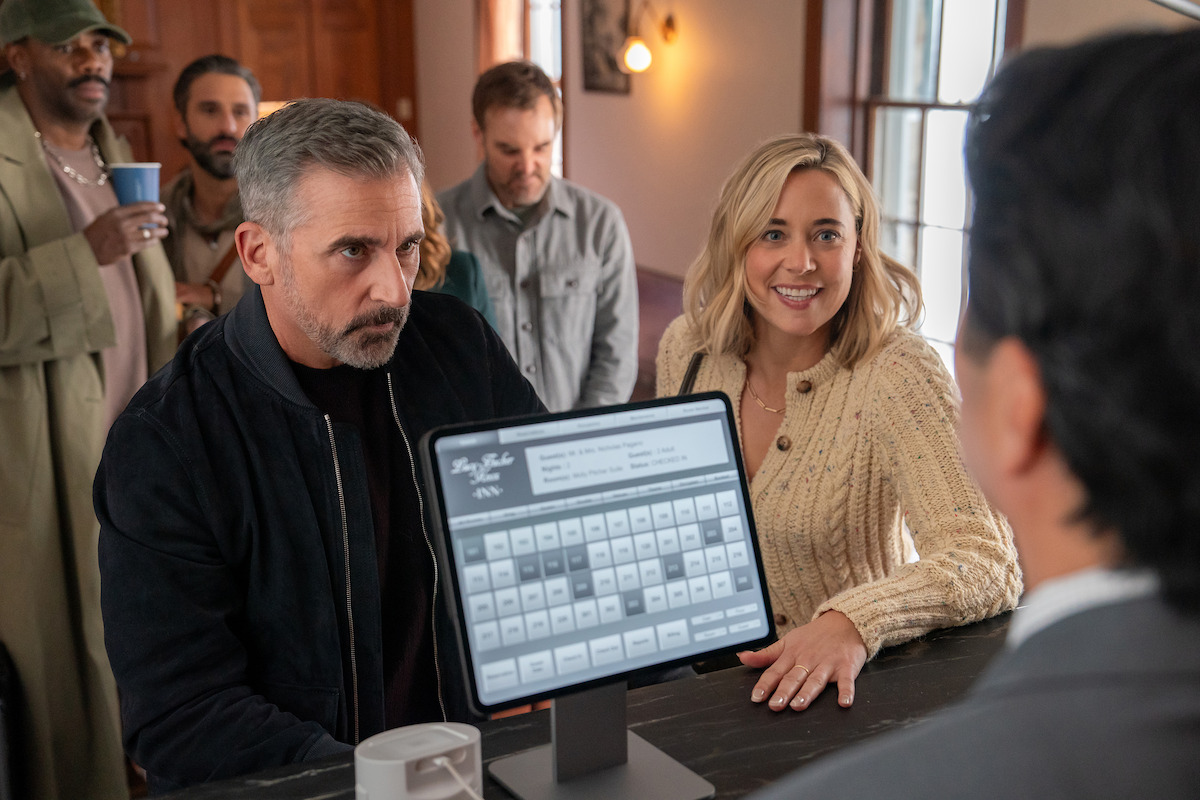
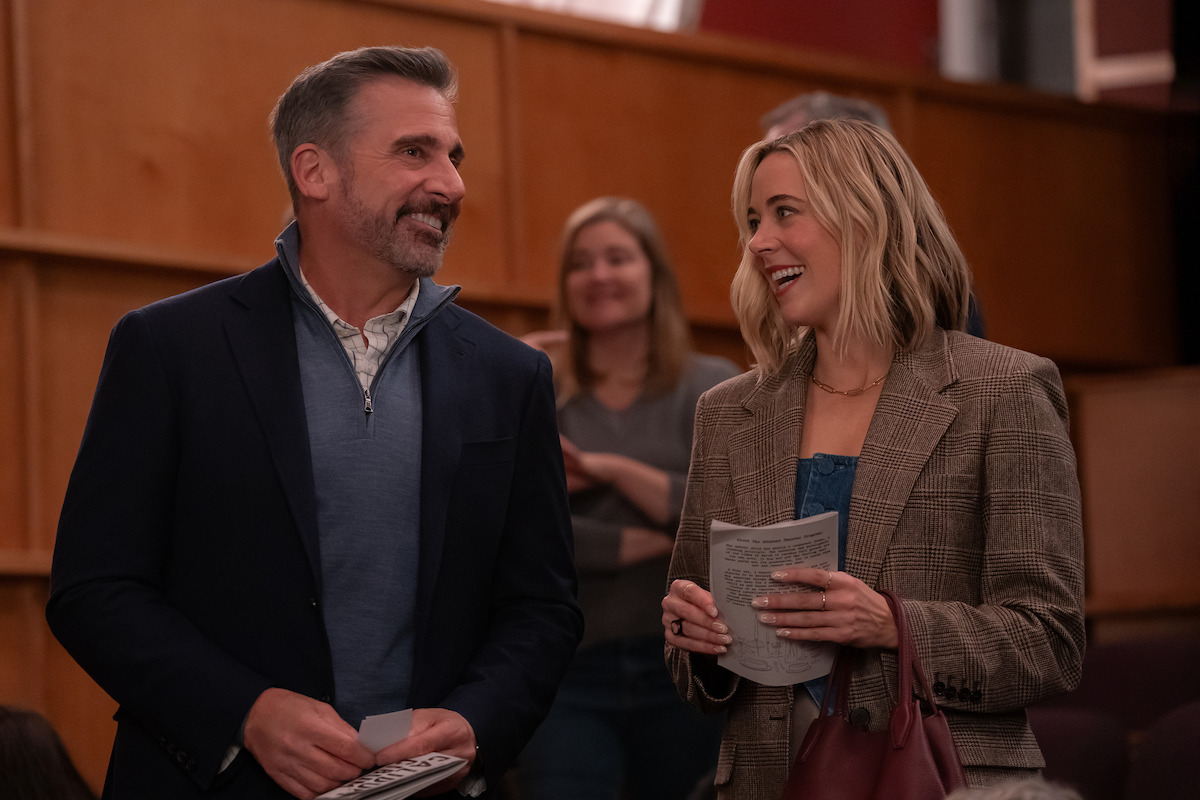
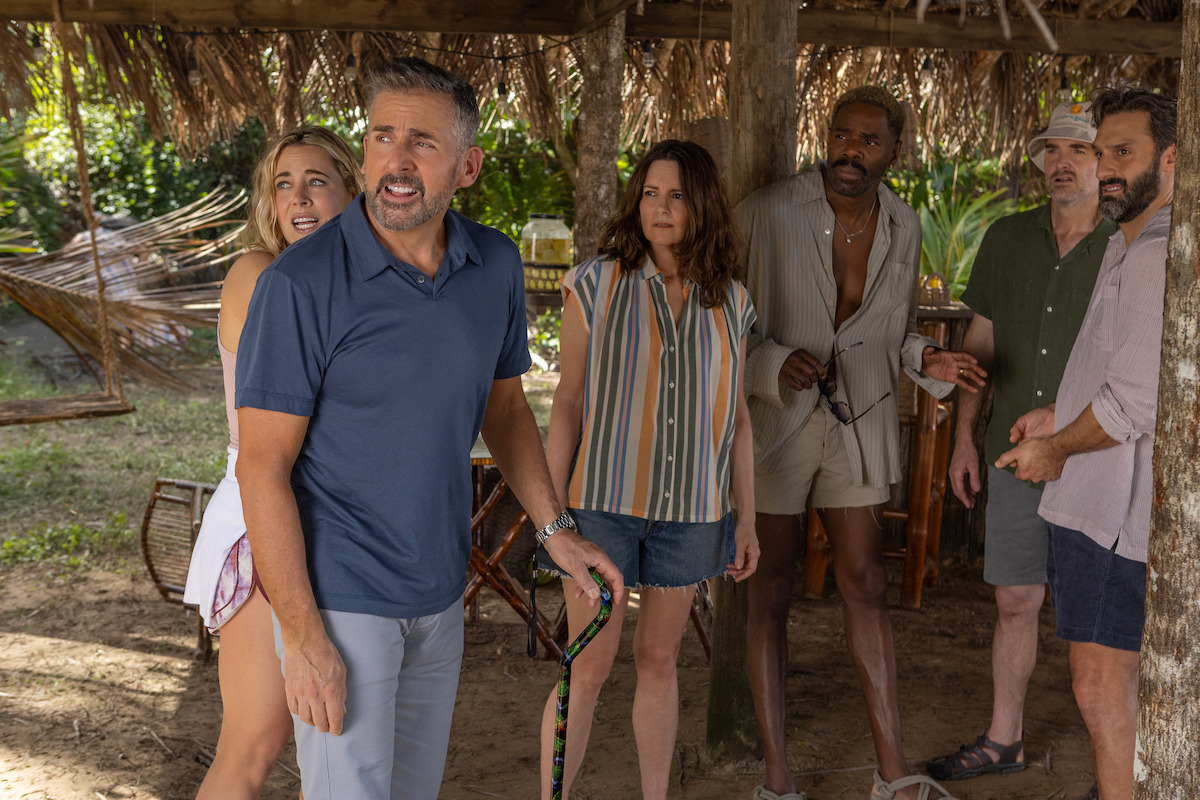
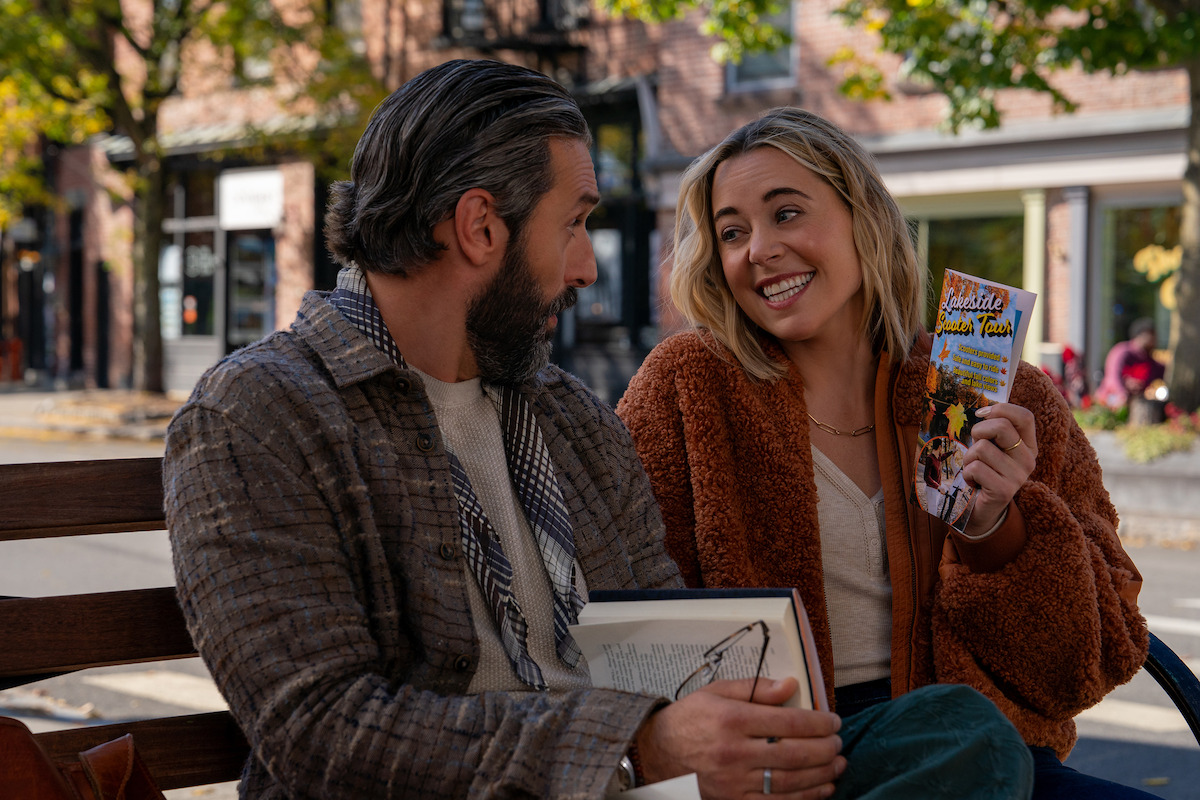
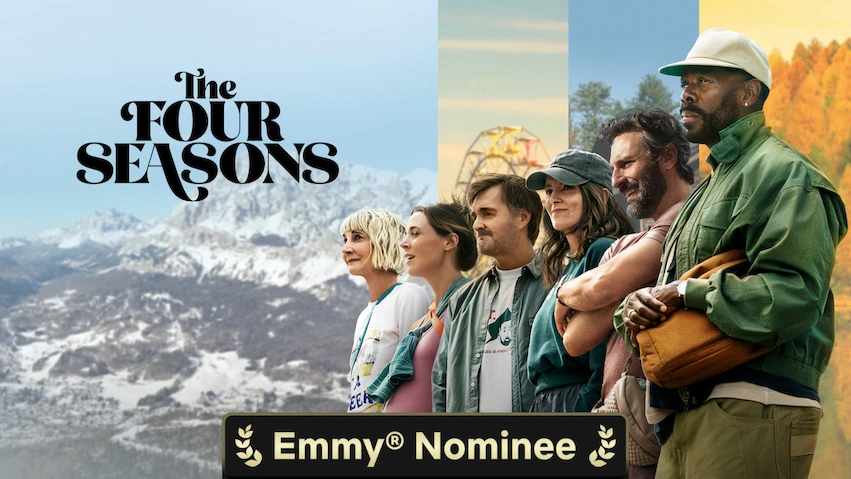
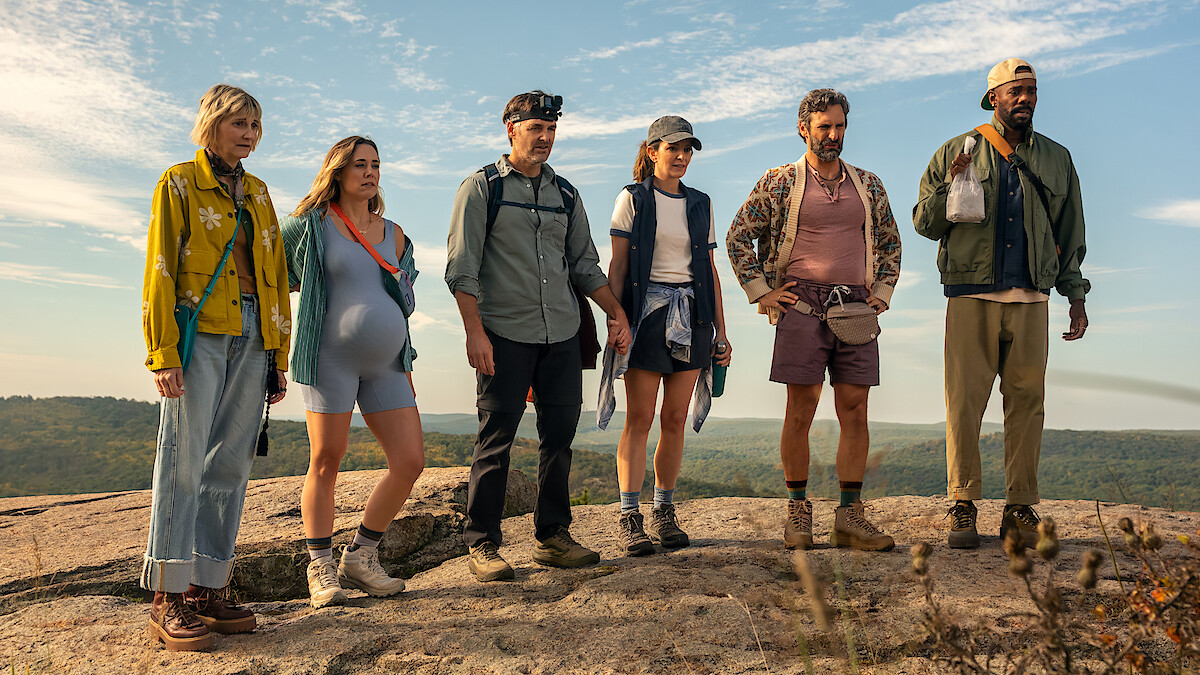
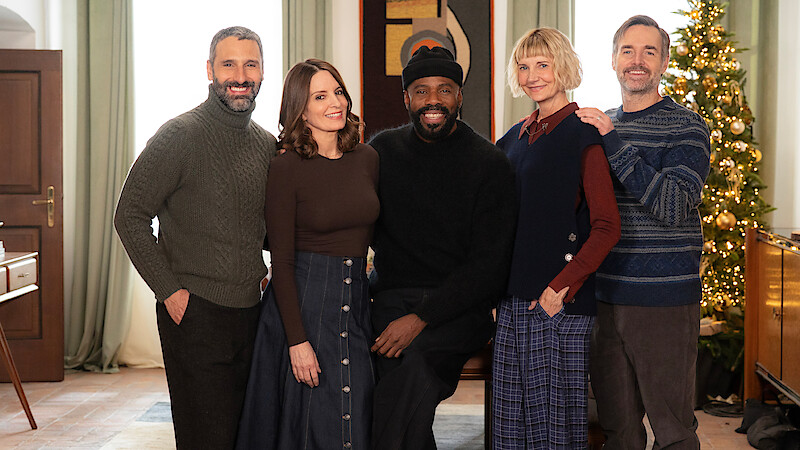
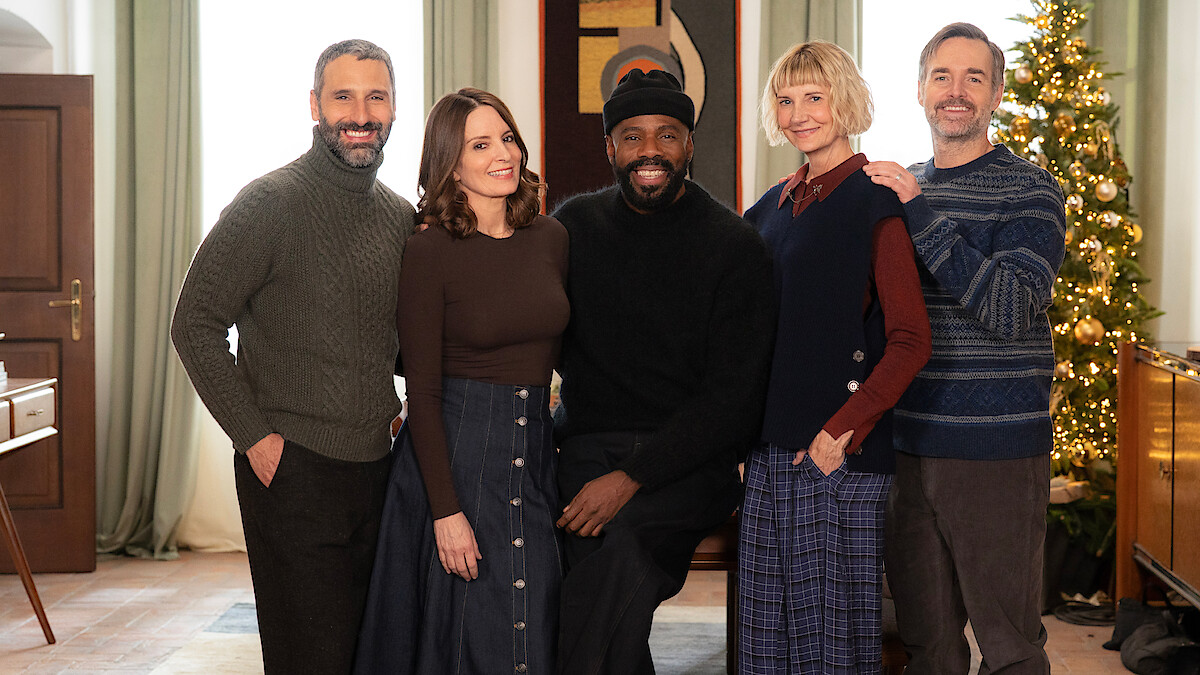
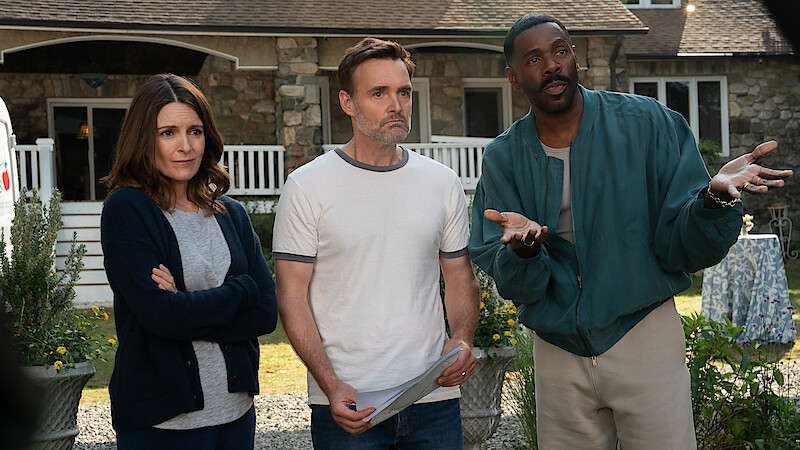
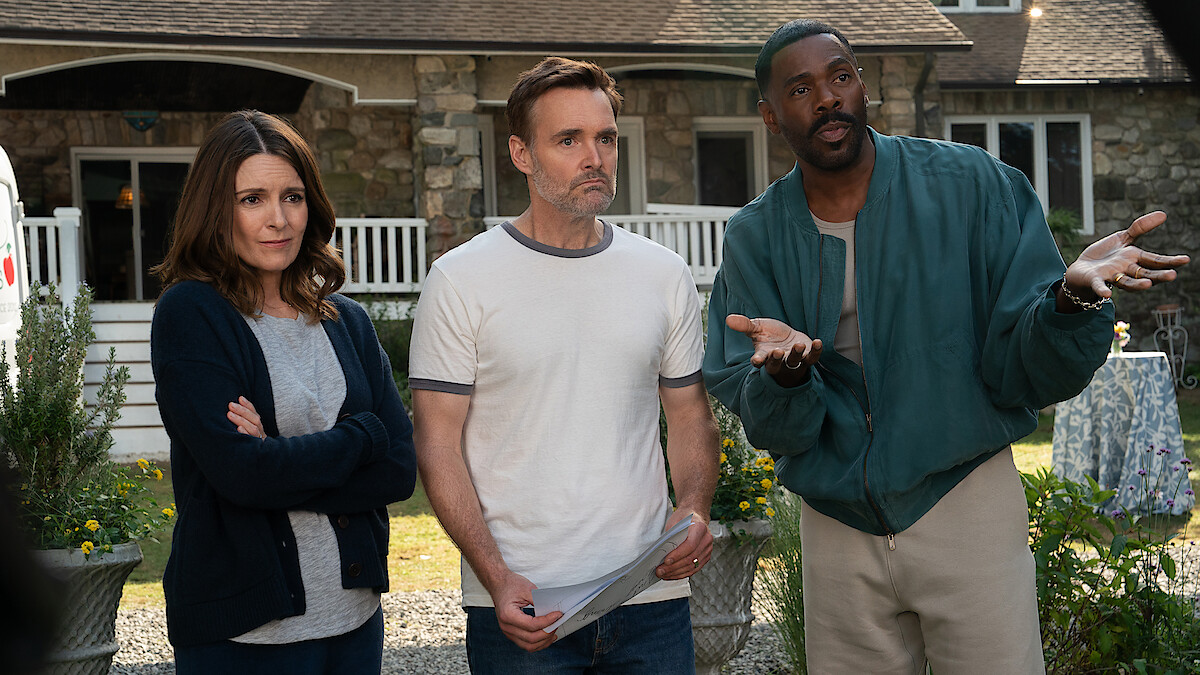
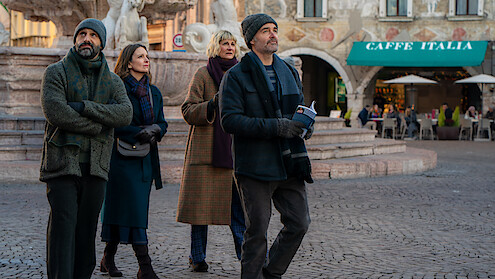
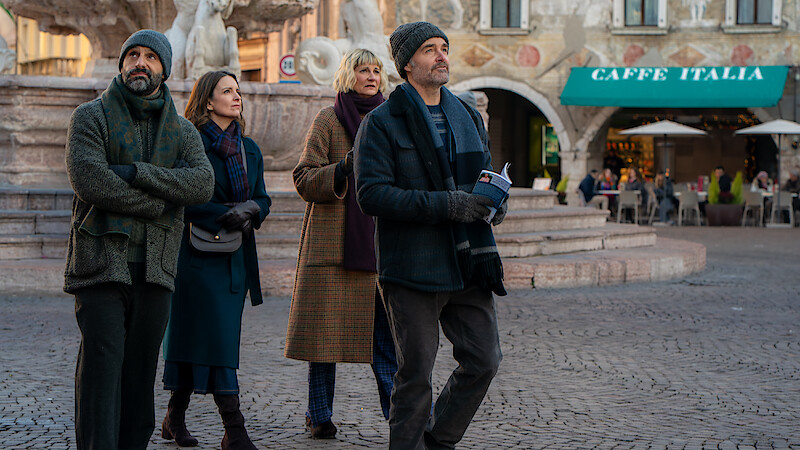
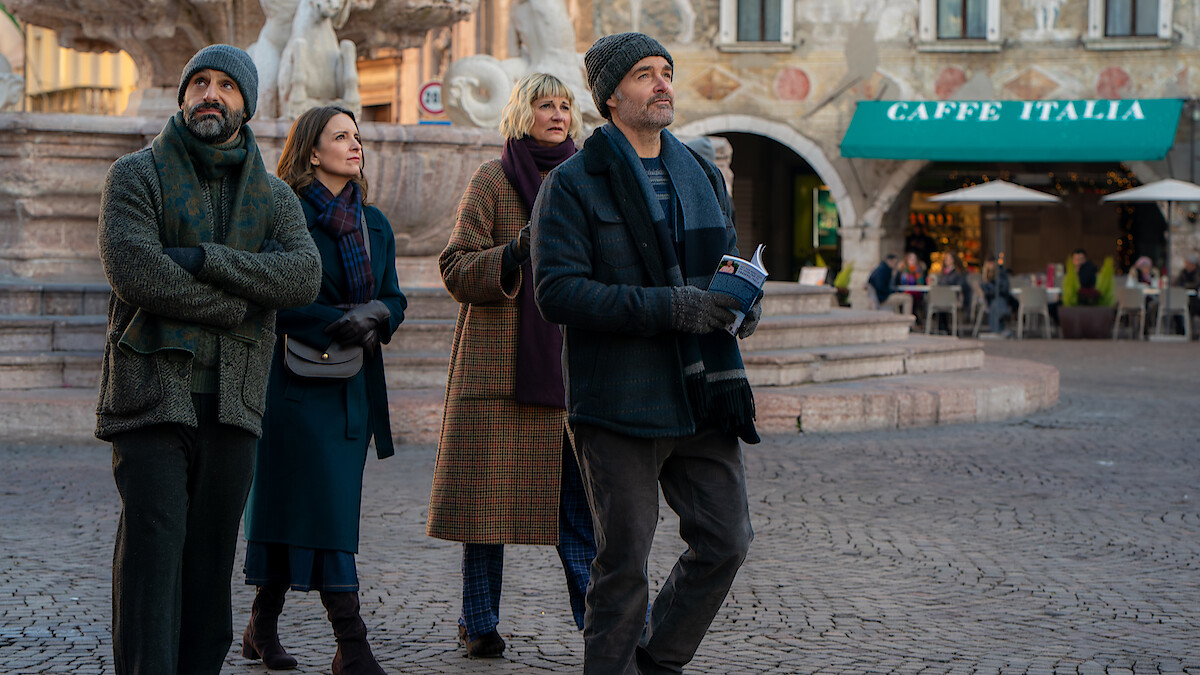
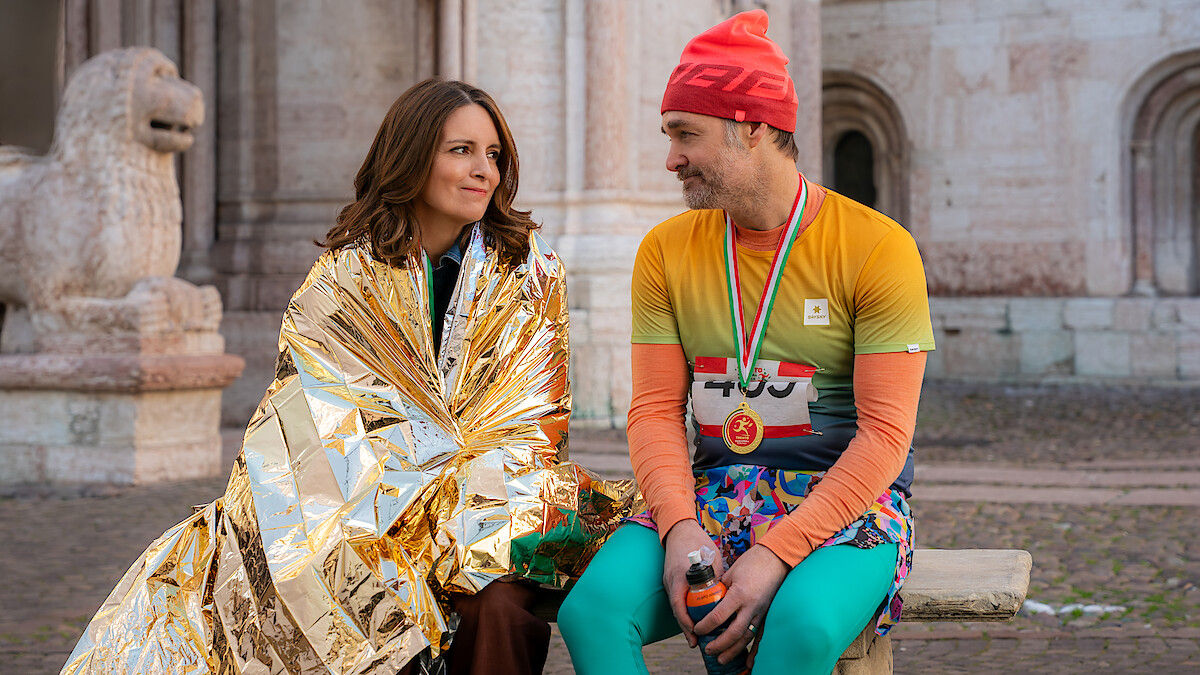
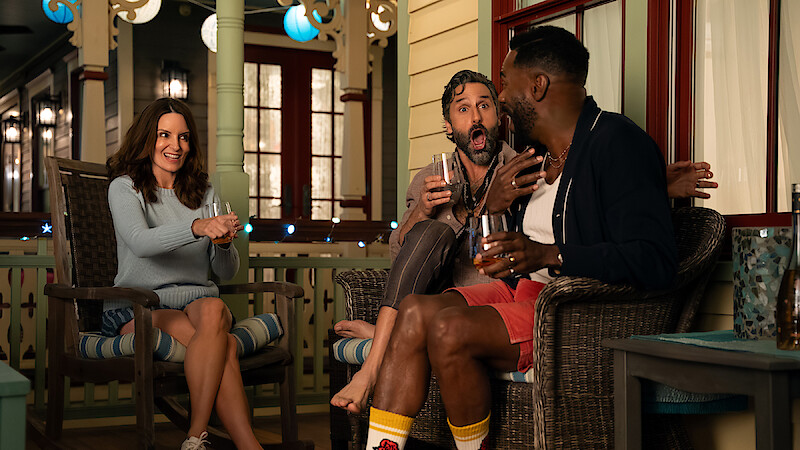
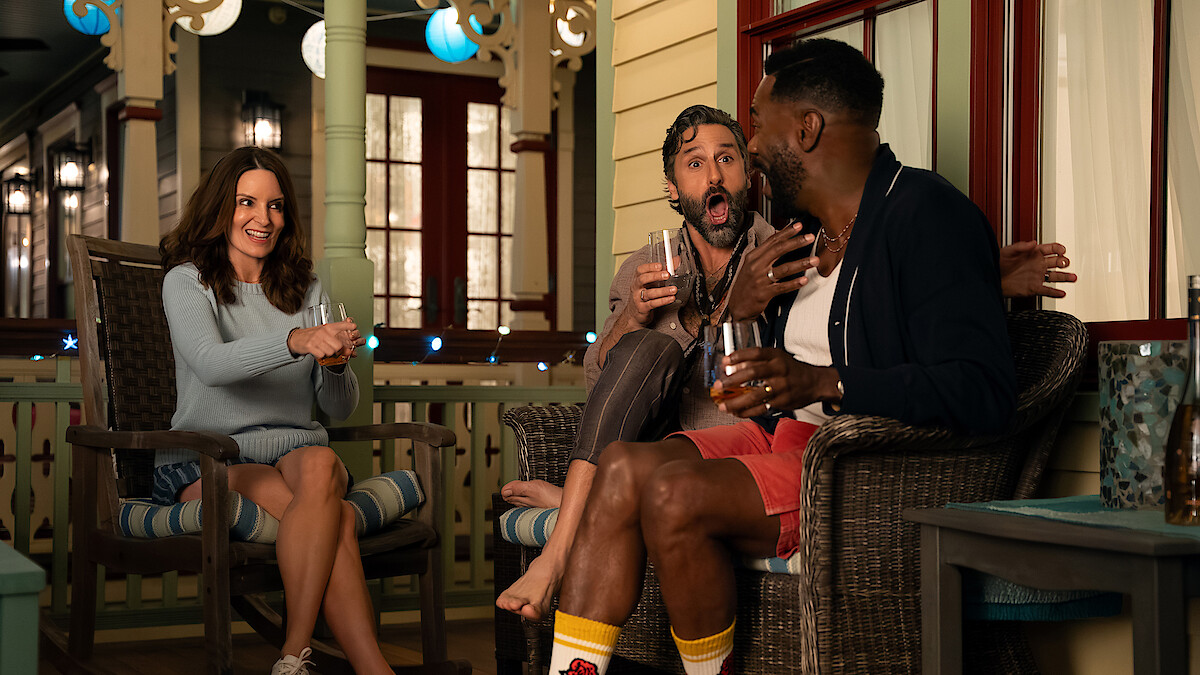
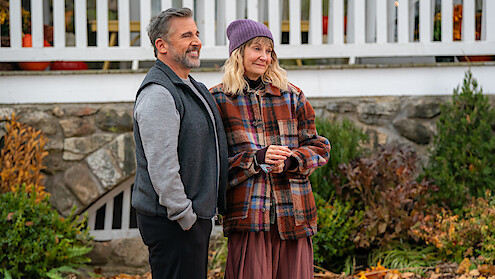
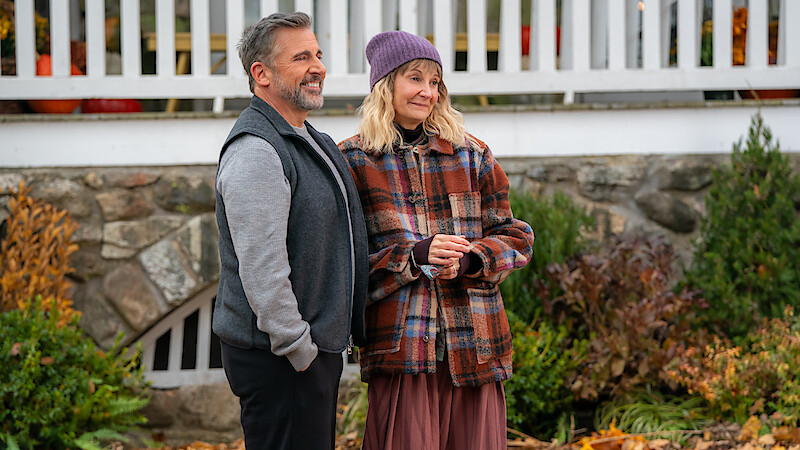
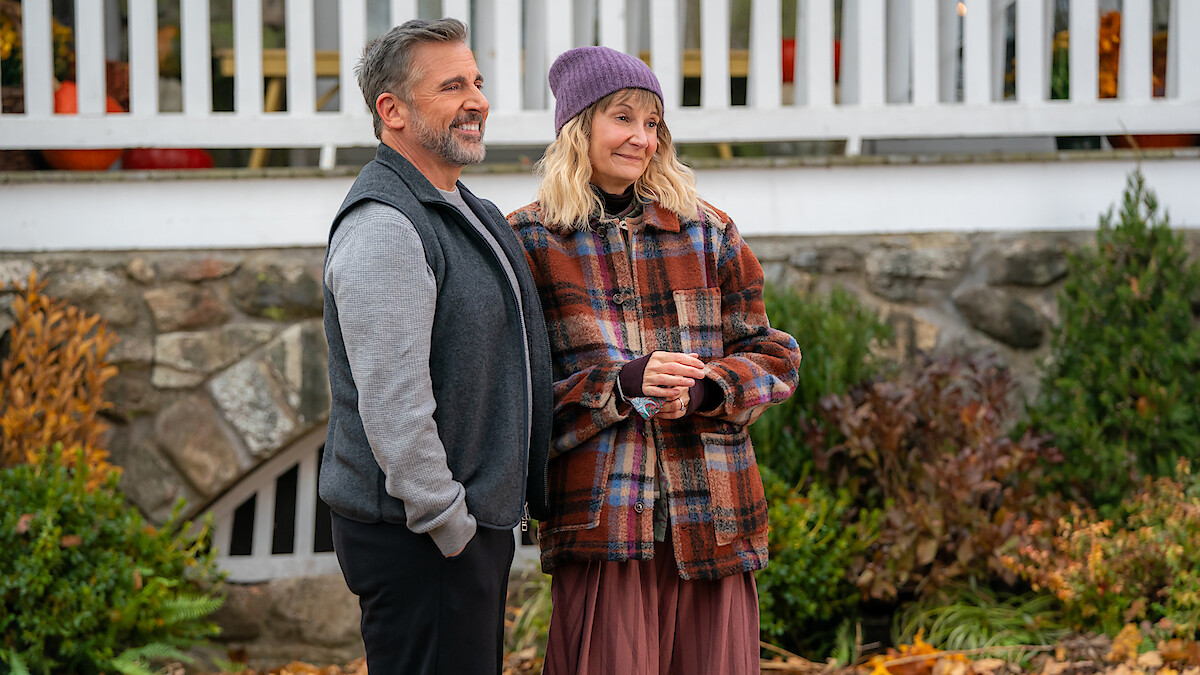
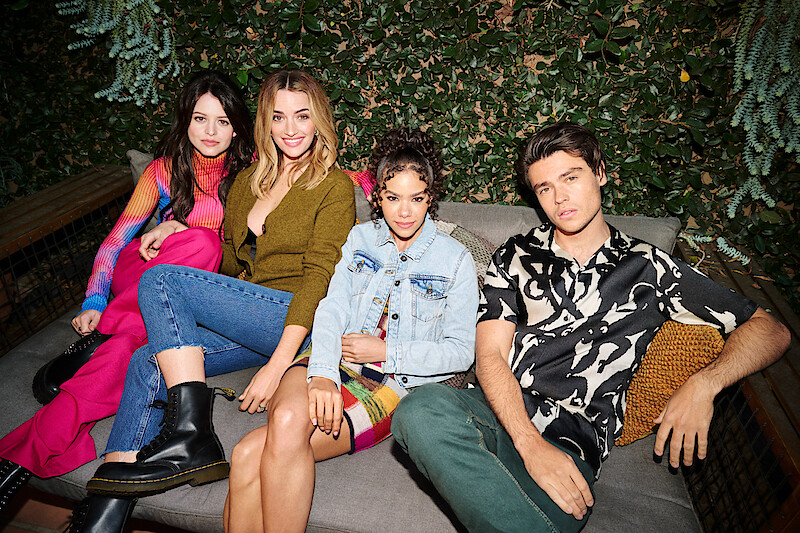
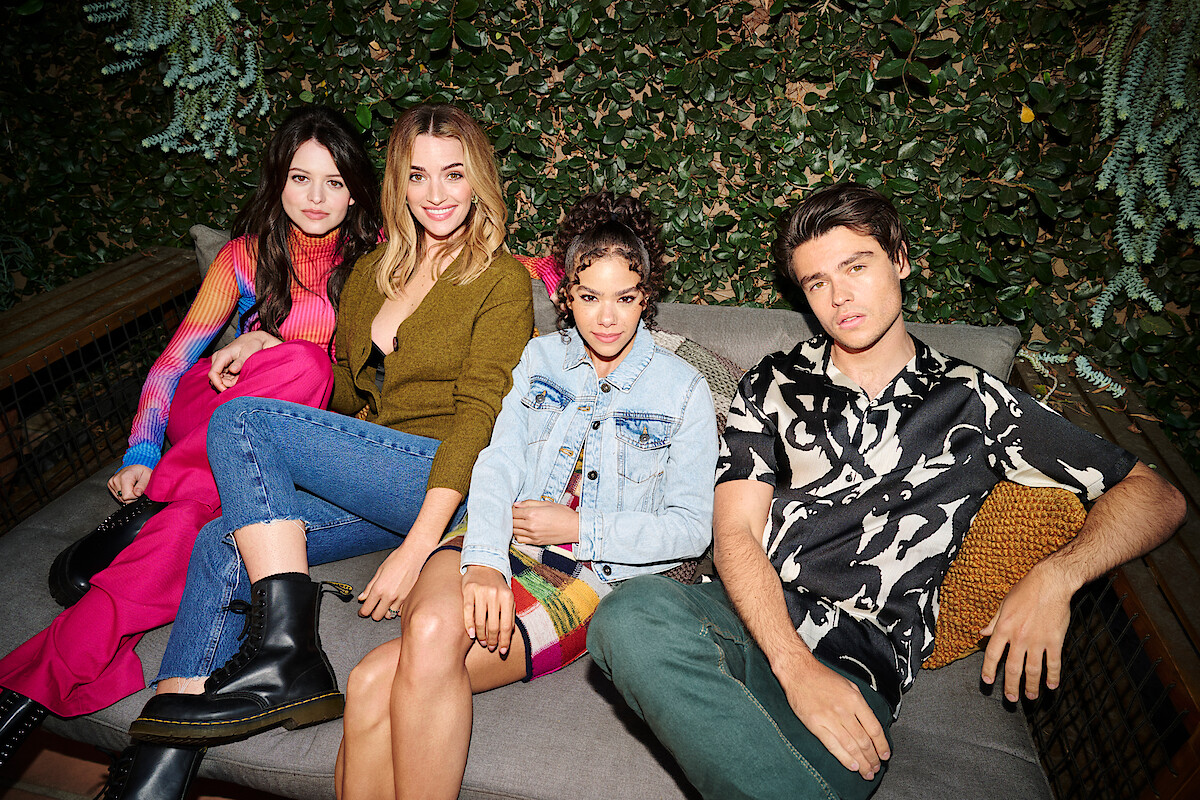
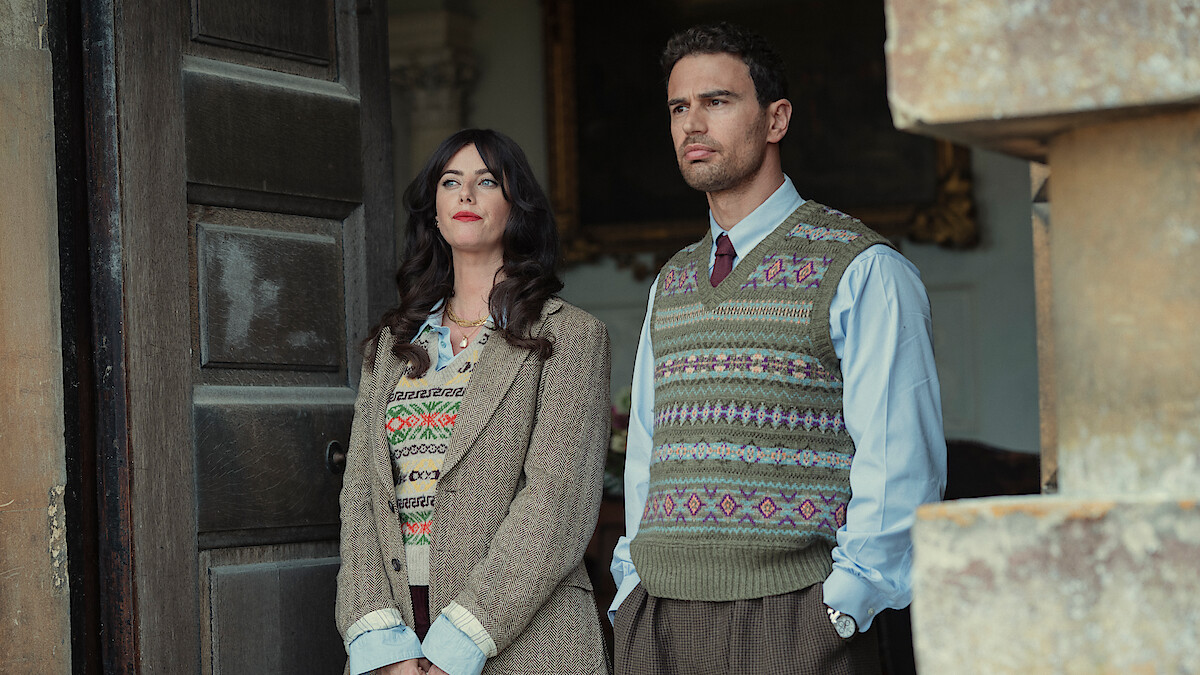
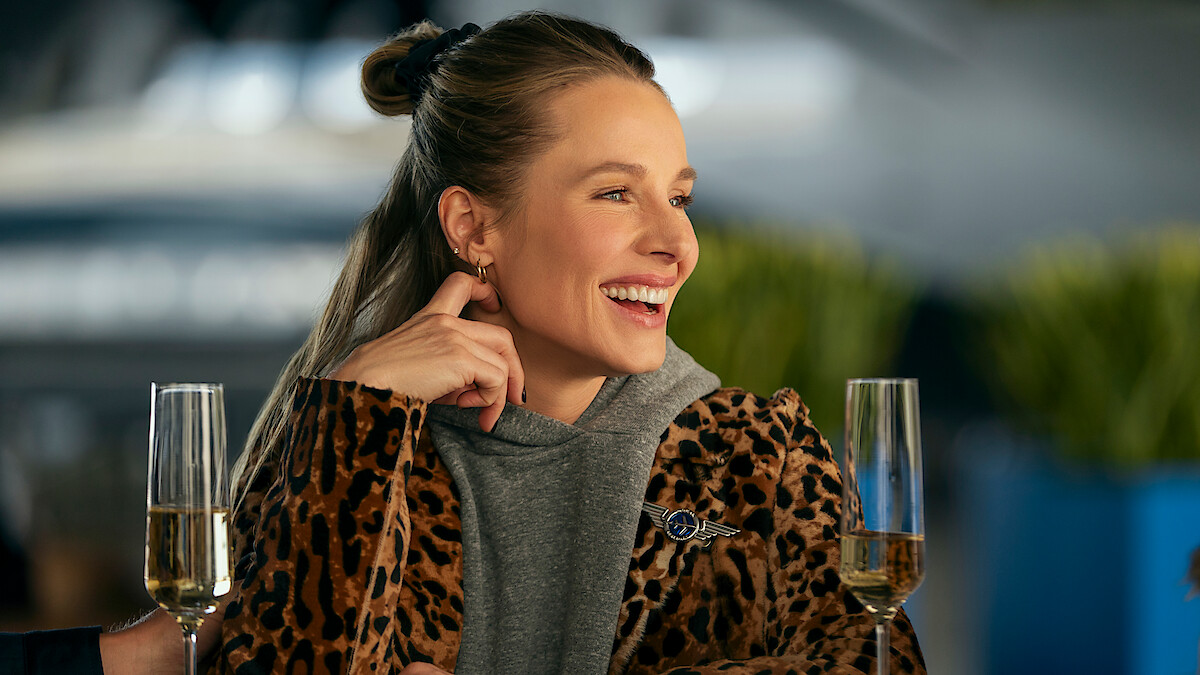
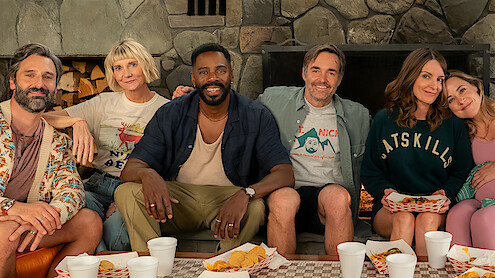
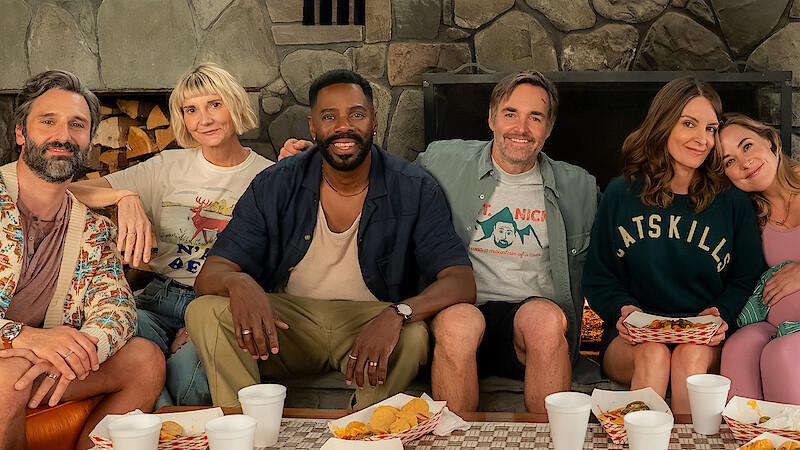
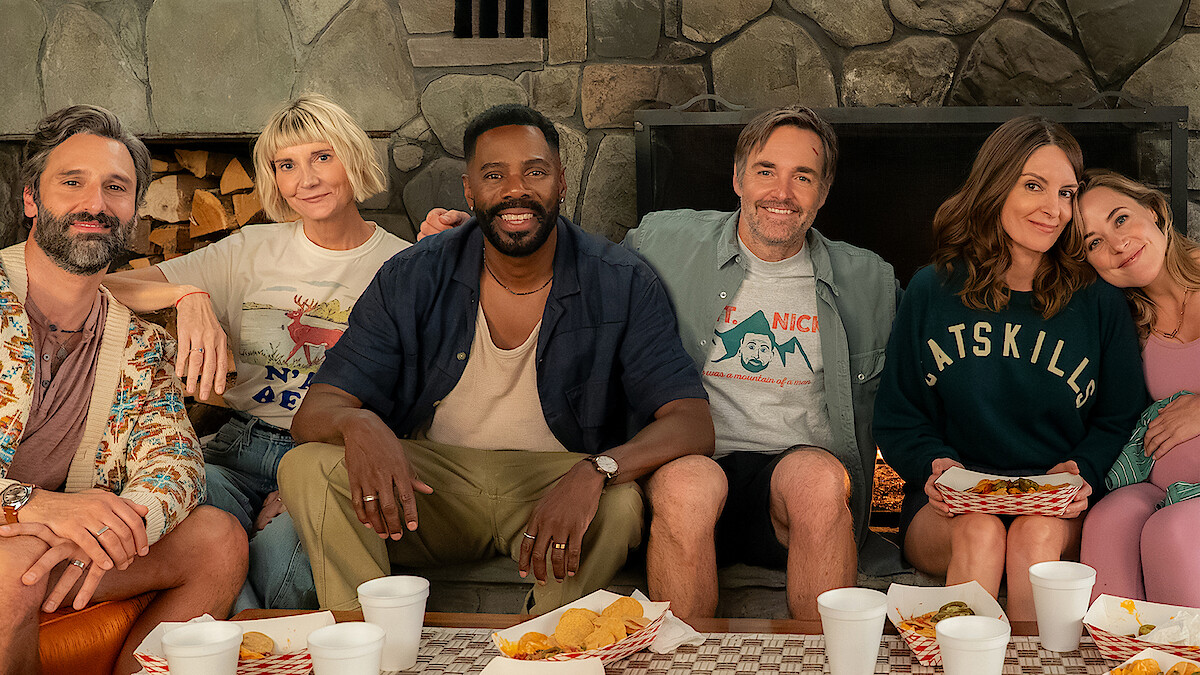
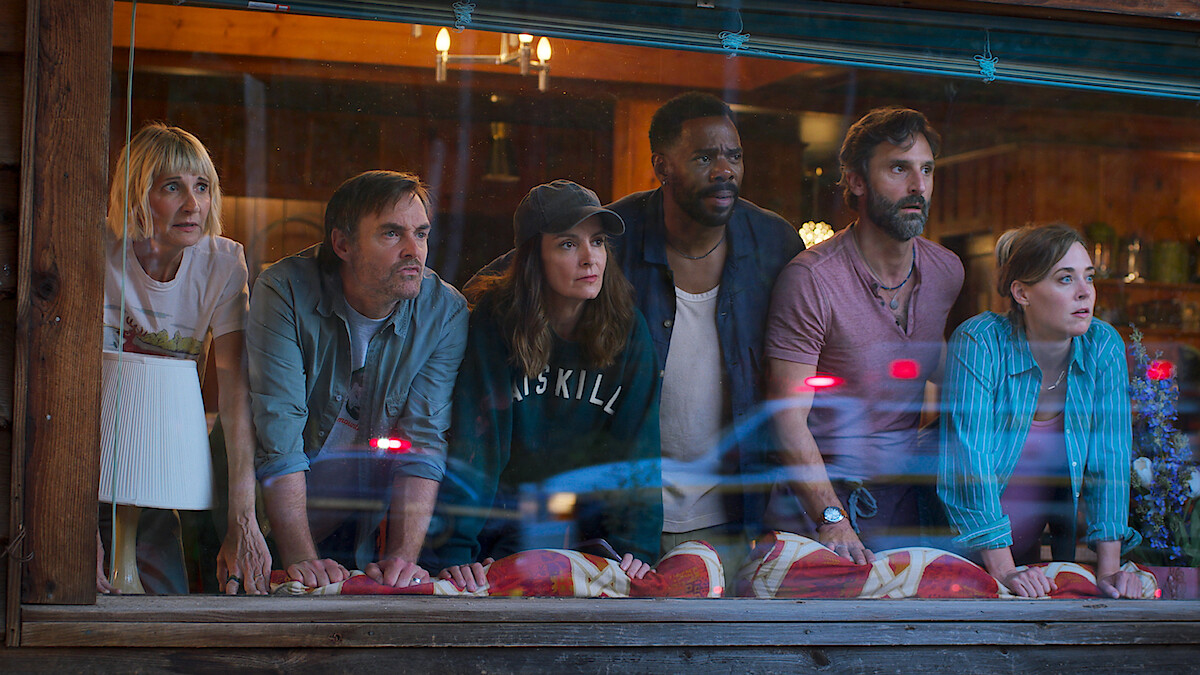
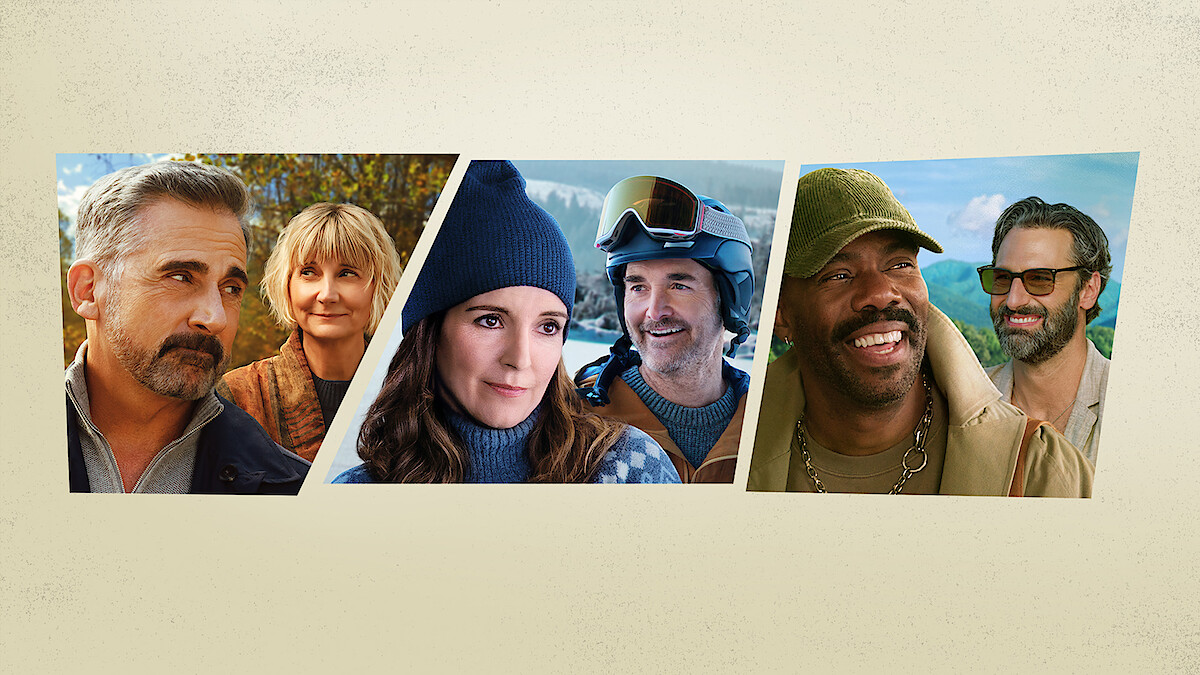
The Four Seasons follows three couples — played by Fey and Will Forte (Kate and Jack), Steve Carell and Kerri Kenney-Silver (Nick and Anne), and Colman Domingo and Marco Calvani (Danny and Claude) — whose friend group is upended when Nick leaves his marriage and starts dating Henningsen’s much-younger Ginny. During that final take in her audition, the actor tempered Ginny’s eager-to-please enthusiasm with a more measured maturity. “Ginny’s of the generation that read self-help books and went to therapy,” Henningsen explains. “She has the language to sift through her emotions to actually understand what's going on” — in sharp contrast to Nick and his friends, who, though older, remain impulsive in their behavior and uncomfortable talking about their feelings.
What she discovered in her audition was the key to Henningsen understanding the character Fey, Wigfield, and Fisher had created. The series, adapted from the 1981 film of the same name by Alan Alda, finds Ginny ingratiating herself with the at-times frosty tight-knit friend group, building a new relationship, and tragically, losing the man she loves at the same time she finds out she’s pregnant with his child. It took Henningsen’s sunny strength and sensitivity to play such a character — one often flattened in other on-screen May-December relationships.
PHOTO BY JON PACK
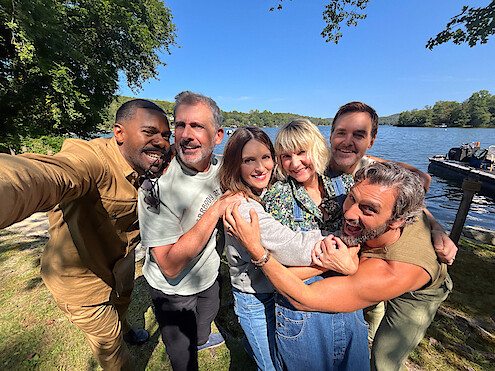
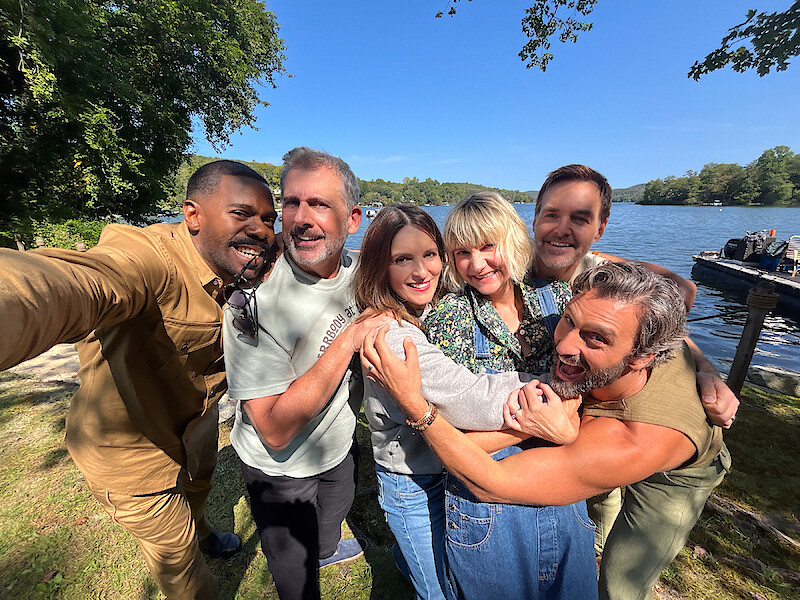
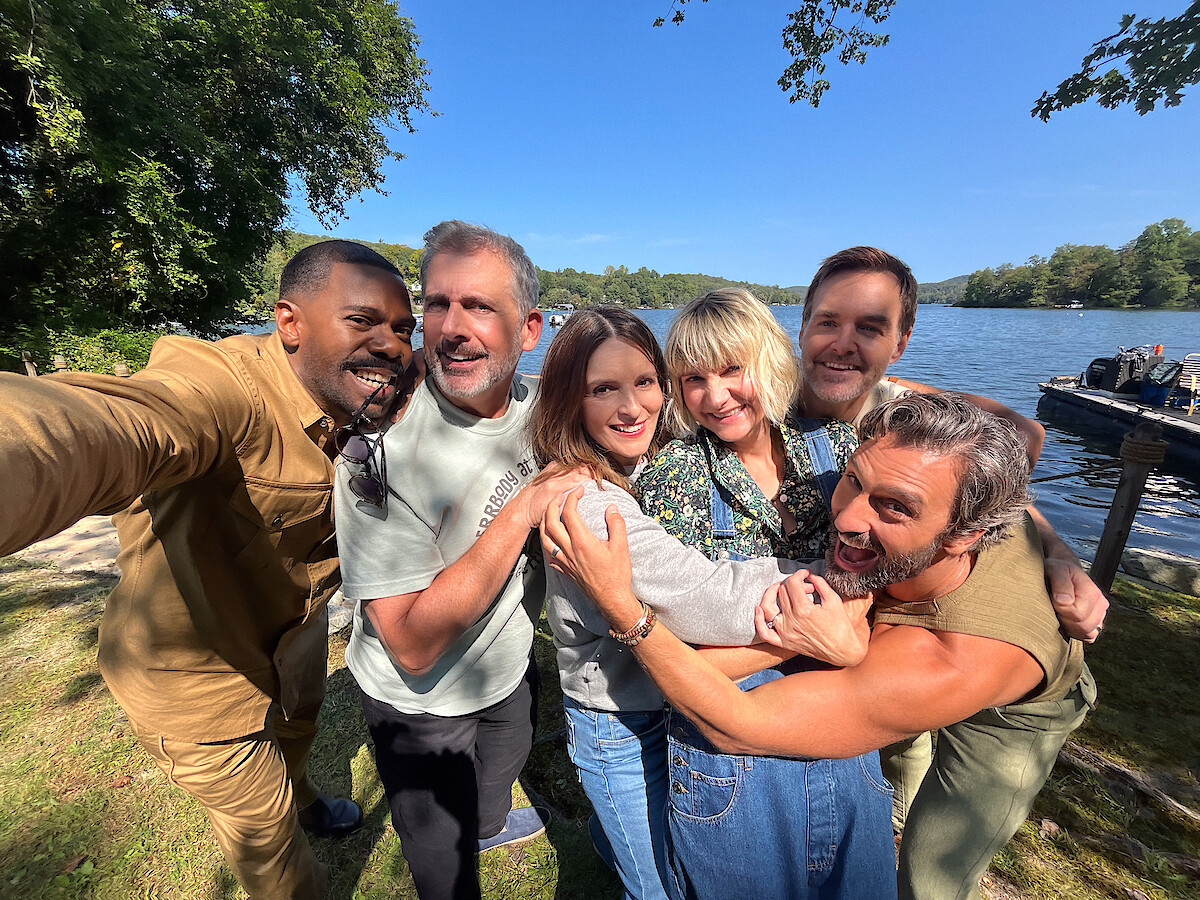
Even before she booked the show, Henningsen had an impressive slew of stage and screen roles behind her: She made her Broadway debut in 2015, as the youngest Fantine in the history of Les Misérables, originated the role of Cady Heron in the Mean Girls musical, and then landed a buzzy role in Girls5Eva. Butworking alongside such a star-studded cast was nevertheless daunting. “They’re all legends to me,” she admits. But Henningsen found her co-stars nothing if not supportive of her, and the group created a close, collaborative unit. So close that, during our conversation, Henningsen was wearing socks printed with pictures of her castmates’ faces — which Forte designed and debuted on the Paris Theater red carpet at the show’s premiere.
In this interview, which has been edited and condensed for clarity, Henningsen shares how she uprooted the younger woman archetype with Ginny, figured out an age-gap relationship with Carell, and why The Four Seasons was ripe for a contemporary adaptation.
PHOTO BY JON PACK
You and Tina Fey have worked together since Mean Girls on Broadway in 2017. What works well in your collaborations?
I was 24 when I auditioned for Mean Girls. Now I’m 32, so it’s almost been a decade of working together. Most of my professional life has had Tina Fey at the backbone, which is kind of wild to say aloud. She’s so down to earth. Like, “Hey, we’re done with press, let’s go eat a salad together.”
I still hold her in this high regard, almost reverence, because I’m so impressed by her in every facet of her life. When you are a young person coming up in the entertainment industry, it’s really nice to have somebody to remind you that it is possible to do this without losing track of yourself.
What I loved about working with all those people is that you realize everybody has their own beautiful insecurities. One day after working with Steve on set, I was like, “God, I just don’t know if I got it.” He was like, “Erika, I feel that way every day.”
PHOTO BY FRANCISCO ROMAN
Tina has said she thought of you as Ginny from the jump. What was your first impression of Ginny in the audition?
It’s wild to me that when she has a project, my name is on her brain at all. What we were really going back and forth on was, is Ginny a puppy dog who is over-excited about everything? Or is she grounded? There’s a scene where I get mad at the group of friends. On the page, it could be an explosion of fury and chaos. Or it could be something that is really calm, telling this group of people who are a generation older than you, “Y’all are messed up.”
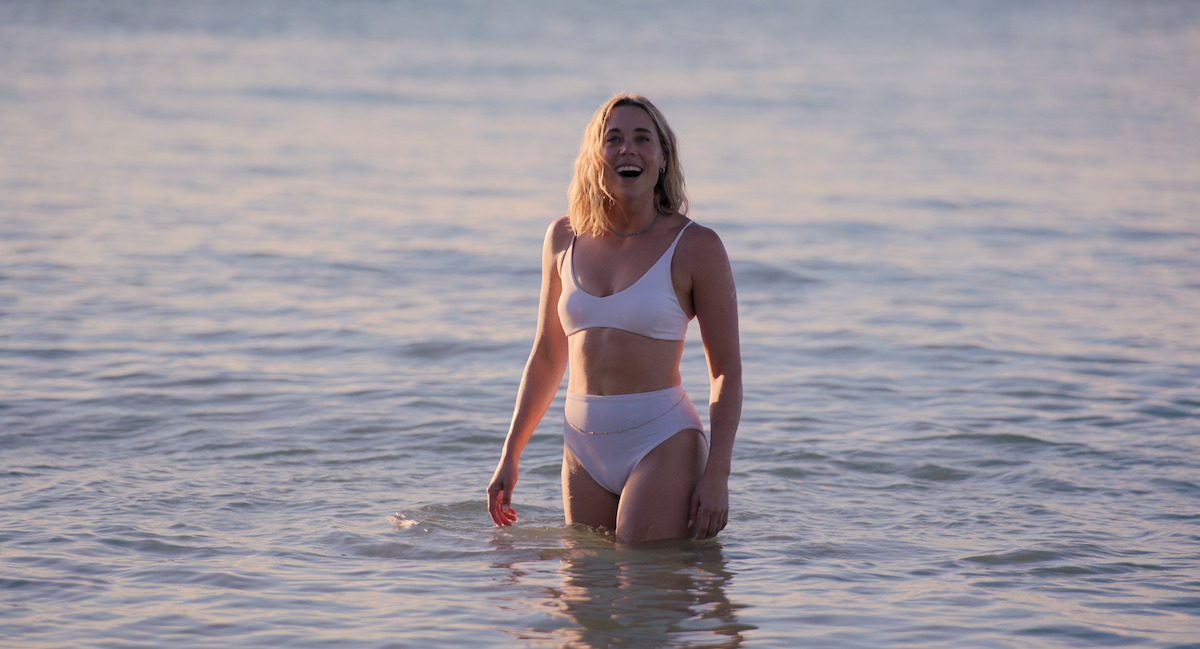
When we’re introduced to Ginny, she’s wearing a white bathing suit like Bess Armstrong wears in the original. Did you borrow anything from the original character?
Obviously, the show diverges pretty severely in some ways from the movie, which I think is good, because it keeps people on their toes. But the thing that I really wanted to keep from [the film’s] Ginny was, when she does have conflict with the friends, she doesn’t feel like a victim. She can get upset and sad, because all she really wants is to actually have a friendship with them. She wants to feel like she’s a part of this person she loves’ world. It’s really important to her, which is why she tries so hard. The big thing that they nailed in the movie that we also tried to do was, when those friendships don’t enmesh with ease, ensuring that Ginny does not become the weepy girlfriend in the corner and is actually just like, “I will try again tomorrow.”
PHOTO BY FRANCISCO ROMAN
We’ve seen this archetype before, but Ginny’s so different and so sympathetic. She’s a really multidimensional person. How did you approach playing her?
We do have a lot in common. If I’m in a new situation, I want to make people comfortable, and want to feel like we are creating a bonded experience.
The archetype of being the younger woman can sometimes be through the filter of, she’s the Instagram model always in a really sexy outfit. First off, that’s just not interesting. There are many great relationships that have an age difference where it is not [solely] about the sexual attraction.
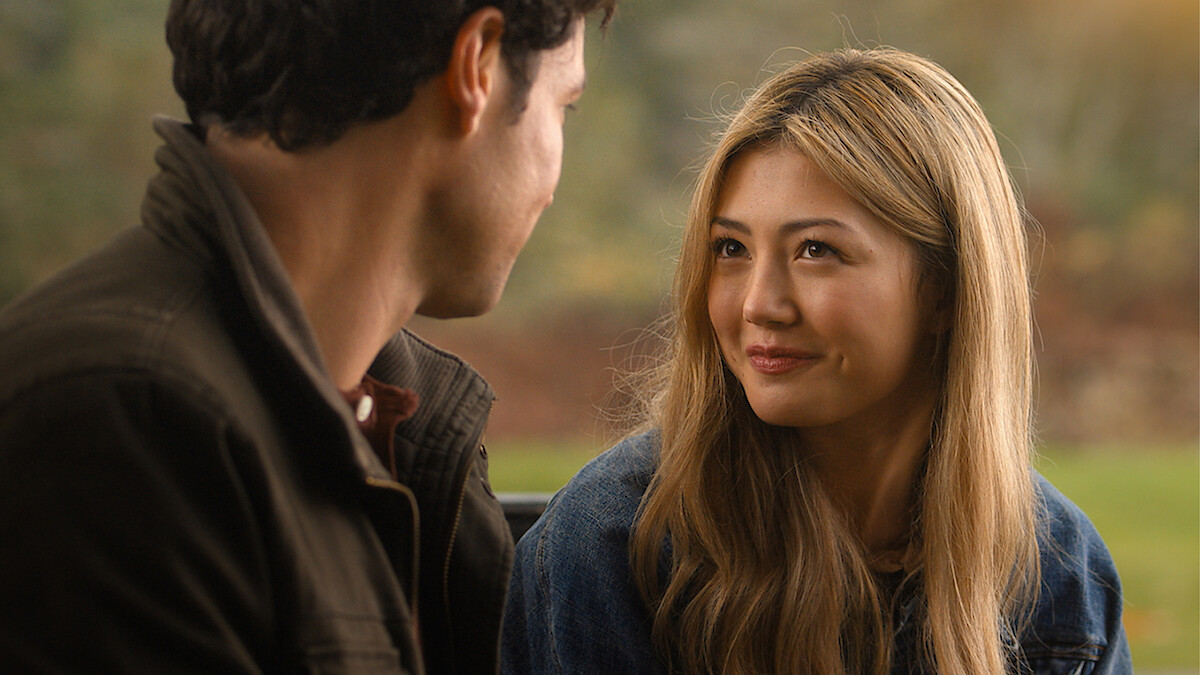
What was so important to me was that Ginny feels like she’s on the same level as Nick. It was less about, “She’s got to be young and hot.” She has to provide something for Nick beyond just the adventure of youth. Where that landed was being able to talk to him about problems he’s having with his child, with his friends, his ex-wife, in a way that is full of empathy and fact. It was always trying to calibrate, when does the youthful exuberance come out and when does the adult who has a mindful meditation app on her phone come out?
She surfaces things that the other characters might have been neglecting.
She holds up a mirror to them. When one person is removed from a group and replaced with somebody brand-new who does not have the same hang-ups, neuroses, and fallback patterns of coping that this group does, all of them are like, “We have to re-evaluate ourselves, how we walk through the world, and how we handle our marriages and our disagreements.” She’s not there to teach them anything, but somehow she sort of does just by existing in their very patterned friend group.
PHOTO BY JON PACK
How did you develop your relationship with Steve Carell?
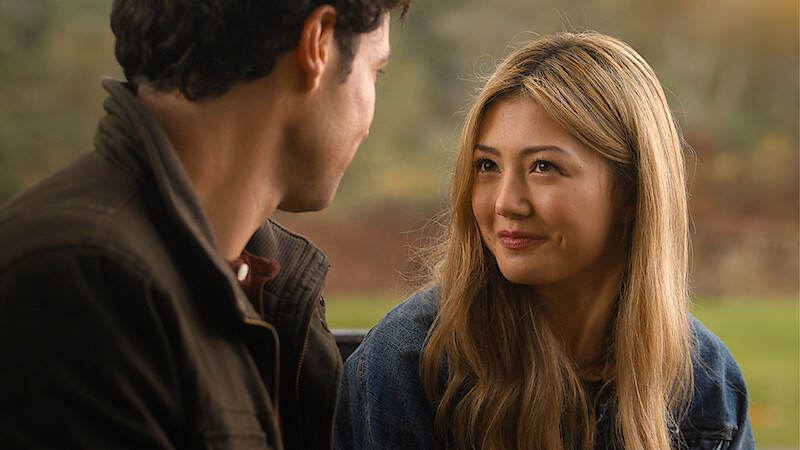
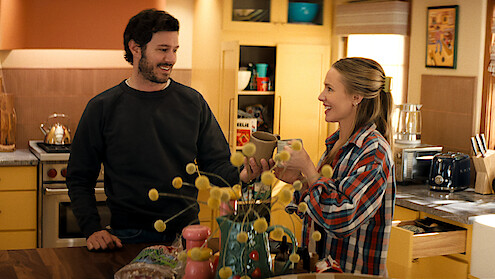
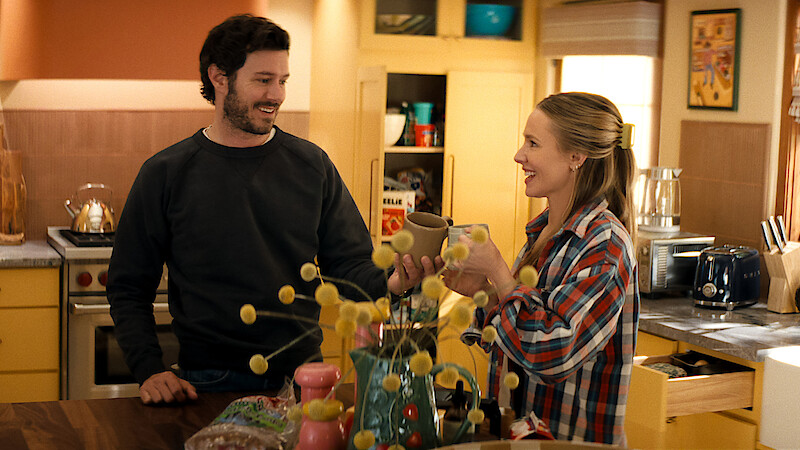
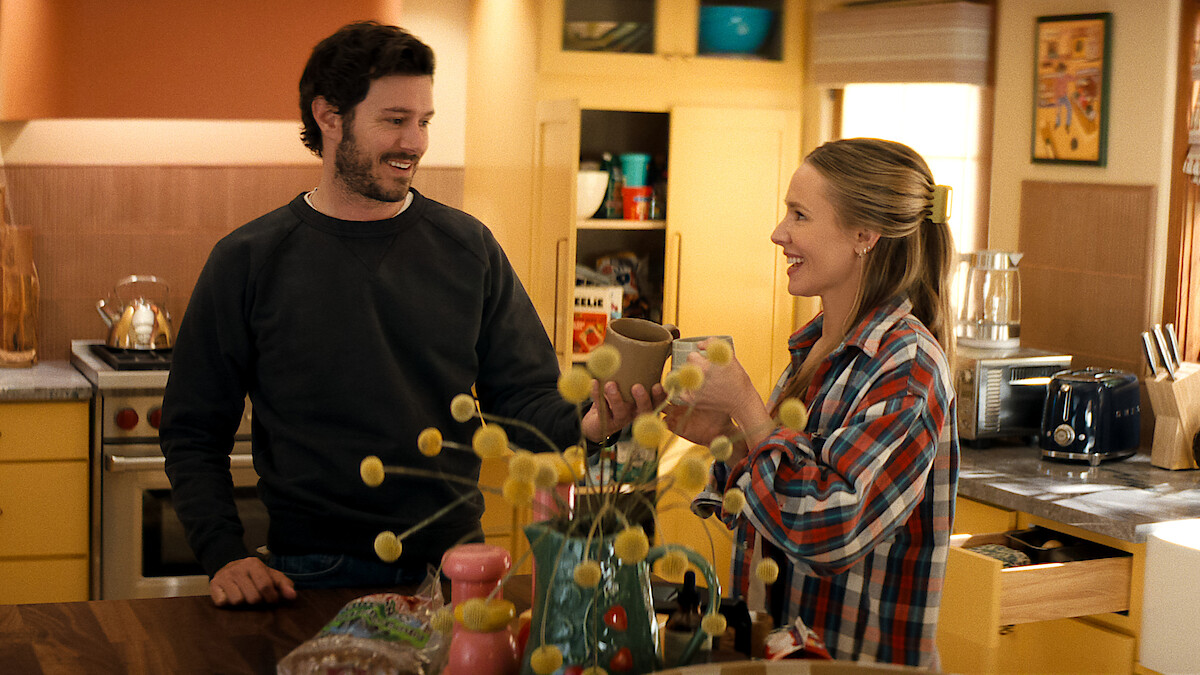
I was nervous because it’s Steve Carell. I think Steve was nervous because Steve does not seem to understand that he is such a catch as a human being. He’s like, “What? I’m going to be dating a 33-year-old?” He was very nervous that people are going to hate the character, or aren’t going to buy it. Steve and I never did a chemistry read, so the first day we met was on set.
With Steve, what I valued the most is he is willing to do a bunch of different takes where he changes one thing that can affect the rest of the scene in a beautiful way. Steve and I would check in about a scene, talk about where we think this falls in their trajectory. Do they live together at this point? What’s been happening? Are we physical in this moment or are we not, because his daughter or wife is right there?
By the end of the process, I really do feel such a kindred friendship toward him. I left set feeling like if I needed something or had a question about anything as I continue on in this industry, I would call him immediately. I was so grateful to walk away with a confidant — somebody I feel like I can trust.
PHOTO BY FRANCISCO ROMAN
In Episodes 3 and 4, Ginny takes the group to a less-than-luxurious eco resort. What was it like filming those episodes?
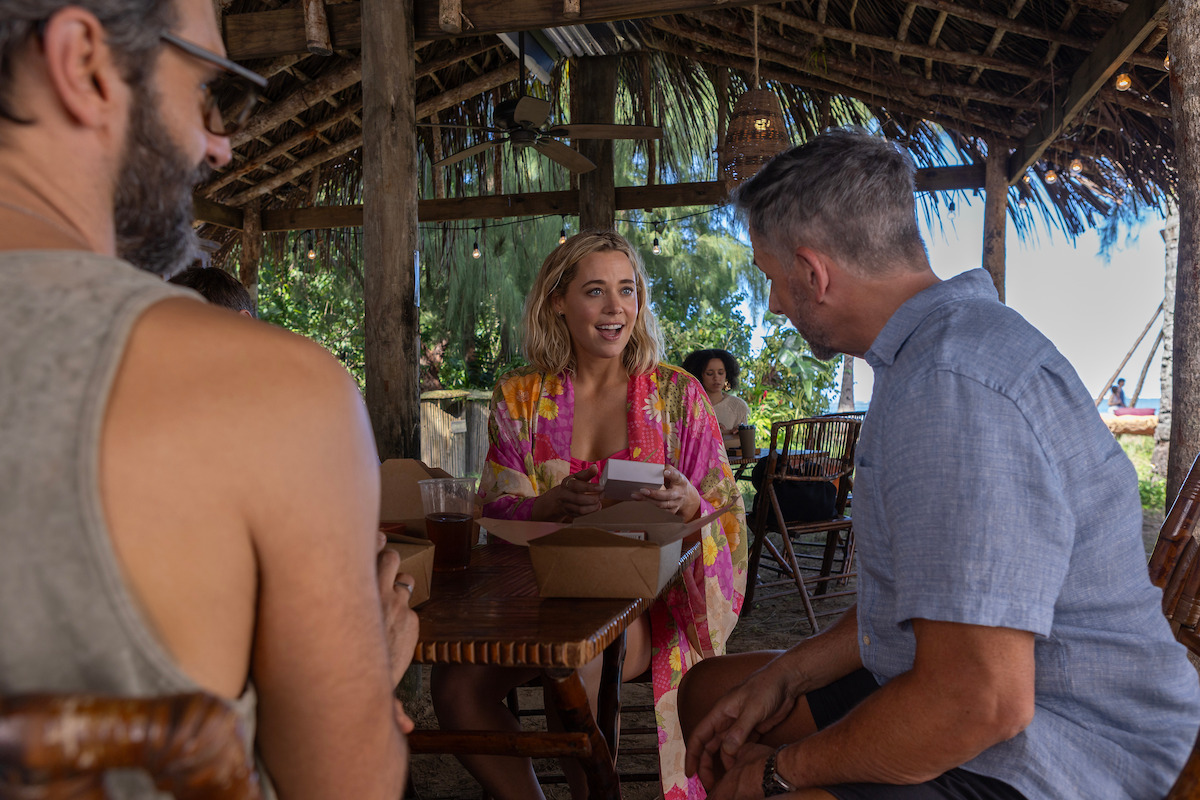
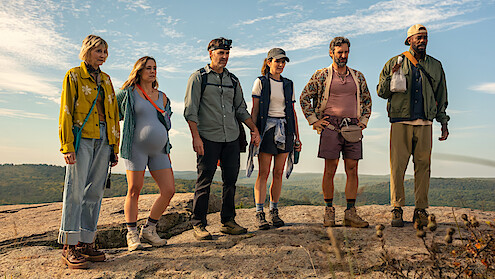
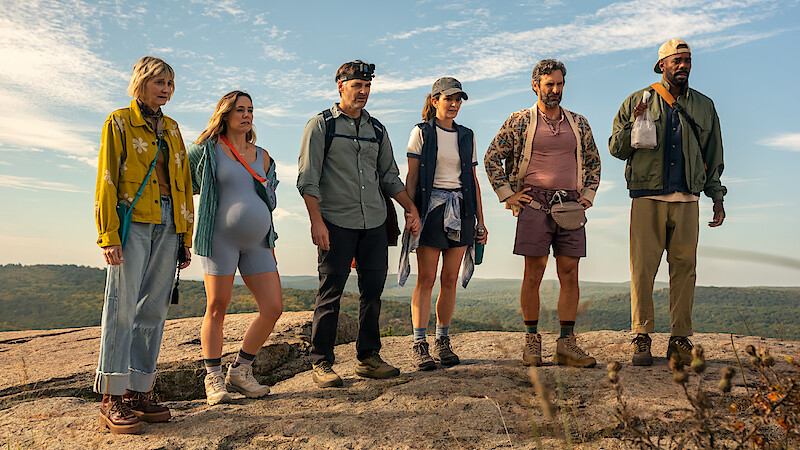
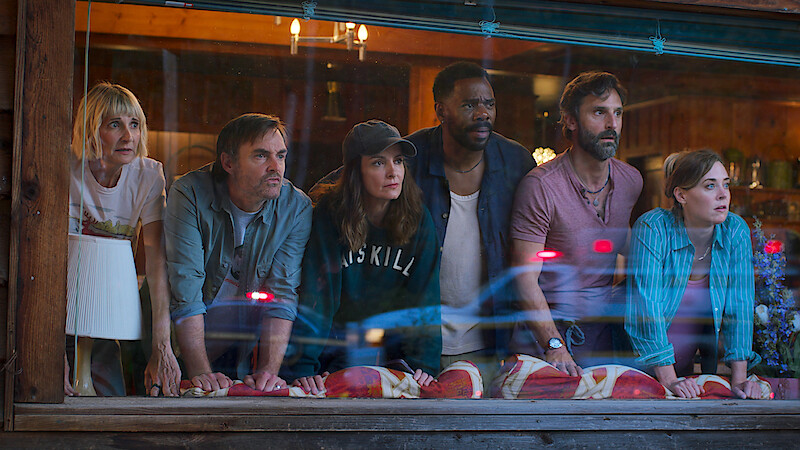
My favorite days, always, were when we’d have at least six of us on set. There was a day where they get caught in a hurricane. It felt that we were filming a movie, because it was like, “We’ve got a rain machine, we got a pedal pump, we’ve got one shot that we’ve got to do this in and that’s it. Otherwise, we have to get dried and made up all over again.” It felt like those things you read about when you’re a young actor.
Ginny is just so earnest and eager. This young woman took a grown man and his four friends to a resort where they’re sleeping in tents for a vacation. That’s insane serial killer behavior. But hopefully, in my playing of it, you’re like, “Yeah, that tracks. It was a swing and a miss, but she’s just trying her best.”
PHOTO BY FRANCISCO ROMAN
When she says, “This was the Sunrise Movement,” or “You look so Dimes Square with that bucket hat,” they have no idea what you're talking about.
I think wardrobe did a great job of identifying who these people are. Ginny is a dental hygienist, which to me sounds kind of like a lame job. But with that dental hygienist income, she's going to Burning Man on the weekend. She and her friends definitely have gone to some raves. She’s that fun Brooklyn professional who has a party life.
PHOTO BY FRANCISCO ROMAN
What was it like navigating some of the ups and downs of Ginny’s relationship with Anne, and working with Kerri?
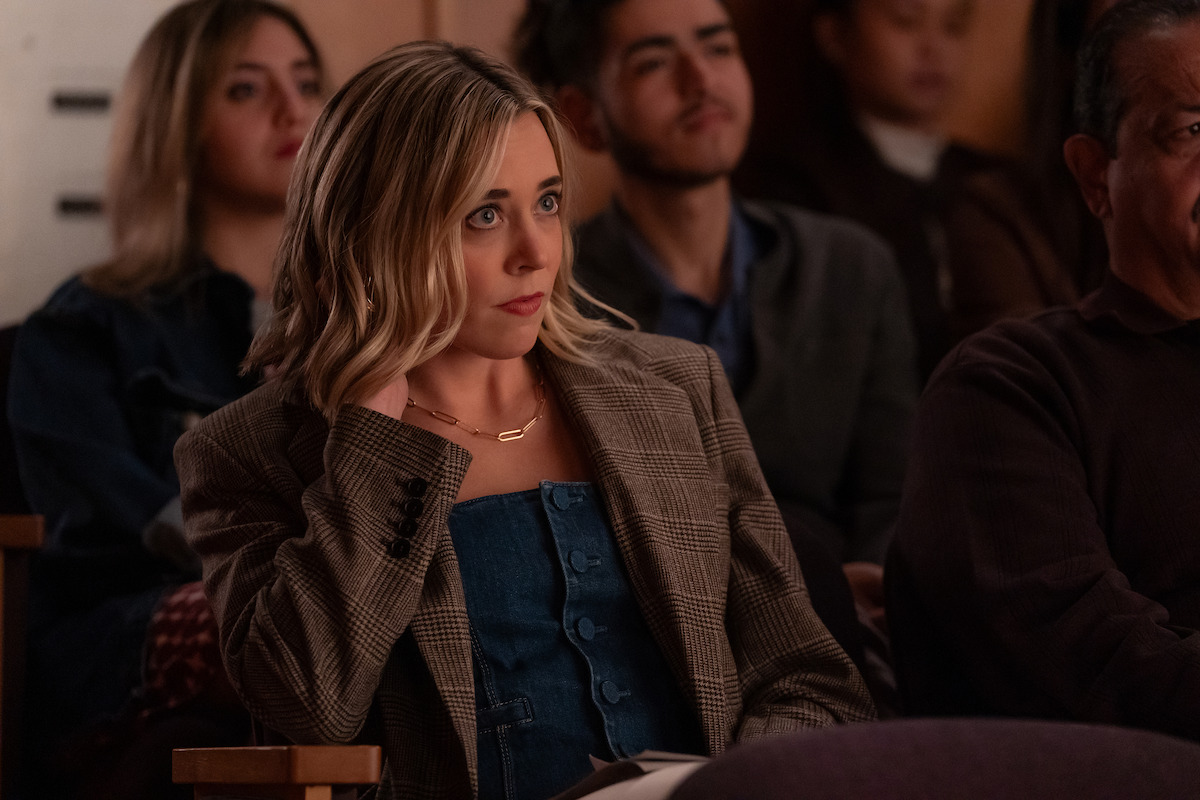
[Fey’s husband and The Four Seasons executive producer] Jeff Richmond shot this fall episode where Anne and Ginny meet for the first time, and we’re all under a big tree out at a college campus. There was a feeling of all these eyes on you, not wanting to be in the wrong place because we’re in a circle and it’s a continuous shot. That awkward feeling is exactly what this moment is: this thing that should be handled away from everybody, but is being handled in real time.
It was such a fun trajectory to go from that moment of discomfort to [later] when we reconcile. It’s not like we’ve had a fight, but I think they both give one another some comfort. These two people are so different but share love for the same person in totally different capacities, and that allows them to turn towards one another instead of away from one another.
PHOTO BY JON PACK
Ginny tells Anne off-screen that she’s pregnant. How do you think that conversation went?
If I was Anne’s character, I’d be like, “Girl, are you stupid? Use protection.” I love when conversations like that happen off-screen because it lets the audience fill in the gaps. My hope is that the new relationship becomes Anne guiding Ginny through being a mother. I think when you’ve gone through grief, you’re seeking anybody who knew that person deeply to remember them with.
She feels so raw and vulnerable carrying two secrets: This feeling that she’s the reason he passed away — because after they got in a fight he was trying to make amends by [driving to the store] — and knowing she’s pregnant. Going to his funeral, being with all his friends, she’s like, “I have to get this off my chest and you’re in front of me and I feel love from you.” I don’t think she planned to tell them for a while. Something about that scene gives her confidence of, “I trust this person and I actually need this person right now to hear this.”
When you’ve gone through grief, you’re seeking anybody who knew that person deeply to remember them with.
Erika Henningsen
What do you think it meant to Ginny that Anne was the one who told the group?
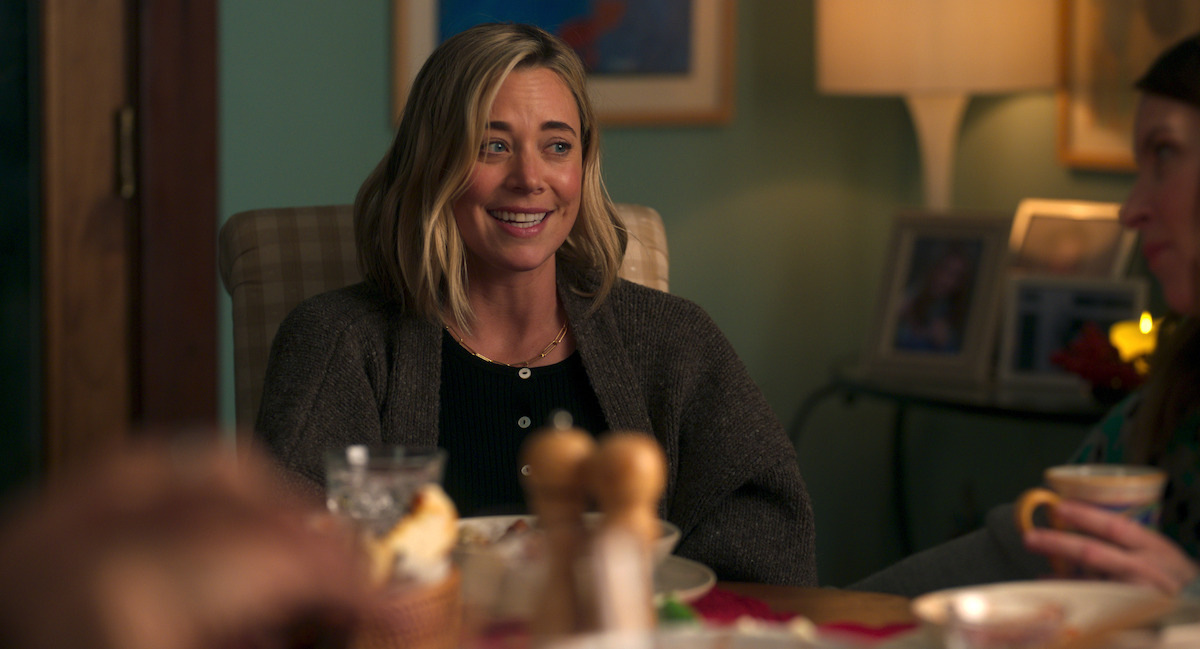
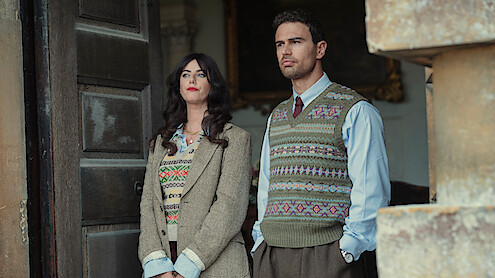
We’re sitting at the dinner table, which is how the season opens, and Ginny is sitting where Nick was sitting, but she’s wearing Anne's sweater. What’s so impressive is contemporary marriages, friendships, they’re beginning to have a different pattern. People have kids together, get divorced, a girlfriend moves in, they raise the kids in the same neighborhood — they’re blended families.
Even though there’s been this chaotic thing that’s happened, that Anne would welcome Ginny to the table and be like, “Sit with us, eat dinner with the friends, wear my sweater, I want to provide comfort. Let me help you tell them this thing that is difficult.” In Anne sharing it, it’s Anne’s way of saying, “I’m also okay with it.” It feels like this little olive branch.
PHOTO BY JON PACK
Why do you think The Four Seasons is ripe for contemporary adaptation?
You see a lot of TV shows about kids in their 20s moving to the city and trying to make it. Then you have things like Golden Girls, which is [later in life], and stuff like Everybody Loves Raymond, which is just the family unit. The phase that we skip is, “What does it mean to be a parent and a partner who has a vibrant social life, personal life, intimate life?” Somebody who is not looking at their retirement, but “What do I do now with this time now that my kid is out of the house?”
That’s a huge phase couples go through that we don’t really have media about. People are not just living longer but living fuller into their 50s, and I feel like women and men aren’t defined solely by parenthood, work, and retirement. What does it mean to be a really cool person in your 50s who’s still living life with their besties? I think people will see themselves a lot in this group.
No matter where you are in your relationship, what I think is so beautiful about the series is we never outgrow some of these patterns. We never outgrow walking into the pantry to talk about your spouse with your best friend. The way that your college roommate treated you in college — sometimes that is still how you treat one another, even when you’re 55 years old. Sometimes that’s a comfort, and sometimes it pushes your buttons in all the wrong ways. That’s what the show does so beautifully.