This article contains major character or plot details.
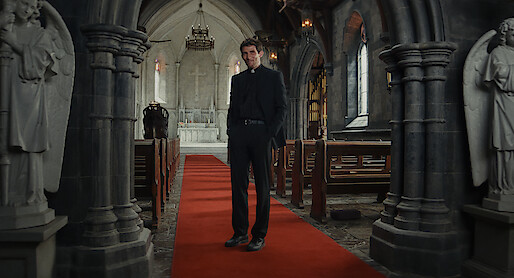
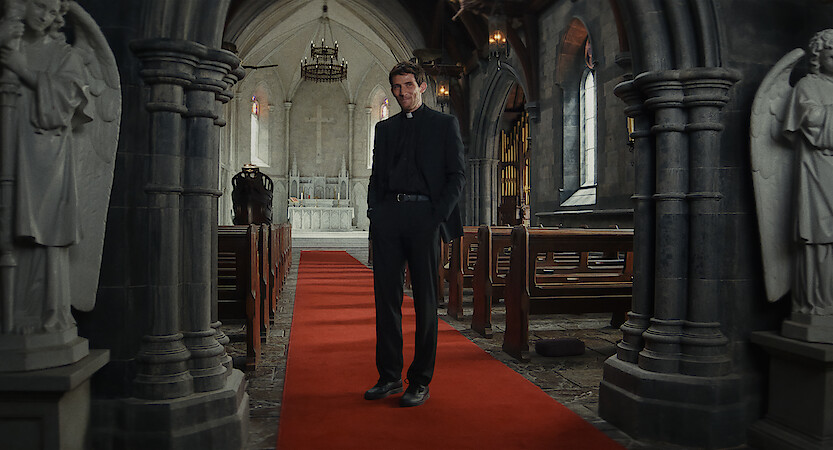
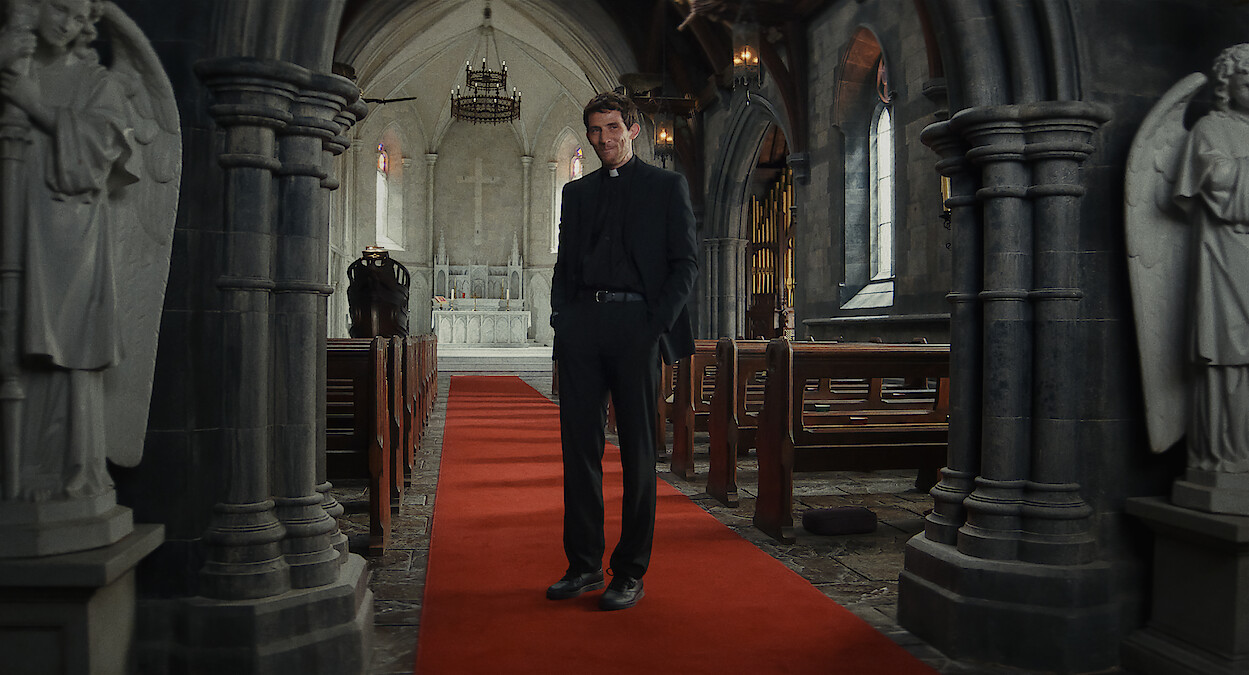
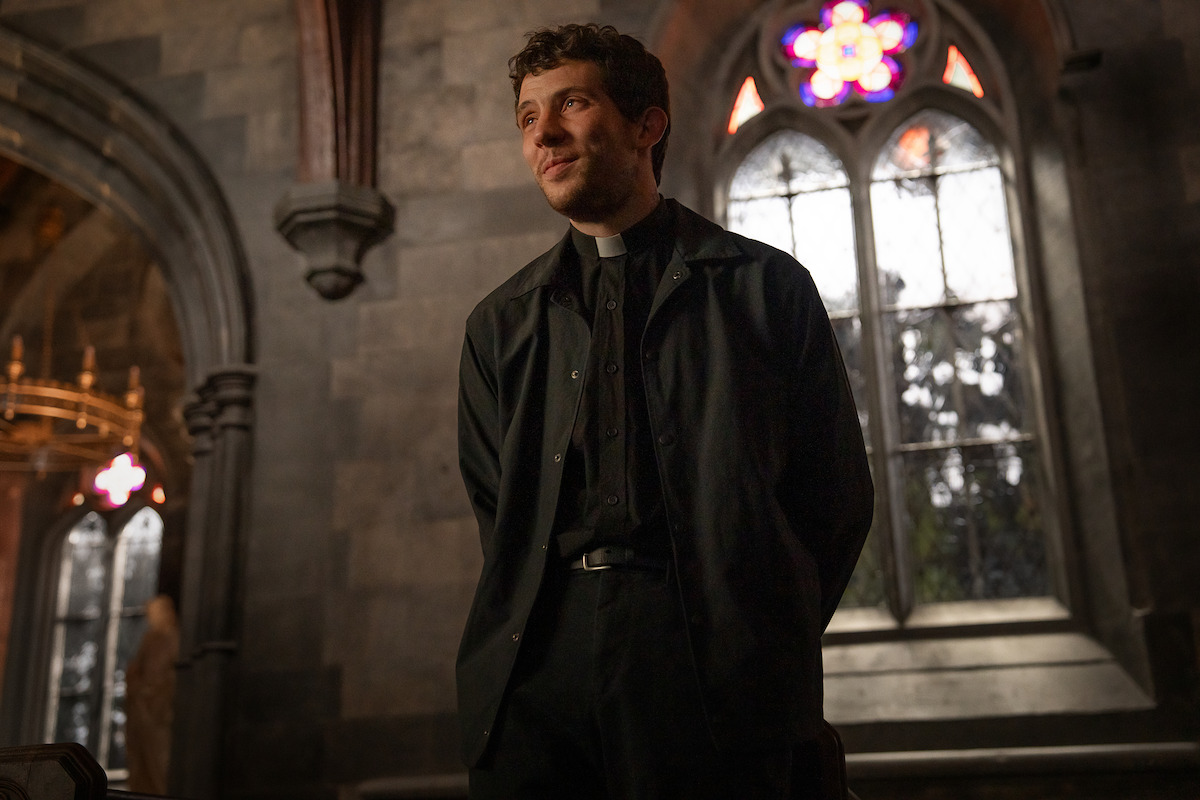
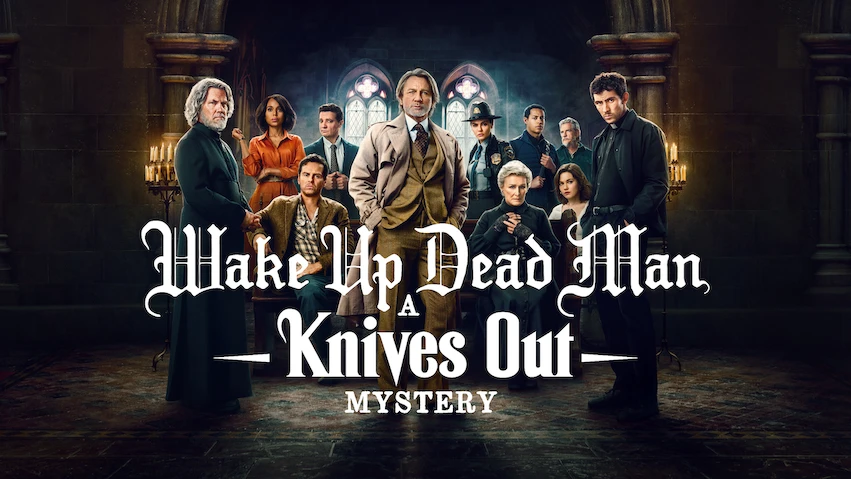
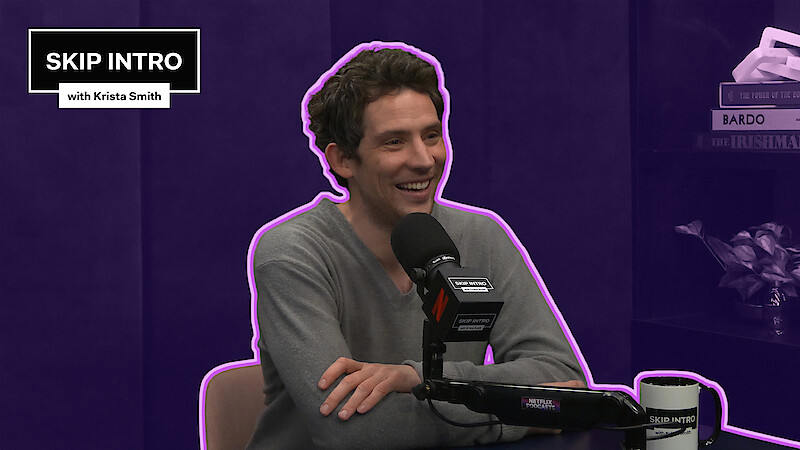
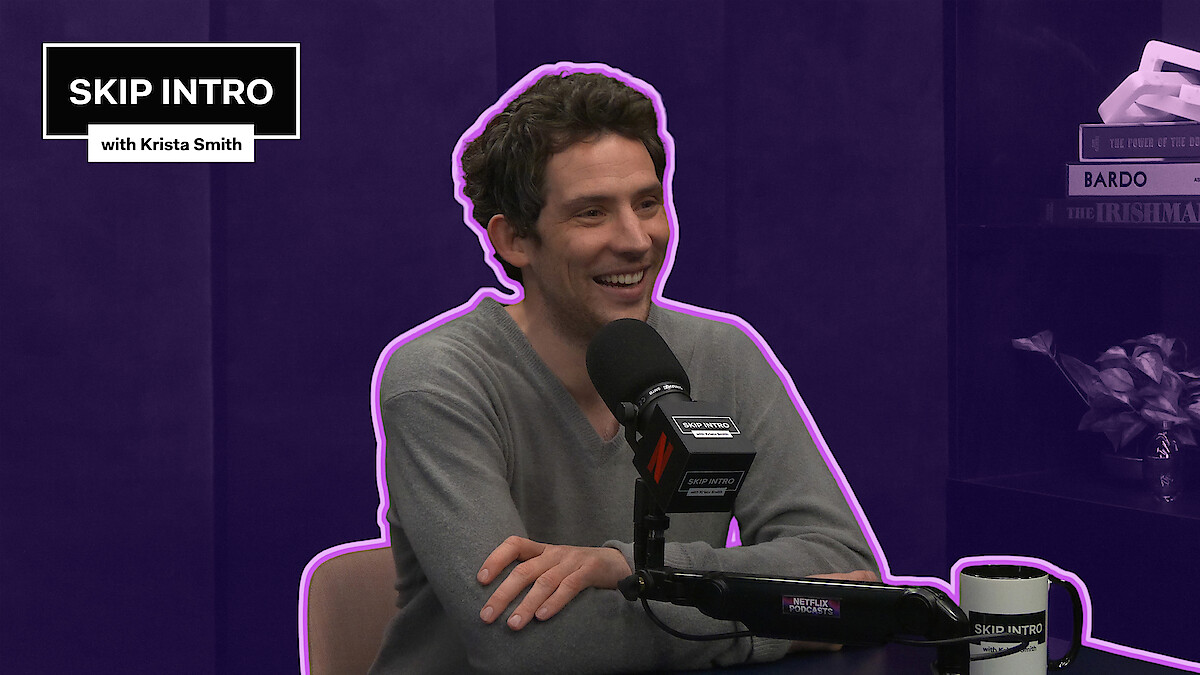
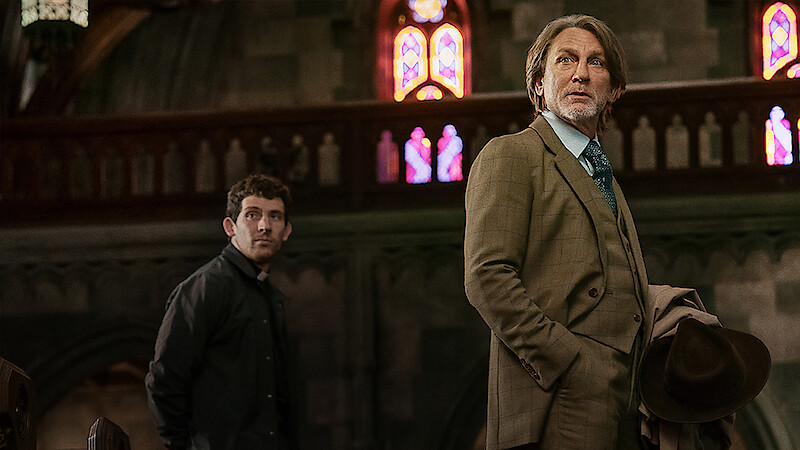
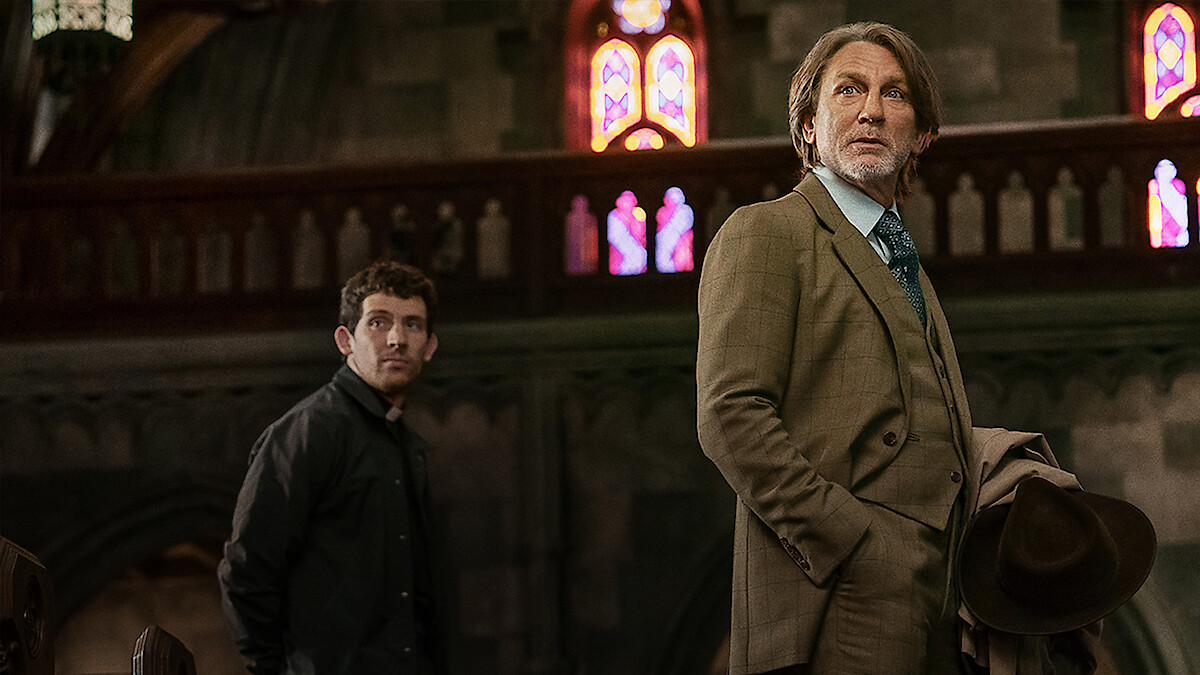
A church congregation sees God’s image in wine and daily bread. His loyal follower Father Jud Duplenticy (Josh O’Connor), however, relates with something a little bit toastier. O’Connor likens his priestly Wake Up Dead Man: A Knives Out Mystery character to a nice, hot bowl of soup — a meal the whole community could share.
“He’s something honest. Like a hearty chicken soup or an Irish stew,” O’Connor tells Tudum. “Something hearty and healthy, that gives sustenance and warms your heart.”
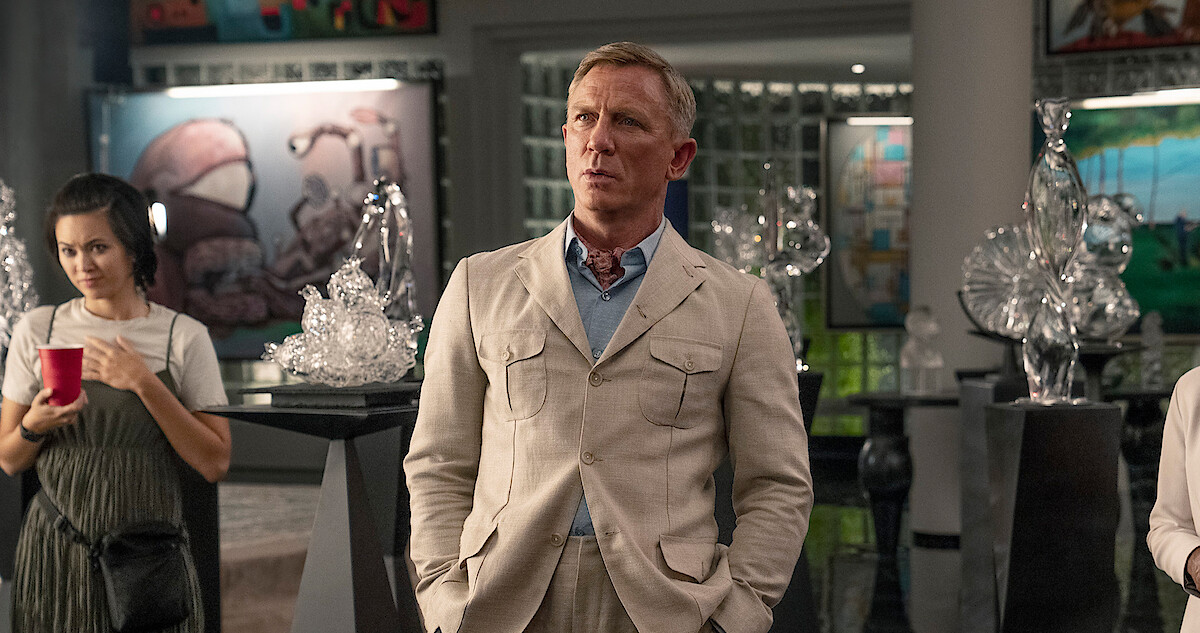
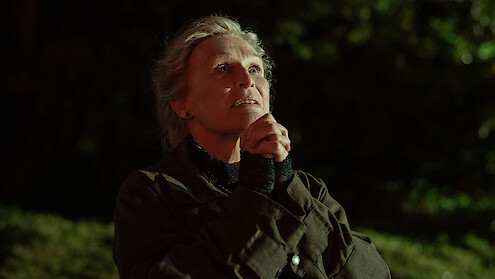
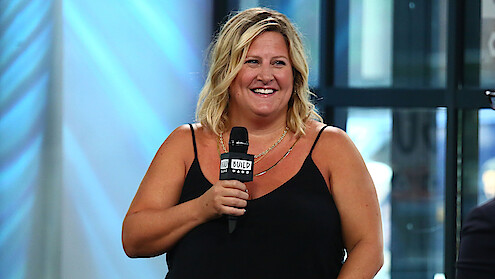
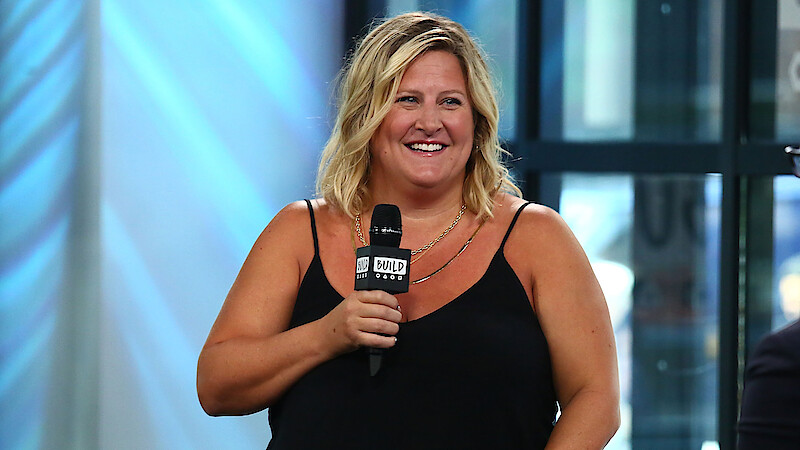
As Wake Up Dead Man debuts across the globe, the actor is prepared to go beyond the pulpit and enter the heart of a whole new flock. A tattooed boxer who shunned the ring after taking the life of his opponent, Father Jud now cleaves onto his faith like it’s a light through the darkness. Even as Detective Benoit Blanc (Daniel Craig) urges Jud through a dire murder mystery, the priest stops everything for a stranger named Louise (played by Bridget Everett), who’s in need of support. It’s difficult not to be moved by some spirit as the young clergyman prays for the latest member of his congregation and her ailing mother.
“The great thing about getting to do what I do is truly seeing people be affected by the work I make,” O’Connor says. “Of course, whether that’s on the level of entertaining them or answering a question they didn’t know needed answering, that’s why I do it.”
Now O’Connor is ready to reveal the divine mysteries of the thoroughly modern priest he plays — from the truth about Jud’s neck tattoo to his greatest moment of absolution.
Who is Father Jud?
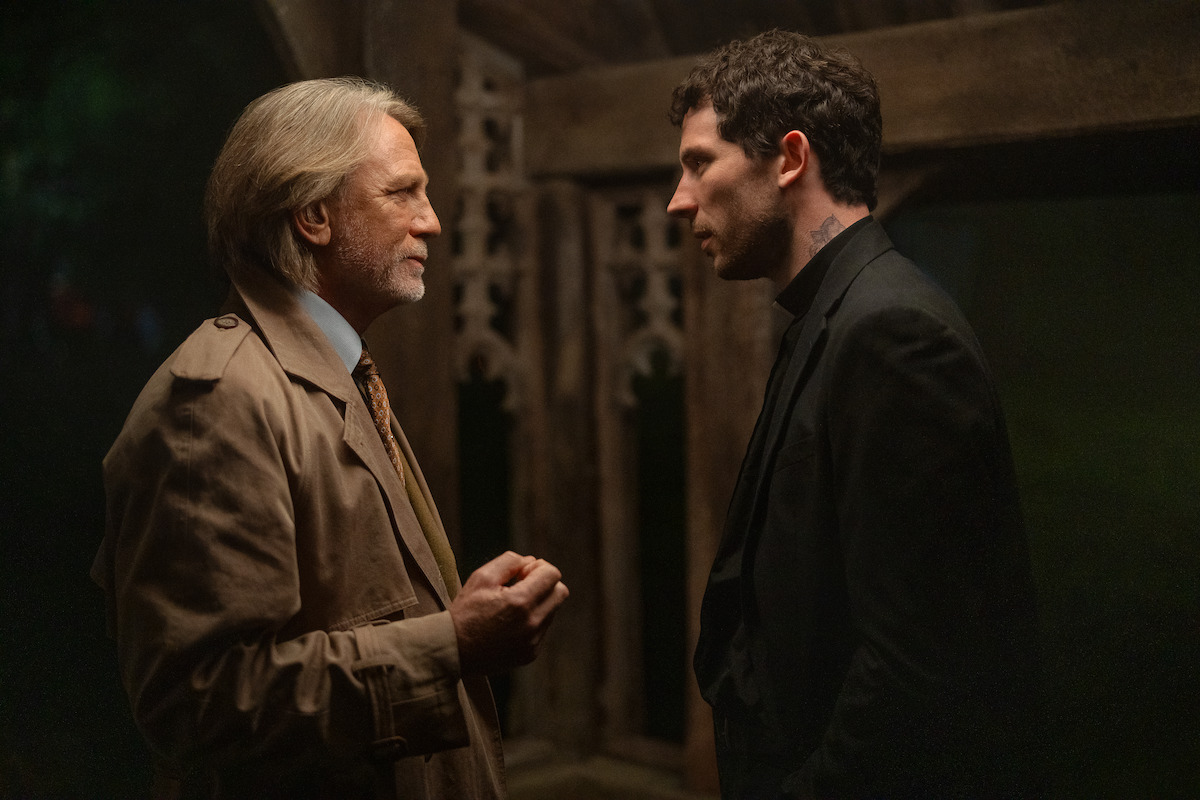
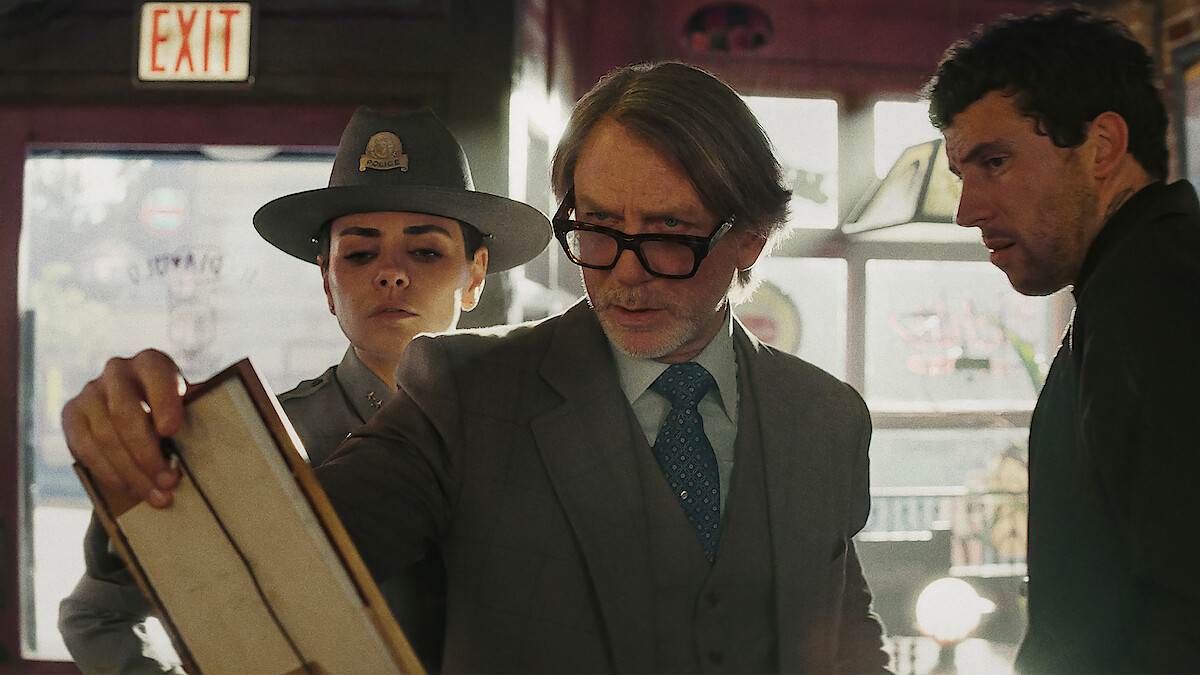
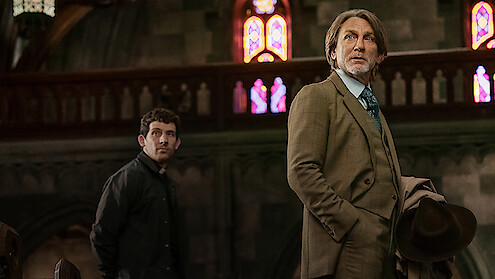
When Benoit meets Jud, he’s a suspect in the murder of Monsignor Jefferson Wicks (Josh Brolin), an upstate New York priest with a cult-like following. Before Jud ever stepped through the imposing threshold of Our Lady of Perpetual Fortitude, he was a boxer with an axe to grind. Benoit clearly has his suspicions about why Jud really turned away from the gloves and toward a priest’s collar.
“I remember a teacher I had at drama school — whatever role you were playing, he would say, ‘What’s their secret?’ ” O’Connor says. Jud finally spills his in the second half of Wake Up Dead Man. He didn’t join the church to hide his rage or fix his shame, as Benoit assumes. Jud knows his boxing tragedy wasn’t an accident — he pushed his opponent until he broke, and then killed him. No higher power can ever “solve” that transgression. Yet Jud still feels God’s love in his guiltiest moments. The former fighter wants to share that compassion with other people who need it.
“Father Jud isn’t hiding. He’s extremely honest about his faults,” O’Connor says. “As he’d rightly say, there’s this uncomfortable part of him, which is a natural violence that is bubbling underneath.”
Jud’s greatest strength comes from accepting the danger within and still choosing to move with gentleness. He hits a punching bag instead of a person, buys crudités for his betrayers, and forgives those who would damn him. As Wake Up Dead Man’s editor, Bob Ducsay, says, “Father Jud points the way to a faith and spirituality that inspires and heals.”
What is Father Jud’s neck tattoo?
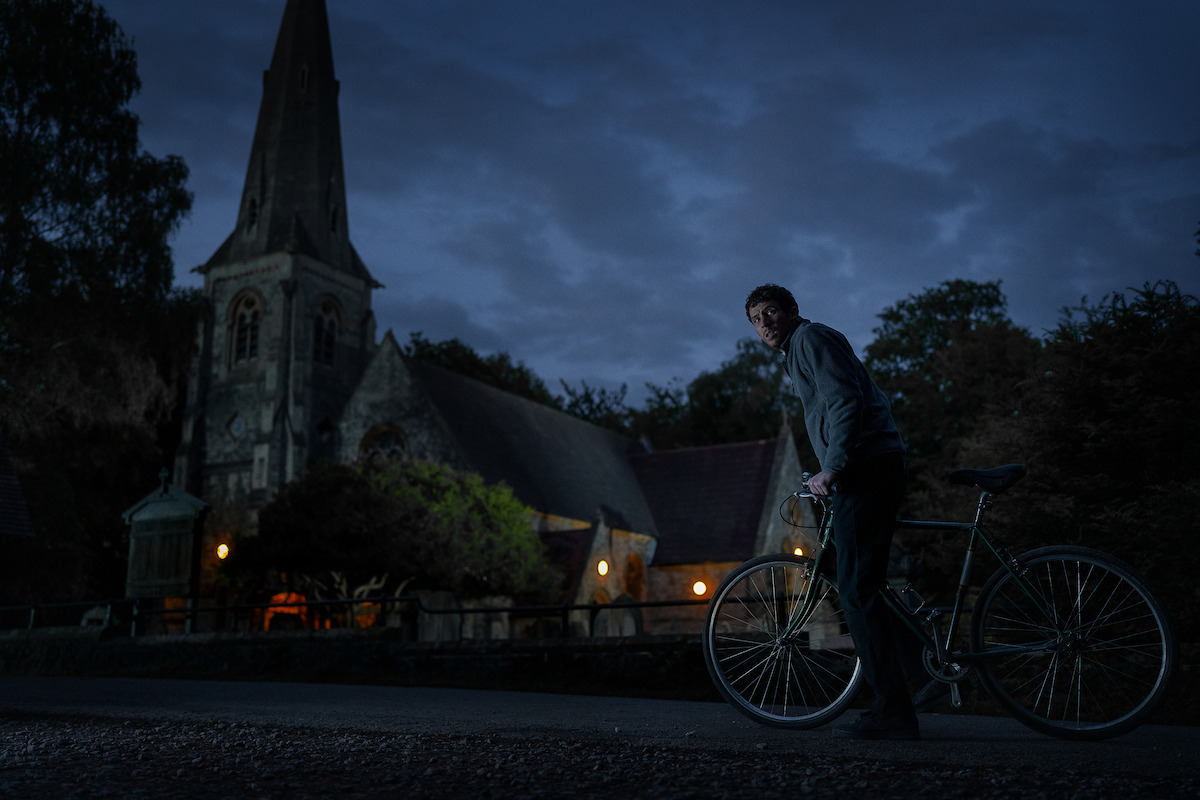
Jud runs all the way to the small (and fictional) burg of Chimney Rock, New York, to find his holy destiny. But he can’t shake the proof of his past — namely, the tattoo peeking out from his most pious of necklines. So, what kind of ink is this man of the cloth (and pushed-up sleeves) rocking?
“It was a devil and an angel tattoo,” O’Connor recalls. “It said something underneath: Serendipity.”
O’Connor and Wake Up Dead Man director-writer Rian Johnson discussed the fitting piece of body art at length. “I really loved the idea of being in this quite formal priest uniform with the dog collar — and there’s this little bit of his past creeping up,” O’Connor says. “That is how Father Jud is attempting to be this version of himself. He’s not denying his past, hence he still has the tattoo. But that anger is still there.”
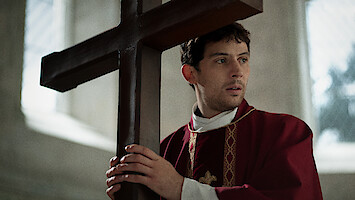
In Wake Up Dead Man’s final scene, Jud puts all that churning physical energy to good use. Rather than unleash it on an enemy after over a year of struggles, he strikes a tree with a hammer and carpentry tools. The result is a beautiful handmade cross that holds one very special surprise.
What does Father Jud really believe?
When Benoit and Jud first meet, the detective asks the holy man a simple question. “Are you open?” Benoit’s inquiry applies to the church — which is now a murder scene — but also Jud’s spirit. The priest’s answer tells you everything you need to know. “Always,” Jud responds.
“Father Jud’s principles are to do with forgiveness, doubt, and uncertainty,” O’Connor says. “He believes in a loving God, a God that sees your faults and chooses to love them.”
Jud’s open-hearted outlook clashes with the fire-and-brimstone flair of his late boss Wicks. Where Wicks espoused exclusion, punishment, and vitriol, Jud aims to see friends where others would perceive wolves. “We often see religious beliefs being very regimented, and I don’t think they need to be. I think we can be open and understanding that people have different beliefs,” O’Connor says. While the twisting murder investigation tempts Jud into denouncing his values to survive — opportunities to revel in Wick’s brand of hatred and deceit abound — he avoids those bedeviling traps.
“His principles stay the same,” O’Connor explans. “It’s about putting out your arms and trying to understand someone’s reality. Even if that’s uncomfortable.”
By the end of Wake Up Dea Man, even avowed skeptic Benoit is stirred by Jud’s devotion, says Craig. “Benoit wants to be a man of logic and science, and even has his problems with religion. But he can’t help but respect Jud’s faith,” Craig explains. “He sees how important someone like Jud is to certain aspects of society.”
Why does Father Jud absolve Martha?
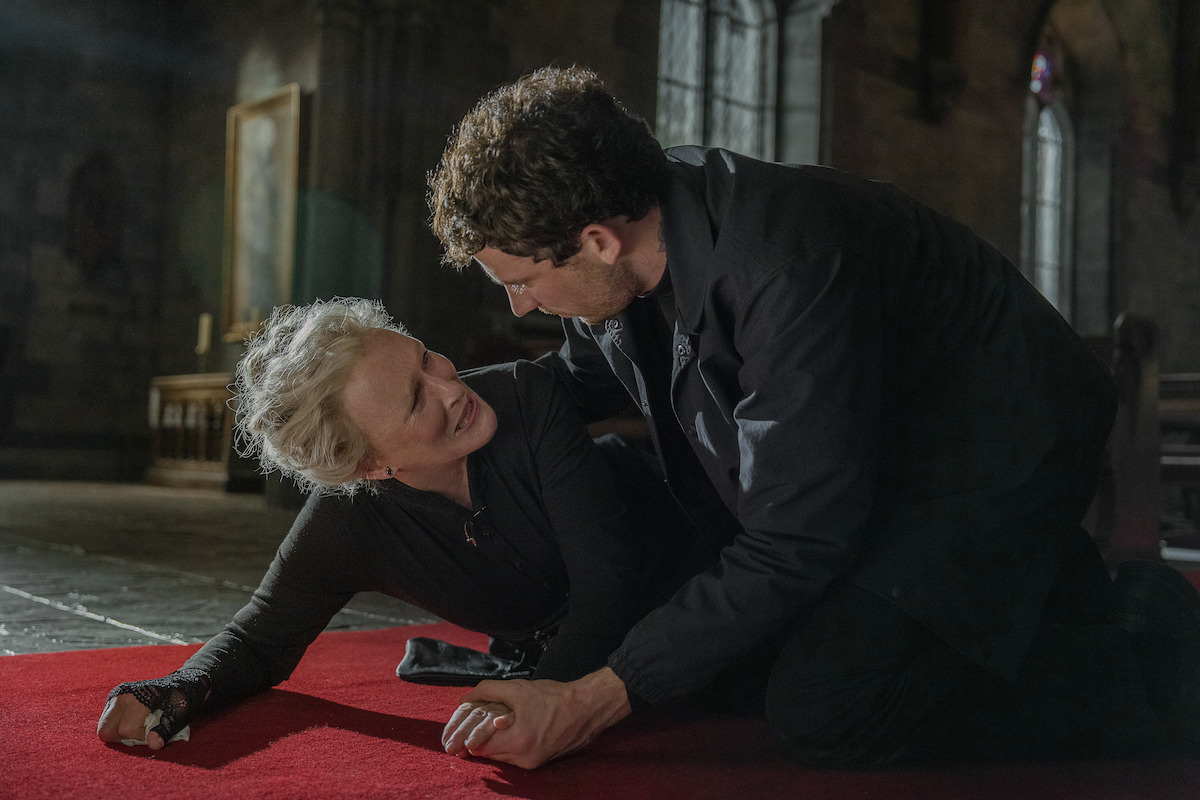
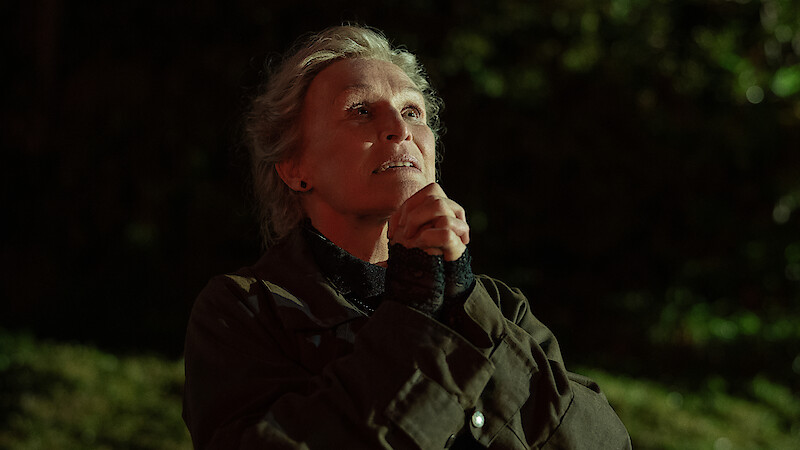
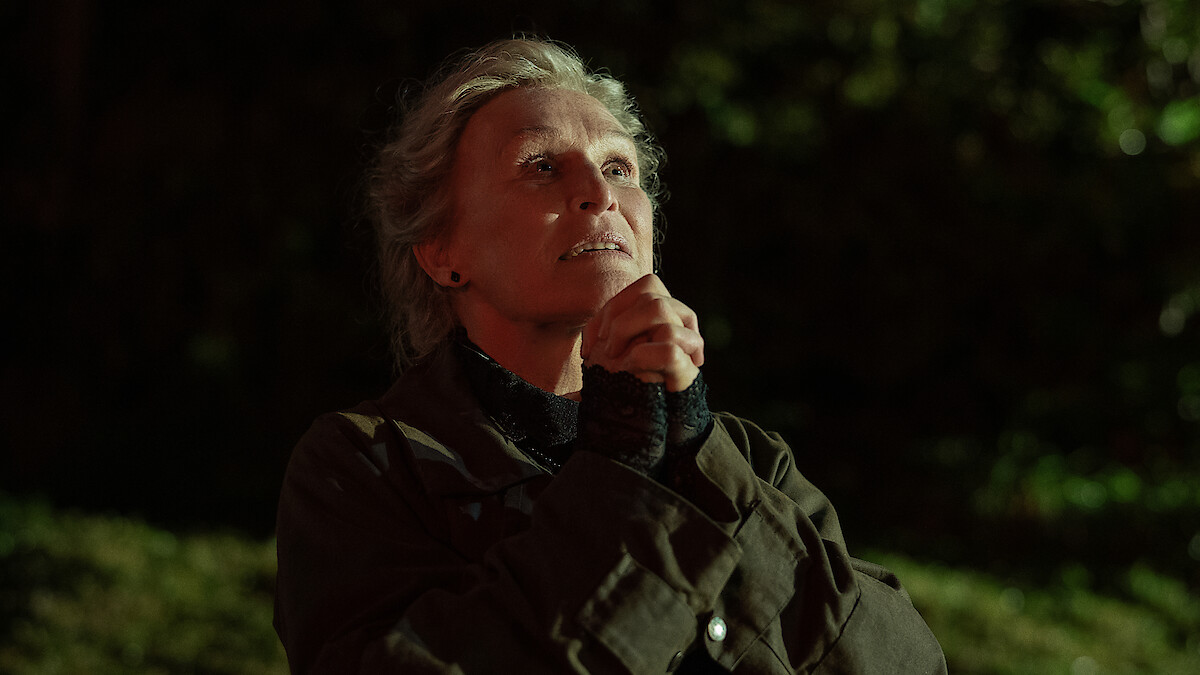
Jud’s most important act comes when Wake Up Dead Man’s killer is unmasked. The church’s devout mother hen Martha Delacroix (Glenn Close) was behind the murder of Wicks.
In the film’s final act, Martha takes a deadly dose of the same tranquilizer she gave Wicks and prepares to die for her sins. Jud would be within his rights to refuse Martha — she was ready to let him take the fall for her many crimes, and she shamed a vulnerable woman (Annie Hamilton as Grace Wicks) to death decades prior. Instead, Jud takes Martha’s confession and offers the God-fearing woman last rites.
“That scene cuts to what Jud’s principles are — and I share them. It’s his attempt to try and understand her,” O’Connor says. “It doesn’t mean that he has to agree with her. It’s much easier to point the finger. But there’s a lot to be said for trying to understand someone’s truth or psyche. If we could do a little bit more of that, it might solve some of our issues.”
Forgiveness frees Jud to create the kind of community he wants to see in Chimney Rock. He maintains control of the church, renames it Our Lady of Perpetual Grace (out of respect for the late Ms. Wicks), and steps into a bright new future. The angel on his proverbial shoulder would be proud. Or should we say neck?
Give yourself a little grace by (re)watching Wake Up Dead Man: A Knives Out Mystery on Netflix. And keep coming back to Tudum for more secrets from underneath Benoit Blanc’s hat.