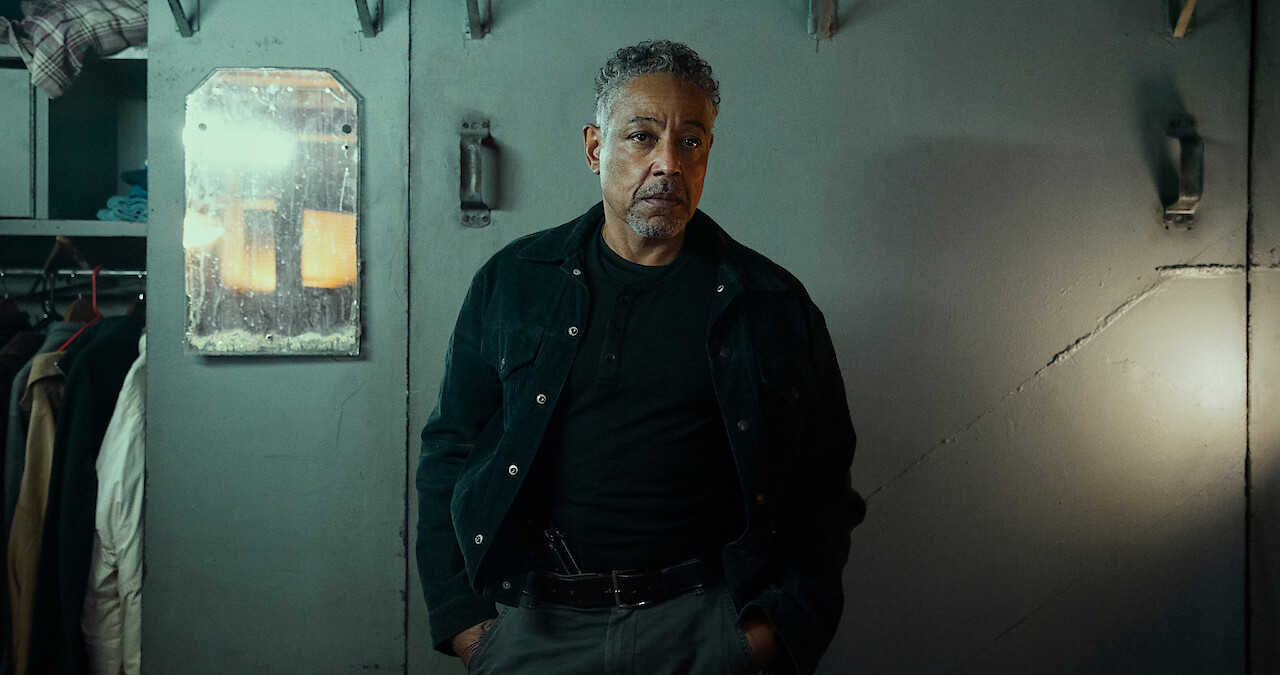
David Scott Holloway/Netflix
Up Close
Giancarlo Esposito Is a Smooth Criminal
The Kaleidoscope star has always been drawn to evil.
Jan. 3, 2023
There’s no reason to fear Giancarlo Esposito — but maybe some of the characters he plays.
Over the past four decades, the actor has built an impressive résumé spanning film and television, but some of his most notable roles come in the form of evil. In Breaking Bad and its spin-off series Better Call Saul, Esposito portrays Gustavo “Gus” Fring, a ruthless drug lord. In The Mandalorian, he leads the Imperial Remnant of the fallen Galactic Empire. And in The Boys, he’s the amoral CEO of Vought International. Whether it’s New Mexico or outer space, Esposito knows how to frighten with the same cold stare and sly grin.
Now, he’s bringing his famous poker face to New York City.
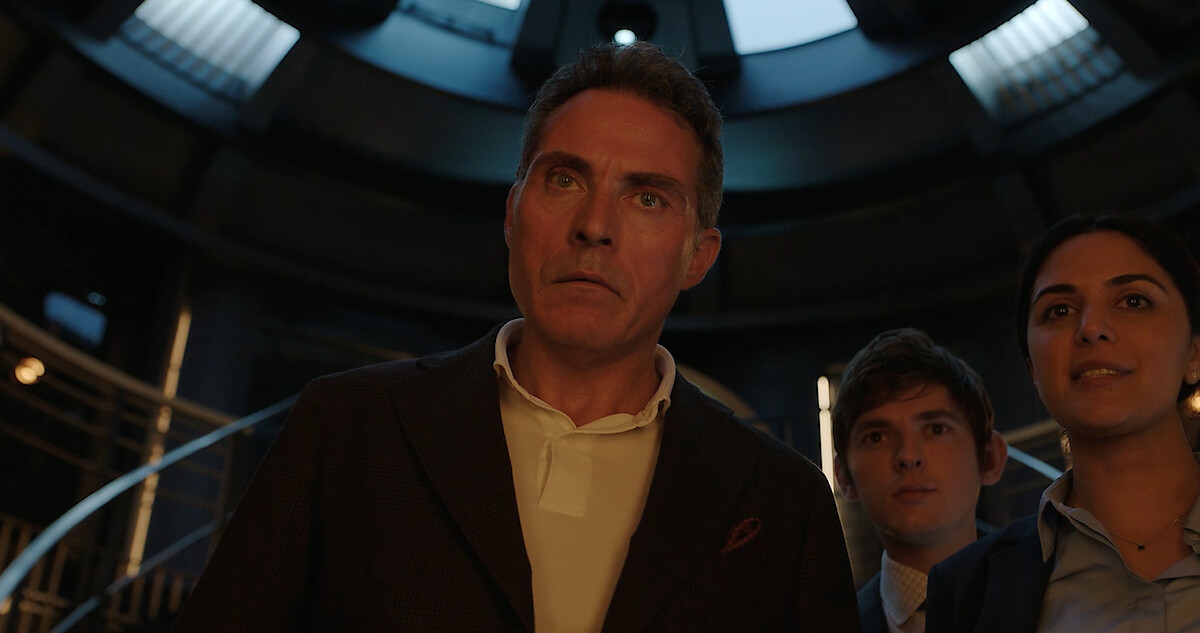
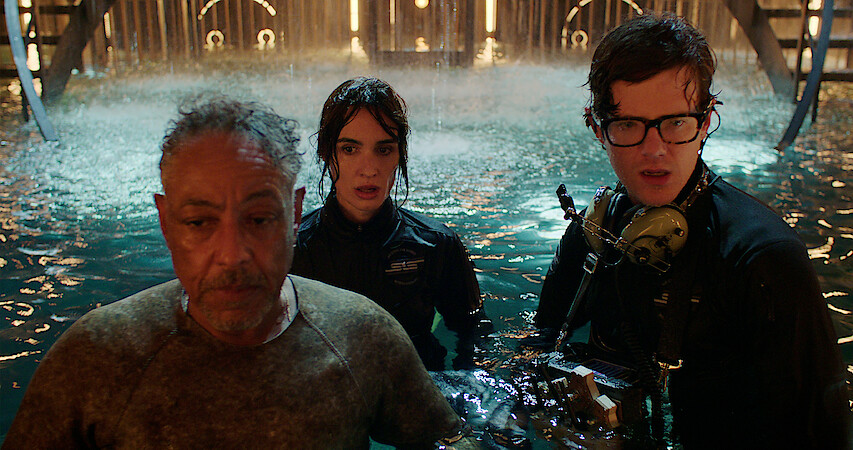
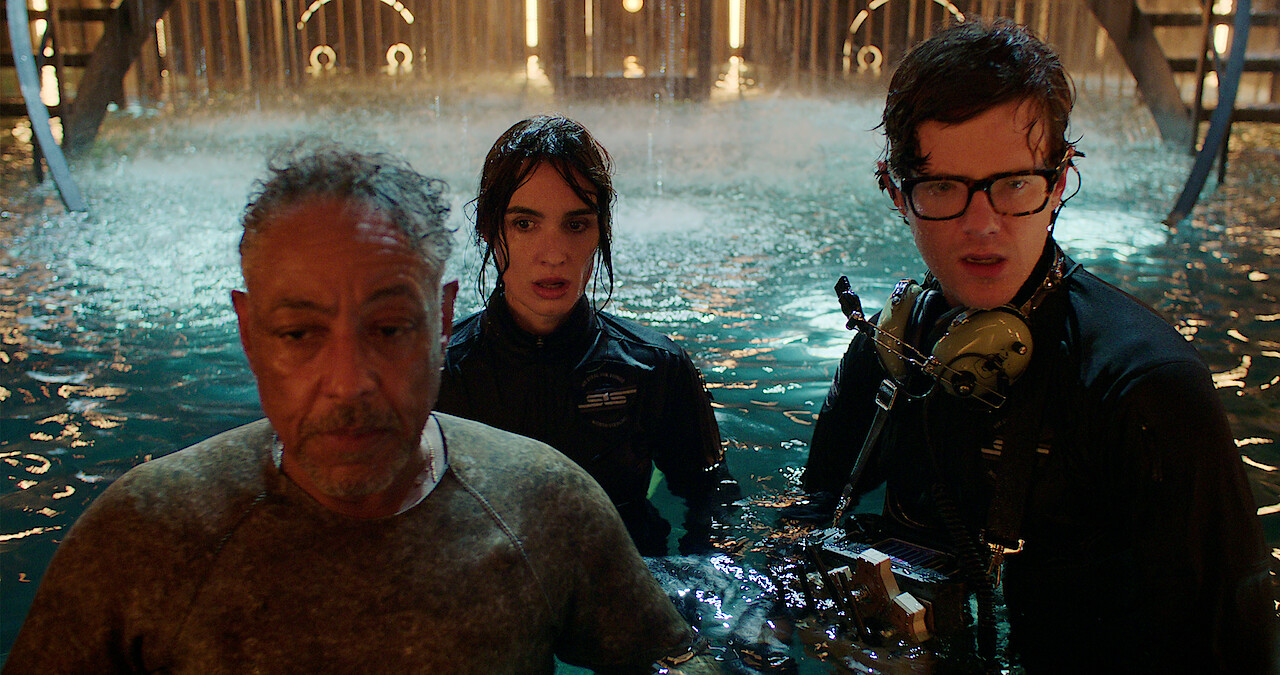
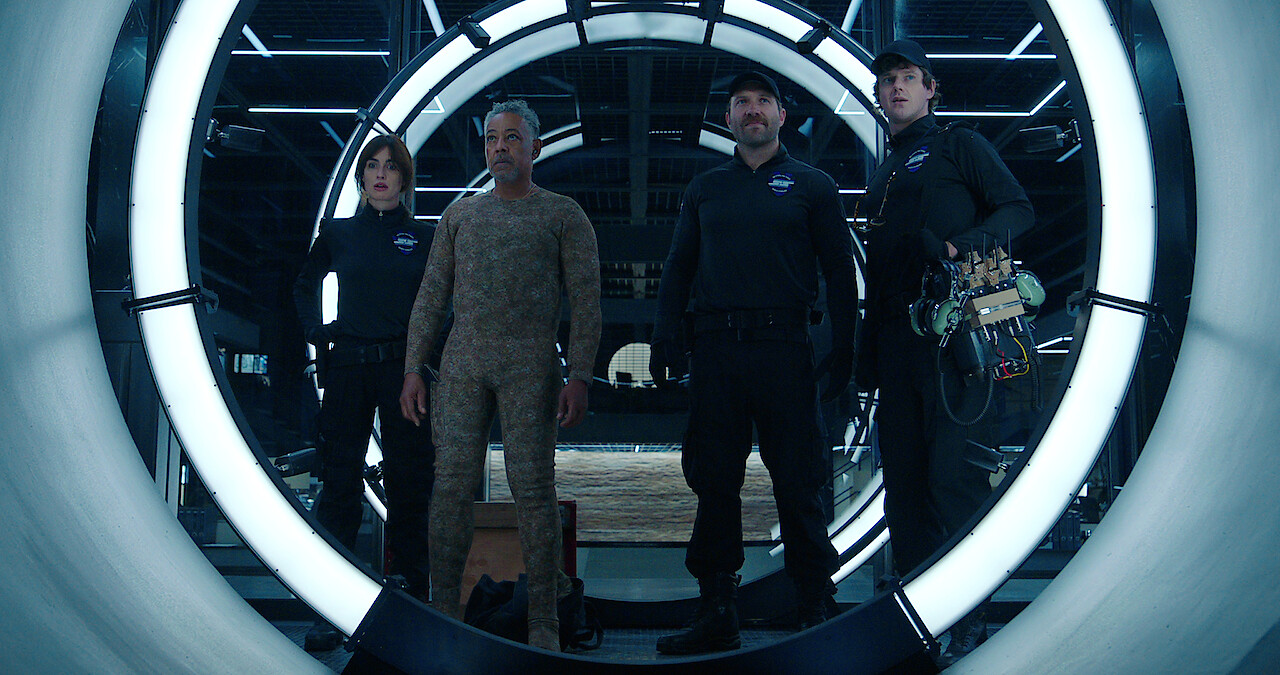
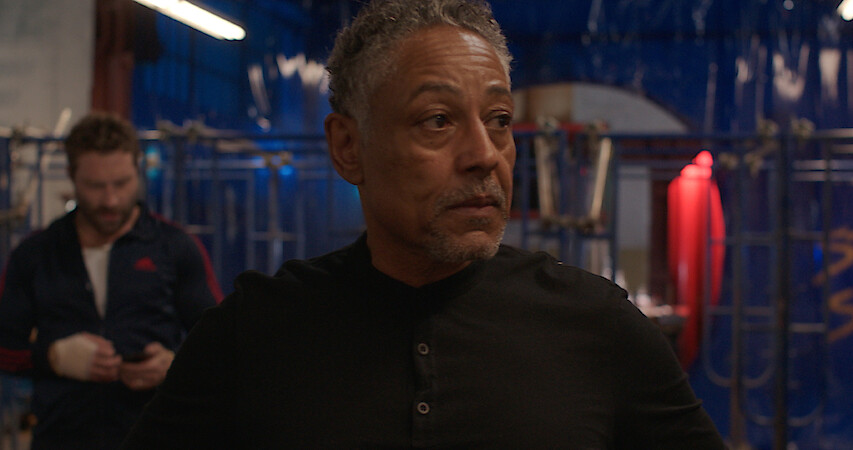
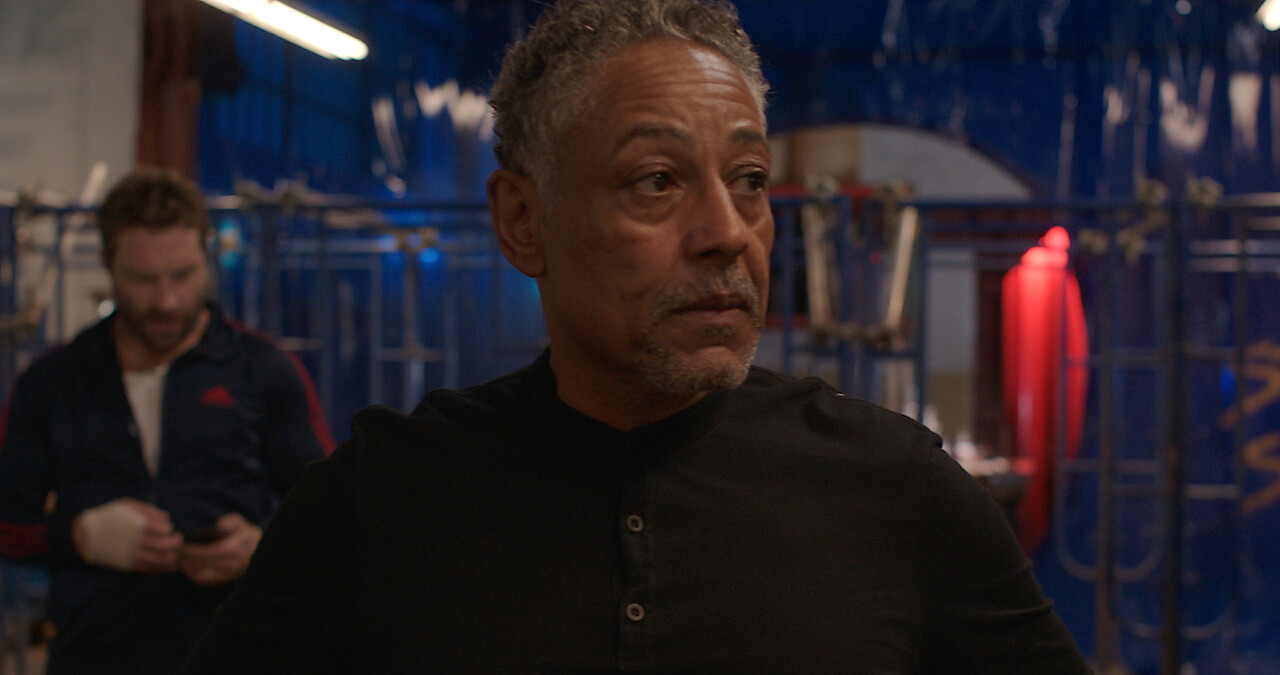
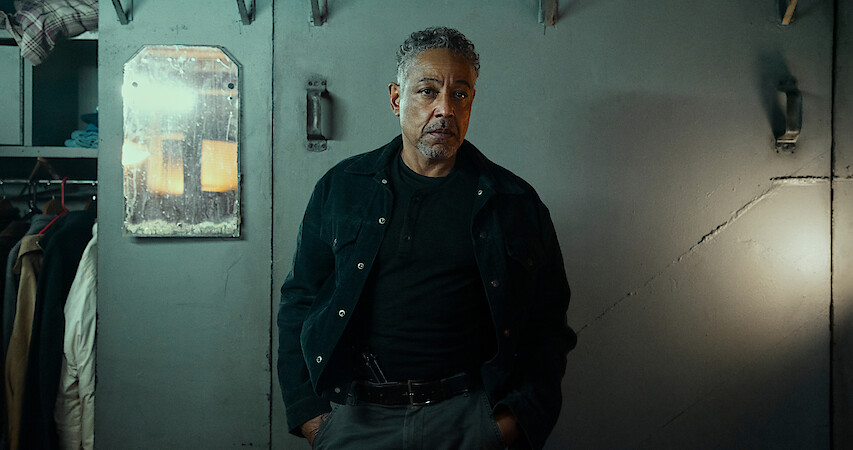
Esposito continues his crime spree in the new anthology heist show Kaleidoscope, where he takes on the role of the thief mastermind, Leo Pap. As viewers watch the eight-episode series in various sequences – culminating with the finale always last – they’ll see Leo’s complicated relationship to crime, his family and his friends unravel over the course of 25 years. It takes a meticulous eye for detail to devise a plan to crack open a vault and steal $7 billion in bonds. But it’s not about the money for Leo — and it isn’t for Esposito either.

“I look at things to uplift me and to enthuse me; I don’t look at things to pay the bills and help me just survive,” he tells Tudum. While some may be terrified of the characters he’s played, the actor views his antagonists in a different light. “What I feel with each character is an excitement and enthusiasm, a deep commitment and vulnerability to allow them to speak to me.”
It’s the character of Leo that convinced Esposito to sign onto the project. “The reason I took this particular role in Kaleidoscope was because I wanted to play an everyman who was struggling with some of the things that normal people struggle with,” he says. Not everyone steals $7 billion, but everyone does carry trauma in some shape or form. It’s fair to say that Leo is a criminal — and he might be a complicated figure in his daughter’s eyes — but he wouldn’t consider himself a villain.
“In life, we experience relationships sometimes as being traumatic, especially when outside events affect our parents,” Esposito explains. “When they make decisions that we hold them responsible for –– that affect our lives, not knowing all of the reasons they made those decisions for their life –– [it] creates a little bit of [a] gap and a little bit of a traumatic experience.”

In Kaleidoscope, Leo seeks to mend the estranged relationship with his daughter Hannah (Tati Gabrielle). Viewers see the father and daughter’s dynamic at different moments in time as they struggle to build a bridge back to each other. Hannah knows the feeling of being abandoned by her dad all too well, but Leo is desperate to right his wrongs. He might know how to crack open a vault, but figuring out how to win back his daughter’s trust doesn’t come as easily.
“As children, we think that everything that’s done by our parents is done because of us, and sometimes that’s not very true,” says Esposito. “Sometimes things can never be right, but they can be understood in a different way if we’re able to listen to each other and do that vulnerable dance that’s required of us.”
Leo’s been absent for most of Hannah’s life, and he knows he can’t erase the generational trauma he’s passed on to her, but the only way forward is to understand each other. However, it’s not as simple as going to family therapy for the heist leader. He’s hell-bent on avenging those who’ve wronged him and his family, those who played a part in his wife’s death, and those who got him sent to prison.

Esposito has always been fixated on villain origin stories, and perhaps that explains why he’s often drawn to playing characters with a complicated edge. “I feel a little out of step with just regular people who look at things a certain way,” he says. A kaleidoscope distorts an image, but it also reflects things that are invisible to the naked eye. For Esposito, that’s what he loves most about storytelling. “I love parts of the story that reflect our innocence and then guide us to understanding,” he explains. “From seeing when we become hardened and non-innocent, how sweet those moments were and from whence we came.”
Kaleidoscope is streaming now.
This interview has been edited for length and clarity.