This article contains major character or plot details.
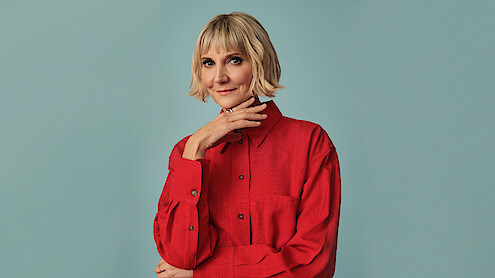
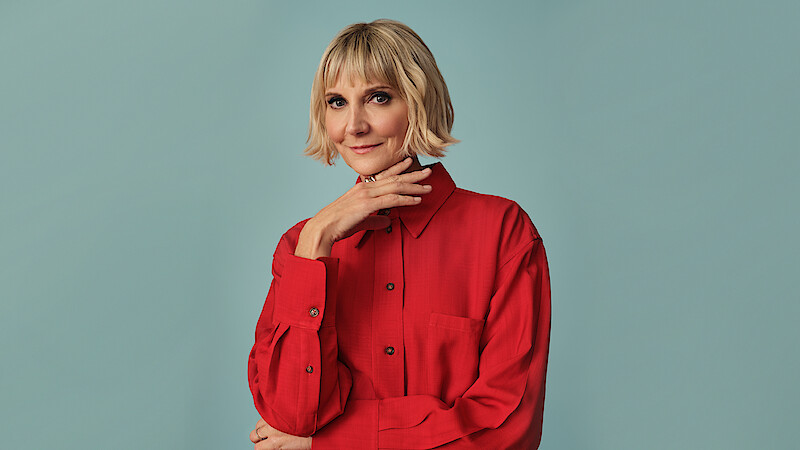
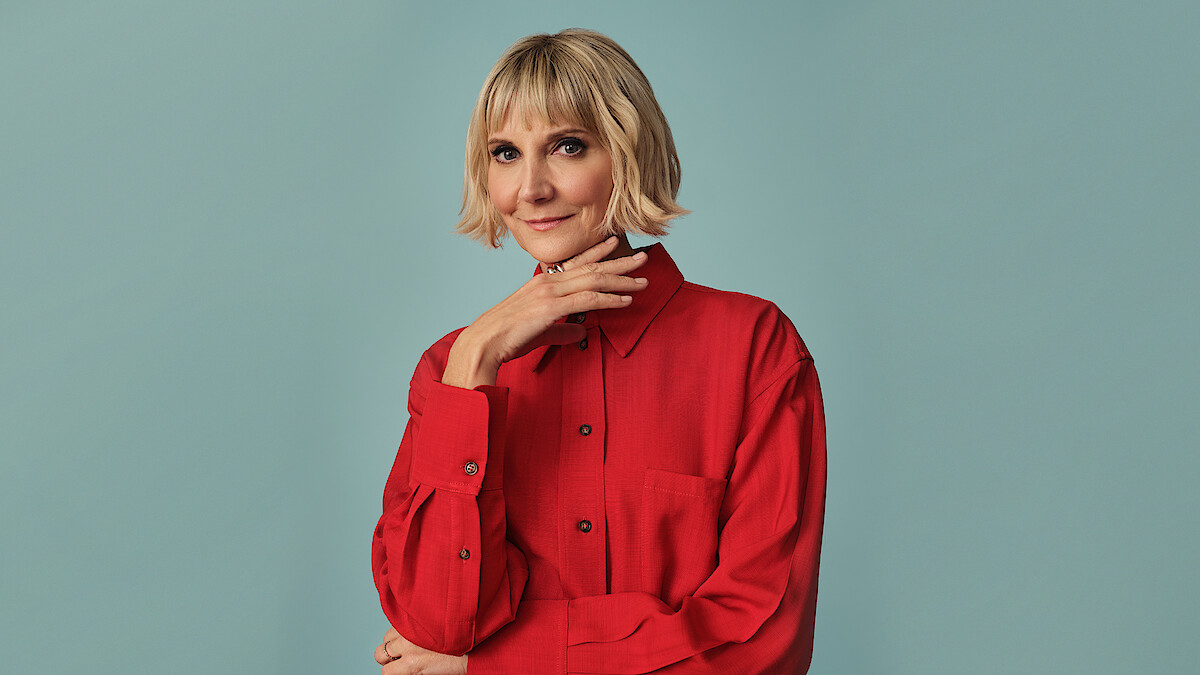
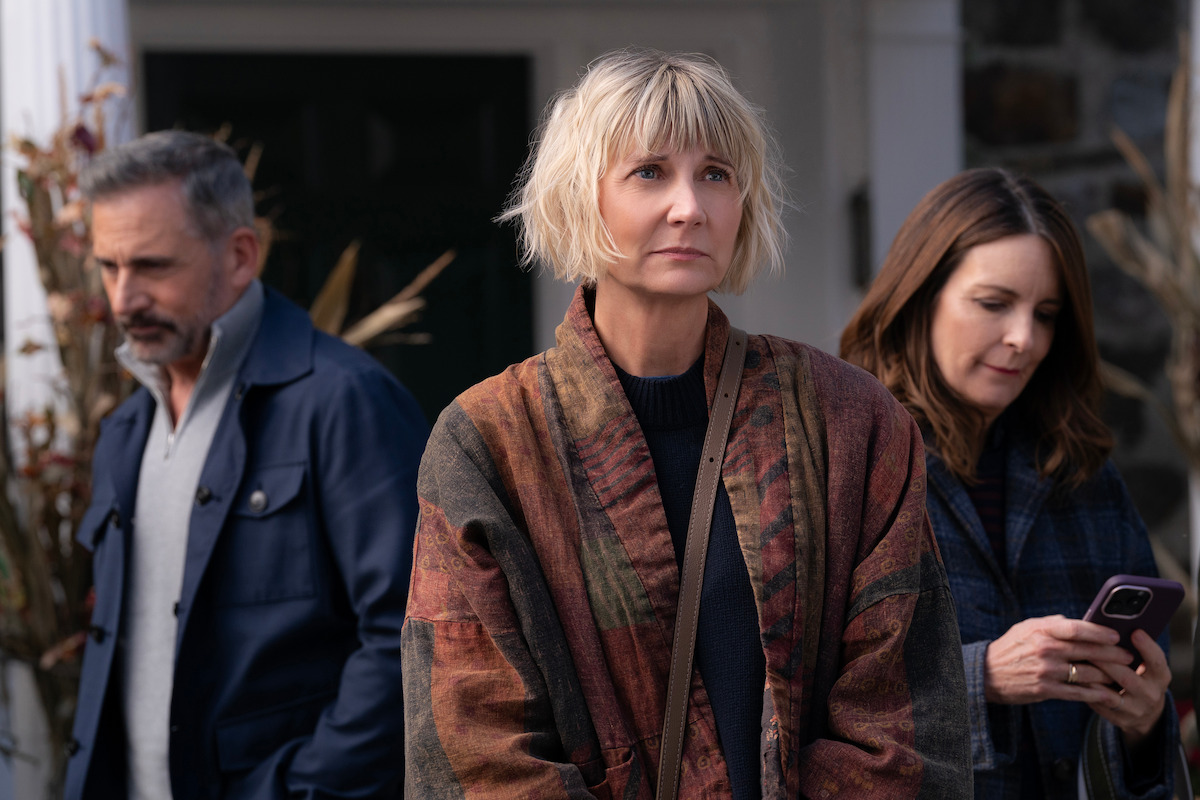
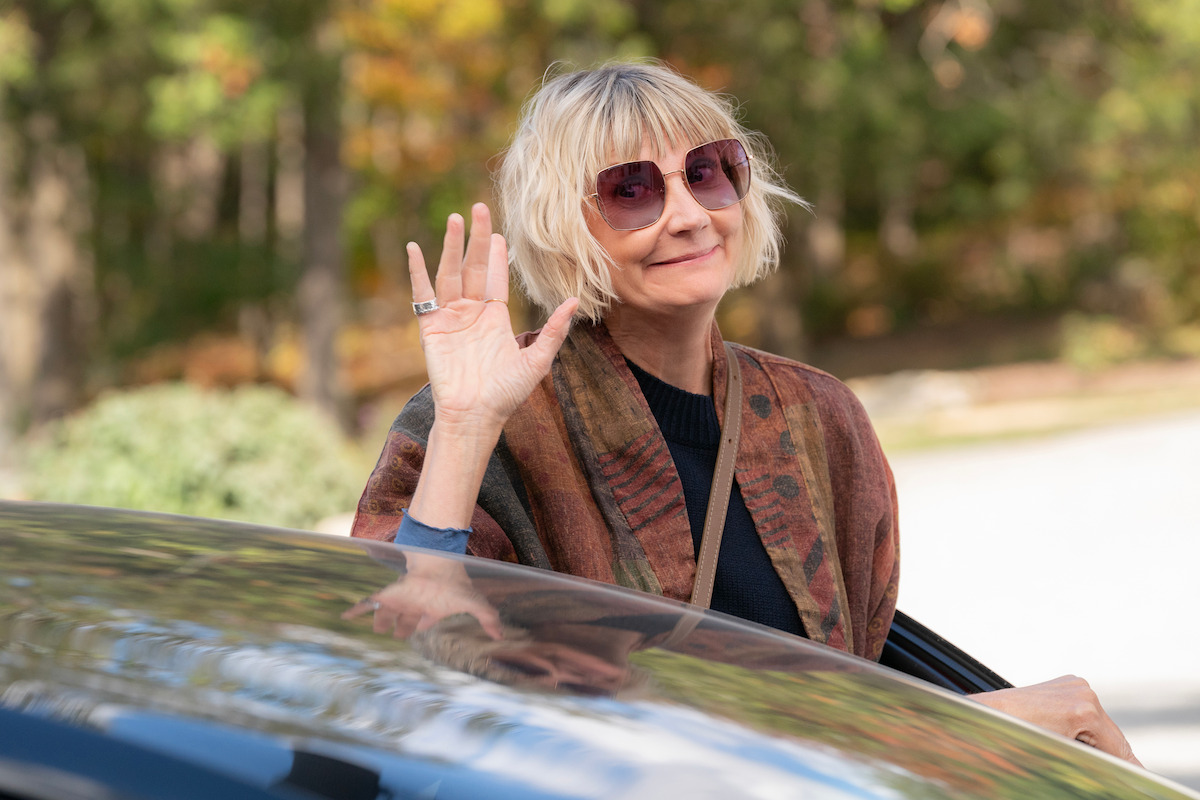
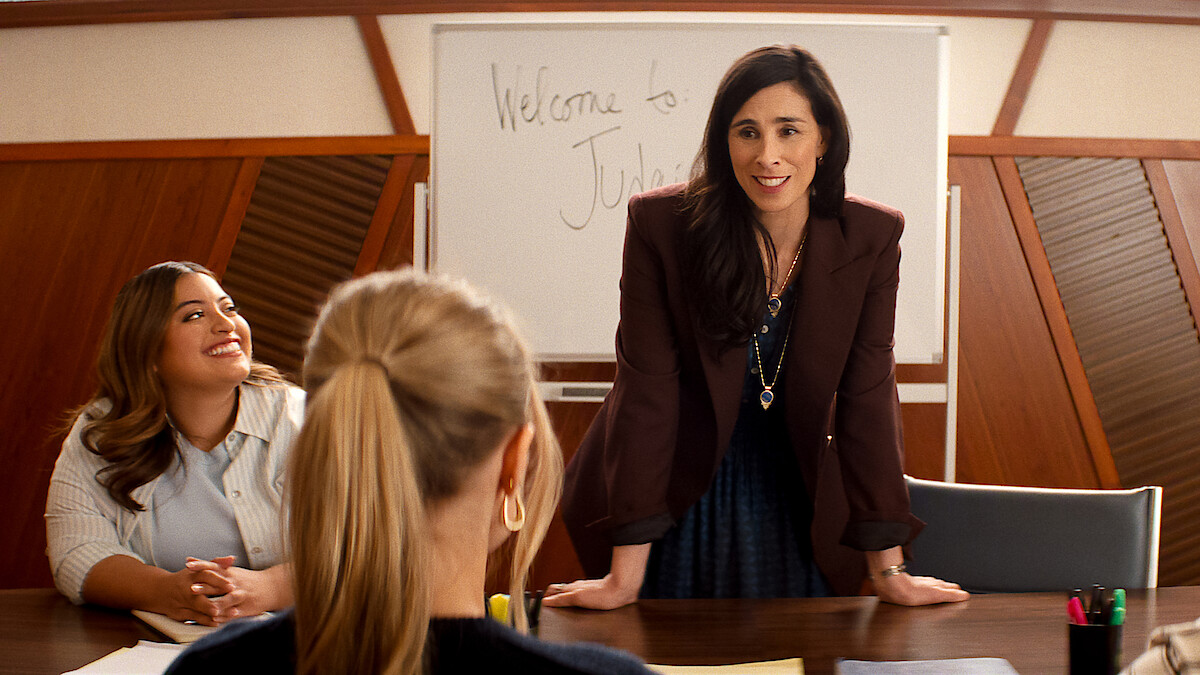
You’re used to laughing with Kerri Kenney-Silver in RENO 911! — the Emmy-nominated comedy she co-created — or in The State, the ’90s sketch comedy series from the group she co-founded — or in sitcoms like Superstore and 2 Broke Girls. But in The Four Seasons she’ll break your heart as Anne, an unsuspecting divorcée — and put it back together again by the time the finale cuts to black. “She thought she was set ’til the day she died. When she finds out that is not the case, she becomes completely untethered,” says Kenney-Silver. “You see her go through the four seasons of emotion and grief.”
Kenney-Silver portrays a kaleidoscopic range of emotions and pathos as Anne navigates the ups and downs of divorce, and its rippling effects on their close-knit friend group. Take co-star Colman Domingo’s word for it: “She’s just incredible. I feel like she can do anything,” the Oscar nominee tells Netflix.
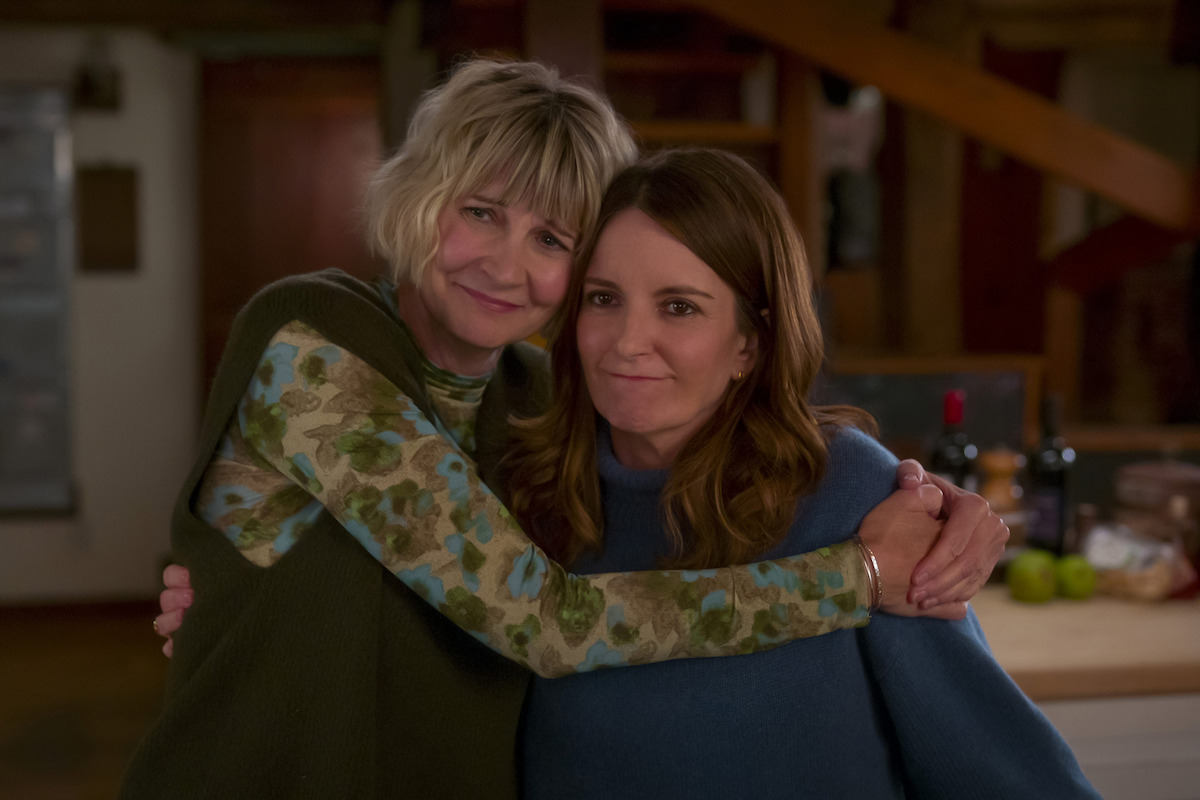
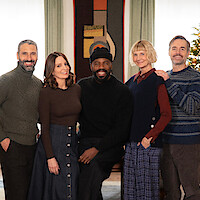
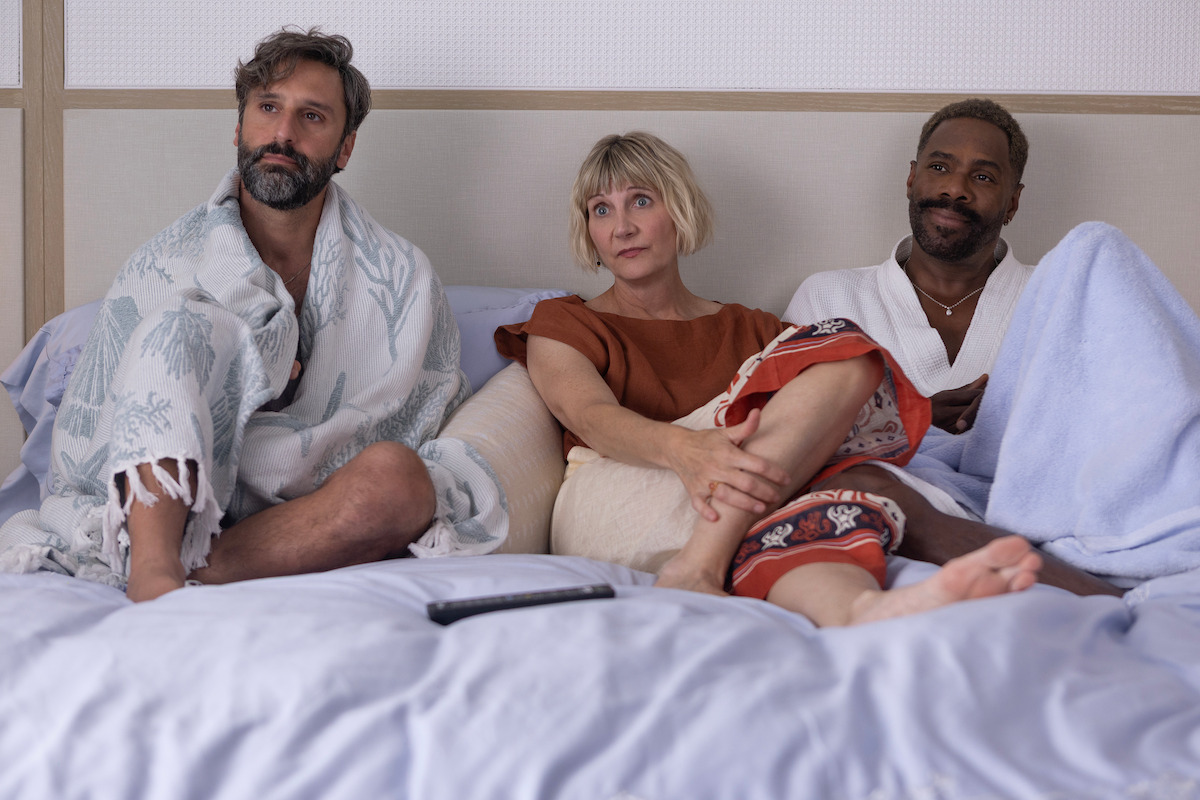
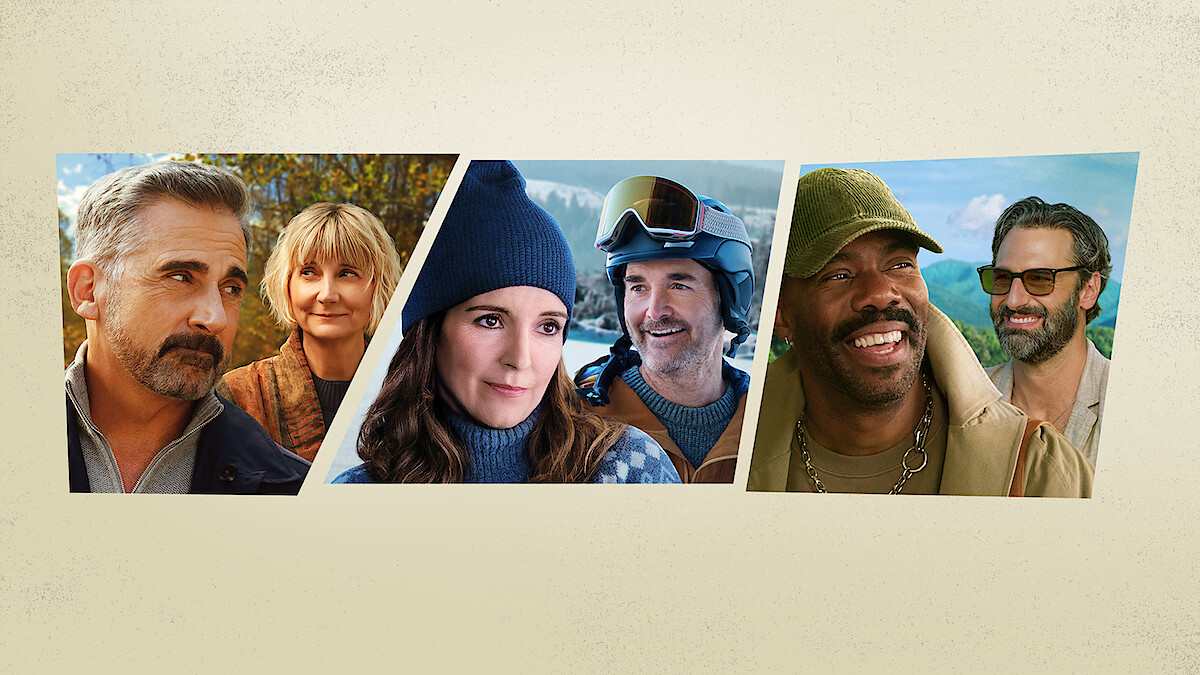
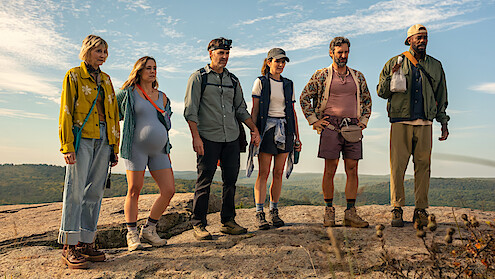
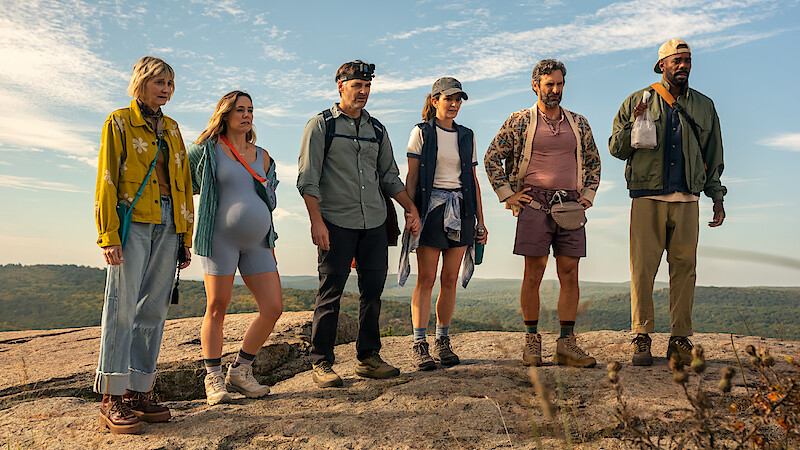
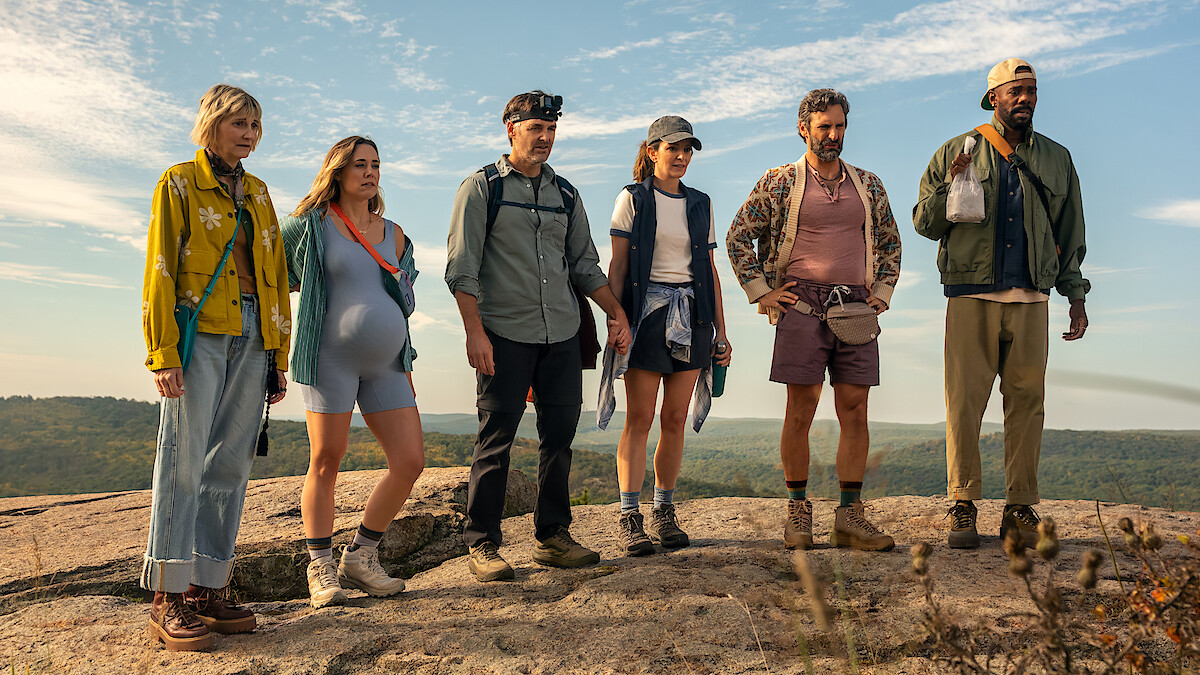
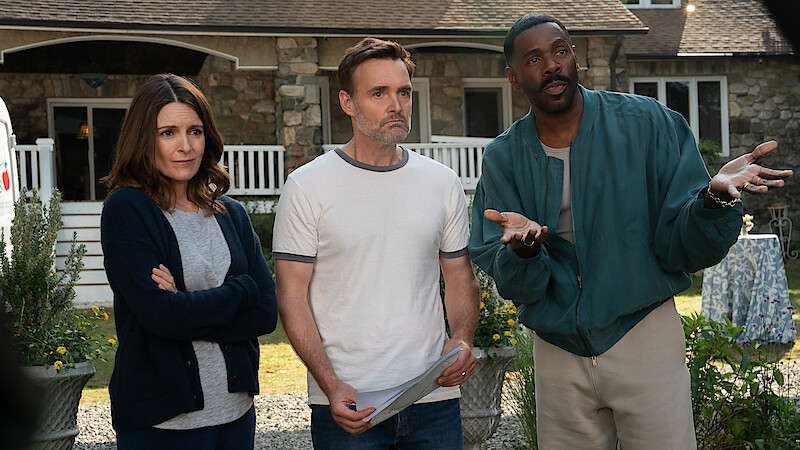
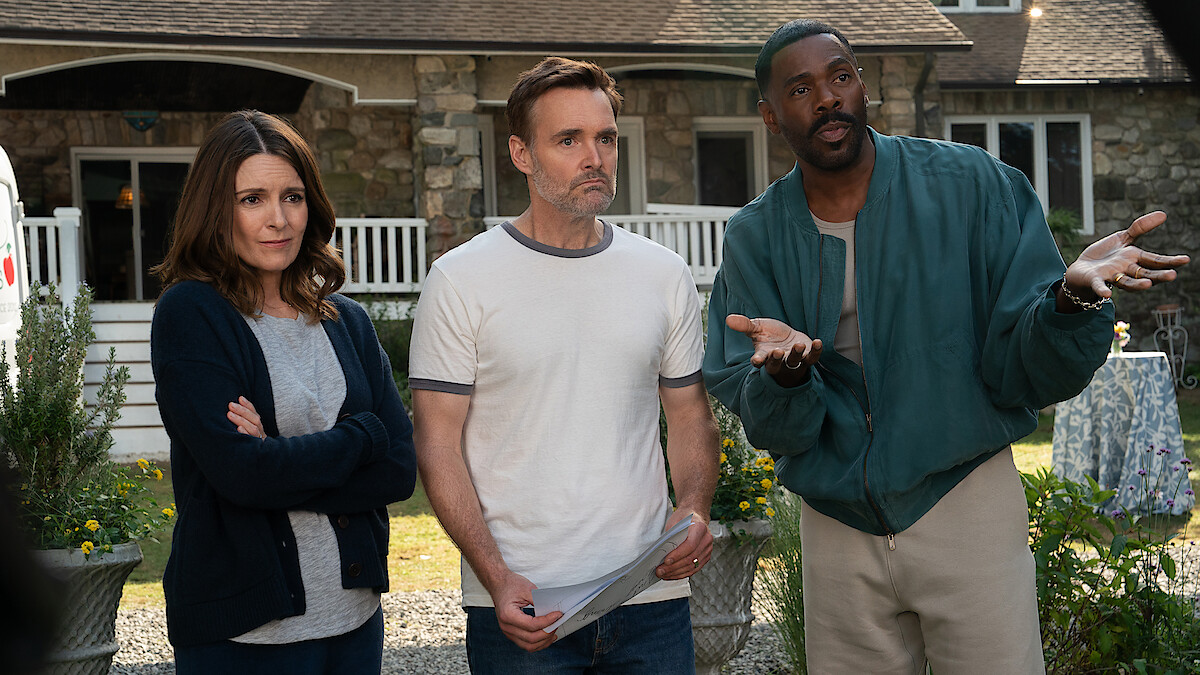
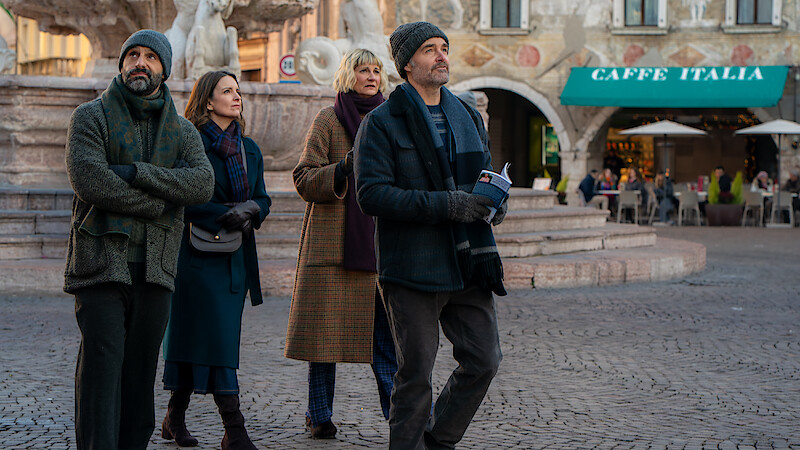
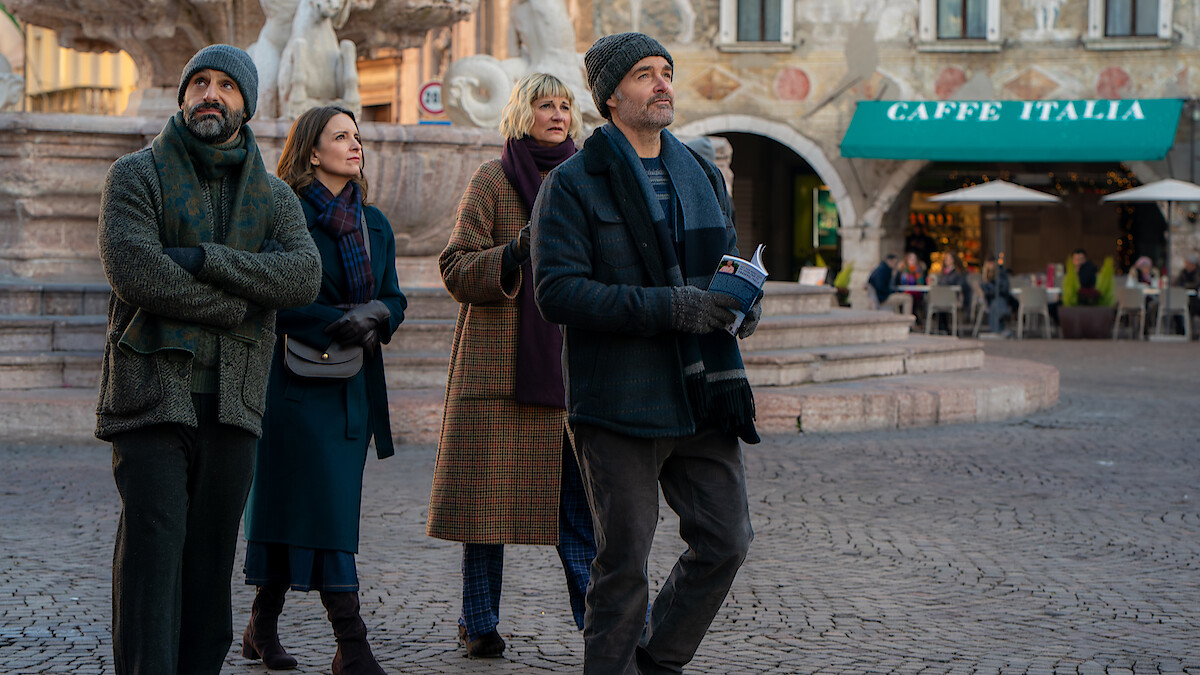
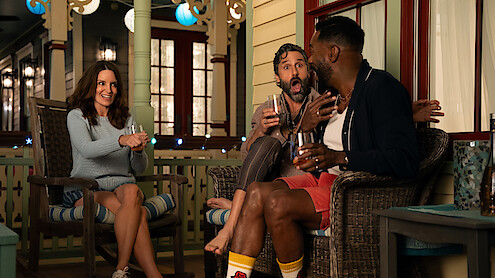
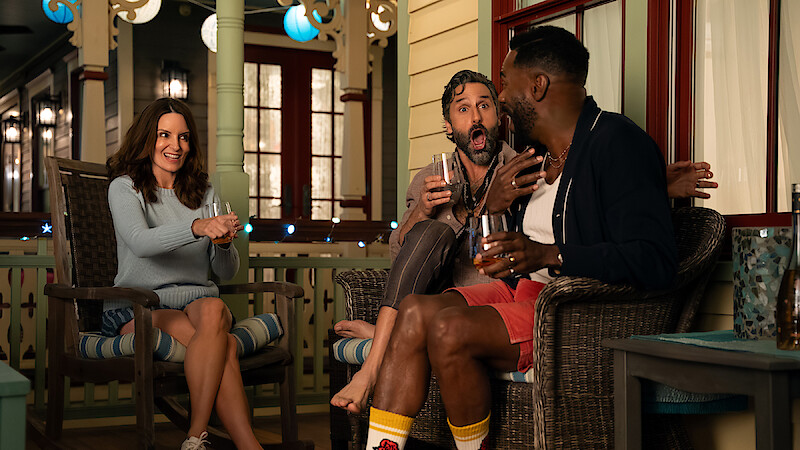
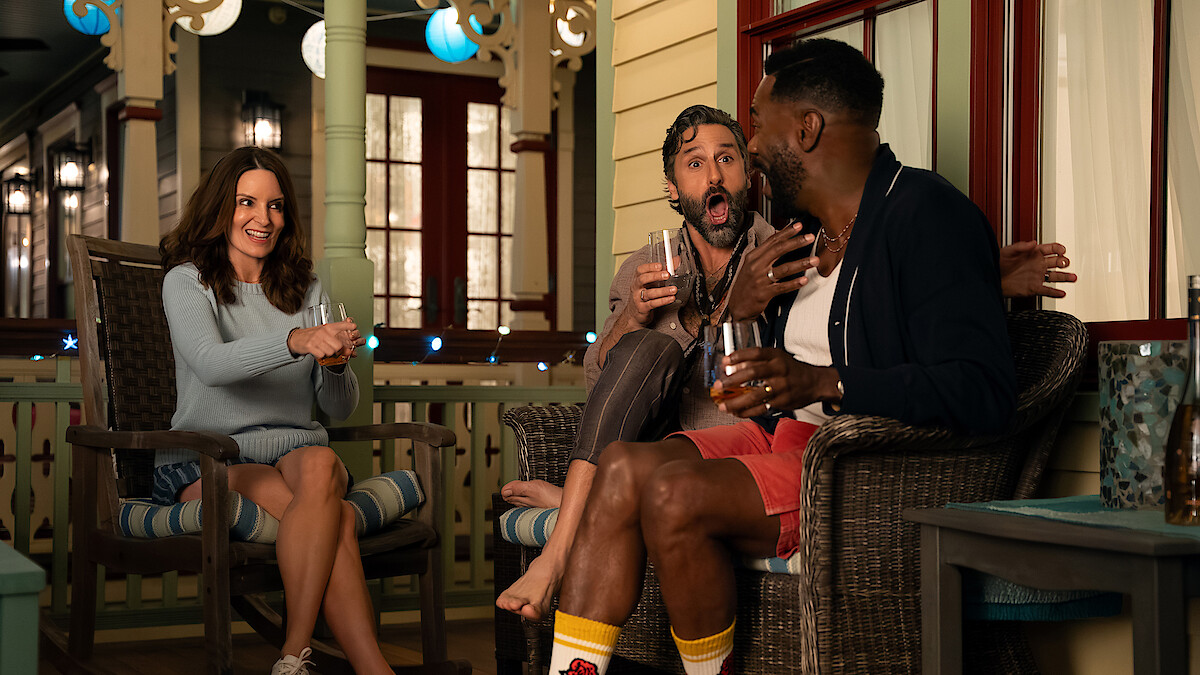
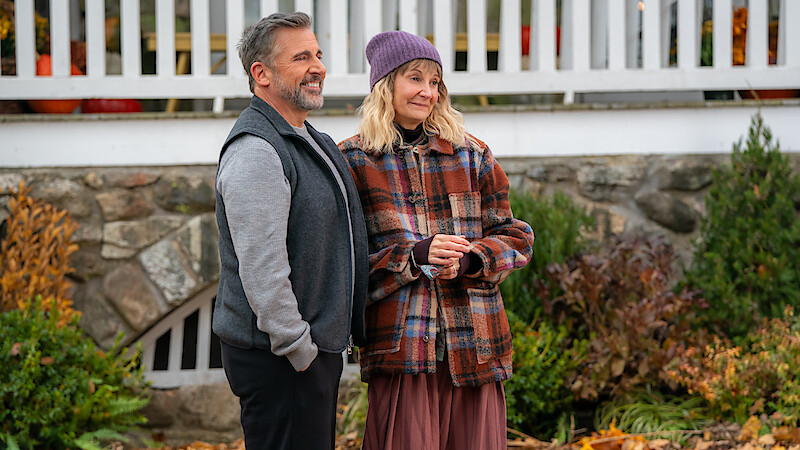
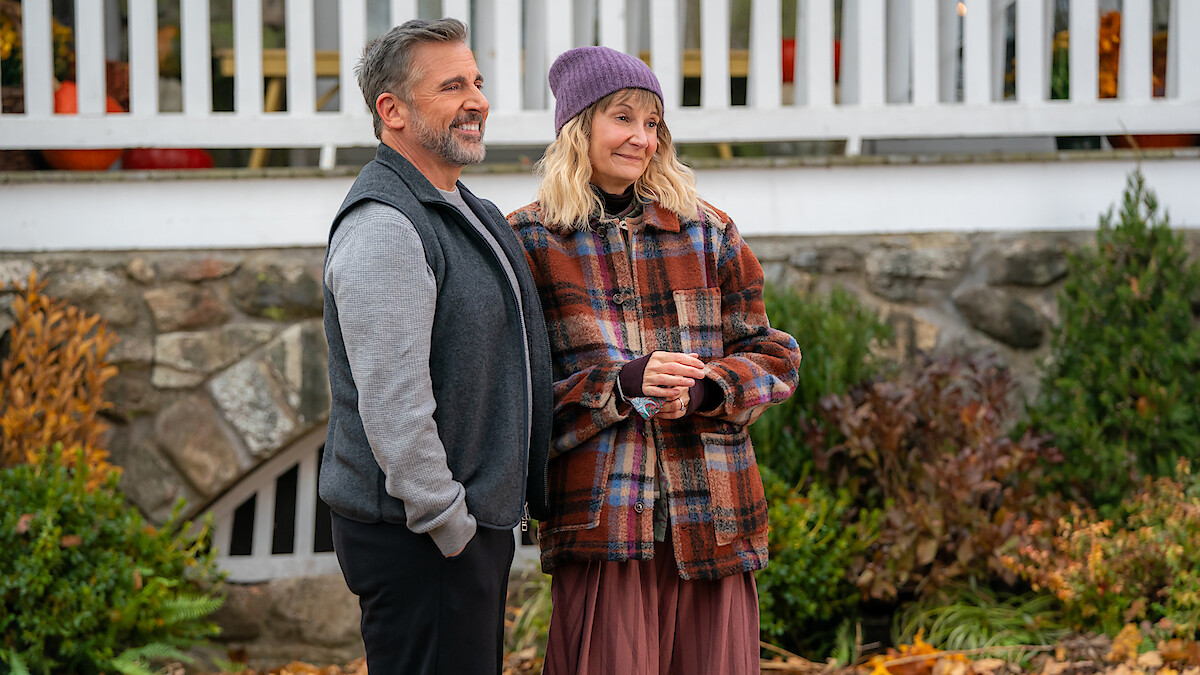
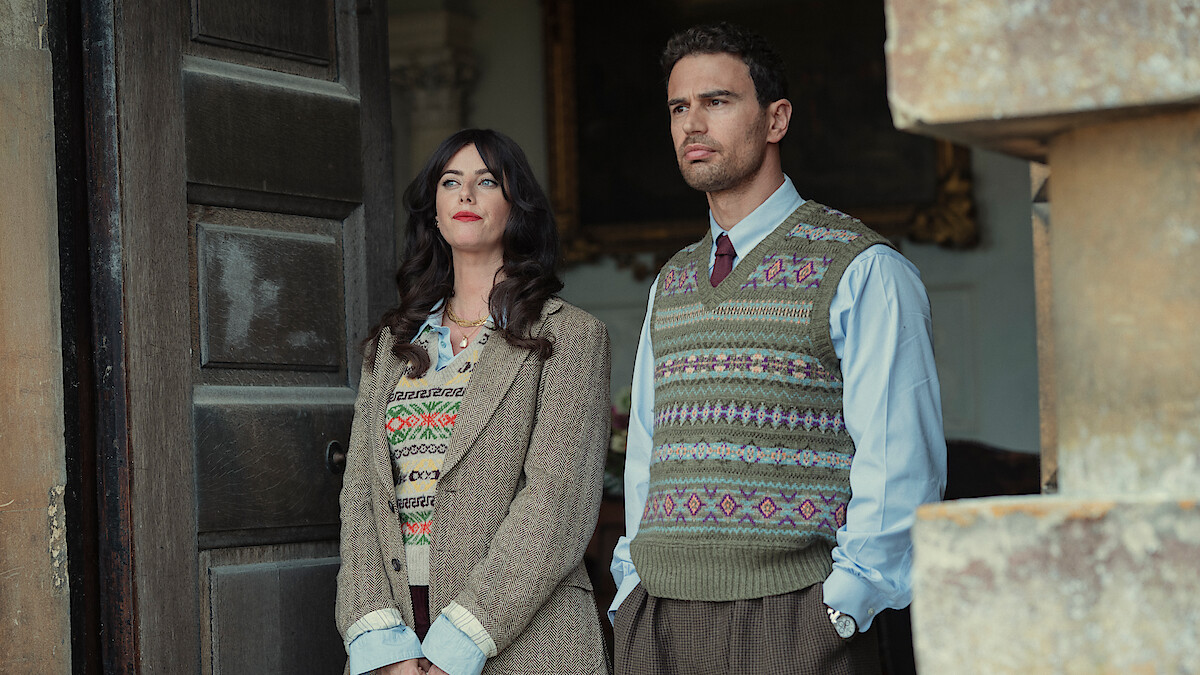
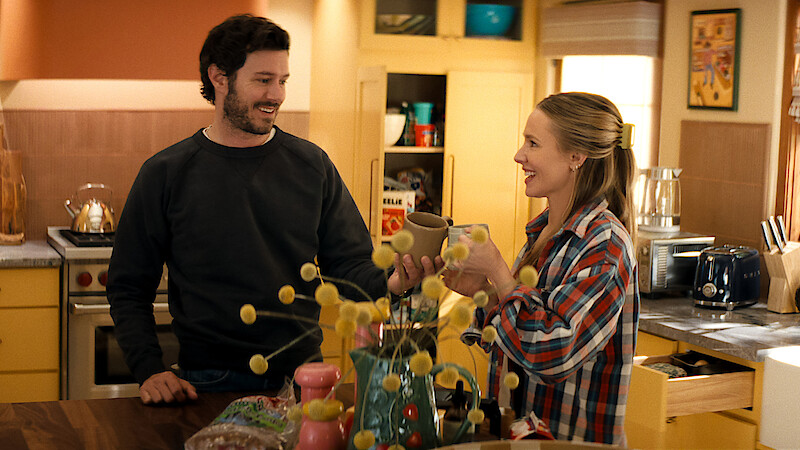
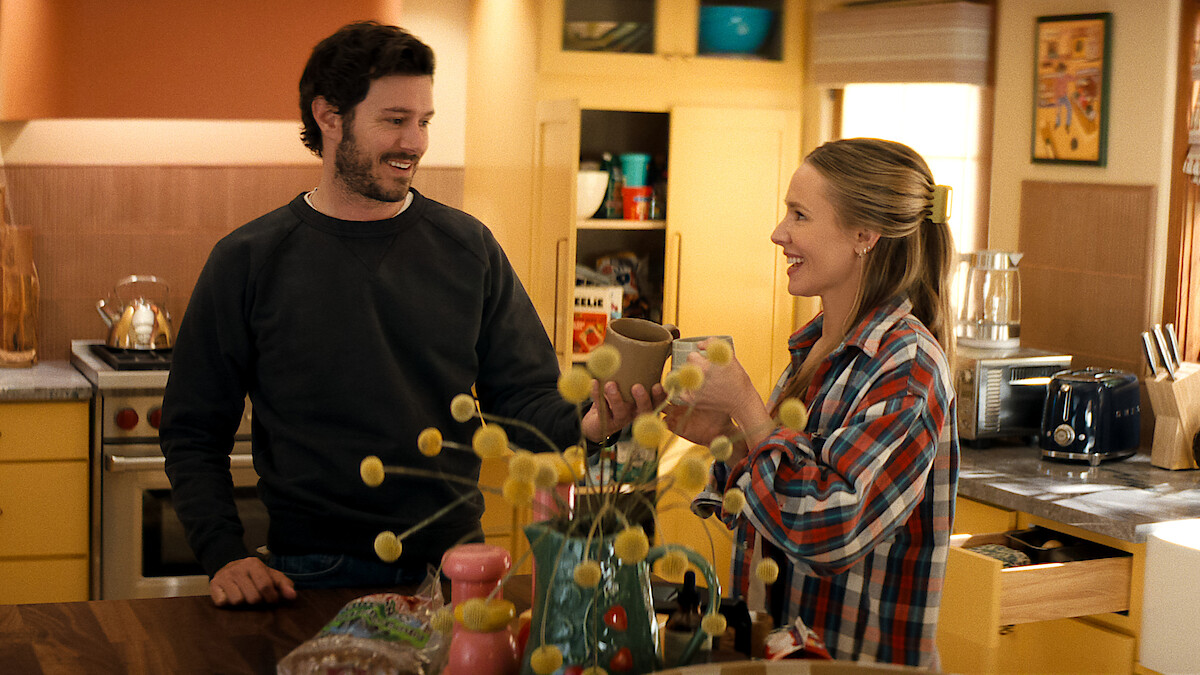
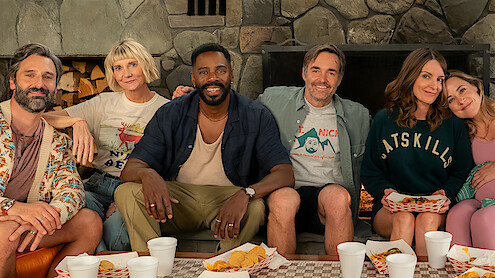
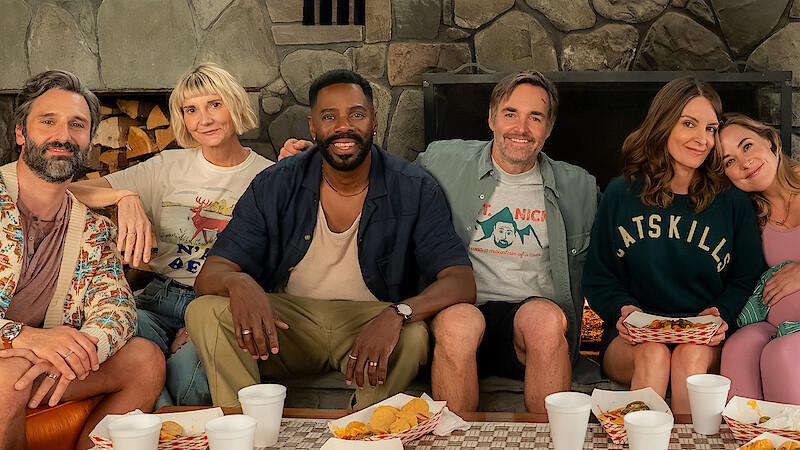
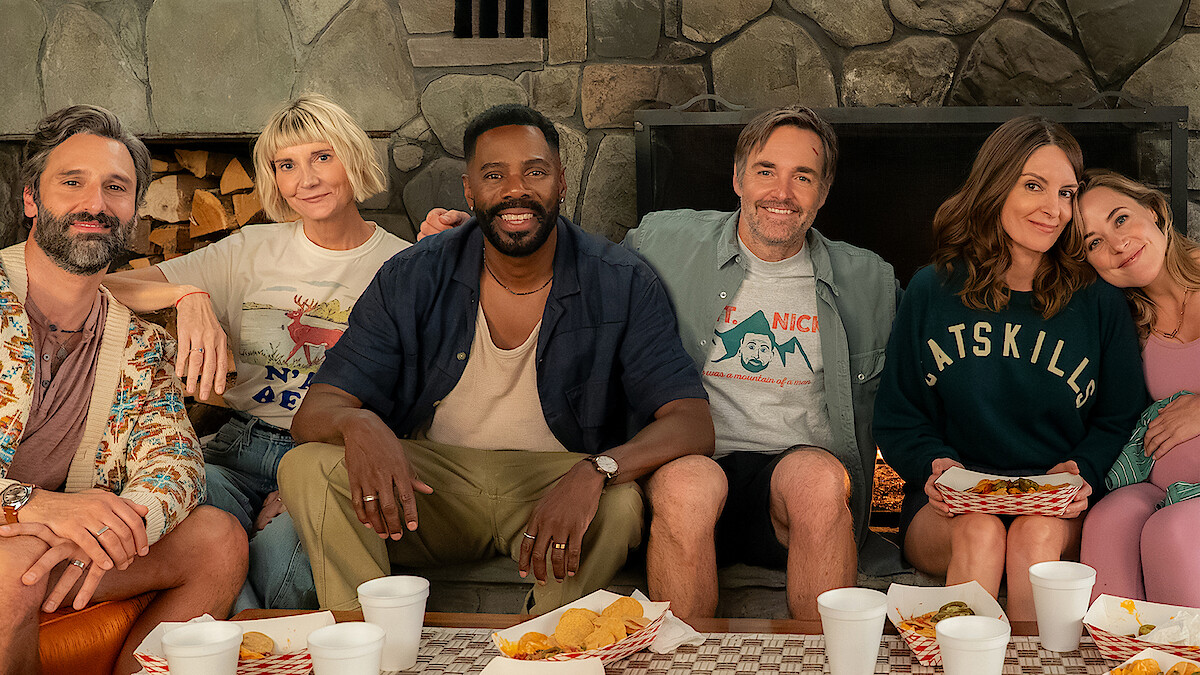
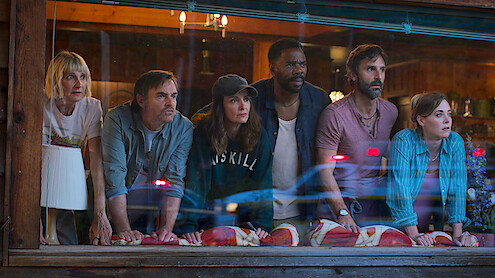
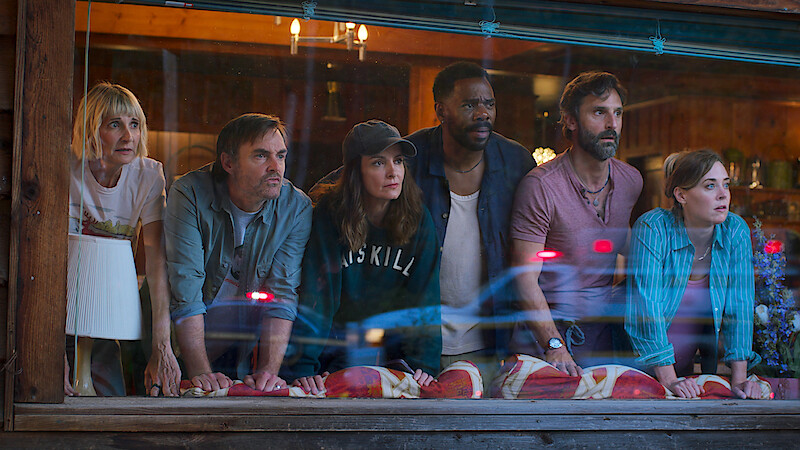
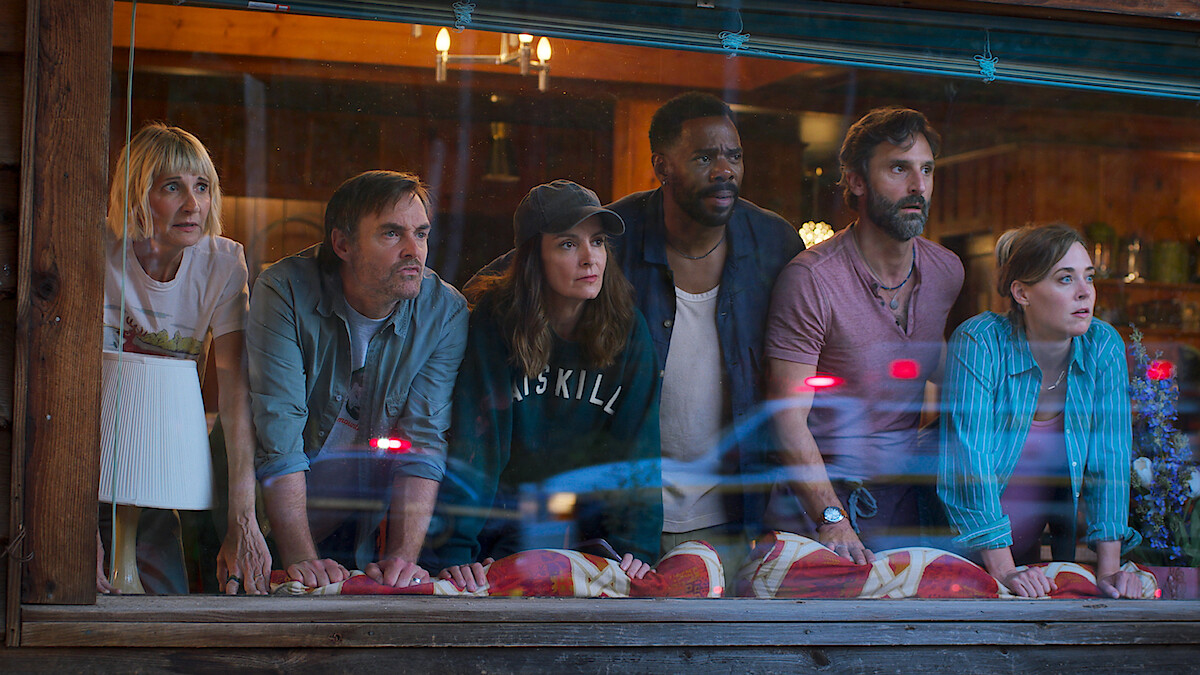
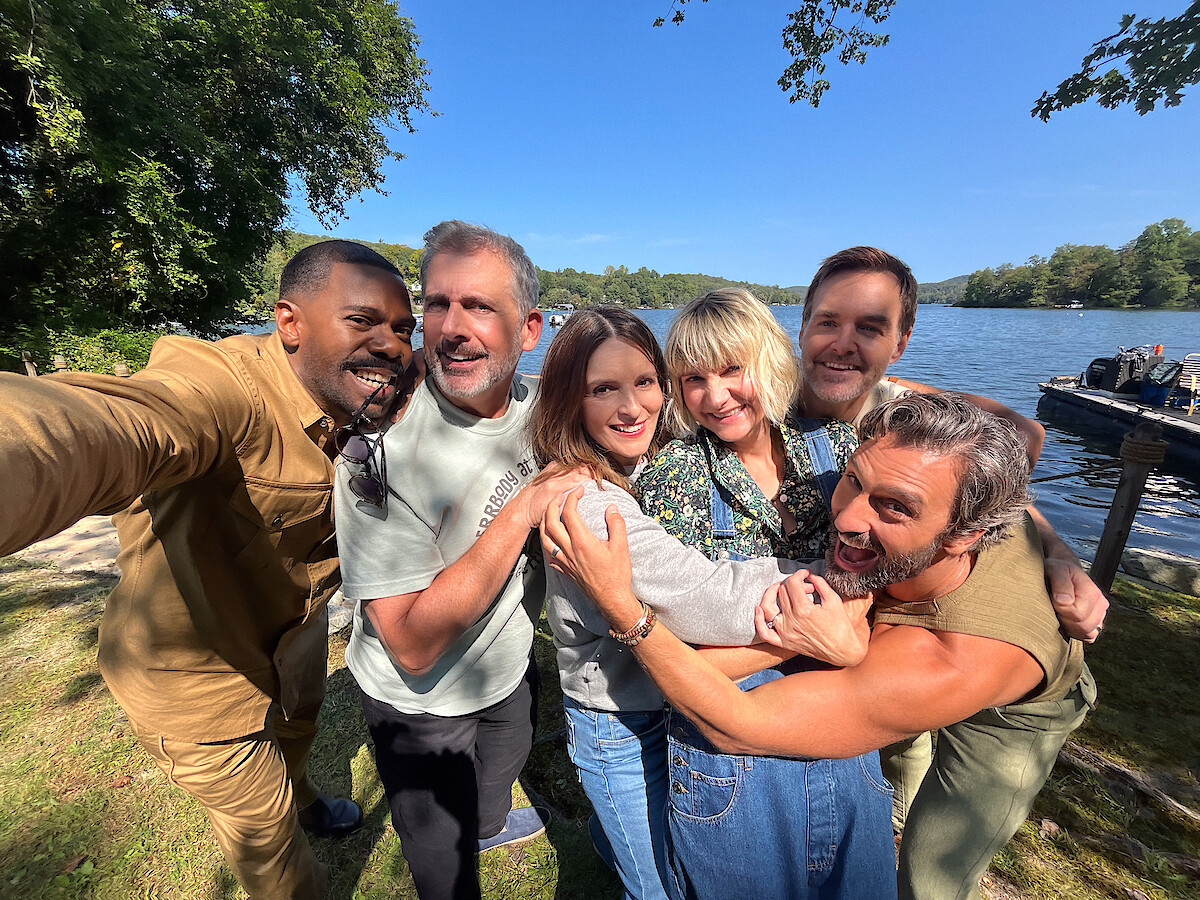
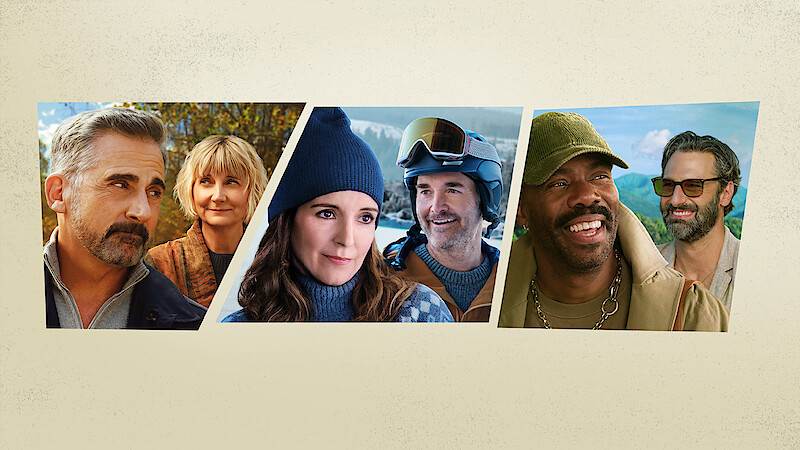
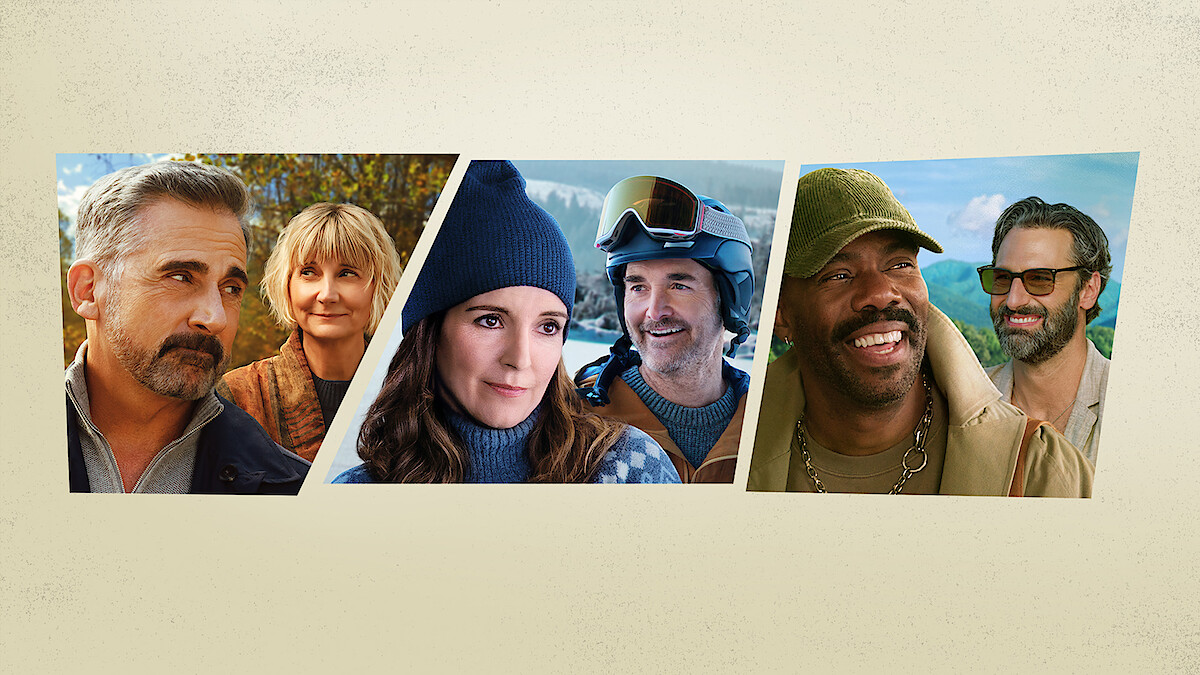
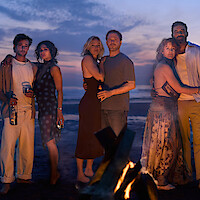
Created by Tina Fey, Lang Fisher, and Tracey Wigfield, The Four Seasons is a series adaptation of the 1981 film by Alan Alda that sees a lifelong group of friends composed of three couples — Nick (Steve Carell) and Anne (Kenney-Silver), Kate (Fey) and Jack (Will Forte), and Danny (Domingo) and Claude (Marco Calvani) — vacation together each season of the year.
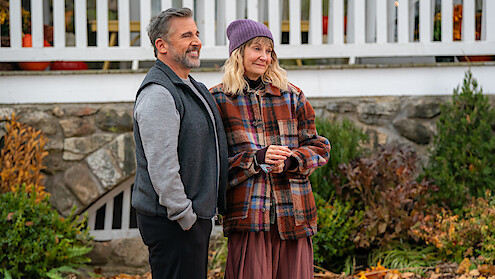
Kenney-Silver’s version of Anne, a character originally played by Sandy Dennis in the movie, is a pillar of resilience throughout the show’s eight episodes: everything she knows about her world changes in an instant when her husband of 25 years leaves her and starts dating a much younger woman. But in Nick’s mind, the decision to divorce doesn’t completely come out of nowhere. “The audience will find that there’s an imbalance in the relationship and an enormous disconnect between these two people,” says Carell. “Ultimately, there’s a lot of unhappiness between them that I don’t think has really been discussed at all. And that’s part of the problem.”
“Kerri’s just perfect in that you just immediately love her,” Fey says. “She has this amazing face that makes you go, ‘That’s my friend,’ from the moment you see her. She’s an assassin in terms of being precise around a joke, but she also has shown so much vulnerability and heart. She has to ask these big questions, like, ‘Is it just going to be me by myself now forever? How do I dig myself out of this?’ She’s just lovely in her performance.”
Kenney-Silver also has a personal connection to the project, as Alda has been a close friend since the two met on the Wanderlust set 15 years ago. Since then, they’ve exchanged letters (over email) and she’s come to know his children and grandchildren — one of whom even worked as a production assistant on the show. So starring in the series adaptation of Alda’s film — and the actor making a cameo as her on-screen father — simply feels “full circle” to the actor. “I still think I might be dreaming,” she says.
Below, Kenney-Silver opens up to Tudum about Anne’s emotional journey in the series, tips for surviving and thriving on friend trips, and how cathartic it really was to smack strawberries off a hotel balcony.
Anne starts off the series with a complete shock to the system. How would you say her emotional journey evolves over the course of the show as she comes back to herself?
I’m very lucky in the sense that my character’s story begins with a shock. You see her go through the four seasons of emotion and grief. In the beginning, she’s thinking that she’s safe. Now, if she really dug deep, she wouldn’t have to dig too deep to know she’s on shaky ground. But I think her thought is, “Yes, maybe [my husband and I are] not as connected as we were. Maybe we’re not communicating like we used to. Maybe we’re both a little lonely at times, but this is the bed we made. And it is a beautiful bed, and we have a beautiful daughter [played by Julia Lester], and look at this life!” She thought she was set ’til the day she died. When she finds out that is not the case, she becomes completely untethered because, very quickly, she loses her husband of 25 years, who really is her identity at this point, because she’s a caretaker.
Then, she feels she’s losing her daughter to his new family that he wants to begin with Ginny, and she’s possibly losing her village. They’re more than friends — it’s her life! So, in taking that journey, she does not know who she is. The beauty for me is at the very end, when she realizes [my husband’s new relationship] does not negate my 25 years of marriage. That was real, and there were beautiful moments. Both things can be true. [By the end of the season], she’s reconnected with her friend group. Of course, her daughter is going to be back. Her ex has almost come back in a way, as a friend. You sense that [in Episode 7]. With Ginny, there’s a new connection. So it almost feels like a complete circle. She can put down the baggage of fighting to prove this marriage was real. It was real.
You’re so well known for your comedic work in RENO 911! and The State, but there’s also such emotional weight to your performance here. When you look at Anne, what do you admire about her?
I admire the fact that she doesn’t put on airs. It was to her detriment as well, because, at certain points, you don’t feel like going out to dinner with your husband. He really wants to. You’ve got to put on your big girl pants — it’s for the sake of your marriage that you’ve got to show up and do the things that, sometimes, you don’t want to do. Anne kind of stopped doing that.
Your character’s emotional arc comes to a head in a conversation with Kate on the steps at Vassar, where she realizes her family is moving on without her. What was that scene like to film?
At that point in the story, Anne had really been holding it together as best she can. There’s part of me that suspects that was the first time she cried about all this. Because she thought, “OK, this is what’s happening. I can deal with this. I’m going to be strong for Lila (Lester). I’m not going to let him see me sweat. I’ll just move on.” Of course, that is not what happens.
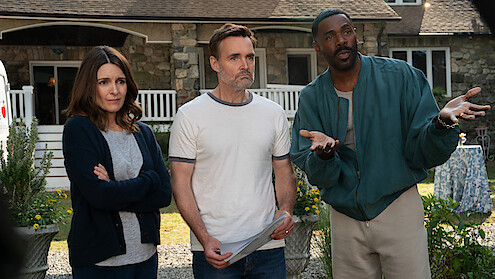
What was it like to be directed by your co-star, Colman, in that scene?
That was my favorite scene to shoot. I always knew that Colman was likely a very good director. But I am not just blowing smoke when I say that I learned a lot while shooting that with him. He is as good a director as he is an actor. The way he leaned into us, and was gentle, and helped guide us, but also had suggestions, sent me in directions that I have not — no one’s allowed me to do dramatic scenes, ever, or cast me, or seen me in that light at all. So that’s a lot of trust that I had to put into a director to guide me, to get me to that place.
What do you think it meant to Anne to tell everyone that Ginny is pregnant?
I think she’s taking ownership of it a little bit. How it was written is also interesting, because Ginny doesn’t say it herself. But the way she looks at me is giving me permission to say it, as “the woman of the house.” Ginny’s at the head of the table. I’m at my spot at the other end of the table. We noticed that she has now taken Nick’s spot, but she looks at me as if to say out of respect, “You can say it.” It let the air out of the balloon for everyone. We don’t know how everyone else is going to react, and we don’t know how Anne’s going to react when it settles in. But in that moment it’s just quite shocking, in a fabulous way.
What do you think, by the end, Anne learns about herself? And what did you learn about yourself and your approach to friendships through working on this project?
I think she learns about herself that she’s really in the spring of her life. This is a new beginning. This isn’t a fall. This isn’t a death. There can be another round with this body, with these wrinkles, with these friends, with this undying support. I think what I learned about myself was to pull my village even tighter and add to my village selectively as I get older. Now, thanks to this cast, I have a whole new slew of people in the village.
After working on the series, do you have any advice or tips for how to plan, survive, and thrive on a friend trip?
Friend trips are tricky. My best friend and I go on a trip every year around Christmastime with a whole bunch of friends and all of our families. I feel like if you either go with a small group like six in The Four Seasons or a huge group, where people go off in twos and threes and do their own thing, you’ll be OK. But it’s when you’re traveling with a group of 15, and you’re trying to all do the same thing — the same restaurant, the same hike — that is near impossible. I would say do something different instead if you want to have a good time.
Was there ever a world where you would’ve sung at the vow renewal ceremony instead of Claude? You were in the indie rock band Cake Like, after all.
Here’s the thing. People will say to me, “Oh, you’re a singer.” And I’ll go, “No, I sang in Cake Like.” It’s a very different type of music. I’m not going to get up there and sing “Ave Maria” at your wedding. And if I do, people might go home. There might be comment cards that are not so favorable. It was a very specific sound, and I’m proud of it. Maybe it was of the time, and it was one of the joys of my life. But I do not ever demean singing by saying that I am a singer.
You rocked in that band, for the record. The series also begins over dinner discussing soulmates. Do you believe in soulmates? Romantic and platonic?
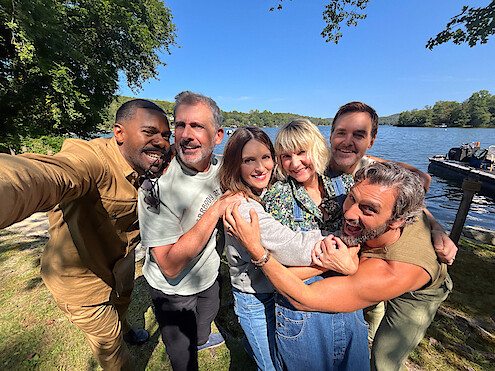
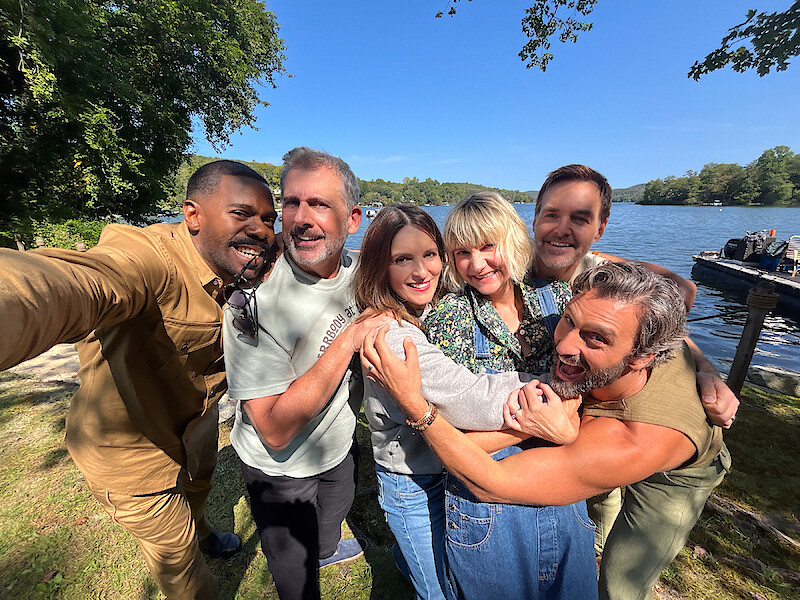
We’ve been talking about that a lot since we started this project. I have come to [embrace] that I do believe in soulmates, but I believe that there are many in your life. Obviously, commitment and hard work is also half the battle. But it’s undeniable that everyone meets someone, or multiple people, in their lives, and you go, “I don’t know, there’s something about this person. I’m drawn to them and I want to spend time with them. It’s almost like I feel like I’ve known them before.” I mean, that can’t be a coincidence. I wonder if maybe we travel in this continuum, in these groups, in just different forms. I have soul connections with many deep friends, co-workers, and, of course, my husband. This show, if nothing else, teaches you that it really takes a village, and it takes work to be part of the village. And if you work that, the village can help you in your intimate relationship as well. It goes both ways.
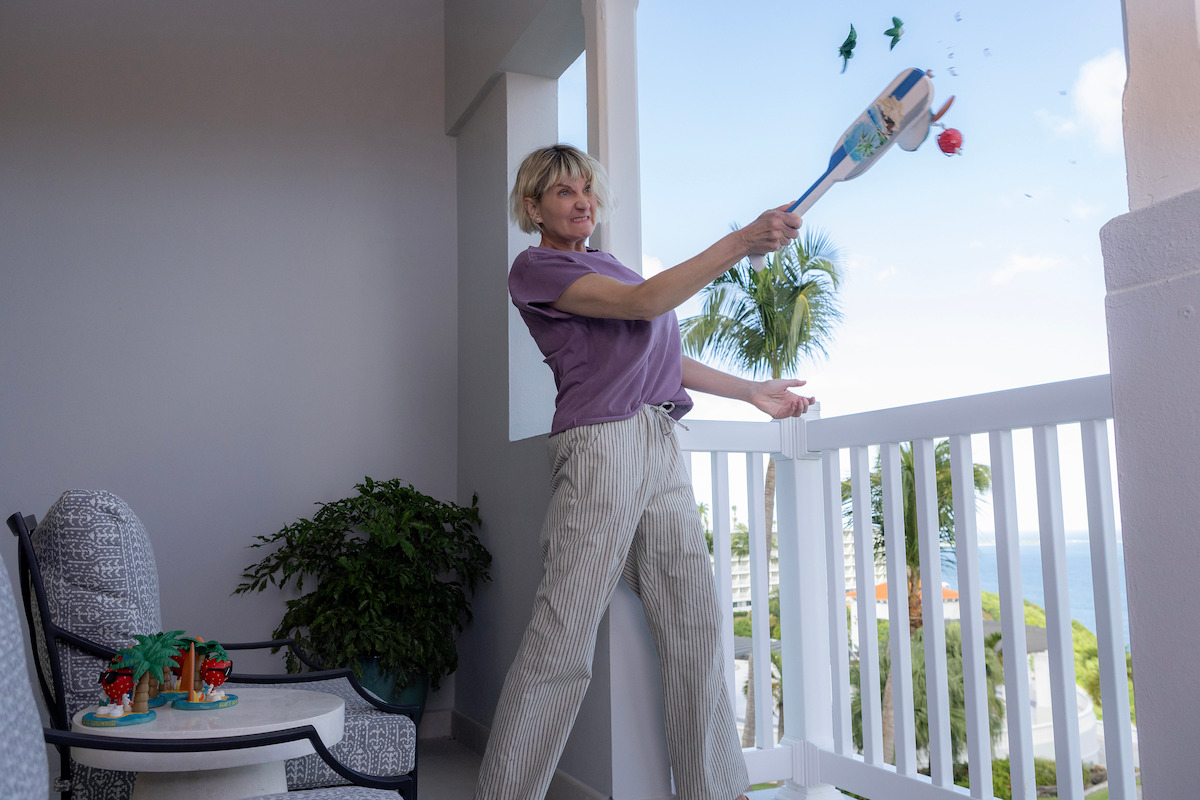
How cathartic was it for you to hit the strawberries with the paddle over the balcony in Episode 4?
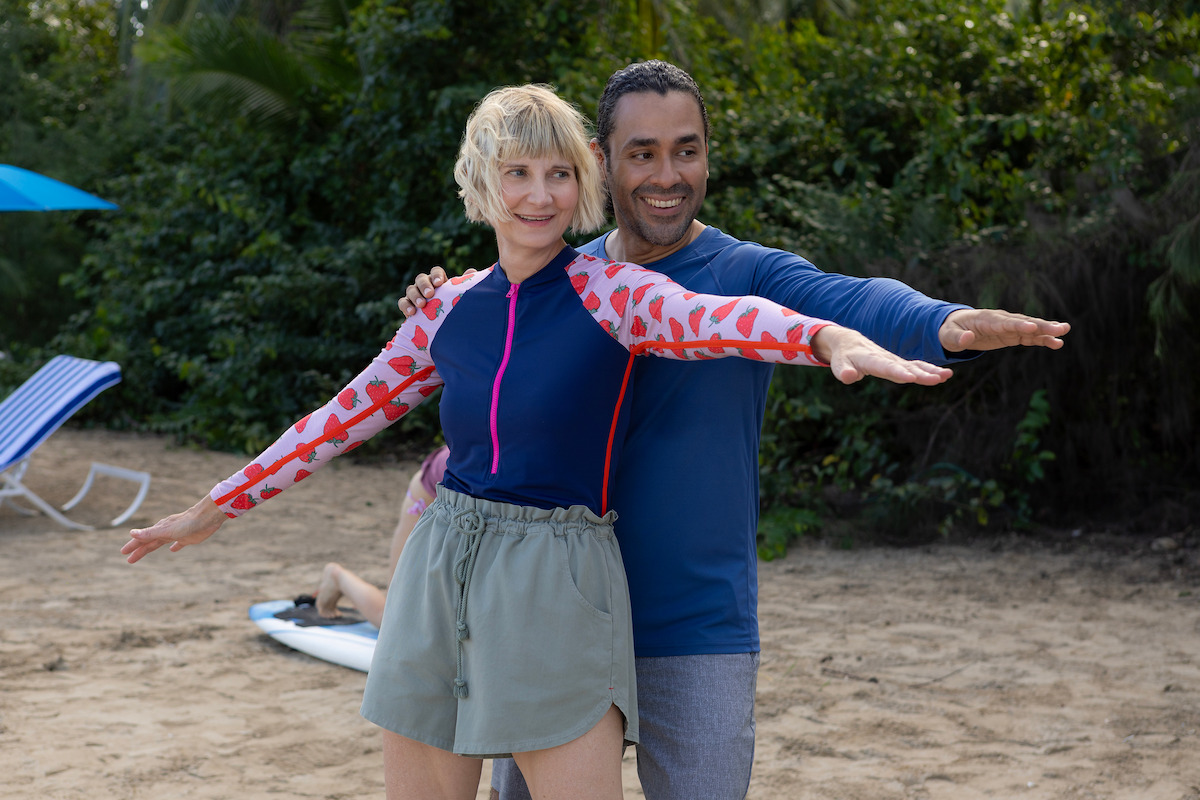
Once Nick left Anne, and she felt like her friends and her daughter were leaving her, she realized not only did she not know who she was anymore, she didn’t even know what she liked. So she’s walking around, her whole house has strawberries all over it. She’s wearing strawberries. She’s got strawberry pillows. And then she realized one day, “Wait a second, this wasn’t my decision to collect these. They were given to me. And I was too kind to say, ‘I’m not into this.’ ” So that is a taking-control moment, and I was able to channel all that [energy into it]. And I mean, just how fun would it be for anybody to stand on a balcony and smack things over the edge? Yeah. It was cathartic for the character, and cathartic for the Kerri.
The Four Seasons is now streaming, only on Netflix.