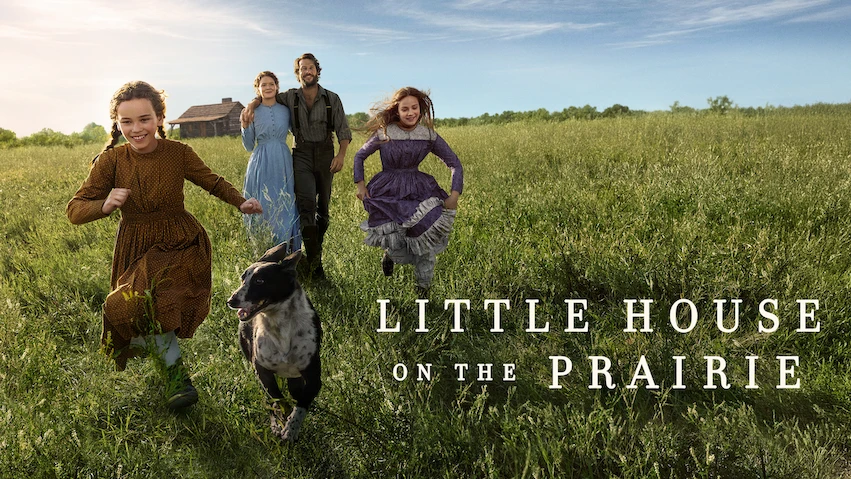
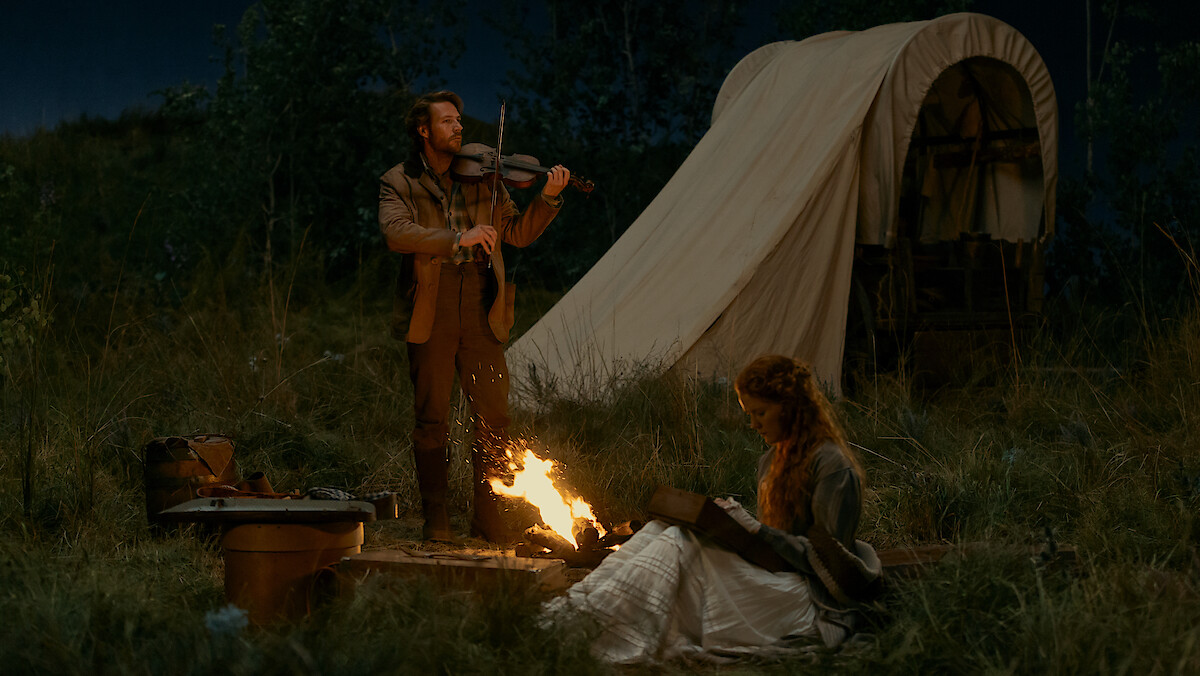
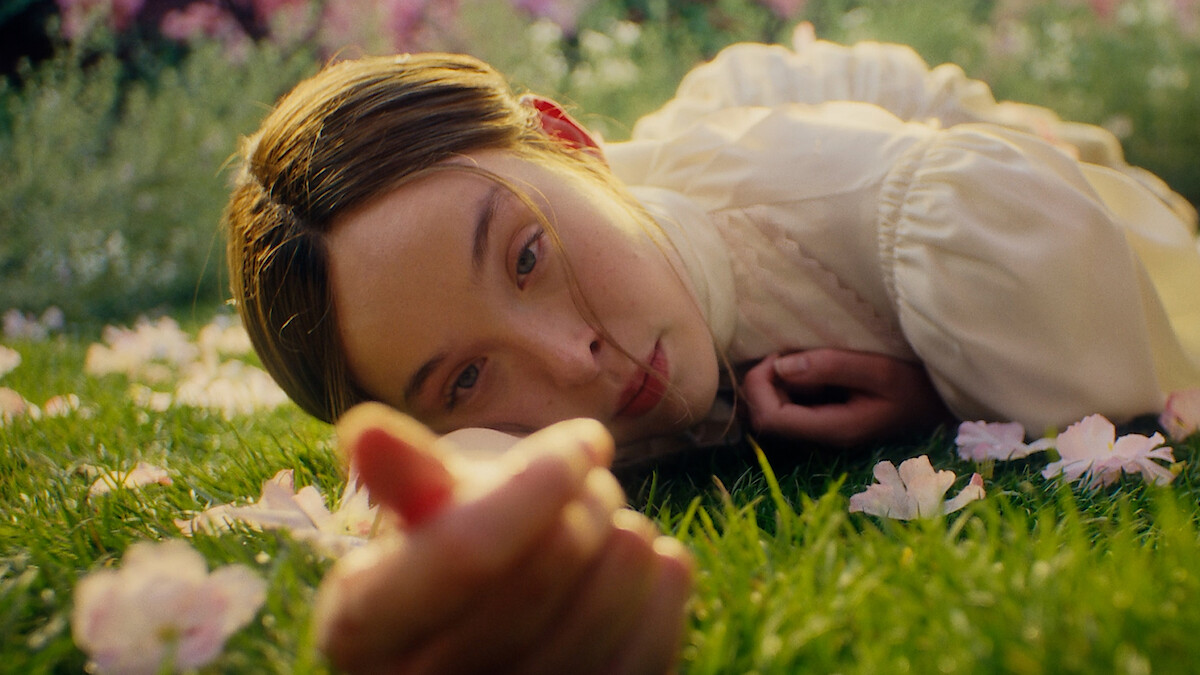
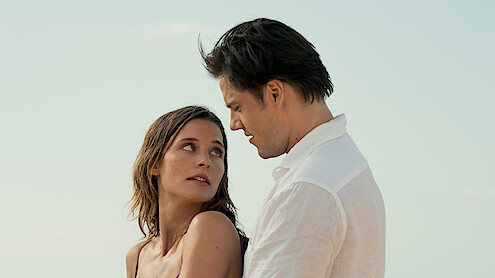
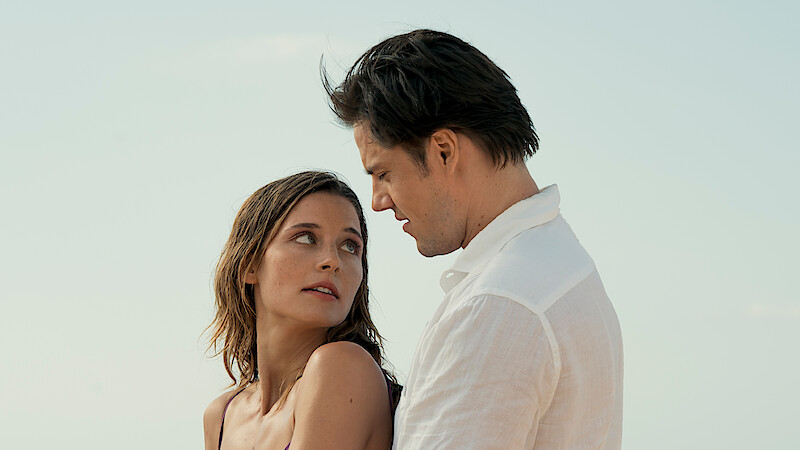
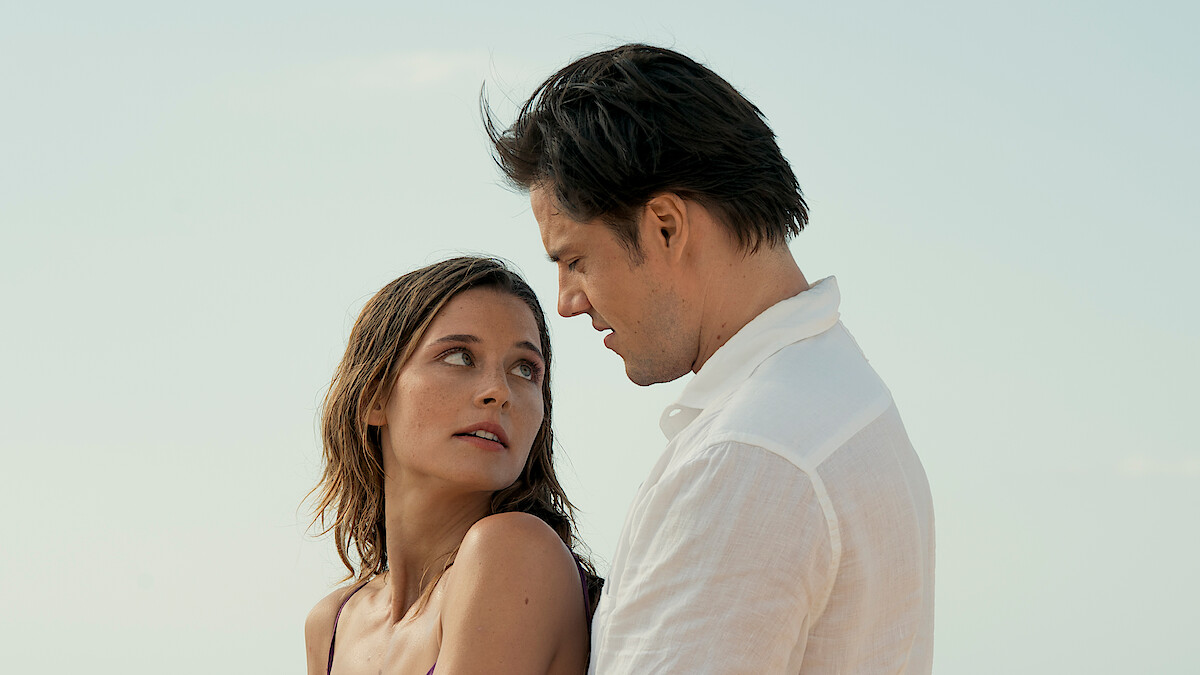
Laura Ingalls’s iconic little house has a new home — and new stories to tell.
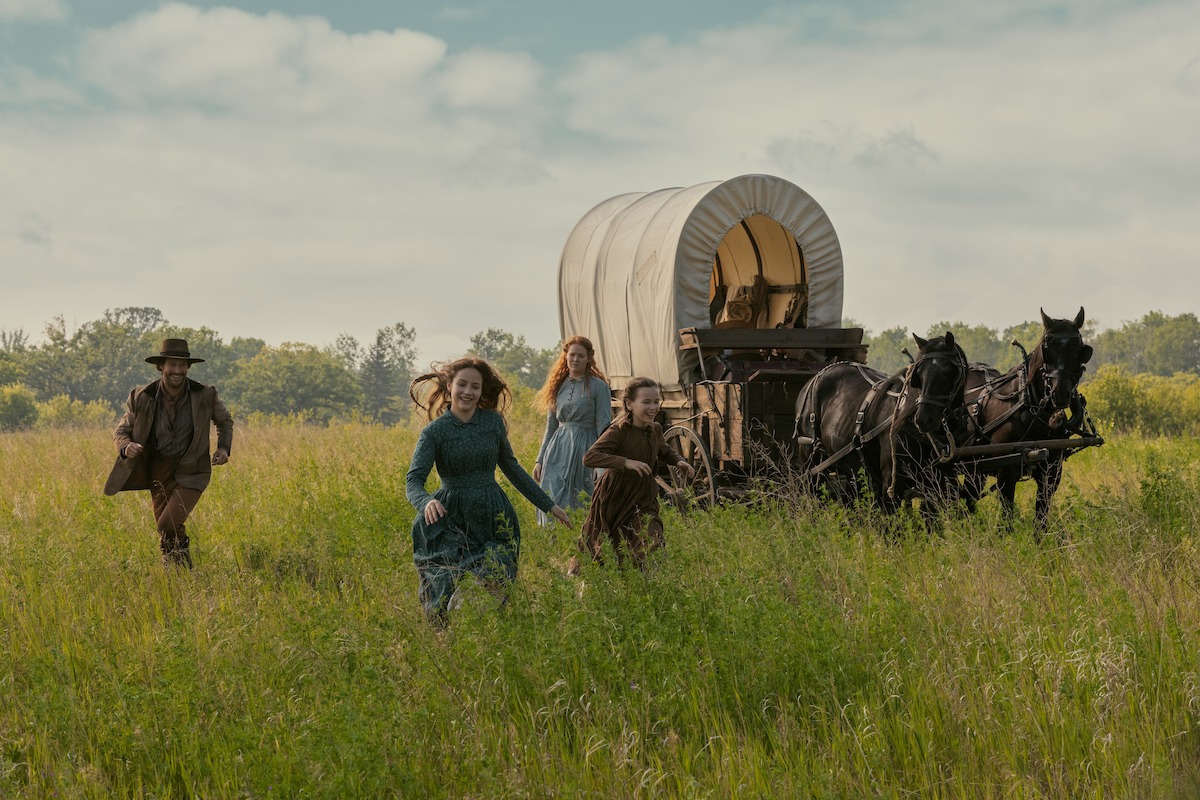
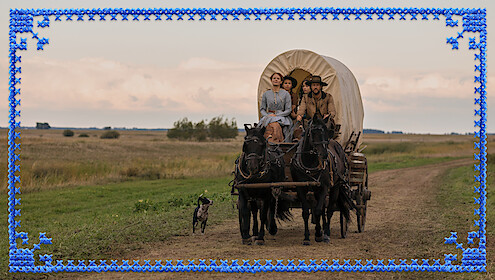
In the trailer for Little House on the Prairie Season 1, which you can watch above, the Ingalls family arrives in Independence, Kansas, in search of a fresh start. According to showrunner Rebecca Sonnenshine, it’s that sense of possibility that makes this beloved story so timeless, and it’s why she wanted to adapt the hopeful tale for a new generation.
“It’s about people deciding who they want to be, and it’s about people looking for a better life,” she tells Tudum. “It leans into the idea that it’s never too late to do that. You always have a chance to reinvent and to rediscover who you are, what means something to you, what kind of people you want to be, what kind of adventures you want to take, what kind of life you want to seek.” Sonnenshine believes that Little House on the Prairie will still resonate, even nine decades after the source material was first published, because “we’re all looking to find our best life.”
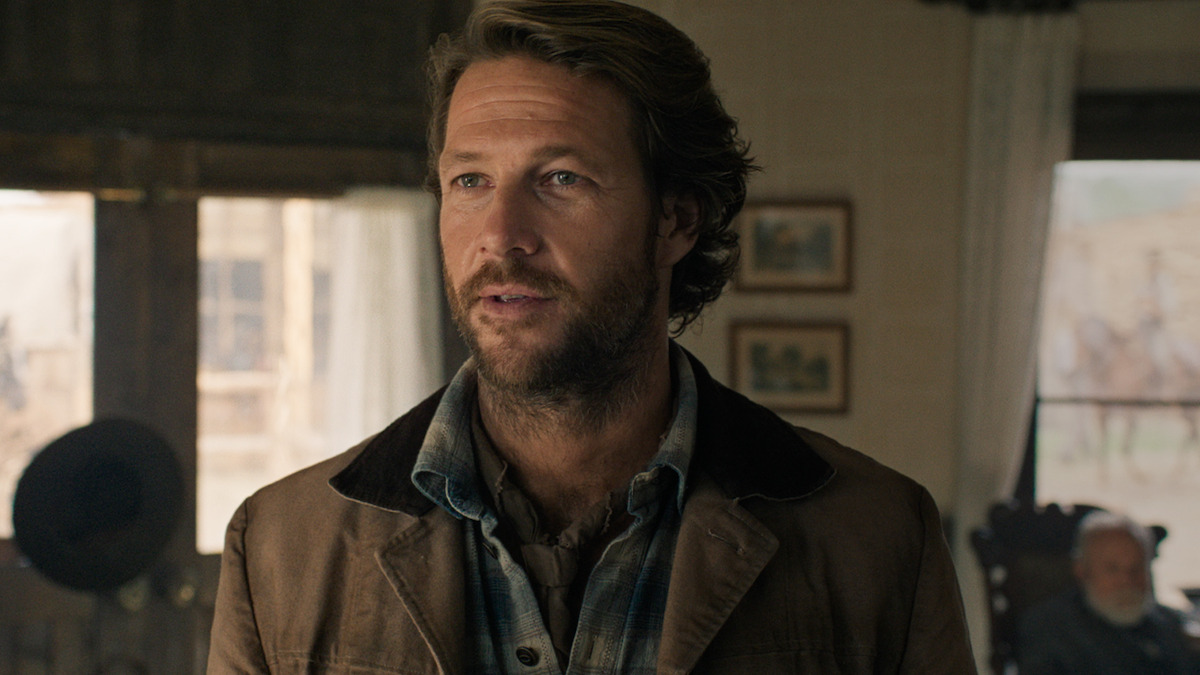
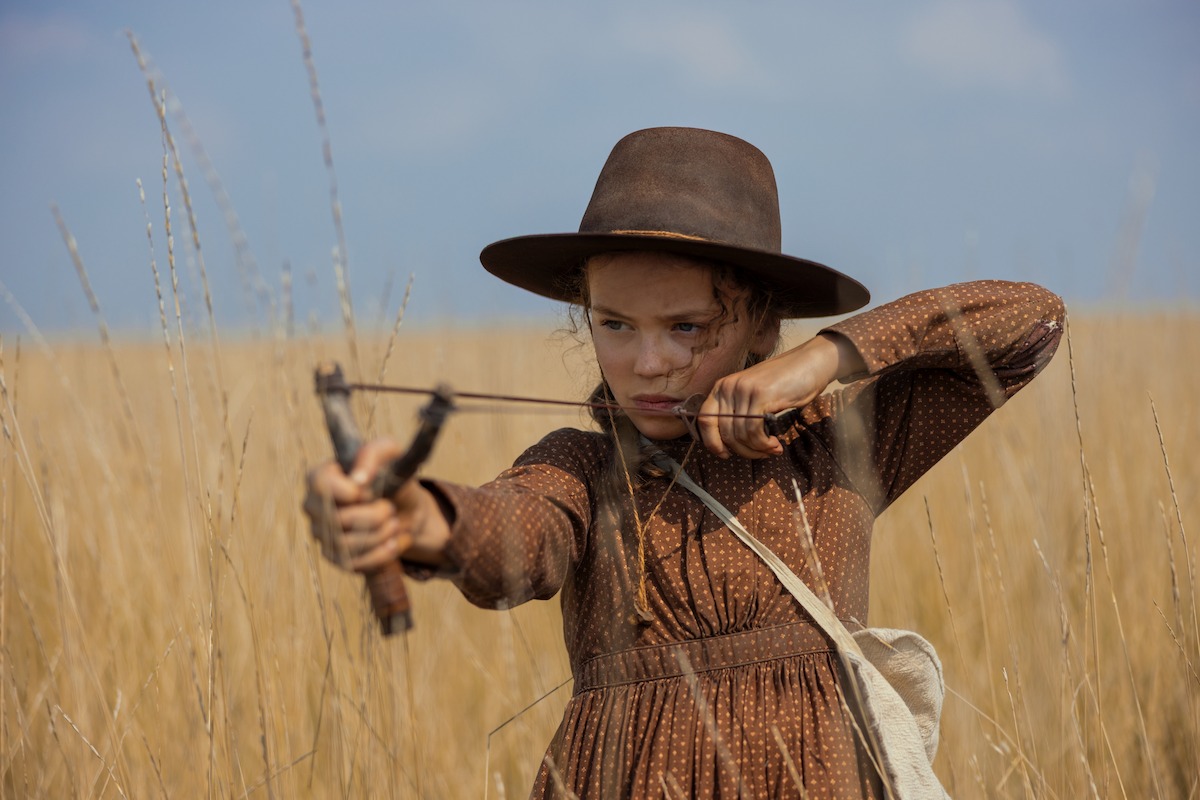
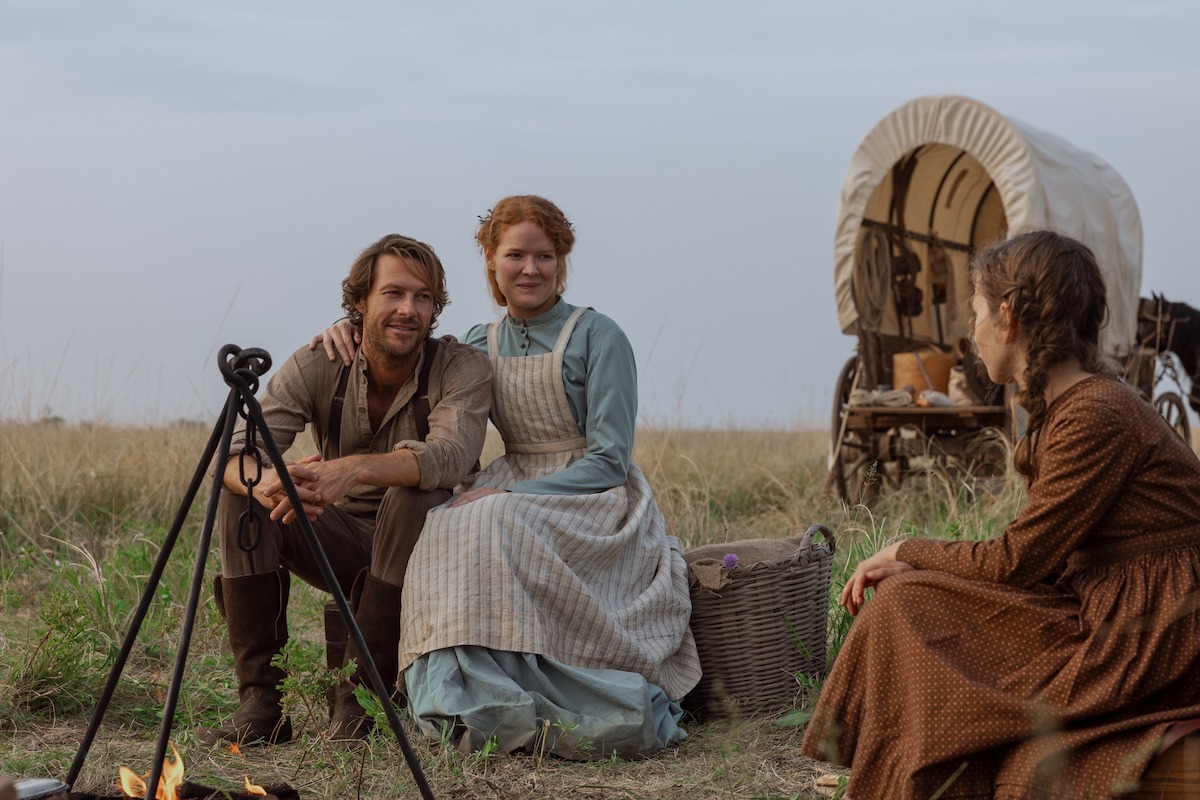
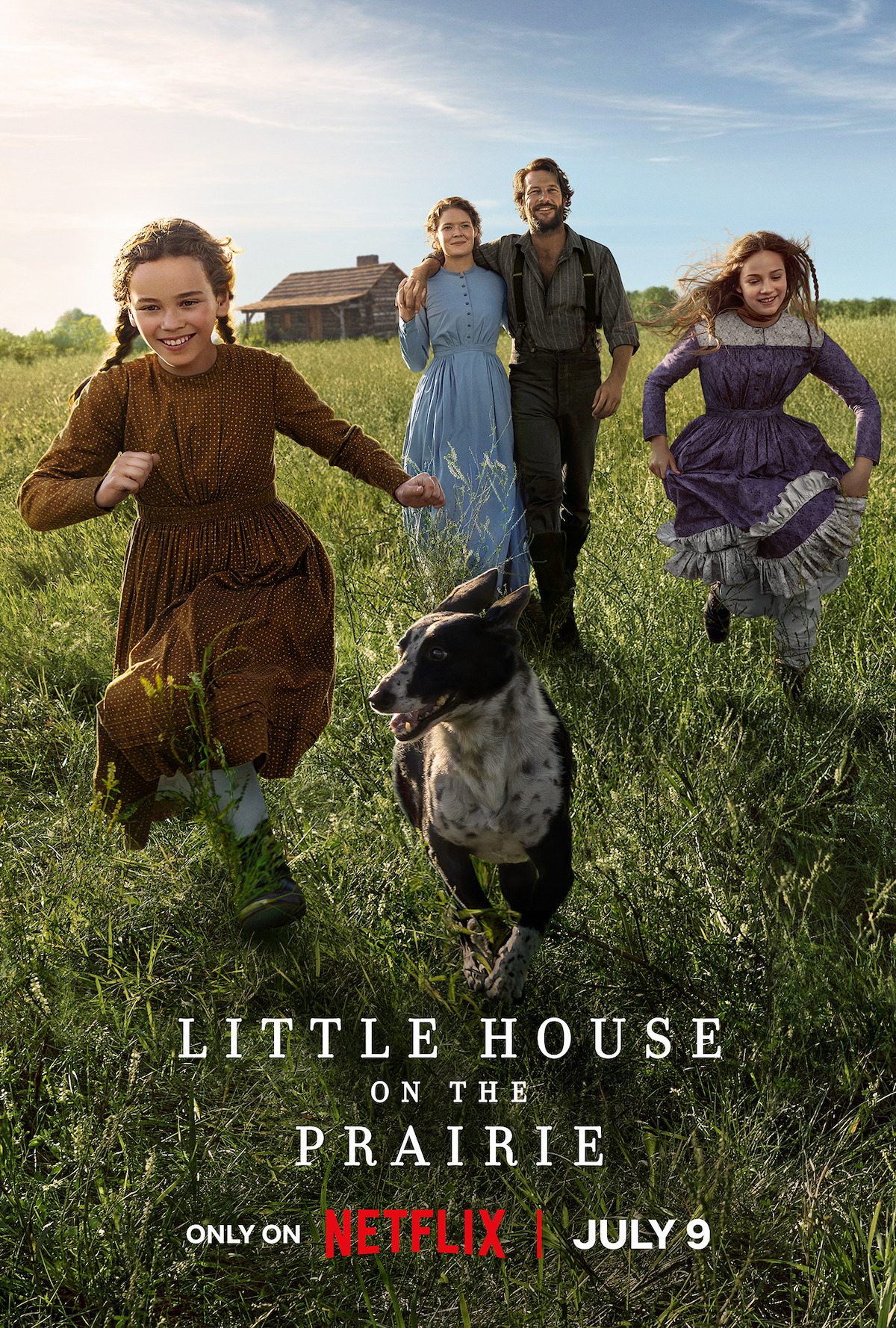
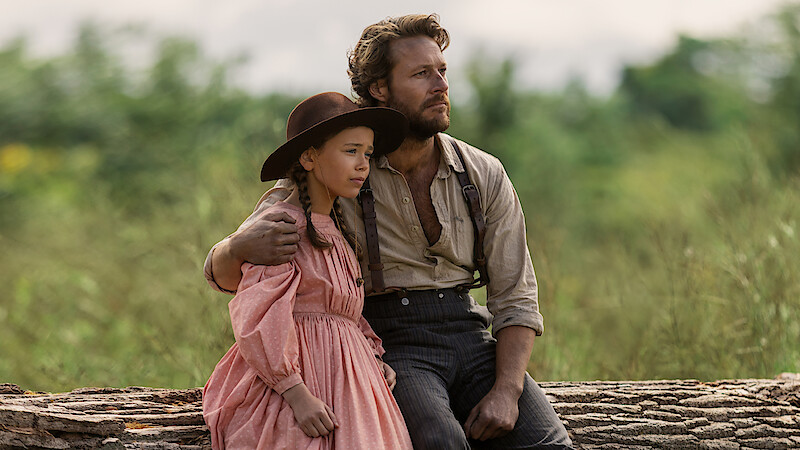
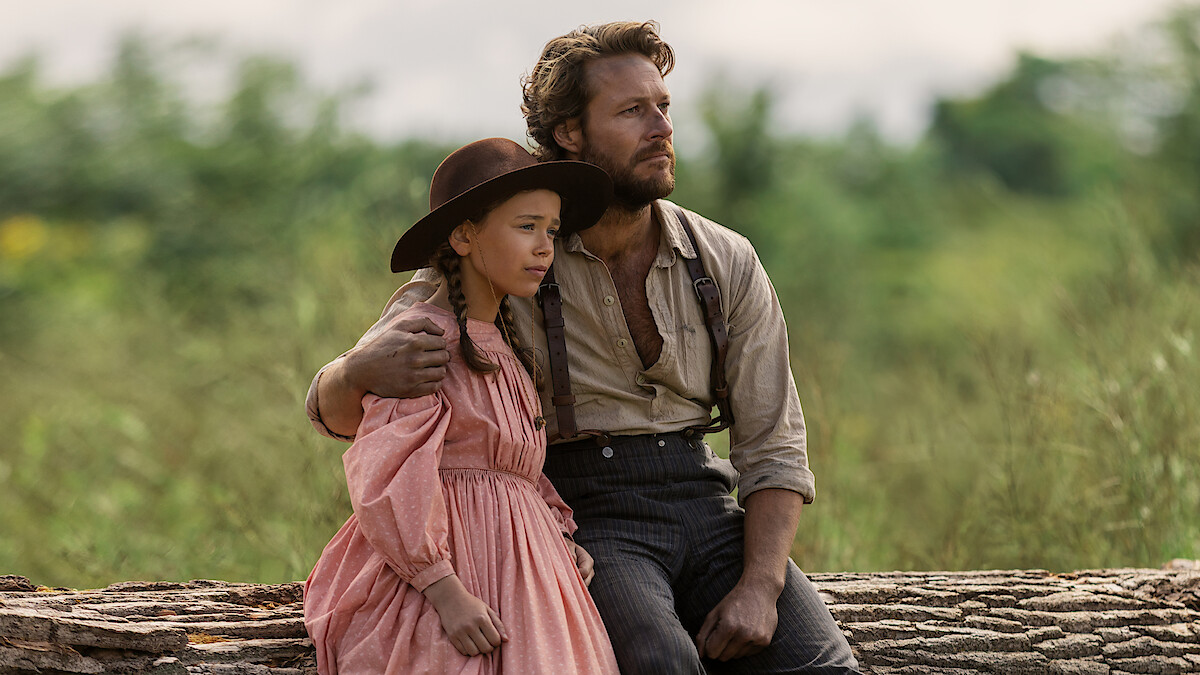
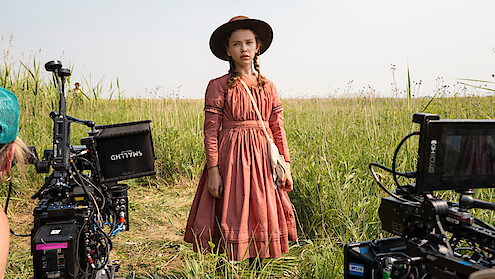
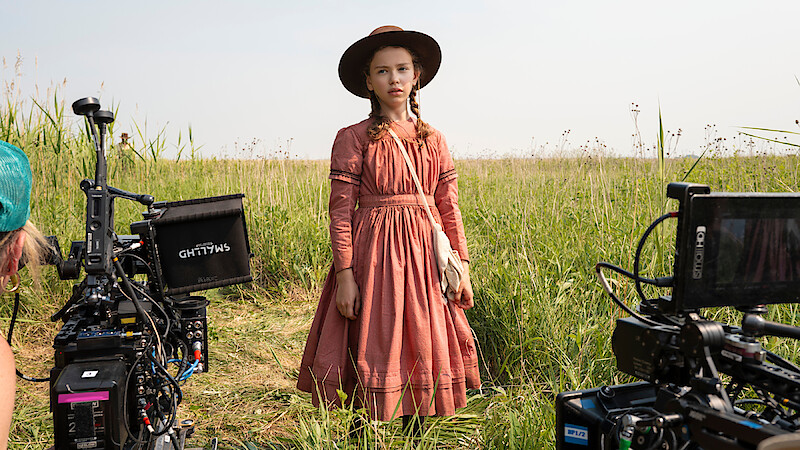
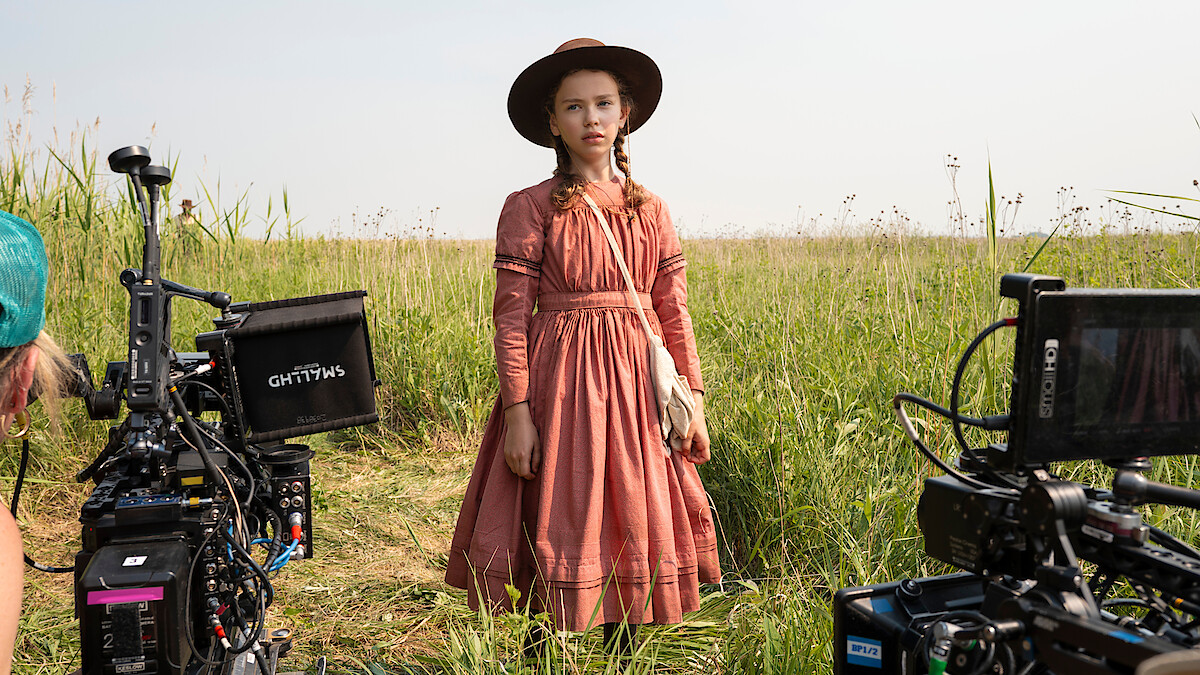
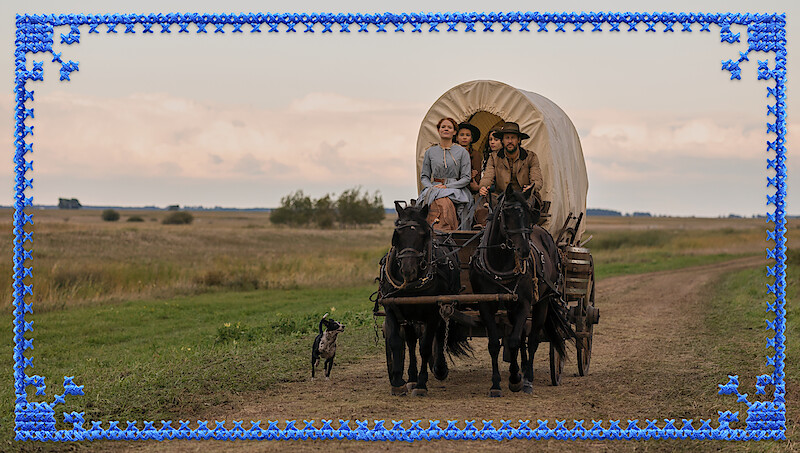
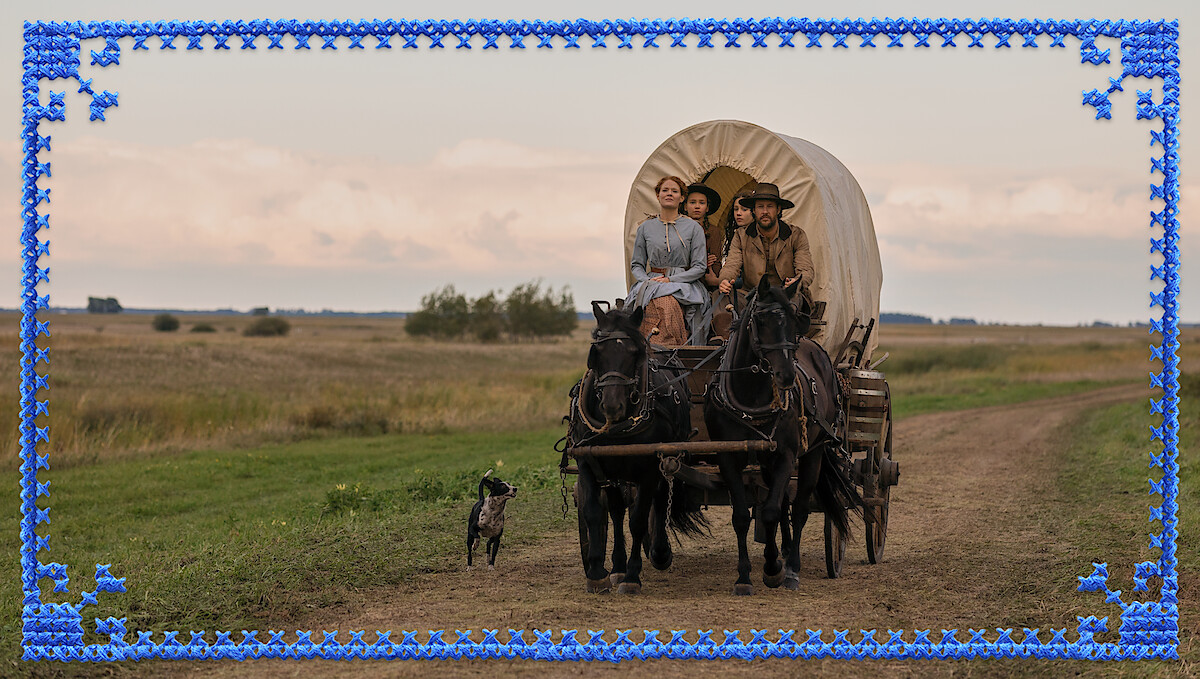
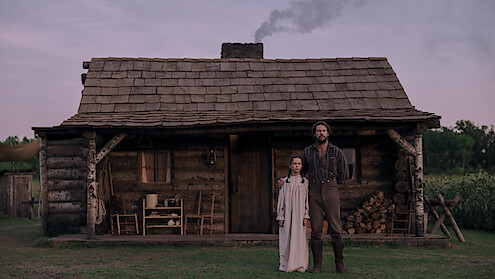
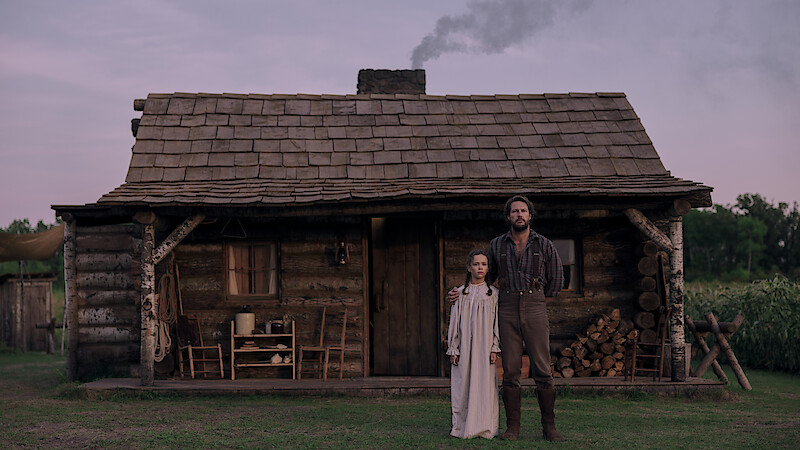
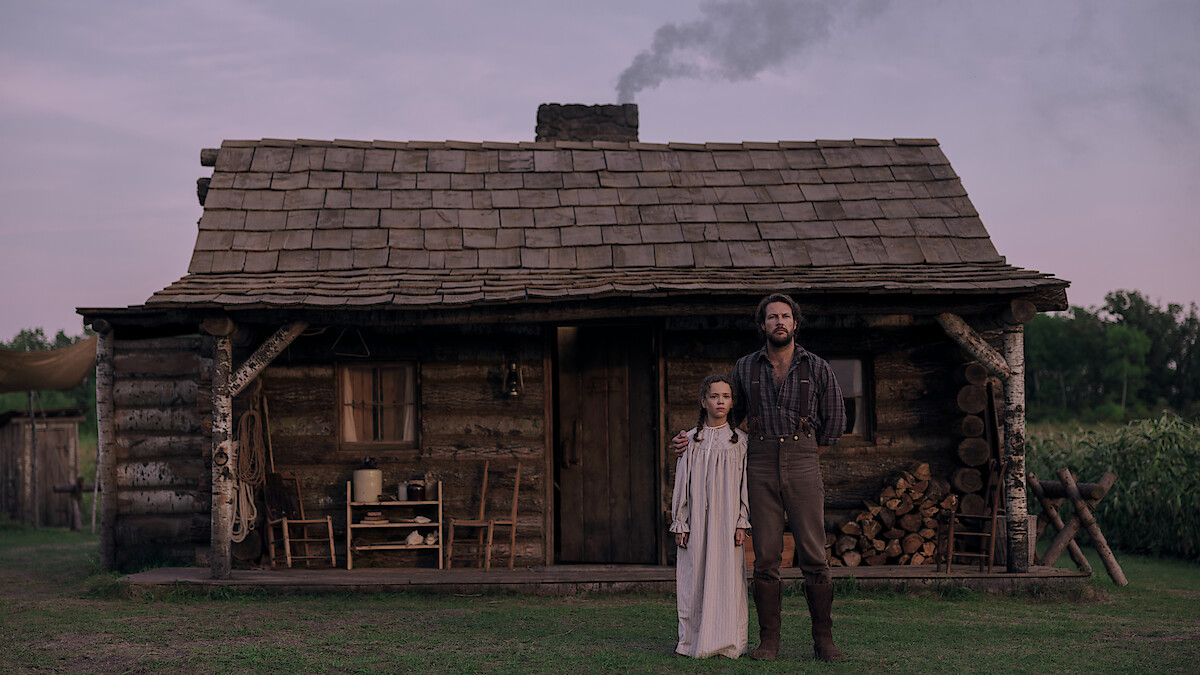
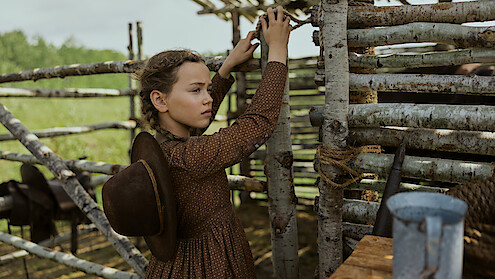
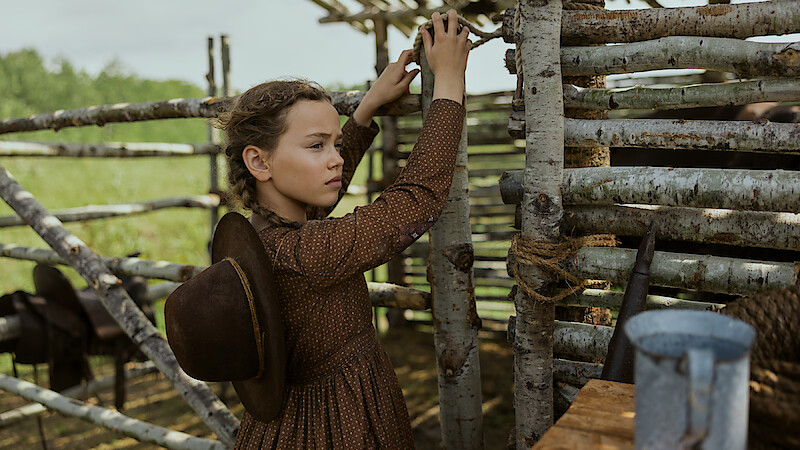
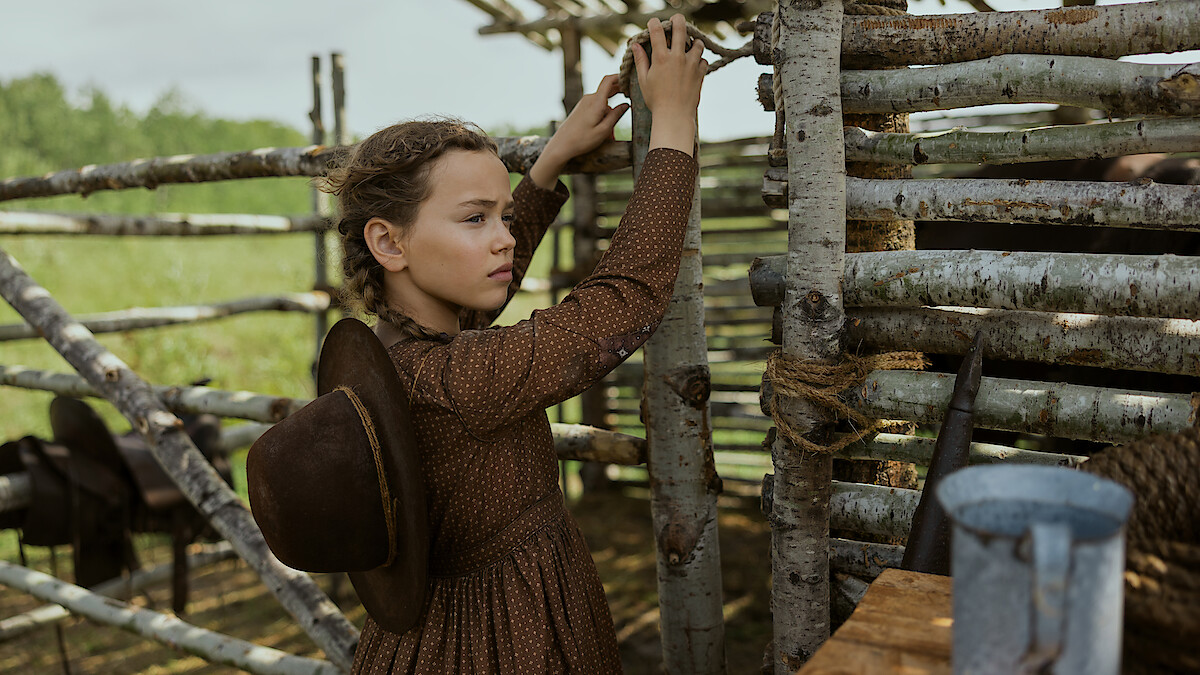
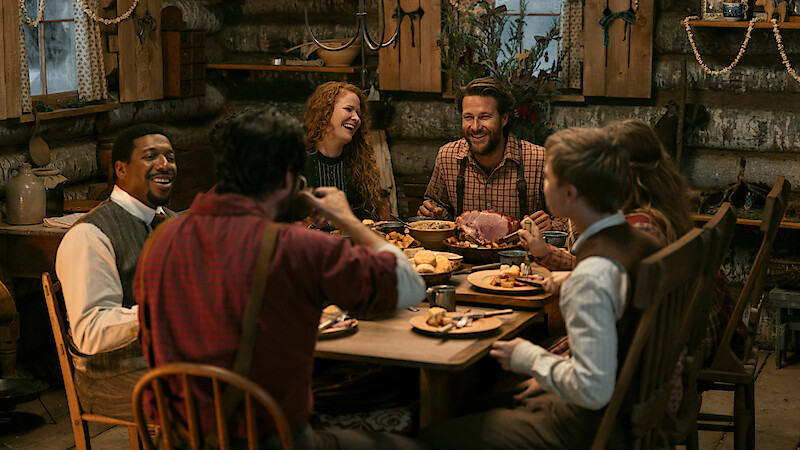
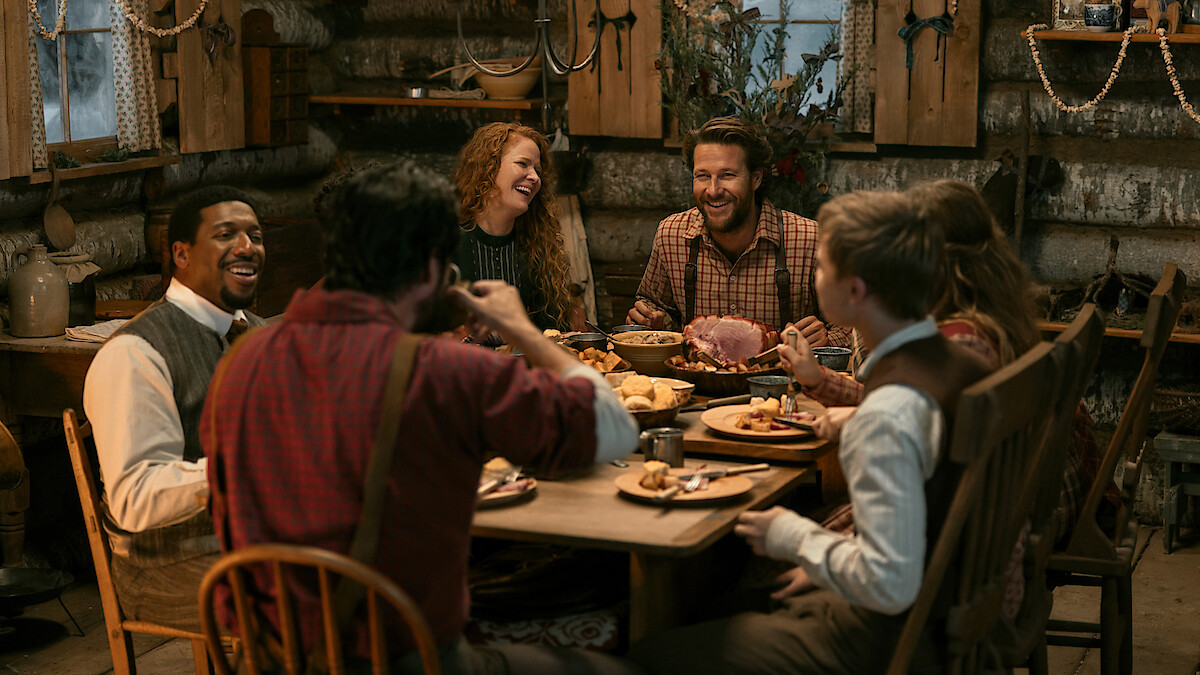
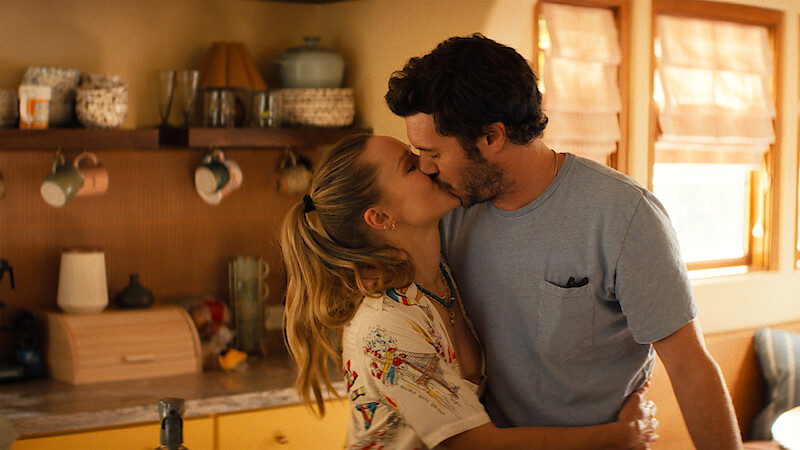
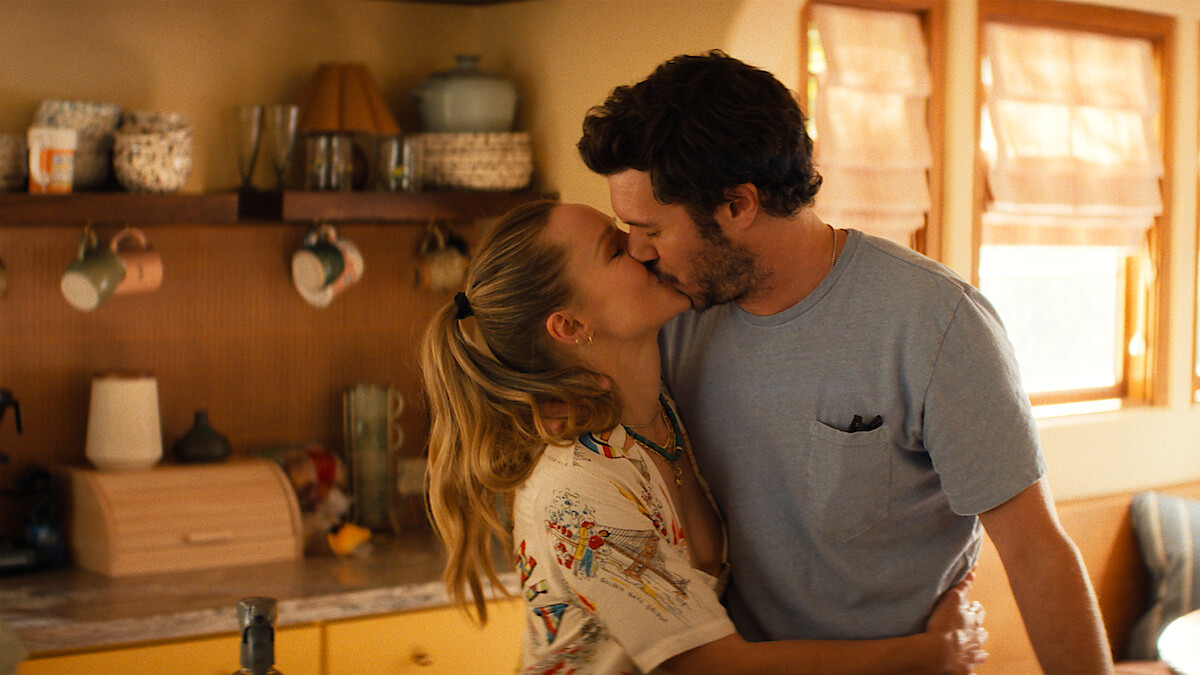
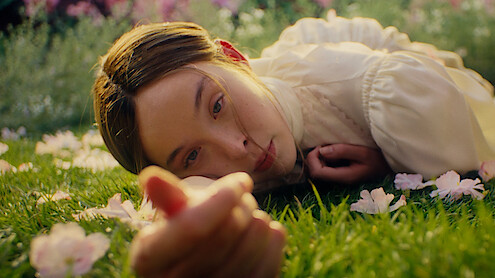
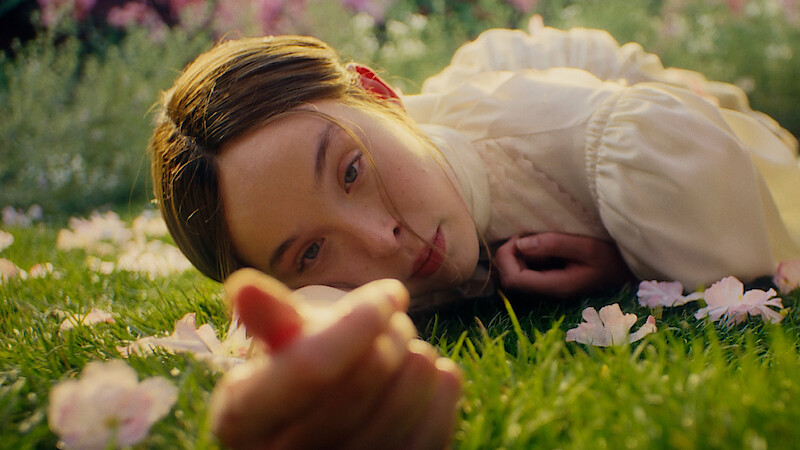
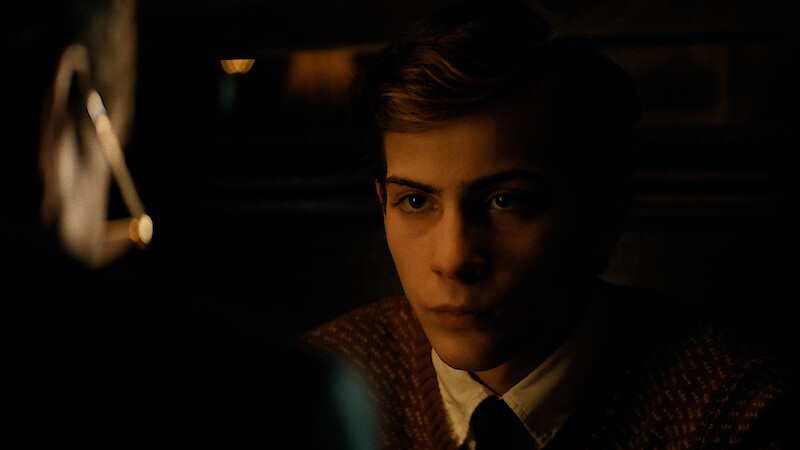
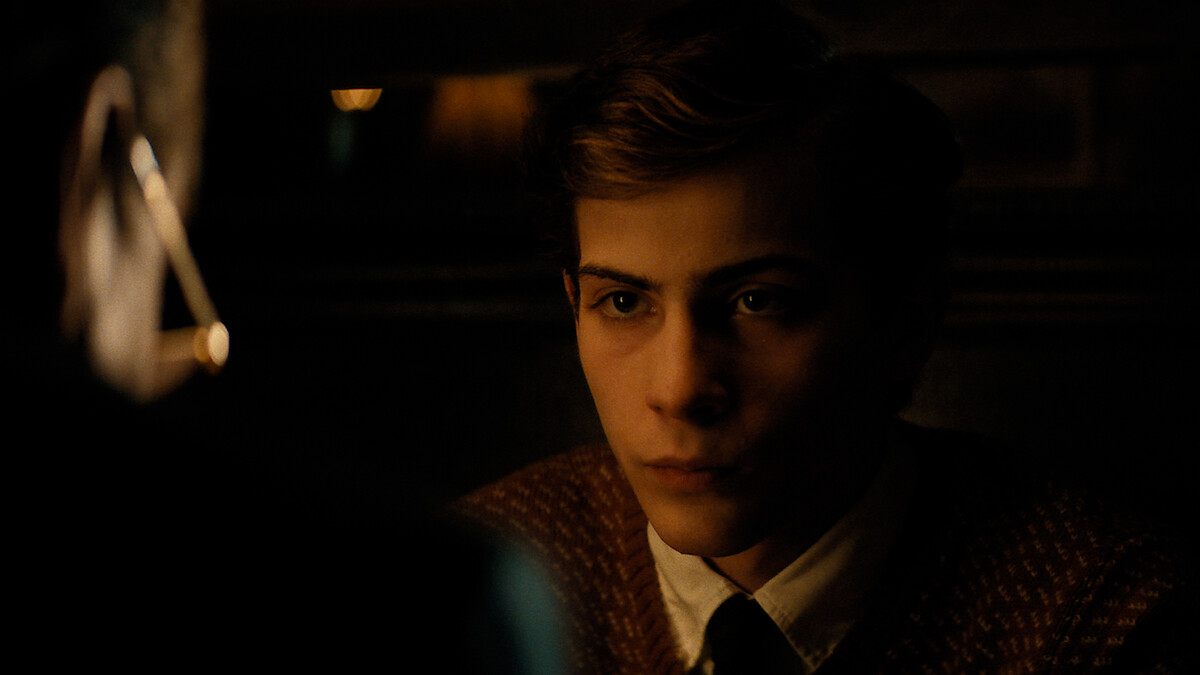
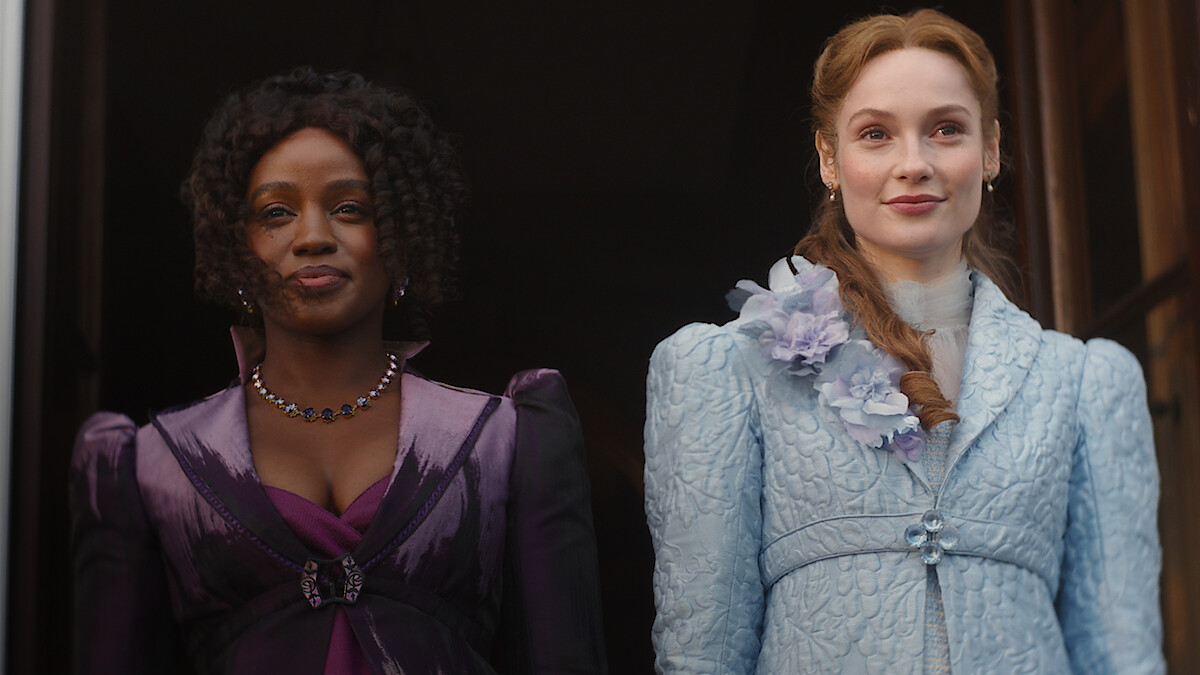
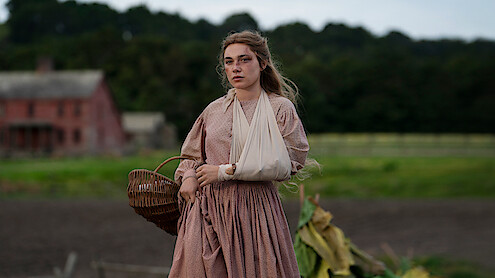
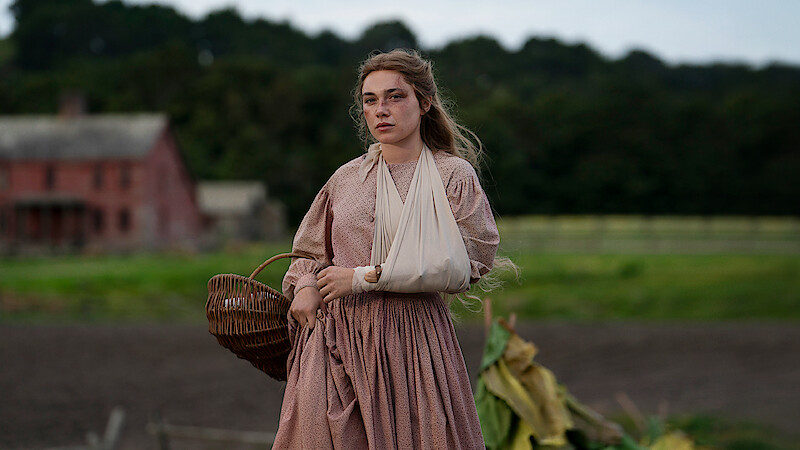
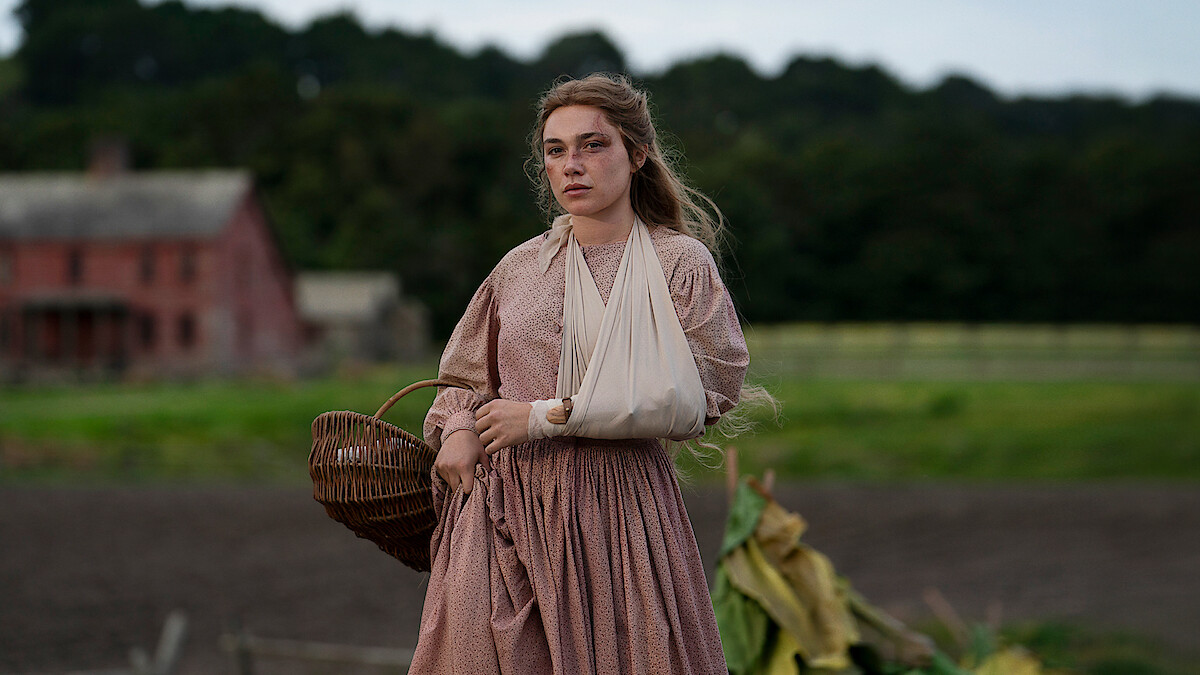
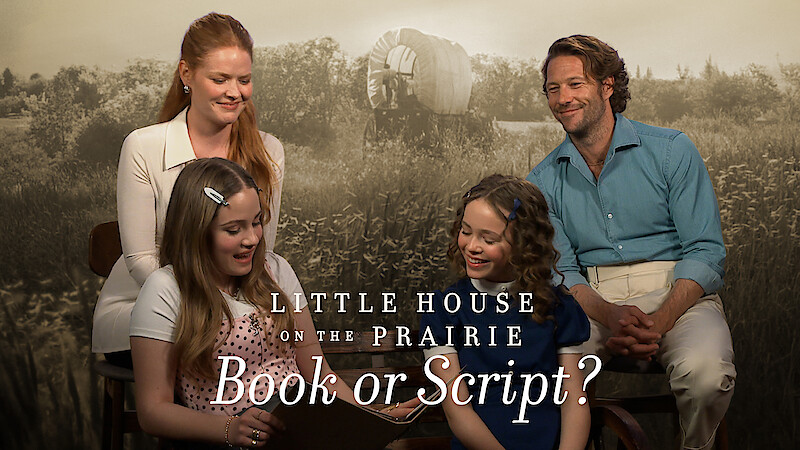
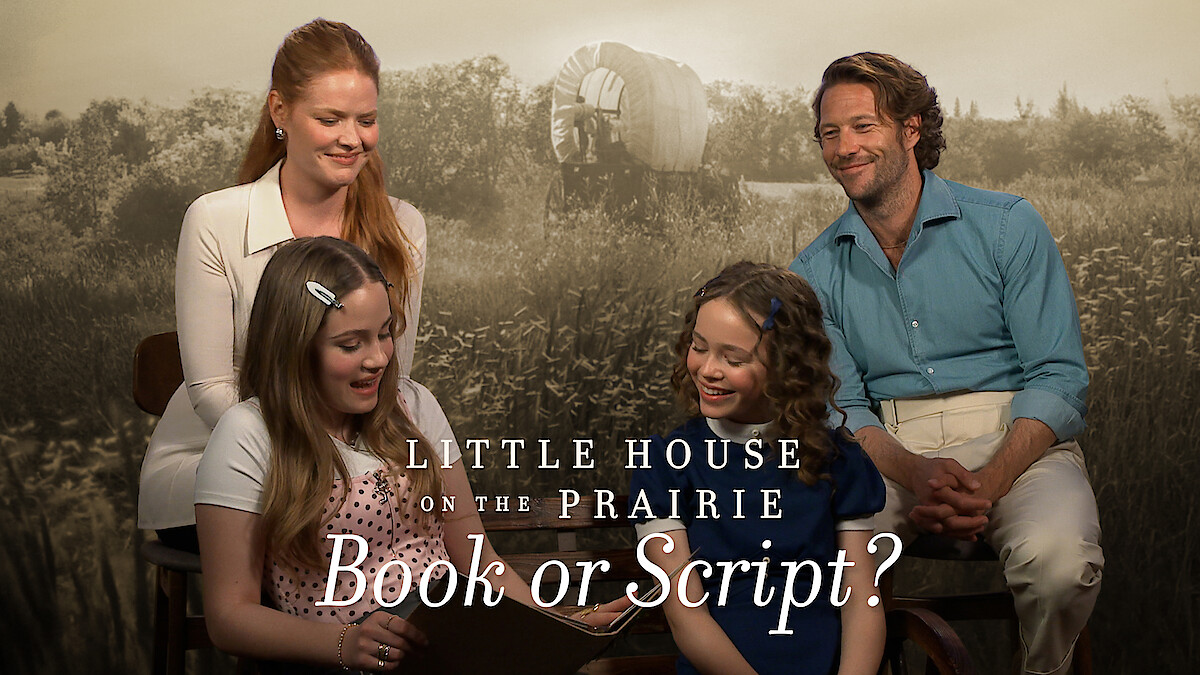
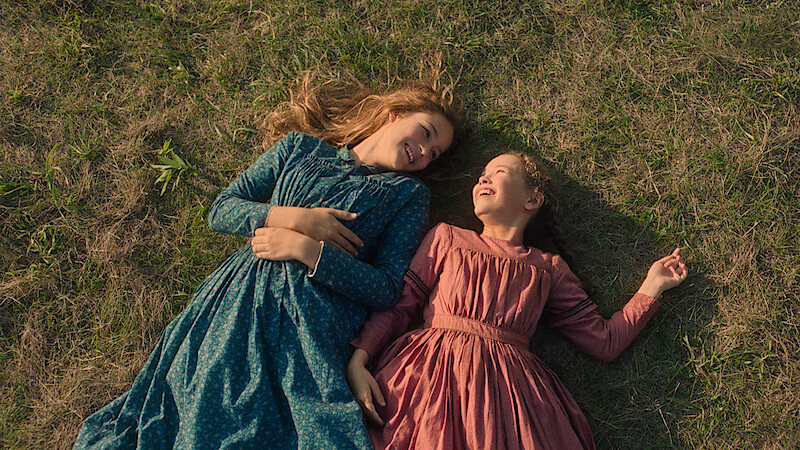
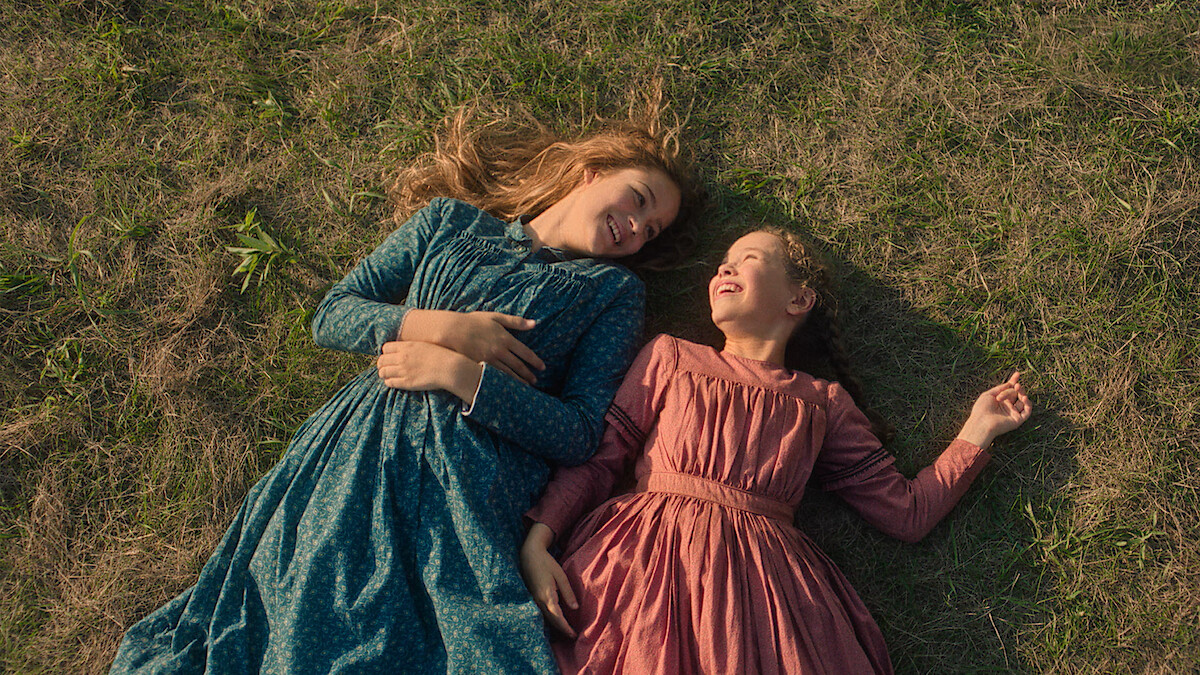
Based on the third book in Laura Ingalls Wilder’s Little House series, Season 1, which is streaming now on Netflix, follows Ma — aka Caroline — (Crosby Fitzgerald), Pa — aka Charles — (Luke Bracey), Mary (Skywalker Hughes), and Laura (Alice Halsey) as they try to establish their “new forever” outside the small but quickly developing town of Independence. As shown in the trailer, along the way the Ingalls family faces the often harsh conditions of 1800s prairie life, which bring fever, wolves, and fire — obstacles that longtime fans will recognize from the original novels.
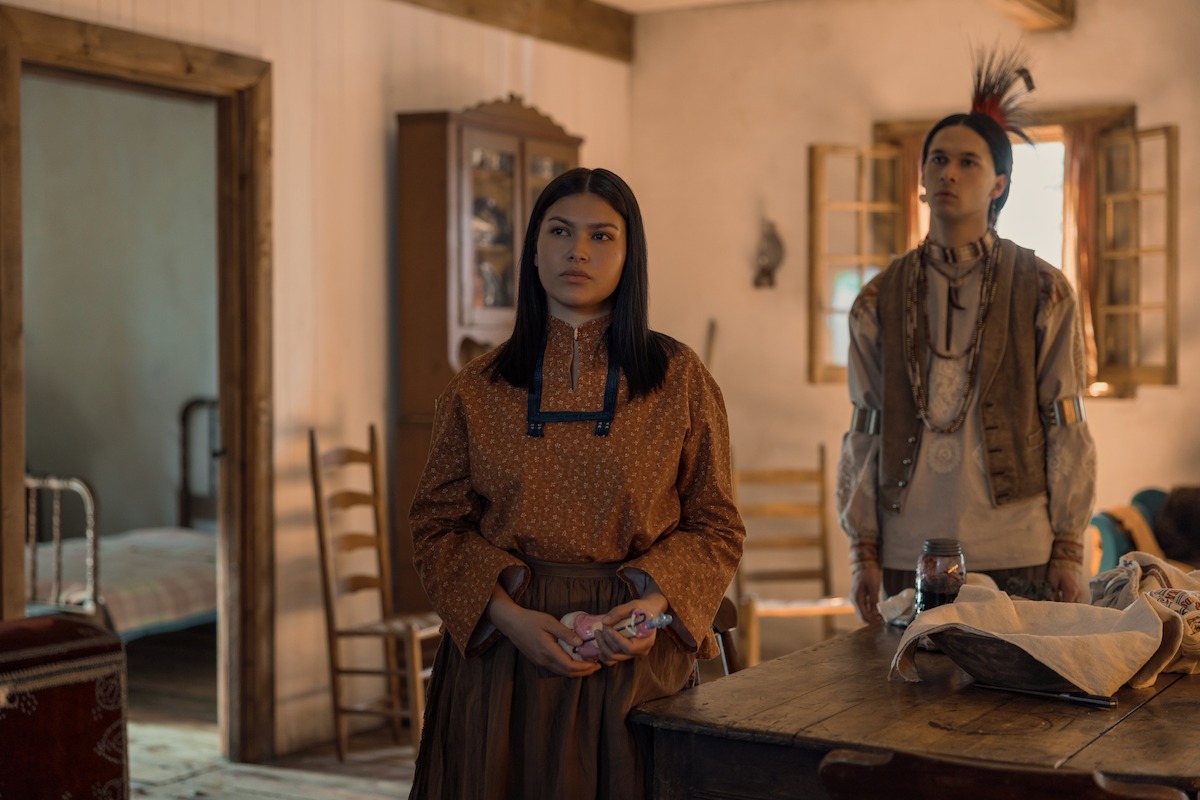
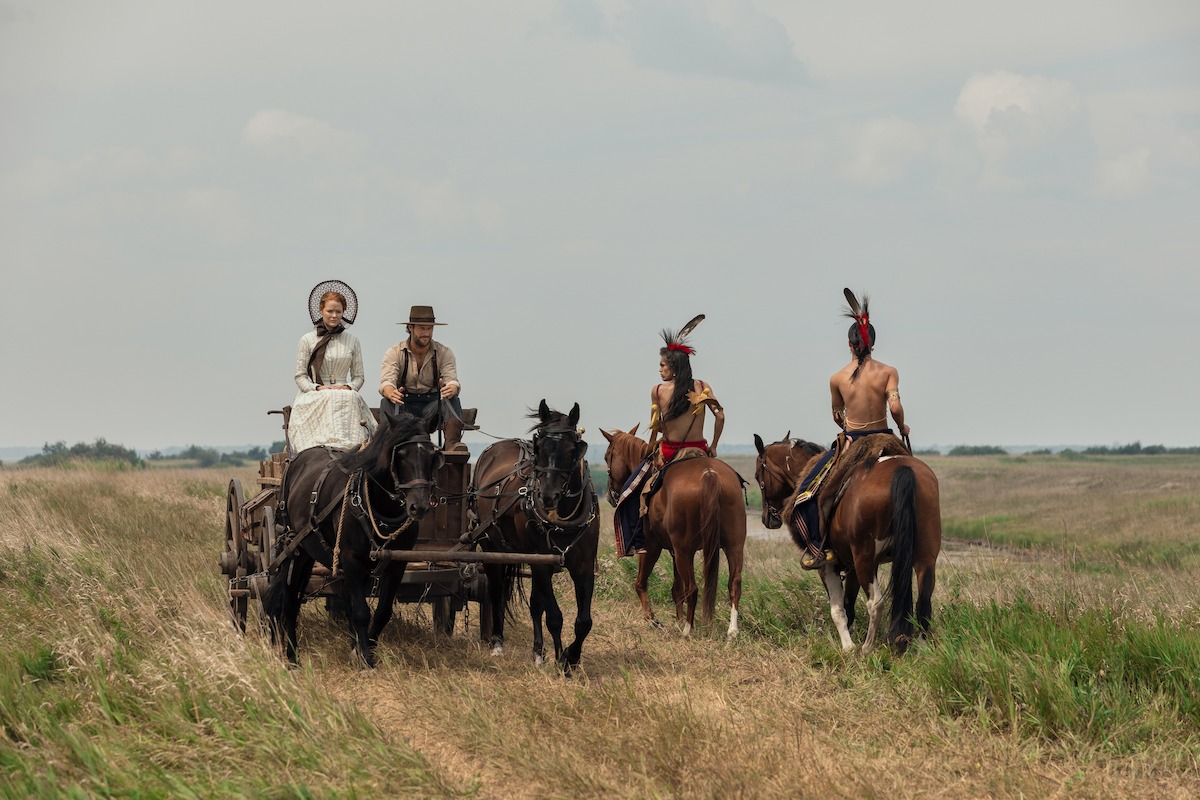
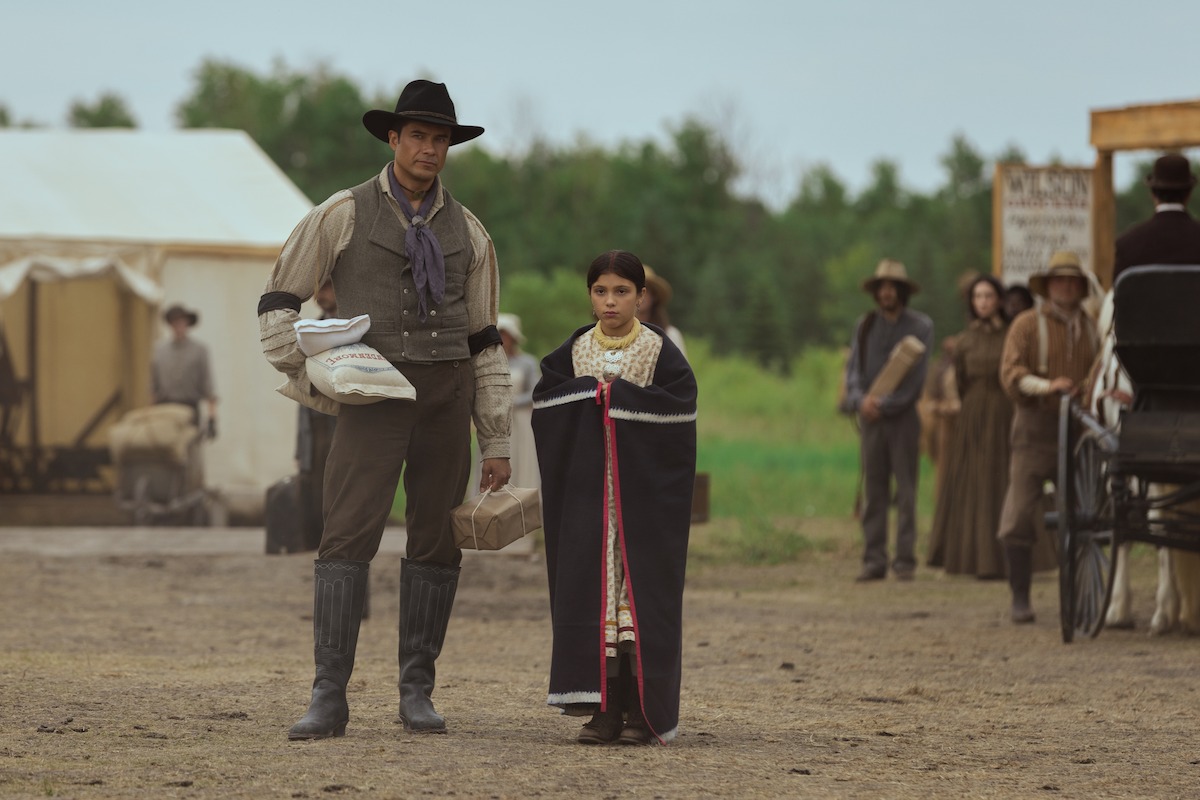
But this adaptation also expands the story beyond the Ingalls family’s perspective. As they attempt to make a life on land they were told was “free,” they encounter Osage people who have long called the prairie home. Among them are Mitchell (Meegwun Fairbrother), his wife, White Sun (Alyssa Wapanatâhk), and their daughter, Good Eagle (Wren Zhawenim Gotts), who Charles refers to in the trailer as their new “neighbors.”
According to Julie O’Keefe, Little House on the Prairie’s Osage cultural consultant, one message emerged early in conversations with people from the Osage Nation: “If you’re going to tell the story, then you need to tell both sides.” Through these parallel family stories, the series explores the tension between the settlers’ hopes for opportunity and the devastating consequences of westward expansion on Indigenous communities.
O’Keefe says the adaptation feels especially important at a time when American history is increasingly being removed or simplified in schools because it offers a fuller picture of the frontier experience. “It’s not just the vision of the victor; it’s the whole thing,” she says. “That’s really important to me.”
In the process of adapting Little House on the Prairie, it was crucial to Sonnenshine that the Osage characters feel fully realized beyond the perspective of the settlers. In Wilder's books, the Osage are shown from what the showrunner describes as an “outside looking in” point of view. The new series aims to allow viewers to get to know these new characters as people, Sonnenshine says, “seeing them as husbands and wives and mothers and cousins and sisters,” and not just through Laura’s eyes. “They had one foot, some of them, in this world of America that sprung up around them and a foot in their own culture,” she explains. “I feel like that is very relatable for lots of people.”
Season 1 tackles the difficult decisions the Osage were forced to make as speculative land deals, removal treaties, and the coming railroad reshaped their land, while rooting those experiences within their authentic daily existence. “It’s not just about ideas and political moves,” Sonnenshine says. “Especially with the Mitchell family, it’s really driven by real emotional stories about the families — who they are, who they want to be.”
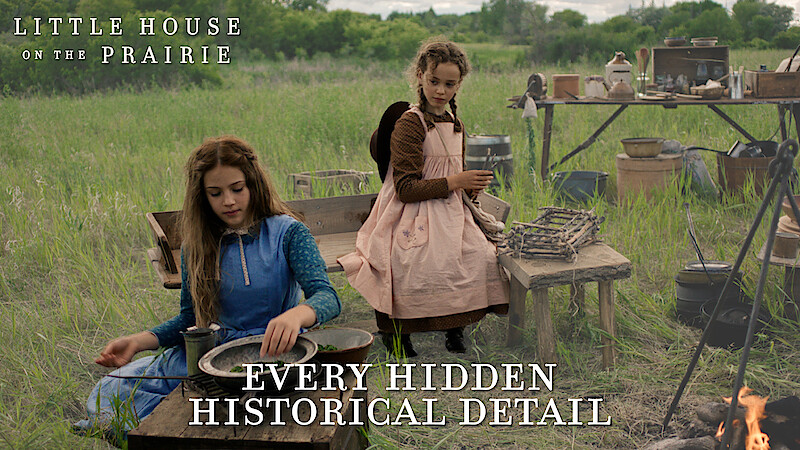
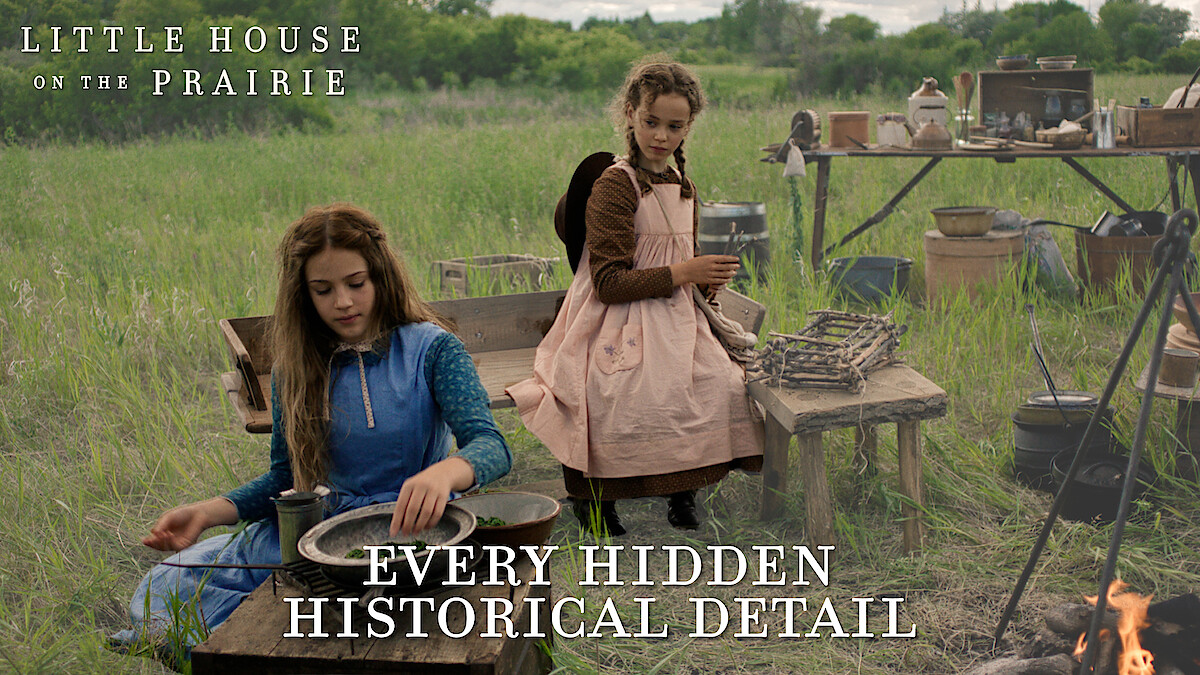
To tell these stories accurately, the production partnered with Osage scholar and University of Kansas professor Robert Warrior. “He was able to help us shape some of the material from the books into the actual historical context, and then we wove that into the show,” says Sonnenshine. “It all started with story.” Meanwhile, O’Keefe lent her expertise to the costume, production, and prop design teams and enlisted around 30 Indigenous artists and artisans to craft a total of 3,200 items — 1,127 of which were Osage-made, specifically — for the series. “I’m not someone who comes alone; I come with all of Indian Country behind me. When I need something, I go to my people — all my people,” says O’Keefe, who was also the head Osage wardrobe consultant for Killers of the Flower Moon. “Credibility starts with my own people. Without that, there is no job.”
Language consultant Talee Redcorn and Indigenous casting director Angelique Midthunder also worked to bring this world of Mitchell, White Sun, Good Eagle, and their people to life in a layered and realistic way. “All those things were interesting to portray with these characters who are so funny,” says Sonnenshine. “That marriage is very loving, and their daughter is also a little bit of a disruptor, like Laura.”
For Sonnenshine, the heart of this adaptation lies in watching these two families search for a future at the same moment in history, even if that future means very different things for each of them. “It was very important that we have a family to mirror our Ingalls family,” she explains. “A family that was also trying to figure out what the best future for them was and what that future looks like.”
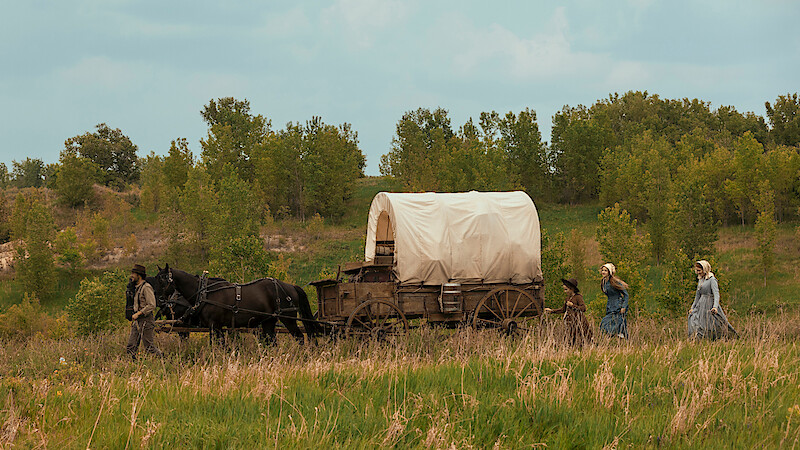
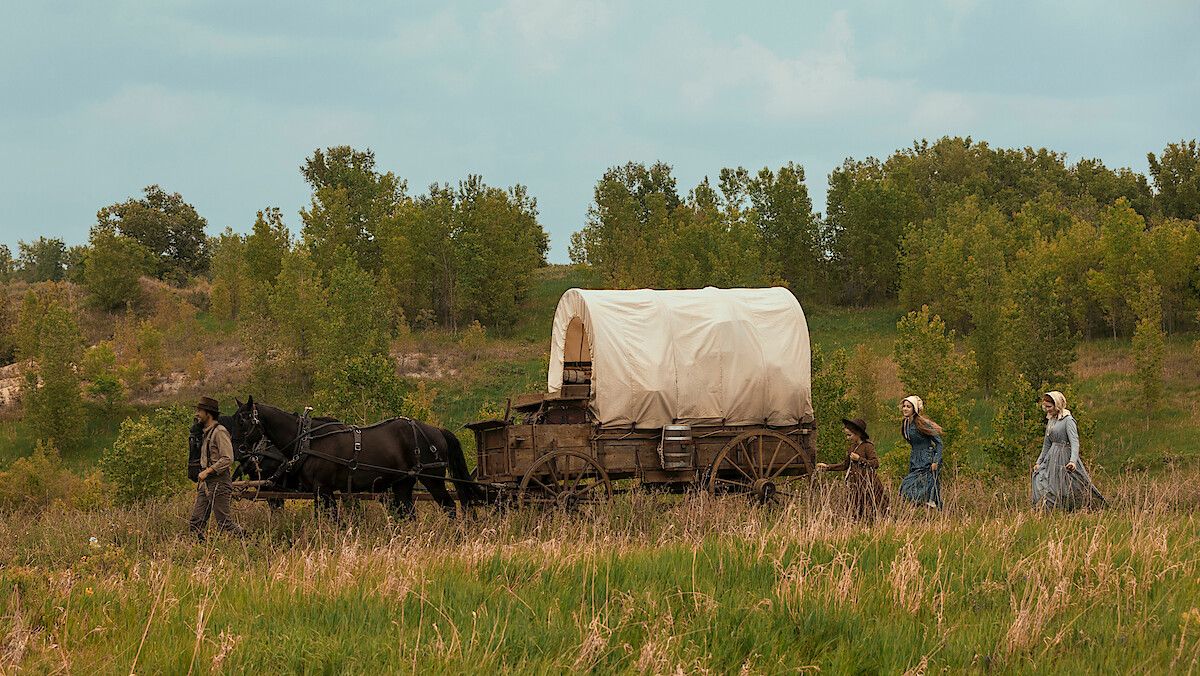
We see the Ingalls grappling with those questions in the Season 1 trailer, after their long wagon trail to Kansas, when Caroline asks, “What if this is where we finally become who we’re meant to be?” But in this version of Little House on the Prairie, the Ingalls aren’t the only ones searching for answers. “Having these two families on a parallel journey,” Sonnenshine says, “felt like the reason to tell this story now.”
Journey west with the Ingalls family right now by streaming Little House on the Prairie, only on Netflix.