
Press Play
‘Lupin’ Music Mixes Hip-Hop and Classical for a Contemporary Sound
Composer Mathieu Lamboley explains how he created the series’ unique score.
Oct. 20, 2023
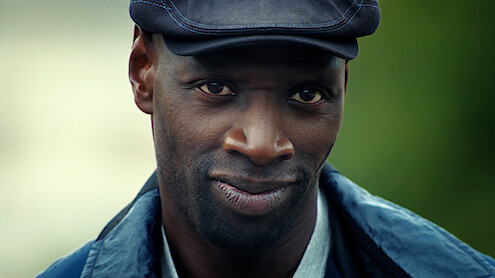
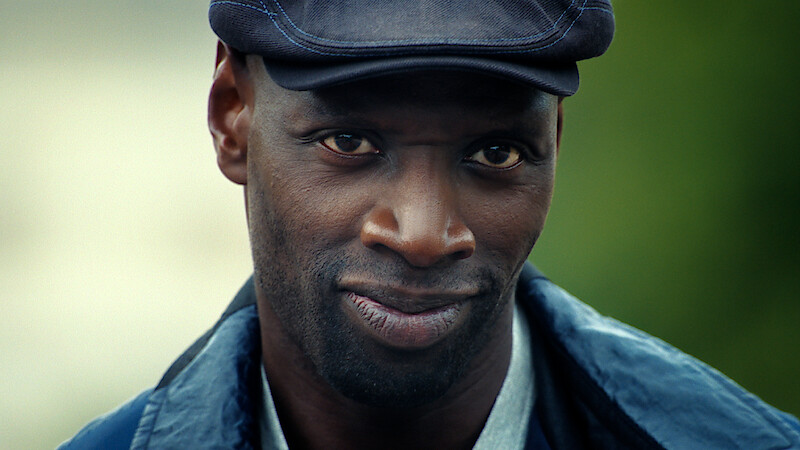
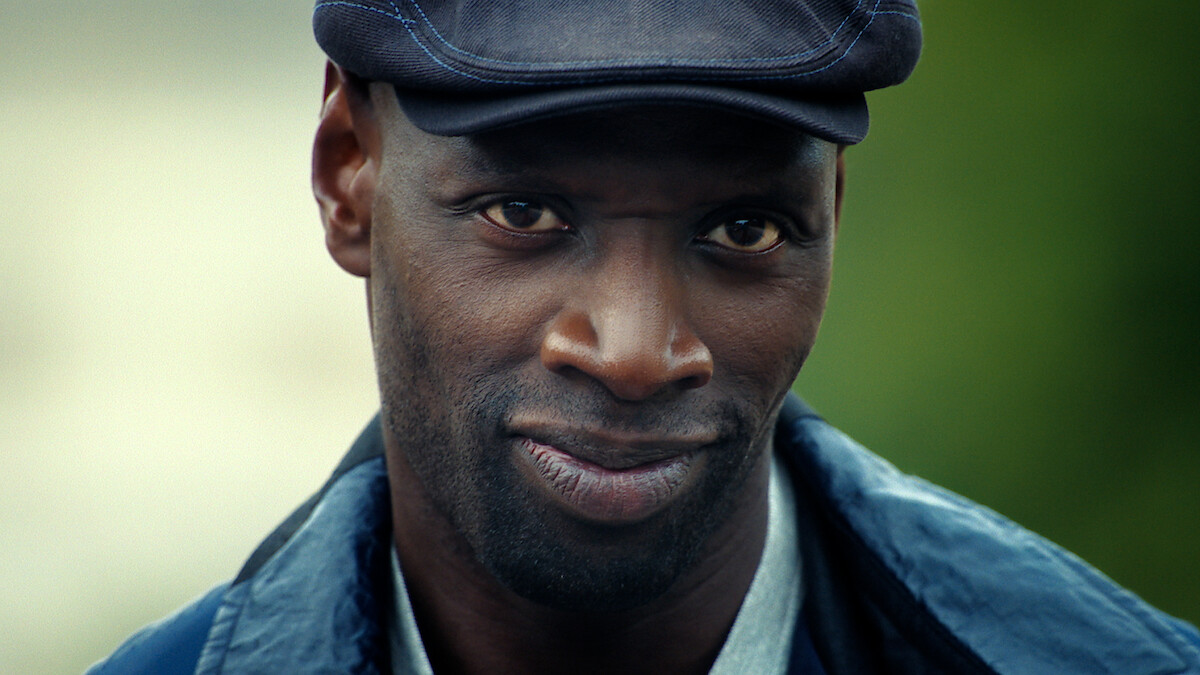
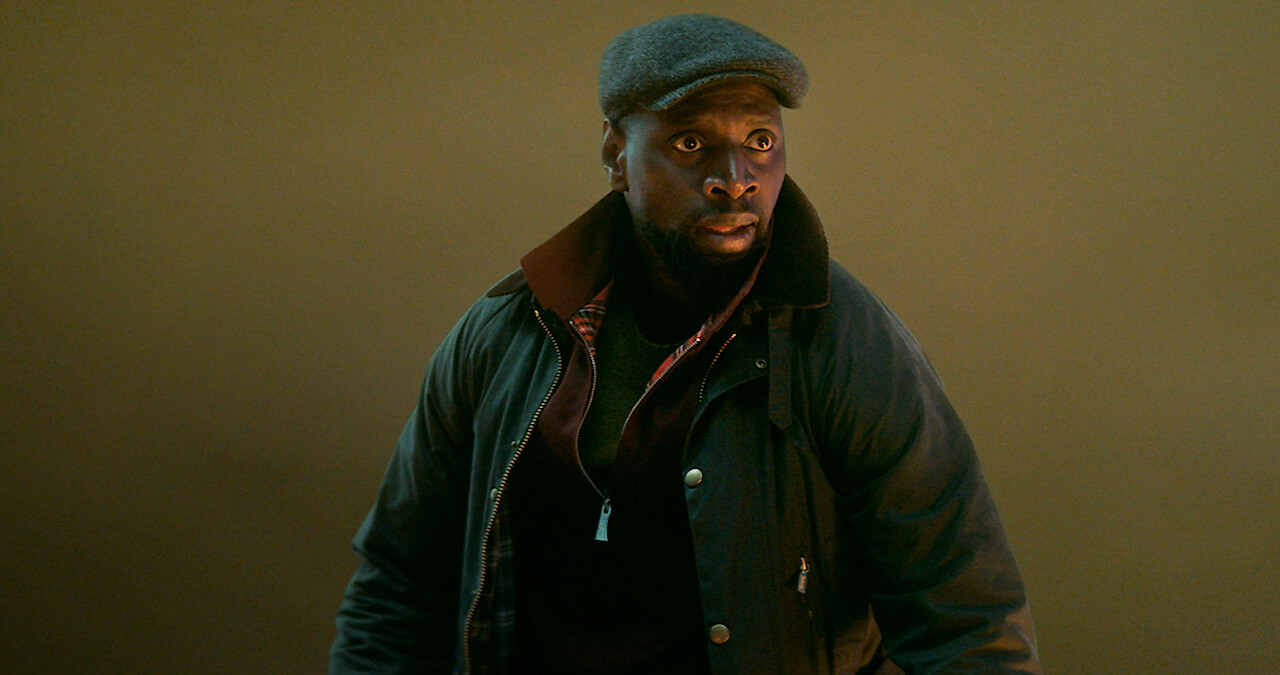
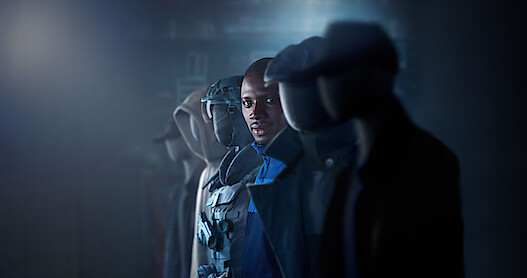
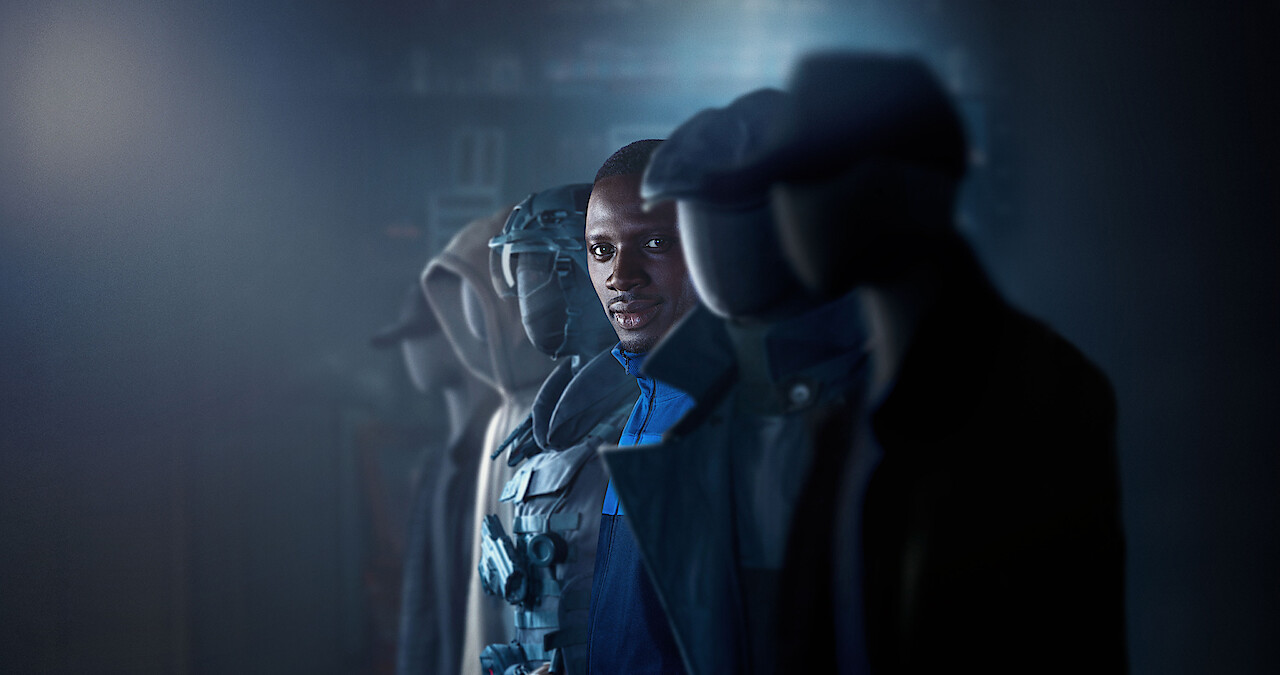
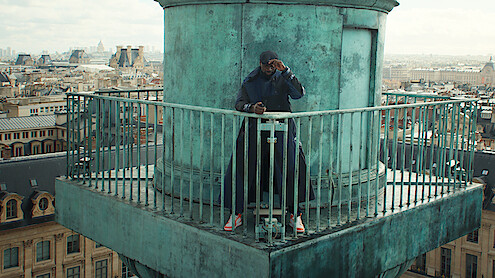
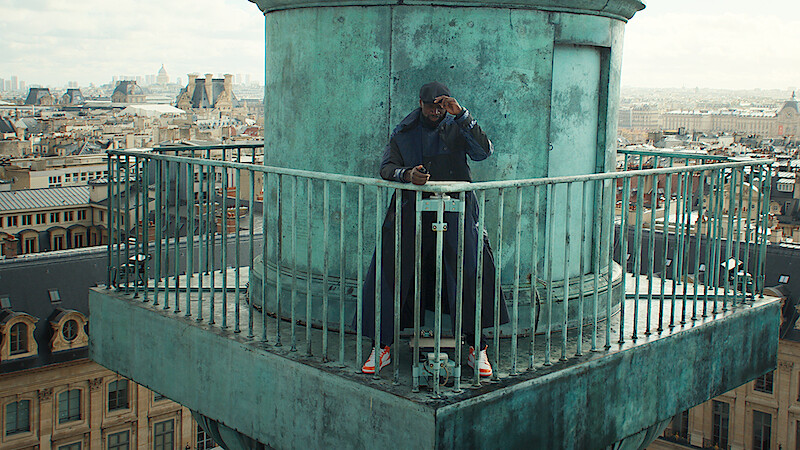
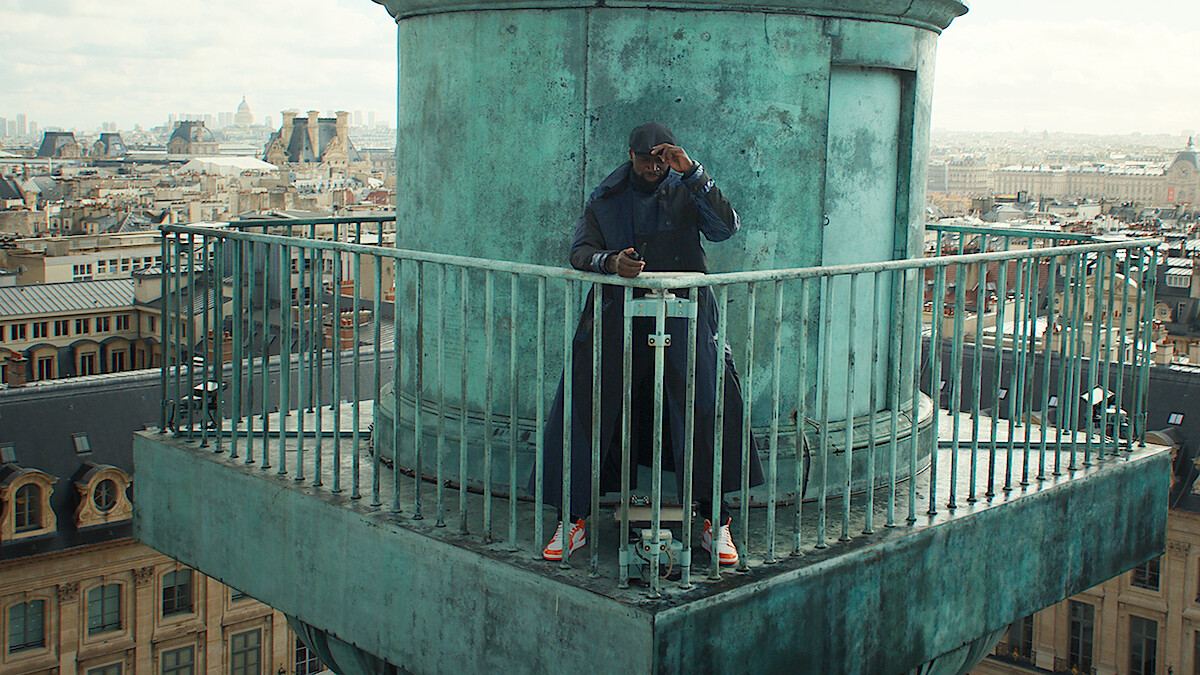
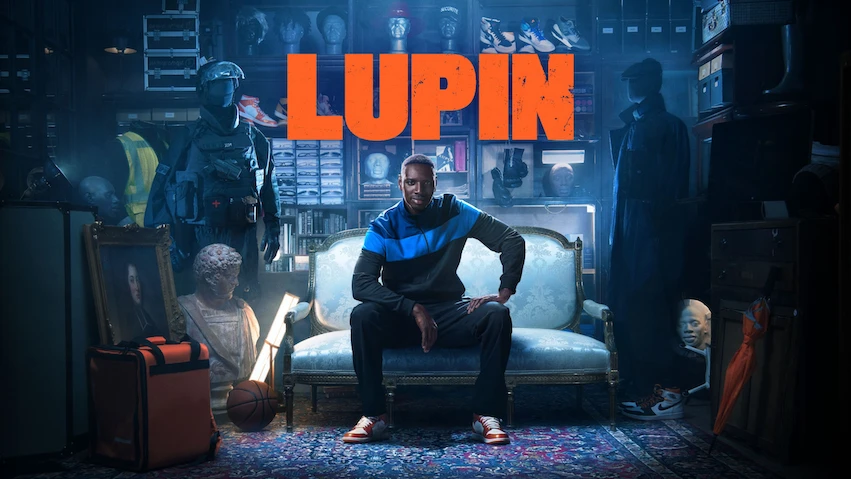
Lupin’s master thief Assane Diop is also a master of disguise, who looks different in every heist — but just like star Omar Sy’s unforgettable smile is behind every false identity, the show’s theme music, written by Mathieu Lamboley, ties everything together.
The French composer has created themes for most of the main characters on the series, and mixes and matches depending on mood and who’s sharing the scene. Those variations –– much like Assane’s wigs, masks, colored contacts, and other accoutrements –– help every scene and each of the three seasons feel fresh and new.
Below, Lamboley explains to Tudum how his creations come to life, first on the piano and then with a full orchestra. Hear them in Lupin, streaming now on Netflix.
Where did you begin when thinking about the sound of Lupin?
I wanted to have a special sound, a mix between contemporary music, hip-hop, and some classical. What I like about Lupin is that the main character, Assane Diop, tries to continue the legacy of [Maurice Leblanc’s] books in modern times. And that’s what I’ve tried to do in the music — to use my classical background with strings and orchestral music, but mix that with a modern sound.
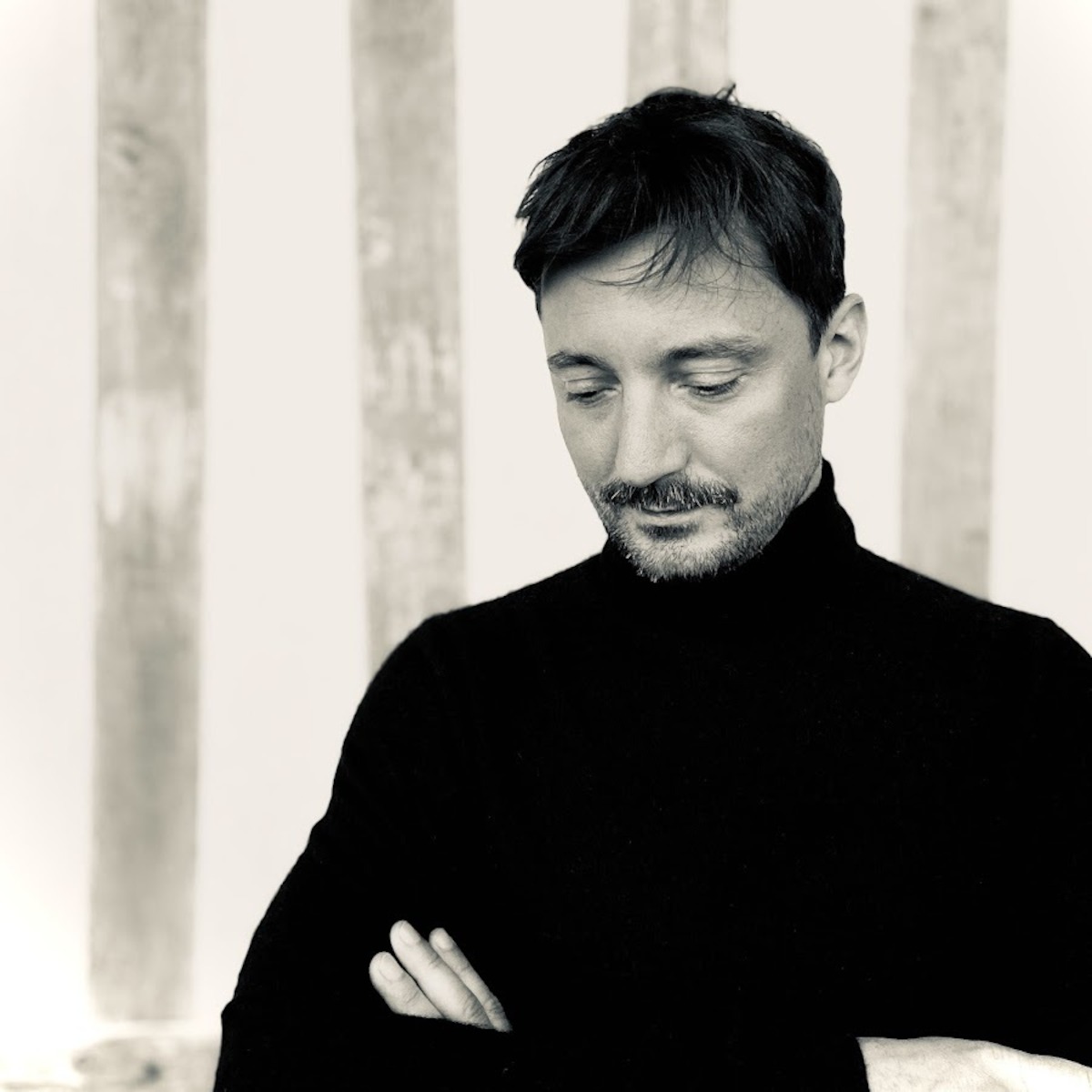
Is there a main Lupin theme? Are there themes for different characters or different types of scenes?
What I like to do, even in feature films, is to have themes for each character. You have the main theme of Lupin, which is the main theme of the series because [Assane’s] the main character. After, you can definitely have other themes. For example, Pellegrini or other bad guys’ themes.
What I have to do as a composer is to use these basics to create variations. In classical music, Beethoven or Mozart, many composers, have a theme and variations. This is basically what I’ve done in the series. I use these three or four main themes, and then I explore them all through the whole season.
How has the sound of the show changed now that we’re three seasons in?
It’s quite different now, because I still use the main Lupin theme, but in another style. Sometimes a bit funky, because Part 3 is more fun. You have all these reveals, what we call Lupinade, when you learn how Lupin did [this] and did that. We have a lot of that in Part 3, so I had to compose more enjoyable and funny music with the main theme. We have a new character in the show — Keller, the bad guy — so I had to find the right color for him. I tried to do more electro and synth music, darker, to make a contrast. You have Lupin, quite fun, and Keller, quite bad.
Do you have a favorite piece you’ve written for the show?
I like all the parts of it! Maybe the part I prefer is when I had to compose a symphony. At the end of the second part, all the characters attend a concert. It was quite interesting to do because it’s a concert, but it’s [a TV score] as well. So it’s in the scene, but out of it, we say. Diégétique and extradiégétique. So it means that I had to compose this symphony in a style that could also be film music. I put all the themes in the 10 minutes — Lupin, Pellegrini, all the stuff.
What is quite funny is [after I wrote and recorded] the first version of this symphony, when the director was editing he told me, “Okay, no, that doesn’t work. We have to find a new symphony.” So I had to compose a new one, which is actually what we used in Part 2. But, actually, the first version of the symphony, we [used] it in the third part. So you have two versions of the symphony.
Lupin is streaming on Netflix. Listen to the Part 3 soundtrack here.