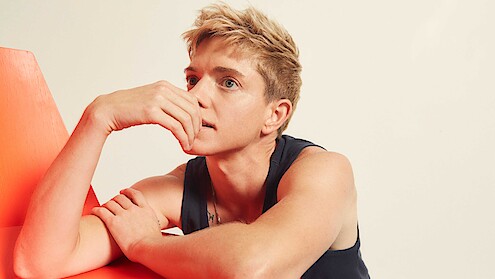
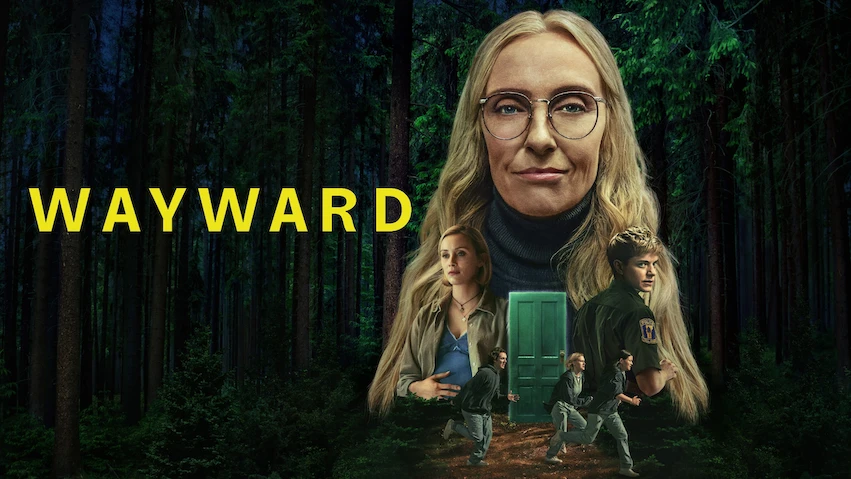
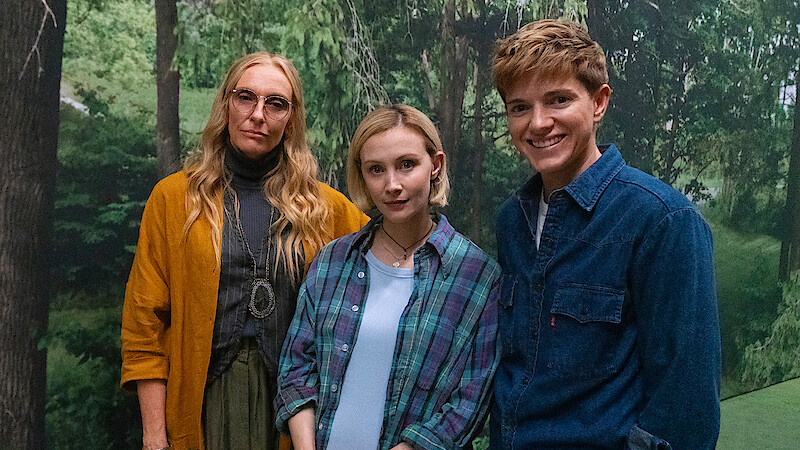
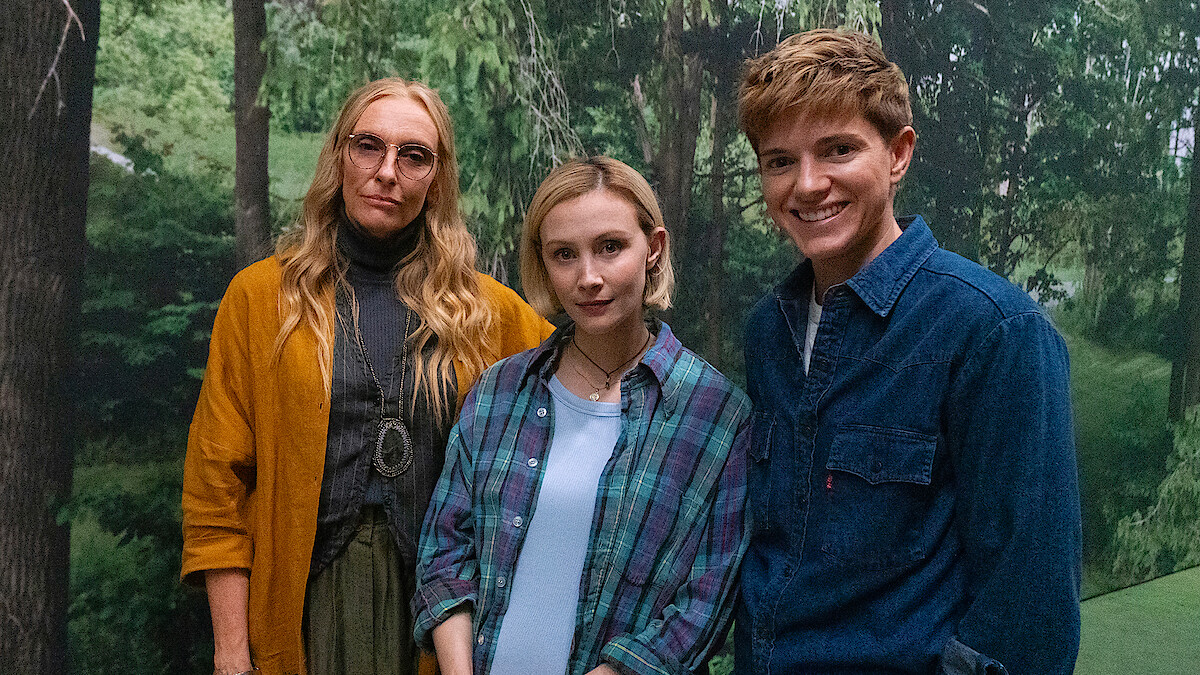
Amassing an incredible 1.5 billion streaming minutes in a single week, Mae Martin’s thriller Wayward is the creator’s twistiest, most imaginative project yet. The 38-year-old comedian, writer, and actor got their start in Toronto’s stand-up scene as a teenager — a turbulent time that inspired Wayward. As evidenced by their two Netflix specials, Dope and SAP, and their semiautobiographical series Feel Good, Martin is unafraid of messy emotions and thorny topics like identity, relationships, and addiction. “In my stand-up and in Feel Good, I often talk around adolescence, or I write characters who are processing their teens,” they explain. “I’ve always known I wanted to more directly dive into that time and all those visceral feelings.”
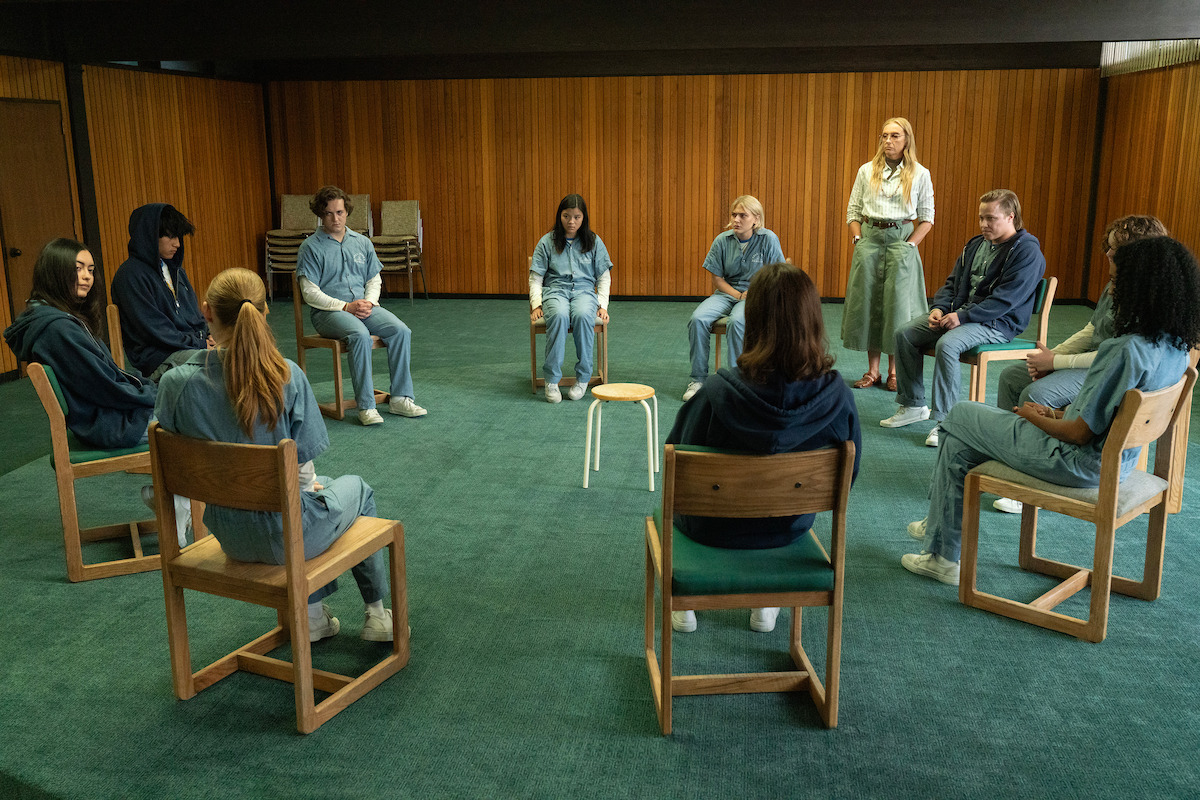
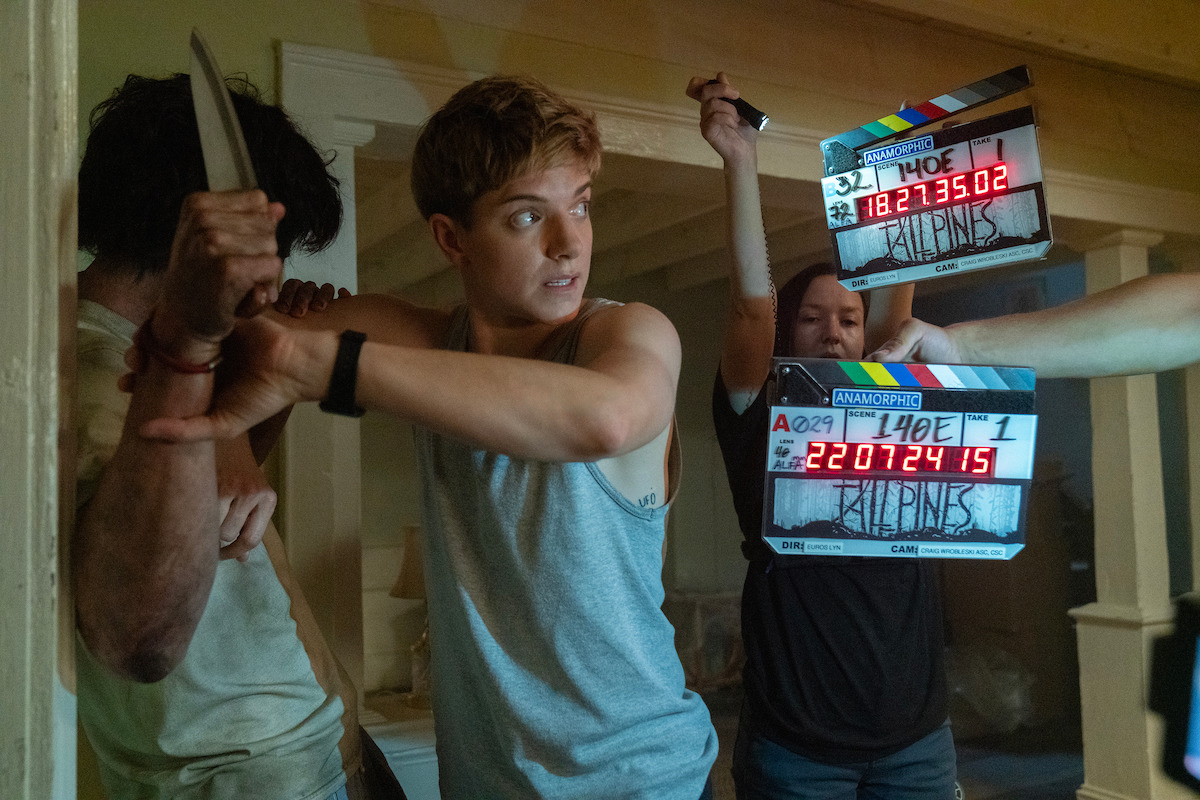
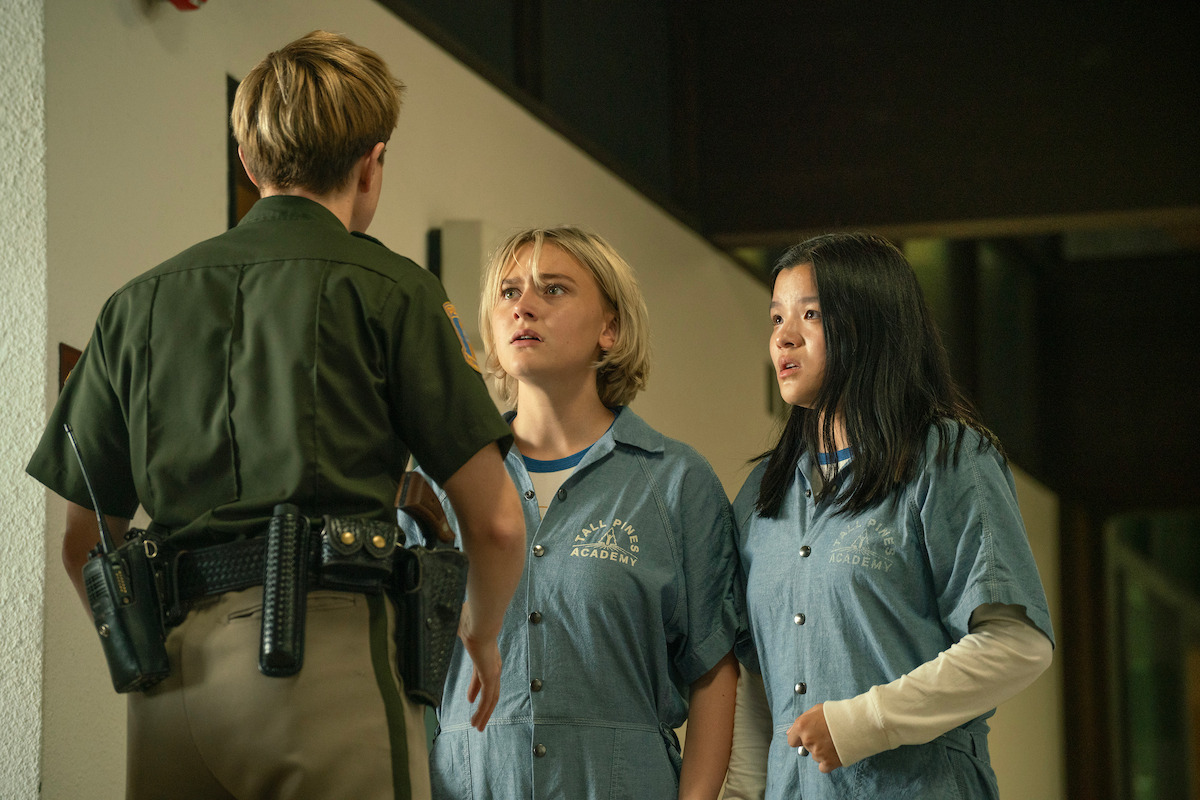
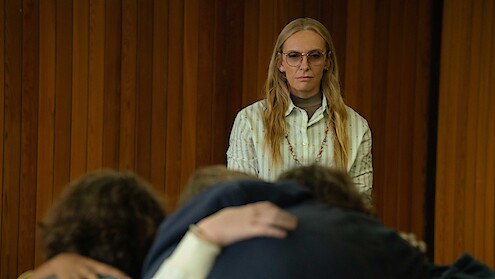
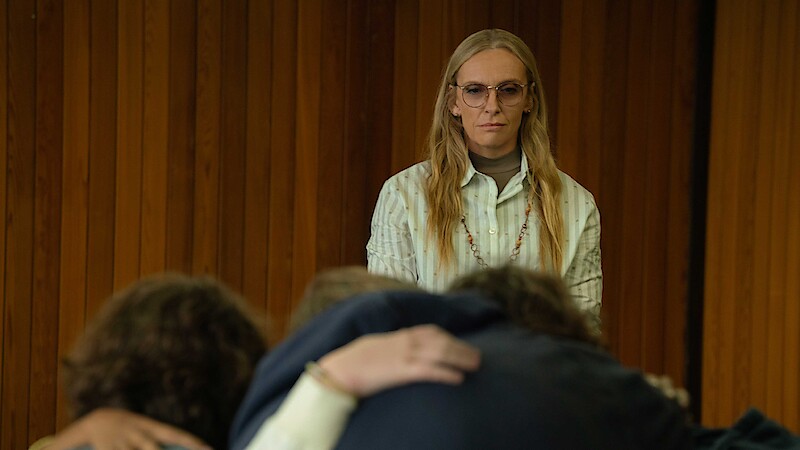
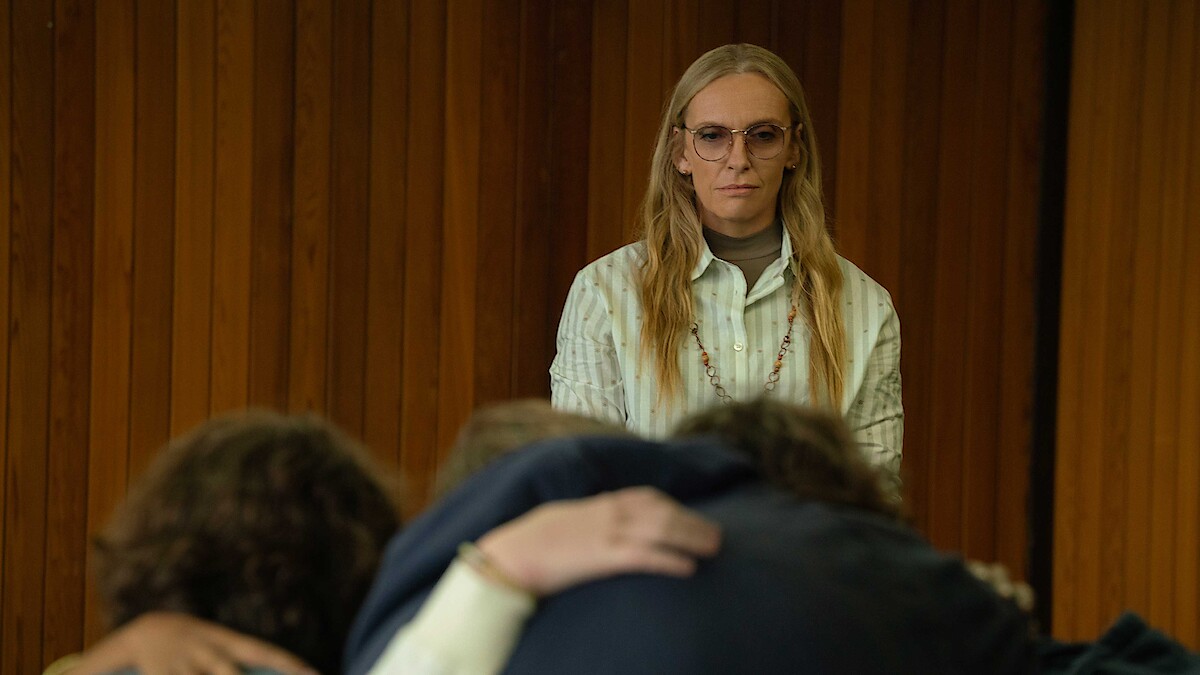
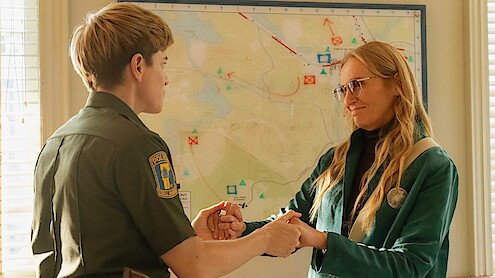
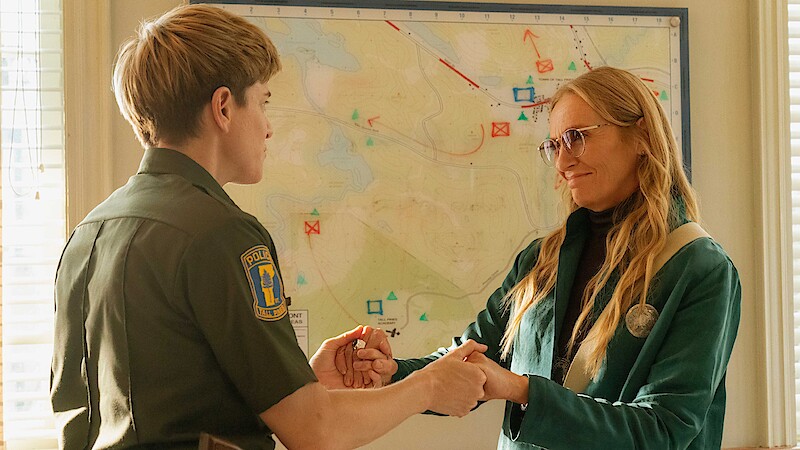
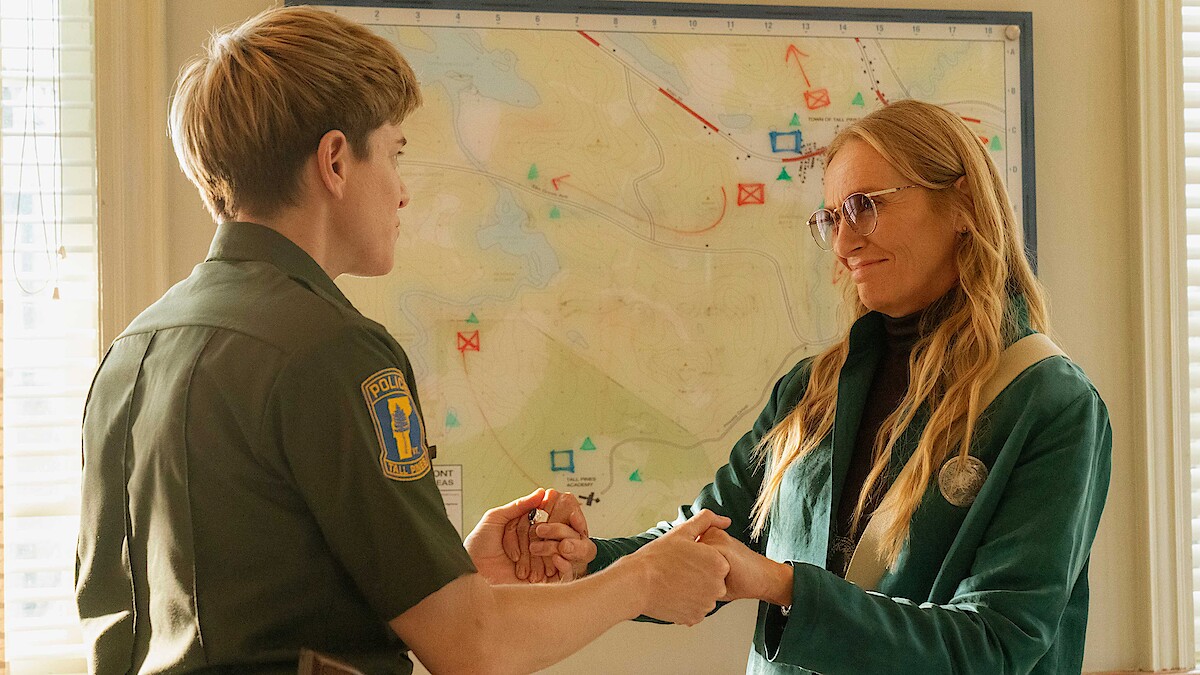
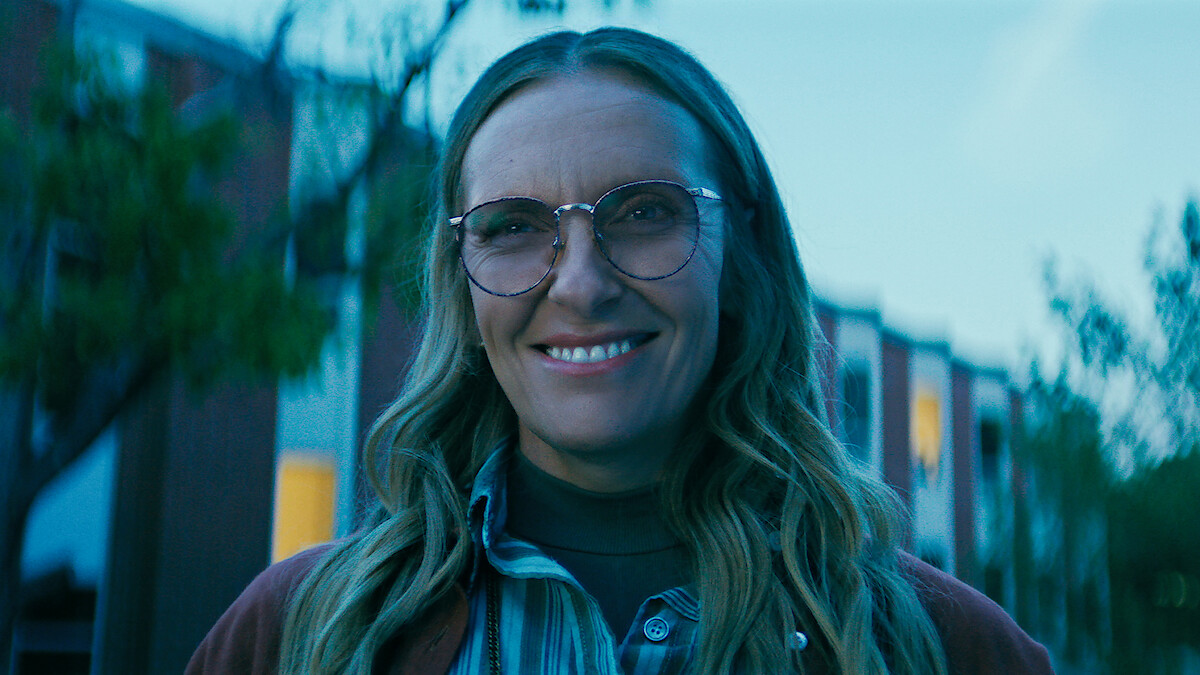
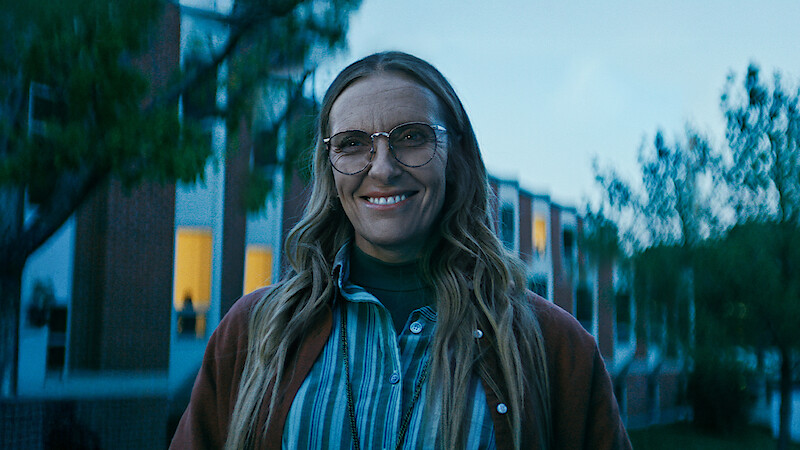
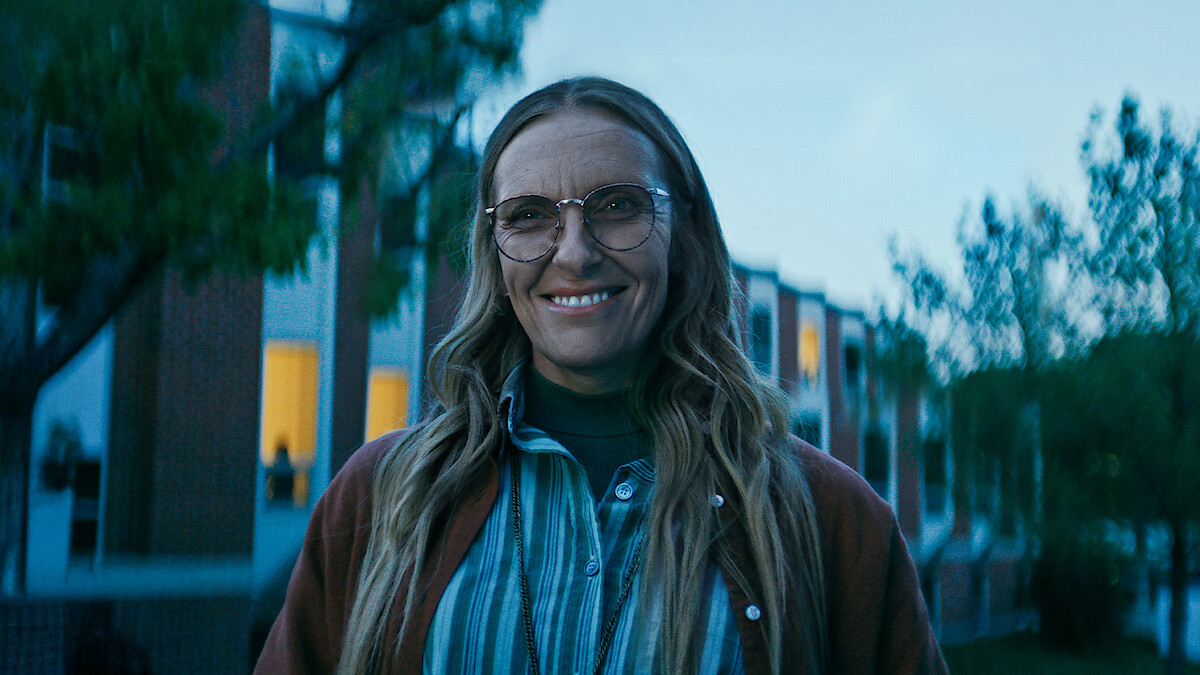
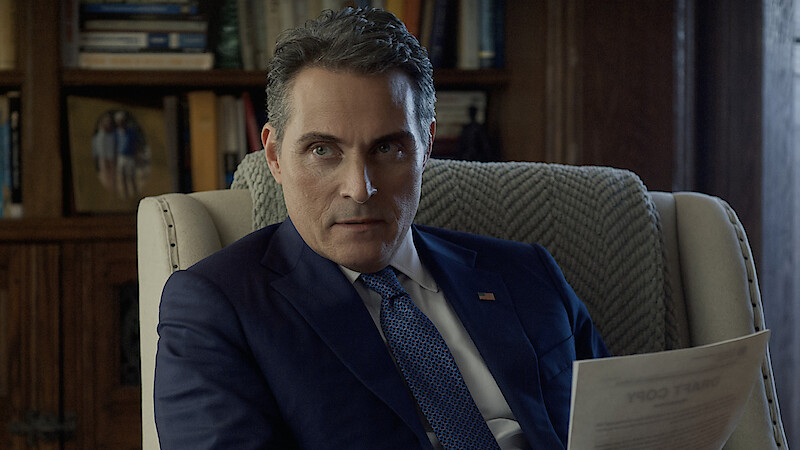
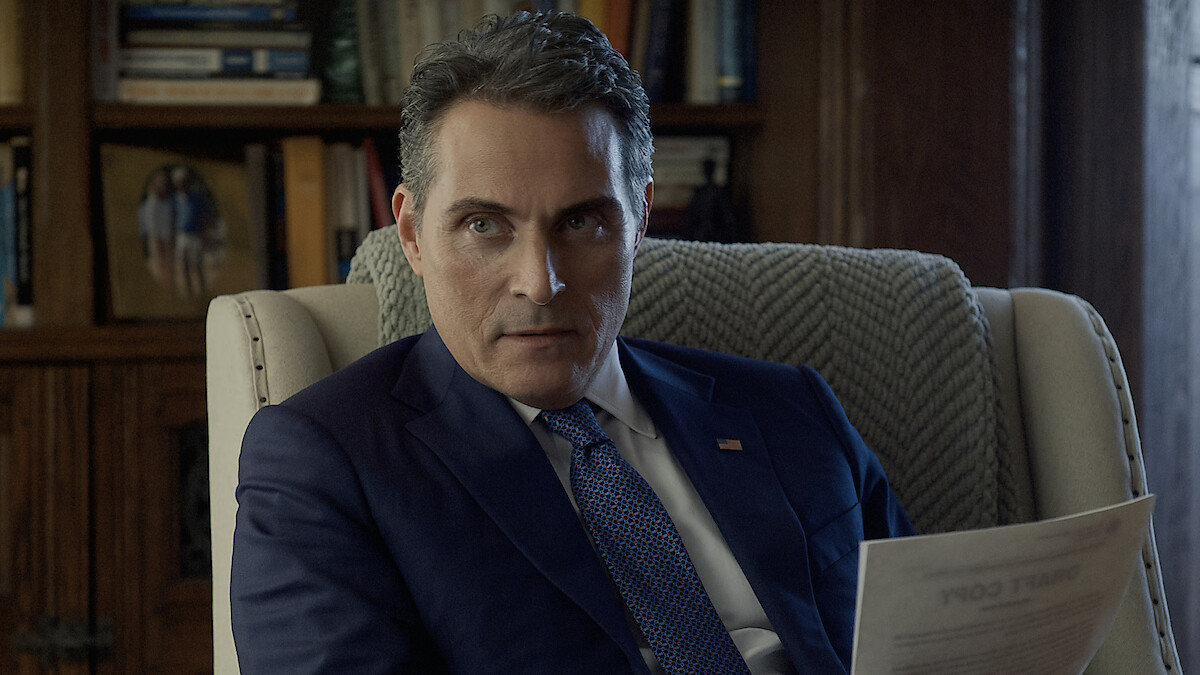
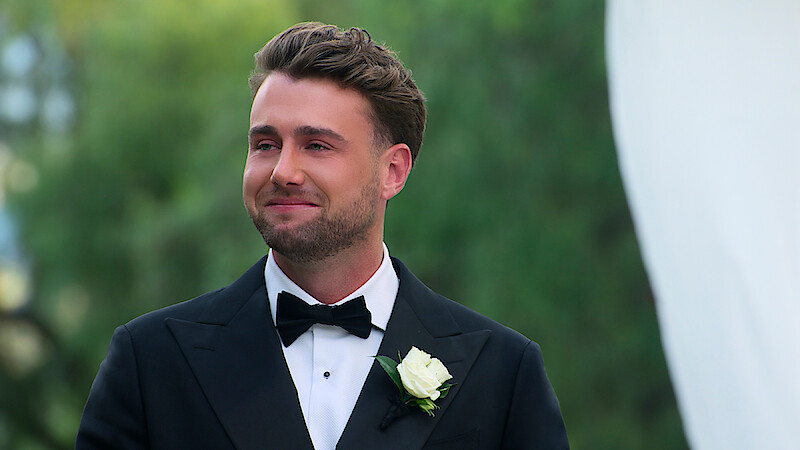
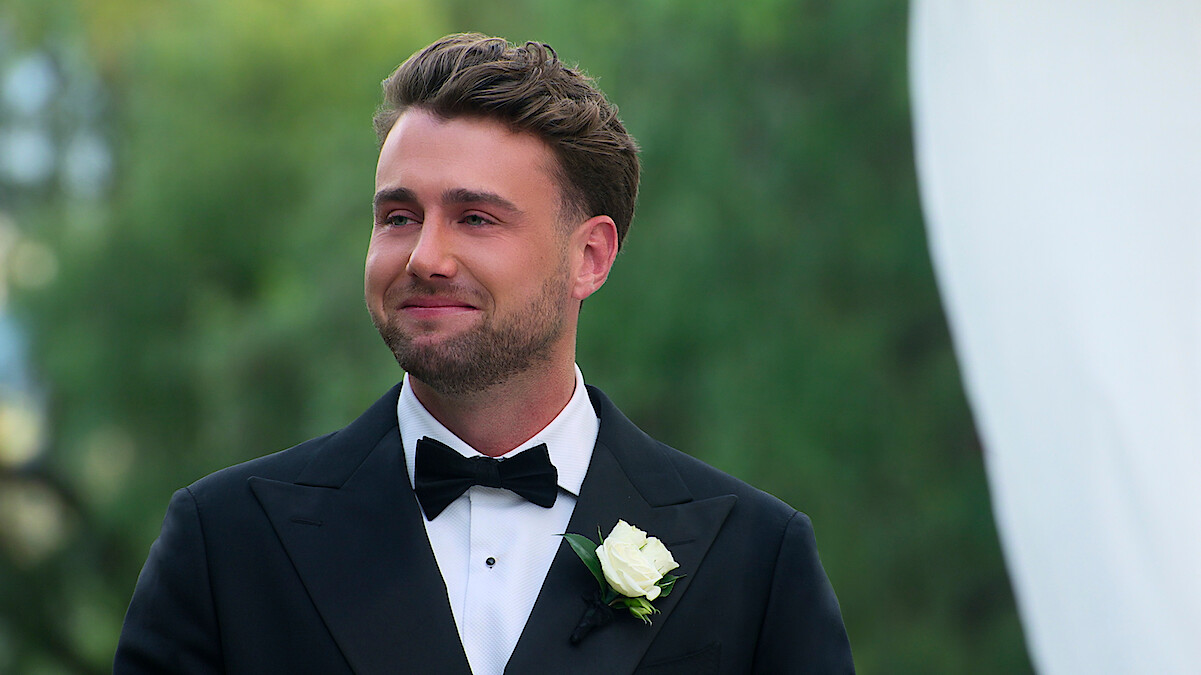
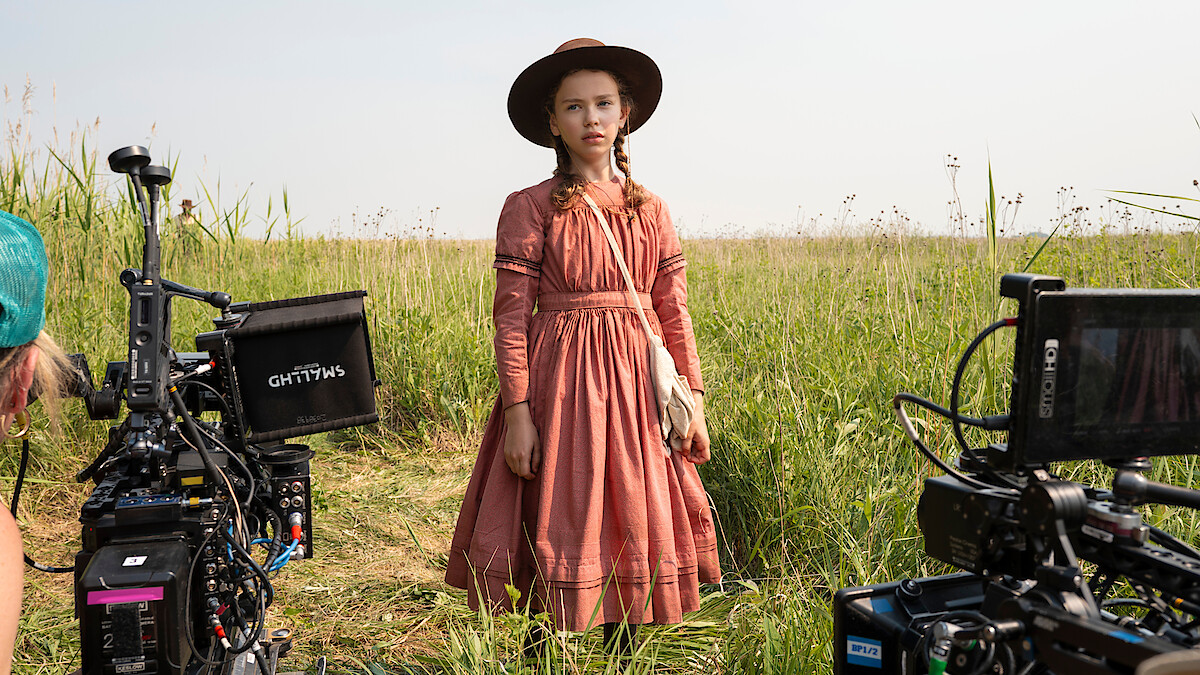
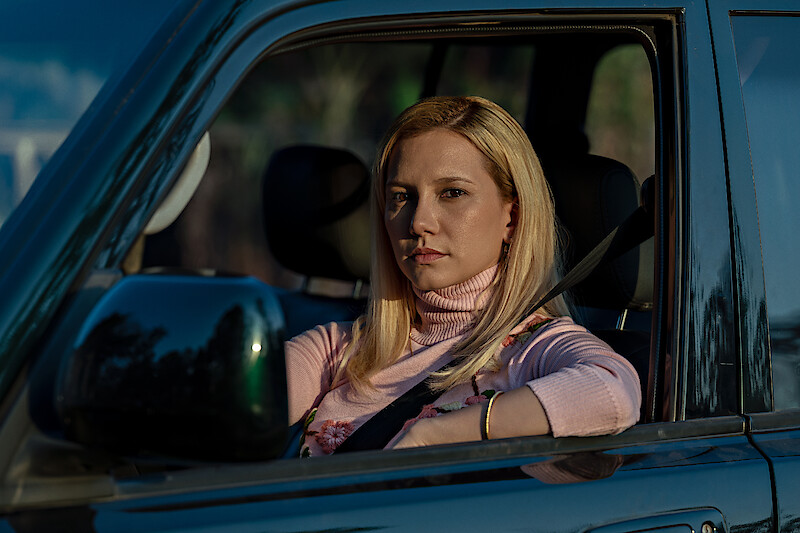
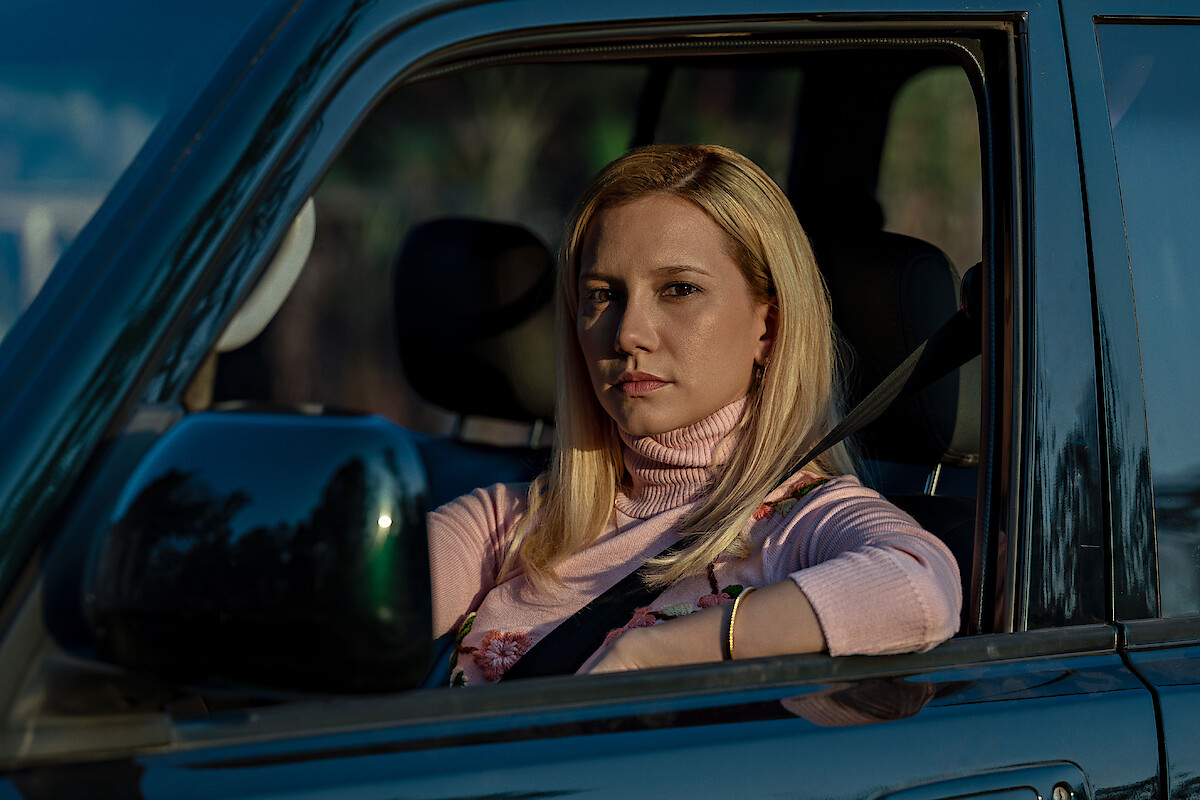
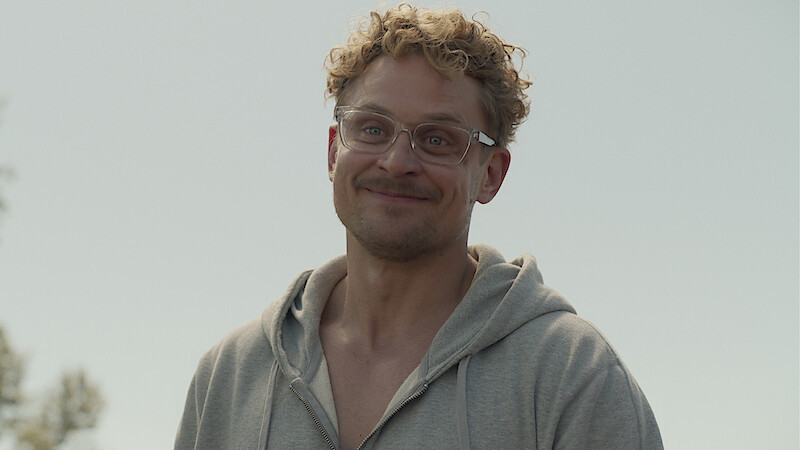
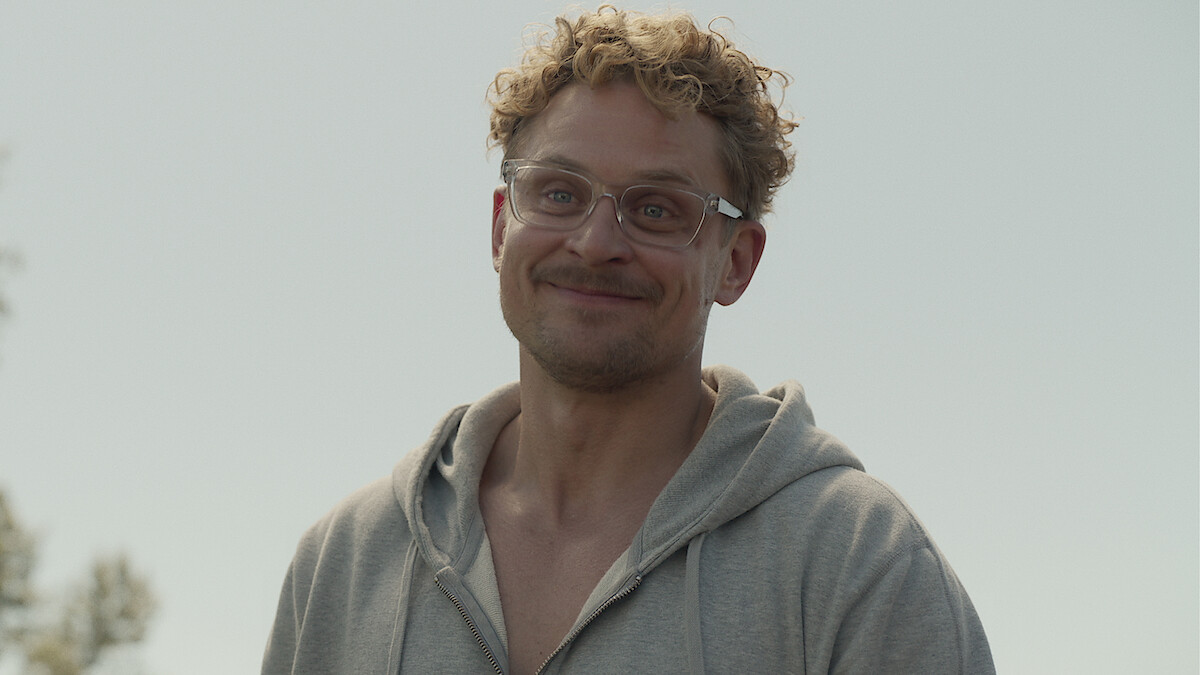
Wayward builds suspense and pathos out of these transitional years: Protagonists Leila (Alyvia Alyn Lind) and Abbie (Sydney Topliffe) are best friends living in Toronto in the early aughts; they skip class, smoke weed, and love music. When they’re transplanted to a mysterious institute for troubled teens called Tall Pines Academy, they find themselves tangled in a web of secrets strung together by the school’s sinister leader, Evelyn, brilliantly rendered by Emmy winner Toni Collette. Martin, BAFTA-nominated for their performance in Feel Good, stars here as Alex, a well-meaning, deeply flawed cop who moves to town with his wife, Laura (Sarah Gadon).
“We were all teenagers once (or still are), and then we slowly transformed into adults who forget,” says Martin’s fellow executive producer and co-showrunner Ryan Scott. “Wayward is about this metamorphosis.”
Here, Martin speaks about the inspiration for Wayward and how the world of Tall Pines came together.
Why did you want to tell this story?
Mae Martin: I was a wayward teen in the early 2000s, and my best friend Nicole was sent to one of these “troubled teen” institutes when she was 16. When she came back and shared her stories, I became pretty obsessed with the industry. I was deeply intrigued to learn that its origins actually came in part from self-help groups and cults in the ’70s, and that there can be huge profits and often questionable practices. I knew it was rich for thriller territory.
How would you describe the tone of the show?
Martin: Wayward has a lot of societal metaphors for the systems that we all participate in as adults, and how much of our empathy and critical thinking we have to suppress just to live in the world. You don’t have to bend the truth that much to make it terrifying. But then on top of that, we added some genre elements. I think Fargo is a good comparison, because it’s a lot of character-driven comedy but also gets properly scary and heartfelt. Also, Get Out, because even though it’s a very dark world, there’s a levity and elements of the place you want to spend time in.
There’s no point in writing about teens unless you’re going to get to that visceral feeling that you have at that age — where everything’s a first and everything’s brand new and everything’s life or death. In the beginning, we were saying it’s like if you took the kids from Booksmart and put them in One Flew Over the Cuckoo’s Nest. Teenagers are hilarious, so there’s naturally a lot of comedy in Wayward, even in life-and-death situations.
What research did you do?
Martin: My friend Nicole was a consultant and talked to the writers room about her experience. We also had a writer who had been to one of those schools.
In researching these schools, I learned about Synanon. That was a self-help cult in the ’70s in LA, which was ultimately shut down, but it kind of transformed and was part of the beginnings of the “troubled teen” industry. So we took those facts and then dialed them up. I also spoke to Gabor Maté, who’s one of my favorite Canadian thinkers and writers. He was a physician, but he writes a lot about addiction and mental health and about young people.
How did you approach creating the characters, especially Alex?
Martin: Grappling with that feeling of otherness and looking for belonging is central to Wayward — and relatable. You always try to write three-dimensional characters who are flawed. I’m drawn to the protagonists who are figuring things out in real time with the audience. I wanted Alex to be the voice of the audience.
For Alex to find this community that’s so accepting on the surface, especially in 2003, is a huge part of why he stays and makes so many terrible decisions. He’s very desperate to conform, fit in, and find community. I like that struggle in him. And he’s a little bit bumbling. I definitely wanted to make sure I was critical of the systems that he’s a part of.
What was it like to work with Toni Collette and Sarah Gadon?
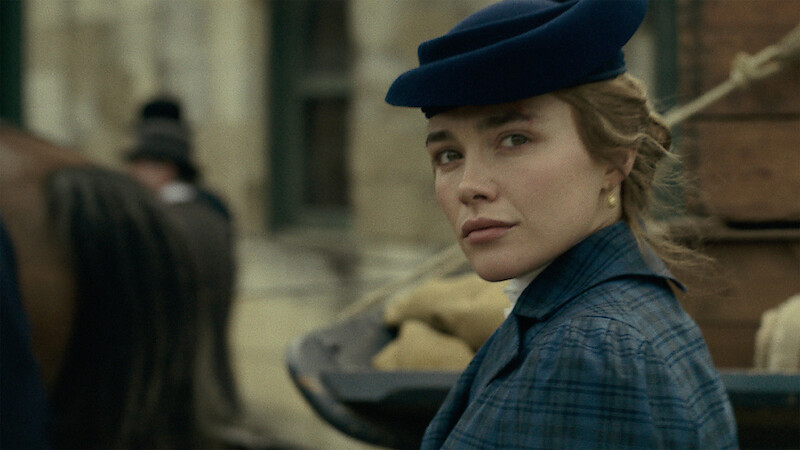
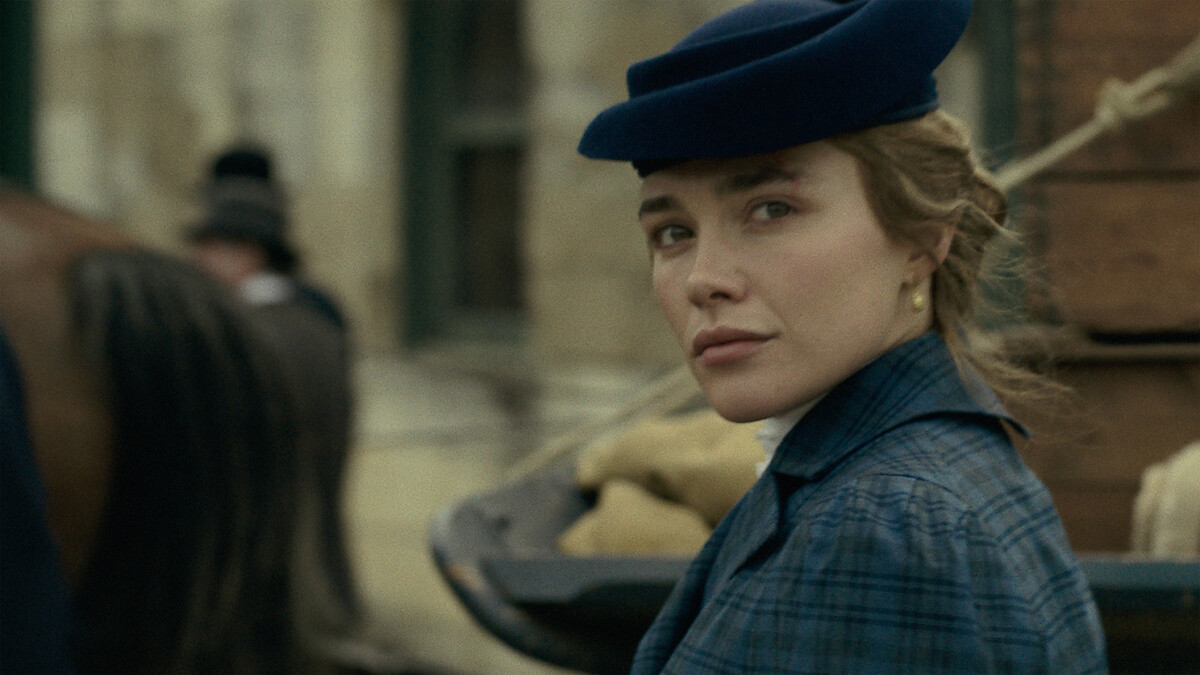
Martin: Sarah is so intelligent, and you can see that in all of the characters she plays. Thinking about the arc of Laura as a character, I really wanted to find somebody who has that kind of quiet power.
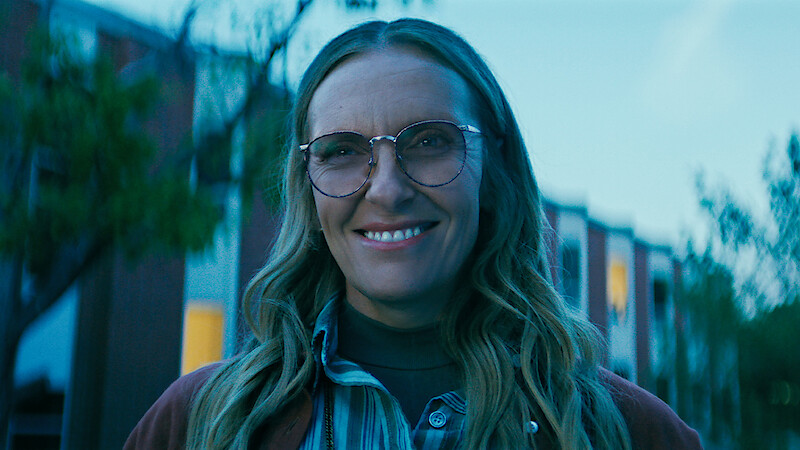
[For Evelyn], we kept saying during the writing process, “Oh, this character is someone like Toni Collette.” Then, to actually get the person that you had in your mind while writing is so amazing. Toni is one of those few actors who really understands the joke and can be so dryly funny, but then also absolutely terrifying. She really has presence.
What about the young stars of the show, Sydney Topliffe and Alyvia Alyn Lind?
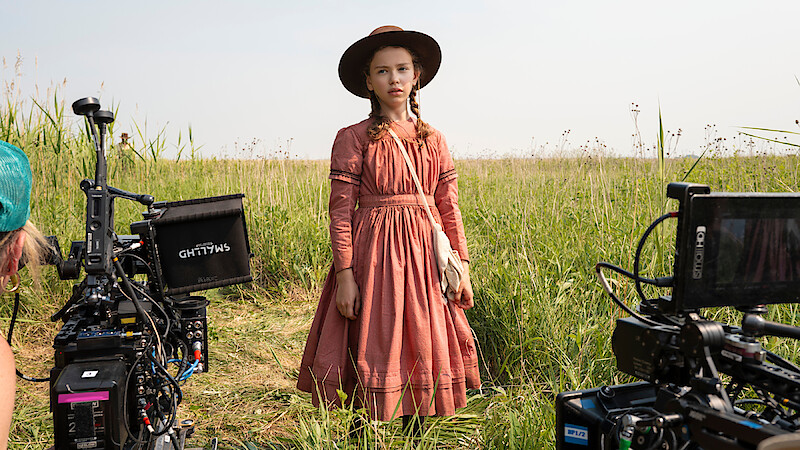
Martin: It was super important to us to do a huge casting search and find some really fresh and interesting young people. They carry the emotional heart of the show. I sent them both 30 pages of context, backstory, and stuff about my teens in Toronto in the early 2000s. They were just so hungry for that context, and so up for being creative collaborators. When you empower young people to be creative collaborators, they rise to the occasion.
How do you hope people feel at the end of Wayward?
Martin: Similarly to Feel Good, I don’t like things that are black and white. I prefer moral ambiguity. So I hope people feel satisfied that they watched a really messed up fairy tale. I hope they wonder what they would do in the same circumstances, and think about their teens. Or, if they have children, I want them to think about how they’re going to raise them. I just hope Wayward stays with people.