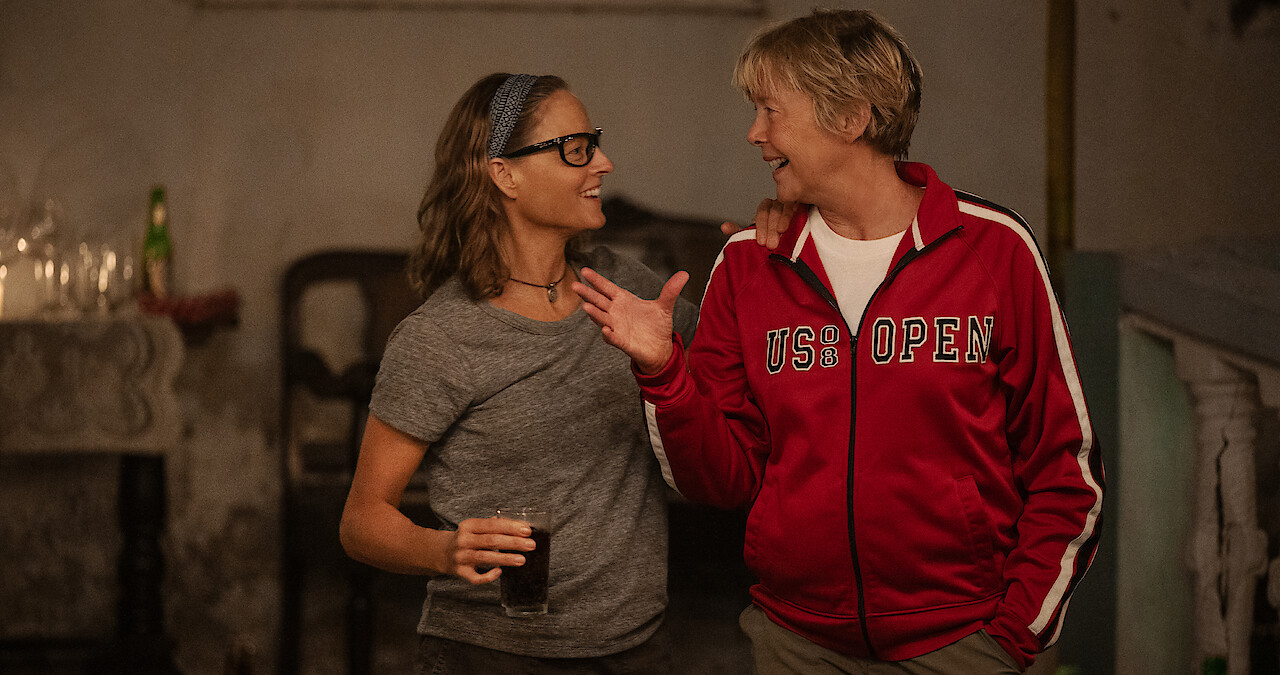
Kimberley French/Netflix
Explainer
All Your Burning ‘NYAD’ Questions, Answered
What’s the deal with box jellyfish? Did Annette Bening really do all that swimming? And more.
Nov. 3, 2023
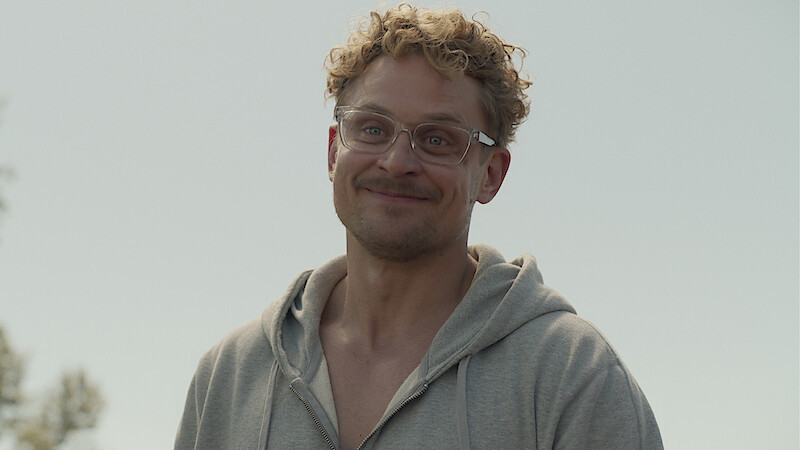
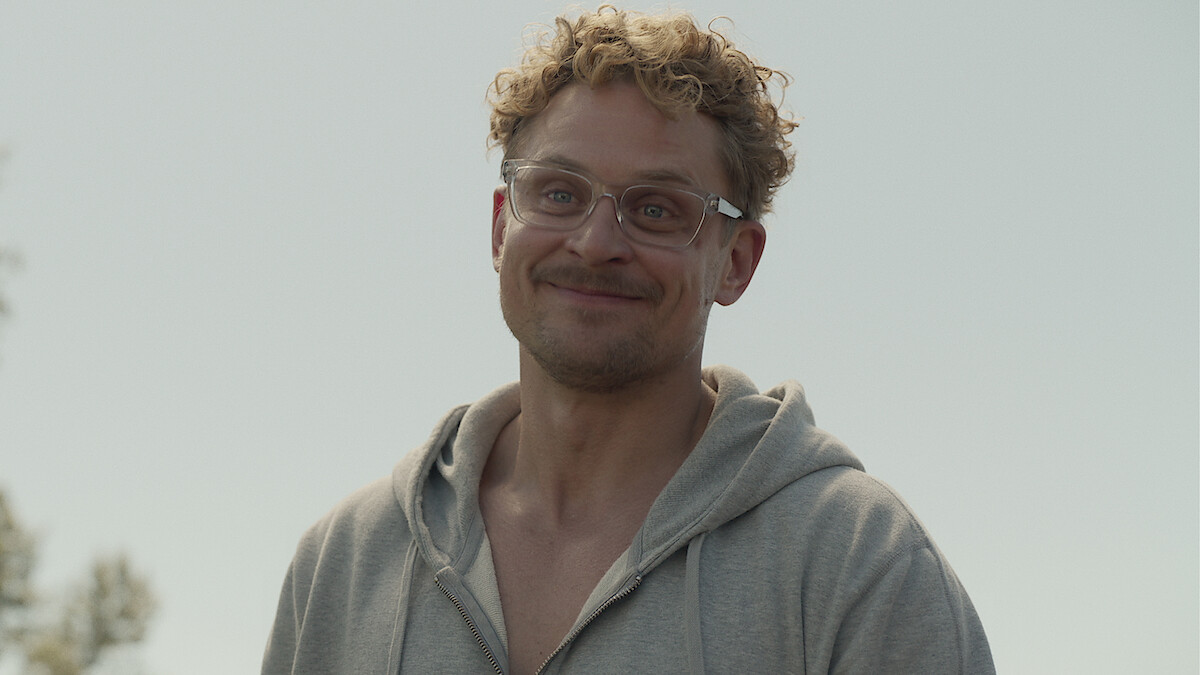
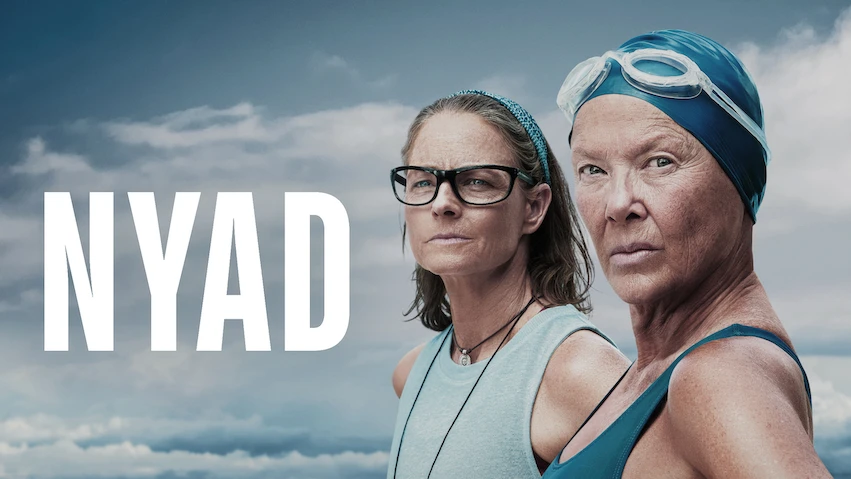
When Diana Nyad sets out to make her epic Cuba-to-Florida swim in NYAD, she faces an array of challenges: tides, jellyfish, and her own stamina. It’s a punishing journey, but she’s determined to see it through. As played by Annette Bening, Nyad is a force of determination that cannot be resisted.
Based on the story of Nyad’s real-life attempt to make the treacherous swim, NYAD was a powerful passion project for directors Jimmy Chin and Elizabeth Chai Vasarhelyi. Like Nyad herself, the filmmakers were making a leap of faith — their previous credits were documentaries like The Rescue and the Oscar-winning Free Solo. “I believe that our careers making documentaries prepared us for NYAD in that making a documentary is really, really hard,” Vasarhelyi tells Tudum.
And making NYAD wasn’t any easier. Between getting technical details right, preparing actors for their soggy roles, and making sure the film channeled the real-life difficulty of the task ahead of its characters, Chin and Vasarhelyi had their work cut out for them.
Tudum spoke to the directors, as well as jellyfish expert Dr. Angel Yanagihara, about the on-screen and off-screen challenges involved in bringing the marathon swim to life. Dive beneath the waves with us.
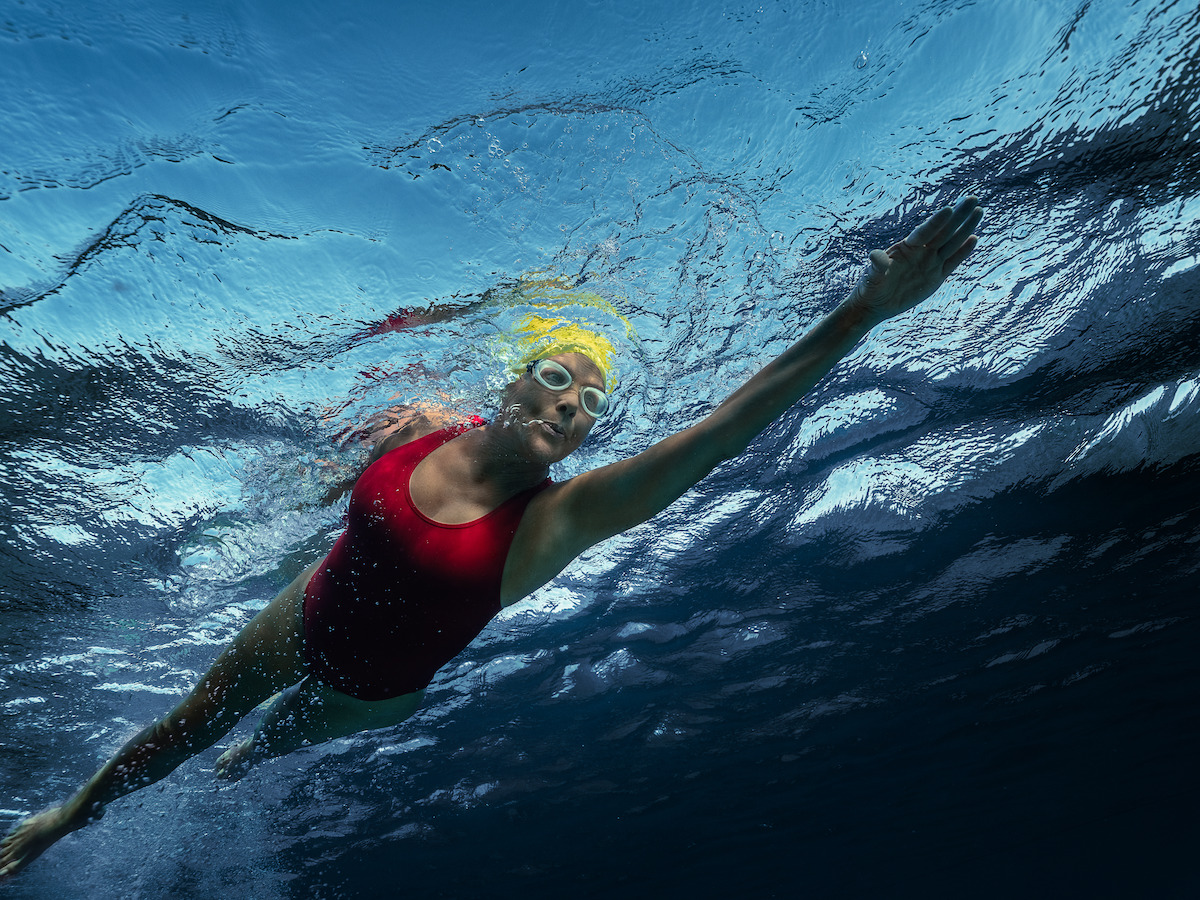
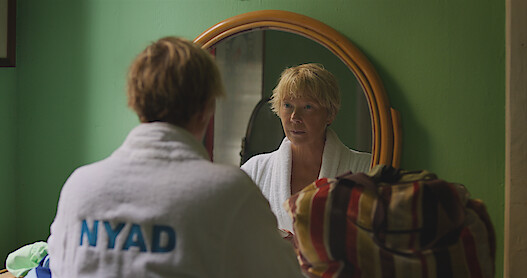
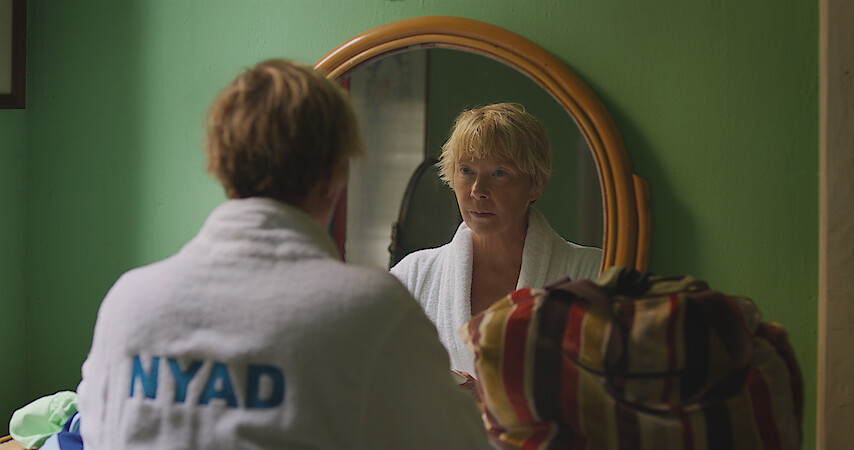
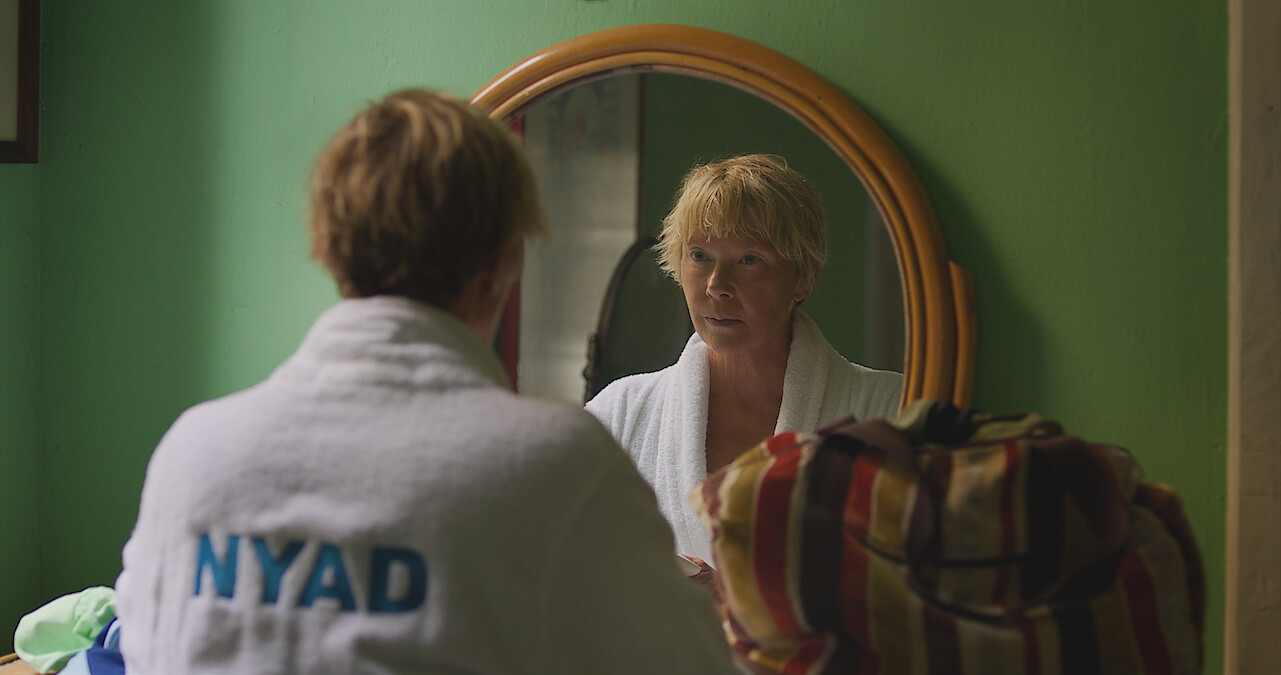
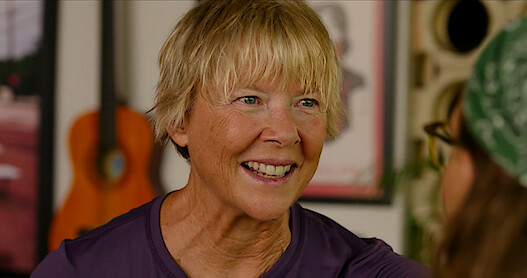
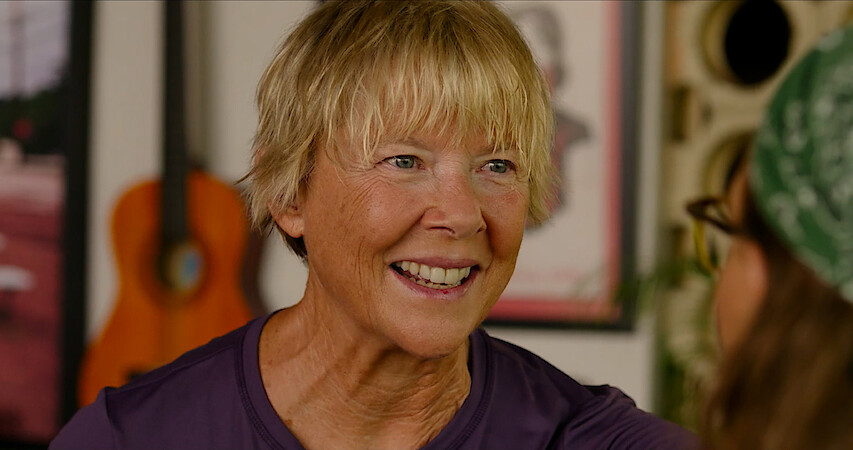
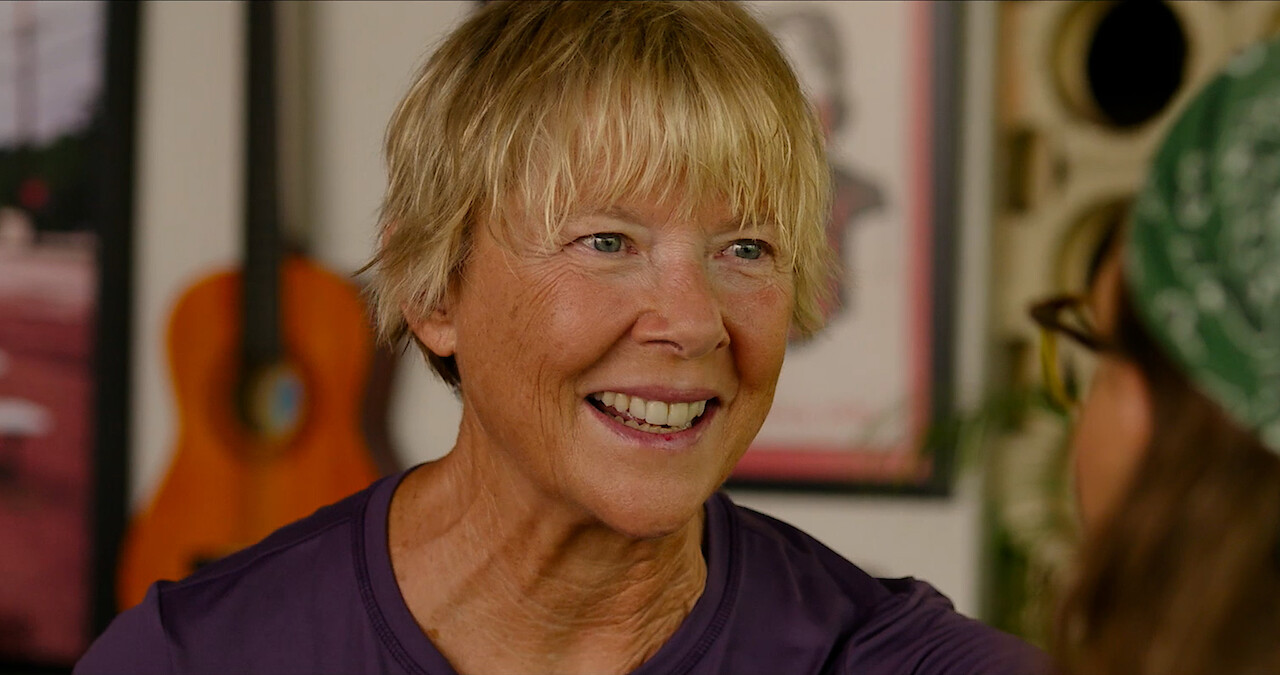
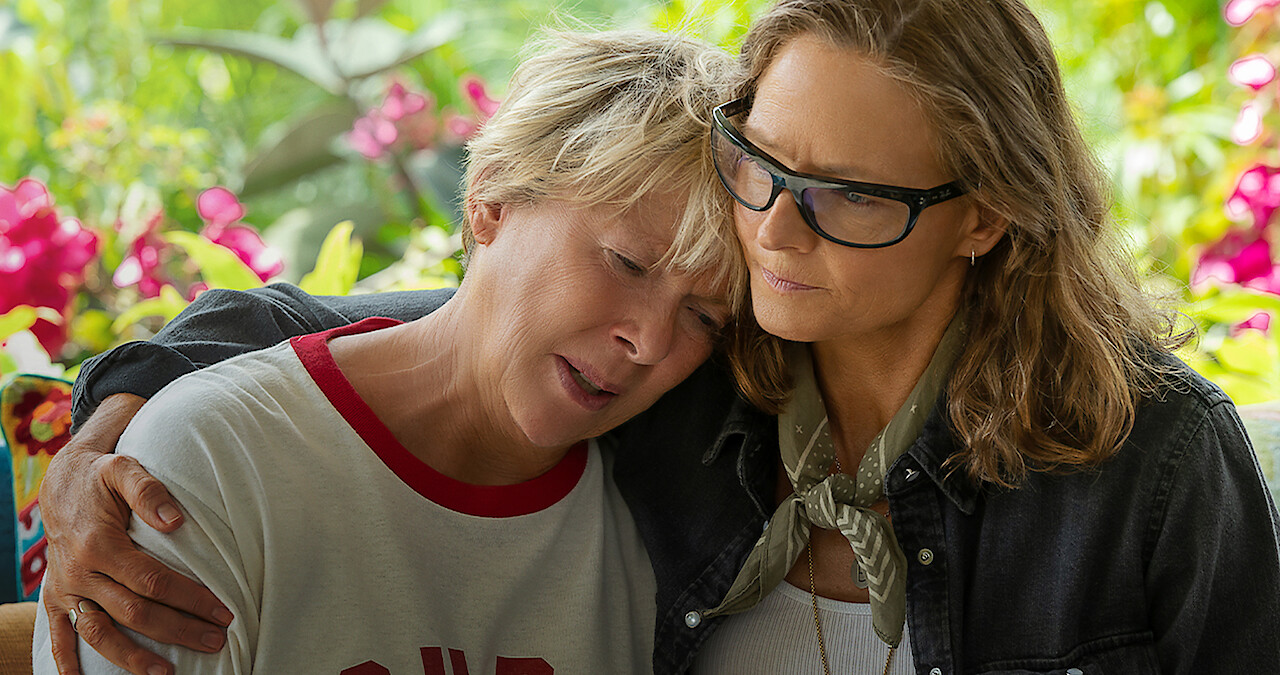
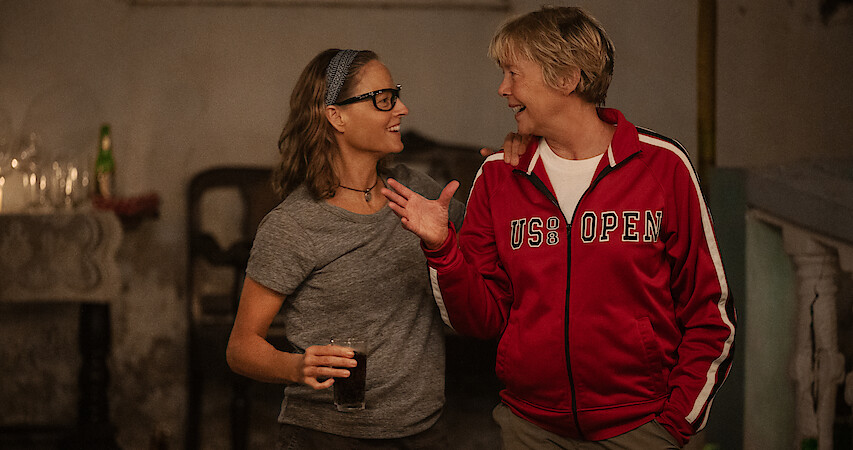
Short answer? Yes. “It always had to be Annette Bening,” Vasarhelyi says. “She trained for a year [swimming]. She didn’t need to, but if she was going to play it, she was going to do the work.” At 64, Bening was the same age as Nyad at the time of her final attempt — not an easy proposition. But the four-time Oscar-nominee poured herself into the role with typical grit and professionalism.
“It really did elevate the entire production, the way that she carried herself on set,” Chin adds.
Bening’s waterlogged work served as a rallying point for the other cast and crew on NYAD. “She was asked to do a very difficult performance where she was in the water four to six hours a day, and the water’s cold, it’s dirty, it’s not fun,” Vasarhelyi says. “And if Annette wasn’t going to complain, no one else could complain.”
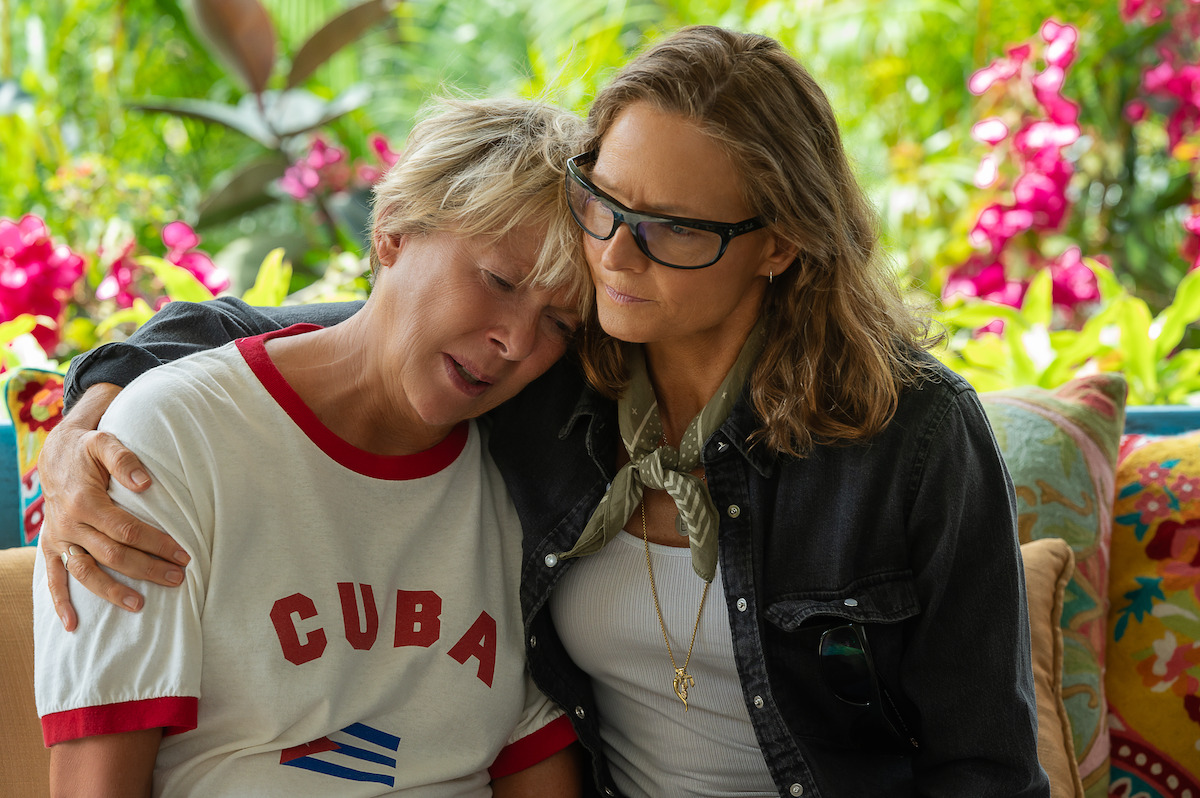
One of the many obstacles Nyad faces during her marathon swim is the jellyfish population of the Florida straits. A sting from a box jellyfish could end her attempt before it’s even begun. In one particularly harrowing sequence, Diana swims through a swarm of luminescent jellyfish, too exhausted to realize the danger she’s in. A moment later, the silence of the waves is broken by a piercing scream.
“Stings by box jellies lead to immediate tissue destruction similar to an immediate wounding by a burn,” says Dr. Yanagihara of the University of Hawaii, who accompanied the real Diana Nyad on her 2013 swim. (She’s portrayed by Jeena Yi in the film.) A biochemist and diver in her own right, Yanagihara is deeply aware of the danger these creatures pose. “Inside the body, venom can rupture blood cells and lead to catastrophic histamine overload such that the lungs fill with fluid and hyperkalemia, which stops the heart,” she continues.
In other words? A sting wouldn’t feel very good. “The venom of the box jellyfish species is the fastest acting and most toxic of the known jellyfish,” Yanagihara says. “Box jellies have a different shape, can inflict far deeper stings, and have venom which is over a thousand times more damaging to our tissues. There have been many deaths due to box jelly stings.” During the actual 2013 swim, Dr. Yanigahara explains, she would often be in the water for hours at a time “constantly surveying the water column, both above and below the thermocline, using a red dive torch to identify the presence of box jellyfish.” Yanagihara also utilized her life-saving technology in the form of a cream that was used to prevent and treat the effects of stings.
It’s no wonder jellyfish can be so deadly — they’ve been evolving for millions of years. “They belong to phylum Cnidaria, one of the three most ancient multicellular organism groups on the planet,” Yanagihara tells us. “These animals have been on Earth for 600 million years, long before plants and other animals, when the atmosphere was largely methane and carbon dioxide and oxygen was a trace gas. [They] will far outlive us on Earth.” Their populations are also increasing due to warming oceans caused by climate change, throwing off the balance of ocean ecosystems and fish populations.
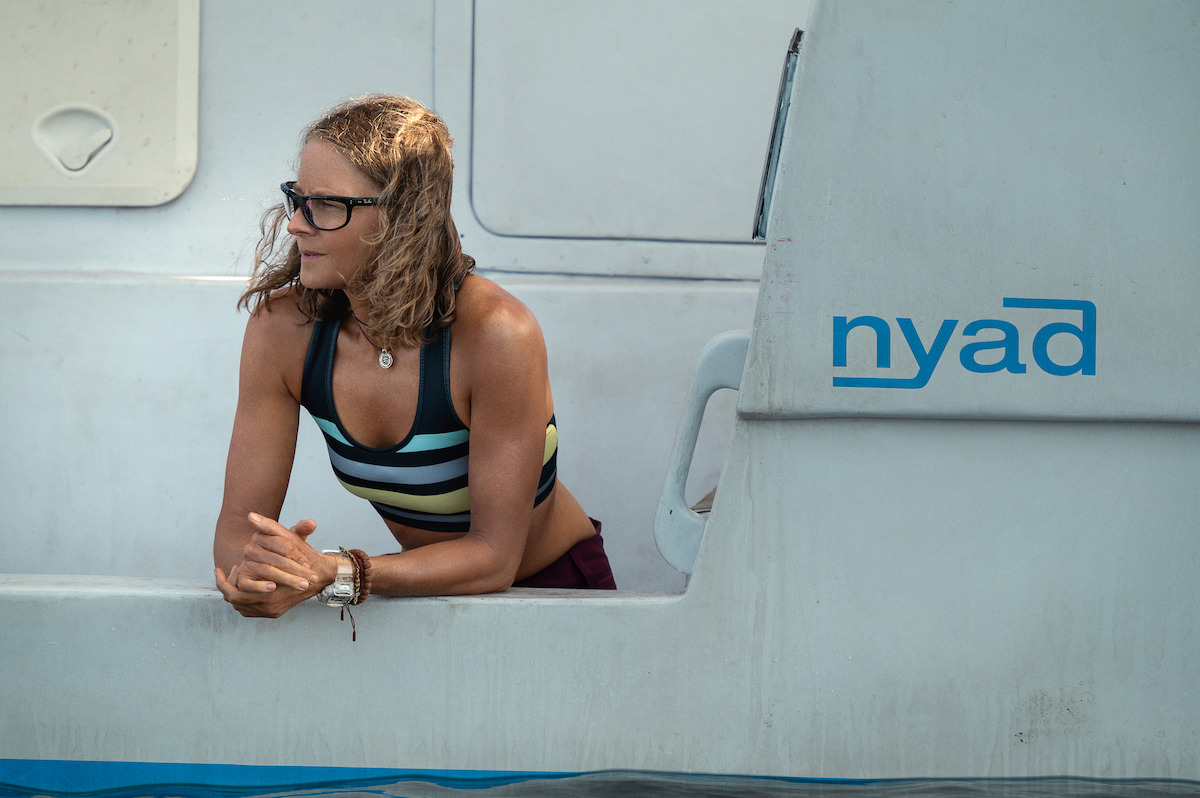
In Greek mythology, naiads, or water nymphs, were female spirits who inhabited bodies of fresh water. It’s a comparison Diana continues to draw on throughout the film — in her mind, swimming is literally her birthright. “I was 5 years old, and my father drops the Webster’s dictionary in my lap,” she tells a group of friends near the beginning of the movie. “ ‘Darling, I am waiting five years to show you. Your name, in black and white! Your name says, in Greek mythology — my ancestors! — the nymphs that swam in the lakes and the rivers and the ocean. This is your destiny.”
The song that plays over the closing credits of NYAD is an original melody called “Find a Way,” by Linda Perry and Jade Bird.
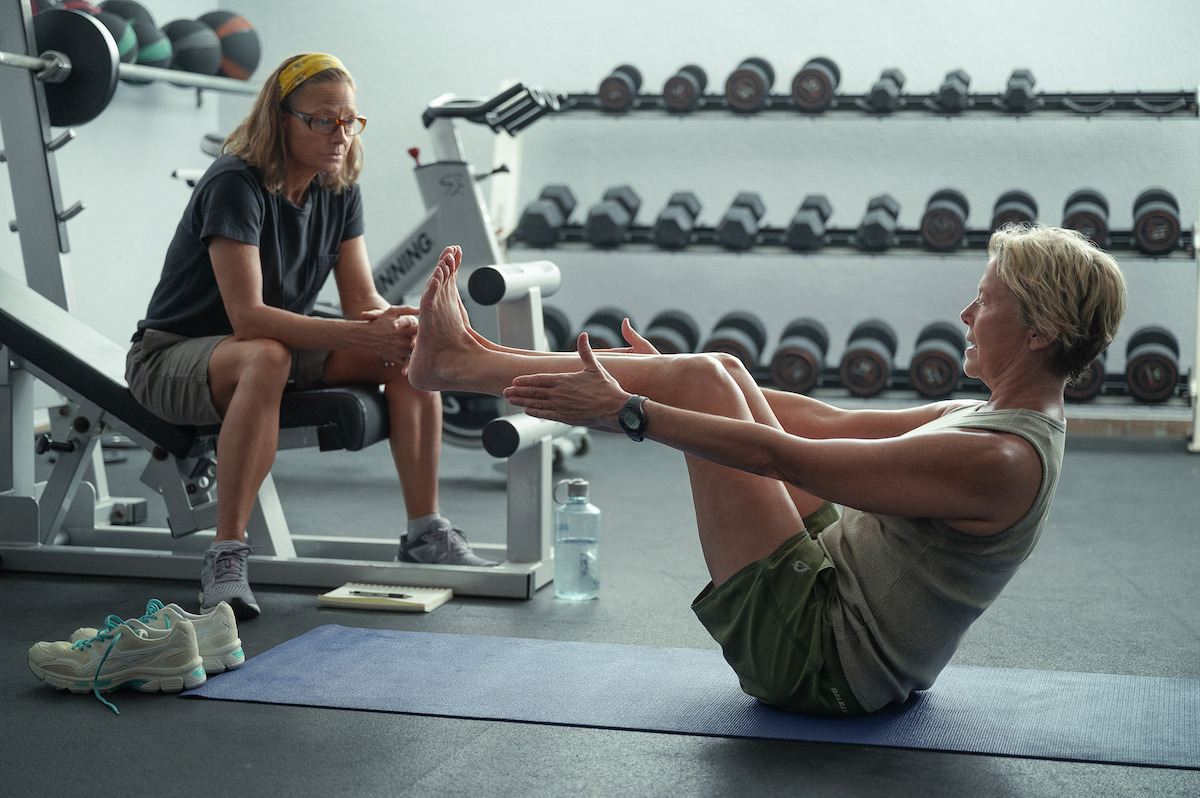
In the film, we learn that Nyad made a previous attempt at completing the 103-mile Cuba-to-Florida swim — in 1978, when she was 28 years old. During the first attempt, her companions pulled the plug when winds began pushing her off course.
Decades later, Nyad made four more attempts, as depicted in the film. Each failure and new attempt raised the stakes for the swim team, and the NYAD crew wanted to communicate that increasing pressure with each individual sequence in the film. “Each swim has its own personality,” Vasarhelyi says. “It’s also quietly teaching you about the challenges she will face as a swimmer both physically and psychologically and emotionally.”
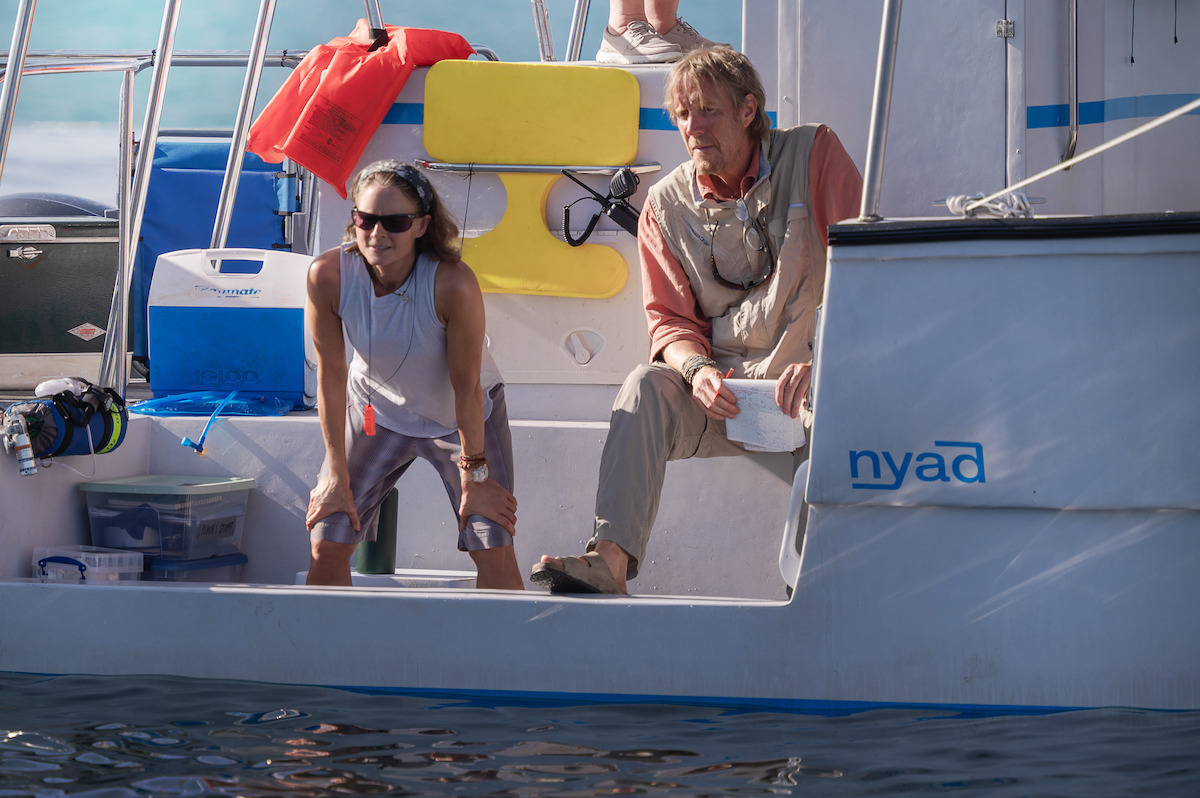
The old wives tale that you should wait half an hour between a meal and a swim doesn’t hold for Diana. Throughout NYAD, we see Diana’s training team pausing her during her swim to feed her pasta through a funnel and water through a straw. As for relieving herself, another scene in the movie explains that part very cleanly. As she sits with a group of curious children eager to learn about her career, a child asks Diana, “You poop in the water?” and she responds in the affirmative. When you’ve gotta go, you’ve gotta go.
You can watch NYAD on Netflix now.