Explainer
Is There Any Justice to Be Found at the End of Painkiller?
Take it from executive producers Eric Newman and Pete Berg: It’s a pretty grim reality, even in 2023.
Sept. 11, 2024
All interviews included in this article were completed in June 2023.
The limited series Painkiller is a tragedy, period. It may have some absurdist elements, like a sing-along at an OxyContin convention in Miami or giant stuffed plushies with Purdue Pharma branding, but the show’s ending is bleak, as the series shines a sobering light on those affected by America’s opioid crisis –– the aftershocks of which are still felt today.
“We set out to make this show about the [opioid] epidemic, what caused it, why it was allowed to go on and, and why it’s very unlikely that there will ever be real justice — at least the justice that’s deserved,” executive producer Eric Newman told Tudum.
Here, Tudum unpacks just how far the pharmaceutical industrial complex went in the series, and how, as executive producer and director Pete Berg puts it, this “distorted, capitalistic nightmare” that churns pills into dollars is still very real.
Yes. Purdue Pharma does exist, as does the Sackler family who made the selling and marketing of OxyContin into a booming business. But Berg likened the process of turning that very real story into a scripted series to a swimming pool with clearly defined limits. “You have the freedom to swim in the pool, but you have to stay in the pool,” he said. “We had to… stay within certain boundaries. However, those boundaries were rich and there was plenty of story to tell within those boundaries.”

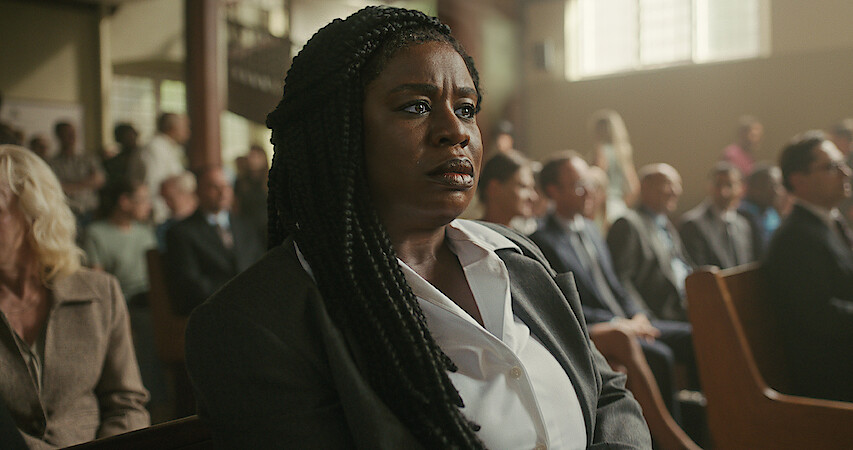
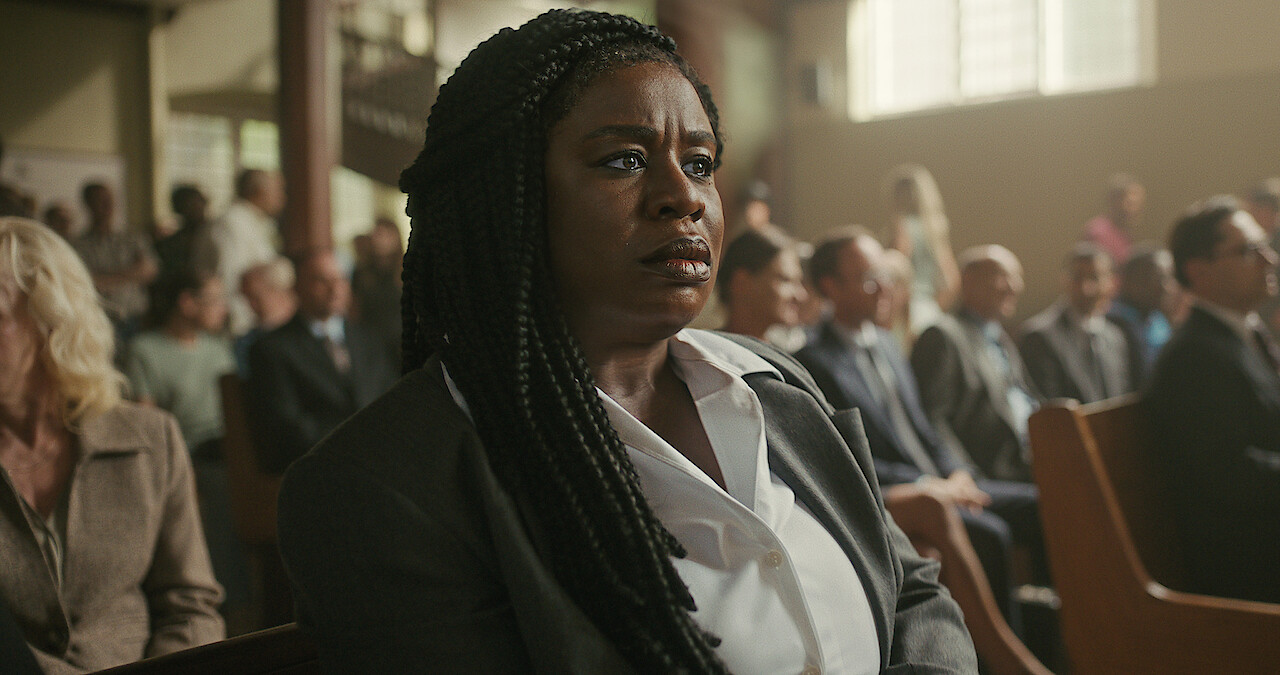
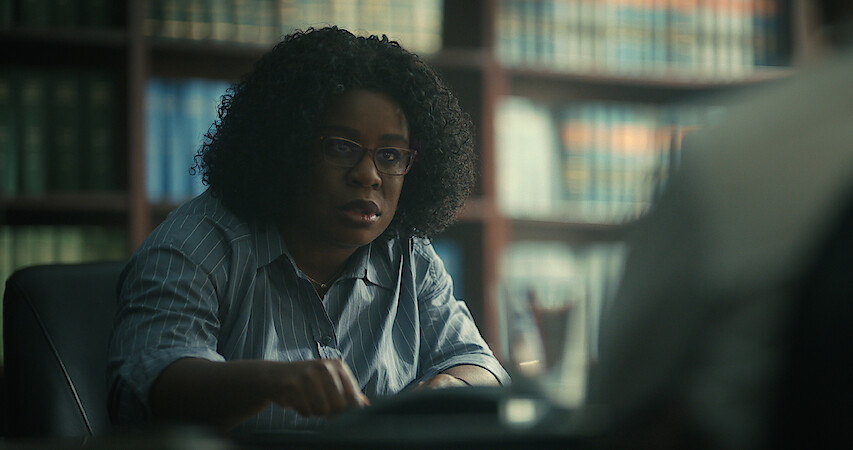
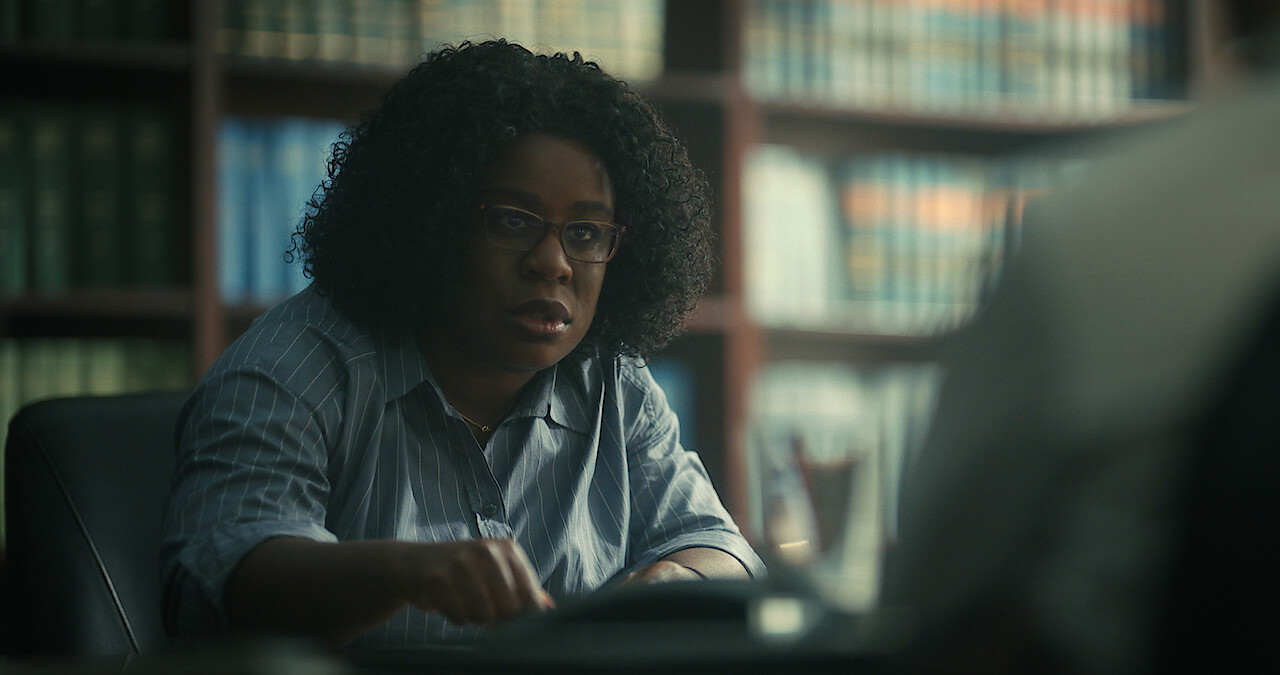
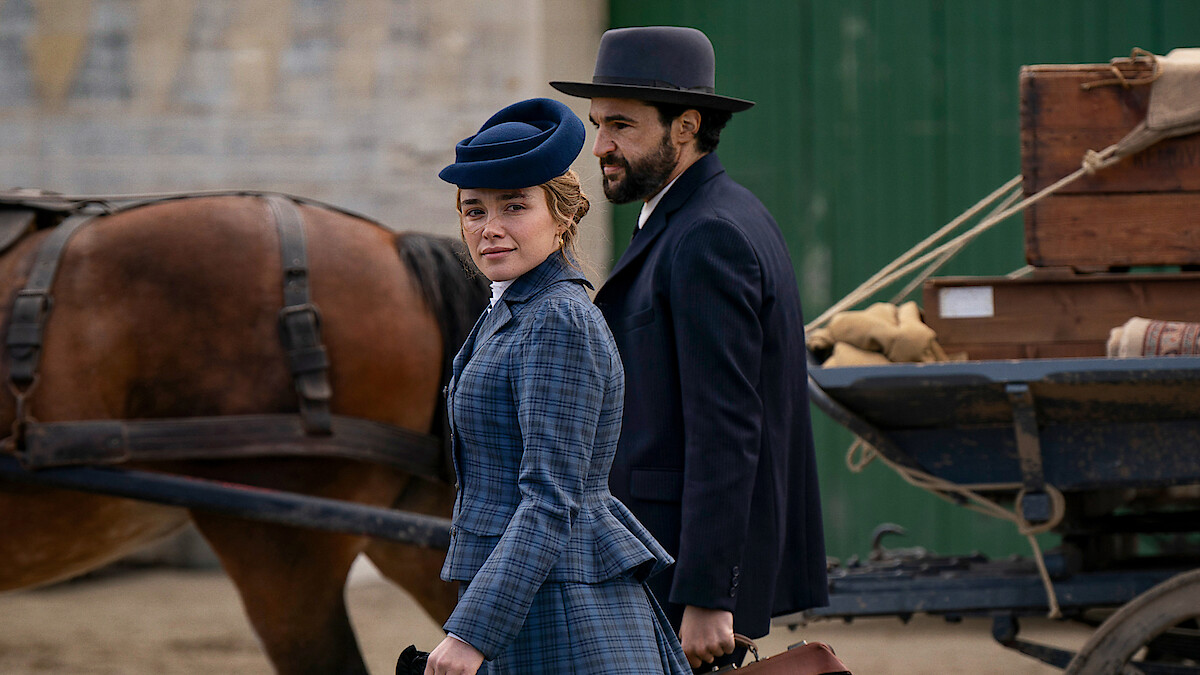
No, but Edie represents the front line of law enforcement who were around when OxyContin was catching fire. “There was a group of law enforcement who were the first wave to see the tragedy beginning to unfold. They then had to start trying to figure out, ‘Well, what is going on here?’ ” Berg previously told Tudum. “Just the whole idea of, ‘What is this thing OxyContin?’ Nobody knew what it was, and it was quite an experience to be on the front lines, showing up and seeing four or five people dead in a hotel room somewhere and not understanding why they were dead, and having to sort of unravel the reality of what the Sacklers had unleashed.”
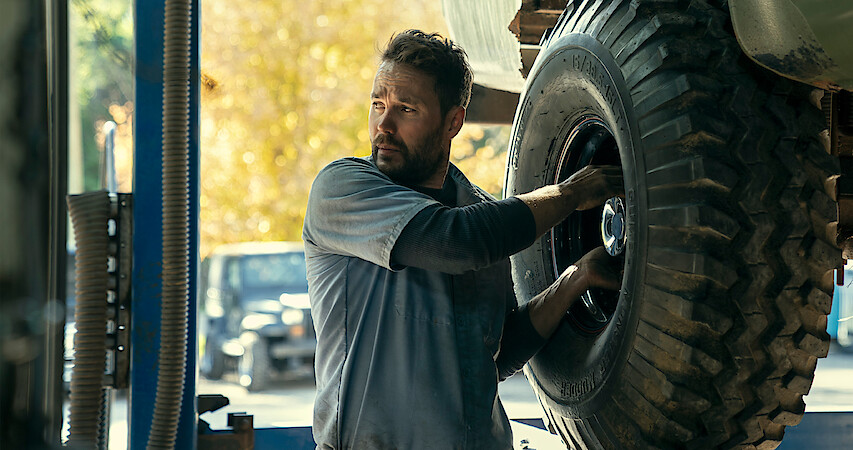
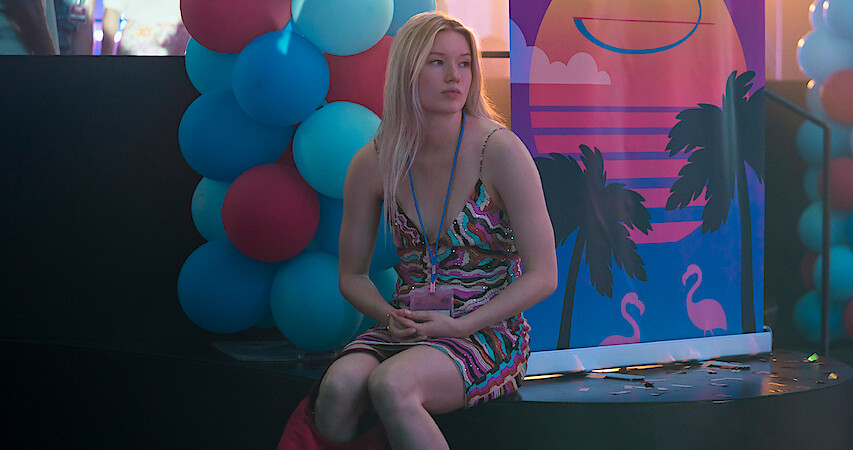
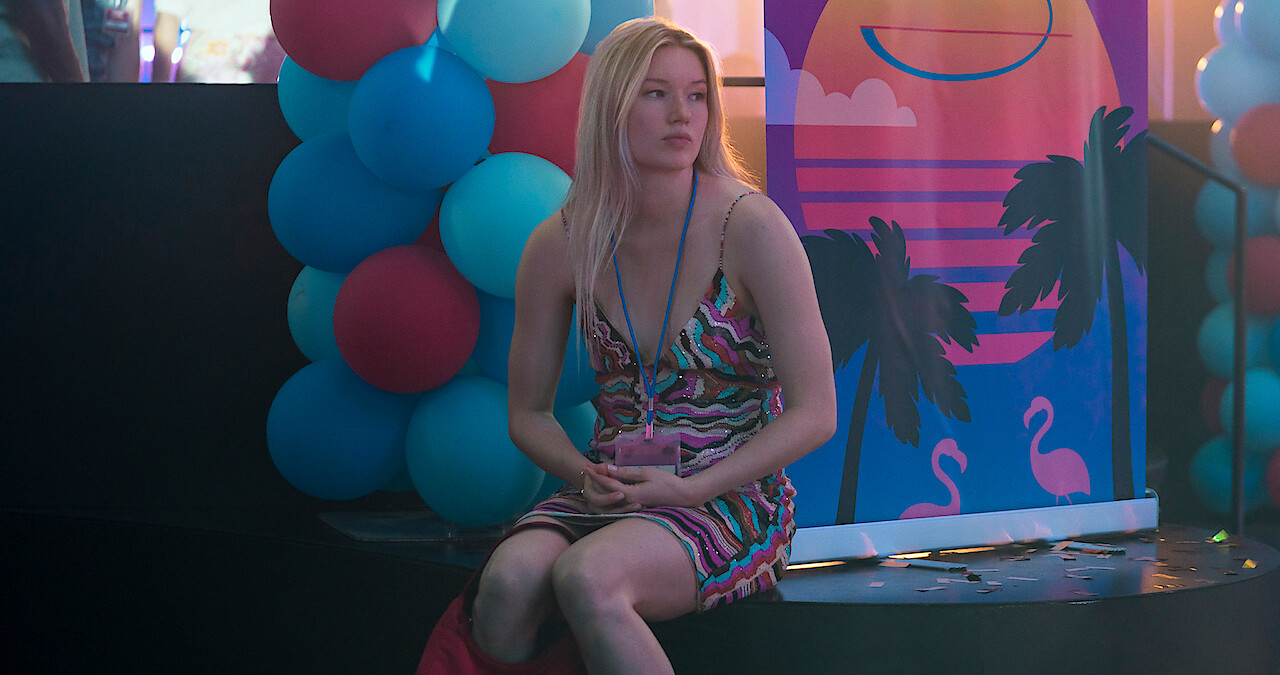
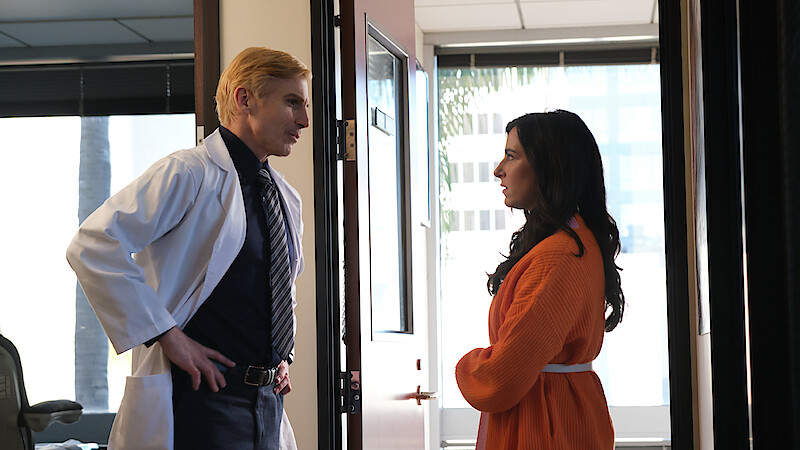
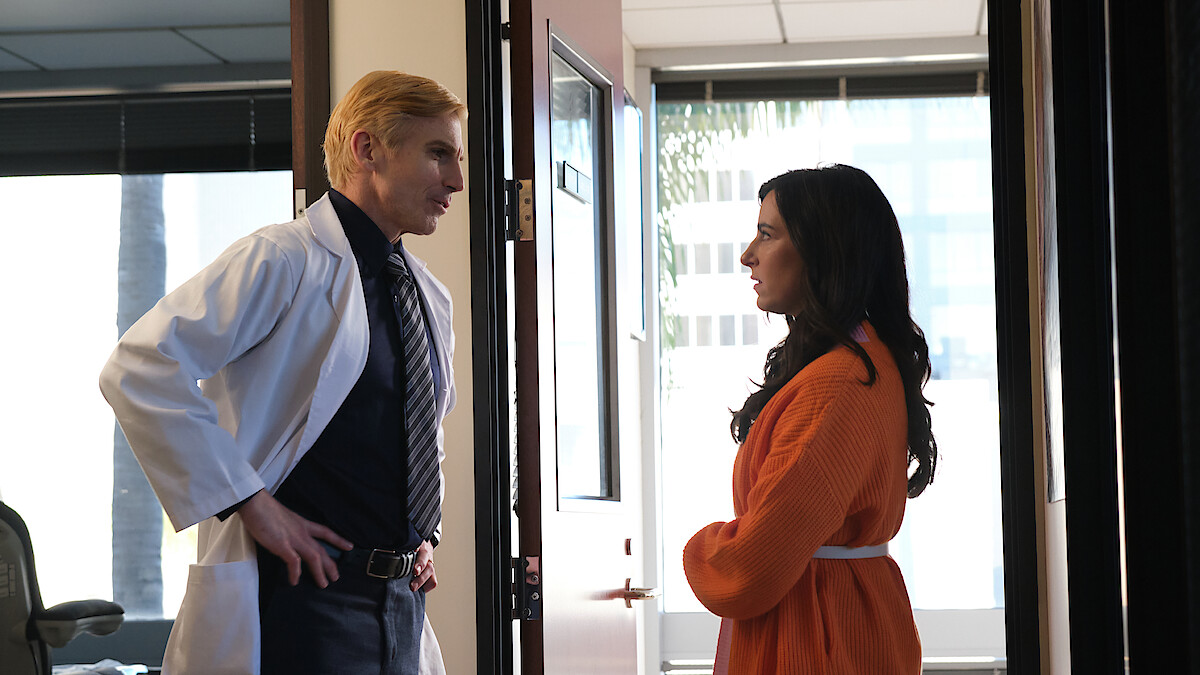
Nope. She’s a fictitious character based on real experiences. Duchovny’s character, a college athlete turned drug rep, is blinded by the American dream of earning big bucks. “These young college kids… are just trying to make money, because that’s what you’re told [to do],” said Newman. While Shannon’s guilt over the folks who are getting addicted and dying ultimately prevails, her mentor Britt Hufford (Dina Shihabi) still continues to turn a blind eye as the series comes to a close. “Dina’s [character], for me, is very much where West[’s character] is headed if she stays on this path,” added Newman.
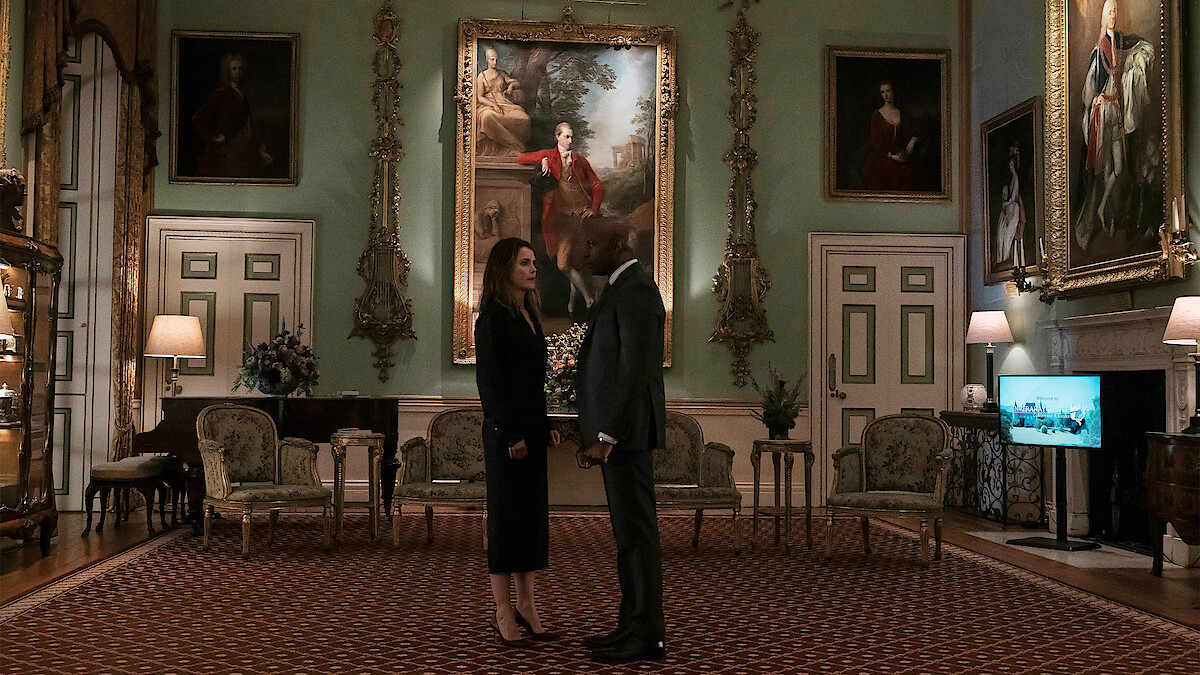
Not quite. In Episode 6, after Shannon hands over all her email and phone records from working at Purdue, Edie and her team finally have tangible evidence to bring a case against the company to the Department of Justice. As Edie puts it in the series, she felt “like the sheriff in an old Western movie.”
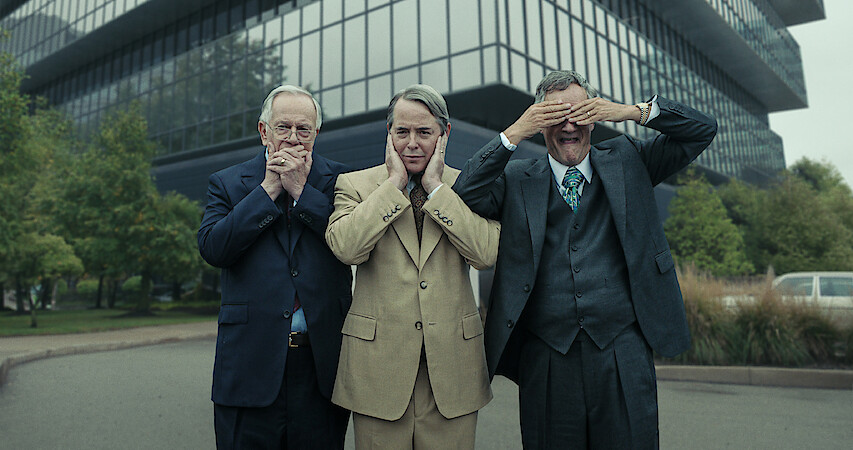
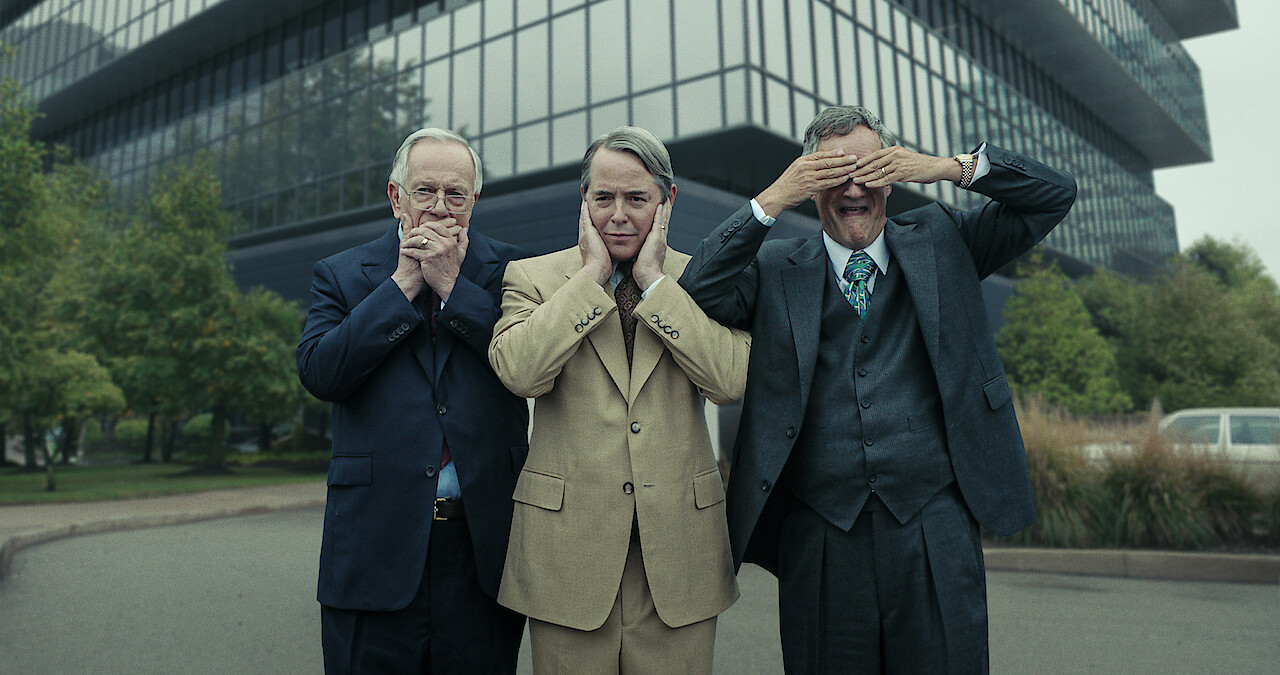
They charge three of Purdue’s top executives — Michael Friedman (John Murphy), Howard Udell (Brian Markinson), and Paul Goldenheim (Cody Porter) with lying to Congress about the first time they heard about the abuse of OxyContin. And that’s on top of the felonies for lying about a drug, making money off a drug you know you lied about, and conspiring with others to make money off a drug you all lied about together.
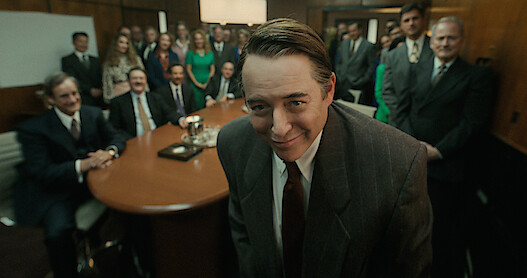
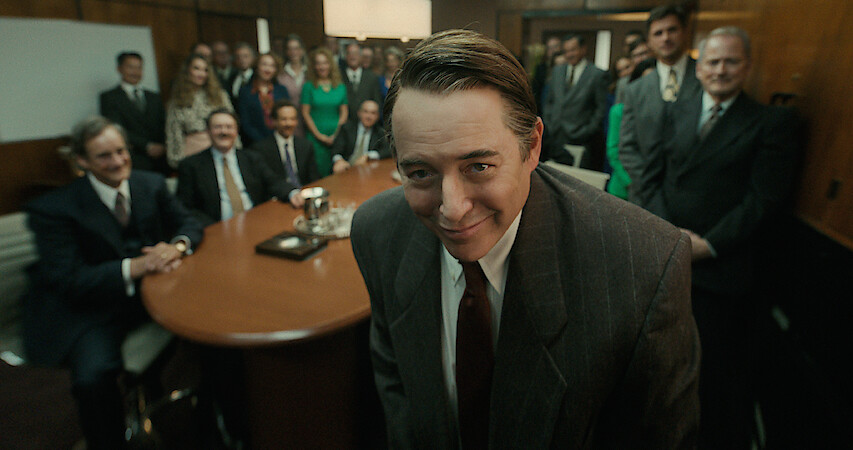
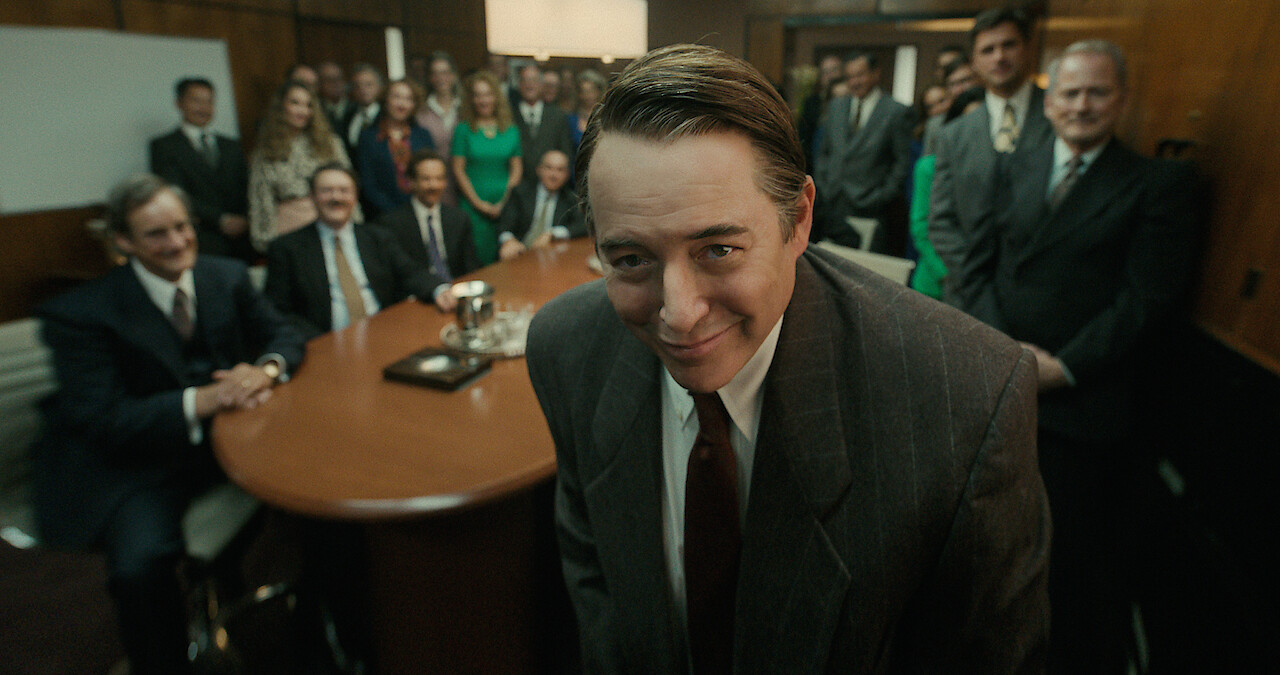
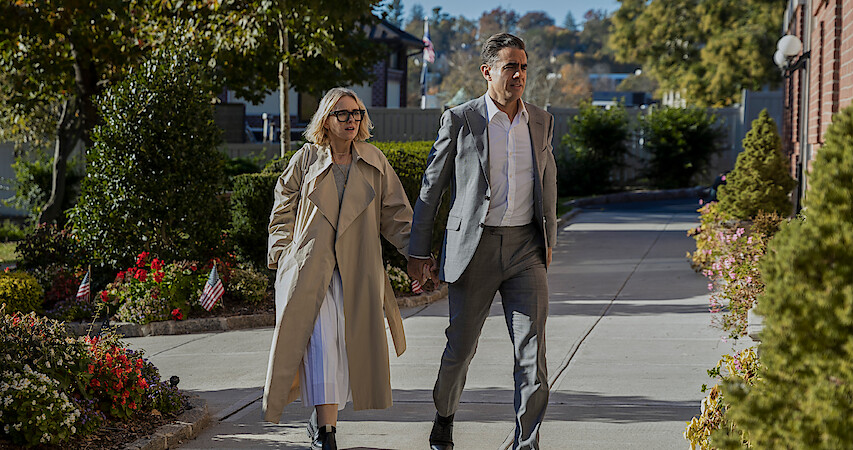
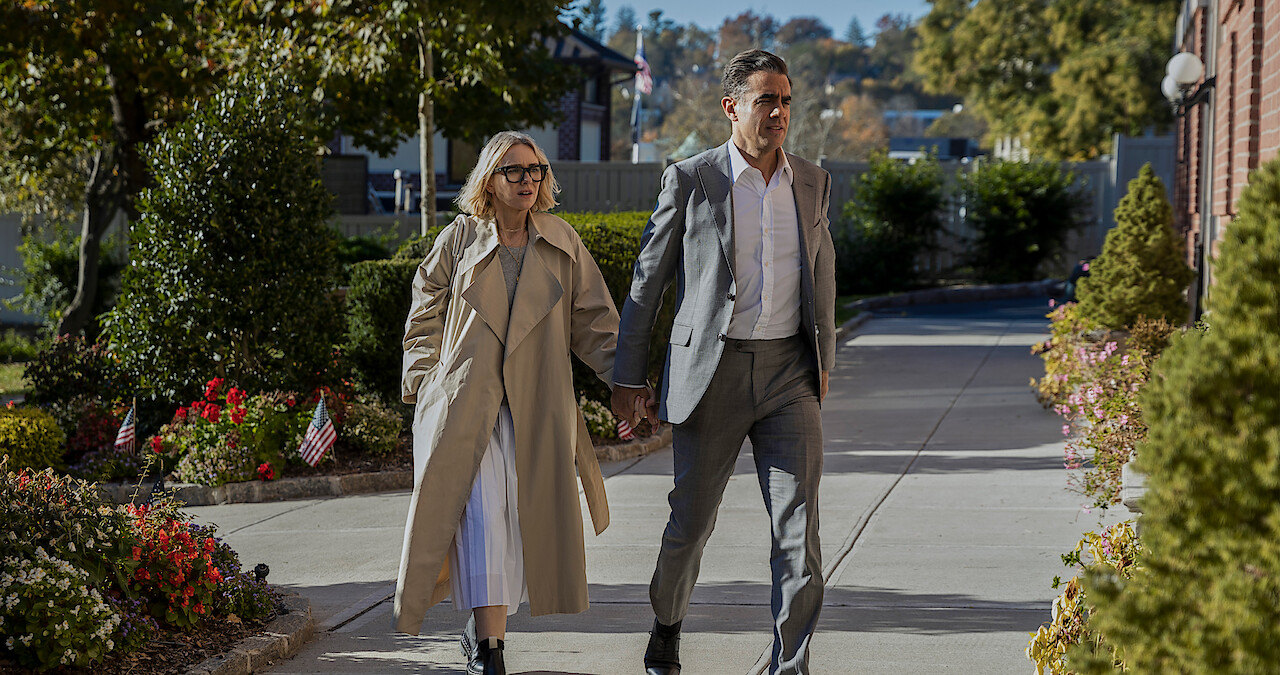
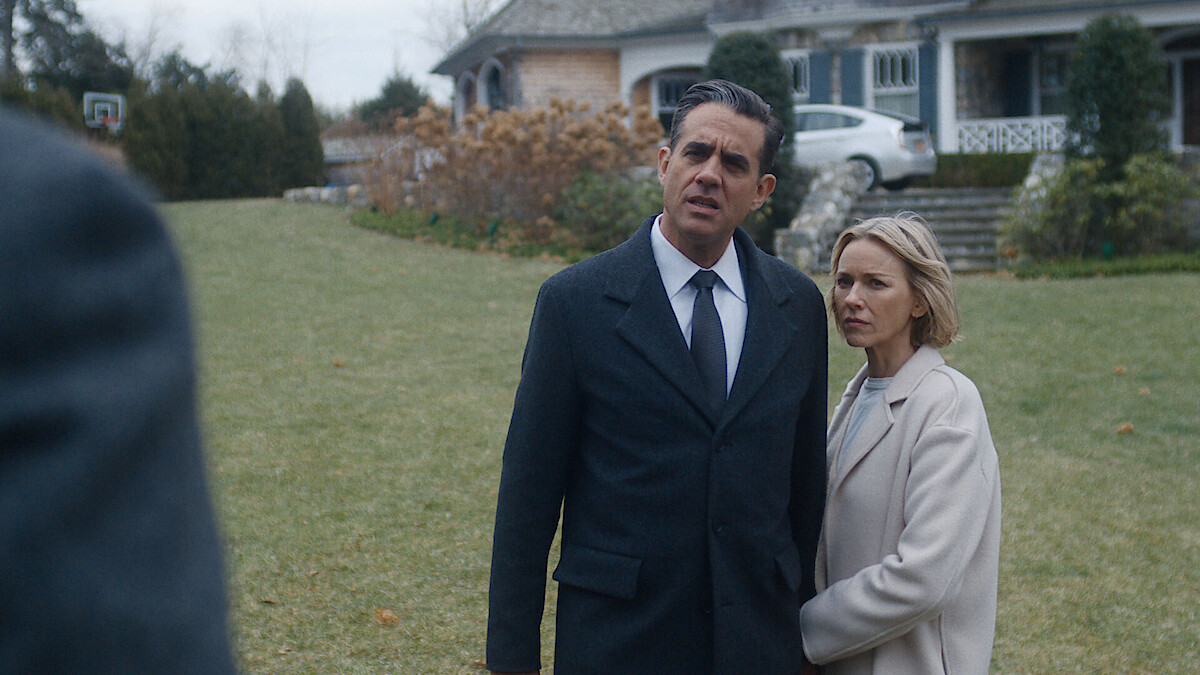
But that all crumbles when senior Purdue executive Richard Sackler (Matthew Broderick) calls his lawyer Rudy Giuliani (Ned Van Zandt) in the middle of the night, who gets the DOJ to cave and agree to a settlement. The three executives agree to plead guilty to one count each of misdemeanor misbranding. At the trial, Edie’s boss, US attorney John Brownlee (Tyler Ritter) can’t even look her in the eye.
After learning who the real bad guys are in “the system” of marketing these drugs, Edie has a moment of clarity and reads her brother Shawn’s letters from prison. He’s serving time for dealing drugs when he was 19 years old. As the finale flashes forward to the present, we see the siblings closer than ever. Shawn (Jamaal Grant) is actually the one who convinces her to tell her story to the new prosecutors going after Purdue.
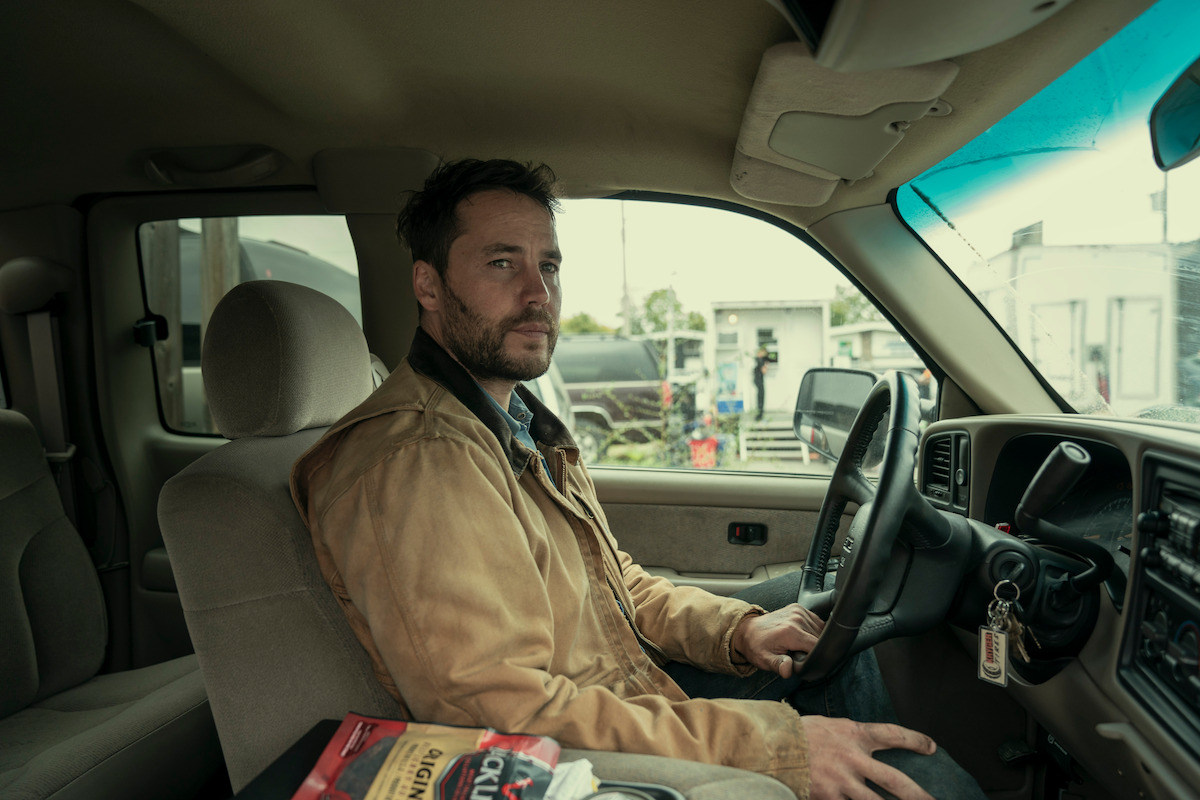
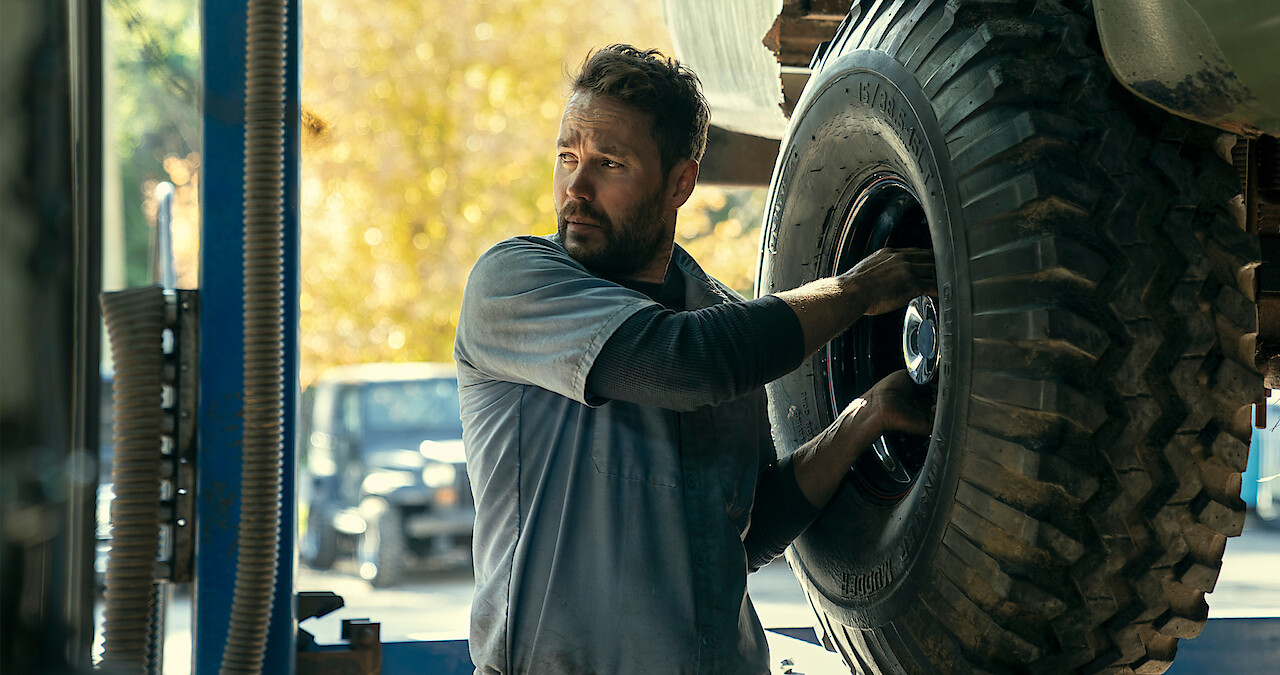
Same deal as Shannon and Edie. He’s a character composite of real experiences that people went through at the time. “We have to be able to blame a machine that failed in a lot of places and then succeeded in places it shouldn’t have been allowed to succeed in the marketing and selling of this stuff,” said Newman. “So to be able to take those stories and composite them in a couple characters was incredibly useful.”
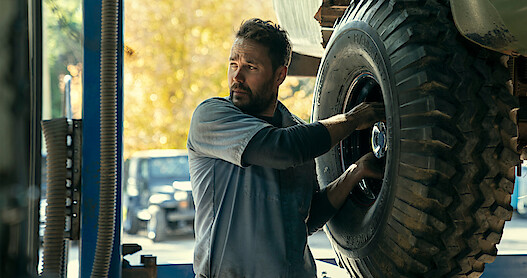
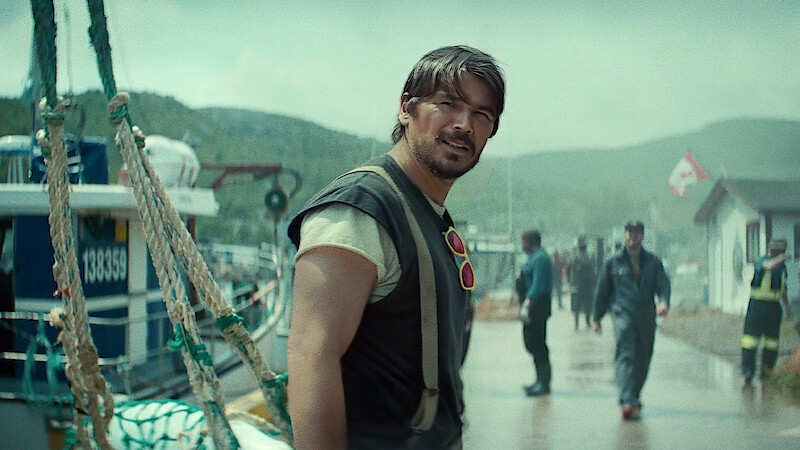
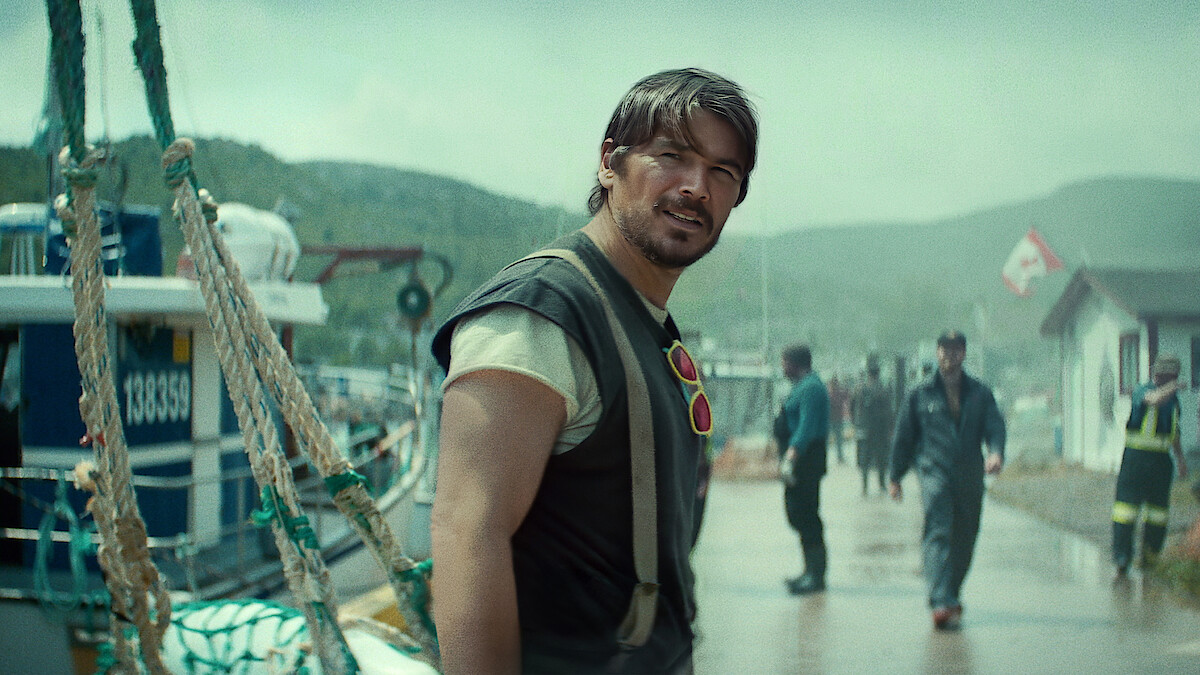
Berg thought of Kitsch’s character as the type of everyman, working class guy who could get hurt on the job and unwittingly step into the “mad merry-go-round of opioids.”
Sadly, yes. In the finale, we see that Glen has reached 30 days of sobriety and is trying to get back into his family’s good graces. He’s staying at a motel, and when he hears unruly neighbors blaring music, he goes into their room to find them unconscious — and helps himself to leftover OxyContin on their bedside table.
Despite his best efforts, Glen can’t resist the pull of the addictive pills, and he overdoses the next day in his car. We hear a police dispatcher call for a 10-55 after some locals see him passed out, signifying his death has been confirmed by medical personnel.
In the series, Glen represents the tragic reality that more than 40 people die in the US from prescription opioid overdoses every single day.
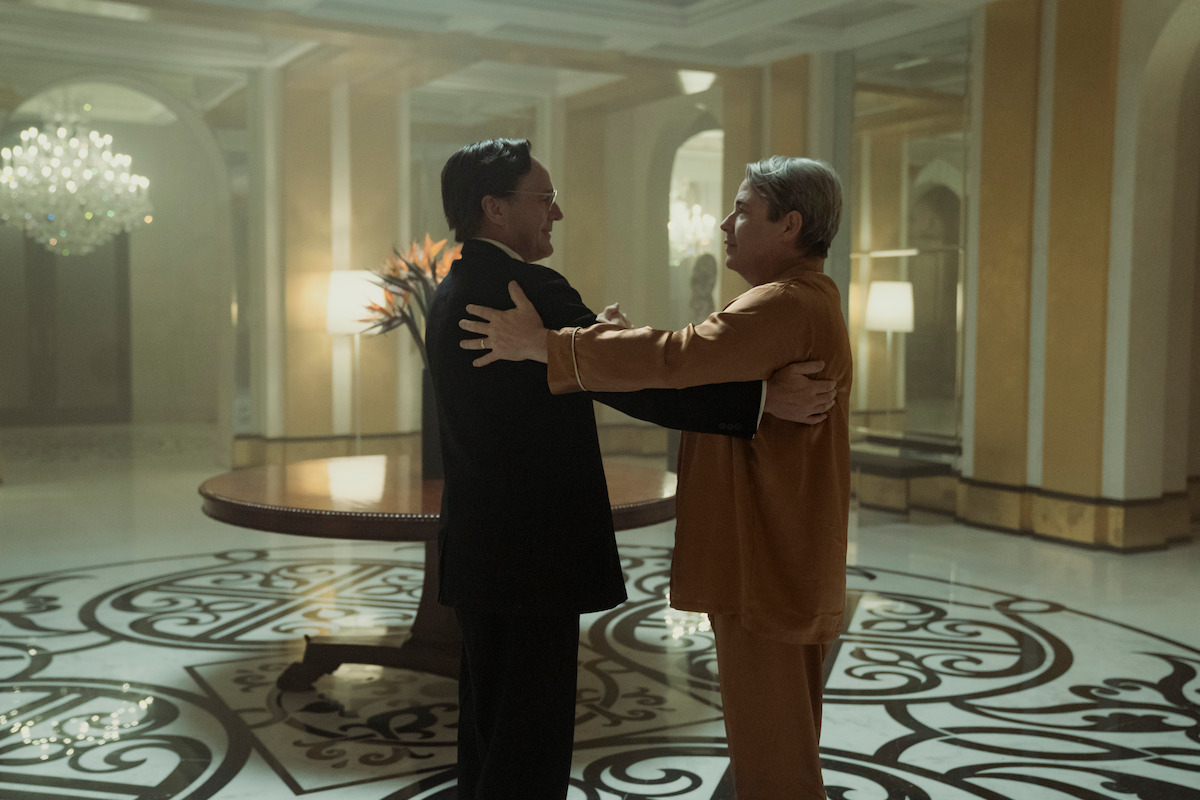
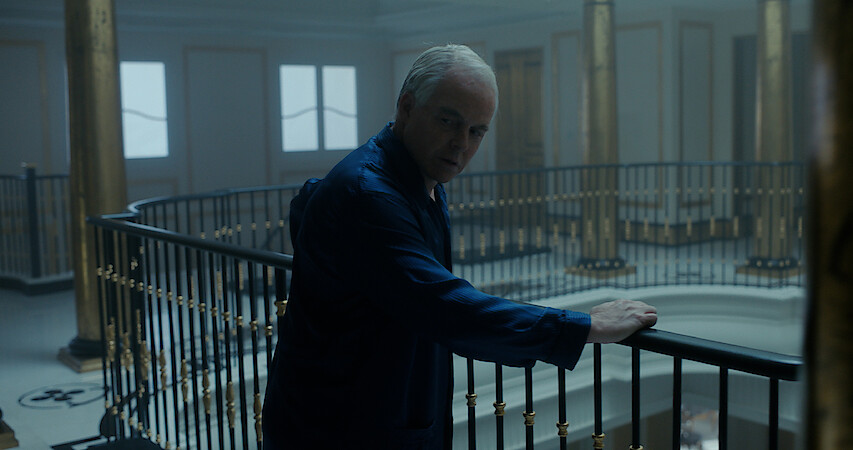
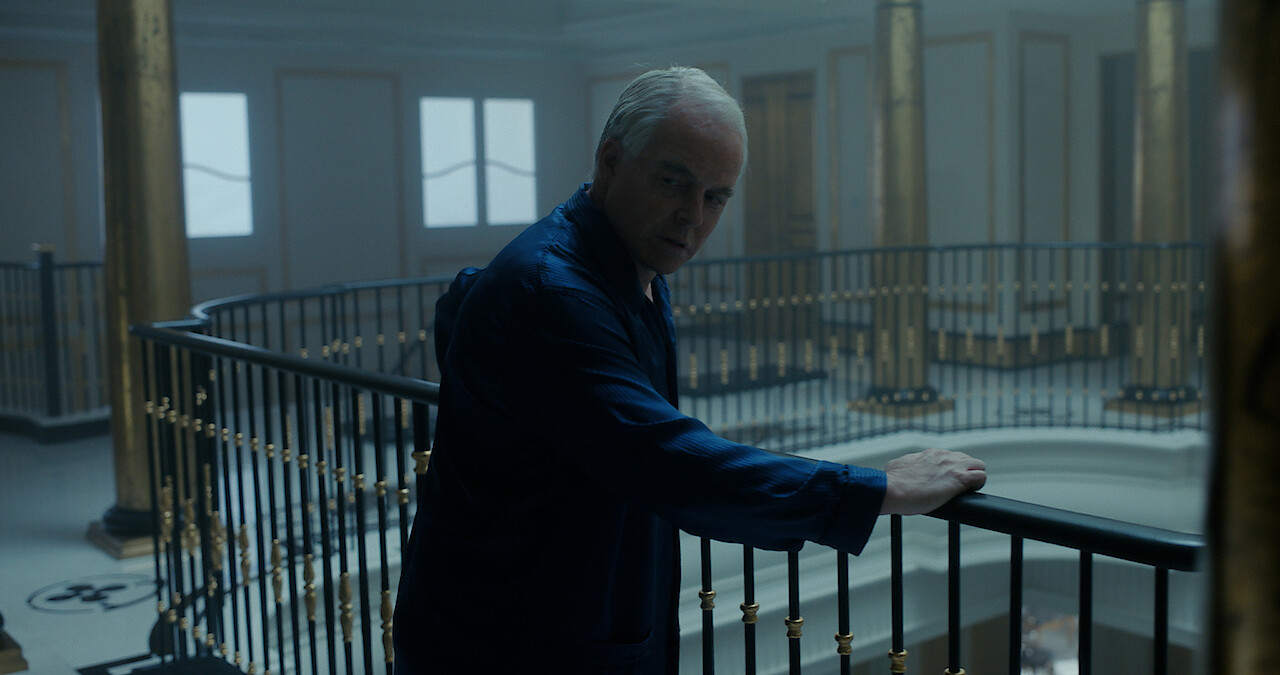
In Painkiller, the Sackler family legacy hinges on the success of Arthur Sackler’s ability to revolutionize the concept of advertising in medicine. So his nephew Richard readily picks up the torch with the mass marketing of OxyContin. “His uncle, obviously, was a big influence on him as a businessman,” said Berg. “And Richard was able to take what Arthur started and sort of turbocharge it. Richard found a better product than his uncle ever did, in OxyContin. So to me, Arthur was always in the back of Richard’s mind. That was the impetus for that device of having these scenes where the ghost of Arthur is with Richard and strategizing with him.”
Richard Sackler faces the wrath of his uncle’s ghost for desecrating the family’s name and legacy. But, after the settlement in the series, Edie says Purdue had a “‘get out of jail free’ card and took full advantage,” even reporting record profits.
Nonetheless, Purdue files for bankruptcy and is ordered to forfeit ownership of the company and pay out billions of dollars, which Arthur cannot stand. He tells Richard, “You and my idiot brothers destroyed the company,” and beats his nephew until Richard snaps out of his trance and goes upstairs, where the smoke alarm is still beeping along to Simon & Garfunkel’s “Sound of Silence” as the credits roll.
Let’s run those end credits back again. Per Painkiller’s postscript, Purdue Pharma filed for bankruptcy in 2019 as a direct result of the multi-state lawsuits portrayed in the series. In May 2023, the Sackler family agreed to pay a $6 billion settlement. As of Aug. 10, 2023 — the day of Painkiller’s release on Netflix — the Supreme Court agreed to consider the Justice Department’s challenge to the deal, putting the settlement on pause. The justices will hear arguments in the case in December.
Also per the postscript, it’s estimated that more than 300,000 people have died over the past two decades from overdoses involving prescription painkillers similar to and including OxyContin.
Nonetheless, the Sacklers have never been criminally charged in connection with OxyContin or the opioid epidemic.
Painkiller is now streaming.

Additional reporting by Anne Cohen.