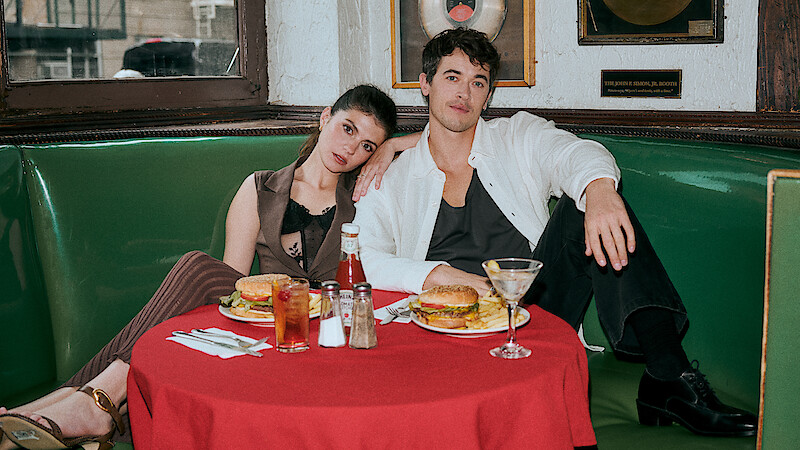
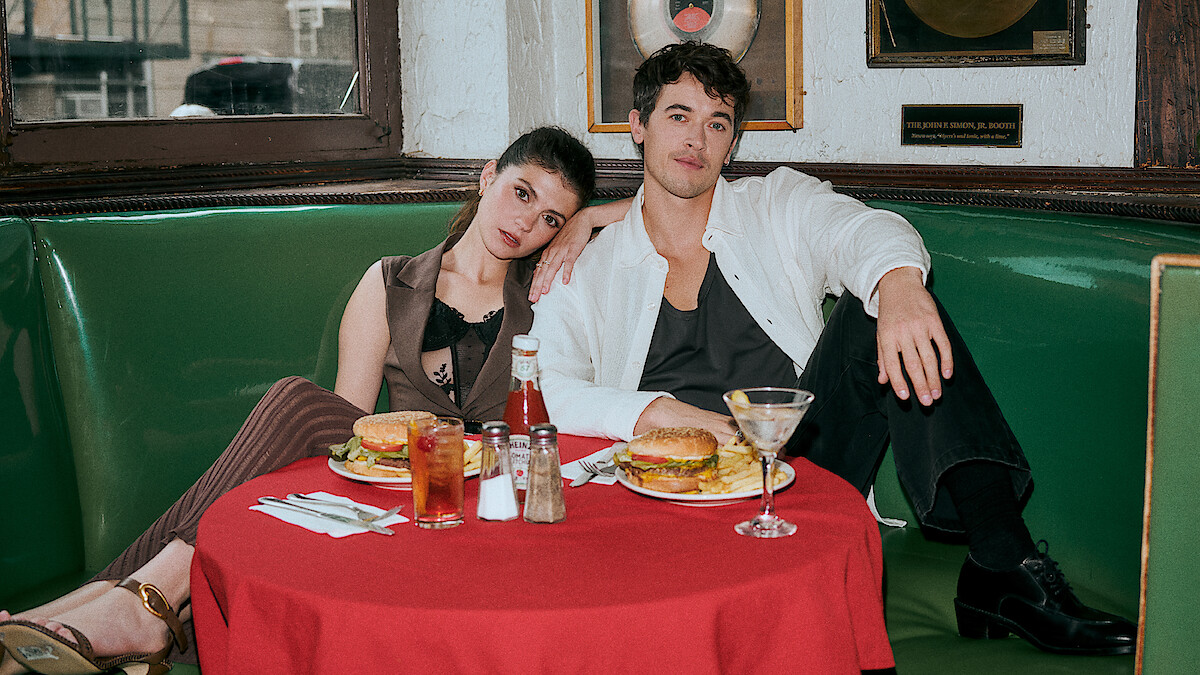
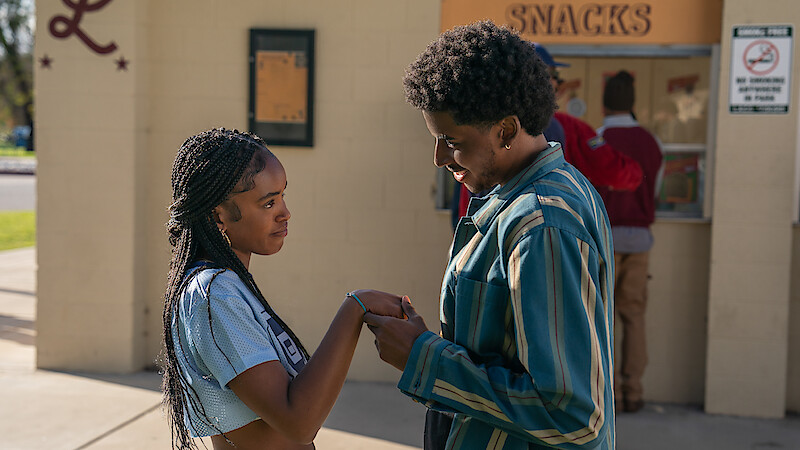
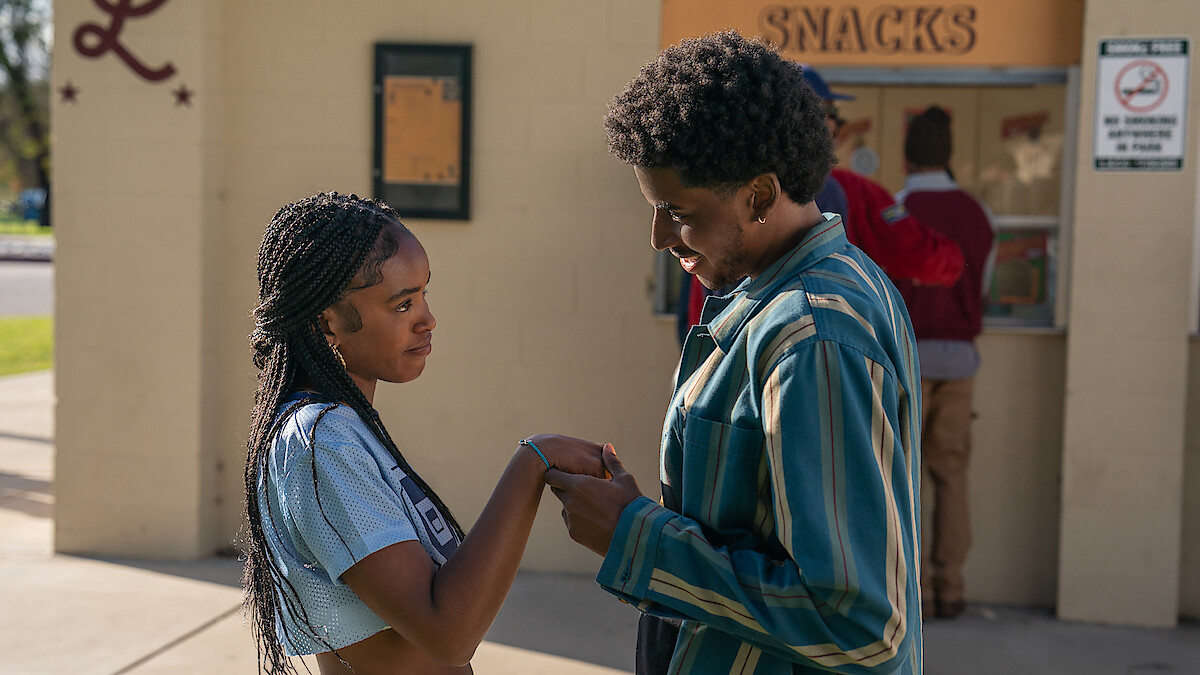
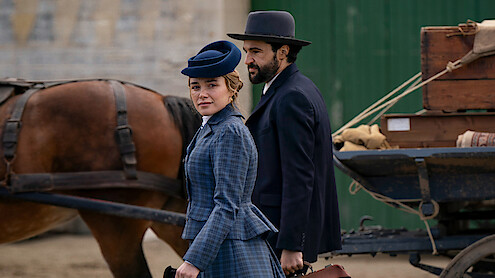
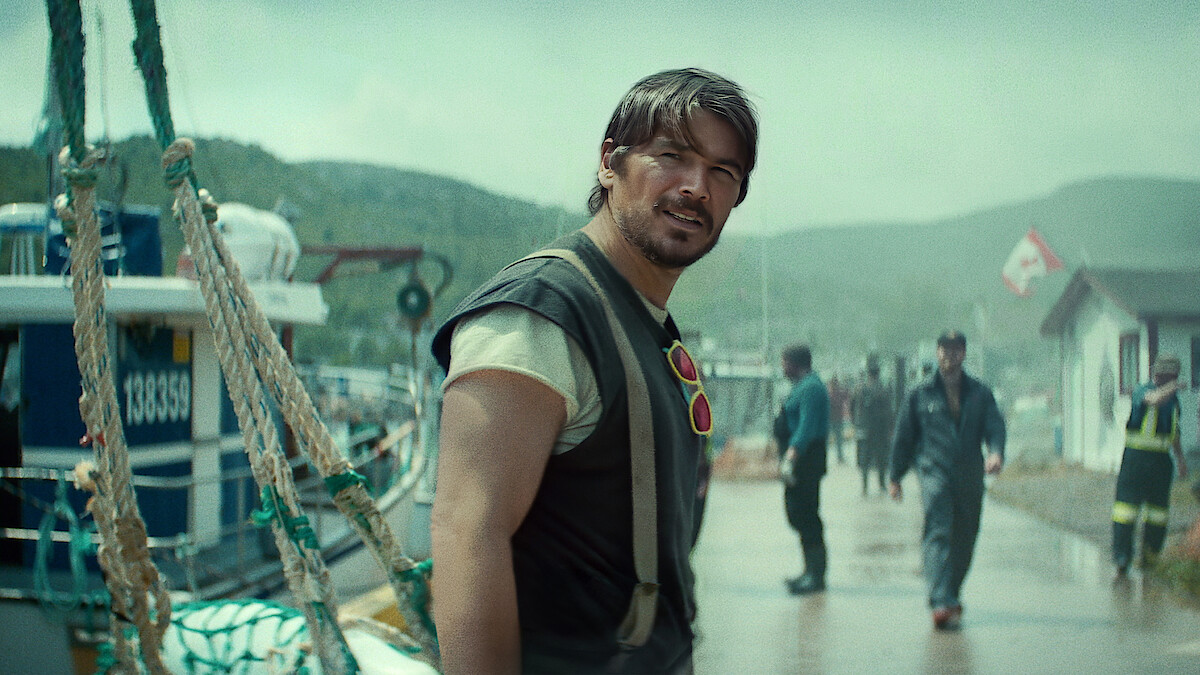
People We Meet on Vacation is the very first screen adaptation of one of author Emily Henry’s best-selling novels. So, for longtime fans of the romance between free-spirited Poppy (Emily Bader) and routine-obsessed Alex (Tom Blyth), Henry’s approval was crucial. Luckily, director Brett Haley felt the same way.
“It was very important to me that Emily felt like we were doing her book justice,” he says. As soon as Haley got the job, he reached out to Henry, who is also an executive producer on the film, and kept her close throughout the development process. “We tried to be true to the essence of the characters’ journeys, who they are, and tell the story she told — and I think we did. It’s really her book that we put up on that screen, but we made it a movie,” Haley explains.
In true friends-to-lovers fashion, the rom-com spans 12 years of Alex and Poppy’s relationship — and the summer trips they go on together every year. As their trust builds and tensions mount, they reach a boiling point, no longer able to push away what’s long been obvious to everyone else: Poppy and Alex might be just right for each other. “We want to go on that journey with them,” says Henry. “We want to see every moment that makes them question that relationship, and this movie did that so well.”
Henry credits the readers as the reason the movie is even happening. It’s fitting, then, that that mindset was a creative North Star for Haley when adapting the 2021 novel. “He’s so, so adamant about protecting what matters most to the readers,” Henry says. “Every time there’s had to be a change, he has tried to get my input on it as much as he could. From the very beginning, he asked me, ‘What are the scenes that the readers will be devastated about missing if they don’t make it? What are the lines that the readers will be waiting for?’”
Below, we walk you through People We Meet on Vacation’s adaptation process from page to screen, including its rom-com inspirations, the casting of Poppy and Alex, and what key changes were made from the book — as well as which trips made it into the film.
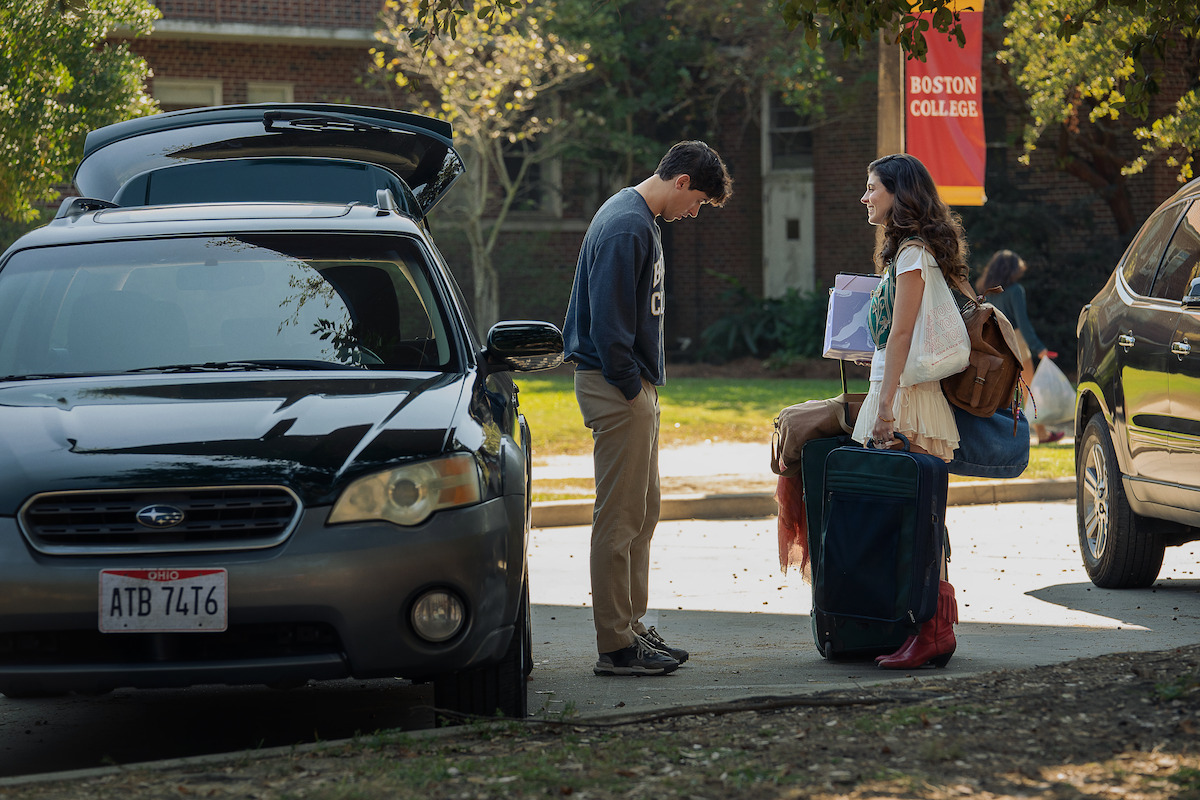
PHOTO BY MICHELE K. SHORT
On the Rom-Com Inspirations and Aspirations
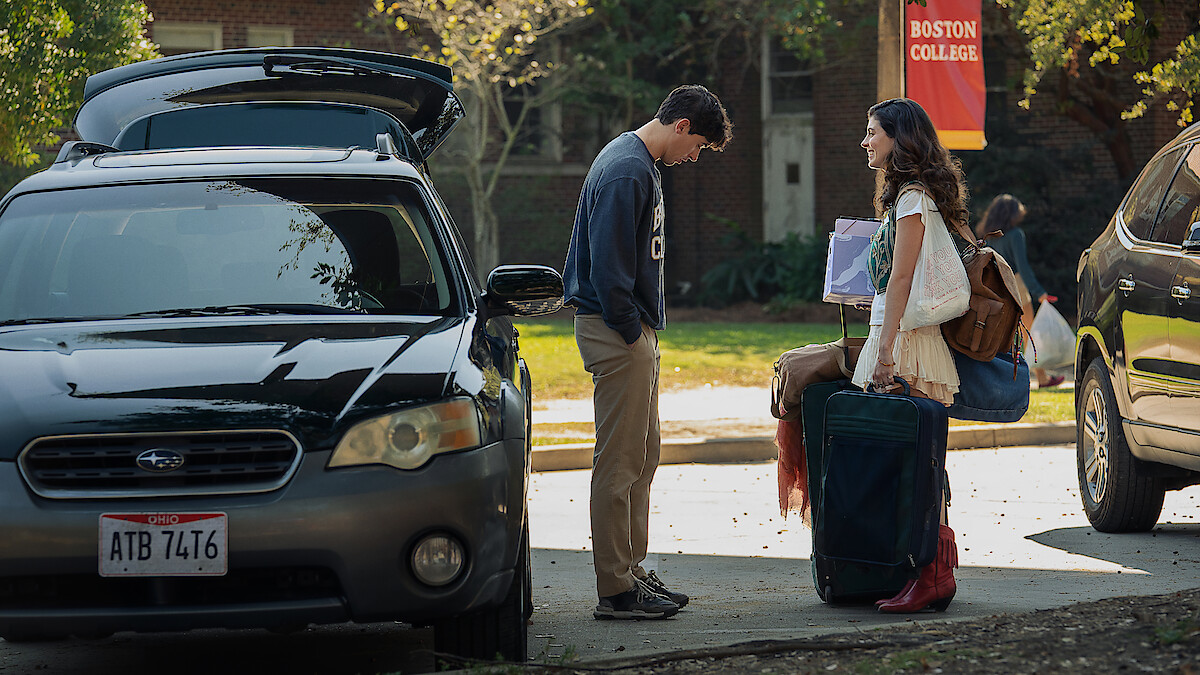
If you couldn’t tell from Poppy and Alex’s meet-cute, driving home together from college, Henry took major inspiration for People We Meet on Vacation from Nora Ephron and Rob Reiner’s When Harry Met Sally…. But Henry gender-flipped her version.
“The female lead would be the Harry character — she’s a bit much, you could say, and she’s a little bit flighty and a bit more cynical in the beginning,” says the author. “Then our Sally character is the male lead, someone who’s a little bit more fastidious about how he likes things, but also a true romantic deep down who wants this lasting, stable, beautiful love.” She also knew she wanted them to be polar opposites, “because Harry and Sally were just so, so good in that way.”
Haley was aware of the connection, making the 1989 classic a touchpoint for both him and Henry. Citing additional films he grew up with, like Sleepless in Seattle, My Best Friend’s Wedding, and Notting Hill, Haley says he looked to “the greats” while making People We Meet on Vacation, thinking, “I want to do my version of those movies.”
Following in the footsteps of those beloved rom-coms, Haley wanted to give audiences a feel-good watch that offers depth and comfort in equal measure. “These films speak to people about some of the biggest themes in our lives — about love, who you really are, who you want to be, how you want to spend your life, your relationship with yourself,” he says.
“Emily [Henry] wrote an incredible book that I really responded to and just had a vision for, and just knew this was going to be one of those rom-coms that was going to be a classic. Hopefully that’s the case.”

PHOTO BY MICHELE K. SHORT
On Casting Alex and Poppy
“Emily Henry created such specific, beloved characters in her book, and it was so important to us to honor that,” says Haley. “This story lives or dies on the chemistry between Alex and Poppy — and Emily [Bader] and Tom [Blyth]’s chemistry is electric. They capture that opposites-attract dynamic in a way that feels effortless and true. I think audiences will see them together and fall in love all over again with Poppy and Alex.”
Bader was one of hundreds, if not a thousand, actors who auditioned for Poppy, but her take on the character blew Haley away. When he went back and watched her previous work in the film Fresh Kills and the fantasy romance series My Lady Jane, he thought, “There’s something very special about this young actor.” The first time they worked together over Zoom, he knew: “This is Poppy. This is her.”
Henry echoes, “Emily is actually so much like Poppy.” The author describes Bader as someone you want to be best friends with, and “that was who Poppy was always meant to be.” Bader, for her part, sees Poppy as a fiery, enthusiastic “little rascal of a woman” who always chooses to see the positive side of things. “But I think deep down is an insecure girl who’s worried that she might just be too much for everyone,” the actor admits.
Ironically, Blyth — who is known for portraying the ruthless young Coriolanus Snow in the Hunger Games prequel film, The Ballad of Songbirds & Snakes — is much more like Poppy in real life than his own character, Alex. He sees Alex as “kind of reserved, especially before he meets Poppy.” Blyth says, “[Alex] comes from a fairly reserved family. He lost his mom at a young age. And all of that makes this young guy, who has a kind of bubble wrapping around himself, keep himself protected from the world. That’s not how I live. I feel hungry for experience.”
Henry knew Alex was funny, clever, and “delightfully weird,” but that he kept most of those qualities to himself; she praises Blyth for toeing that complicated line. “You get to see him be the more stoic, upright Alex, and then you get to see Poppy pull him out of his shell,” she says.
Ultimately, in Henry’s mind, “Emily Bader and Tom Blyth have become the characters.”
This article contains major character or plot details.
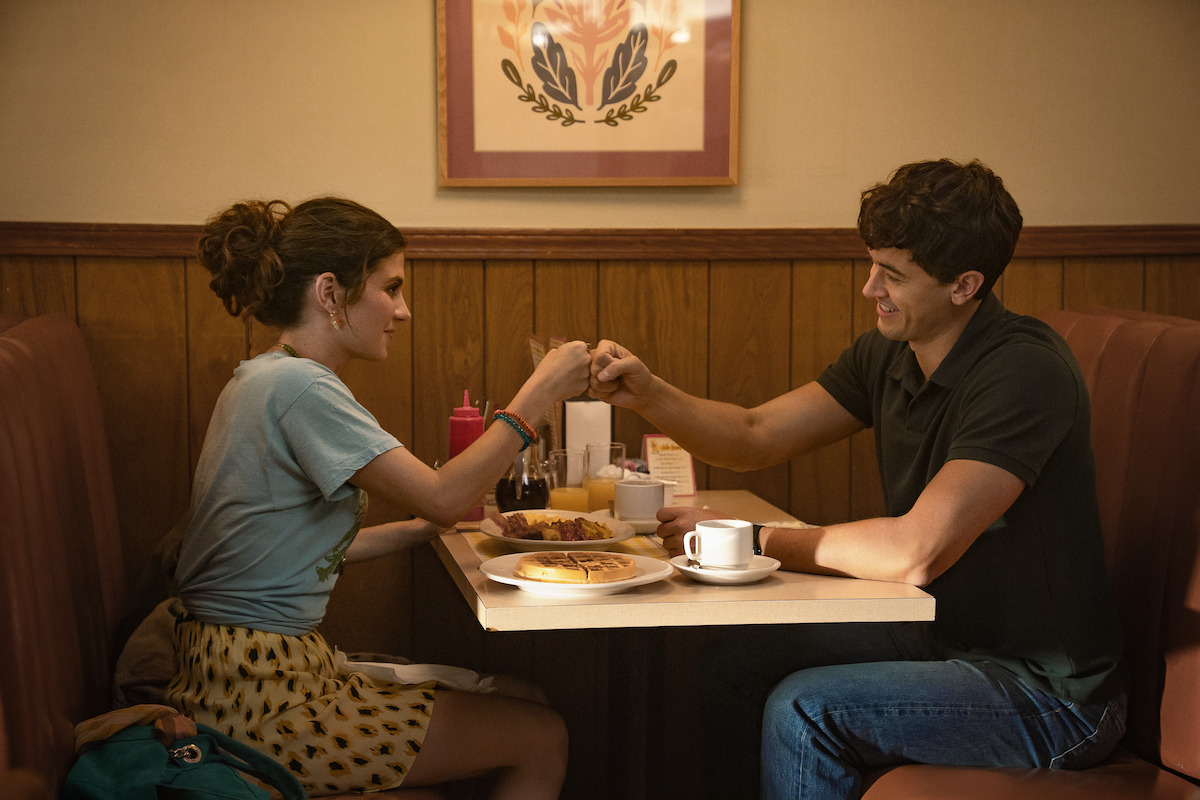
PHOTO BY MICHELE K. SHORT
On Key Book Changes
Alex and Poppy’s First Meeting
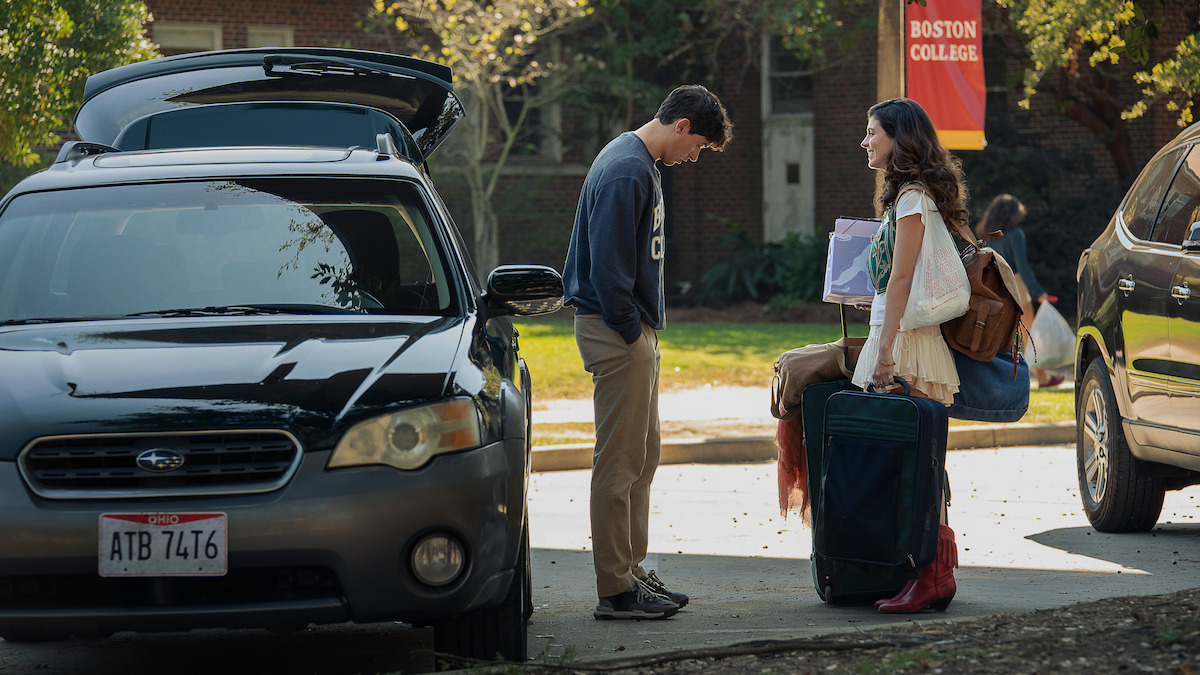
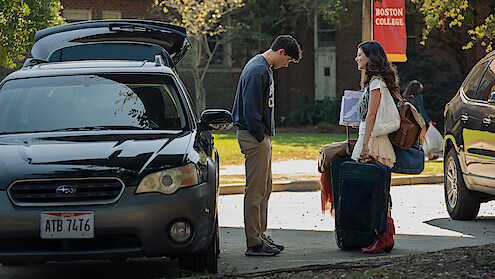
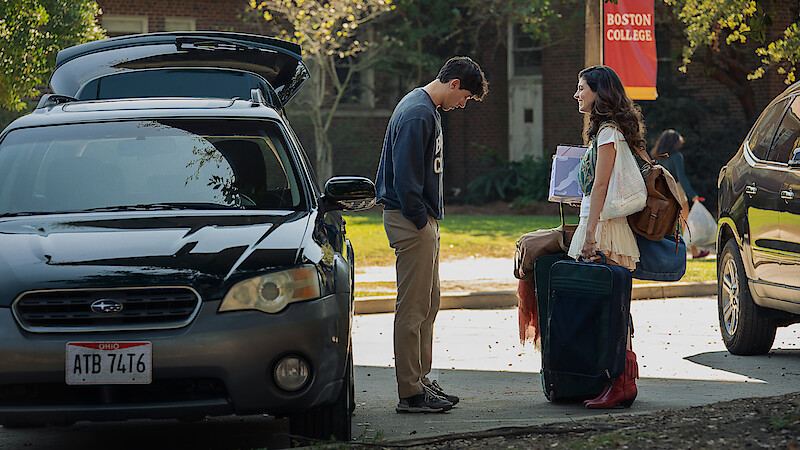
Henry knows that, obviously, a lot has to change in a book-to-movie adaptation. Take, for example, Alex and Poppy’s meet-cute. In the book, they’re introduced at their freshman orientation mixer, then reconnect at the end of the school year, on their road trip back to their shared hometown of Linfield, Ohio. The movie condenses these two experiences into one: Poppy and Alex meet on their drive home together — but Alex is wearing the sweatshirt he sports at the book’s orientation event.
“This is very much exactly their first introduction from the book, but then just truncated in a really fun way,” says Henry. “To me, to make the friends-to-lovers trope work in a romantic comedy, it's really important that you actually see these two characters as friends — as true, platonic best friends who love each other, but not in a romantic or sexual way.” And that’s what you begin to see on their journey back to the Midwest. Relive their iconic, and messy, burrito scene here.
The spirit of the car ride home is the same in the book as it is in the film, with some light switcheroos — like Poppy cueing up Paula Abdul’s “Forever Your Girl” instead of David Bowie’s “Young Americans.” Most importantly, though, their road trip meet-cute remains the first time that Poppy gets to see Alex’s weirdness and unfiltered happiness come out, or “Vacation Alex,” as they come to call it (also known as “Weirdo Alex” or “Naked Alex” in the book). “It’s not just that Alex is this stoic, staid man,” says Henry. “It’s like, ‘This is what Alex shares with the world.’ And there’s this whole other Alex beneath the surface.”
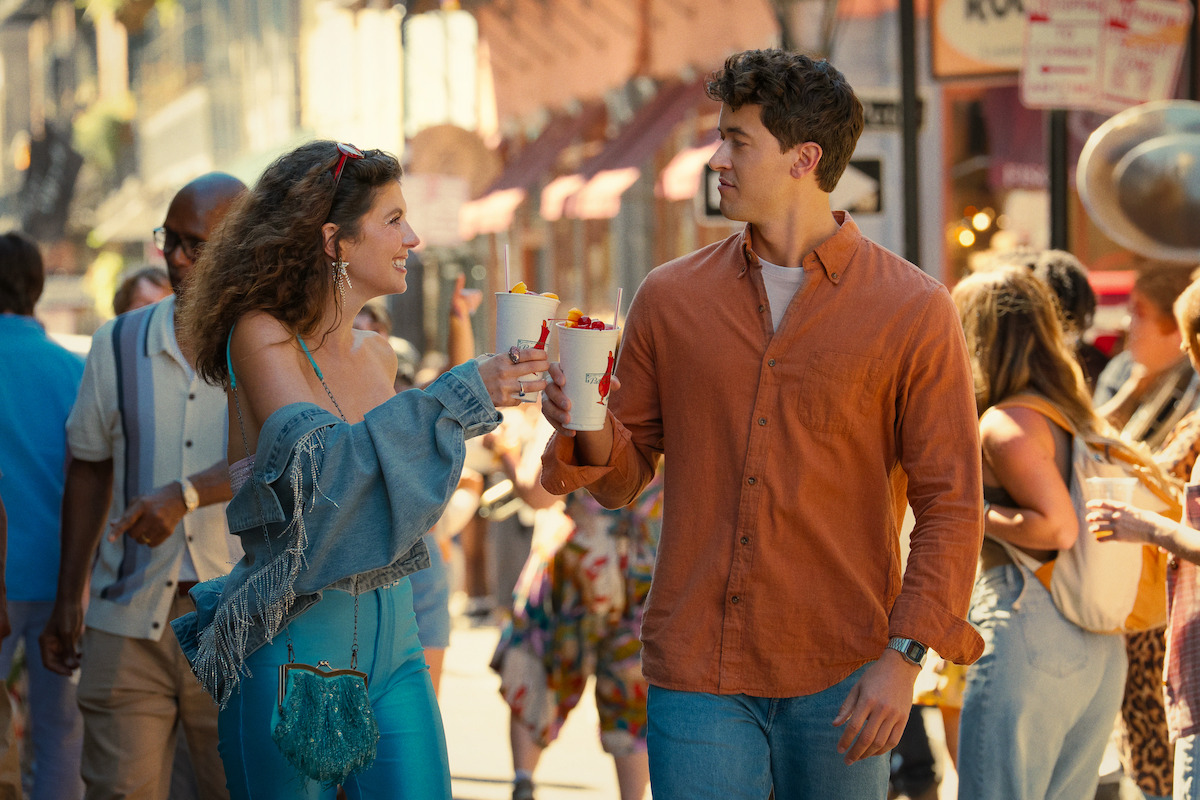
PHOTO BY MICHELE K. SHORT
The Trip Locations
While writing People We Meet on Vacation, Henry spent time pondering a good location for these two characters to fall in love. “It came to me that it shouldn’t just be one place; it should be a bunch of different places,” she says. “So I took a lot of my favorite vacations and I pulled details from those, and I wrote this story of a vacation romance that spans 12 years.”
When adapting the summer trips for the film, Haley fought to keep the “X summers ago” flashback format. “We knew that people love that element,” he says. “We wanted to make sure it rang very true for readers.”
In the movie, we see Alex and Poppy take summer trips to New Orleans, Squamish (in British Columbia), Tuscany, and, finally, Barcelona, for Alex’s little brother David’s (Miles Heizer) wedding. We also see the summer that a planned trip to Norway doesn’t happen when Poppy gets sick, which Henry is glad stayed in the film.
“This is the moment that would be easy to discount as not that important because they don’t actually go on a trip, but it’s actually so important because it’s the first moment that you start to realize the trips are not the point for them,” says Henry. “The point is being together. It doesn’t matter where they are. It doesn’t matter what they’re doing. Even when she’s very ill, this is what he’d rather be doing.”
In case you’re wondering, though, here is the full timeline of Poppy and Alex’s summer trips in the book:
- Ten summers ago: Vancouver Island, Canada
(The film’s trip, though in Squamish, B.C., is still where they take a water taxi and camp outside with new friends.) - Nine summers ago: Nashville, TN
- Eight summers ago: San Francisco and Sonoma, CA
- Seven summers ago: New Orleans, LA
- Six summers ago: Vail, CO
(In the book, Poppy sprains her ankle and Alex gives her a piggyback ride on this trip — in the film, the incident happens in New Orleans.) - Five summers ago: Sanibel Island, FL
- Four summers ago: Norway and Sweden
(But Poppy gets sick, so no hotel made of ice this year.) - Three summers ago: Tuscany, Italy
- Two summers ago: Croatia
- This summer: Palm Springs, CA
Their (Friendship) Breakup
When we first meet Alex and Poppy — in both the book and the movie — they haven’t spoken since their trip two summers prior. In the film, a double-date vacation to Tuscany is to blame. Poppy brings her photographer boyfriend Trey (Emily in Paris’s Lucien Laviscount) on the Italian adventure, while Alex brings his fellow-teacher girlfriend, Sarah (Sarah Catherine Hook) — both partners it seems they’d be perfect for on paper.
While on the trip, Poppy has a pregnancy scare in both the movie and the book, and Alex supports her when she takes a pregnancy test. In the film, though, they almost kiss, which leads Alex to ask that Poppy define their relationship. She affirms that he’s her “best friend” and she doesn’t want to ruin that, and Alex proposes to Sarah the next morning. (In the book, Alex buys a ring, but never proposes). Poppy tells Alex that it feels like he’s settling, and Alex tells her he wants a stable, loving relationship. From then on, their summer trips are over.
In the book, their falling out arrives after the pair actually does kiss. But Alex pulls away before too long, since he doesn’t want to (finally) get together after perhaps “too many wine.” He’d wanted any romance to be intentional — a thought-out choice they’d both made. As Poppy later reflects in the book, “All this time, I’d thought he’d rejected me. And he’d thought I’d been cavalier with him and his heart.”

PHOTO BY MICHELE K. SHORT
Their Reunion
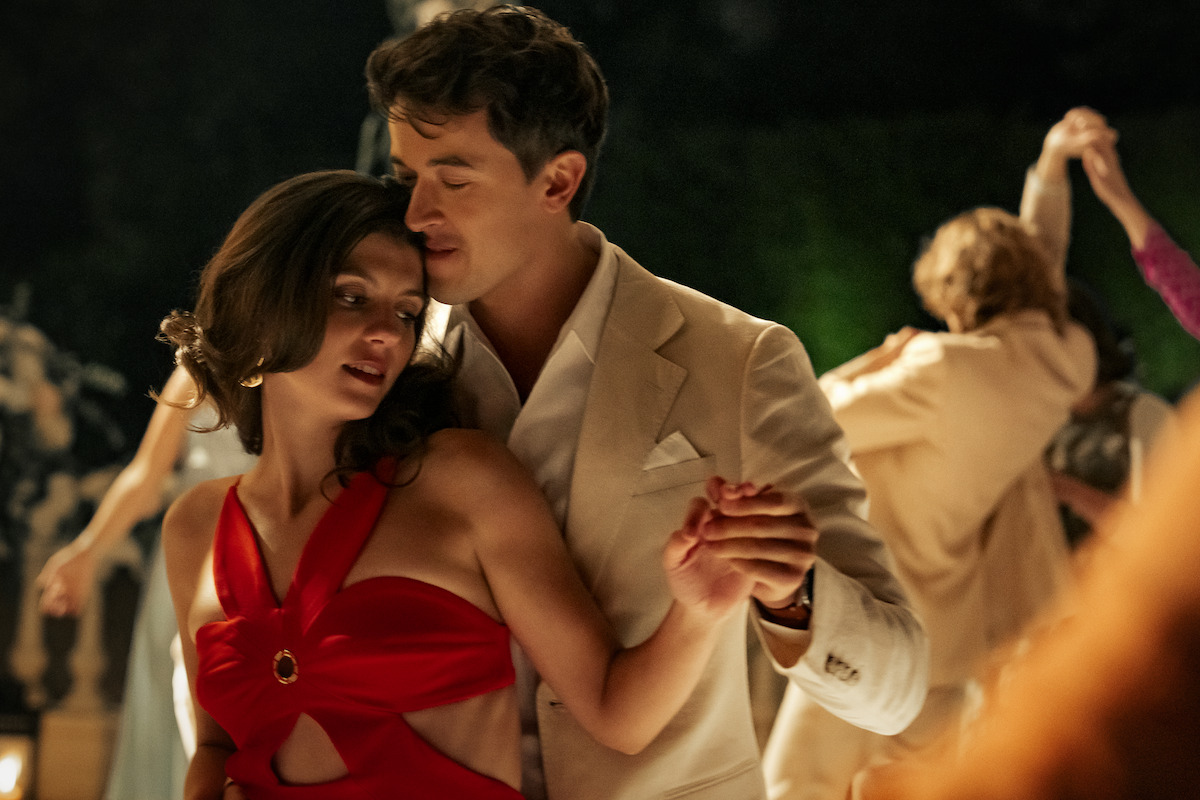
In both the book and the movie, Alex and Poppy see each other again for the first time in two years to celebrate David’s marriage. In the book, the wedding is in Palm Springs. In the film, David ties the knot in Barcelona, Spain. “With Emily’s blessing — and because of production logistics — we shifted the destination wedding to Barcelona, and it ended up being the perfect choice,” says Haley. “It’s romantic, colorful, and full of wish-fulfillment.”
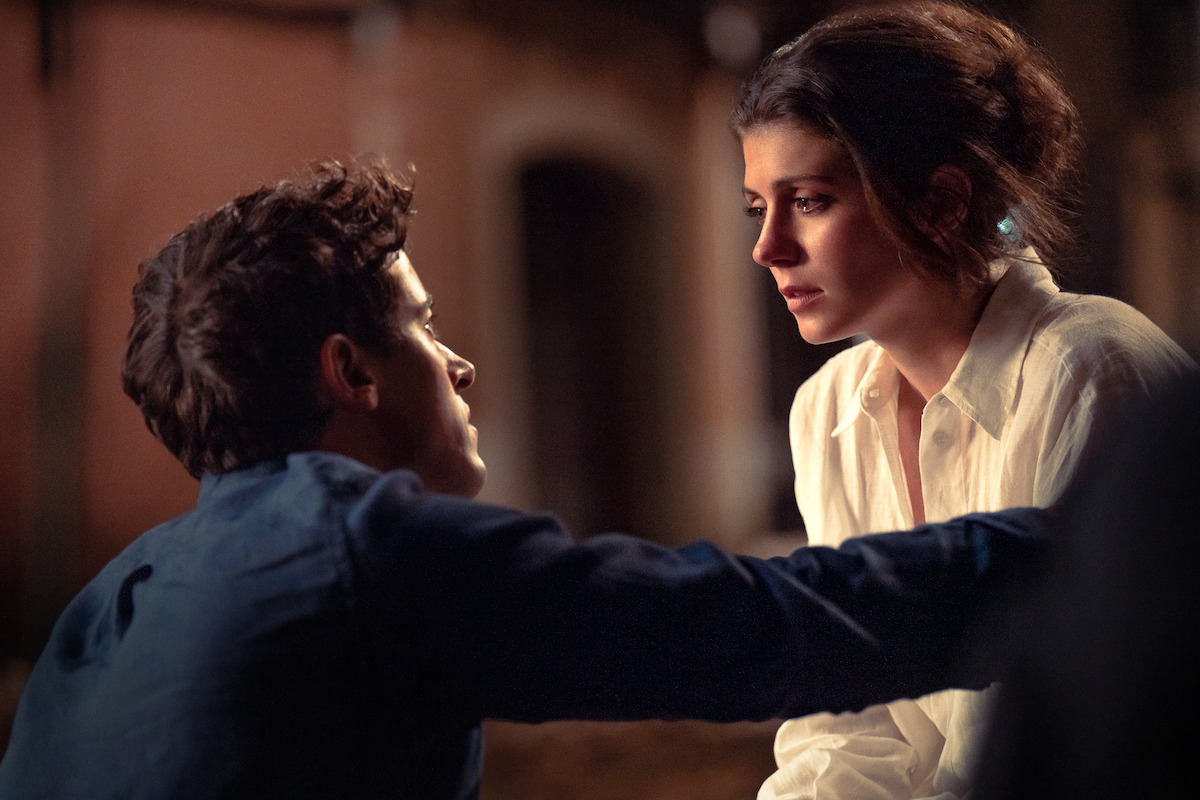
In both versions, the air-conditioning does not work at the hotel. And as the heat rises, so do Poppy and Alex’s emotions. “The idea of this heat building and building and building and needing some kind of release or catharsis, that’s like the tension simmering between them,” says Henry. “[It’s] not just their romantic and sexual tension, but also everything they haven’t talked about that they need to talk about, all the secrets they’re keeping and the confrontation that they inevitably need to have.”
Trapped in the oppressive heat of the hotel, Alex is pushed to admit that of course the reason he didn’t marry Sarah was because of Poppy. Just like in the book, Poppy cuts through the plastic sheeting encasing the construction on the balcony to get some much-needed air (yet another reason why the accommodation isn’t exactly ideal). As rain starts to fall on the pair, they finally confess that they want and love each other, recreating a very memorable scene from the book.
The Ending
Poppy and Alex split up (again) after David’s wedding because Alex wants Poppy to be clear about what she wants. He can’t just be another “vacation” to her. In the book, they have this conversation before their flights home, and it’s the first time Poppy has ever felt lonely at an airport.
In both versions, Poppy stops running away — and instead runs toward home, flying back to Linfield to fight for Alex. Poppy notoriously hates running, but, in the movie, she follows Alex on his morning jog as her grand romantic gesture. Once Poppy catches up to Alex, she tells him that he is not a vacation to her — and that she wants to build a life with him. “You’re home,” she tells him, before they embrace their future with a kiss.
One major difference between these two love confessions is how Alex’s ex, Sarah, plays into them. In the book, Poppy runs into Sarah at the high school where Alex works, since she’s also a teacher there. Sarah directs Poppy to Birdie’s, an after-work hangout spot for the staff, where Poppy bares her soul to Alex in front of his co-workers. In the movie, however, Poppy stumbles into Sarah at the airport, where she discovers that Alex’s ex has made a whole new life for herself post-breakup as a flight attendant. In both the book and the movie, Poppy apologizes for being so careless in her friendship with Alex.
The Book Cover Epilogue
In both the book and the film, Alex reads a novel written by Augustus Everett, a fictional author from one of Henry’s other novels, Beach Read. In the book, Alex reads it poolside in Palm Springs. But in the film, the August Everett book appears in the epilogue, in which we see Poppy and Alex on their latest summer trip — effectively recreating the book cover of Henry’s People We Meet on Vacation. “From the very first draft I was like, ‘We need to end the movie on the book cover,’” says Haley.
People We Meet on Vacation is now streaming, only on Netflix. And prepare for even more adaptations from Emily Henry ahead.