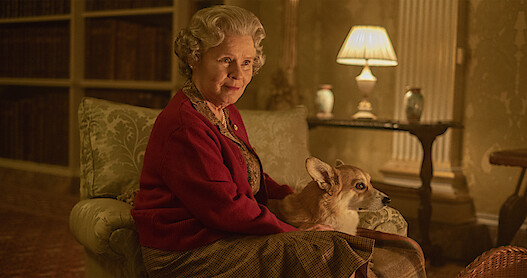
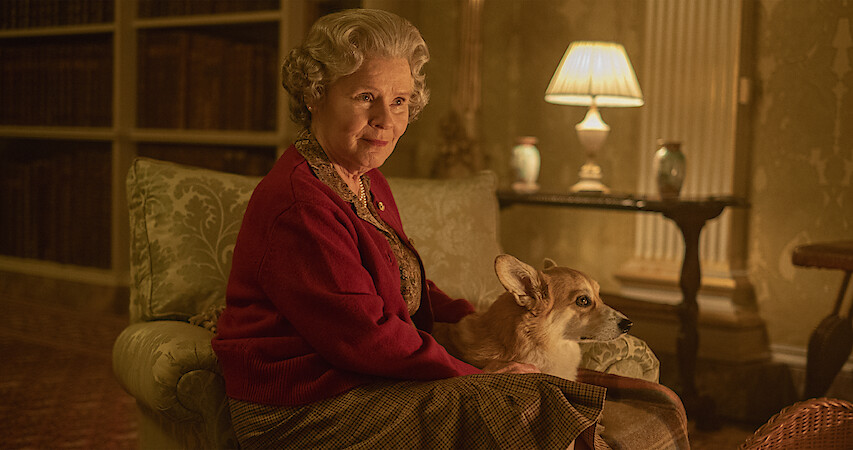
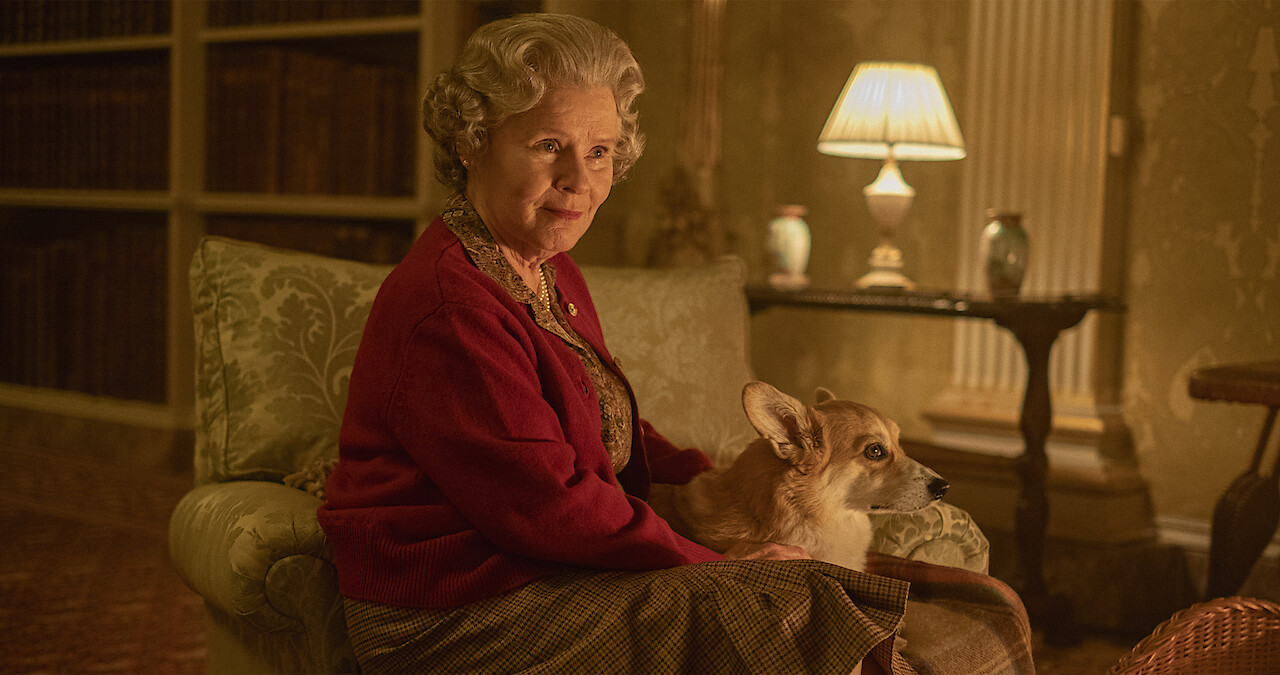
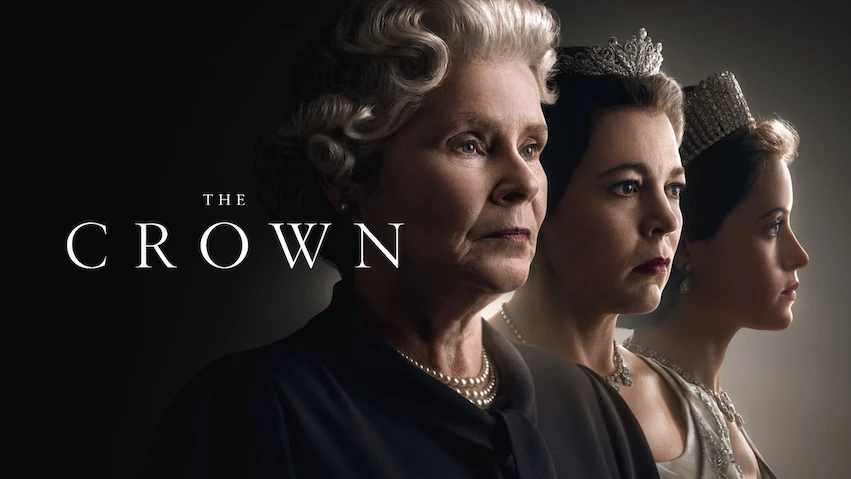
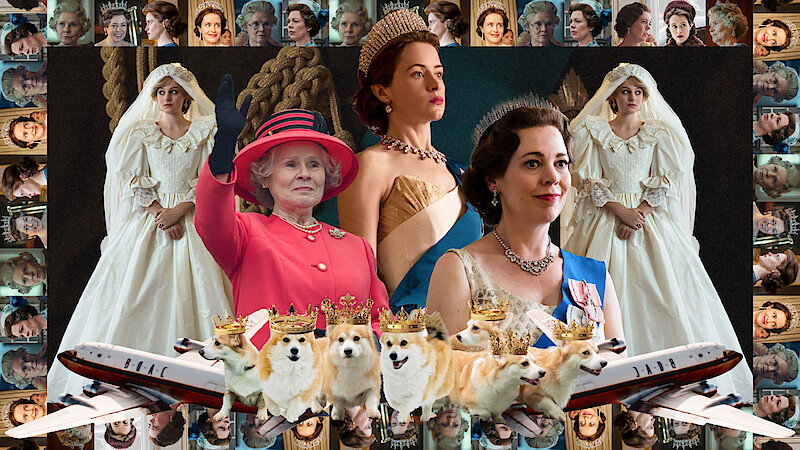
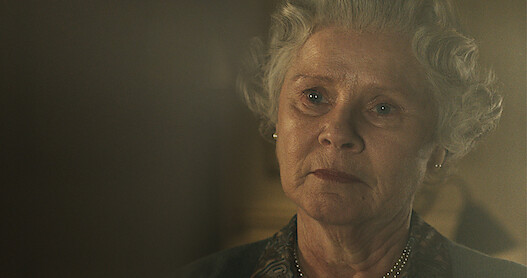
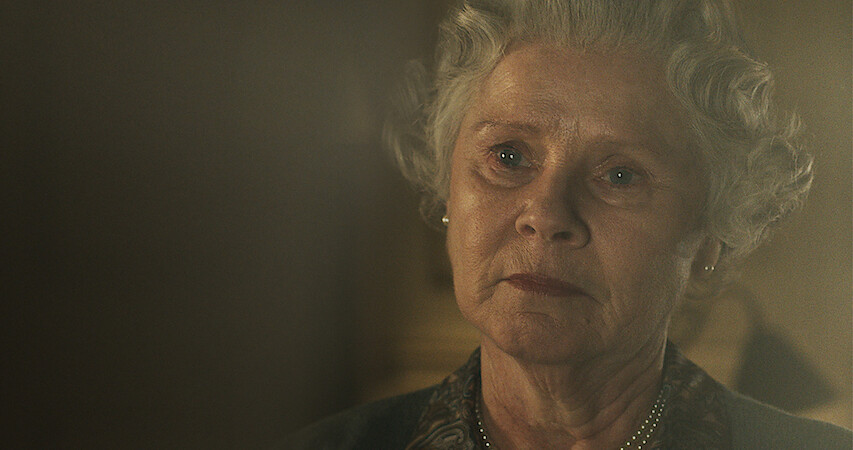
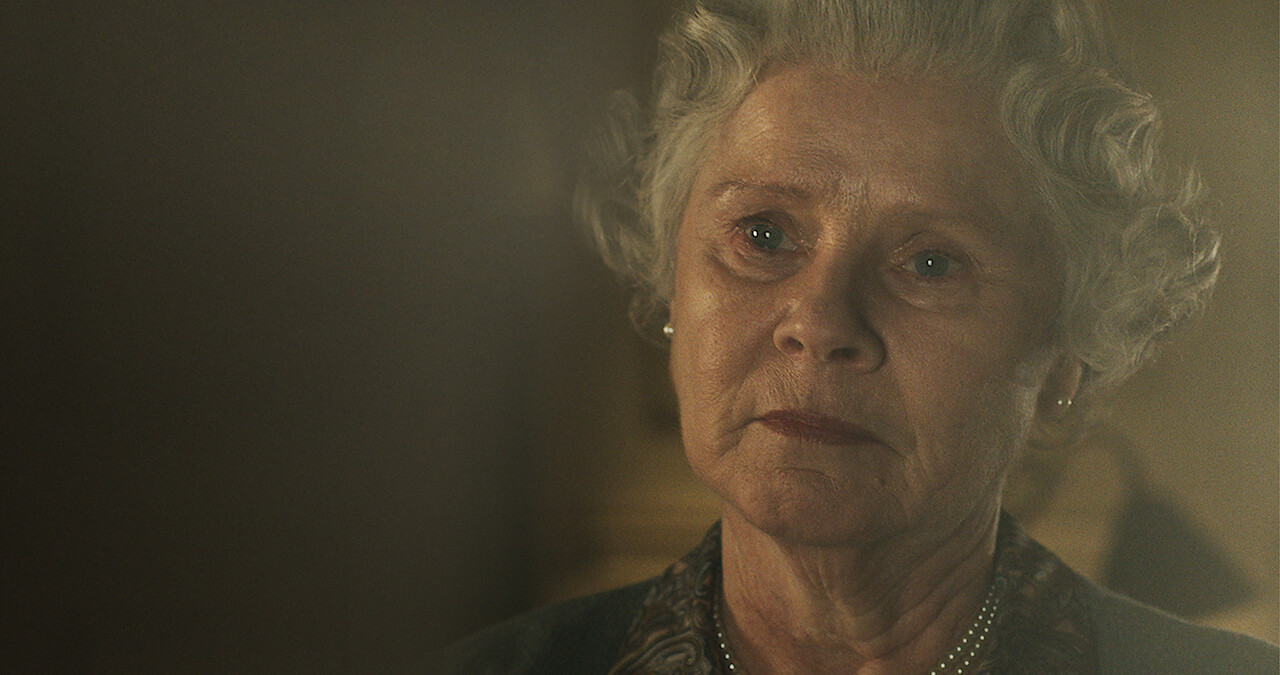
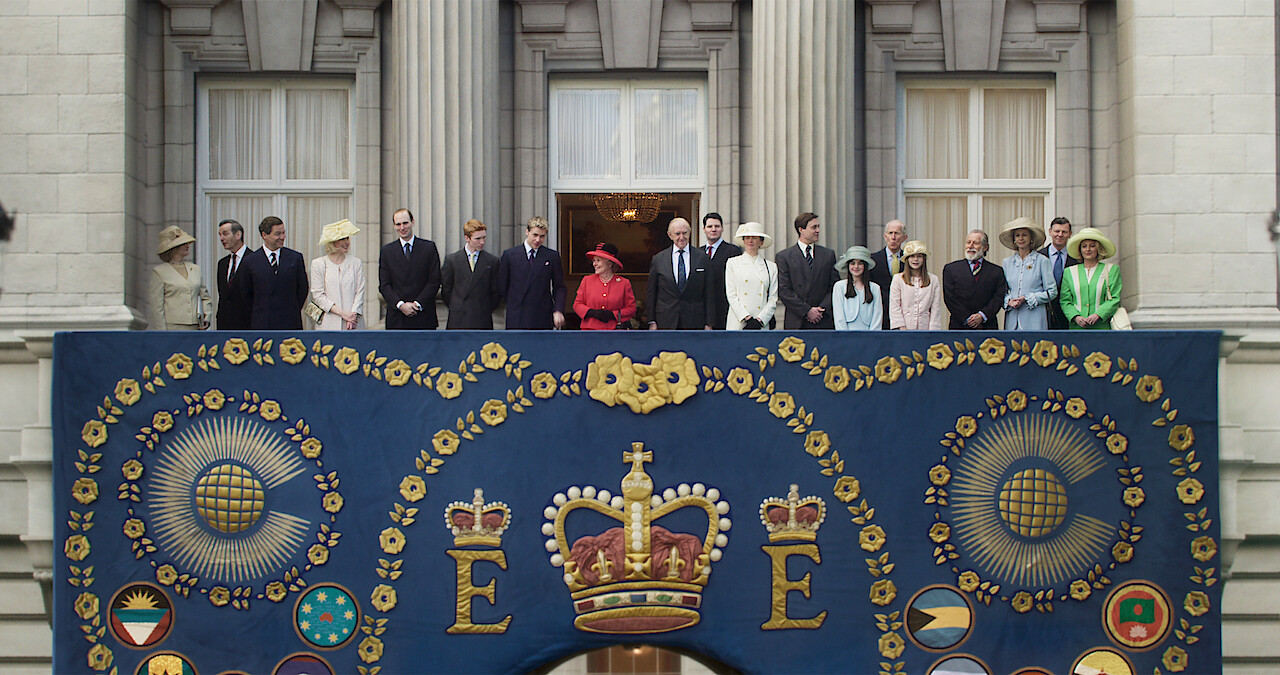
Get ready for your audience with the queen because The Crown: The Official Podcast with host Edith Bowman has returned to explore the sixth and final season of the royal drama.
More than ever, The Official Podcast will deepen your experience of watching The Crown. Not only does the companion piece grant unprecedented access to the cast and creative team for a season that is both heartbreaking and particularly complex, but it also serves as a retrospective and farewell to the groundbreaking series as a whole.
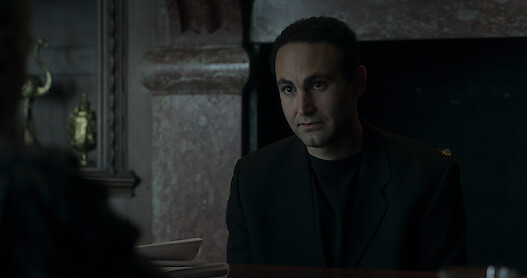
Throughout the sixth season of the podcast, Bowman sits down with directors and producers, head of research Annie Sulzberger, dialect and voice coaches, and of course, creator and showrunner Peter Morgan, as well as key cast members including queen Imelda Staunton, Dominic West, Elizabeth Debicki, and Salim Daw. Bowman uncovers long-hidden Crown secrets, discovers the behind-the-scenes workings of each episode, and reveals how Morgan and the creative team pulled off the herculean task of bringing this royal saga that spanned seven decades to a close.
Follow and subscribe to The Crown: The Official Podcast on all platforms to get all the secrets from the series. New episodes will be released weekly throughout November and December, ending in January.
Episode 1: How did the death of Queen Elizabeth II change Imelda Staunton’s performance?
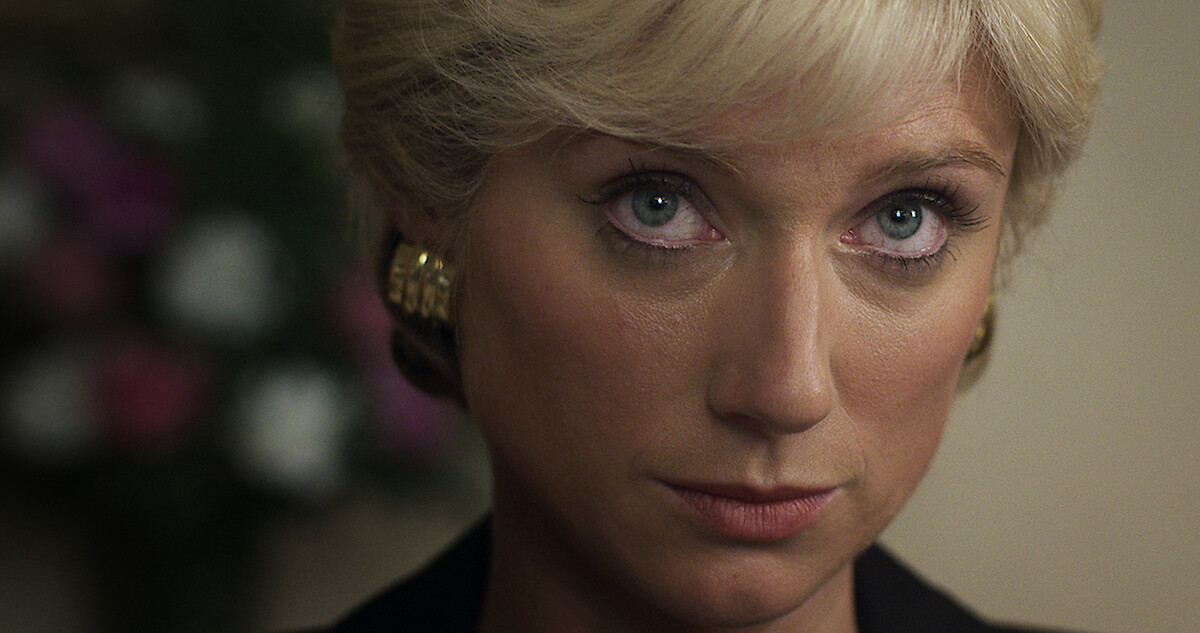
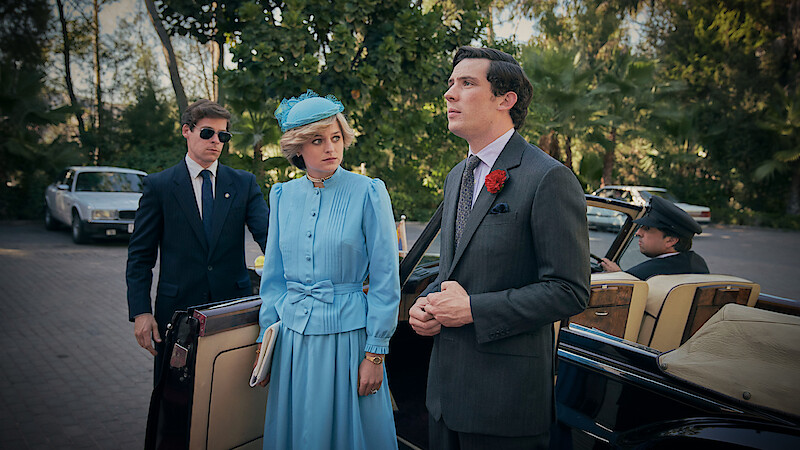
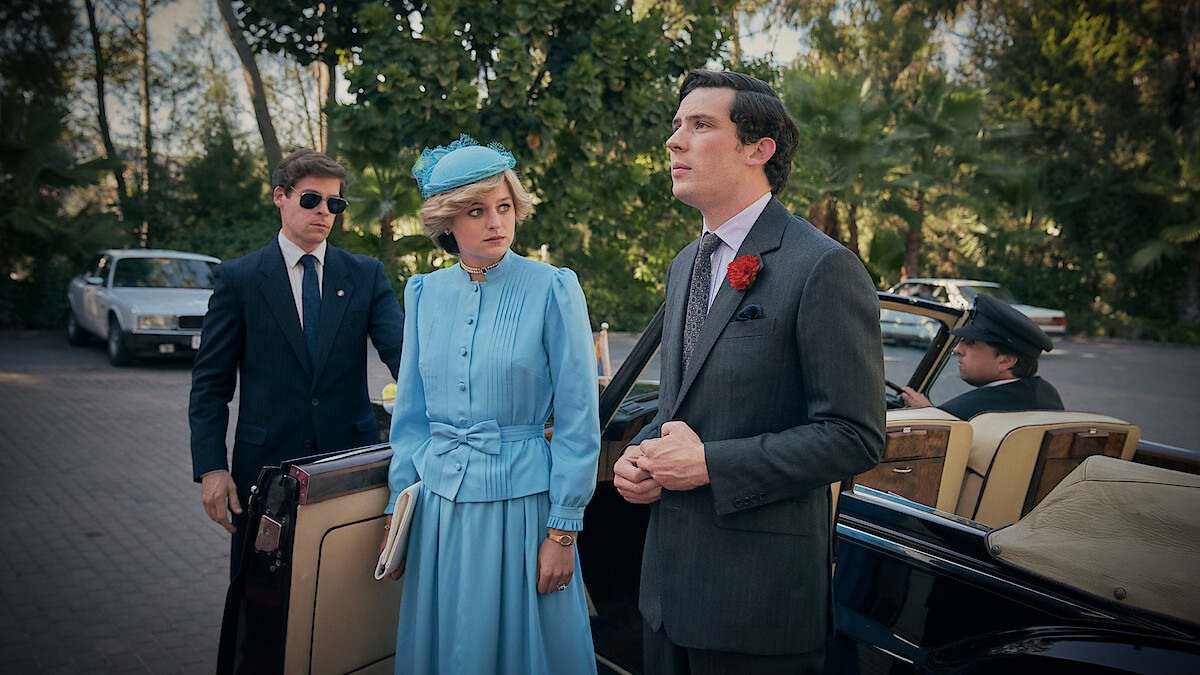
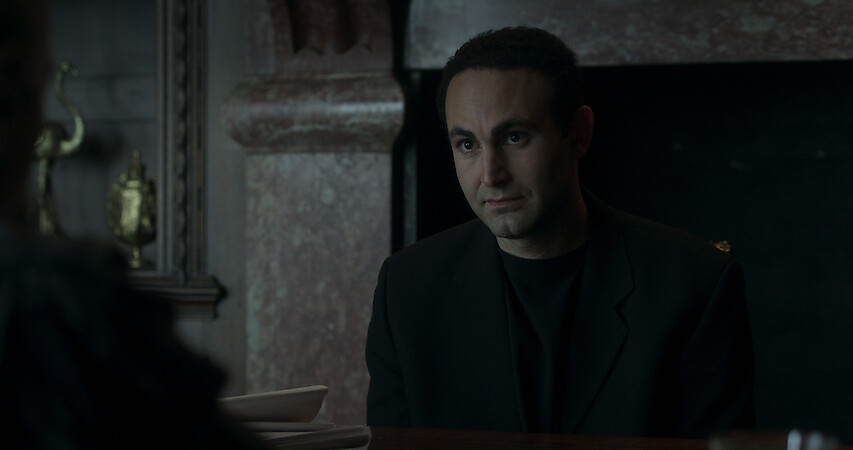
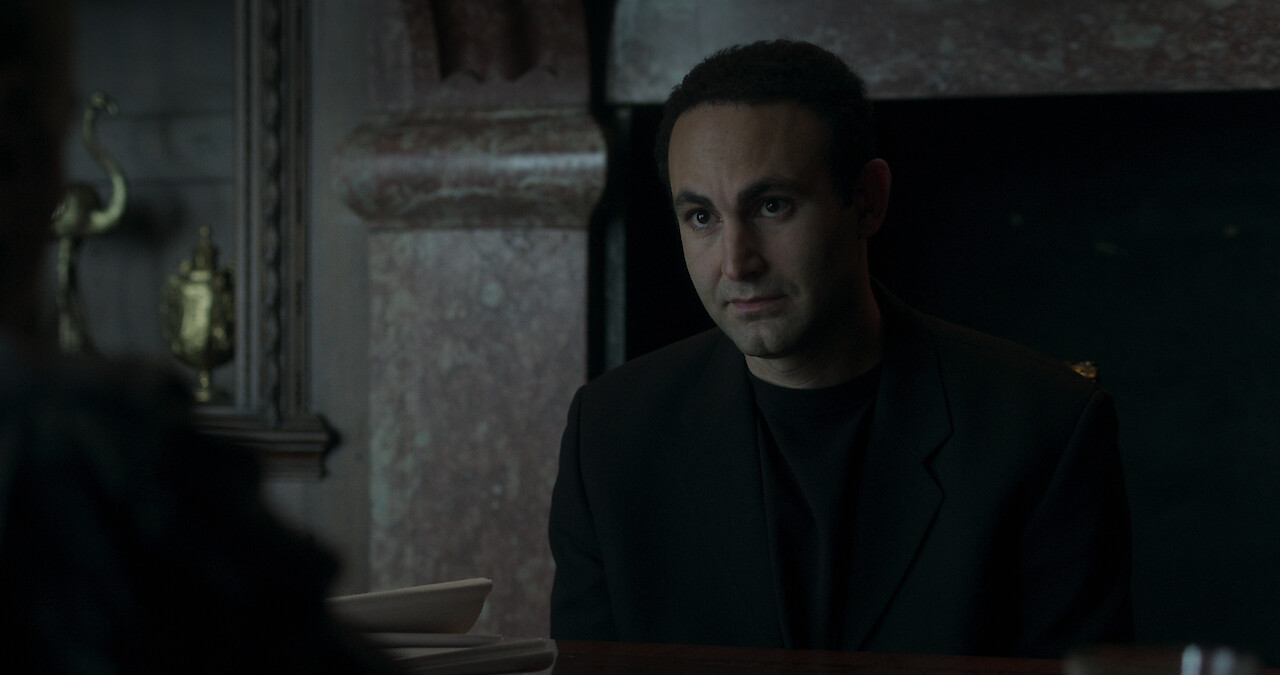
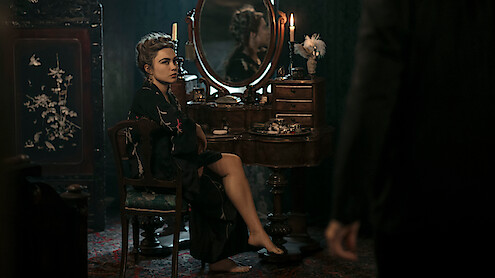
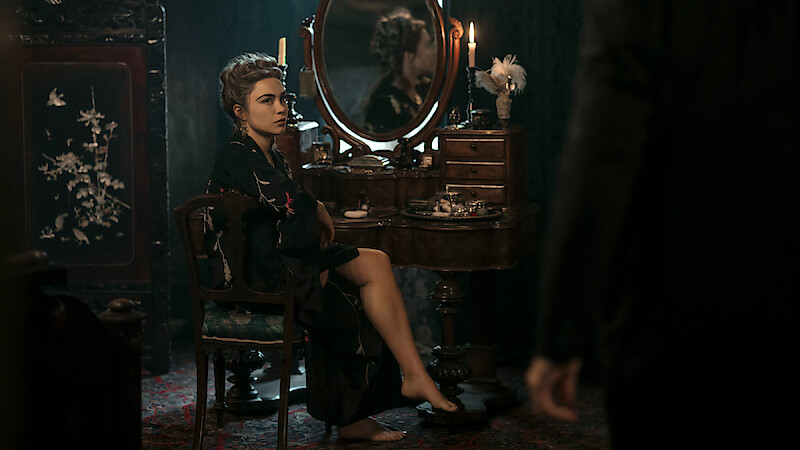
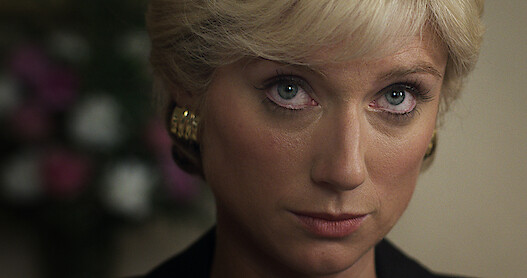
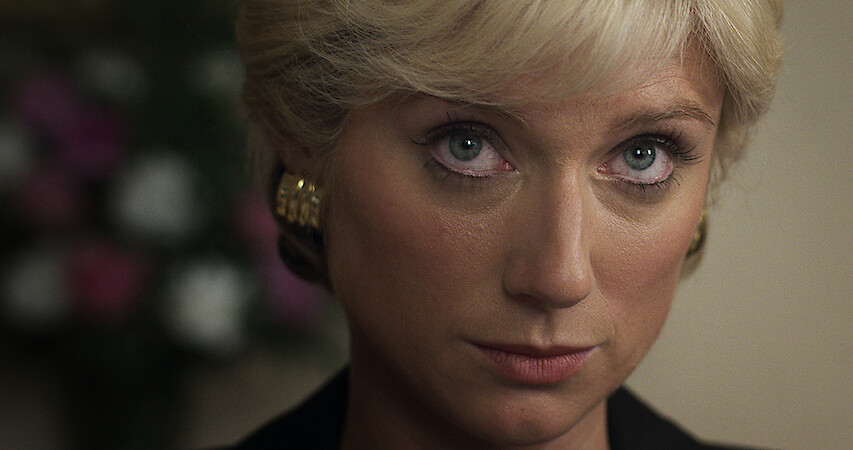
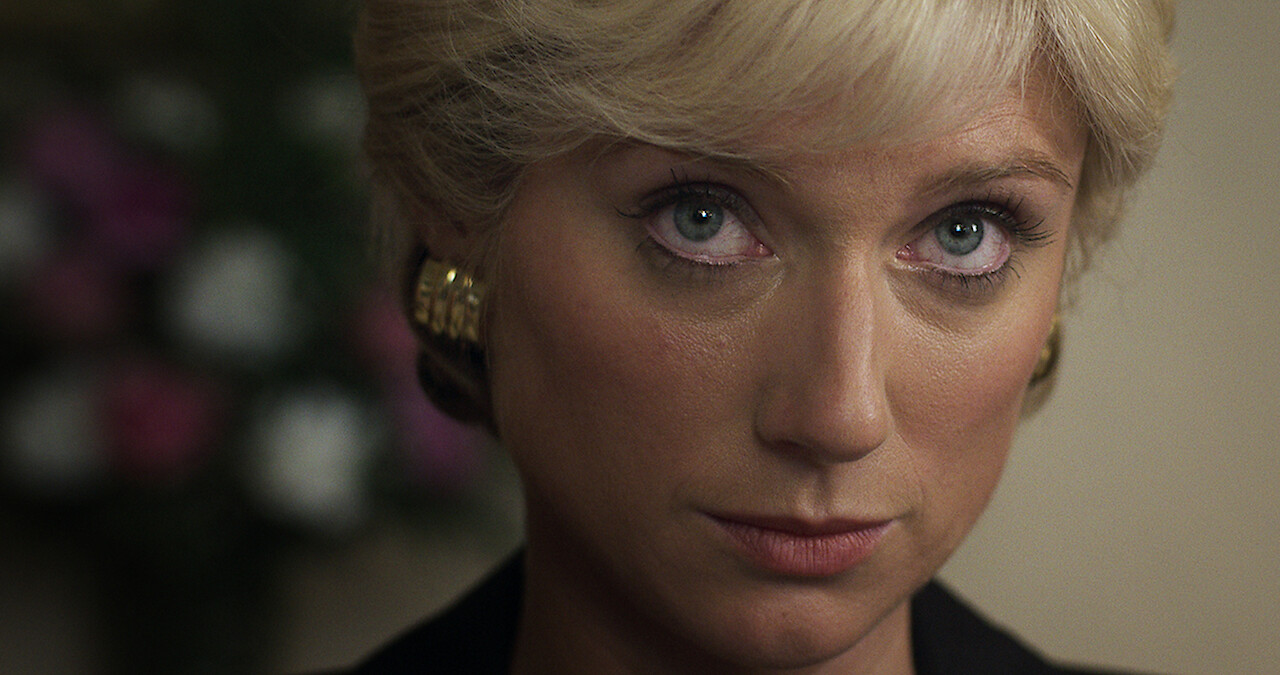
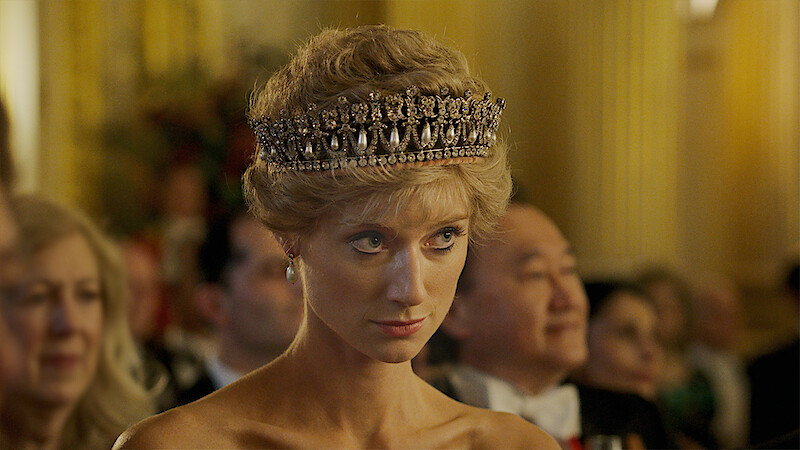
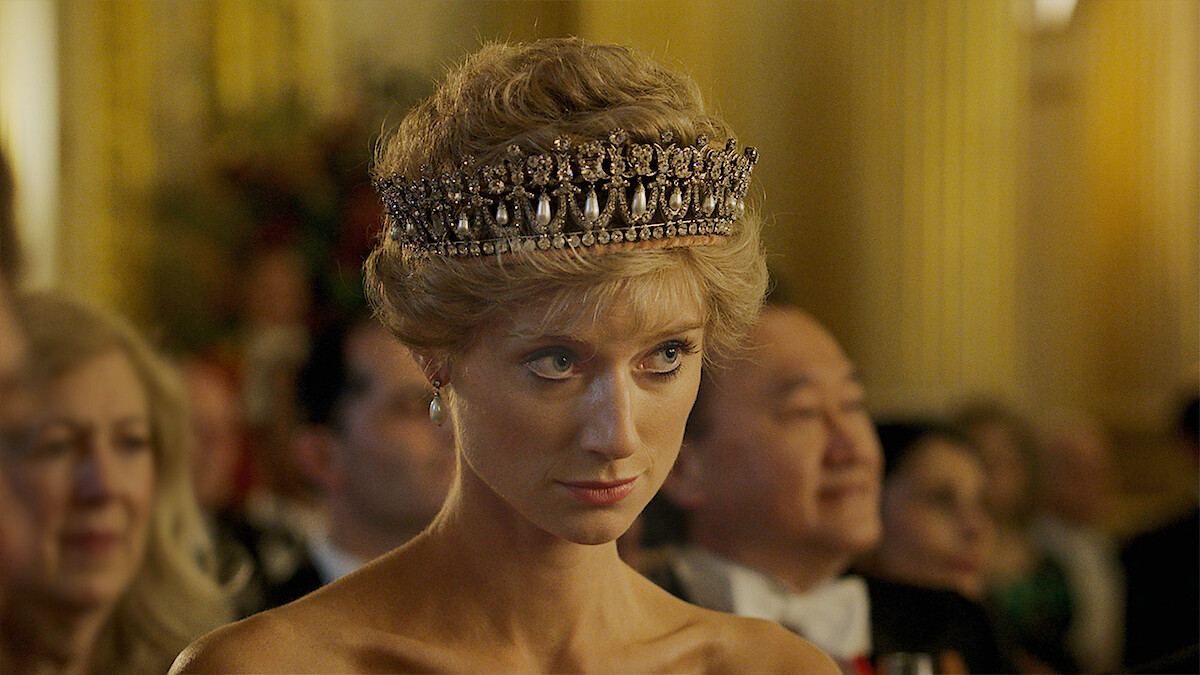
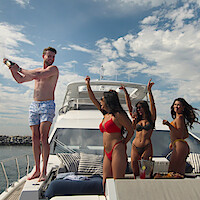
“Persona Non Grata” begins a year after Prince Charles (West) and Diana’s (Debicki) divorce. Charles (West) is organizing a glamorous birthday party for Camilla in hopes of legitimizing the relationship in the public eye — and he hopes the queen (Staunton) will attend. Meanwhile, Diana (Debicki) takes William (Rufus Kampa) and Harry (Fflyn Edwards) to Saint-Tropez for a vacation courtesy of Mohamed al-Fayed (Daw), father of Dodi Fayed (Khalid Abdalla). Director Alex Gabassi reveals the spontaneous moments that helped shape the premiere episode; head of research Sulzberger delves into Diana’s state of mind during this chaotic time; and Morgan gets candid about his complicated emotions around finishing the series.
Just hours after wrapping the series, Staunton spoke to Bowman about hearing of Queen Elizabeth II’s death. “I remember I came home [from set] and I was absolutely inconsolable and more,” said Staunton. “It shocked me, my reaction. I’ve always felt extremely responsible playing [her], but I then witnessed over those 10 days at her funeral why so many people are affected by this… This woman turned up every day.”
Episode 2: Just how bad was the media circus surrounding Princess Diana?
In Episode 2, “Two Photographs,” the paparazzi create a media frenzy as Diana and Dodi are snapped together, prompting Charles to stage a retaliatory photo op with their sons. On the podcast, Debicki talks about playing opposite Abdalla and Kampa, who plays teenage Prince William. Director Christian Schwochow and executive producer Suzanne Mackie discuss just how invasive the media was during the events depicted in the episode.
Debicki also describes a shoot day when she was suffering from seasickness and Kampa and Edwards stepped up for their TV mom. “Little Fflyn was sort of holding my hand for the rest of the day and Rufus, making sure I had cups of tea,” she says. “They were divine and they were incredibly good on camera and I love them.”
Episode 3: How did the creative team handle the end of Diana and Dodi’s story?
For many reasons, Episode 3 of The Crown, “Dis-Moi-Oui,” which follows the final hours of Diana and Dodi’s lives, was perhaps the most delicate of the series’ run for the creators. “We want to be respectful of what we know to be the facts,” says longtime producer Oona O’Beirn, “but there was a sense of wanting to bring a sort of dignity to what happened toward the end of their lives as well.”
It was important, then, for the cast and crew to viscerally understand how it must have felt for Diana and Dodi to be hounded by the tabloids for the entirety of their whirlwind relationship. As Khalid Abdalla shares with Bowman, they got a taste of the chaos right on set. “The first time I, in costume, walked next to Elizabeth in costume, going through a public space to where we were going to film — the energy of the gaze on you is so powerful,” he said. “Now, imagine that for the duration of those six weeks. Like, scale it up.”
Episode 4: What new information can we learn about the fallout after Diana and Dodi’s deaths?
“Aftermath” deals with the shattering fallout after Diana and Dodi’s deaths and the beginnings of the trauma that will follow both of their families. “I’ve been dreading that particular episode for nine years,” Morgan told Bowman, “because having dealt with the five days after Diana’s death in the movie [The Queen] with Helen Mirren, I just thought I, you know, I don’t wanna just repeat it.”
However, there was an important motivation this time to focus on another side of the story: “All I knew is that I wanted to tell the story of what happened to Dodi,” said Morgan. “I wanted to tell Dodi’s aftermath story as much as Diana’s.”
Elsewhere in the podcast, Bowman speaks to Daw, Dominic West, and researcher Nourhan Tewfik about what Mackie calls an “extraordinary” episode that portrays the royals as “an ordinary family when they’re just sitting, waiting for news, or waiting for the phone to ring.”
Episode 5: Why were new actors cast to play William and Harry?
At the start of Part 2 of Season 6, you’ll notice that there are new actors, Ed McVey and Luther Ford, in the roles of Princes William and Harry, respectively. The aging up might seem sudden, but it was a necessary shift because of what’s to come, according to Morgan. “I mean, we just knew we had to change the actor [playing William]… if you’re asking them to play a bit older, and suddenly they’re dating, right?”
With “Willsmania,” the focus of the series turns to Diana’s eldest son as he navigates the strange polarity of grieving his mother’s death while dealing with a surge of adoration. “He went through peak Diana resemblance in the one or two years immediately after her death,” said Morgan. “And it felt like Diana was still alive through him… If Diana and the queen were the lead characters in the first four episodes until her death, then I thought William and the queen should be the lead characters going through the rest of the show.”
Later in the podcast, Bowman speaks to director May el-Toukhy about depicting the different ways in which William and Harry grieved as well as chatting with West and Jonathan Pryce about how they approached portraying two generations of paternal counsel to a teenage Prince William.
Episode 6: What’s with that dream sequence?
“The dream sequence is a very wild thing to have in a Crown episode,” said Daniel Janes, writer of the episode “Ruritania.” The Crown has rarely strayed from realism, but in the queen’s fraught emotional state, following the death of Diana and in the midst of Tony Blair’s (Bertie Carvel) ascendant popularity, it seemed fitting. “I think there is a sense that there’s time for a palate cleanser,” Janes told Bowman. “What better palate cleanser than this very wild departure from reality?”
We also hear from Carvel about playing the prime minister as he was known in 1997 as opposed to today. “To play him as he was then — and not as we, from whatever angle, may consider him to be, with the benefit of hindsight — I think, is really exciting,” he said. Bowman also spoke to prop master Owen Harrison and director Erik Richter Strand.
Episode 7: How was Kate Middleton cast?
“Adorkable” is how Jonathan Wilson, co-writer of “Alma Mater,” describes the dynamic between Prince William and Kate Middleton (Meg Bellamy) as their romance buds at the University of St. Andrews. And it’s easy to believe the same about McVey and Bellamy’s dynamic when Bowman interviews them together and Bellamy shares how she learned she was cast on The Crown: “I was at Legoland,” where she was playing the role of a giant red brick. You’ll want to listen for the whole story. Also listen for dialect coach William Conacher on how to speak like a royal and director el-Toukhy on the role that Kate’s mother Carole (Eve Best) played in her and William’s meeting.
Episode 8: Were young Princess Margaret and Queen Elizabeth played by aged-down Vanessa Kirby and Claire Foy?
As Lesley Manville brought Princess Margaret’s story to a close, she felt a certain kinship to the actors who previously played the queen’s spark plug of a sister. “The circle is absolutely complete,” Manville told Bowman, “and not just my circle, but that I’ve finished off the circle that was Vanessa [Kirby] and Helena [Bonham Carter] and I.” In “Ritz,” the princess suffers a series of strokes, and as the end nears, she slips into memories of her and her sister sneaking out to celebrate V.E. Day in 1945. And in case you’re wondering, the young queen and princess are not played by aged-down, CGI versions of Claire Foy and Kirby — the actors, Viola Prettejohn and Beau Gadsdon, just look a lot like them and worked to embody them with their performances. Even director Alex Gabassi had to wonder in two instances, “Is that Claire Foy?”
Rounding out the podcast episode, co-writer Meriel Sheibani-Clare talks about writing the sisterly relationship, and producer Martin Harrison breaks down filming the bustling 1945 sequences.
Episode 9: What was Operation Paget?
The penultimate episode “Hope Street” is full of late-act turmoil: the queen mother (Marcia Warren) dies; a new investigation into Diana and Dodi’s deaths, known as Operation Paget, is brought on by the tireless efforts of Muhammad al-Fayed; and Elizabeth is insecure enough about her popularity leading into her Golden Jubilee that she leans on Prince William, whose personal life is busier than ever as he courts Kate.
Bowman spoke to researchers Sulzberger and Anna Basista about Operation Paget. “We watched all the footage, we talked to experts,” said Basista. “We talked to a crash expert who talked us through what would happen to a Mercedes at that speed… because, you know, the incredible set deck and graphics department had to reconstruct all these things for the evidence room.” Bowman also nabbed the very first interview with Luther Ford, the actor playing our new Prince Harry, and we learn from Warren what went into portraying the queen mother over two seasons. “Everybody you spoke to who had known her just adored her,” said Warren. “But there was this steely thing there as well.”
Episode 10: How did the Olivia Colman and Claire Foy cameos happen in the finale of The Crown?
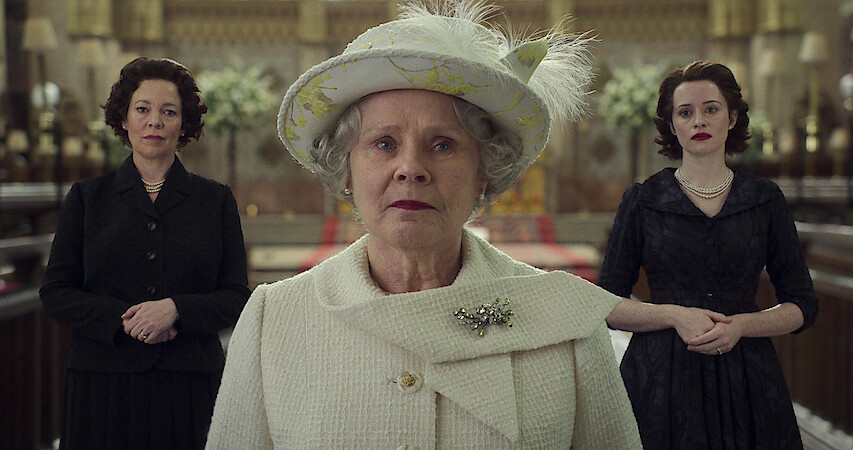
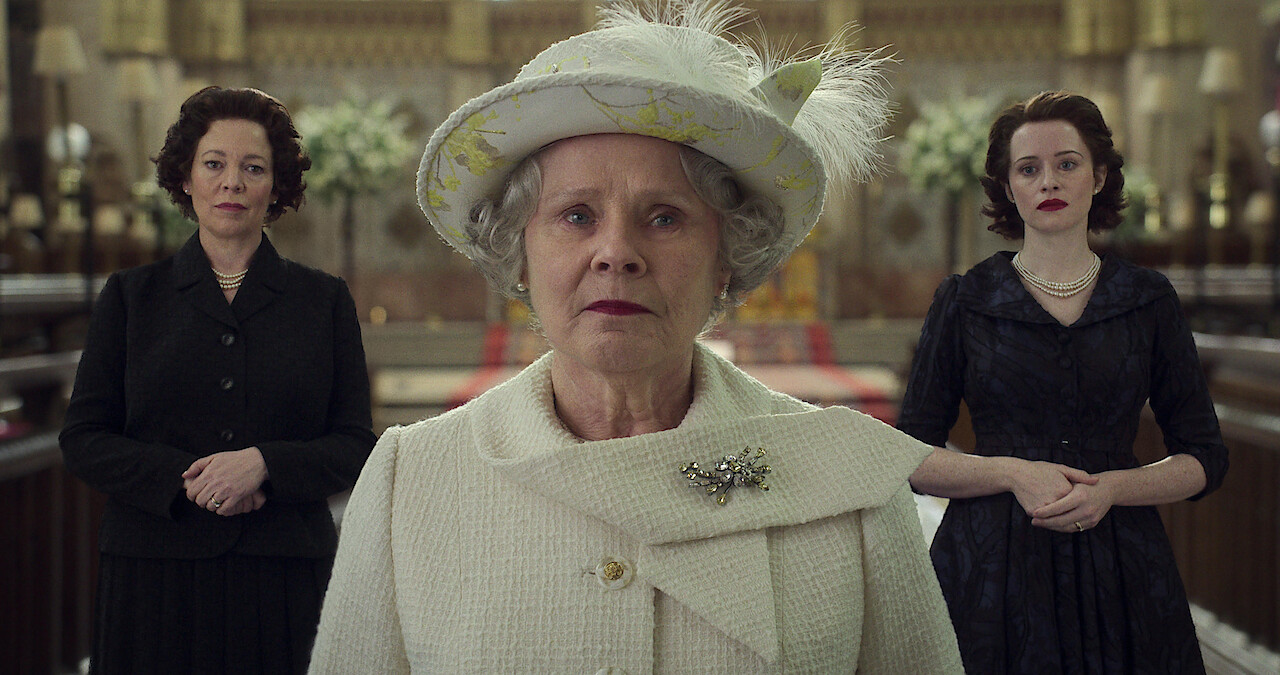
“I didn’t even finish the sentence,” Peter Morgan recalled, before Olivia Colman said yes to a cameo in the series finale. And Foy was “just as excited.” He said, “A big part of the draw for both Claire and Olivia was the idea of doing a scene with Imelda.”
In addition to the three queens appearing together, the series finale of The Crown had to go out with another spectacle: the long-awaited wedding of Charles and Camilla (Olivia Williams). Williams told Bowman, “Playing Camilla is quite like being Camilla in that you weren't invited to any of the big family occasions… but the last week [of filming] just was surreal.” Researchers Sulzberger, Ana Cardin, and Sophie Badman shared how the team got the wedding right for the screen, and multi-award-winning director of photography and cinematographer Adriano Goldman spoke about defining the look of the series from the beginning.
Of course, it wouldn’t be the finale of the podcast without Morgan looking back on The Crown as a whole. “I suppose the things I’m most proud of are the very human hurdles you have to overcome to actually make something like this,” he said to Bowman. Perhaps the queen could have said something very similar about her monarchy.
Stream The Crown Season 6 now.