Homage
The Many Lives of Regina King
Her performance in The Harder They Fall is a culmination of her entire career.
By Aramide Tinubu
Dec. 9, 2021
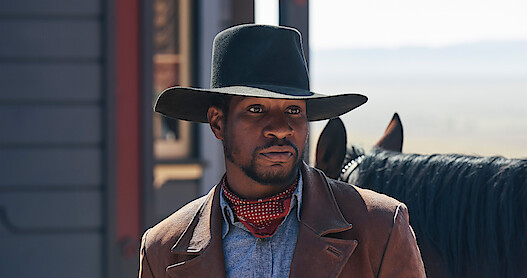
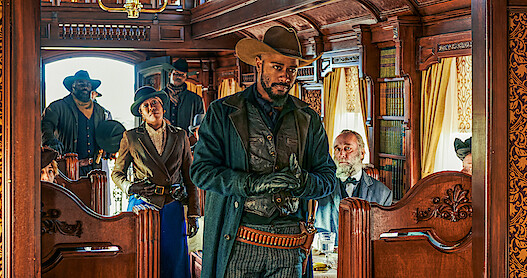
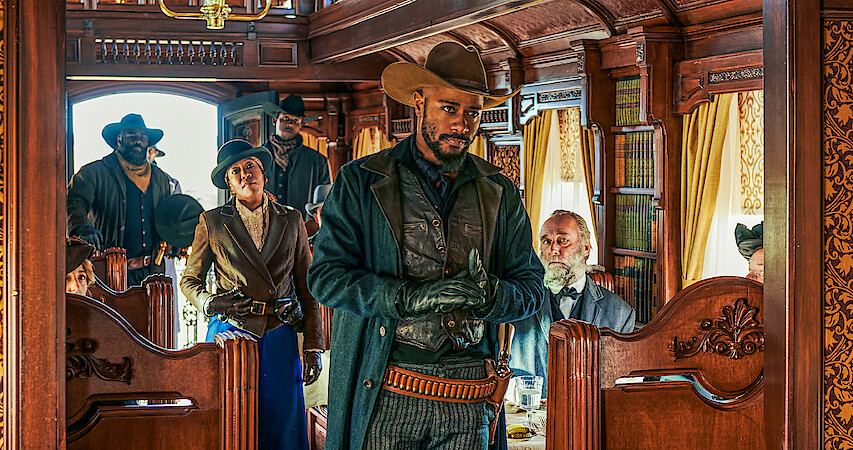
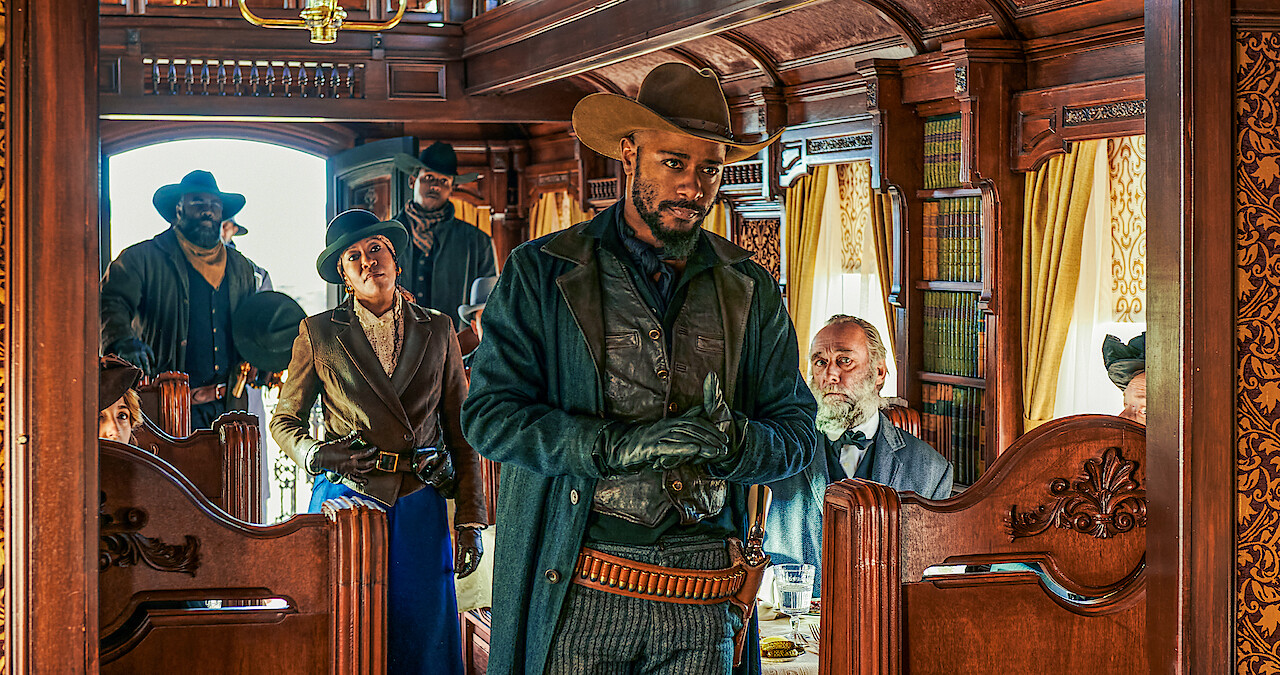
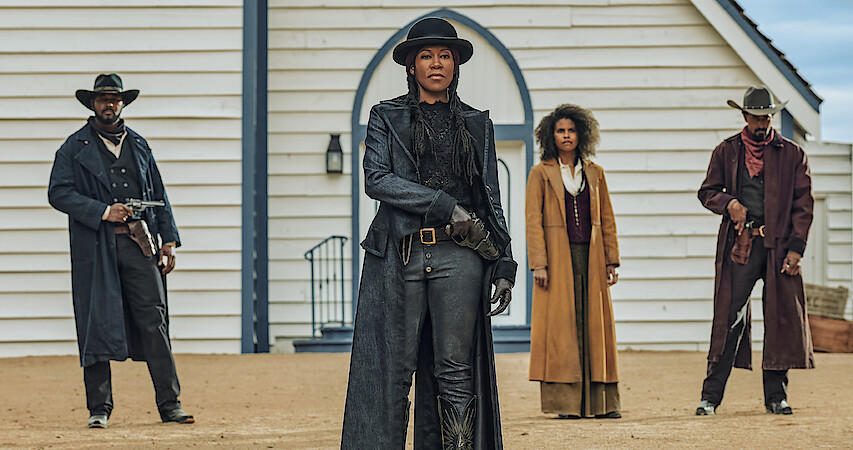
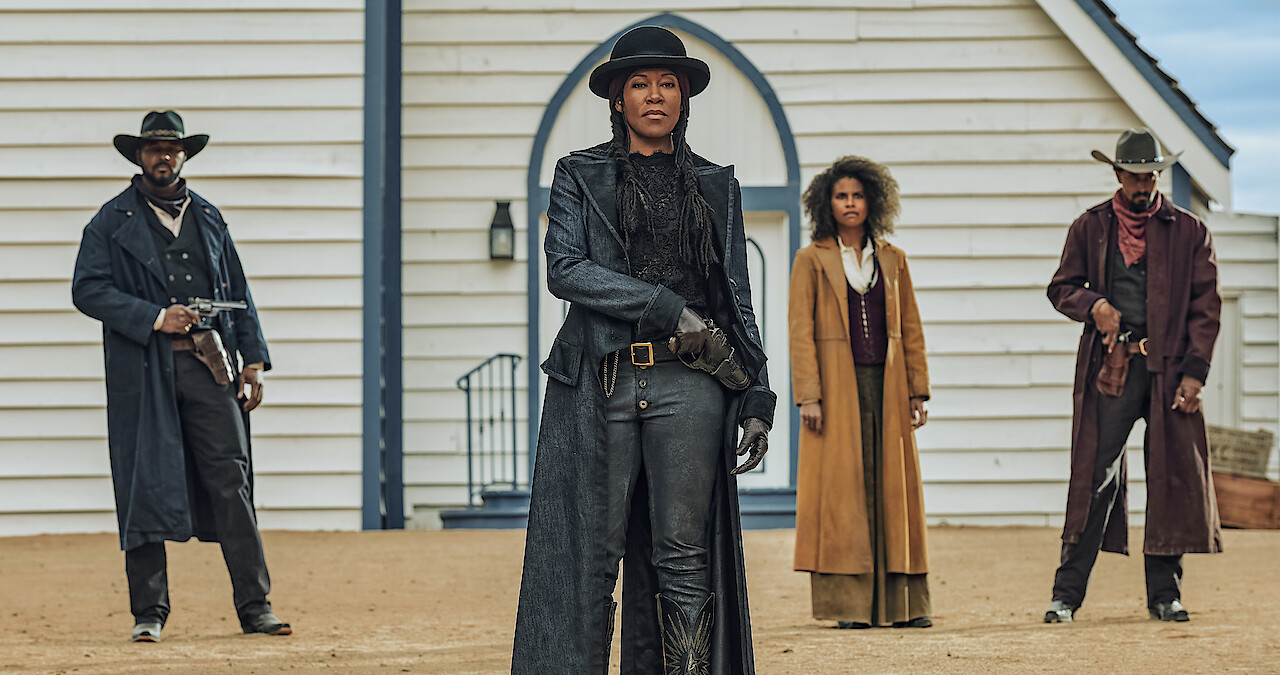
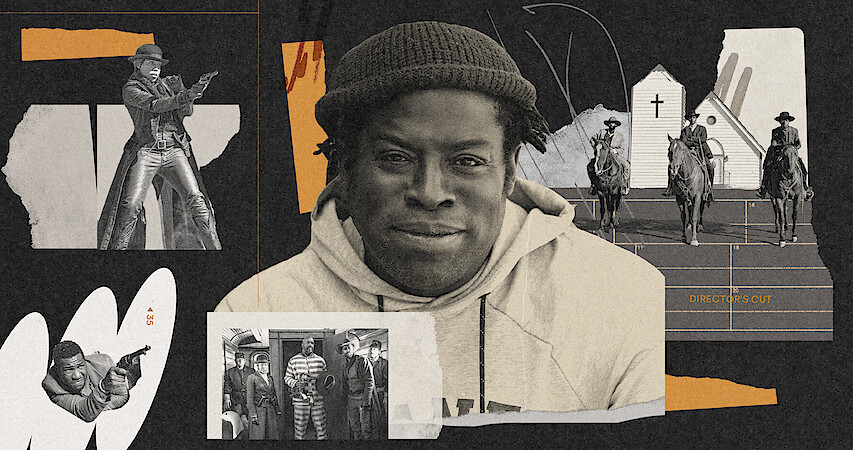
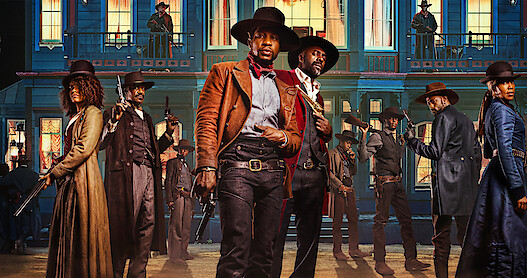
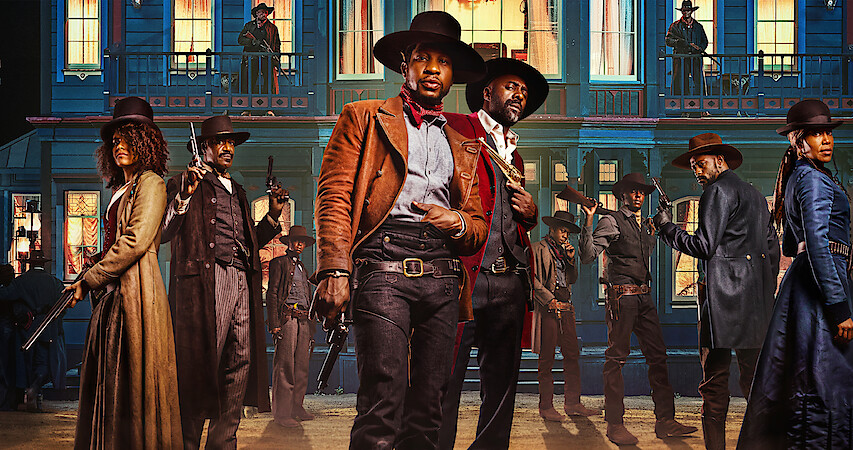
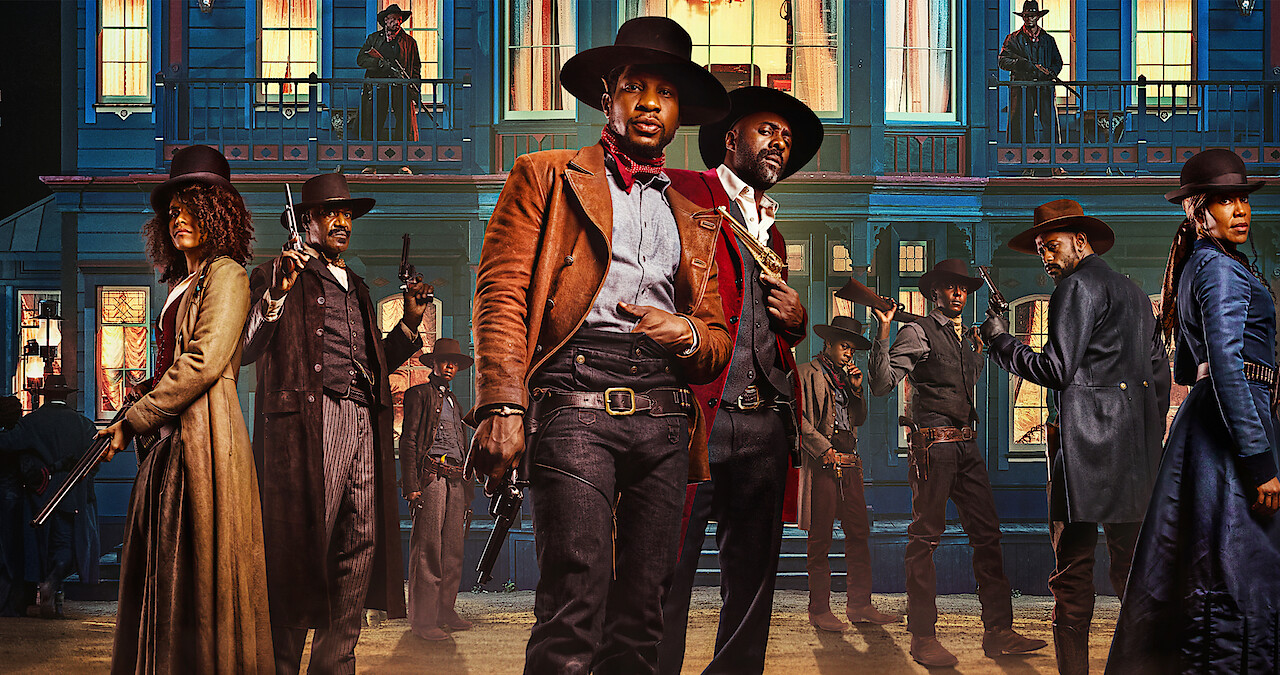
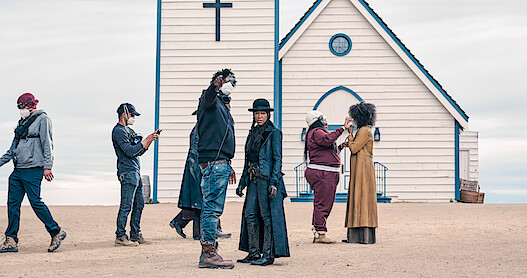
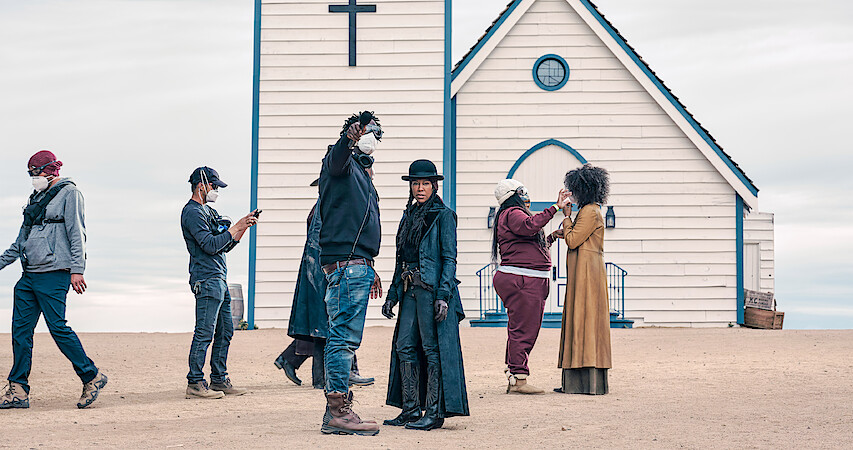
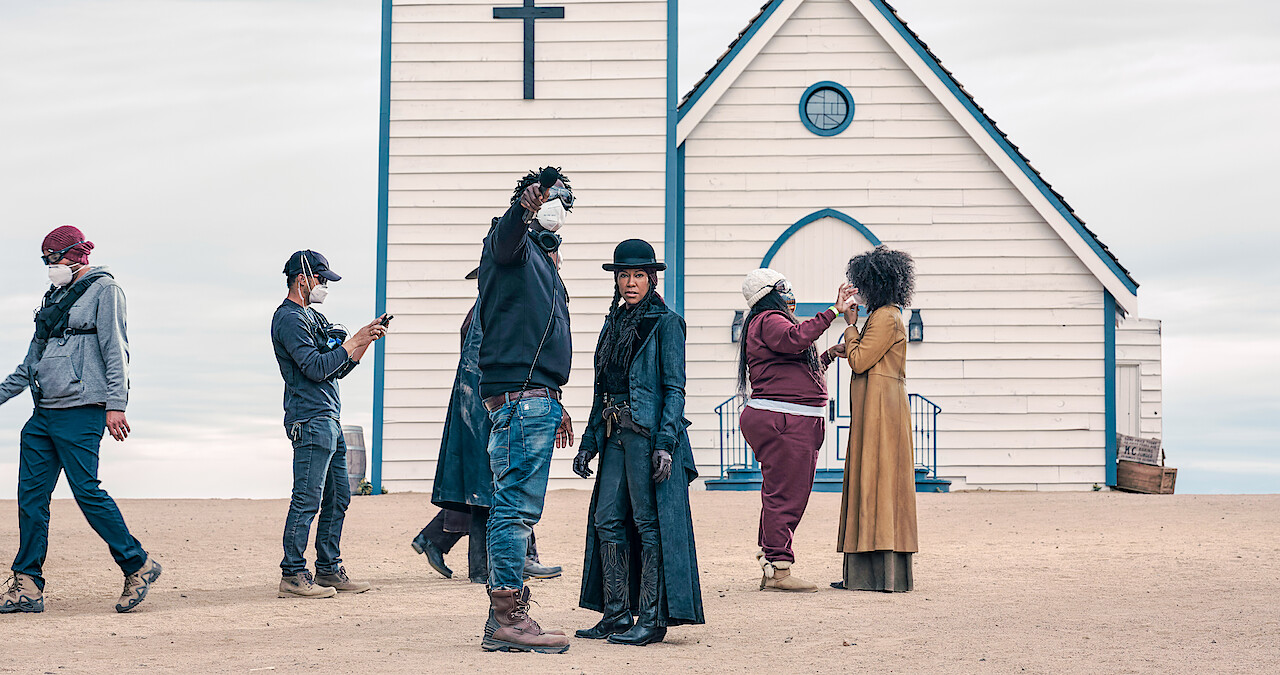
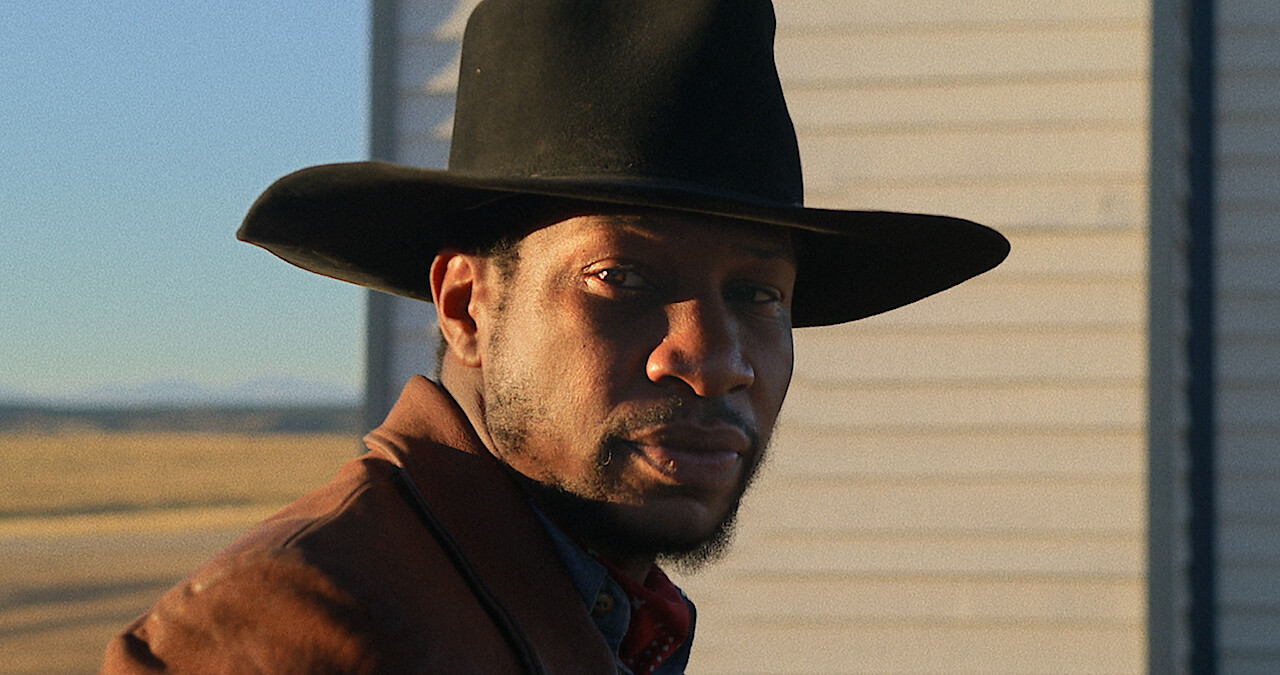
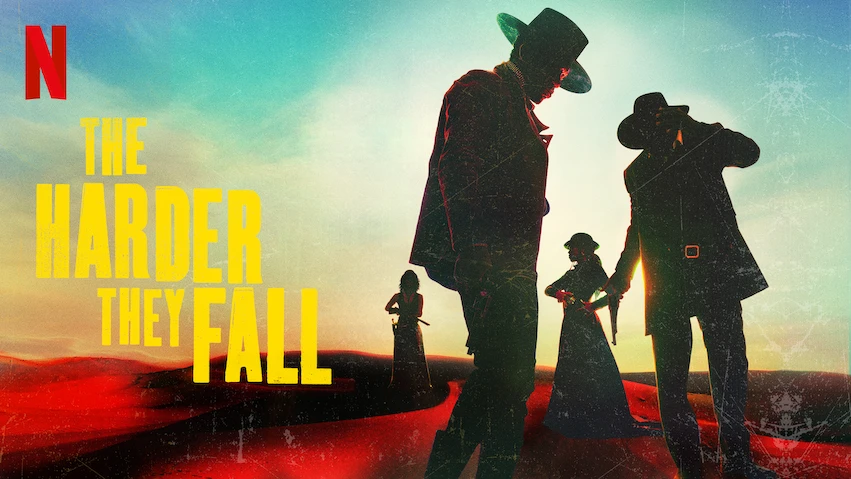
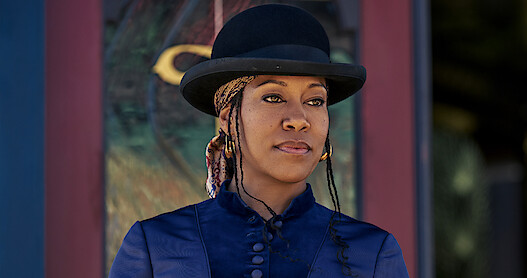
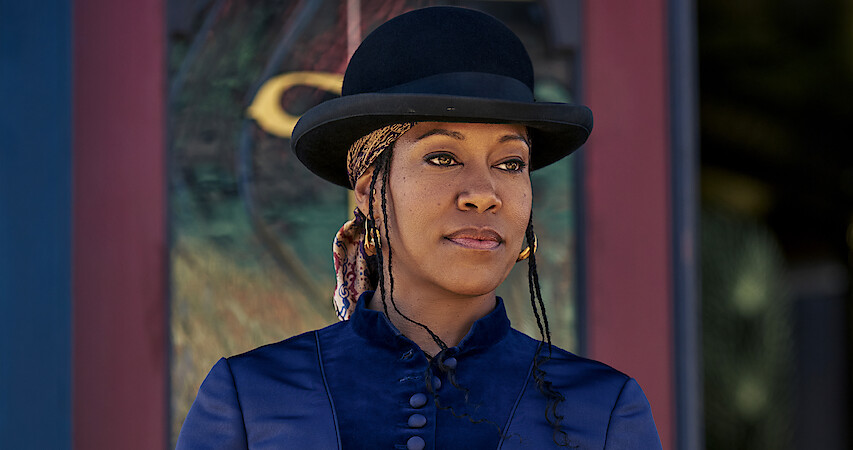
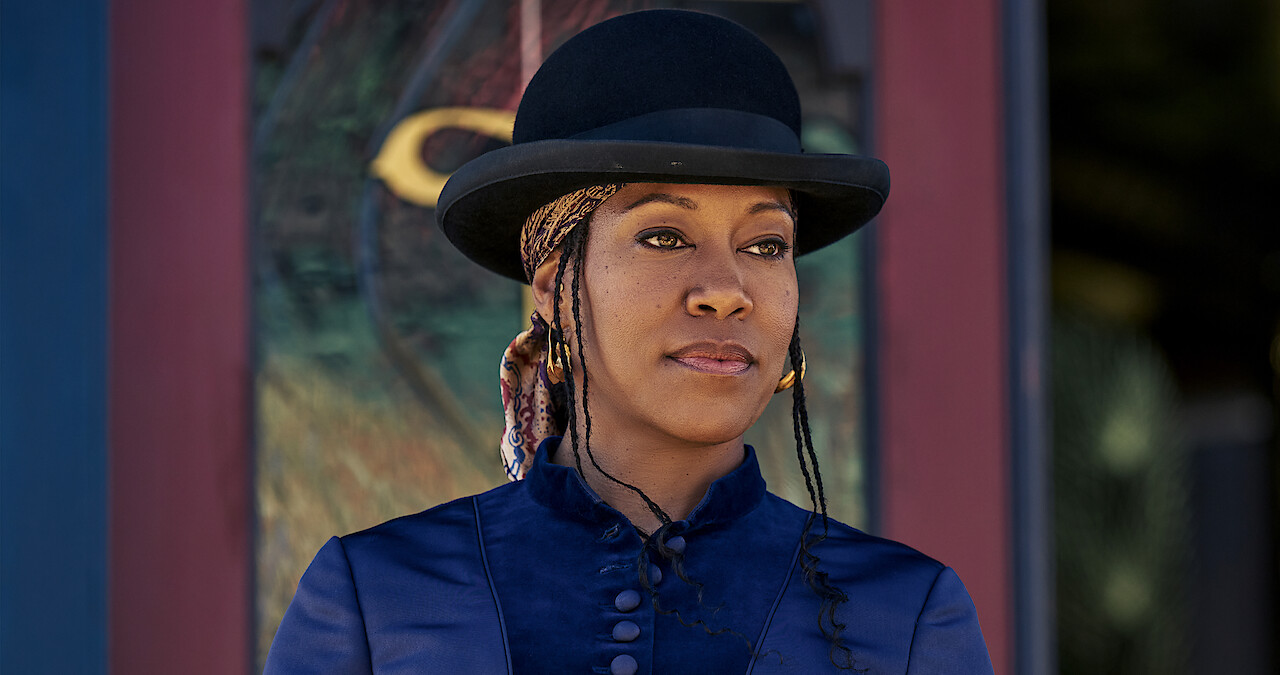
Treacherous Trudy Smith was a bold and brazen Black woman who thrived in the Wild West. Living on the edge, Trudy made a name for herself by pickpocketing. Though little else is known about her, director Jeymes Samuel knew he needed someone legendary to bring Trudy to the big screen in The Harder They Fall. Naturally, he turned to Academy Award-winning actor Regina King.
With a career spanning more than three decades, King’s body of work and the various characters that she’s portrayed over the course of her career enabled her to perfect Trudy’s multifaceted accent in The Harder They Fall. She says the outlaw’s speech originates in New Orleans. In addition to the Louisiana twang, viewers will undoubtedly hear the dialects of the West Indies, whose origins stem from West and Central Africa, and infusions of French. Looking at the whole of the character, from her calm and stoic demeanor to her soldier-like precision, Trudy is a composite of the many lives King has lived.
An Angeleno, King began her career as a teen on the sitcom 227, starring the iconic Marla Gibbs, who played Mary Jenkins. In the Washington, D.C.-based series, King portrays Brenda, Mary’s daughter who’s equally as interested in boys as she is in her studies. Mentored by Gibbs and icons like Hal Williams and Jackée Harry, King’s first acting role would become a master class in comedic timing. Portraying Brenda was the first building block in a legacy that would allow King to present Trudy so effortlessly in a rip-roaring all-Black Western.
King would use the 100-plus episodes and five seasons of 227 as a foundation for her work in the ’90s. During this decade, she transitioned from the sitcom into films. It was a period when Black creators were finally telling their own stories en masse. Though the ’80s had its fair share of Black superstars like Eddie Murphy and Diana Ross, newcomers like Spike Lee turned their lenses on the inner city by the end of the decade, ushering in brand-new faces and perspectives. With the rise of hip-hop and continued interest in Black communities amid social, political and economic shifts in America, Black filmmakers and artists wanted to reclaim the narratives about their lives. Black directors had done this 20 years prior with blaxploitation films, but the movies of the ’90s had a new grit and vulnerability. With so much opportunity, King shed Brenda’s precocious teen image in favor of adult roles that tackled themes young Black women in urban America were facing.
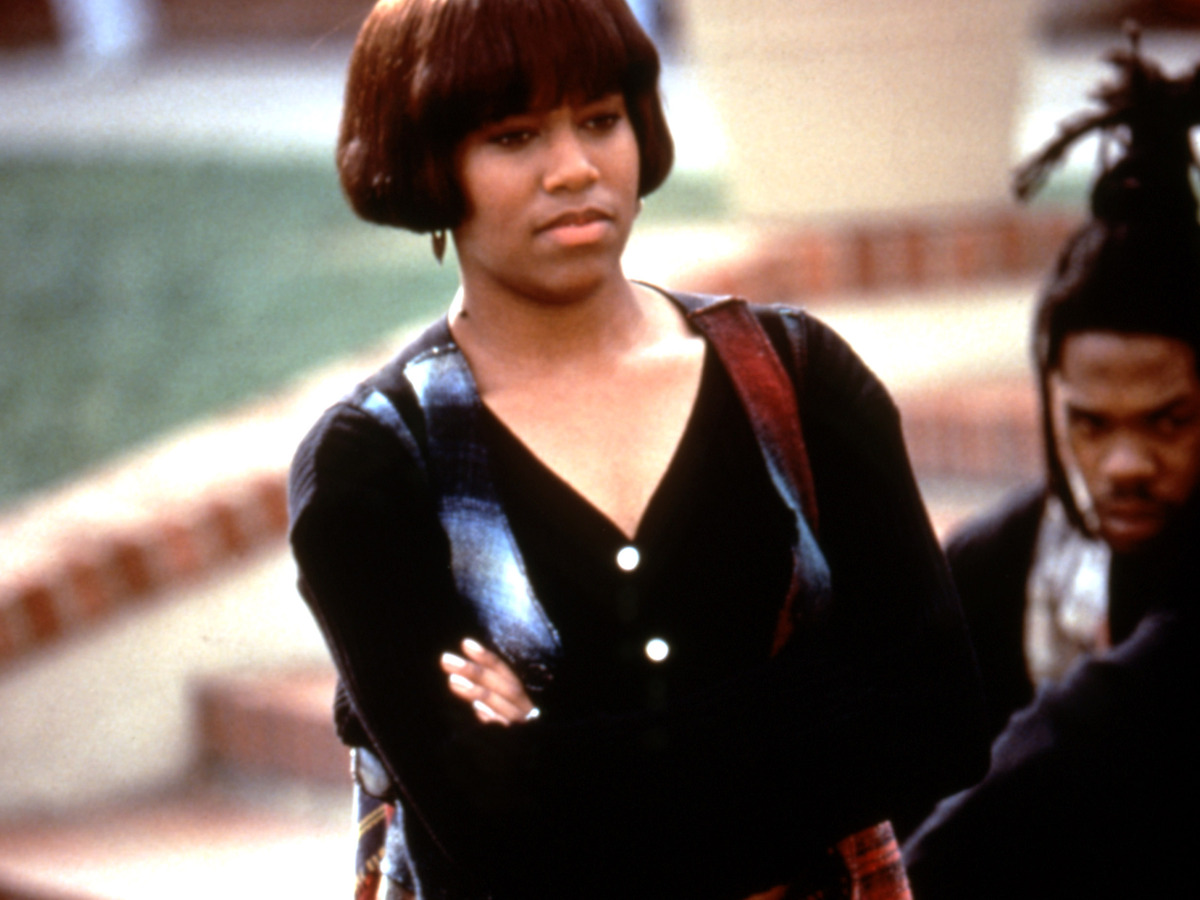
King’s entry into film would come in Boyz N the Hood, 23-year-old John Singleton’s searing account of inner-city Los Angeles, as Shalika, an around-the-way girl in all of her box braid, gold hoop-wearing glory. However, it wasn’t until 1993's Poetic Justice, Singleton’s second vehicle, that King truly got the opportunity to stretch her wings as an actor. Though Justice (Janet Jackson) and Lucky (Tupac Shakur) are at the center of the romantic drama, many of the pivotal moments occur when the spotlight’s on King’s character, Iesha. For the first time in her career, King portrayed an adult woman trying to navigate her chaotic early 20s amid a toxic relationship and an evolving bond with her best friend.
While these and other films like New Jack City, Menace II Society, and Juice focus on the Black male experience in the ’90s, Poetic Justice highlights Black women's plight. In addition to being in an abusive relationship with her boyfriend, Chicago (Joe Torry), Iesha also struggles with alcohol dependency. Playing Iesha provided King with an opportunity to shatter the mold of Brenda and showcase more of her versatility as an actor. Stretching outward, King would present more versions of young Black women through Higher Learning’s Monet and Friday’s Dana.
While King would take on other roles in films — notably Jerry Maguire and How Stella Got Her Groove Back — they were supporting characters, and as the 21st century approached, Hollywood produced fewer of the Black-led films that had dominated the early ’90s. Entering a new phase of her life, King returned to TV, taking on roles in series like 24 and Southland, where she got her first shot in the director’s chair. However, a daring step into voice acting, as brothers Huey and Riley Freeman in the acclaimed animated series The Boondocks, showed a new kind of fearlessness. The move proved that Hollywood hadn’t even scratched the surface of King’s capabilities. Set in a Chicago suburb, The Boondocks is the brainchild of cartoonist Aaron McGruder. The series uses sharp wit and satire to explore the relationship between activist-minded Huey and his rap-obsessed little brother Riley. It also offers arresting (and often jaw-dropping) commentary on the Black American experience.
While giving their crotchety grandad (John Witherspoon) a run for his money, Riley and Huey navigate everything from the US government’s response to Hurricane Katrina to President Ronald Reagan’s role in decimating impoverished Black families and communities. Though the Black community is often presented as monolithic, through the stoic Huey and the mischievous Riley, King helps to showcase both the nuance and complexity of the African diaspora while allowing her immeasurable talent to shine.
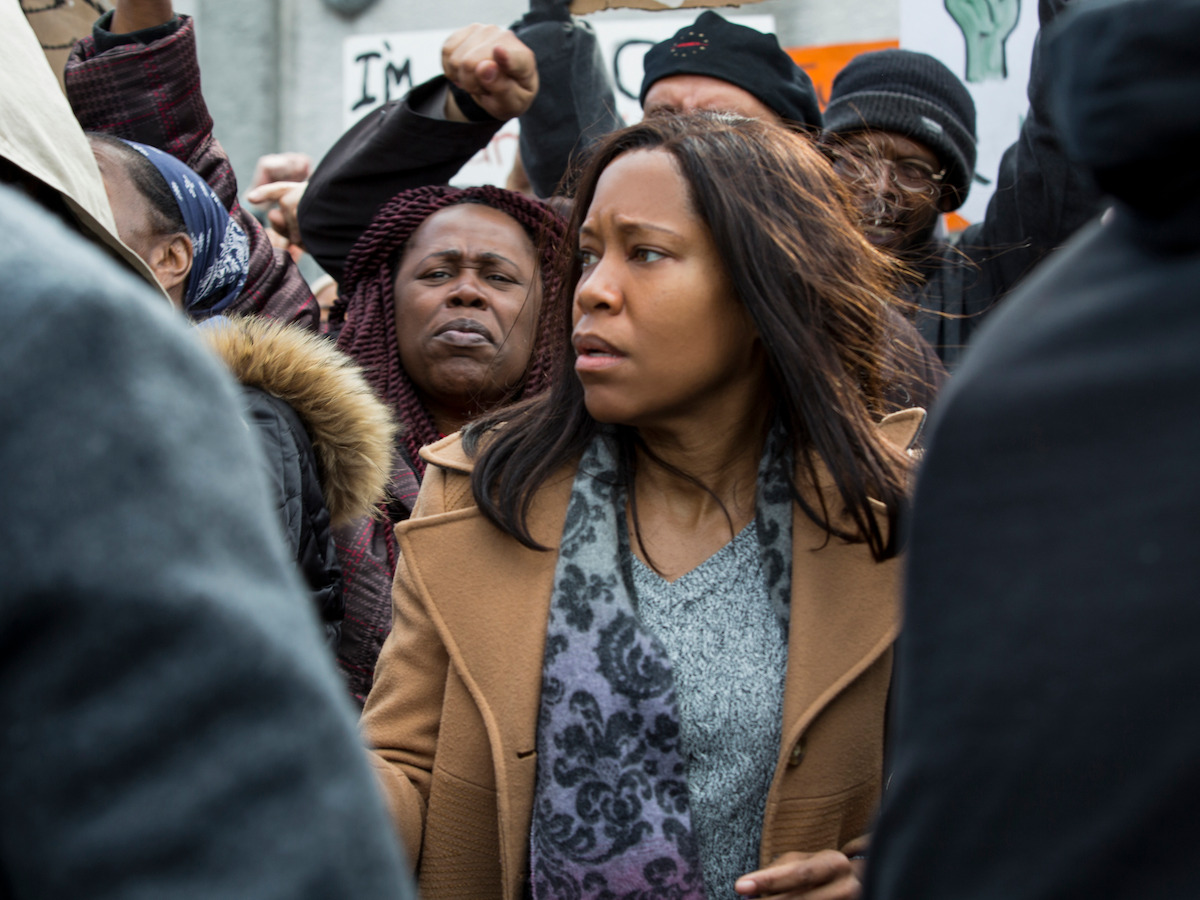
By the time The Boondocks was canceled, in 2014, the entertainment industry had finally begun to recognize that King was a rare gem. Her subsequent TV roles in such titles as American Crime, The Leftovers and Netflix’s Seven Seconds bear that out. America has been in a racial reckoning since its foundation, but amid our current polarizing political climate, a new type of uprising has come into focus. For Black Americans, continued injustices and police brutality have birthed the Black Lives Matter Movement. Our societal woes have also become themes in TV shows and movies. In Seven Seconds, King portrays Latrice Butler, a distraught mother whose son is run over in the park and left to die.
Determined to uncover what happened to her child, Latrice embarks on a quest for the truth, not knowing what she’s up against. Emotionally gutting and honest, Seven Seconds is a searing depiction of our current times, fraught with the wounds of the country’s racial history and our societal obsession with self. Amid it all, Latrice tries to grapple with a police cover-up while desperately clinging to her faith.
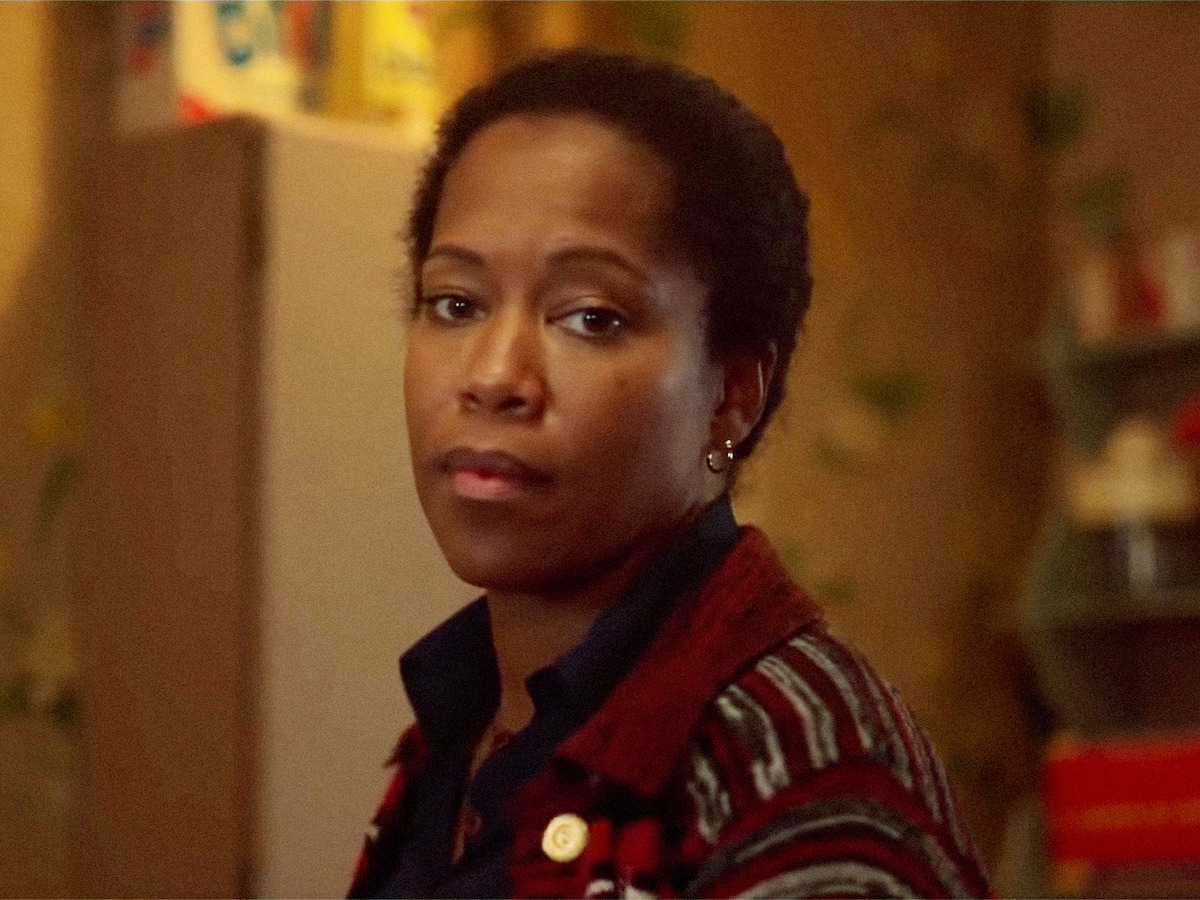
Shortly after winning an Emmy for Seven Seconds, King portrayed another Black mother guided by her faith. Set some 50 years ago, the film adaptation of James Baldwin’s Harlem-set If Beale Street Could Talk centers on a young couple, Tish (KiKi Layne) and Fonny (Stephan James), whose future is stolen when Fonny is jailed and falsely accused of committing a crime. King stars as Sharon, Tish’s loving mother, who tries to stand in the gap when her heartbroken and pregnant daughter begins to lose faith.
Motivated by love and the desire to see her daughter whole, Sharon, with little resources of her own, does everything in her power to help free Fonny. She represents so many Black women who make themselves vulnerable in order to provide their children with better opportunities, despite the never-ending heaviness of life. King would also infuse her love for her people in her feature directorial debut, One Night In Miami. The film immortalizes one day in 1964 when Cassius Clay, Jim Brown, Sam Cooke and Malcolm X came together to address their differing ideologies amid an ever-changing social climate and a Black community on the verge. While King’s performances have been a love letter to Black women, this film is her ode to Black men.
From Brenda to Sharon, these women — their histories, legacies and motivations — live within King. The actor’s ability to draw from these characters and her own experiences in front of and behind the camera aided in portraying Trudy. King brought her past performances to the forefront of her imagination and channeled them into one of the most memorable characters in the Western genre: an unyielding woman who lived life on her own terms.