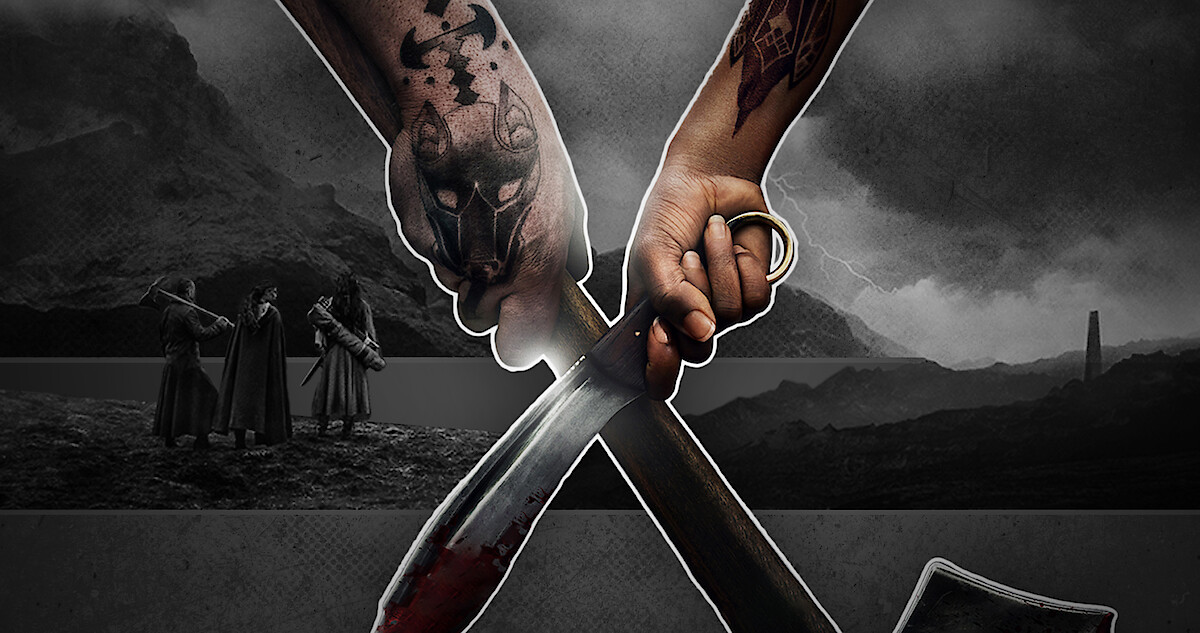
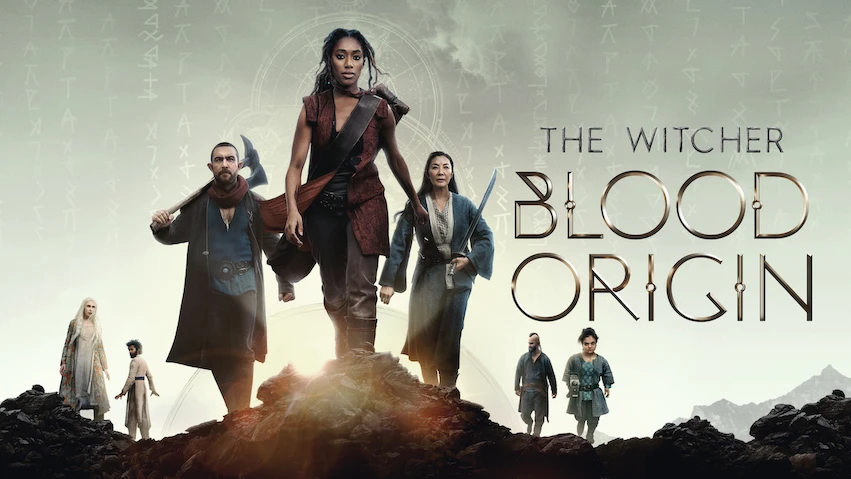
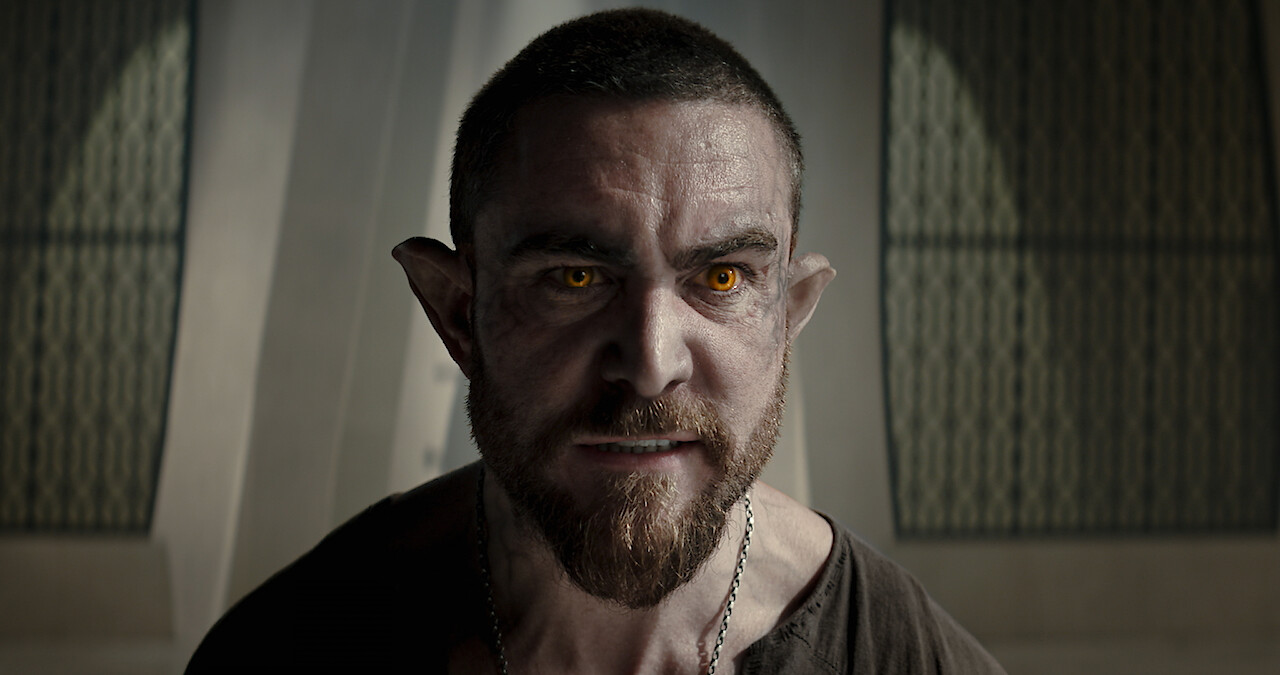
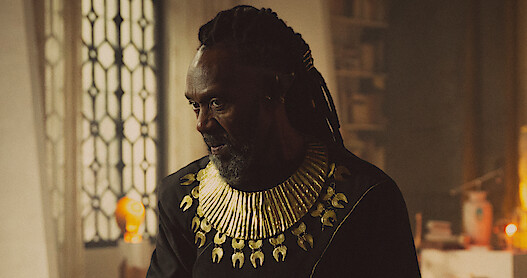
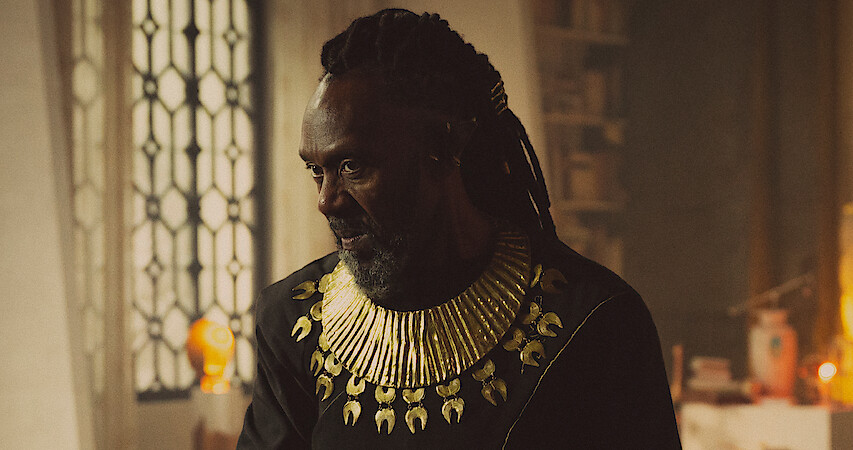
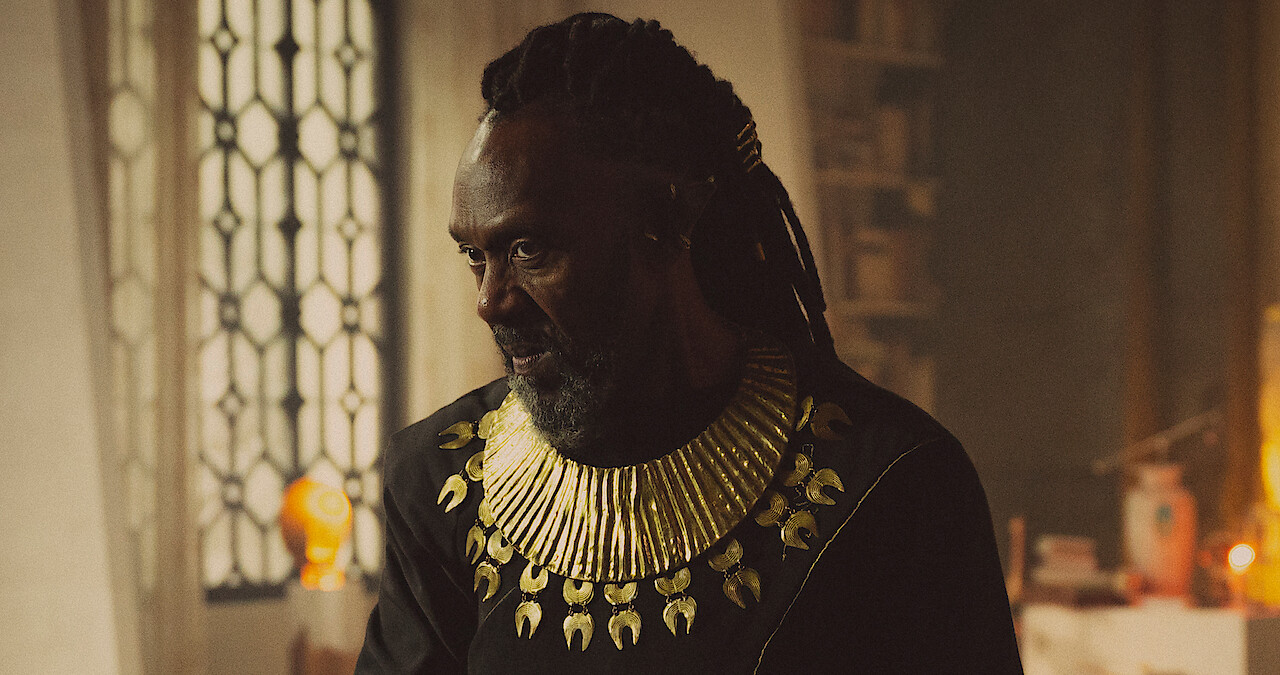
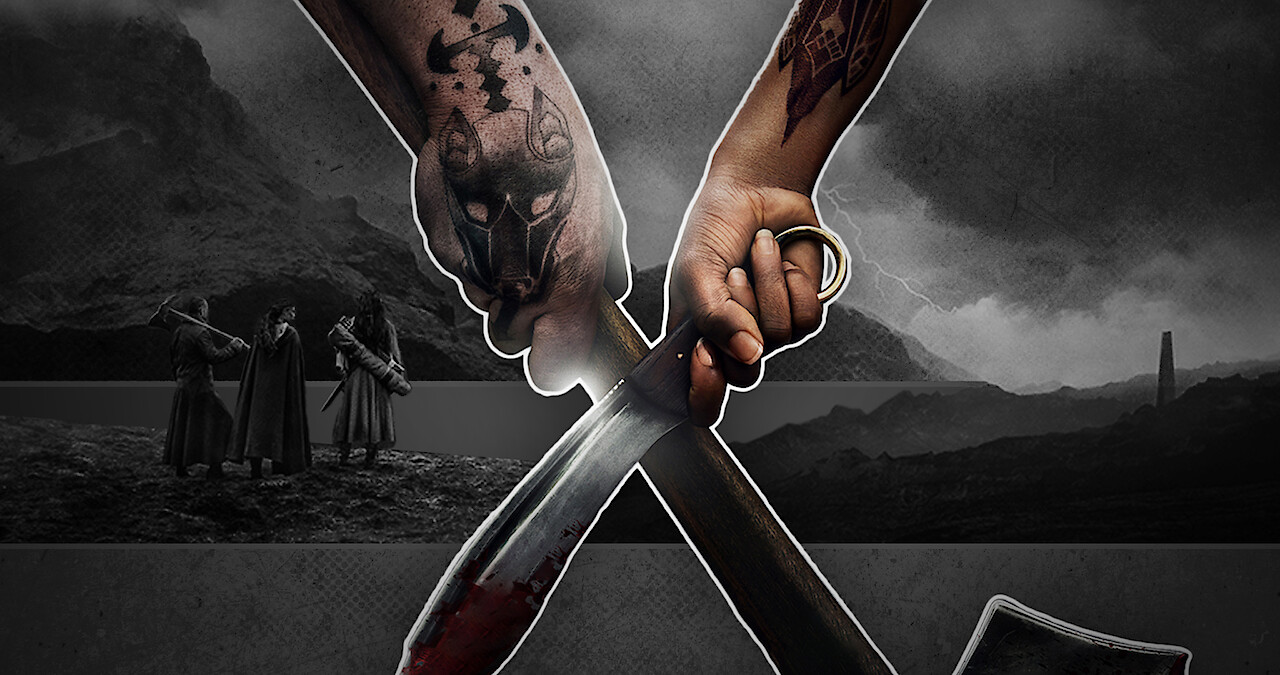
The importance of loyalty, honor and legend are at the heart of The Witcher: Blood Origin, which is set 1,200 years before the events of The Witcher during a time of cataclysmic conflict.
While there are few elves left in the time of Geralt of Rivia, The Witcher: Blood Origin explores the Elven Golden Age before the arrival of humans. In Blood Origin, the Continent is divided into three kingdoms that have been at war with each other for 1,000 years. And each of those royal families is protected by a small clan of elite warriors.
Rather than working with their nation’s military, each clan answers directly to the ruler. They only take to the battlefield when protecting a monarch, and at such times, they care only about their leader’s survival. While they’ll fight brutally against the other clans, they often view their rivals with grudging respect.
No one can join a clan except by birth, or be released from their duty as a clan member except by dying. Those who disgrace their clan were once executed, though by the time of Blood Origin the punishment is more typically exile, which is viewed by many as just as terrible.
Like much of the plot of Blood Origin, the structure of the clans is inspired by values, mythos and lore mined from our own ancient history. “Even though you’re the biological progeny of these people, it’s not like a classical family,” Blood Origin showrunner Declan de Barra tells Tudum. “It’s more like a unit of Greek hoplites who had to work together and were so tight they’d become a family that way.”
Children of the clans are often sent away to strategists, swordmasters and druids who serve as foster parents while providing extra training. If ever they flee their responsibilities, their dishonor is reflected back on their mentors. Personal desires are seen as frivolous, and attachments to anyone outside the clan are dangerous.
“Love is not in the equation,” de Barra says. “You are married off to someone based on what your genetics will bring to the offspring for this clan. It’s not touchy feely. People don’t hug.”
These clans predate the war and have honed their tactics and skills over millennia. “I wanted each of them to have a very different style,” de Barra says.
Lilja Jonsdottir/Netflix
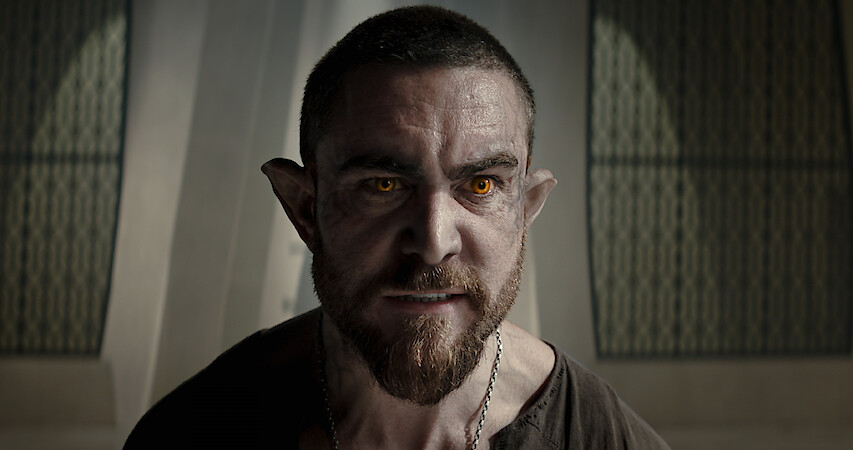
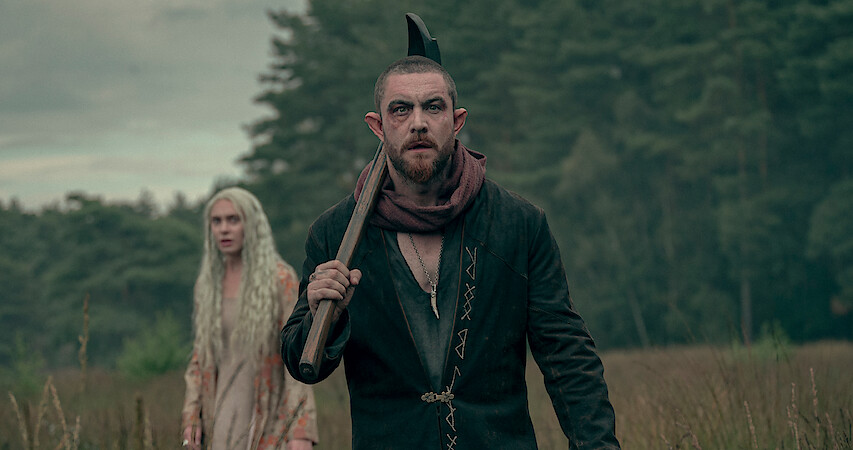
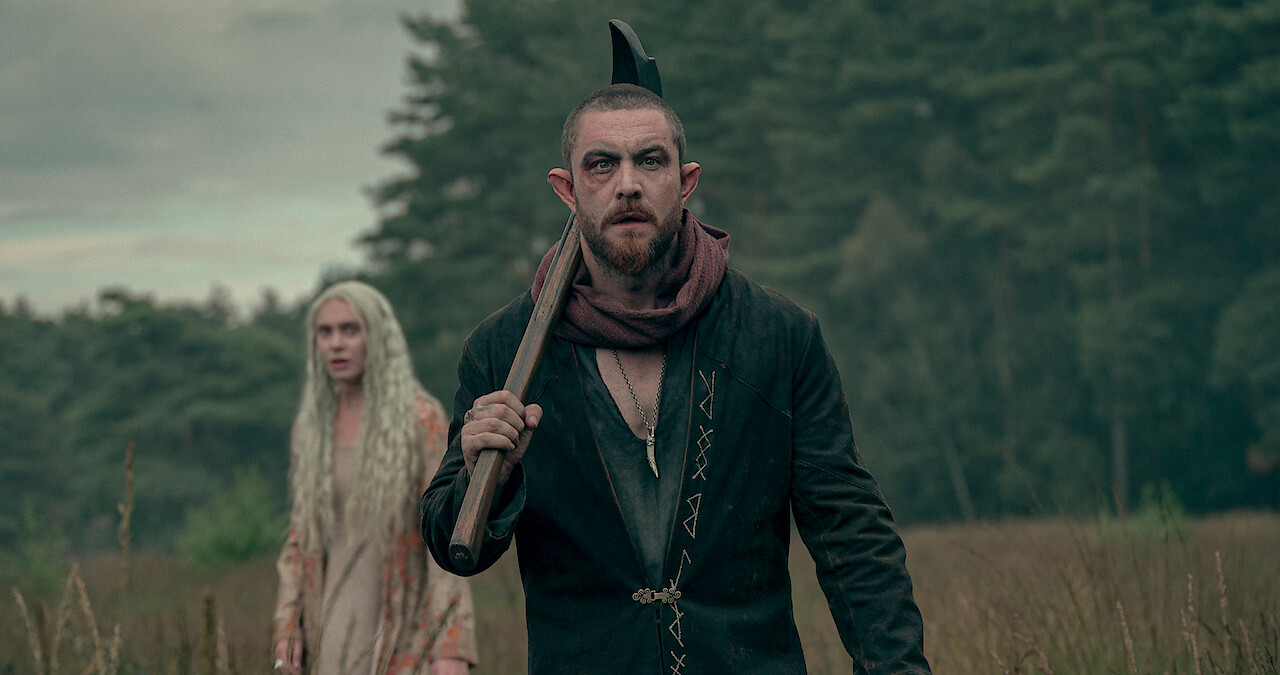
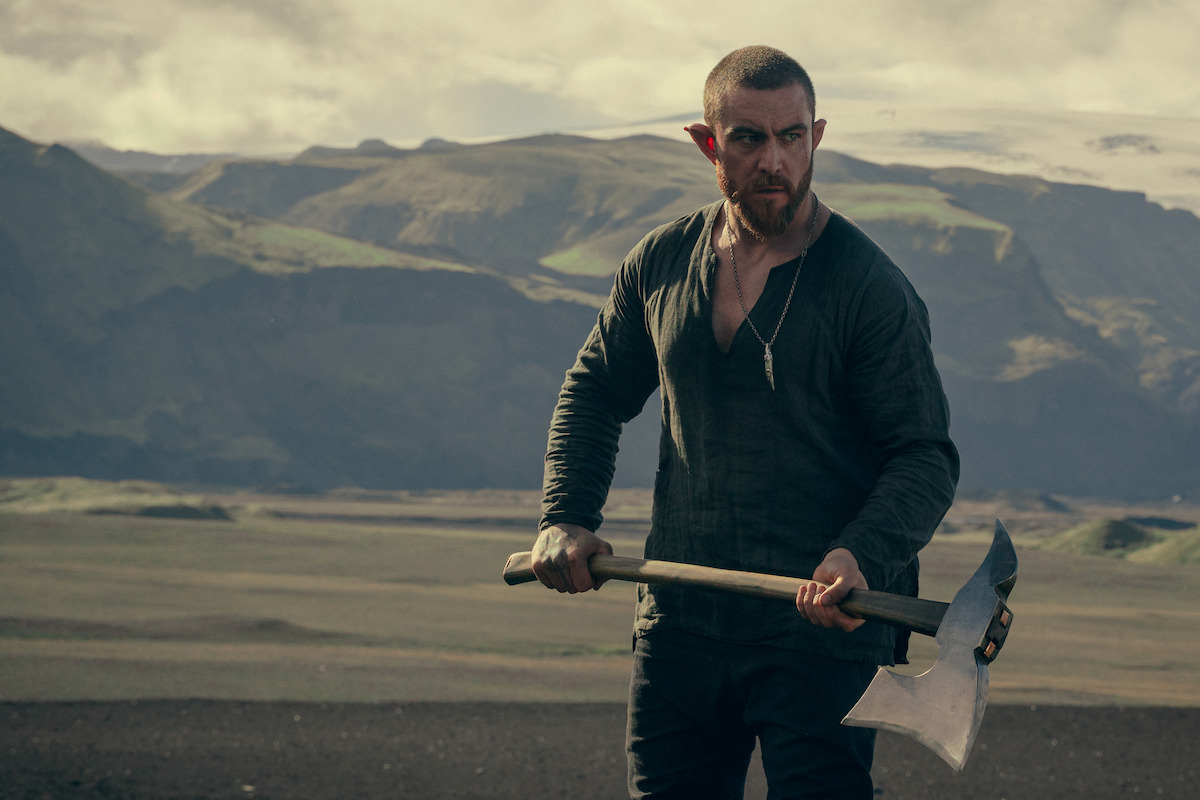
Fjall (Laurence O’Fuarain)
Who are the Dog Clan?
The bodyguards of the kingdom of Xin’trea are proficient in all elven weapons, though they specialize in the battle-axe. They usually also carry daggers as a last line of protection. Members wear fang-like pendants as a badge of honor.
“I wanted the Dog Clan to be very brutal and not mess around,” de Barra says. “They have a meat-and-potatoes type of fighting.”
While Xin’trea is patriarchal, some Dog chieftains have been women. As Blood Origin begins, the clan’s current leader is Osfar; his heir is his son, Fjall (Laurence O’Fuarain). Osfar would have preferred to pass leadership to Fjall’s older brother, who died in battle. Fjall himself feels undeserving of the role.
Susie Allnutt/Netflix
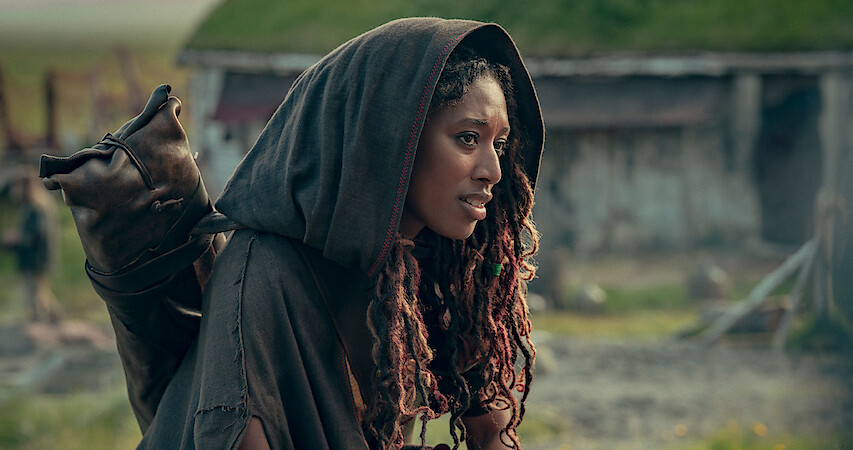
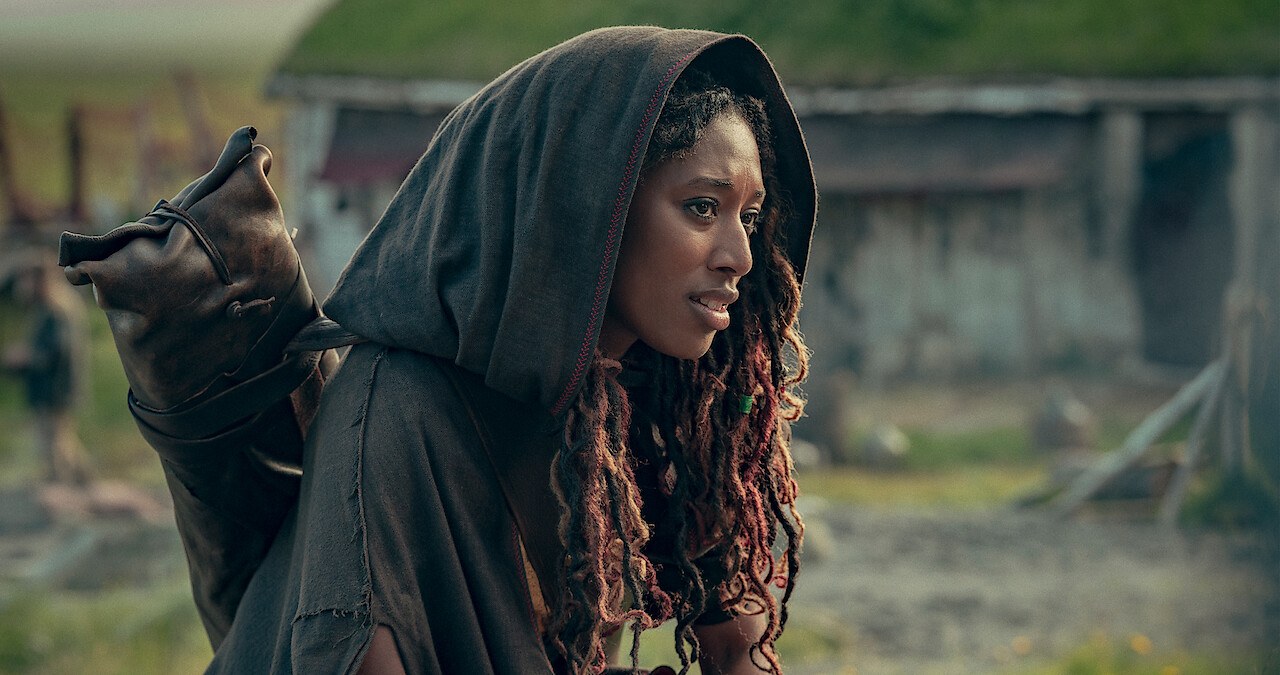
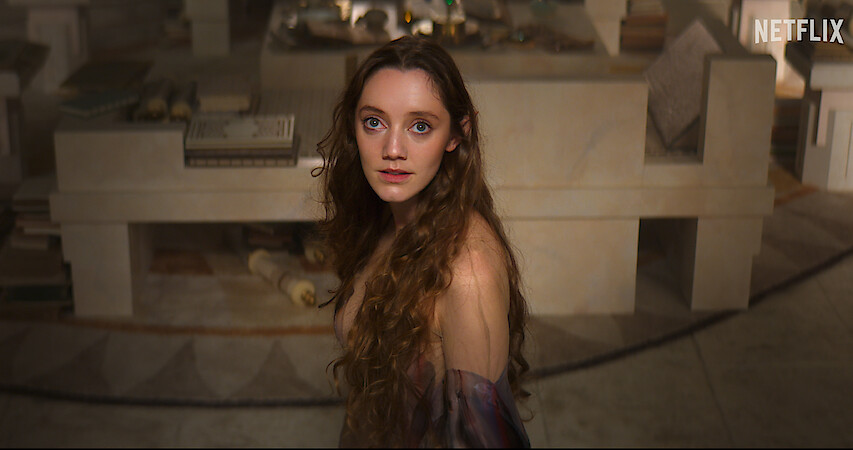
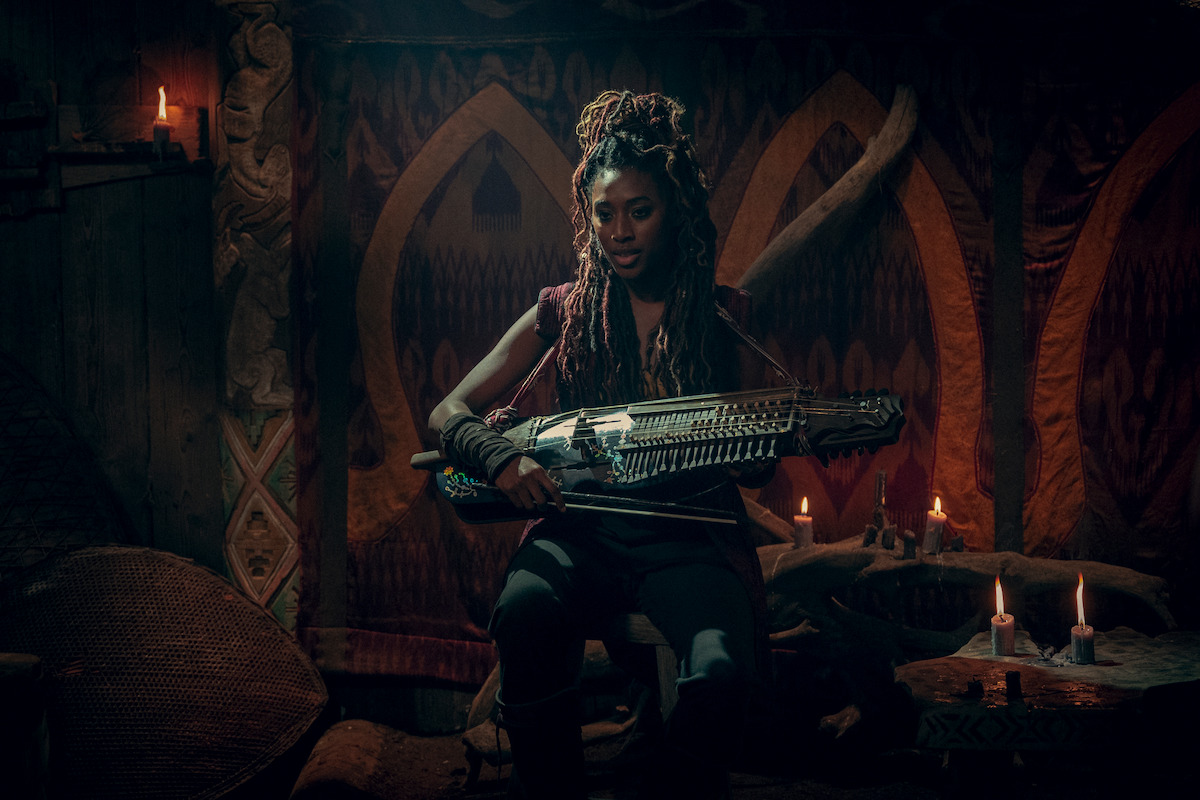
Éile (Sophia Brown)
Who are the Raven Clan?
Raven Clan warriors are primarily female; while there are male members, there are rumors that boys are drowned at birth. The clan defends the northern kingdom of Pryshia and employs a flowing, almost balletic fighting style using small blades.
Cethlenn of the Knives is the current chieftain, and her daughter Éile (Sophia Brown) is her greatest disappointment. Éile is one of the greatest warriors to be born into the clan in generations, which is why Cethlenn chose her as her successor above her six siblings.
Cethlenn sent her daughter to be trained by one of the greatest swordmasters on the Continent, Scían, but it was there that Éile discovered music. Tired of the brutal life of a clan warrior, Éile abandoned her family to become a traveling bard known as The Lark.
Susie Allnutt/Netflix
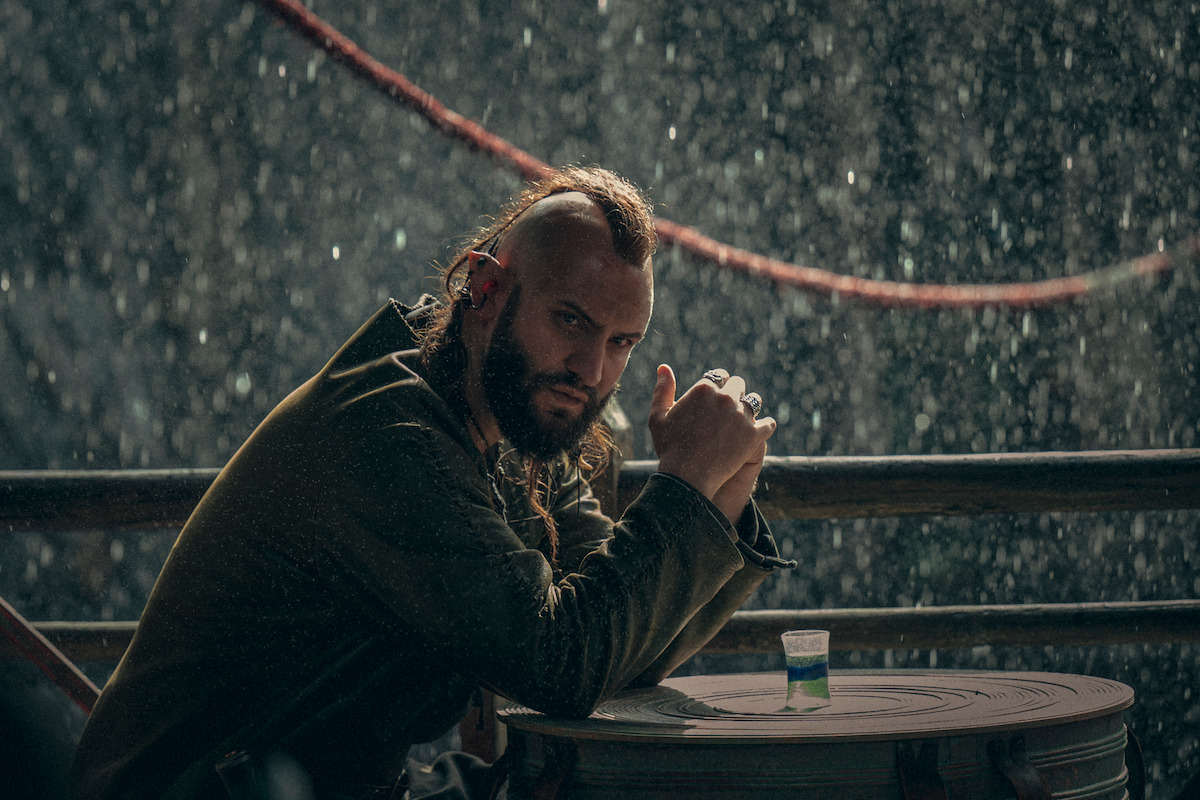
Brother Death (Huw Novelli)
Who are the Serpent Clan?
The fully egalitarian Serpent Clan, who serve the southern kingdom of Darwen, do not differentiate between male and female warriors. They fight in phalanx formations, moving as one and wielding sharpened shields, spears and poisoned blow darts. They are known for the precision of their strikes, which are as swift and deadly as a snakebite.
Susie Allnutt/Netflix
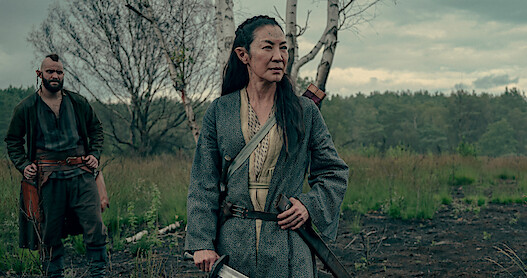
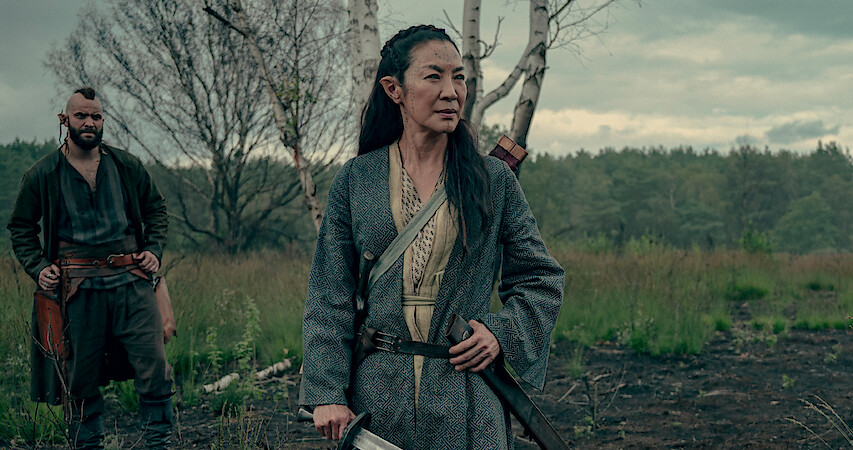
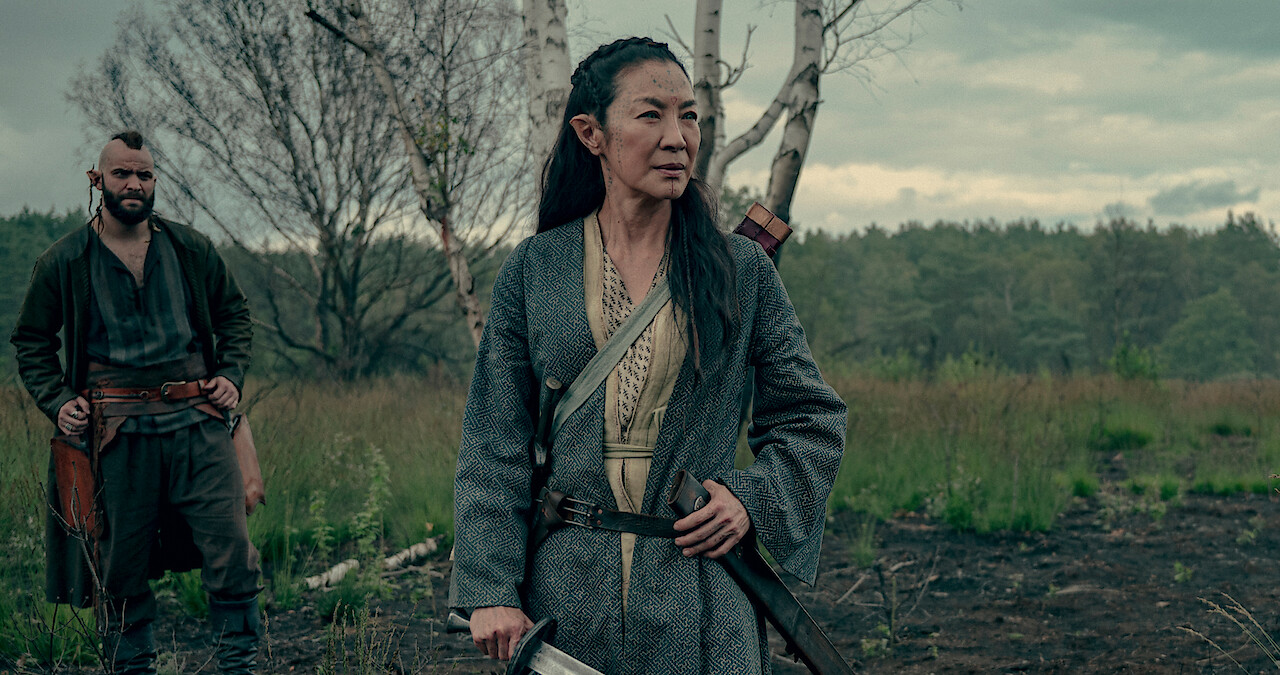
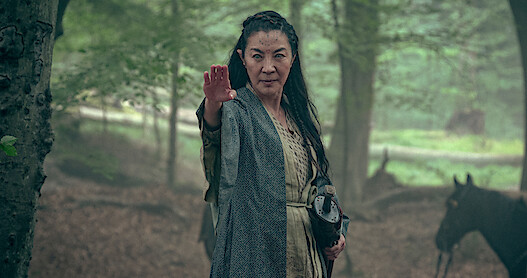
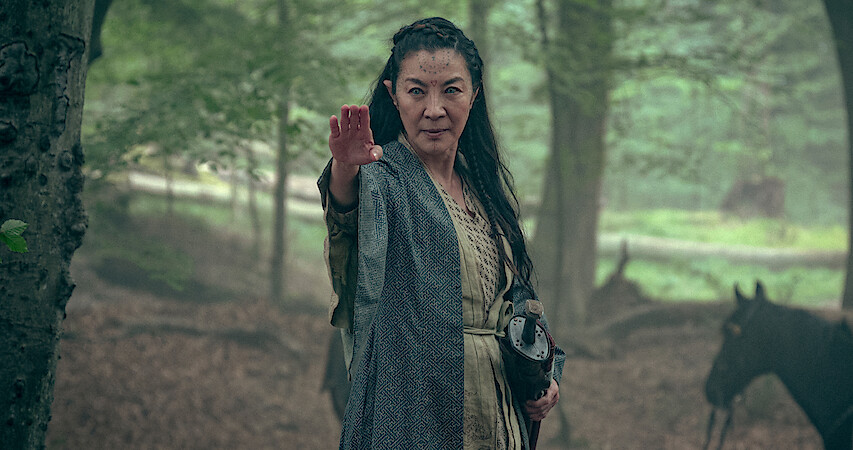
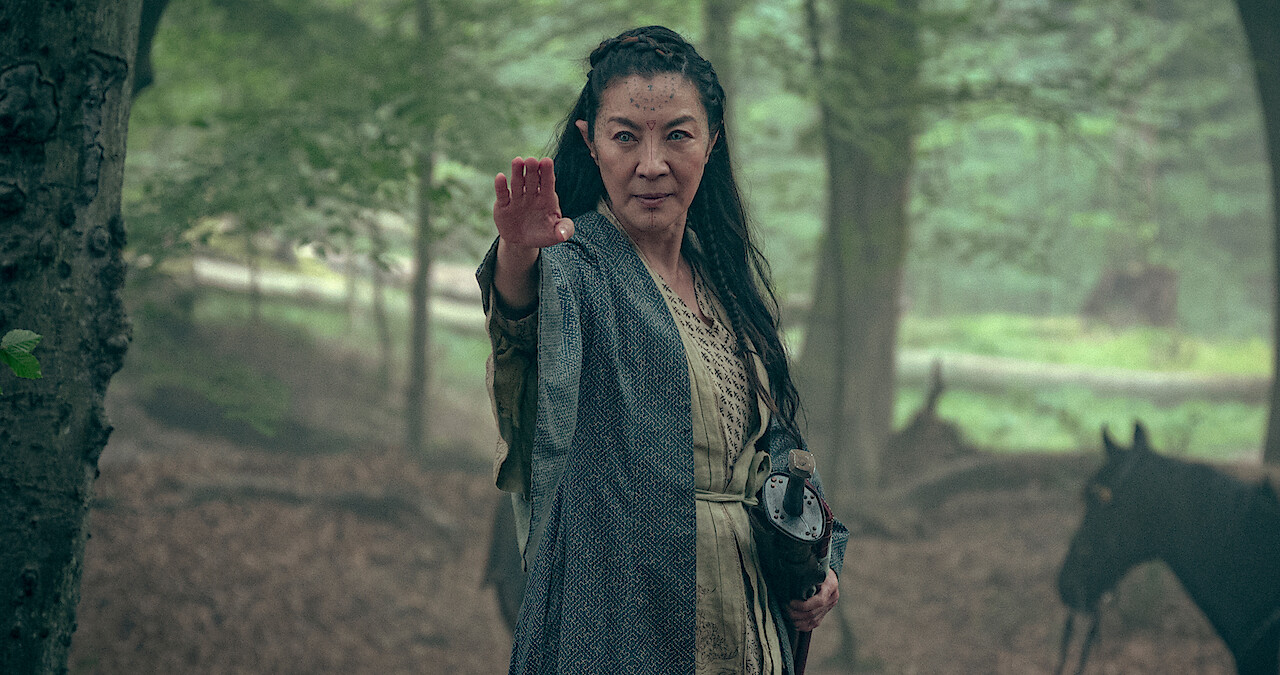
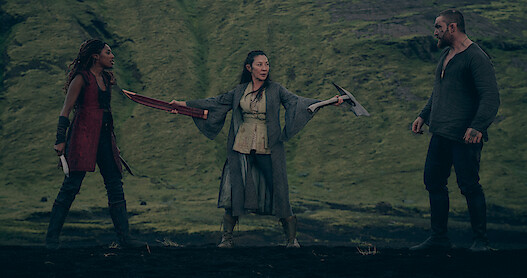
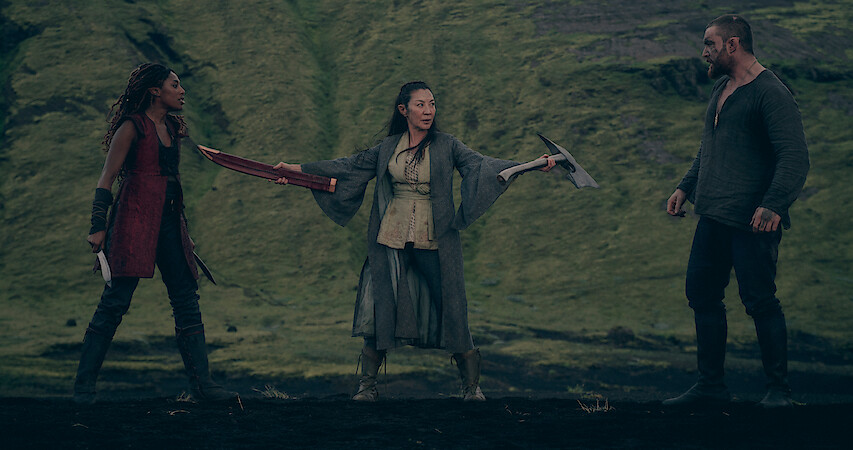
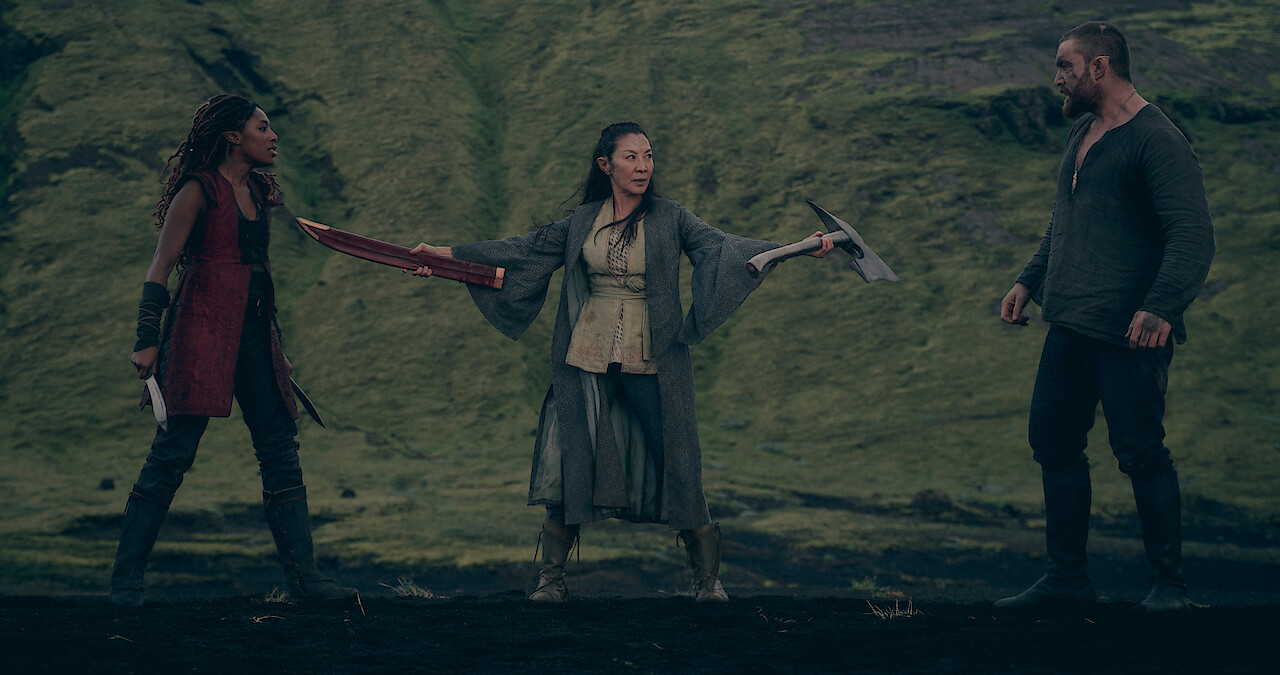
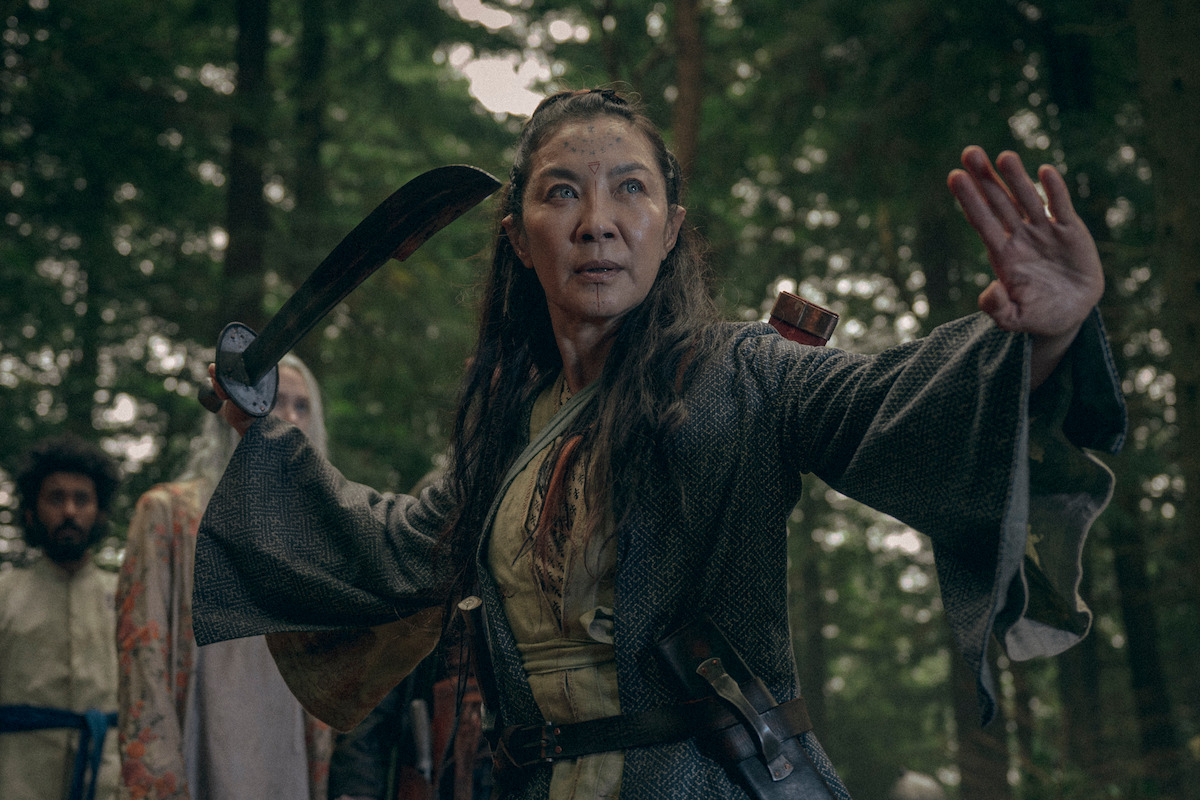
Scían (Michelle Yeoh)
Who are the Ghost Tribe?
Unlike the other clans, the Ghost Tribe doesn’t have loyalty to any royal family.
“I loved the idea of nomadic warriors who are above coin,” de Barra says. “They can’t be bought. They’re very honorable, and war to them is not something they go to, but when it needs to be done or it’s something they believe in, they will fight for it. They live away from society because they’re kind of above it. They’re ascetics almost, but you don’t mess with them.”
Battle is a form of religion for the Ghost Tribe, who believe their sacred blade, Soulreaver, provides a gateway to the afterlife. When the group refused to fight for the Xin’trean King Darach, he poisoned their water and took Soulreaver as a trophy. As the last survivor of her tribe, Scían seeks to recapture the blade, both to get her revenge and to put her ancestors to rest.