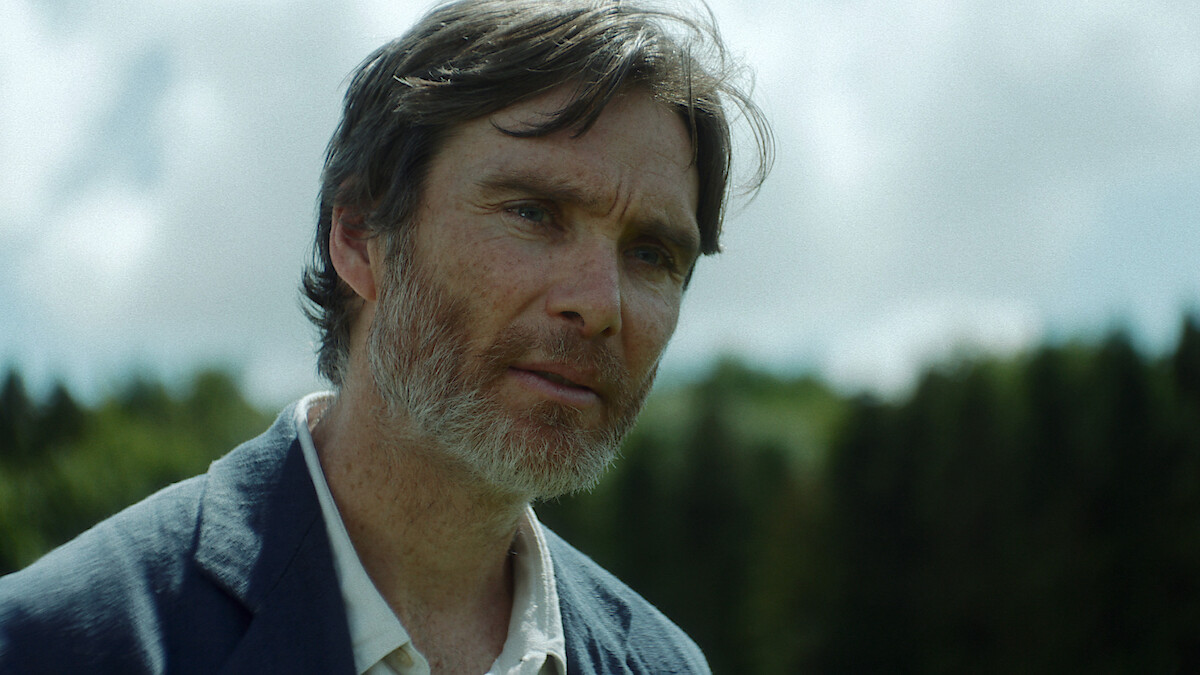
Director Tim Mielants talks about his new film, starring Cillian Murphy.

“Mistakes are the portals to magic,” says Murphy.
Mistakes can be a difficult thing to embrace. The pursuit of excellence — at a job, in school, in life — can be an overwhelming drive, blinding us to the beauty of what exists around the margins of perfection, and the possibilities that can grow out of vulnerability.
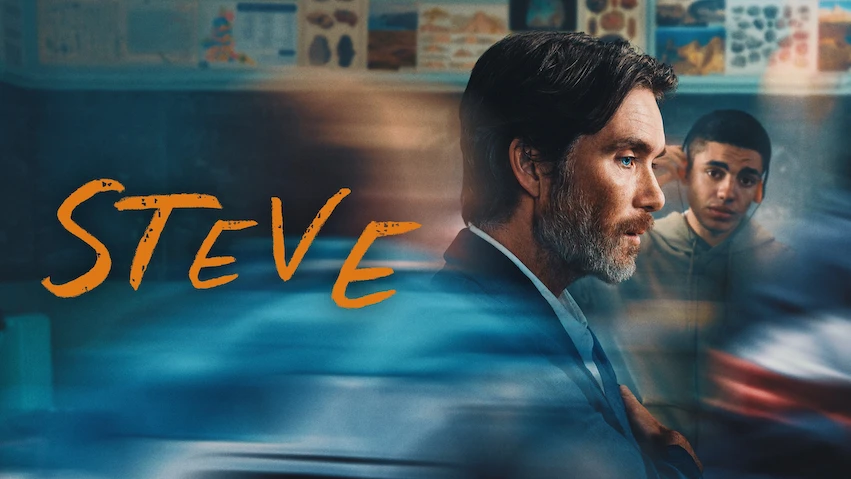
Steve, directed by Tim Mielants and adapted by Max Porter from his 2023 novel, Shy, reveals how a refusal to confront our own darkest thoughts and actions can lead to defensiveness and isolation, whereas an acknowledgment of all the ways in which we’re capable of failing — of being human — can bring us closer together, can form community.

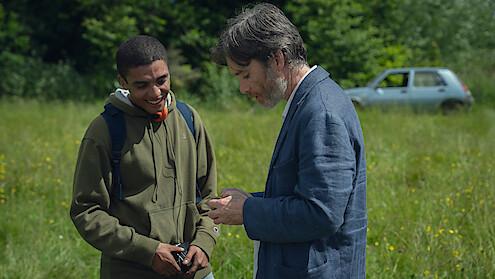
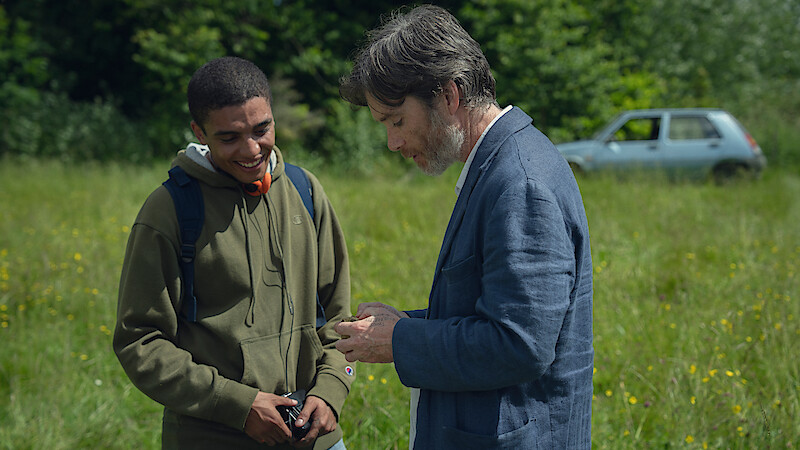
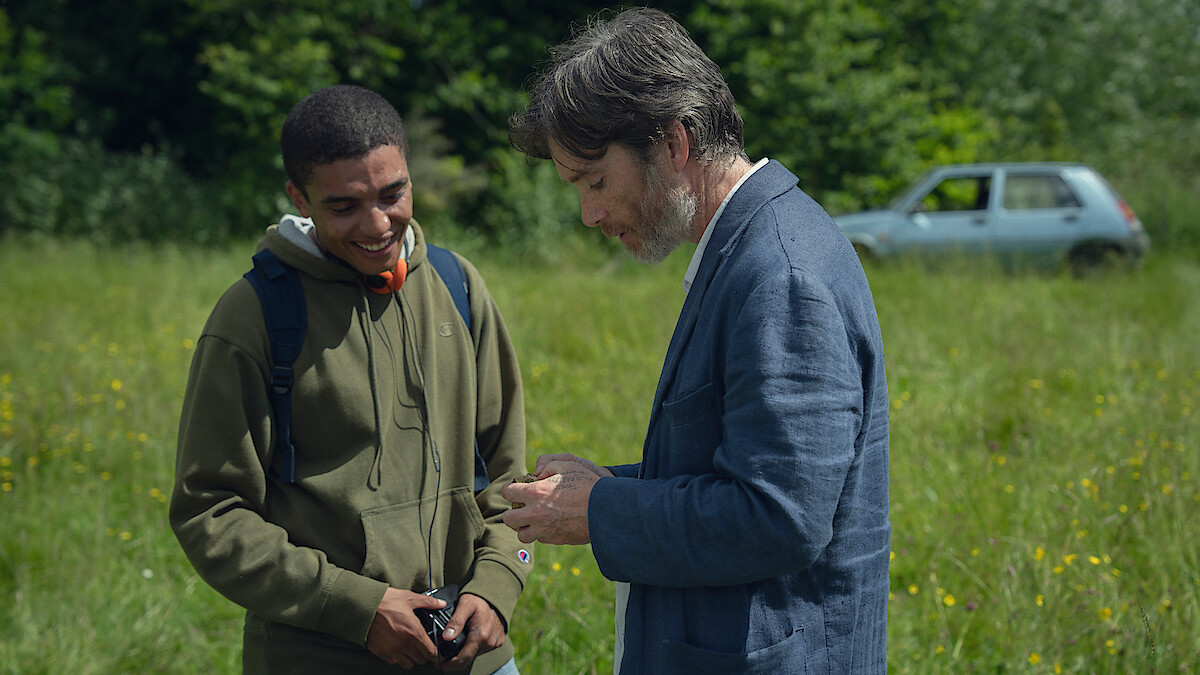
Jay Lycurgo and Cillian Murphy
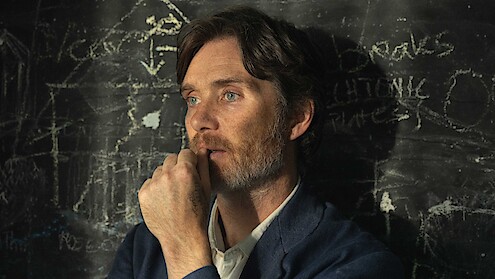
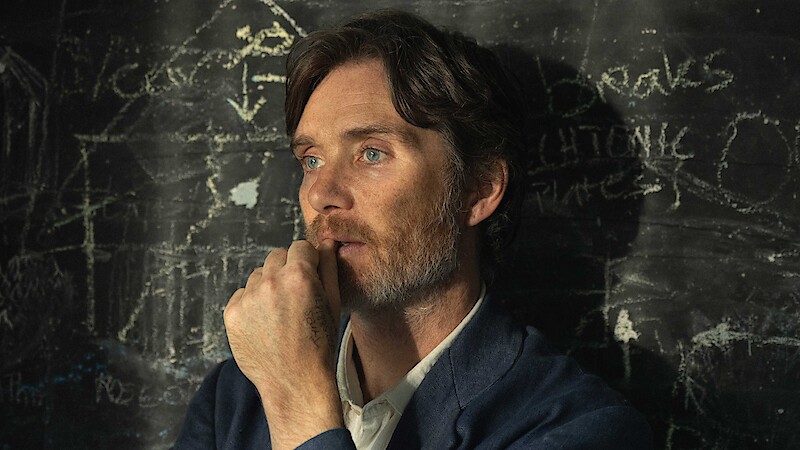
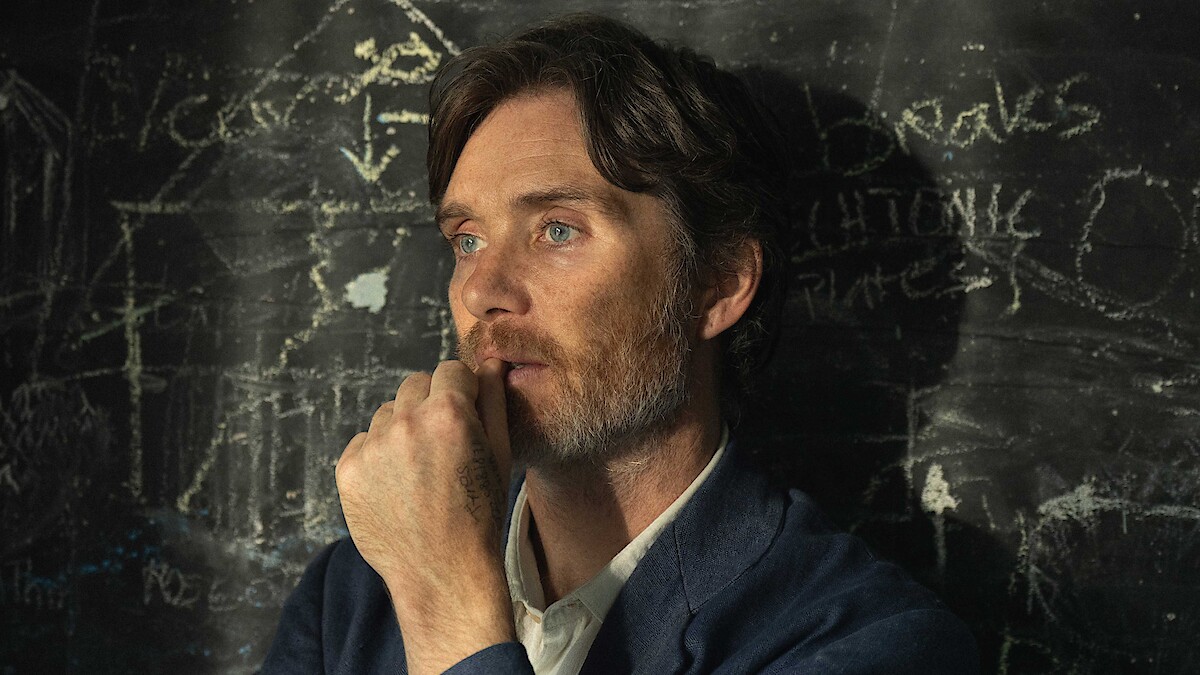
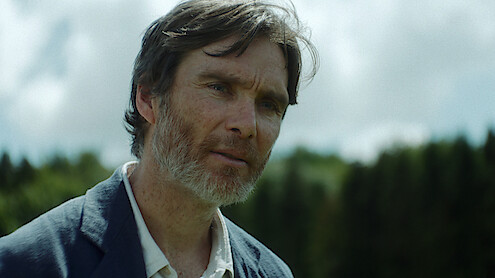
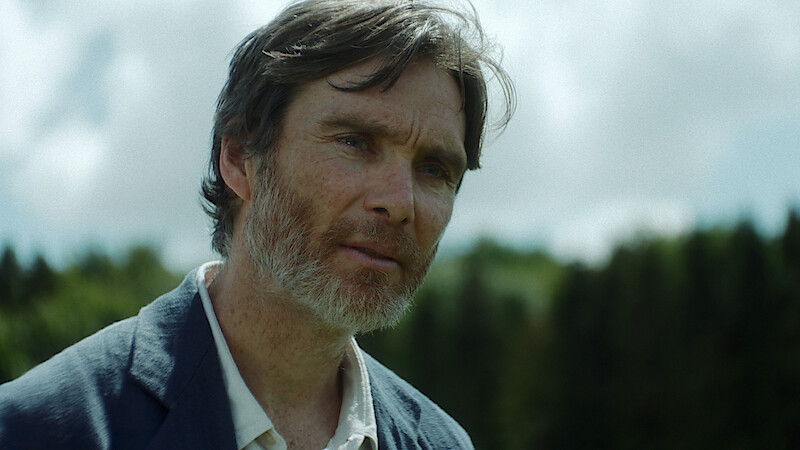
Set in England in the mid-’90s at a school for troubled young men, the film captures a day in the life of students and staff as they’re visited by a documentary crew and a member of Parliament. Cillian Murphy plays Steve, the head teacher, who is made newly aware that the sprawling estate where the school and its students are housed has just been sold, and feels his dream of providing a refuge for these boys is disappearing in front of him. One of those students is Shy (Jay Lycurgo): sensitive and brilliant and full of pain, he’s unclear on how to inhabit a world he isn’t sure wants him in it.
For Murphy, who also produced Steve with Alan Moloney, his partner at Big Things Films, there was an urgency to telling this story now, even though the issues it addresses, he says, are “perennial.” He explains, “The stuff that those boys are going through … it always will exist. Today, it’s a million times worse because of the technology that we’re all addicted to, but there’s plenty of stories that deal with that. What we’re trying to show is how immutable that is .… and you can either abandon these kids or you can connect with them. Punishing them, not communicating with them, isolating them, locking them up doesn’t work. It just has never worked.”

Jay Lycurgo
Instead, the film captures the ways in which connection is the only path forward. The only way to find understanding is to really see each other, and to be seen in return. This ethos isn’t just something that was captured onscreen, however: it was also a part of how the film was made, and is a big part of why Murphy, Lycurgo, and all the other actors felt like they could be vulnerable in their performances, and unconstrained.
“Man, it was just so freeing — so freeing,” says Lycurgo. “I just felt very seen as well. The great thing about Tim [Mielants] is that he’s not just seeing you as the actor, he’s really seeing you as a person. So when I was on set, I just felt like I could just really let go and everyone was going to catch me if I fell.”
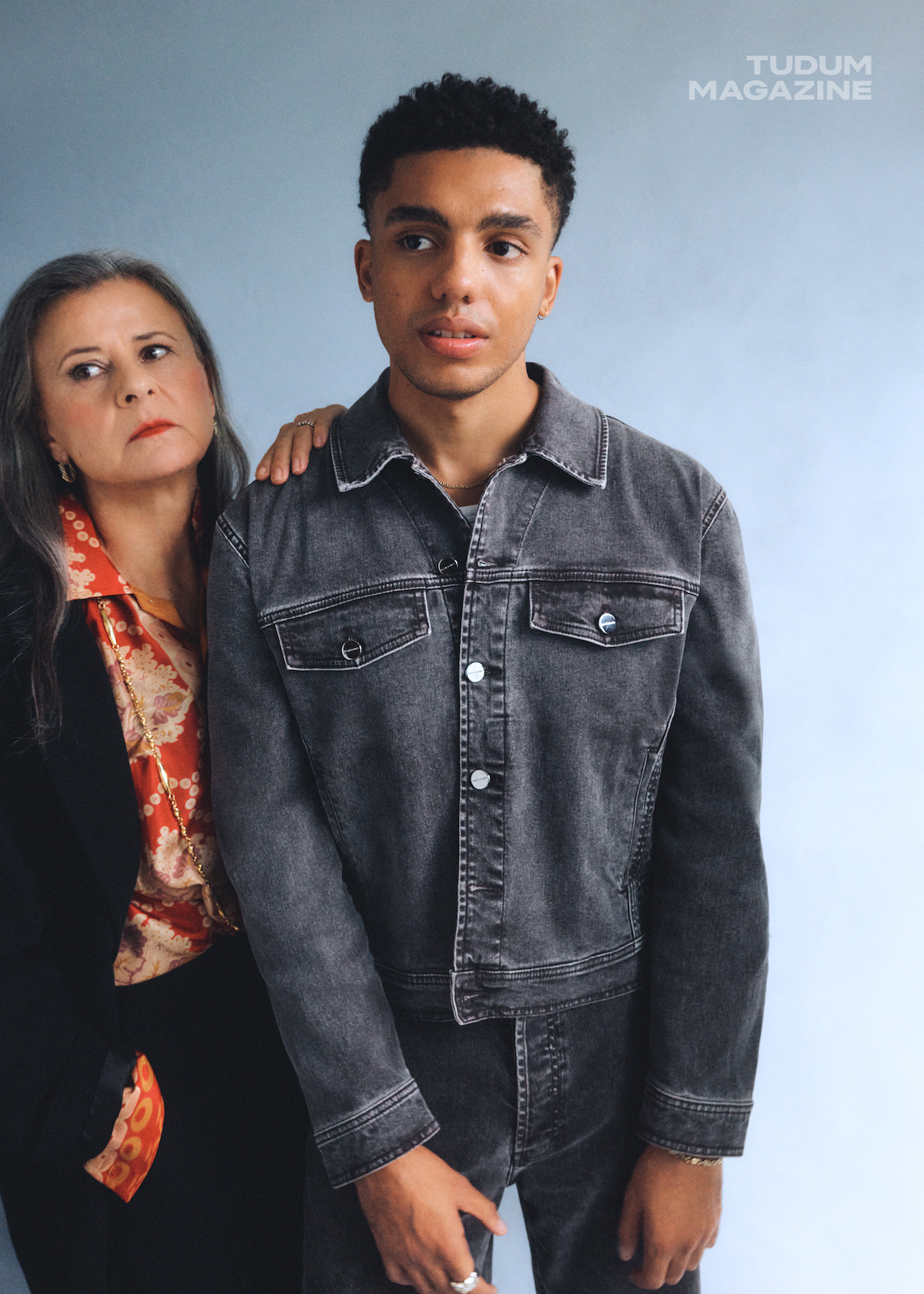
Tracey Ullman and Jay Lycurgo
Tracey Ullman plays Amanda, the deputy head teacher at the school, whose no-nonsense exterior belies her tender feelings for the students as well as for Steve, whose struggles with addiction are starting to bleed into his work. For Ullman, the opportunity to flex into this role and tell this type of story was exciting and liberating. She praises Mielants and Murphy, saying they made it “no fuss — there was no vanity. It all just had to feel so real … It’s painful stuff, and you need someone as brilliant as Tim to trust.”
This type of on-set environment — filled with room for error and experimentation — is not perhaps a typical one, but it was one that was essential for Mielants, who says that it’s what he values when it comes to creating a film: “Making mistakes — giving the opportunity for the boys to make mistakes … finding ways to get there. It’s just work, really … If you want those kinds of performances, you have to invest in them.”

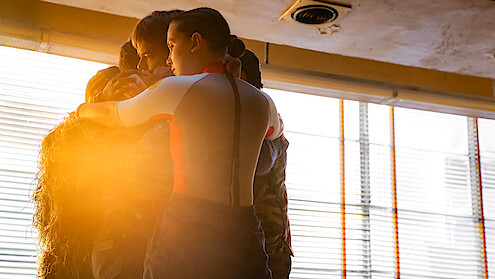
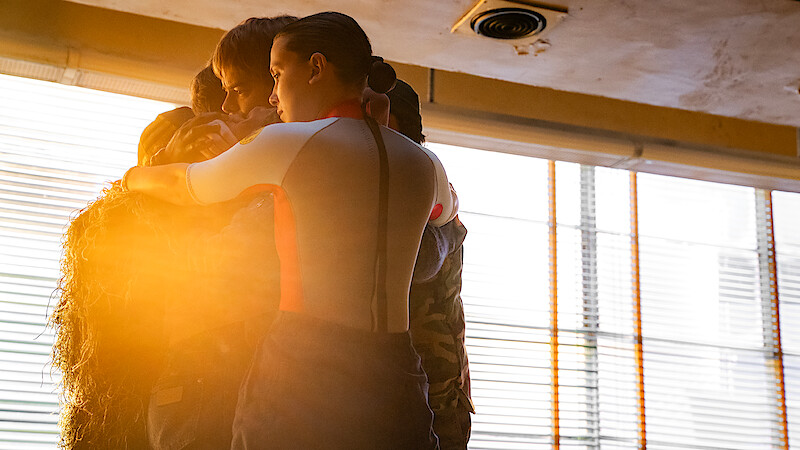
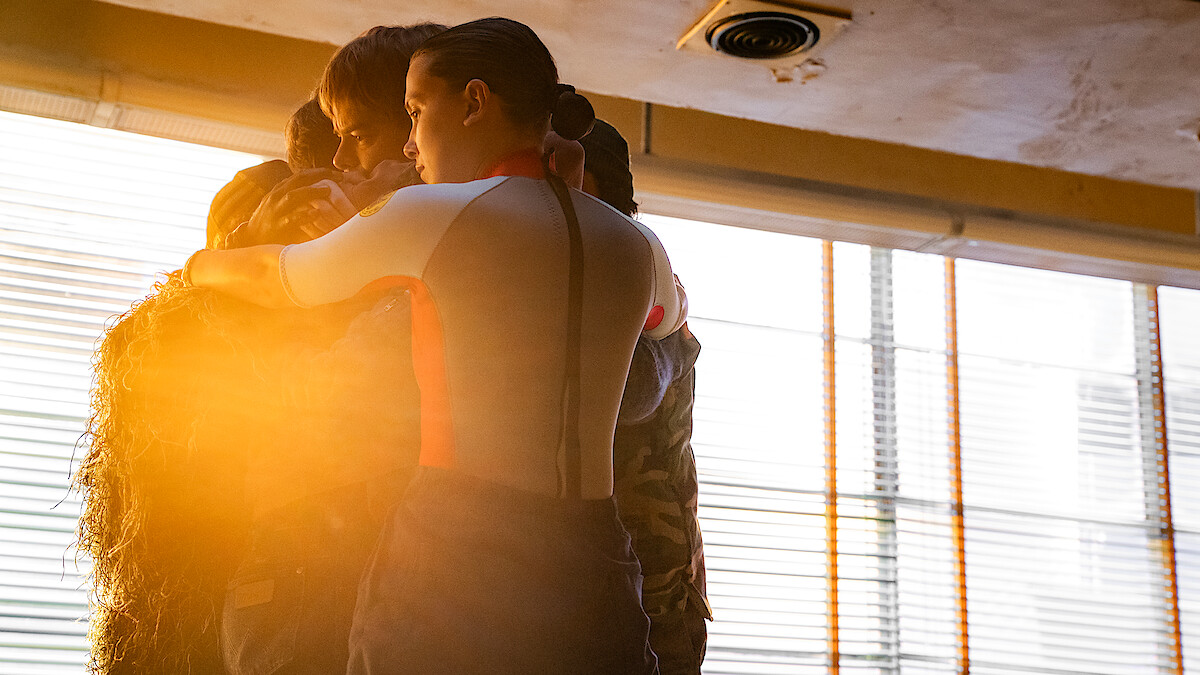
Tracey Ullman, Jay Lycurgo, and Cillian Murphy
This investment paid off in poignant performances from Murphy, Lycurgo, Ullman, and every other actor in the film. Each embodies so many different facets of their characters, reflecting how a person can be when they’re aware of being perceived, and also who they are when only they can see their own reflection. Steve and Shy have inner and outer selves, mirror images of pain and love, heartache and triumph; they both have to reach into the depths of their beings before they can even begin to find a way out from the darkness and rise up through the surface.
Ullman says, “We all had an enormous experience doing this, and watching [Murphy and Lycurgo] was astonishing — the depths they had to go to every day. And when I saw the film, I did say, ‘Oh my God, I get it.’ It was so hard because we all wanted it to be so real and so good, and we cared about it.”
That care for each other is reflected in Steve, and also was apparent behind the scenes, in ways both big and small. In a sense, Murphy didn’t just serve as a teacher in the film, but also as a mentor of sorts for the younger actors. Lycurgo says, “One of my favorite things that Cillian ever said to me is that when a scene works, it’s just like music — it’s unspoken. It just flows and there’s just a chemistry that you don’t really need to talk about; it’s just a synergy.
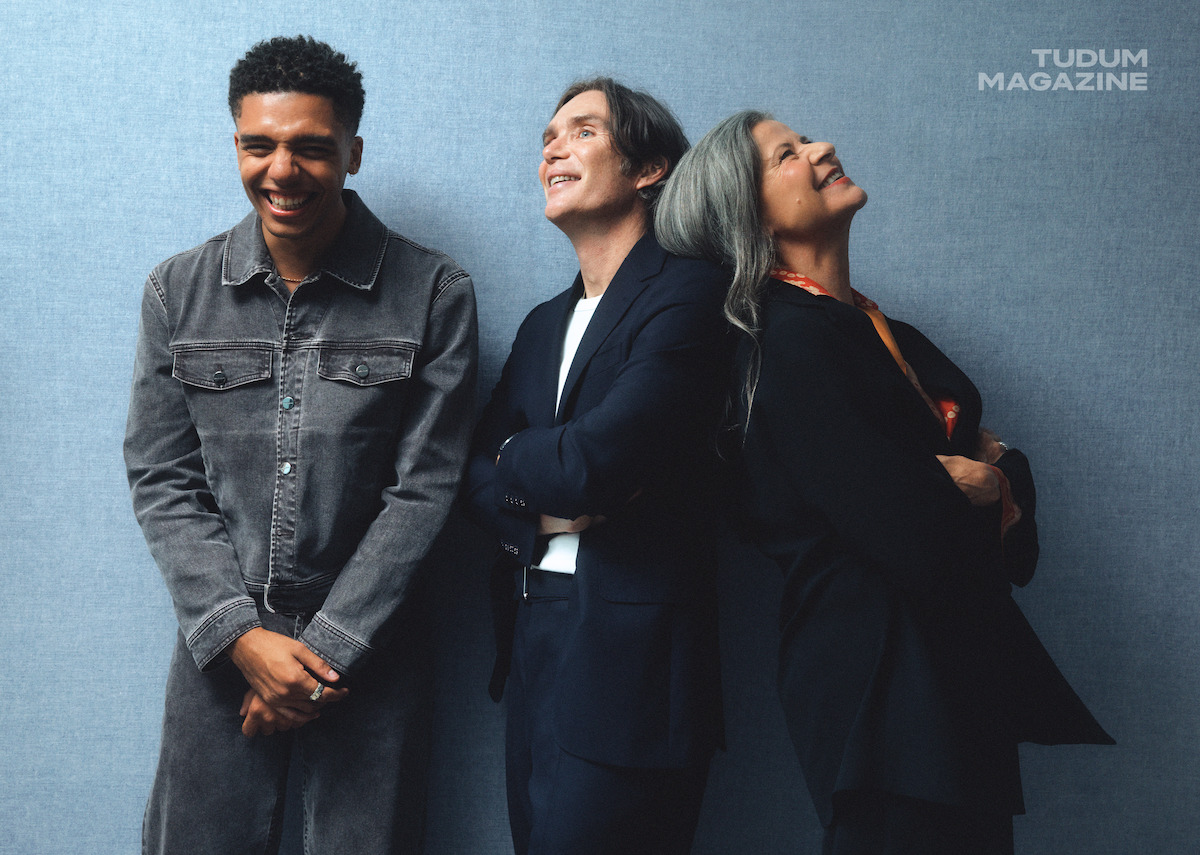
Jay Lycurgo, Cillian Murphy, and Tracey Ullman
“I think that the whole cast just had that from the moment that we had the workshops to then when we were on set,” Lycurgo continues. “There weren’t a lot of conversations that we were having to be like, ‘Oh, Steve and Shy should be like this,’ or ‘Amanda and Shy.’ It just flowed. It worked so well.”
For Murphy, this kind of connection and ease is what makes storytelling work, and what makes it capable of capturing the rawest moments of existence, those times when we’re most vulnerable, when we most need to be saved — like the students in Steve, and like Steve himself. This type of narrative is important to Murphy, because it reflects what really matters. “It’s all about listening to each other and making sure everyone feels safe to be vulnerable,” he says, “and to try shit out and to fail and to get up and try again, because sometimes mistakes are the portals to magic.”