
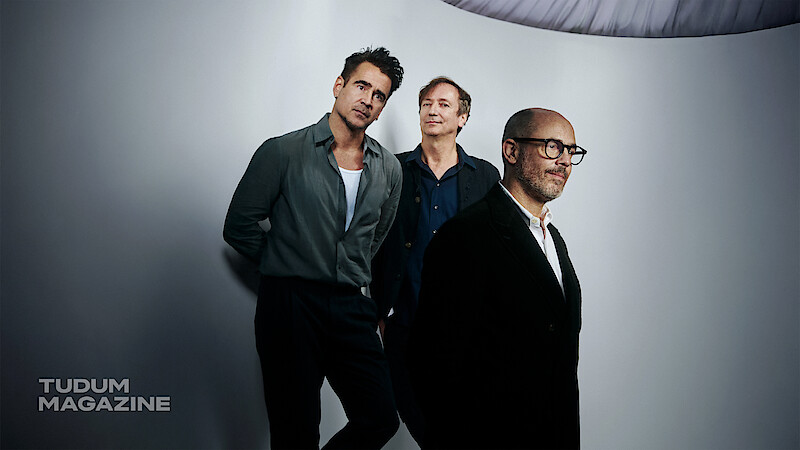
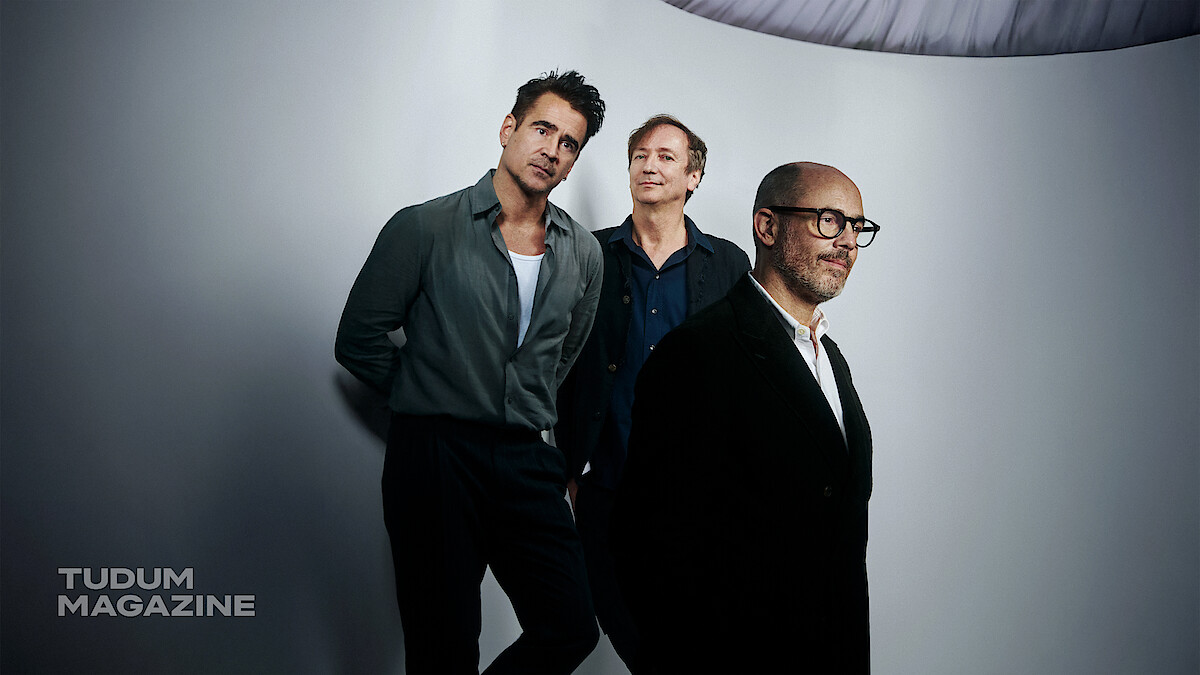
Edward Berger, Colin Farrell, and Volker Bertelmann unpack their pop opera.

The Irish actor takes on the role of a high-stakes gambler in Edward Berger’s latest film.
Colin Farrell has been on an impressive winning streak. In 2023, he earned his first Oscar nomination, for The Banshees of Inisherin, his third collaboration with writer-director Martin McDonagh, and more recently he nabbed a 2025 Golden Globe and SAG Award for his lead role in The Penguin.
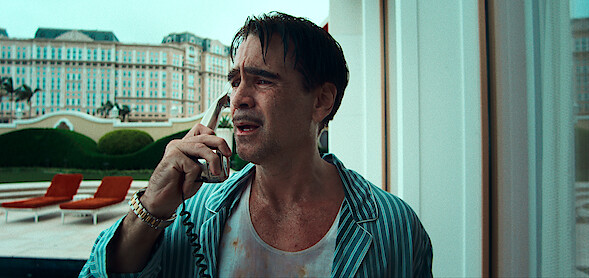
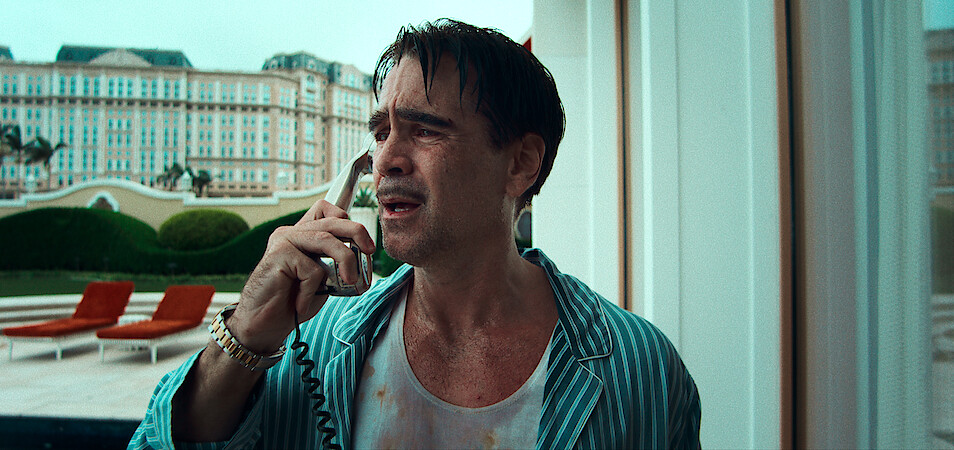
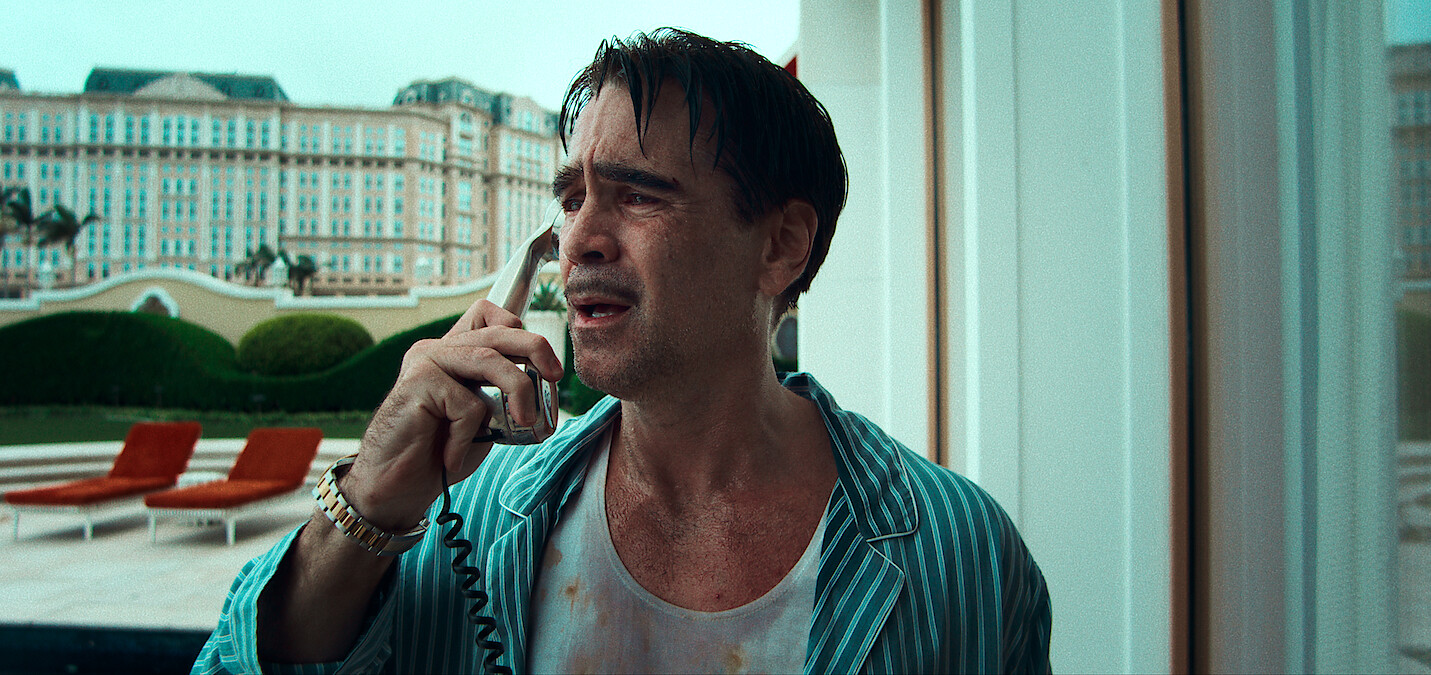
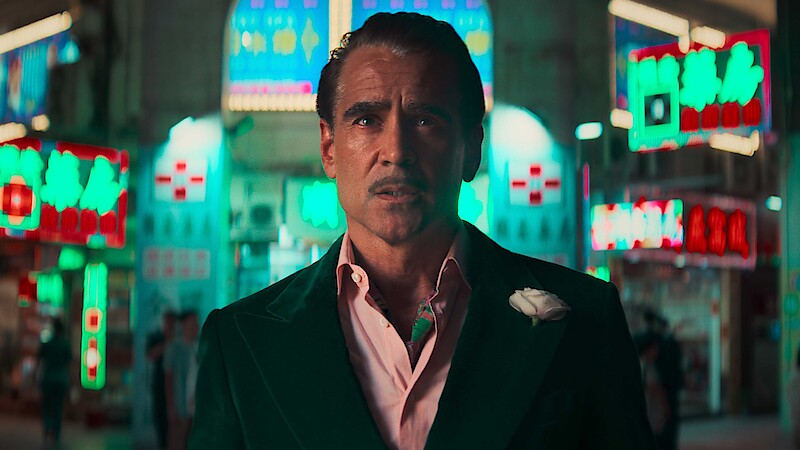
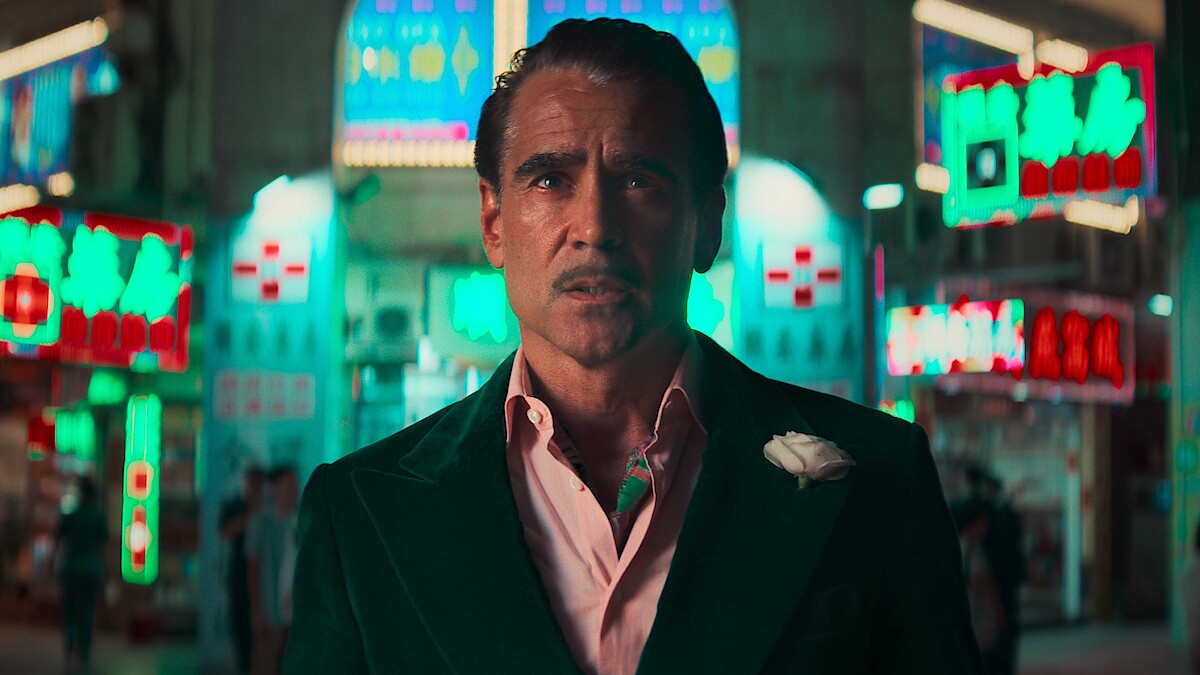
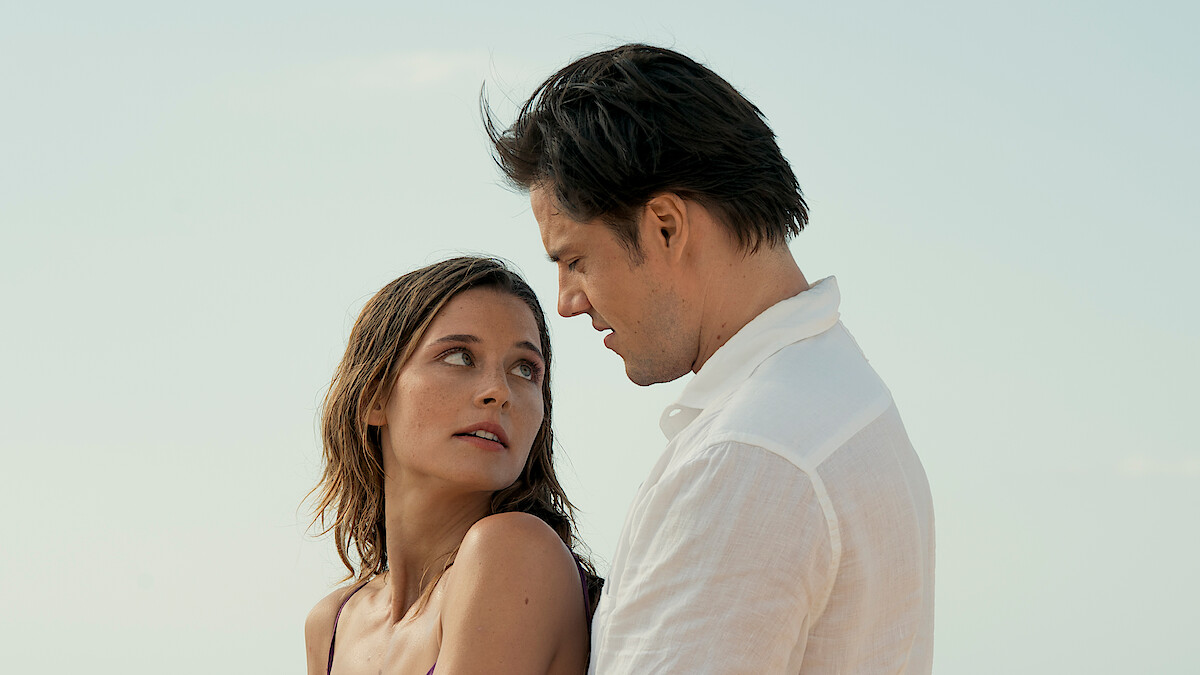
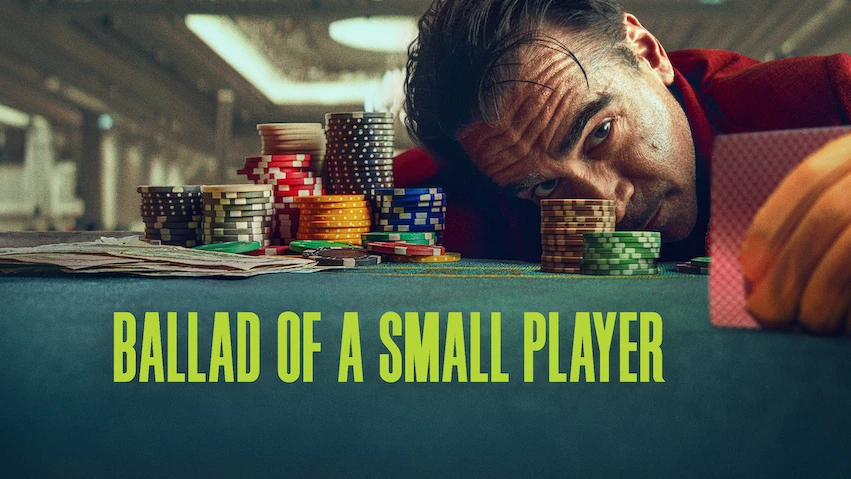
Unfortunately, the same can't be said for his character in Ballad of a Small Player. In an adaptation of Lawrence Osborne’s 2014 novel, brought to the screen by director Edward Berger (Conclave, All Quiet on the Western Front), Farrell plays Lord Doyle, a high-stakes gambler who hits the casinos of Macau hoping to make enough to evade his debts and indiscretions (both personified by Tilda Swinton). With the help of Dao Ming, a kindred spirit played by Fala Chen, Doyle sets in motion one final effort to beat the house.
When exploring the character, Farrell encountered a complicated figure. “Lord Doyle is somebody who’s trying to escape his past. I don’t think he has any idea, really, how much his past is carried in every cell of his being,” Farrell says. “He is, like most addicts, somewhat narcissistic, and can only see the world through the lens of his own needs and his own desires.”
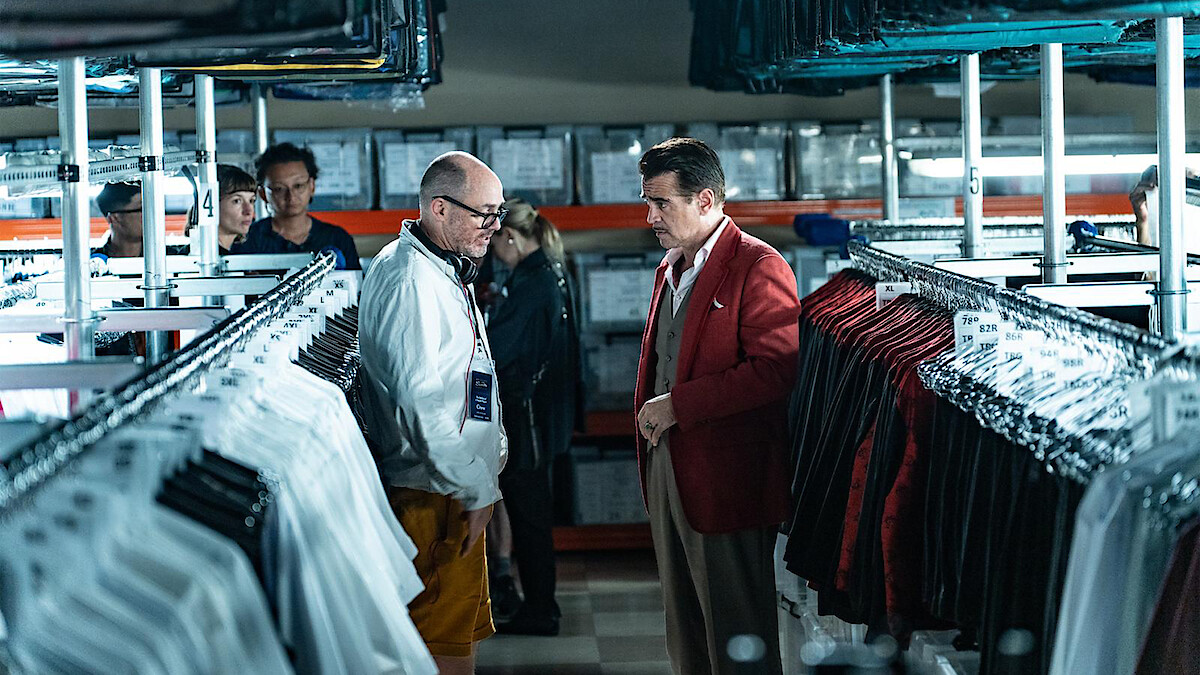
Berger saw in Farrell precisely what was needed to embody Doyle. “Colin has such an expressive face, such raw emotion,” the director remarks. “From the moment you meet [Doyle] there is a big veneer on him. Then more and more as you get to know the character that onion peels away and we get to see his soul, going from pretentiously operatic in the beginning and ending up very bare and raw.”
The unpeeling of that onion is what led Farrell to find compassion for the man who is hitting a nadir. “He is, deep down, fundamentally a decent fella. But he’s just got all his lines mixed up, all his wires crossed. He’s come to Macau to earn his fortune, to live out his dream and to make his mark on the world, I suppose. And it doesn’t quite pan out the way he had envisioned.”
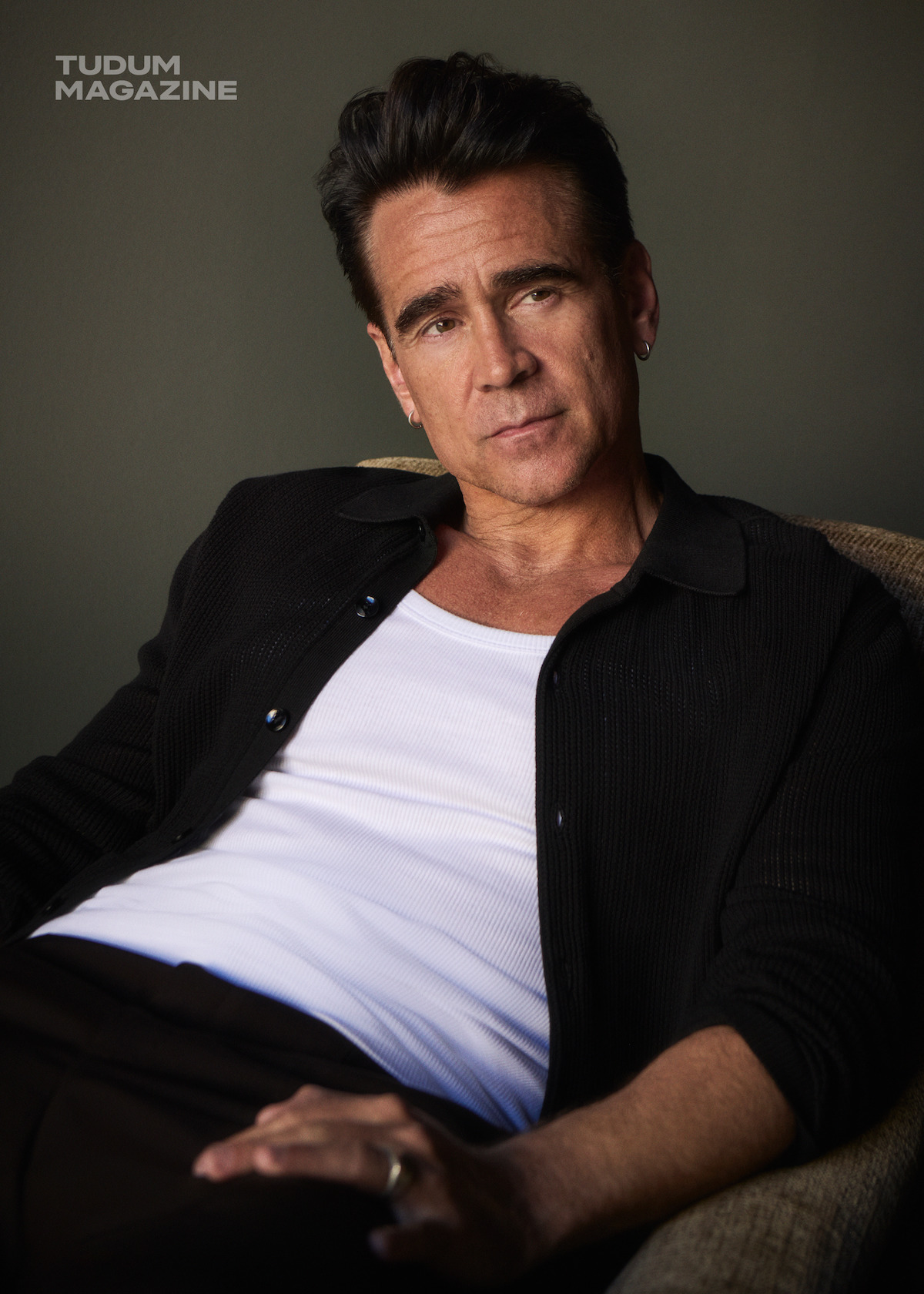
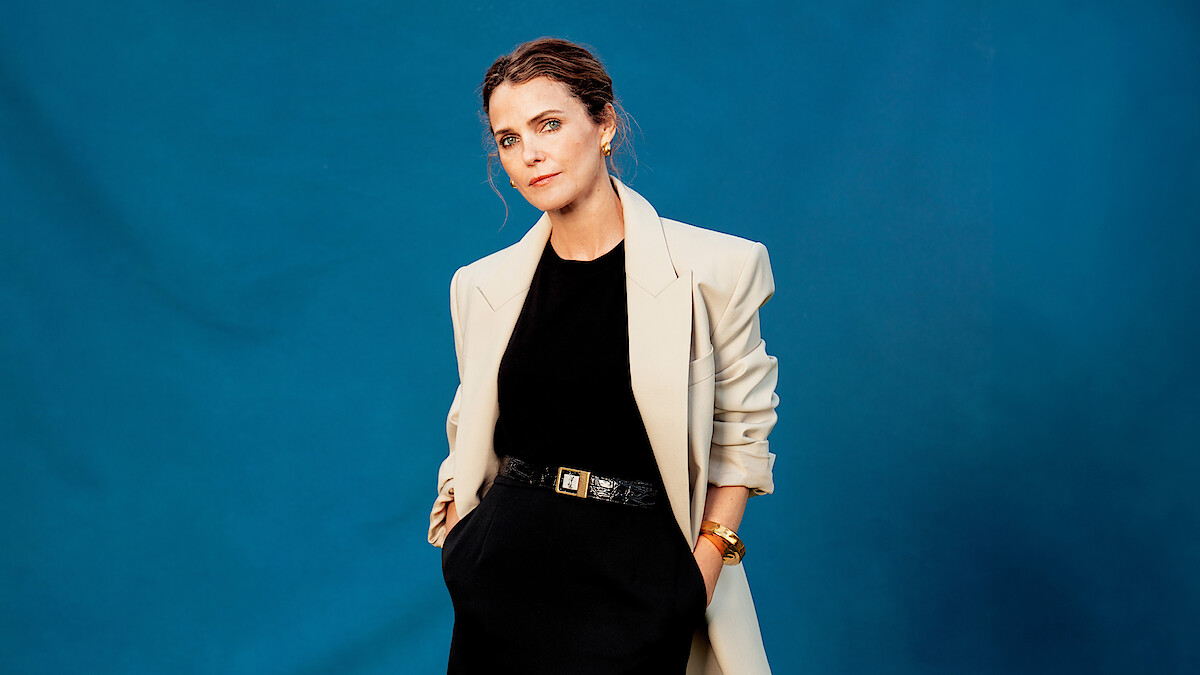
Net knit cardigan, tank top, and trousers by Dolce & Gabbana.
What attracted you to the script and the character of Lord Doyle?
Colin Farrell: It was about a year and a half before we started filming that the script was sent to me and Edward Berger and I sat down to discuss it. I thought the script was extraordinary. Tonally, it’s bizarre. It’s funny in moments. I find it incredibly heartbreaking as well. It explores some fairly significant themes: shame, the past, ambition, greed, sorrow, and the ability or the inability to feel and manage those things. It also looks at how you come to dictate your life in all sorts of nefarious ways, sometimes in good ways.
I was really moved by Rowan Joffé’s adaptation. It was like nothing I’d read, which as an actor is what draws me in. Sometimes you just read things and you find the character interesting. The trials that they’re facing and the world that they inhabit. Lawrence Osborne’s book was incredibly evocative of a time and a place and existed very much in the world of the expat community, which we touch on in this film. I find it fascinating. It was lovely to meet Lawrence when he came to set.
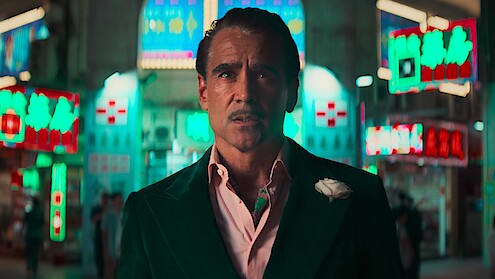
The whole thing feels like an opera in many ways. Macau feels operatic as Céline Dion blares out over the Tannoy and there is water fountain madness that’s going on. The emotions are very high. The madness of the casinos is very high. And the losses are extreme.
Does your character Lord Doyle care about money?
Farrell: Oh, boy. Oh, yeah. Oh, God, yeah. For the majority of the film, he cares about little else. He’s struggling, he’s somewhat in hock. He’s in hock to the hotel. He’s in hock to a couple of people around town. He owes money all around. He’s running dry. And by the time we meet him, he’s been in Macau a while and he's blown through a lot of cash, and he's at the tail end of a phantasmagorical spree and entering the nightmare that the tale becomes.
How did you immerse yourself in the world of Macau casinos and high-stakes gambling?
Farrell: We were taken around a few casino floors and shown the rooms where the high rollers played, versus the floor where the general public, like me, would go and play low hands. I went and had a few games. Baccarat’s a really simple game. There’s nothing to it. There’s no poker face, there’s no bluffing. You get two cards, you turn them over and the closest person to nine, without going over, is the winner. You can get a third card, but that’s risky. It's all a game of chance.
Shooting in a live casino was interesting and mad. We were shooting around midnight, 1 a.m. in the morning and it was busy. The floors are just so vast. I know there's high roller rooms in Vegas as well but even on the floor in Macau it's a lot more serious. Vegas is a little bit more of a Mardi Gras sensibility. The party is everywhere. In Macau the gambling is very serious. High rollers spend millions over a period of four or five hours sometimes.
Shooting on the casino floor was very alive. It was just chaos. You could hear people winning and then shouting. Sometimes if someone’s on a roll on a table and they’re winning a few hands in a row, people will start to crowd around that table. People who aren’t playing will put some chips on the table right next to the person who’s having the spell of good luck. So, the community gets involved and it can get raucous. It felt very authentic. Any time you get to shoot in a real situation as opposed to on a soundstage is just remarkable. It’s always lovely to shoot in a real environment with people milling around.
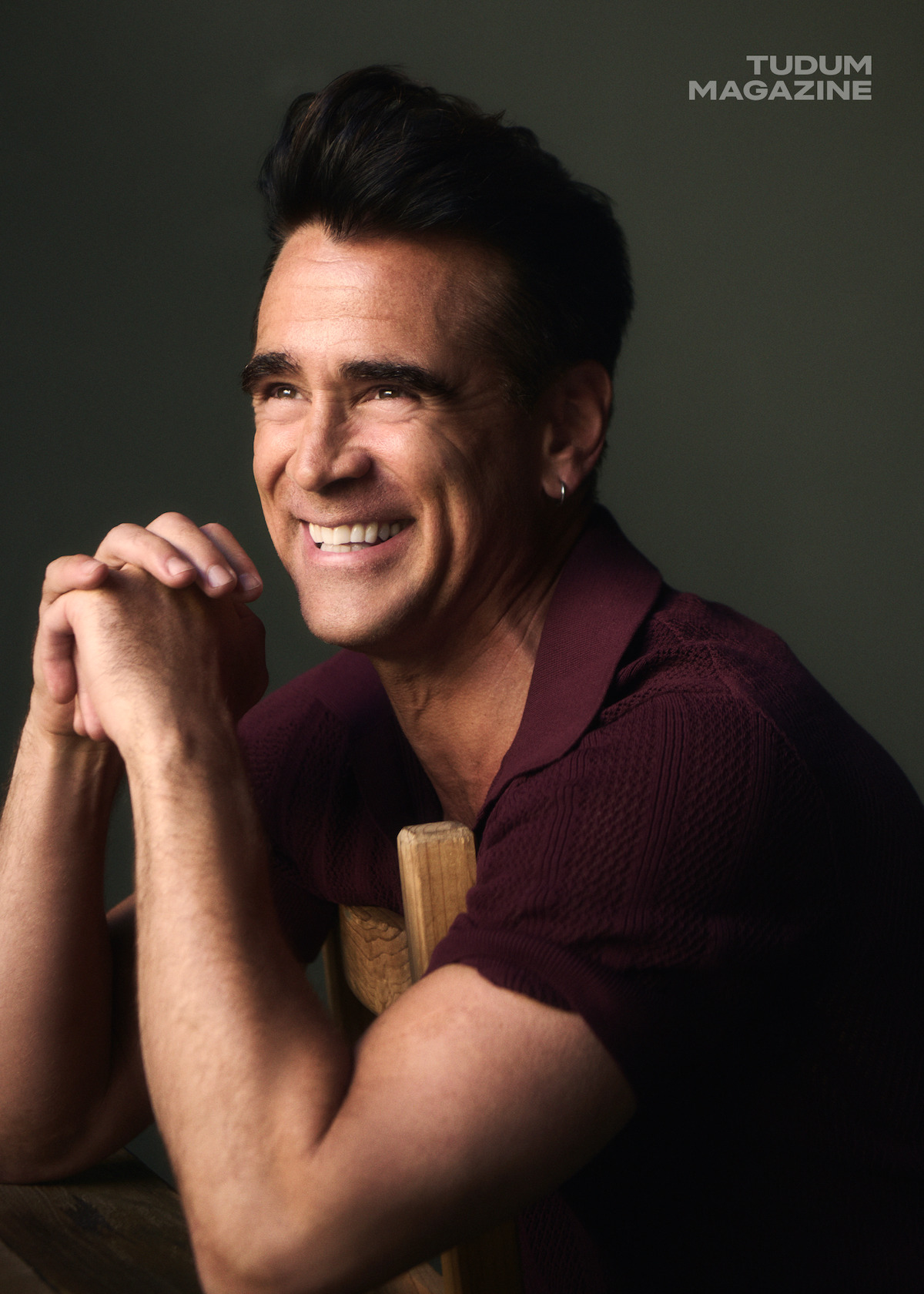
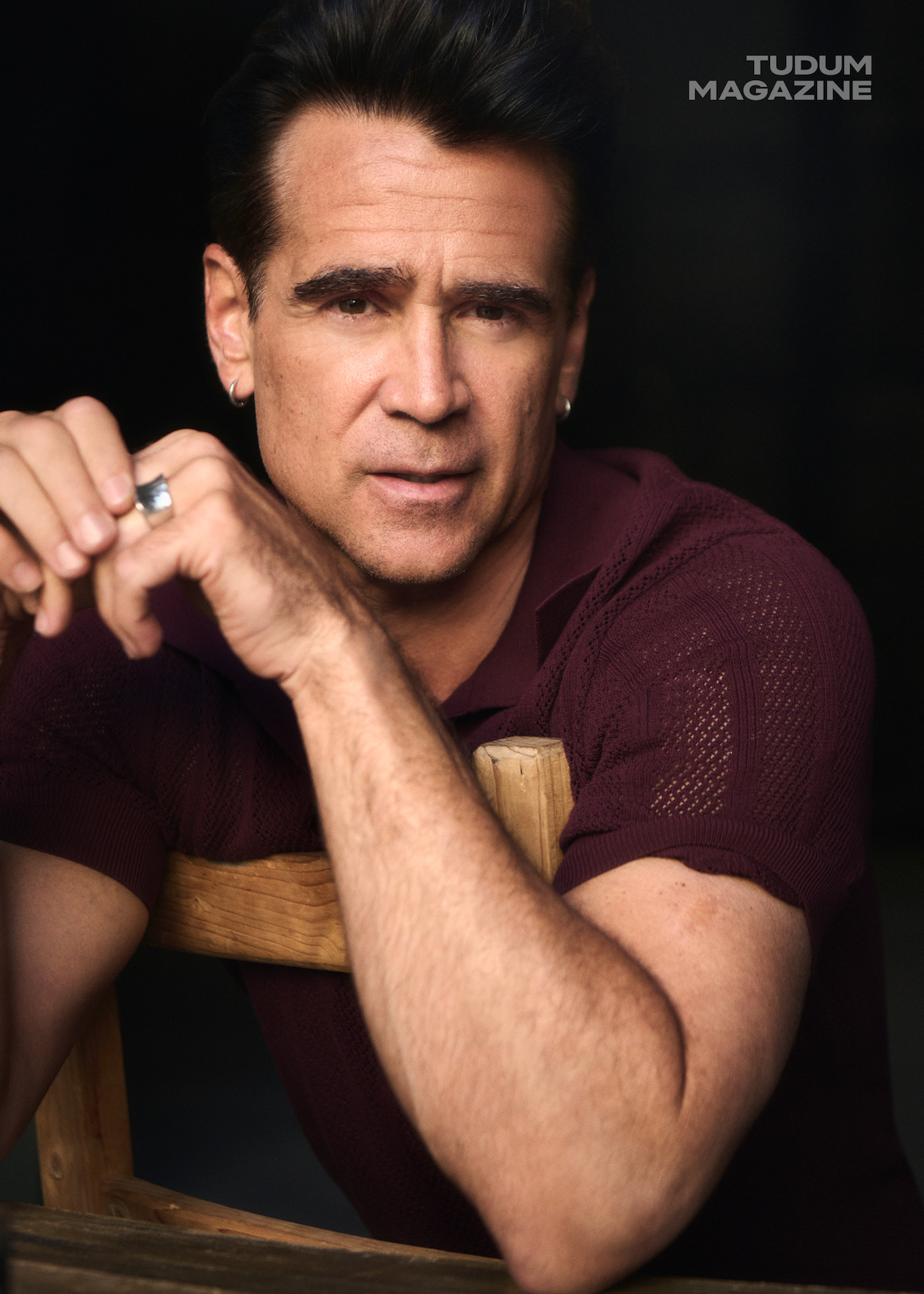
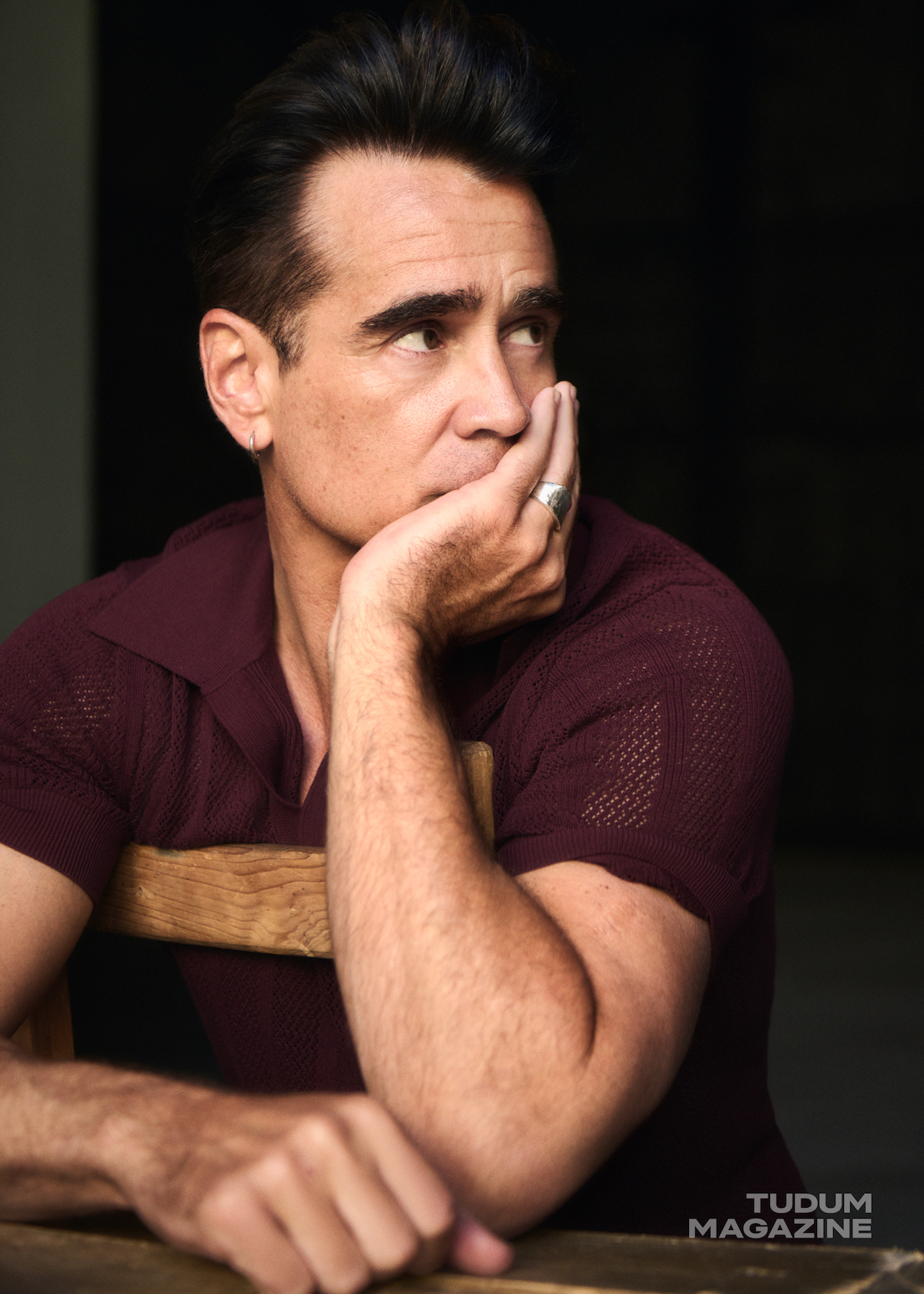
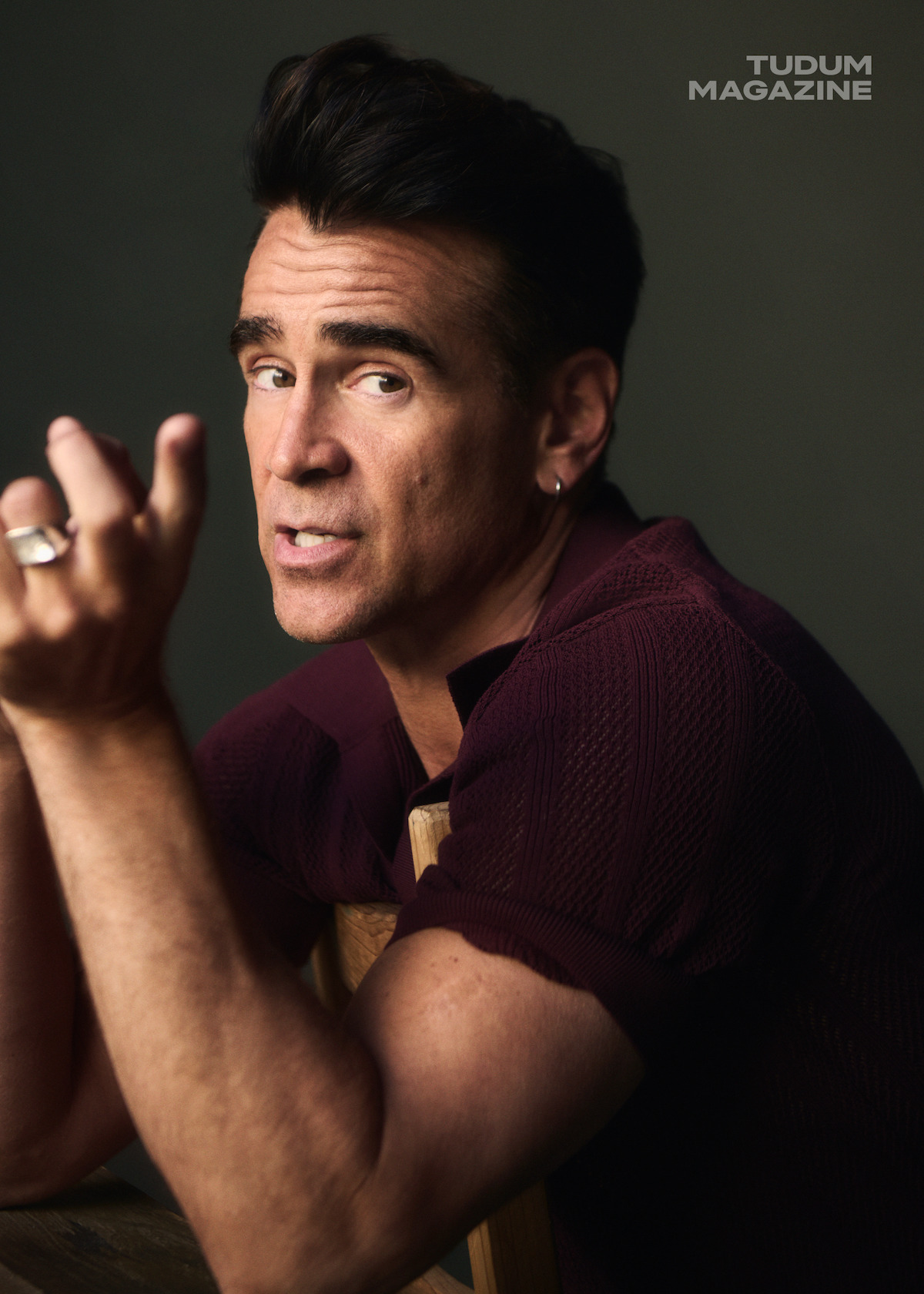
Net knit top by Dolce & Gabbana.
What’s it like to work with director Edward Berger?
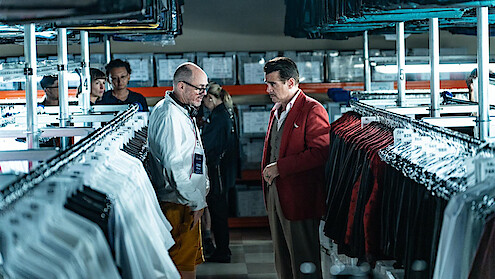
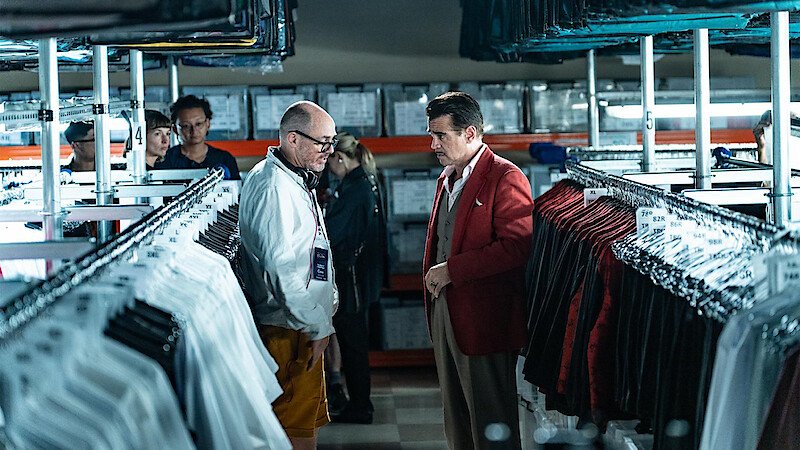
Farrell: Edward has an amazing drive. He's got some engine on him and he’s got a crew that complements that. Filming hours in Macau, working with two different casino operators along with all the filming logistics and tight scheduling and making sure we have all the correct permission to shoot needs an incredible director and crew. We were able to shoot on the casino floors from 1 a.m. to 4 a.m., but we had to be out by 4 a.m. without fail. So along with the tight filming schedule, there was a lot of pressure for this production, and Ed just shoulders it like a champ.
Ed’s incredibly smart. He’s an extraordinary visual storyteller. His framing and his choice of how the camera moves, his perspective as a filmmaker is extraordinary. I’d say Ed and James Friend, the director of photography, have created one of the most visually arresting films that I’ve been a part of.
Ed’s on the front lines all the time. He’s first there and last out. I can text him at any time of the night with ideas or thoughts or questions. We have a really cool dialogue. We’re constantly checking in with each other. It’s simpatico with him on the dance floor. His passion is inspiring.
You are joined on this film by some exceptional co-stars. What has it been like collaborating with Tilda Swinton?
Farrell: She's magic. I’ve loved her for years. I worked with her on one of the first speaking parts I ever had in a film, Tim Roth’s directorial debut, The War Zone [1999]. Tilda and Ray Winstone played wife and husband, and I did a scene with her. I don’t even know if I had a line in the scene. But I was in a space with her in front of a camera way back when, 25 years ago or something. I remember very clearly thinking she was a force to be reckoned with. And she’s just so wonderfully direct, loving, funny, kind, and talented. We’ve crossed paths a couple of times through the years, once for sure in Cannes, where we said we must find something. And then this came along, then when I heard that Tilda would be playing Cynthia, I was delighted, I couldn't believe it. I thought, “Oh man, that’s going to be just amazing.” And it was. She came in for three weeks and she took what was lovely on the page and just filled it up with nuance and life and history and love and desperation and a sense of the past. And she feels just like one of the crew. She’s great to be around and such a great spirit for everyone as well to just have on the set.
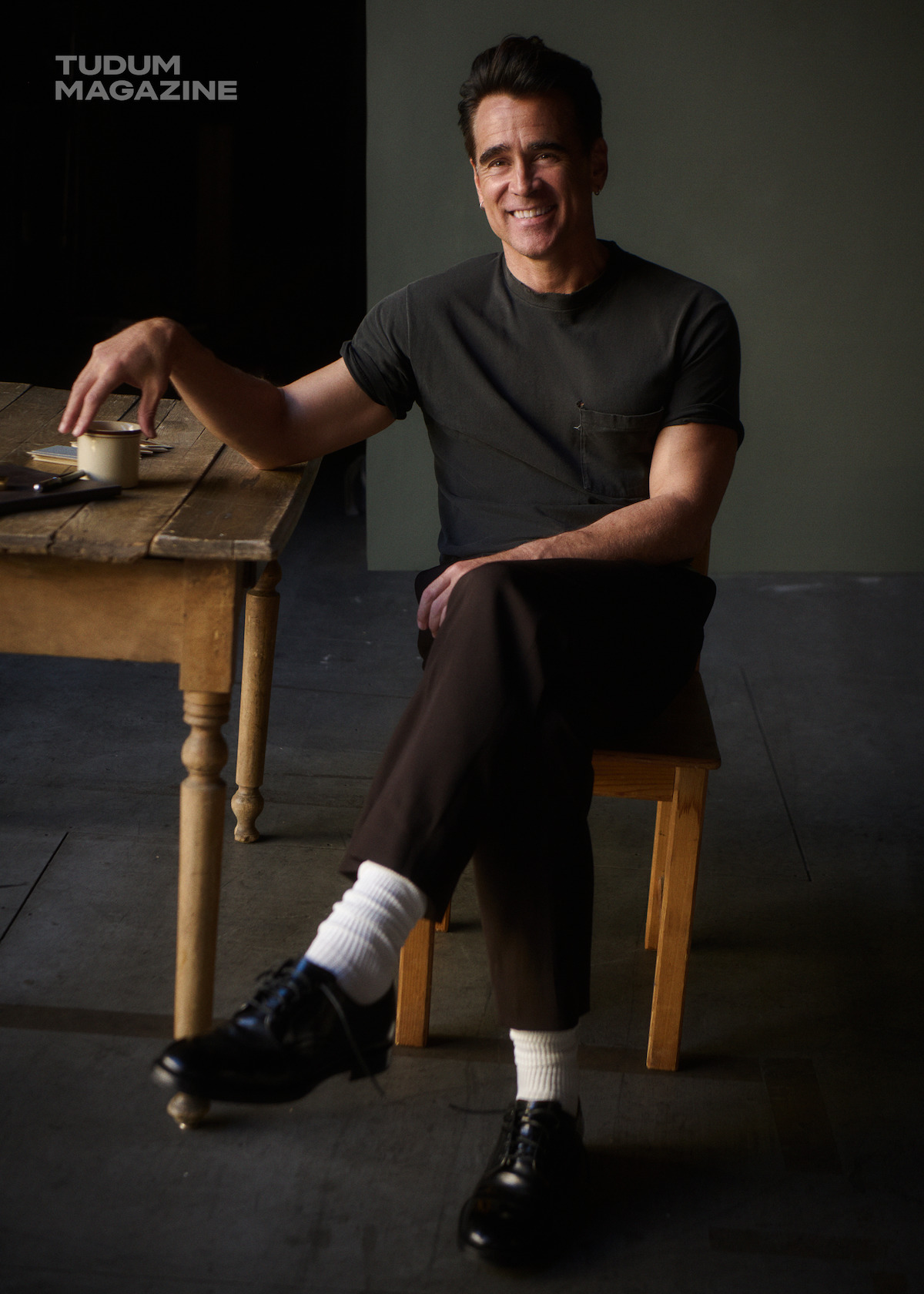
Vintage T-shirt with trousers and derby shoes by Dolce & Gabbana.
And what about Fala Chen, who plays Dao Ming?
Farrell: We had great chats about character, and when you work with actors who really love what they do, the inquisition and the conversations that you have are really fun. Digging into stuff and exchanging ideas and thoughts and theories and bad ideas and decent ideas and things you try, all that kind of stuff is amazing. I loved working with her. There’s a moment in the script which takes place on an island, it’s my favorite section in the story. It takes place over two days that they spend together. It’s away from all the craziness of Macau. It feels like a more rural setting, kind of more bucolic, even though it’s coastal. There’s a simplicity to the scenes with Fala. Even though there’s a lot going on, there’s not the chaos of the casino floors and the cards and the pandemonium and the screaming. It has a placidity to it that is really attractive to me after so much shouting and roaring and running and sweating.
How did you find it to shoot the film in Macau?
Farrell: Macau is hard to pigeonhole. There used to be two islands, Taipa and Coloane. They built a landmass to join them, and now it’s one big island off the peninsula. What Macau is now is a marriage of both those worlds. I feel like I’m in a Christmas tree at night when I walk outside — it’s all the lights. It’s got its beauty. The people have been so kind and welcoming. I met some lovely Macanese people and our Chinese crew from the mainland as well have been wonderful to work with. I just walk around at night and I run a little bit at night as well, the humidity is intense. I do three miles and I’m toast. But running around here at night through all these buildings is kind of magic. I don’t think I would ever have come here if it wasn’t for this film, which again, is one of the great things about what I get to do for a living. You see parts of the world you never would have otherwise.
This feature originally appeared in Issue 21 of Tudum Magazine.