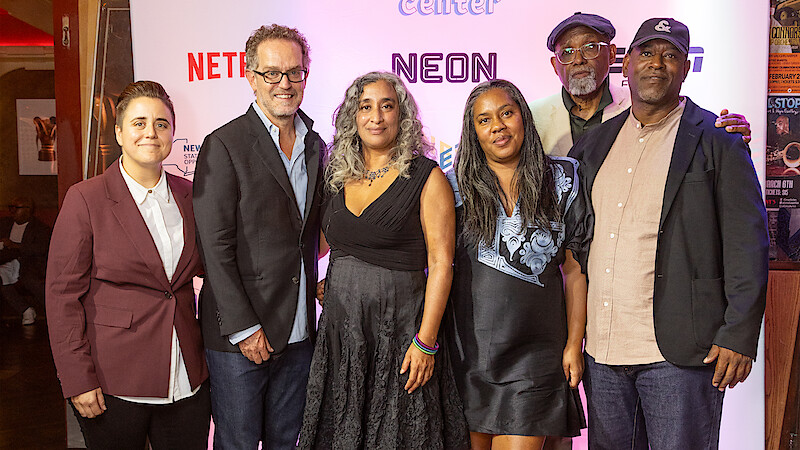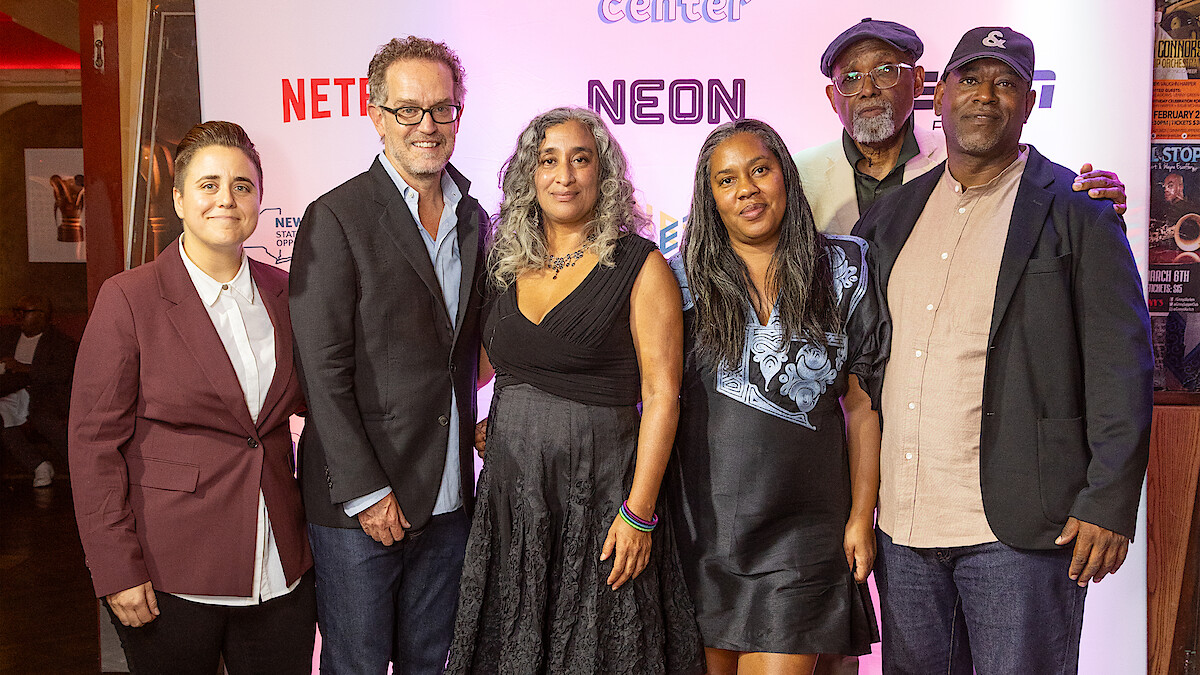
The filmmaker reflects on the journey of sharing her urgent documentary.

Petra Costa and Geeta Gandbhir examine the dangers of societal anxieties in their films Apocalypse in the Tropics and The Perfect Neighbor.
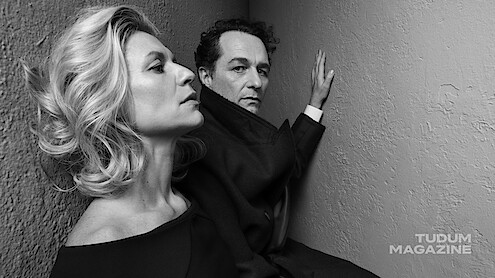
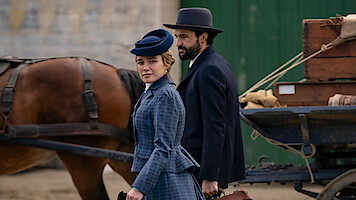
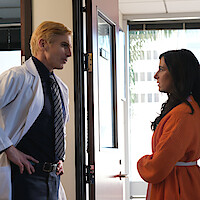
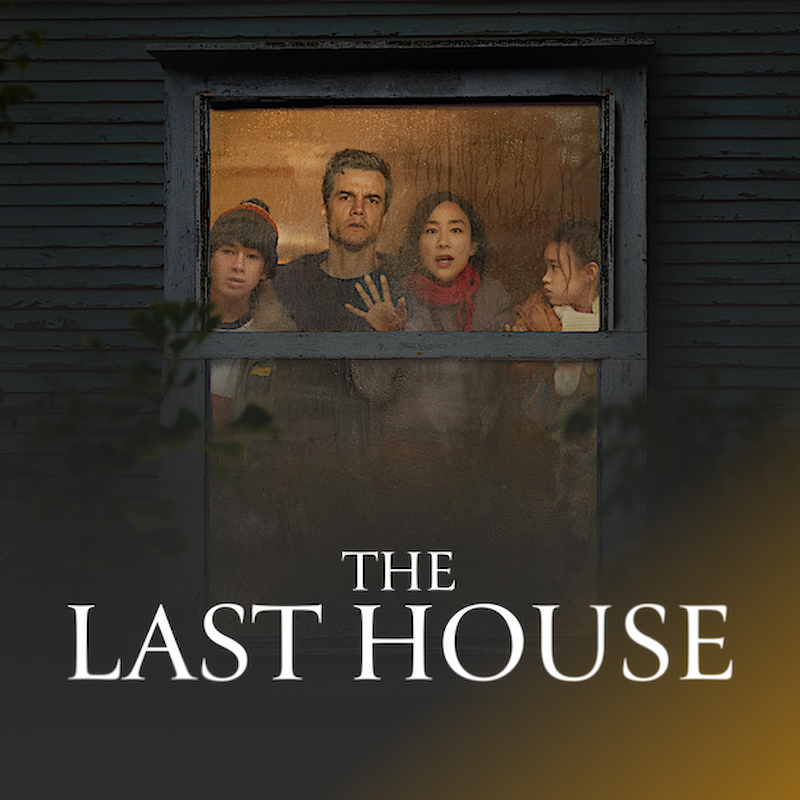
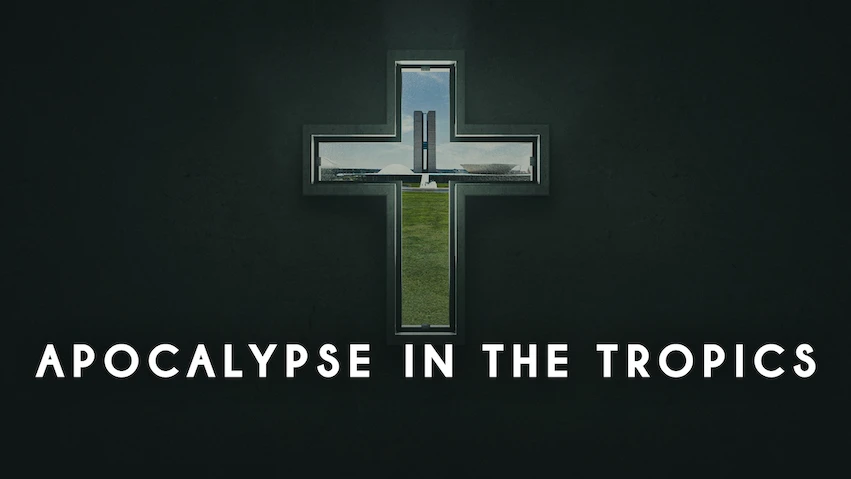
Filmmakers Petra Costa and Geeta Gandbhir embarked on two very distinct journeys when they began crafting their latest documentary projects. For Costa, it was deepening the exercise of capturing the evolving landscape of extremist politics of her home country of Brazil, which she began with the 2019 Academy Award-nominated The Edge of Democracy. With her film, Apocalypse in the Tropics, she explores how evangelical Christianity came to influence far-right figures like former President Jair Bolsonaro and current President Luiz Inácio Lula da Silva. For Gandbhir, it was answering a call to action after family friend and beloved community member Ajike “AJ” Owens was killed by a disgruntled neighbor; her Sundance Film Festival U.S. Documentary Directing Award-winning The Perfect Neighbor became a way to honor her legacy and make sense of the tragic events that led to her death.
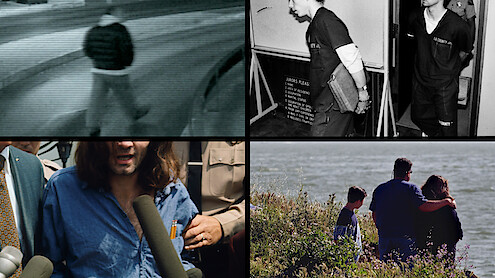
Yet despite the works’ structural and subject-matter differences –– Apocalypse in the Tropics is an essay film, created from years of footage Costa captured while embedded with the people and politicians of Brazil, while The Perfect Neighbor utilizes footage found from police body cameras and 911 calls –– each is an urgent examination of fractured societies and their devastating and irreparable consequences on everyday life.
The two directors met to discuss their projects’ unexpected connections, the importance of the role of editors in documentary filmmaking, and more. “The biggest issue facing us today is the distortion of the truth,” says Gandbhir. “Holding onto truth is the only thing keeping us from complete demise. I think these films speak to that and what happens [in] the aftermath.” Costa adds: “How can you have a debate when there’s no common ground that we can sit on? That’s what facts are. And of course, as documentary filmmakers, we can’t be impartial. There’s no objectivity, but there are facts, and that’s what we anchor ourselves in.”

Jenny Changnon: What first got you both into documentary filmmaking?
Petra Costa: I didn’t know what I wanted to do for a long time. I was divided by many desires and callings. I started with theater, but felt that I did not have enough elements to express something through theater. I didn’t understand enough of my own society and its history. I ended up falling in love with anthropology, which I think was a beautiful means of getting to know a country such as Brazil with so many diverse communities.
Through anthropology and in my ethnographic work, I started to use the camera as an instrument into people’s lives. I loved how the camera opened doors into getting to know people whom I would never have known, and then I fell in love with the cinematic language. I think anthropology also gave me a perception, which is of the history of colonialism that is behind both anthropology and documentary filmmaking and how delicate it is to portray another. How impossible it is to be objective. And that’s the reason why I ended up using voice-over in my films so far, because I think it opens the crack of showing who is the person, and where is my own point of view.
Geeta Gandbhir: We actually have so much in common because I studied anthropology, too. I studied a bunch of things, but primarily visual arts. I did printmaking and animation. Anthropology was really interesting to me. I loved the idea of immersing myself in the history and culture of my own community and other communities, but I was also troubled by the colonial legacy and genesis of anthropology in the West.
I started in narrative film [as an editor]. Spike Lee was my mentor, and I came up with him and Sam Pollard. I worked on a number of narrative films and then segued into documentary. Animation is sequential art, so I think Spike thought editing was a fit. The first film I worked on was Malcolm X, and Spike asked me to come back and work on When the Levees Broke. And that was my first real foray into documentary with Sam Pollard. I fell in love with it.
Access is so important in your two films. How did you approach maintaining trust with your participants, and how was that your anchor throughout these projects?
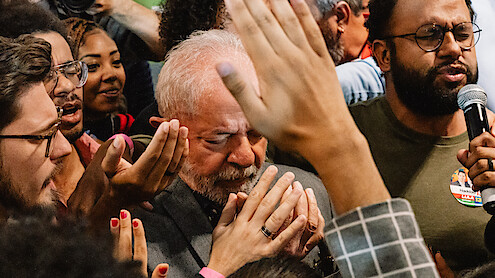
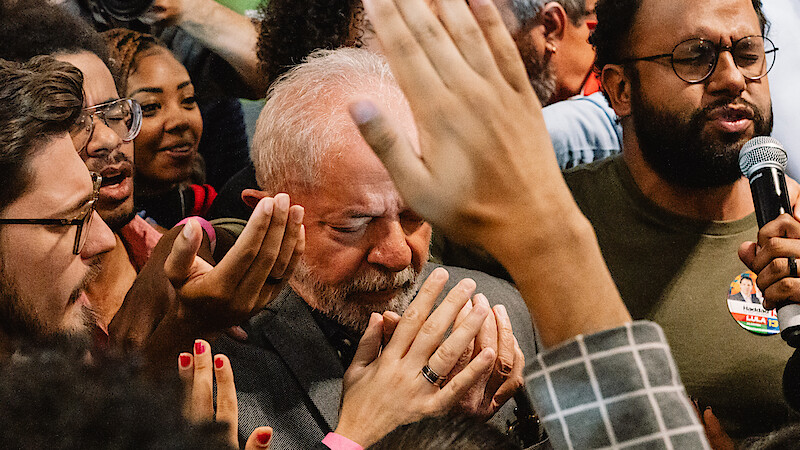
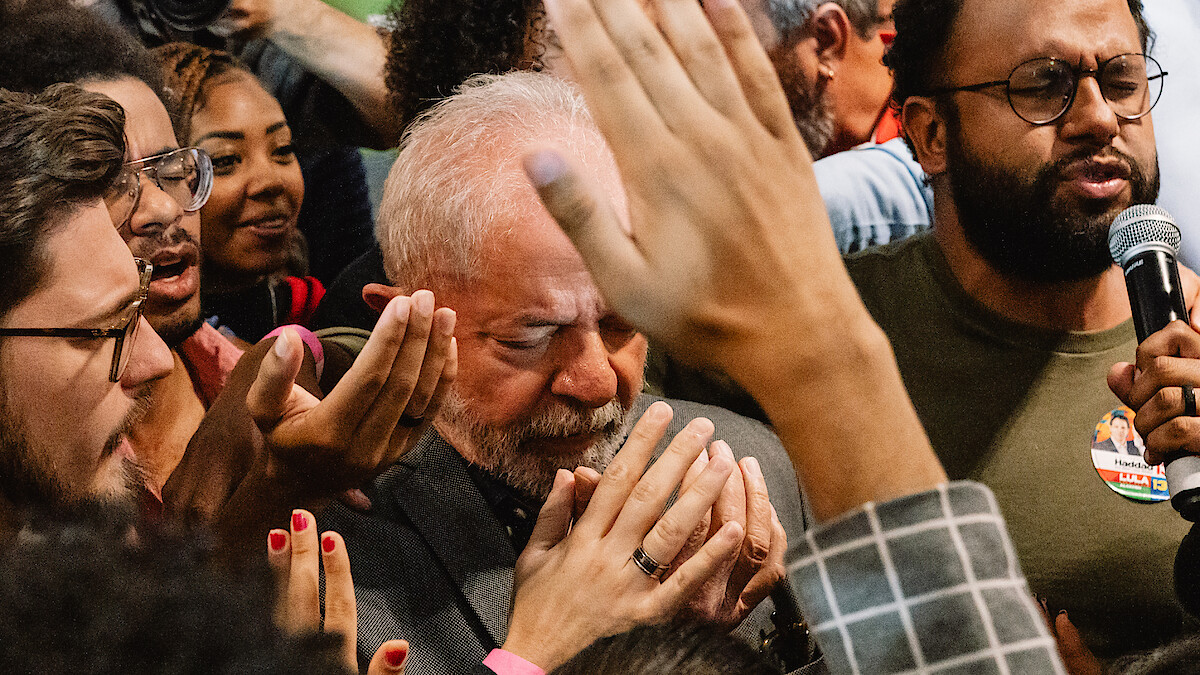
Costa: I had already filmed with Bolsonaro since The Edge of Democracy when he was the most available congressman in the Parliament. With Lula, I thought it would have been easier to get access because he had already been in the previous film too, but it took us a year and a half to get access to him after much insistence, and we mollified the pastor that we accompany in the film, who becomes one of the consiglieres of Bolsonaro. He granted us access as soon as we asked him. What was fascinating was that as we accompanied him throughout the four years, his power only grew, and his influence over the president also, to the point where he was possibly writing the president’s speeches.
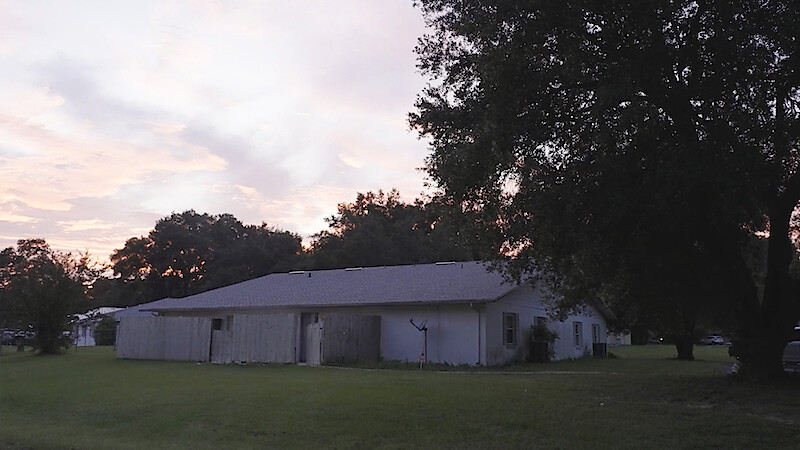
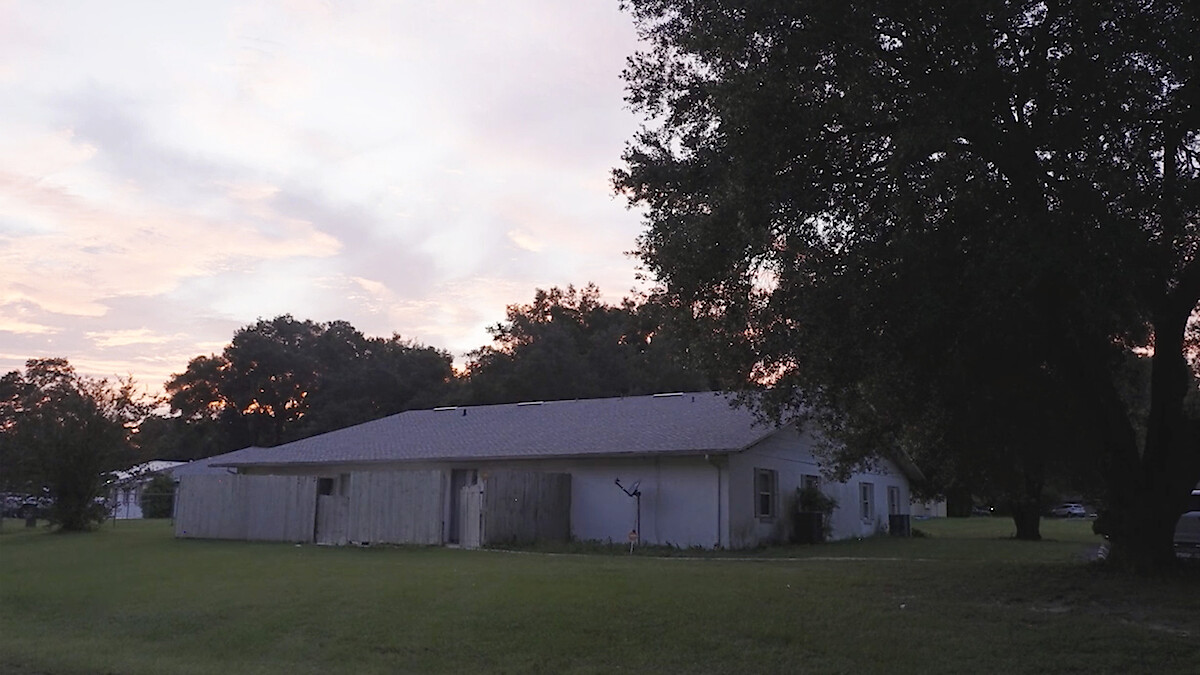
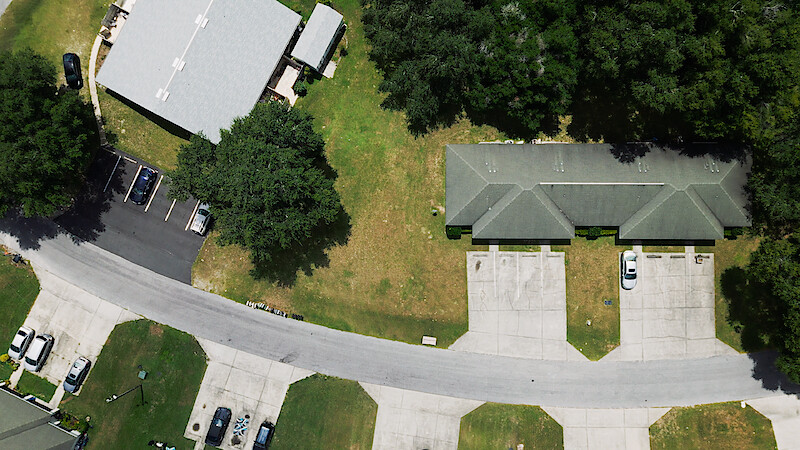
Gandbhir: The Perfect Neighbor is a little bit different because in some ways it’s a personal film. The access came through my family. My sister-in-law was deeply connected to Ajike, they were best friends. This was not a story we sought out. It came to us. So I think the trust with the community came through my family’s relationship to Ajike’s family and her mother, Pamela Dias, because they, along with Nikon Kwantu, my partner and a producer on the film, were on the ground immediately trying to advocate and get media attention to the situation. About two months later, the thought of a film came about. We were really just trying to help with the media strategy around the case before that. We were working together to make sure there was some sort of justice for Ajike.
I shared the film with Pam once it was ready to go to Sundance and asked her what she wanted to do. We always were of the mind that if she wanted to throw it out the window or never have it out there, that that would be the case because it’s her daughter’s story and legacy. She wanted to proceed. I do wish this film didn’t have to be made. Ajike should be alive. But I think it has given her mother, and she has said this to me, some purpose to the pain, to feel that you are honoring, that Ajike won’t be forgotten is the most important thing to her, and that this doesn’t happen to anyone else. I think that’s really what has been the call for this film.
Both films deal with so much material, whether it’s the archival footage or years spent with political figures. What is the process of building the documentary narrative and assembling it?
Costa: I love that you started as an editor, Geeta, because I feel the editors are my main collaborators, and without them, I would never have been able to make one single film. In this film, we were filming for three years as the crisis unraveled. I worked with editors, co-writers, who were David Barker, Nels Bangerter, and Tina Baz. And it was a process of editing, writing, editing, writing, filming, editing, writing, filming, editing, writing. Because they’re essay films, both this and my previous film The Edge of Democracy, which means that I don’t come with any thesis, and it’s much more about trying to make sense of the material and the story that is unfolding, and then the research that informs as well. I wasn’t just interested in how people move, but what moves people. What moves people to go into Christian fundamentalism, what led Christian fundamentalism into Brazil, things that very few people know, actually, even though it’s 30% of the Brazilian population, 20% of our Congress, we’re still at the beginning of making this into the public debate.
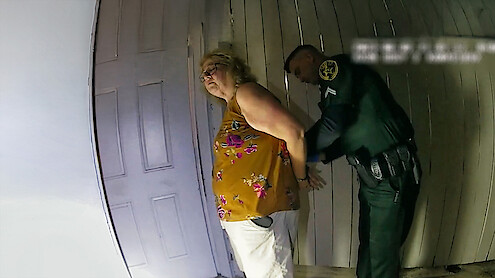
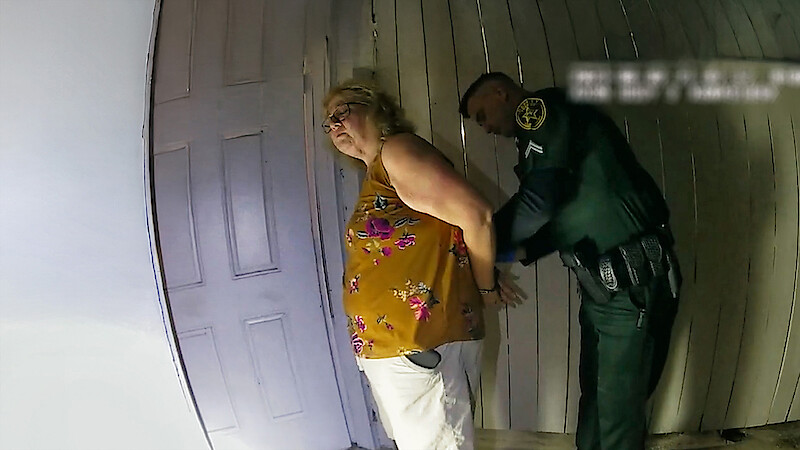
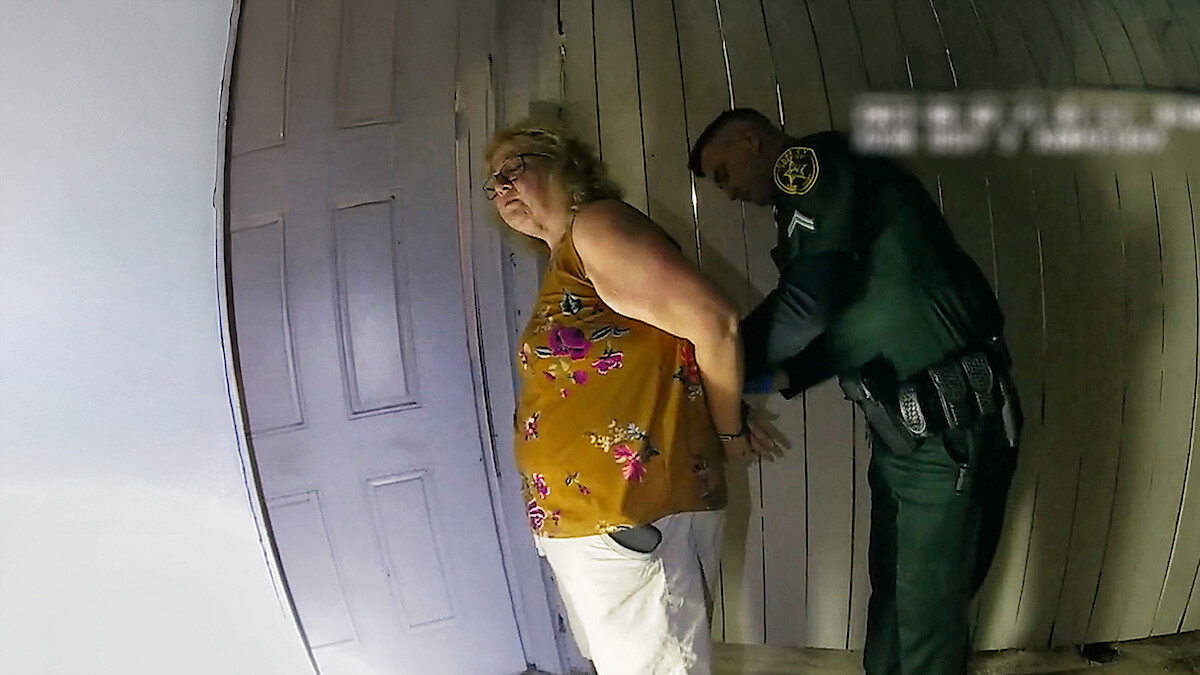
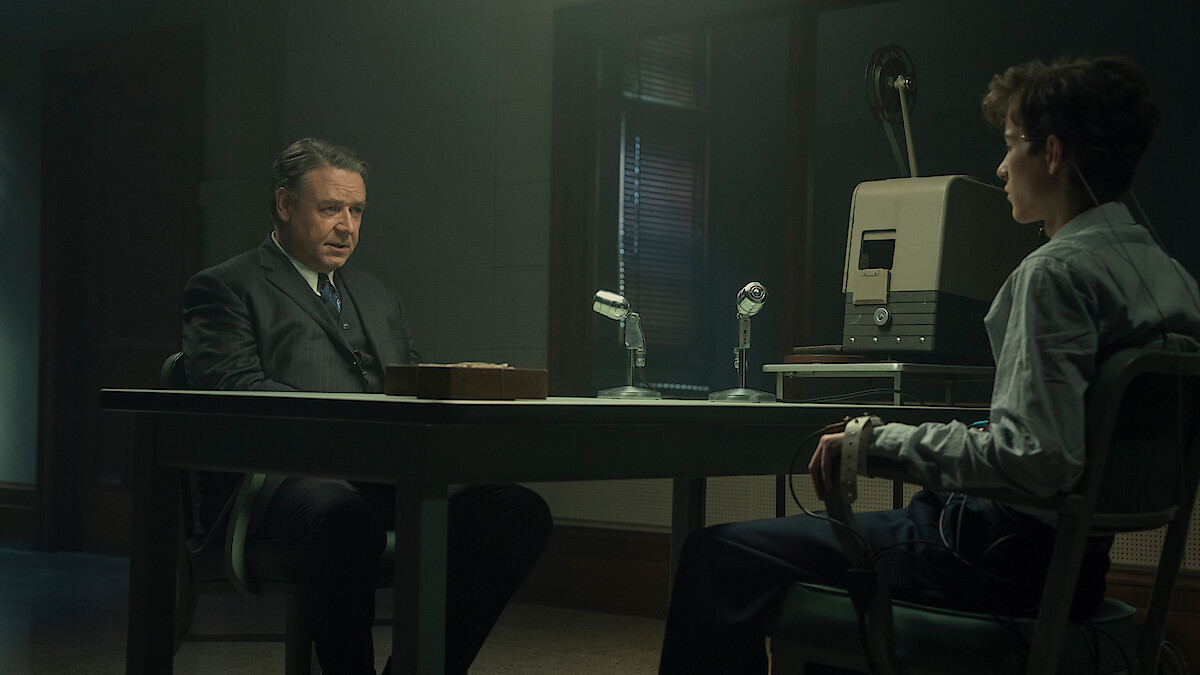
Gandbhir: I totally agree with you, Petra. Having been an editor, I’m a huge fan of editors. I feel like editors in documentary are really almost like co-directors. It is where the work gets done. I had an incredible editor on this, Viridiana Lieberman, and I’ve worked with her on a couple projects. There’s a long relationship and a shared language. We really wanted to just live in the police body camera footage and not impose any voice-over or interviews or anything like that, so people could feel embedded within the community. We really wanted to trust the audience. We had to sync all these hours of police body camera footage, which just came to us in a jumble, and figure out which audio went with which police officer. There were always two on the scene. There were also 911 calls and calls just that the shooter made to the police. And then there were detective interviews with the community. Figuring out who everyone was [was] a complete puzzle. That kind of investigation to me is fascinating.
I realize it was also grief work. We felt like we had to know. How do you get from living next door to someone and they’re just your neighbor, to picking up a gun and committing such a horrible act. How do you get there? What could possibly lead to that? And I think that question of how we turn on each other, how we become so polarized, again, is the beating heart of this film. How are we divided? We were trying to answer that in this process.
Costa: It’s interesting, in Apocalypse in the Tropics, we really try to investigate what this kind of apocalyptic thinking, that is very much at the root of the American DNA, leads to. And it’s ultimately the feeling not that you should love thy neighbor, but kill thy neighbor if thy neighbor is not of the same faith as you or of the same color as you. And this type of thinking was not present in Brazil until very recently. It’s really changing the social fabric of our society and in very scary ways.
Gandbhir: It’s almost like these films speak to each other. They feel to me like they work in tandem –– my film being the microcosm of the immediate, and then Petra’s showing what happens after that. There are these deep connections.