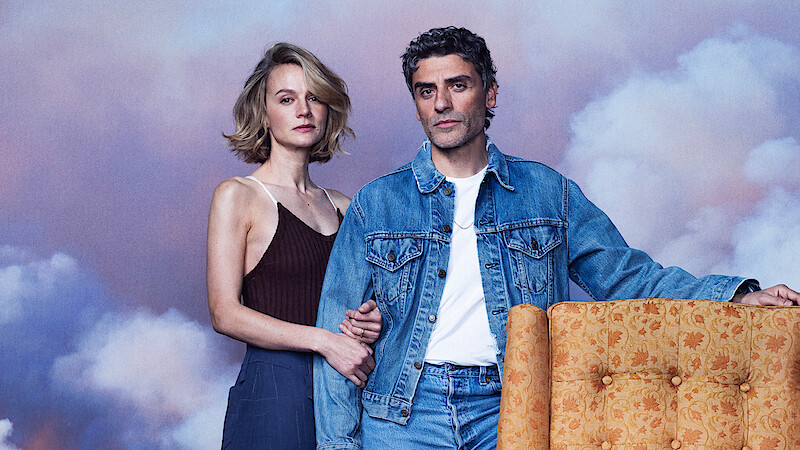
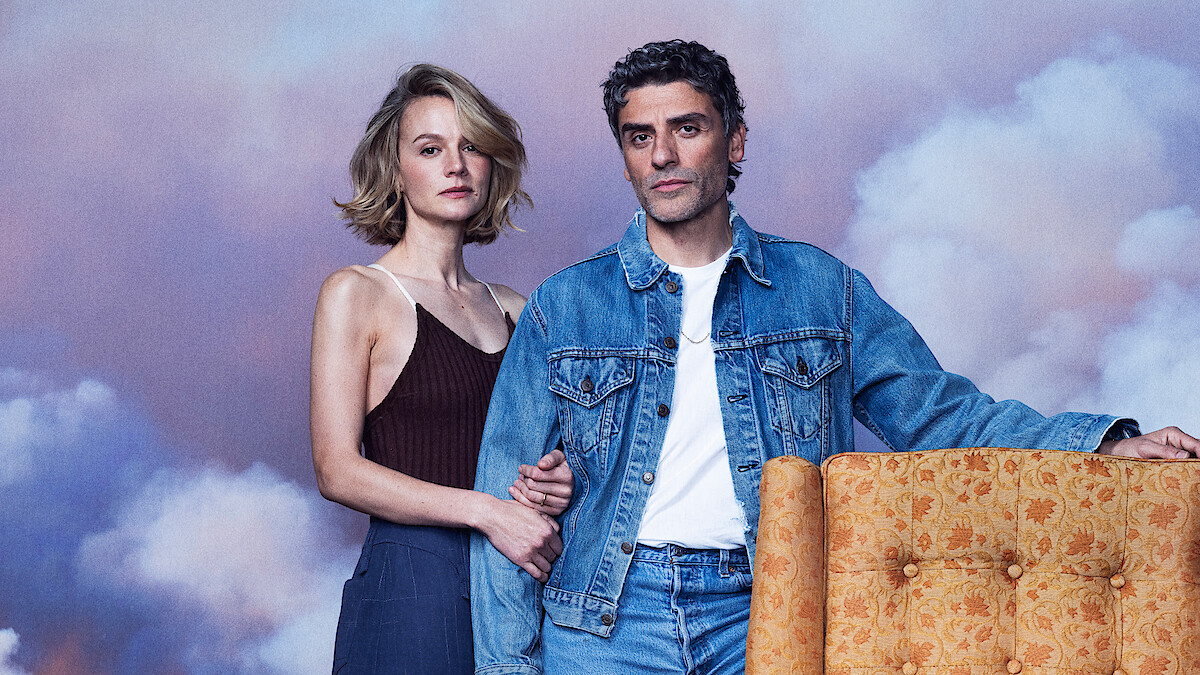
The Emmy-nominated duo on the creative trust at the heart of the anthology.
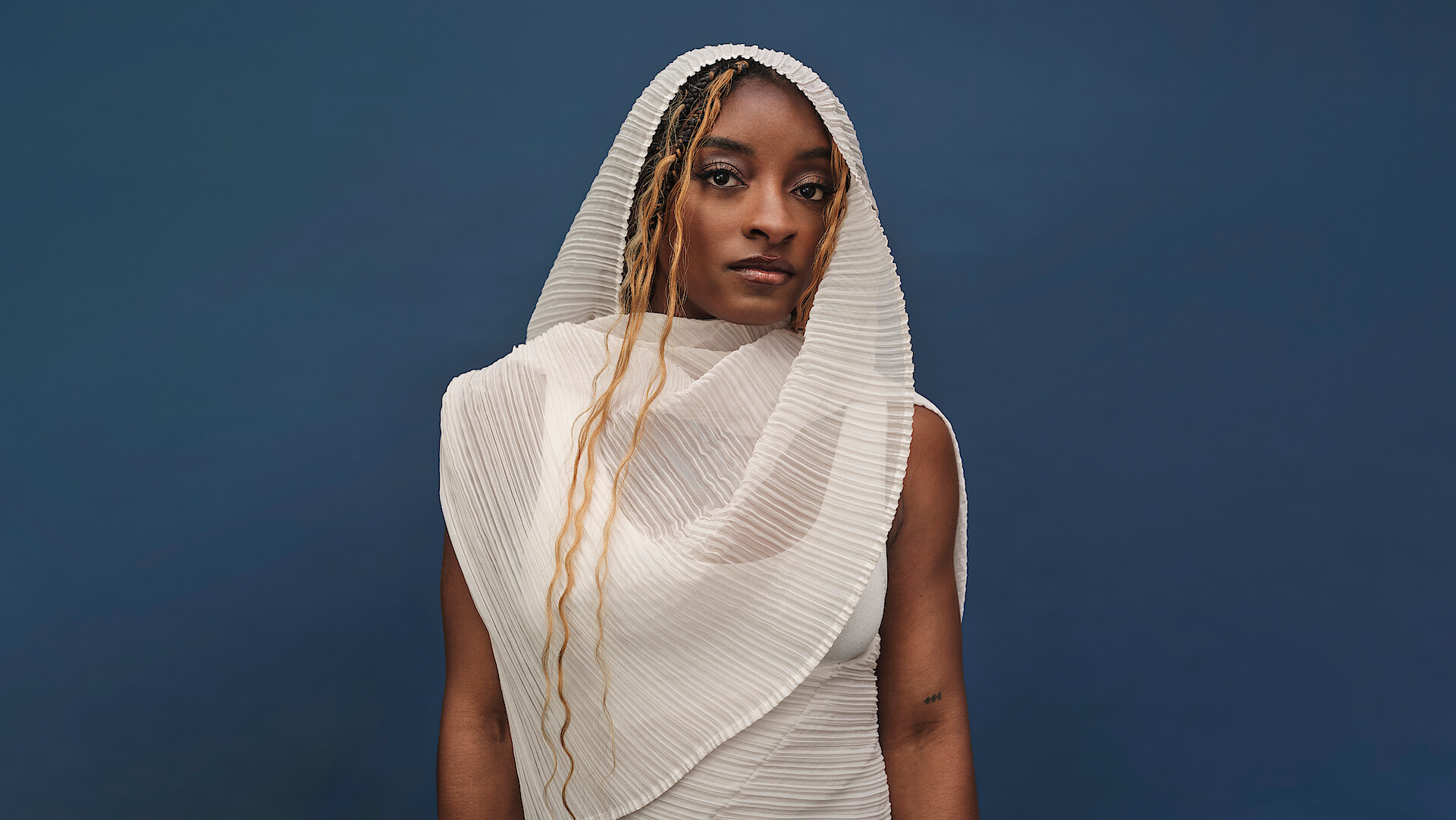
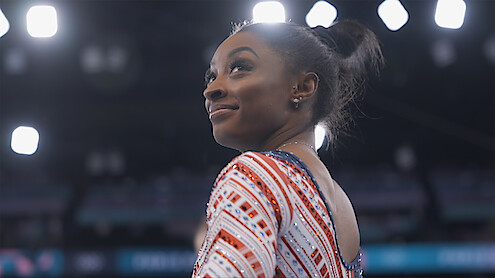
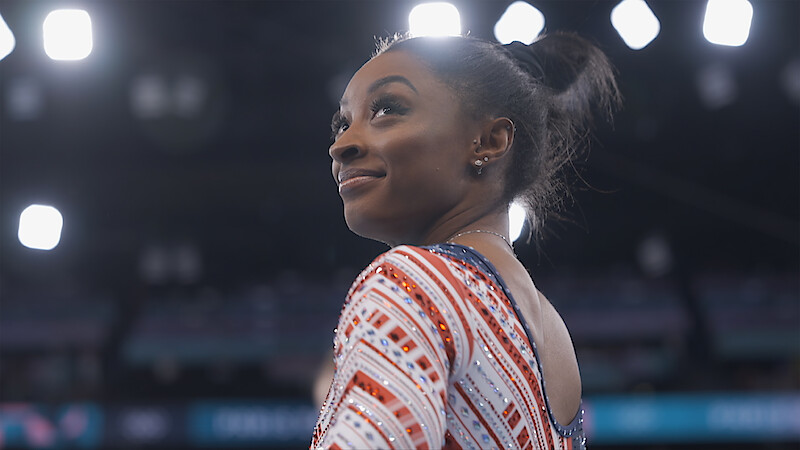
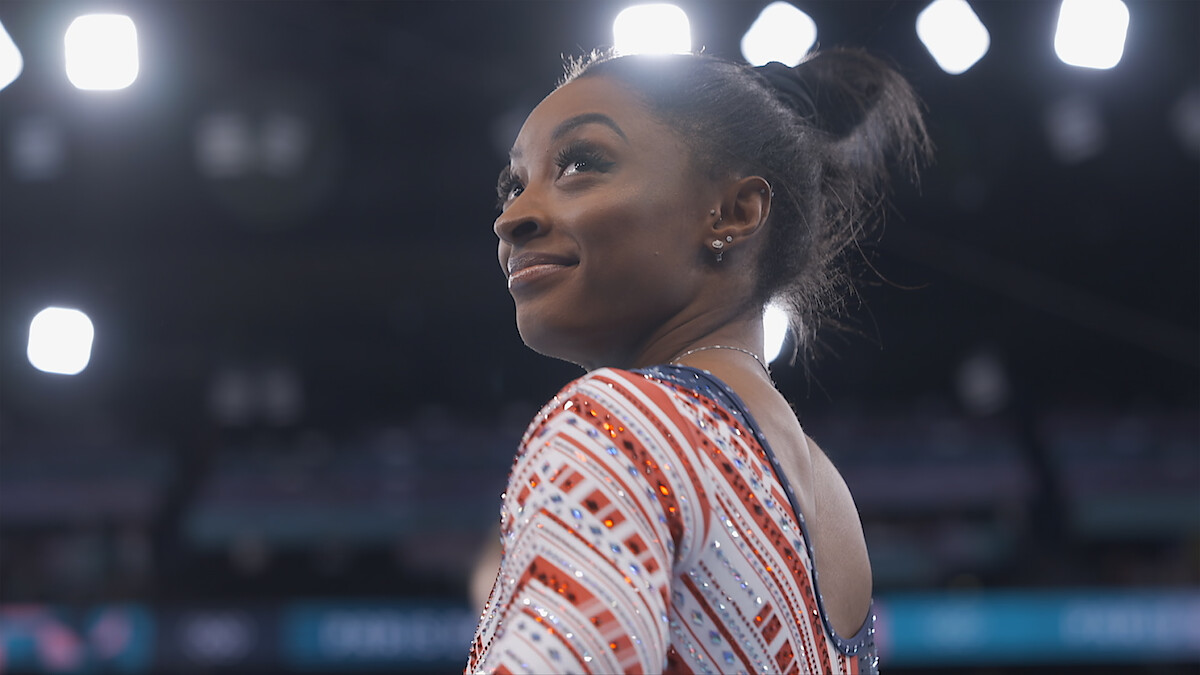
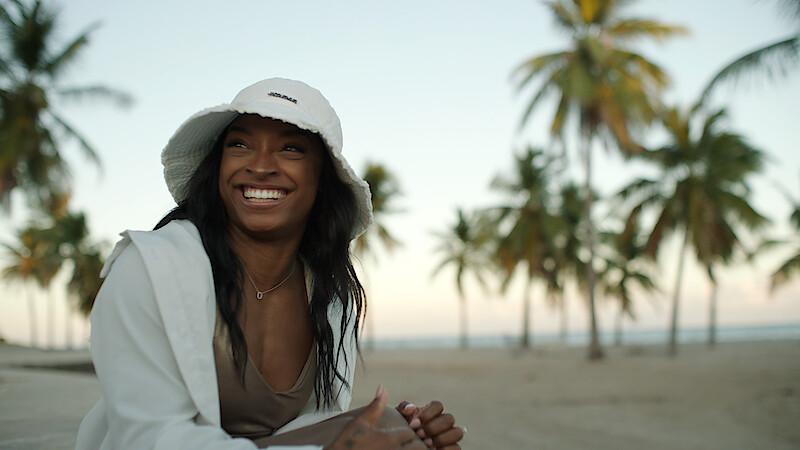
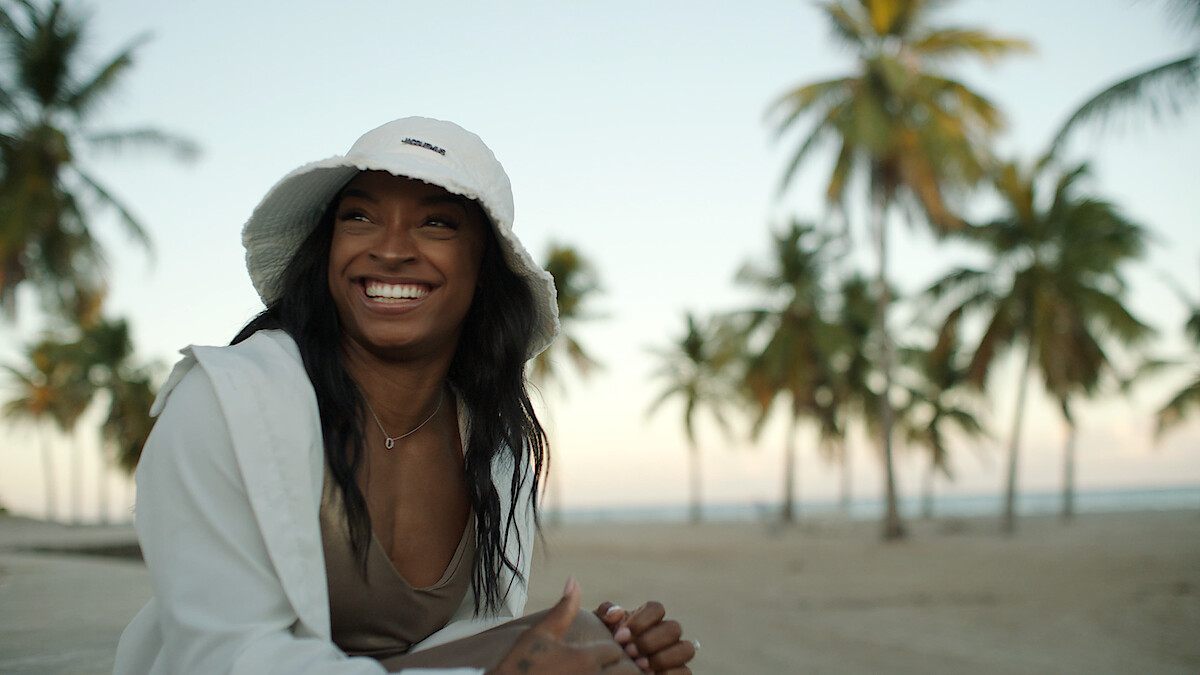
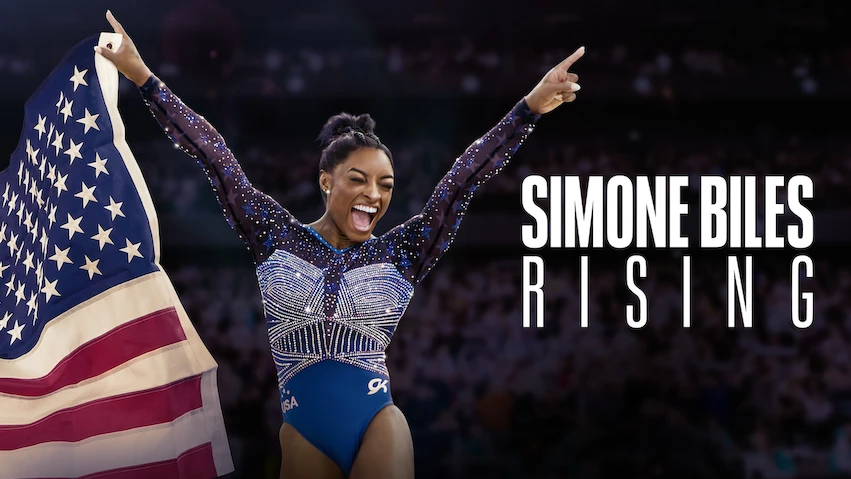
In the Emmy-nominated docuseries Simone Biles Rising, the star gymnast reaches for greatness on her own terms.
The day Simone Biles found gymnastics was a twist of fate. Her class field trip to an oil ranch had been rained out, so the students went to a gymnastics studio instead. It was clear, from that initial visit at six years old, that Biles had a preternatural talent for the sport. Rising through the ranks, she won her first international all-around title in 2013, and at the Rio Olympics in 2016 — where she earned four gold medals and one bronze — the athlete cemented herself as the best gymnast of all time.
Four years later, expected to dominate once again, Biles headed to compete at the Tokyo Olympics during peak COVID. But in a warm up on vault, she got “the twisties,” a psychological block that triggers gymnasts to lose their sense of direction.
“I knew from that very moment that it wasn’t one time and done,” she says. Biles tried again, during the competition, but made another error, and at that moment the Olympian knew she had no other option but to withdraw.
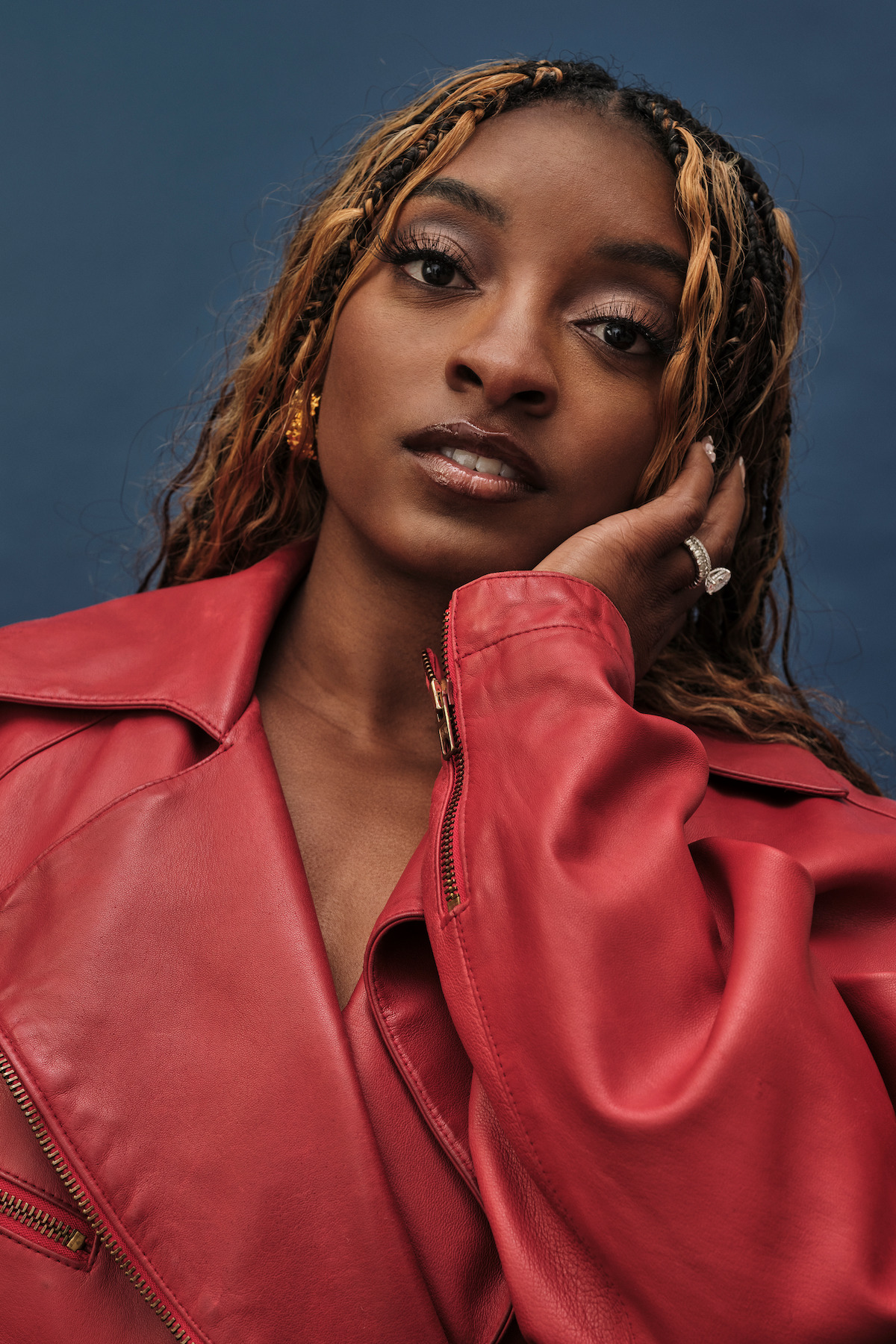
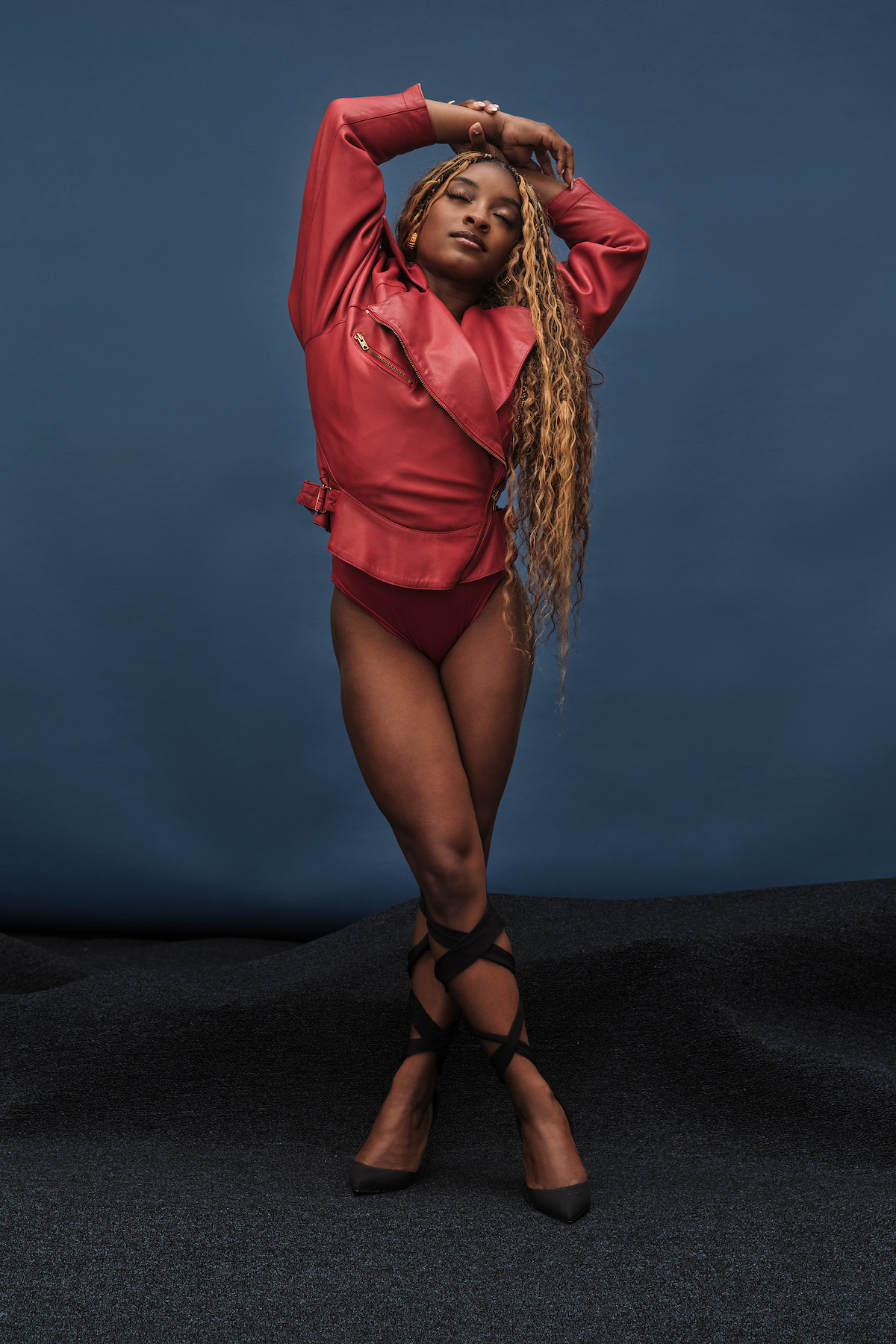
The four-part documentary series Simone Biles Rising, directed by Katie Walsh and produced by Religion of Sports, chronicles Biles’s comeback from the moment she left Tokyo to her meteoric rise back to stardom at the 2024 Paris Olympics, featuring interviews with fellow gymnasts Nadia Comăneci and Aly Raisman, as well as husband Jonathan Owens. The series earned high acclaim, winning a PGA Sports award, two Critics’ Choice Documentary awards, and a Critics Choice Real TV award, as well as being nominated for an Emmy for Outstanding Documentary Or Nonfiction Series. Biles herself has received notable recognition this year, landing on Time’s 100 Most Influential People of 2025 list and being honored with two ESPY awards, for Best Athlete - Women’s Sport and Best Championship Performance.
Simone Biles Rising, which on the surface details Biles’s process as a champion gymnast, ends up excavating the traumas that were holding her back. In early childhood, Biles and one of her siblings went from foster care in Ohio to living with her grandparents — whom she now regards as her parents — in Texas. She also courageously shares what it was like to heal from sexual assault in the public eye. It is precisely Biles’s journey into championing her mental health that lies at the center of this series — to make her comeback, she needed to mend her heart.
Biles may have confronted her traumas in order to conquer her next personal and professional chapters, but her essence very much remains. “Watching [the series] back, I knew what happened, but I was like, Oh my God, this is such a good series. What happens next?” she told Queue, “I was like, I know what happened. You win, girl.”
An edited version of the conversation follows.
Queue: How did you come to the project?
Simone Biles: This wasn’t the first docuseries that I shot with [executive producer] Gotham [Chopra] and the team. And because the first one [Simone vs Herself] went so well, I knew that if I tried another Olympic run, we would film again. We did, however, discuss what that filming would look like: how to be protective of my time, my space, and, at the time, my mental health, because I was in therapy, still trying to figure it out. In fact, we didn’t film the first couple of competitions because I wanted to get my foot in the door.
I wanted to feel it out, and see if this was what I really wanted to do before they came on board, and to just give me a sense of relief and security again, and set boundaries. And then I decided I did want to compete, and so filming became a no-brainer. One day when I have kids, I’m going to want to look back.
How did you build trust with the crew and also maintain boundaries?
SB: We had the same team as the first time around, and I was really comfortable with them. We filmed for so long, they began to feel like family. I would really just tell them the rules about the gym and how [my coach] Laurent Landi functions. Most of the boundaries that were set were in the gym, and as long as they stayed in their safe spaces there, we were good. We didn’t film my therapy sessions, but I did talk about them. I wanted to be authentic, so outside of those two places, nothing was off limits.
On the surface, the documentary series is about your Olympic comeback. But what facilitated your comeback was overcoming trauma. What was it like to share that with the world?
SB: The crew always gave me a heads-up whenever we had to do long sit-down interviews. They would be like, “O.K., we’re going to talk about some heavy hitters next week.” So it was really easy for me to tell my therapist and prepare. I think that really helped.
I worked with my therapist for so long that it felt really easy to be vulnerable. I didn’t really need to put up a wall when discussing [what happened in Tokyo] anymore, as opposed to two years ago. We really tried to involve it as much as possible because it happened, the whole world saw it, and we didn’t want to glaze over it. I wanted people in a similar situation to know what helped me. I’m not saying it’s going to help you, but these were the steps that I took that helped.
The series deals, head on, with some of the double standards Black women gymnasts have historically faced. Why was this important for you to address?
SB: Those women were the greats that allowed us to do what we’re doing to this day. But I have to tip my hat to our director, Katie, who thought this was a really important piece. When kids watch this, they’re going to want to hear from people who look like them and see people who look like them. To mesh both worlds together — the Black community and the gymnastics community — was important so that kids can see, Simone’s not the only one, look how many came before her.
In the series, you go back and forth about social media’s impact on you. How has it been a force of good, and also a challenge?
SB: TikTok is mean; it’s the meanest platform I have. I used to think it was Twitter, but TikTok is mean! But I think social media can be a force of good because it gives you a platform to share what you’re going through, to be open and honest. Because people have this idea of who Simone Biles is, but then you go to my social media, and you’re like, “Oh, she’s just like me. She’s shopping here today at blah, blah, blah,” or, “She’s eating here at . . . Oh, I love that restaurant,” or whatever it is. Now, the downside is that people will pick it apart like no other, which isn’t necessarily fair because we don’t ask to have a huge following. We just grew up in the gym, and we’re doing what we love. I know when to shut off my social media, which is usually around Olympic time.
There is a lot of emphasis on how much you’ve grown. Do you think most of that growth comes with age, or do you think it’s also about the changing culture within gymnastics?
SB: I think it’s both, honestly. As you age, you get to know your body and mind better. COVID made us all tap into who we really are and what we really want to focus on. The period helped us look at what was holding us back [from] being the best versions of ourselves. And I think most of us came to the conclusion that the missing piece was mental health.
But the culture around gymnastics has also shifted, and that has helped as well. It took a long time. It’s always been known as a tough sport: You’re not supposed to cry, and this is the only way to make it. Now we’ve realized there can be soft love and communication. That you don’t have to push through the pain. And that you can have time and longevity in your career.
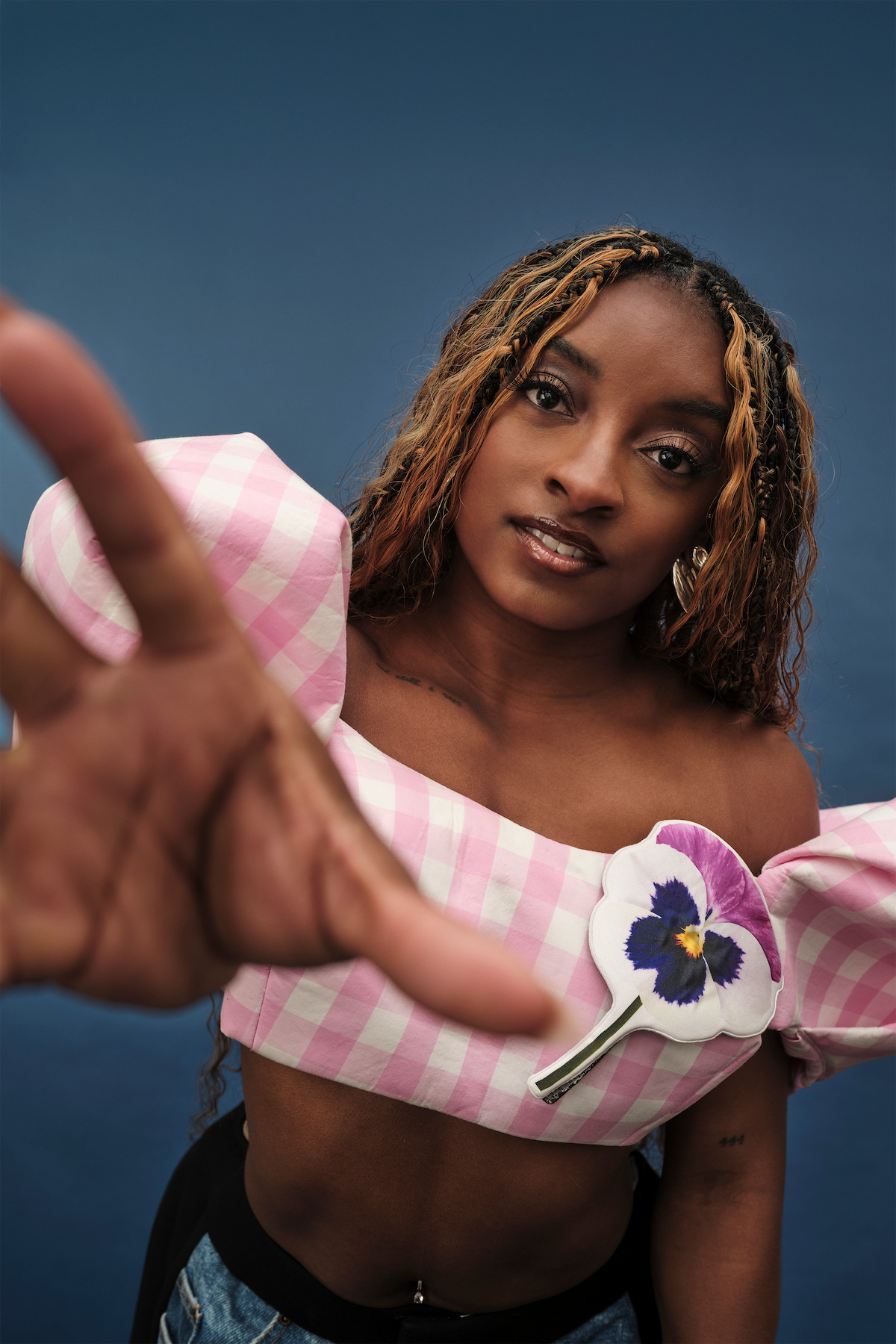
What’s it like to watch all your friends, family, and colleagues talk about you?
SB: I am really grateful for my community and I couldn’t have done it without them. You know your parents love you and wish you luck before meets. But watching them, and my husband, be vulnerable because they’re so nervous about the competitions, I just think it shines a different light on their love. Even though you hear it every day, it just sounds different when it’s on film.
After being in the public eye for so long, how did it feel to share your relationship with your husband?
SB: Our relationship is a really big part of my life, and everyone’s gotten to see me grow up, but they haven’t gotten to see me and my husband interact. I thought it really important to highlight that, yes, I can be married and still be at the top of my game. Getting married and going back to the Olympics was a huge part of my life that I didn’t want to gloss over. Obviously we respected Jonathan’s privacy as well and had to figure out how much he wanted to be highlighted in the series. But ultimately we decided that we do want to share this. It’s a big part of our lives, and I think it’s really important for kids to see that there are things to look forward to past gymnastics and sports.
What do you feel like you’ve learned about yourself through the process of making this documentary?
SB: I’ve learned to be soft and to live in the moments where you’re feeling vulnerable and you want to be open and honest. And that it’s O.K. to share your story so that people can hear your voice.