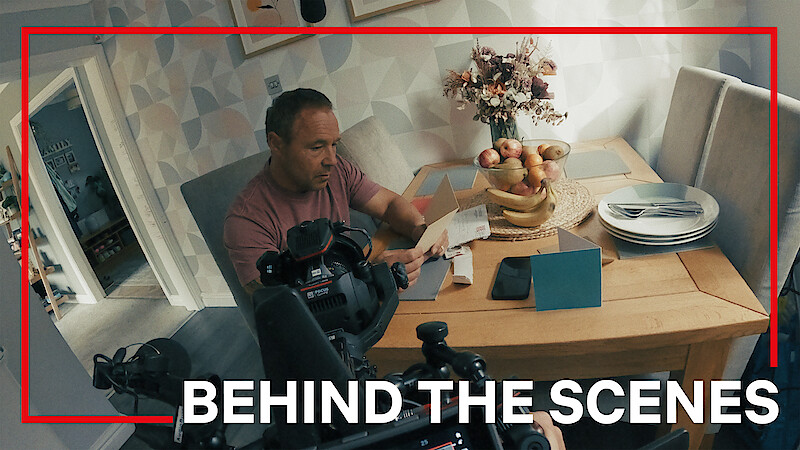
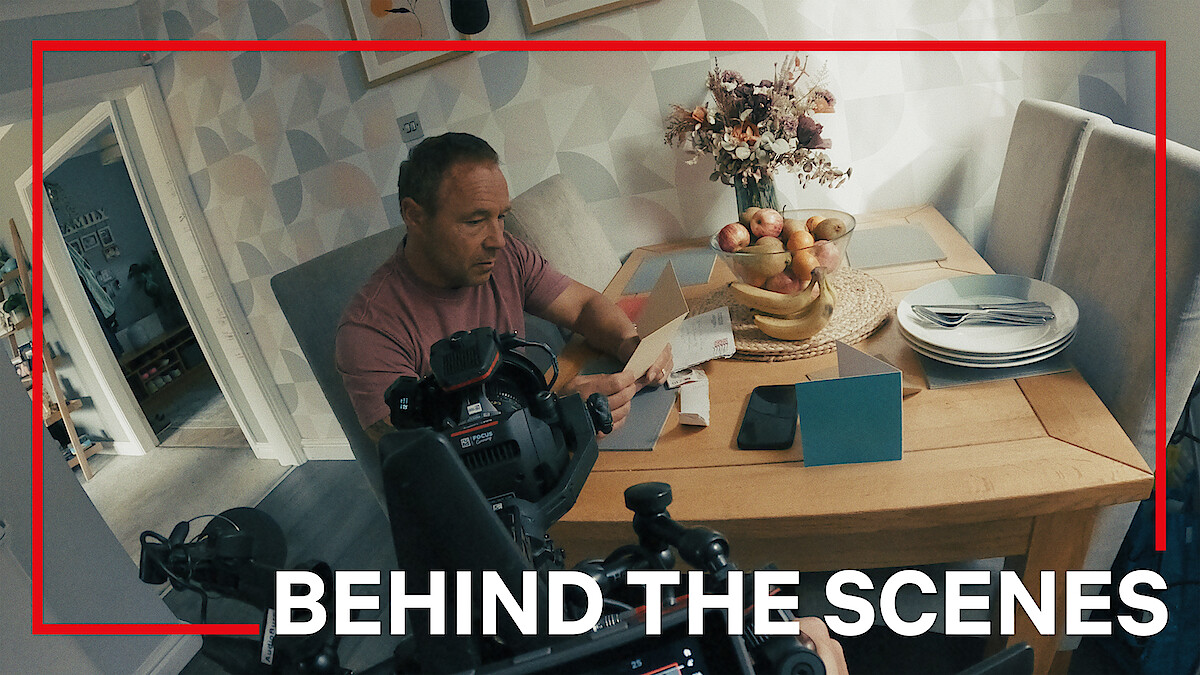
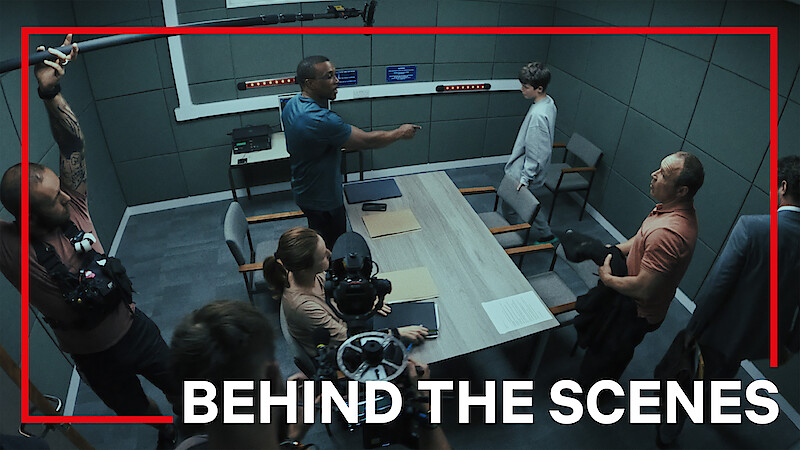
[Title card] EACH ADOLESCENCE EPISODE WAS SHOT IN A CONTINUOUS TAKE
[intense, rhythmic music playing]
Ashley Walters: Episode 2 is gonna be a powerful one. It should be something that makes people think, that sparks debate, and opens the door for other directors, writers, to feel that they can show the harsher sides of reality beautifully.
[clip] Oi! Ryan! What have you done?
[kids gasp]
[students clamoring]
Jack Thorne:This show is about windows, right? You get four different windows into Jamie's world. But it was working out where the windows were best placed so that we could understand him.
Stephen Graham: Episode 2 is kind of like piecing it together within the school. And seeing kind of how social media can affect our children these days.
[clip] What's up?
It's not going well. You're not getting it.
What am I not getting?
You're not reading what they're doing.
What's happening.
What are you talking about?
Jo Johnson: The theme of the show is reality. The youngsters don't live in a blinkered world where they don't know these things happen.
[clip] Come on. These kids are fucking impossible. What am I supposed to do?
Matthew Lewis: There's 300 kids, as well as teachers, all the chaperones that are being led around by lots of dressed-in ADs.
Philip Barantini: So it's gotta be really meticulously planned out.
Crew member: You're gonna get instructions from the cast teachers to get back in line. Do not listen to them.
[clip] What are you doing?
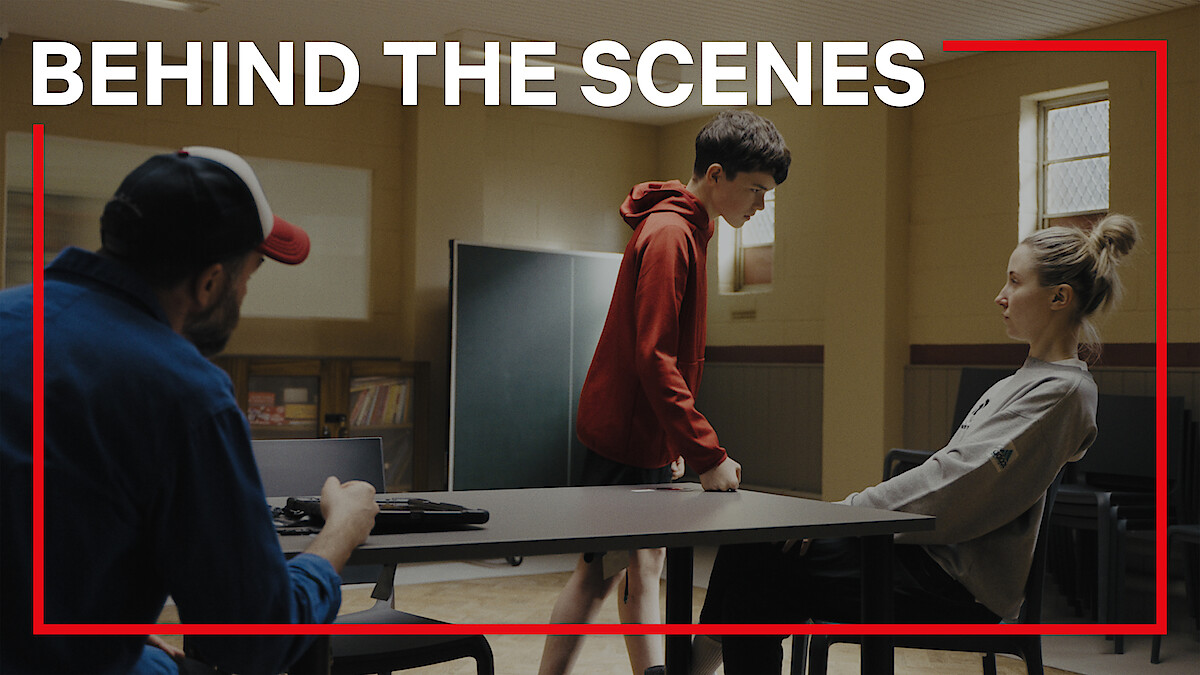
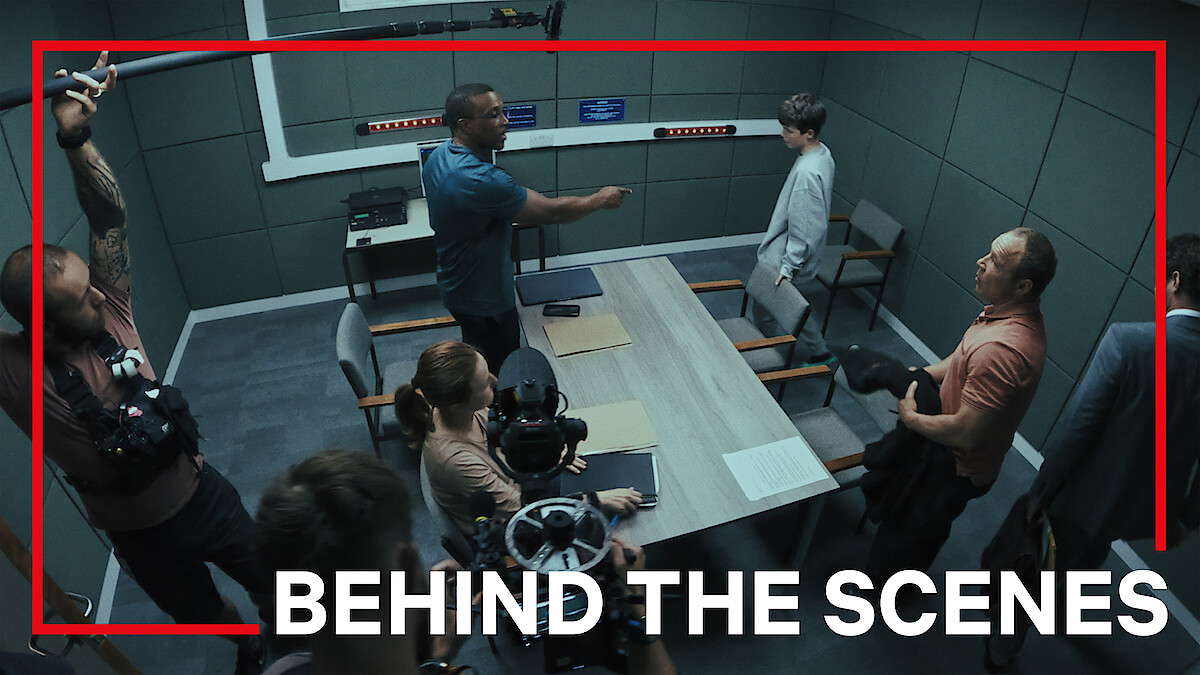
Ashley Walters: We have three weeks for one episode. So our first week is spent literally walking through scene by scene.
[clip] Want to pop inside?
Philip Barantini: We're going to be going through it a lot. Over and over again. And it becomes muscle memory. We do tech rehearsal with all the crew.
Matthew Lewis: That week, we put a lens on it, we start moving through the space. We start realizing what doesn't work. Kind of two steps forward one step back.
Ashley Walters: It's good that they happen now. It's just rehearsals. Look, we're all doing it without our scripts are already.
[Ashley] And then the last week, we get ten chances, two a day, to shoot in one take.
[clip] Jade, this is a huge loss, love. We'll arrange for you to have a chat--
Not another shrink.
It's not a shrink.
No, no, no. Fuck that.
Please.
Miss, are you serious?
No, you can't go back to class. You know you can't.
[Matthew Lewis: When I read the script, it blew my mind. I felt like I just knew all these characters and I could visualize the whole thing.
[mournful music playing]
[clip] I need a word with Ryan.
[kids clamoring]
Jack Thorne: The collaboration on this show, a lot of it was technical. The surprising thing was using technical to free us.
Crew member: Action!
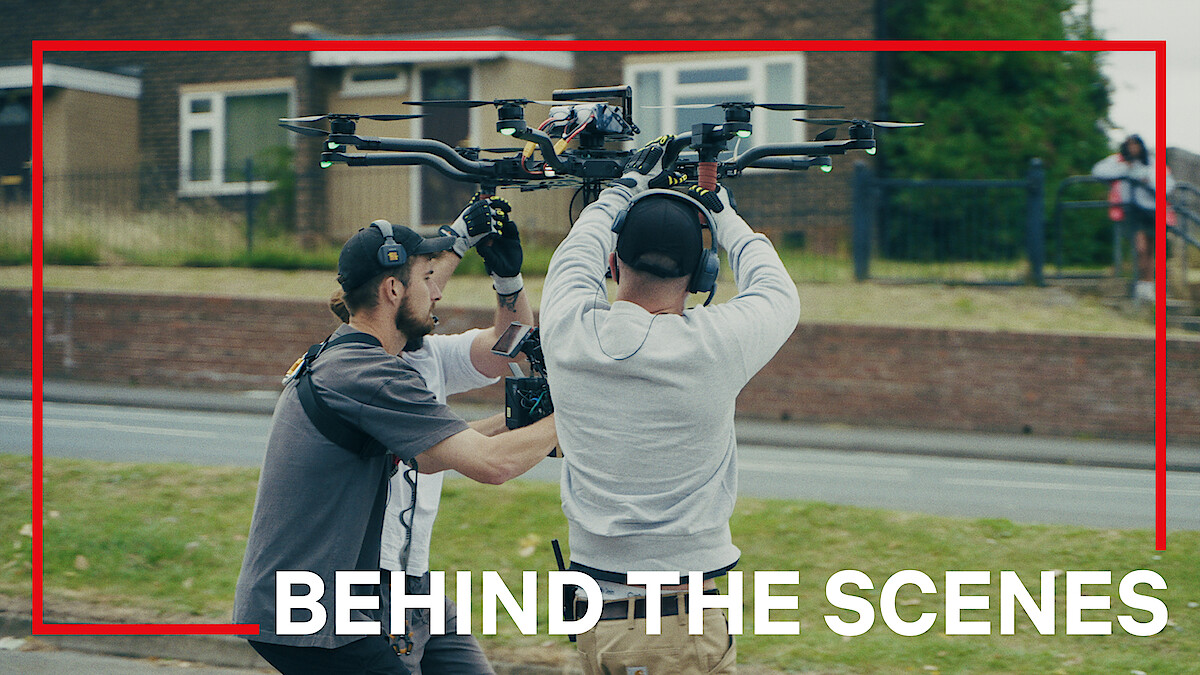
Jack Thorne: I'd written this chase sequence. And this chase sequence took Bascombe and this boy beside the murder site. And the camera was gonna travel on its own back to the school.
Matthew Lewis: That moment would have felt almost like a video game, walking down the street. I think it would just take the audience away from what the piece is.
Jack Thorne: And then Phil called me up and he said, "Matt and I think we found a way to make the camera fly."
Matthew Lewis: If the camera could float away by itself, then it couldn't possibly be attached to a person. Kind of feels more ethereal.
Jack Thorne: So you've got Bascombe finding his own sort of resolution. And you're with this character, Jade, whose heart is pulled out. And you're with all these kids as they pull out their phones. And then the camera takes off. And the camera covers the rest of the murder site. It was an example of the technical meeting the story and finding a fusion which is actually better than anything that the story had come up with on its own.
[sniffles]
[somber string music playing]
[music subsides]
[drum sound effect plays]
[Title card] EPISODE 2 WAS CAPTURED ON THE LAST TAKE