



The actor doesn't just play Cathy Ames — she fights for her.
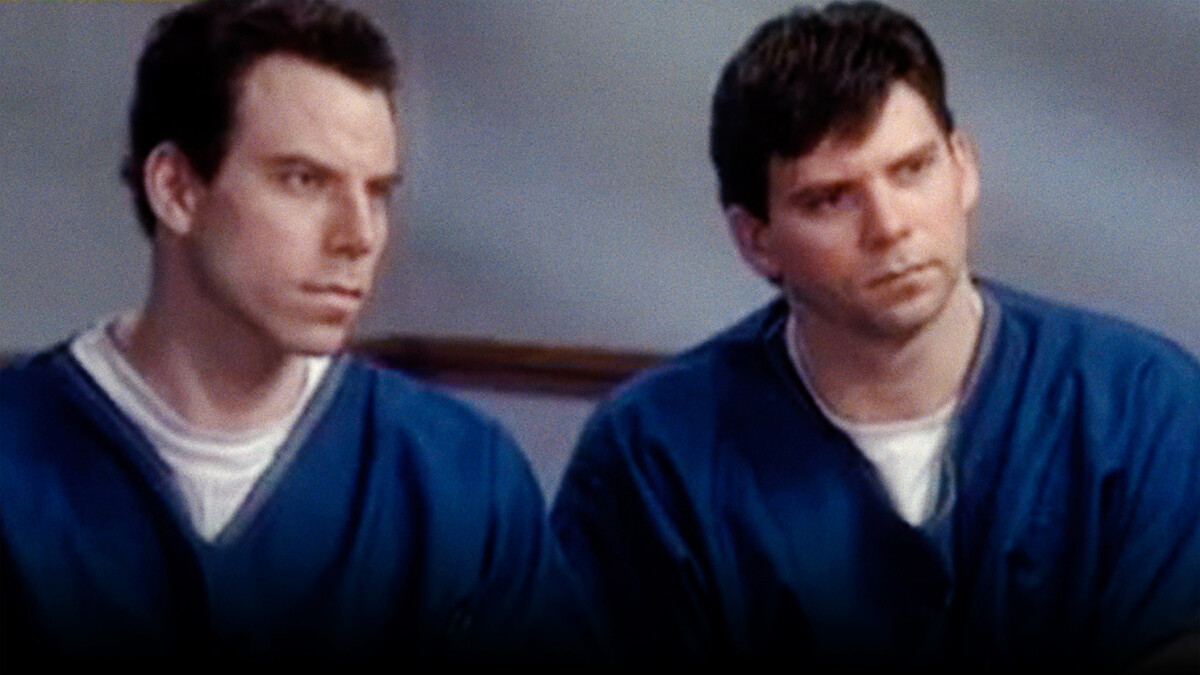
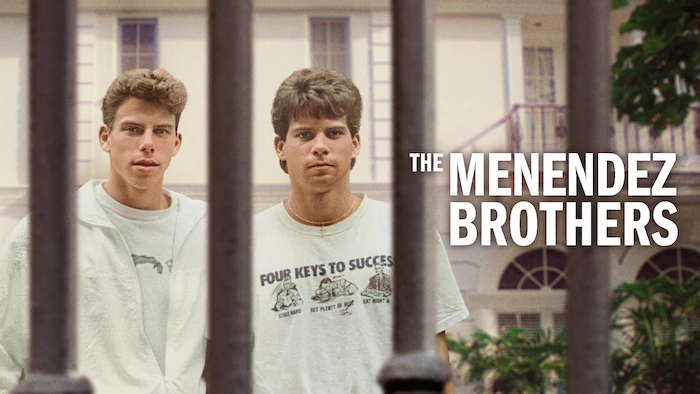
Tune into an exclusive interview with the Menendez brothers, Lyle and Erik, as they candidly open up from behind bars about their infamous case. In this revealing conversation with Alejandro Hartmann, director of The Menendez Brothers documentary, the brothers share personal reflections about the psychological impact of their upbringing. They discuss pivotal moments during the course of their trial for the murders of their parents, José and Kitty Menendez, and offer new perspectives on their actions and motives surrounding the tragic night of Aug. 20, 1989. This intimate discussion provides a rare glimpse into the minds of the Menendez brothers, giving viewers the opportunity to hear Lyle and Erik’s side of the story, in their own words.
Erik Menendez [voice-over]: But in that moment, it was terror. There was no emotions of … of … of hate or rage. It was terror. I … um … Please imagine, my father, he didn't just tell me that he would kill me or over and over and over. He … he beat it into me. He… he whipped me until my mind-set was created, was created to be terrified of … of my own parents on purpose. He programmed my mind to believe that if I told, I would die.
Erik Menendez [voice-over continues]: He … And that … that panic that I went into, he created on purpose, so that I would be too terrified to ever tell anyone. So when … when my brother told me at the top of the stairs, "It's happening now," it triggered it in my brain. I knew it. I knew it. Everything he told me he would do, it … it triggered those alarms in… in my brain and sent me into this panic. I don't… I don't remember thinking anything else other than, "I'm going to die." My heart was… was exploding inside of me in this terror. It was when it was a police officer telling me that it was true. That was the worst hor… horrible moment. That's when I knew that I wasn't… in a nightmare where… where I could undo or maybe I could wake up out of this horrible nightmare. That was the moment where I had a… a police officer telling me, and I couldn't deny it to myself. I… I… I couldn't… I couldn't pretend to myself that I-- that this is not real. I can wake up, that this is a horrible, horrible nightmare that… that I can… I can wake up from. That's when it became real. My father used the sex more as… as power and control and… and discipline and punishment. I… I think that, uh, he never intended for me to… to live away from him. I now realize that he… he for… foresaw Lyle going on and doing great things and… and, uh, being the heir apparent in the family and, um, uh, going into business and… and… and becoming successful, but that I was… I was never going to… be able to leave the house. Um… And I also believe that one of the reasons that they didn't want me to have friends is because they didn't trust me not to tell. He didn't trust me not to, uh, reveal, um, what had been happening. And I… I… I manufactured ways to cope, things to believe in, so that I… so that I could get through. I… I… I had a nickname for myself. I called myself "Hurt Man." Uh, so Hurt Man was my… was my nickname for myself as a child. I, uh, would… would… would shake, uh, and scream when no one was in the house. I would scream at the top of my lungs. I would stick myself with tacks and pins and needles to hurt myself, to feel the physical pain. Uh, just to feel the physical pain. Um… And there was just different things that I would do Uh… um. And… and one of the things was knowing, "I'm protecting Mom." "I'm protecting Mom. I gotta go on. I'm protecting Mom." And it's not… it's… it's devastating to have all of that shattered, so that was devastating for me to… to know. Wh… when people think, uh, a child was molested, then they think that the child always understood that this is something bad or molestation. Um… that wasn't the case for me. Um… In fact, uh, when… when my dad, uh, began massaging me when I was six years old, uh, we lived in New York, the massages that he did in the bedroom were a-- almost exactly the same as what he would do to me in public when he was preparing me for swimming or for tennis and he would have me lay on a towel in just my swimming shorts, my Speedos, and he would rub me down and… You know, he'd do that in front of everyone, and nobody ever questioned, "Why are you, you know, rubbing all over your son like that." And… and so I… I didn't question it in the… in the bedroom. And… and besides, early on the… the… the times that I spent with my father in the bedroom were the only time he really expressed love to me. So he… he expressed love and… and I craved that attention. So, um, you know, he was very violent outside the bedroom and unpredictable, and life was chaotic. So inside the bedroom when he would come and… and share these… these precious times with me, these were special times for me. And even when my dad, you know, began to massage my genitals with his hands or his mouth, I… I was… I was very uncomfortable at first, but… but I felt… I felt safe with him. And I saw that as, uh, love too, an expression of his love that… that he was doing with me and not with Lyle. And… and the fact that he would, uh, have me touch him back and massage him when he was naked, um, it showed… it showed me that he trusted me and that he loved me and that I was… that I was worthy of him.
Erik Menendez [voice-over]: So it's… it's… it's not… things aren't black and white and good and bad, uh, when we're… when we're kids. Um, especially when this was the only time when I could, um, be alone with my dad and my dad showed me that he loved me. So when Lyle was saying, "Why didn't you do anything?" "Why didn't you tell anyone?" Um, it… it started out as something that I craved from my father. The attention. The love. Um… Things didn't turn violent until I was 11 and 12. And then things turned very bad in the bedroom, and things got violent, but, um, before then, um, they weren't. And so I saw me as, "Oh, okay." "Dad is is focusing his attention on… on me. I'm… I'm special." "I'm, uh…" "You know, I'm the one, uh, he loves." And that was… that was impactful, uh, meaningful. And then later on, uh, it was, you know, it was humiliating to me that, um, that… that he had done this with Lyle and stopped, but I… I was the one that Dad continued with. I was the one that… that I didn't… didn't fight back. I was the one that, obviously, I brought it on myself. Something I did. At… at 11, things started to turn, uh, violent, bad. Uh, I remember the day… I remember the day that it happened. He was… he was… he was violent with my mom downstairs, and charged upstairs and threw open the door to my bedroom and, uh, and… and… and had me down on my knees and… and forced me to have sex with him. Uh, I… I… I… I… I remember… I remember the… the violence. It was unlike anything I had experienced, and… and I… I didn't know then that… that it was wrong. I… I felt like I was-- That I had done something wrong. that had suddenly… suddenly things were different. But when I was 12, uh… and, uh… it was the-- that was the first, that was when Dad… That was when things got very bad. And I just… just hinted. "Uh, does your… does your dad, you know, touch you?" "Does… does… does he massage you?" "And is… is this something that's happening to you too?" And it was the first explanation that I had for… Oh, wait a minute. There was no internet. There was no… there was no dissemination of information. There was no one I could talk to. Um, but that's when I began to explore the idea that "Wait a minute. Something is wrong." "This is… this is… It's just not right." So one of the dynamics that I think is important to understand is that in our… in our family, we were really groomed to… to never-- not just never tell the secrets to anyone else. We were not supposed to talk about our secrets to each other. We weren't supposed to discuss pain to each other. Emotional pain, physical pain, any of the.. of the sex in the bedroom. Nothing was supposed to be discussed among each other. So Lyle and I were… were raised to… to… to believe that this… that… that experiencing emotional pain was a weakness not worthy of the family and to not share it with each other. This is one of the reasons why afterwards I could… I… I went to Dr. Oziel and not to Lyle. I couldn't go to Lyle and say, "I'm… I'm too weak to handle this." "I can't live with it." I… I couldn't shame myself like that, um, because my… my father, uh, and… and… and my mother made me truly believe that… that that was not something that… that a Menendez would do. And… and Lyle was now my… that… that parental authority in my life. When I was first arraigned in court, they had this image of me smiling in… in court wearing a suit I… I never wore suits. So, uh, that was Bob Shapiro that… that put me in a suit. I think I'd worn a suit four times in my life. And, uh, uh, something… something funny had happened in the courtroom, and there was so much tension. There was-- it was so… such an intimidating experience. The courtroom was packed. Th… there's… there's 50 cameras and media, uh, to the right off-camera. And you're standing in this immensely grave situation that where the tension… There was so much tension, and then somebody cracks a joke, and it's… so you smile as a sort of release of the tension, and other people in the courtroom are… are laughing. But that moment is caught on camera and now defines you as this horrible, arrogant, uh, person.
Lyle Menendez [voice-over]: It wasn't a crime planned. It was just… was just obvious from the circumstances of just that night and the next morning. Just the fact that… that we were forced to have to pick up all the shells in the room, that we had the time to do that later and that we needed to do that. It was 'cause there was fingerprints all over the shells because again, it wasn't… it wasn't planned in advance. Nobody wore gloves. So when they came and they found no shells in the room, which would've taken a lot of time to pick up, uh, so it should've been done right after the shooting, so that meant it had to be done later, which meant that, uh it was just… there was no planning to… to, uh, make sure you didn't have fingerprints on the shells. Uh, therefore we wouldn't have had to ever remove them. So there was that. And then… and then the interview. Interviewing with the police and going to the police station and voluntarily interviewing, we would've never have passed a gun residue test. But they didn't give it to us. And then the next morning, we would've been arrested if they'd searched the car 'cause there was no planning, so we hadn't cleaned up the car. So we had to make up this story about getting our tennis gear, and they let us do it, and we just got real lucky with that. And there was no real alibi. And so-- it was just… it was just odd that we were not arrested within the first 24 hours. It was just… We should have been. And, uh, all of those things sort of pointed, you know, to where part of, I think, where one of the doctors said it's clearly not a-- You know, there doesn't seem to be any planning in--
Recording [voice-over]: This call and/or telephone number will be monitored and recorded.
Lyle Menendez [voice-over]: The next, this is the day after, so August 21st in the morning. I believe it was in the morning they came after. Because I went ahead and interviewed with the police with no lawyer, um, and… So that night, um, we interviewed with the police with no lawyer. and then the next morning, I contacted, um… Jerry 'cause because I did not, uh… It was not a planned… The shooting wasn't planned, and so my car, uh, actually, Erik's car that had all of the gun wrappings and all of the stuff from the… the guns that we had bought at the Big 5 was in the back of his car. Uh, and his car was parked in the driveway. Uh, because we had-- There really, you know, there was no… There was no prior thought even to, like, make sure to clean up the car and there's no trace of evidence or move the car somewhere else. You know, there was… It happened in a… in a… in a… in a… hurry, you know, an emotional way, so it didn't-- There was no-- So there was no-- So all of that was in the car. So [chuckles] uh, because there was-- Remember, the… the alibi and everything that we tried was all created after we realized the police didn't show up. So since it was all created after, we just hadn't put much thought into anything and didn't have any time to clean up the car. Uh, so as soon as we called 911 and they came, they, of course, taped off the house as a crime scene, and our car was in the driveway. So, um, the next morning, I realized that, uh… that was gonna be a real, that was, you know, they were gonna search the car and find all that, and obviously we were gonna then be arrested right there. So I needed to find a way to sort of get in on the property.
Alejandro Hartmann [voice-over]: Um… Yeah, because… because probably all that… all that spending spree or…
[Alejandro and Lyle talking over each other]
Lyle Menendez [voice-over]: It's just… it's just if you… if you're in an affluent family, a lot of money is spent just in the course of life and in the course of those after months, and then of course, you just, especially if you're kind of adrift, you end up just… You know, I didn't go back to school right away. I took a semester off as we're trying to figure out all the things that were going on with funerals and there's just sort of, you're a little lost and, um… You're not sure if you should just not go back to school and just sort of survive in a business way or go back to school if you can focus. And that couple-month period was really… And they-- the press just made a lot out of that. You know, I understand. Um… So… How did you feel all that time? I… I mean, you… you… you were trying to… to forget? You were all the time thinking that they are gonna get me? There's no real forgetting if it's-- You're… you're… I would say that, I mean, I had never committed an act of violence before or since. And so it was such a traumatic event, just the shooting, just the-- Just the explosion of that weekend. Hearing what was happening with my brother. Unable to extricate myself from it. Having… Uh, it's kind-- It's very hard sometimes for me to even go back now and think that it could possibly happen, that I could possibly, you know, have just… been so overwhelmed that was I felt like that was the only option. Uh, it seems impossible now. So as much as I sort of understand it 'cause I can kind of put myself back and feel some of that emotion, it's still hard to explain. Uh… and… and so… I really was just emotionally all over the place afterwards, and I just felt just despondent to uh, to just try to finding direction, dealing with a lot of my older male relatives who were trying to figure out what I should do with my life. And that's where the advice to… to to just do some business activity afterwards. That's where the restaurant they helped me run. They had that restaurant purchased and… You know, I was just basically living at my aunt's house, uh, and not sure what to do. Uh, and so, it was just a draining, a draining few months. And then I was obviously dealing with Dr. Oziel and this whole blackmail thing. It was just an exhausting emotional period. I was just and… My brother was doing poorly as one would expect, and I just, um… Just the-- just as you would expect, you know, the aftermath of something like that is a devastating period in your life. You-- Uh, I never felt that any of it was okay. I mean, I kind of felt like my life was no longer being lived in… in color. Like I was like a ghost traveling through my life at that point. But I'd never been in a world where my father was not at the center of it. And… and… and… and I was not in a bad relationship with my father at that time really. I mean, he was who he was, so there was never really you know, a good relationship is difficult. But it was as good as it had ever been. So I… I was… I was really lost afterwards, and so I wasn't feeling, you know, and… and… and I also, I think my brother and I were just… [exhales] …you know, a feeling that--
Recording [voice-over]: You have 60 seconds remaining.
Lyle Menendez [voice-over]: You know, how much of-- How much did we overreact to what our emotions were? Like how could that happen? You know, this fear, like, what-- How much threat were we under? You're just second-guessing yourself. Continually this feeling that there was a mistake, that it was a mis-- That it was-- That we could've-- Maybe there was other solutions. You know, someone-- It would-- Even if it was risky, like, go find other solutions. Like… Just can't, you know, not able to go back. He and I didn't discuss it 'cause it was just too emotionally… just toxic to discuss. And we just couldn't do it. We would just-- It would be too emotional and we just couldn't do it. And so you just… you just trying to… You know, you don't know what to do. You don't know what to do. You have no one to talk to. And you have no know-how. You're 21 years old. You don't know what to do. We had so many secrets wrapped up in each other. I mean, what are going-- Are you really going to tell? That's unrealistic. I mean, you're not going to tell anyone that your father who-- You just went though a funeral service where people just spent their time talking, you know, talking about your father in glowing terms, you know, successful businessman and family man. You know, the facade of a perfect family sort of thing is, of course, accelerated at a funeral service, so all the family is grieving for their… for their sister and their brother and so on. And there's zero chance that this is the time to talk about--
Recording [voice-over]: This call and your telephone number will be monitored and recorded.
Lyle Menendez [voice-over]: You know, he's actually a monster, and you know, my mother-- You-- To reveal what some of them knew little bits about, some of them more than others, but pretty much nobody really knew the full story about it all. You know, just sort of destroy that while they're… while they're… while you're responsible for their death, I felt a strong responsibility to not do that. And even after my arrest to not do that, to not… Since, you know, I was already feeling that that was the worst way I could have possibly handled that situation in that moment, and so now I wasn't going to make it worse by just destroying the reputation of my father when it wasn't necessary anymore. And, uh, I wasn't even gonna do it when I was under threat. I… I decided, I mean, there was no way. I was not going to do that. I didn't wanna talk about what happened. It's very tragic for us because had they just done what they would normally do, which is assume that--
Recording: This call and your telephone number will be monitored and recorded.
Lyle Menendez [voice-over]: You know, we've learned afterwards that the first person you're supposed to look at is a family member in a situation like that. So you would immediately suspect, you would at least count as possible suspects any other surviving family member in the home. And my brother and I were two obvious ones. And then you would for sure give a gun residue test just to make sure that that person hadn't fired a weapon in the last 24 hours. And we would've lit up like a Christmas tree because there was all kinds of, you know, shots and there was shotguns, and so gun residue was everywhere. We were covered in gun residue. Uh, so, and you can't wash gun residue off. It stays with you for a couple of days. And so all they just simply had to do a gun residue test and that would've ended it. And it would've been so much better for my brother and I 'cause would not have had to deal with Dr. Oz-- You know, Erik's psychiatrist and all those other people that, um, you know, made the trial more difficult. And so I just feel like, uh, it's just that unfortunate, uh, that they just didn't decide right away. It's also unfortunate my brother didn't just confess immediately which is… I kind of expected him to. It was the reason that I… I… I told him right before to go in first and if you can't hold up and you end up just telling what happened and why, I get it. And then let me know when you come out 'cause I don't wanna be look-- I don't wanna go in and… and… and pretend we didn't do it if you're just gonna tell them that we did and I understand that, you know. And he was like, "You know, I… I… You know, I'll try not to." And he didn't. He was extremely emotional, uh, but managed not to-- The guy just… And to be interviewed early because Erik was so emotional and didn't really press Erik enough. Had he pressed Erik at all, I don't think there's any chance Erik would not have said exactly what happened and why. Uh… But in the officer's mind… I'm not gonna say they were incompetent. I'm not gonna say they were incompetent. I think that's unfair. I think what happened was, pretty clearly, uh, Erik's-- the level of Erik's emotion that was so obviously real, uh, and the… and the emotion even of what they considered to be more of like a stoic older brother my emotionality, uh, they just felt it didn't… it didn't occur to them that maybe this was a crime of passion based on some kind of family-- horrific family event and that's why Erik was emotional. That would've made sense, and then they would've gave us a gun residue test. But they were just looking at it as, "There's no way that this… this kid killed his parents cold-bloodedly or for money or anything like that. Just look at him." "That's just not acting. This is real emotion." And so because of that, they just were sympathetic and wanting to get it over with and get Erik back out of there and back home and, you know, with somebody that he could stay with and… and aborted the interviews early and just accepted, kind of, nonsensical answers about "Maybe it was the Mafia," or whatever it is that I was telling them off the top of my head. And, uh, didn't bother to check if there was--
Recording: This call and your telephone number will be monitored and recorded.
Lyle Menendez [voice-over]: You know, we literally had no alibi, didn't wear glo-- There was no-- We were covered in gun residue. I mean, it was an easy case to solve in five minutes. But again, the emotionality because of what was really was the reason it happened caused the police to be overly sympathetic in that moment and not do what they normally would. So I don't know. I think it's unfair to say it's incompetent. I think it was… it was humanity in that moment interfered with normal police work. Did they probably regret it once they started, you know, they got the psychiatrist tapes and realized what-- we were involved. Yeah, I'm sure they regretted it. [chuckles] And you know what? We all regretted it because I wish they had done that, given us the test and arrested us right there too. Uh, so--
Alejandro Hartmann [voice-over]: No. I… I… I… Maybe they weren't incompetent, but probably they were not used to… to this kind of crimes. In Beverly Hills they were not common. I… I don't know. But… but… but I think that… that after the trial, knowing, for example, that you… you came the other morning and… and took out, you know, shotgun shells from your car. A lot of things that happened in front of their eyes and… and… and they didn't notice those things.
Lyle Menendez [voice-over]: Yeah.
Alejandro Hartmann [voice-over]: I think they felt fooled by you, so they asked for this separation. So probably that's the reason why they asked for that because… because it's so special that… that the police, especially the police, asked for your separation.
Lyle Menendez [voice-over]: Yes, I don't think-- Well, there was a special… Right. All the way through, both the prosecution and the… and the Beverly Hills Police Department, it became very personal, the case. Uh, and yes, that was part of it. I mean, uh, because it was not a planned, uh, shooting, it was without planning, all of the gun wrappers and extra shotgun shells and stuff from the store was still in Erik's car, which was in the carport. Uh, and we never bothered to go bury the stuff or get rid of it or do all the things you would do before you'd, you know, uh, kill someone if you were planning it. We never bothered to do it because we didn't expect to do it. So, uh, it was still in the car. And they were searching the property, and of course they would've-- they should've searched that car and… and then again the case would've been completely over at that point. But they literally just let us go in and, uh… We acted like we were there for our tennis equipment. Um, which was very odd because they then used in interviews to say, "It was so cold that they came and they wanted their tennis equipment the… the day after their parents died," which was a very unfair thing to say because they knew very well at that point that they were giving those interviews that, uh, that's not what we were doing. You know, we… we were there to remove all this… all the wrappings and stuff from the car, and they realized that they'd made that mistake in allowing us to go and get into that car under this… under this silly notion that we wanted our tennis rackets. It probably should have occurred to them, "Of course they don't need their tennis equipment the day after their parents died. They're looking for something else." So that would've been better police work. Um, so there was probably a level of, uh, anger at being fooled and manip-- you know, by inexperienced… You know, we were not career criminals or anything like that. So yeah, you're probably right.