Explainer
Go Inside the Uplifting Ending of All the Light We Cannot See
And, yes, Author Anthony Doerr loves it.
March 5, 2024
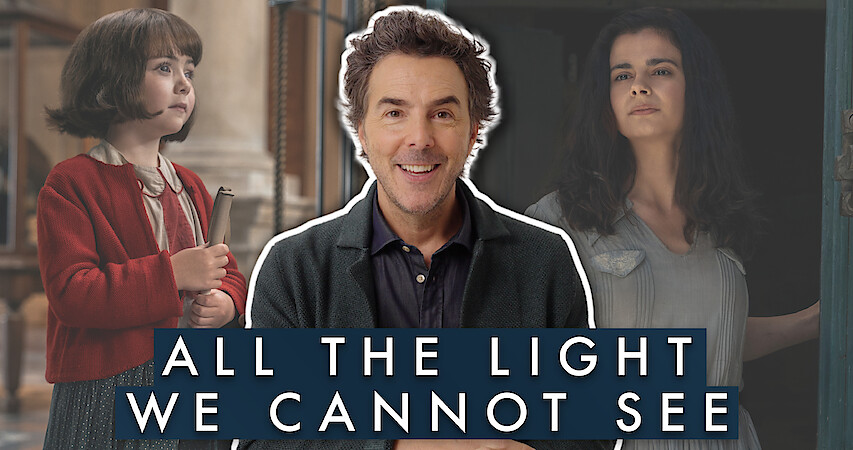
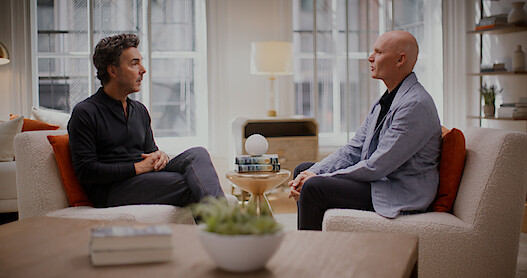
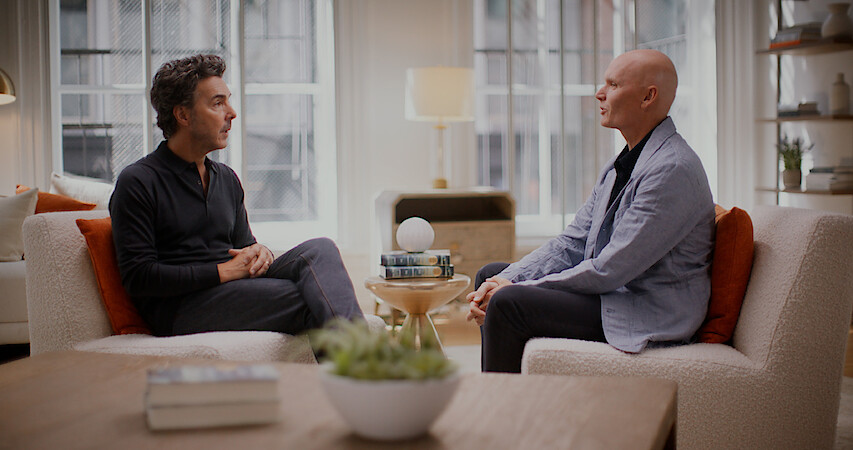
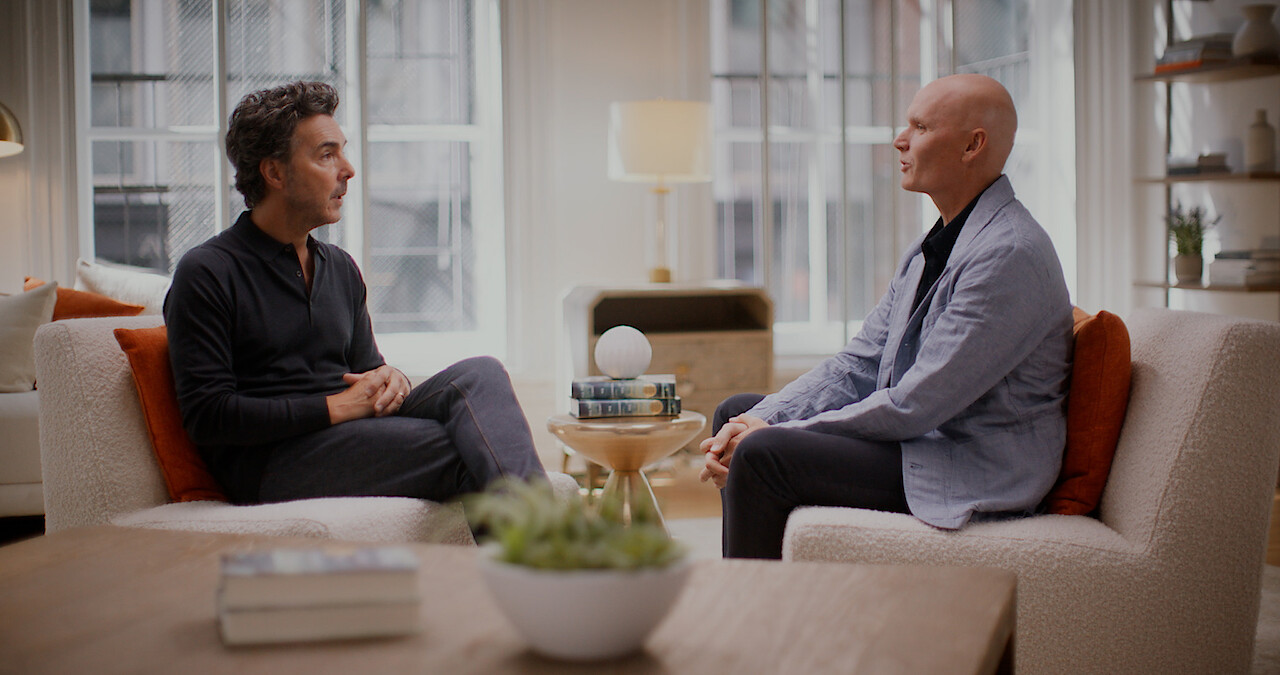
Shawn Levy made a promise to Anthony Doerr when he first reached out to the author to adapt his Pulitzer Prize–winning novel, All the Light We Cannot See: committing to long-form storytelling in bringing the epic saga to the screen.
Others had attempted to turn the sweeping, 500+ page novel into a feature film. But when Doerr first read scripts for a 90-minute movie, he’d realize, “Oh, so many characters were gone.” But Levy’s success working with child actors — as seen in Stranger Things and The Adam Project — as well as his utter devotion to the material made Doerr think, “You’re hitting all these notes for me.”
Levy had devoured the novel over Christmas in 2014 and reread it for the sixth time a month before production began on the four-episode limited series adaptation, so he had massive expectations of his own. “I knew if I made myself happy as a rabid fan of this book,” he said, “likely I would make other fans happy, too.”
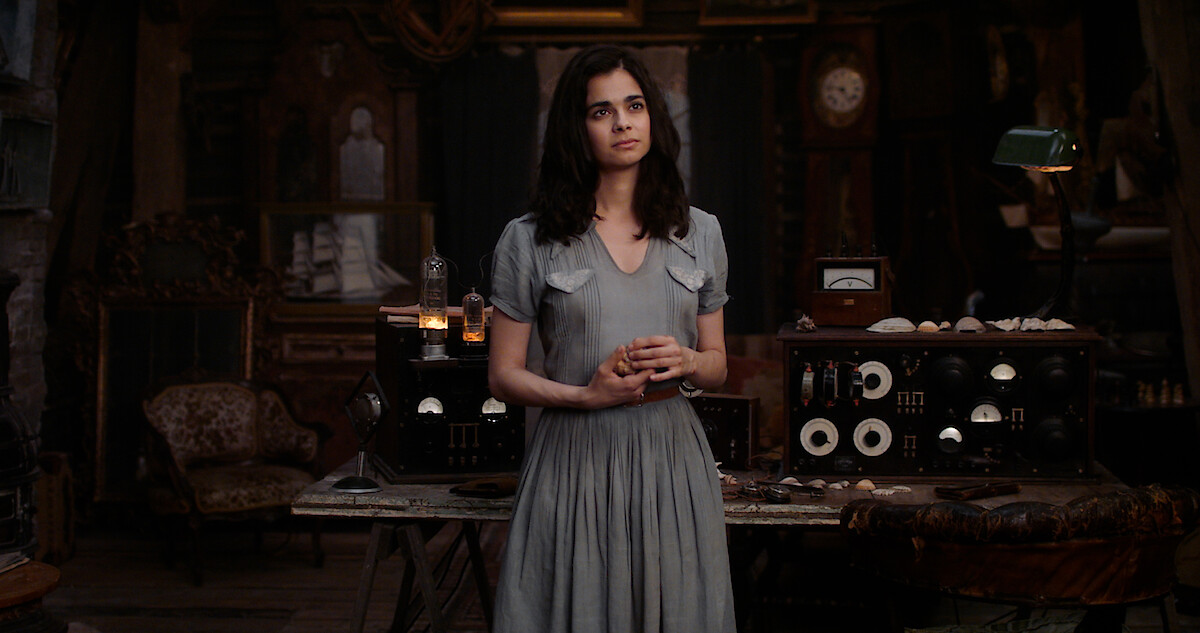
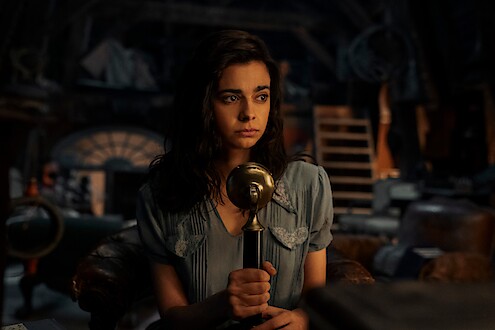
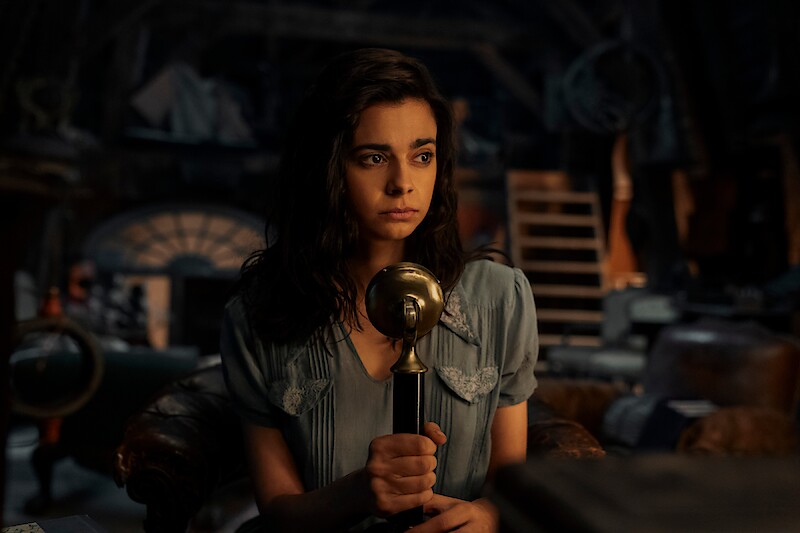
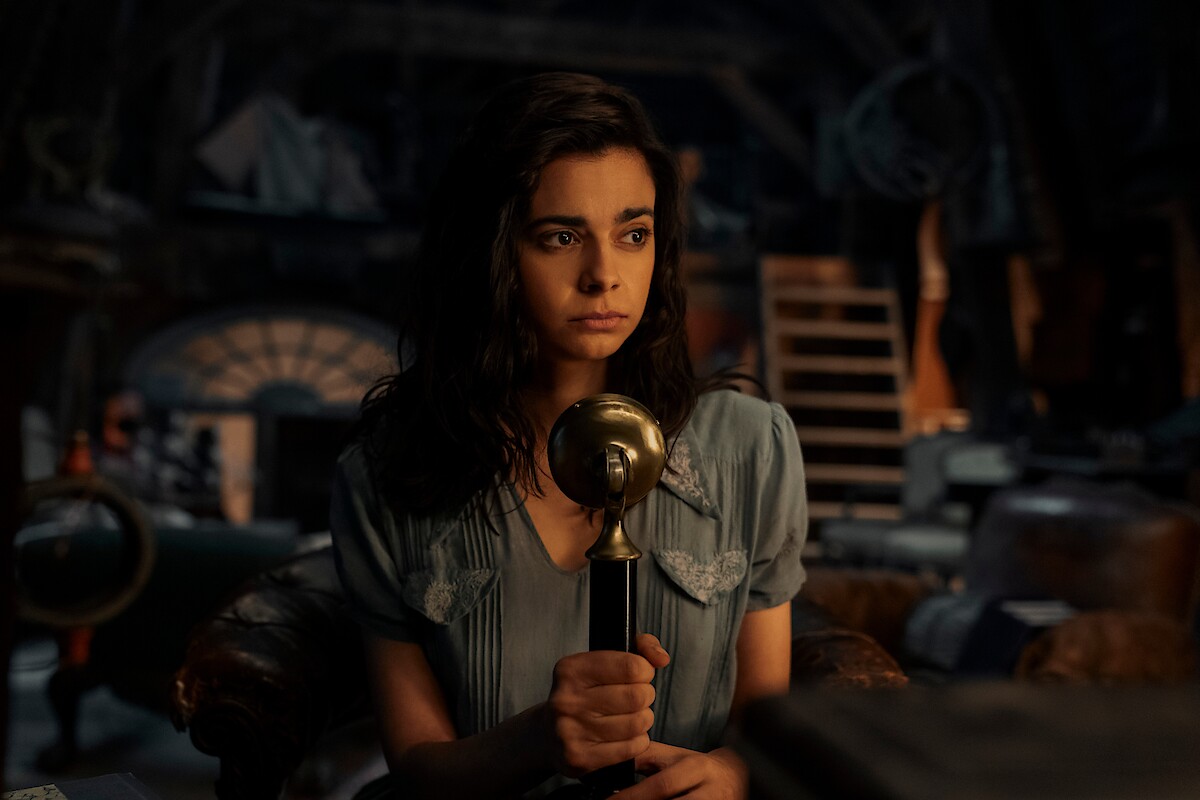
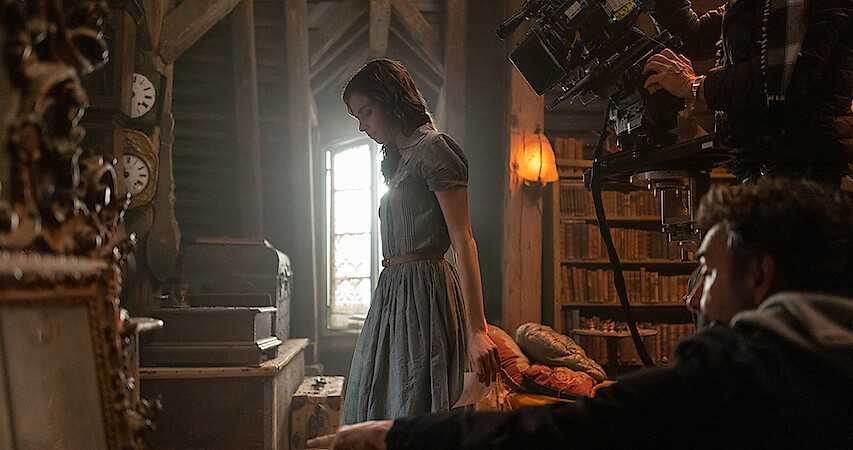
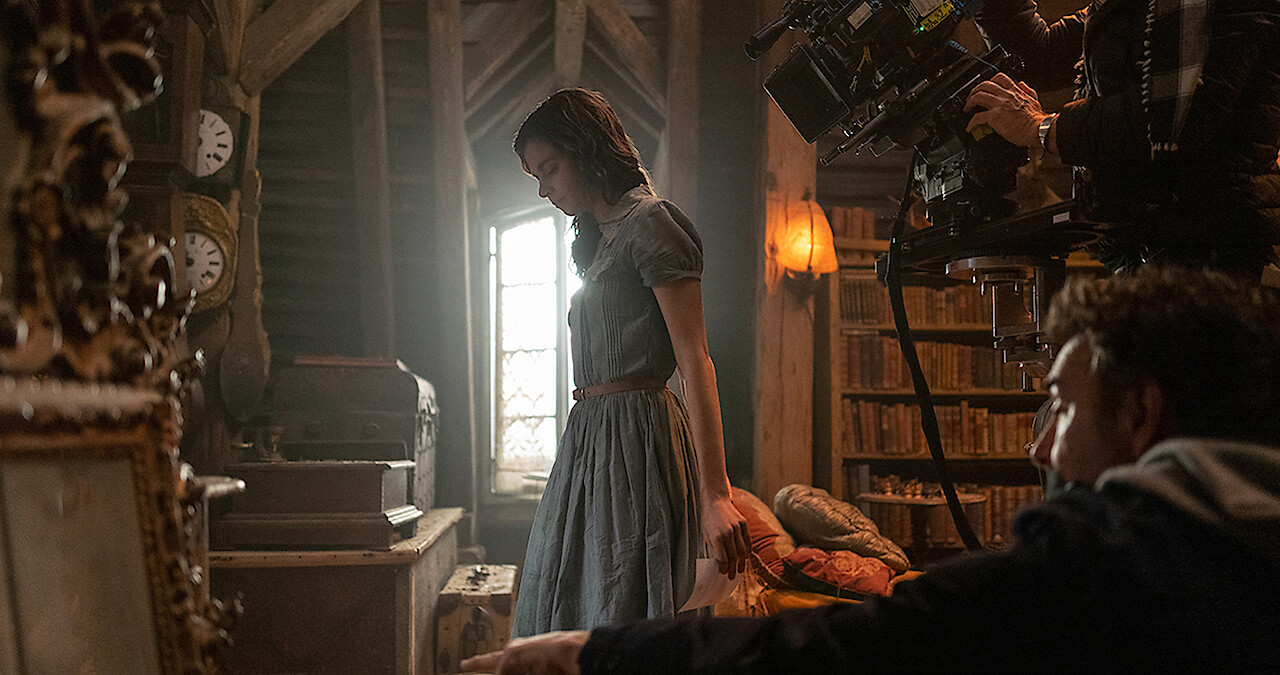
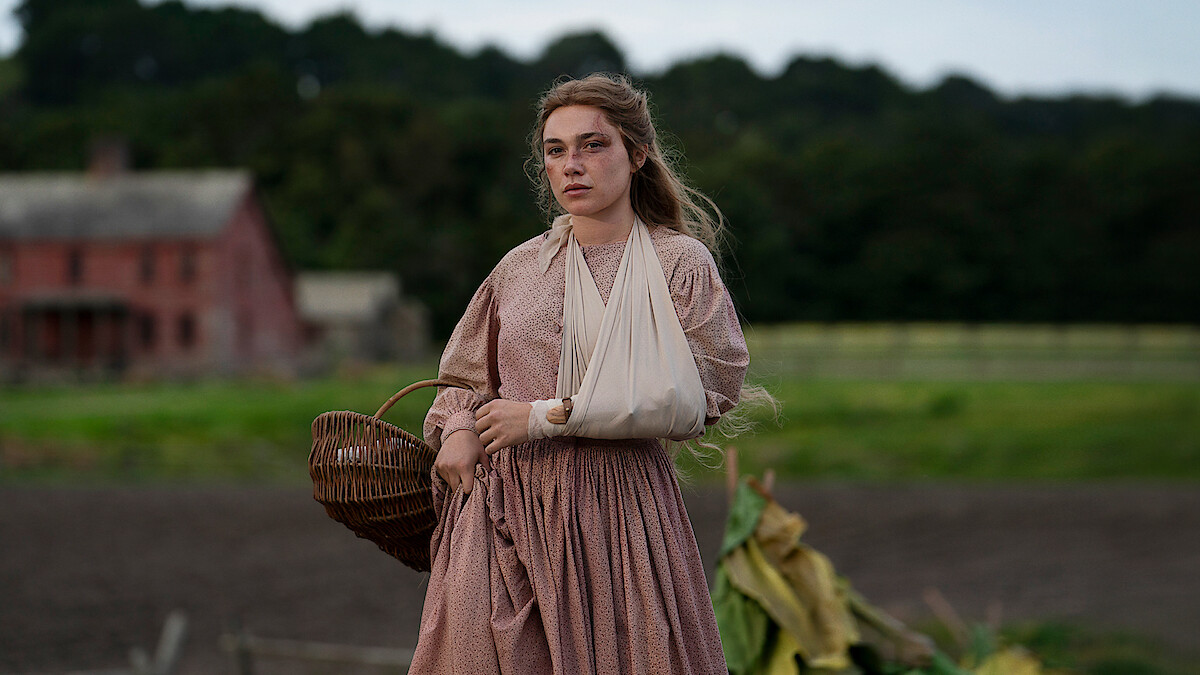
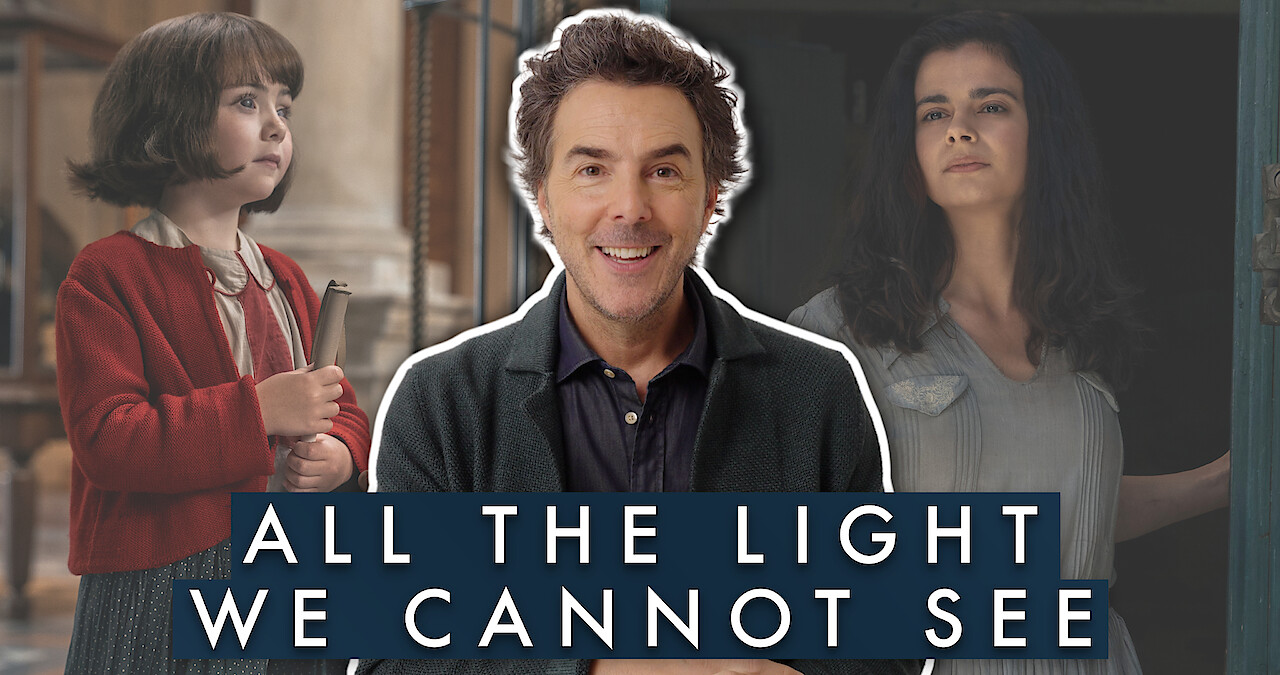
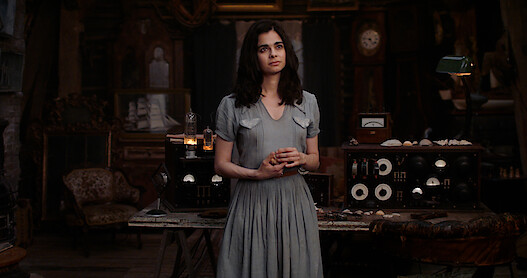
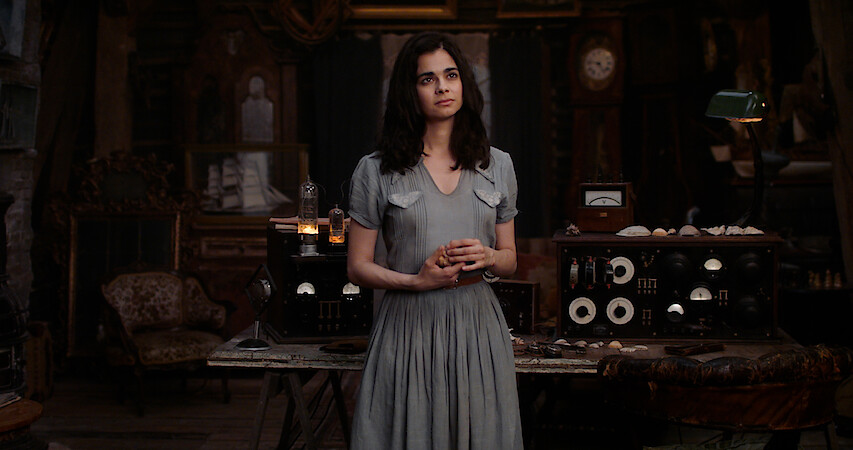
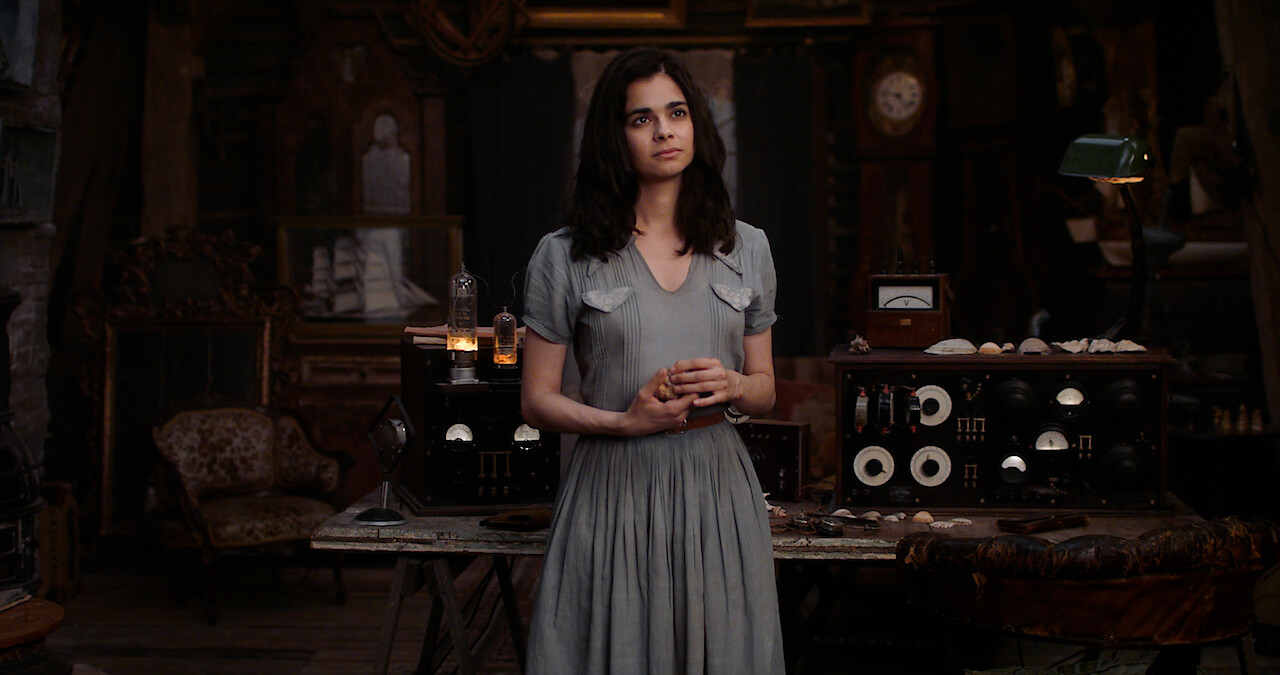
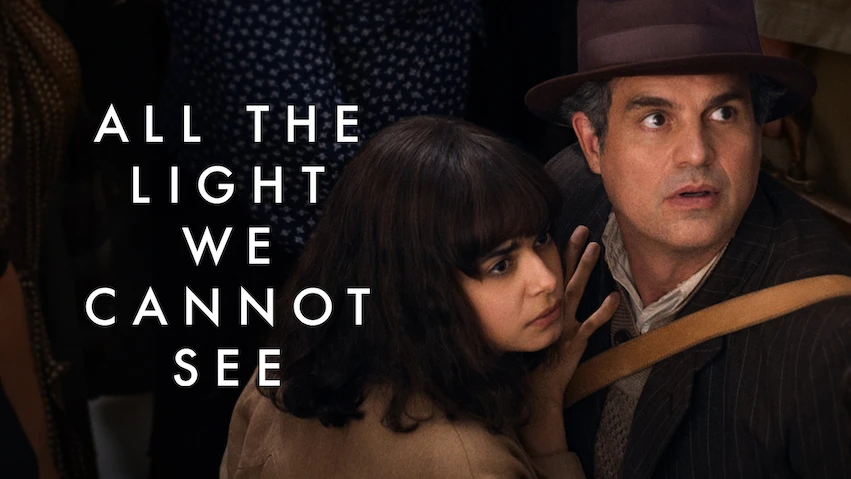
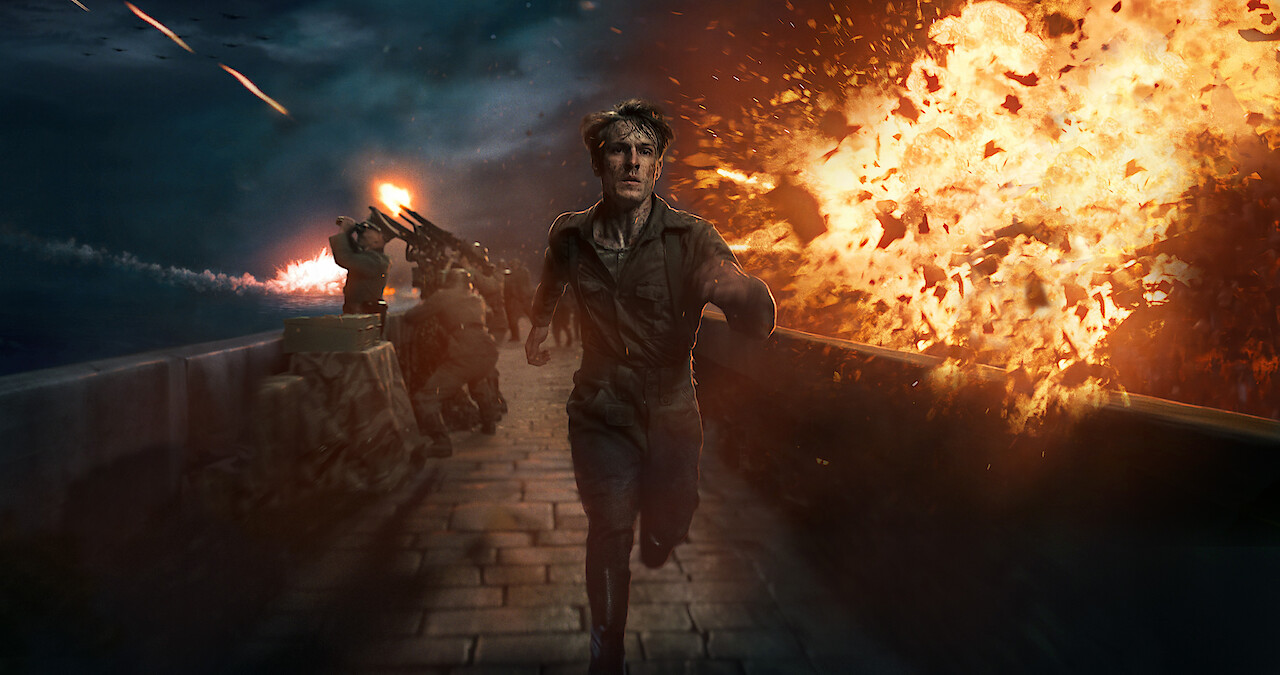
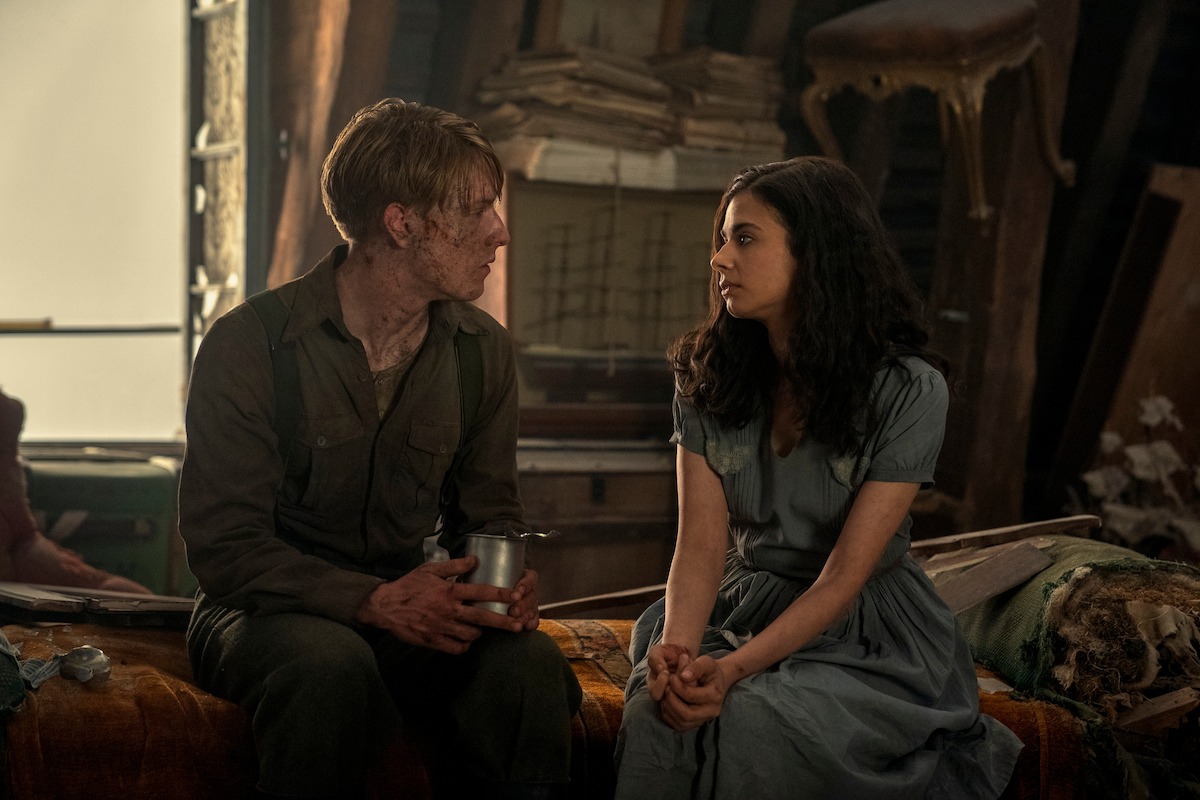
Directed by Levy and written by Steven Knight (Peaky Blinders), the series follows Marie-Laure (Aria Mia Loberti), a blind French girl, and her father, Daniel LeBlanc (Mark Ruffalo), as they flee German-occupied Paris while guarding a legendary diamond that they must keep from falling into the hands of the Nazis. Relentlessly pursued by cruel Gestapo officer Reinhold von Rumpel (Lars Eidinger), who wants the stone for his own selfish means, Marie-Laure and Daniel find refuge in Saint-Malo, where they take up residence with a reclusive uncle, Etienne (Hugh Laurie), who transmits clandestine radio broadcasts as part of the resistance. In the once-idyllic seaside city, Marie-Laure’s path collides with the unlikeliest of kindred spirits: Werner (Louis Hofmann), a brilliant teenager enlisted by Hitler’s regime to track down illegal broadcasts. Werner finds himself sharing a secret connection to Marie-Laure, as well as her faith in humanity.
“I always felt that this book, and hopefully this show, is this construct of inexorable intersection of destiny, that they’re slowly coming together,” said Levy. “And I love this idea that they’re only together for less than an hour, but it’s the love of a lifetime, in some ways, in a single moment.”
While Werner and Marie do meet at the end of Episode 4, they part as he surrenders himself to the Americans who’ve breached the Saint-Malo gates and she tosses the cursed diamond into the ocean for good. But how did they get there? Read on to learn more about Levy, Doerr, and Knight’s adaptation process from the novel.
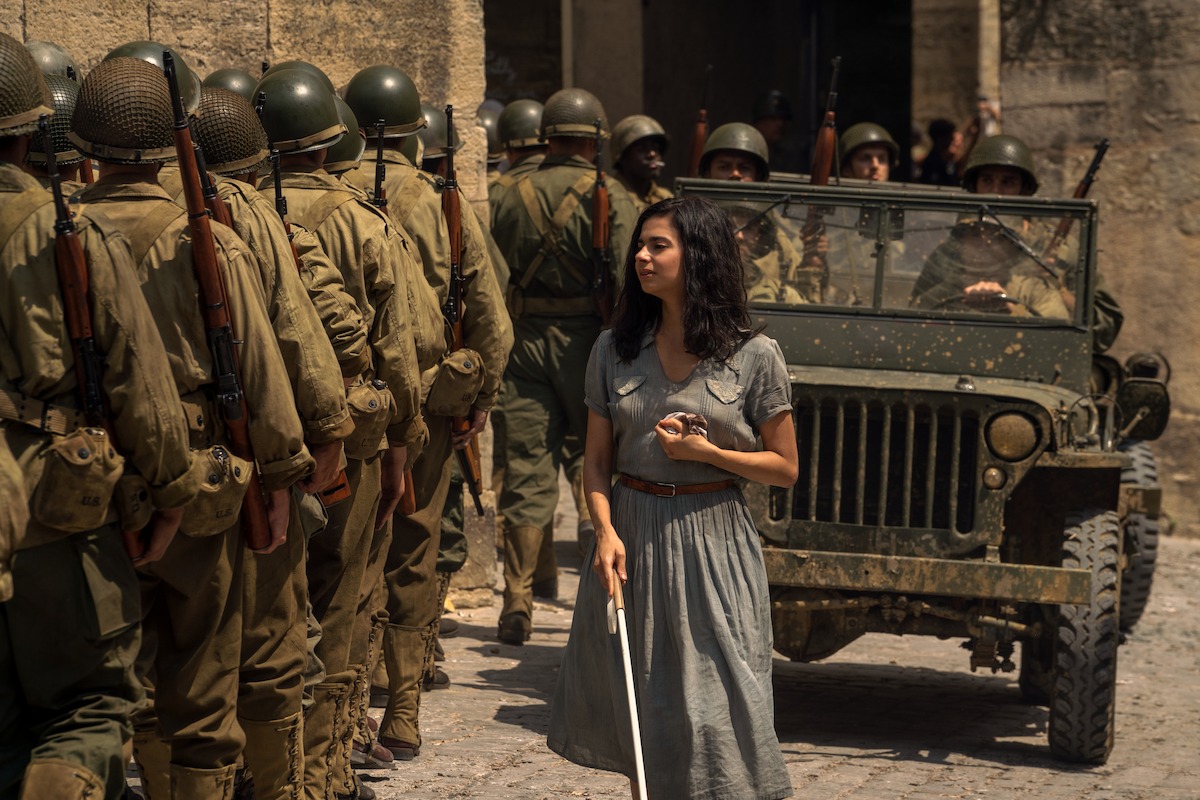
No, the book is historical fiction, set during World War II. However, the 1944 siege and battle for control of Saint-Malo was very real. “It was really important to me to try to make sure every little detail of Saint-Malo was right,” said Doerr, “so that somebody who lived through that siege would be persuaded that the verisimilitude of this project was real.”
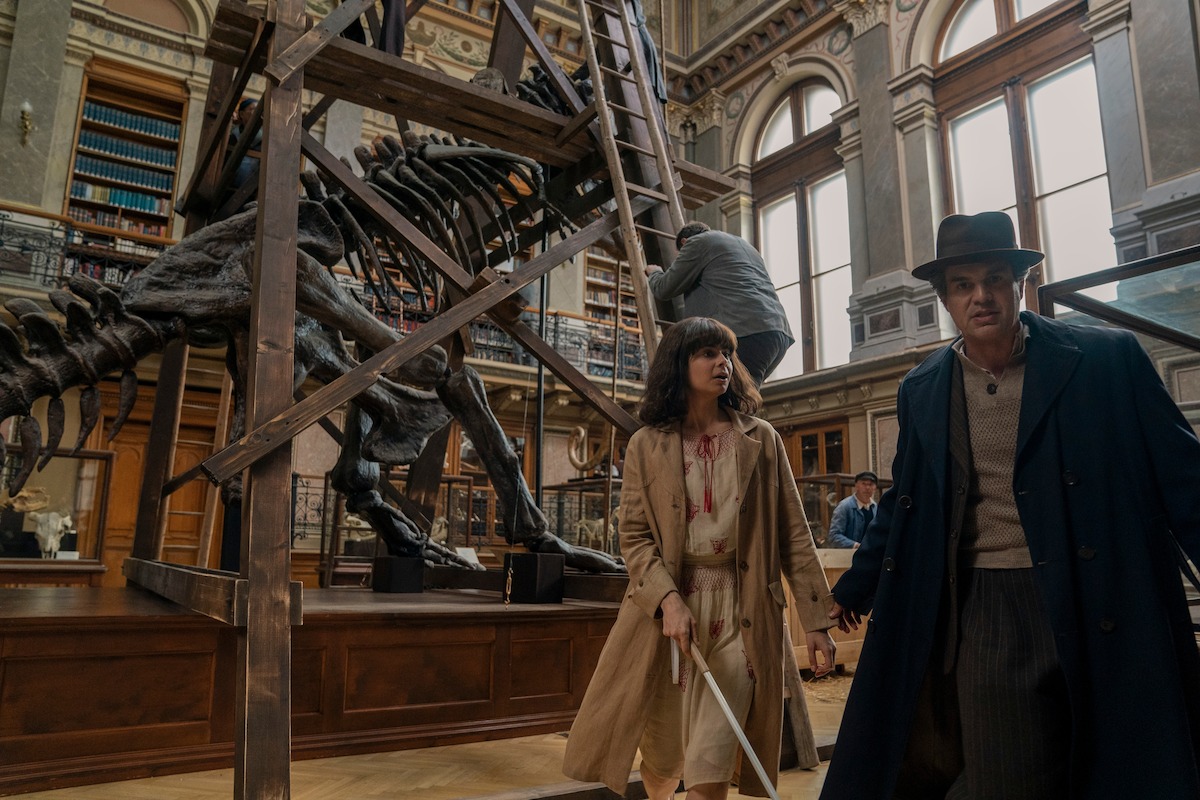
In the series, the Sea of Flames is a rare, cursed diamond. Daniel, who protects the jewel at the Museum of Natural History in Paris but doesn’t believe in the legend, tells his daughter, “Whoever touches the stone is also cursed. The curse is, if you touch the stone, whoever you love will suffer terrible misfortune. But if you possess the stone, you yourself will never die.”
The German jewel collector for the Third Reich, von Rumpel, is dying of cancer, and he tracks the Sea of Flames down to Marie’s door. In Episode 4, we learn that Daniel hid the cursed diamond in the model of Saint-Malo that he built for Marie — and that von Rumpel killed him in Paris in pursuit of it. After Marie shoots him, she tosses the diamond into the ocean, never to be sought again.
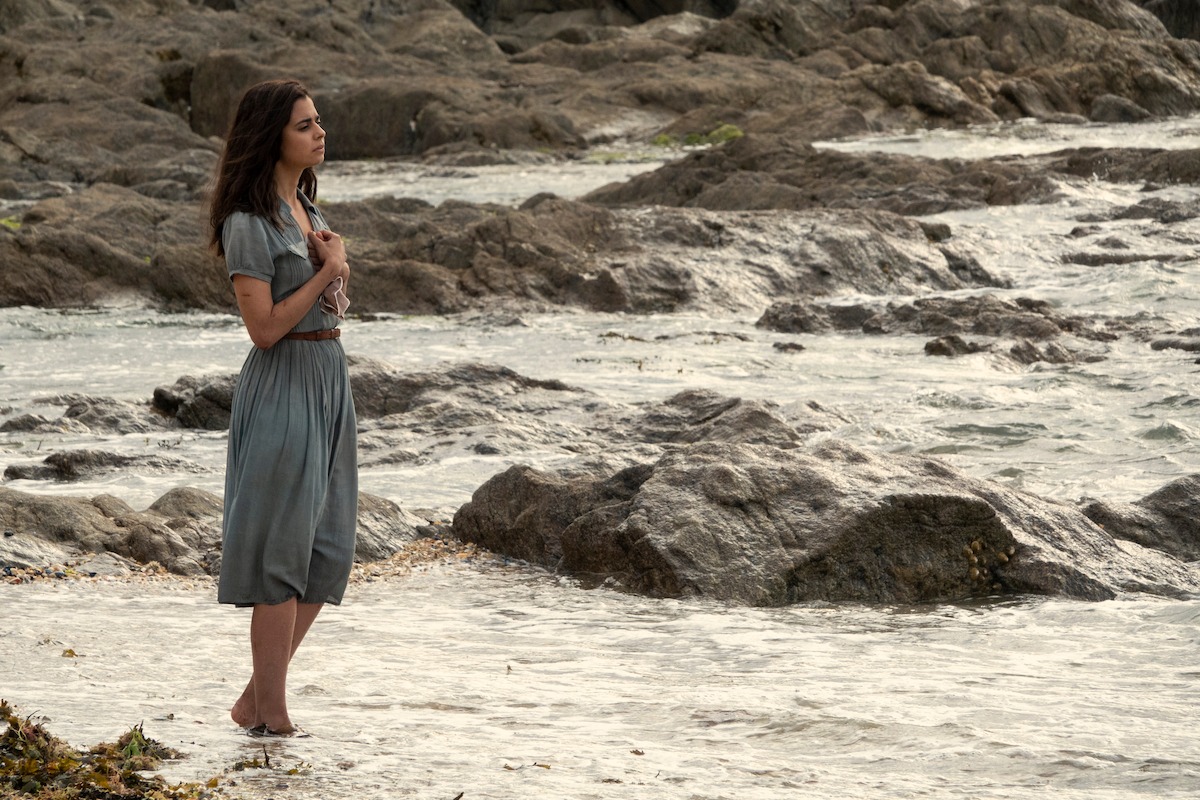
Yes, Levy and his team made choices that he hoped book readers and new fans alike would respect after watching. “There are some things in the last 50 pages of this novel that are not a part of my show, and it’s not that I say they didn’t happen, but I don’t want to show them happen because I’d like my viewers to have the possibility of believing it might have gone down differently,” said Levy.
If you’ve read the book, you’re likely thinking of (spoiler!) Werner’s death when he steps on a land mine. “Fans of the book know that the last 50 pages have a few deeply traumatic, horrific occurrences that happen to characters we love,” said Levy. “I remember reading the book, and it killed me. It really hurt me.”
The filmmakers wanted to leave the story with the promise of some hope for viewers. “We loved the book and this is no judgment on the book, but we wanted to end in a more hopeful place,” said executive producer Dan Levine. “We talked about a lot of things to do with the ending changing, and we decided by just not showing the very end — where it jumps forward in time and there’s some sadness and tragedy — we didn’t have to show that.”
Knight agreed that he wanted to leave viewers with the possibility that it was all going to be OK. “There’s nothing in the TV adaptation to suggest that the things in [Doerr’s] postscript don’t happen,” he said. “They could still happen, but we’re choosing not to look in that direction.”
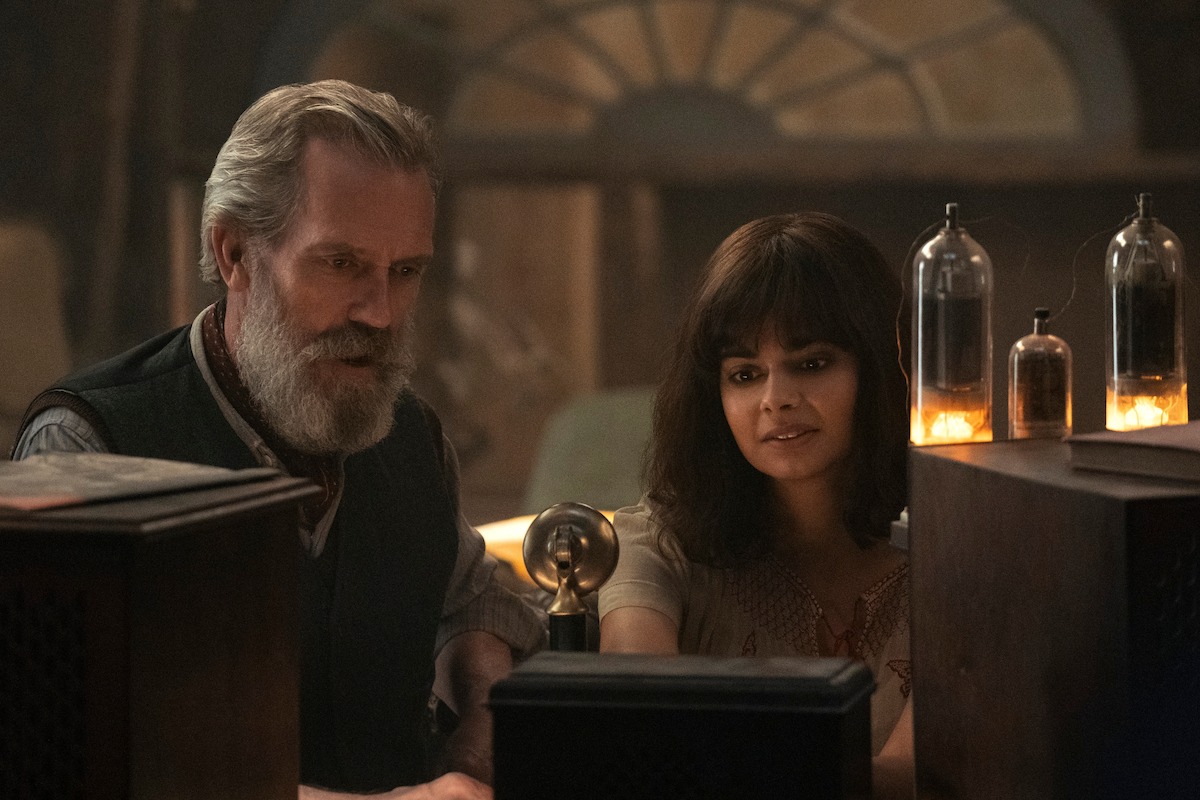
While some of those ending scenes are not in the show, other relationships are amplified in the series, like Etienne and Marie and Etienne and Werner. “That’s a relationship that doesn’t exist in the book, but it’s one that Steven Knight crafted because his feeling was Etienne is haunted by the trauma of World War I,” said Levy. “Werner is haunted by the trauma of World War II. The storyline naturally brings them together. Why would we not explore the similarities of struggles and hauntedness between these two characters, especially if you got Hugh Laurie playing one of them and you got Louis Hofmann playing the other — you better believe I want to see these powerhouses together.”
Knight saw Werner and Etienne meeting as a chance to see a wish fulfilled, as viewers come to know the characters so well throughout the series, and they are in the same town, after all. “It’s not necessarily that there’s an expectation that it will happen, but there is a desire that it will happen,” he said. “Given the opportunity to make that happen, then I thought it was important.”
In the book, Daniel leaves Saint-Malo and we never hear from him again. (For non–book readers: He’s taken to a Nazi prison camp after he returns to Paris and contracts influenza, but that’s all that’s known.) “In the show, we know what happens, we see what happens. And it allowed us a sequence that I always wanted to imagine in the book [Daniel and von Rumpel’s confrontation]. And so that’s another difference. But again, always honoring the souls of the characters, the things that they would do and would not do.”
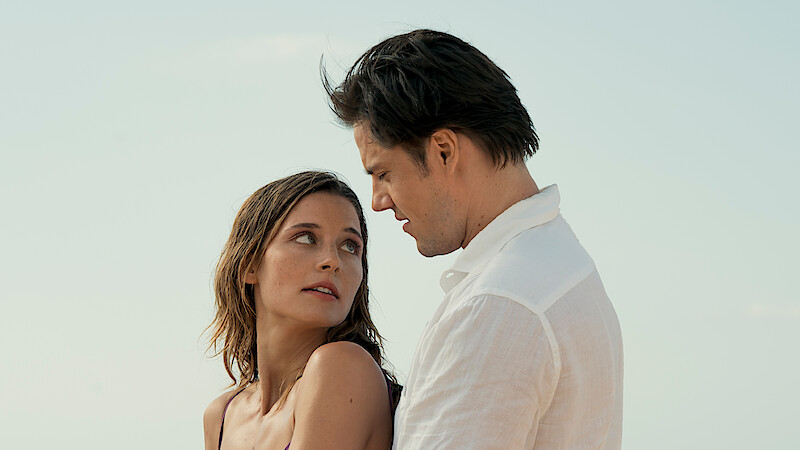
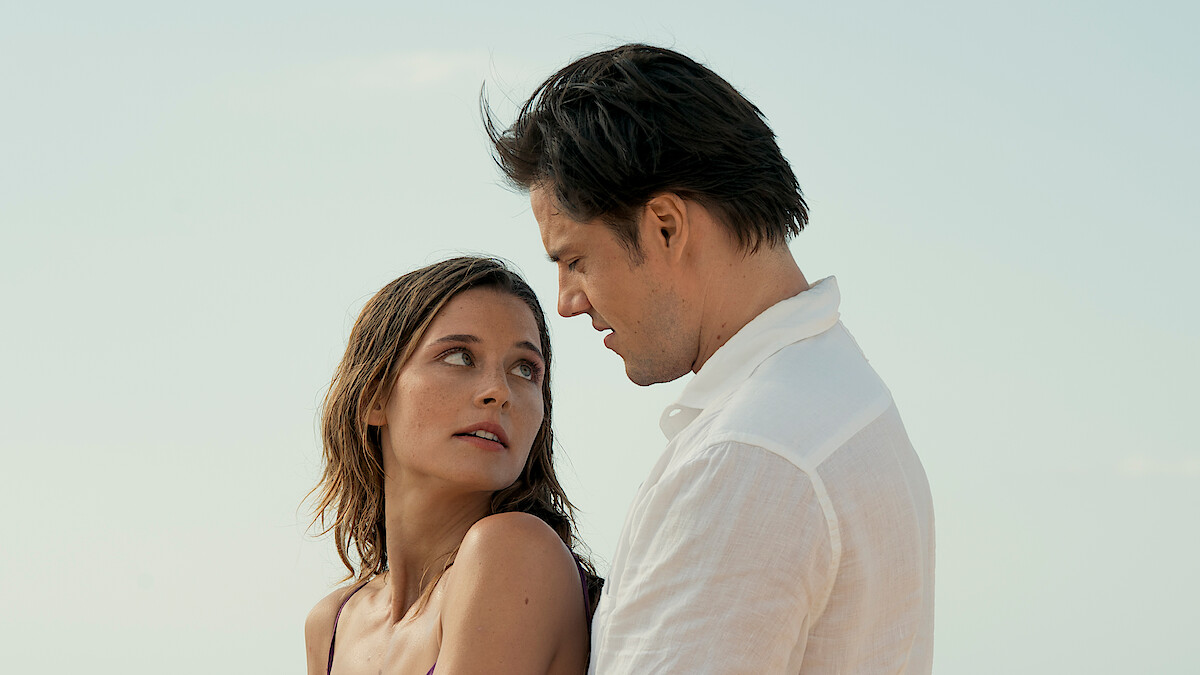
During his writing process, Knight knew his destination all along was Werner and Marie finally meeting, and he had a bit of freedom about how to achieve that romantic climax. “It’s been a love story where the two lovers haven’t met at all and don’t even know each other exists until quite late on,” he said. He saw their tether connected through listening to music the Professor would play during his broadcasts, “Clair de lune” by Debussy. So when they finally are together, they put that record on. “What do people do when they hear music playing? They’ll dance, so I thought the dance was important. And then the kiss seals the thing,” he said. “Even though they’re still going to be jettisoned off into the universe, they do have that moment.”
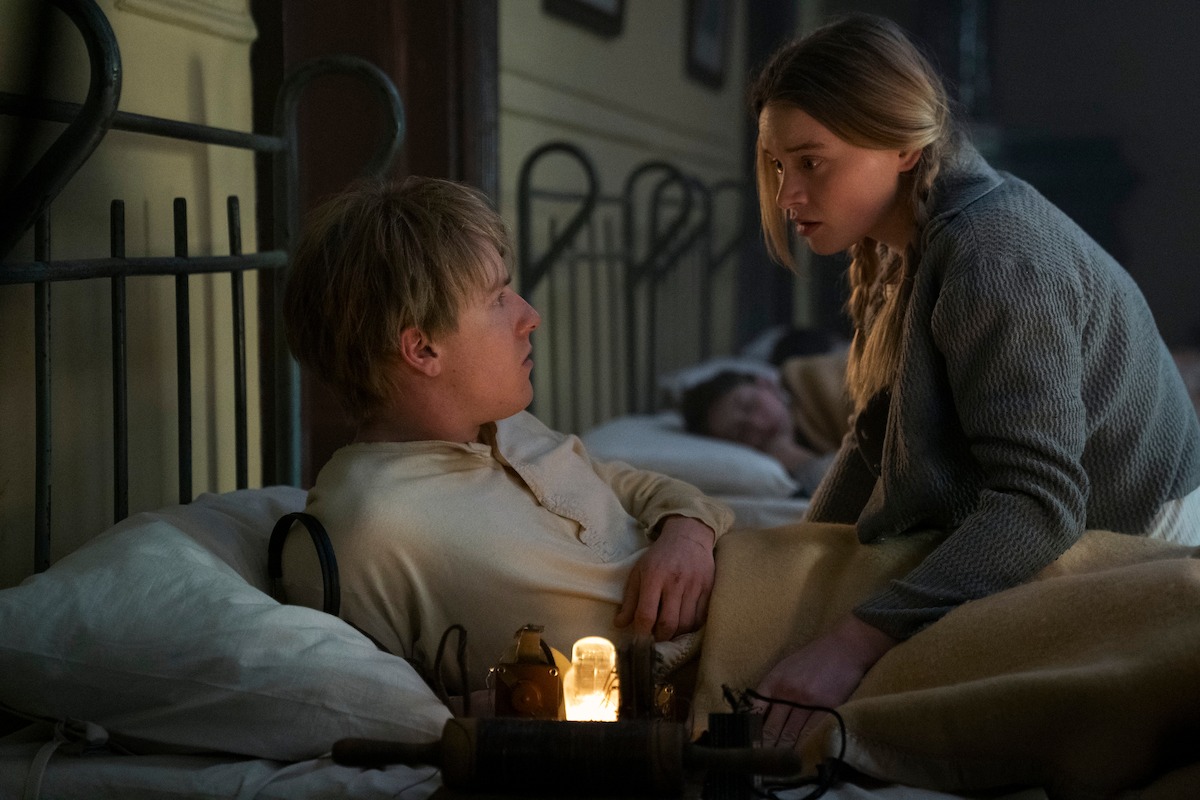
Levy knew certain things from the book were sacrosanct, like Marie’s relationship with her father. “The love and the acts of love that transpired between father and daughter are magnificent. They’re very resonant to me as the dad of four daughters. So I knew that was going to be a central theme and component that was very true to the book,” said Levy.
He also wanted to tell the story of Werner’s relationship with his sister, Jutta (Luna Wedler), and the unwitting and unwilling indoctrination of Werner into the Nazi party, which espoused a philosophy that Werner never believed in. And along with the setting in Saint-Malo, Levy wanted to honor the crosscutting between geographical and narrative strands and the truth of every character in his adaptation.
Finding blind actors to play Marie, both a younger and an older version, was crucial to Levy and Doerr — so was keeping the curiosity intact at the core of both Werner and Marie.
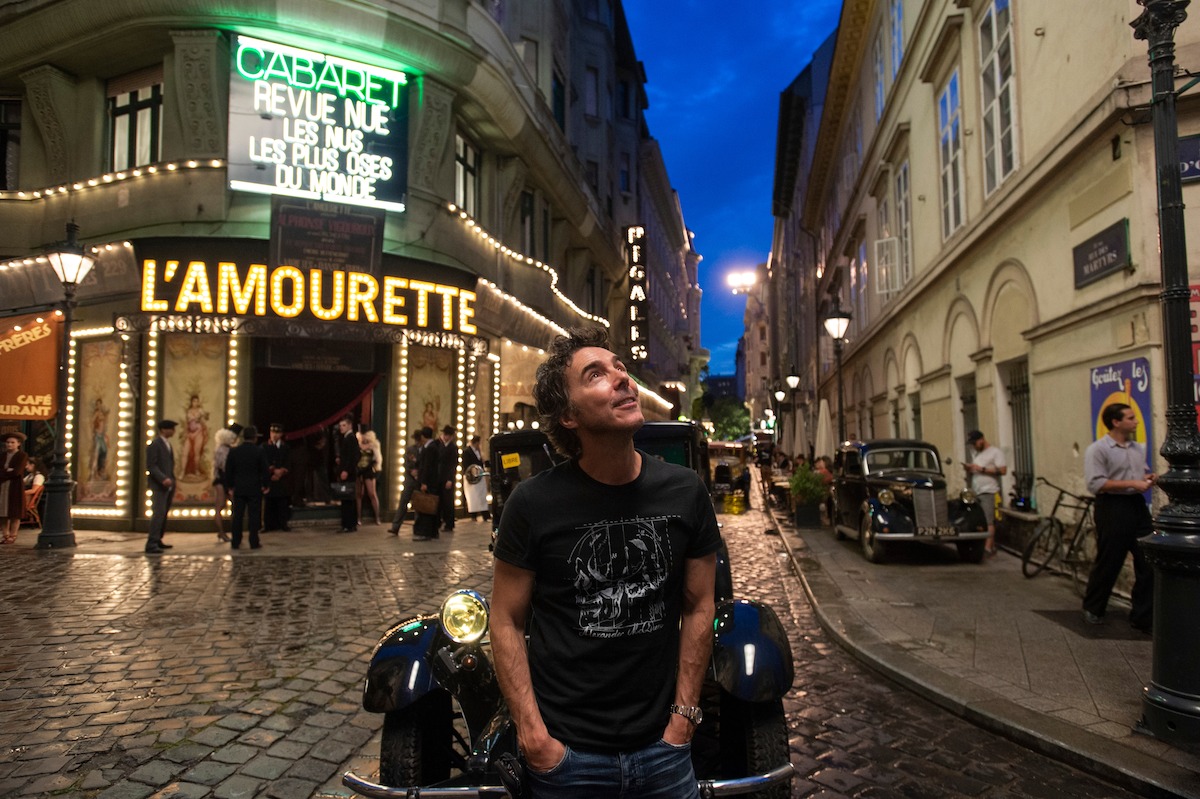
Levy hopes that “fans of the book will find that we’ve honored what was on the page, but we’ve extrapolated in ways that are deeply respectful of the source material because that respect is sincere.”
Of the adaptation, Doerr said, “It’s beautiful and I can’t wait for everybody to see it,” adding that he was in “awe” of Levy’s ability to immediately draw viewers into the four-hour narrative. “The series is absolutely gorgeous to look at — from the opening, with all the leaflets falling from the sky, to the montage of Marie-Laure’s father building her a scale model of Saint-Malo, it repeatedly took my breath away.”
Levine couldn’t even tell that some of Knight’s new scenes weren’t in the book. “He intersected some characters that really never met in the book. And I do think fans of the book will love it. There are some surprises for people [that] think they know the full story, but for the most part, we were very faithful. There’s just some new scenes in there that are astounding.”
He also praised Doerr’s support throughout the development process, including added scenes. “He knew that sometimes things take a little bit of life. We’ve been very faithful to the book,” said Levine. “Occasionally, we would go back to him to check things because he did immense research on Saint-Malo, and [he would] say, ‘What do you mean by this?’ But for the most part, he was just supportive and happy.”
Knight didn’t interact with Doerr while writing the series since “everything that Anthony wants you to know is in the book,” he said. He was more concerned with Doerr’s reaction afterwards. “And he loves it.”
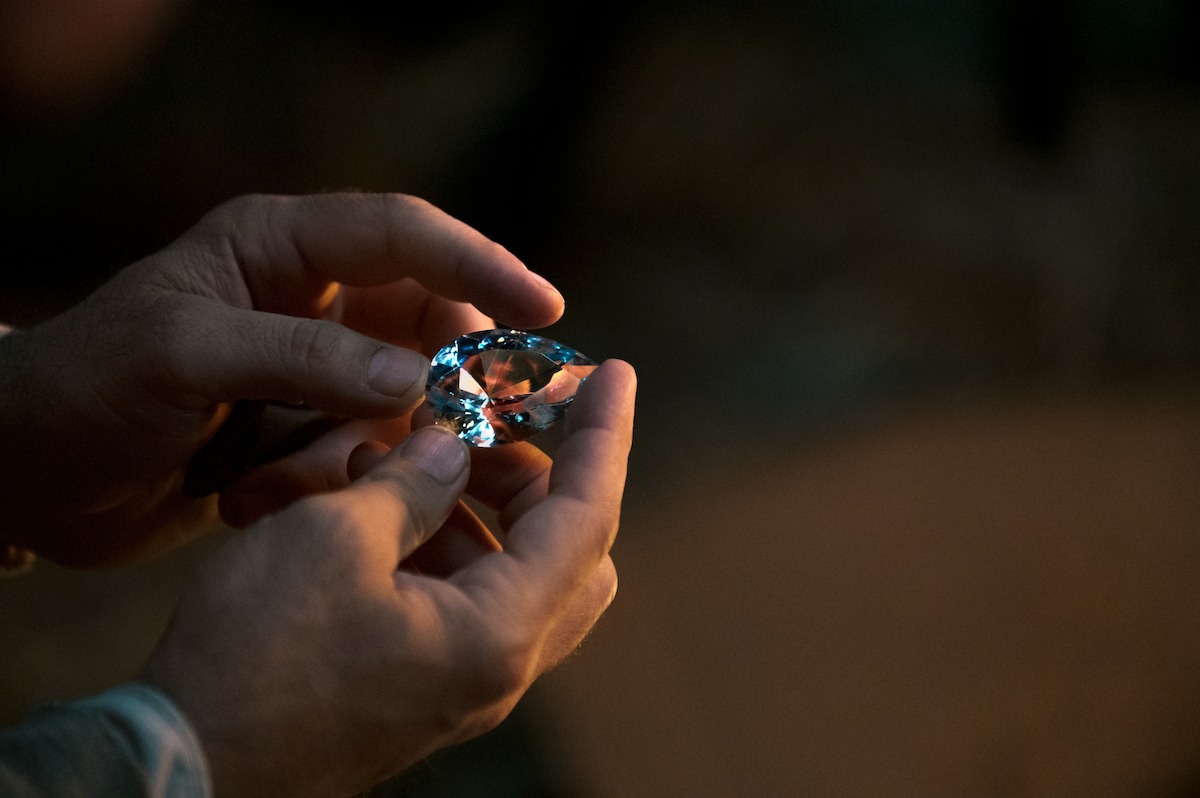
No, the mythologized jewel isn’t real, and Levy was eager to retain the fabled power of the diamond in the series. “Is it cursed? Is it not? Is Daniel’s handling of the stone what led to his daughter’s blindness? Will this stone save von Rumpel? Anthony Doerr and then Steven Knight in the writing remain[ed] agnostic, and I wanted to do the same,” said Levy.
Levy ultimately saw the Sea of Flames as an article of faith. “Von Rumpel has deep, unwavering faith that this is his salvation, and it’s a show about faith. It’s a show about hope,” he said. “Marie-Laure hasn’t heard from her father in over a year, but he’s still with her. She feels him with her. And even when she doesn’t know if he’s alive or dead, he will always be with her.” Levy saw it as “an interesting parallel track of, ‘What is fable? What is belief? What is faith?’ And maybe those things are the same as love. It’s not provable. It’s not viewable as evidence. It’s a feeling. It’s a feeling that gets embedded in you deep. And in that way, faith and love, hope and love, which is very much the theme of this show, are indestructible.”
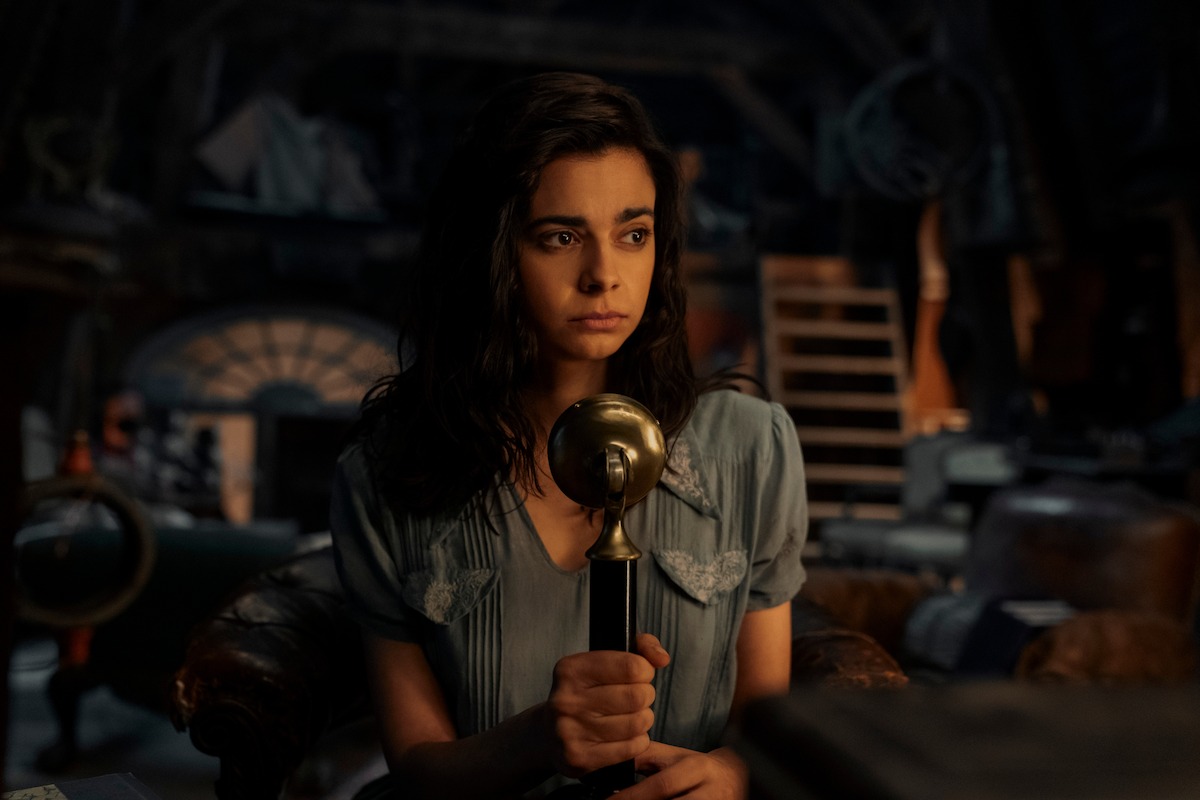
It actually started with the title, written in Doerr’s little notebook that he carries around with him in his pocket. While on a fellowship at Princeton, he was taking the train to New York City to see the cover of one of his novels. He saw a guy in the seat in front of him on his cell phone. “He was talking about the movie The Matrix, I remember that quite clearly,” Doerr said. And when they went underground, the man became livid that the call dropped. “And I remember thinking at that moment, ‘What he’s doing is a miracle.’ He’s got this tiny set of radios, a receiver and a transmitter, no bigger than a deck of cards. And he’s expecting this conversation to work at 60 miles an hour, sending these little packets of light between radio towers, at the speed of light. And who knows? The person he’s talking to could be in Madagascar or France or something, and he’s expecting that to work,” said Doerr.
Doerr thought, “What we’re all taking for granted is using this invisible light that can pass through walls. It’s a miracle and so many generations of humanity never had access to this kind of communication. And here, we’re like, ‘Oh this doesn’t work? What the heck?’ ” So he wrote down the title before he had anything else. (“Usually, titles come really late to me.”) “All I had was a girl reading a story to a boy, which is how Episode 1 really begins over the radio. And I conceived of her being blind and him trapped in darkness, desperately needing this story. Somehow, it was gonna redeem him. I didn’t have the Second World War yet at all until I went to France on a book tour — [it] was almost a year later before I had set it in France.”
Mainly, Doerr wanted to play with all the metaphorical meanings of, “What are human perceptions really? How limited are we? And what kind of stories are lost, particularly in wartime?”
When Doerr came to visit the All the Light We Cannot See set, Levy asked him this very question over a meal. It turns out that the title has nothing to do with Marie’s blindness. “ ‘The blindness came later,’ ” Levy remembered Doerr saying. “ ‘It started off with wanting to tell a story about radio, about all the ways in which our perceptions are limited,’ ” said Levy of Doerr’s thinking. “ ‘We think we’re at the top of the food chain, but we see one 10 trillionth of all the light in the universe. That’s how limited we are. There’s all this light we cannot see.’ And just to hear the material deconstructed and revealed from its creator to me was an experience I’ll never forget.”
For Doerr, the title also hints at how much we’re willing to embrace or ignore, morally. “Often, Werner is the morally blind character, and Marie is so much more morally capable really from the beginning,” he said. “She’s seeing more clearly than Werner has for so long.”
As a budding rhetoric scholar pursuing her Ph.D. at Penn State, Loberti saw a deeper meaning to the title than just a surface-level reference to Marie’s blindness. “It is a message of hope when you’re in a time of darkness — where everything familiar has left you, the people you love have left you — that you can still see some light on the other side,” she said. “People like Marie and Werner are connected by radio waves, which in and of themselves are a light you cannot see, but they also are connected through their sense of integrity and their sense of hope and not wanting the world to destroy their individuality, their personhood, and what makes them them. The significance of the phrase has a lot more meaning than just ‘all the light we cannot see’ equals ‘blind girl.’ ”
Yes! At the 71st Annual MPSE Golden Reel Award, All the Light We Cannot See won the award for Outstanding Achievement in Sound Editing — Broadcast Long Form Effects/Foley for its fourth episode.
All the Light We Cannot See is streaming now.
Additional reporting by Kara Warner.