Script to Screen
Shawn Levy Breaks Down a Major Moment from The Adam Project
The director reveals the lines Ryan Reynolds ad-libbed and the search for the perfect dog.
March 5, 2024
“What if you could make your peace with your own history?” It’s the question that Director Shawn Levy couldn’t get out of his head after coming across Jonathan Tropper’s script for The Adam Project. The director had just finished filming Free Guy with Ryan Reynolds, and the two were looking for a new project on which to collaborate.
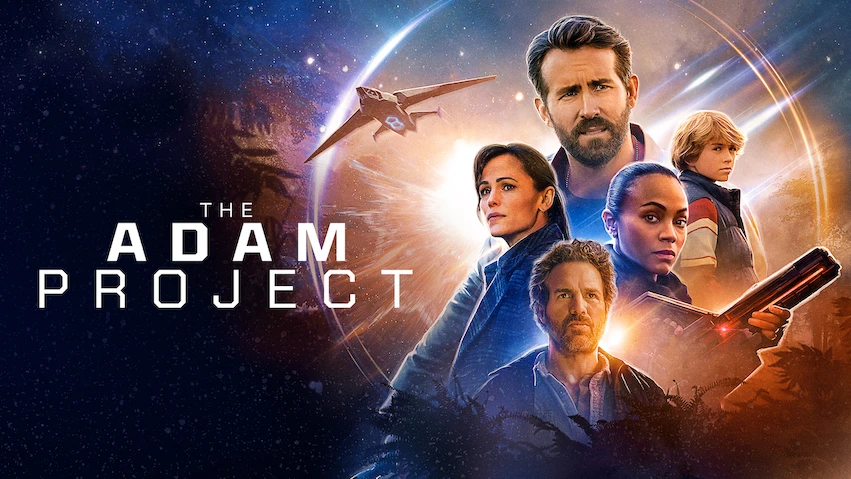
The Adam Project seemed like a perfect fit. The film’s initial premise as a sci-fi action adventure about a surly Air Force pilot who time travels back to his 2022 childhood in an attempt to save the world appealed to Levy’s desire to pay homage to Steven Spielberg’s Amblin Entertainment, which produced classics like E.T. and Back to the Future.
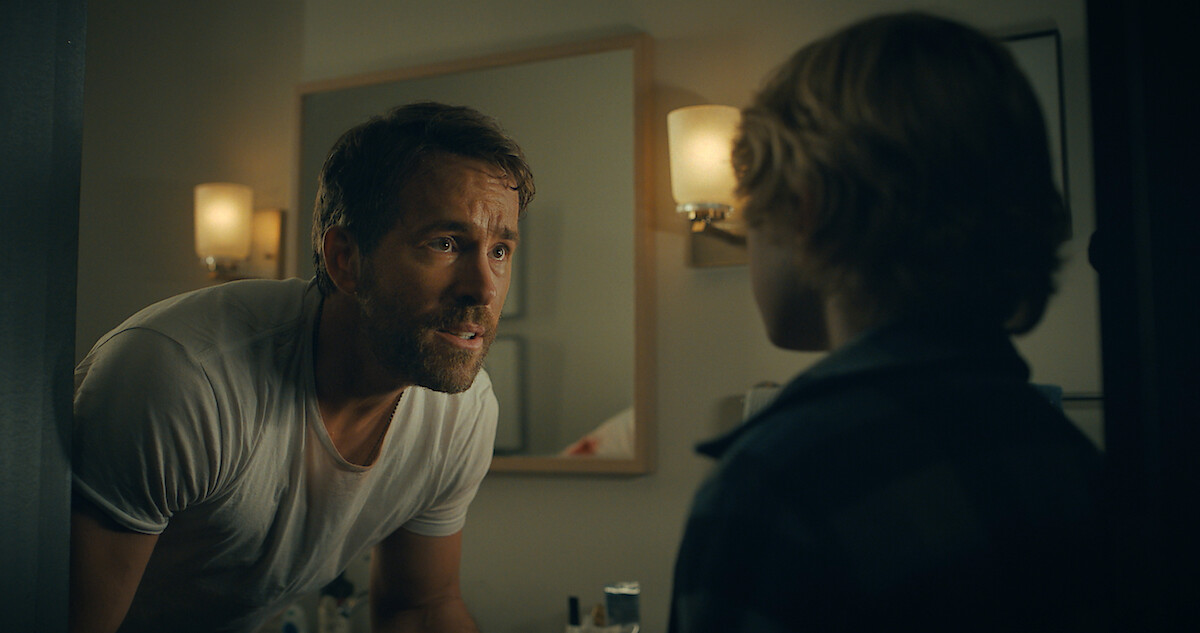
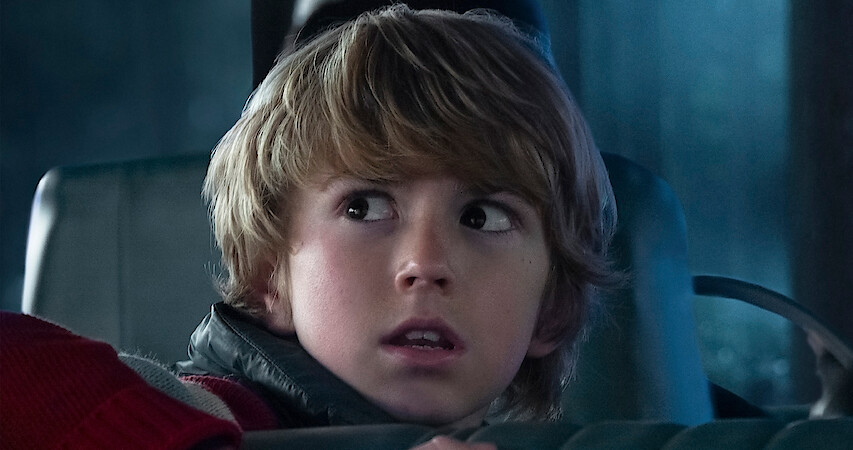
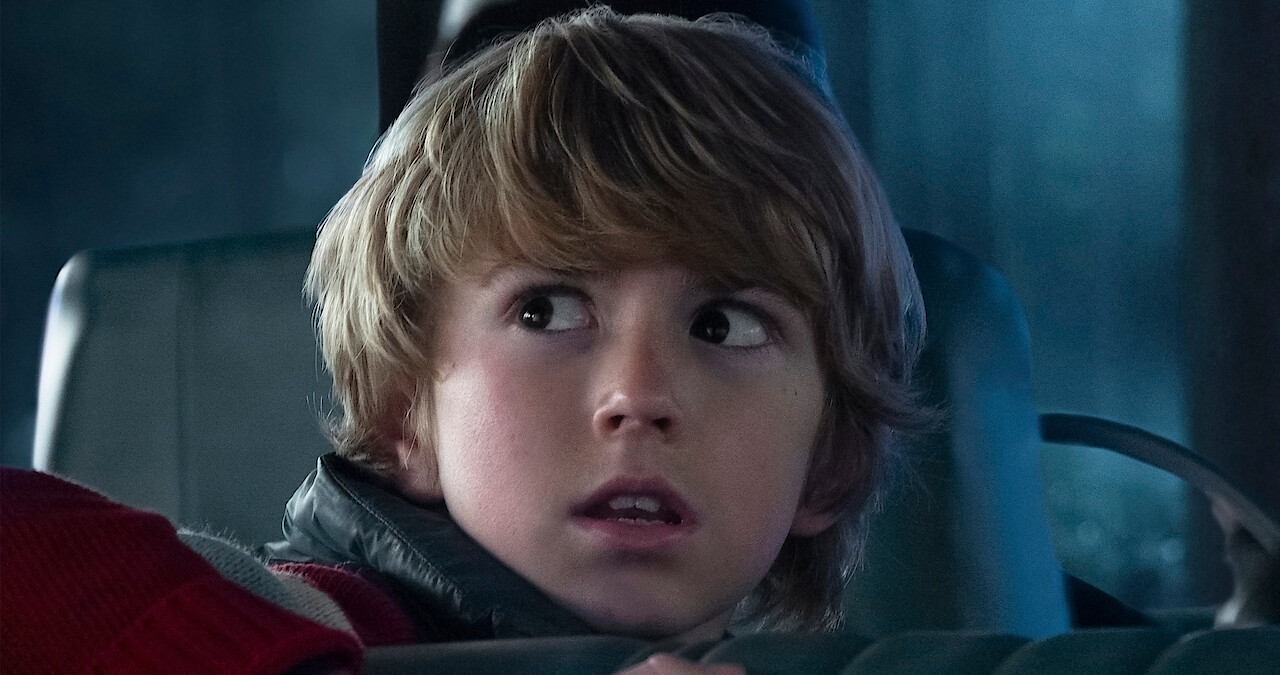
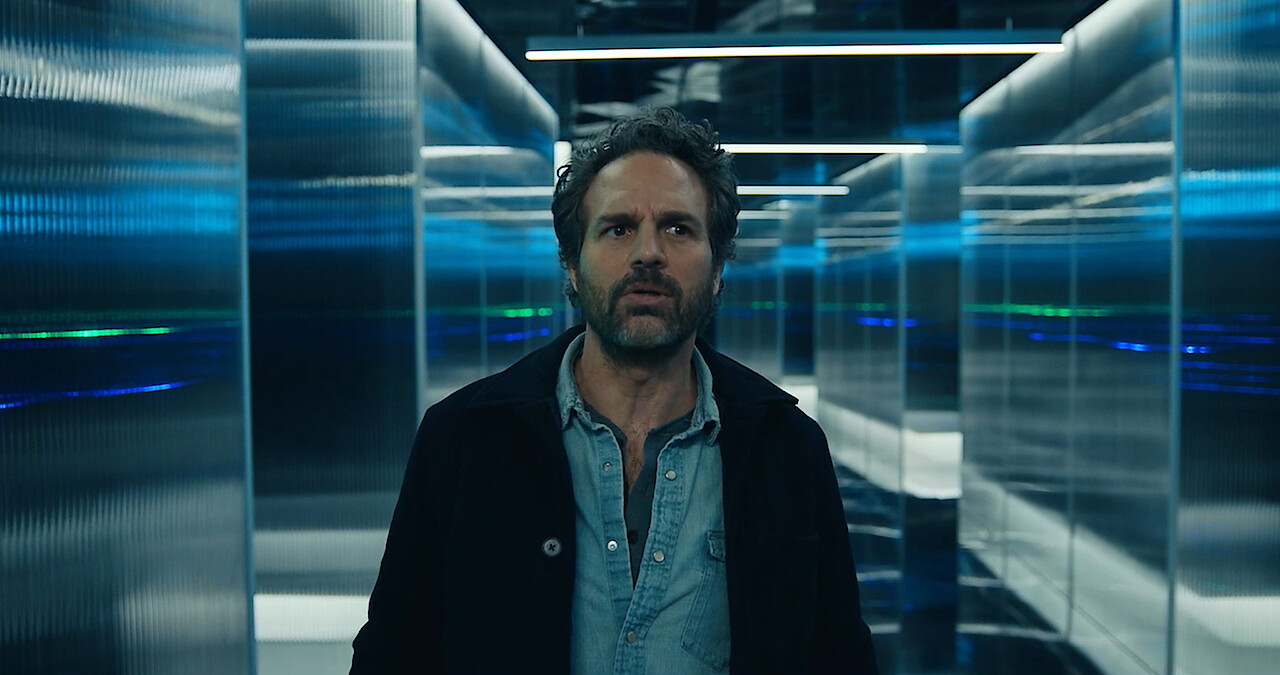
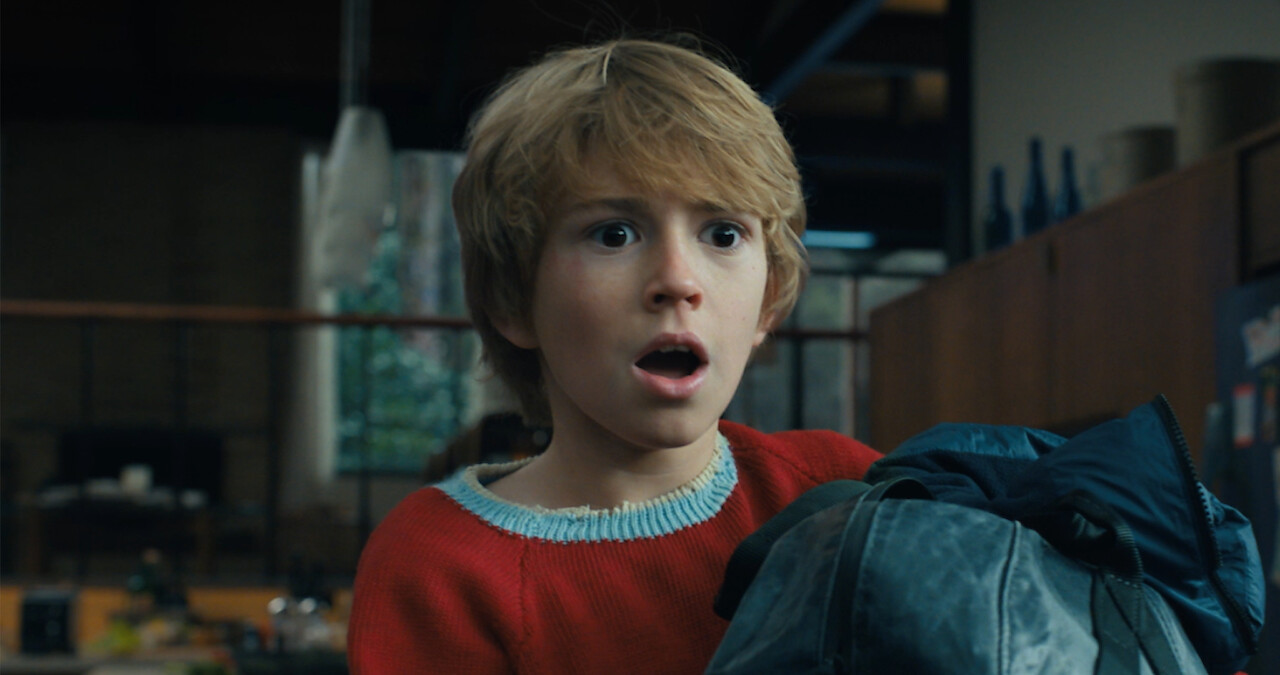
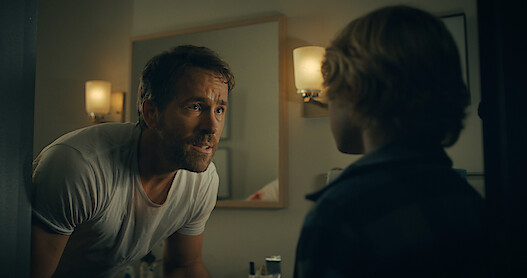
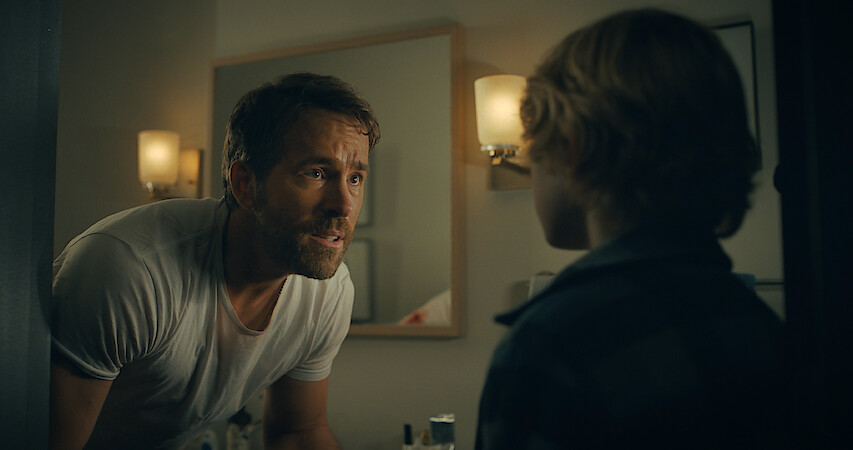
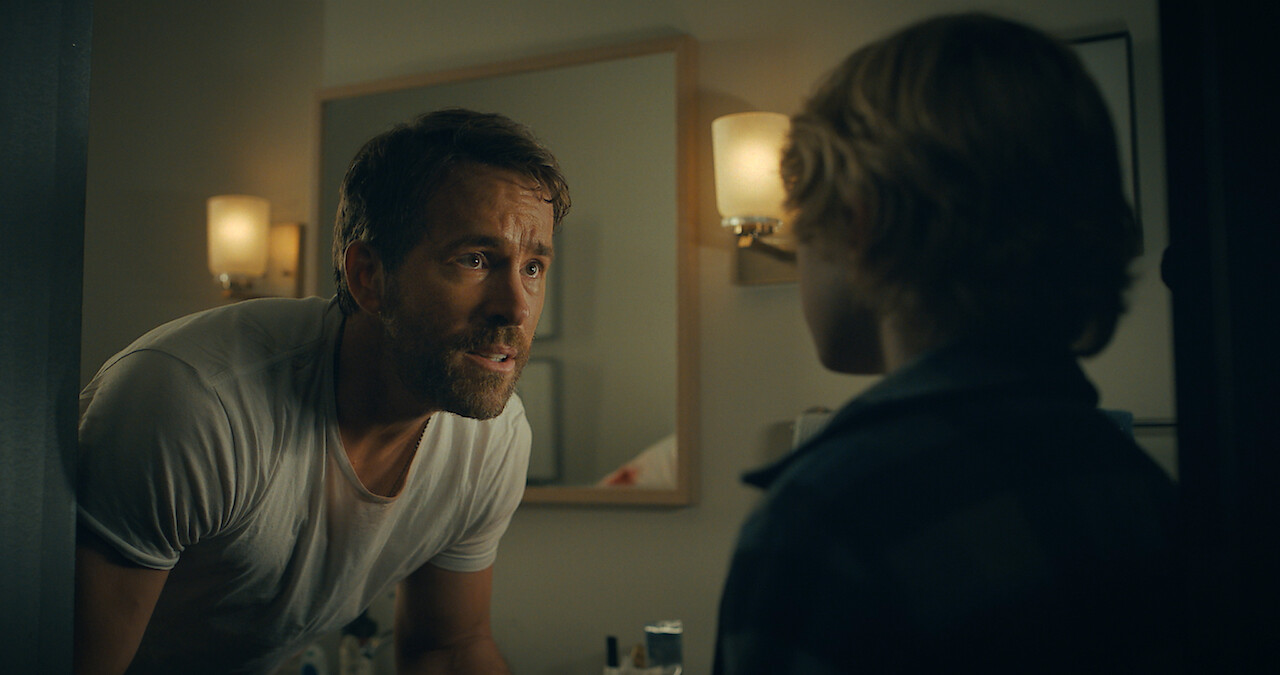
That adventure begins with a pivotal scene when young Adam Reed (Walker Scobell) finds a wounded pilot (Reynolds) in his late father’s old shed. In search of supplies to tend the wound, the man confidently walks into Adam’s house. That’s when Adam gets suspicious. Every new detail reveals that there’s something unusual about this guy — he knows the house’s quirks, how to kick the fridge door closed, where the first aid kit is. As the two banter, their similarities become obvious. But it’s not until Adam’s dog, Hawking, starts to bark and the two tell him, “Zip it!” in unison that the truth finally comes out: The man is Adam 30 years in the future.
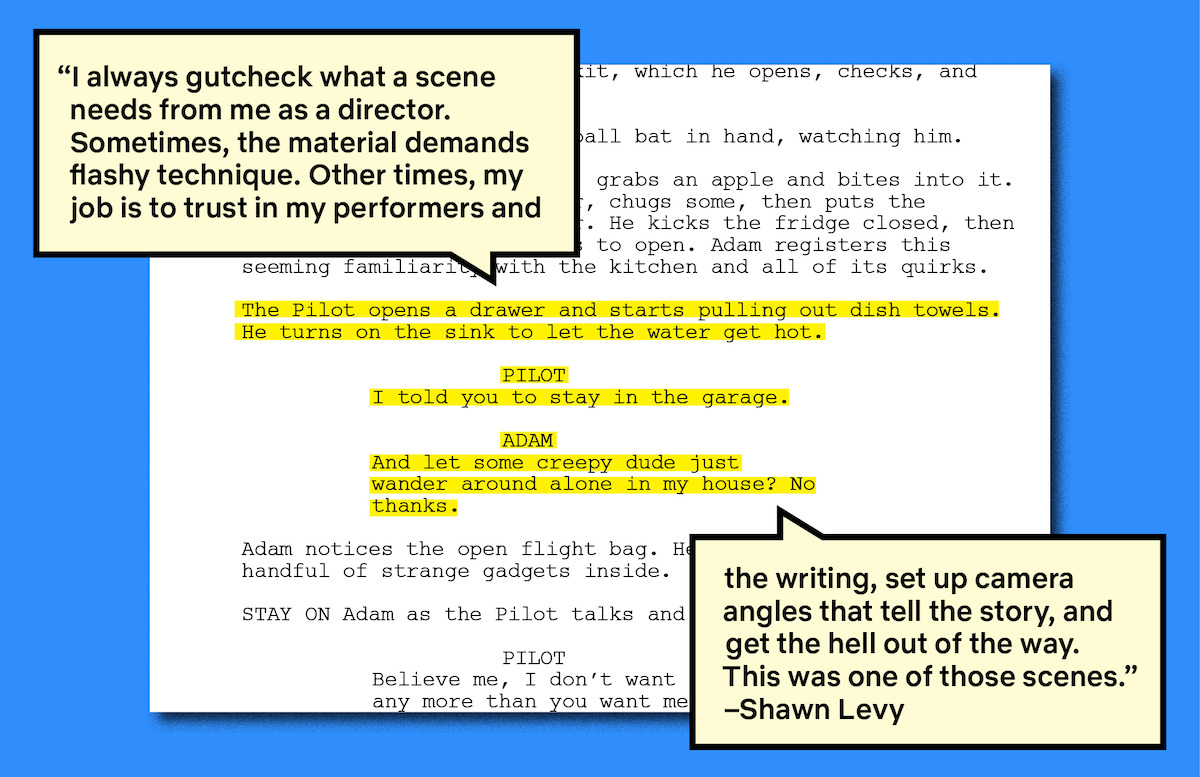
“I wanted this scene to be emblematic of the movie overall, which is to say a sci-fi premise but a movie that doesn’t play as sci-fi,” Levy tells Tudum. “It plays as humanist, warmhearted dramedy. I wanted this scene to be the slow revelation of the premise but to do that in a way that is ultimately funny and poignant as well.”
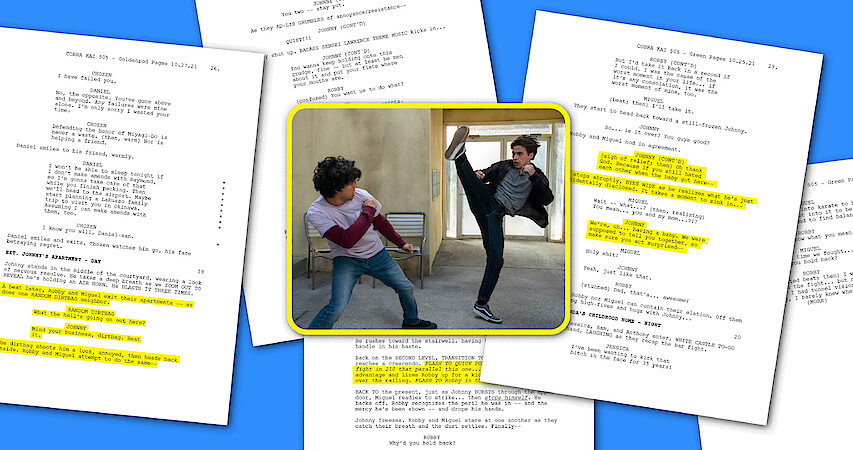
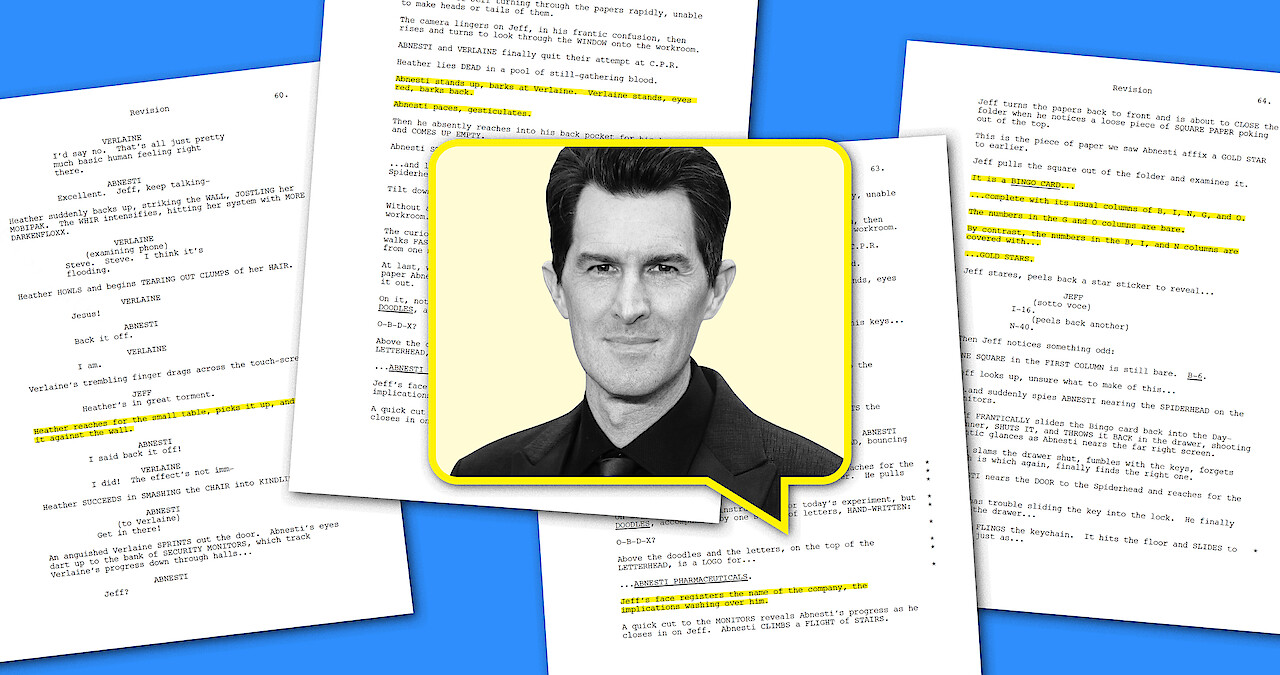
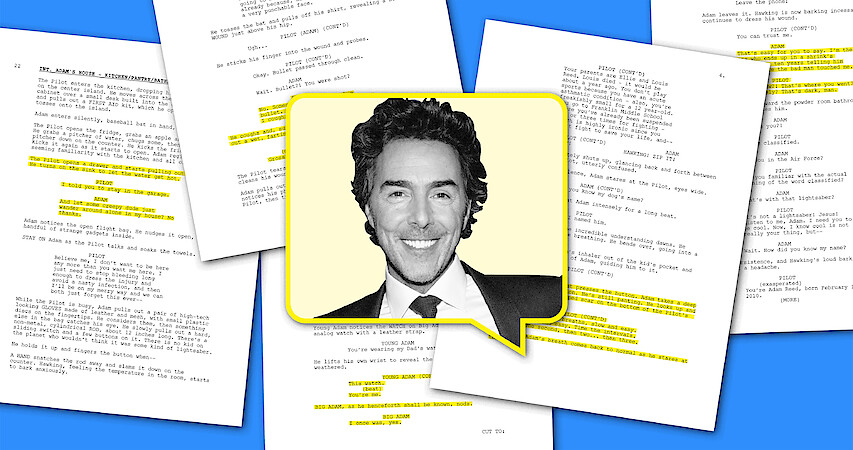
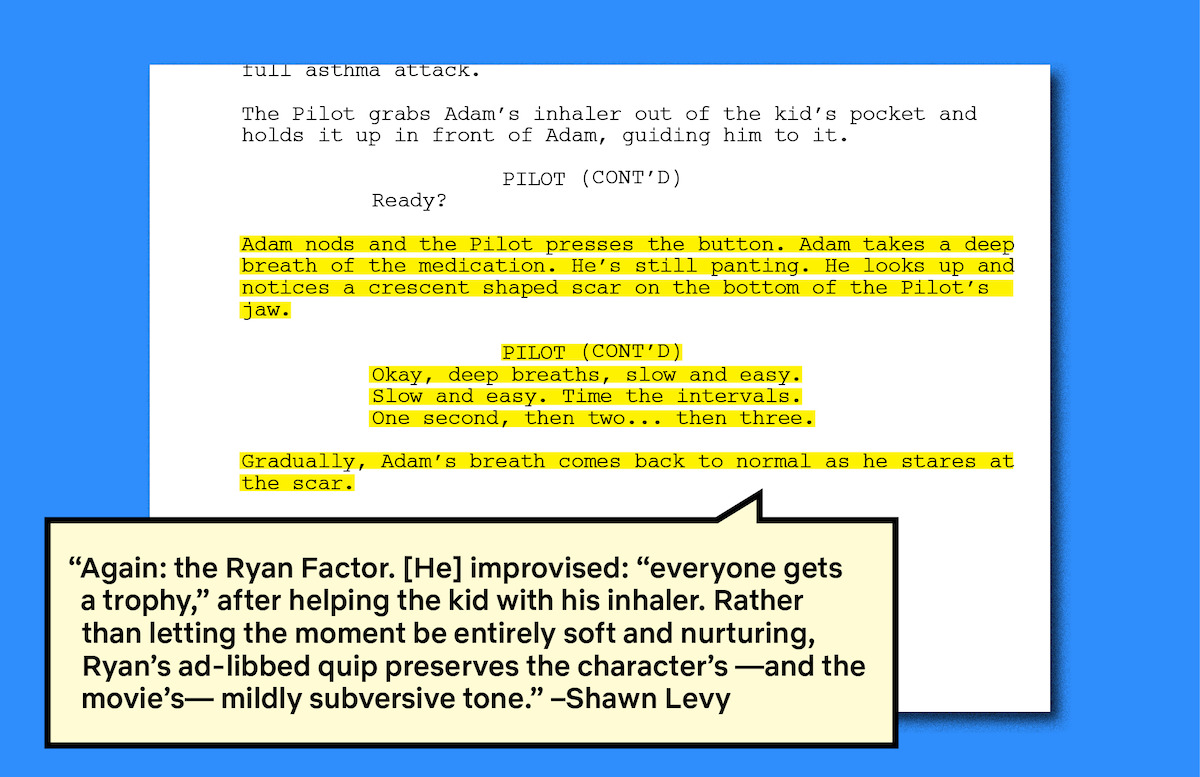
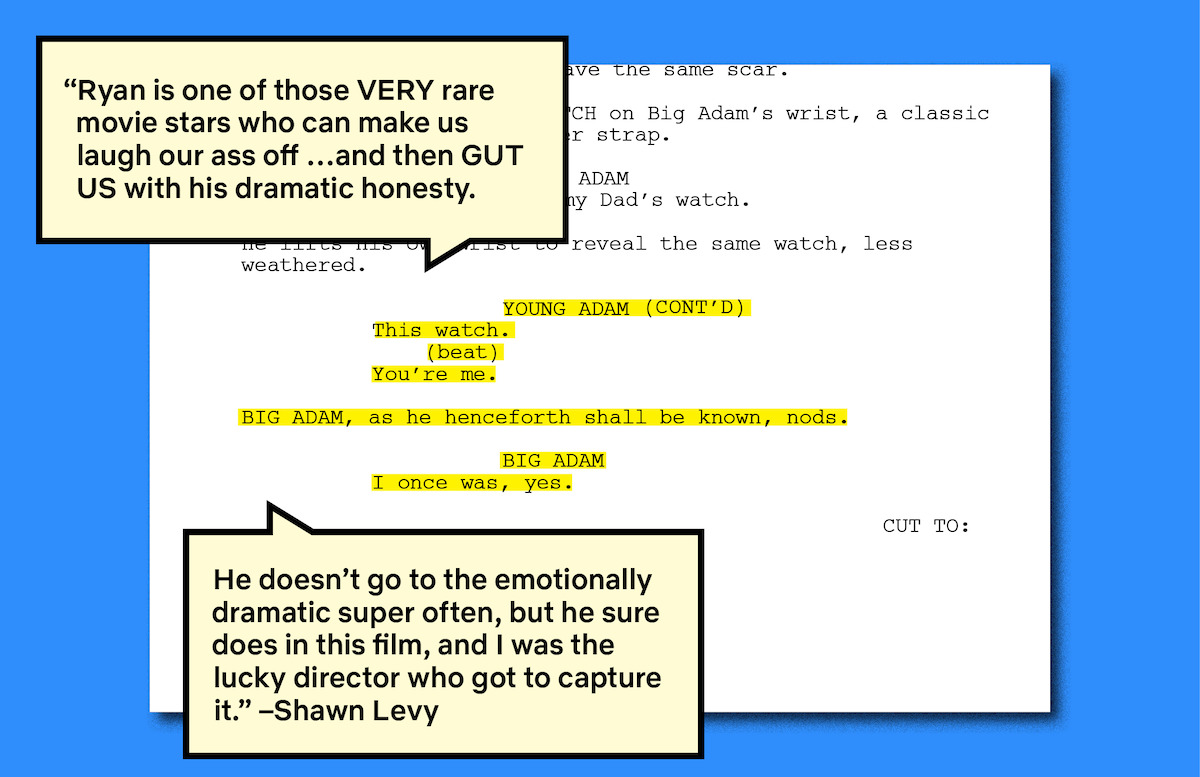
The director broke down the scene for us in the annotated script below:
Aside from setting the premise, this scene is the first time we see young Adam and adult Adam interact, which meant that finding a child actor who could withstand the scrutiny opposite Ryan Reynolds was crucial.
“They do a number of things in perfect sync,” he adds. “When they both say, ‘Hawking, zip it!”; when they both point towards the scar; when they both lift their wrists and point to Dad’s watch. We just told Walker, ‘You are a mirror. Whatever speed Ryan does, you match it precisely.’ And we didn’t have to tell him more than once. He took to it instantly.”
Nailing the tone was priority No. 1 for Levy, who joined Tropper and Reynolds in the latter’s upstate New York home for months-long discussions about how to balance the action with enough humor and emotional poignancy to make it resonate. “I wanted [this scene] to bristle with banter, and the idea that this is not going to be some touchy-feely comfort movie,” Levy says. “It’s going to be a guy who dislikes himself and, therefore, dislikes the kid version, too.”
On this mission, Reynolds was his secret weapon. “Ryan is the KING of the tiny bizarre idea that ends up making the movie cumulatively much more singular, funny and special,” Levy writes in his notes.
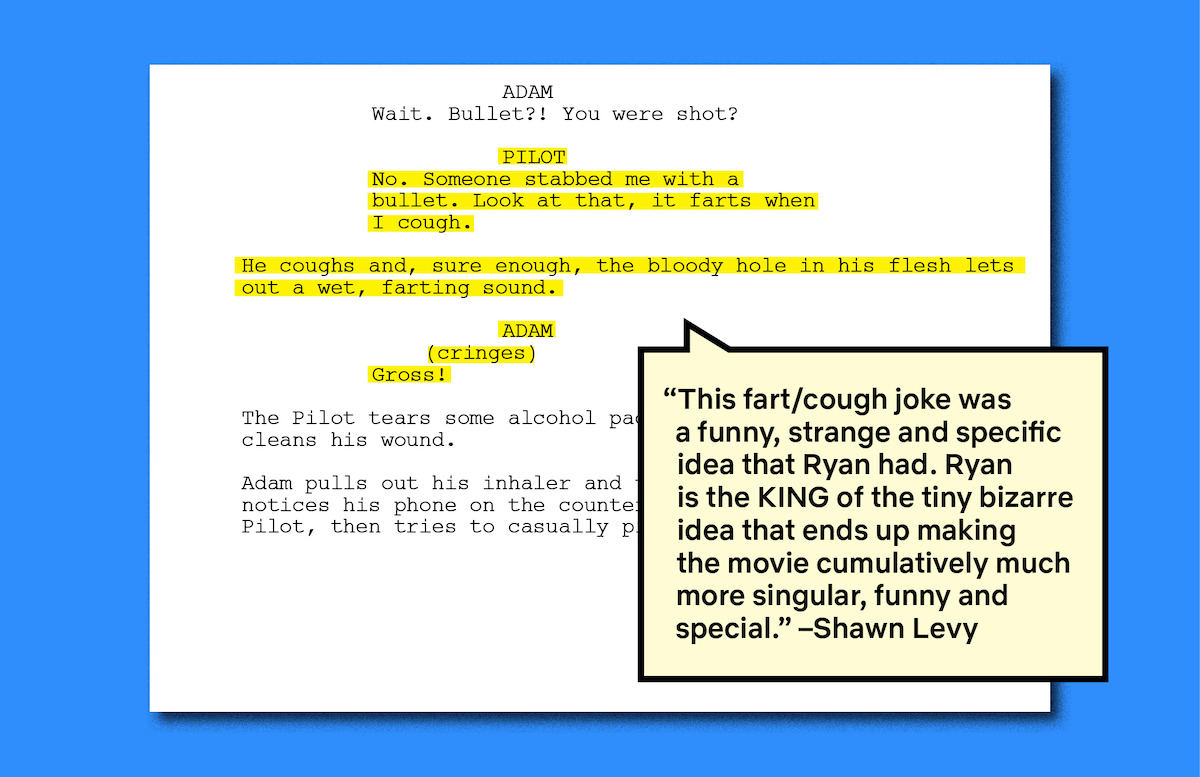
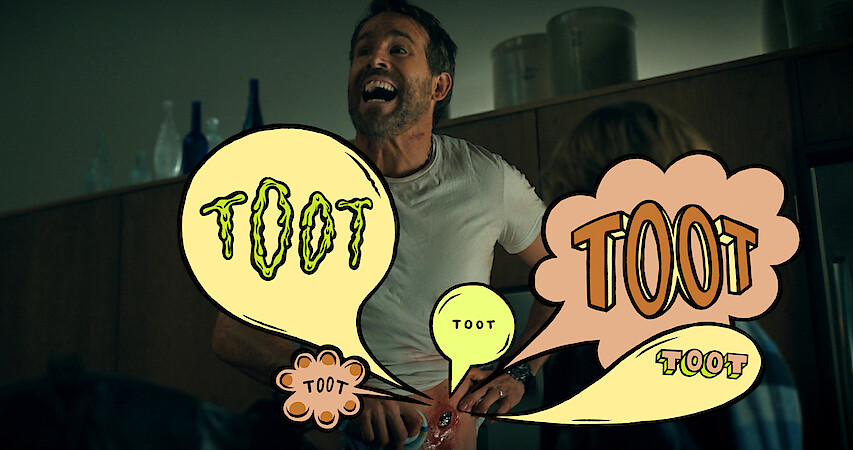
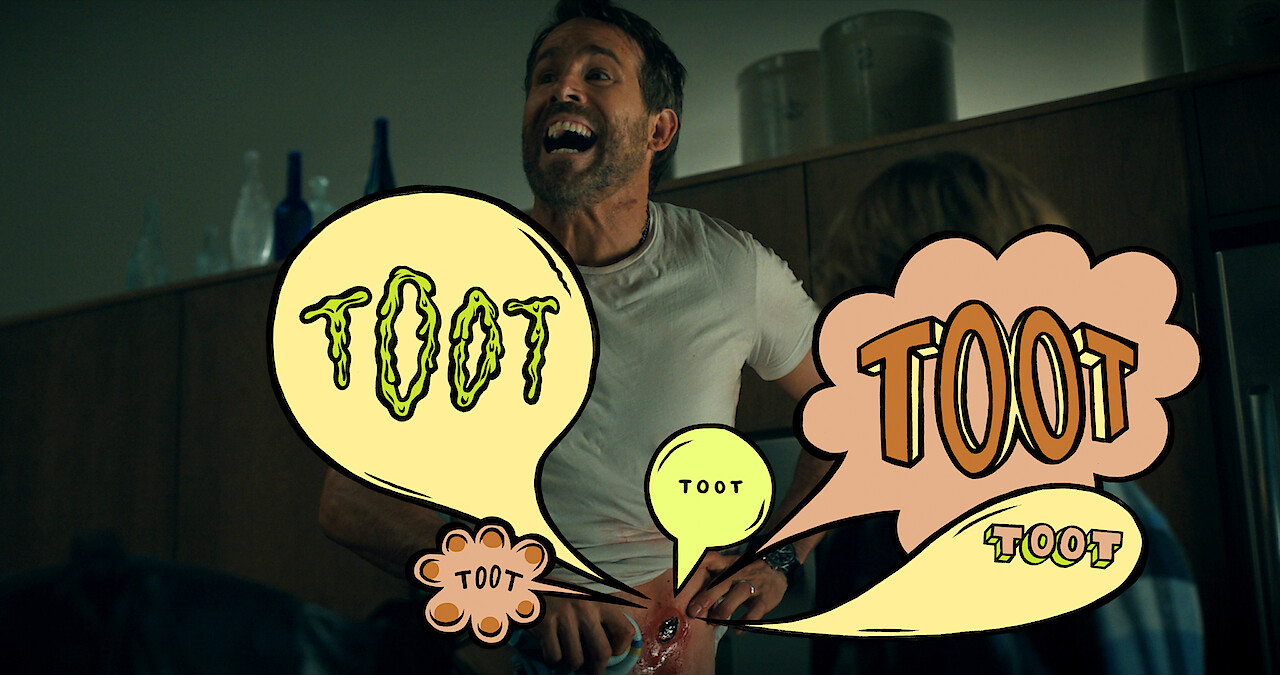
One of those ideas was to make adult Adam’s wound fart when he coughs. “I remember we were sitting in Ryan’s house in upstate New York, and he was like, ‘Is this a weird idea? What if every time I cough, it farts? And what if my character comments on that?’ ” Levy says.
Though this particular scene ended up nearly word-for-word on screen, some elements did shift as the cast rehearsed. One line in particular — “When I say ‘classified,’ what does your brain hear? Chocolate?” — came up as Reynolds and Scobell were running through lines.
“Sometimes, we would go with ad-libs on the day, but often, when you have the luxury of rehearsal time in advance of the shooting day, those ad-libs come up in rehearsal. ‘What does your brain hear? Chocolate?’ was something that Ryan said in our pre-rehearsal. And it was immediately bang-on as far as tone.”
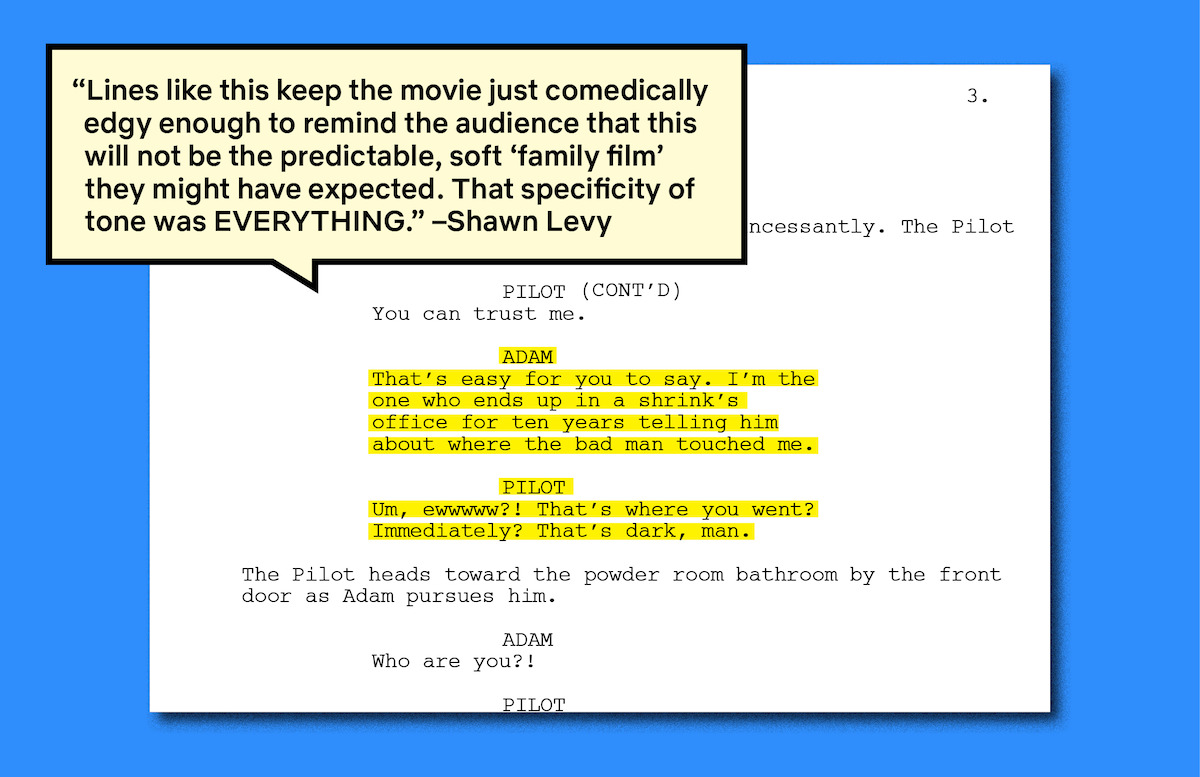
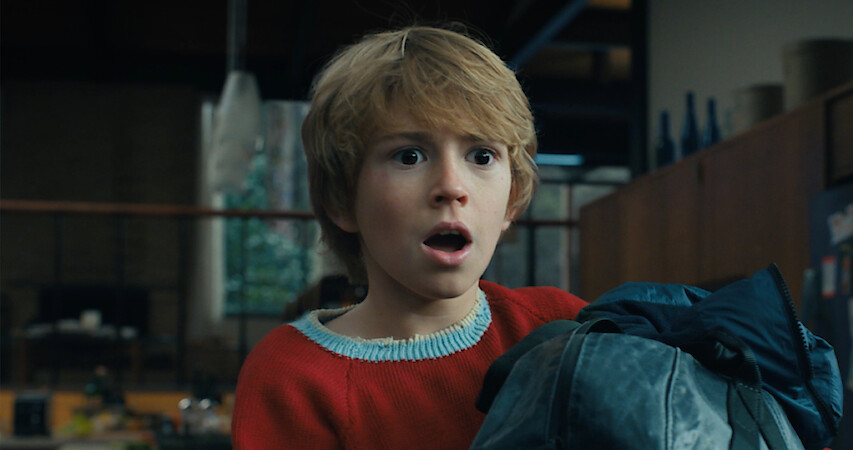
So prolific was Reynolds’ imagination that Levy had too much material to choose from. “We had a moment where Walker would slowly fall back in shock when he realizes this grown man is his grown self,” Levy says. “We did two versions, one where Ryan says, ‘Where are you going?’ and that’s the version in the movie. But there’s another one where Ryan says, ‘Because I named him,’ and we kept the kid’s shocked face, and he just says, ‘Boo!’ I had to pick one. Editing is filled with hard decisions.”
Other things, however, were set in stone from the very beginning. The name Adam, for example, was something Levy never thought of messing with. “It’s a weird thing because I’ve always viewed this movie as the spiritual descendant of my other movie, Real Steel, which, like this, [has a] sci-fi premise in a father-son redemption story and that character’s name was also Adam, but it was spelled differently [as Atom]. Adam also happens to be my middle name, so maybe kismet is working here somewhere.”
The name is also an allusion to the first man in the biblical story of Adam and Eve, which Levy sees as a crucial part of the story. “Every grown-up man needs to make peace with their father before they can be a functional, happy grown-up man themselves,” he says.
Adam’s dog, Hawking, whose presence is so central to young Adam’s discovery of adult Adam’s identity, was also an immovable element. “From the very first drafts, there was this use of the dog as the moment of reveal,” Levy writes in his notes on the script. “Whereas a more typical sci-fi adventure might have used exposition to declare the premise of the movie — that this is two different time versions of the same character — Tropper uses the shushing of the family dog as the moment of reveal.”
As for how he decided on the dog’s breed, Levy doesn’t even think twice: “Who can resist a golden retriever? And, most definitely, who the hell can resist a golden retriever puppy? Not me and not humanity.”