Script to Screen
Director Joseph Kosinski Breaks Down the Gnarliest Scene in ‘Spiderhead’
The terrifying moment an experiment goes wrong.
June 17, 2022
Warning: This article contains major spoilers.
The George Saunders short story “Escape from Spiderhead” introduces us to the world of Abnesti, an experimental pharmaceutical company that tests mood-altering drugs on a group of prisoners. At face value, the set-up is simple: We meet one subject in the middle of an experiment and visit one location via his single point of view. But the story is anything but straightforward. In the film adaptation, director Joseph Kosinski was tasked with establishing the knotty world of Abnesti’s prison before letting the audience into the minds of the various test subjects and how they feel when their bodies are flooded with passion or warmth or — in the case of Kosinski's most challenging scene — abject terror.
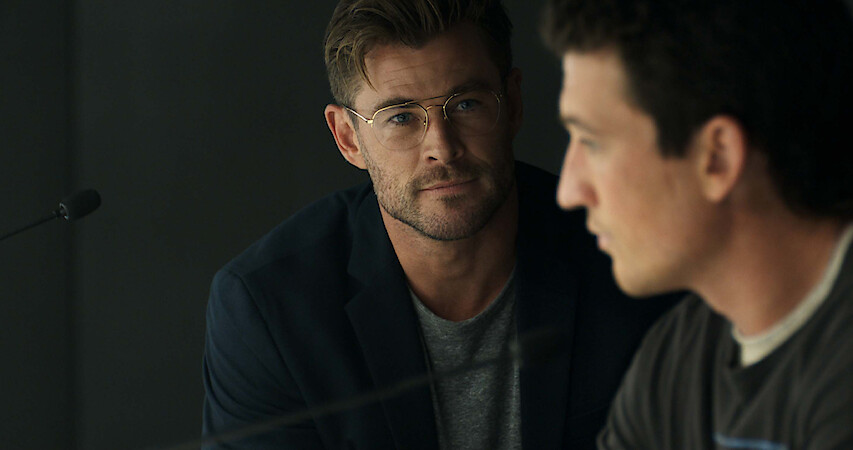
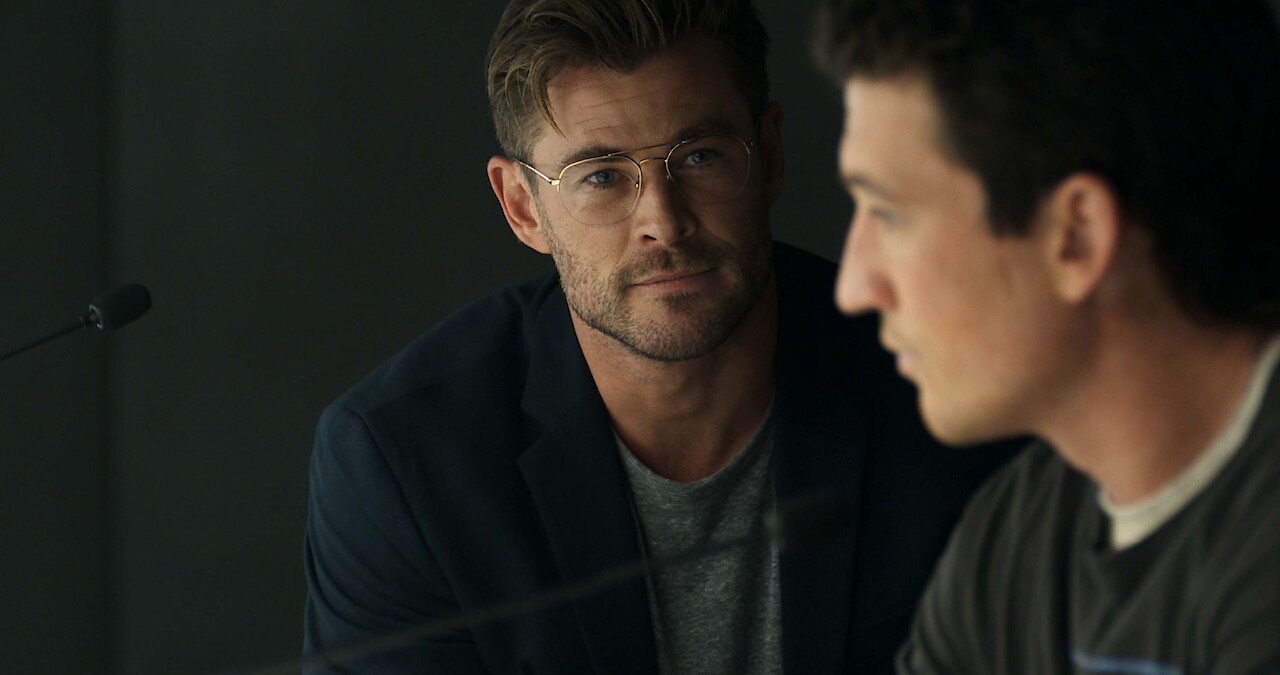
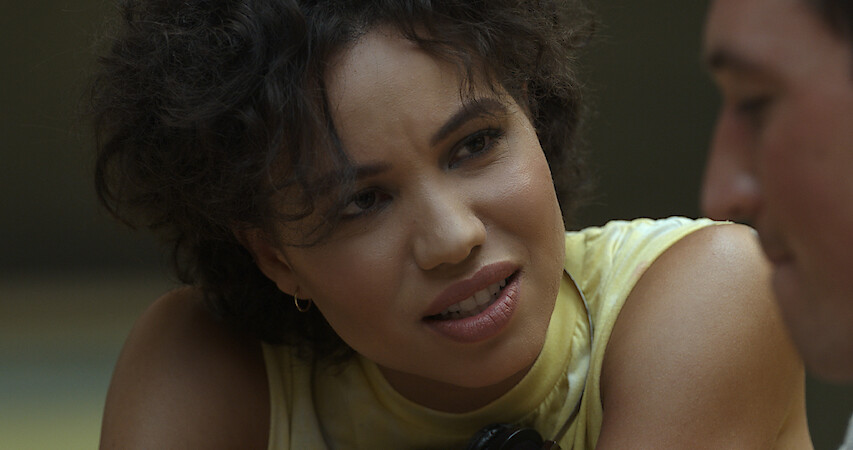
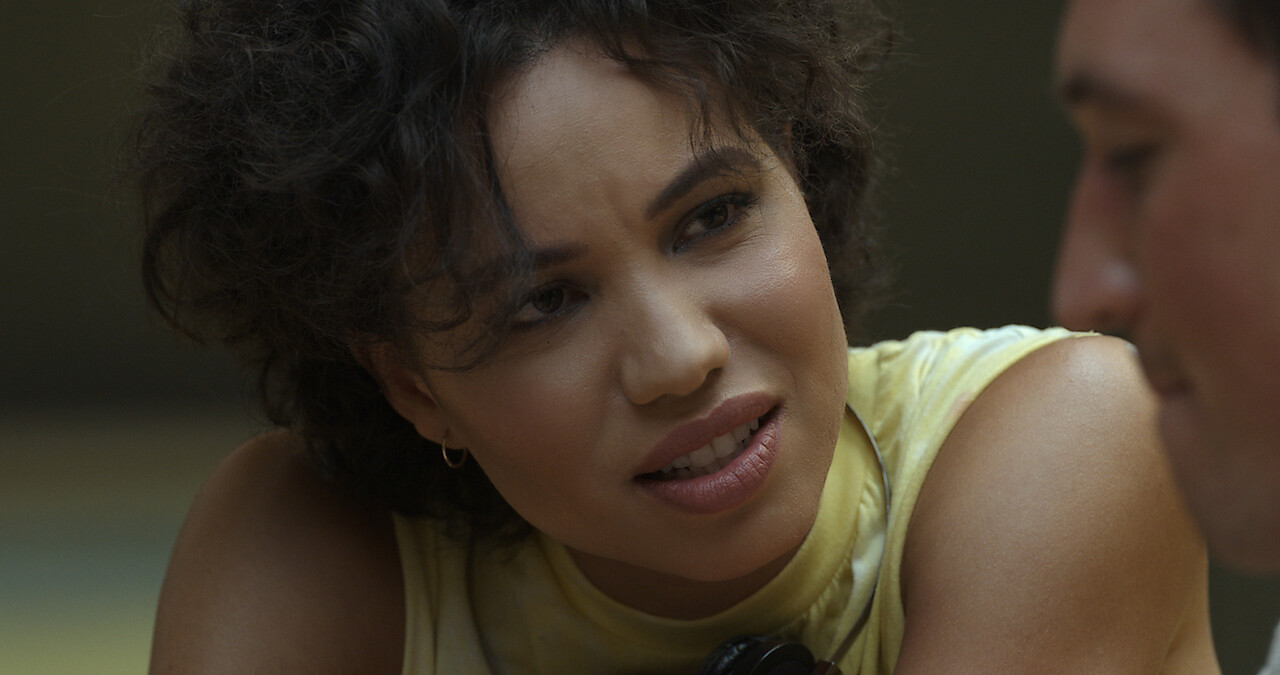
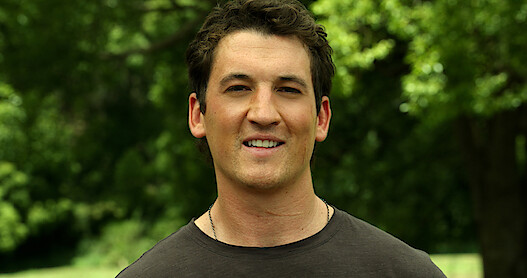
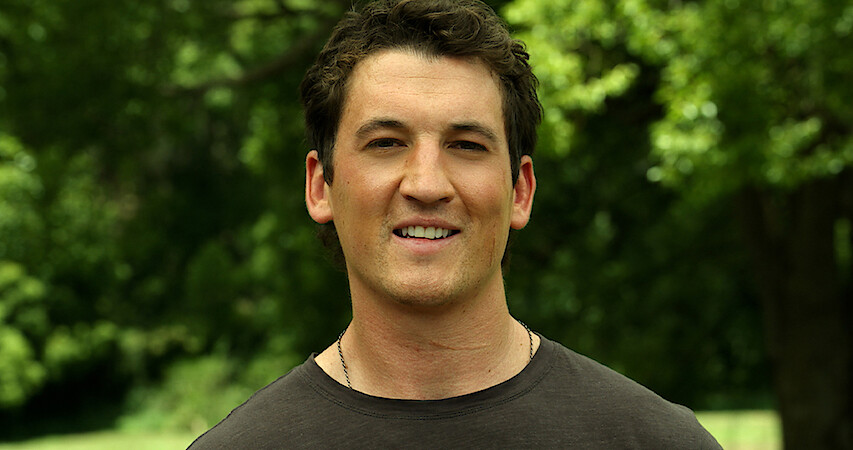
In the film, Chris Hemsworth plays Steve Abnesti, a genius scientist who’s developed a way to deliver pure emotion to his research subjects via a device called a MobiPak. But eventually, experimentee Jeff (Miles Teller) begins to question the purpose of those drugs, realizing there’s more to his situation than he previously thought. The clinching moment: when Jeff has to watch as Heather (Tess Haubrich), a former inmate with whom he had a drug-induced intimate experience, is flooded with Darkenfloxx, a drug that Saunders describes as “the worst you have ever felt, times ten. That does not even come close to how bad you feel on Darkenfloxx.”
Abnesti is trying to determine if having previously felt passion for one another will affect Jeff’s willingness to subject Heather to Darkenfloxx. Jeff, from experience, knows how terrible she will feel and refuses. But Abnesti forces him to agree, and it takes a split second for Heather to immediately begin drowning in her worst, darkest thoughts. Then her MobiPak breaks, flooding her with a critically dangerous dose, which causes her to kill herself.
“I knew the Heather-Darkenfloxx scene was going to be the most complex and one of the most important scenes in the film,” Kosinski tells Tudum. “The amount of information that we have to give the audience in that scene, [while creating] a very tense situation, was going to be very challenging.”
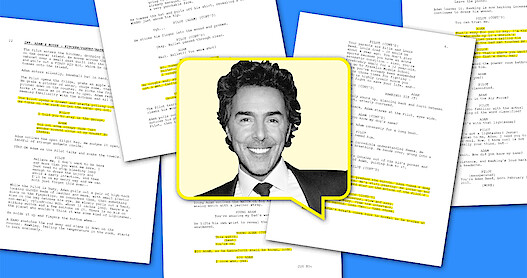
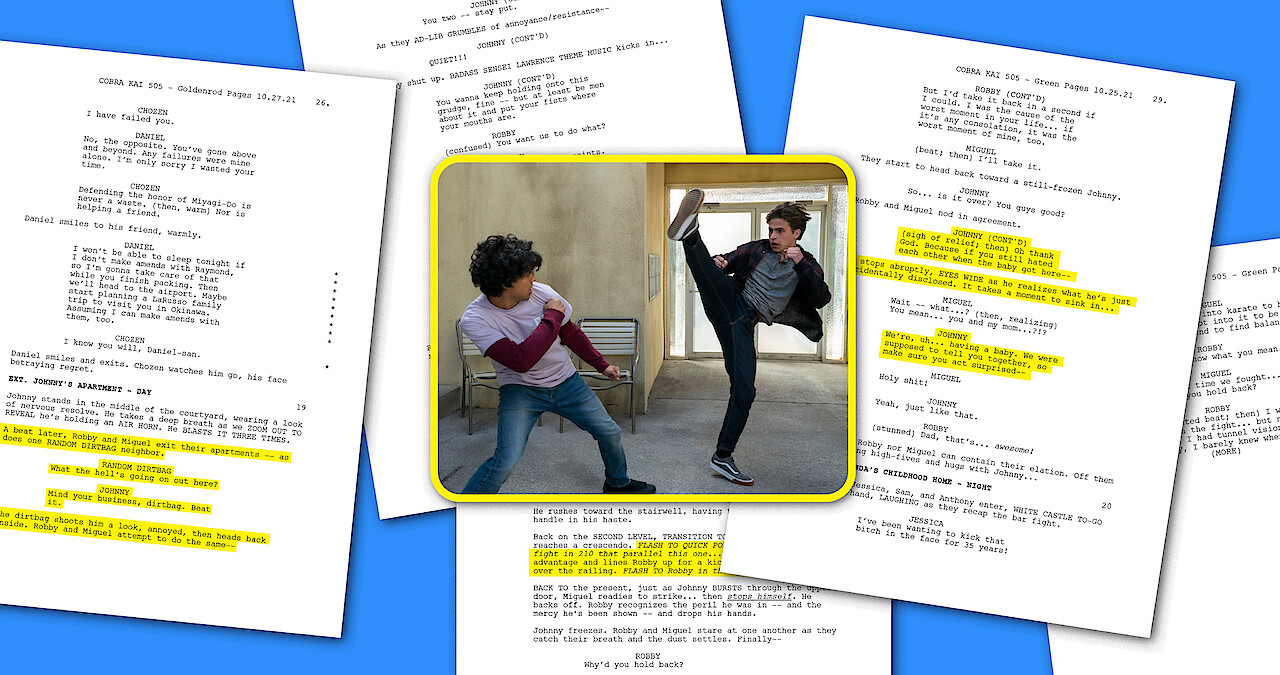
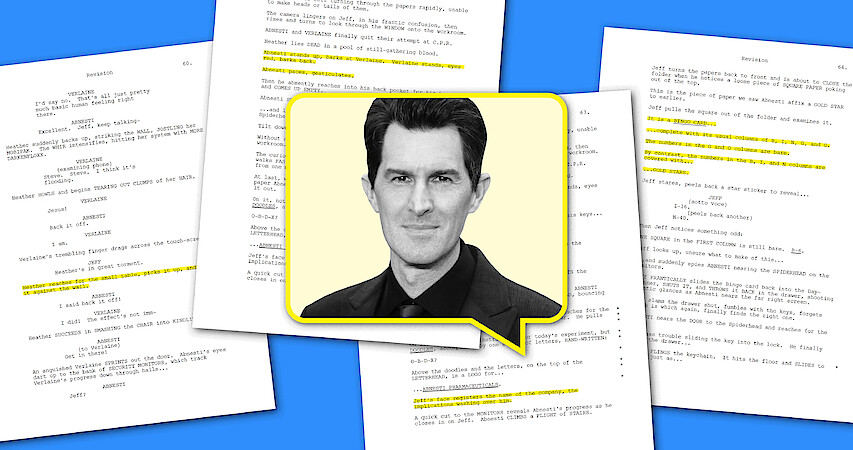
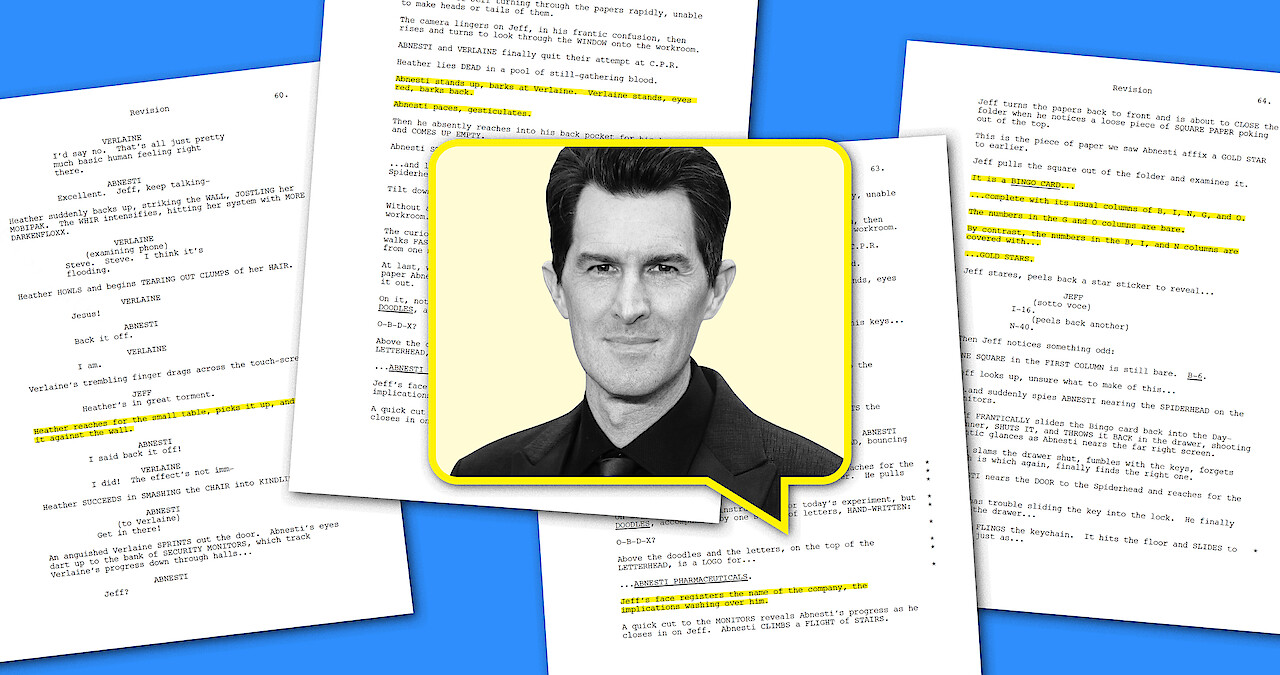
The director broke down the scene for us in the annotated script below:
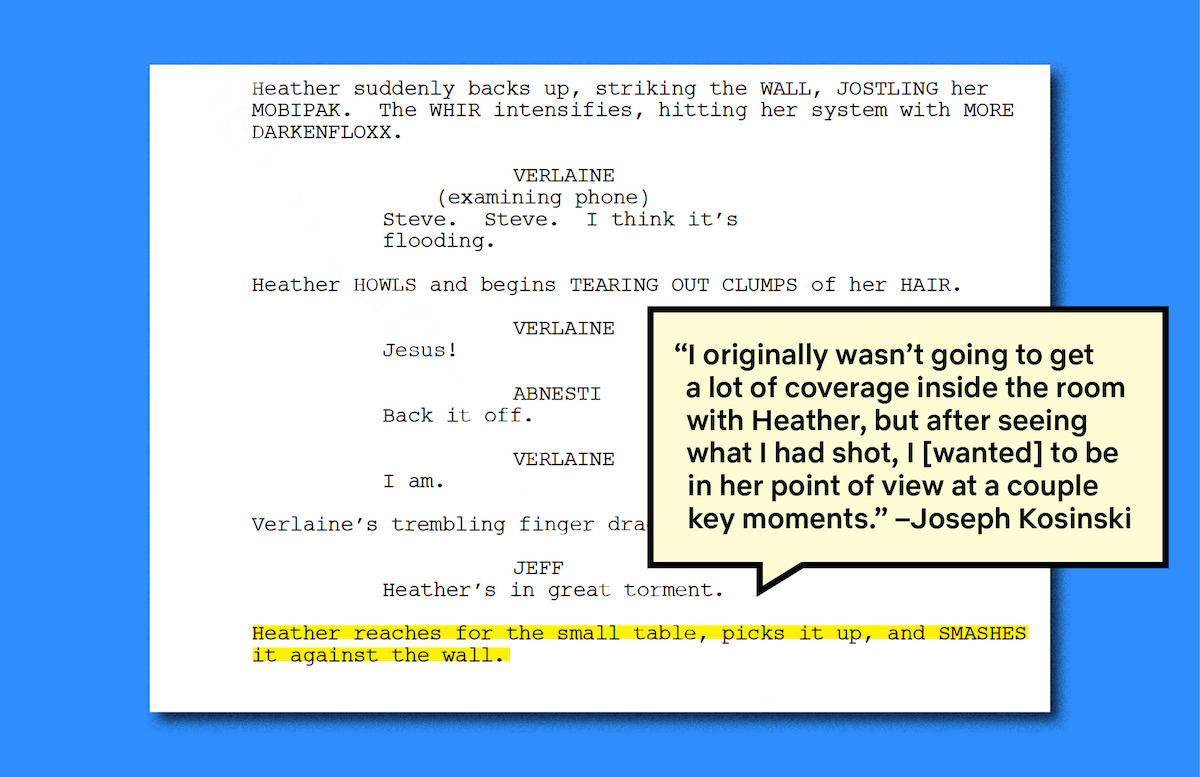
Kosinski’s process started with storyboarding the entire scene, mapping out the angles he’d capture both with Hemsworth, who was only available for the first half of the shoot, and then, a few weeks later, with Teller, Haubrich and Mark Paguio (Abnesti’s assistant, Mark Verlaine).
“Having a few weeks away to look at the coverage and then go back allowed me to reconceive how much was going to happen on either side of the glass wall.”
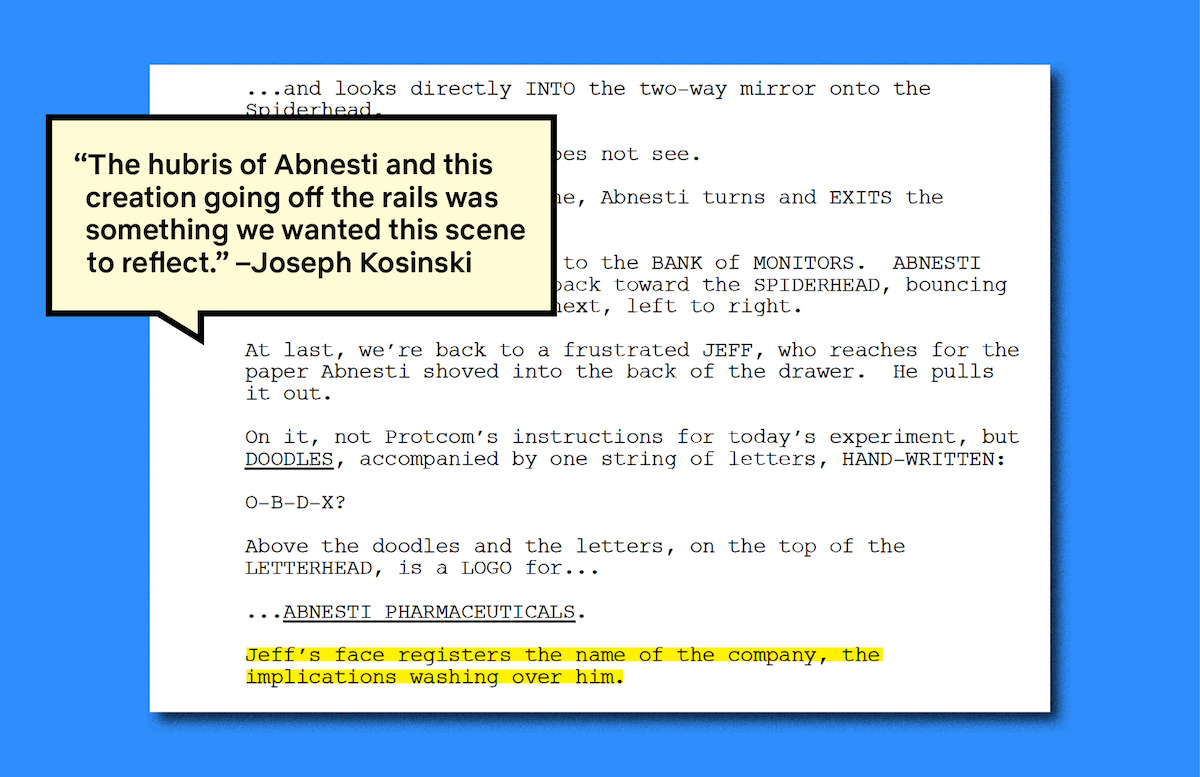
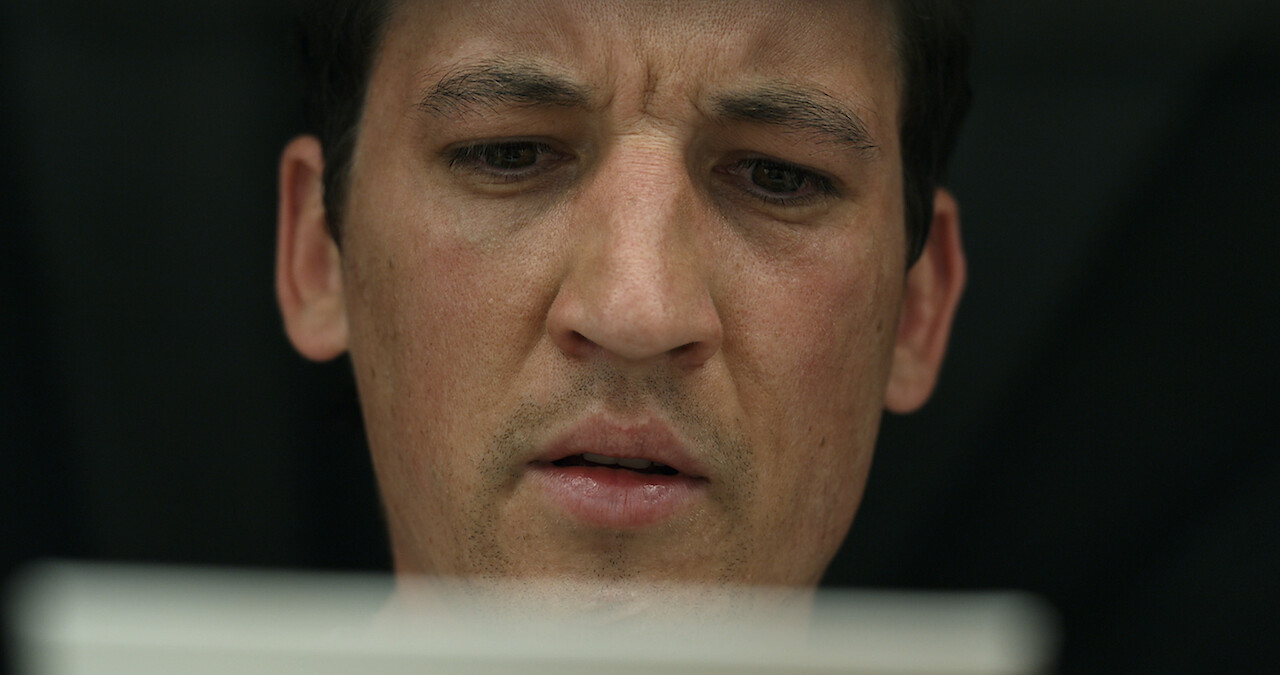
The scene takes place mainly from Jeff’s point of view because, as Kosinski describes it, “he has been pushed by Abnesti to go along with these drug trials up to this point now where something really terrible has happened. This is the first time where you see Jeff take control and try to figure out what the hell's going on in here.”
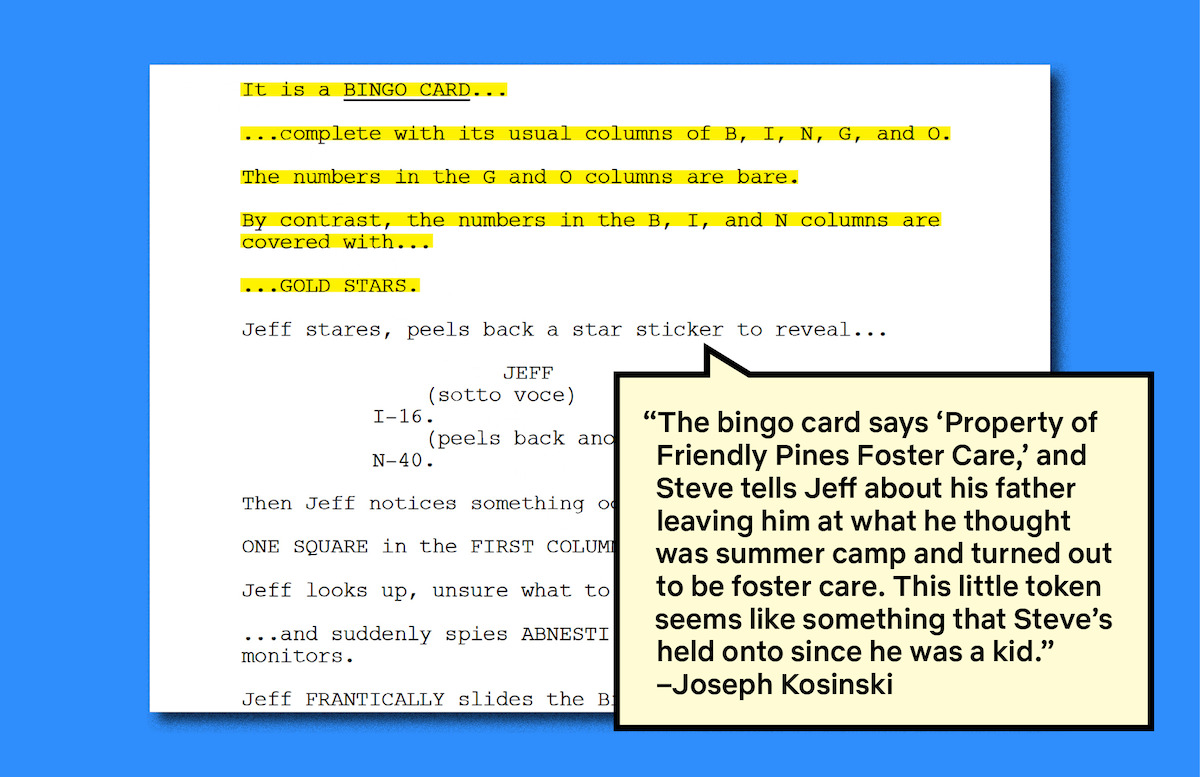
While Abnesti and Verlaine rush into the experiment room to stop Heather from injuring herself further, Jeff seizes the opportunity to rummage through Abnesti’s desk, whereupon he realizes that the person he thought was merely running the experiment is, in fact, the mastermind of the whole operation. He also comes across a bingo card, which Kosinski wanted as an Easter egg for viewers who’d been paying close attention and could connect it to Abnesti’s backstory.
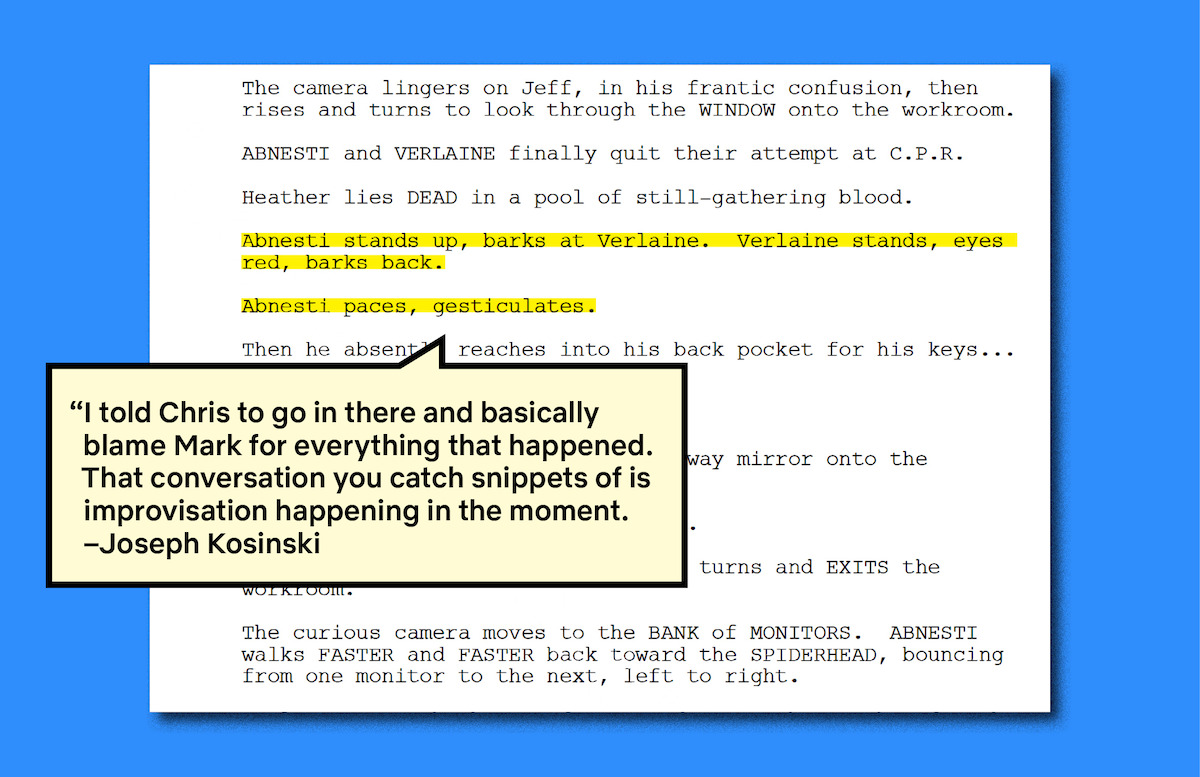
While Jeff snoops, Abnesti and Verlaine try and fail to resuscitate Heather. Abnesti reacts by lashing out at Verlaine: “It felt like that relationship between Steve and Mark is an abusive one. He’s treating Mark in a terrible way and blaming him for mistakes he made,” adds the director, who also reveals that their argument was improvised on the day of shooting.
Despite the insight into Heather and Abnesti’s mindsets during the scene, Jeff’s perspective is still the most important. “For a guy who’s already feeling guilty about his past,” says Kosinski, “this event is heaping a whole other [trauma] on top of that. So it should be a very emotional scene, not just for Heather in terms of what’s happening, but for Jeff in that he’s feeling responsible for what’s happening both during the scene and then after it.”
Additional reporting by Max Cea.