
Explainer
Could We Actually Time Travel Like Ryan Reynolds in ‘The Adam Project’?
Yes, says one expert, but first you’ll need some pretty deep pockets.
March 12, 2022
In the first 10 seconds of The Adam Project, we see an epigraph: “Time travel exists. You just don’t know it yet.”
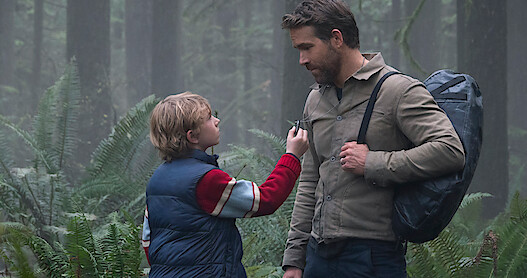
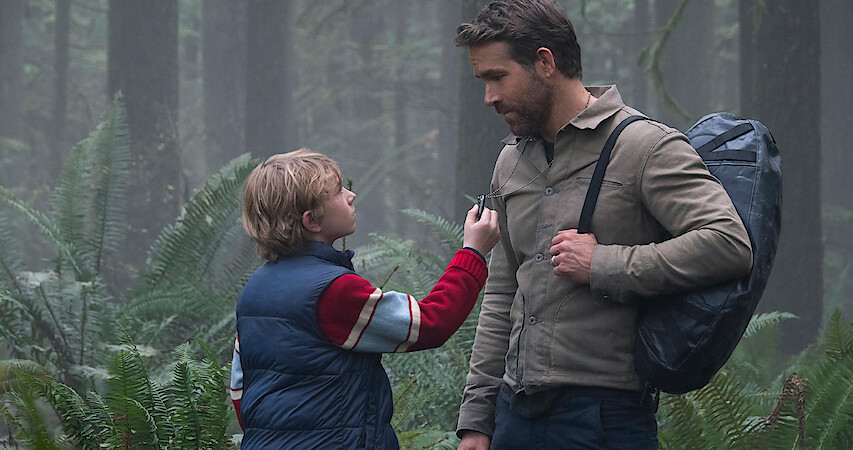
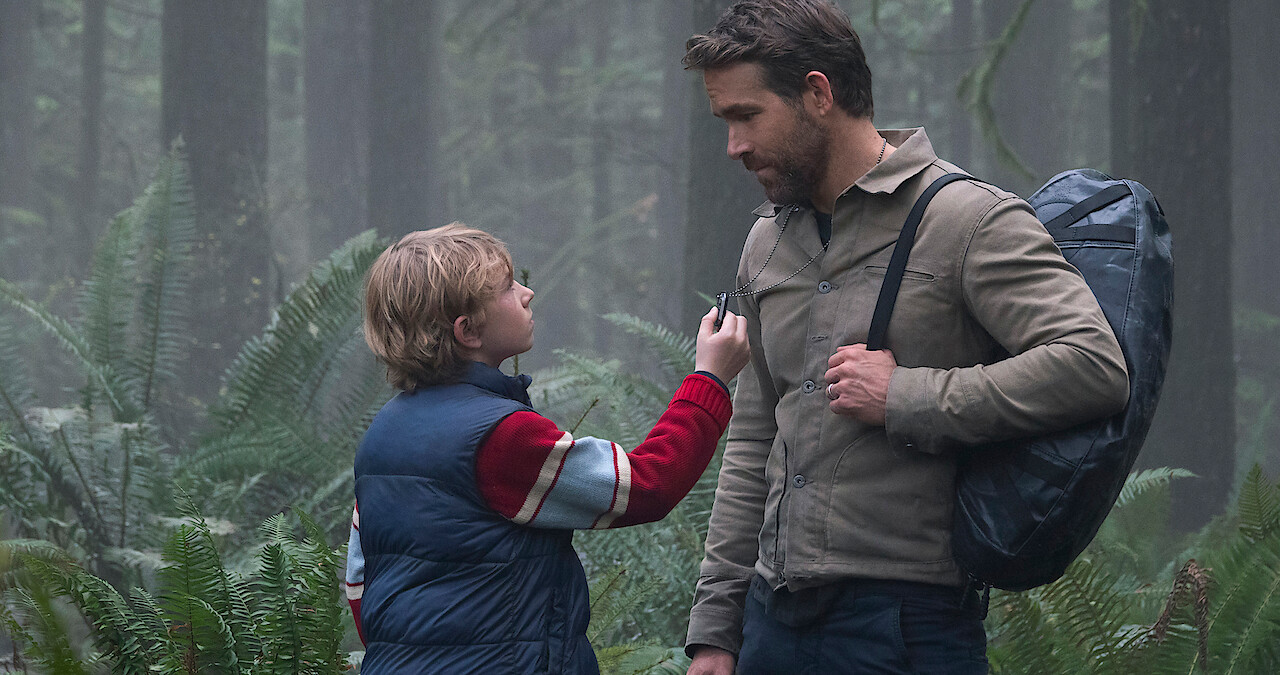
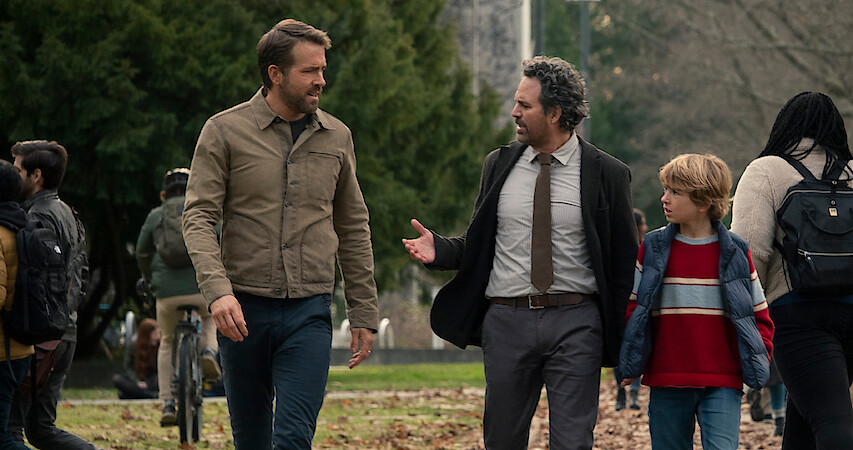
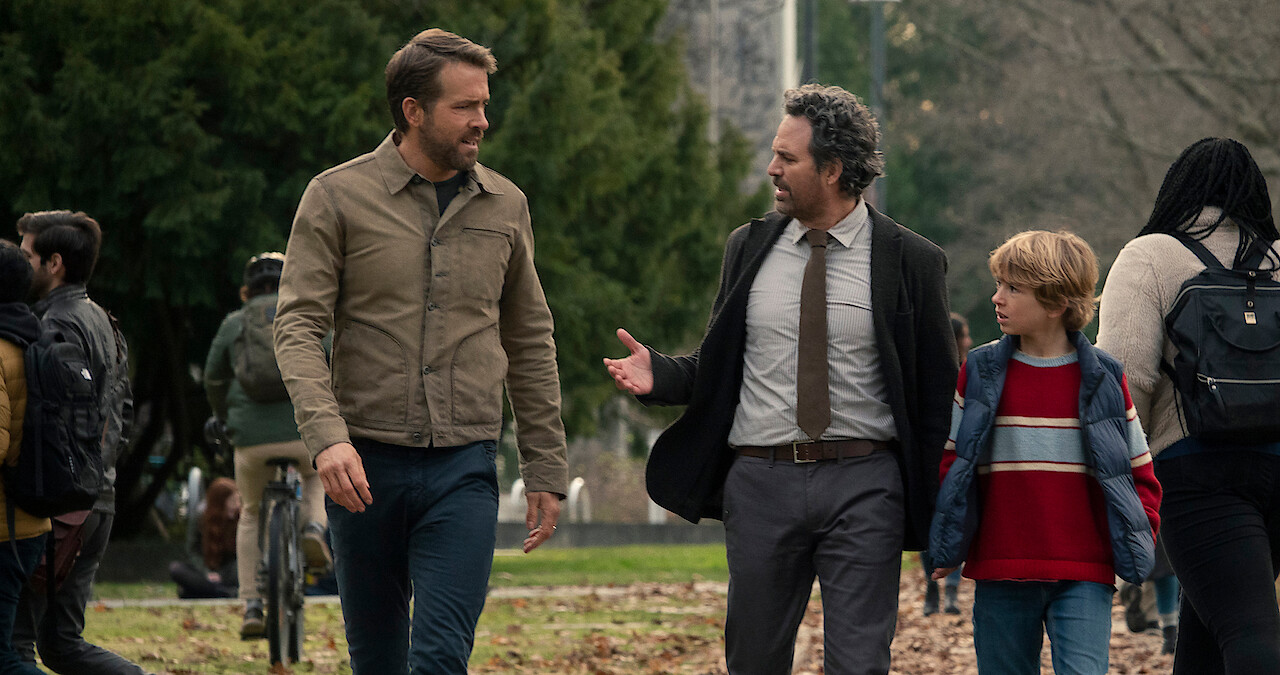
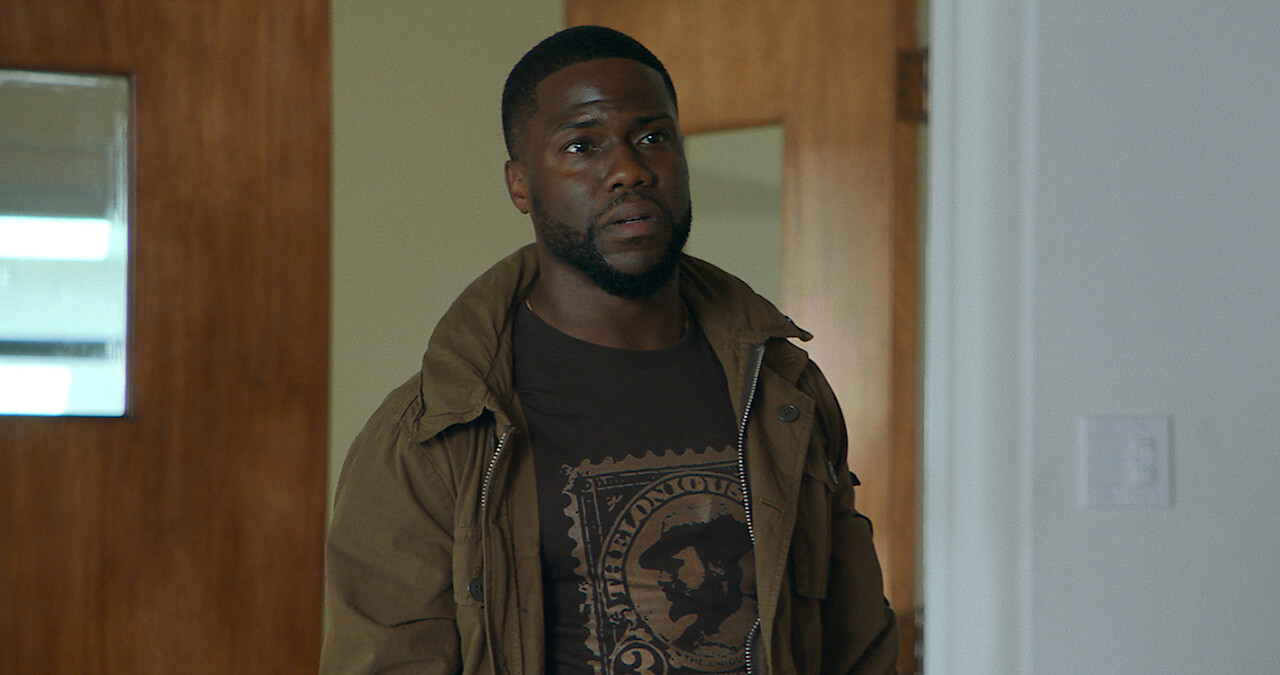
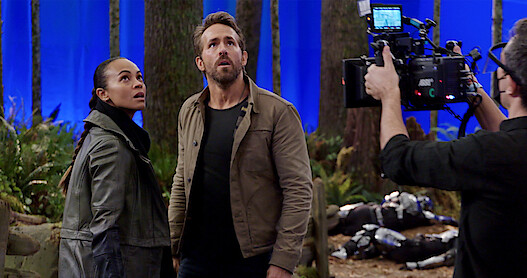
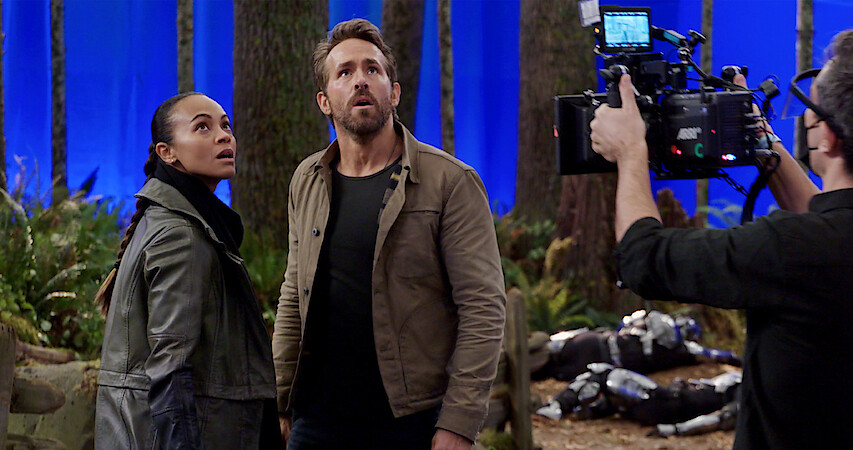
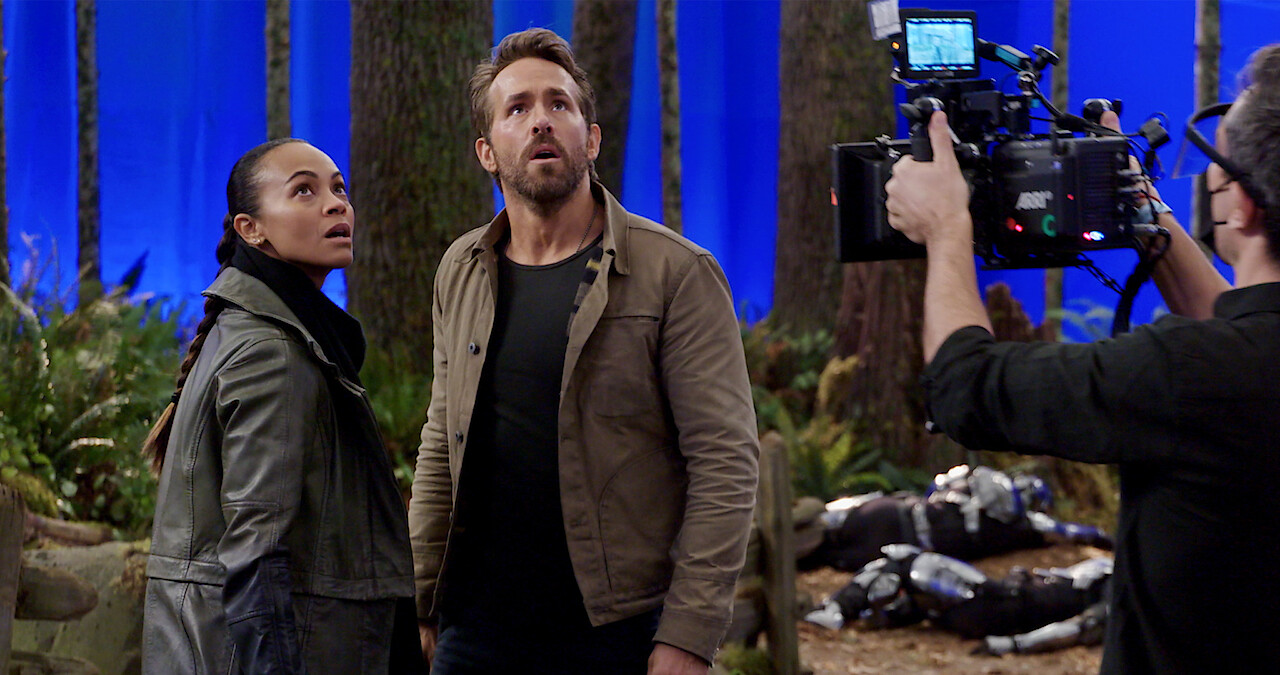
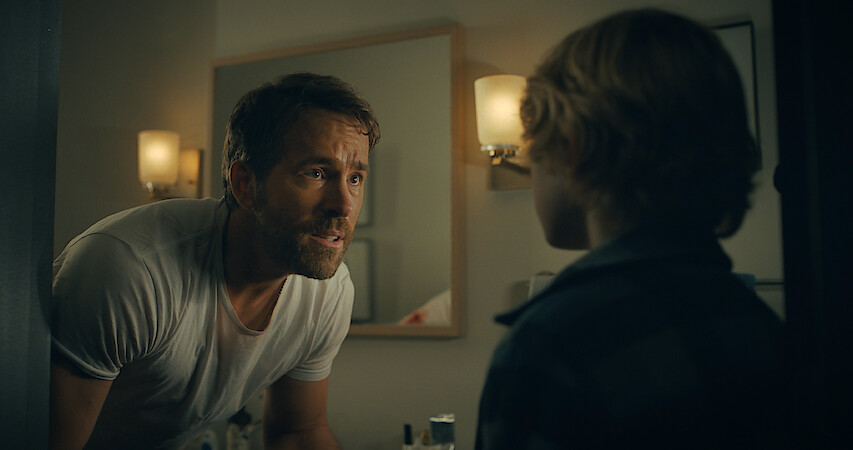
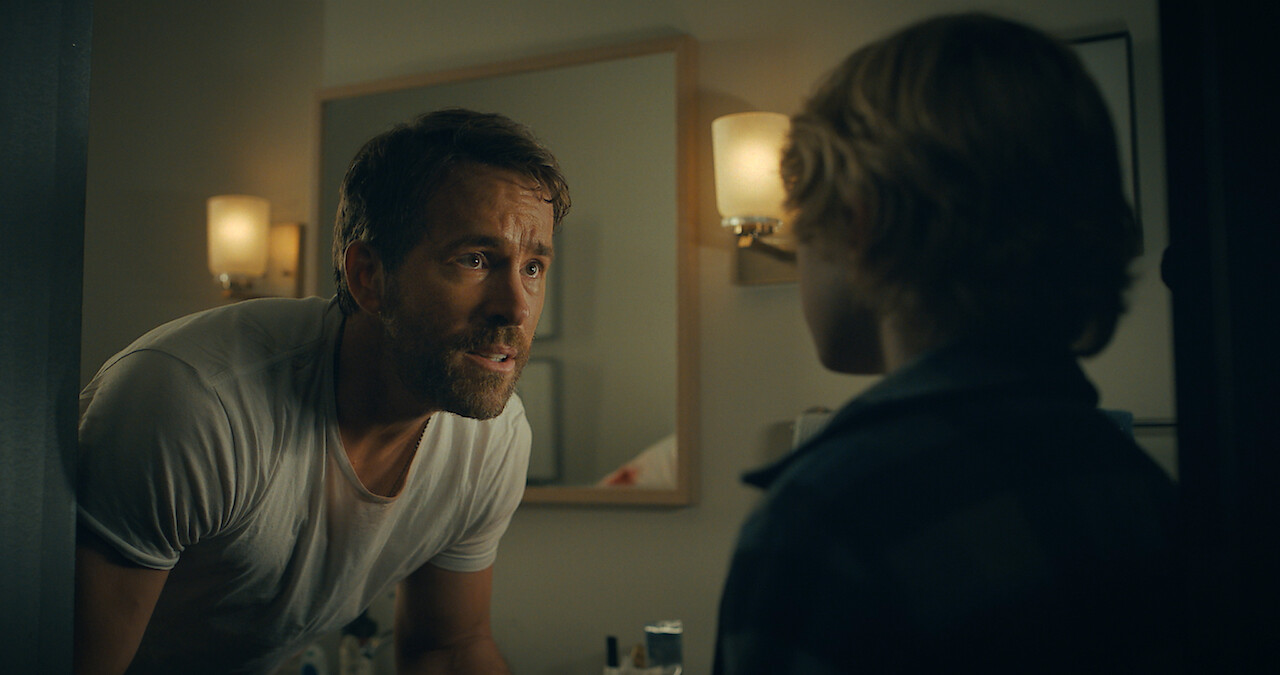
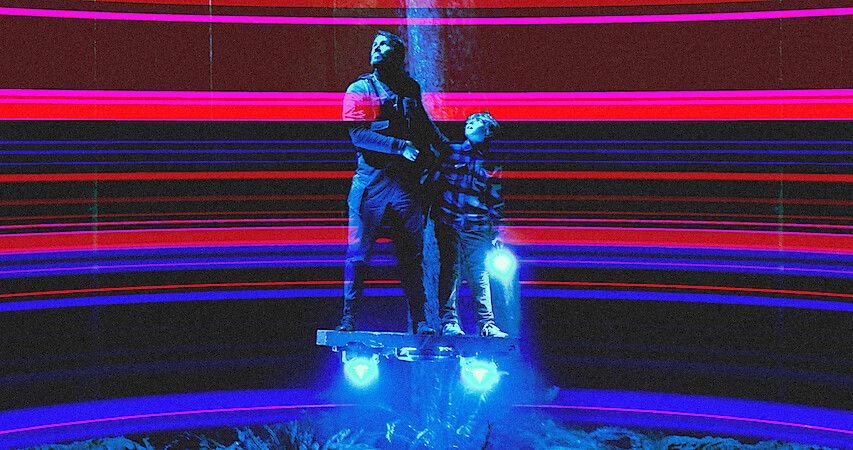
Netflix’s new sci-fi adventure follows Adam Reed (Ryan Reynolds), a fighter pilot from the year 2050 who travels back in time to link up with his younger self (Walker Scobell) and his father (Mark Ruffalo) to try to save the world. The thing is, some people do know that time travel exists, like Italian theoretical physicist and New York Times best-selling writer Carlo Rovelli, author of Seven Brief Lessons on Physics and The Order of Time. In fact, Rovelli believes that our inability to time travel has less to do with physics and more to do with an issue most of us face occasionally in our lifetimes: lack of budget.
“To build a starship close to a black hole is an issue of money,” Rovelli tells Tudum. “There is no fundamental physics we don’t understand in this.”
In other words, time travel could all be so simple if only we had the cash. Of course, understanding quantum theory helps, too, and that’s a bit more complicated. Most of us are happy to lose ourselves in a more simplified, fictionalized idea of what time travel looks like instead. In time-travel movies, the theories are proven, the complicated formulas are chalked out and the starships are fully funded — all we have to do is hop along for the ride.
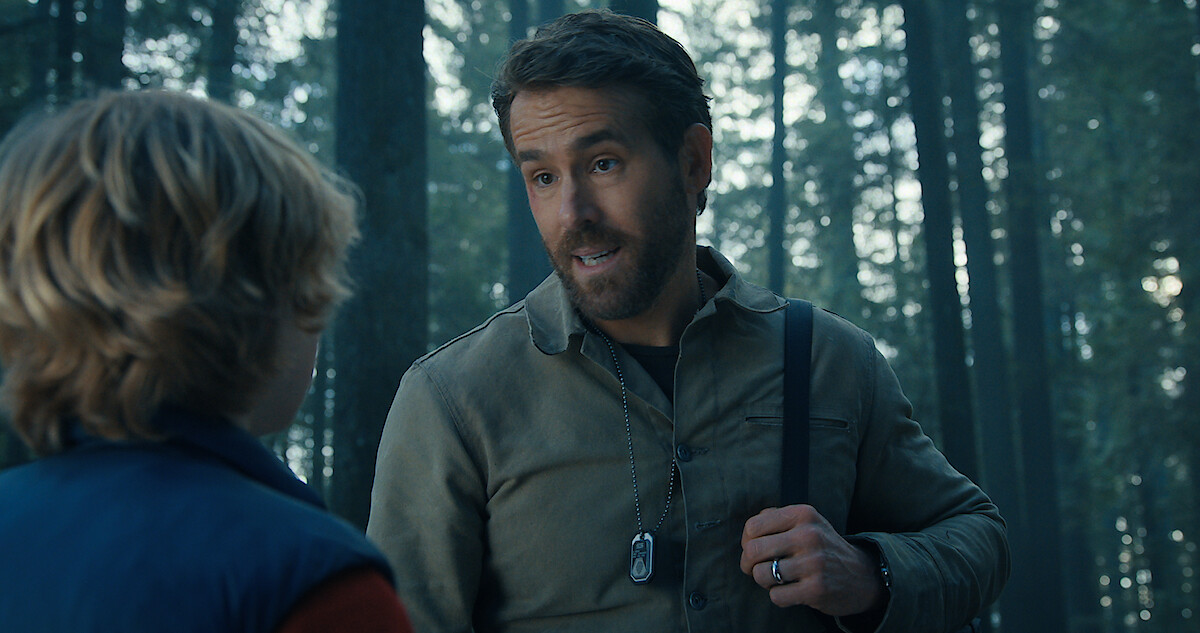
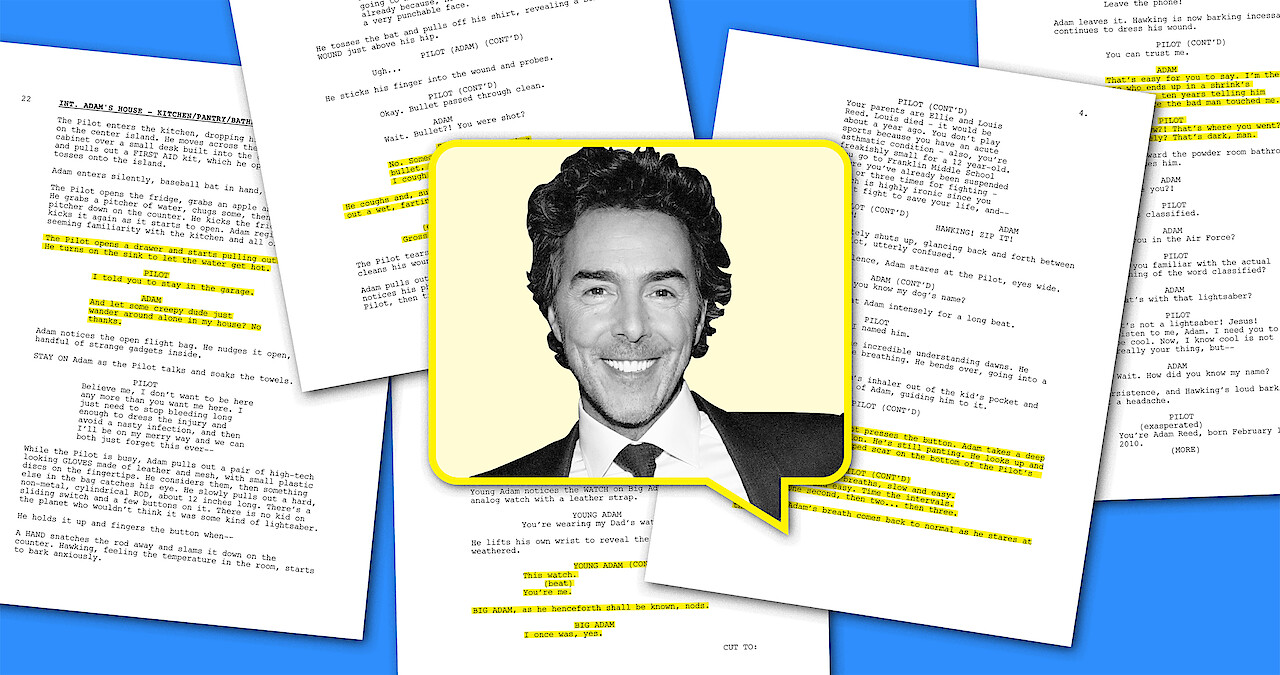
In The Adam Project, Reynolds’ character is able to jump timelines like he’s running the most stressful errands imaginable, hanging with his former selves in the past while receiving death threats from the future. Director and producer Shawn Levy tells Tudum he wanted to keep the story “close to the viewer genre, rather than far-fetched sci-fi.” The film plays with non-scientifically based concepts like fixed time — otherwise known as the time you’re “supposed” to be in, which you’re ultimately striving to get back to. Rovelli says this is pure Hollywood, but other aspects of the movie feel somewhat close to what time travel would actually be like.
“Here’s the recipe,” Rovelli says. “To time travel to the distant future, there are two options. One is to build a spaceship, travel close to a very heavy object — for instance, a black hole (just near, not inside). Wait a little bit there and come back. If you can get sufficiently close to the black hole, when you come out you can get as far in the future as you wish.”
Second option, he says, “If you don’t have the money to build a starship, is to build something that travels very fast — I mean very, very fast. You get in, you travel superfast for a short while (short for you) and you can get as far as you want into the future.”
Why is Rovelli so sure? He references one of the major ideas in physics: the theory of special relativity. First proposed by Albert Einstein, the theory of special relativity postulates that if you traveled at the speed of light — aka very, very, very fast — time would slow down for you, while those back on Earth experience time at a normal rate. Once you returned to Earth, more time would have transpired than what you, the traveler, experienced, ultimately putting you in the future. Of course, the theory of special relativity doesn’t explain what it would take to travel to the past, like the starships thrown in reverse in The Adam Project.
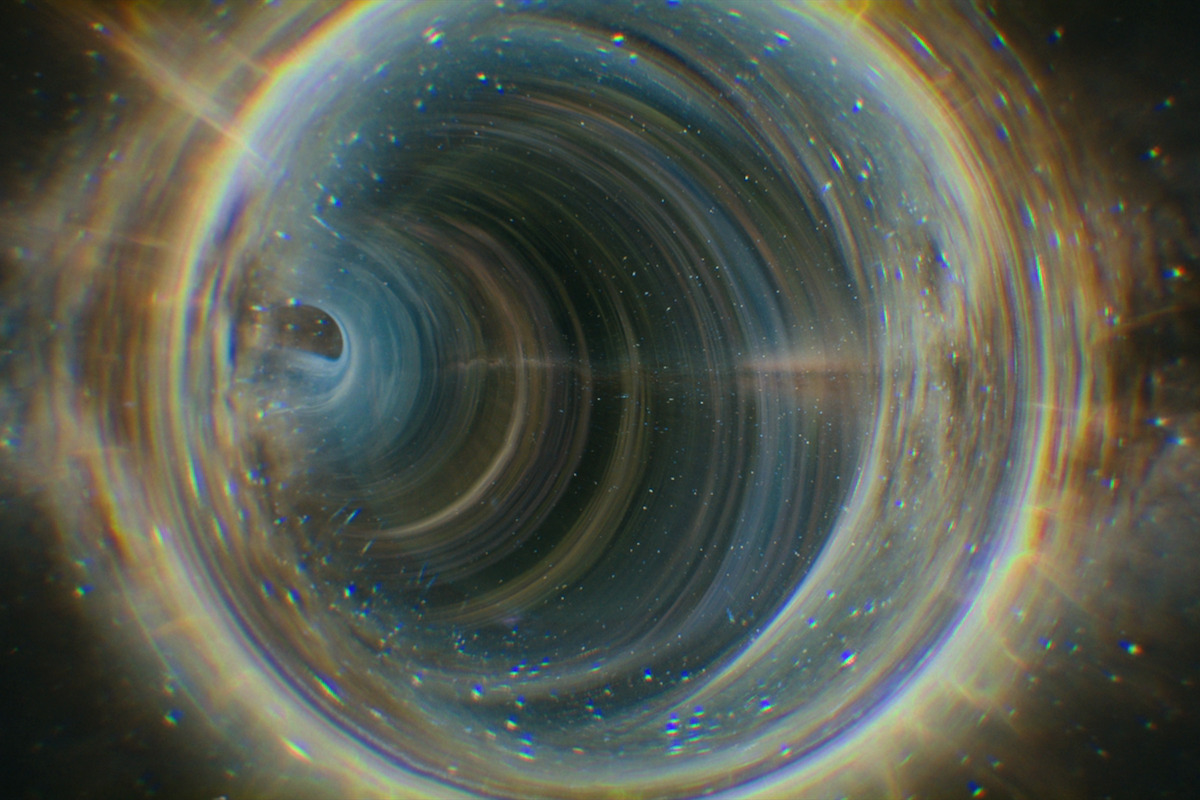
“To time travel to the past is much harder,” Rovelli says. “Like reconstructing an egg. Essentially, you would need a device that can measure any minute position of every molecule around you and compute superfast the exact movements of each molecule. I don’t think we’ll get to that.”
No matter the improbability of traveling backward through time (or forward, for that matter), The Adam Project raises interesting ideas about how time travel affects memories. For example, Adam doesn’t recall traveling back in time to meet his former self, nor does his father have any inkling of his fate when he’s visited by his son from the future. Without the ability to time travel, Rovelli says it’s hard to say what our memories might look like — but ultimately, he believes it comes down to speculation and semantics, along with the understanding that time simply isn’t linear.
“To travel to the past is the same thing as being in the past and remembering the future,” Rovelli says. “We say that today comes after yesterday, and not after tomorrow — what does it mean? It means that today we remember yesterday and don’t remember tomorrow. If we did remember tomorrow, we would describe tomorrow using the past tense, so we would say that we traveled back in time. Memories, traces and effects aren’t distinct from time traveling. They’re only the stuff that time traveling is all about.”
Wait, what?
“Sometimes our mind forgets the past, even if the cells of our body do not — they grow old,” Rovelli continues. “Perhaps while traveling to the past, your body will remember the future, but your brain could lose pieces of memory. I always forget where I put my glasses last night.”
Like any time-travel fiction, The Adam Project refers to a surprisingly possible reality — where we could jump ahead in time and return to see how things develop or (less possibly) where we could jump to the past and attempt to reframe the future. Theories and formulas aside, the possibility of it all is what makes time travel so appealing — a fact that even an Italian theoretical physicist can get behind.
“When I was a kid, I often had conversations with my fantasy of me grown-up,” Rovelli says. “Now that I’m grown up, I often have conversations with the memory of myself as a kid. I ask him, ‘Hey, are you happy with the way I’ve turned out?’ I could use good advice from myself as a kid.”
Adam certainly gets a healthy dose of thoughtful counsel from his kid self in the movie — so much so that it changes his perception of his own past for the better. Time-space continuum life lessons aside, if real-world time travel got closer to the world created in The Adam Project (science proven and cash pending), Rovelli says that we’d still have a lot to figure out.
“If we entered a starship and got to the next millennium, we’d have no idea of what happened in the meanwhile,” he says. “We’d have to ask around.”