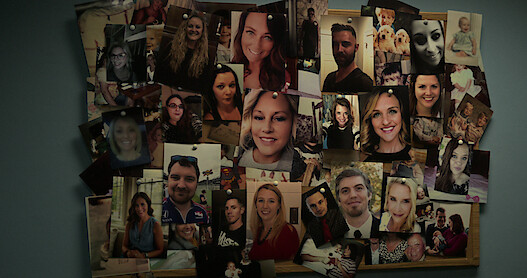
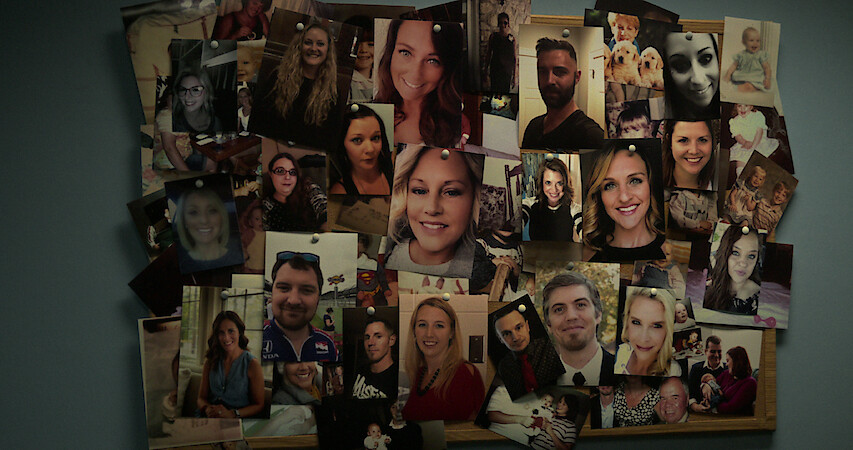
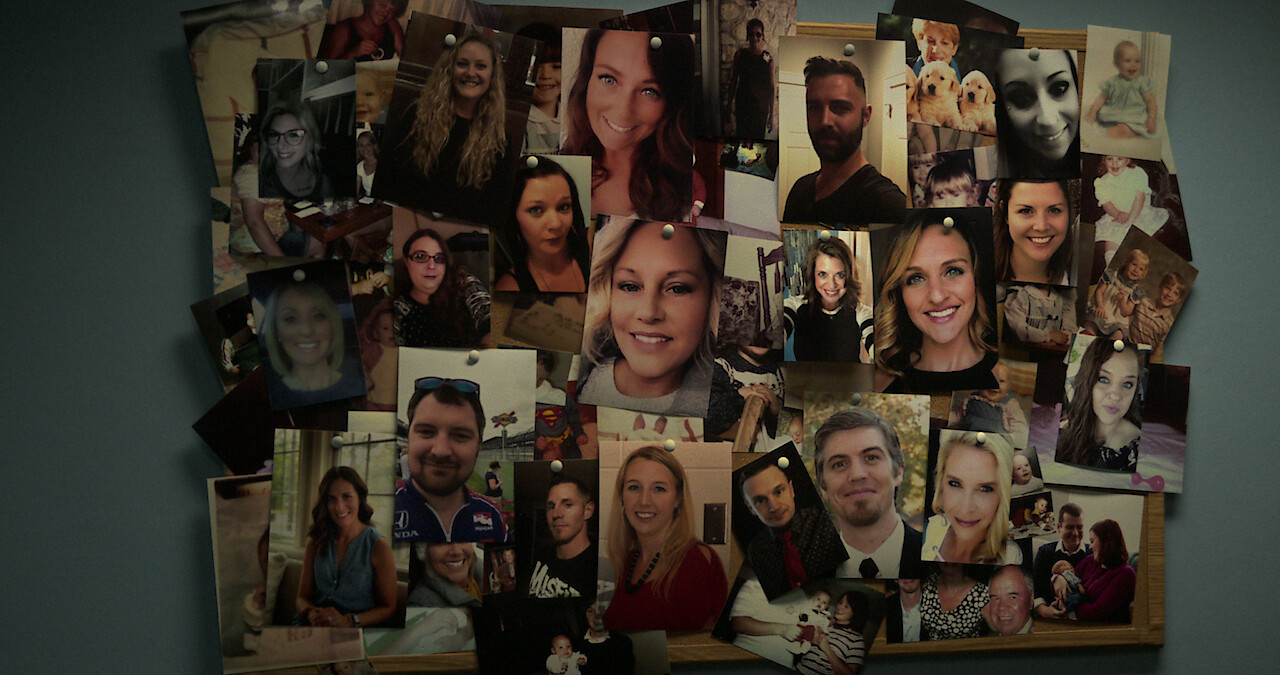
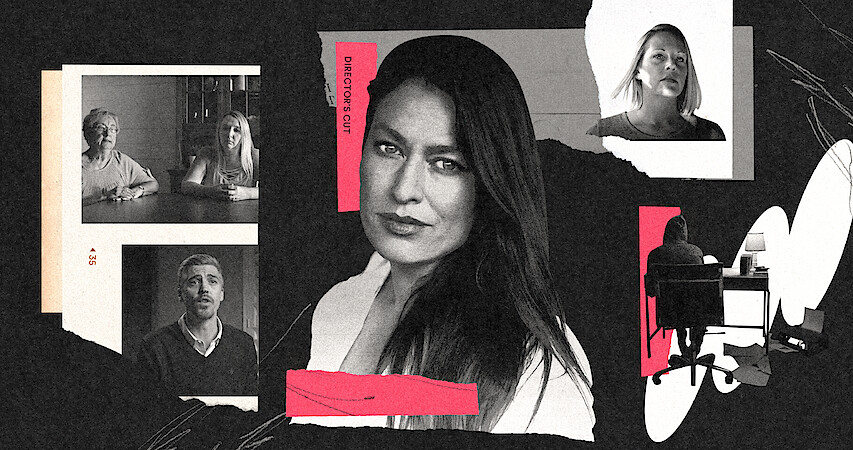
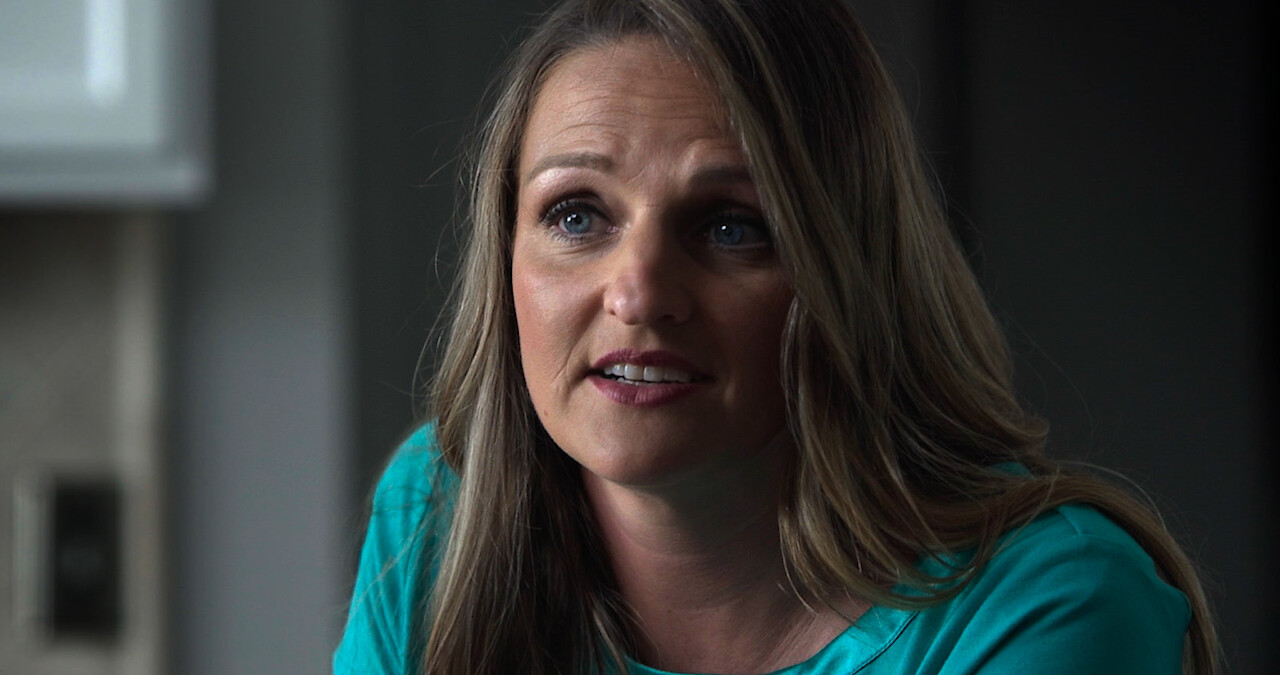
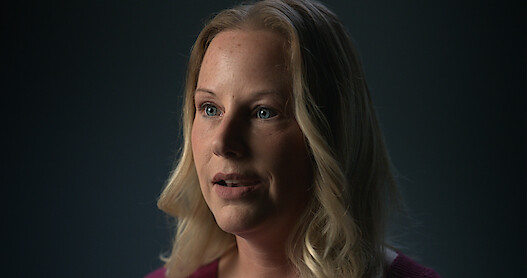
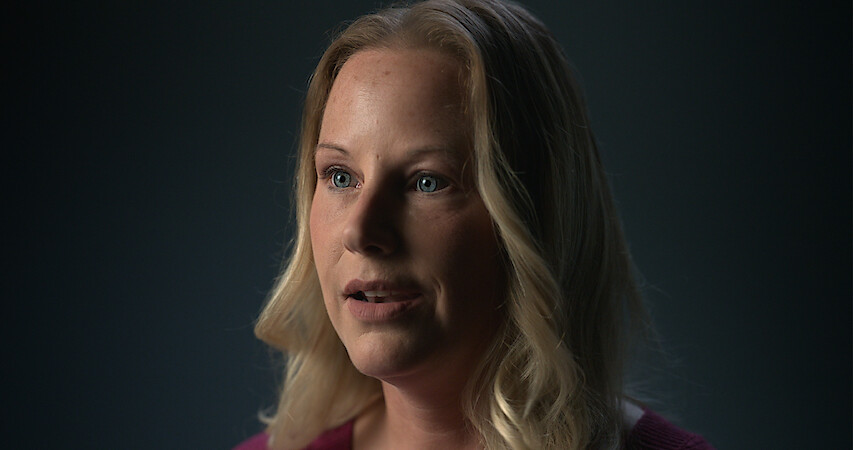
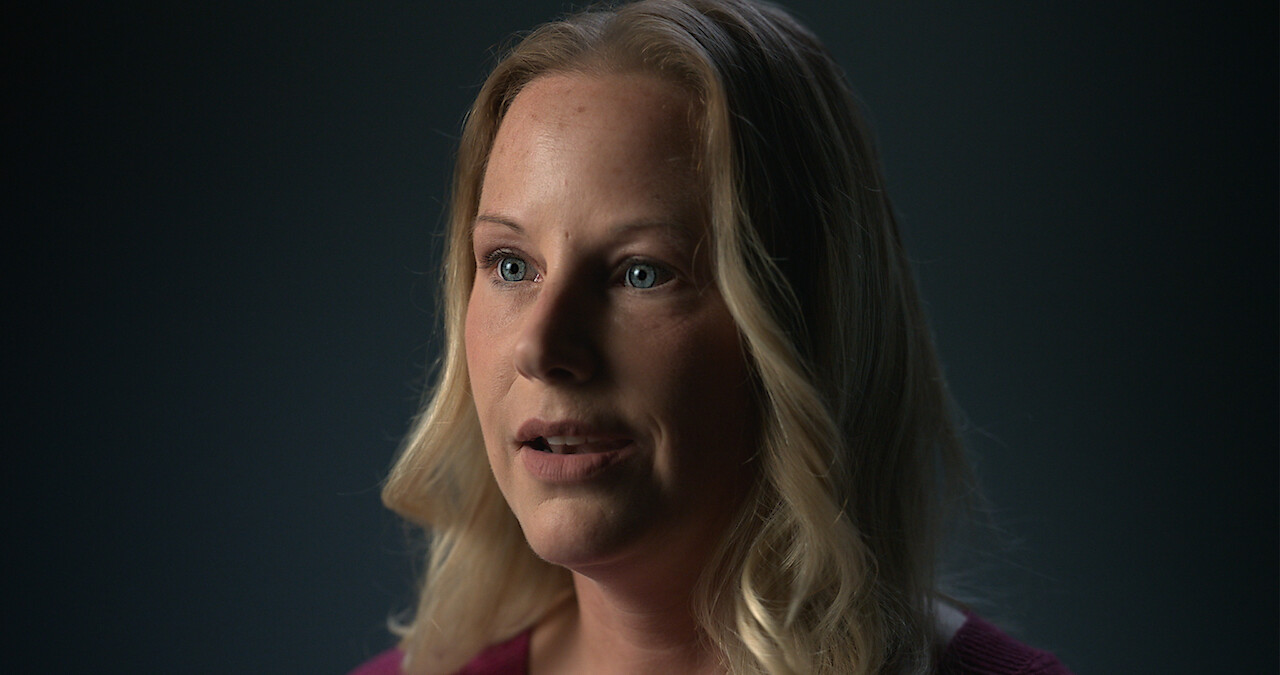
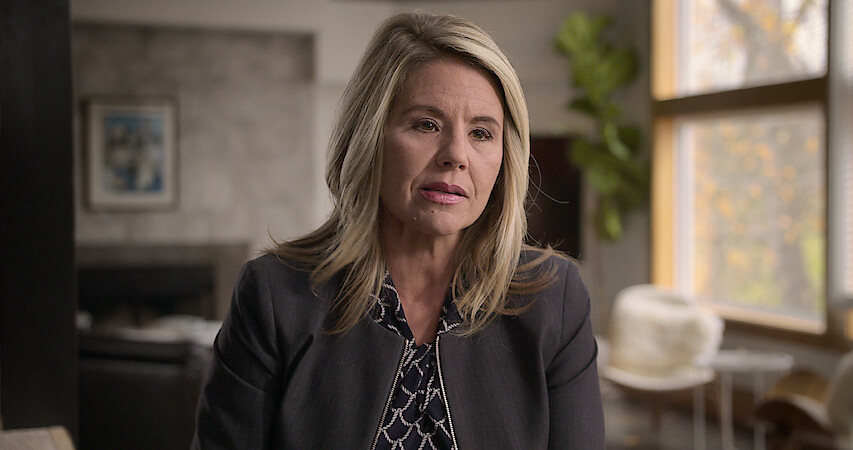
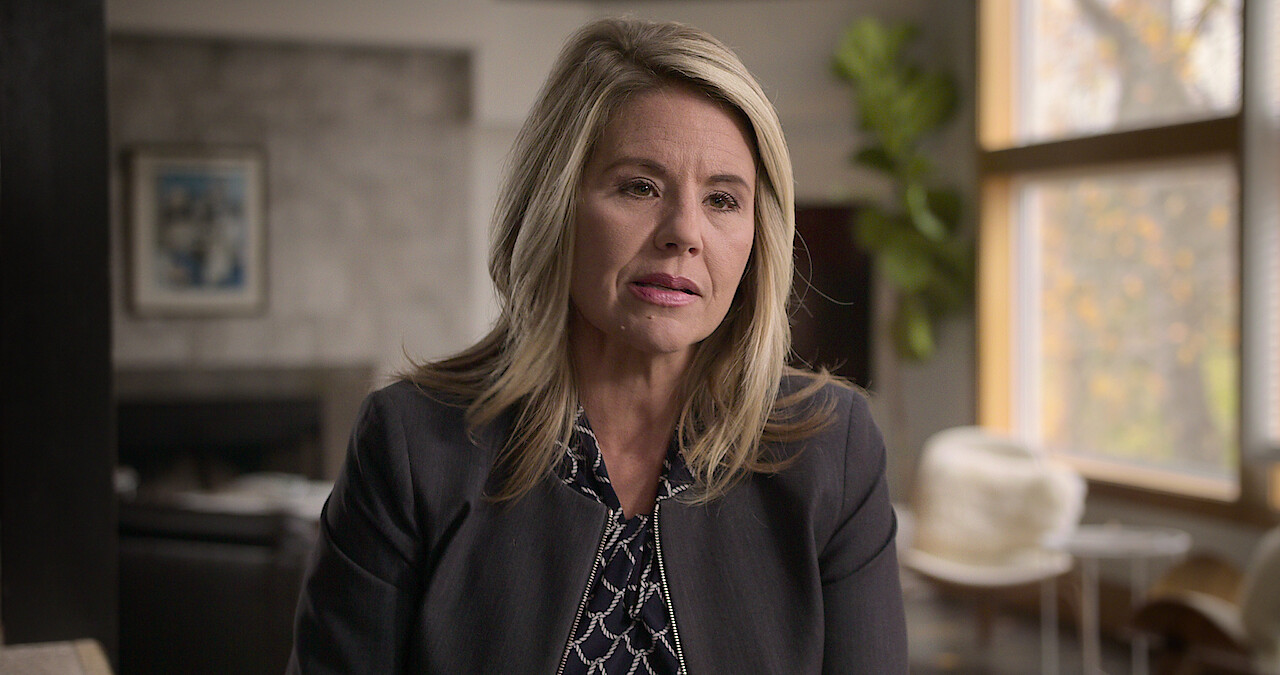
In February 2015, investigative journalist Angela Ganote received a Facebook message from a woman named Jacoba Ballard, who lived in a small town in Indiana. In the message, Ballard explained she’d been conceived by a sperm donor. After taking an at-home DNA test, she discovered she had at least seven biological half-siblings. What’s more, all of them shared a biological link: renowned Indianapolis fertility doctor Donald Cline.
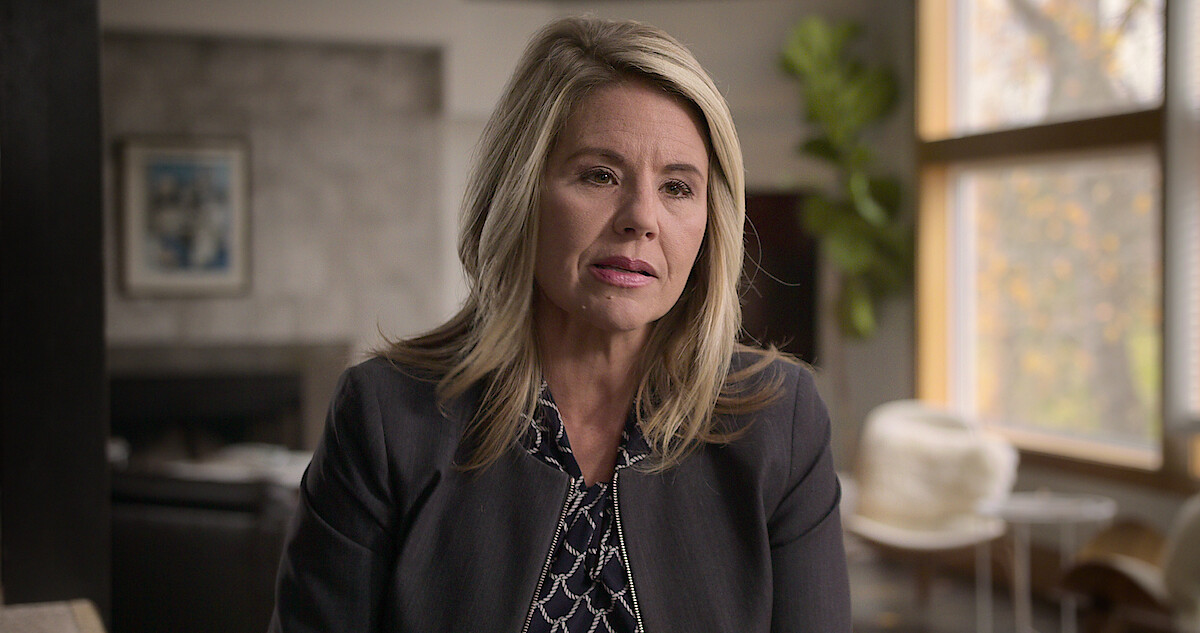
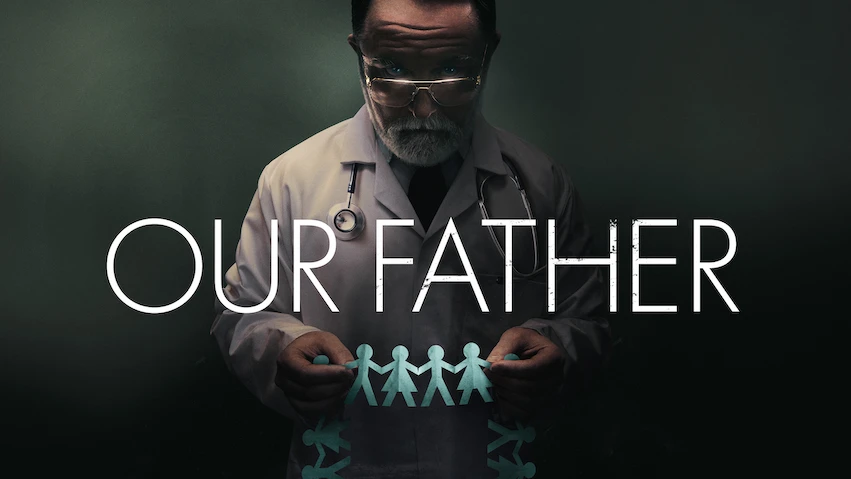
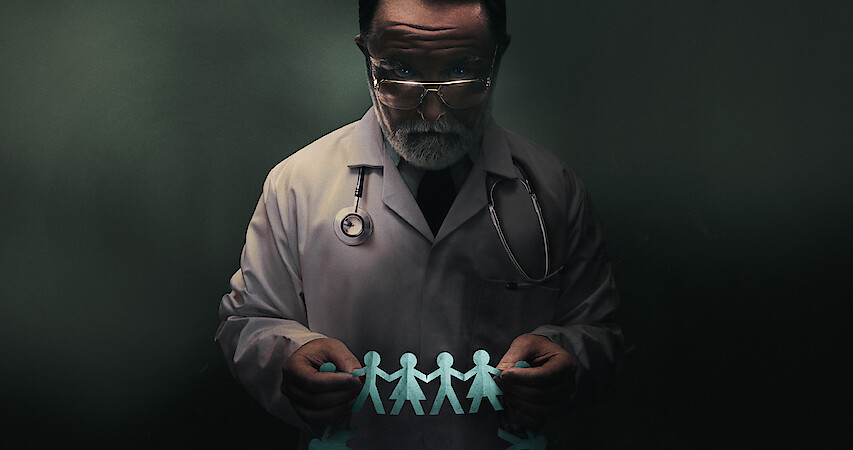
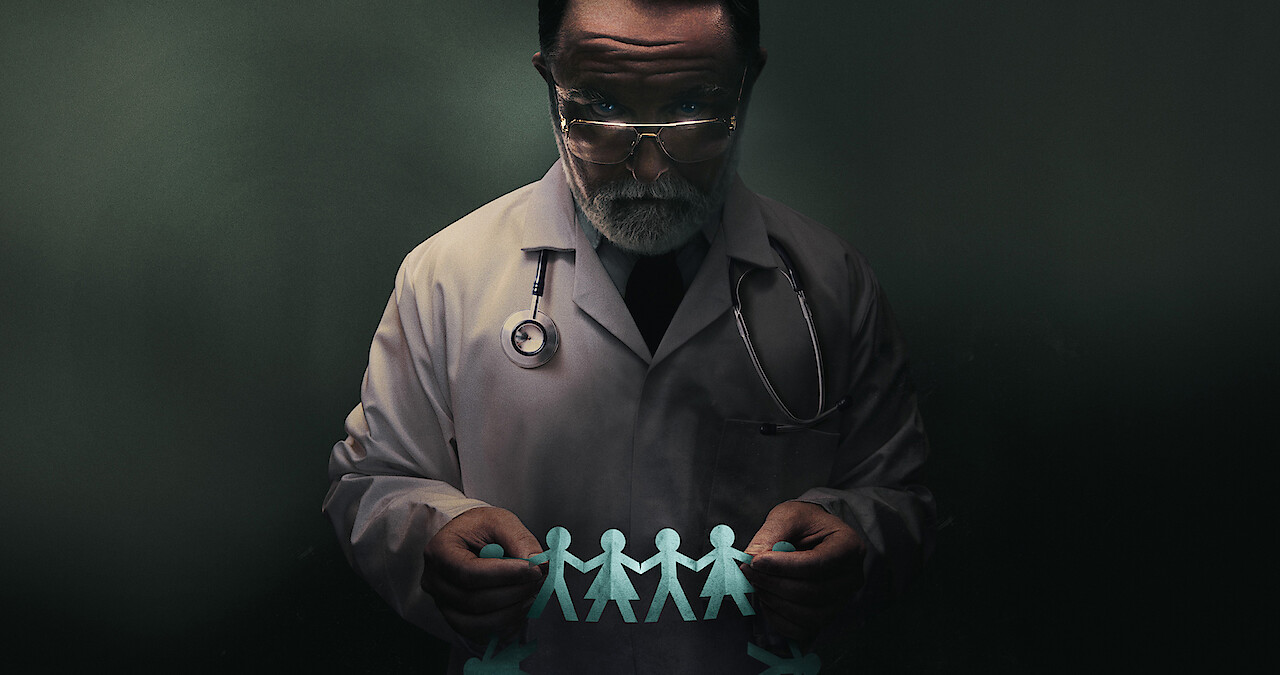
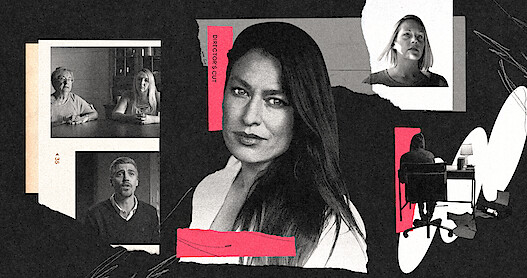
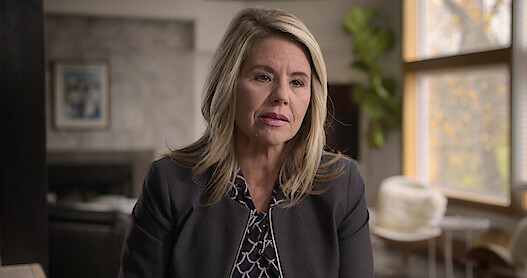
What followed was a tumultuous seven-year investigation, revealing Cline had fathered nearly 100 children via patients he’d impregnated with his own sperm — without their knowledge. The grim story is the subject of Our Father, a new documentary about how Cline was exposed, as well as the trial that followed. Ganote followed the story closely for FOX59, and her lengthy investigation was instrumental in shedding light on Cline’s practices. Here, Ganote tells Tudum what it was like to take on a story this big — and the most shocking thing she learned about the legal system in the process.
How did you start working on the Don Cline story?
Within days of being contacted by Jacoba Ballard, I had a meeting with her and one of her half-siblings in person. [After that,] I walked into my news director’s office and said, “You aren’t going to believe what two women I just met with told me.” At that point, [Jacoba and her half-sibling] had already tried to go to the attorney general of Indiana. They had reached out to The New York Times. No one was listening to them.
In your view, what were the primary reasons they struggled to find a journalist willing to investigate the story?
I can’t really speak for anyone else, but I think there are a couple of reasons. Maybe they need everything spoon-fed to them. They want a news release or they want someone that’s going to say, OK, this is for sure true, [and you can] turn this story [around] in a day.
This wasn’t something that you were going to be able to figure out in a day. This was something that was going to take a lot of time.
Was the fact that it was a true story the reason you decided to pursue it, or were there other reasons why it was important for you?
The first three words that Jacoba said to me: “Please help me!” I take my job really seriously. What drives me is truth, finding truth. If someone can’t find it, I believe that there’s always an answer, always a solution — and I believe I can find it.
How did you help her find that truth?
[Jacoba urged me] to open an investigation into the medical practices of this doctor who’s retired. She laid it all out, and then [said] she’d reached out to the attorney general and hadn’t gotten what she needed.
Within a couple of weeks, I sent [the Indiana attorney general] a note, an email saying I was working with Jacoba Ballard and [asked], “Can you tell me where this investigation stands and anything you can share with me at this time?” It took me more than a year [to get answers]. They wouldn’t respond or they would say, “We can’t confirm anything.” It became frustrating to me — I deserve an answer, too. I mean, yes, if you’re doing an investigation, you don’t have to inform me where your investigation stands, but [the denial] was immediate. They were in no hurry to help any of us, in my opinion.
How did you get the information you needed about there being an investigation?
I found out through talking to Cline. Basically, he was threatening me and threatening FOX59. [He said] if we aired anything suggesting that he was the father, he would sue us. He told us that the siblings were lying, that it wasn’t true. Then he said, “I’ve even responded and let the attorney general know. I wrote them back.” [By saying that,] he acknowledged that there was an investigation.
Jacoba had learned that, basically, the attorney general had said [to Cline], “Hey, there’s this allegation against you. How do you respond?” Nothing else happened, because at that point he denied that he’d done this. He denied that he’s their father. [But I knew] he was lying. If you lie to the government, if you lie to the FBI, if you lie to anyone — you can be charged with a crime.
What did you do with that information?
Everyone was saying, this isn’t a crime. And I thought, well, it’s a crime to lie. So I reached out to our Marion County prosecutor’s office, and I said, “Do you realize what’s happening here? You know that this doctor is lying to you. You understand that there is proof and there’s evidence in DNA.” And so, it was this prosecutor’s office that then got involved with the case. But again, [Cline was] only charged with obstructing justice. Nothing to do with using his own sperm to impregnate his patients.
You mentioned that Cline was threatening you, threatening the station where you worked. It was clear in the documentary that at times you were investigating this story at great personal risk. Can you talk more about those risks?
We knew that he carried a weapon. At least, that’s what Jacoba had learned, and she had told me that. I had asked him to sit down with me numerous times, and finally he agreed to meet me... I had done our first story [on Cline] basically saying what was happening, but I hadn’t named him as the doctor yet. [But] we were getting ready to name him in the next story.
My boss at the time said, “Angela, I’m concerned for your safety.” We knew he carried a gun, and we knew that he had threatened me in the past with words and lawsuits. In my mind, I don’t know this man. I know that he’s a liar. I know that he’s impregnated women without their knowledge. And I know he seemed very desperate. I felt like, OK, well, it’s not smart for me just to go on my own and meet him. We’ll go to a public place so that we’ll make it safer.
[When we met,] he told me he knew where I lived. I felt like he wanted to put me on notice that I better be careful. He begged me in that conversation, “Please don’t out me.” He said, “I am well respected in the community. I’m an elder at my church. There are hundreds of people that look up to me. If the kids and the youth at my church know this, it will devastate them. It will make them think differently about me and our church and our religion.” He said, “If my wife finds out, she will consider this adultery. This could make me lose my marriage and my family. Why would you do that to me?” I said, “You did this to yourself.”
Did he take that very well?
He was begging me and it wasn’t mean at that point. I would say it was more pathetic... [I think] he knows I have a good heart; he knows I’m a good person; he knows that I believe people make mistakes. He knew I was a Christian, and when someone says you’re sorry and [is] truly sorry, we forgive people. Every human makes a mistake. We’re all sinners. We make mistakes.
[But] he never said sorry. He never apologized. He never said he knew he hurt people. He was always the victim. He was always the victim, and it was the [other] people [who] were hurting him. [It was like] he was using his talents that God gave him to help families have children. That may not be what he believed, but it was what his excuse was.
What made you decide to continue to see this story through, despite the risks and difficulties with reporting it?
There’s something that is deep inside me, when someone is treating somebody wrong or somebody’s lying about somebody, there’s something that comes over me that says, “No, that is not right.” If I know someone is hiding something, and somebody needs my help to get that truth, nothing’s going to stop me.
Once you’d reported this story out, what was the most shocking thing about it to you?
I think what was probably the most mind-boggling was that of all the laws on the books — thousands and thousands and thousands of laws — there is not a law anywhere that you could [use to] charge a man with masturbating in his office and lying to clients and putting his semen in someone. That, to me, was the most egregious [thing].
The work you’re doing is really important, especially coming from a smaller community where these types of stories need to be told.
We just need everyday ordinary people like me to say, “You know what? Wrong is wrong and right is right. Let’s get to the truth.” And there’s got to be a way to find it. It’s there. It’s going to be hard sometimes, but I always believe that there is no problem that doesn’t have a solution. And I always believe that there’s a way to find the answer.
Sometimes it makes me insane. My husband sometimes is like, “Oh my gosh.” He says, “You’ve got to put it down. You’ve got to step away.”
Introduction by Amanda Richards.
This interview has been edited for length and clarity.