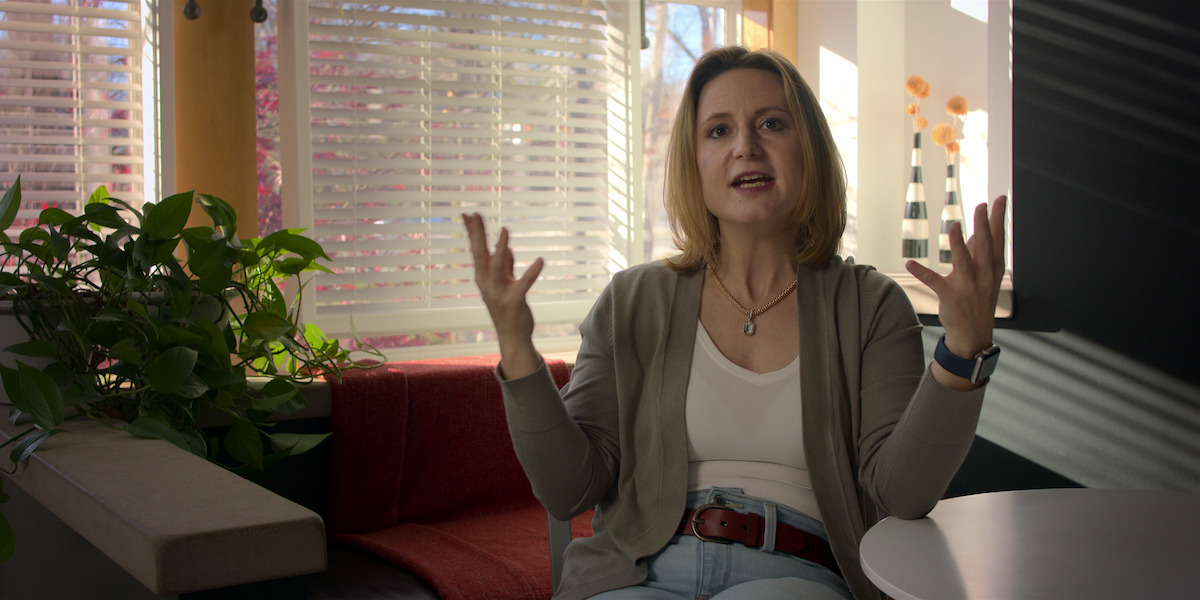
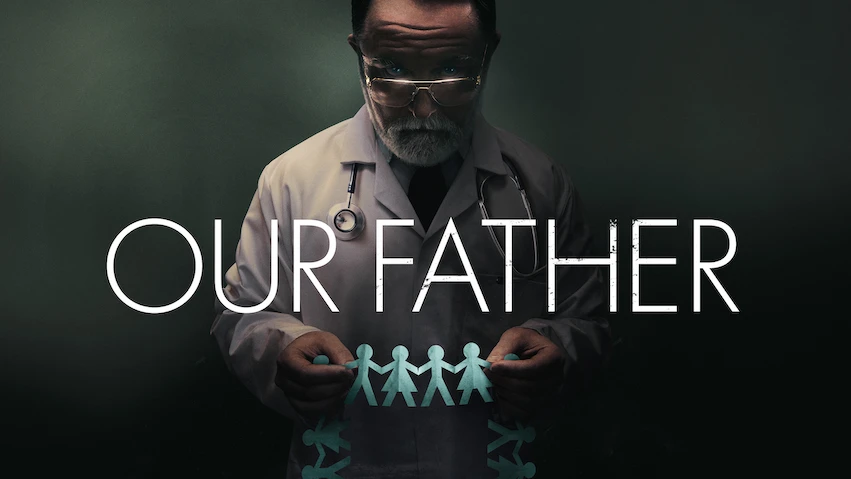
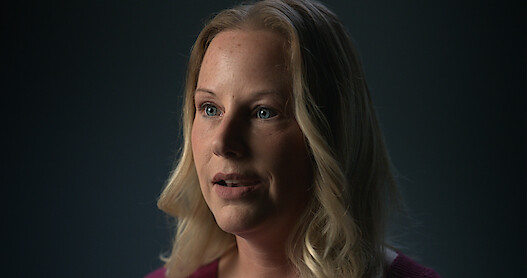
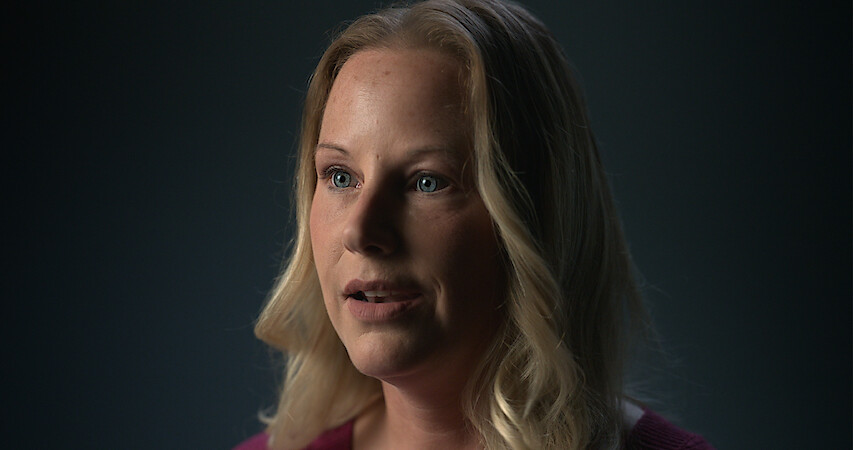
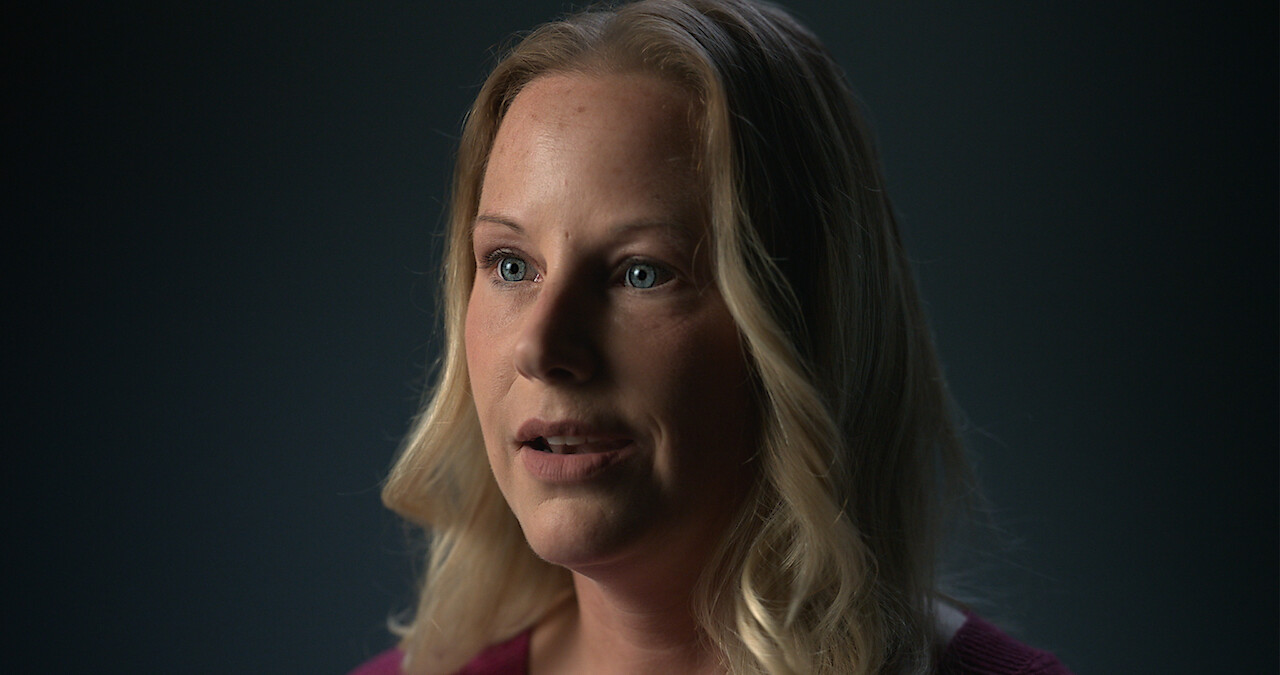
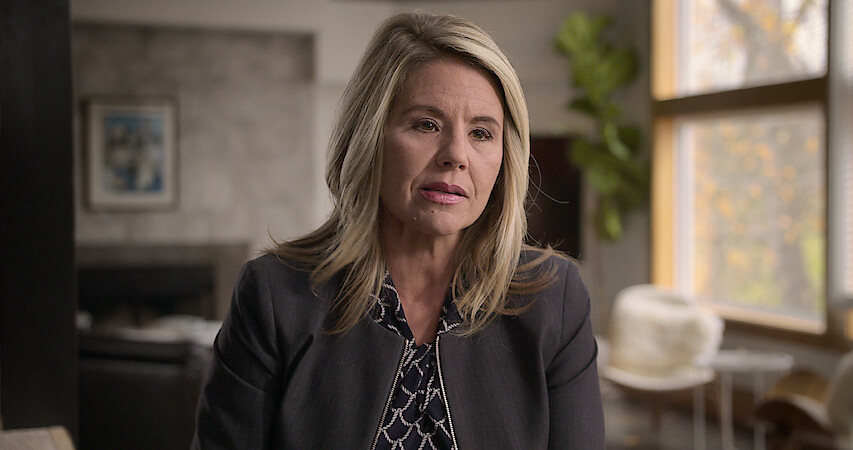
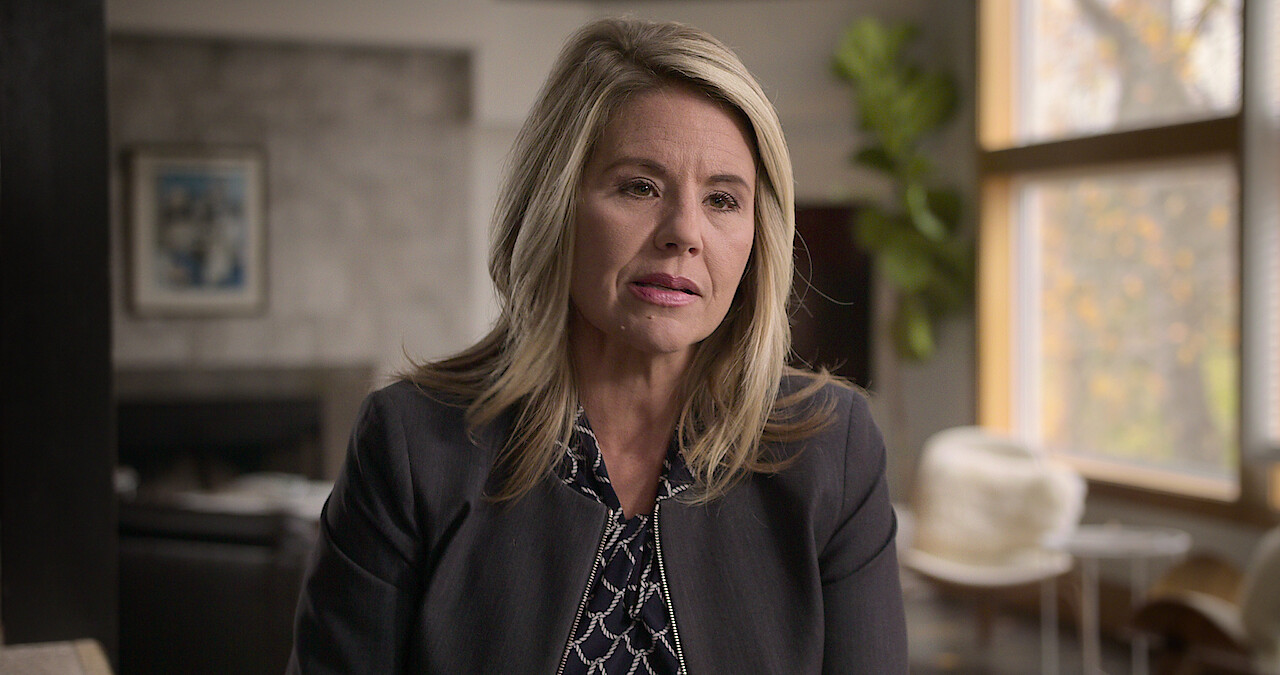
Jody Madeira is a professor at the Indiana University Maurer School of Law and the author of Killing McVeigh: The Death Penalty and the Myth of Closure and Taking Baby Steps: How Patients and Fertility Clinics Collaborate in Conception. Madeira testified on behalf of the prosecution at the trial of Donald Cline, the Indiana fertility specialist who used his own sperm to impregnate dozens of his patients without telling them. Cline’s case is the subject of Our Father, a new documentary about what happened when one of Cline’s biological children took an at-home DNA test, discovered the shocking truth and attempted to get justice through the legal system. Below, Madeira explains how and why the legal case was so complicated, how Cline escaped facing serious consequences for his actions and what can be done to prevent this type of thing from happening again.
My work is generally on law and emotion, and how law affects people’s lives. I was doing an interview with the Indianapolis Star about [Taking Baby Steps,] which deals with how patients and reproductive doctors collaborate in seeking treatment, and how people deal with emotions and make decisions. One of the actual doctor-conceived children of Cline reached out to me, as did one of the former patients. They said, “Hey, we’re really trying to pass a fertility fraud law, and we have this guy, Dr. Donald Cline, and here’s what he did.”
[My first book, Killing McVeigh,] deals with how perpetrators of crimes and unlawful actions can be unwelcome presences in the lives of victims. Much of Cline is an unwelcome presence, literally a presence in the genetic code now of his victims. There was also this emotional component — decision-making and the idea of desperation. [Doctors who do this are] using desperation as an excuse to violate their patients and not tell them. I was so captivated when I heard these stories. I had triplets through IVF in 2007, so I was a patient — not that my experience was the same as everyone else’s, but you get to know a lot of people and you get fascinated by the ethics (or lack thereof) in the practice. I realized very soon that my interest went much further than actually helping these individuals to pass a law, but it actually went to researching this, and creating a cause of action around this.
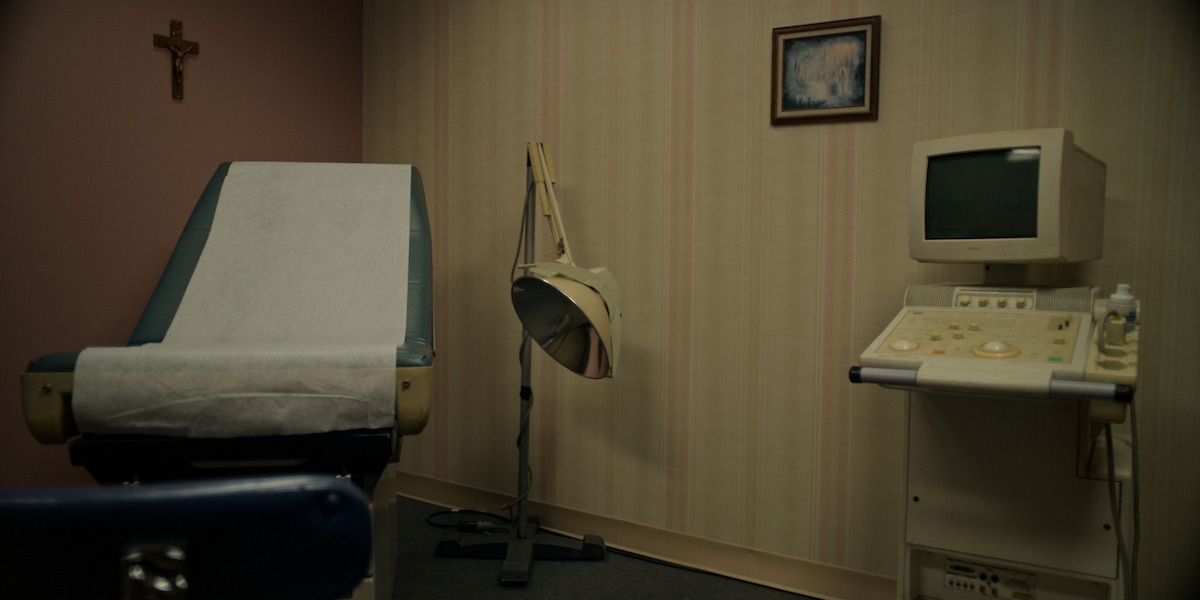
I interviewed [the Indiana prosecutor in the Cline case,] Tim Delaney. He said, “Well, I don’t even know if the jury would see this as a sexual act.” And I’m like, “Cline masturbated moments before he transferred the sperm.” With [modern] sperm donation, the man masturbates and ejaculates, and then that sample is then taken to a laboratory and cleaned and frozen and pasteurized and tested and whatever else happens. So nowadays it’s very easy to see the idea of sperm donation as separate from the idea of sex. [But in this case,] the doctor was engaging in a sexual act and then taking the products of that sexual act and almost immediately transferring that material into a patient.
When Cline was only charged with obstruction of justice, it definitely felt unconnected to [the victims’] experiences. The charge silenced them when it came to their ability to describe the underlying harm to the courts. The entire narrative got changed. It became about Cline lying to the State of Indiana and not about these illicit inseminations, not about the medical rape, not about the harm, not about the identity issues. It warped the whole story. Cline got a $500 fine essentially and got labeled a felon. Had that punishment been more severe, that would have been a signal to the victims that the court recognized that underlying harm. But everything seemed a disconnected slap on the wrist.
I do see why it was a difficult argument, particularly for a male prosecutor who had not been in the position of seeking infertility treatment, or being in that vulnerable position in the table where you are the recipient of genetic material that you have to trust the doctor. You are in a position of profound vulnerability, and you can’t do anything yourself. [People] feel [vulnerable] because they’re really trying to build a family and they’re just desperately wanting children. That [kind of] desperation is different than we think. Desperation can be a shutting down of options. But on the other hand, desperation can be the force that motivates people to seek help. These patients are not shrinking violets.
Every expert that’s weighed in on the issue has found that doing what Cline did does not comply with any standard of care. It was not the standard to deceive your patient. It was not the standard to breach anonymity by using your own sperm. It was not the standard of care to lie to your patients and misrepresent the quality of the material they would receive. That breach in standard of care means you could bring a civil suit for medical malpractice. [But,] Indiana has a strange selection of laws. They have the medical malpractice, but there’s also a misdemeanor statute called criminal deception, which is just too light to really be meaningful, but that’s the statute that best [aligns with] what Cline did in terms of deceiving the patients.
There have been civil suits against Cline, and the outcomes of them, I think, are murky at this point. In Indiana, it takes a while because you have to get through a medical review board, and then you often have to build up the case, provide materials and get depositions. These claims tie victims to courts for years, tie victims to the defendant for years, and there is the question of what some want out of it. Some want to pass a law so that others don’t have to go through the same thing. Some want to hold the doctor accountable in a way that hurts. They don’t want the money, they just want the doctor to feel some sort of pain in some form. It’s not enough for the doctor to say, “I’m sorry.” Cline was able to get away with his actions because, for decades, the public didn’t have access to testing that they could use on their own behalf to look at their genetic histories and identify relatives. Cline himself has said [to the police that], “If I had known that these tests would’ve been available, I would never have done this.”
We’ve been working to pass laws across the United States. We’ve successfully supported laws in Indiana, Texas, Colorado, Florida, and Arizona, and Kentucky’s was just signed by the governor. I believe that once we have a comprehensive carpet of fertility fraud laws, that is a sign that people view this as a harm. People saw [actions like Cline’s] as harmful back then, too. The technology was “new,” but it didn’t give doctors an excuse to deceive patients. At the bottom of this issue, we’re just talking about having the decency to be honest to people.
As told to Sara David, with an introduction by Amanda Richards.
This piece has been edited for length and clarity.