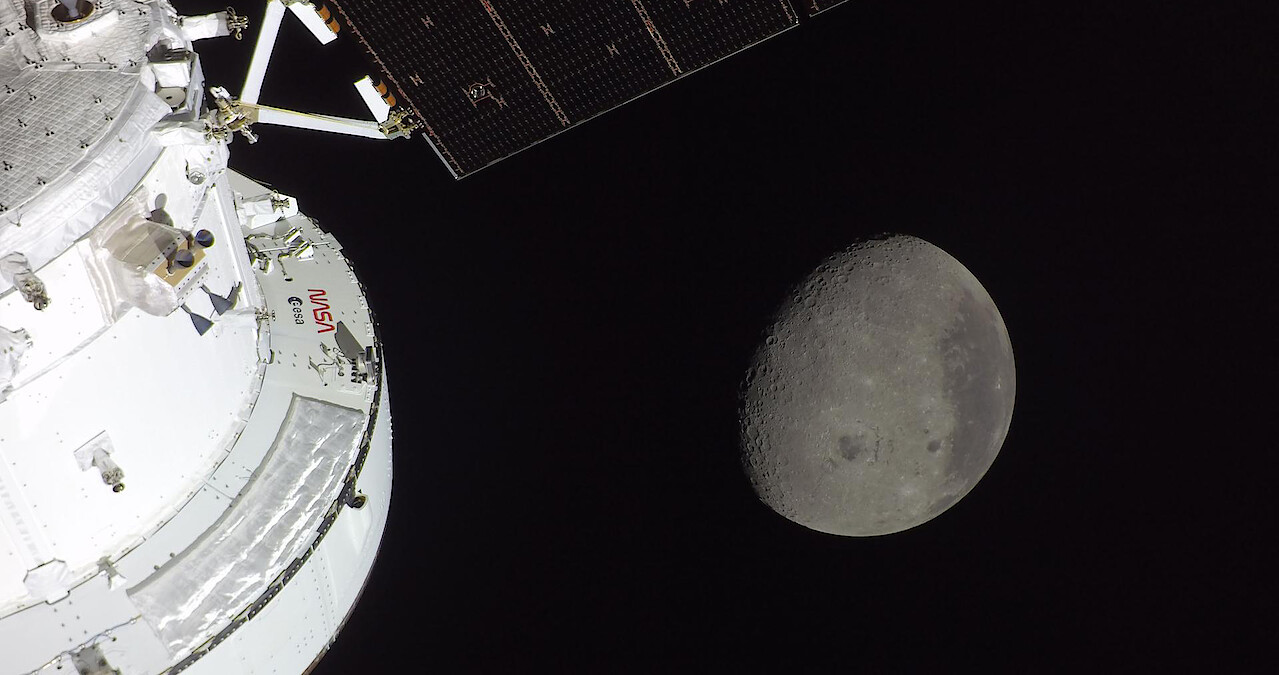
The four astronauts at the helm of NASA’s Artemis II test flight around the moon have made history. Commander Reid Wiseman, pilot Victor Glover, mission specialist Christina Koch, and Canadian Space Agency (CSA) mission specialist Jeremy Hansen have officially traveled farther from Earth than any humans before them. Their journey marks NASA’s first crewed mission to the moon in more than 50 years.
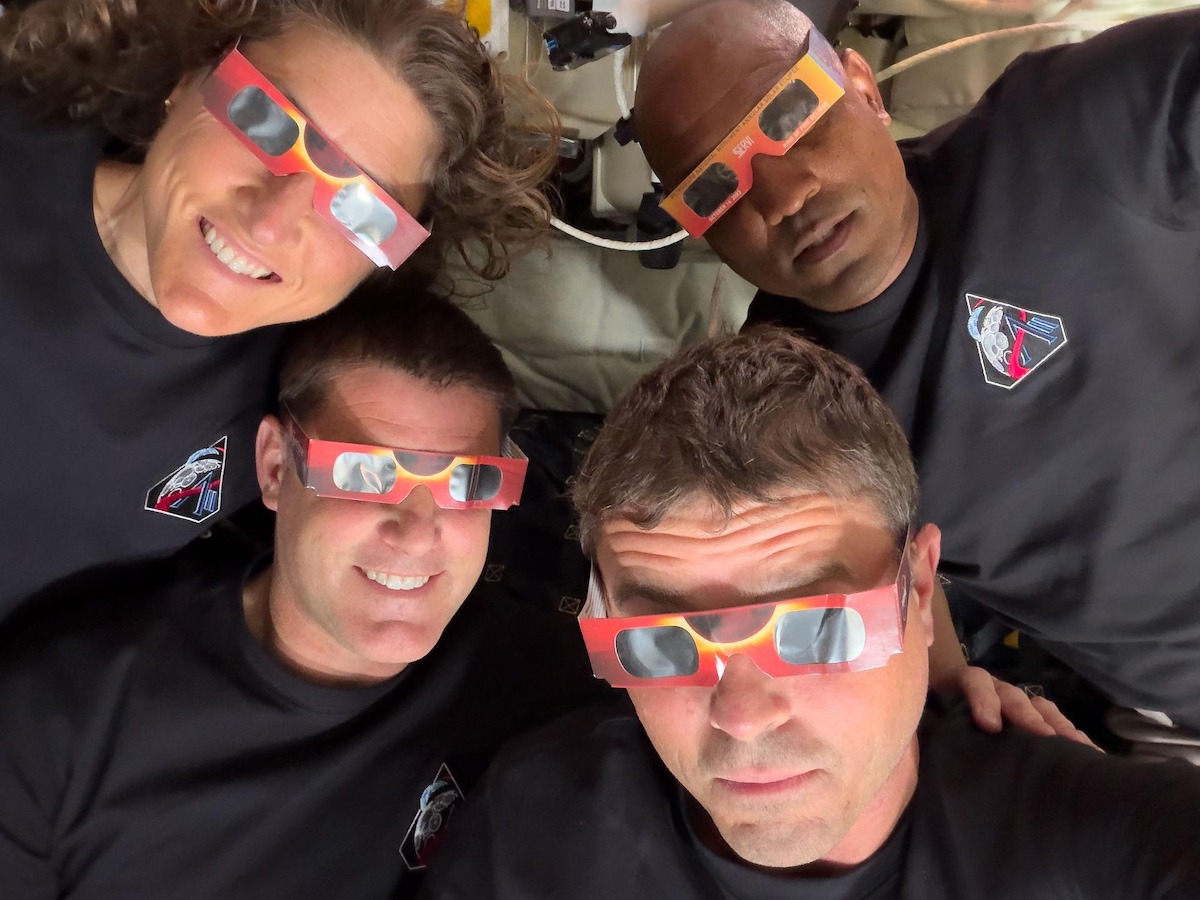
The Artemis II crew – Mission Specialist Christina Koch (top left), Mission Specialist Jeremy Hansen (bottom left), Commander Reid Wiseman (bottom right), and Pilot Victor Glover (top right) – uses eclipse viewers, identical to what NASA produced for the 2023 annular eclipse and 2024 total solar eclipse, to protect their eyes at key moments during the solar eclipse they experienced during their lunar flyby.
Over the course of their approximately 10-day trip — including a launch from NASA’s Kennedy Space Center in Florida, a lunar flyby, and splashdown off the coast of San Diego — the crew was set to observe the moon’s surface, test the instruments that will lead to an eventual lunar landing, and “evaluate systems, procedures, and performance in deep space,” per NASA. Their historic expedition has come with a number of profoundly groundbreaking, often emotional moments. The lunar flyby streamed live on Netflix on April 6. But if you missed it, fear not: It’s still available to watch right now, with plenty more NASA+ live feeds headed your way in the future. And you can read about just a few of the Artemis II mission’s significant moments below.
Carroll Crater
As the crew approached the lunar flyby, mission specialist Hansen told mission control that the crew wanted to name some craters they could see “both with our naked eye and with our long lens.” One, “a bright spot on the moon,” was dubbed Carroll, named for Cmdr. Wiseman’s late wife, who died of cancer in 2020. The astronauts could be seen onboard hugging each other and wiping at their eyes during the emotional moment.
Earthrise and earthset
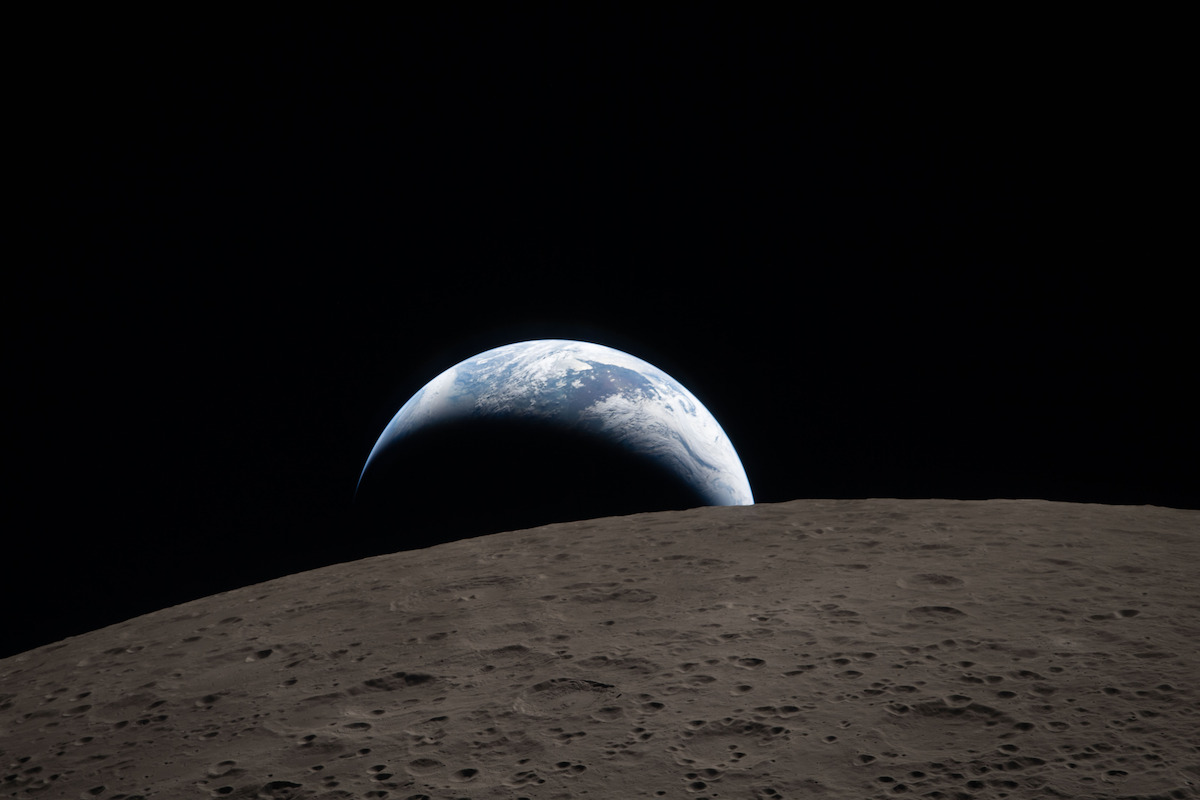
As the crew rounded the far side of the moon, they were able to capture two distinct images of an “earthrise” and an “earthset,” with the shadowed planet peeking out from behind the moon. The images recall the iconic Earthrise photograph captured by astronaut William Anders during the Apollo 8 mission on Dec. 24, 1968, per Scientific American.
Solar eclipse from the far side of the moon
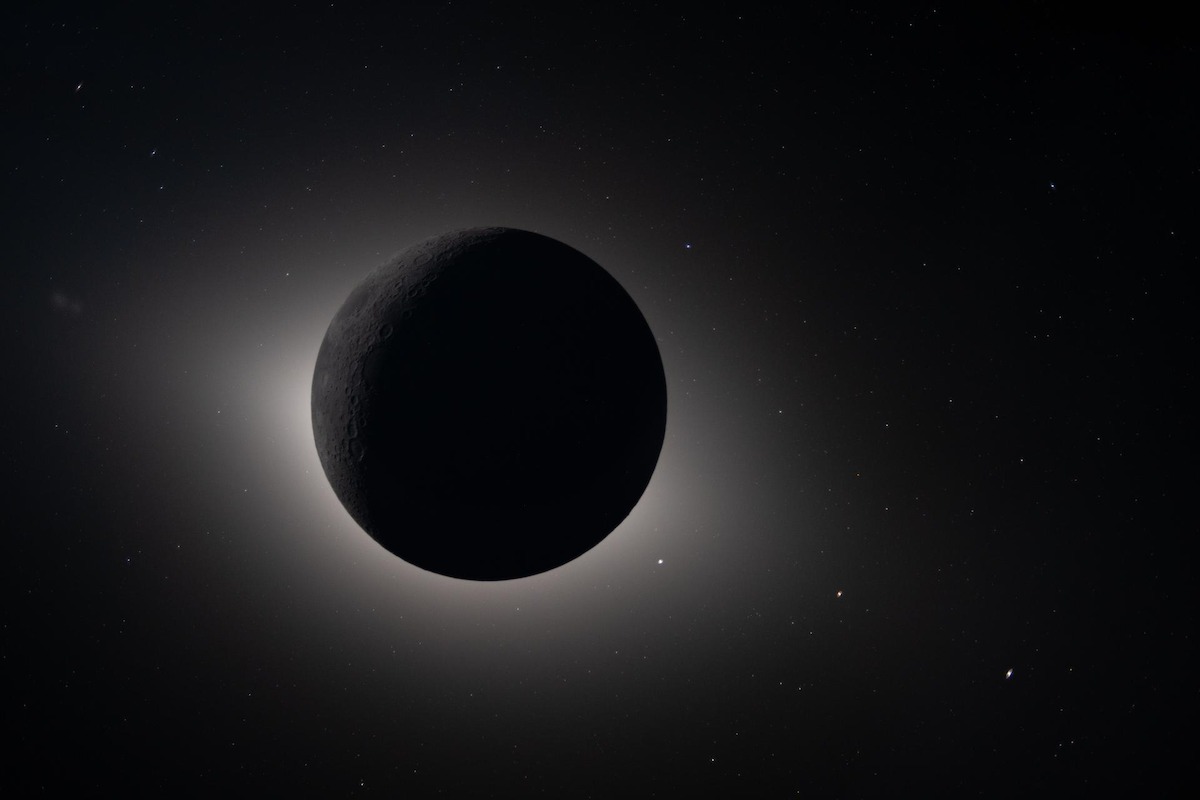
Solar eclipses are rare enough on Earth, but the Artemis II astronauts became the first humans to witness a total eclipse from behind the moon as it fully blocked the sun from view, leaving only a bright corona. Totality lasted for 57 minutes, with Glover referring to the moon as “a black orb” from their view aboard the ship.
A new record set: 252,756 miles from Earth
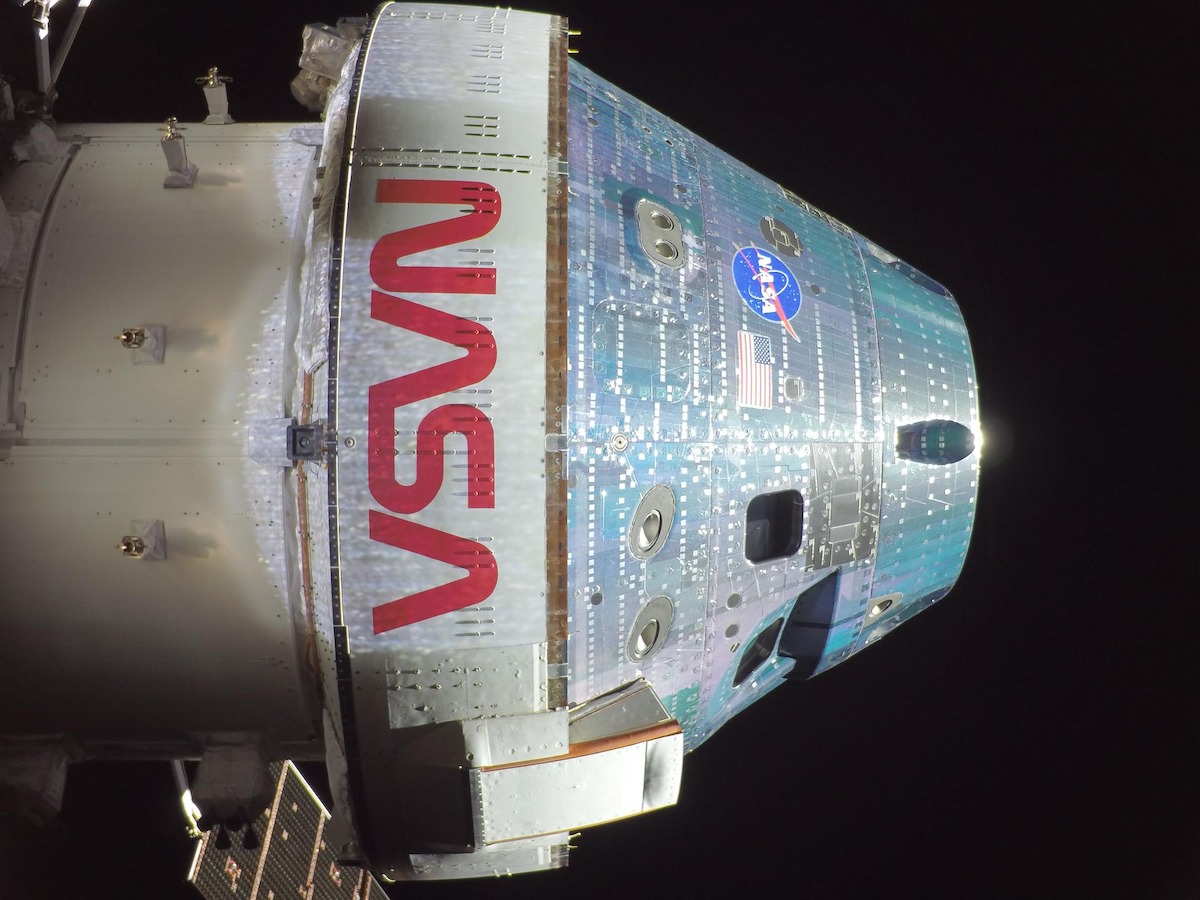
The four astronauts aboard the Orion spacecraft traveled 252,756 miles from Earth, the farthest any human has ever ventured from the planet. Their journey surpassed the record previously set by the Apollo 13 mission — 248,655 miles — in 1970.
“From the cabin of Integrity here, as we surpass the furthest distance humans have ever traveled from planet Earth, we do so in honoring the extraordinary efforts and feats of our predecessors in human space exploration,” Hansen said. “We will continue our journey even further into space before Mother Earth succeeds in pulling us back to everything that we hold dear. But we most importantly choose this moment to challenge this generation and the next to make sure this record is not long-lived.”