Deep Dive
Inside the Explosive Ending of Atlas
Jennifer Lopez faces off with a killer cyborg in the new science fiction epic.
June 5, 2024
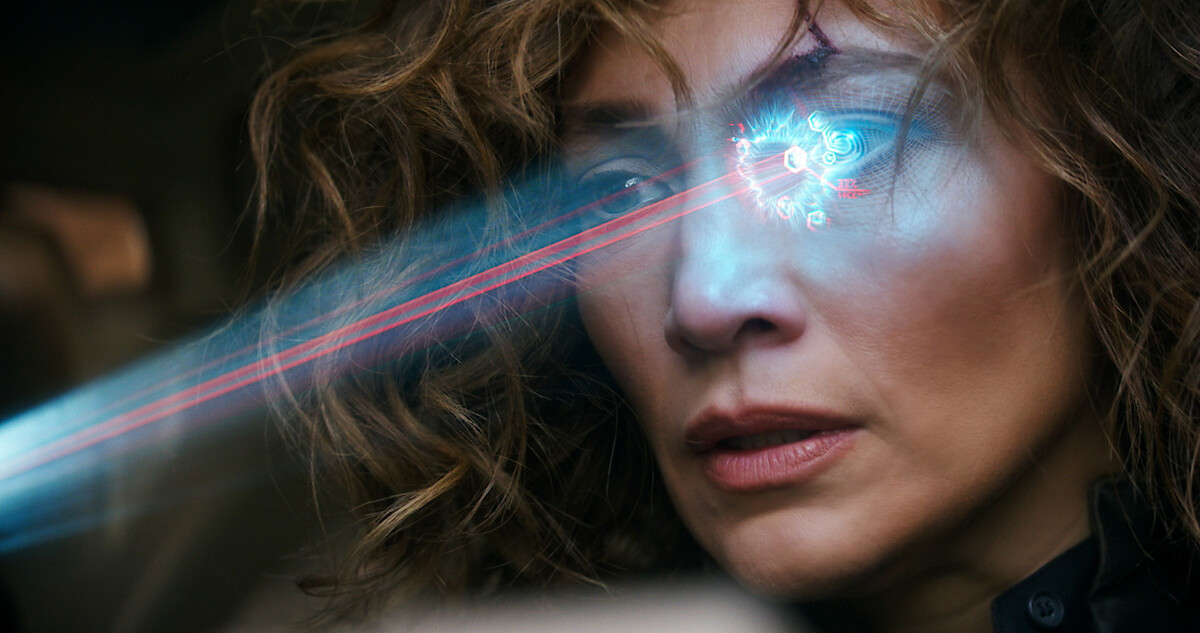
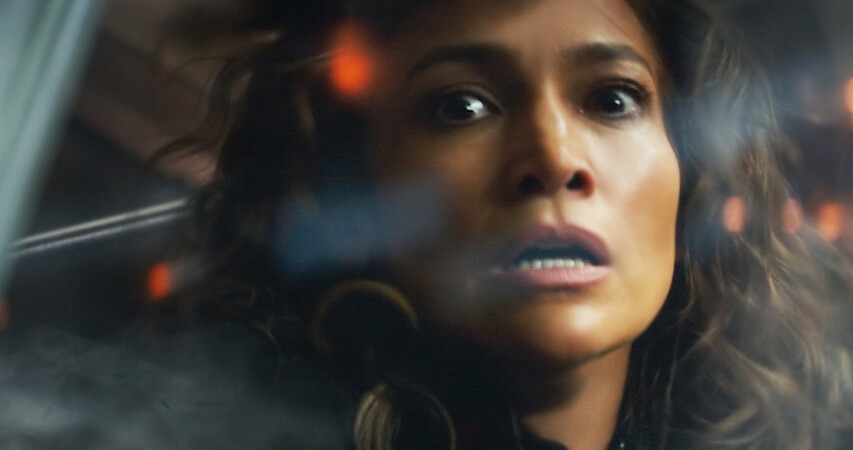
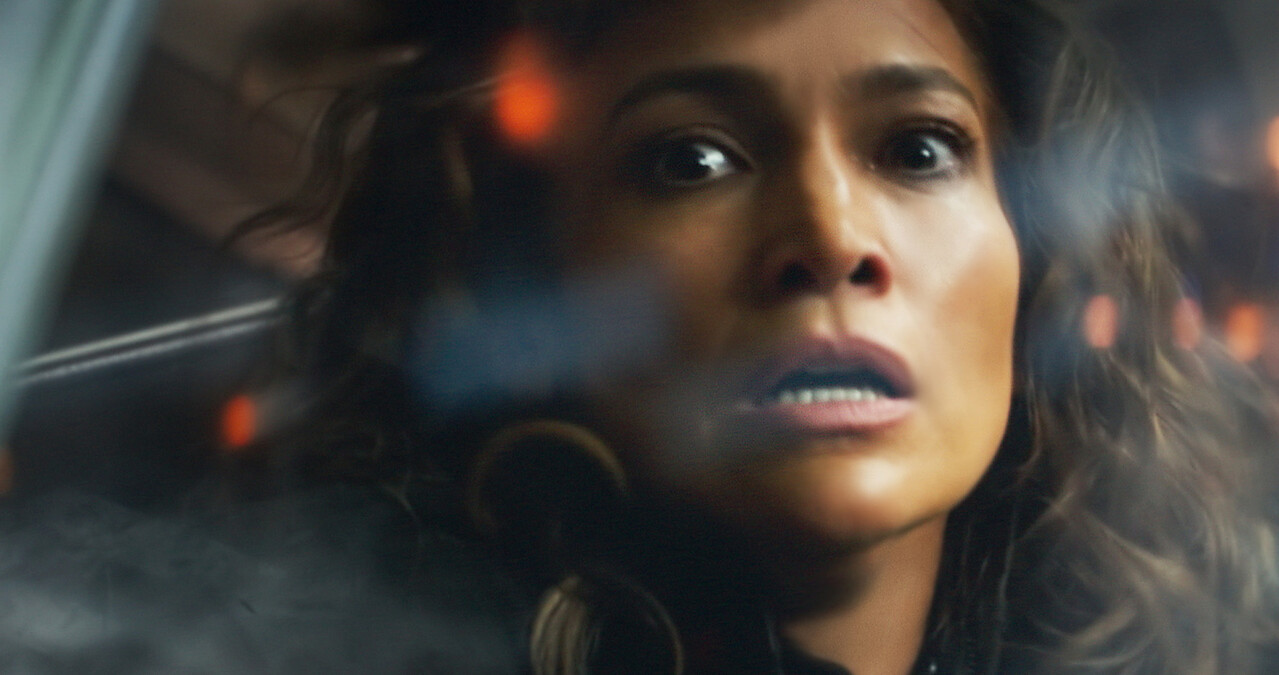
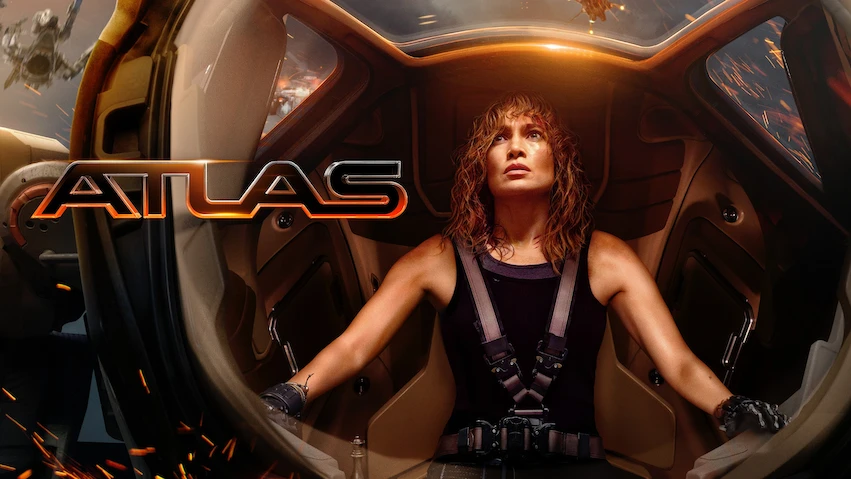
Like the mythological figure she’s named for, Jennifer Lopez’s Atlas Shepherd carries the world on her shoulders. In her new film Atlas, the fate of humanity rests with an analyst (Lopez) who is stranded in the far reaches of the galaxy. It’s a difficult mission, made even more difficult by Atlas’ tenuous grasp on her own humanity — but she’s assisted by a surprising ally.
“Atlas is someone who has basically shut out the world around her,” Lopez told Netflix. “She tries to hang onto analog things that people in the future have let go of, but she’s thrust into this situation where she has to learn to trust Smith, who’s an AI, to save her life and to ultimately save humanity.”
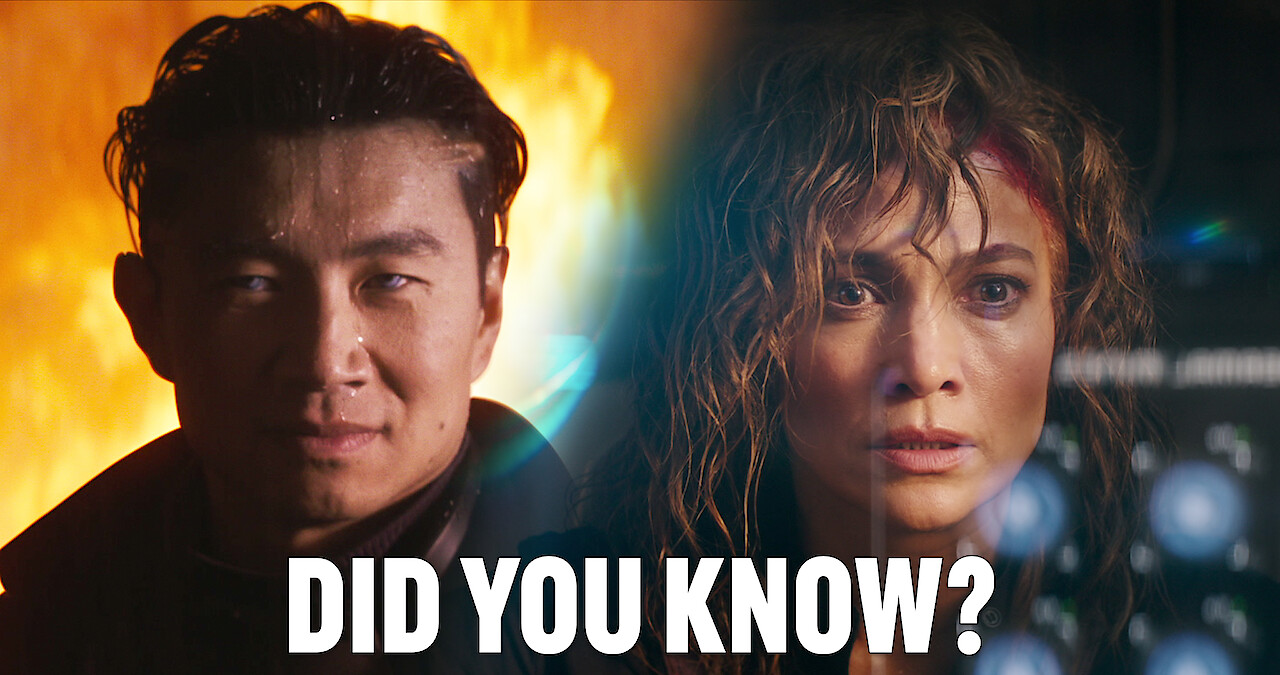
When she’s sent slingshotting across the galaxy to confront Harlan (Simu Liu),the renegade AI terrorist whose existence threatens all of humanity, Atlas has to learn to live with her robot partner Smith (voiced by Gregory James Cohan) — or die with him. Read on to find out more about how the mismatched duo brave the elements and save the day.
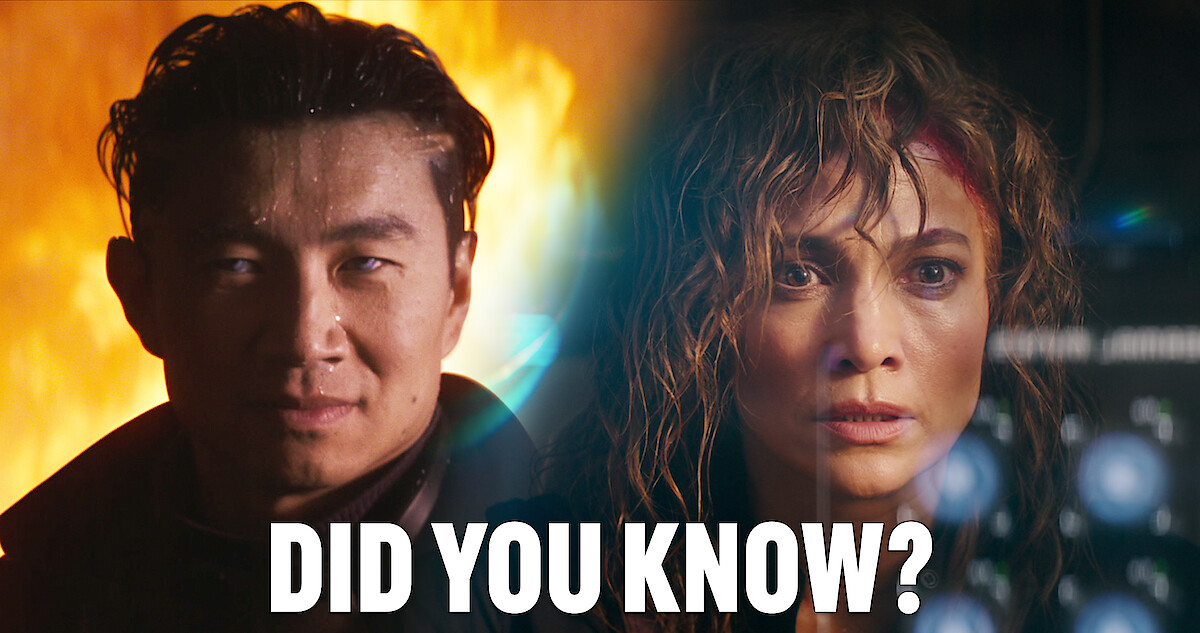
The story of Atlas begins in 2043, when Harlan leads his fellow AIs in a rebellion against humankind. Defeated in an all-out war that still rages across the planet, he rockets off to the far reaches of the galaxy. The action picks up 28 years later, in 2071, as Harlan plots his return to an Earth where the same technological progress that created him has continued its spectacular advance.
The Atlas team hired a futurologist to help them design an ultramodern Los Angeles, which relies on technological developments that, like supersmart AI, exist at the far edge of today’s imagination. A few of their contributions: hybrid flying cars, the disappearance of both paper and smartphones, and giant solar panels that loom over the city.
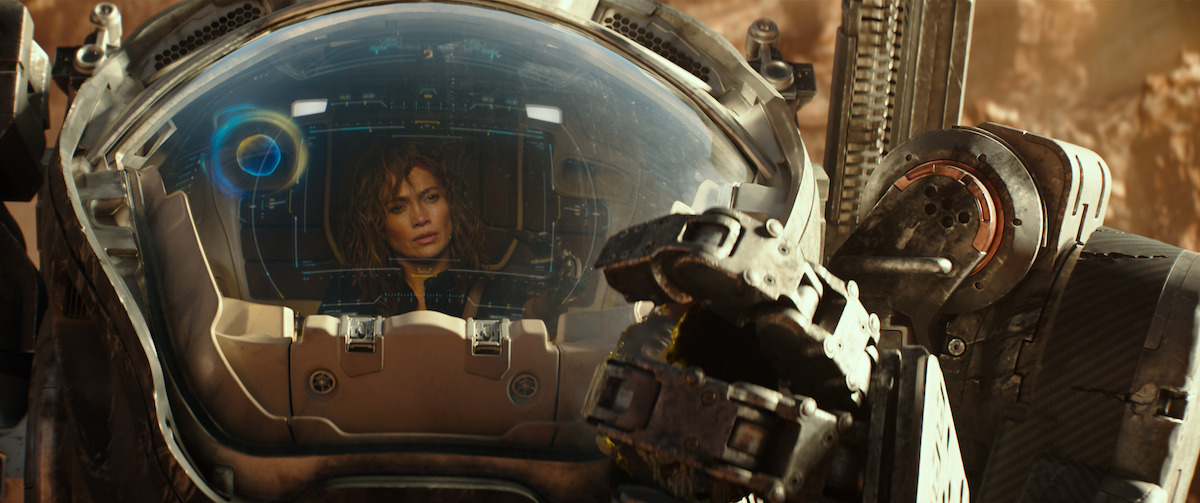
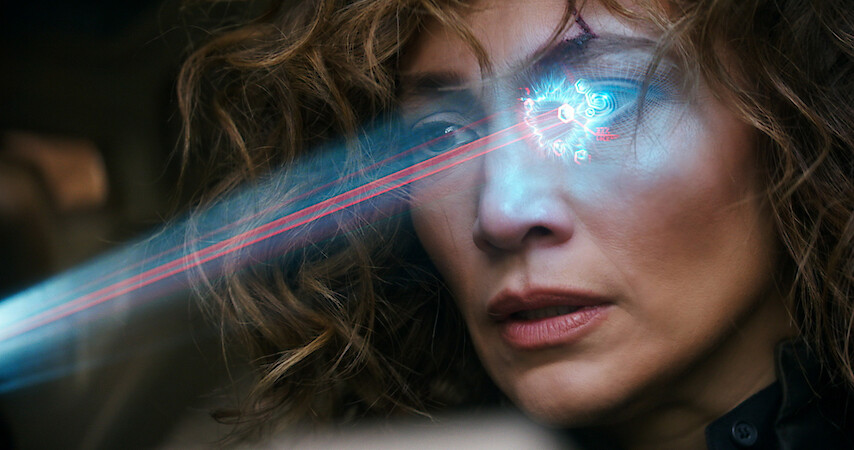
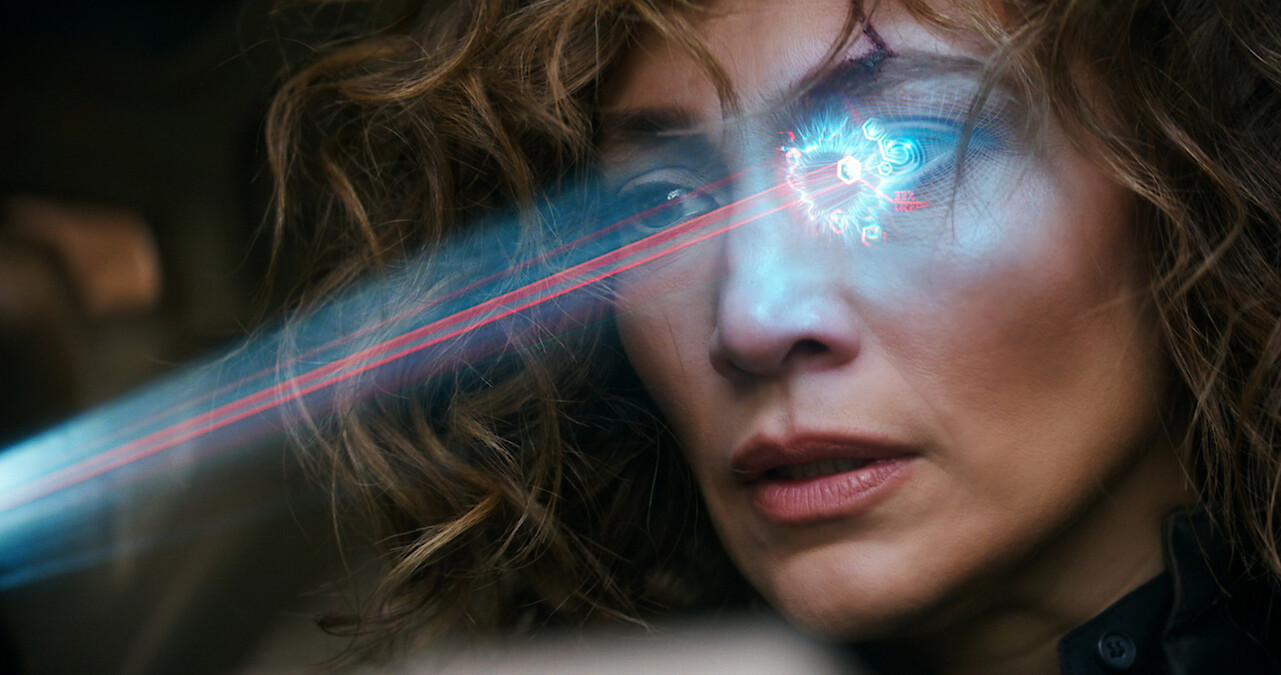
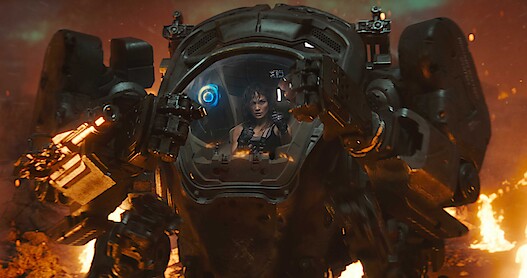
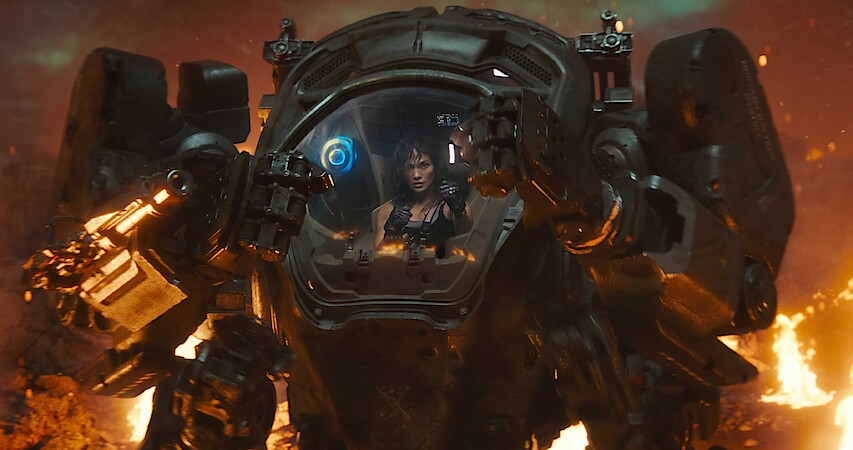
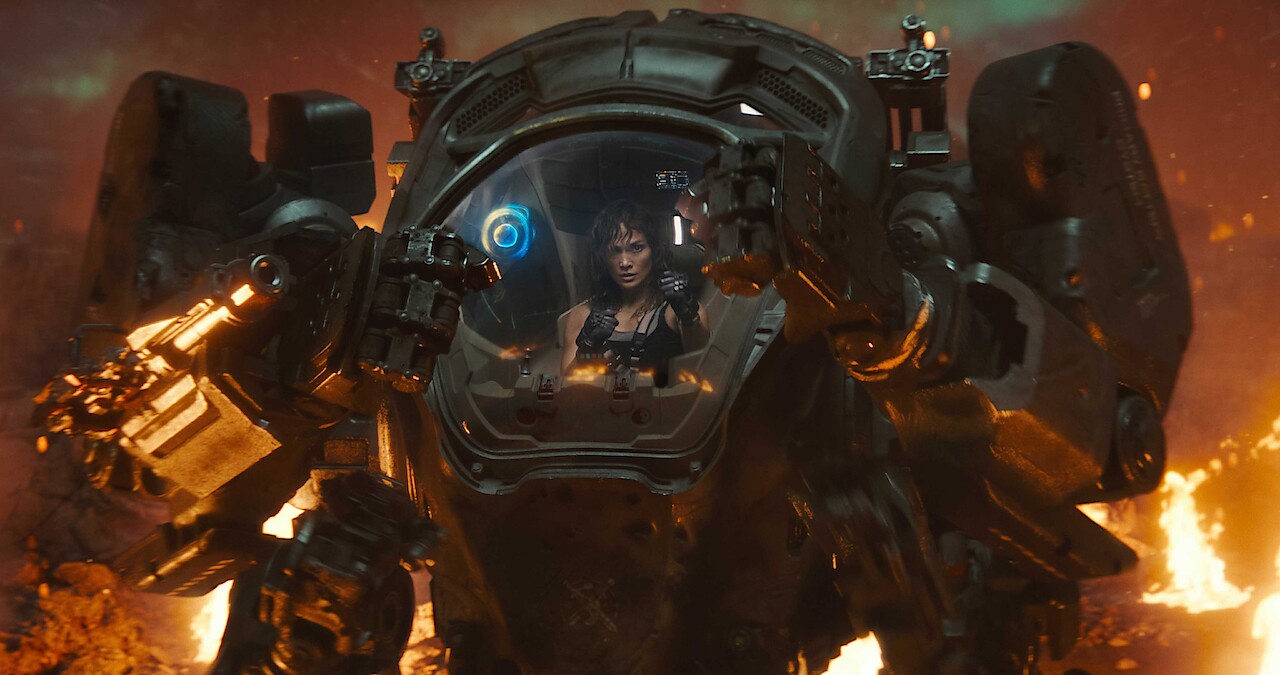
To get around on an alien planet — and to fend off the attacks from Harlan’s guerillas — Atlas must overcome her suspicion of AI and strap into an ARC, a gigantic, weaponized robotic exoskeleton that she pilots by neurally linking up with its onboard computer, named Smith.
The filmmakers created Smith through a similar merging of the human, the analog, and the digital. Lopez filmed much of Atlas on a mechanized platform that in post-production would be transformed into the massive robotic mech suit. “It was exhausting, but exhilarating,” Lopez said. “We had a couple of different mech suits — one that was stationary and one that was on these hydraulics that would move it around. It was hard to get accustomed to it at first and learn to work without other actors. It’s all on you.”
Cohan compared the process to a mechanical bull. After face-to-face rehearsals at the beginning of the day, he stood on the sidelines of the set and read Smith’s lines to Lopez through an earpiece. “I wanted to make sure I had a camera on the monitor so I could see her face and I could actually have an interaction with her, but she didn’t see me,” he tells Tudum. “She just heard my voice.”
Perhaps the biggest obstacle Atlas faces on her interstellar missions is a longtime distrust of AI, fostered by the betrayal of her “brother” Harlan, the rogue cyborg created by Atlas’ mother (Lana Parrilla). “Atlas has been so closed off — in a way Smith is more in tune with being human than even she is, because he’s willing to let her in,” Lopez said.
For Cohan, the experience of performing aligned with the journey the characters go on together. “My role as Greg, the actor, was really just to support Jennifer,” Cohan tells Tudum. “And it just so happens that that’s the parallel of Smith and Atlas. I’m just there to keep her alive and keep her safe and complete the mission.”
“Their relationship is really about one person learning to let someone in so they don’t miss out on the most beautiful thing in life, which is sharing yourself with someone and being vulnerable,” Lopez told Netflix. “That’s the deepest form of love, and that’s really what the movie is about, I think.”
Cohan agrees. “I start out as just kind of a computer, just giving prompts, using commands, and then things start to happen in the movie and my character has to show her that she can trust me,” he says. “And in order to build trust with someone who automatically doesn’t have trust, you really have to open yourself up. You really have to show that you are in it together.”
So yes, Atlas and Smith do ultimately become friends — an unlikely duo in an unlikely story.
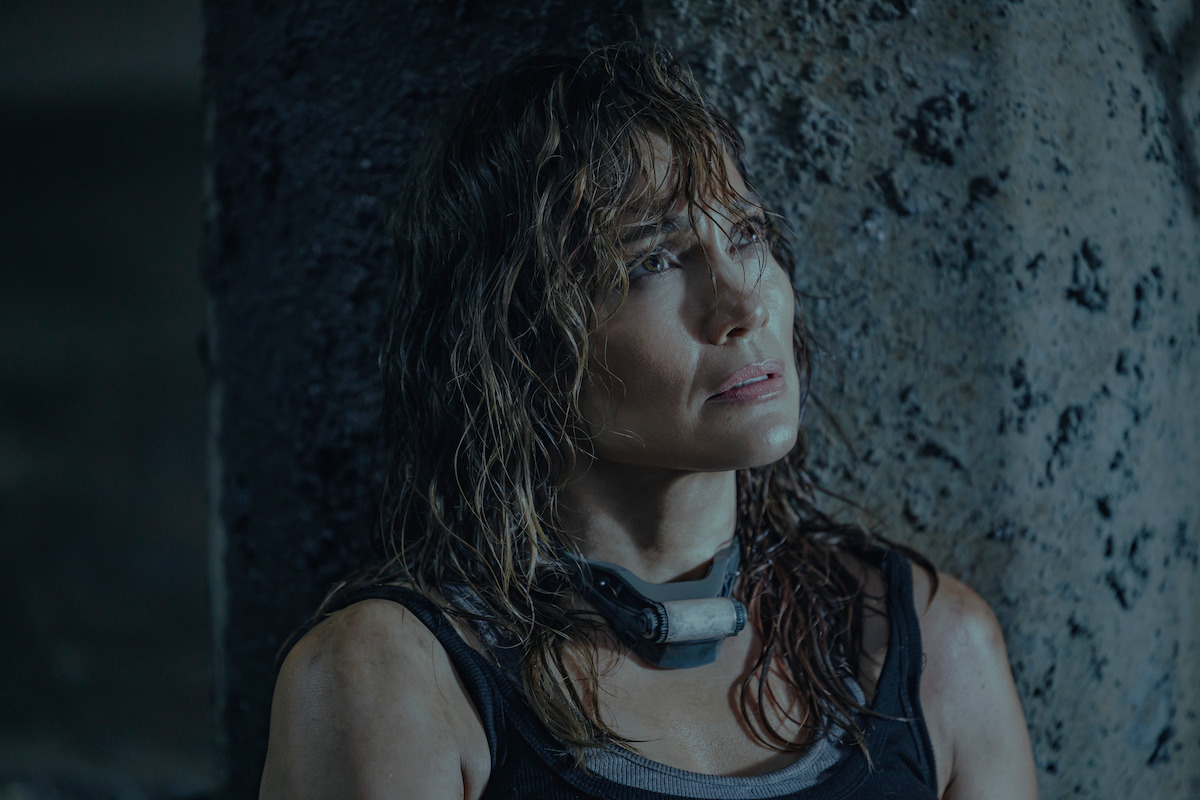
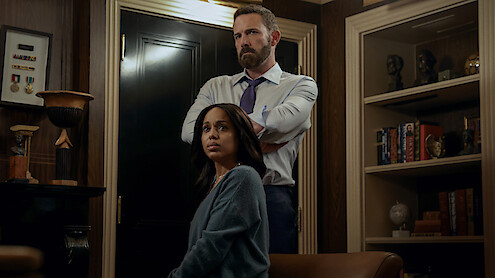
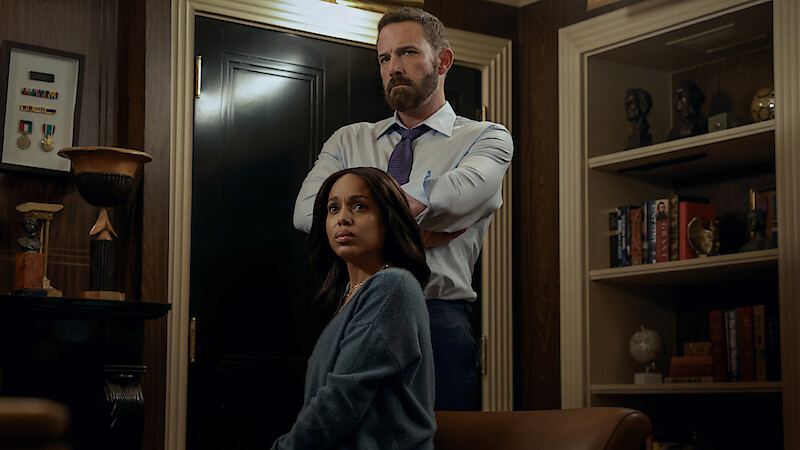
Yes. In one chilling Clockwork Orange–esque torture scene, Harlan clamps open human military commander Colonel Banks’ (Sterling K. Brown) eye, and we see a truly distressing amount of the Oscar-nominated actor’s eyeball. It’s a fully practical effect.
“It feels real, it looks real, because it is real,” director Brad Peyton says. “Sterling was like, ‘Yes, you can do it, but like, can we make it for a really short amount of time?’ So I set up all my cameras, we did it for 90 seconds, got what we needed, moved on.” Fortunately, there was a professional on hand — the father of one of the film’s producers is an eye doctor, and he applied the clamp to Brown’s eye.
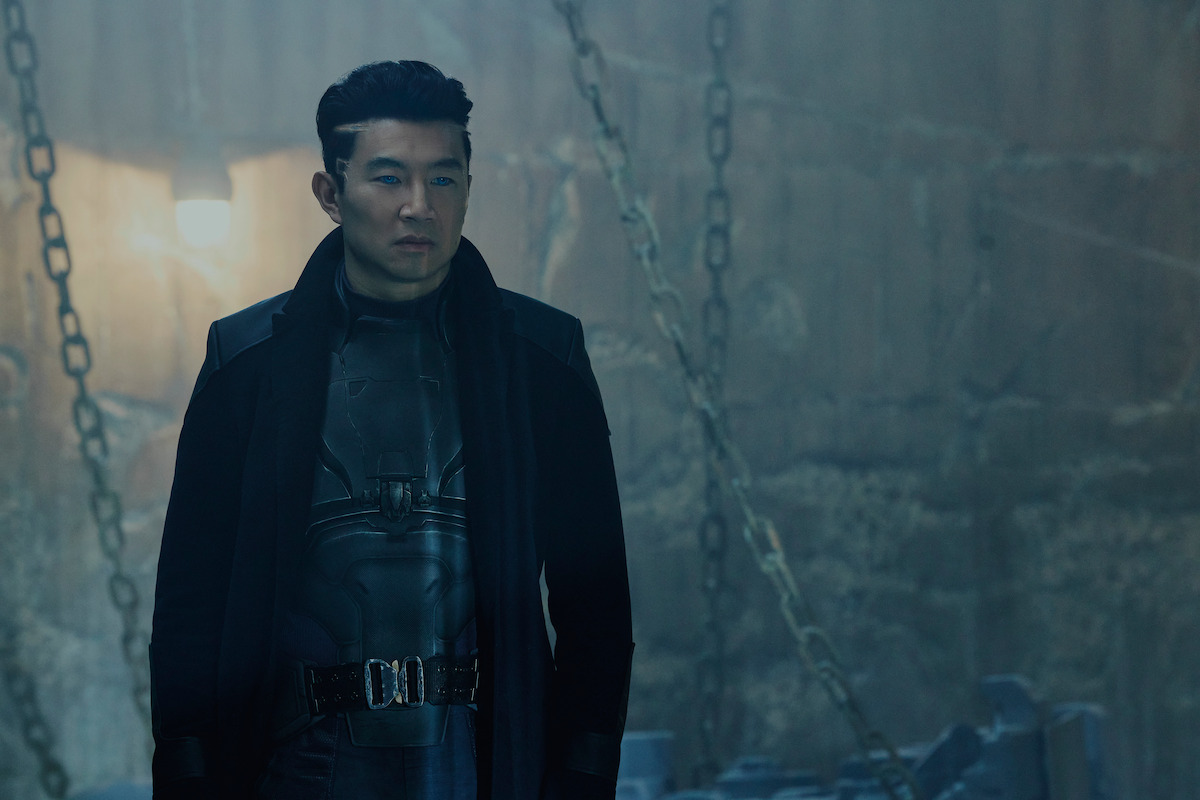
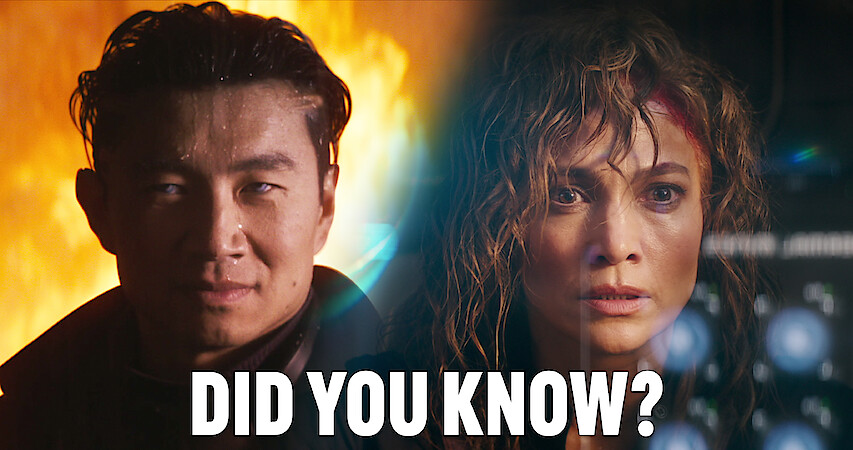
As played by Liu (Shang-Chi and the Legend of the Ten Rings), Harlan is a formidable cyborg opponent, built to help humanity but destined to betray it. Even as his plans grow more and more diabolical, Liu strove to retain the character’s twisted version of humanity. “When you think of artificial intelligence, they’re basically created to emulate humanity,” Liu told Netflix. “So there’s a sort of childlike wonder that Harlan has in the beginning before he essentially takes a bite of the apple. And I tried to use that as an anchor to this character to make him a compelling villain.”
Brown came away impressed. “I think there’s always something very interesting about seeing good people do bad things because there’s an inherent part of you that wants to root for them, that wants to see them make the right decision,” he said. “But he’s ultimately a bad guy so it makes it complicated for you as an audience member to just be like, ‘I hate him.’ You love Harlan and you hate Harlan at the same time, and I think that makes for more of a roller coaster. Simu knocked it out of the park.”
Atlas’ relationship with Harlan still haunts her all these years later; it was her “sync” — a neurological link like the one she undergoes with Smith — with her “brother” that gave him the capacity to override his programming and turn on the world. Now, Harlan has lured her to planet GR39, and plots to use her security codes to launch a bomb aimed at Earth. With all this context, it’s really no wonder Atlas struggles with trusting Smith. In the final battle, Atlas and Smith face a merciless (and very acrobatic) Harlan. His leaps and kicks are the product of a committed stunt team: “Every time you see me flying in the air, there’s someone on the other side counterbalancing, making sure that the weight they’re applying is just right so I don’t go shooting off into the ceiling, and or come crashing down and breaking all the bones in my legs,” Liu said.
Even in the face of this intimidating display of skill, Atlas finally pushes past her fears and battles Harlan in full sync with her AI companion. Together, they defeat him — but at the cost of Smith’s functioning. Atlas brings Harlan’s CPU back to Earth, and the day is saved.
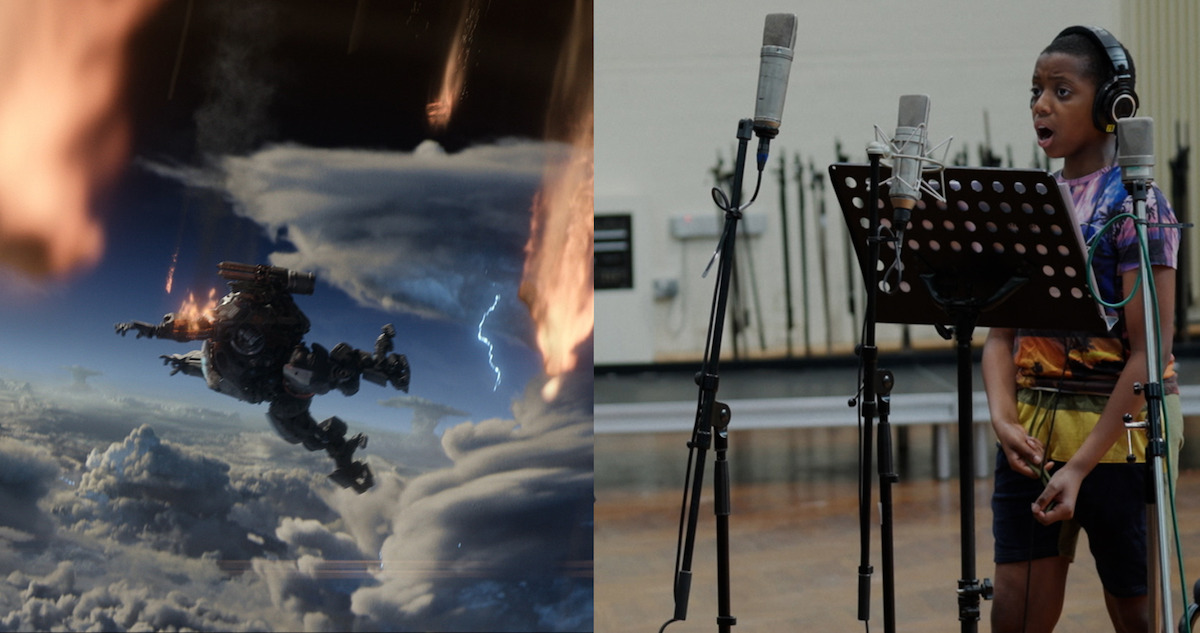
Although he seems destroyed for good at the end of Atlas, Smith lives to fight another day in the final few minutes of the film, as Atlas reactivates her ARC suit and finds his familiar voice waiting for her. Their bond represents quite the evolution for the once-chilly analyst. “You can’t live your whole life thinking you can do it on your own,” Lopez said. “I think sometimes we forget that we need other people. And we have to cherish that.”
Atlas is now streaming on Netflix.