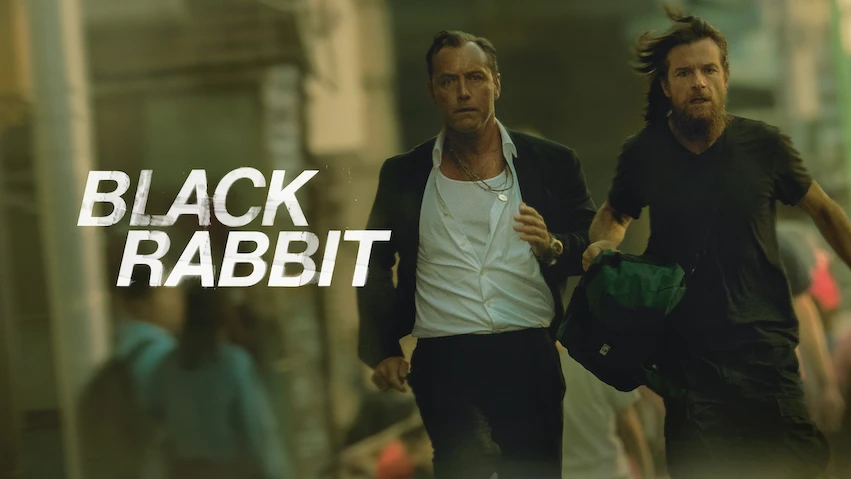
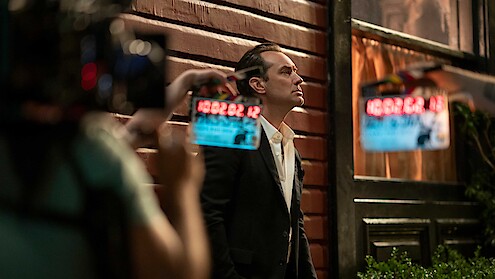
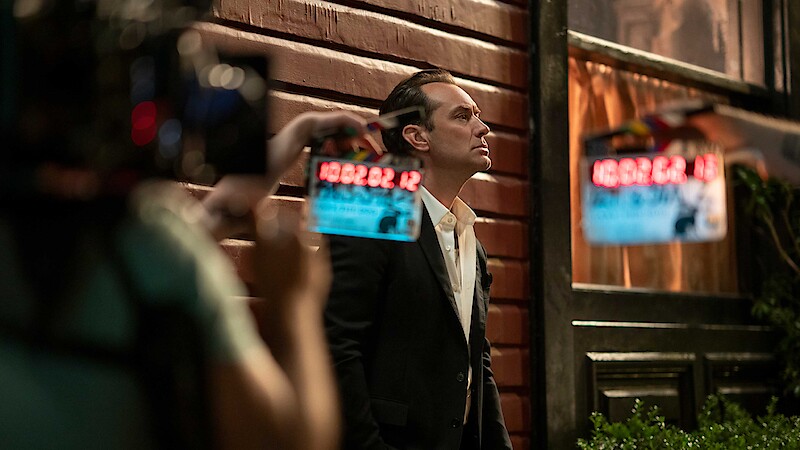
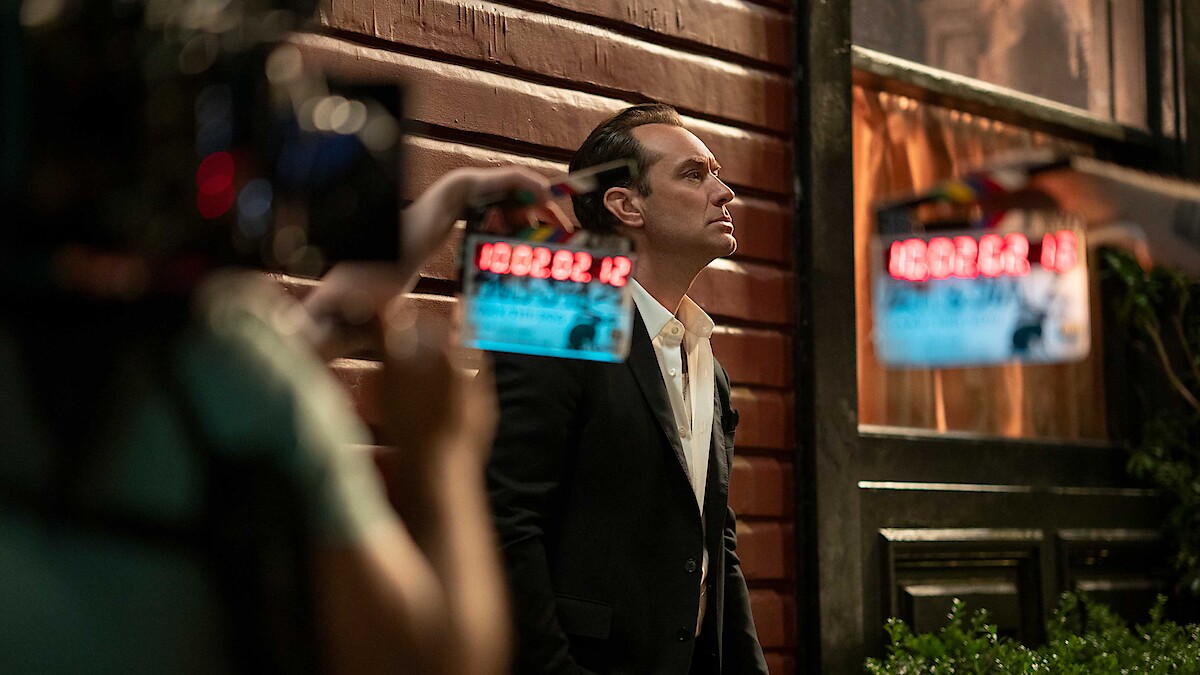
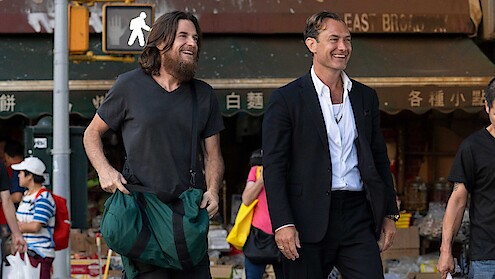
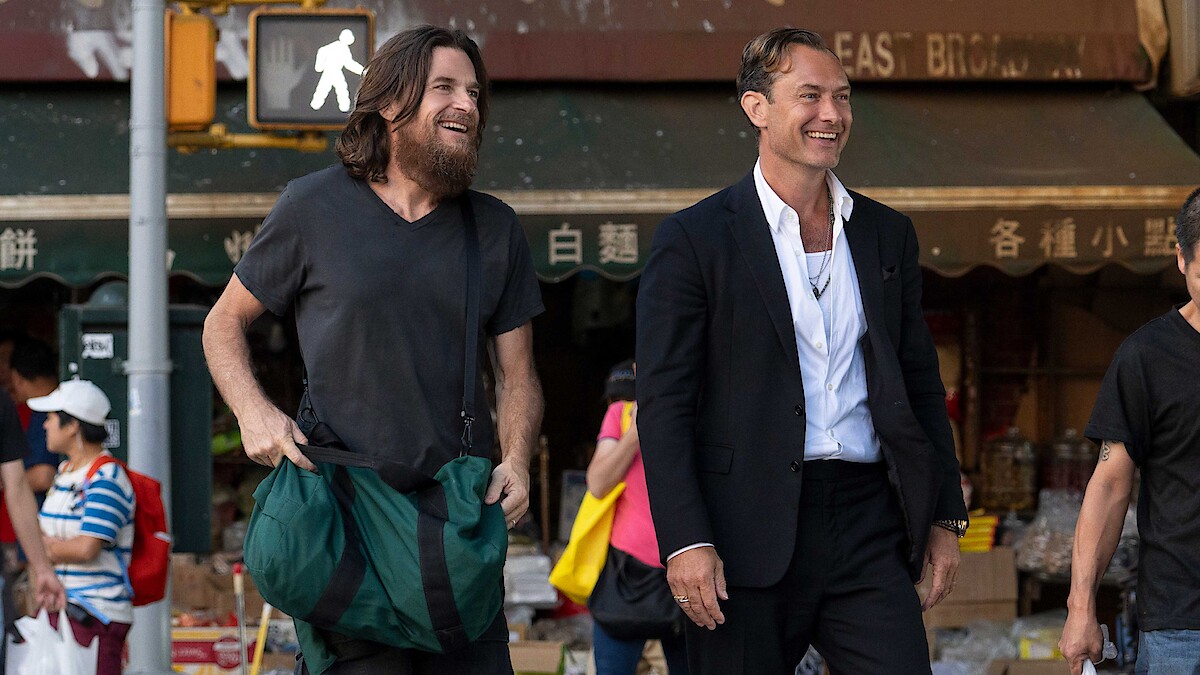
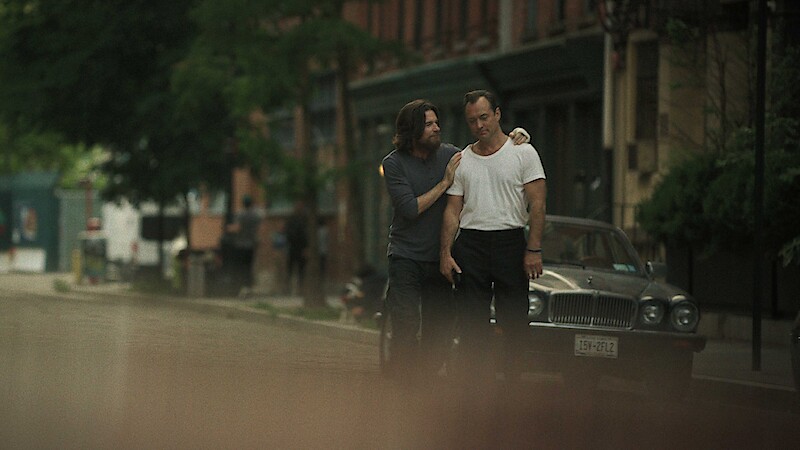
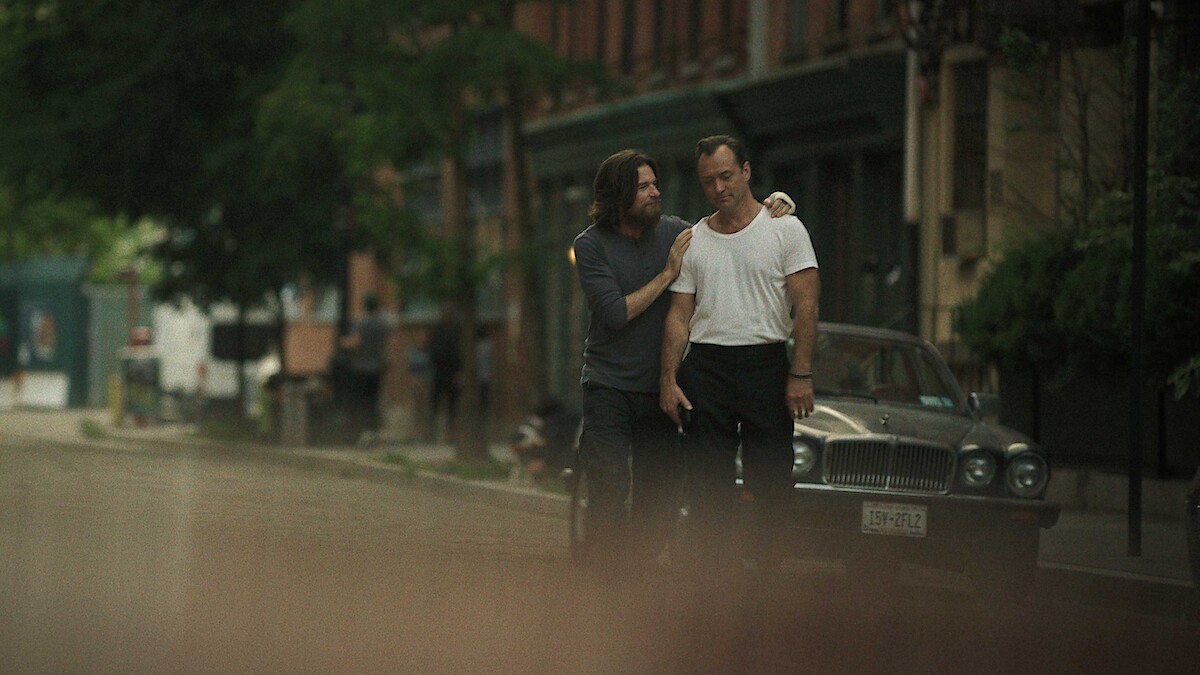
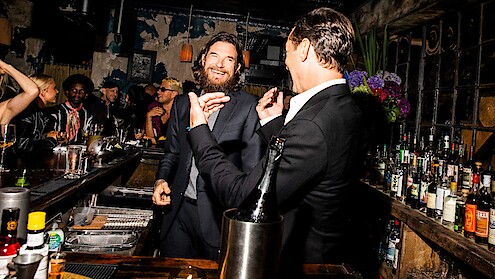
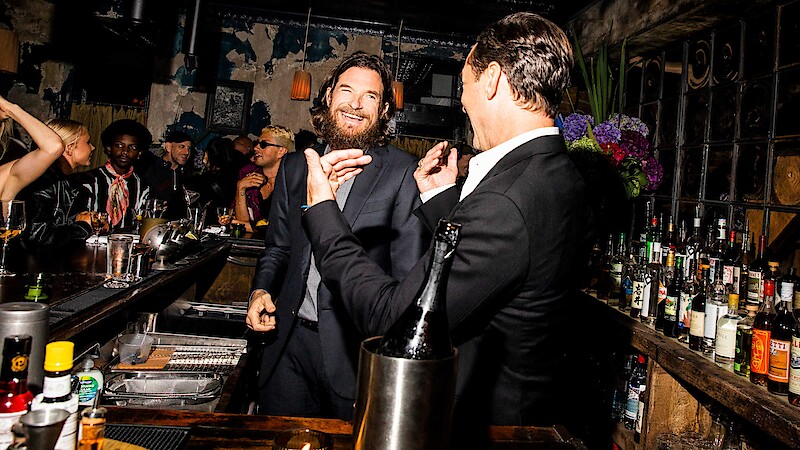
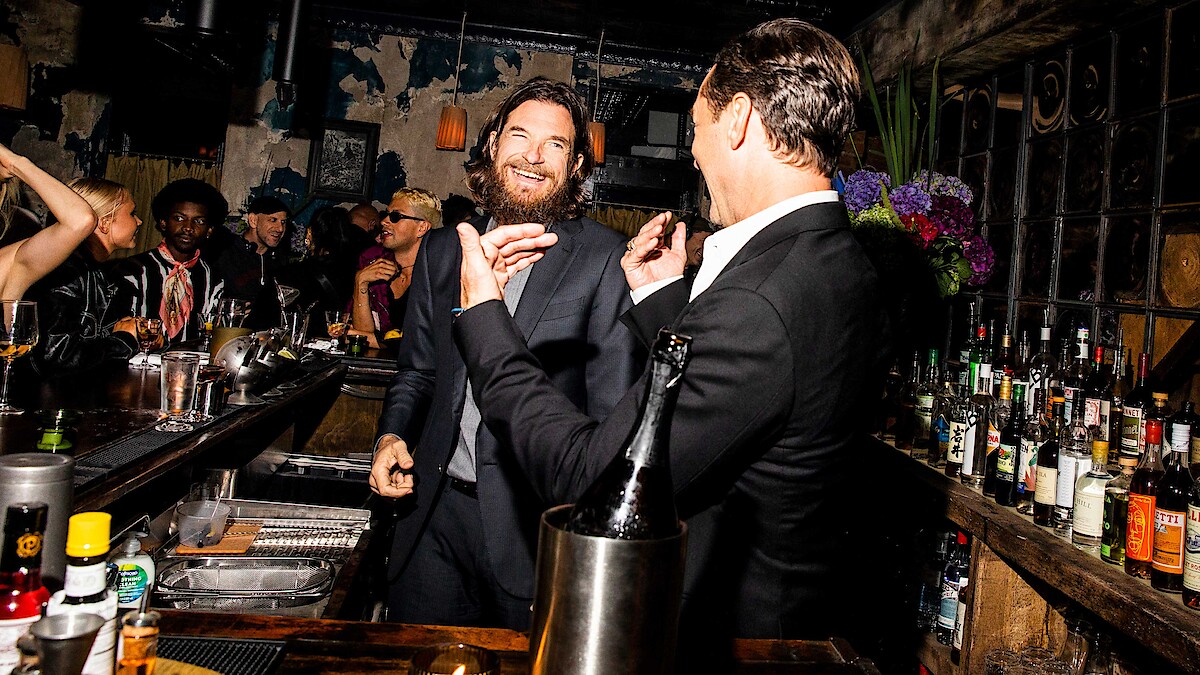
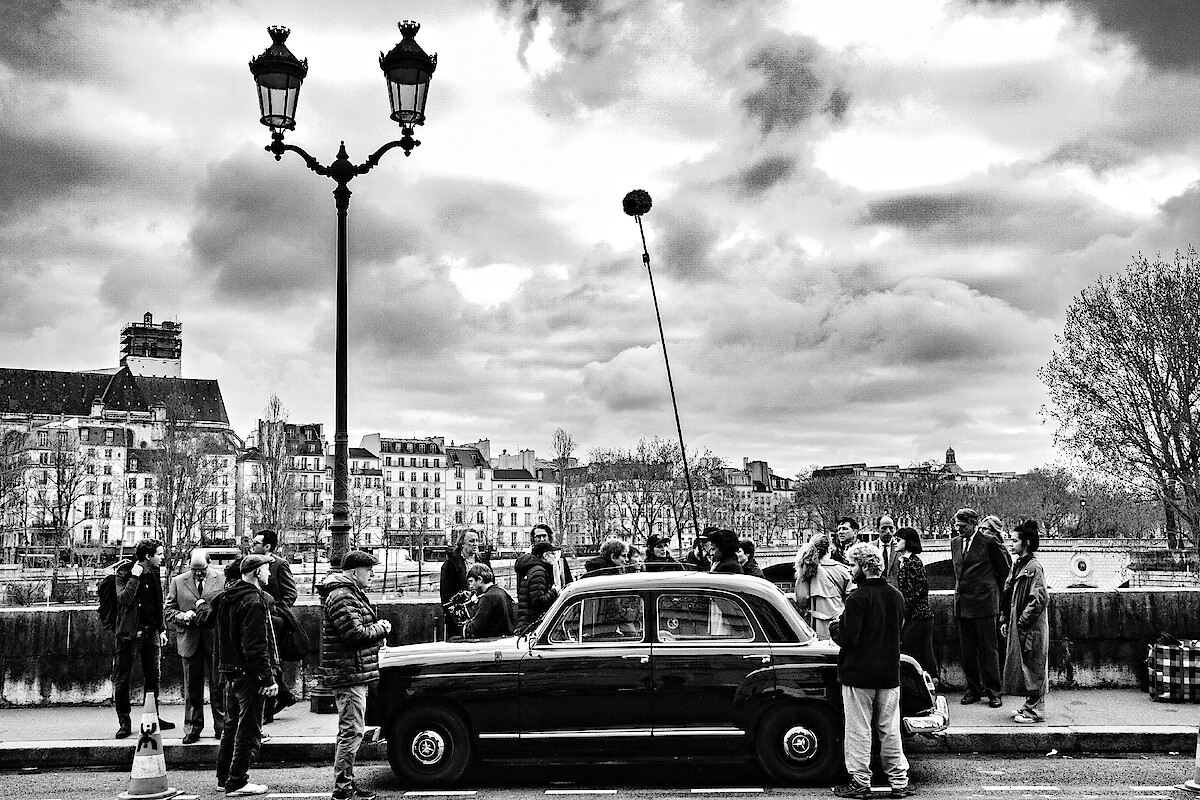
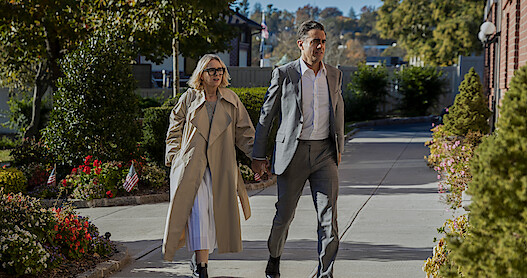
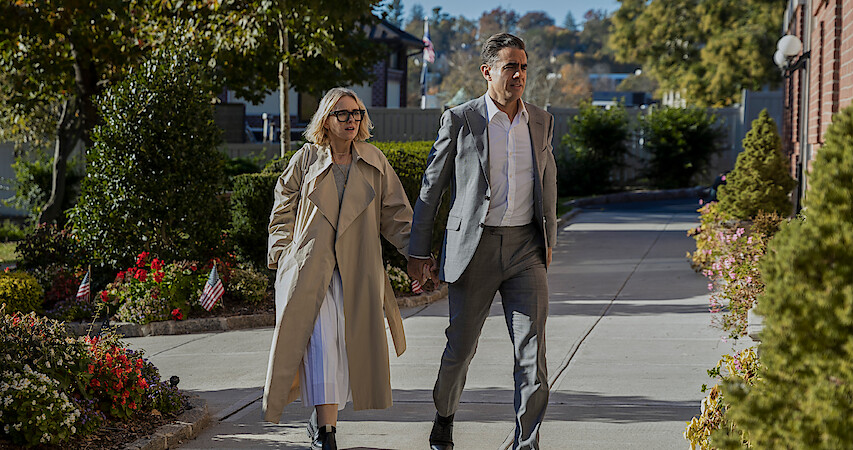
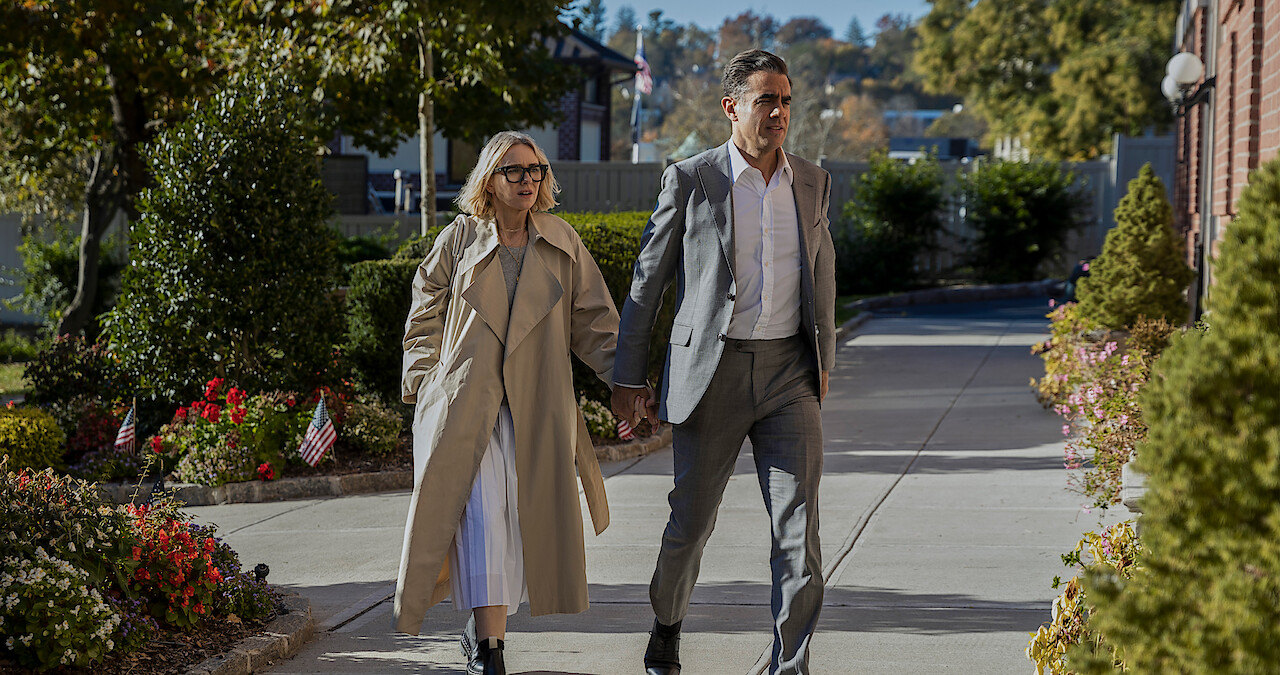
Black Rabbit might not be an actual restaurant you can visit in Manhattan, but the series, starring Jude Law and Jason Bateman as brothers trying to keep their nightlife hotspot afloat, makes you believe it’s real. That’s largely thanks to the world that Black Rabbit creators Zach Baylin and Kate Susman crafted. “We did a lot of legwork moving around the city and getting around,” says Susman, “from Coney Island to the restaurant and everywhere in between. We wanted it to feel very realistic and lived-in.”
That lived-in feel is enhanced by the real New York locations where filming took place. “We wanted it to feel like we had dropped the audience into a New York experience,” says Baylin, the Oscar-nominated writer of King Richard. “For example, the 10th Street Russian baths have been there forever. It’s a real institution in the East Village, and we put that in the script as a huge wish list item. We had a fantastic locations department that made all these really specific New York locations possible.”
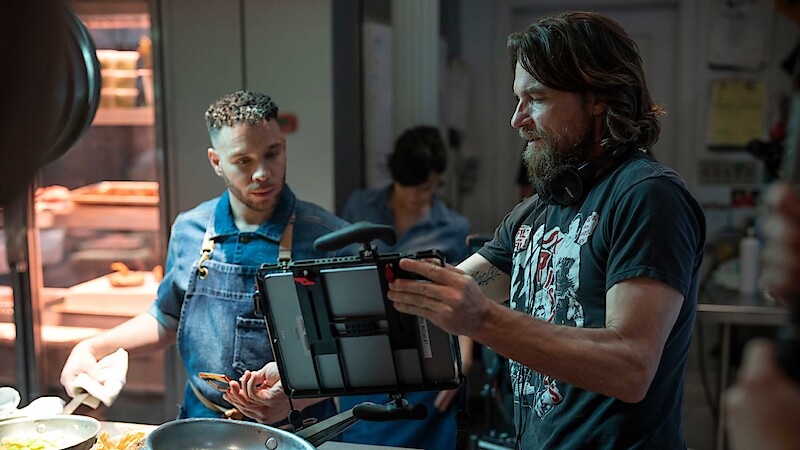
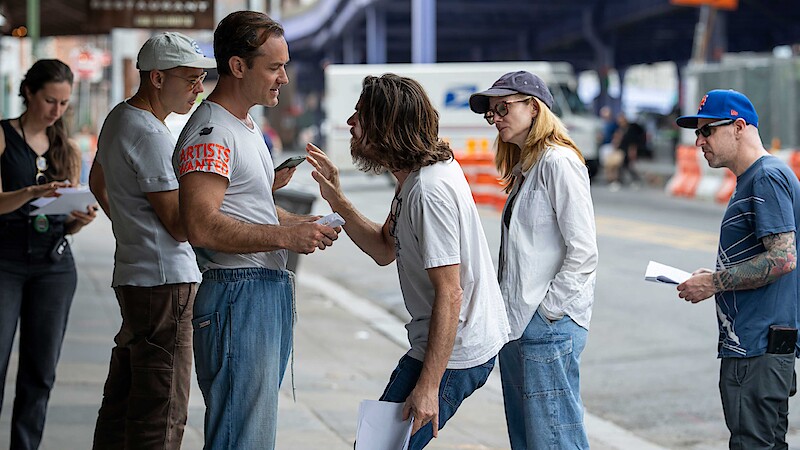
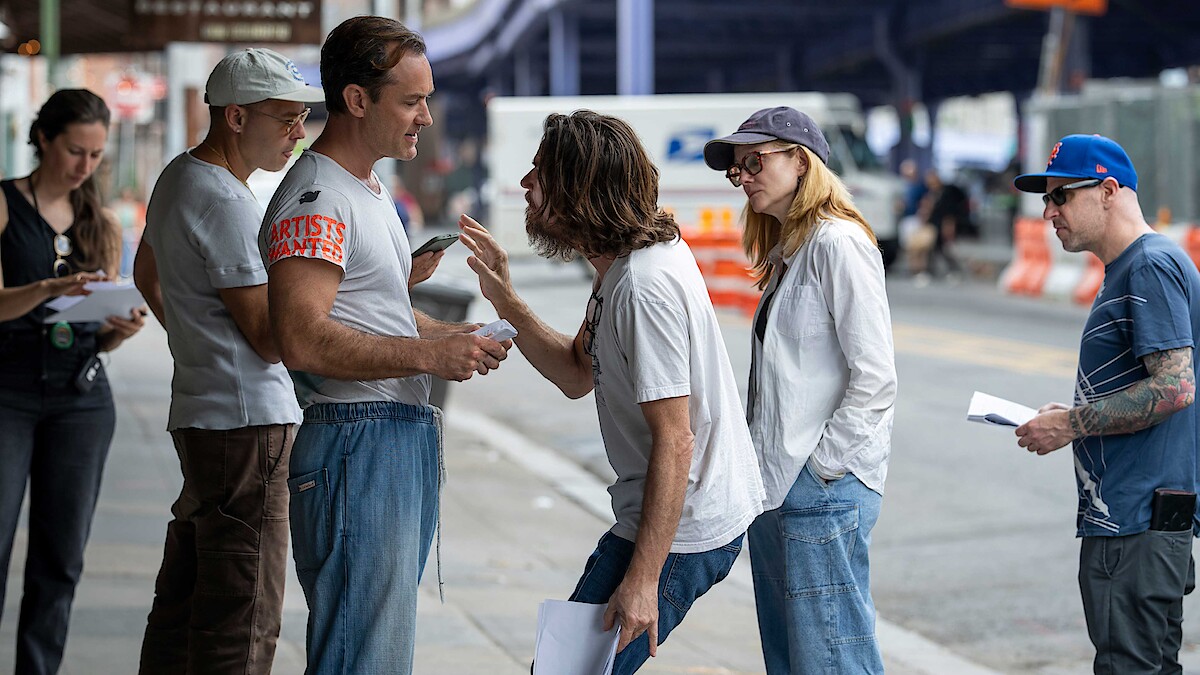
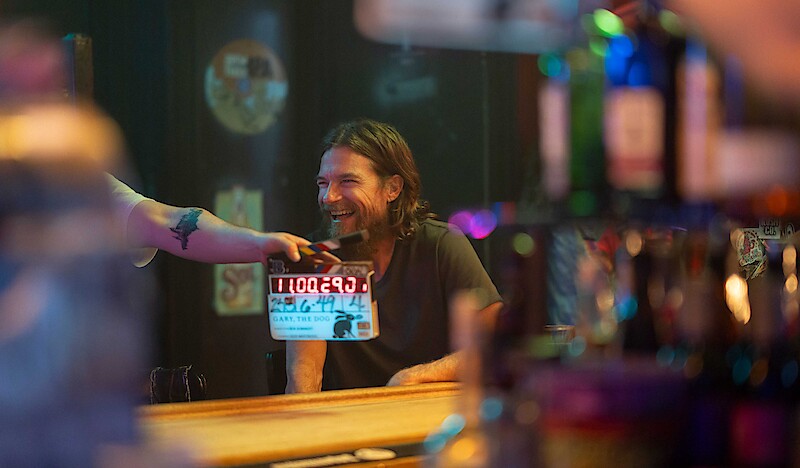
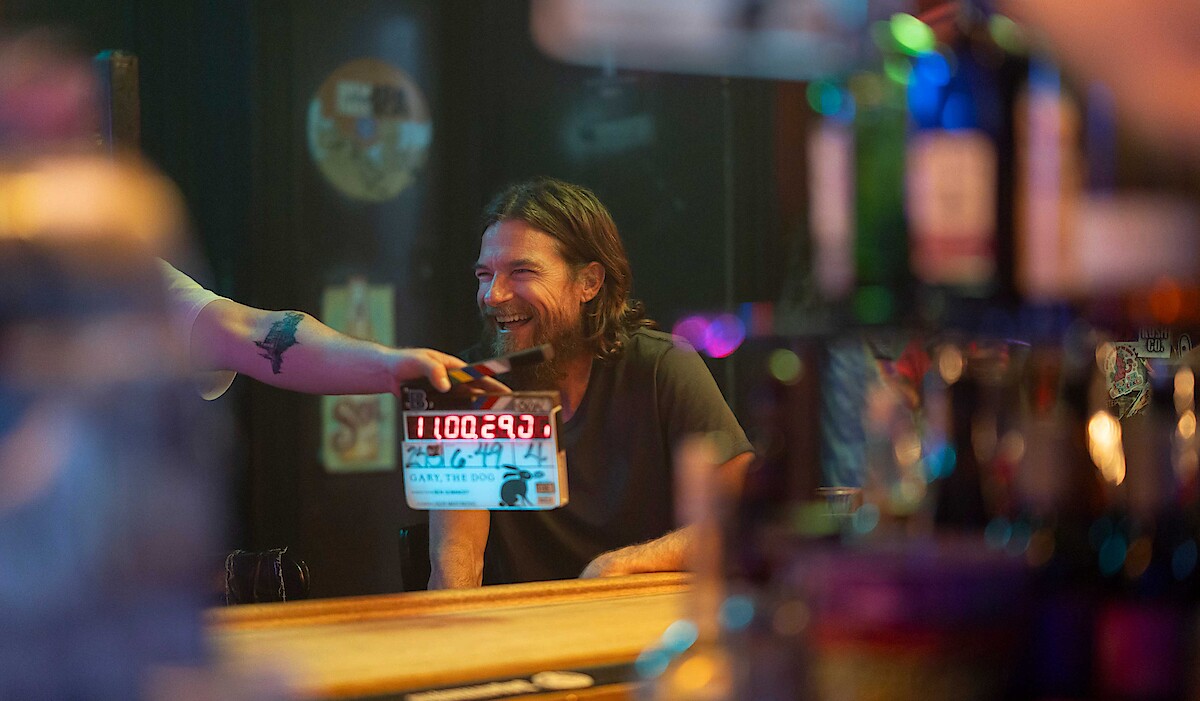
For Bateman, who also executive produces alongside Baylin, Susman, and Law, the most crucial location to find was the restaurant. “We did a few day tours around the city to try to find what the actual, practical location of Black Rabbit would be,” he recalls. After a few spots that didn’t have the right essence, they eventually found their way to 279 Water Street in lower Manhattan. “I couldn’t believe it,” says Bateman, who directs the first two episodes of the show. “It had all the vibes we were looking for.”
“The Black Rabbit exterior location is right underneath the on-ramp to the Brooklyn Bridge,” explains production designer Alex DiGerlando, who felt the history of the building itself provided the perfect backdrop against which to build their set. “It was built in 1794; the building was 75 years old at the start of the construction of the Brooklyn Bridge. Originally it was a little grocery that was right on the water’s edge, but eventually the city landfilled the coastline, and now it’s set back from the water. In the late 1800s, it became a very nefarious saloon called The Hole in the Wall that was famous for grisly killings and notoriously violent fights.”
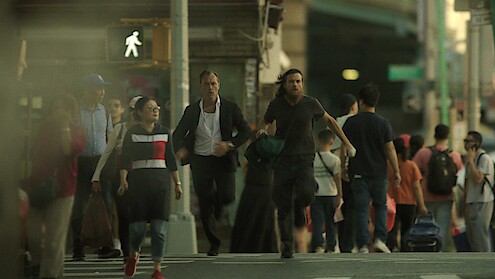
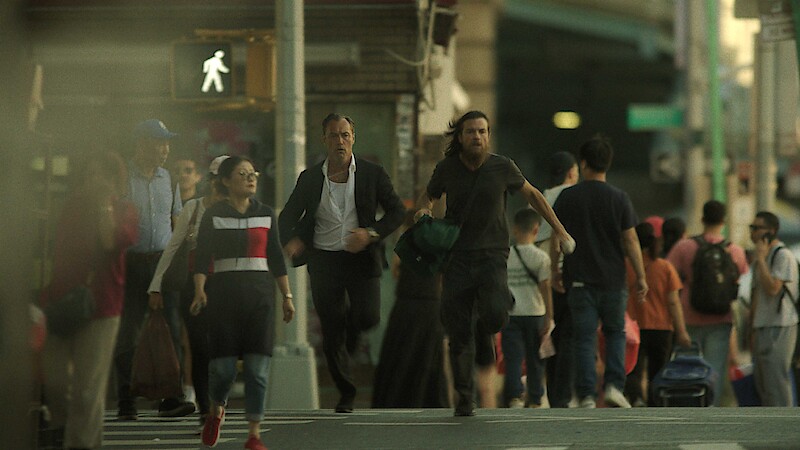
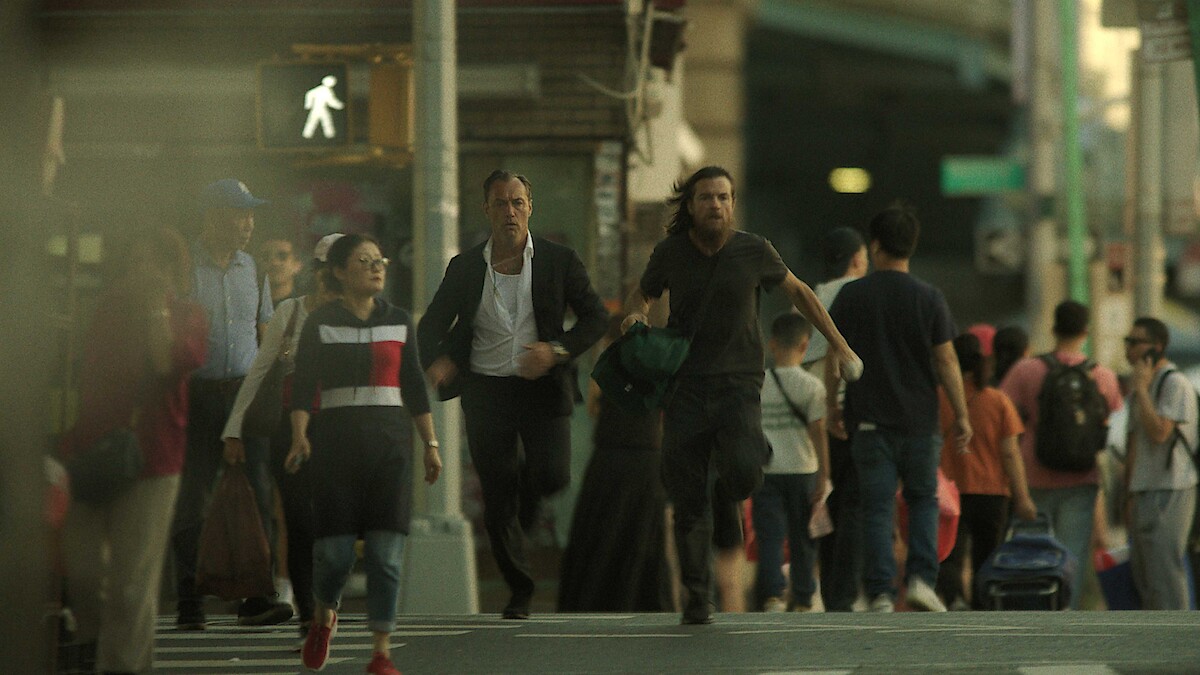
Law relished the opportunity to film not just inside Black Rabbit, but all across the city. “It has an exhaustive but inspiring kind of energy that you need to embrace as a film crew,” he says. “You can’t really recreate it, you have to go there and hold your breath and jump in and use it as a character.”
Locations manager Paul Eskenazi agrees that, as has often been the case in cinematic and television history, New York has an uncanny ability to live onscreen as more than just a location. “When New York is the co-star, she shows up with opinions,” says Eskenazi. “You’ve got scaffolding popping up overnight, film permits getting revoked last minute, neighbors who think you’ve parked the trucks just to spite them. It’s a dance, and the city’s always leading. But if you know how to follow, you can get magic. And if you’re not sweating a little, you’re probably not shooting in the right location.”
Five Real Life NYC Icons in Black Rabbit
279 Water Street
In a past life, the location for the Black Rabbit restaurant was the site of the first known woman bouncer, Gallus Mag. “It’s got this great colorful history, and a lot of the ghosts of that history haunt the space and haunt our story,” says DiGerlando. “I think all of us felt very inspired and honored to preserve this historic building and give it a new life in our show.”
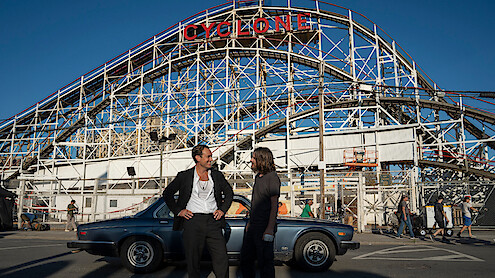
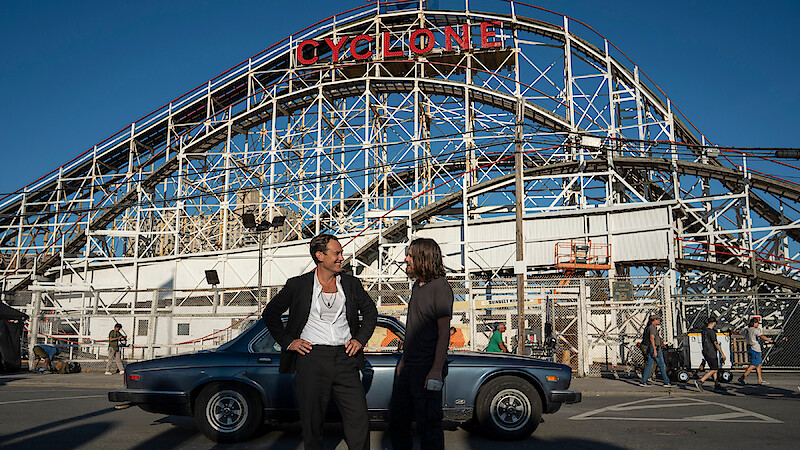
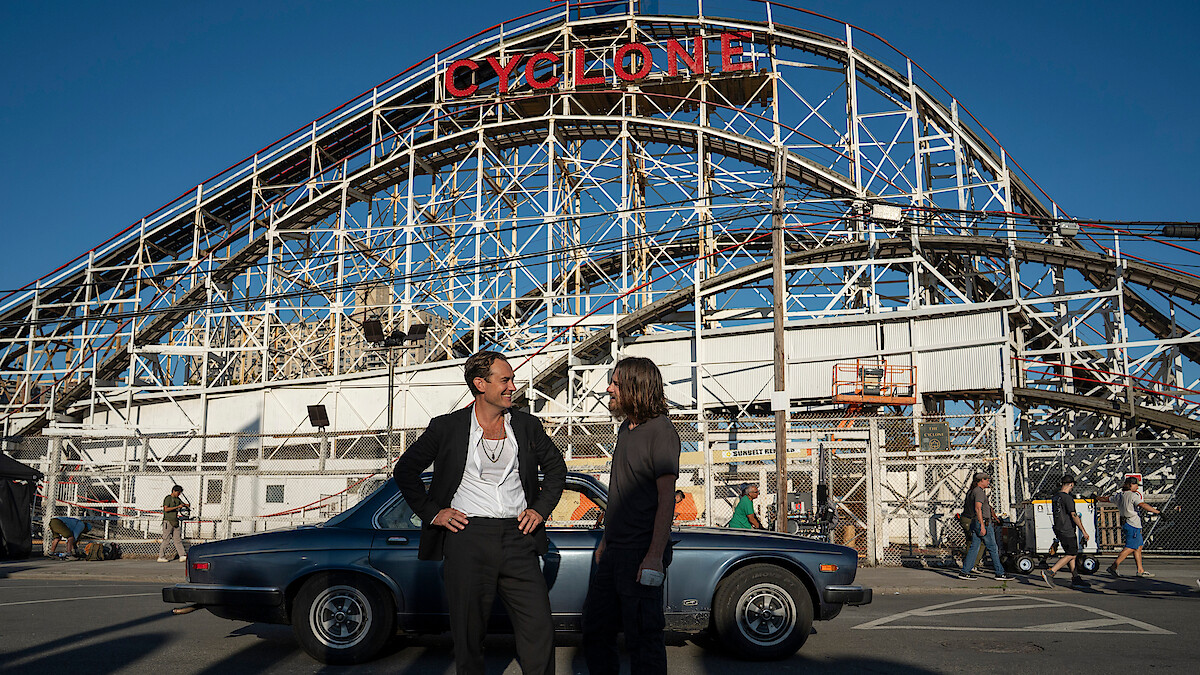
Coney Island
“The version of Brooklyn we shot was untouched, bruised, and a little forgotten,” says location manager Eskenazi. In the series, the brothers grew up in the Brooklyn neighborhood, but it also held a special place for Eskenazi. “Apart from iconic places like the Aquarium and the Cyclone in Luna Park, every other so-called ‘Coney Island’ scene you saw? Those were various different neighborhoods in South Brooklyn, where I grew up … That’s what the show needed. And for me, getting to film where I spent my entire life as a kid? Full-circle moment.”
10th Street Russian Baths
“We worked hard not to invent a New York City,” says DiGerlando. “We approached choosing locations as a showcasing of New York City. So most of the locations that you see, with a few exceptions, are known locations. For instance, Mancuso’s betting operation is underneath the actual 10th Street Russian & Turkish baths, and we made the specific decision not to change the name or make it ‘Mancuso’s’ or anything like that. We wanted it to feel like a place where you could be walking down the street and see it, identify it, and say, ‘This is where the events of Black Rabbit took place.’”
Pool Room in the Seagram Building
“A landmark within a landmark,” says Eskenazi of the mid-century venue, on which Jake has his sights set in the series as the next restaurant venture he’d like to tackle. “The Pool Room is the yin to the Rabbit’s yang. The Rabbit is messy, soulful, a little haunted. The Pool Room? Polished, powerful, and completely void of emotional clutter. It’s cold, it’s aspirational, and it needed to feel like the kind of place where someone could toast a business deal while stabbing you in the back, metaphorically (probably). That space doesn’t just suggest success, it screams it in white marble. It was the perfect counterpoint: The Rabbit pulls you in, but the Pool Room makes you question if you belong there at all.”
Albert Hammond Jr.
Okay, not a location. But a New York icon for sure, as a guitarist in The Strokes, and now for contributing to the Black Rabbit music! “My day job is playing guitar in The Strokes, so being given the opportunity to be structured in different ways, and using the tools I have to enhance something, is very exciting,” says Hammond Jr. “It really came together. When we were doing vocals with Jude, he said sometimes some of the lyrics on the demo song just felt like they were part of the show. I’m still so excited that they like the songs so much.”
This feature originally appeared in Issue 21 of Tudum Magazine.