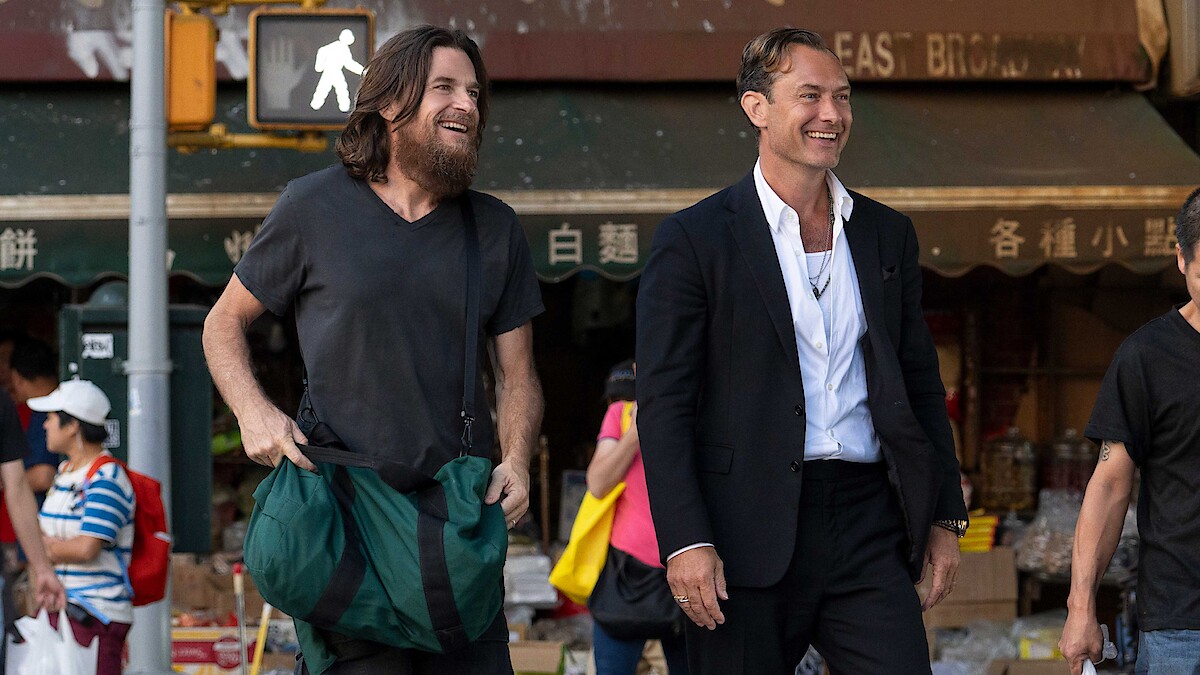
When Jason Bateman first read the script for Black Rabbit, he was drawn to its moodiness and risk but appreciated that the story wasn’t so outrageous that people watching at home would struggle to relate. “It was tangible for us normal folks who like to stay out of jail!” says the star and executive producer.
What made the story relatable was the relationship of the brothers at its core. “One’s a screwup, and the other is much more buttoned-up — or is better at hiding his dysfunction,” says Bateman. “Everybody can relate to that. Everybody’s either got a sibling or a friendship where you love being with one another, but it’s kind of dangerous — where that person usually gets you in trouble, but they’re really exciting to be around.”
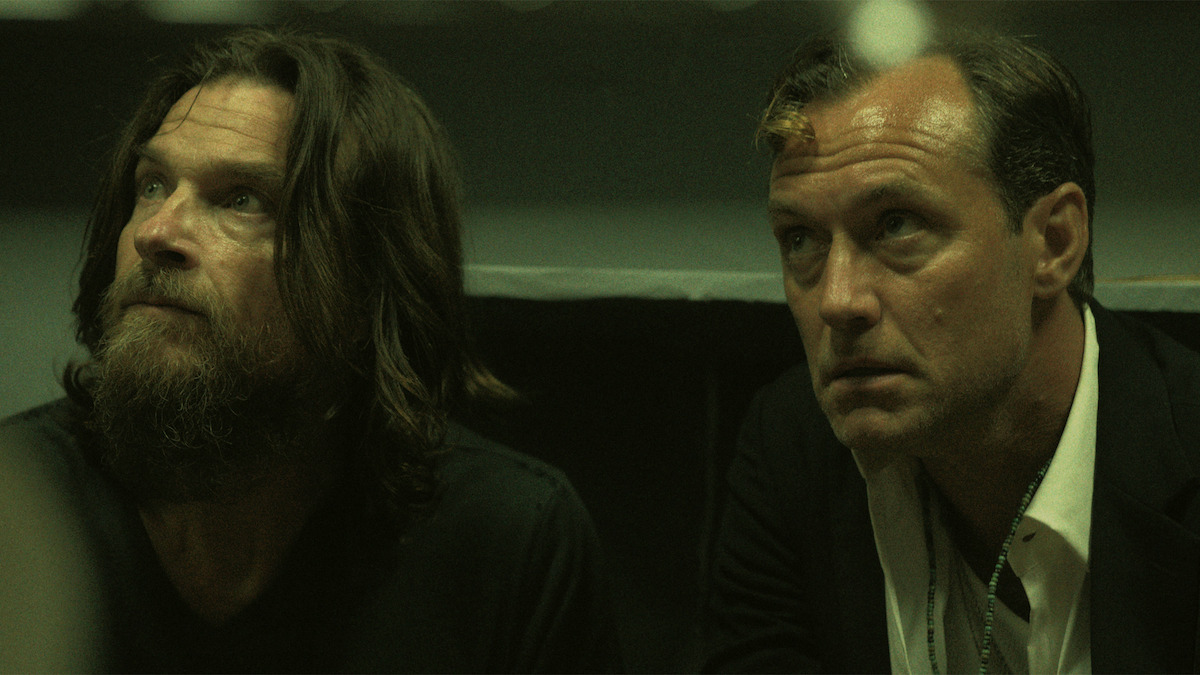
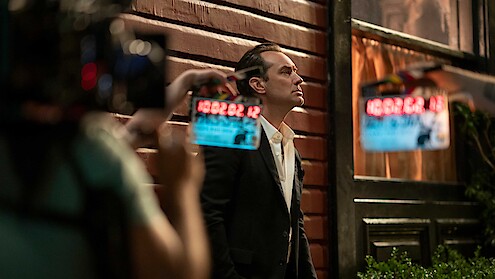
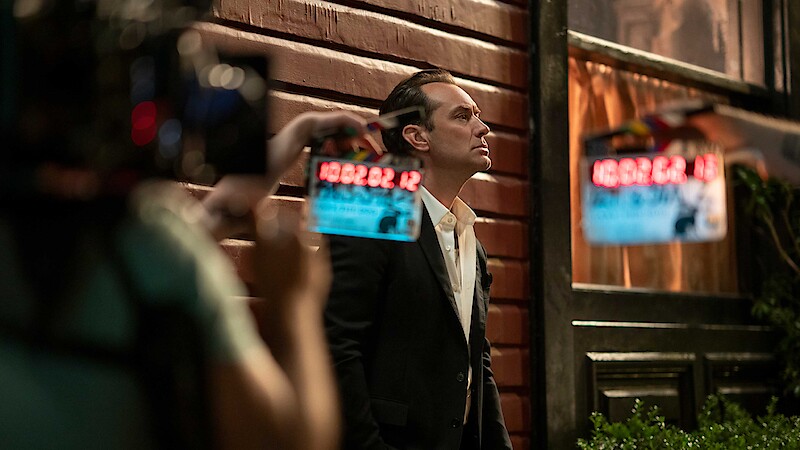
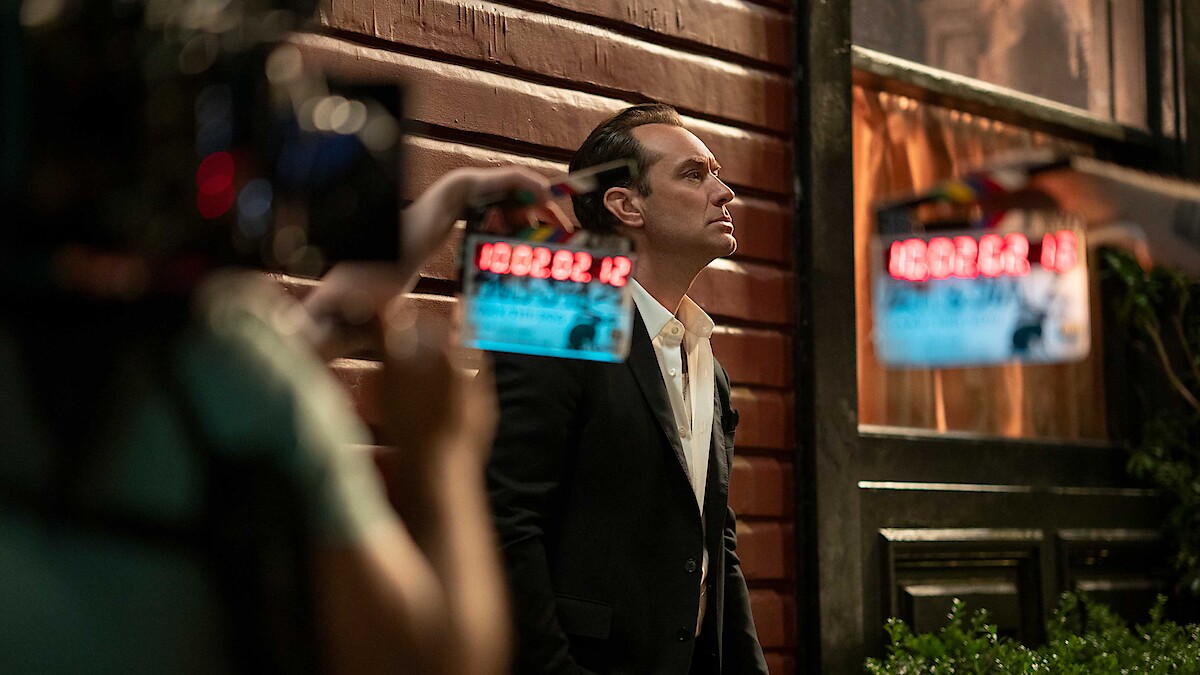
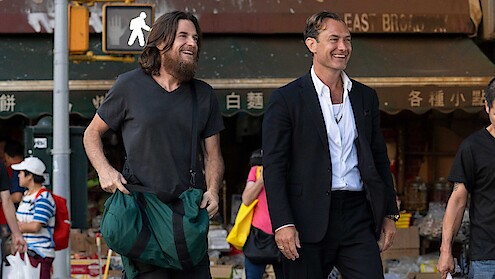
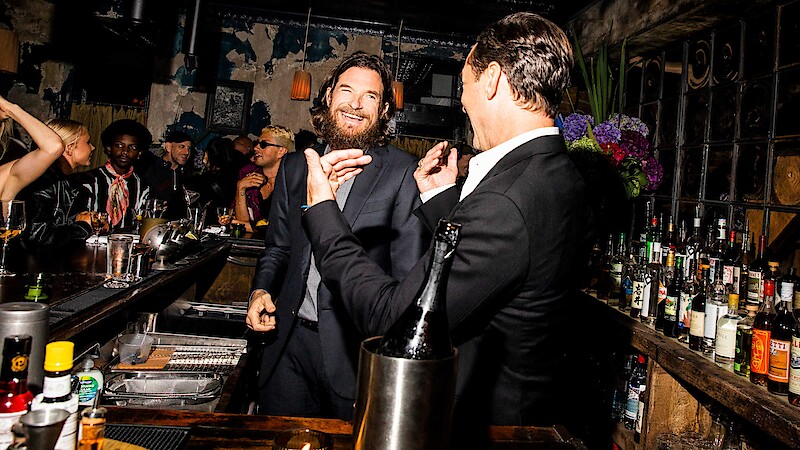
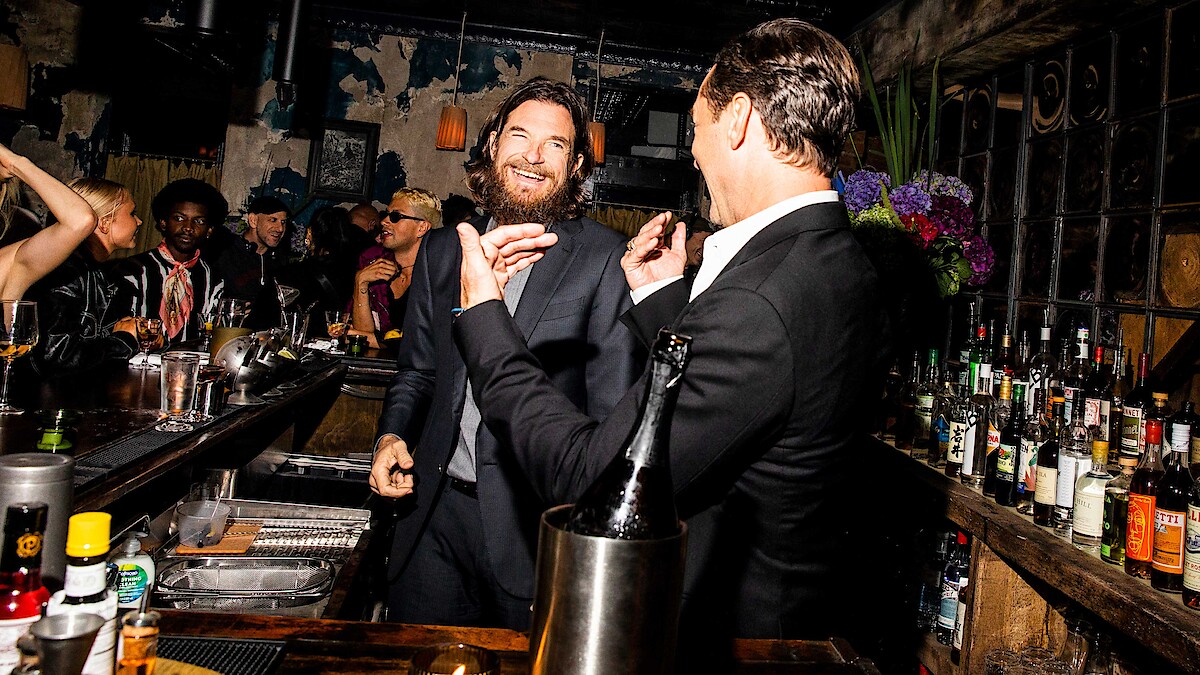
Created by Zach Baylin and Kate Susman and set against the backdrop of the high-pressure New York nightlife scene, the limited series dives into the chaotic lives of brothers Jake and Vince Friedken (played by Jude Law and Bateman). After a stint in a rock band together, they opened Black Rabbit, a restaurant and VIP lounge, which is poised to become the hottest spot in New York.
Law, who plays Jake and also serves as an executive producer on the series, was particularly excited to develop the grimy and glamorous world of the restaurant. “The inspiration for this story really came from a couple of restaurants in New York in the ’90s, and I knew the restaurants, and I frequented them,” he says. “I loved the idea of re-creating that. The behind-the-scenes hustle and bustle of everyday performance that occurs in restaurants and bars such as these. The facade that some of the folks that have fronted these establishments have in comparison to what’s going on behind the scenes, juggling the financial and emotional. I just thought that that was a really rich and fertile place for a story.”
Out of this soil of financial and emotional strain sprouts the story of two brothers who love each other but just can’t quite find alignment. It was that complex dynamic that formed the starting point for Black Rabbit creators Baylin and Susman. “We both have siblings and were interested in exploring the idea that you’re one person with your sibling and someone else in the world,” says Susman. “And that no matter what you do or where you go in life, your childhood dynamic can be really hard to escape.”
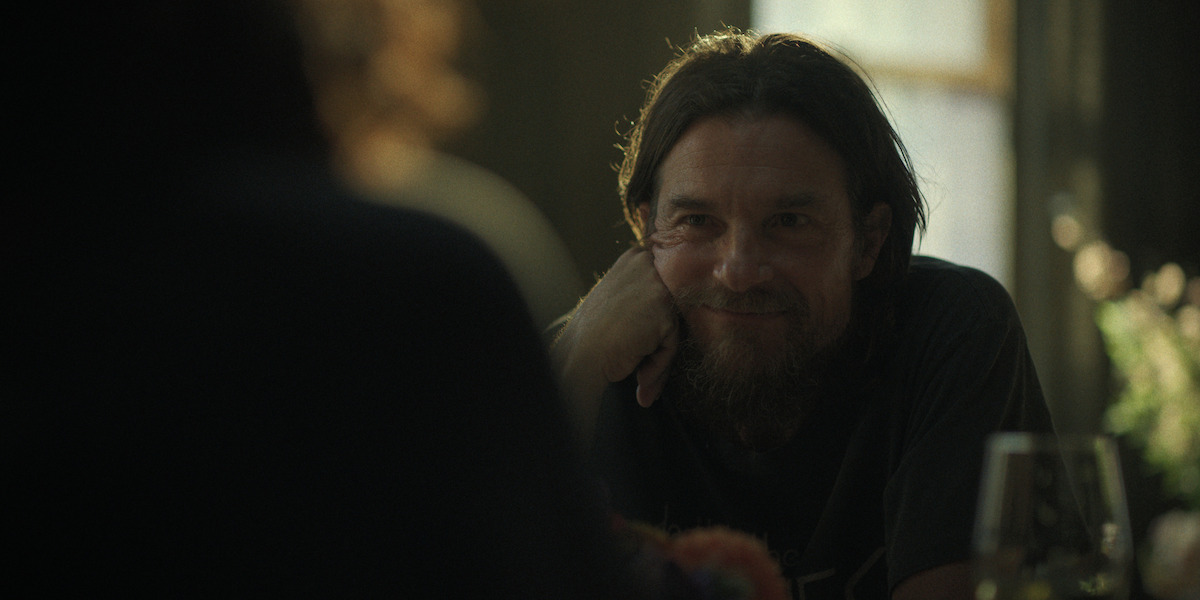
In Black Rabbit, Vince is the prodigal son but also the consummate screwup — and it isn’t long before he’s bringing everything down around him. “Vince is kind of a fuckup,” says Bateman. “He makes a bunch of mistakes and is risky to have around, but he’s a well-meaning guy.” When Black Rabbit begins, Vince has been long erased from the restaurant masthead, but comes sloshing back into Jake’s life after a violent encounter with a thief in Reno ends with him once again penniless. “Vince is a problem, but he’s super lovable because he’s just not that bright,” says Bateman. “And you have empathy for a guy who you can see is trying to make the right decision but just can’t get out of his own way.”
That amicable nature is of slight comfort to Jake when gambling addict Vince sweeps back into town. He’s a chaos magnet, and soon Jake is dragged down into the depths of New York’s criminal underworld, trying to keep his business afloat and his loved ones alive. But, of course, Jake still loves his brother. “You understand why this guy gets away with it,” Law tells Tudum. “Sometimes with characters like this you think, ‘How is this 50-year-old guy getting away with this?’ In Jason’s hands, because Jason is so likable and humorous and warm and entertaining, you understand why people keep getting lured into the fray.”
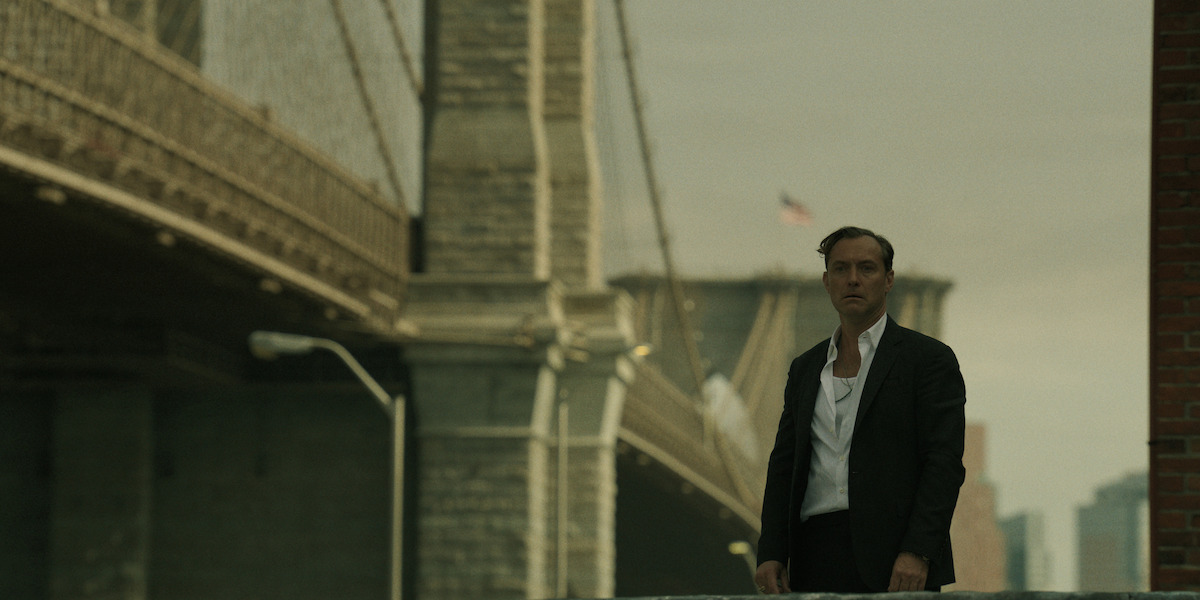
In the years since Vince left town, Jake has built Black Rabbit into a New York City powerhouse. “When you meet Jake, he’s sort of turned his life around,” says Law. “He’s put aside his juvenile behavior and really taken the reins of the place and made it a success and made himself a success — or so it seems. Like me, he’s turned 50 and still feels vital but is also at an age where he’s looking back on life trying to learn from his mistakes, to try to live the life [he] really wants to live.”
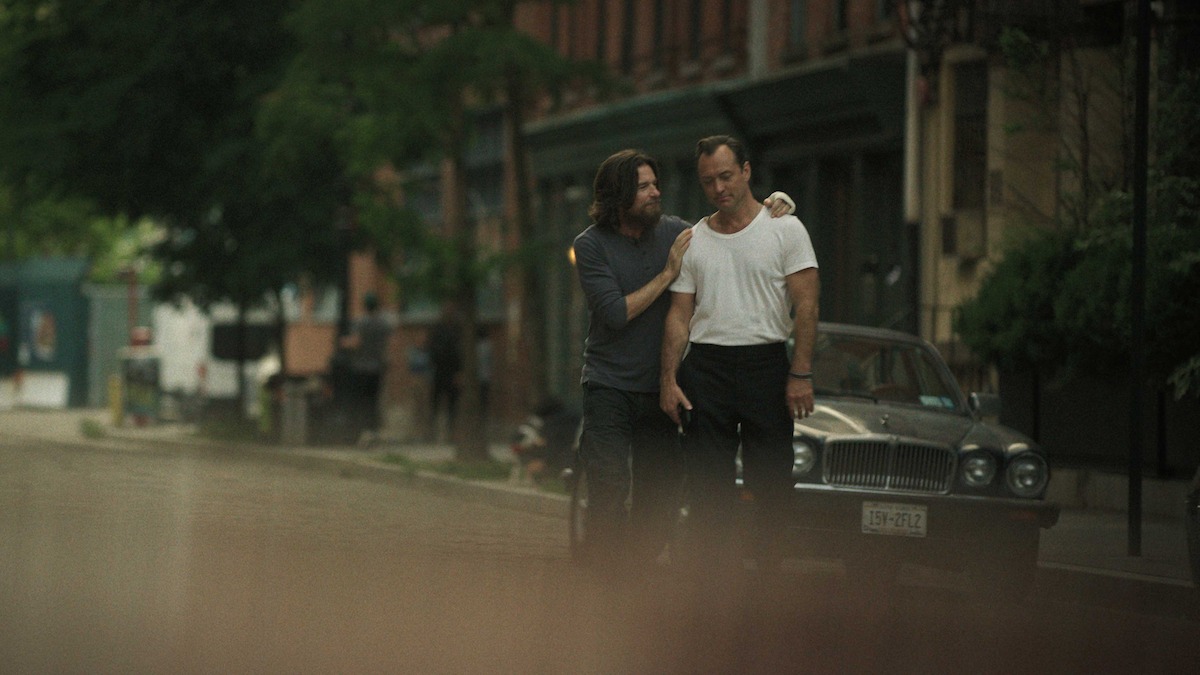
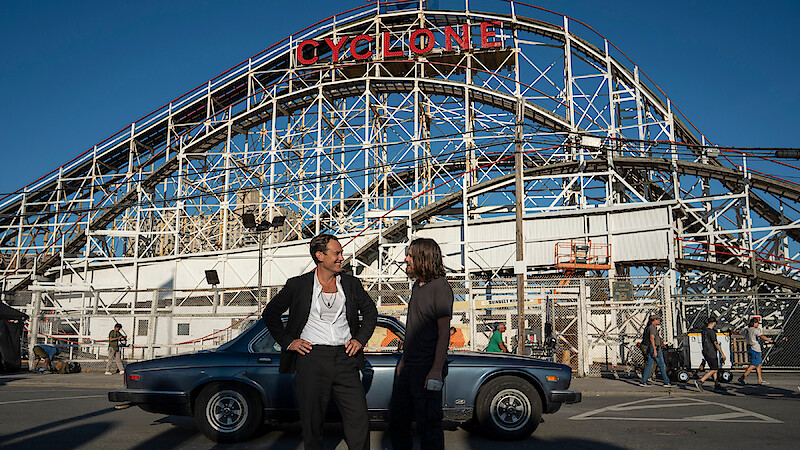
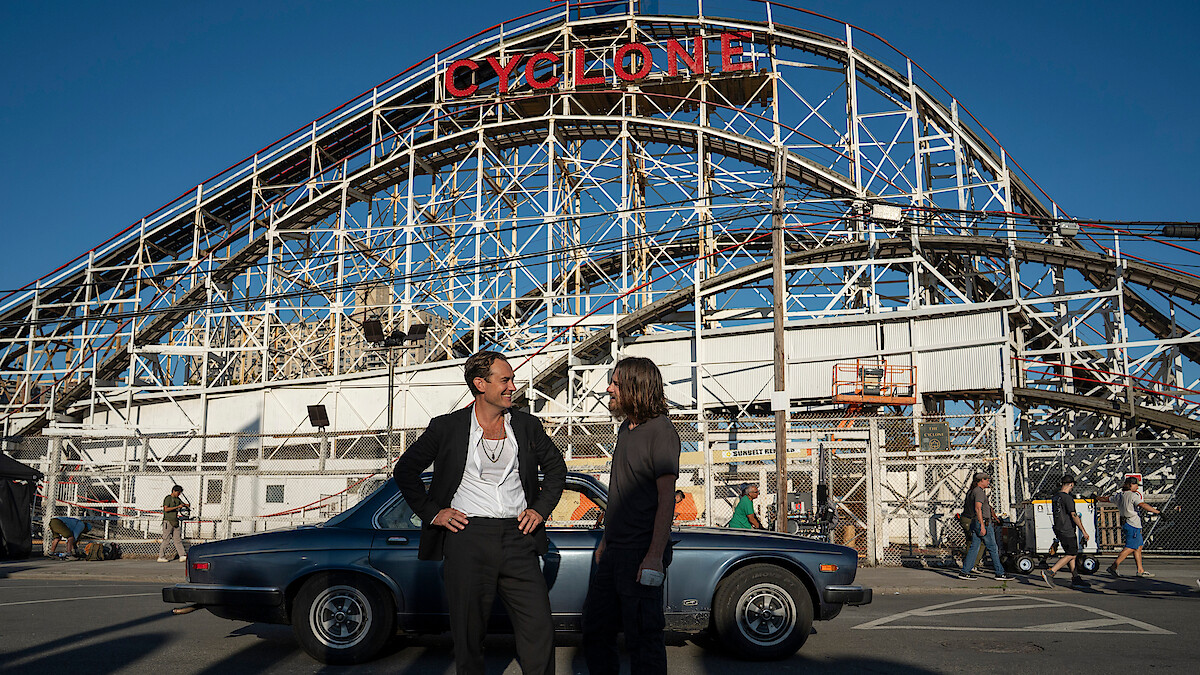
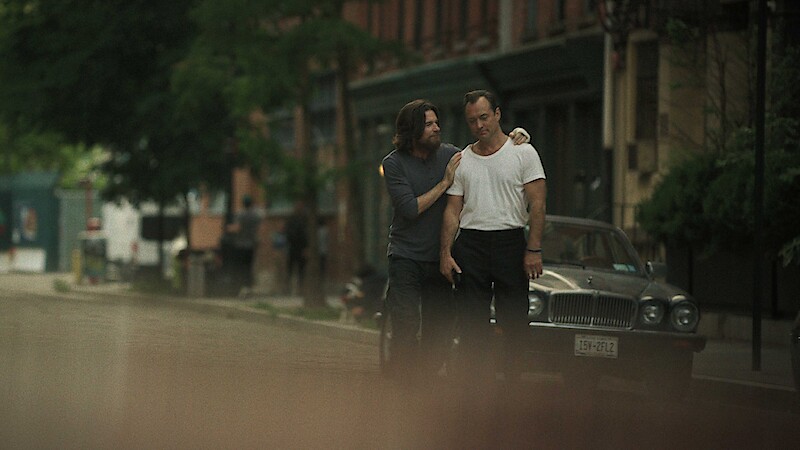
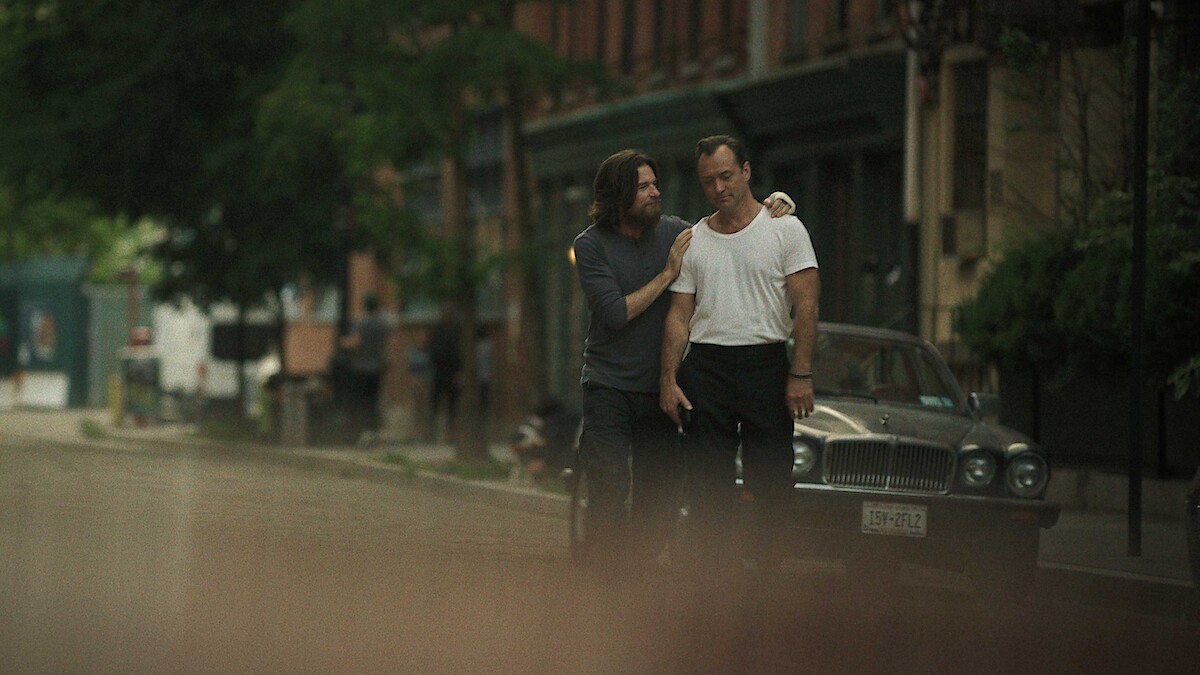
As producers, Bateman and Law worked hard on making sure the brothers’ relationship was fully realized. “When you really lift everything up, they’re all they’ve got,” says Law. “The two of them make a whole. They’re incredibly supportive of each other. They put up with each other. They assume roles.”
But as the story unfolds, the lines blur as chaos engulfs them. “What’s beautiful is their love for each other. It’s something that was on the page, but that we really found as we played the scenes,” says Law. “They get into all sorts of appalling scenarios. They drag each other into all sorts of dangerous and volatile situations. And they have each other’s back, always. At the heart is a great love and a great sense of loyalty, which I hope rings true to a lot of people.”
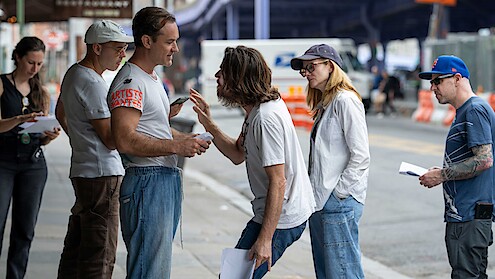
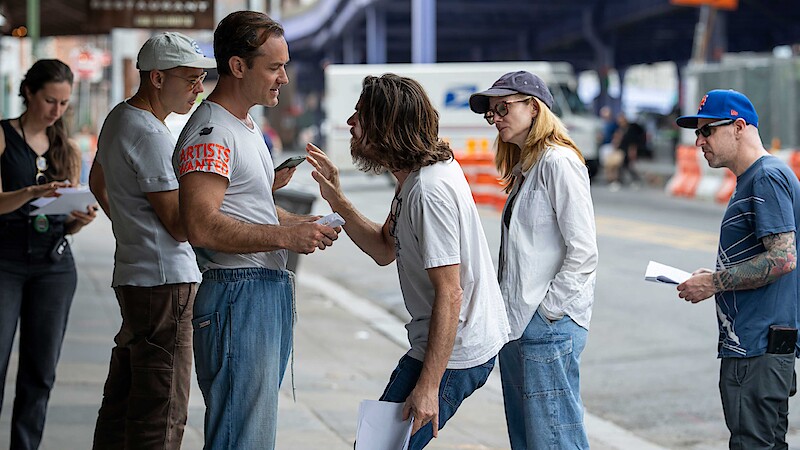
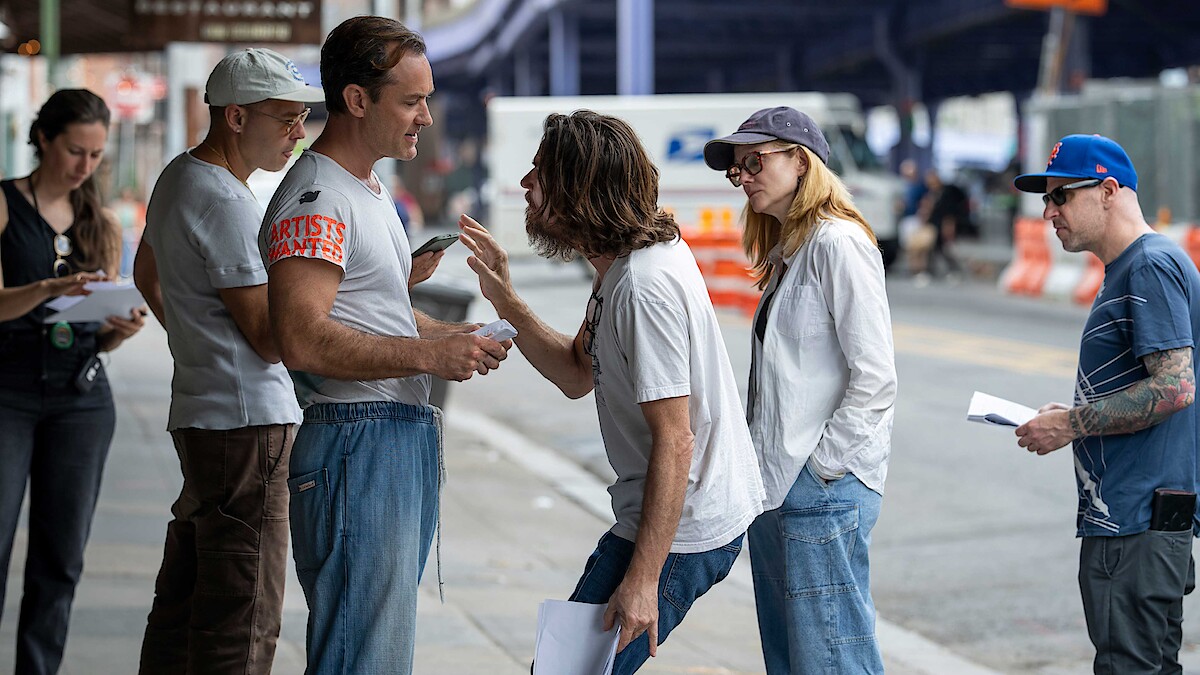
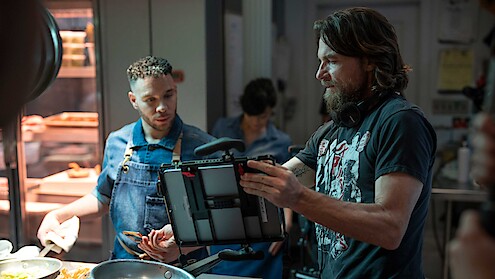
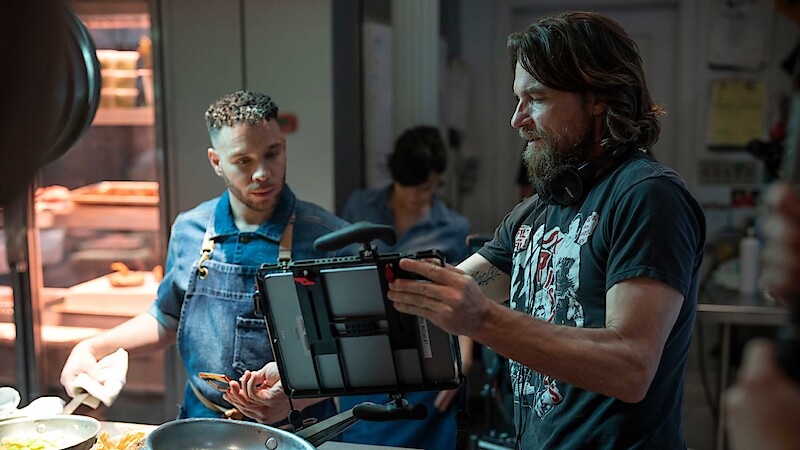
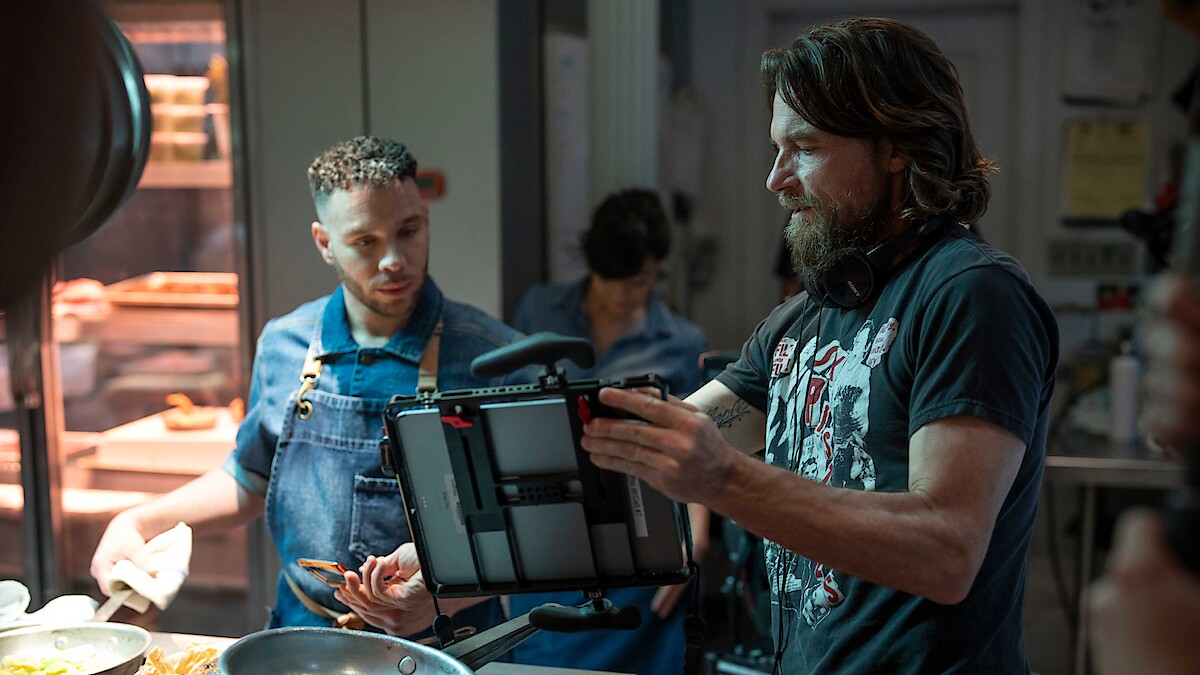
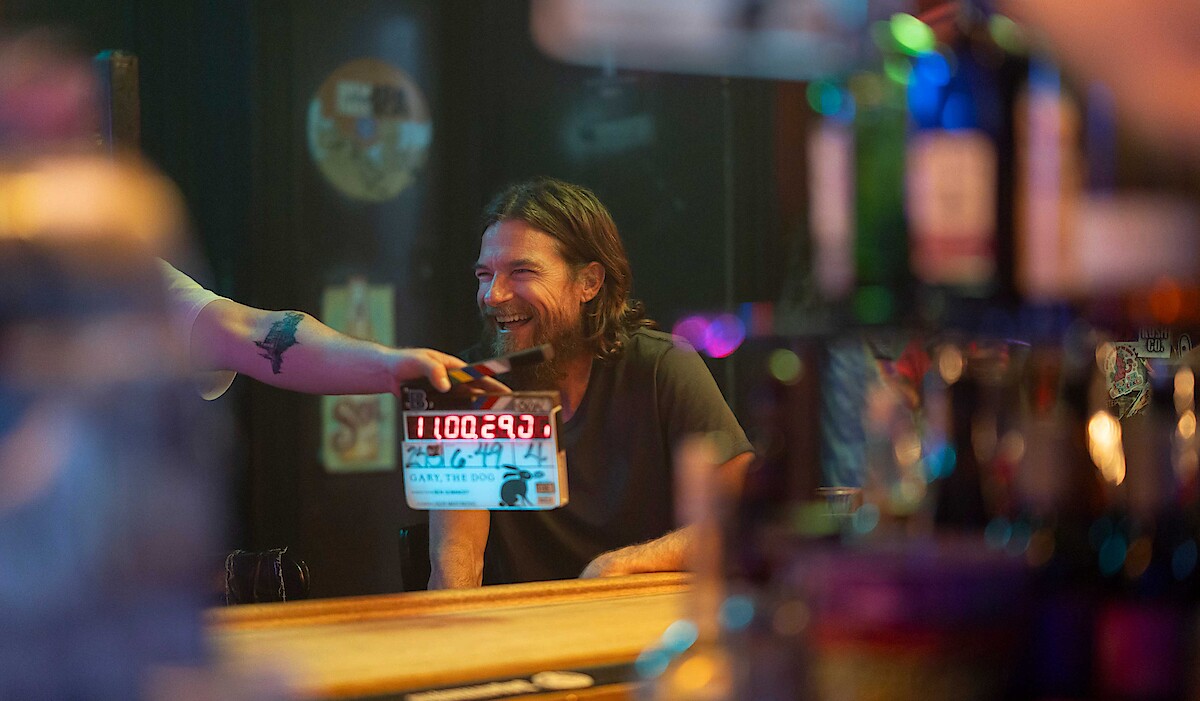
For Law, the fraternal feeling went beyond Jake and Vince. “It was a wonderful brotherhood collaboration from the beginning,” he says of working with Bateman. “As a director, he sees shots and storytelling in a way that I just have never been able to do. And as a partner, you gotta be on your toes. He thinks superfast. He has brilliant ideas and changes everything every take. Jason the director and Jason the actor are one and the same. They’re very nimble and generous and creative, and they love a happy team.”
Bateman was equally impressed by his onscreen brother and co-executive producer. “Jude is so collaborative, open to being directed even if he doesn’t need any direction, and is one of the most professional people I’ve ever worked with,” says Bateman. “When you’re working together for months and months, you have to like who you’re with, and it’s shocking to me that it’s rare to have a good set in that way. With Jude, I knew I had a great partner to set that vibe with everyone.”
Good vibes on set are crucial when so much havoc is being wreaked onscreen. But amidst the mayhem, the journey that Jake and Vince go on and the revelations they make are what ground Black Rabbit. “They’re running on the past,” says Law. “It’s about reckoning. It’s about evaluating your life and asking, ‘Have you lost sight of your own dreams and taken on someone else’s? What are you doing this for?’ And that, you could argue, is a huge lesson for us all.”