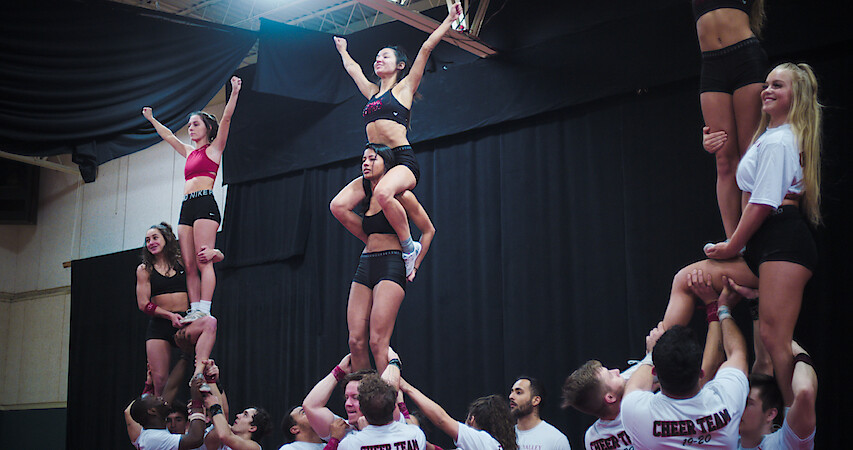
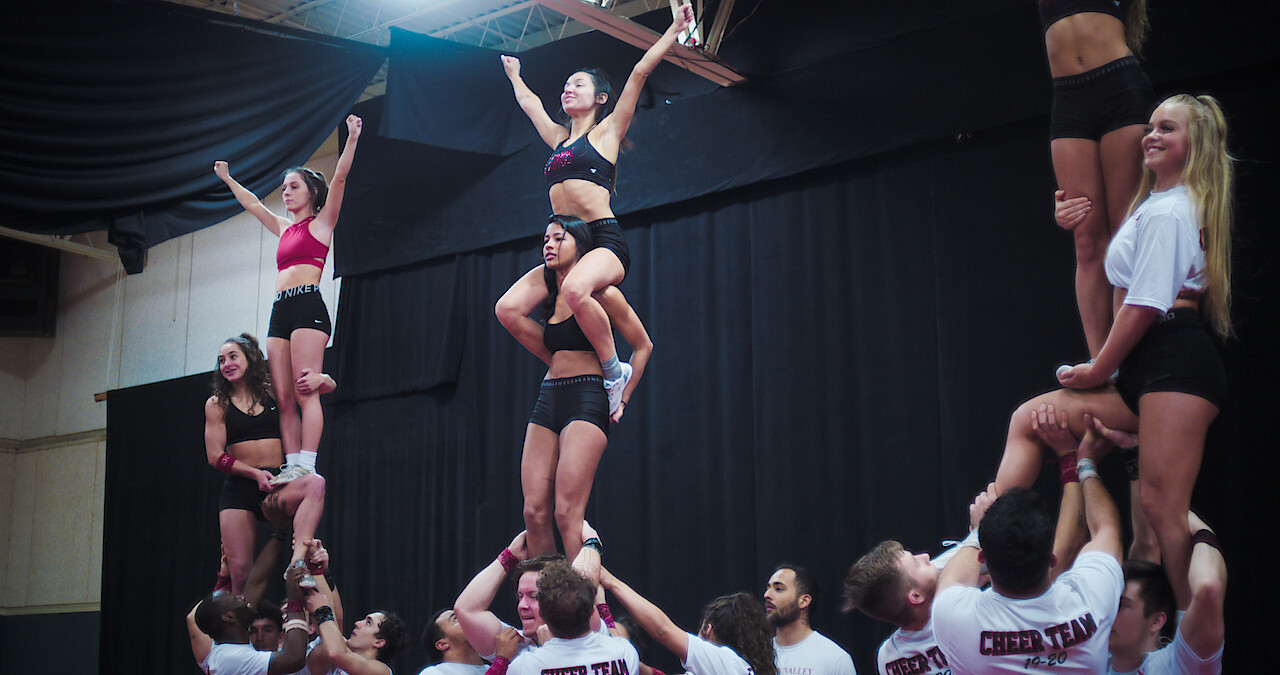
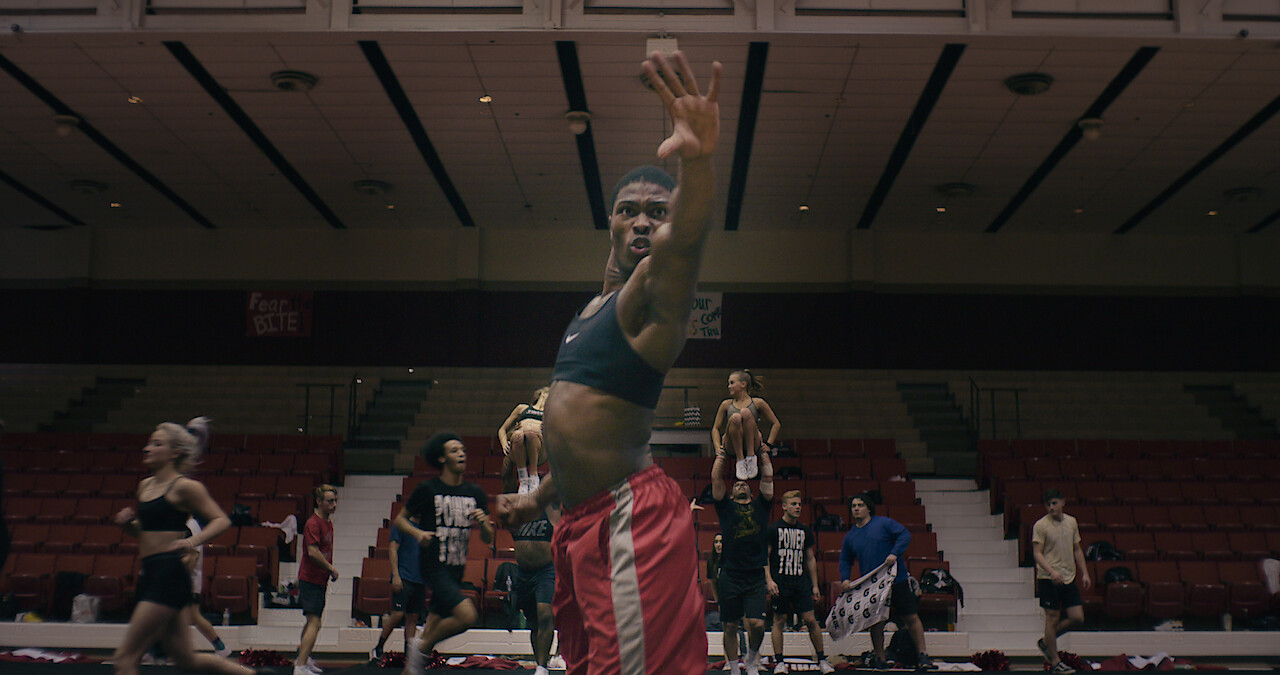
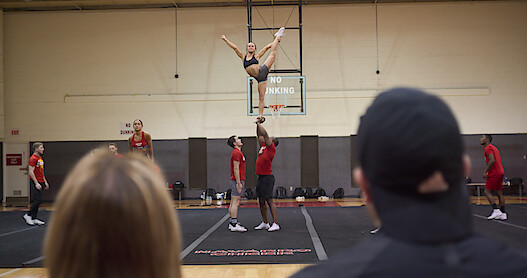
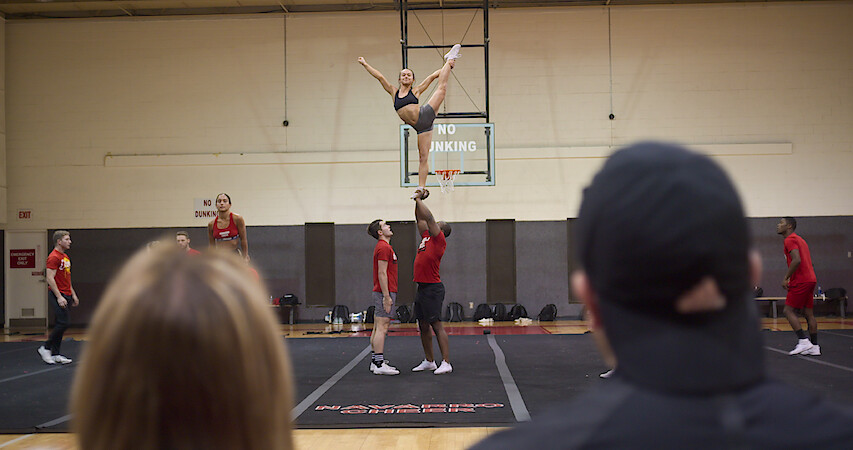
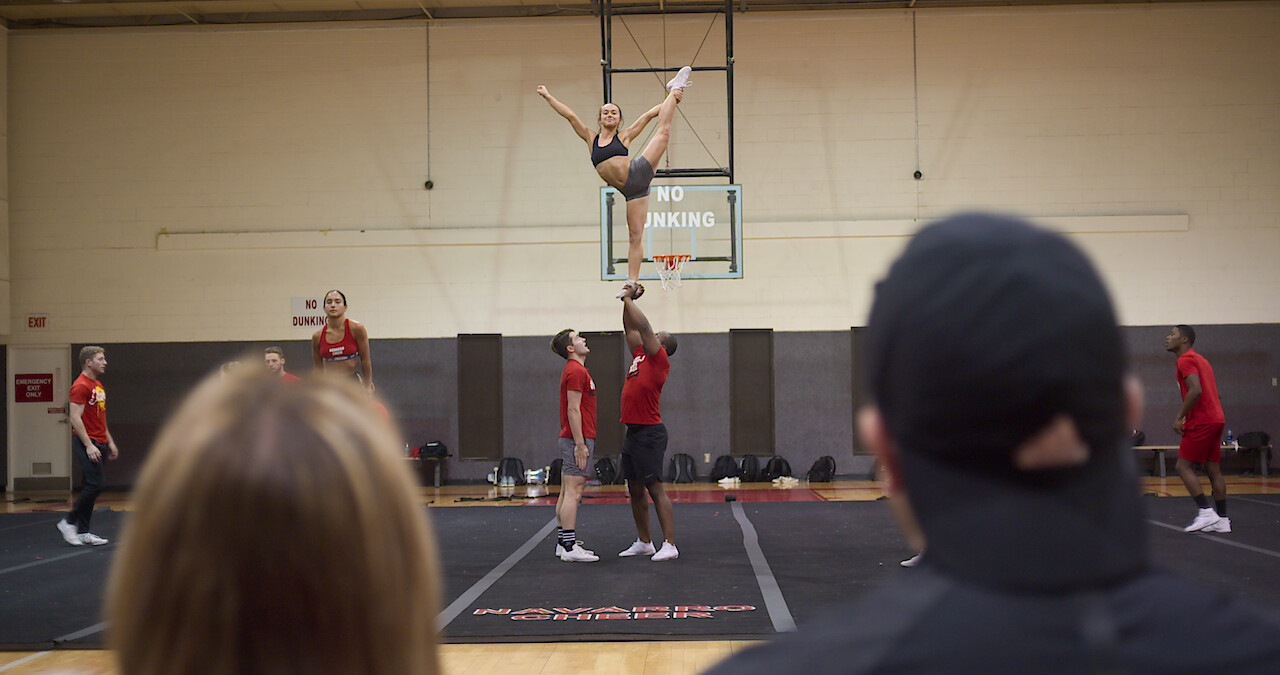
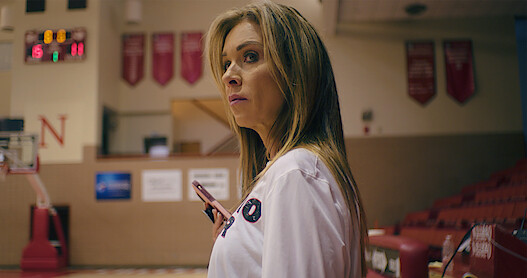
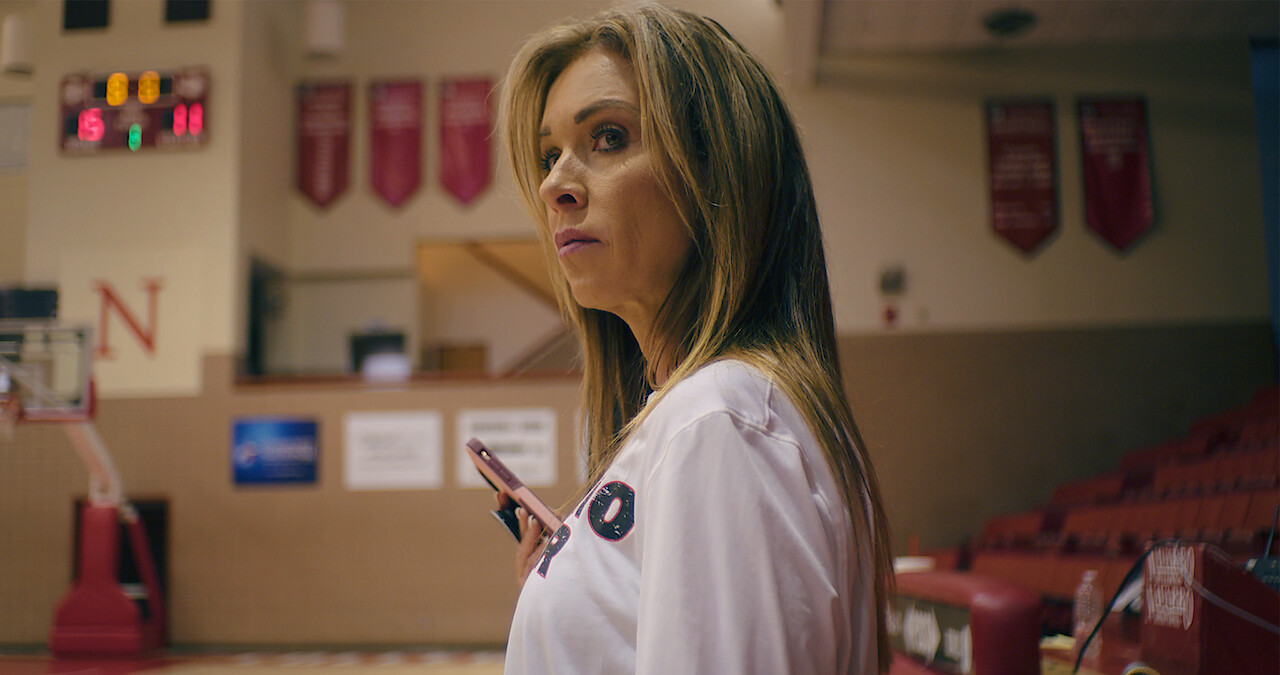
In the very first minute of Cheer Season 2, Navarro College cheerleading coach Monica Aldama opens up to the camera, conflicted by her newly acquired celebrity. “I didn’t know the other side of that existed,” she says. “The negativity.”
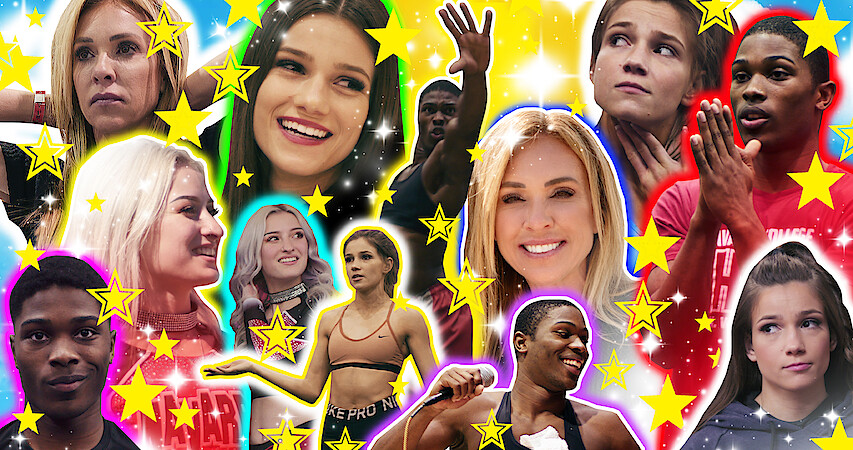
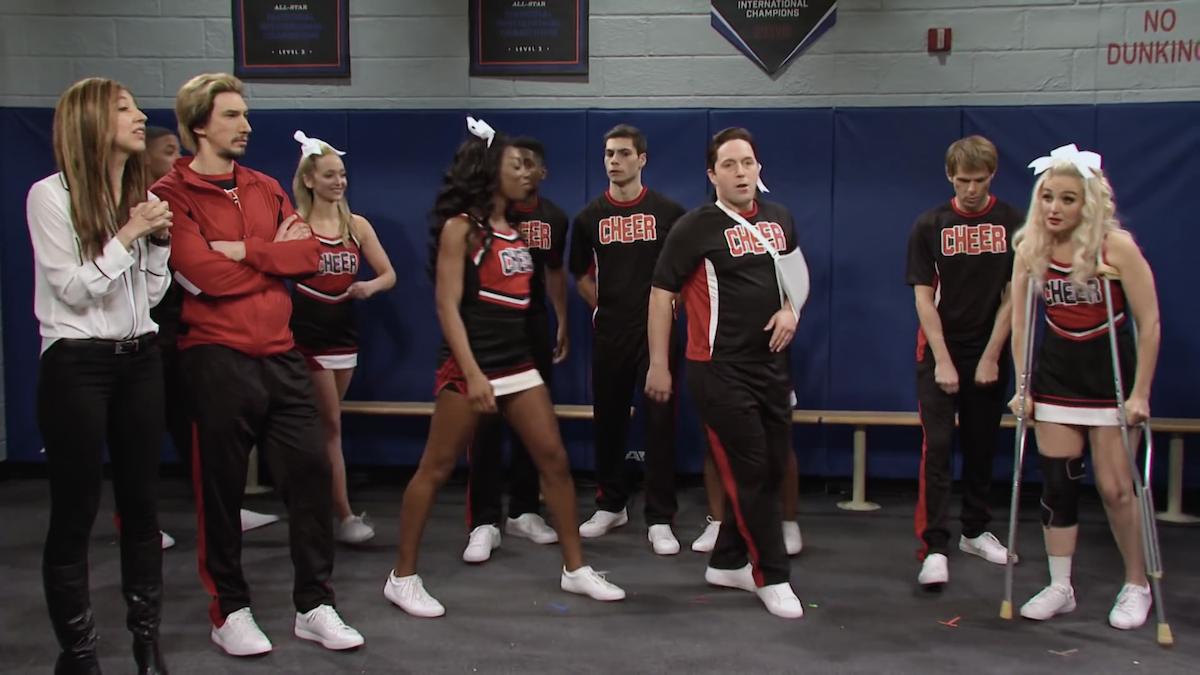
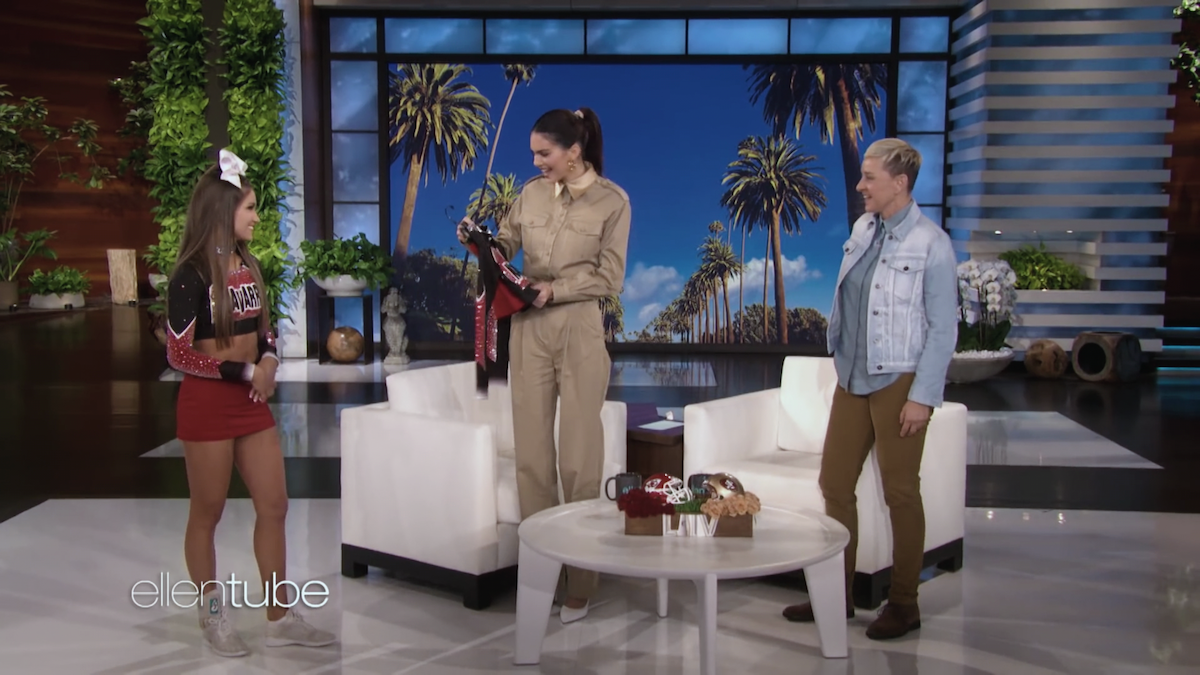
In the two years since Cheer premiered on Netflix and became a surprising, Emmy-winning hit, the docuseries has become much more than a show — it’s a pop culture phenomenon. A moment. Cheer has been parodied on Saturday Night Live (and in a skit featuring Adam Driver, no less). The cast has acquired hundreds of thousands of followers on Instagram, magazine covers and Hollywood agents. Now, instead of hanging out before practice, the athletes field calls and media opportunities. Kendall Jenner went on Ellen and gushed about her love for Morgan Simianer — now a celebrity with millions of fans herself, it was Simianer who surprised Jenner and not the other way around. BuzzFeed published a quiz, “Which Navarro Cheerleader From Netflix's ‘Cheer’ Are You Most Like?” as if these teens and twentysomethings were characters from the Marvel Cinematic Universe. They worked the Oscars red carpet and interviewed Joe Biden during his presidential campaign. They have Cameo accounts, where some of the cheerleaders sell a few seconds of their attention for over $100. Aldama was a contestant on Season 29 of Dancing with the Stars.
Without a doubt, these young, talented athletes are bona fide celebrities now with the ability to make money for simply being well-known. That kind of notoriety has brought a palpable shift: Cheer is no longer a documentation of the competitive lives of cheerleaders. Instead, their lives and careers have become Cheer. And in Season 2, we see the debilitating effects of that new reality.
Some are subtle. Simianer, known for her candor, continues to bare it all to the camera — but this time, her biggest burden isn't her family or making mat. “I don’t really see myself as famous… I’m the same person y’all saw when you first came here. I feel like I’m in a dream,” she admits in Episode 1. “‘When am I going to wake up from this dream?’ It’s like, no, this is my life now. It’s obviously a once-in-a-lifetime opportunity that not a lot of people get to experience, but I’m mentally and physically exhausted.”
And it's no wonder: Her teammates are shown conducting interviews before and at practice. Aldama, who would ordinarily be laser–focused on a stunt, stands in the back and walks Jerry Harris through scheduling shoots at their competition locations. In Episode 2, Lexi Brumback debates starting a vlog channel because there is “a lot of money” to be made on YouTube. Morgan does a Buick commercial. They seem to adjust to that extra workload quickly — as if their dedication to their sport has translated to their money-making opportunities. While wanting to make a living is understandable, watching them cheer for cows in a comedy video can feel a bit more hollow for the viewer and can make it harder to root for these characters whom we know and love. We still do, but the reality is a bit more complicated.
Let’s not forget that prior to the filming of Cheer, these Navarro College athletes were famous in their cheer world – “cheer-lebrities,” as they’re known in their community. Now, they no longer need the prefix. And what started as a relatively feel-good show about small-town Corsicana, Texas, and its leading cheer team’s can-do spirit became a show about fame, burning fast and bright.
The dark side of viral celebrity drives a lot of the narrative in Season 2. At its most innocuous, it’s La’Darius Marshall going on Instagram Live to throw shade at his fellow Navarro cheerleaders and most directly, Aldama, using his newfound social media capital to make headlines. Or it is the unsettling conversations with Gabi Butler’s parents, who walk us through the power of collaboration for growing Instagram followers — or the involvement of YouTuber Jordan Matter, who is clearly trying to capitalize on their nascent fame. At its worst, it’s the abuse of power set forth in the allegations against Harris, who was arrested on federal child pornography charges in September 2020.
Here’s the thing: There is no guide to the newfound viral fame brought on by the age of social media. That is especially true for those who come from humble beginnings and small towns where the words “contract lawyer” are rarely uttered. It’s even truer for subjects of a documentary series — though the lines between doc and reality TV have never felt more blurred. The cast of Cheer did not sign up for hate comments and praise, but they’ve received it.
Of course, the Cheer athletes are not the first ones to discover the devastating effects instant fame can have on a young person’s mental health, but they are the latest. It’s becoming increasingly common for social media influencers to open up about the anxiety and depression induced by virality. A person’s self-worth gets tied up in the amount of likes they get — just like any passionate social media user — but so does their livelihood. Burnout is common. “I turned into such a machine. I was feeling that I was completely losing what it means to be human,” online personality Lilly Singh told the Hollywood Reporter recently, a feeling no doubt relevant to the cast of Cheer. In social media fame, there’s the pressure to keep up appearances, to do bigger and better things, make sacrifices, be perfect, look appreciative — not unlike the world of cheering itself.
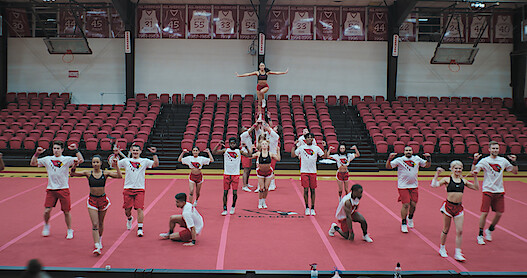
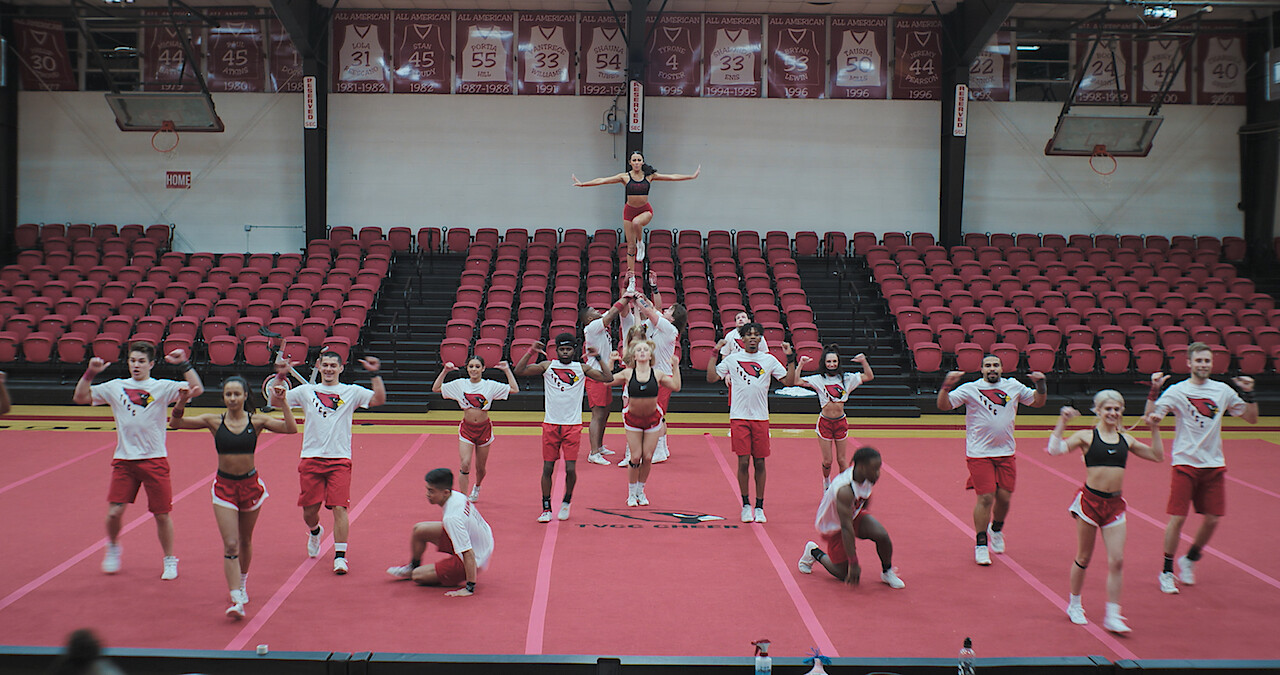
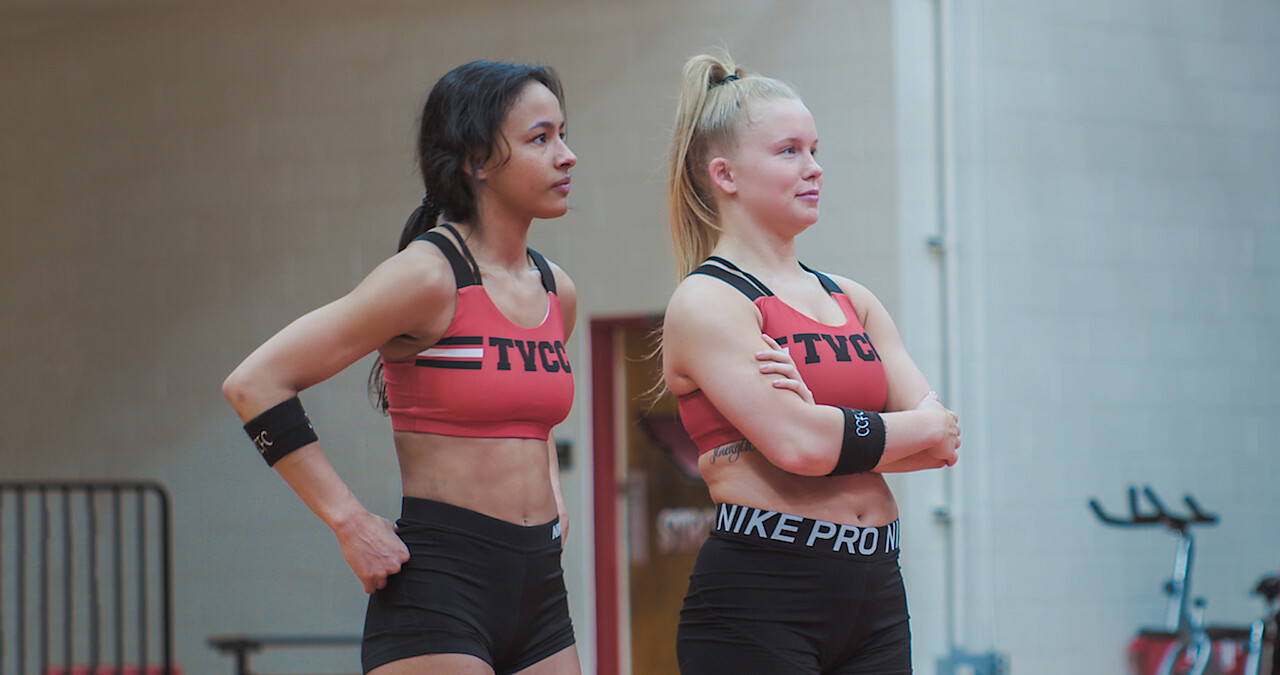
The ultimate allegory, if there is a tidy one, is that it is because of fame that (spoiler alert) Navarro lost the championship trophy at Daytona to their driven and hungry rivals, Trinity Valley Community College (TVCC). That’s not an unfair assessment. They have different goals and priorities now: Cheer has undeniably changed the career and life trajectories of these athletes‚ which is why the series has felt so much more like a reality show lately than a documentary on the best junior college cheerleaders. The messaging of the show — hell, its very arc — has moved away from Daytona. The conflict is now: How are these stars coping with their fame?
But here’s the thing: Just like how their fame came swiftly, so too can the motivation to win next year. These cheerleaders are influencers now, with digital careers. But they can also become championship athletes again.