🤐 SPOILER ALERT 🤐
On the surface, cooking seems easy — you could do it three times a day, after all. But while you may be familiar with the fundamentals of the craft, particularly as you whip up meals from home, translating those skills to a professional setting is something else entirely. It may be straightforward to serve a simple bowl of pasta for yourself and a few others, but it’s much more challenging to do it all from scratch for a party that’s ready to critique every flavor.
Nevertheless, if you think you have what it takes to work in a professional kitchen, who’s to say you can’t handle it? It starts by mastering the words of this world, and Pressure Cooker drops you right in. From the very first competition, the chefs waste no time speaking the lingo of the line. So, while you’re sitting there watching them mash and trash talk, you may also be wondering, “Wait, what did they just say?”
You don’t need to earn your chef’s whites to get the jargon down. Instead, learn to speak (and cook) like a chef by following this guide.
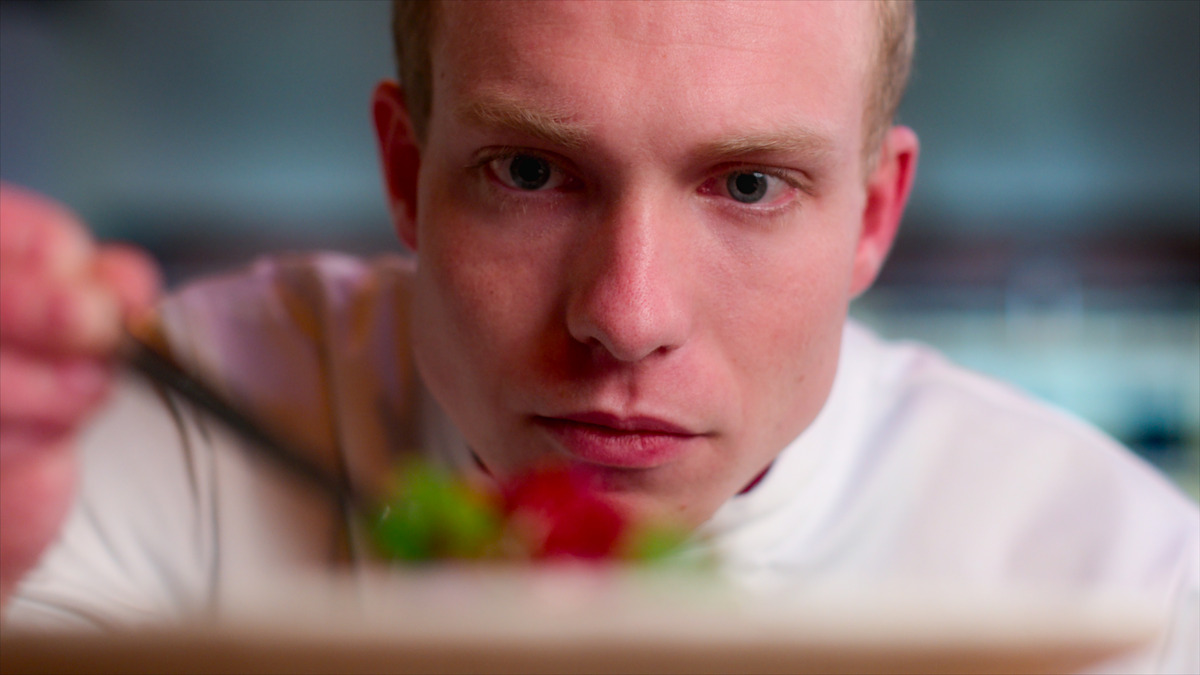
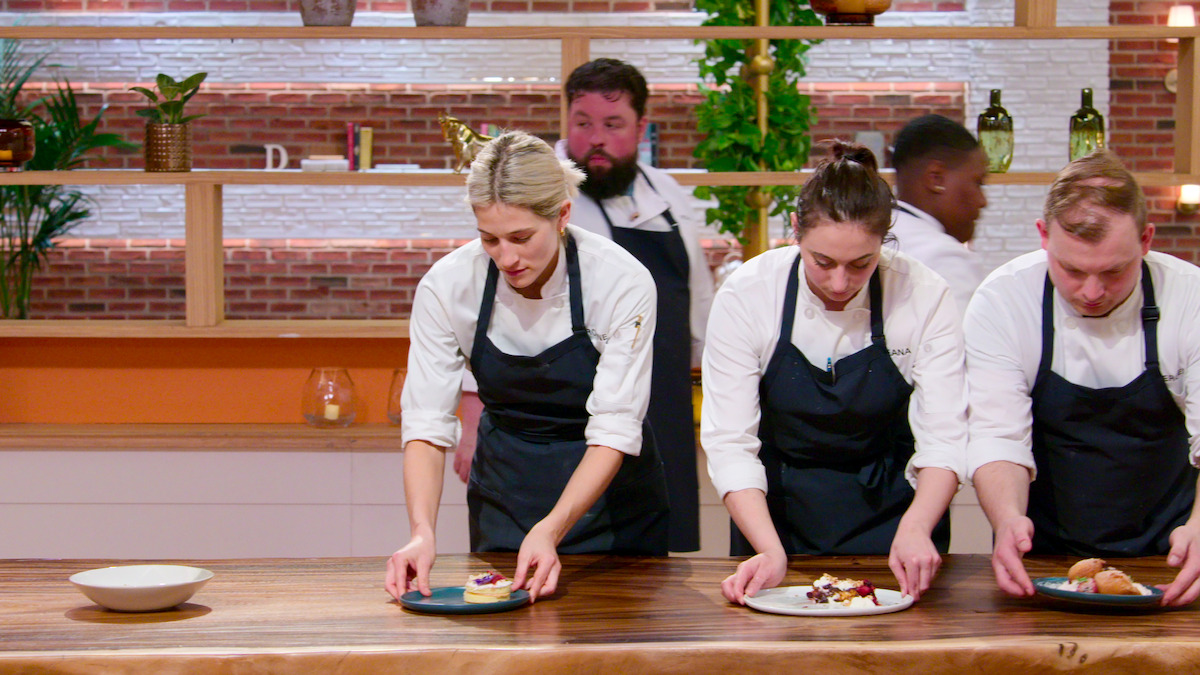
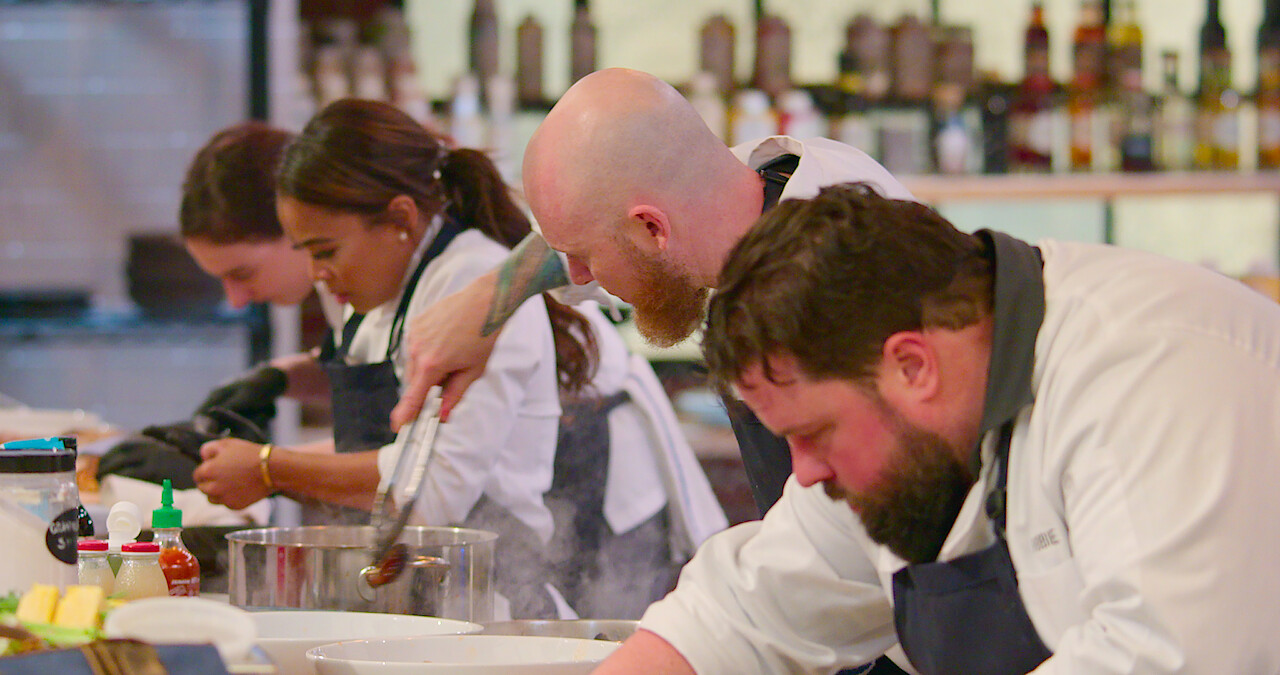
Chef Mikes plates up a small dish.
Al dente: When pasta is on the menu, you’ll likely hear this term being thrown around as the ideal texture for the noodle. This Italian term translates as “to the tooth”, and conveys the bite you get when a noodle is firm yet still soft — it’s slightly undercooked without being mushy. “Al dente” can also be used to describe the right feel of cooked rice, but either way, it all comes down to timing.
Amuse-bouche: In French, this term means “it amuses the mouth.” And that, as you know, is the clear goal of every chef in the Pressure Cooker. Unlike an appetizer, an amuse-bouche is usually a one-bite dish that the chef selects to complement a main entree.
Arroz con pollo: The name of this dish translates as “rice with chicken,” which is a comfortingly standard dinner combination throughout the world and a particularly famous one in Spanish culture. In the first episode, Liv decides to make arroz con pollo to honor her Cuban heritage, while introducing herself to the other chefs. One bit of warning, though: Arroz con pollo can take hours to make.
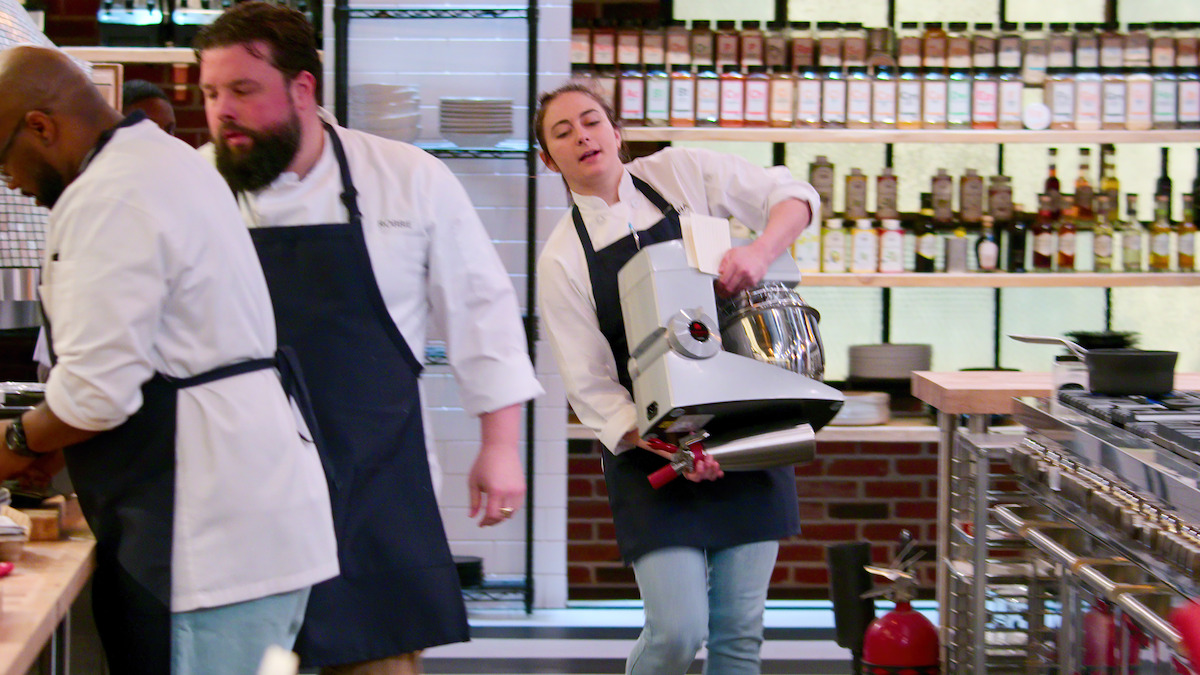
“Behind, Chef!”
Behind: Need a quick way to say that you don’t want hot oil, a sharp knife or any other dangerous object suddenly thrown in your face? Yell, “Behind!” as you pass another chef whose back is turned toward you. It might save you both a trip to the ER.
Branzino: This mild, flaky white fish appears quite often in the Pressure Cooker kitchen, and that probably has a lot to do with its ability to work well with a number of other flavors on its plate. The chefs use it in Mediterranean-inspired meals, where it’s usually caught, but you’ll also see them make the most of it in Asian and California fare. One tip? Don’t forget that this fish needs acidity to be a balanced bite.
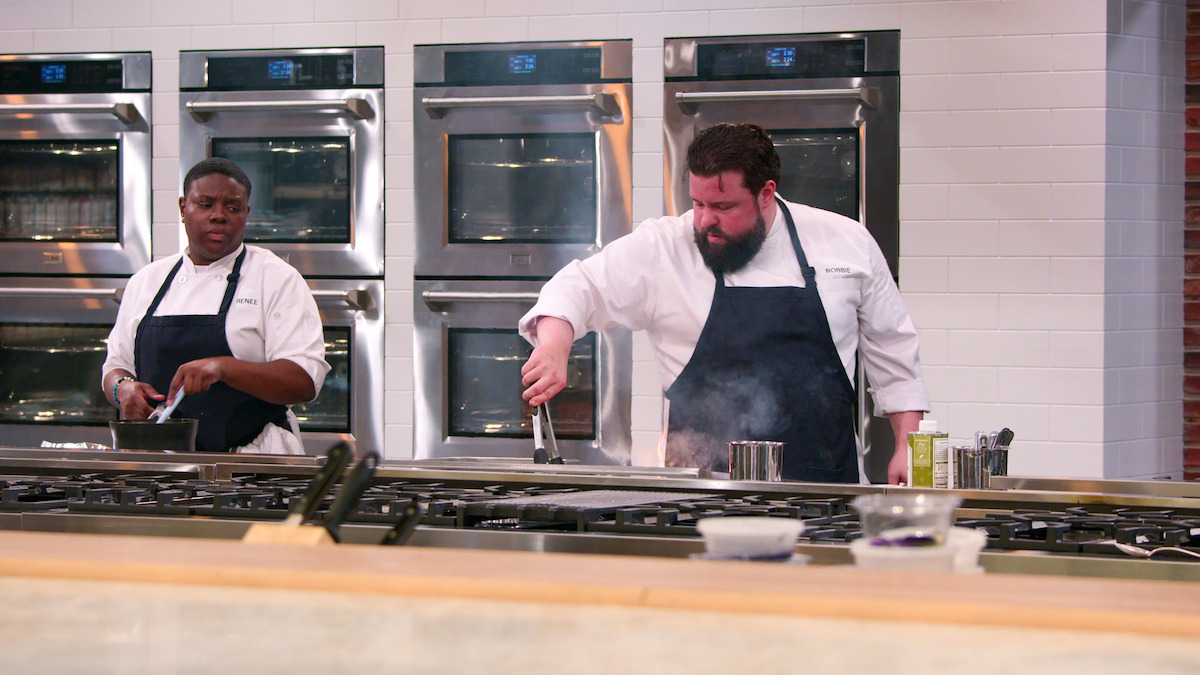
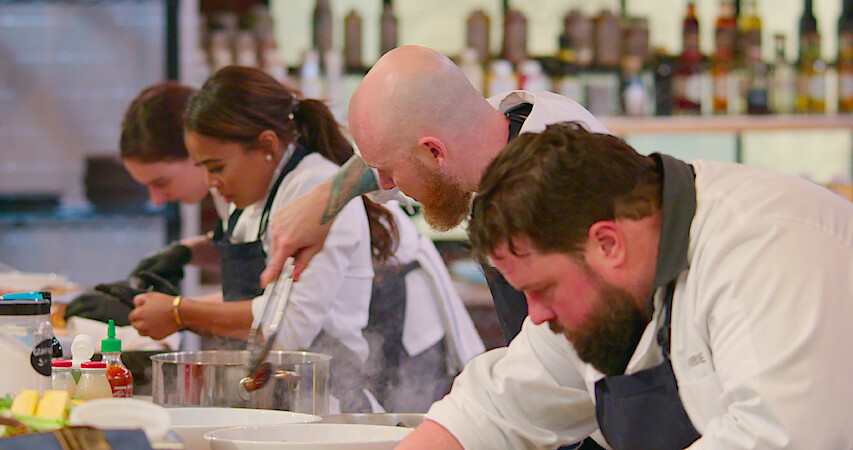
Chef Robbie attending to his stovetop while Chef Renee looks on.
Broken sauce: Uh oh! This happens when water and fat separate on the plate. Most velvety emulsified liquids often have a 1:1 ratio, and fixing a broken sauce requires lots of whisking.
Duxelle: Think of this hearty mixture of mushrooms or mushroom stems, shallots or onions, and herbs as the flavor-enhancing sidekick of your dreams. These ingredients are sauteed in butter and tossed in black pepper until they almost resemble a paste. Chefs use them inside a pastry, or as a stuffing. Either way, it’s delicious.
Garlic chips: Of all the ingenious preparations in the Pressure Cooker kitchen, Robbie’s creation of garlic chips — made from frying thin slices of fresh garlic — may be among the easiest for home chefs to recreate. This way, your guests can decide for themselves just how much garlic they want to taste on toasted bread.
Lemongrass: As a flavor-enhancing ingredient that’s often found in Thai dishes, lemongrass has a similar look to stalks of green scallions, but has an acidic finish that can round out other rich notes. But, look out in Episode 7: If it’s not used correctly, the stringy strands of lemongrass can make a judge lose interest in an otherwise interesting meal.
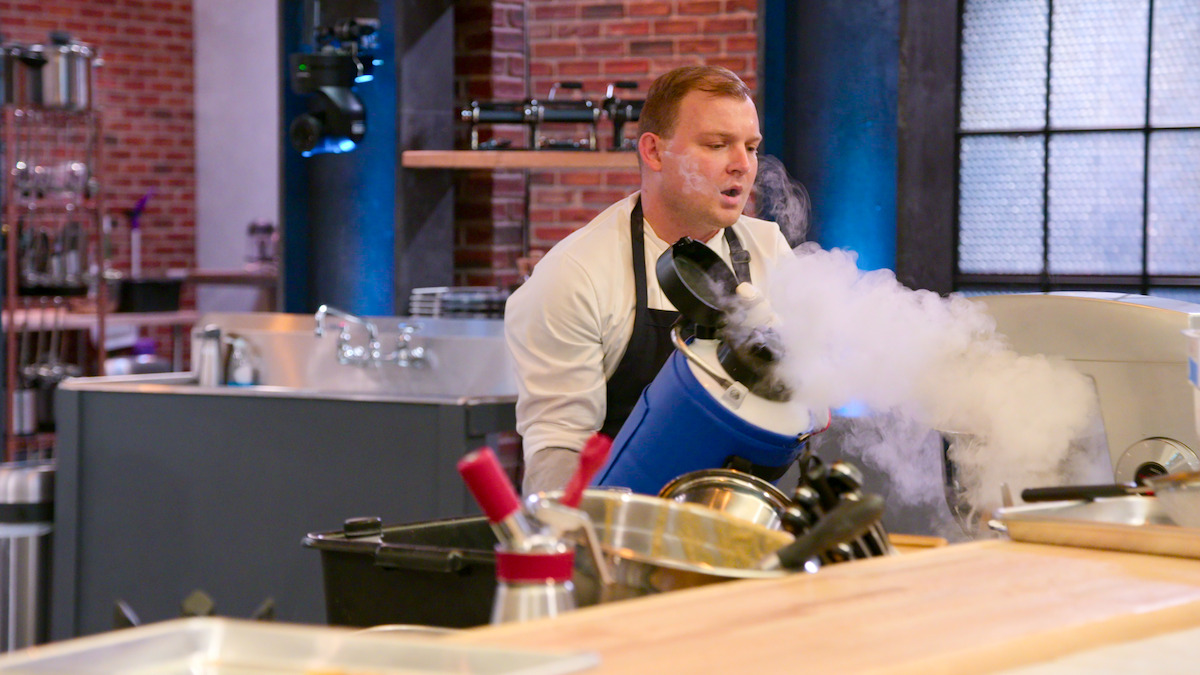
Chef Sergei with the liquid nitrogen.
Liquid nitrogen: On more than one occasion, our chefs used liquid nitrogen to either cool an ingredient quickly, keep it cold or create a fun presentation for their guests.
Mole: This traditional Mexican sauce, pronounced moh-lay, comes in a diverse range of colors and flavors — like vibrant red, rich brown, deep black or bright green. In the Pressure Cooker kitchen, Jeana relies on her personal experiences in Mexico to make the sauce using chocolate, poblano peppers and a medley of spices.
Muted: The chefs like to use this word when referring to an ingredient that acts as a supporting character rather than the star. When done right, a balanced dish isn’t overpowering and a range of flavors can be experienced.
Panna cotta: Phew, this Italian dessert made with sweetened cream and gelatin sure gives the chefs a run for their money. If it doesn’t harden just right, as happens for one chef early in the competition, the ingredients of panna cotta dissolve into a soupy liquid. But if it’s too hard, that smooth texture isn’t quite as satisfying.
Poach: Yes, you can poach more than just eggs. All it takes is submerging an ingredient in a liquid of some form. In Episode 7, Caroline poaches a snapper to distinguish herself amongst an ever-narrowing group of chefs.
Sous vide: Literally meaning “under vacuum” in French, this is a fancy French cooking technique where ingredients are sealed in plastic and cooked at a precise temperature in water. The goal is to heat food fast and evenly, developing robust flavors without the time and effort needed on a stove. But mind those details: As one chef learns when using an actual sous vide machine, it works best when it’s turned on.
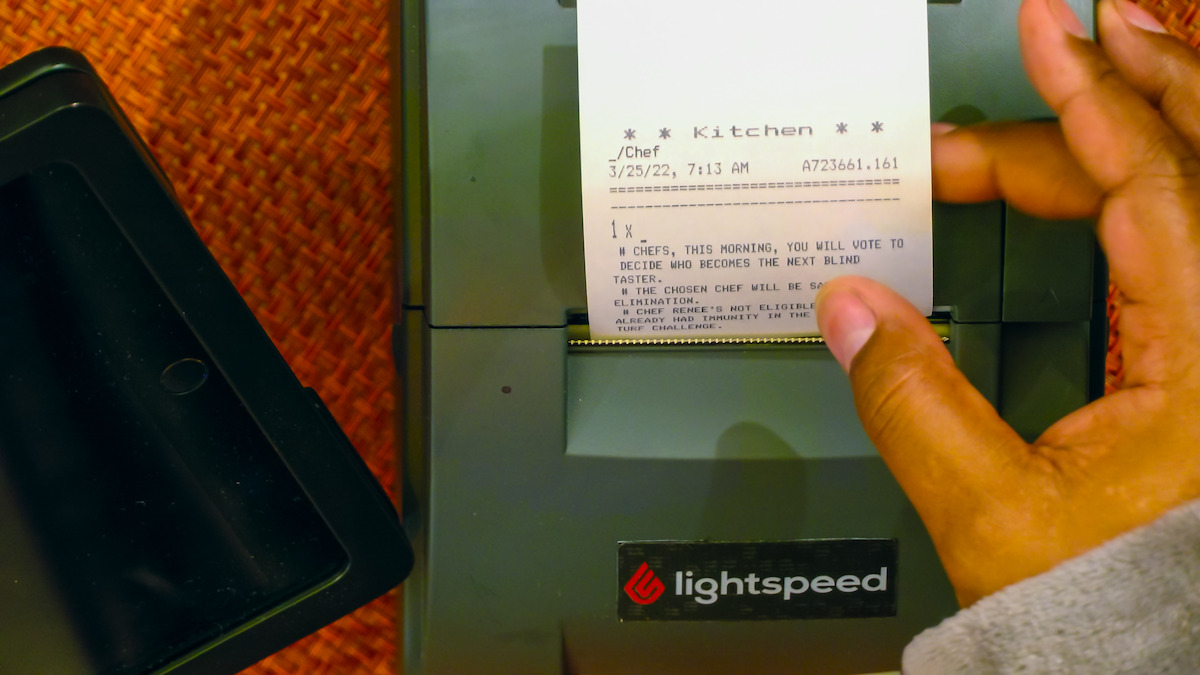
Ticket: A receipt printer in a restaurant spits out tickets, which are then used to organize plates according to their specific orders and correct tables. In the Pressure Cooker kitchen, the familiar beep-beep-beep of this machine is how the chefs learn about their challenges, when to cast a vote and who’s going home.