Deep Dive
Everything You Need to Know About the ‘Dance Monsters’ Competition Show
Where CGI technology meets the art of dance.
By Olivia Harrison
Dec. 16, 2022
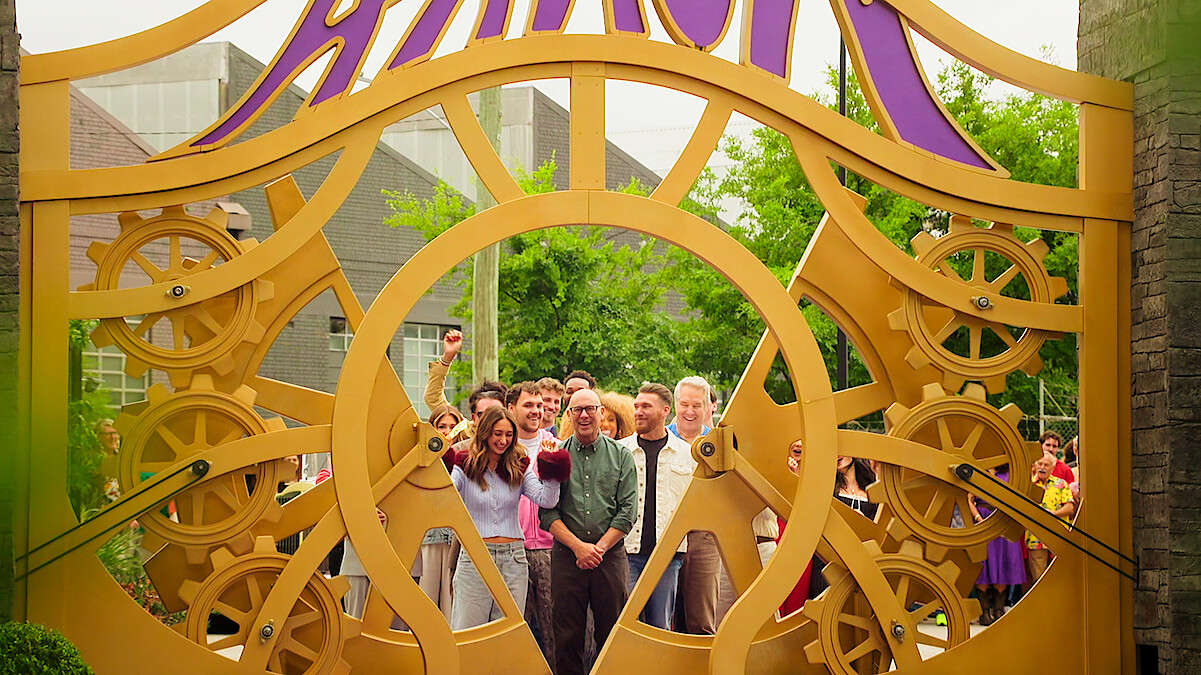
The phrase “dance like nobody’s watching” is turned on its head in the first-of-its-kind competition show Dance Monsters. A panel of famous judges, a live audience and viewers at home will be watching daring performances — but the dancers themselves won’t be onstage.
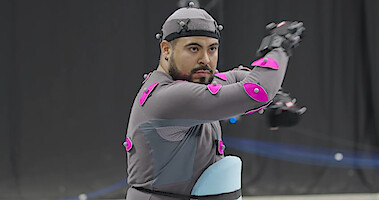
The show’s human contestants are each given a monster alter ego to dance as. With the help of advanced CGI technology, they’ll bust their moves off-camera while their monsters boogie down for the world. You won’t be able to see the real people behind each CGI beast, but throughout the series’ eight episodes, you’ll get to know their stories and their struggles; and witness them overcome the physical and mental obstacles that have been holding them back from living out their dreams of dancing professionally. Here’s everything you need to know about the feel-good and fun Dance Monsters.
Episodes of this dance competition show will drop over the span of three weeks. The first batch of three episodes will debut on Dec. 16. The second batch of three episodes will come out on Dec. 23. The final two episodes will be available to stream on Dec. 30.
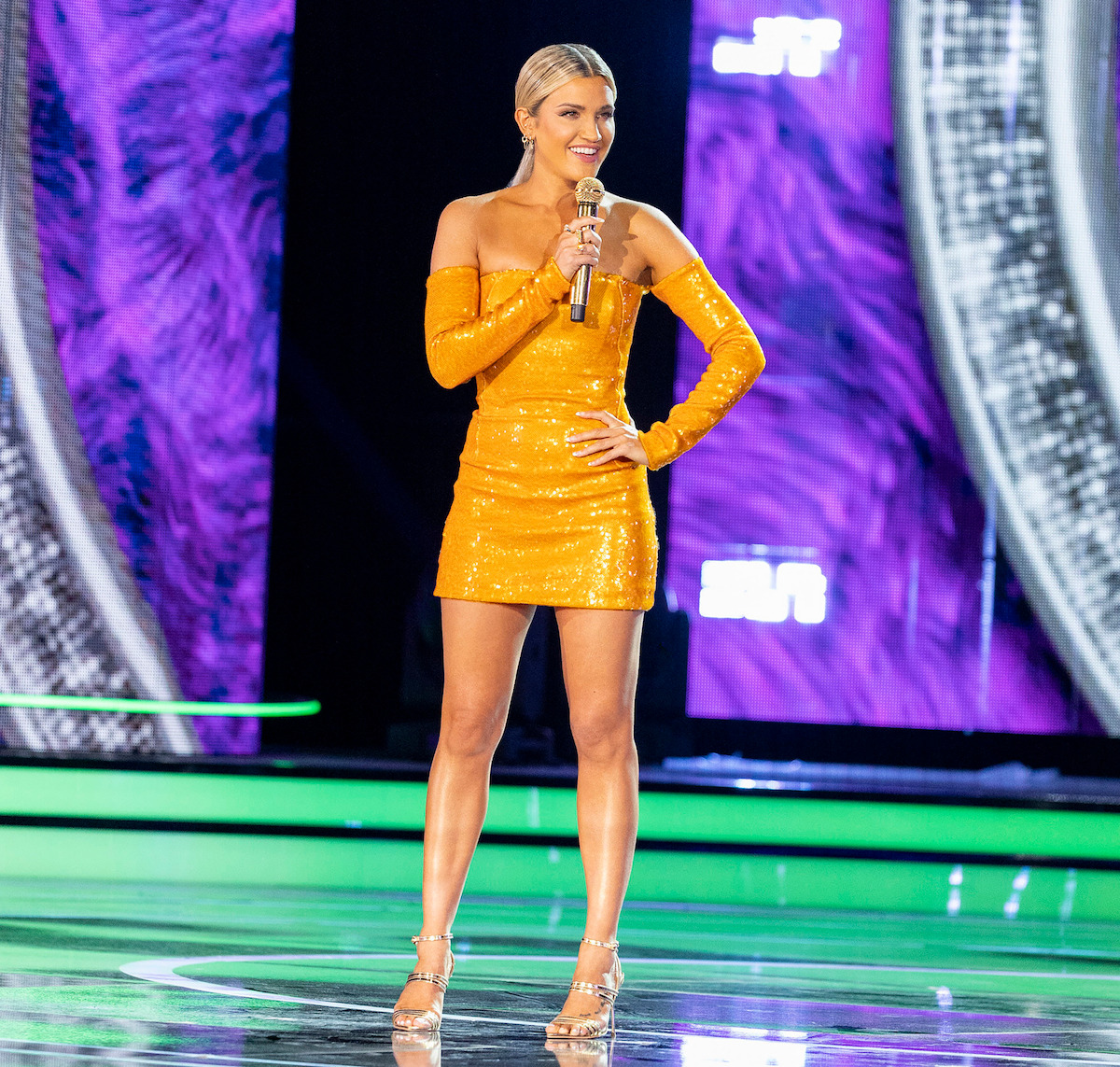
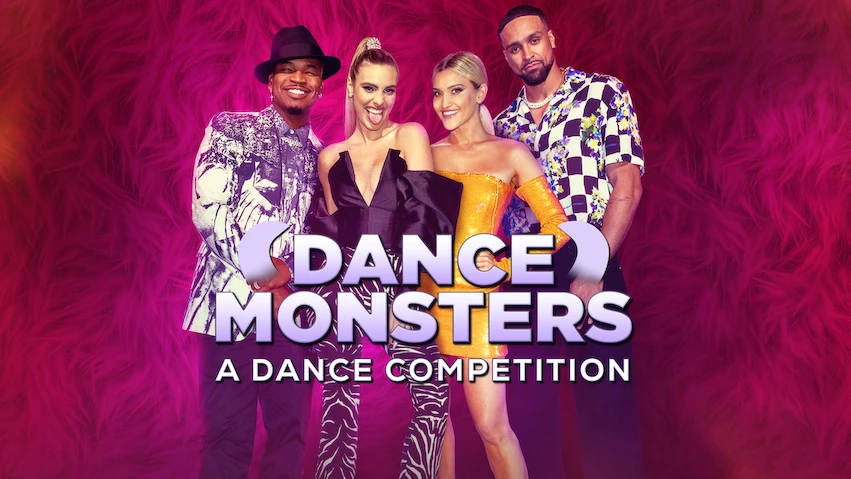
Monsters may be at the forefront of the show, but it’s hosted by a very human dancer, who is best known as a member of The Pussycat Dolls. Ashley Roberts guides the contestants, judges and audience through every step of the competition.
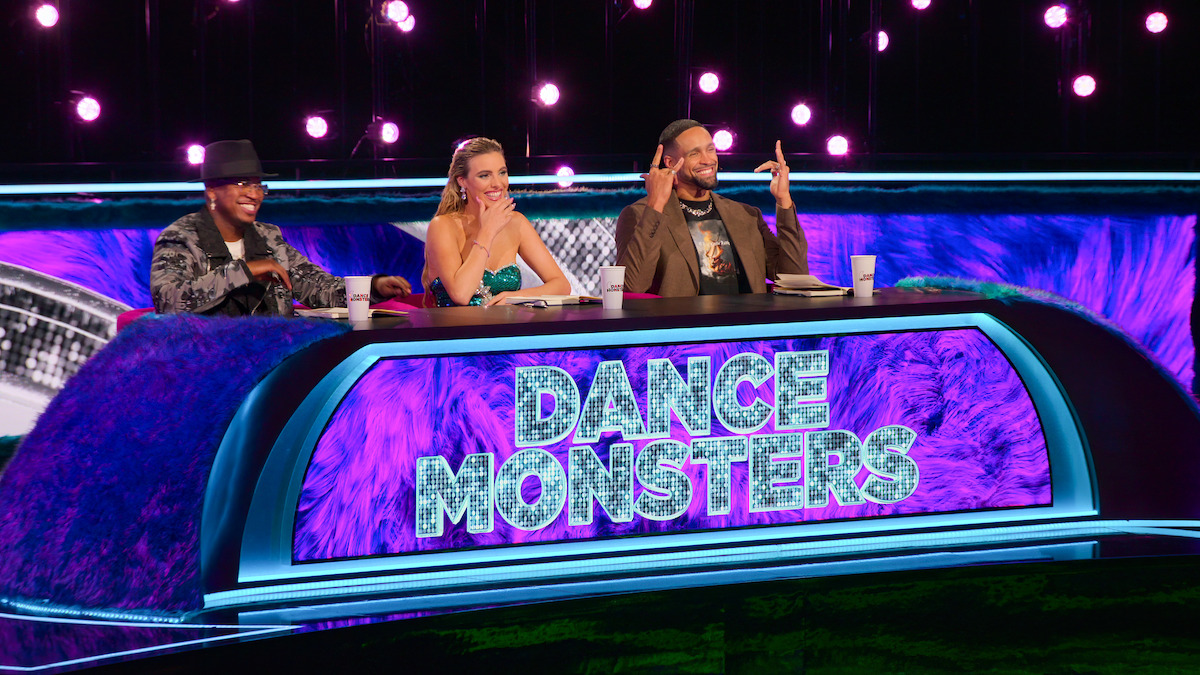
While Roberts is there to emcee, she’s not calling the shots on which monsters advance and which are sent packing… That responsibility falls to a panel of three judges: Ne-Yo, Lele Pons and Ashley Banjo.
Ne-Yo is a singer, songwriter, record producer and actor who has danced in music videos and on stage for audiences around the world. In addition to serving as a judge on World of Dance, Ne-Yo was also a contestant on Season 2 of The Masked Singer UK, so he knows a thing or two about competing as someone — or something — other than himself.
Lele Pons is a Venezuelan-American internet personality, who kicked off her career on Vine. Since then, she’s landed a YouTube Original docuseries, a Spotify podcast and over 50 million Instagram followers. And, of course, you can find her dancing regularly on TikTok.
Not only is Ashley Banjo the UK’s biggest street dancer, but he’s also a choreographer and actor. Like Ne-Yo, he’s no stranger to competition shows. His dance troupe, Diversity, won Britain’s Got Talent in 2009, and he’s been a judge on Got to Dance and Dancing on Ice.
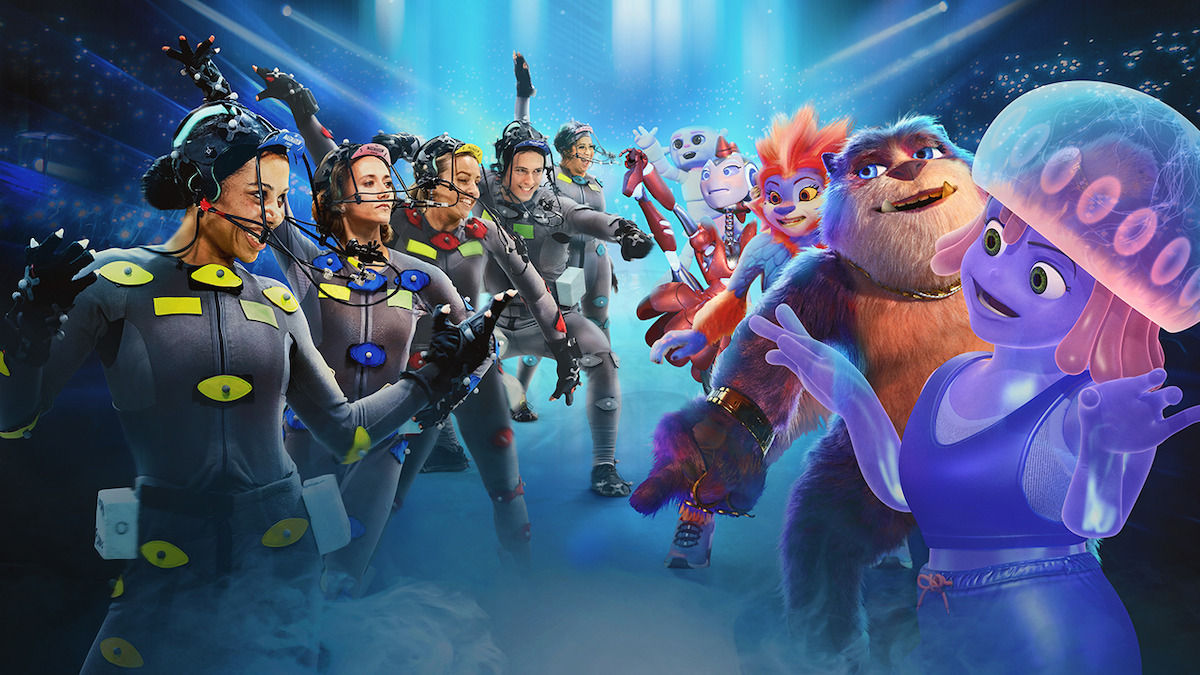
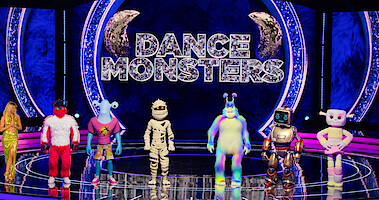
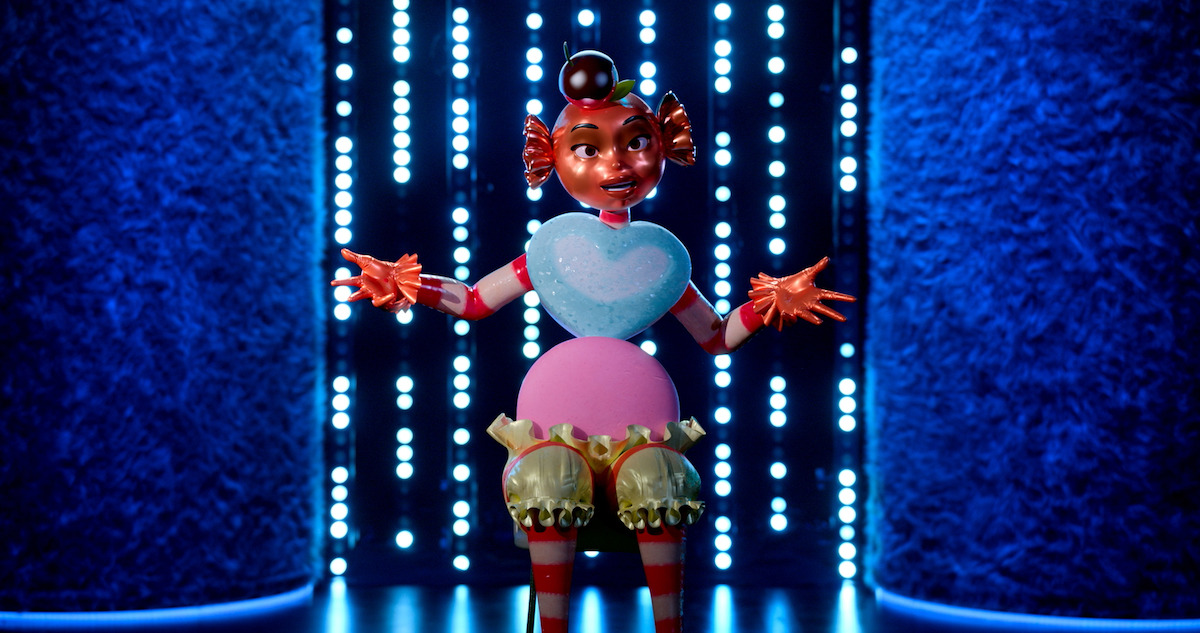
There are 15 actual humans competing on Dance Monsters, but their identities will not be revealed to the audience until after they’re eliminated from the game. So, you’ll be seeing CGI creatures doing all the dancing. Some are monsters in a very classic sense, like a yeti and a mummy. Others, however, are wild creations like a marshmallow being and a jellyfish lady.
While having these amateur dancers compete as computer-generated beasts makes this reality show stand out, it’s more than just a fun gimmick. As viewers will learn, each real person behind these monsters has a story explaining why their high-tech disguise finally has given them the confidence to perform for an audience.
Throughout a series of five rounds, the 15 monsters compete through solo dances, duets and one-on-one dance battles. In the end, the panel of judges will give one contestant the title of Ultimate Dance Monster and a $250,000 prize.
We start with round 1, which has three heats with five monsters competing in each. After all the dancers perform their solo routines, the judges name three safe monsters. The two monsters whom the judges feel had the least impressive solo routines then compete in a dance-off against one another. From there, one monster is eliminated and their true identity is revealed.
Twelve of the original 15 monsters advance to round 2, which has two heats with six monsters competing in each. This time, two dancers are eliminated from each heat. One is sent home in a snap elimination immediately after the solo performances. Then, the judges select two more monsters with the least impactful performances to participate in a dance-off, this time against a professional dancer as well as one another. Again, the loser is eliminated and the person behind the monster is introduced.
In the quarterfinal, the eight remaining monsters have to compete as pairs. The four monsters who receive the worst critiques from the judges attempt to save themselves with a 30-second solo freestyle. Two are eliminated and six monsters move on to the semifinals.
The contestants are judged only on their solo performances in the semifinals, and two monsters are sent packing at the end. Then, in the final round, four dancers face off with special solo routines. Two are eliminated immediately after the routines and the remaining two go head-to-head in the final dance-off. The judges name the winner based on that last battle.
Get a sense of what’s to come in the trailer, above.
When you’re ready, check out our handy guide to who gets eliminated after each batch of episodes, and hear from the competitors themselves (yes, the real ones) about their experiences dancing fur an audience. (Sorry, had to).