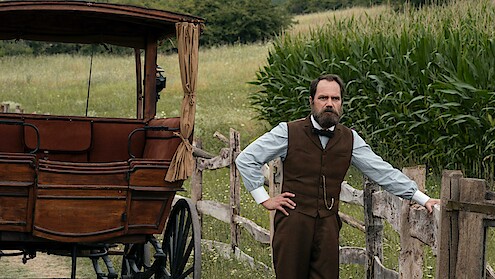
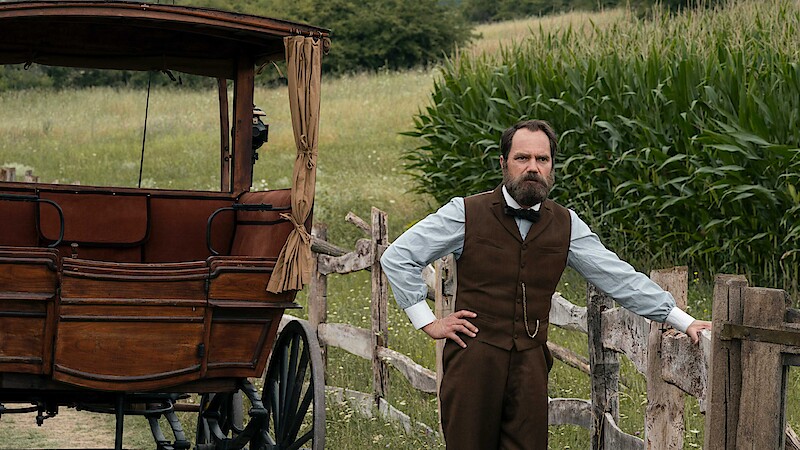
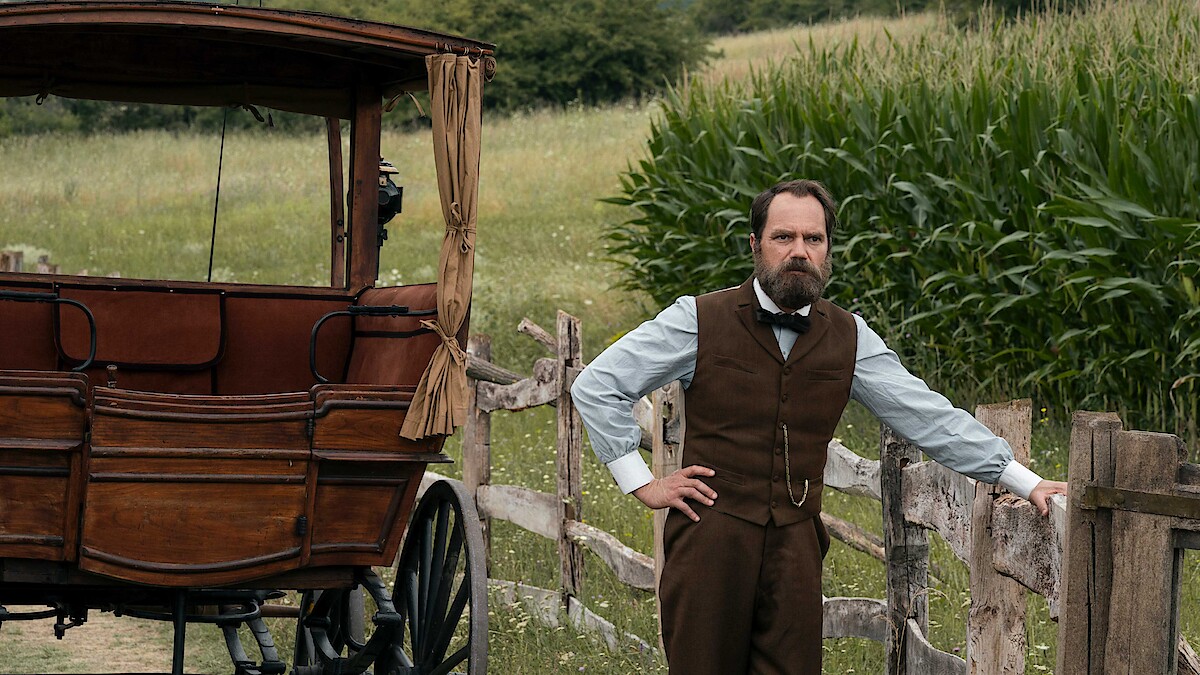
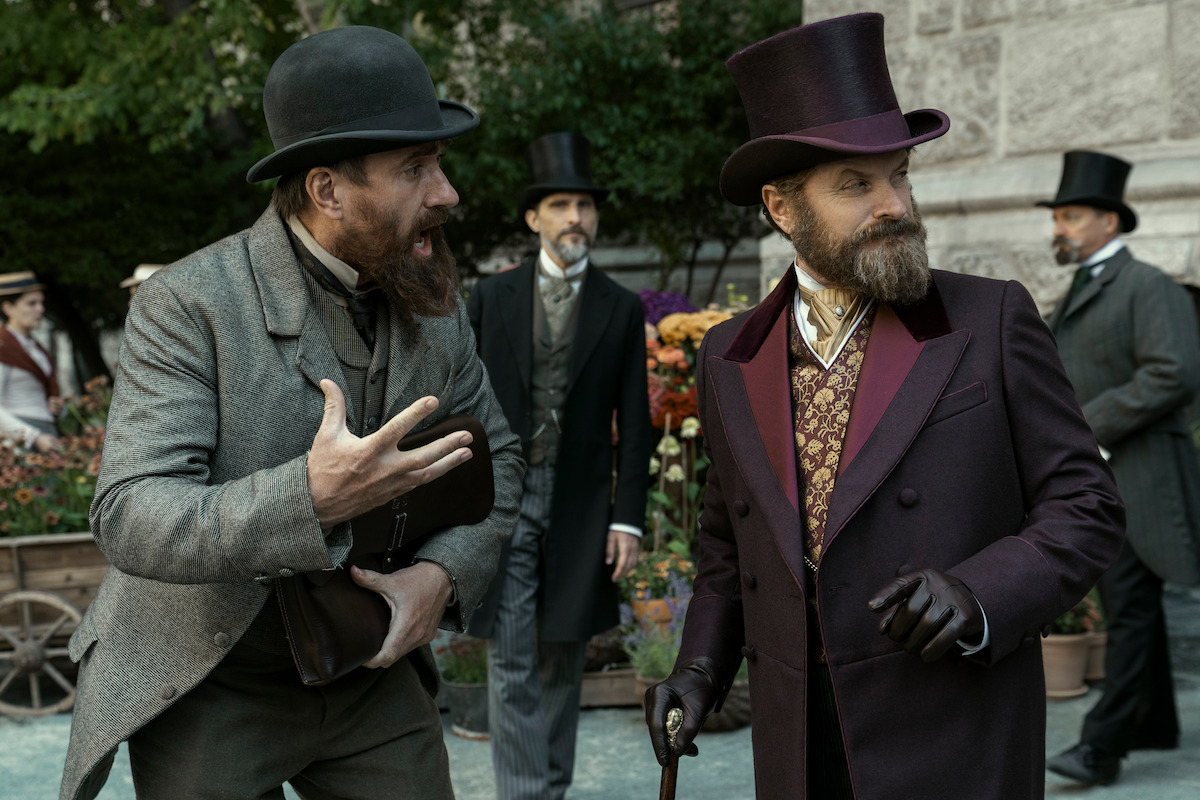
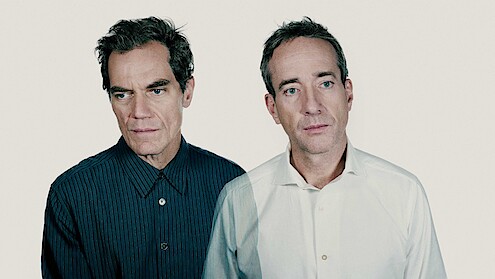
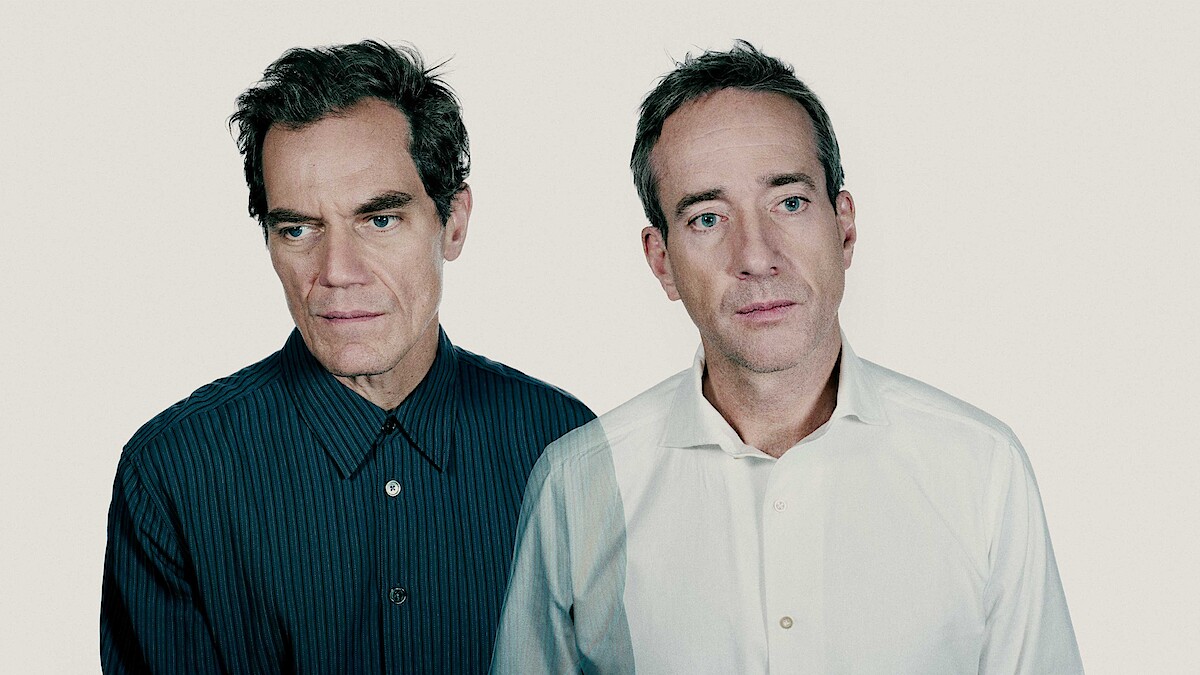
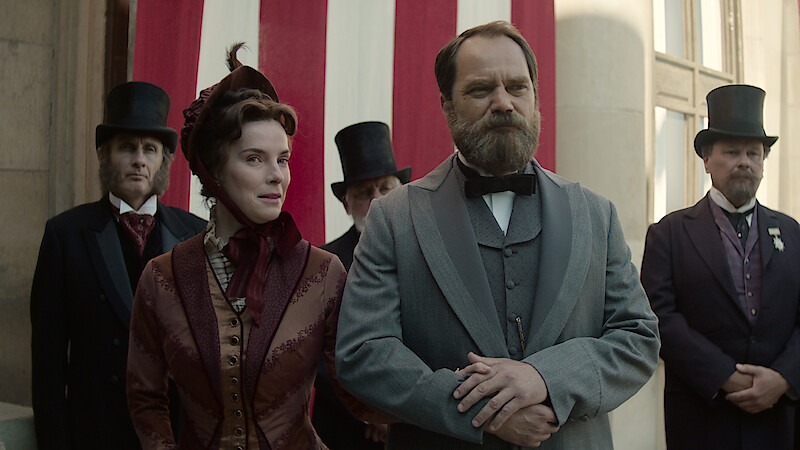
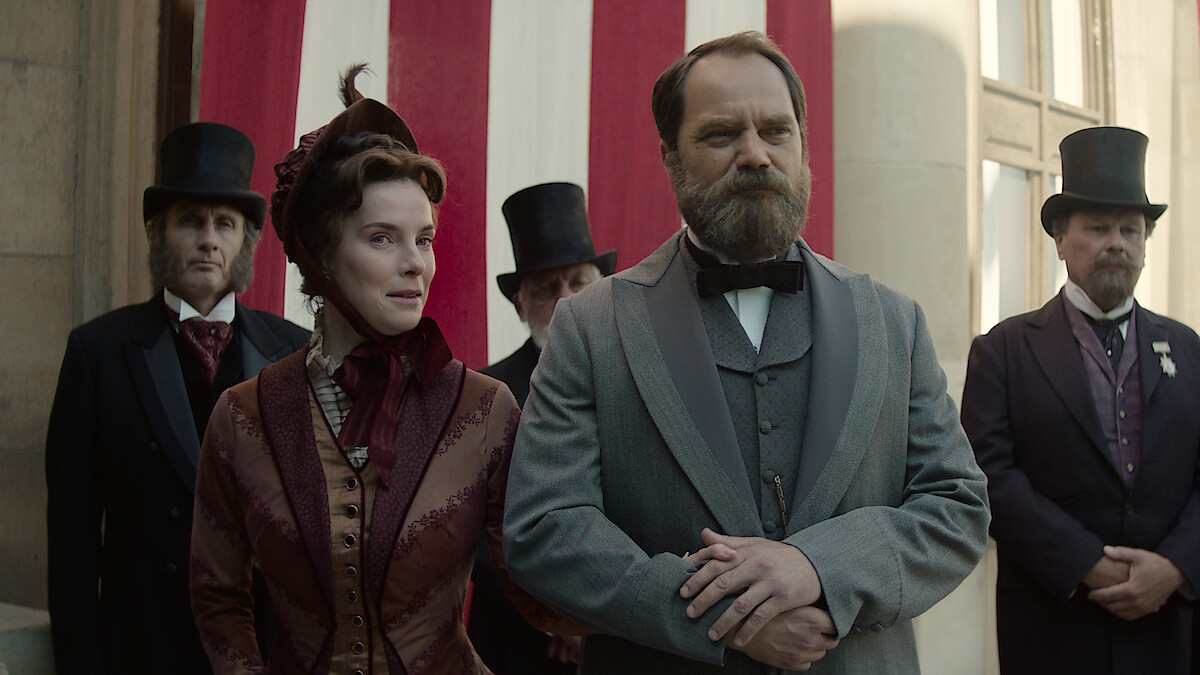
Mike Makowsky’s limited series Death by Lightning, a political drama about the 1880 election and the 1881 assassination of President James A. Garfield, required a team of skilled artists in front of and behind the camera to depict a pivotal moment in American history. Based on Candice Millard’s book Destiny of the Republic: A Tale of Madness, Medicine, and the Murder of a President, the story is one of two men: Ohio congressman turned president James Garfield (Michael Shannon) and failed lawyer turned assassin Charles Guiteau (Matthew Macfadyen). As Garfield’s political profile rises, Guiteau descends into delusion; the two men’s fates are sealed when Guiteau’s grievances lead to political violence. “It was important to us that this didn’t feel like your typical period piece or a dry history lesson,” says Makowsky. “[T]hat it’d have more of a contemporary verve to speak to audiences today — while still remaining true to the spirit of these people and their world.”
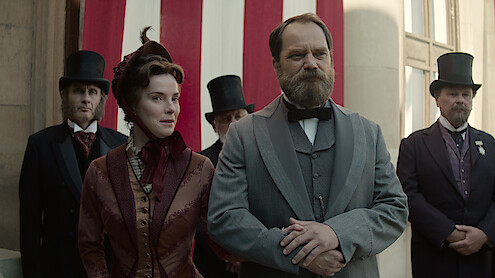
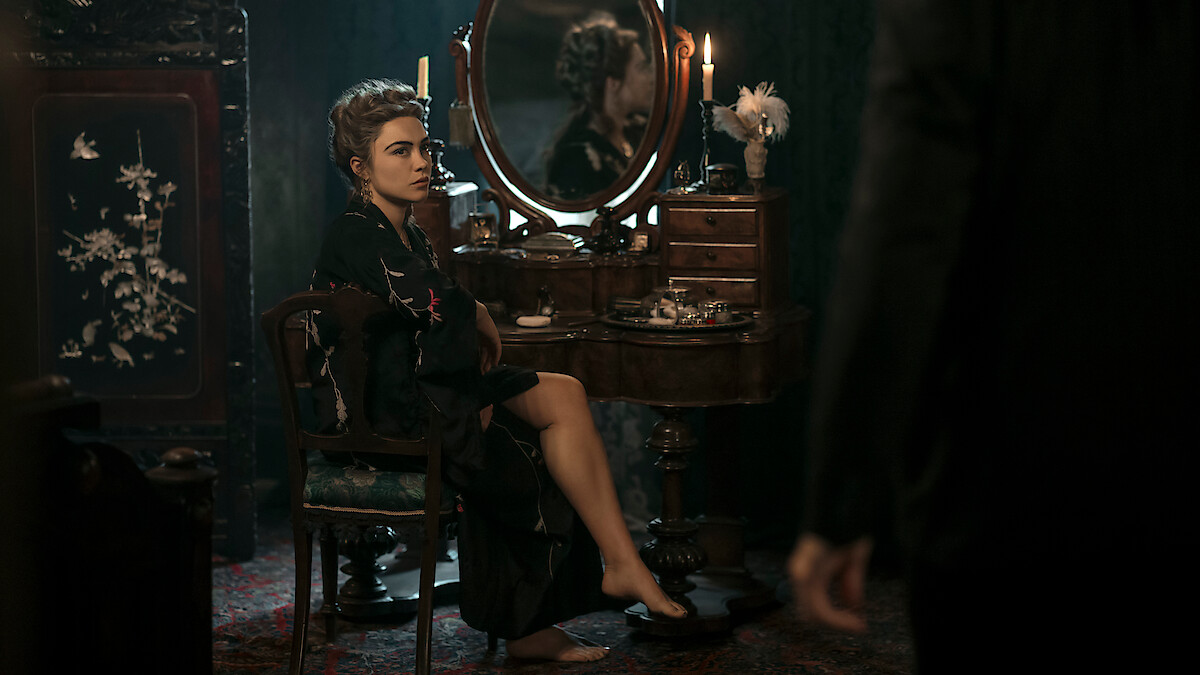
Creating the world of the 1870s and ’80s in New York City, Washington, D.C., Chicago, and Ohio for the series involved a coordinated effort. Production designer Gemma Jackson had her team source paintings and photographs from the period, as well as books about this particular time in American history, to get an understanding of the types of interiors and exteriors that President Garfield and Guiteau would have been surrounded by. Because the series was filmed in Budapest, the art department traveled around Europe to collect pieces for their builds, including everything from marble columns to fireplaces, before returning to the studios and locations where they’d bring the late 19th-century to life.
The visual effects team was tasked with making adjustments given the Central European shooting location for this American story. Through digital adjustments, streets were widened, trees were removed, and modern features were painted out to subtly alter background environments and bring period-specific visual cues of the United States to the screen.
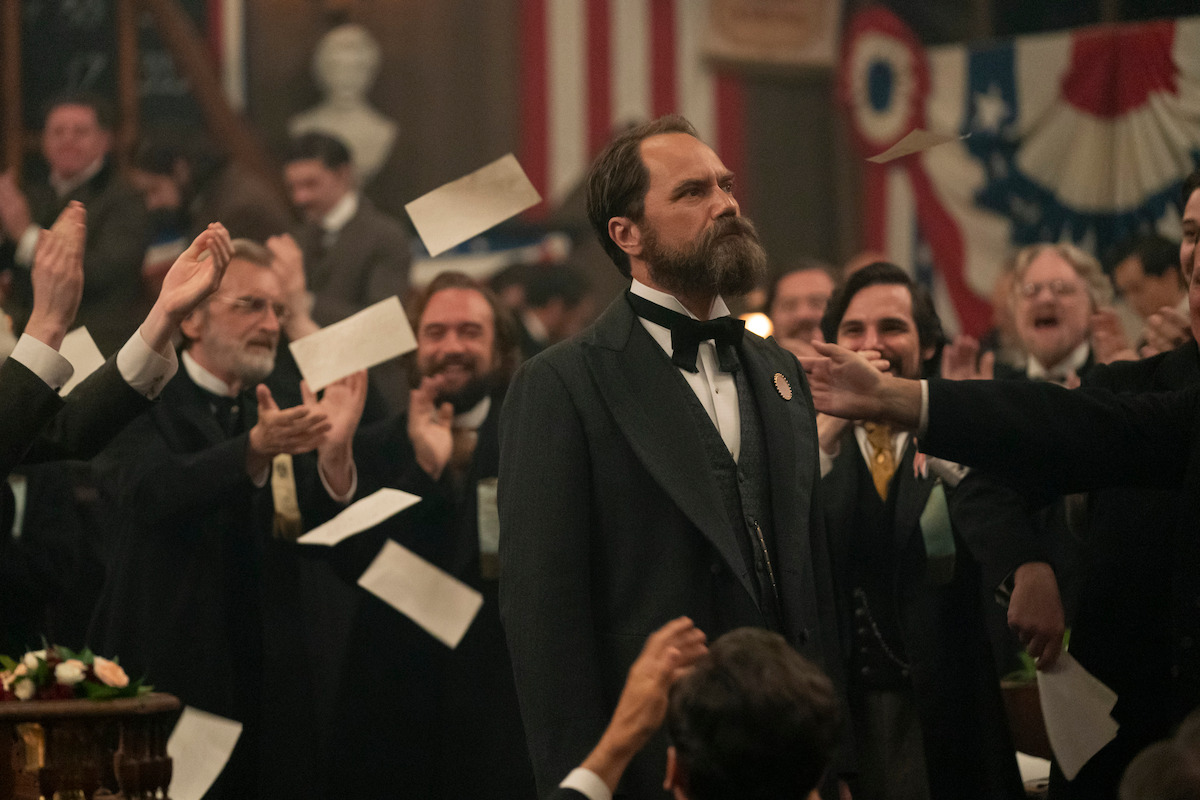
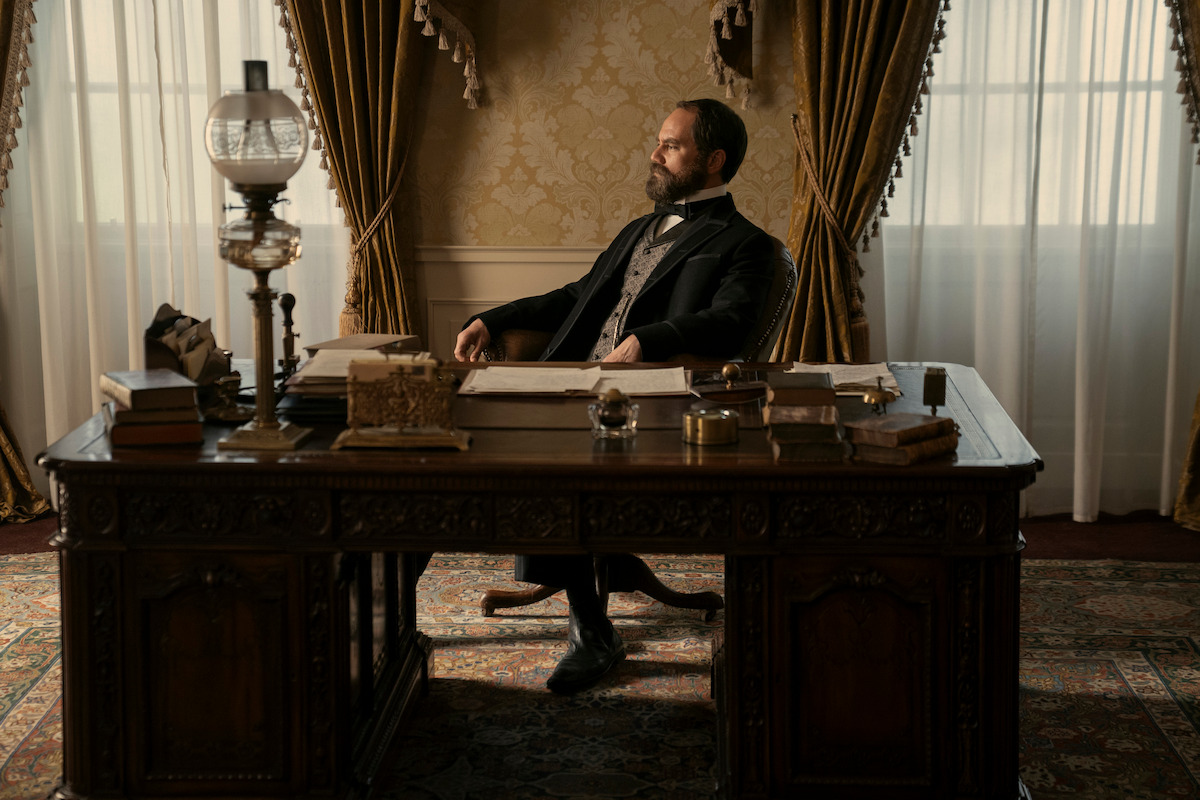
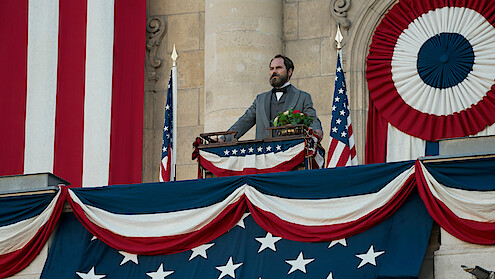
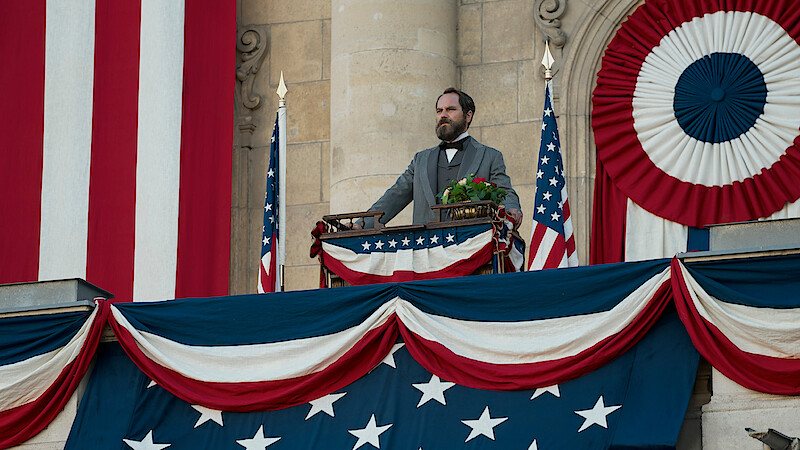
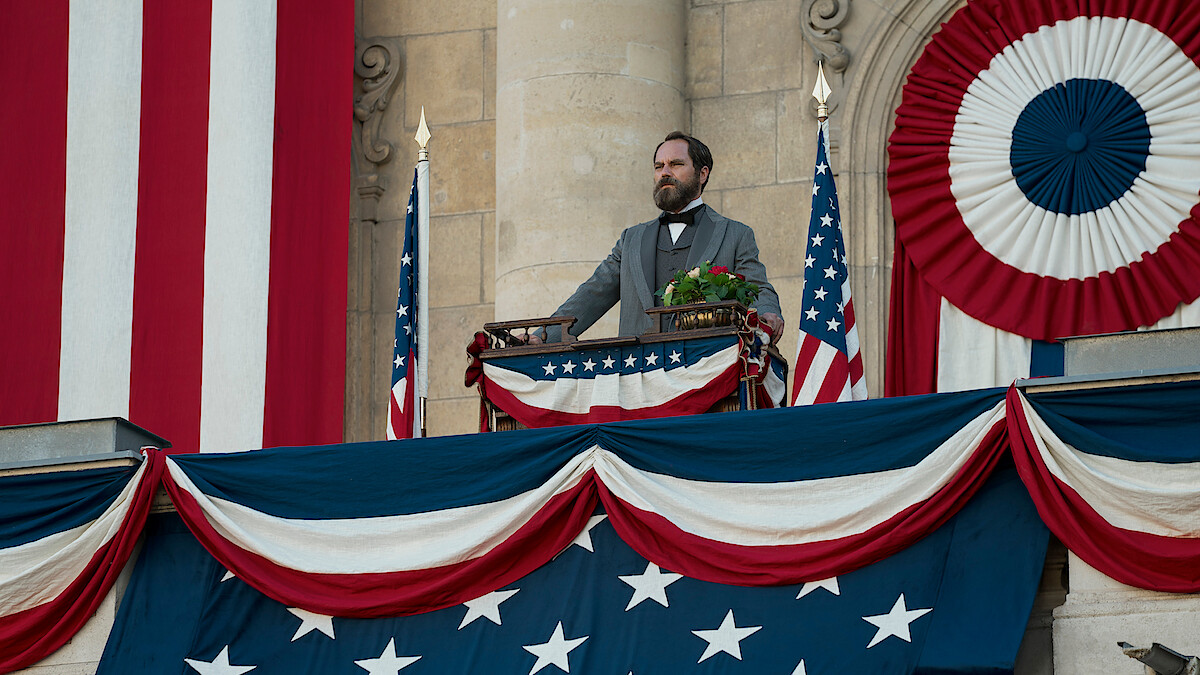
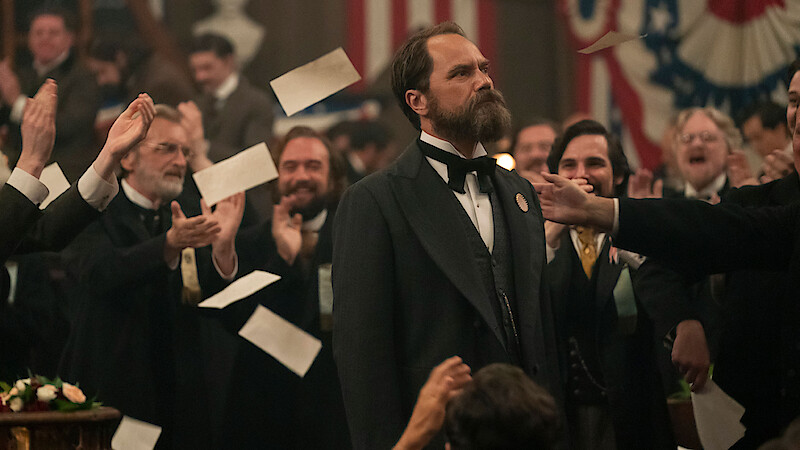
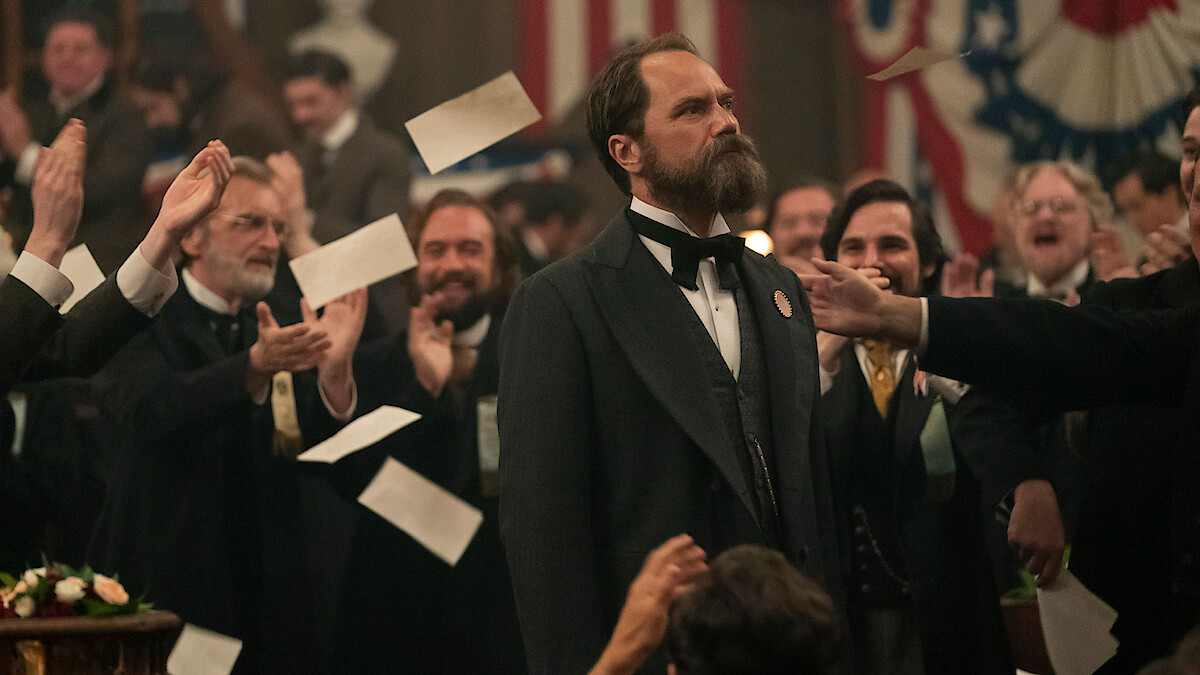
One of the most complex builds was also one of the most iconic locations for an American political drama series, one which many production designers throughout film and television history have been tasked with crafting: the White House. The Death by Lightning White House set took more than 15 weeks to build, with the team aiming to create a sense of grandeur. Another set that required close collaboration between production design and visual effects was the Convention Center. As the backdrop for one of the most poignant and energetic scenes of the series, in which Garfield delivers an unexpected speech and a presidency is born, the Convention Center needed to create an awe-inspiring setting. Jackson and her team designed the large, rectangular room, decorating the first third with banners and flags, tables and chairs, and the lectern from which Garfield gives his impromptu address to the delegates. Visual effects artists then filled out the space through digital work, including adding to the 500 real-life extras, crafting a scene that feels overwhelming in scale and magnitude.
Much of the visual effects team’s work on Death by Lightning is not about spectacle, as in a fantasy series, but rather rendering the invisible effects that blend into the backdrop of the scenes to make them appear more realistic. One such subtle effect that required significant innovation was the work done to create the world outside the train car as it travels across the country. Instead of utilizing a green screen, the team, shooting inside a Budapest train museum, used two massive LED screens — roughly 25 feet tall by 80 feet long — to display real-time rendered environments outside the windows. The screens provided nearly all the lighting for the scene, evoking a sense of authenticity that would have been difficult to establish green screen. It also required very little post-production VFX.
Another group that made a significant impact on the visual identity of the series was King+Country, the motion-design studio that produced the intricate, individual title sequences that appear in the four episodes. The sequences pull inspiration from a Victorian-era animation device whose pre-cinematic cylindrical design created the illusion of motion pictures, resulting in a complex mechanical spectacle that mirrors the political machinery and intrigue surrounding Garfield’s story. The 3D world of the titles blends motion design, animation, and compositing, evoking the elaborate machinations of the 19th-century political landscape that drives Death by Lightning’s drama.