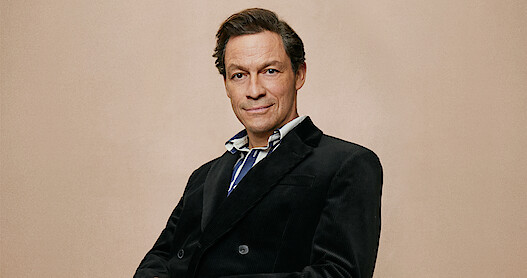
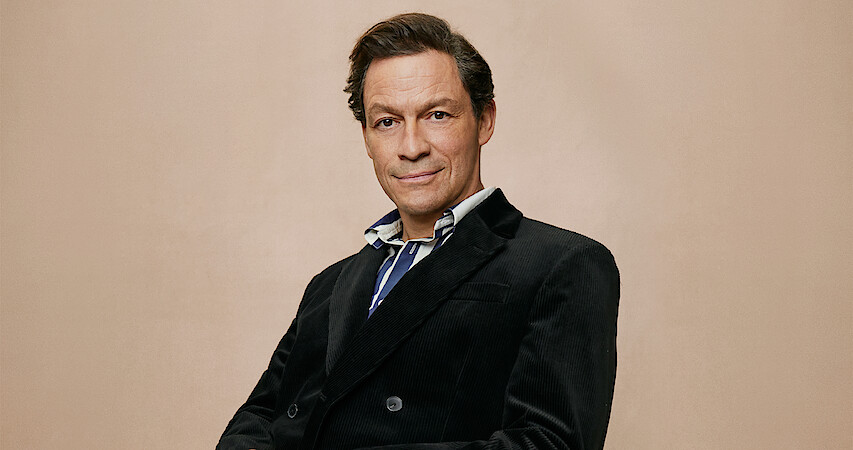
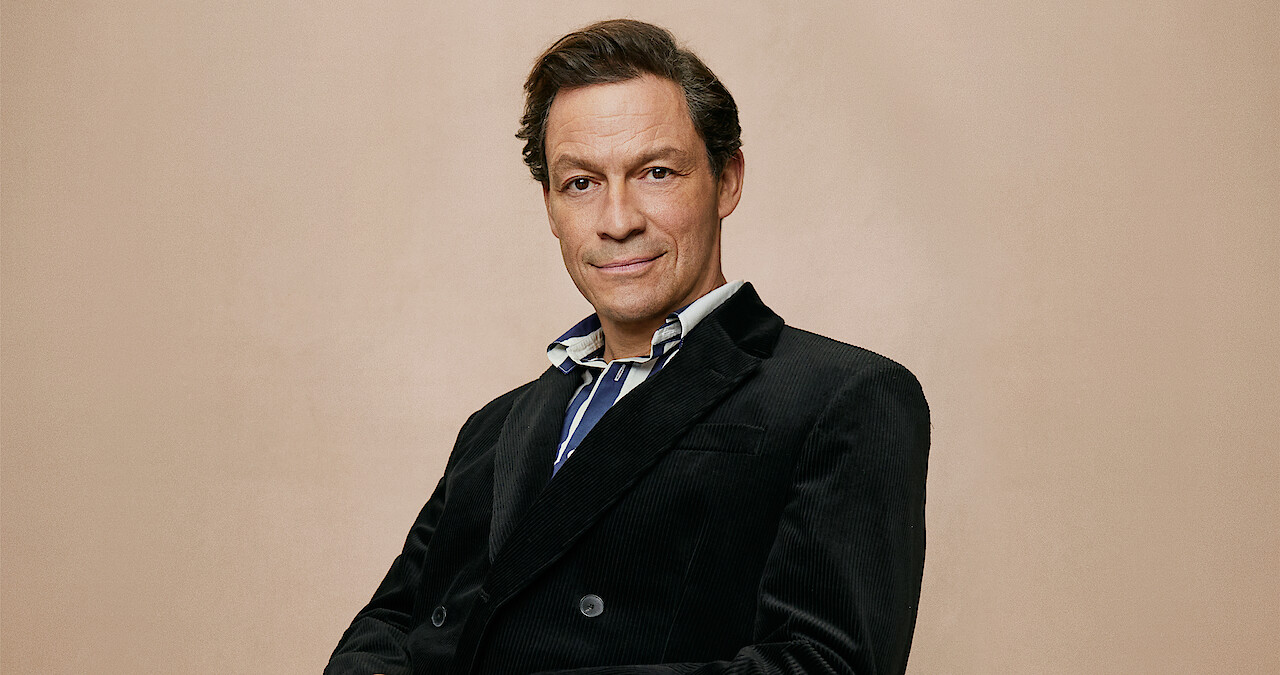
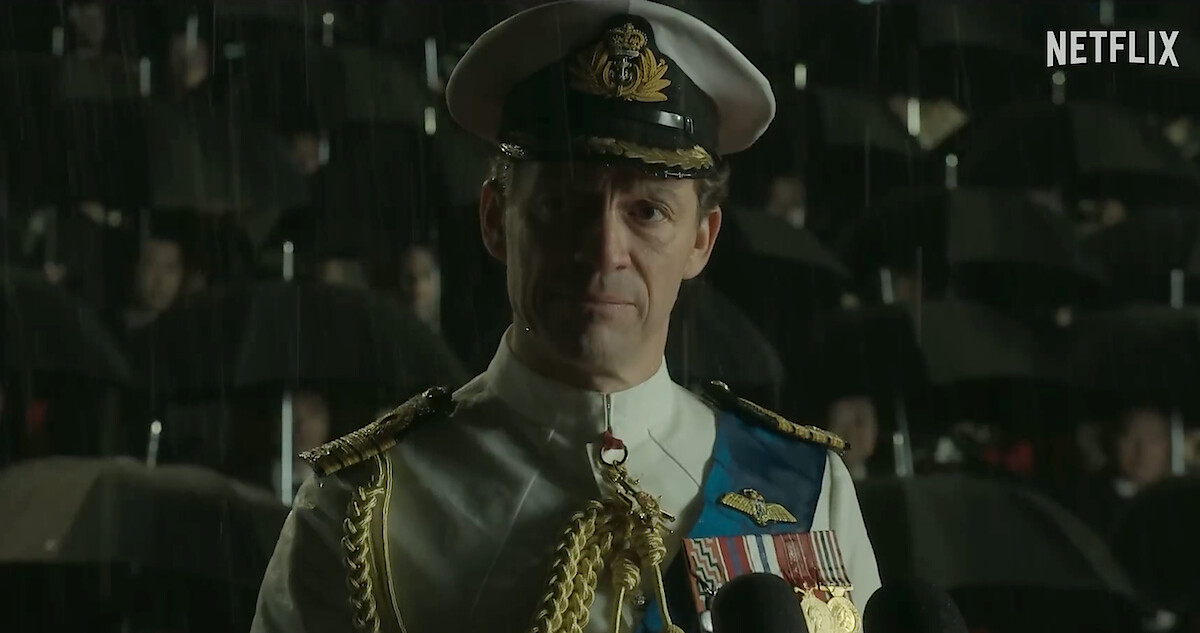
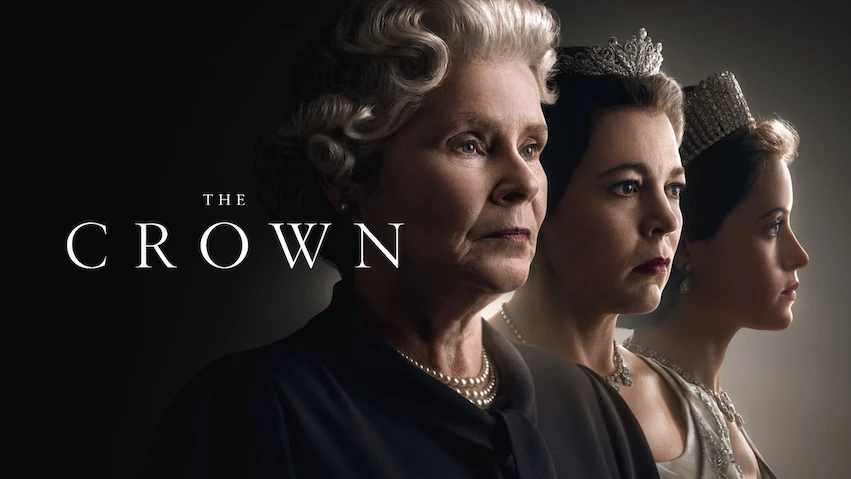
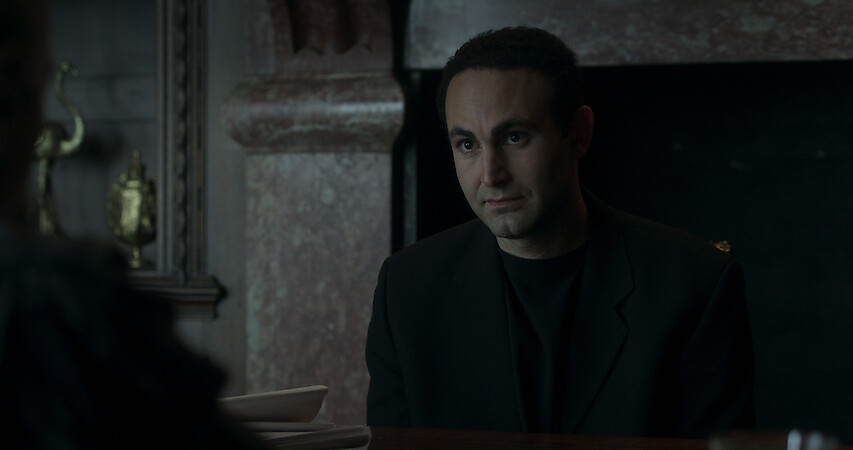
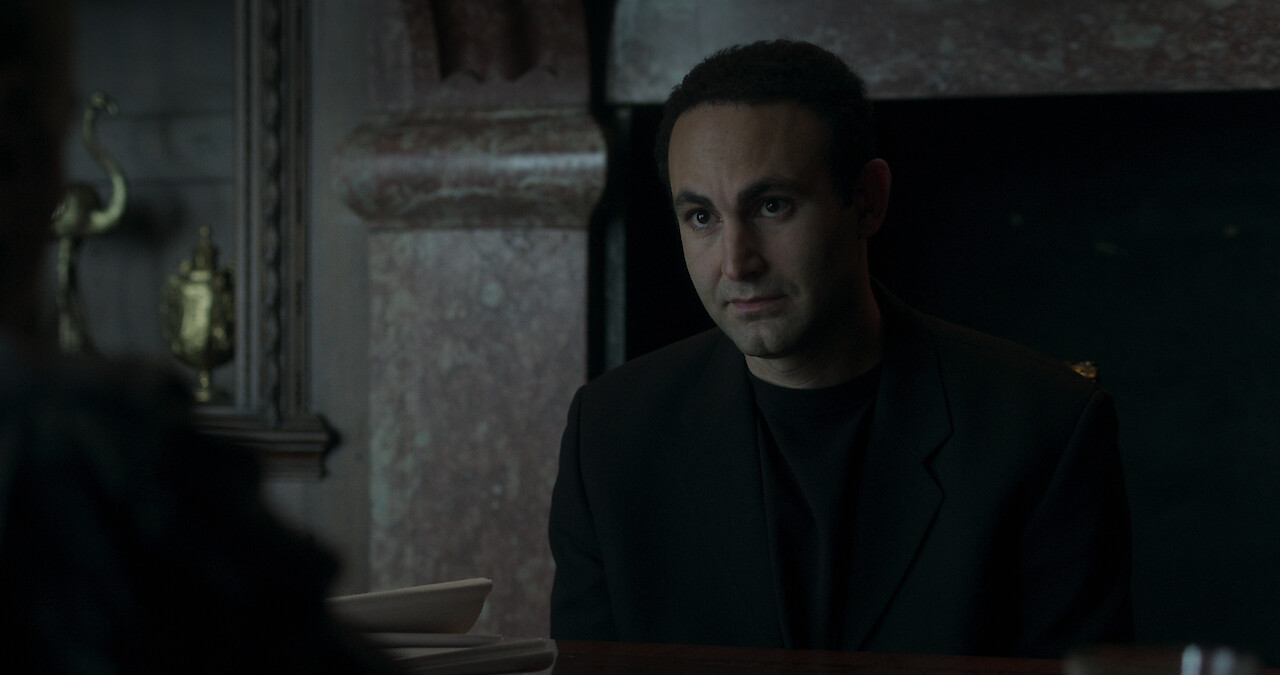
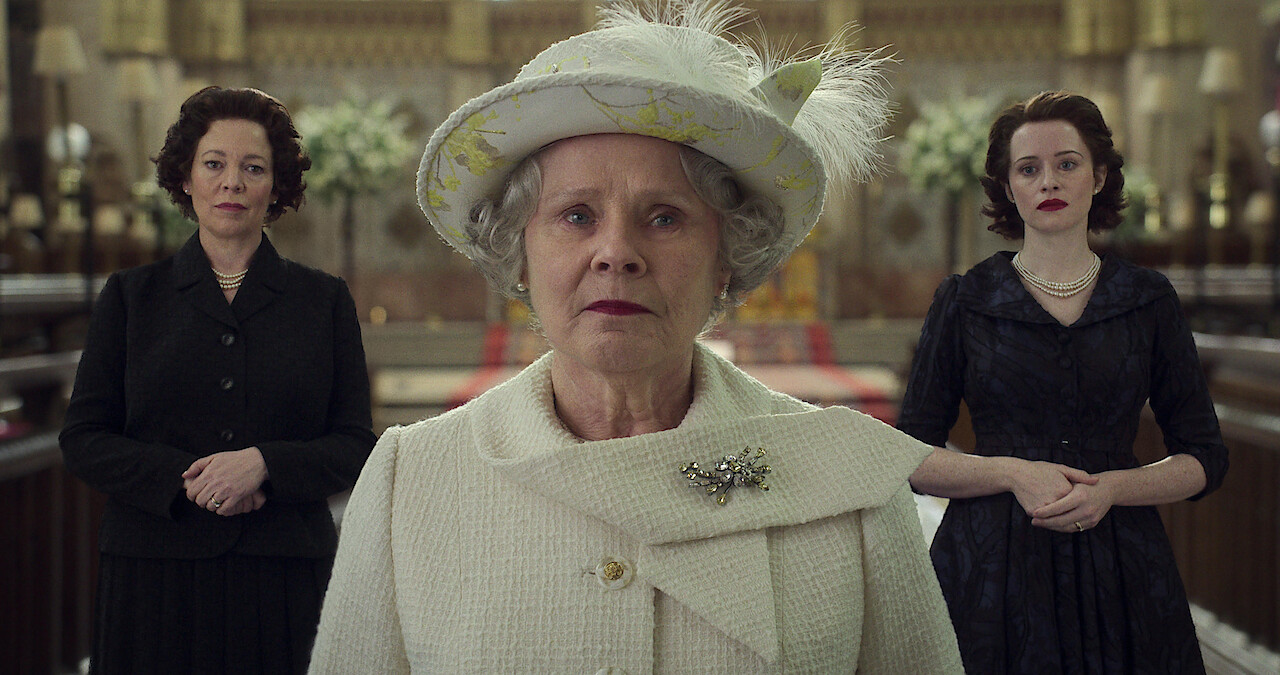
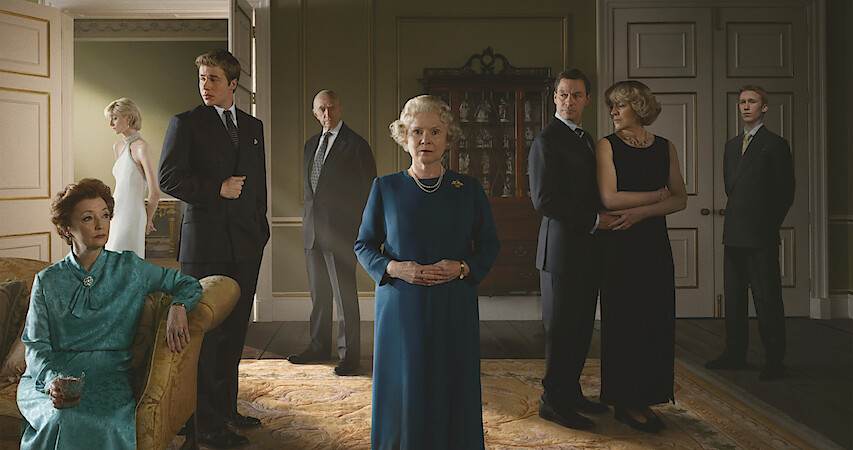
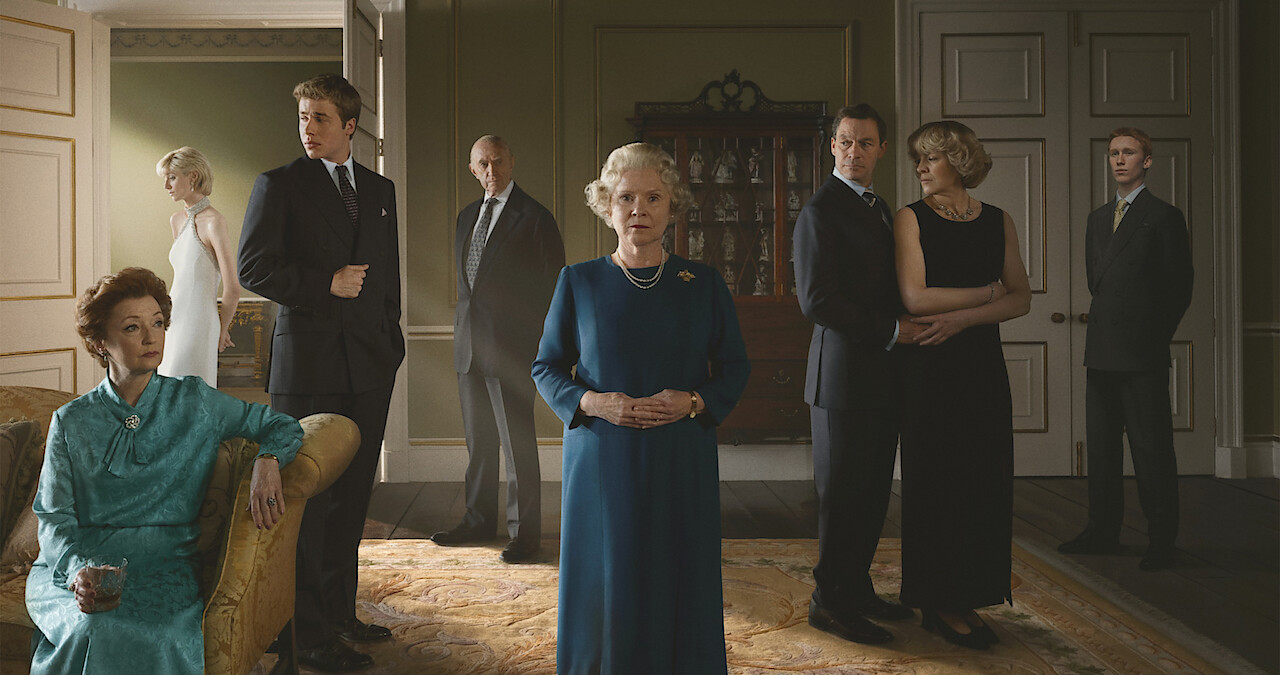
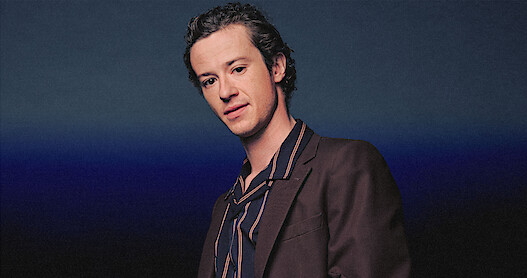
Dominic West came very close to turning down the role of Prince Charles in The Crown.
Indeed, the English actor had an “overwhelming feeling” he’d been miscast, referring to his decision to take the part as a “fully foolish, foolhardy mission to replace Josh O’Connor’s hugely gallant success.” But despite that initial lack of confidence, West ultimately did agree to be part of the fifth and sixth season as the king-to-be.
“The main preparation was trying to make a decision about it,” West tells Tudum of joining The Crown. But after about “a year of hand wringing,” the actor signed on and got to work preparing for the royal role. “One of the reasons I wanted to do the part is because I really like the guy and I’m really interested in things he’s interested in,” he says. In fact West was so intrigued by the then-prince that he even spent some time in Cornwall (Charles was the Duke of Cornwall until his recent accession as King Charles III), renting a cottage on his estate in the name of research. “It’s an absolutely beautiful place,” he says. (So idyllic that West even ended up buying some plants from Charles’ nursery as a birthday gift for his wife.)
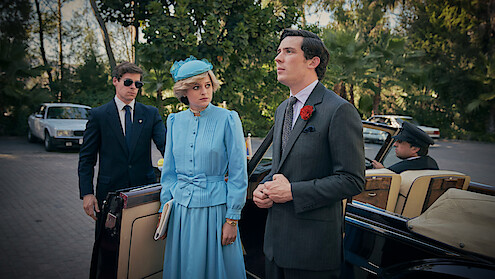
Keith Bernstein/Netflix
As well as spending time in the South West county doing background research, West also got to work reading books about the former prince and listening to another he wrote and narrated, 2010’s Harmony. “It’s his attempt to synthesize everything he’s ever campaigned about,” explains West of the book. “He realized that it all has a central theme, which is harmony. He spends [eleven] hours narrating this book and that was a gold mine for me, to listen to that. I listened to it all the way through a couple of times, and in the car and driving around Cornwall, and that got me into it.”
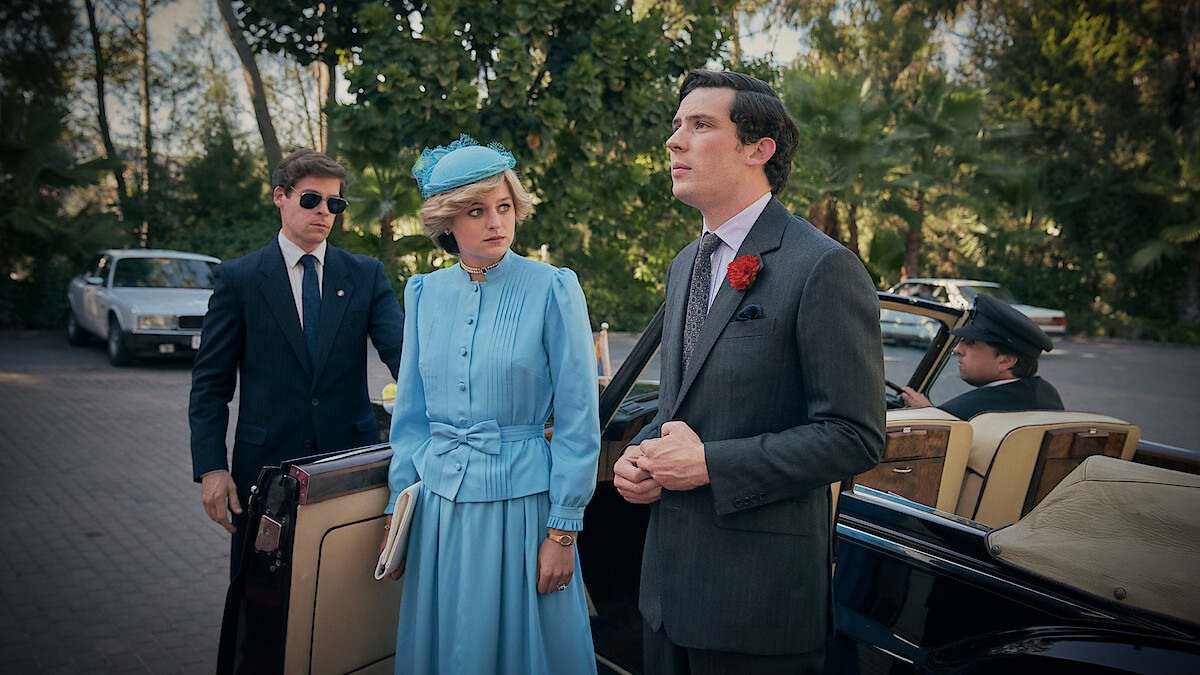
With Charles’ words and voice embedded in his head, it was time to turn to his outward appearance. But the hair and makeup process was surprisingly minimal, considering West and Charles don’t share a strong resemblance. On set, the whole process only took about an hour, and involved what West calls an “appalling parting” of his existing coif and adding small plastic implants behind his ears to push them out. At first, West wasn’t convinced it was going to work.
“I knew I was in very good hands with the hair and makeup and the costume departments, and the movement department and the voice department,” he says. “But I did think for quite a long time that absolutely no hands could deal with the task ahead because I thought, ‘I don’t look like him and sound like him, and I’m not going to be convincing as this guy.’ That took a while to overcome.”

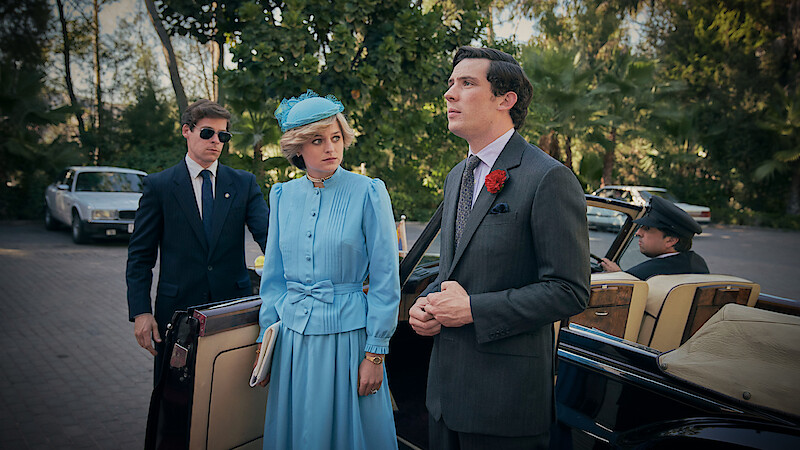
Nick Thompson for Netflix
What eventually clicked for West was an understanding that his performance could be his own, rather than a continuation of O’Connor’s work in Season 4 or an imitation of the real Charles. Although he had his predecessor’s phone number, West never ended up calling O’Connor to discuss the character. He quips he was worried he might have said something like, “They’ve miscast me; can’t you do it again?” But in the end, West realized that he had to find his own way into this specific version of Charles.
“This is an evoking of a character,” West explains of his ultimate approach. “This is a fiction and a dramatization. You’re not really going for imitation.” While West always kept the understanding that The Crown is a drama in the back of his mind, he was also aware that audiences needed to recognize Charles, a well-known public figure who is now the king of Britain.
“Everyone always says, ‘This is not an imitation; you don’t have to do an impression of these people,’” West says. “You go, ‘That’s all very well, but if you don’t sound or look any way like them, there’s no point.’ You’ve got to have something that people go, ‘Oh, okay, that’s him,’ and then they let you get on with it. It takes a while to get comfortable with that. Hair and costume and everything does a lot and the voice does a lot. Once I got settled with that, it’s just an acting job, where you’re just aiming for the truth of the scene. It doesn’t matter who it is — it’s what’s going on emotionally.”
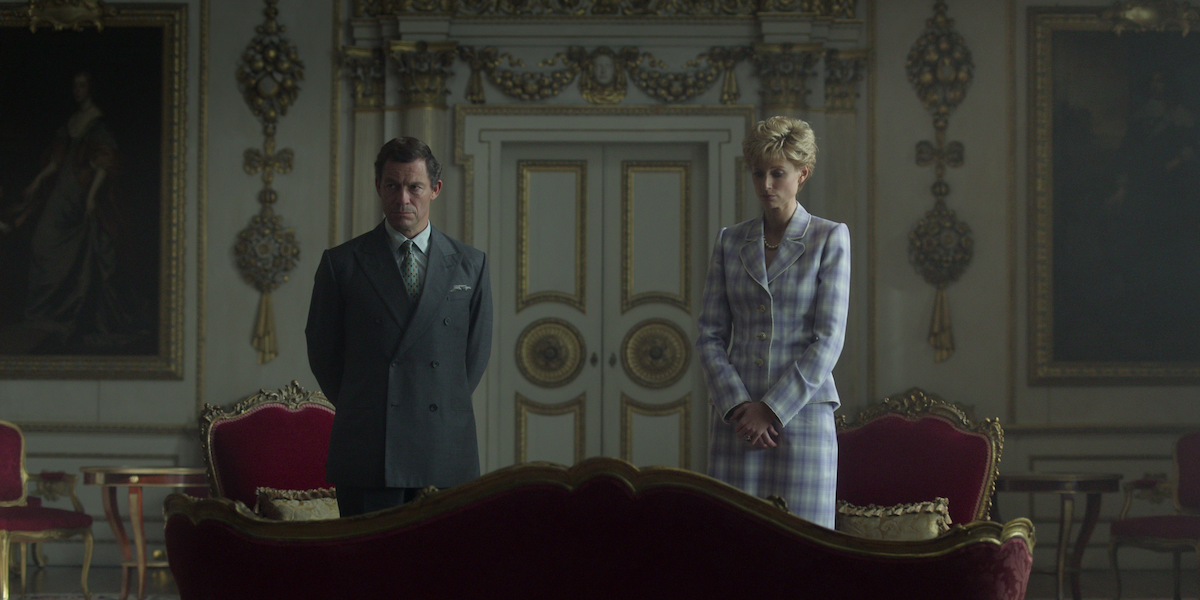
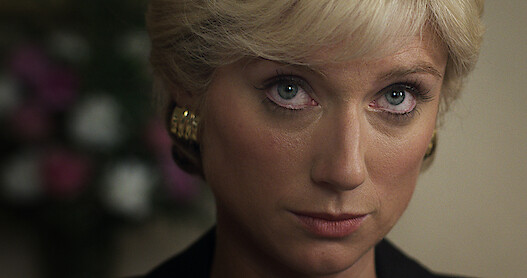
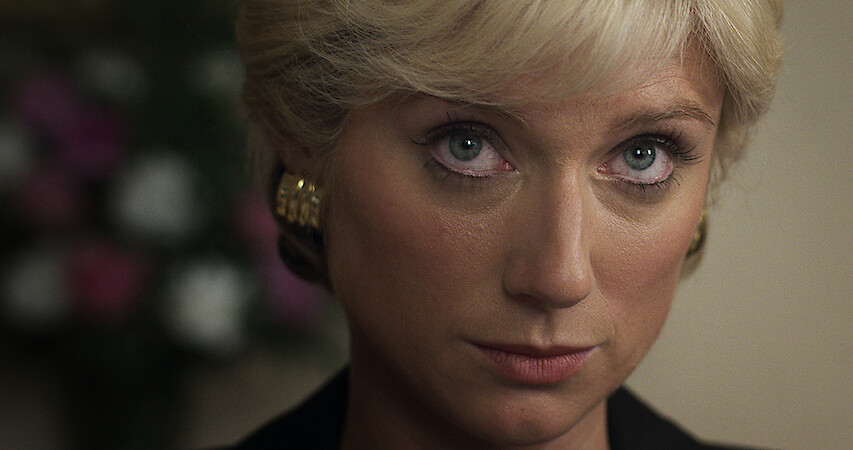
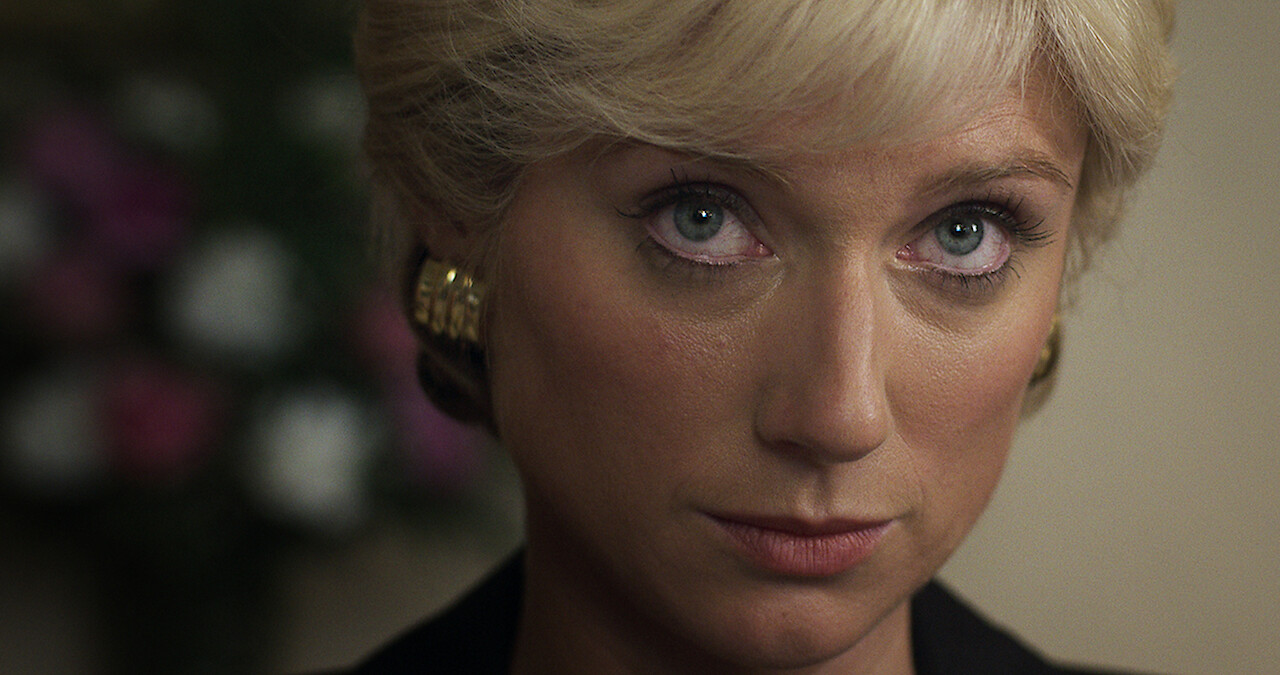
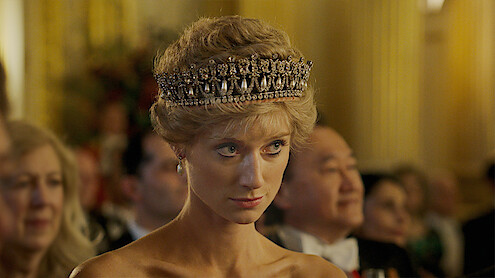
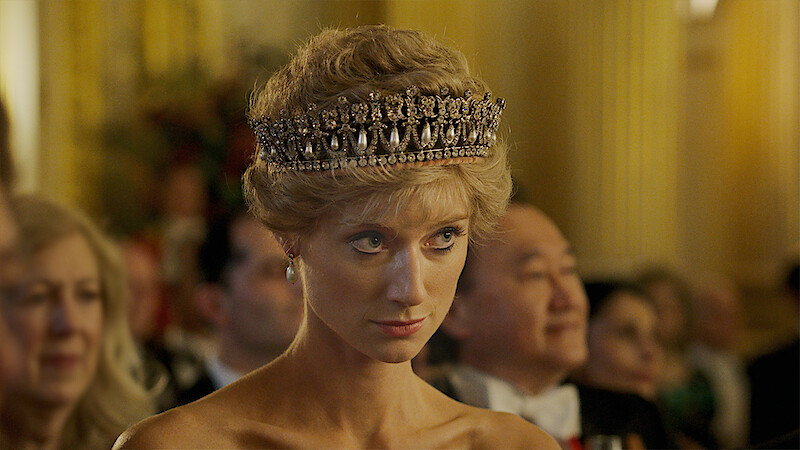
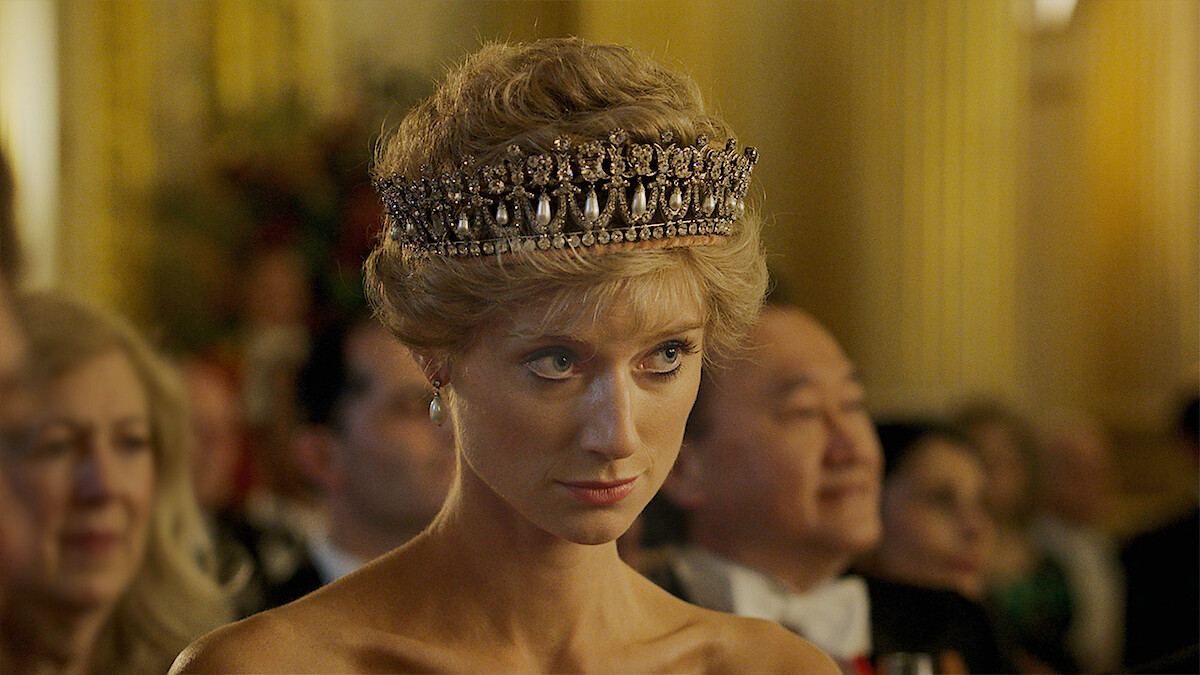
That emotional truth is particularly intense in Season 5, which recounts the breakdown and eventual end of Charles and Diana’s marriage. West had several days of rehearsal with Elizabeth Debicki, who plays Diana, ahead of filming, and the pair spoke in depth about how to best portray the fraying relationship between the couple.
After their rehearsal time together — which included big dialogues with show creator Peter Morgan and the show’s directors and producers to ensure they were all on the same page about what they wanted the characters to say — West and Debicki went their separate ways to build the roles since, interestingly, they don’t actually share that many scenes together this season. “By the time we came together to do the great big scene in Episode 9, which is our real scene together, we’d been embodying these characters for months and months and months,” says Debicki of a moment of reconciliation toward the end of Season 5. “When we sat down at that kitchen table, we were really ready to just speak to each other. We had the history of everything we’d experienced within the characters for the last six months.”
When Season 5 kicks off, Charles and Diana are at “their lowest points,” West explains. “It was bad for Charles. They can’t stand each other at the start. You’ve seen in previous seasons where the love in that relationship was, but you don’t see that in this season until the end, until this amazing scene that Peter [Morgan] wrote after they divorced and all the antagonism is superficially gone. They’re settled, they’re separate, they don’t have to pretend anymore, and they’ve got what both of them want. There’s a rapprochement that doesn’t last.”
It’s the “imagined conversations of their private lives” like the kitchen scene with Debicki that makes the show special for West. “How can you know what they talk about in their private lives? The obvious answer is we don’t, but we have an incredible writer, a dramatist, who imagines based on exhaustive research,” he says. “That’s really part of the fascination of the show.”
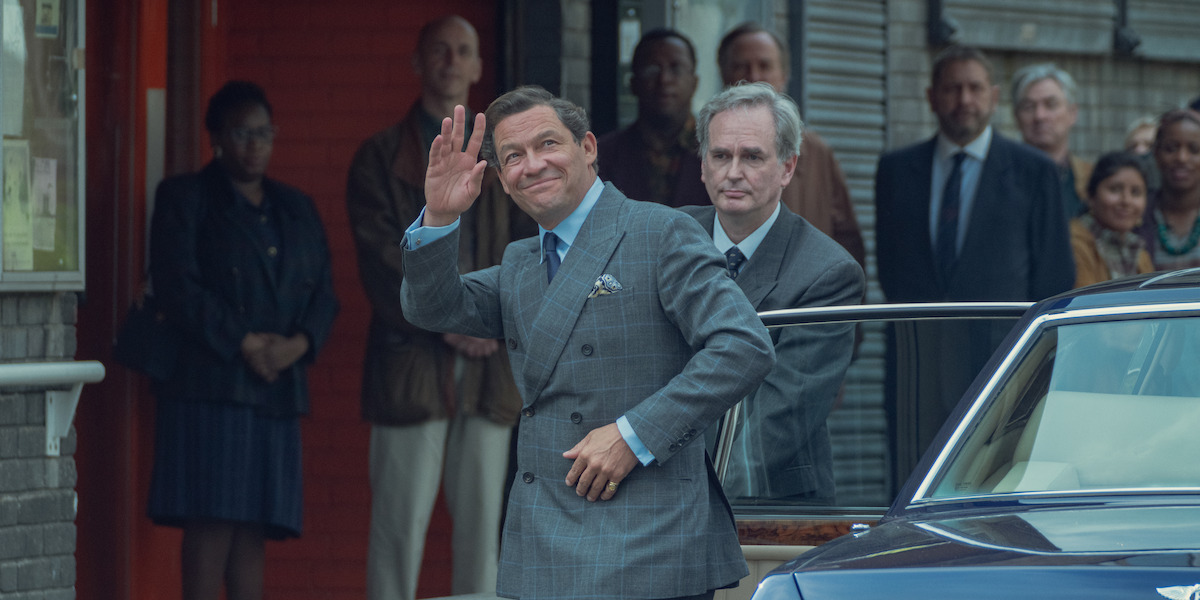
So after he mastered the voice, the mannerisms and the intense moments with Debicki, what did West still find “the most nerve-racking” to get right? “The hardest things were getting out of cars and waving at crowds,” he says. “Saluting and all that sort of stuff is quite hard if you’re a humble actor and not a Prince of Wales.”