Is your first love Forever? Or something you remember forever?
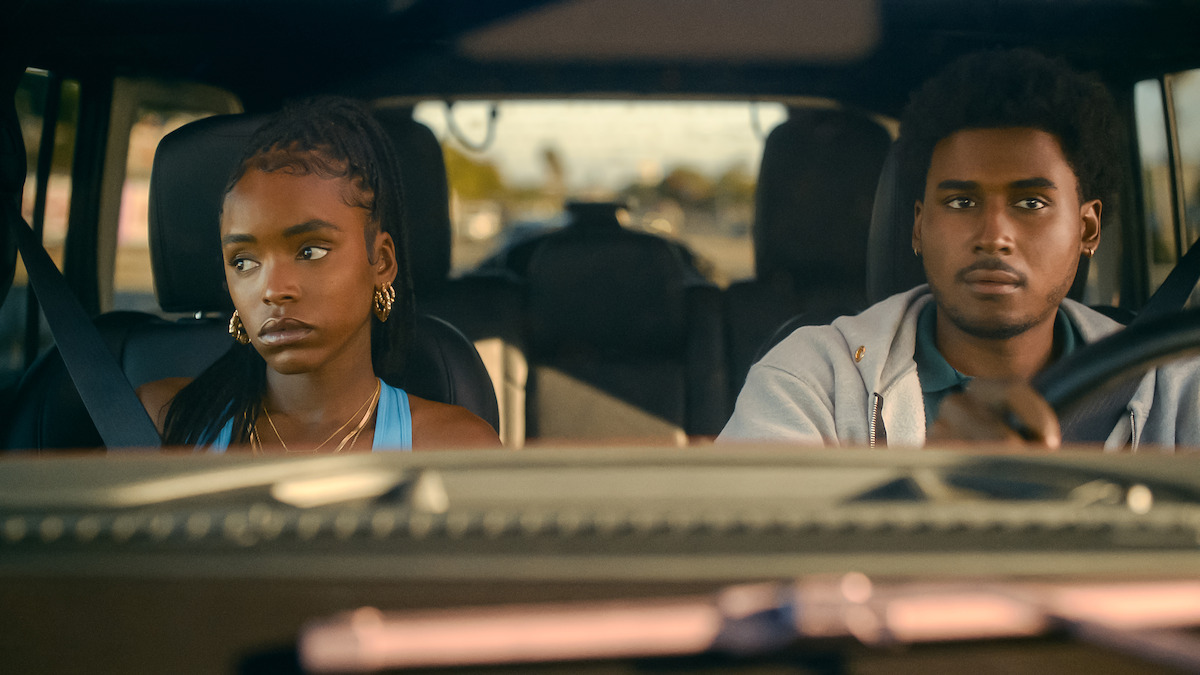
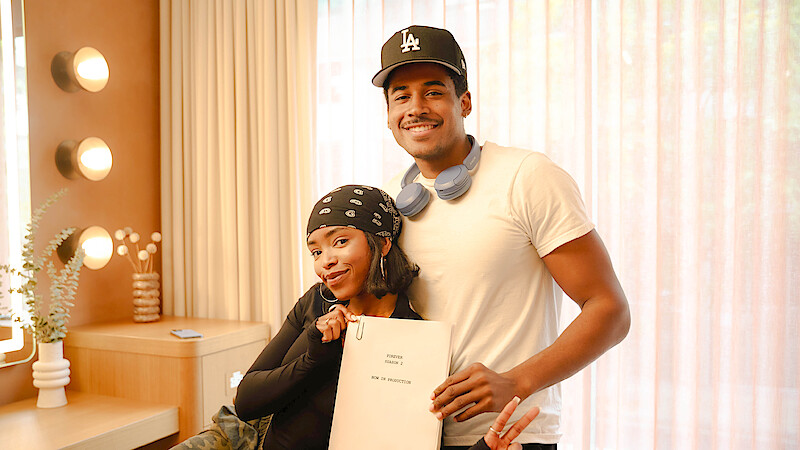
That’s the question hanging over young couple Justin Edwards (Michael Cooper Jr.) and Keisha Clark (Lovie Simone) in the coming-of-age series from Mara Brock Akil (Moesha, Girlfriends). Inspired by Judy Blume’s seminal novel Forever …, the series follows two Black LA teens as they learn how to fall in love with the people they’re becoming while also falling for each other.

PHOTO BY ELIZABETH MORRIS
Originally childhood friends, Justin and Keisha meet again years later at a New Year’s Eve party that sparks a year of firsts: first real relationship, first time, first “I love you.” And perhaps even scarier: the first opportunity to really tell your parents what you want and need from life.
Brock Akil sees the couple’s romance as a reflection of “who catches you and holds you and sees you?” As Justin and Keisha realize they’ve met someone who actually sees them, they help each other become the people they’re destined to be. Says Brock Akil, “Both Justin and Keisha’s dreams and fears are packed into each other, so they both give each other the message of, ‘Tell your parents who you are,’ which is the first step to telling the world who you are, right?”
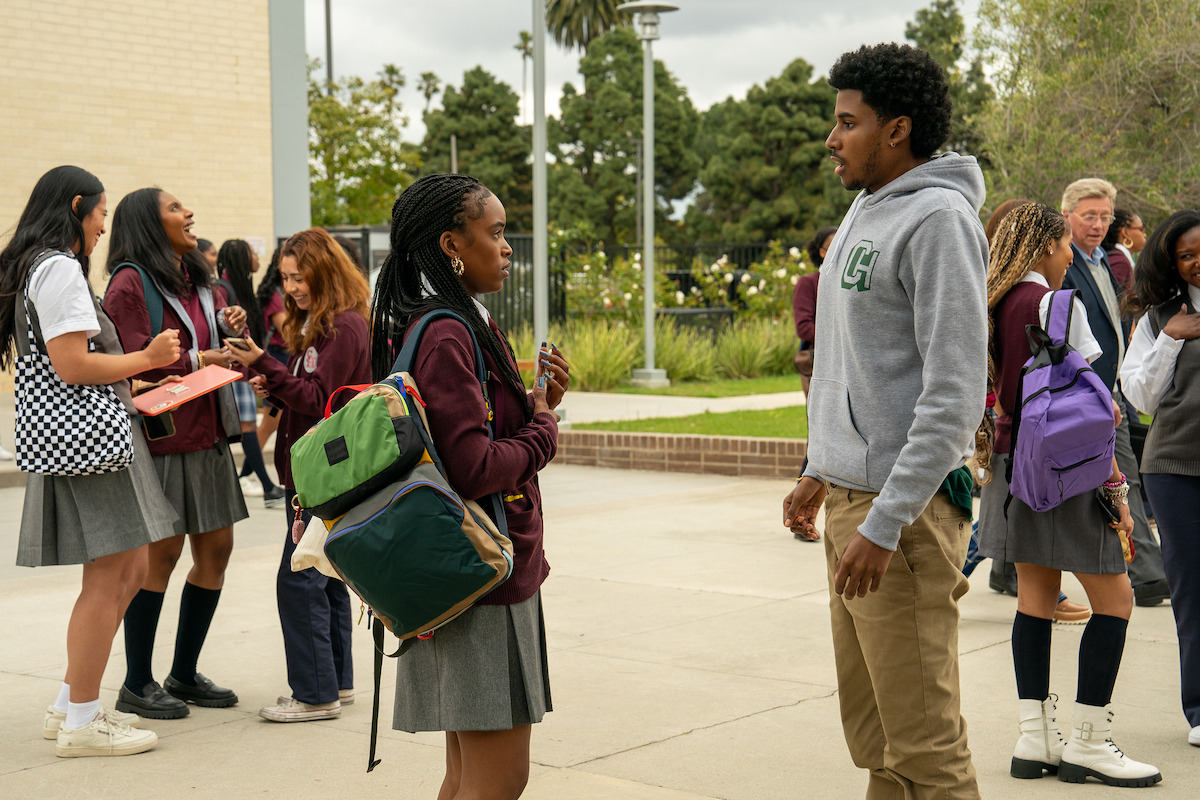
PHOTO BY ELIZABETH MORRIS
Up and down their romantic roller coaster of misunderstandings and grand gestures, the pair’s friendship and trust serve as their steadfast foundation. Bringing Blume’s love story to the modern day, Brock Akil wanted to show Justin and Keisha’s romance through the lens of the importance of friendship. “My era led with the flutters, the butterflies, the romance. Every era knows it’s about communication, and every era has its challenges — the phone and blocking and things of that nature — but I think friendship leads in this generation. That’s a really beautiful foundation to build on and return to.”
So where does their relationship go after high school? And what do Justin and Keisha’s futures hold, separately and together? Brock Akil answers all your burning Forever questions below.
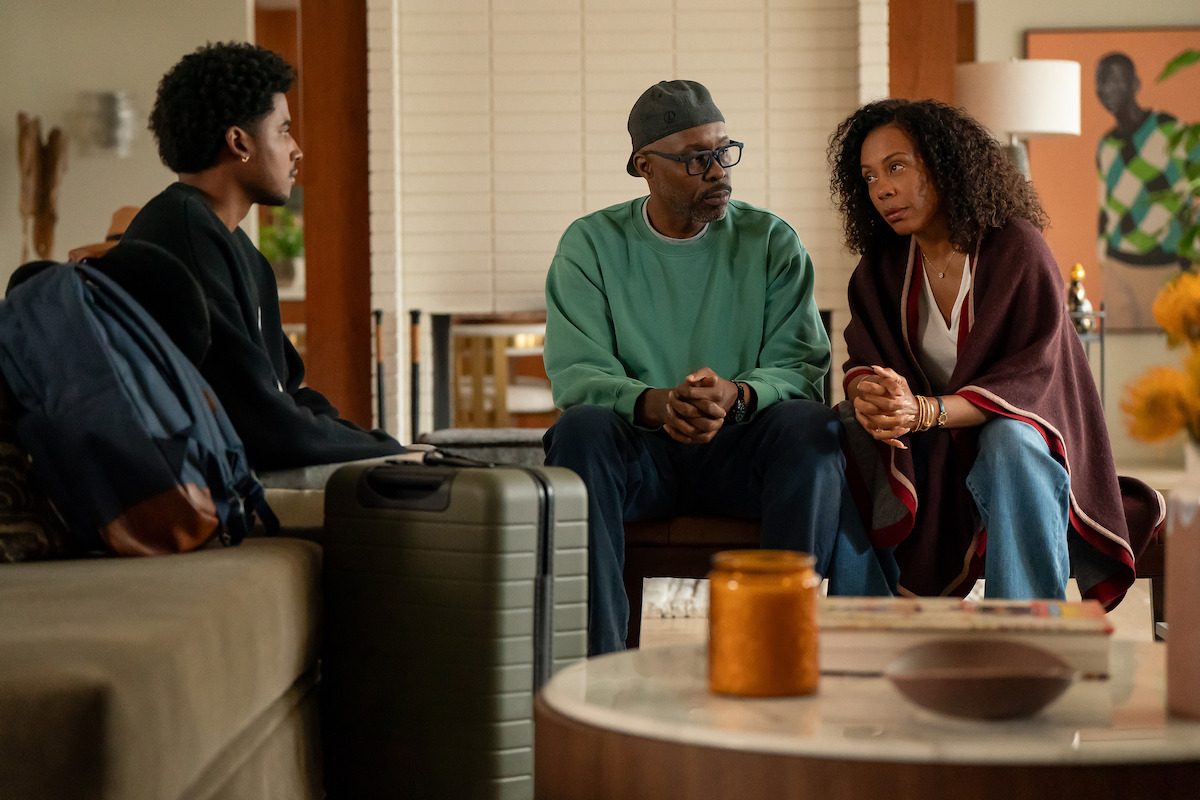
PHOTO BY ELIZABETH MORRIS
Why did Mara Brock Akil set Forever in 2018?
“From Trayvon Martin’s murder up until 2020 — around when Trayvon and Mike Brown and Eric Garner and Philando Castile and Alton Sterling and Sandra Bland [were killed] — Black people were living a horror story,” Brock Akil explains. “Even for the Black families that got their kids to safe ground, we were scared for them. Are they going to be in jail? Dawn says it: ‘Your little flippant mouth — I can’t stand it so I can only imagine a cop. You’re going to be dead or in jail with that mouth.’ ”
Brock Akil began developing the series in 2020, infusing the story with that terrified love so many parents feel as their children begin to strike out on their own. That underlying tension simmers throughout every parent-child interaction in the series, particularly when Justin’s parents gift him a new car and give him ultra-strict guidelines about when and where he can drive. “In [Black] households, the chokehold on our children’s safety left them very little room … to explore who they are as individuals and have these rites of passage,” she continues. “There’s a privilege that white children have in the world for them to roam the city. My peers don’t worry about their children getting shot. They don’t worry about their children getting arrested, really.”
But watching Justin and Keisha against a backdrop of towering palm trees and bustling street corners, exploring the farmer’s market and seeing movies, allows everyone to see that “our children belong in the world,” says Brock Akil. “When you see them crossing the street and going to Fairfax and doing this and doing that, they belong there. They should be there. Give them space to figure themselves out.”
Why set a whole episode in Martha’s Vineyard?
Brock Akil vacations on Martha’s Vineyard each summer, so not only is she a font of practical information about geography and location spotting, she also knows the culture of the island — and in particular, the legacy of the Black community. “It’s our history, it’s our legacy,” she says. “It’s what we have collectively worked hard to keep alive and to keep thriving. To have this one place that feels like freedom, that feels safe. You can let your hair down a little bit and be. It’s where you catch your breath so you can go deal with the rest of the year. You really want to fill up on that gas tank of love, of friendship, of bonding, of relaxation — just very human, simple things, but we treasure it so much.”
That’s also why she decided to direct the episode herself. “I understand the essence of the island,” she explains. And, fun fact: Blume also vacations there.
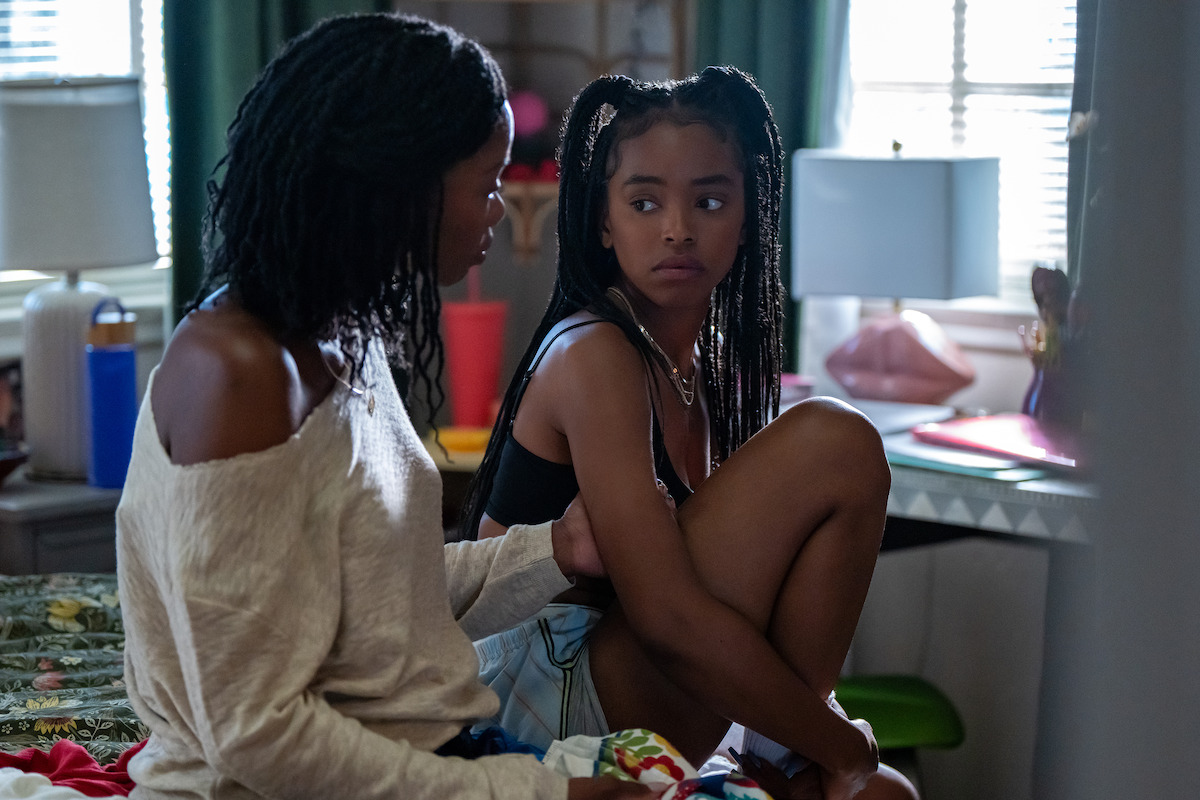
PHOTO BY ELIZABETH MORRIS
Why was maintaining sex positivity so important for the series?
“The first love that we choose based on who we are so far is a very needed and important rite of passage,” says Brock Akil. “When I was a young woman reading [Forever], I had questions. I wanted to make that leap. I understood it was complicated. I understood it involved a lot. It was exciting and scary.”
Blume talked about sex in a frank, honest way — something that teenagers needed in 1975 and they need in 2025. “I like to think universally, children or young people’s curiosity around sex is positive,” says Brock Akil. “This generation has a lot of information about sex, so their choice can be led more by the curiosity of sex before that love feeling comes. Even in the rhetoric of the 50% divorce era, ‘relationships are trash,’ they may come into it more led by the curiosity of their bodies. They probably believe they’re making smart choices, even if they don’t seem right to us as adults.”
As Brock Akil points out, “Judy was very good about reminding us of the context of what kids were dealing with in the ’70s. She was honest about some very tough subjects: drugs, alcohol, suicide. But those problems never touched [book characters] Katherine and Michael; they were in the world-building.”

PHOTO BY ELIZABETH MORRIS
In the show, they’re very real issues for Justin and Keisha. “I decided to put one of the toughest challenges [facing] young people today in the center of the relationship, and that was the sex tape scandal,” she adds. The point of both the book and the show is to give teens a safe space to be curious about very natural and very real facts of life. “Our children are exposed to so much more, and there’s so much data on them now at that age. Where are we providing that beautiful rite of passage [of first love] that we will remember forever? One could say if you leap right, if you stick the landing, it could be forever.”
At one point in the relationship, Keisha gets “the ick.” Why was that important to portray?
To start, says Brock Akil, “If you’re going to do a show about firsts and sexuality, we make a lot of mistakes in that journey.” When Justin tries to pressure Keisha into hooking up in the pool (with his family one exterior wall away), she immediately recoils and loses interest. “That was also a great way for us to demonstrate how boys, because you’re lost, make mistakes and they make the girl the prize. What was Justin’s reason for doing that? Justin made a bad decision because he feels lost and she’s the anchor.”
Keisha’s discussion with her father — and her experience with her ex, Christian, sharing a sex tape they made together — helped her stick to her boundaries. “I think we’ve shown an ideal way to enter into sex and then also expose, with the Christian of it all, ways in which the decisions around sex can lead to tough situations, especially in an era of phones and digital footprints. What’s forever? Your digital footprint.”
Do Keisha and Justin stay together?
Adrift and lost, Justin starts charting his own course by making an extremely painful decision: He breaks up with Keisha, because, otherwise, he’d continue to keep making her his whole world. In the writers’ room, Brock Akil and her team held true to the notion that the only true forever love is self-love and that relationships should lead you back to your better self. With that in mind, Keisha offers during their breakup that maybe they were supposed to come back into each other’s lives so they could break each other out of familiar patterns.
Their parting is tear-filled, and it’s certainly not because they don’t love each other. Brock Akil hopes Justin and Keisha can show viewers how to let go when we have to choose ourselves, even though it’s challenging. “We wanted to make sure we left love on the table,” says Brock Akil. “Whether you believe they should have broken up or not, the humanity in their breakup is what we could all aspire for if we’re not going to be together. We know a door is always open to that love that was real.”
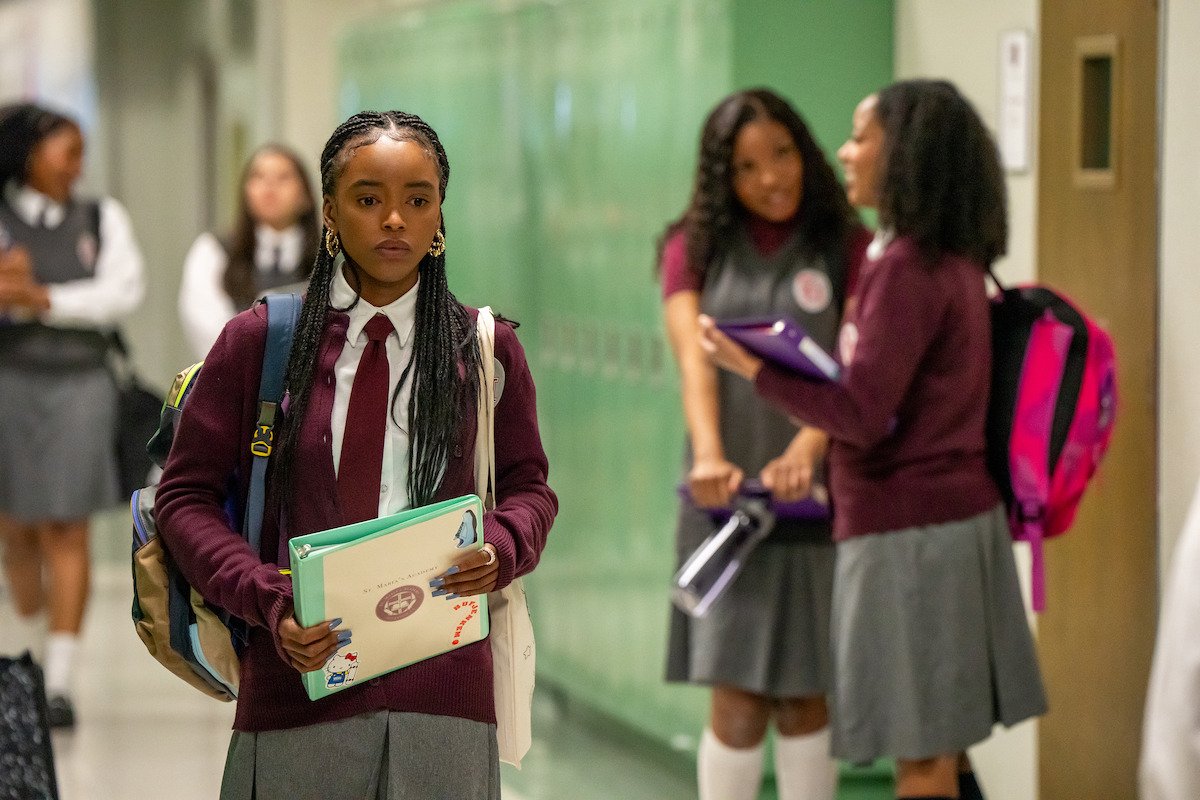
PHOTO BY ELIZABETH MORRIS
Does Keisha get into Howard?
Where else would our girl go? Keisha knew her path and stuck to it, landing a full ride to Howard and making her family so incredibly proud. She achieved her dream and theirs. “Howard is Keisha’s first boyfriend, let’s just be honest,” says Brock Akil. “Justin’s really the second. I want to see her with her man. I want to see who she is in this environment.”
After spending Keisha’s prom with her and her predominantly Black community at the Santa Monica Pier, Justin makes a plea to defer his acceptance at Northwestern and follow her there. But that’s part of making her the prize instead of finding his own, which isn’t healthy or sustainable for either of them. “He just wanted to hitch his wagon to her a little longer,” says Brock Akil. “We knew we wanted him to throw in this idea [of] coming with her and how we think and dream about our futures separate and apart and together. The reality was that he was clinging to her, and he’s got to be brave enough to begin the walk and choose himself.”
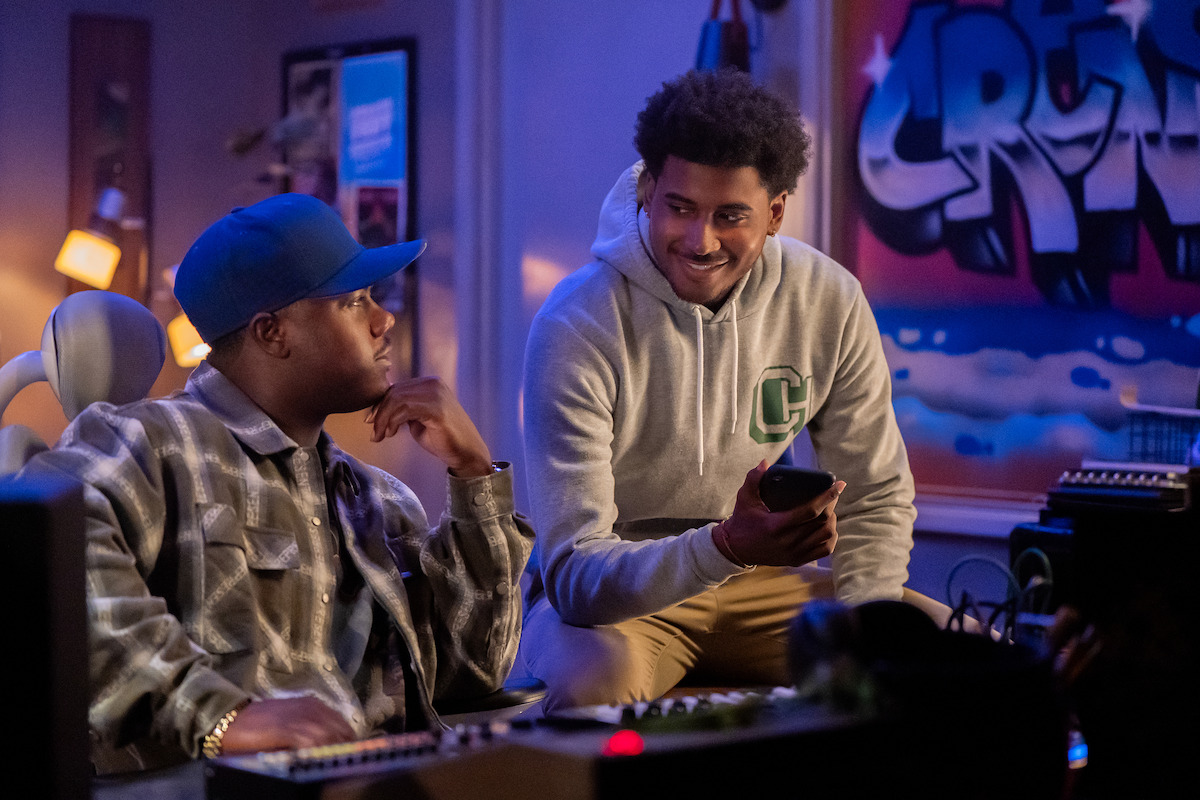
PHOTO BY ELIZABETH MORRIS
So what does Justin do after high school graduation?
Justin’s running a different race at a different speed than Keisha’s. He’s taking a little longer to figure out what he really wants from life, as opposed to just going along with what life tells him to do. And specifically, what his mother’s telling him to do, as Brock Akil sees it. “Keisha was his journey through that to find what desire feels like,” she says. “He was doing the best he can with what he’s got, but now that he knows what he wants, he needs to figure out who he is outside of Keisha.”
As a first step, he decides to take a gap year to pursue his passion for music instead of going to Northwestern right away. A month after graduation, he’s working at CVS to pay for a music production and engineering course that will get him certified in a year. Now that he’s got a fire under him and a direction, “What is he doing to do in this gap year?” ponders Brock Akil. “He knows what he wants his future to be, but now with the pressure of a mother saying, ‘You got to show me something,’ does he fall back into his mom’s plan? And what’s right for that? Does he move out of the house [so he doesn’t have] to deal with her rules? What is his pathway forward for his new love?”
Will Justin and Keisha get back together?
Never say never. Justin and Keisha reunite one more time and say a proper goodbye — and a thank you, really — over ramen before Keisha goes off to Howard. “If it weren’t for you, I’d still be locked in a life that wasn’t mine,” Justin tells her, as he gives her the HUF bag he bought her on their very first date. “Maybe we’ll be ready for each other in 10 years,” he says, before they part ways for the final time in the series.

PHOTO BY ELIZABETH MORRIS
OK, one more question: What does Justin’s mom actually do every day?
As established in the show, Justin’s dad, Eric, is a chef. But his mom is, well, an impeccably dressed force to be reckoned with. “A lot of it’s in the wardrobe,” says Brock Akil. “You’re like, ‘I don’t know what she does, but wherever she goes, she’s a bad bitch.’ ”
Forever is now streaming, only on Netflix.