Culture
Inside the Complicated History of Black Westerns
Black cowboys were part of the Old West
By Diedre Johnson
Dec. 9, 2021
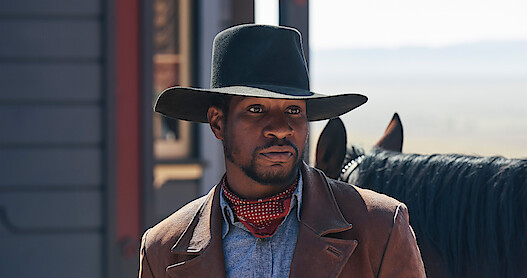
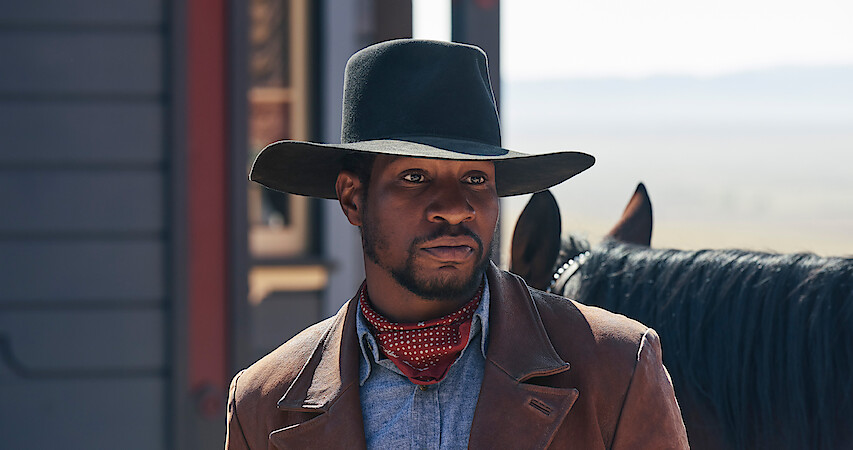
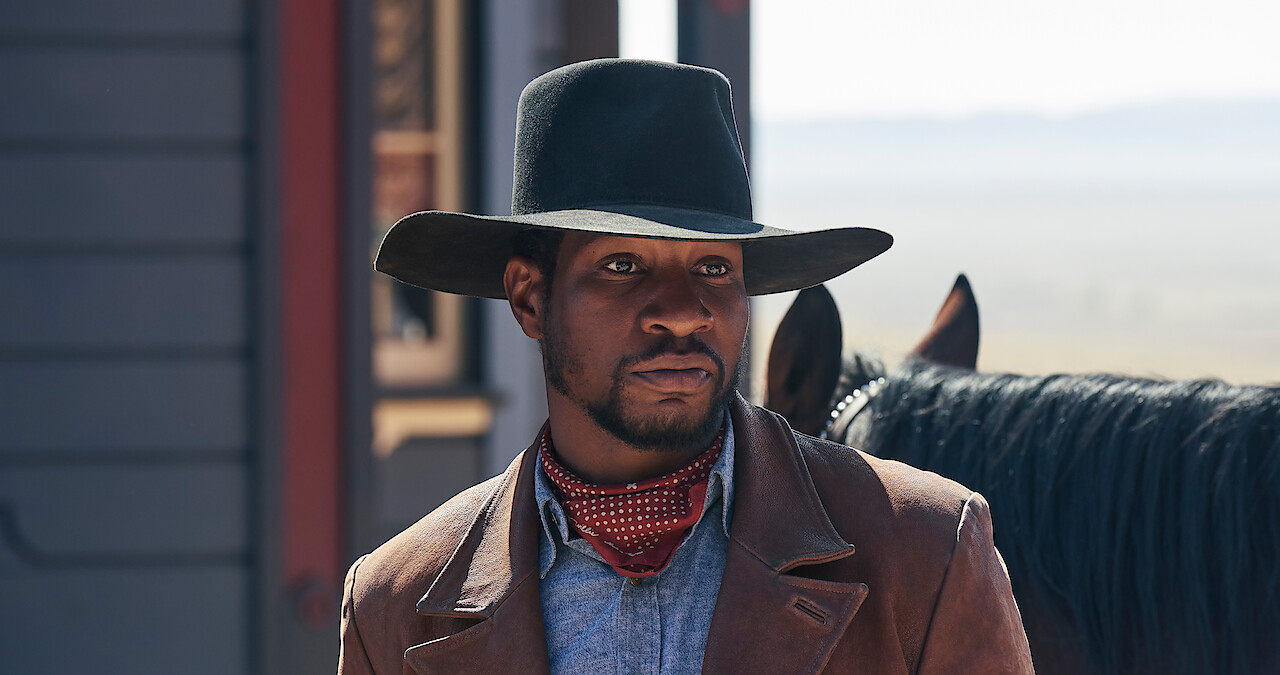
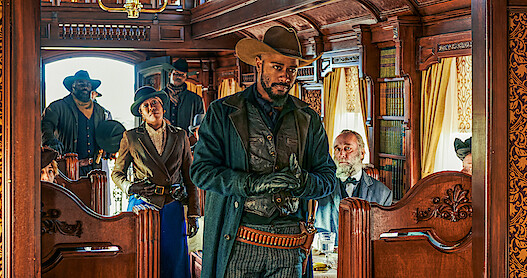
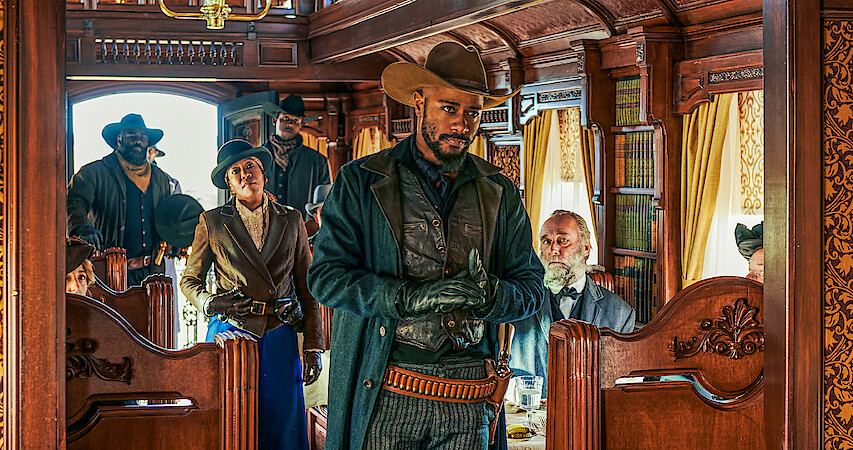
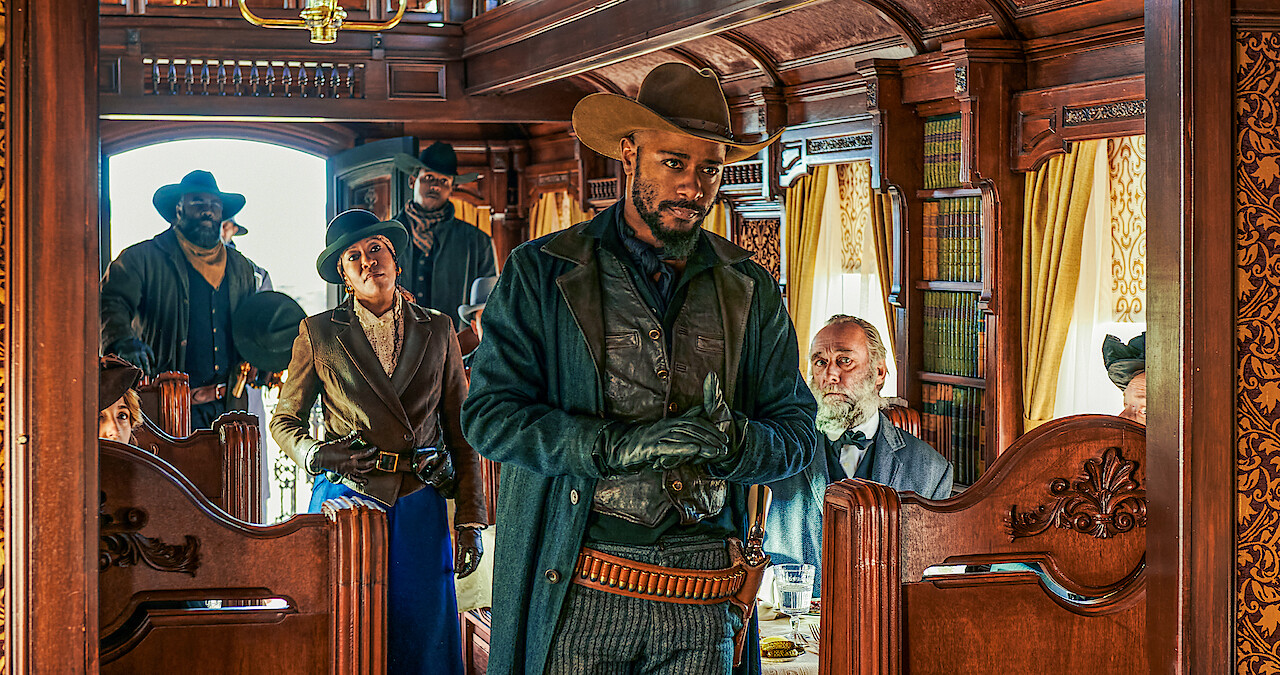
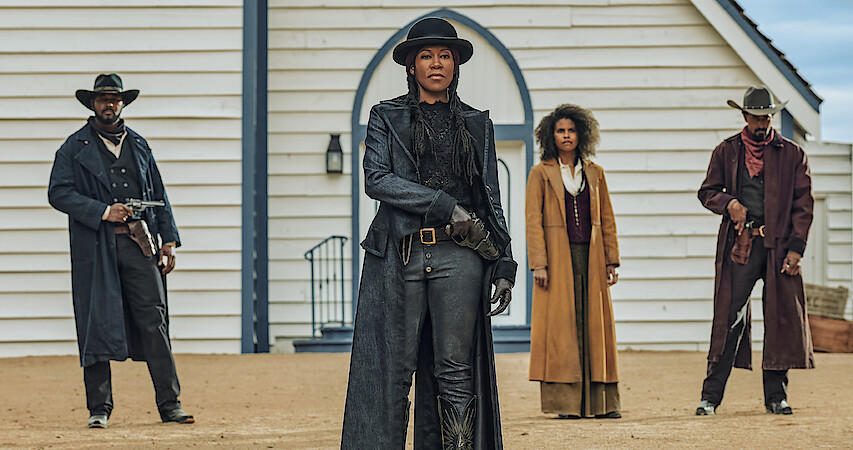
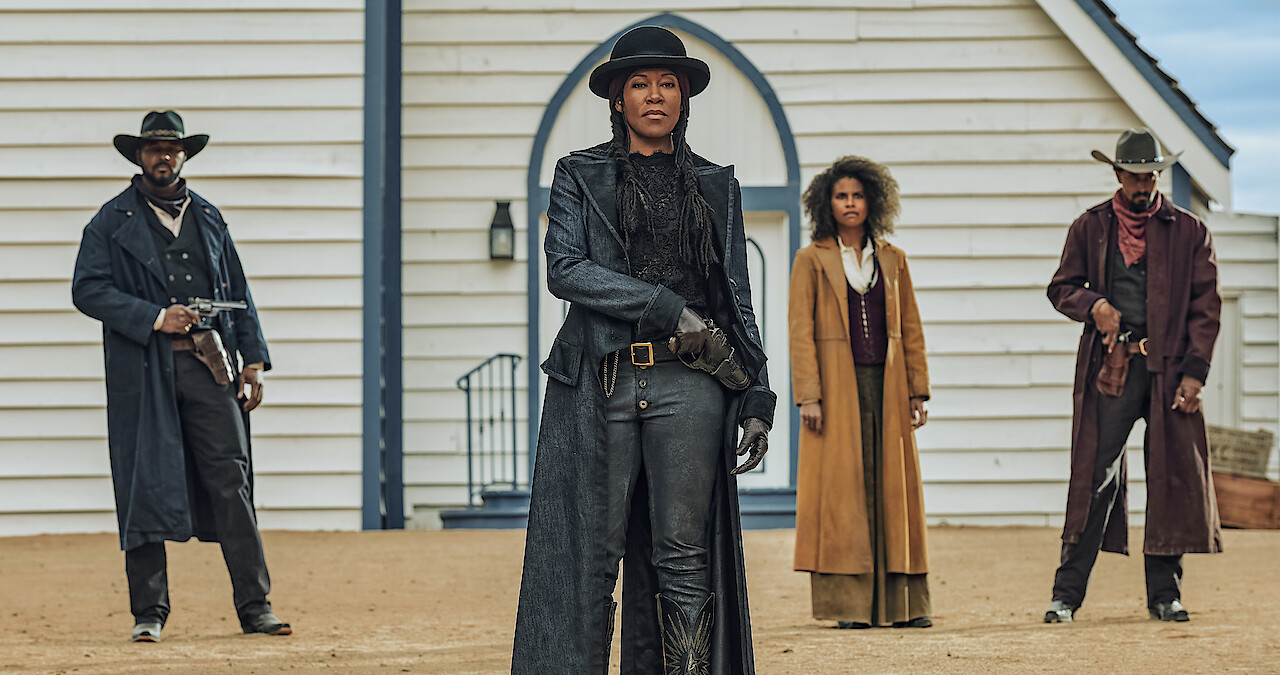
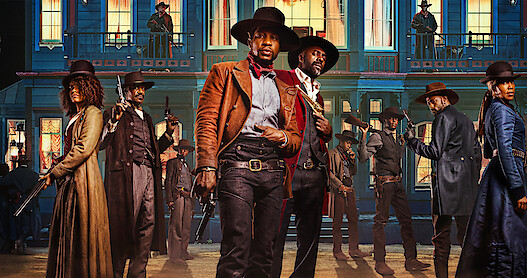
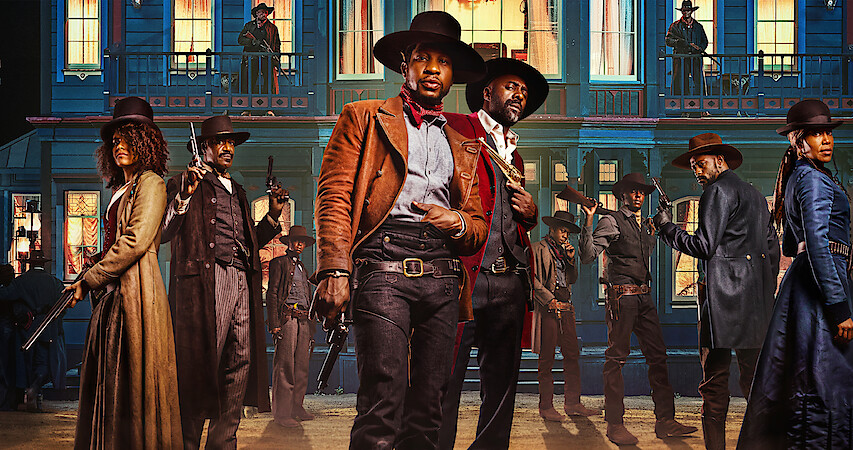
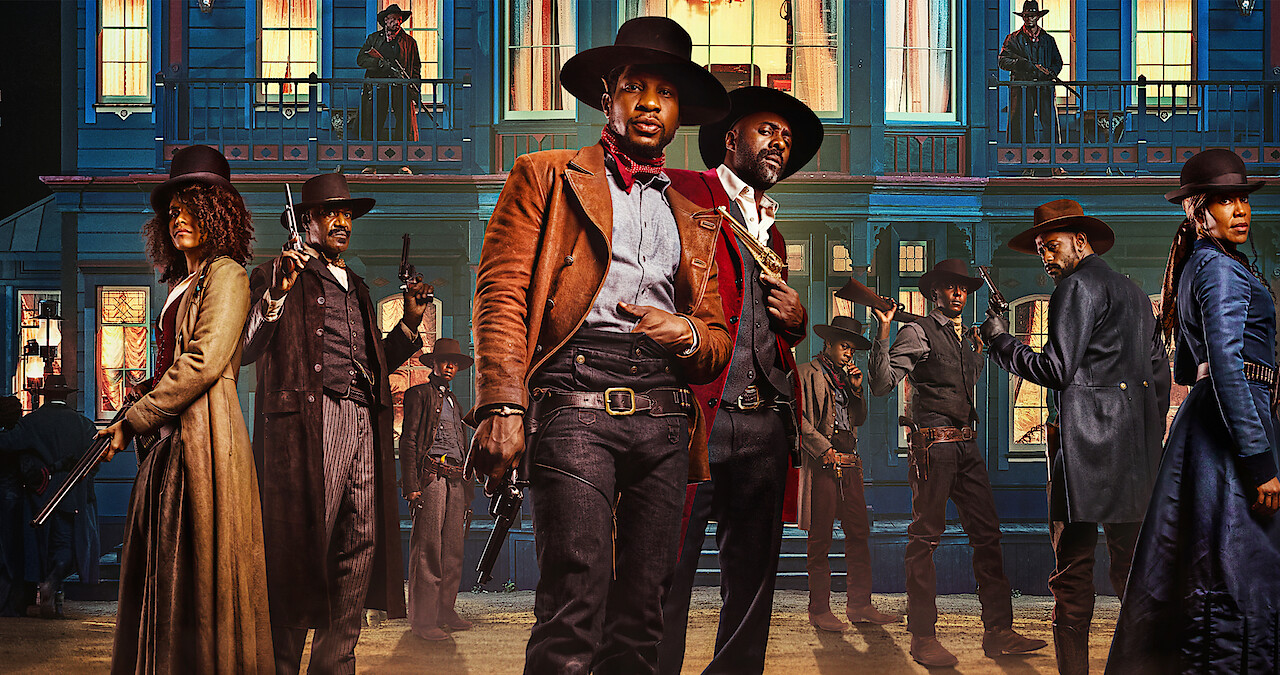
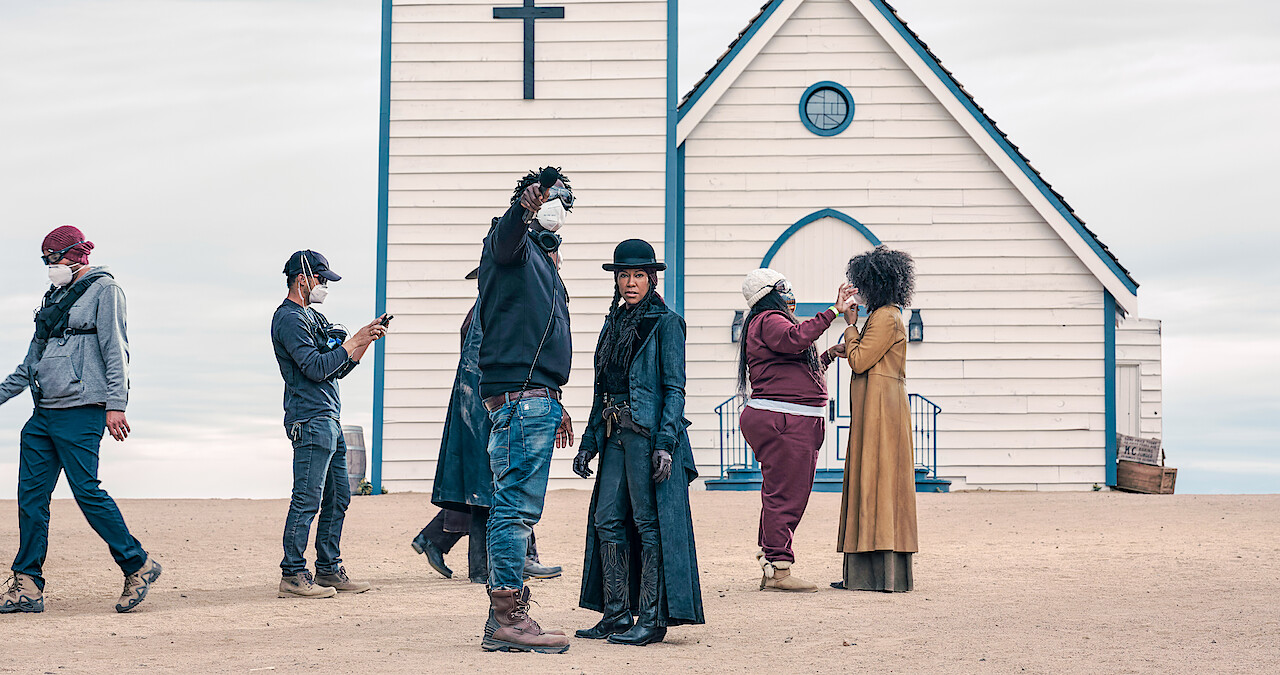
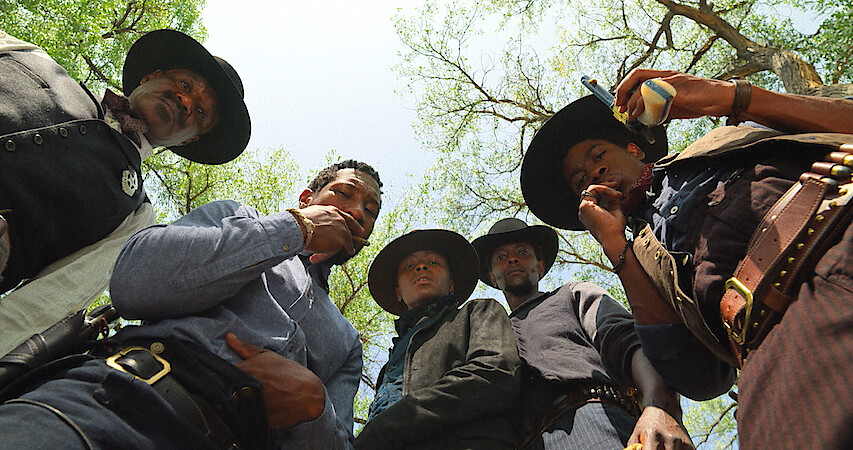
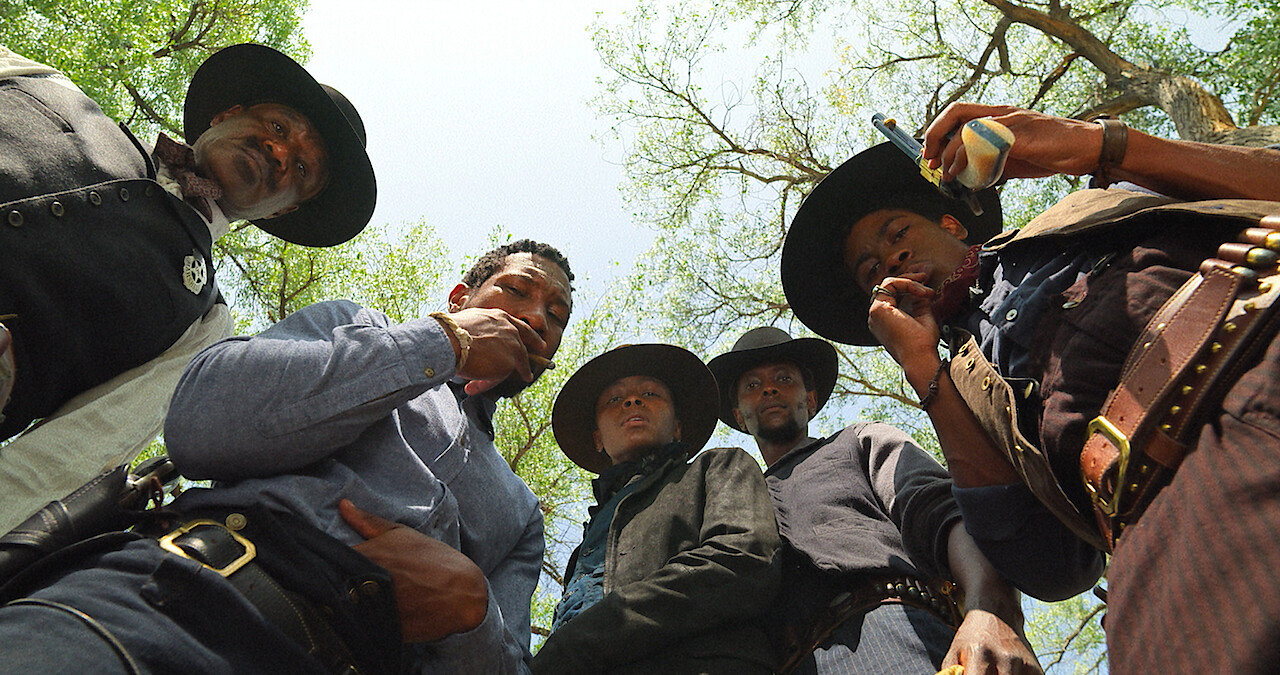
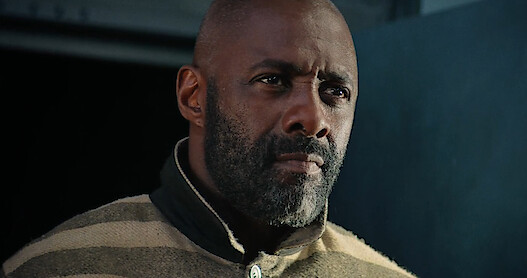
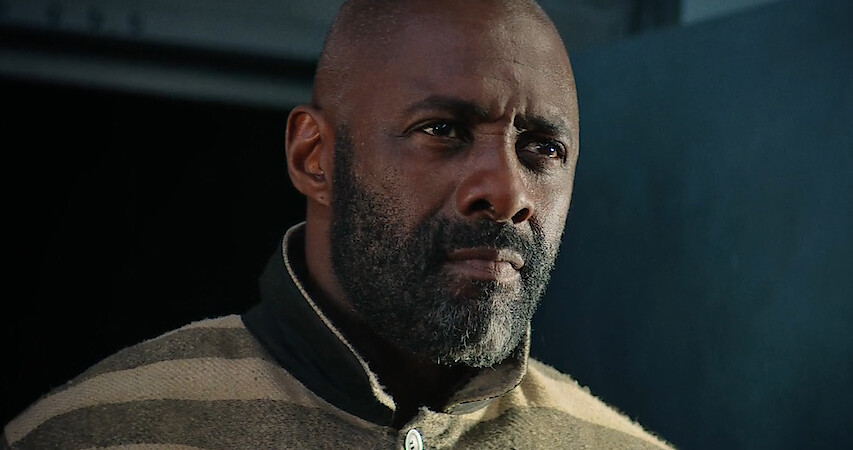
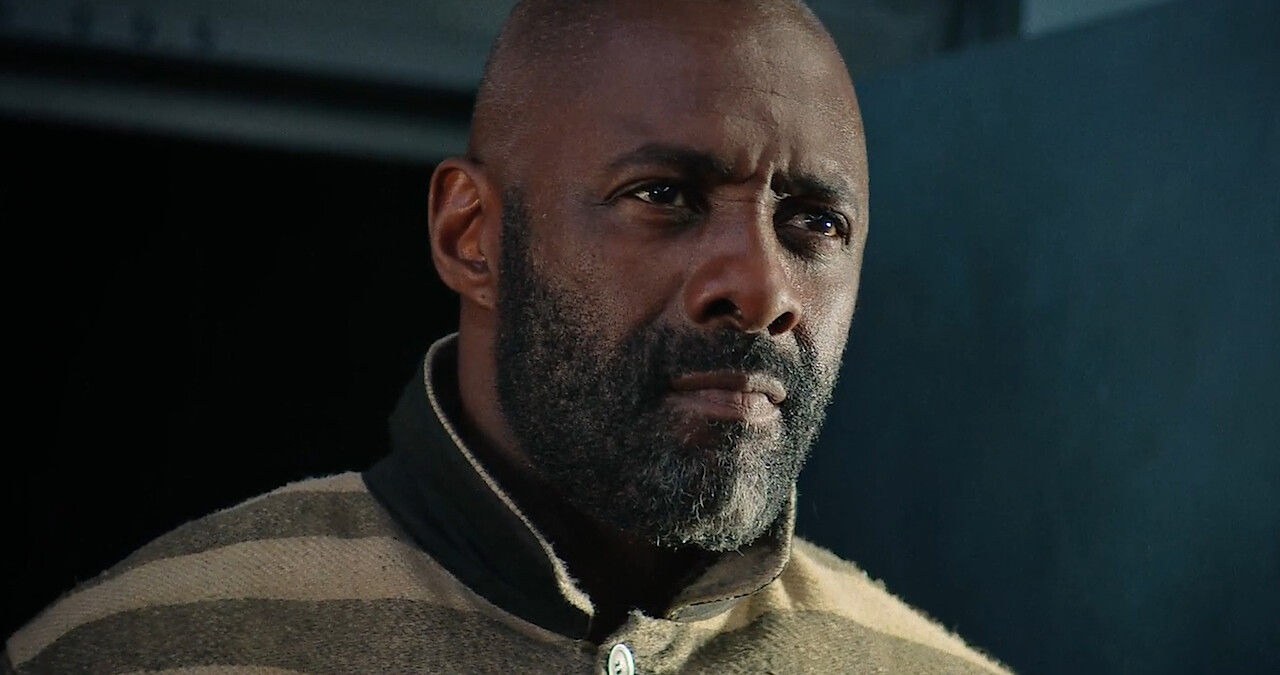
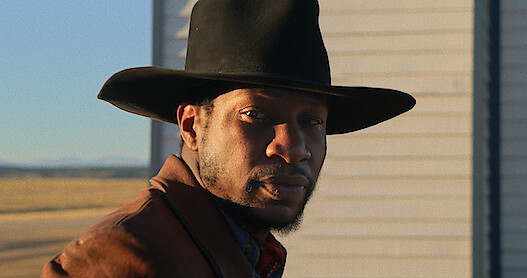
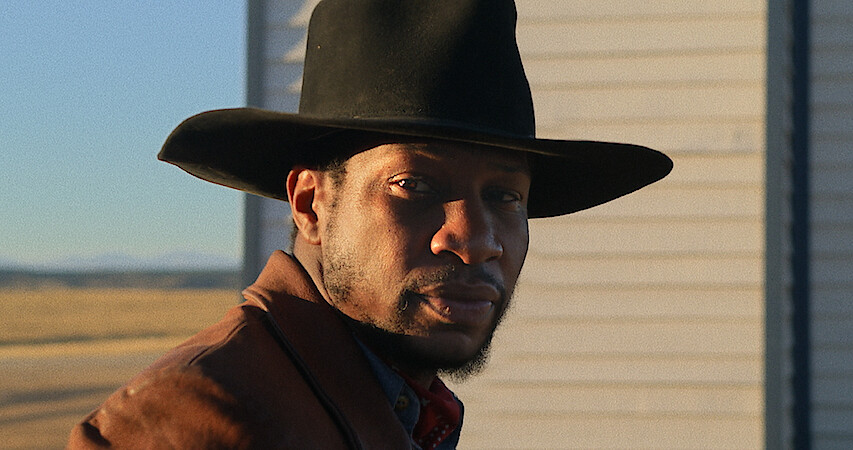
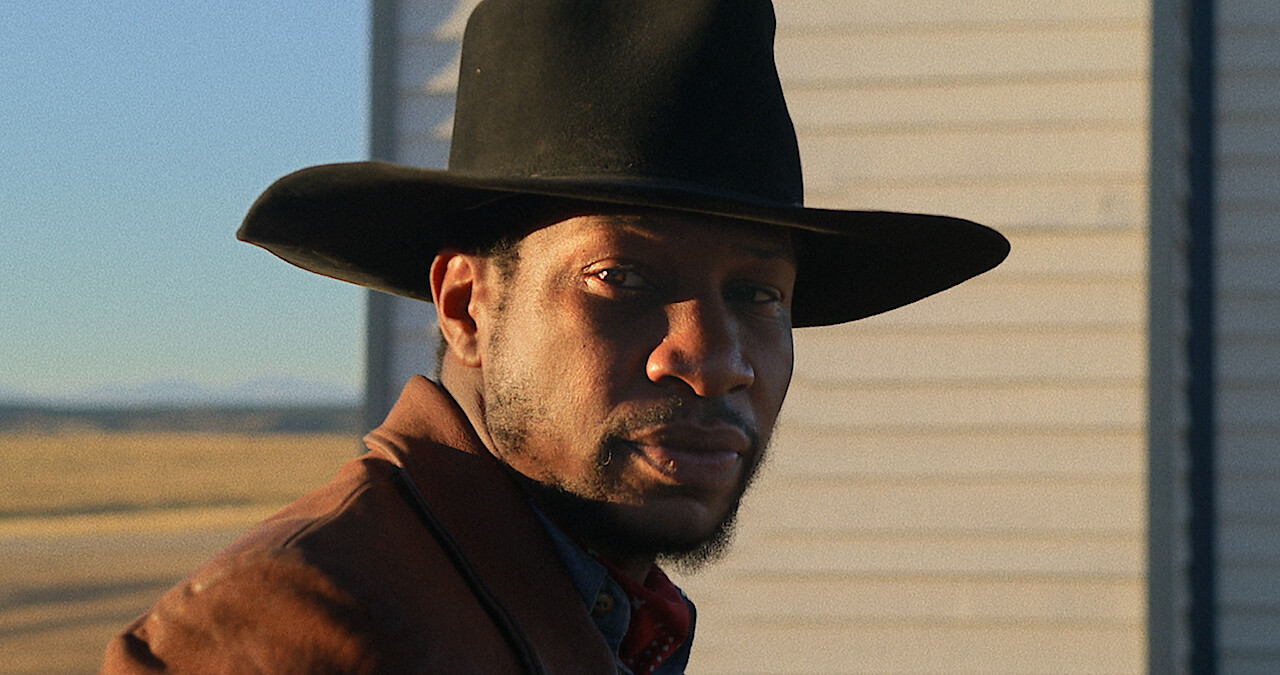
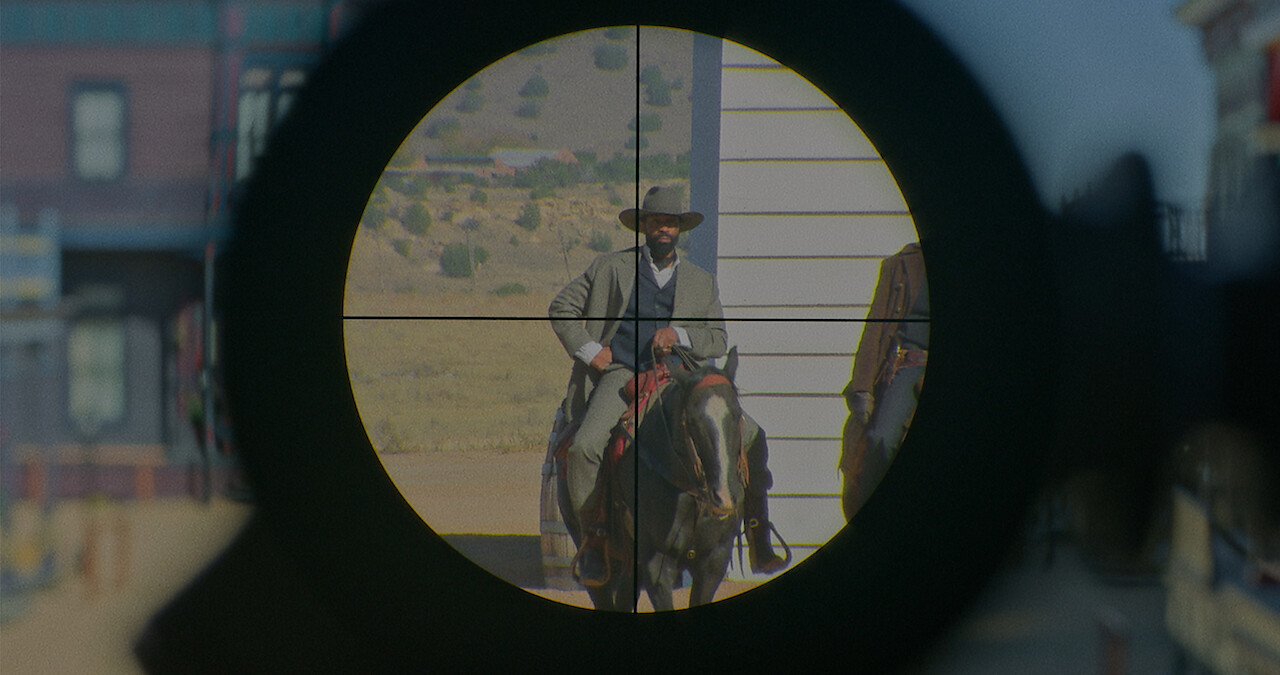
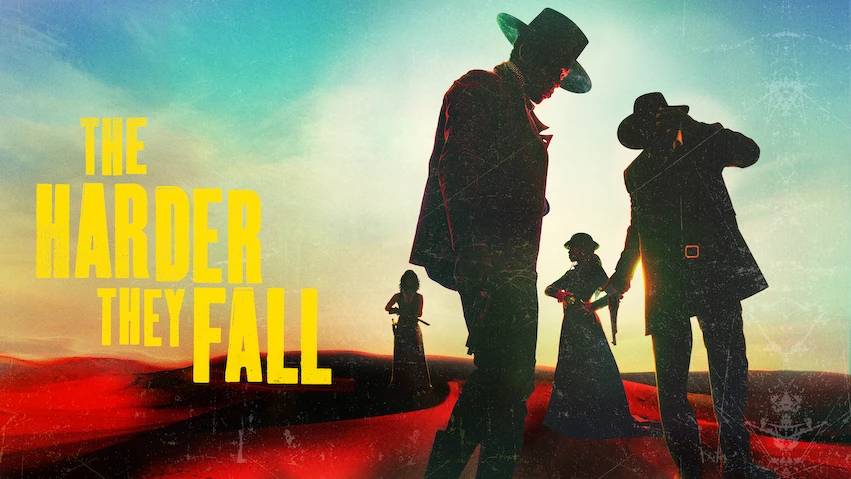
If you didn’t know them before, you likely know their names now: Nat Love (Jonathan Majors), Bill Pickett (Edi Gathegi), Bass Reeves (Delroy Lindo), Jim Beckwourth (R.J. Cyler), Rufus Buck (Idris Elba), Cherokee Bill (LaKeith Stanfield) and Stagecoach Mary (Zazie Beetz) are just some of the real-life figures depicted in The Harder They Fall. In their times, these cowboys — and, in the case of Buck and Bill, outlaws — had as many adventures as their white counterparts Wyatt Earp, Wild Bill Hickok, Pat Garrett, Doc Holliday and Calamity Jane. Yet it’s harder to find actors playing Black cowboys in Hollywood Westerns than it is to find a needle in a haystack.
When motion pictures began, in the 1890s and early 1900s, Westerns were designed to attract the attention of white audiences, which meant little or no mention of notable Black cowboys. Under the legal and de facto segregation of most U.S. movie theaters, especially in Southern states, “race films,” or pictures that feature a mostly Black cast, were only shown to Black people. One of the oldest records of a Black actor on film is that of Bill Pickett, a real-life Black cowboy turned actor. He hooked up with Wild West shows and at some point was approached to appear in 1922’s The Crimson Skull and The Bull-Dogger.
Richard E. Norman directed and distributed these films, which showcase Black actors in interesting, stereotype-free plots. Like his Black counterpart, writer/director Oscar Micheaux, Norman, who was white, got very little recognition outside of the world of Black filmgoers. Yet both men recognized the need for Black people to see themselves on screen and the potential economic gains it could bring. Both men tried their hands at Westerns. For The Crimson Skull and The Bull-Dogger, Norman shot Pickett working on a ranch, demonstrating his fancy horse riding and abilities at wrestling steers to the ground, aka bulldogging.
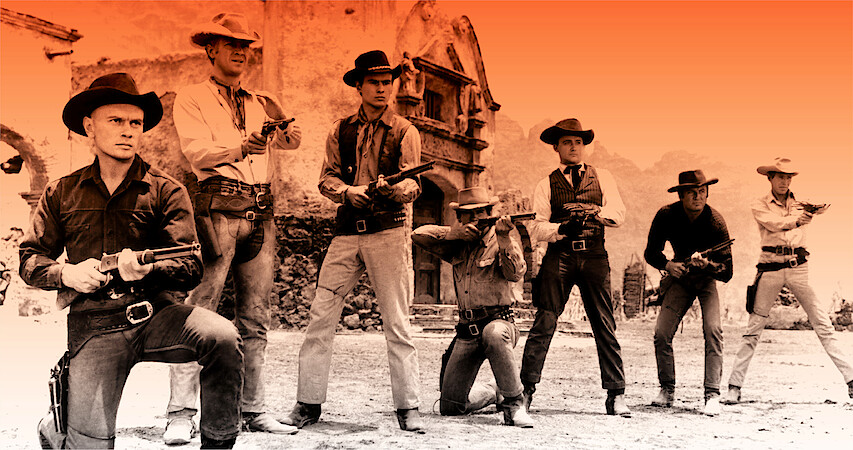
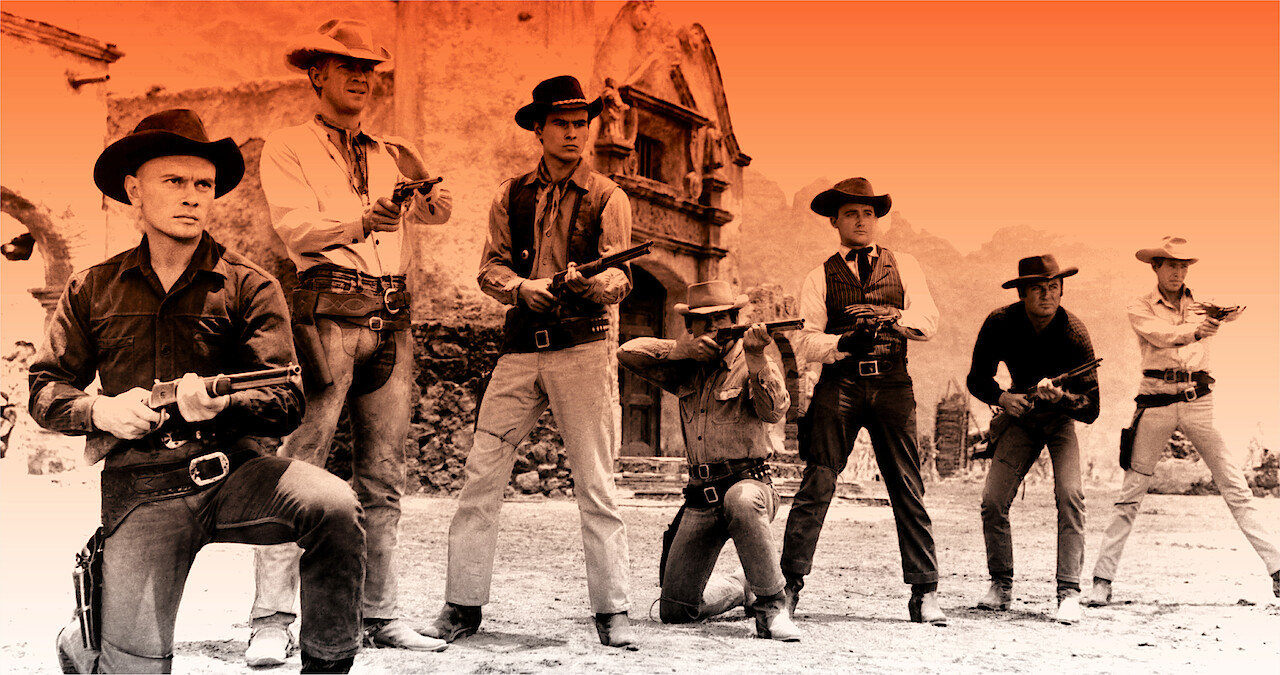
Micheaux also did a couple of Western-themed silent shorts including The Homesteader, which was based on a book Micheaux had written about his homesteading experiences in South Dakota. After that, the trail went cold as larger Hollywood Westerns with mostly all-white casts took center stage. Most mid-20th century Western movie icons such as John Wayne, Henry Fonda, James Stewart, Lee Marvin, Gary Cooper, Clint Eastwood and later Paul Newman and Steve McQueen — were white. In the 1930s, however, Herb Jeffries, the son of a biracial, pan-ethnic father and Irish mother, briefly became known as the “Bronze Buckaroo” in a series of Black Western musicals.
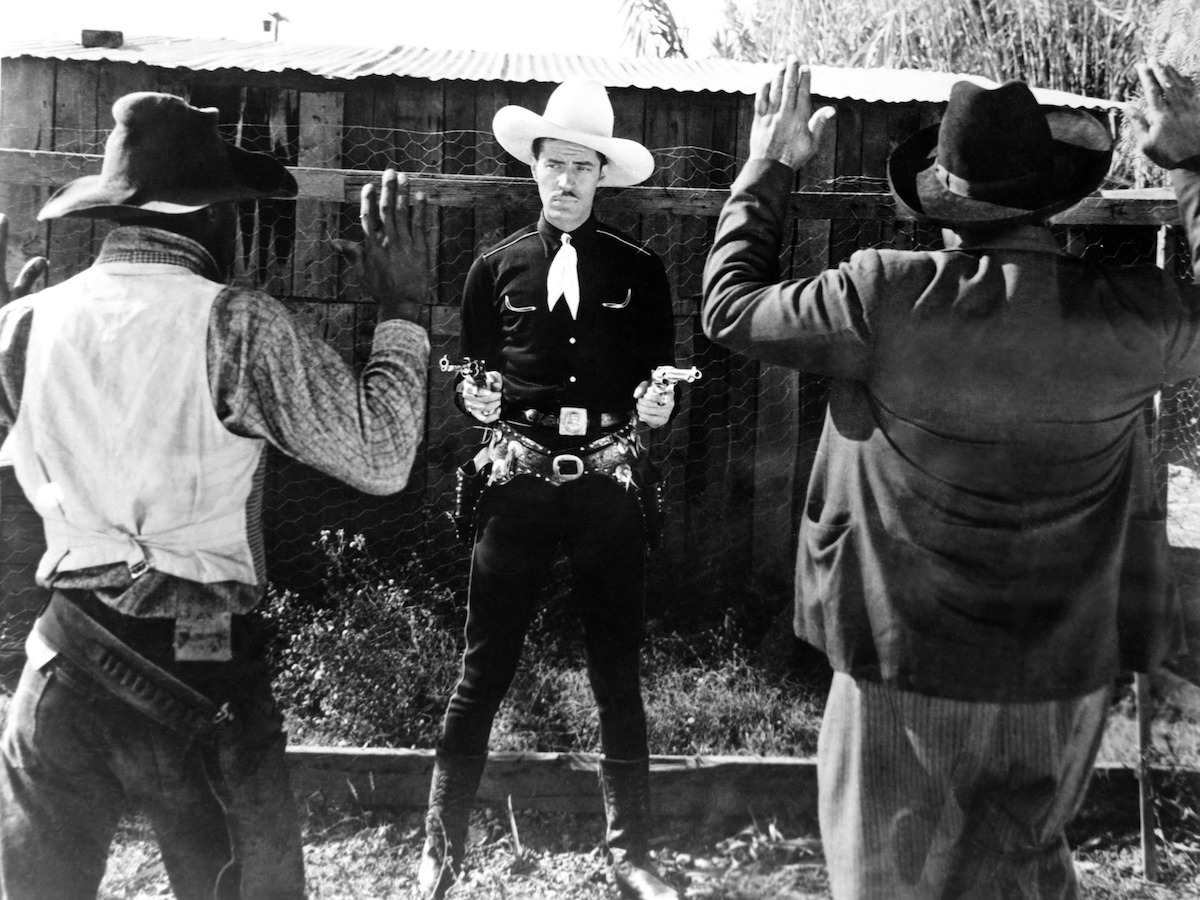
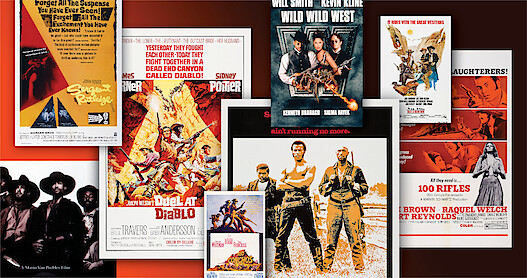
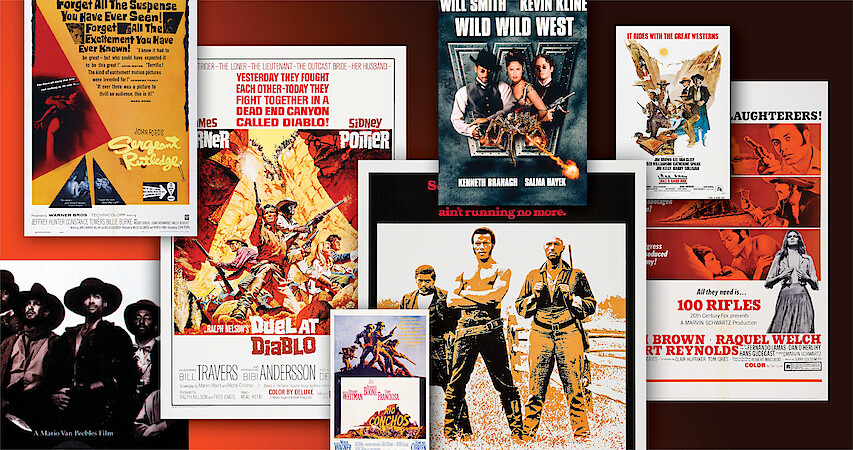
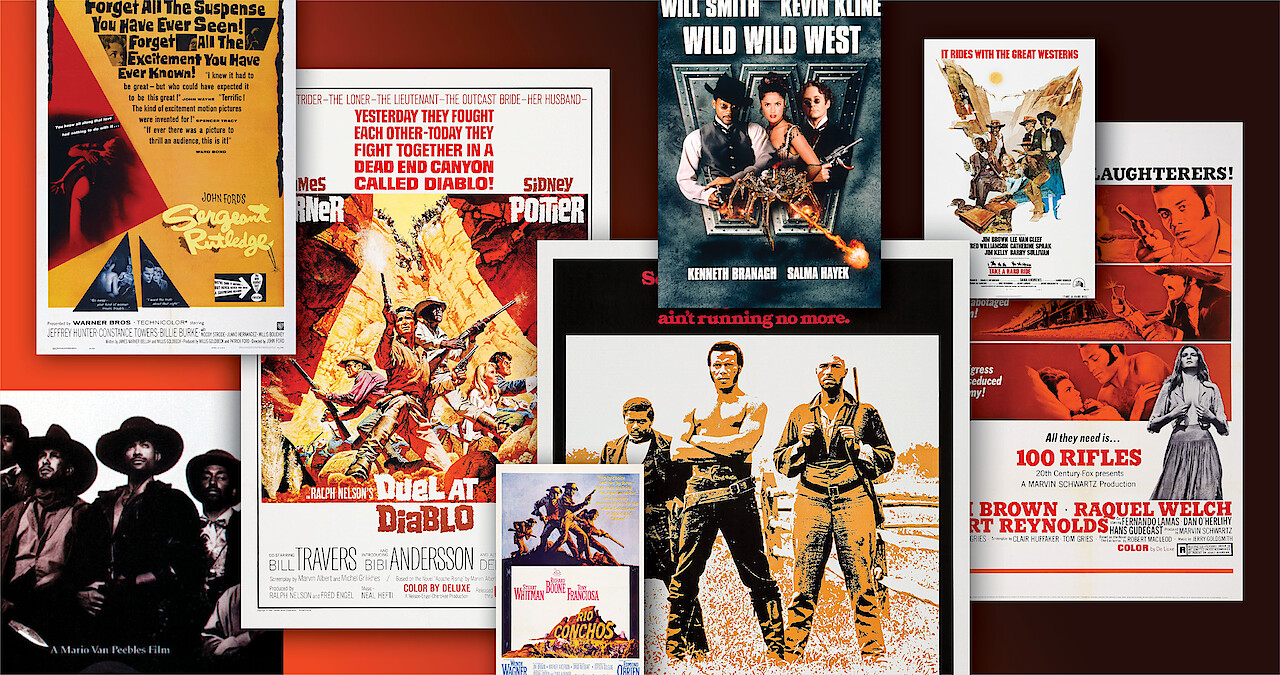
Jeffries was the only multiracial singing cowboy and, as to be expected, white players like Ken Maynard, Gene Autry, Tex Ritter, Roy Rogers and Dale Evans became bigger stars. However, Black actors still appeared in minor, sometimes stereotypically demeaning roles. Tall, chiseled Woody Strode appeared in approximately 33 Westerns but had only one leading role, in the critically acclaimed 1960 movie Sergeant Rutledge. It wasn’t until Sammy Davis Jr. and Sidney Poitier became stars that the silver screen Black cowboy briefly came back in style. Movies such as Duel at Diablo (Poitier) and the Rat Pack Western Sergeants 3 (Davis) and TV shows like The Rifleman paved the way. Soon football-stars-turned actors Jim Brown (Rio Conchos and 100 Rifles) and Fred Williamson (The Legend of N***er Charley) were starring in Westerns that were part revisionist/part action film.
These Westerns were made after America had undergone sweeping legal and social changes to appeal to a new post–civil rights generation. “Hollywood wanted to churn out this stuff really quickly so [it was] any genre that you could just put Black people in,” says Dr. Eric Pierson, professor of communication and co-director of film studies at the University of San Diego. “You get things like 100 Rifles, which is capitalizing on Jim Brown’s star quality but it was more an ensemble than anything else.
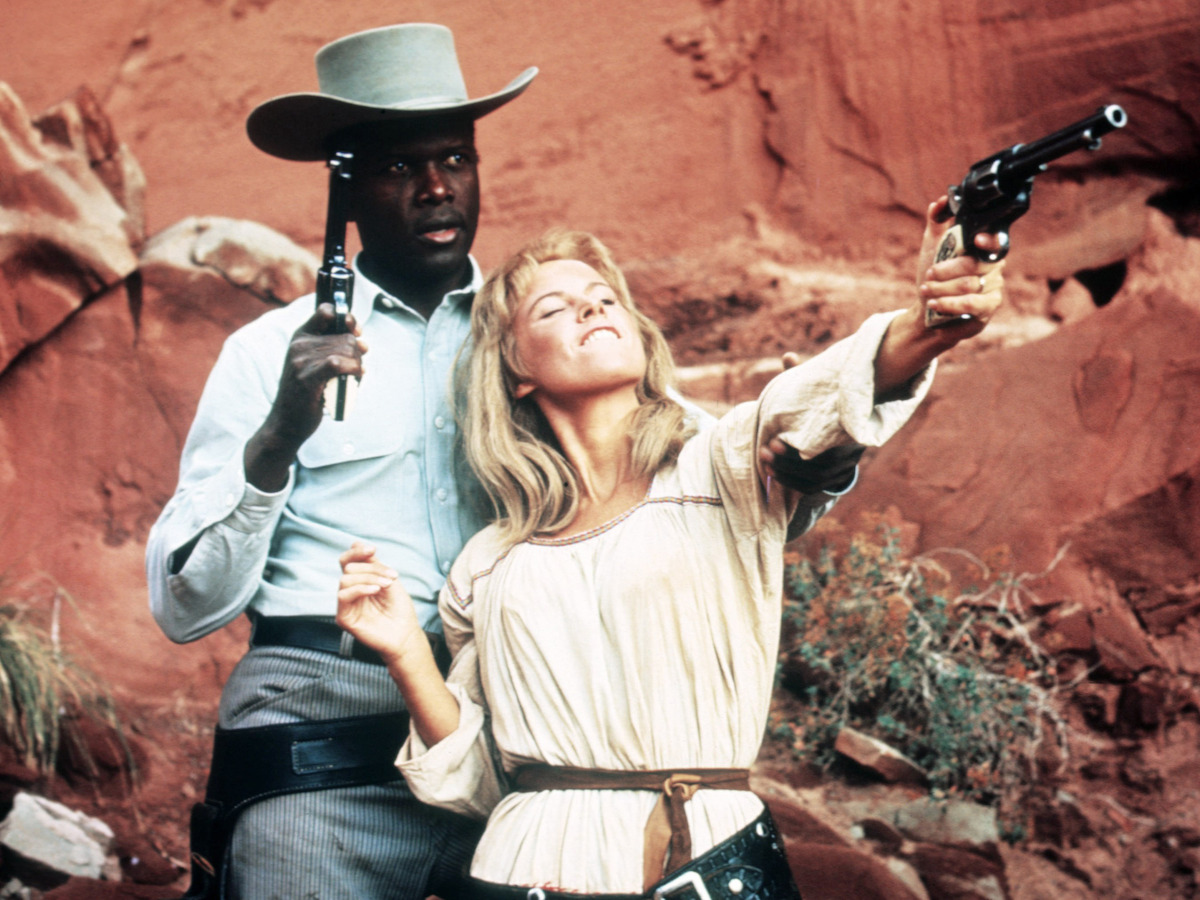
“Then Take a Hard Ride and The Legend of N***er Charley, those films are designed to bring young people into the theaters where they could see Black folks as actors in their own story; people who are taking action [and] fighting back against the system,” Pierson adds. The Buffalo Soldiers —regiments of all-Black US Army infantrymen in post–Civil War America — became a recurring plot device used to explain why Black men could be found in the Old West. In Diablo, Poitier’s character is a former Buffalo Soldier, as is Strode’s in Rutledge (and would be referenced again in Poitier’s later movie, Buck and the Preacher) and Brown’s in Rio Conchos.
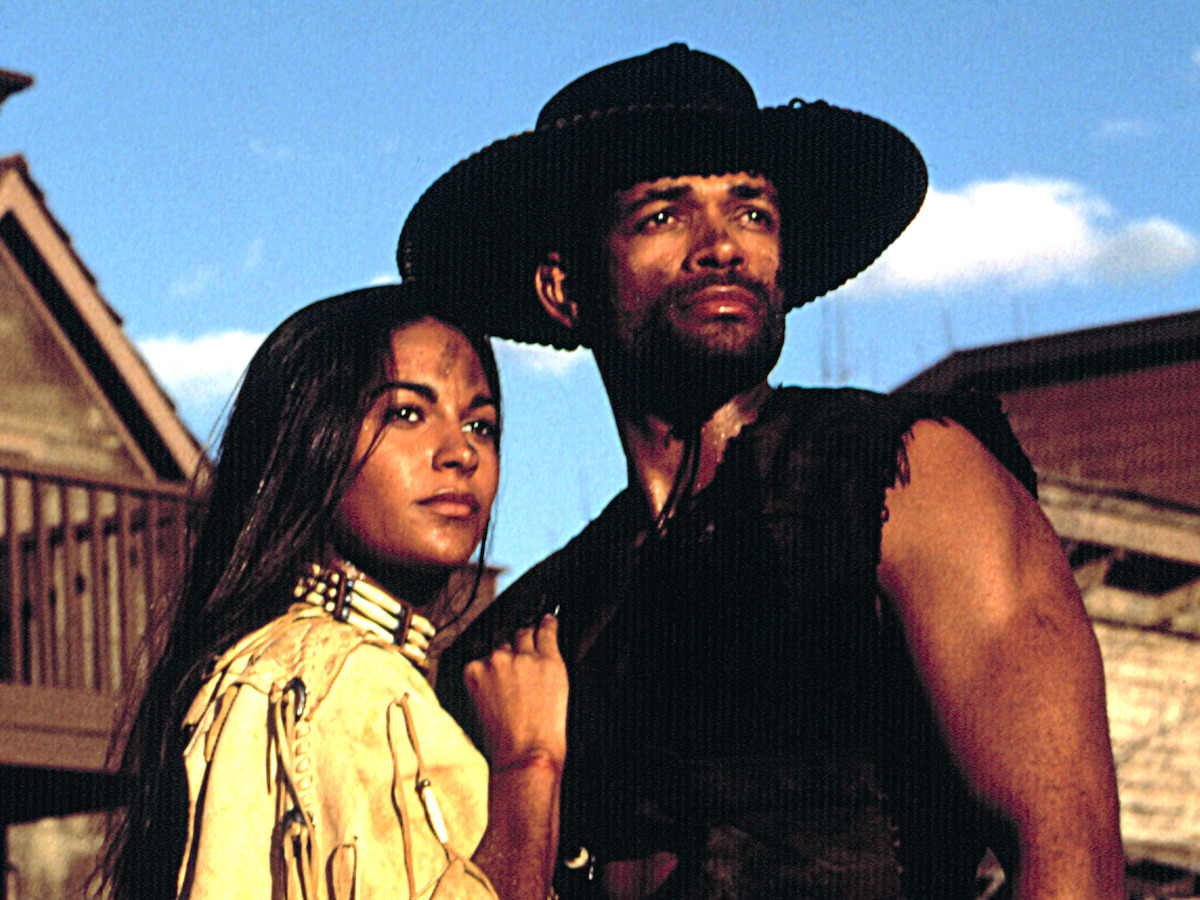
Overall, Westerns declined in popularity in the ’80s and ’90s. A one-off Black Western that was popcorn-worthy was Mario Van Peebles’ 1993 film Posse. The film was directed and starred in by the actor, a scion of Hollywood auteur Melvin Van Peebles. The now-defunct Gramercy Pictures distributed Posse. Though it wasn’t a box-office success, the stylish production drew attention because of its ’90s-era Black star power —Isaac Hayes, Pam Grier and Tone-Loc—plus the reverse situation of having one white actor (Stephen Baldwin) in the main cast. Around that time, one of the films’ stars, Blair Underwood wanted to do a series on Nat Love, but ultimately his career went in other directions.
Meanwhile, Will Smith was having a big moment due to his Bad Boys and Men in Black roles, so it may have seemed fitting to try a buddy Western based on the old steampunk series Wild Wild West, in which he starred with Kevin Kline just before the turn of the century. The 1999 film didn’t do too well, but it also didn’t dim Smith’s popularity. Having a Black actor in a Western seems to have finally won the West with Netflix’s The Harder They Fall, a film in which A-list Black actors are playing real-life cowboys of the Old West. Although the truth has again been stretched just a little, this time it’s for entertainment purposes.