Book Report
Kristin Hannah Explains the True Story That Inspired ‘Firefly Lane’
And why she sees the series as a “parallel universe.”
April 28, 2023
🤐 SPOILER ALERT 🤐
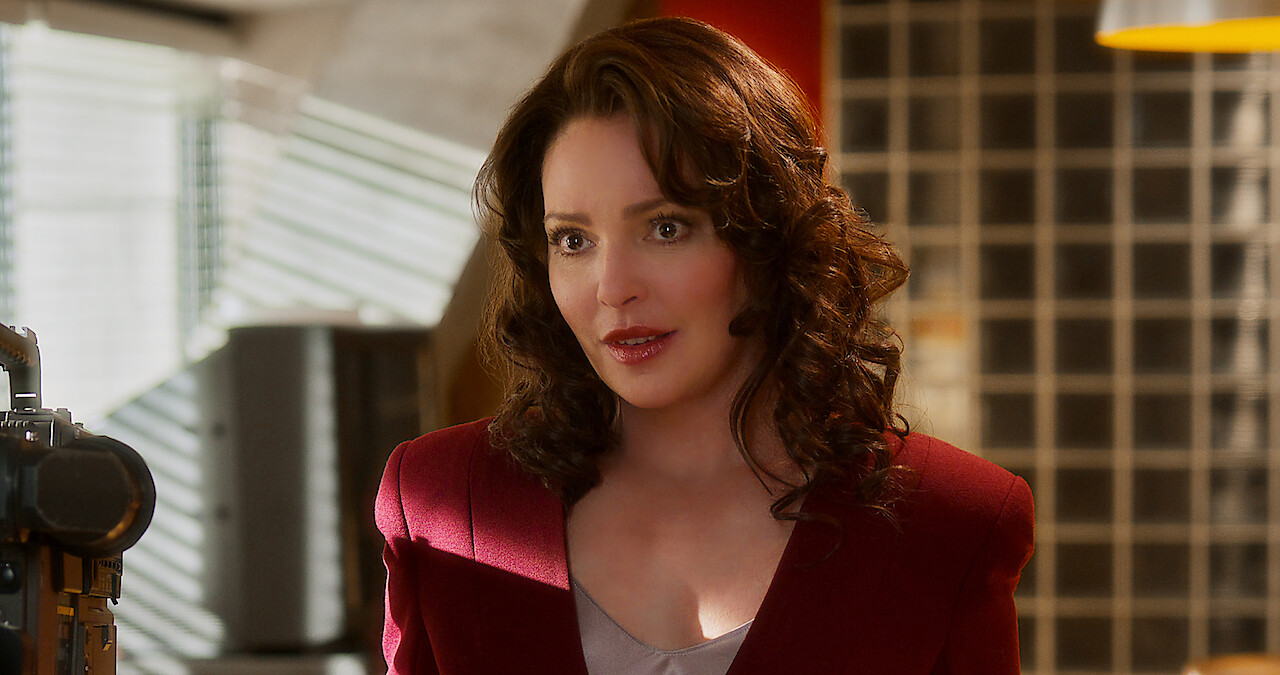
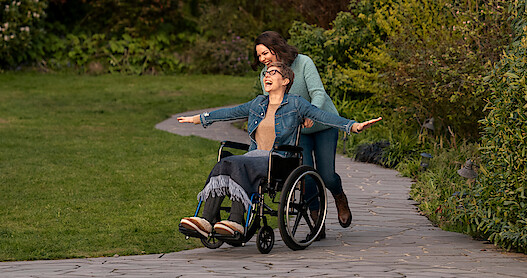
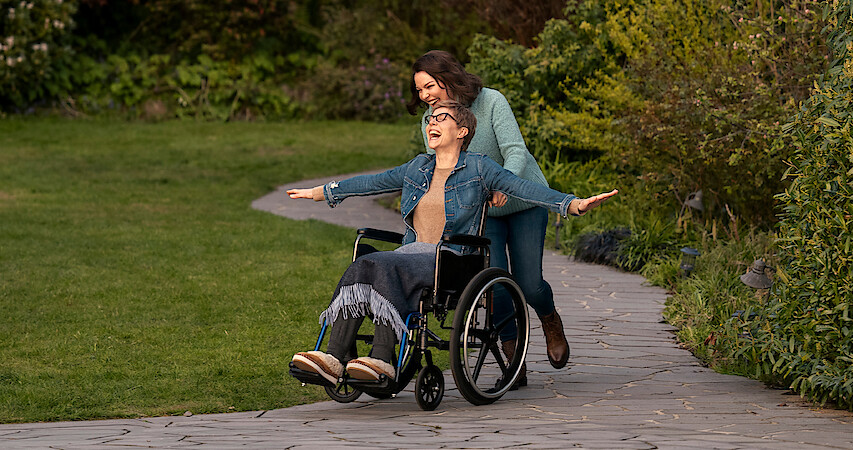
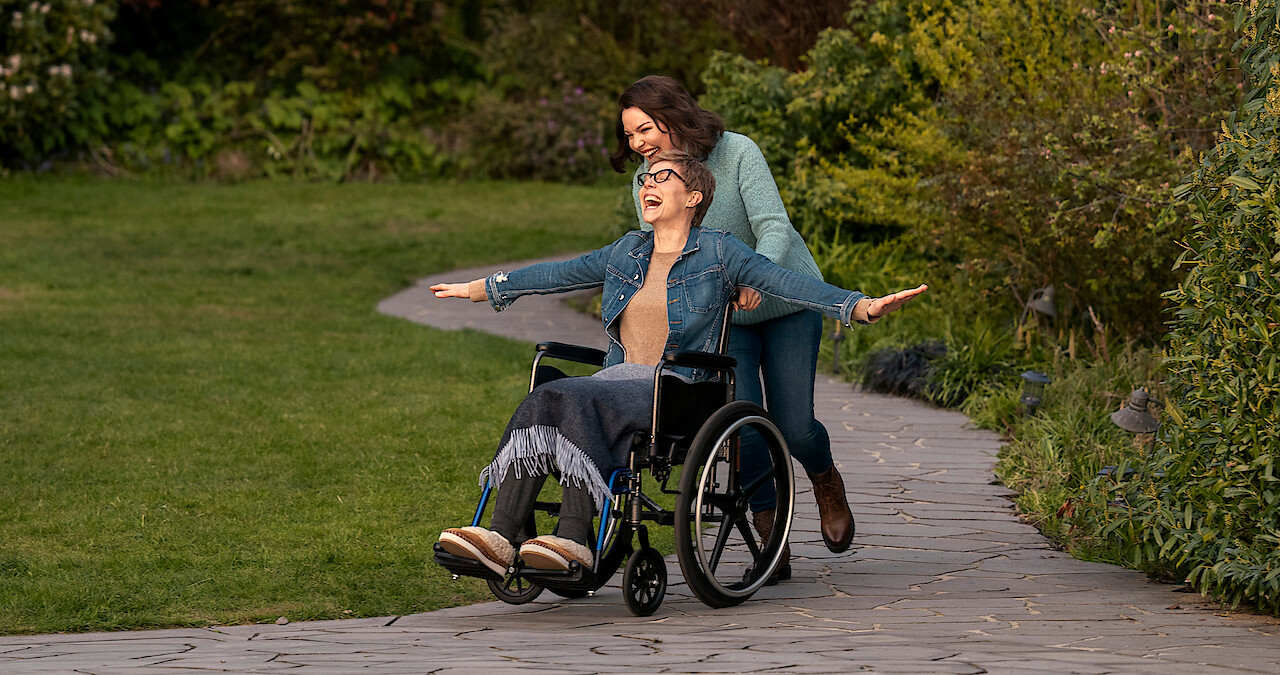
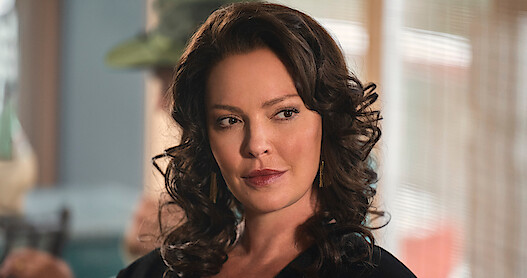
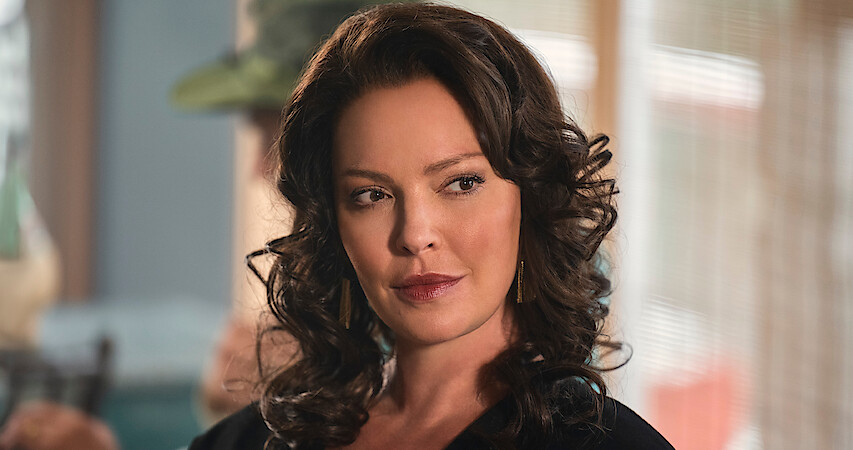
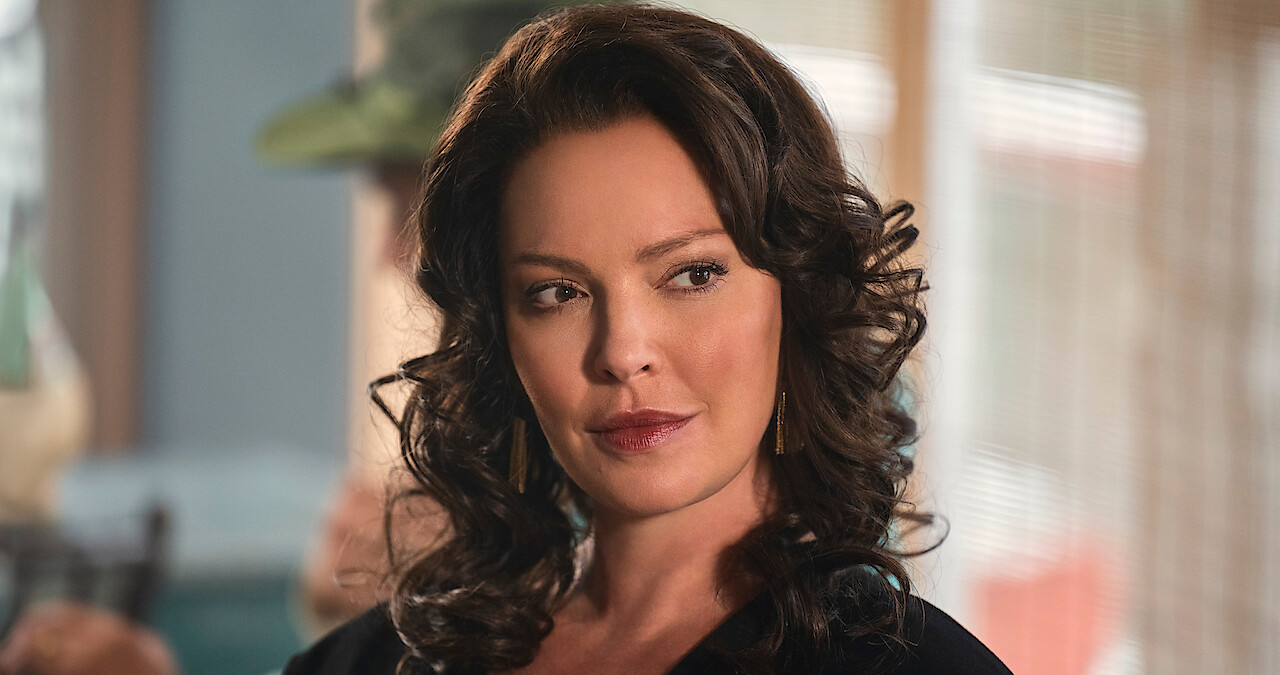
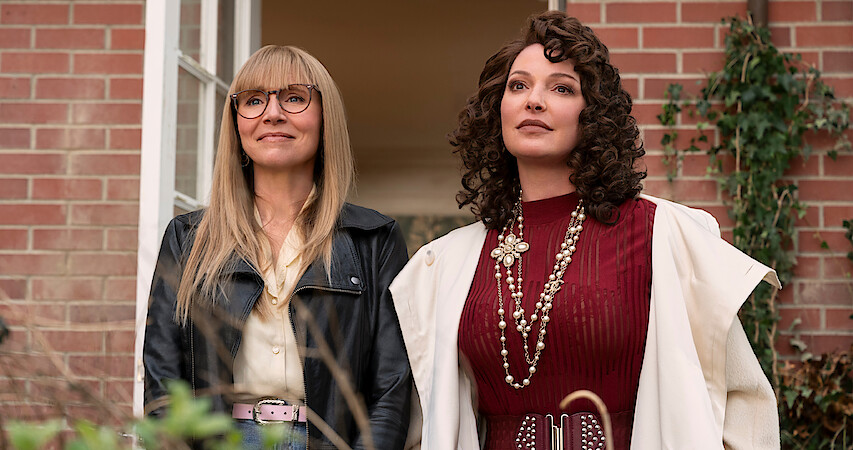
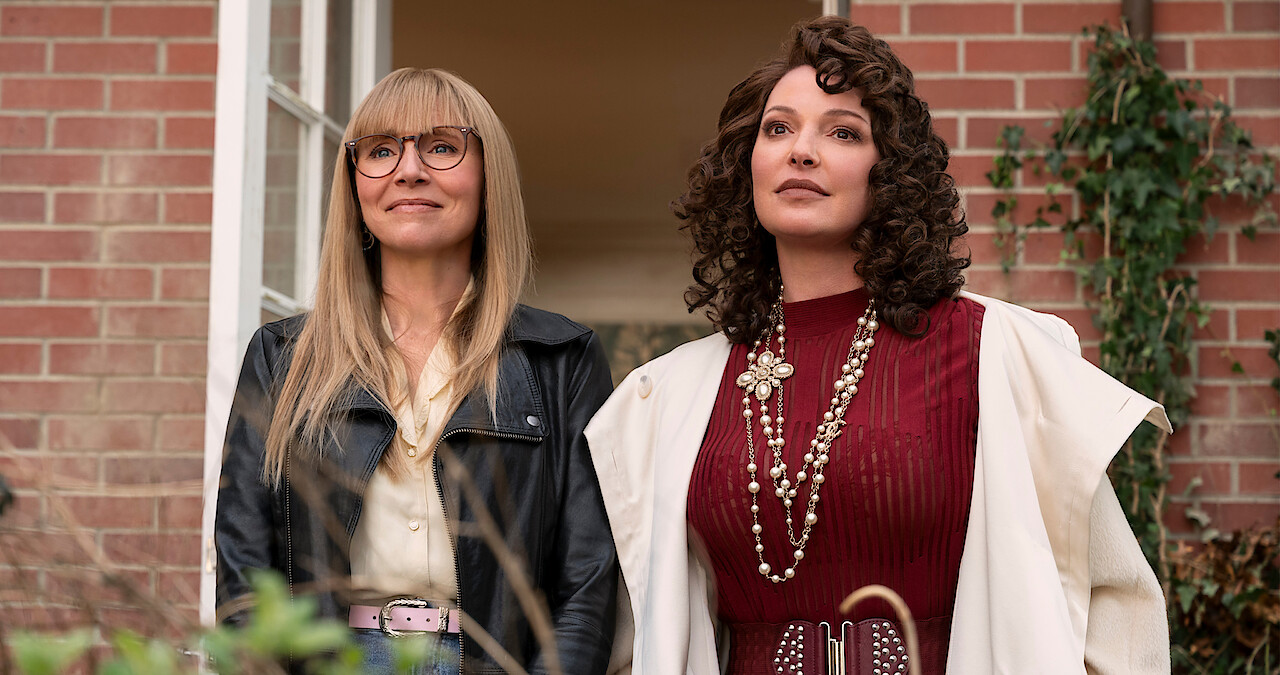
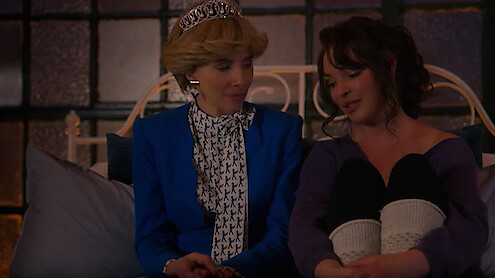
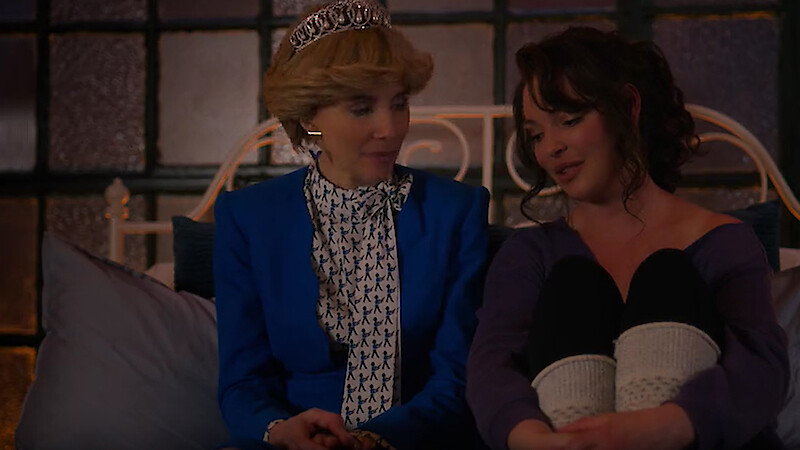
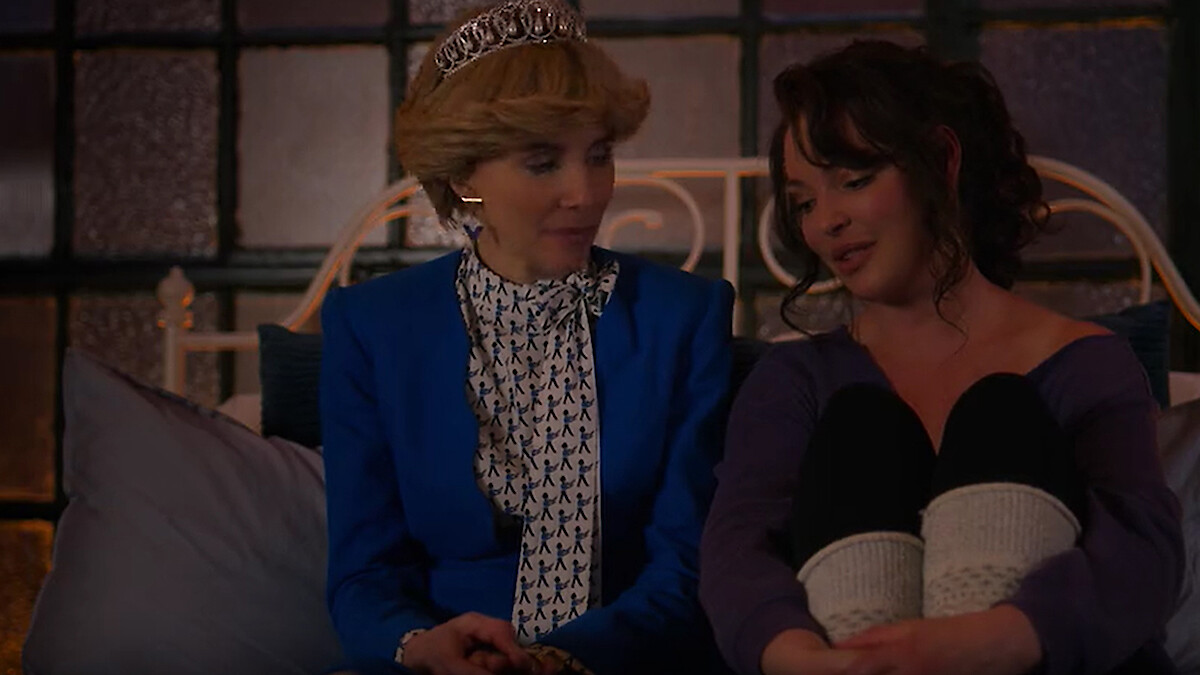
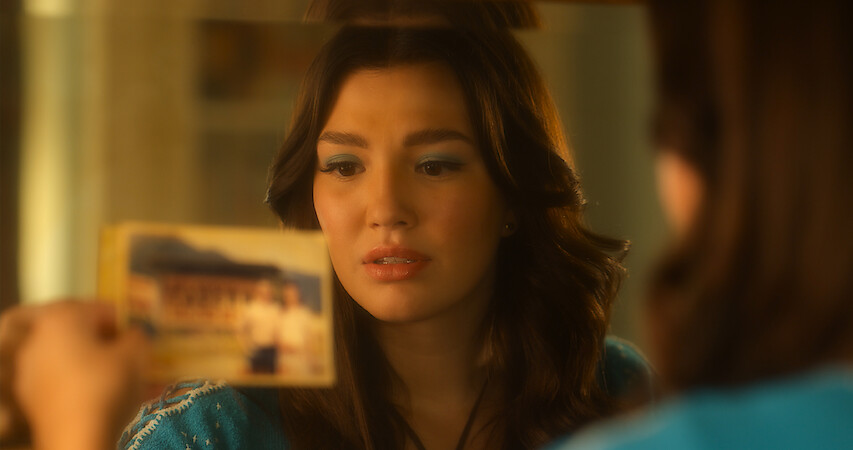
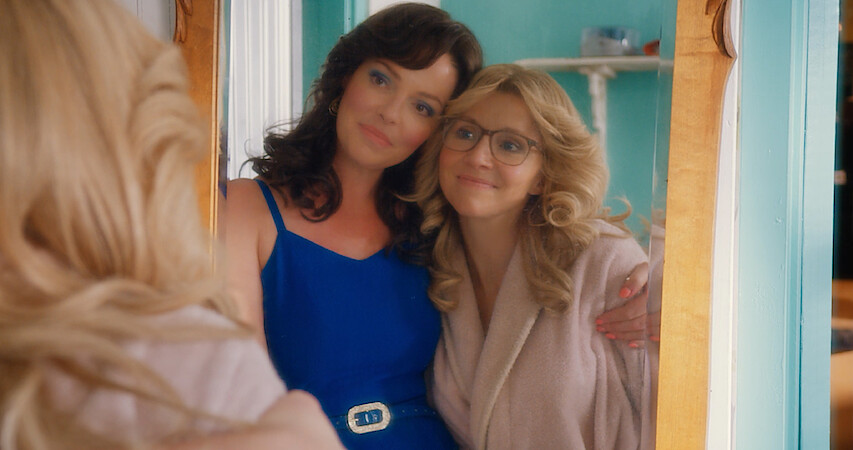
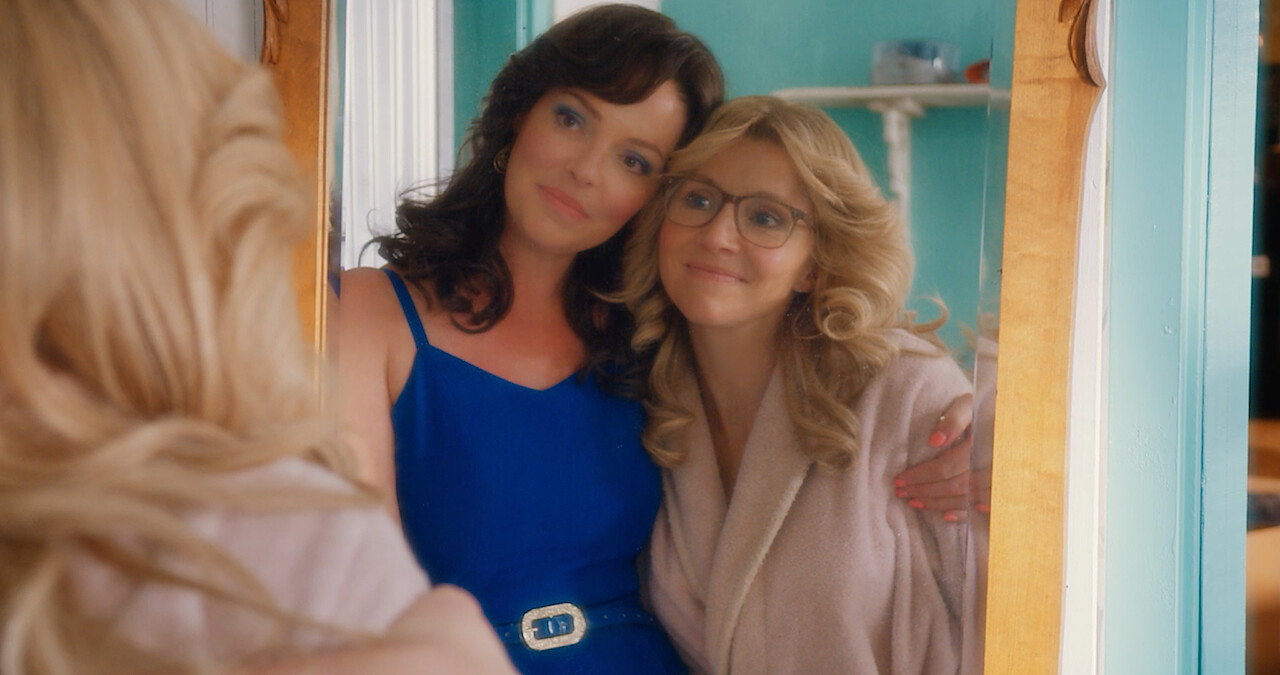
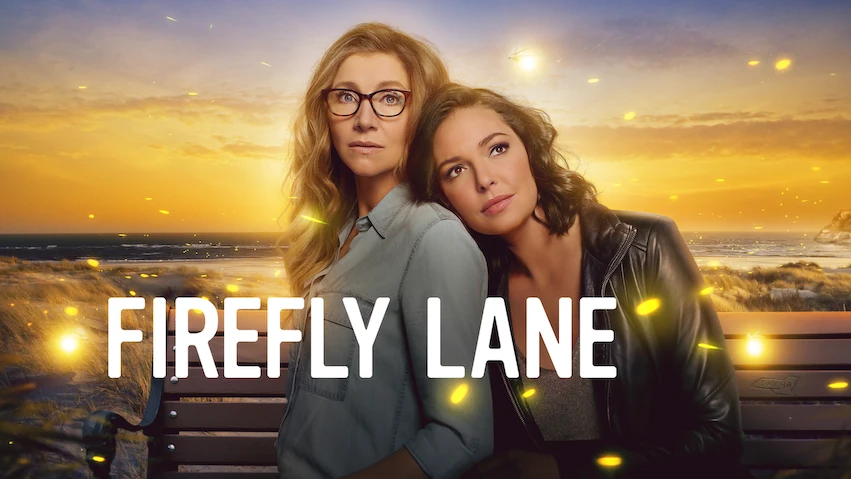
The first time Kristin Hannah watched Katherine Heigl and Sarah Chalke read dialogue as best friends Tully Hart and Kate Mularkey, she felt an instant connection. “The level of empathy that you feel for them right away was really powerful,” she tells Tudum.
It was a huge relief for the author, who had long resisted efforts to adapt her 2008 novel, Firefly Lane, worried that no one could truly capture the depths of a lifelong friendship between two women. Then, showrunner Maggie Friedman came along with a concept and a cast that blew her away.
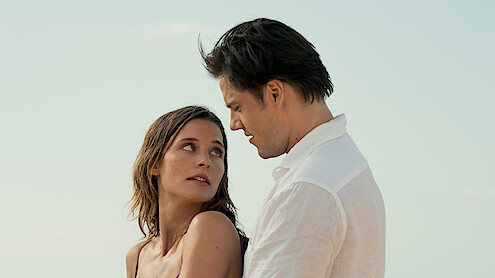
The result is Netflix’s Firefly Lane. If Season 1 introduced us to Kate and Tully’s decades-long friendship, Season 2 puts their relationship to the test. Can the two women grow and forge distinct identities all while remaining committed to their once-in-lifetime bond? It’s a question that drives the latest chapter in the series.
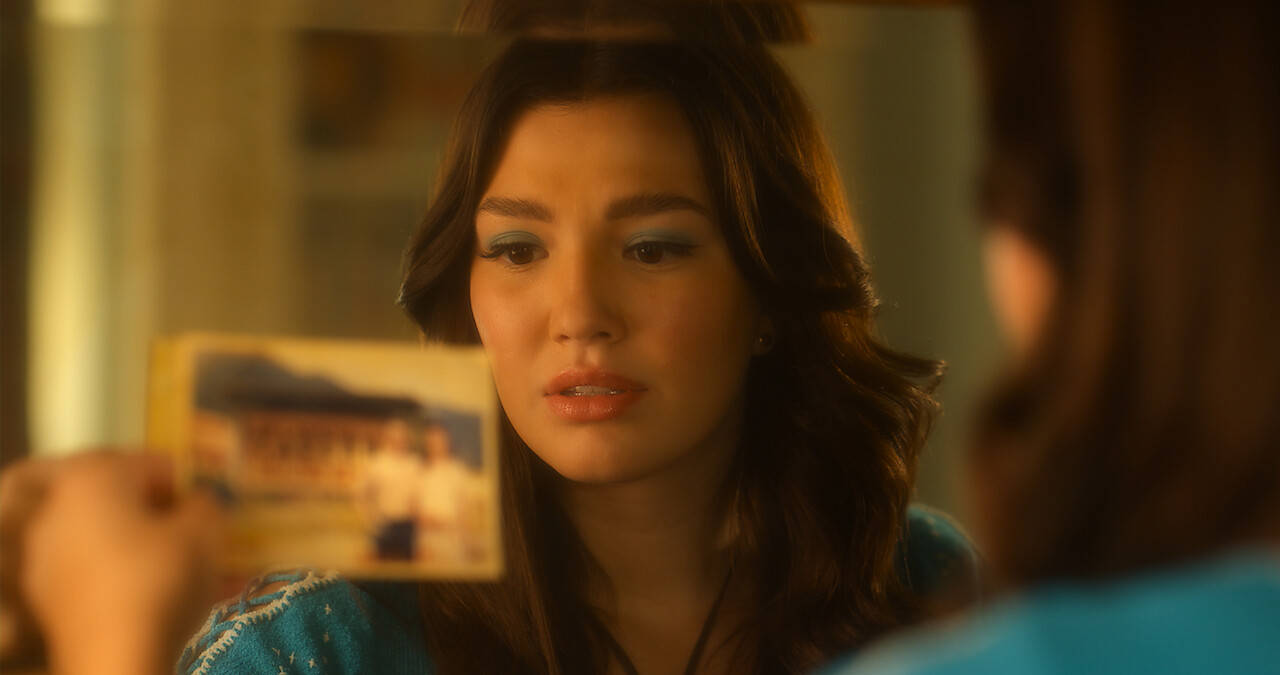
Although the first season of Firefly Lane sticks closely to Hannah’s novel, she’s excited to watch Season 2 unfold as a viewer, as the series makes several changes to open up the story in new directions. “A large part of this season is not from the book,” she says. As the characters have evolved, so has the narrative universe around them. But at its heart, it remains the same story of sisterhood, one that Hannah says was inspired by a number of significant events from her life, including her mother’s death from cancer, her feelings about being a working mother and her belief in the importance of women’s friendships.
🤐 SPOILER ALERT 🤐
While Friedman and her writing staff changed certain story elements during the run of the series, the ending is largely the same as Hannah’s original book ending. “I think what’s cool is that: we changed just enough, so that readers who are watching the show –– who haven’t seen it all –– don’t know how it’s going to end because we’ve changed just enough,” Friedman tells Tudum. “I like the idea that it’s going to unfold for them and they’ll still be guessing –– and they’ll get to have that fresh experience with it.”
But not every element is the same. Below, Hannah unpacks how Season 2 builds on the storylines from her celebrated novel, and what has surprised her most about the series.
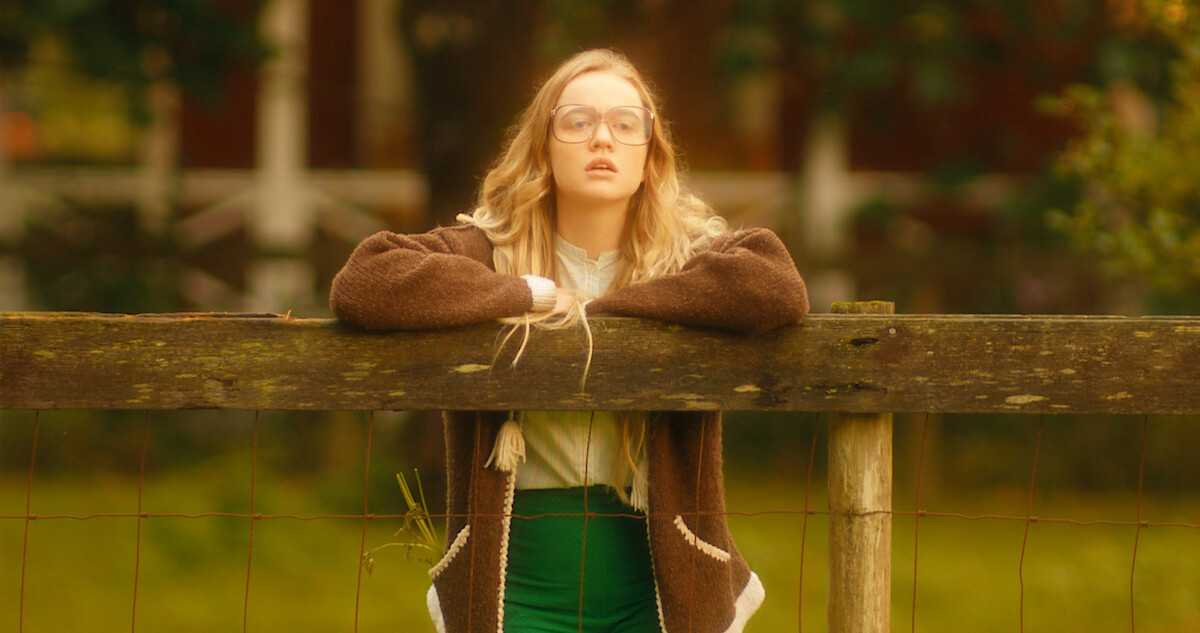
What originally inspired you to write Firefly Lane?
My mother died of inflammatory breast cancer when I was 26 years old. It was always the closet door that you never open because you know the pain that’s back there. And when I became a young mother and started writing, as I aged, I began to think more and more about my mom. I finally reached 40 and thought, “OK, it’s time for me to go in search of my mother, to try to understand who she was.” Many people would do therapy for this, but as a writer, I go into my own head and create her. So she is the character of Kate. It allowed me to talk about things that I really care about, like the importance and the fulfillment that comes from being an at-home mom, even when you feel that you’re not being taken seriously, that you aren’t accomplishing enough. I think I wanted to say on her behalf that what she did in raising us three kids was magic. I don’t know if she ever knew that.
So, are you Tully in this scenario?
No, I wish I were Tully. That would be more fun. I am also Kate.
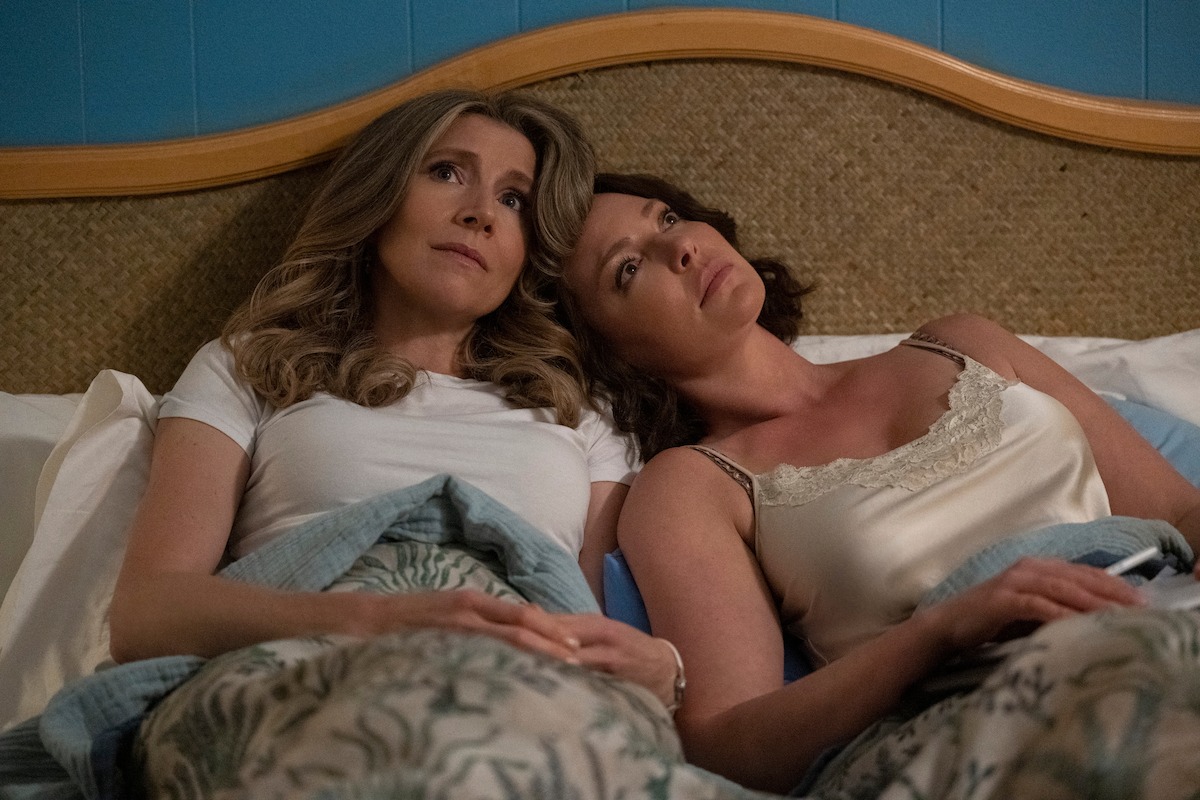
Where did you get the idea of framing it through this decades-long friendship?
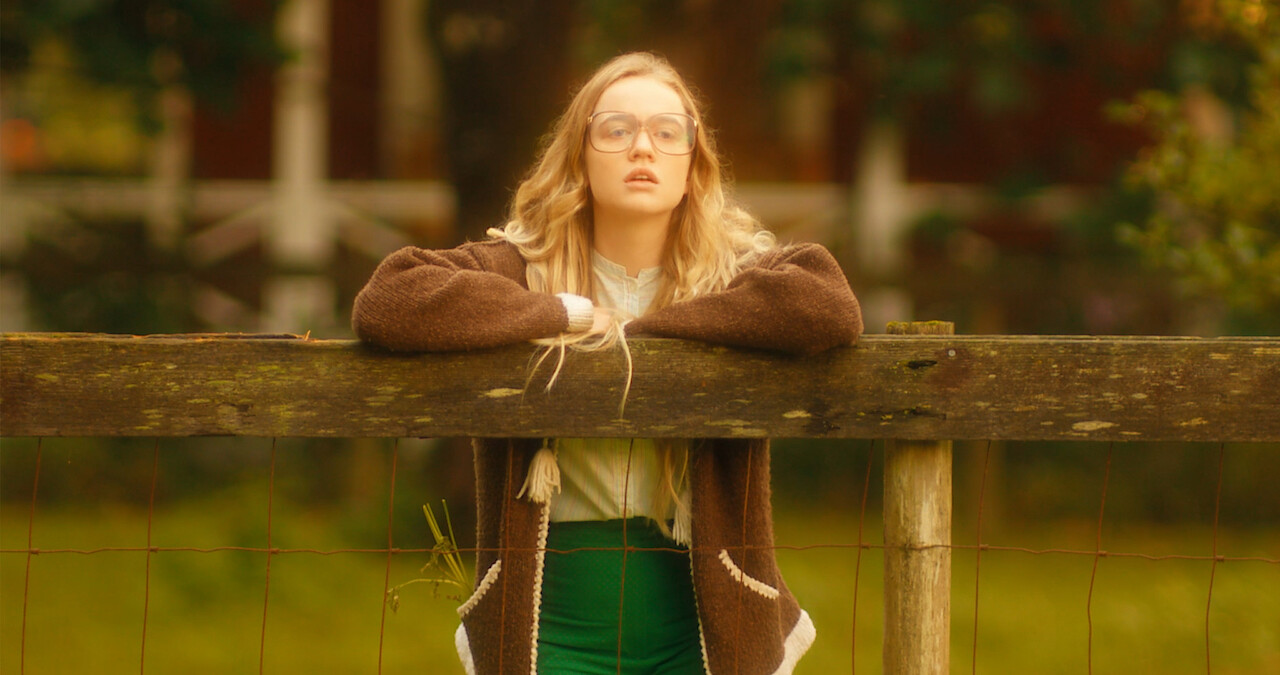
I wanted to look at my mom through the years. Also, at [the time I wrote the book], I felt like there hadn’t been this epic anthemic novel about women’s friendships that included all the music and the ambition and the things that we were struggling with in my generation. It felt like older generations were covered, and maybe younger, but my particular generation didn’t have the story that everyone was living. That’s why Kate’s my age. We grew up in the same house — which by the way was totally freaky when I saw it on Netflix. I was like, “Oh my gosh, that’s my house.” I was able to relive all of these magical, confusing, frightening things that had happened to myself and my friends through the years, as we came of age.
What was the journey to the screen like? How did this adaptation come about?
A lot of people over the years have wanted to bring Firefly Lane to the screen. I was always very hesitant because I always felt, and I still feel, that it’s an important story. We don’t see enough about the difference between working women and working mothers, how nobody ever feels like they’re doing anything completely right and getting everything done on time. The female friendship aspect is so important, this idea that you create your family, not necessarily by blood, but by choice. [But] the producers came to me with this really interesting thing with multiple timelines — it just felt like not taking the easy way, really trying to make something different out of it, and they convinced me. And then they got Katherine Heigl and Sarah Chalke and Ben Lawson and Beau Garrett. I think the cast is just magic.
Did you get to talk to the cast at all or share insights into their characters?
I didn’t do that, but I went to the table read, the first one in Vancouver. I’d never been to anything like that before; it was so fun. I could tell instantly what Katherine and Sarah were bringing to these roles, and the level of empathy you felt for them right away was really powerful. And then I got to go to their super fun wrap party and drink and dance, so that was fun too.
The show pulls storylines from the book, but it also takes the story in its own direction. What’s it like to watch the world you created expand on screen as a viewer?
It’s interesting! A large part of this season is not from the book — it’s other characters, other storylines, other things going on. It’s kind of a strange thing to watch. But what they have done that I think is so important is it’s still about female friendship. It’s still about Kate and Tully. As a viewer, I truly believed that these two women loved each other and that they would be there for each other forever. I believed that Kate and Johnny loved each other from the beginning, so I was really glad that as much as they changed it, they really kept the heart of the novel and the message.
Were there any new twists or narrative arcs that you particularly enjoyed?
I liked the addition of the storyline of Kate’s brother, Sean, coming into and announcing his sexuality. None of that was in the book, and I thought that was a great addition to the story. And then there’s Tully going to look for her father, so all these new and different things. But it still feels like the novel to me; it’s just the novel in a parallel universe.
The health issues that are so central to the book really come to the fore in Season 2. What was that like to watch for you?
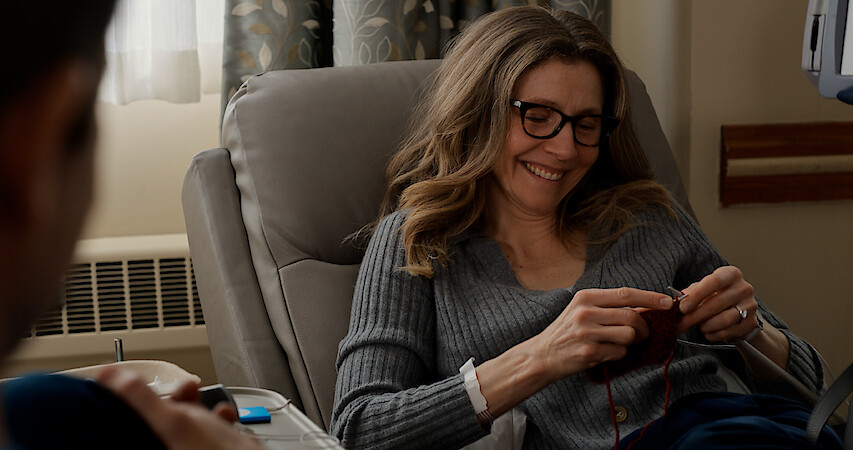
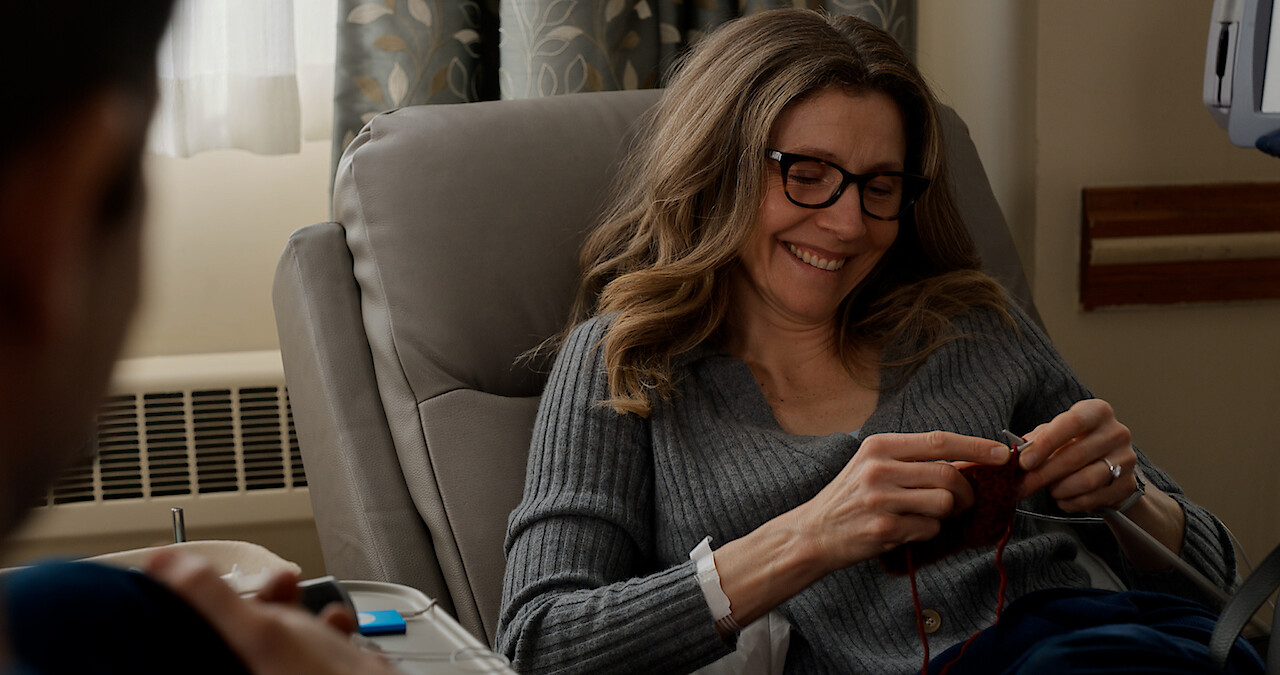
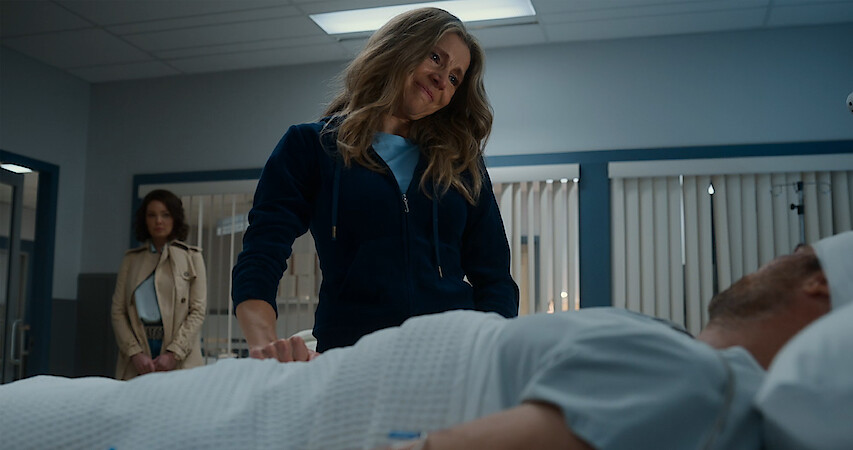
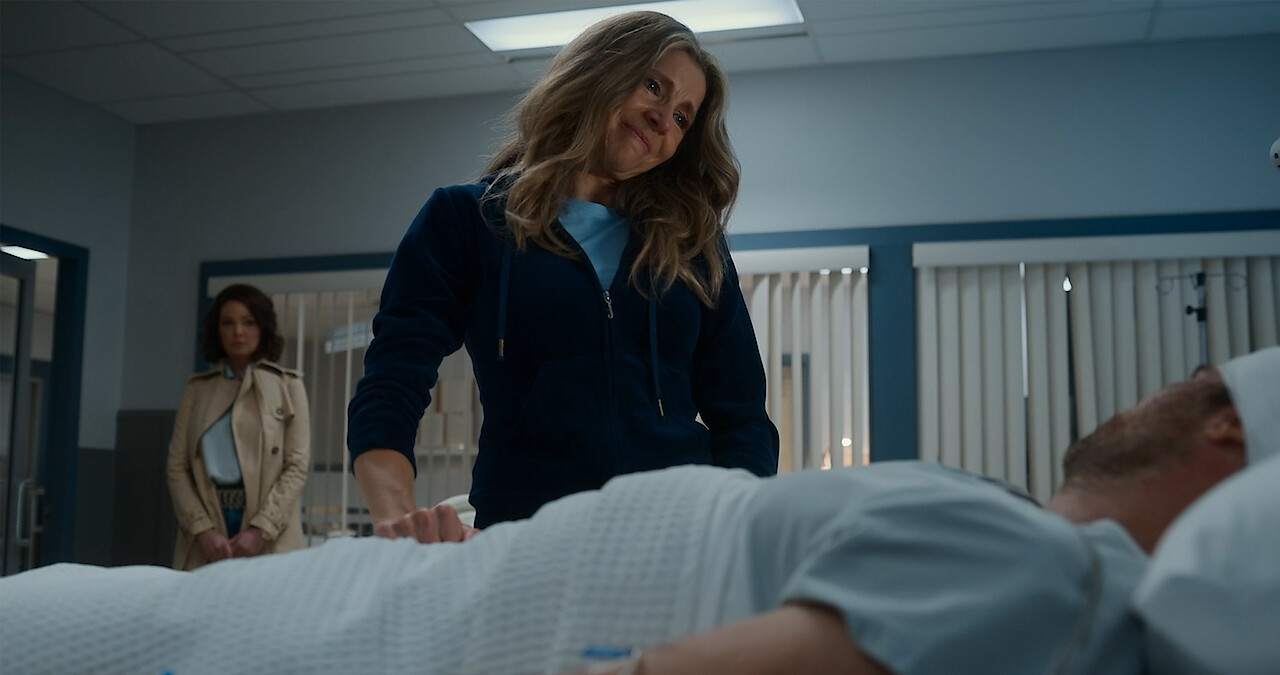
It’s that horrible thing where even as a viewer, as a reader, as a writer, you always get this pit in your stomach. But still, this particular kind of breast cancer is difficult to detect, and a lot of women don’t know about it. I got a lot of letters when the novel came out, saying, “I went to the doctor because of this book, and I was detected early.” And I think that’s one of the powers of, especially, the television medium, to educate and to maybe help people.
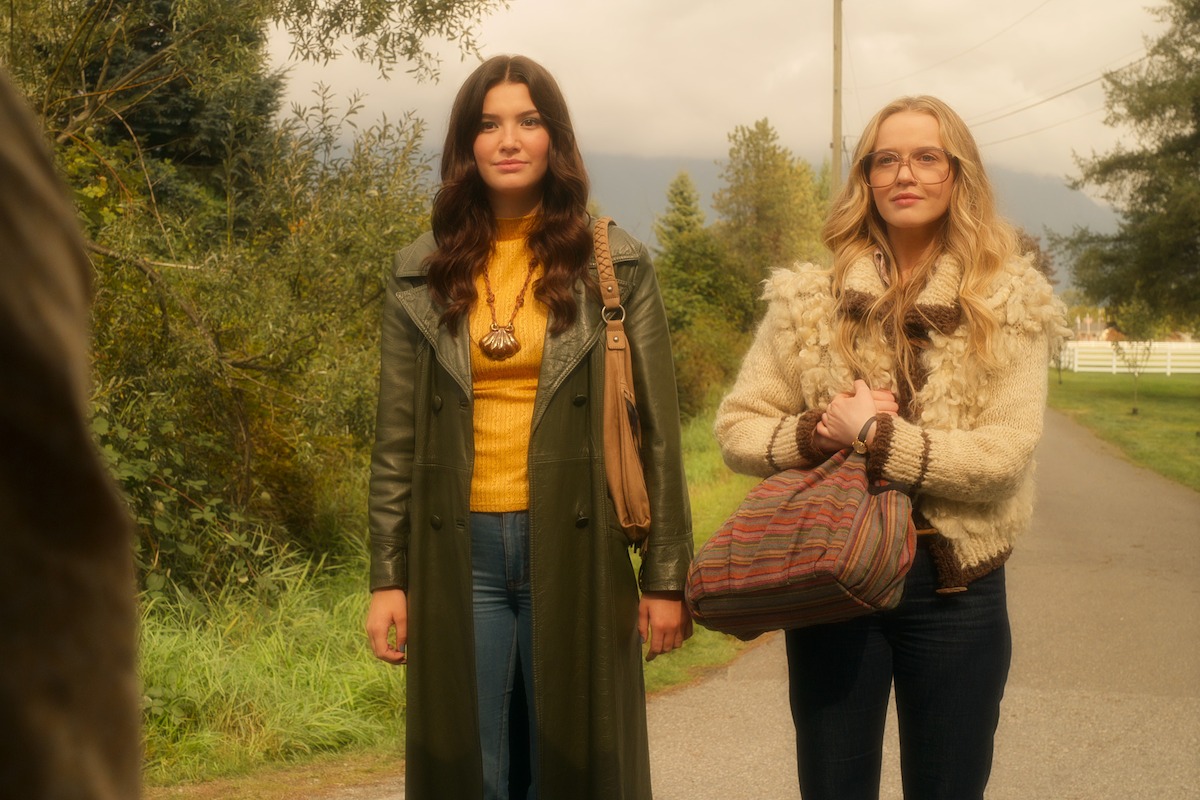
What do you hope viewers take away from Season 2?
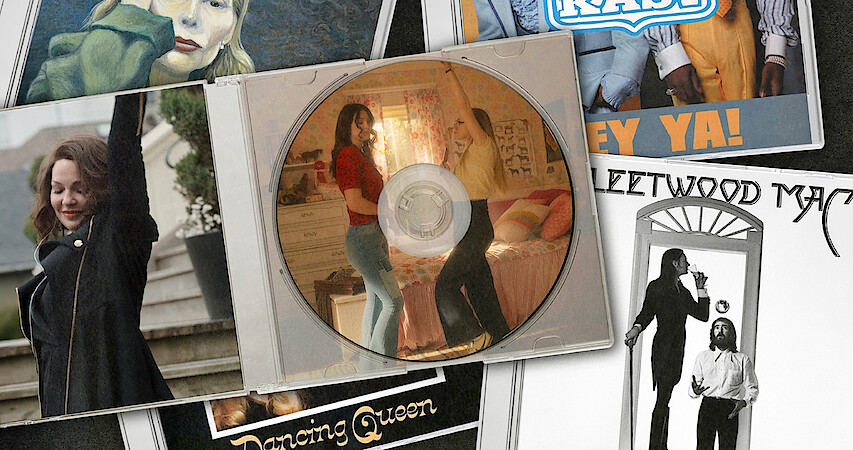
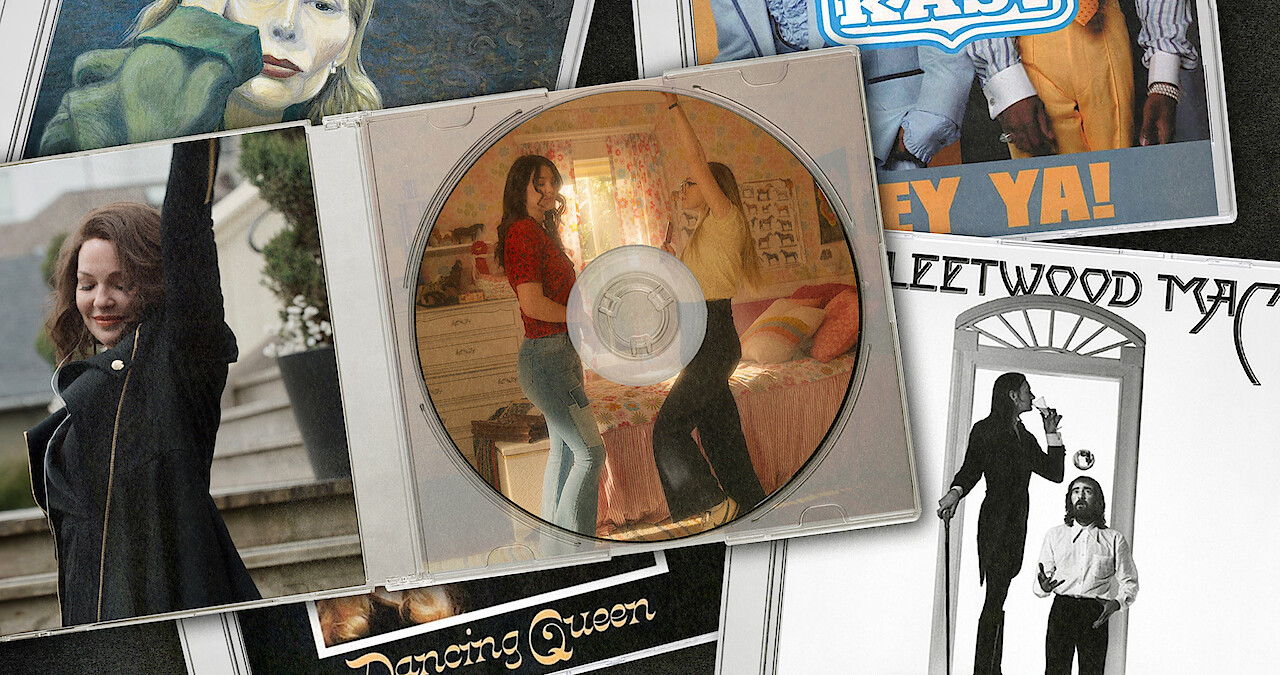
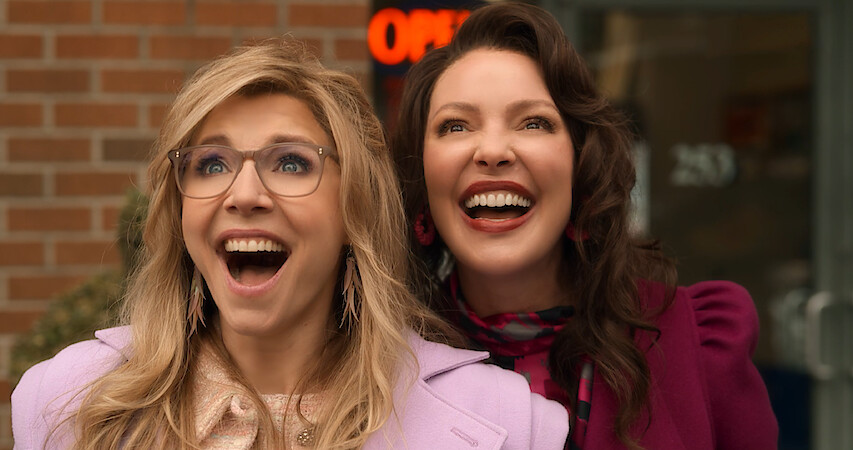
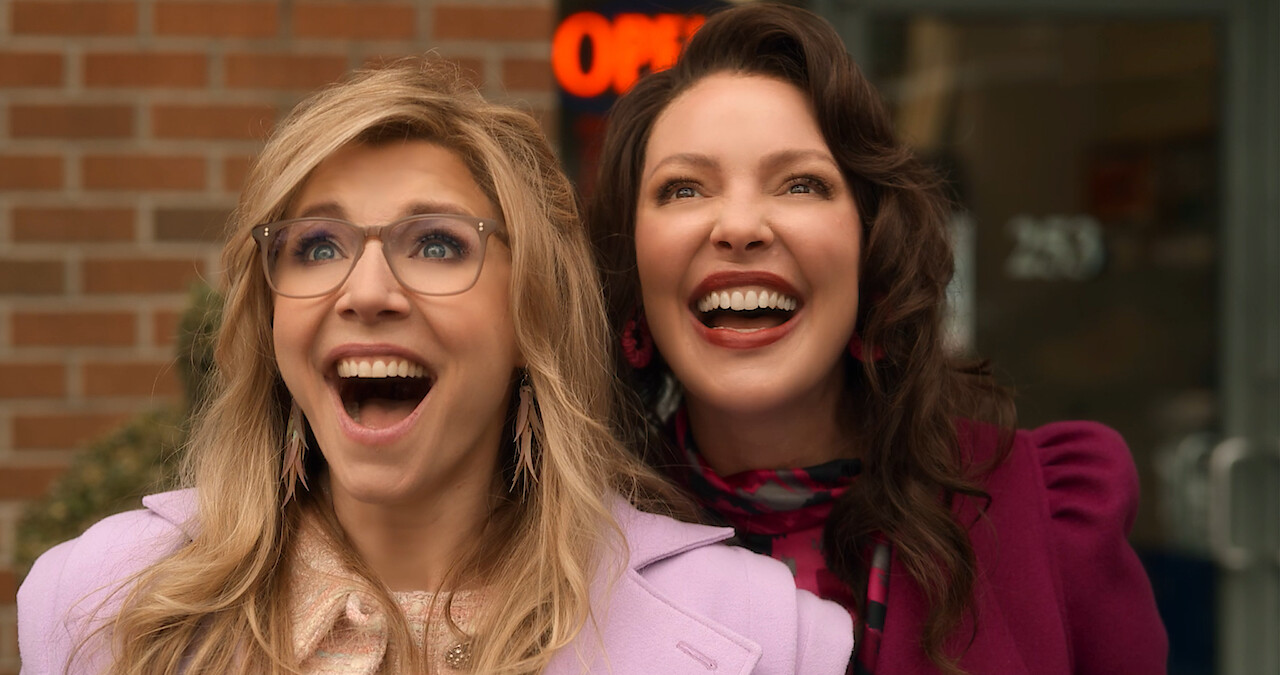
I hope they love the nostalgia for the time period and the music and the sets and the clothing and all of that, which I really, really love. But most of all, I think it’s about Heigl and Chalke inhabiting Tully and Kate and taking us on this journey. Every single moment of this show is about this friendship. That’s important, and I hope it sparks conversation about deep female friendships.
What do you think the enduring appeal of the story of these two women is? Why is it so timeless?
It’s very anchored and real, the way these characters are and the way they feel, but it’s also idealized in a way because so many of us, me included, dream of having a single friendship that lasts the whole of our lives. Most people don’t have that. You become friends with someone, and over time, like in a marriage, you both change, you go in different directions. It takes work, it takes magic, it takes luck to find the person that is there with you through thick and thin your whole life, whether it’s a best friend or a husband or a sibling. The idea that these two women, who apparently have nothing on the surface in common, continue to make this friendship a priority in their lives — I think that’s the magic sauce of Firefly Lane.
This interview has been edited for length and style.