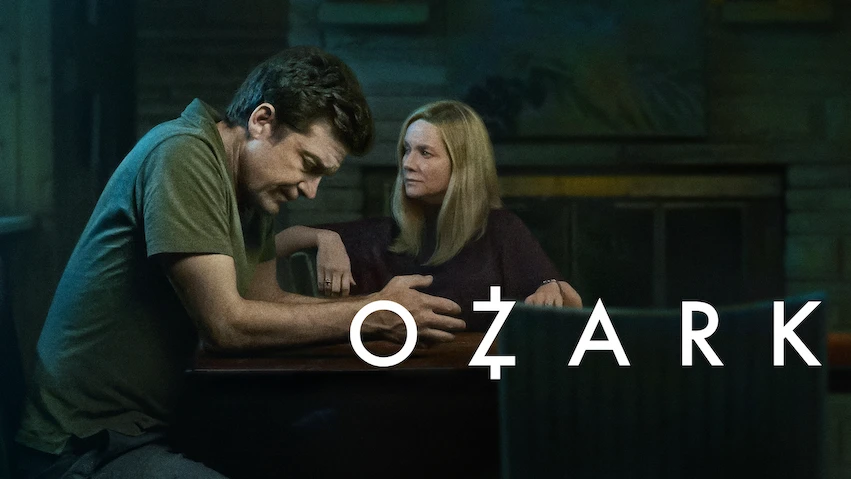
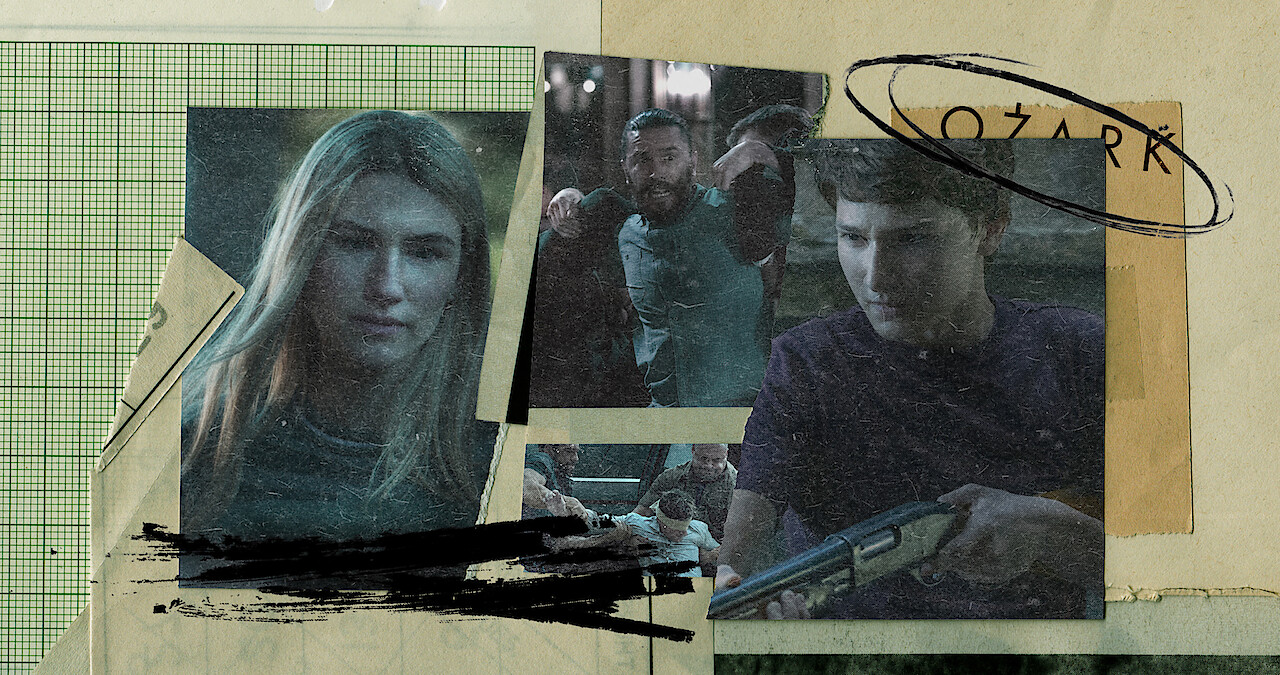
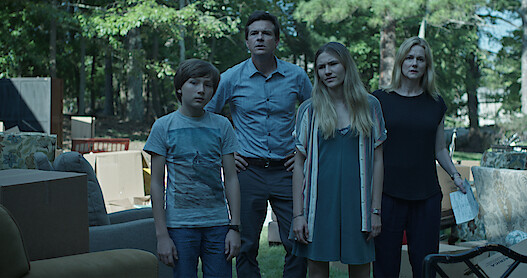
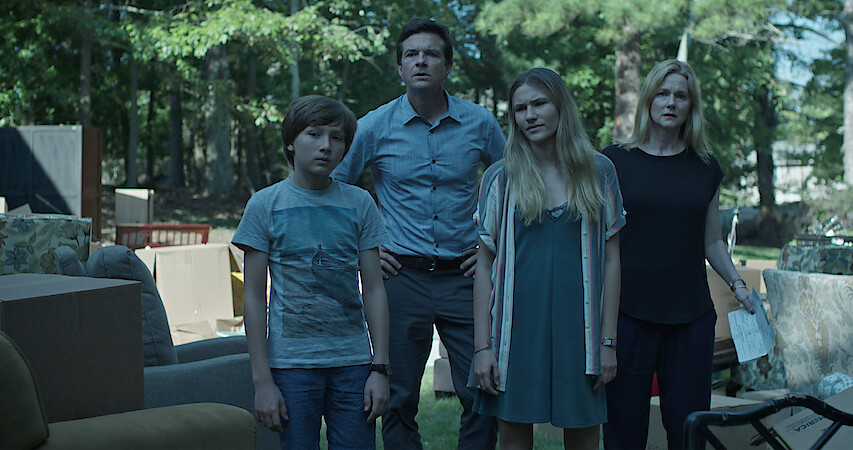
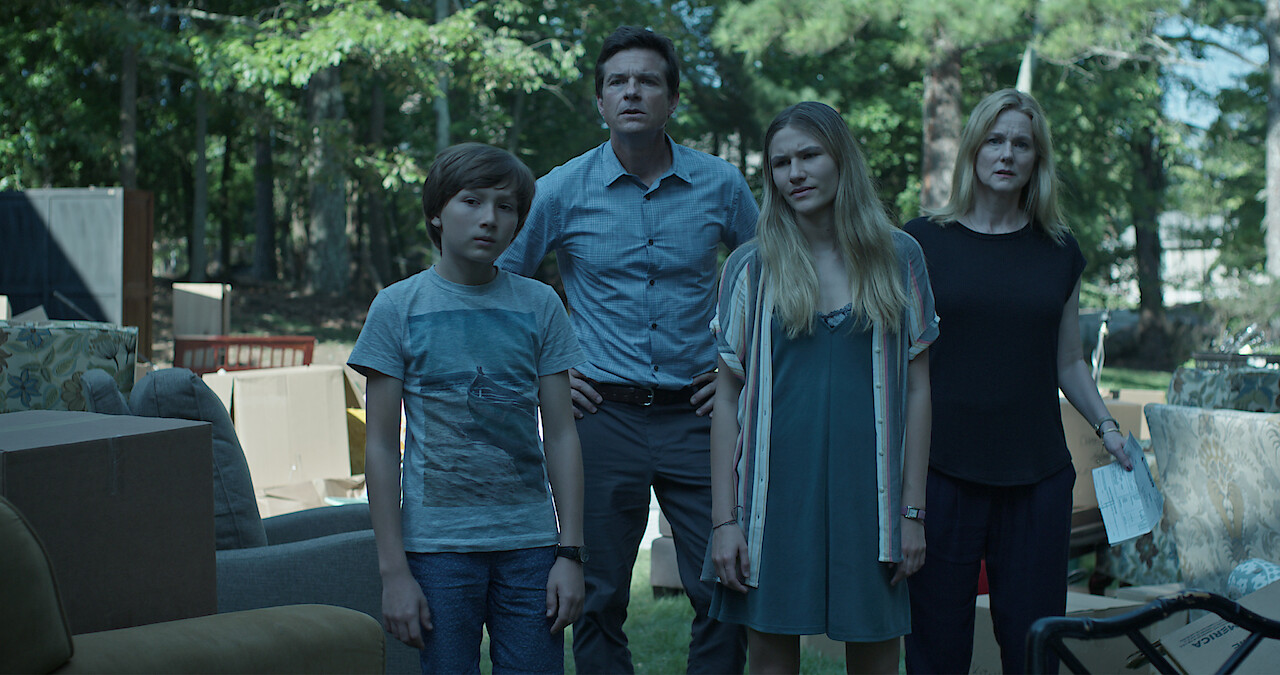
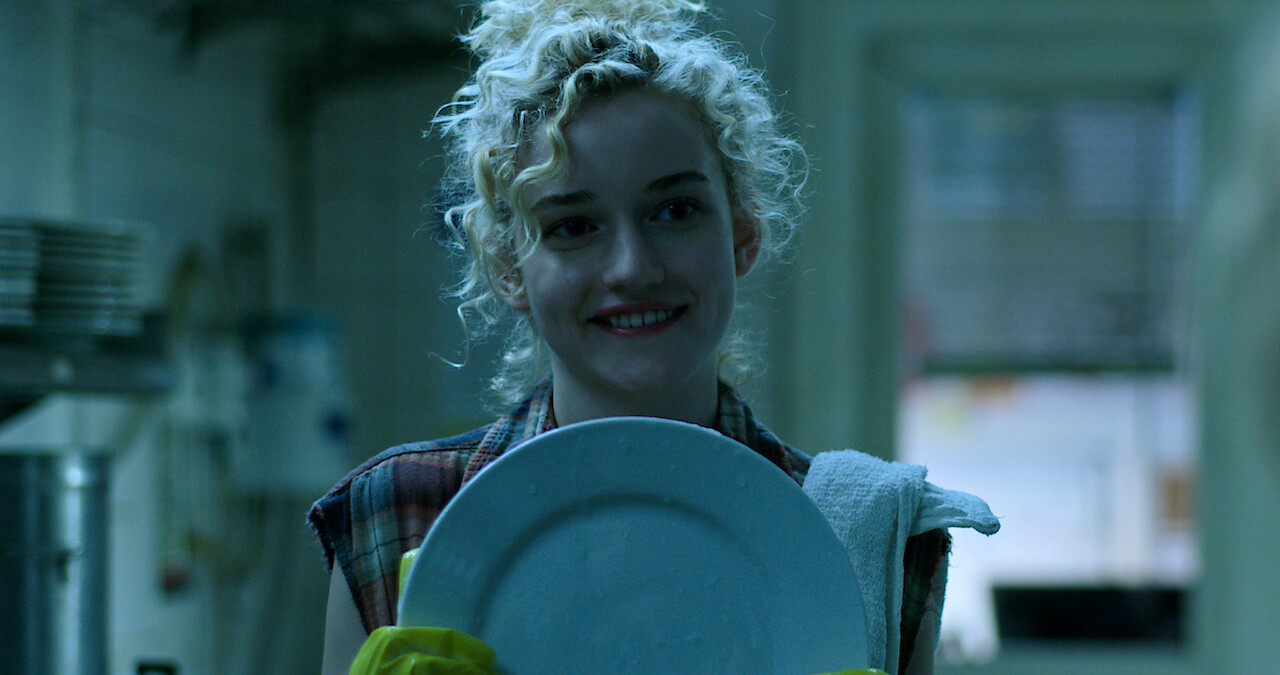
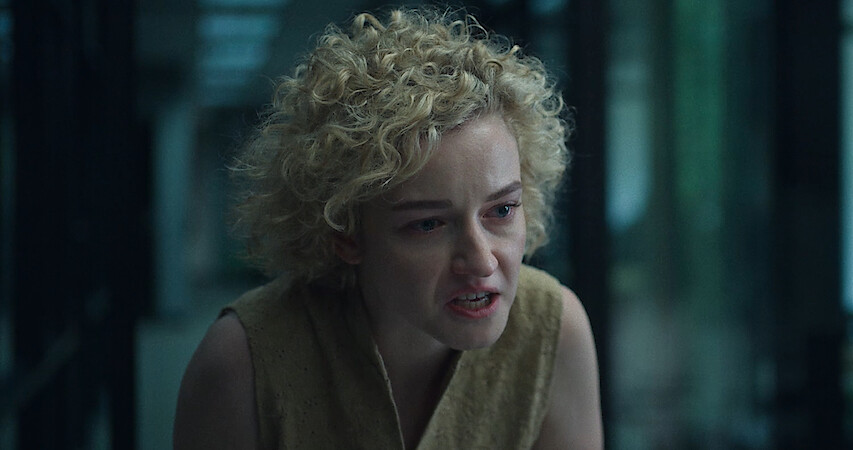
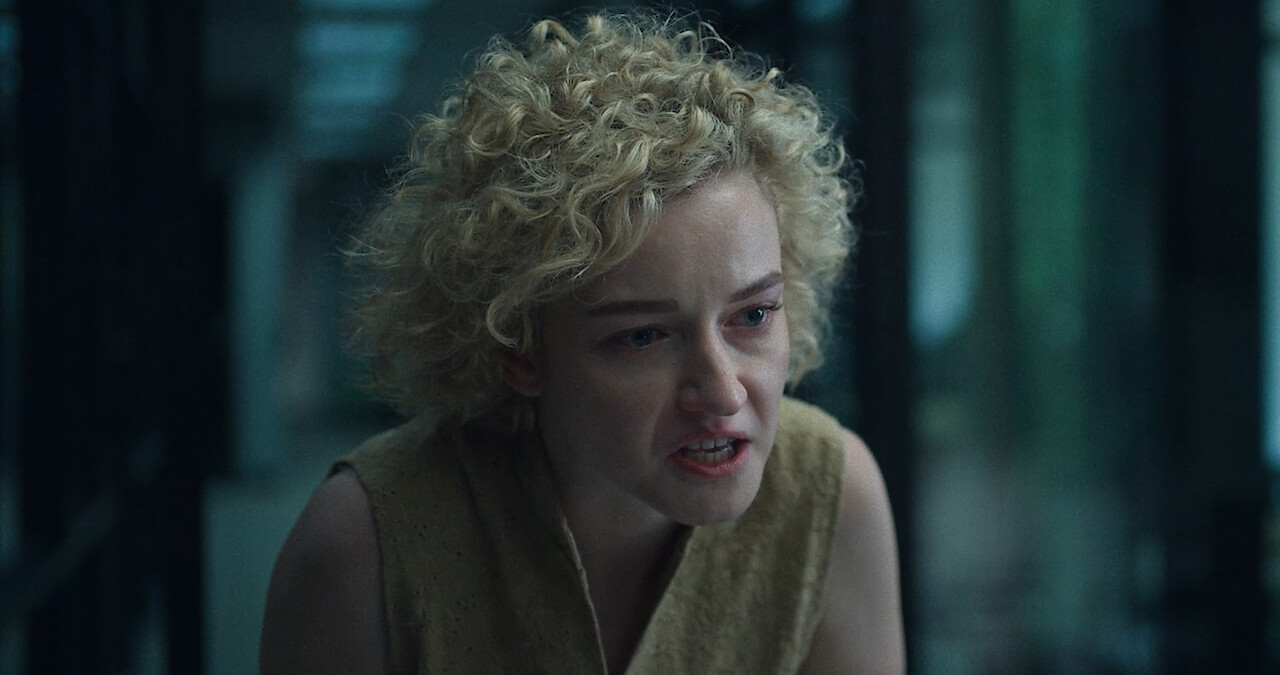
Ozark was a beautiful, beautiful thing.
We knew instantly we were going to have a good time, and the production proved to us over and over again that we would be treated well; that the most important thing was the quality of the work; that there was a respect and a generosity that was shared between everybody, the crew included. We had been through the pandemic together, we filmed 14 episodes together, however many hours of television we had done over four seasons. And most of us who’ve worked for a while knew that we’re not going to see anything like this.
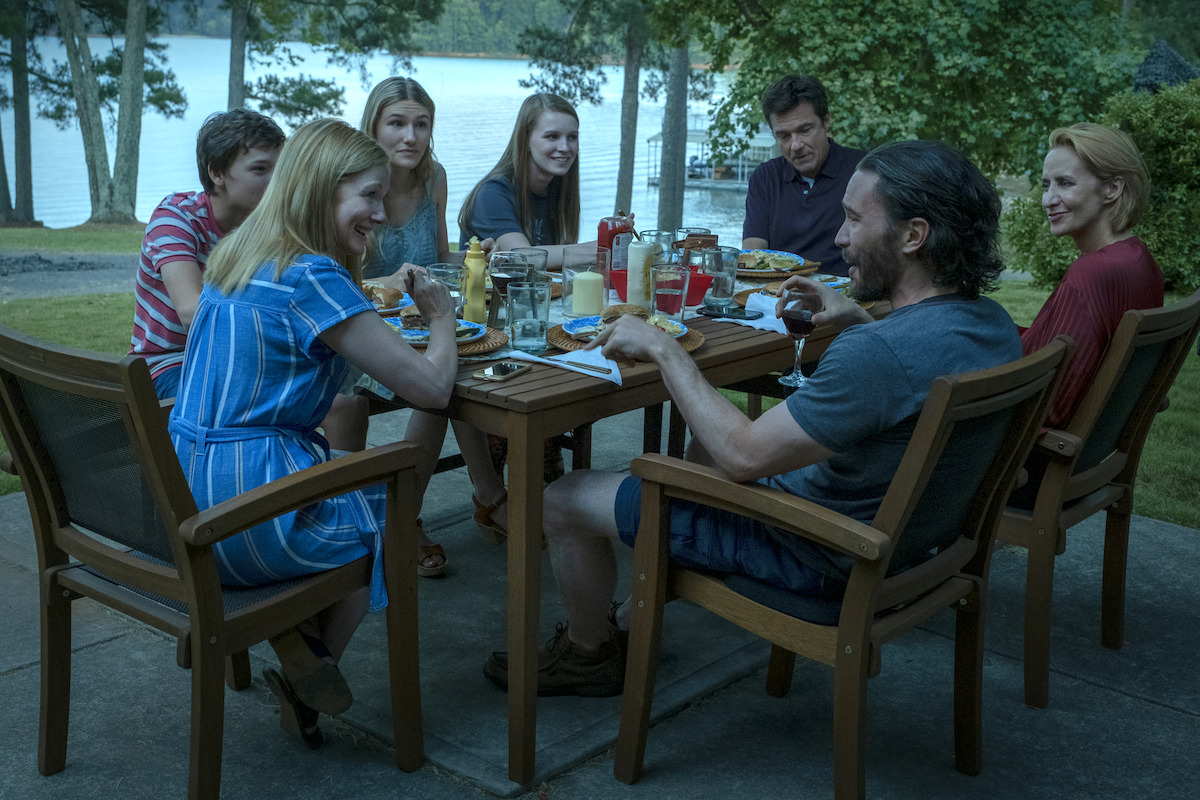
The last day on set was very sad, but it ended with the family all together, so that was great. It was an out-of-body experience. It’s like graduating from a college that you loved; you’ve all shared something together, you’ve all grown, you’ve all changed, you’re all off to different places, and then there’s the very real harsh understanding that this group of people will never be assembled again.
We’re all going to miss each other, but we’ll all be bonded, no doubt.
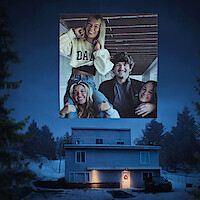
If you go back to Season 1, you’ll see how small Skylar is. I mean, itty bitty, sweet little boy. The kids were so tiny. Sophia reads all the time, so I would see her reading, and Skylar is incredibly creative and he makes these unbelievable things. He made bird houses one year, he made pens made out of wood, and at the end, when we finished, he called me into his dressing room, and he had made an unbelievable miniature version of the Byrde House. It’s gorgeous.
And it was wonderful that the storyline really did intersect with their own development as actors and as human beings. It was great to see them learn lessons and get better at what they did. And I’m glad that this was their first big experience. I honestly didn’t know that television or filming a show could function that way. I really didn’t. I’d always hoped that it could, but I had only seen that work on film sets. I hope that Sophia and Skylar now know that it’s possible, and they’ll have a better sense of how a set can run and what your responsibilities are as an actor.
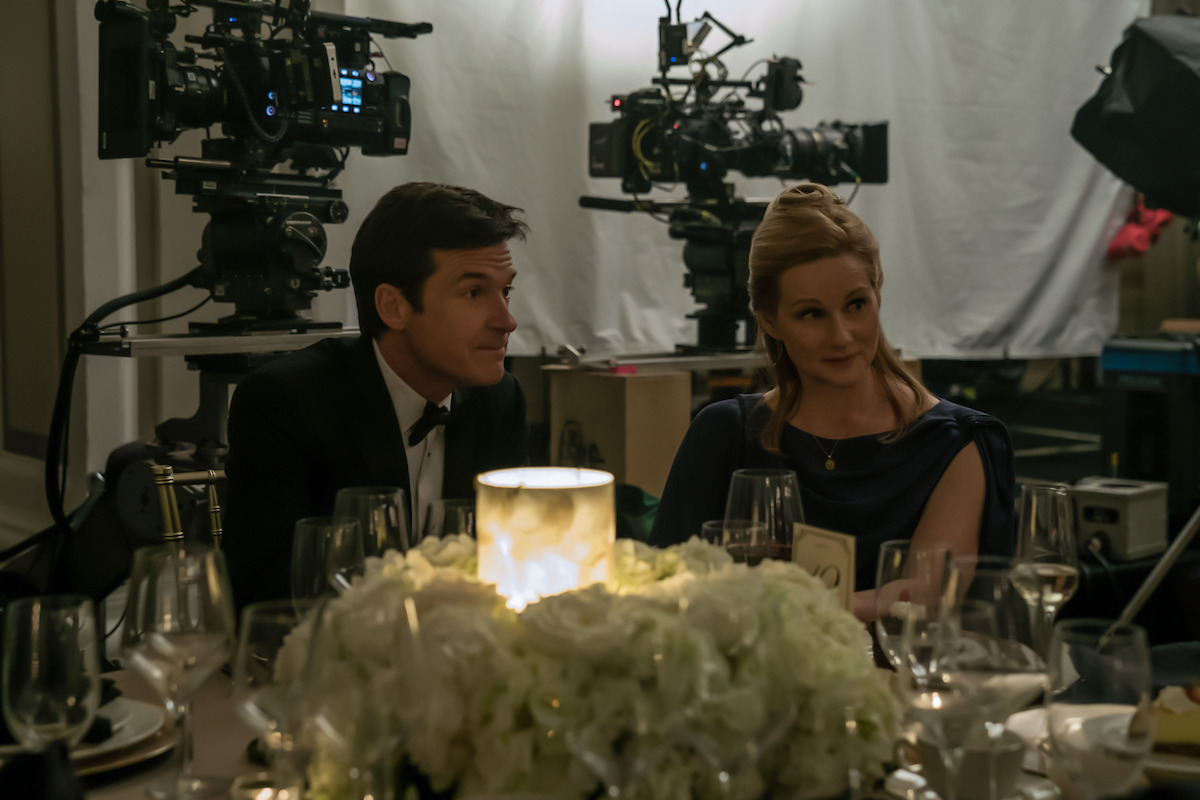
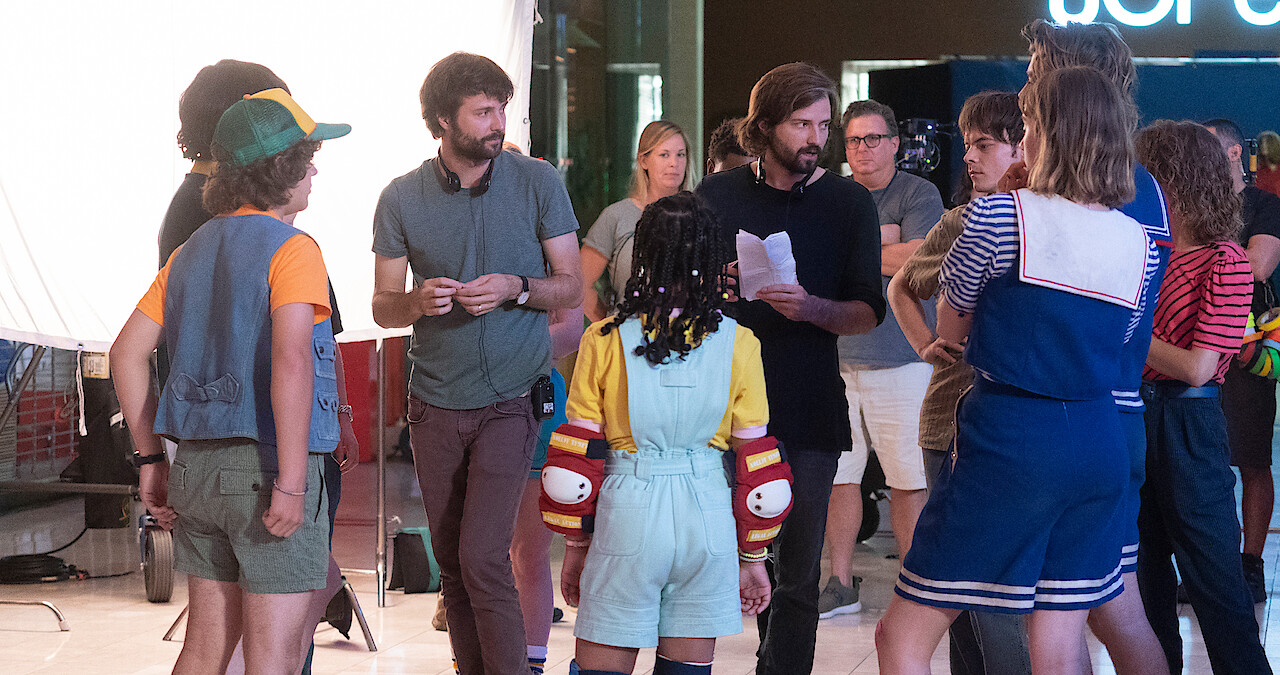
I was completely forced into directing by Jason Bateman and Patrick Markey. The two of them had been on a mission from Season 1 to get me to direct, and I had always very politely said, “Thanks. No, thanks.” They pushed me very hard to do it, and my manager called before we started the last season and she said, “If you don’t do this, I’m going to fire you. They want you to do it, you have to do it. You’ll never have this opportunity again, surrounded by people who support you as much as these people do.”
And she was absolutely right. So I did it. So I blame Jason Bateman completely for all of it. And it went much better than I thought, to be honest. You just don’t want to be one of those directors who holds things up, who people don’t like. You don’t want to let anybody down.
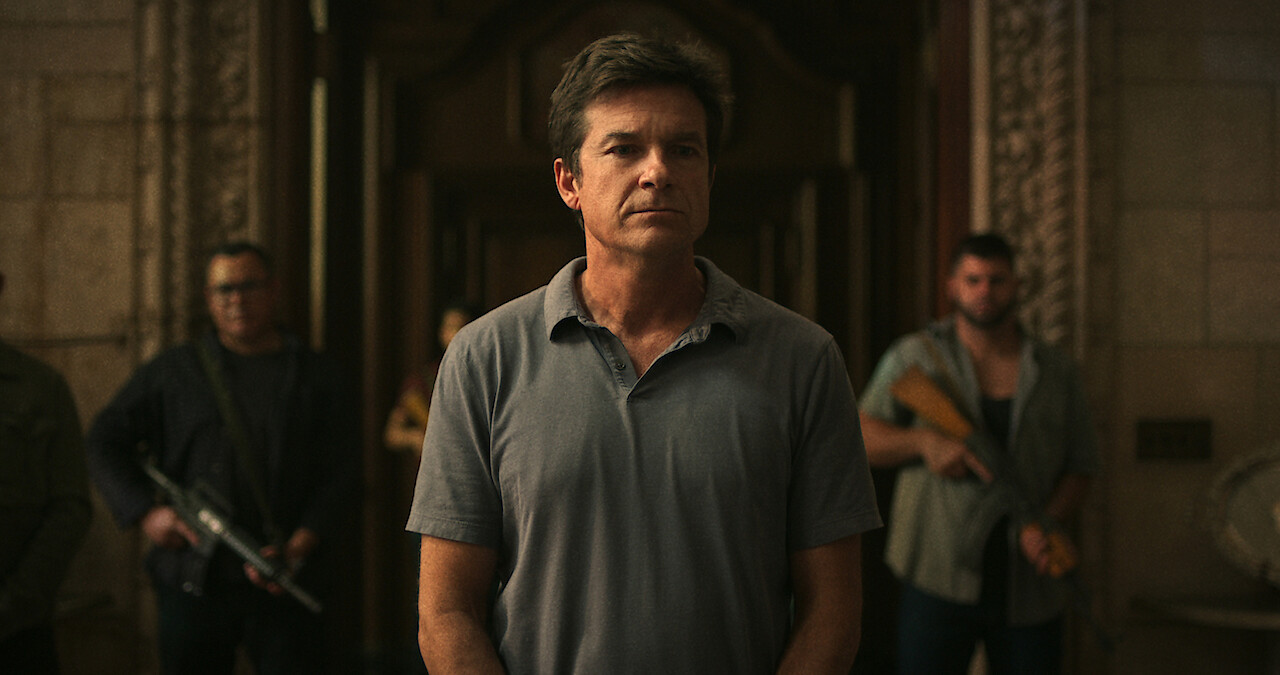
The thing I’m proudest of is that final fight scene, I could not believe I had to do it, like, “Really, it’s my first time, you’re going to give me what?” But I did the fight choreography, the whole thing, and chose the music. I knew instantly what song I wanted; it was just an instinct. The episode for me is all about Jason, it’s his episode. So I focused the episode around him.
Jason was always available and always helpful, since he had experience directing himself in scenes. Fortunately, I’ve been around other people who have done that — I worked with Clint Eastwood several times — and I learned from watching Jason. He once told me, “If you can see it in your mind, you’ll be fine.”
My favorite thing to do is work with the actors, that’s where my strengths are. There’s the lawyer that Julia goes to go see with Jordana, and if you’ll notice, there was an amazing Broadway actress named Rebecca Luker, who was one of the great members of our community, and we lost her to ALS. And before she died, she gave an interview with The New York Times, and they asked her, as she was declining, “How are you spending your time?” And one of the things that she said she was doing was watching Ozark and how much she loved it. So I called showrunner Chris Mundy, and I said, “Listen, my friend, Rebecca Luker has ALS, and she loves Ozark, and is there any way we can name a character after Rebecca Luker? Please, please, please.” And he said, “Absolutely.”
I called her husband, Danny Burstein, and told him that we were going to do this, so she knew it before she died, but she died soon after that. So there was a character in my episode named Rebecca Luker, and I put a photograph of Danny in the office and all this stuff. So that’s like a little Easter egg for the Broadway community.
Working with Harris Yulin, who played Buddy, was memorable too. Harris is an unbelievable actor and my father was a playwright in New York City, and they worked together a lot. So I didn’t know Harris on my own, but I knew him from hanging around with my father. He was just a titan of the theater, but I never knew him just-the-two-of-us together. My father’s no longer alive, and so it was nice to work with someone who knew my history and I knew his history.
When I first read this script, I remember saying to Chris that it seemed to me that there was a lot in Ozark that was about identity. And I think the country was in a period of time where it was thinking, “Who are we? Who is my family and my community? What is my country?”
And I think a lot of people were digging for the answer to that question. That’s maybe one of the many reasons why Ozark hit the way that it did, because there was the question, “What are we capable of doing? What are the choices that we make for ourselves and each other and our family? What’s going on here? This is America?”
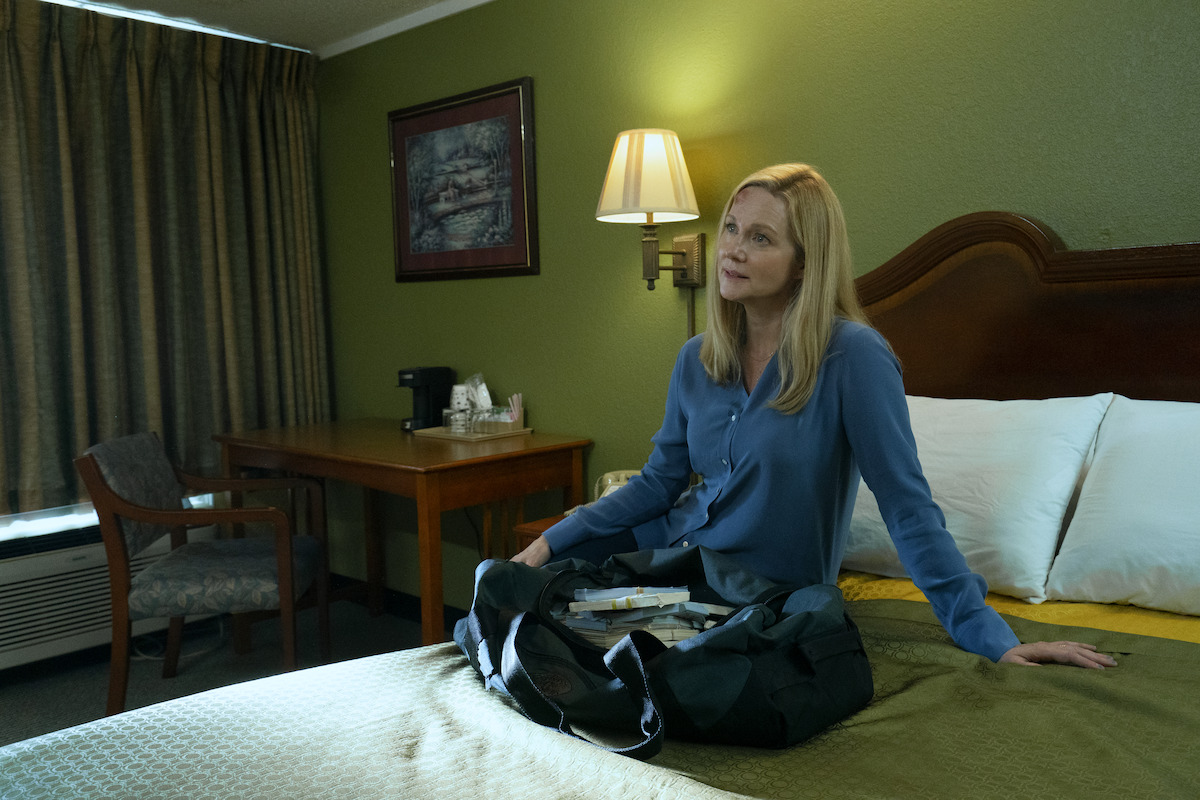
I remember when the penny dropped for me about Wendy was the scene early on with the dead opossum, where she threw it on the roof. I was like, “Why does she know how to do that? Why is she not afraid of a dead animal? How does she know how to handle a dead animal like that? She’s from Chicago.” And then I was like, “Oh, she’s not from Chicago, she’s from poverty. She is rough.”
From that moment on, I had a real clear path for her. All of a sudden, the door opened in my mind: “Why does she know how to talk with people in the Ozarks? Oh, because she’s one of them.”
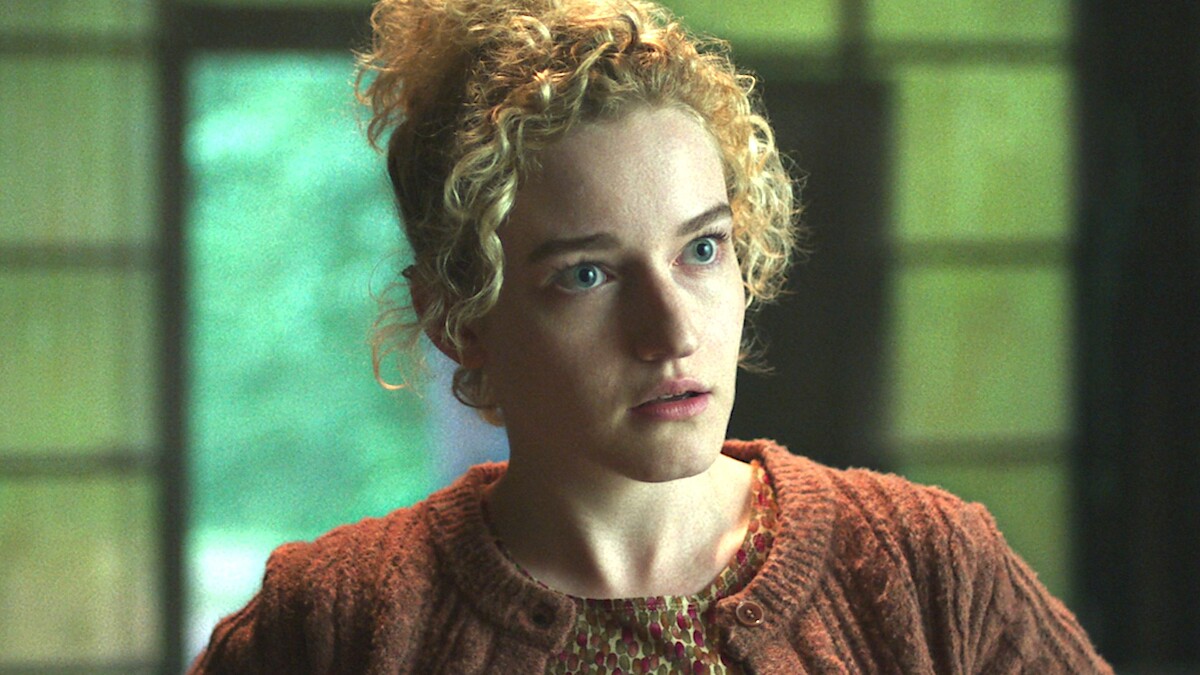
When you think about where she is from, it makes sense. With an alcoholic father, alone with no mother and having to raise kids while she’s too young. She was a bit of a juvenile delinquent, like Ruth. There’s one scene that we had in the first season, and it was clear to me like, “Oh, shit, there’s a connection there. She sees something in Ruth that she really recognizes.” It allows the two of them to really go at each other as well. And it’s also jealousy over Marty.
It’s so funny how people think that I might think she’s a good person. Or that she’s a good parent. No, she’s not a good parent. She’s a very flawed person who’s in a very extreme situation. And so her behavior comes from all of that. She loves Marty. She’s trying to save them all, she’s not trying to kill him. She’s not trying to damage her children.
Ozark is just a survival story, and Wendy’s just trying to survive. She’s fueled by a very primal sense: She doesn’t care what she has to do, but they’re going to survive. And there is a rabid ambition to survive and to survive well; not just get out of it, but get out of it in a way that’s going to pay off. They’re going to be rewarded for surviving. Otherwise it’s not worth it. It’s a real drive that she inflicts upon everyone, and it’s not mentally sound.
I think it’s easy to give her a Lady Macbeth imprint, but I don’t think that’s quite accurate. There’s a mental illness that runs in her family, she’s primal and she’s wildly immature — and that was really fun to play, those moments where you dip into that and then come back out — but she’s not simple.
She’s not one thing or the other, but she’s not a villain. But if Wendy showed up in my room, I’d just slide out the door. She scares me.