This article contains major character or plot details.
Partway through Episode 2 of Netflix’s new adaptation of Little House on the Prairie, eagle-eyed viewers may catch a familiar face peering out from the woods. It’s a blink-and-you’ll-miss-it moment, but for longtime Little House fans, the cameo lands with the force of a prairie thunderstorm: Alison Arngrim is back.
Decades after turning Nellie Oleson into one of television’s most deliciously unforgettable villains in the original Little House on the Prairie, Arngrim returns to the world that made her famous — this time in an entirely new frontier, and as an entirely new character.
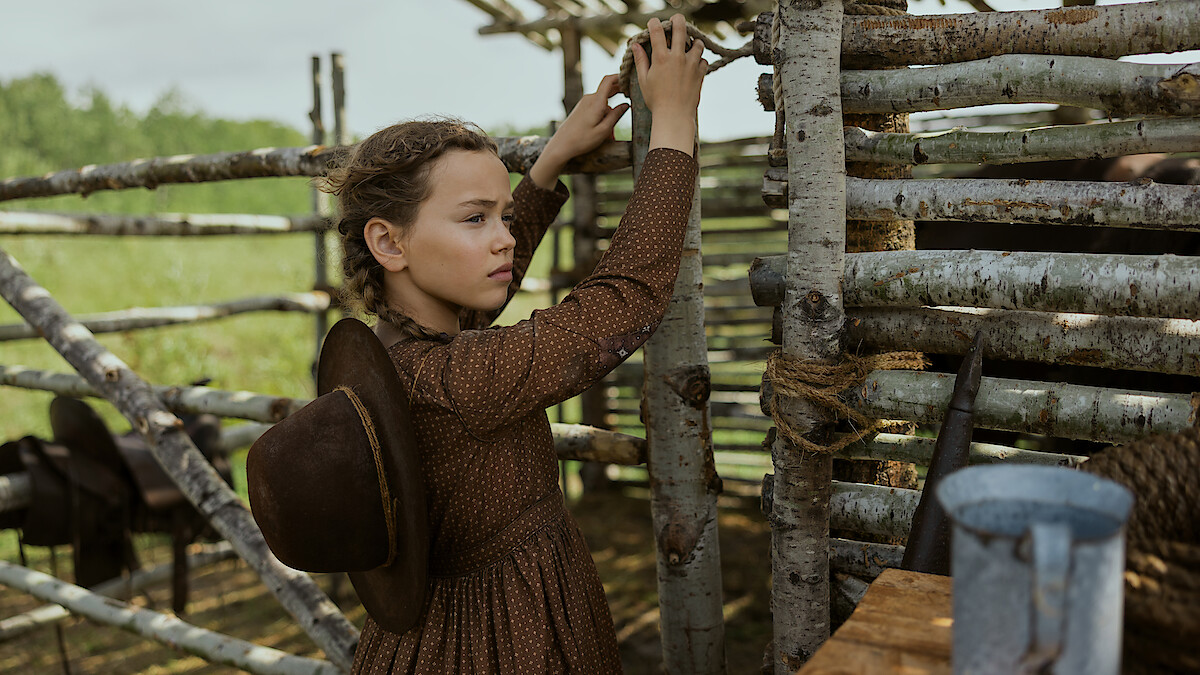
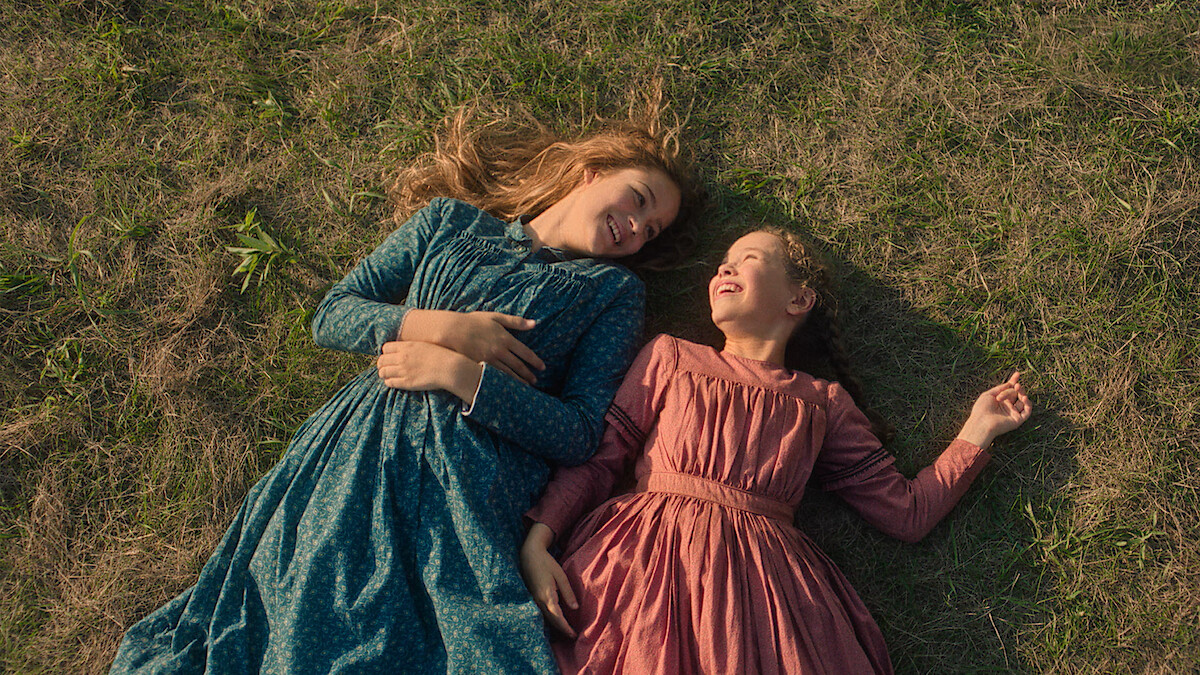
Based on Laura Ingalls Wilder’s beloved semi-autobiographical novels, the original Little House on the Prairie series became a television phenomenon throughout the late ’70s and early ’80s, thanks in no small part to the love-to-hate-her antics of Arngrim’s sharp-tongued Nellie. While Nellie isn’t featured in Season 1, the creators still found the perfect way to bring Arngrim back. She plays a slightly harrowing woman named Ida who lives in the woods and tempts the Ingalls girls into potential danger.
With Willa Dunn preparing to inherit the iconic role in Season 2, we caught up with Arngrim to talk about stepping back onto the prairie, passing the torch to a new Nellie, and what it felt like to see this beloved story begin again.
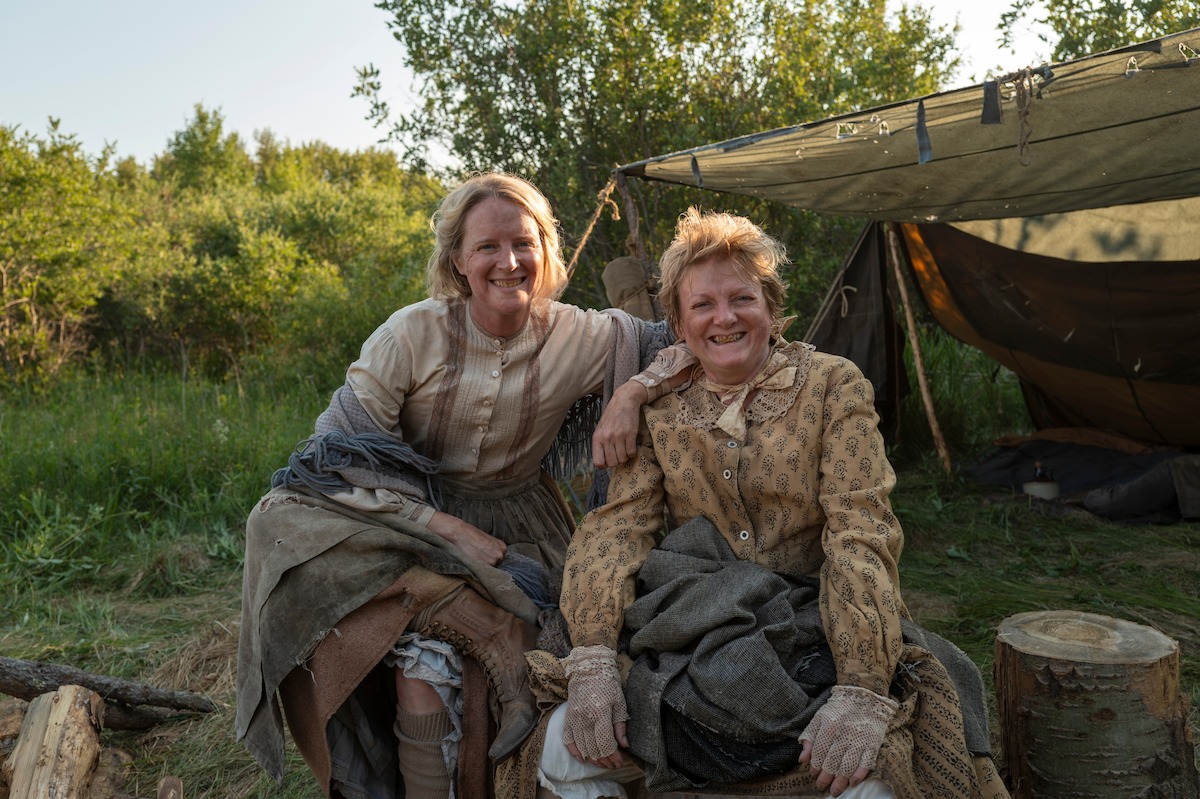
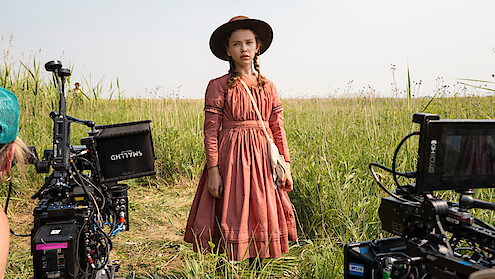
PHOTO BY ERIC ZACHANOWICH
Tell me about your character Ida — how did she come to be?
Alison Arngrim: I got a phone call: “What are you doing in a week and a half? Could you come to Winnipeg? There’s this character, we want it to be you.” It was very fast — maybe two weeks’ notice.
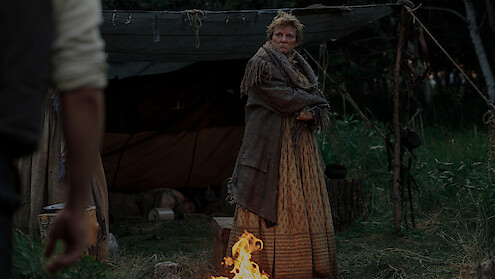
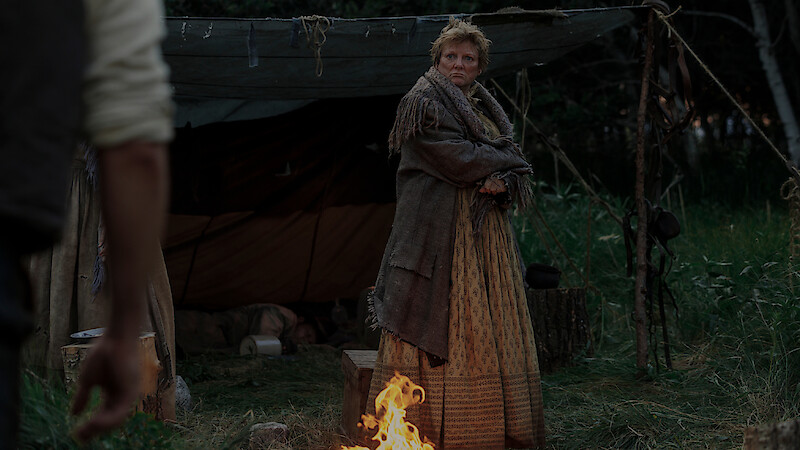
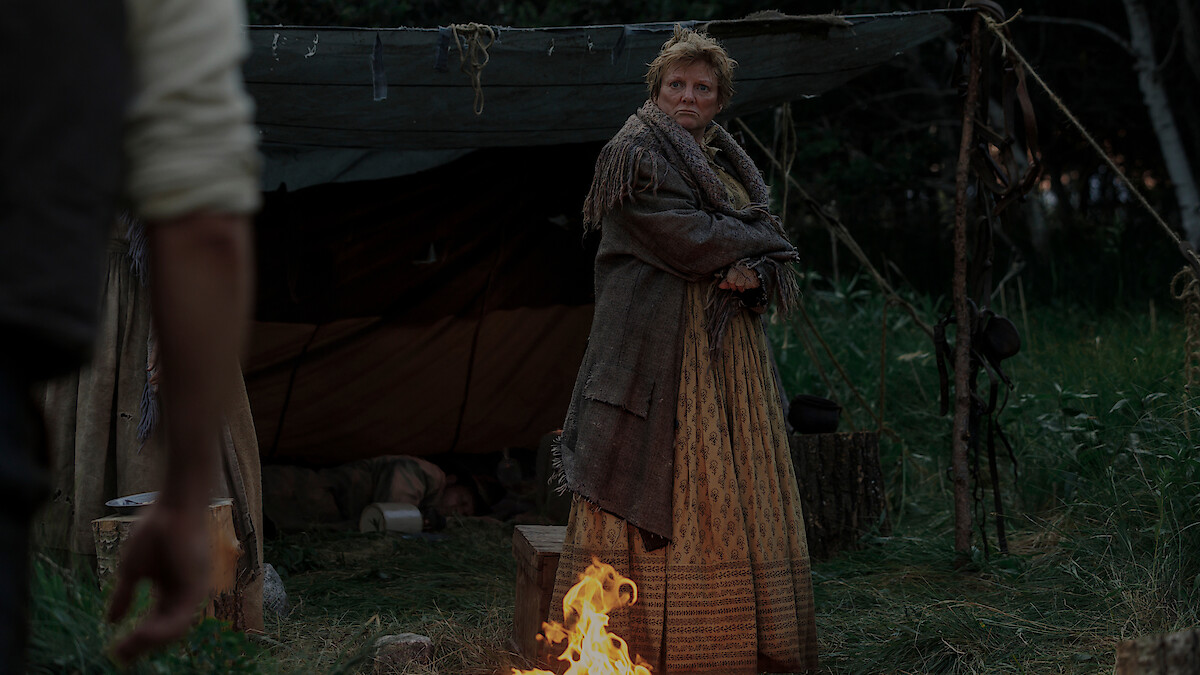
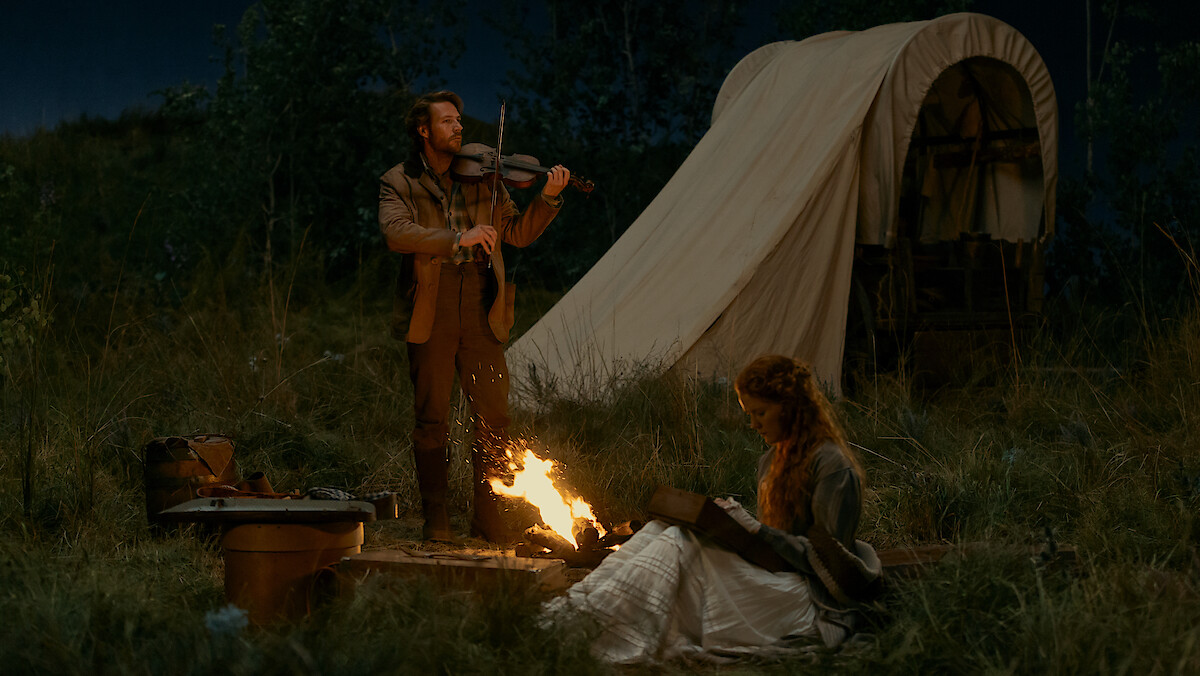
Ida is basically a crazy lady in the woods. Sort of a forest drifter with drifter friends. They’re hanging out in the woods, having their little dinner, a little campfire in the forest, and the two poor unsuspecting Ingalls girls wander in, and we’re like, “Hi, come hang out with us.” I thought, “Oh, that’s creepy as all get‑out. That sounds right up my alley. I’ll be right over!”
How did the costuming, hair, and makeup process help you find Ida?
Arngrim: The first part that blew my mind was the costuming. On our show in 1974, we didn’t really do corsets. We had some authentic stuff — little camisoles, bloomers — but on this show, it’s the slip, and then the corset goes over the slip, full corseting, full costuming. I was in heaven. I love this stuff. I thought, “Oh, we’re going all out. This is fabulous.”
Then a makeup woman came in and said, “You realize you’re living in the woods here.” I said, “Yeah.” They proceeded to make me look like I took much less care of myself than I actually do. They painted my teeth and made them look horrible. They painted my nails to look disgusting, filthy, and diseased. All my beautiful nails, my beautiful teeth, my beautiful skin — out the window. But it was the 1800s. People are out in the sun; there’s no sunblock, and this woman clearly is a hard case. She’s been drinking, living in the forest, and not hydrated. She’s rough.
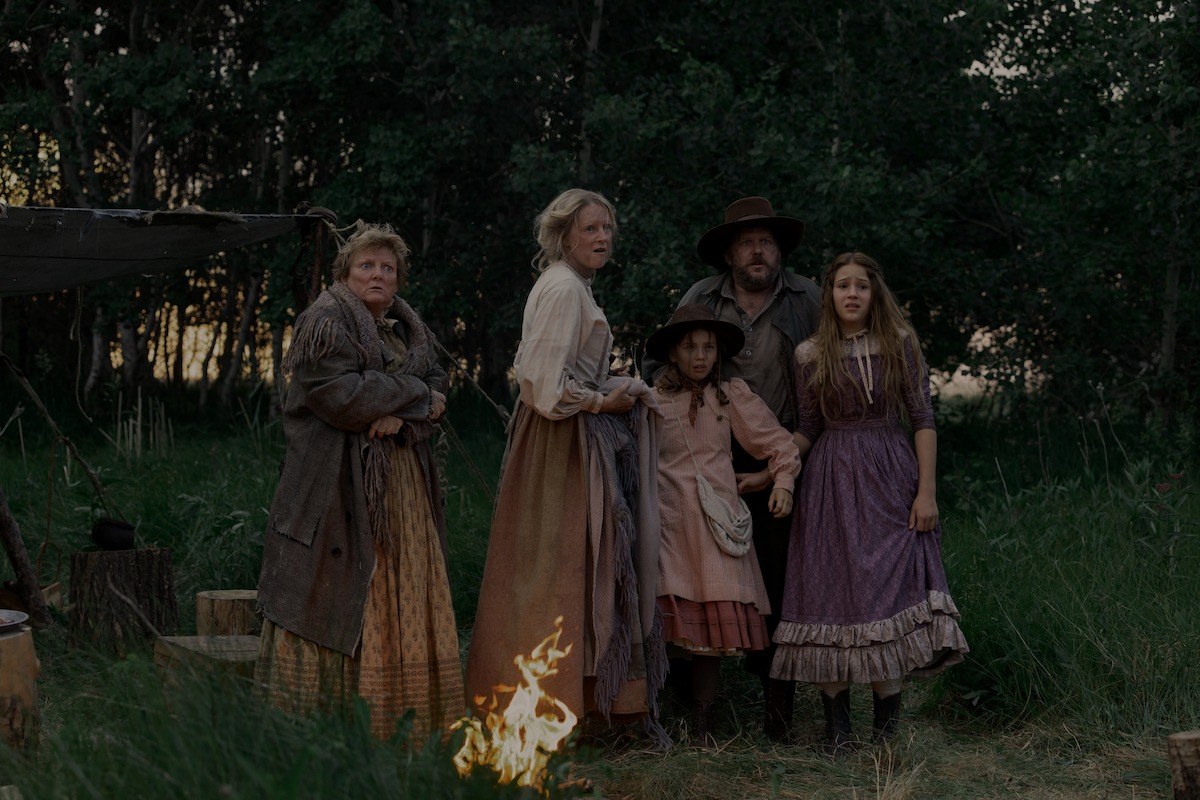
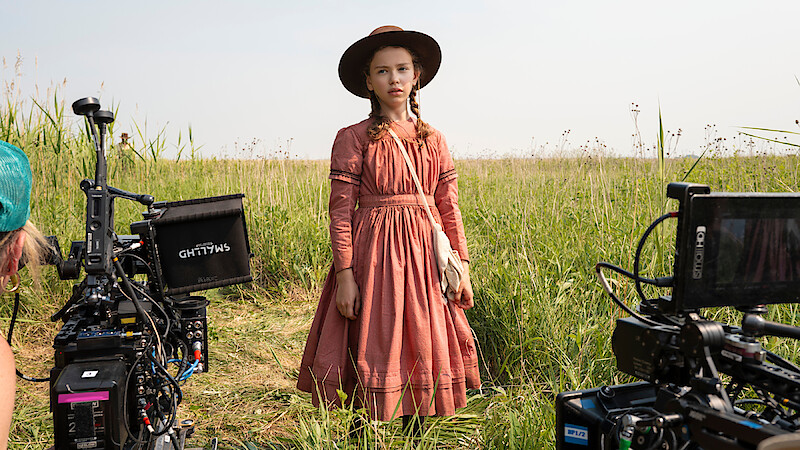
PHOTO BY ERIC ZACHANOWICH
What was it like working with the new Laura and Mary — Alice Halsey and Skywalker Hughes — given your own experience as a child actor?
Arngrim: They’re fabulous. First of all, they have much longer résumés than any of us did back in ’74. A lot of semi‑unknowns and theater people were cast originally — Katherine MacGregor had a huge theater background, Richard Bull had done things like The Twilight Zone. Nobody back then was on these huge streaming projects, TV series, and movies. These little girls have résumés longer than some people who are 40 or 50 years old, and they’re 12. I was like, “Whoa, dude.” It’s fabulous that they’ve been able to work.
These kids are great, and they seem to be great friends; their relationship felt very healthy and friendly. The girls are just so good.
Looking back, how do you think about your own experience of becoming famous so young portraying Nellie Oleson?
Arngrim: It really hit the fan around the third season. We all started getting recognized. But in the industry, we were kind of the redheaded stepchildren. In the ’70s, there was this “de‑ruralization” of TV. They canceled Hee Haw, The Beverly Hillbillies — shows in the top 10 — and dumped Westerns and country‑themed shows. They wanted to appeal to city folks who would buy more dishwashers and cars. Suddenly, everything was cop shows and spy shows, and then Michael Landon pops up off Bonanza and says, “I want to do Little House on the Prairie,” and the industry goes, “Oh my God, really?”
But out in the world, people loved us.
The weirdest part of child stardom is years later. It’s weird enough to be famous at 12, 13, 14, having strangers talk to you in the street like they know you. But years later, you’re 30, 40, 50, 64, and complete strangers are still coming up to you in the supermarket to discuss what you did to Laura at 12. That’s weird.
Alison Arngrim as Nellie in Little House on the Prairie Season 4
PHOTO BY EVERETT COLLECTION
What is it that makes Nellie such a memorable, iconic “villain” that people still love to hate — and then just love?
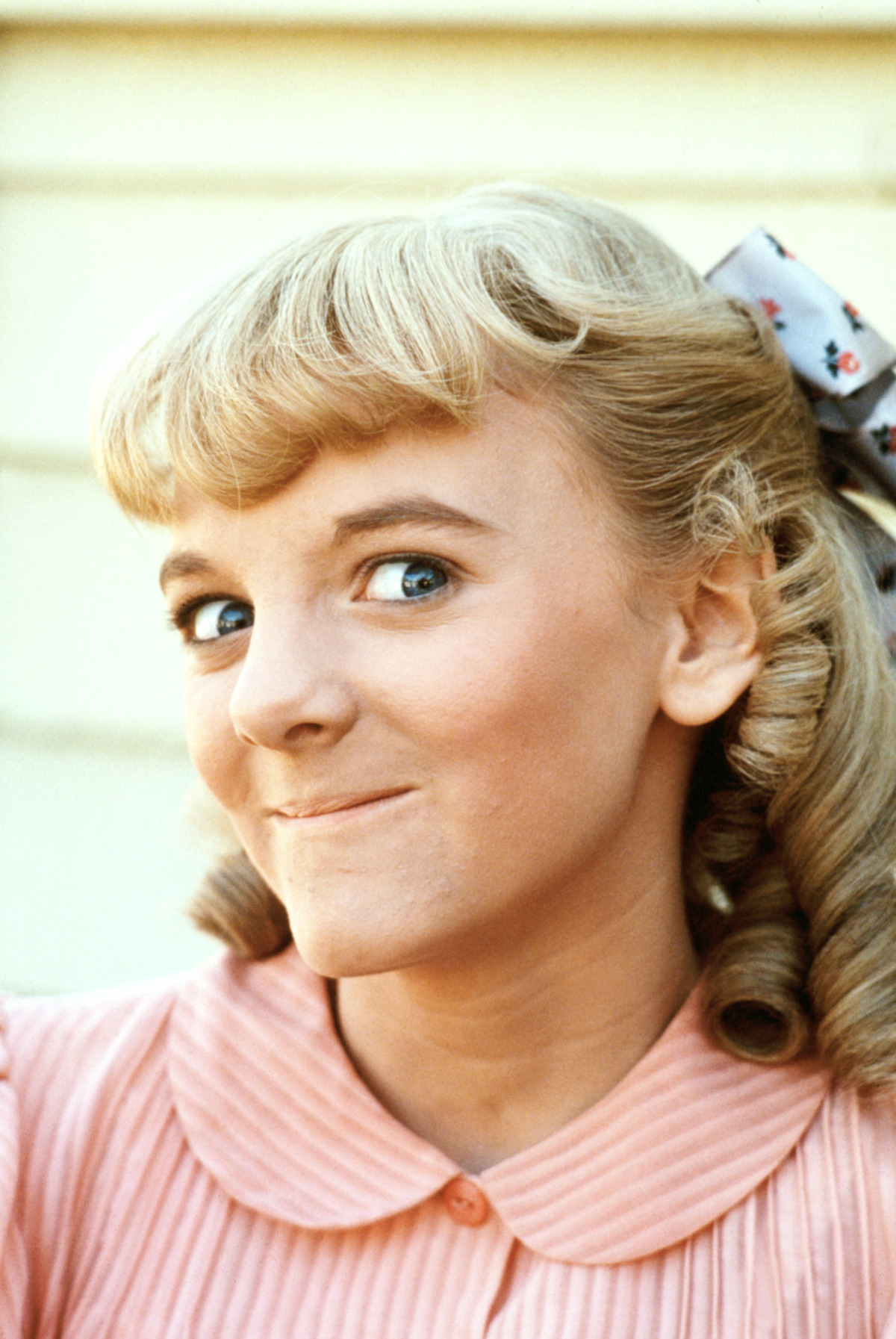
Arngrim: Apparently, I did it right. The trick is, if you do it right, everyone will hate you; and if you really do it right, they’ll eventually love you. I was clearly the villain. I was awful. I was terrible to Laura and everyone — think of the “bunny episode” where I make everybody miserable. And yet people talk about me as iconic and say they love Nellie. They can’t get enough.
There’s a tradition of lovable villains. I adored Vincent Price as a child. Watching Peter Pan, I thought Captain Hook was the best character — he’s terrible, but in the musical he’s “Mrs. Hook’s little baby boy.” You love Captain Hook.
There are villains where you twirl the mustache, and people love it. They’re outrageous. You kind of live vicariously through them. Soap opera villains, the Dallas and Dynasty types, the bitchy characters — you tune in to see what they’ll do next. If you can tap into that, that’s the way to go.
There’s a new Nellie announced for Season 2. How did you react, and what advice would you give her?
Arngrim: Oh my God — I’ve been waiting for the new Nellie for years. I absolutely went bonkers. My advice? Take it and run with it. Enjoy yourself. As far as I know, it’s the most fun part to play ever. There’s enormous fun to be had. Make friends with the other girls — become friends with [the people who play] your mortal enemies on the show. Don’t hold back; fraternize away. Become friends with all the other kids. It’ll serve you well.
Realize — and this is the tough part — if you do this correctly, there will be people who will hate you — and think the show is real. It’s like playing Hannibal Lecter. If you do it right, people will flip out. You need to take that in stride. You need a strong sense of self and a dark sense of humor. Even if the fans don’t separate fantasy and reality, you have to.
There are people genuinely afraid of me, genuinely angry. I’ve had people come up and say, “I hated you. I hate you.” And I go, “Thank you. You’re too kind.” I get it. But if you don’t have that weird sense of humor and solid sense of “This is me, that was Nellie,” it can be rough. So know who you are, and don’t take it personally.
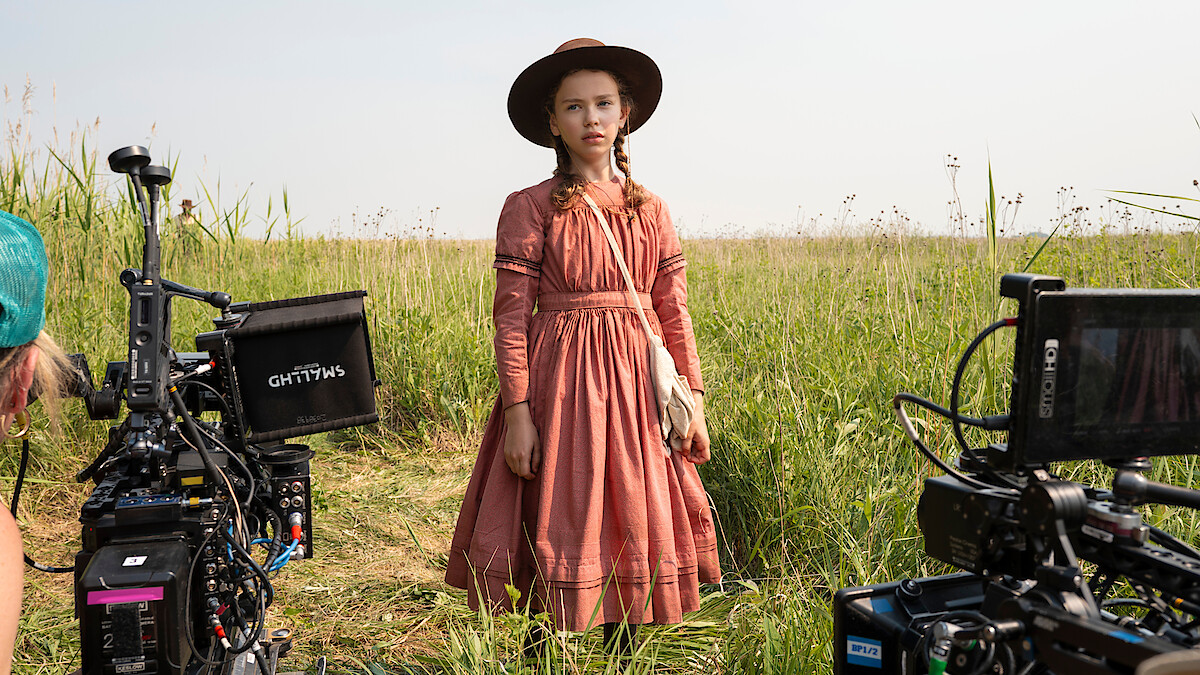
PHOTO BY ERIC ZACHANOWICH
Why do you think Little House on the Prairie, in any incarnation, resonates across generations and even countries?
Arngrim: I keep asking people in other countries, “Why? What does this even mean to you?” They all say similar things: there are all of these fabulous shows where people live in huge apartments and houses — but [most people] don’t live like that. That’s a tiny fraction of the Earth. Most people are living in a small house with a couple of rooms and a bunch of kids, wondering how to make ends meet, what to do if crops fail, how to eat. Everyone’s got a Mrs. Oleson at their job; everyone’s got a Nellie at their school. We can all identify.
They also say it’s all real emotions. It’s life, death, survival — things everyone can relate to. That’s why it’s gone on and on.
You also see a pattern. The books came out in the 1930s, at the height of the Depression. When Laura was a little girl in 1874, it was actually a horrible time — big recession, locust plagues that made Walnut Grove like the Dust Bowl. People around the country were sending charity food and clothing because it was that bad. The Ingalls were really broke and almost starved in the long winter.
Then the books hit during the Great Depression — perfect timing. People who didn’t have enough wanted to read about people who had even less. In 1974, when the show hit, there was inflation. Gasoline was rationed. Beef was rationed. Then here comes Little House. When the world goes to hell in a handbasket, Little House on the Prairie is there for you every single time.
New generations keep discovering Little House. What do you hope young viewers take away from these stories now?
Arngrim: We’re on something like a seventh generation of fans now. Every few years, there’s a new wave. That’s marvelous.
The themes that run through the books, our show, and this new show are: No one is an island. You have your family, your friends; you lean on people in a crisis. Human beings can overcome seemingly insurmountable odds. Death, pain, suffering, disease — those are sadly part of life. But with the love of your family and close friends, you get through.
[Original series co-star] Dean Butler always talks about “the prairie way” — the way people treat each other in Walnut Grove: banding together, protecting the weak, making sure things are done fairly, even when Mrs. Oleson is running loose trying to price gouge people. Certain values are upheld.
Those are excellent lessons. And I think that’s what I hope kids — and grown‑ups — take away: that when things go wrong, you turn toward each other. You build a community. You get through it together.
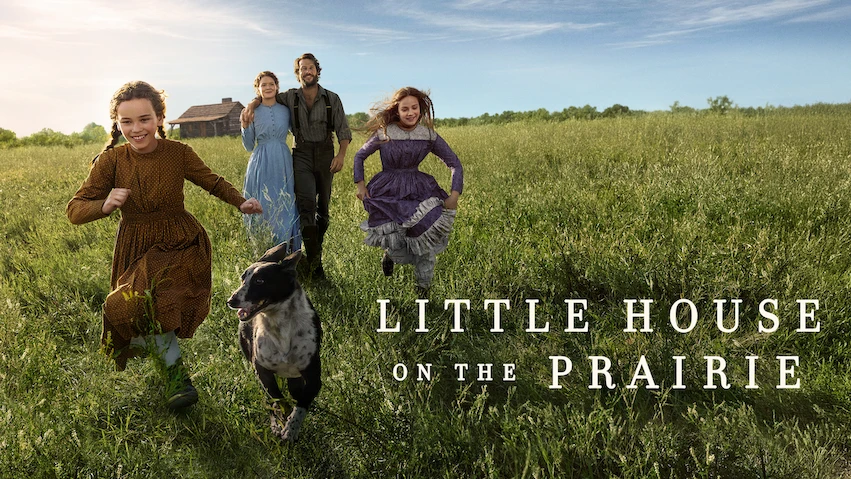
Watch Little House on the Prairie, now streaming exclusively on Netflix.