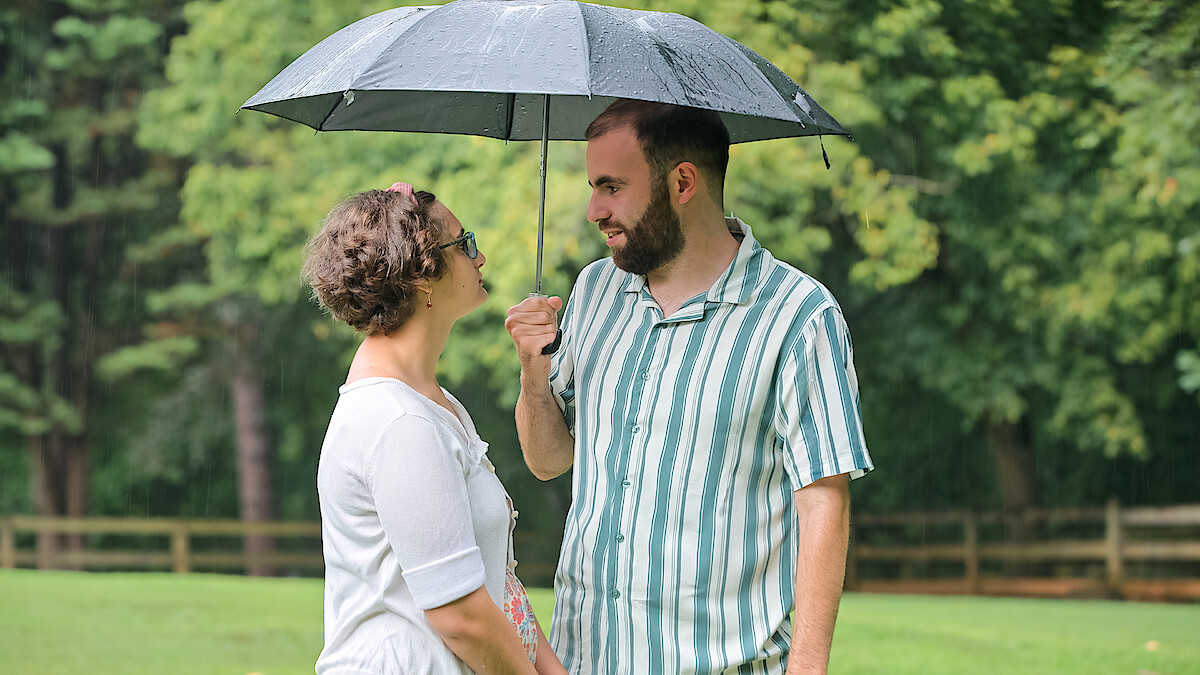
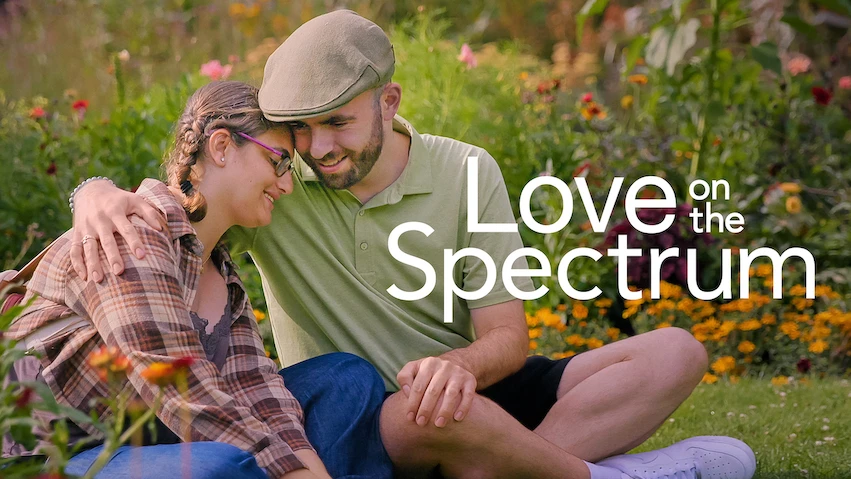
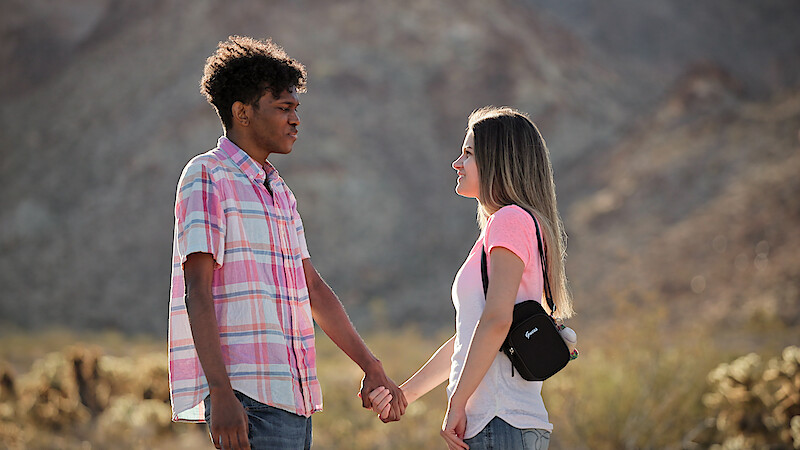
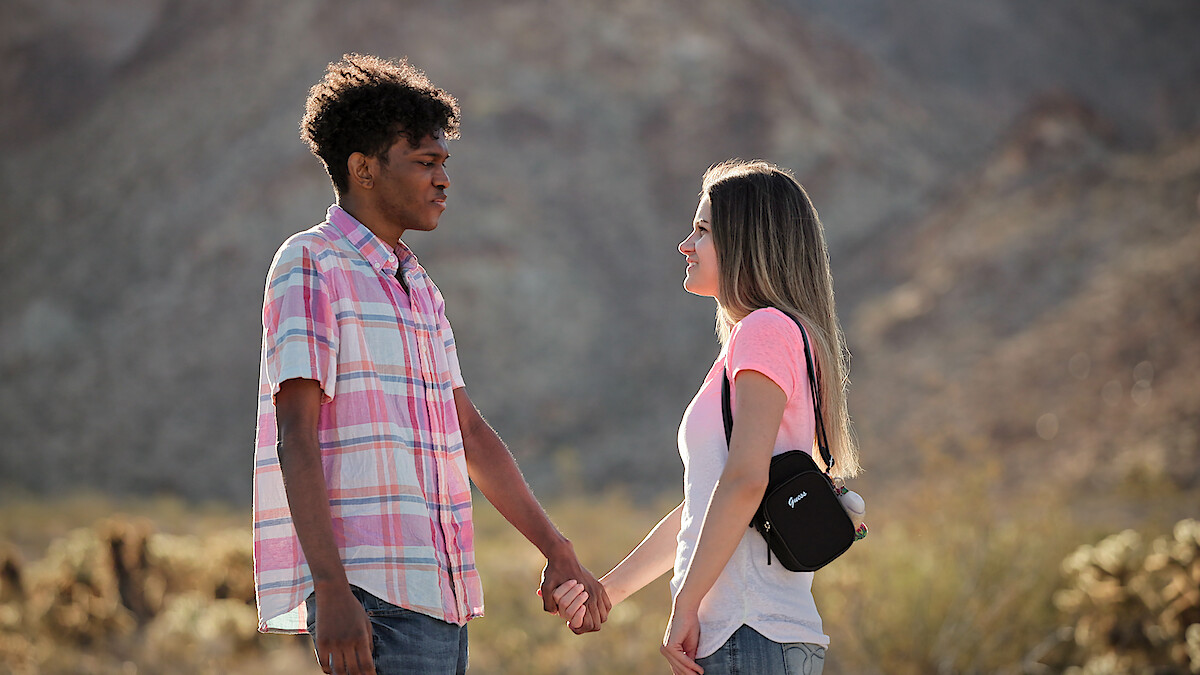
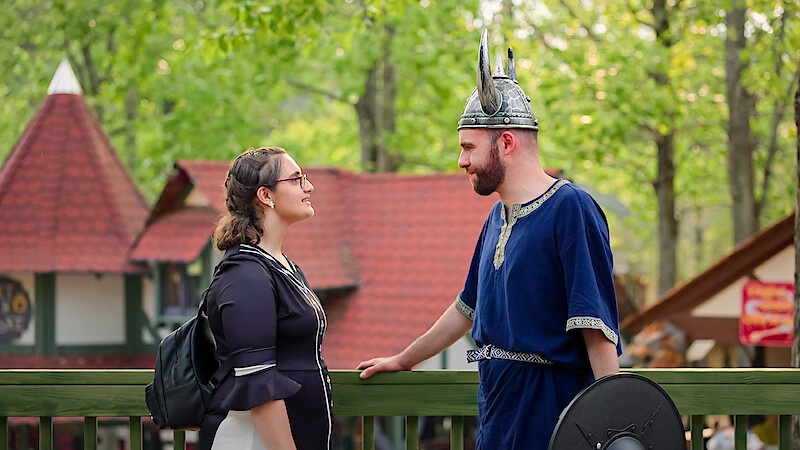
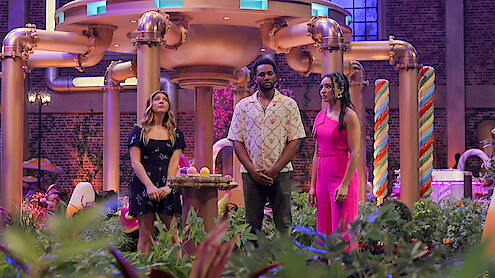
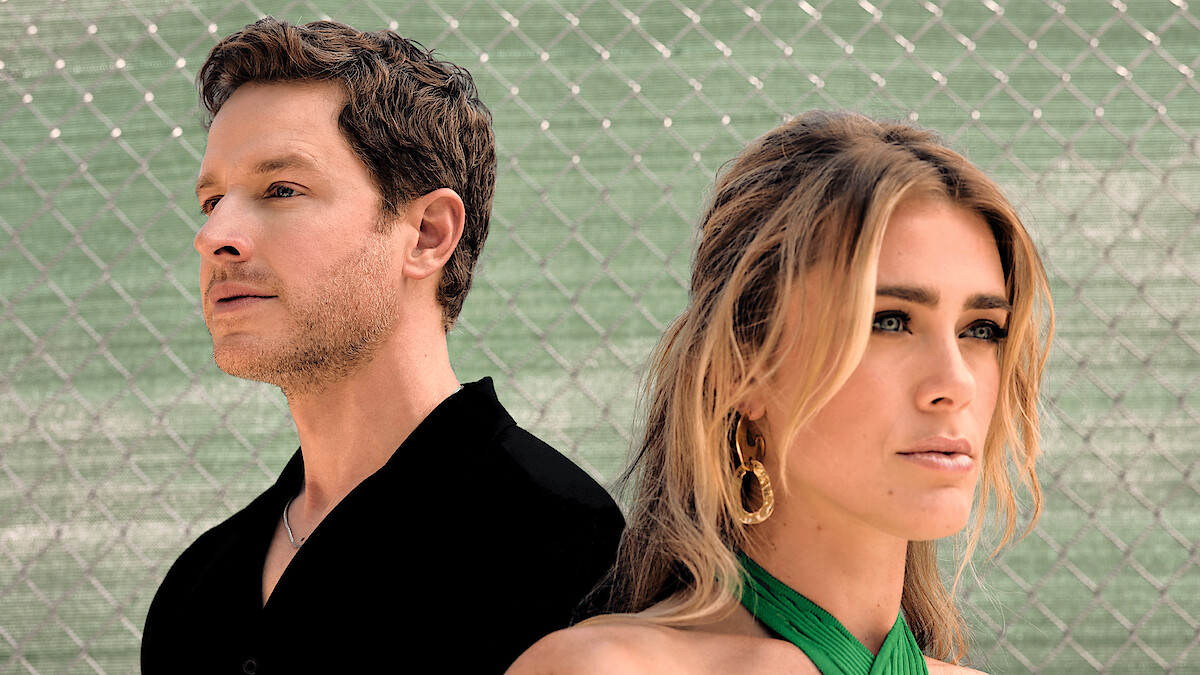
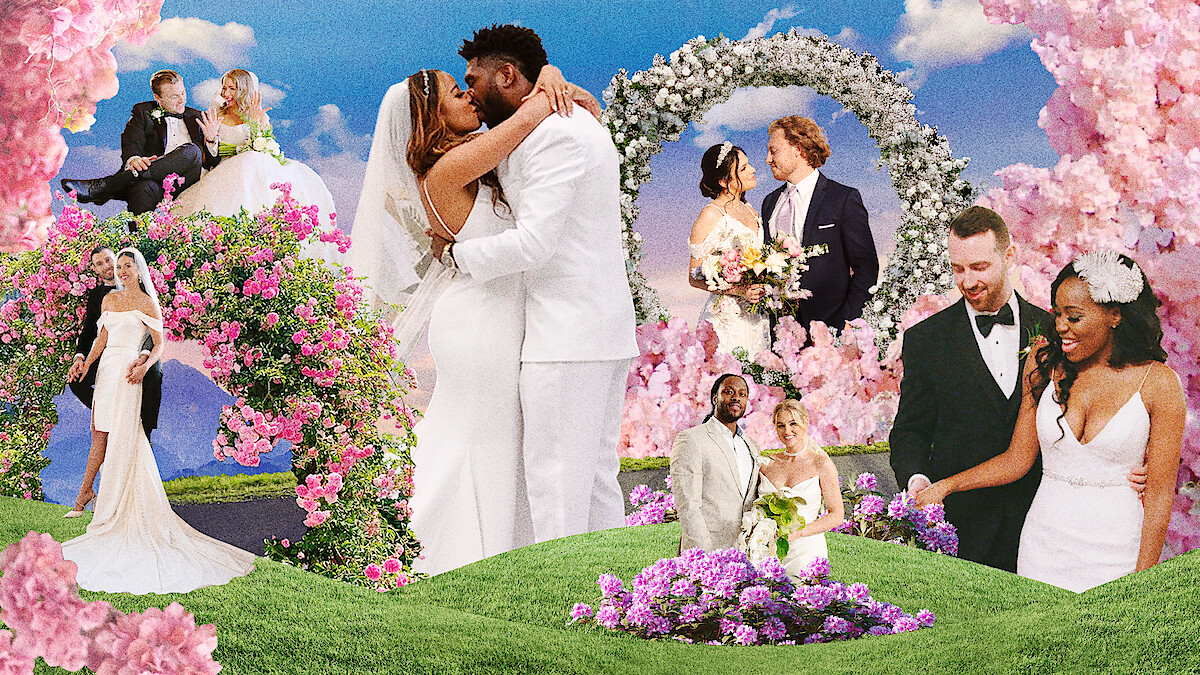
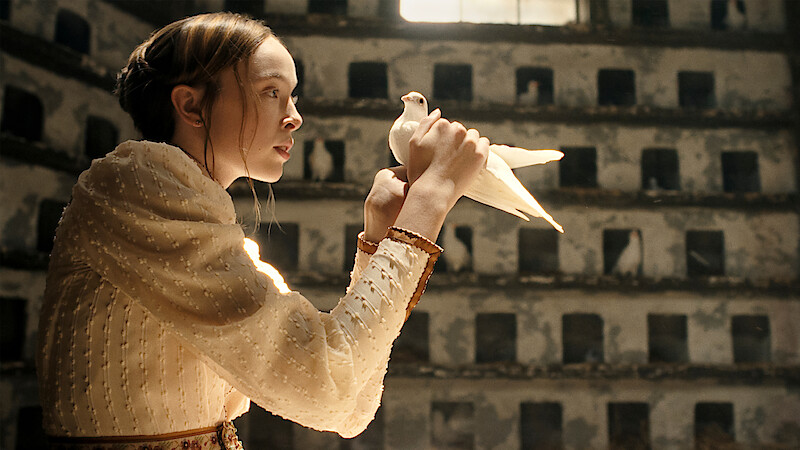
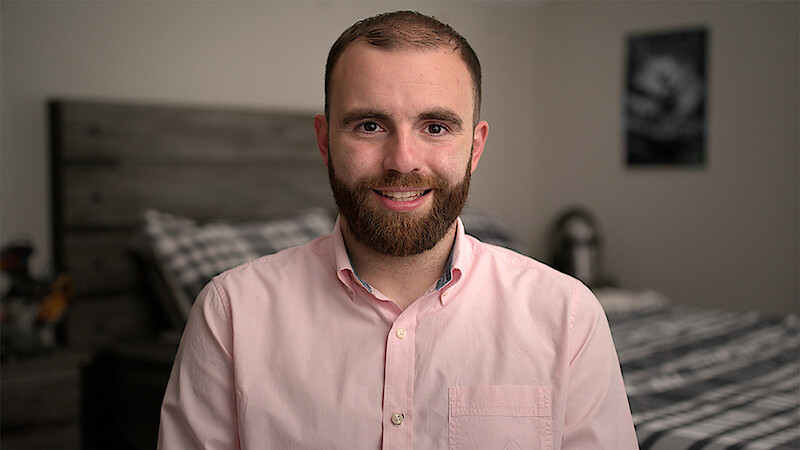
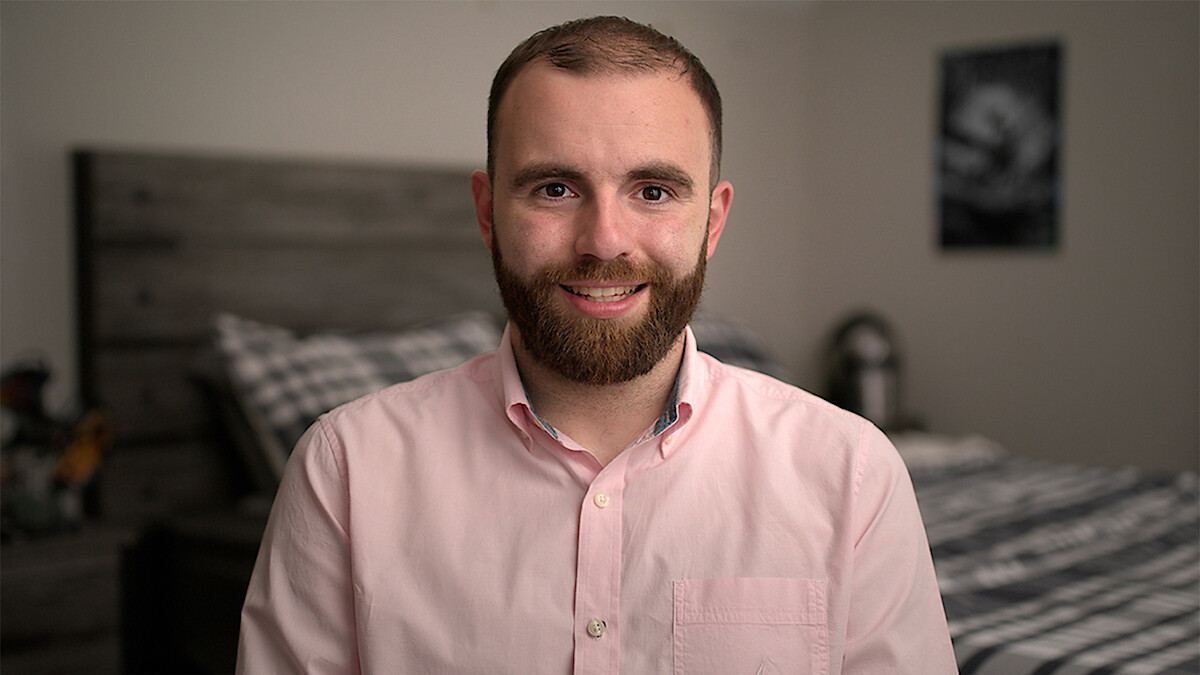
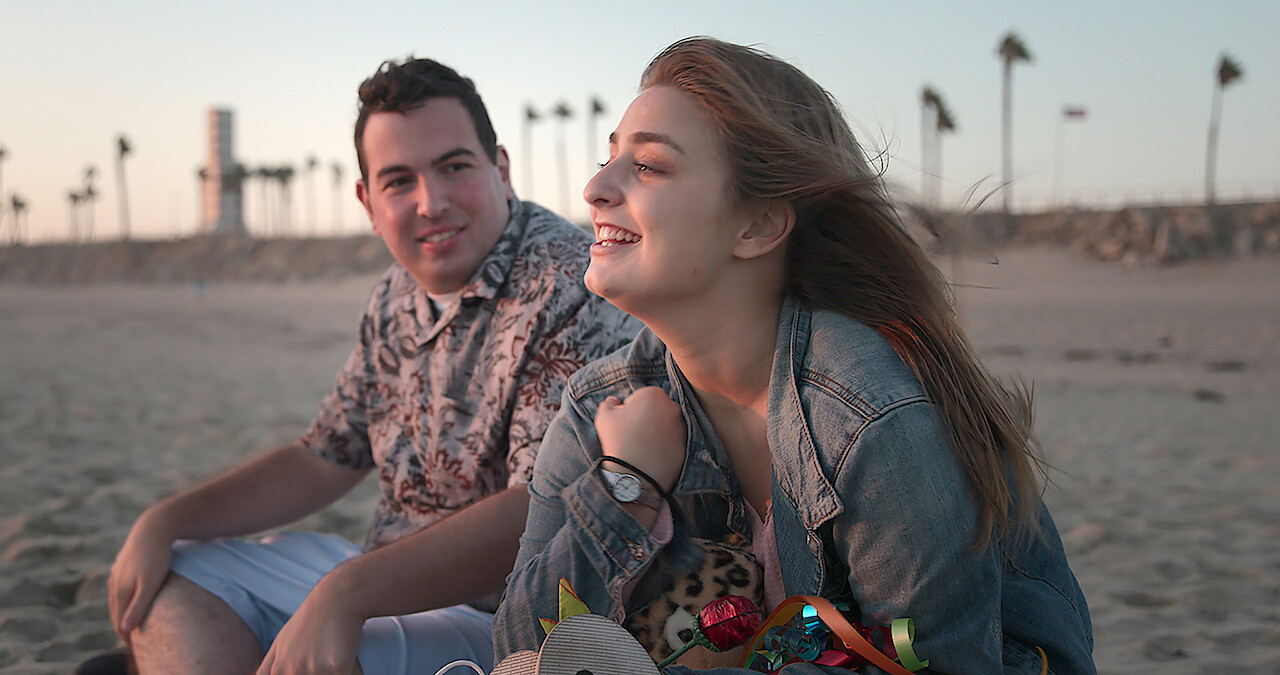
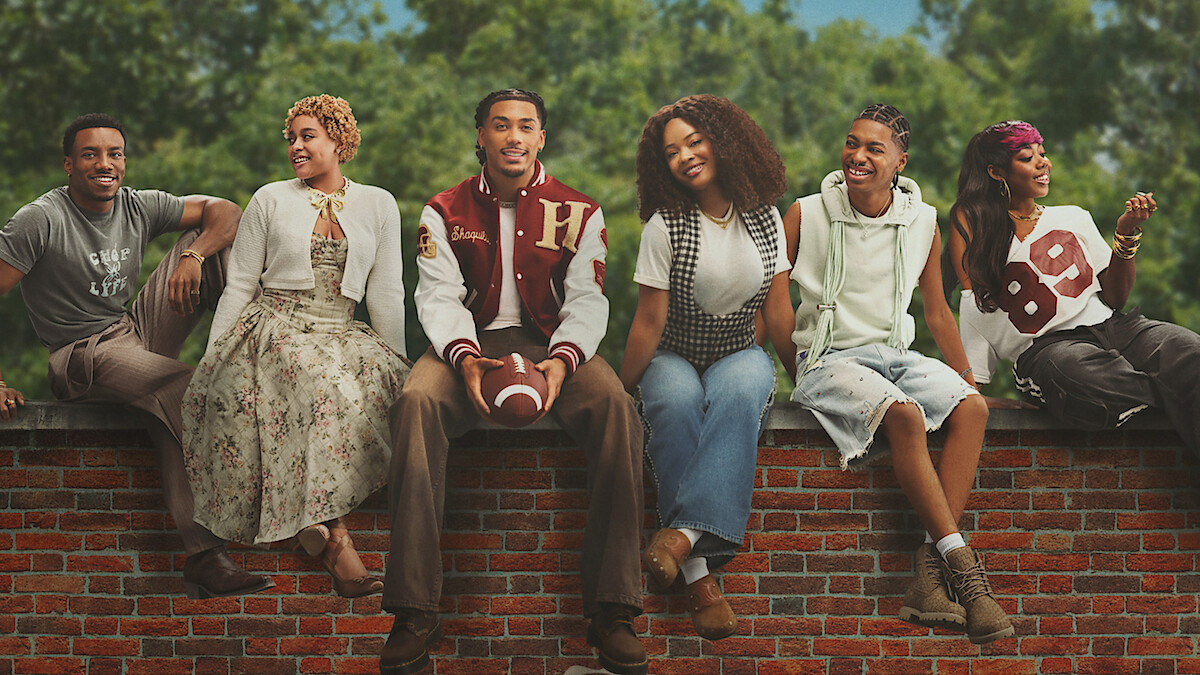
Love on the Spectrum is back for a third season, following a group of young people on the autism spectrum navigating the world of dating.
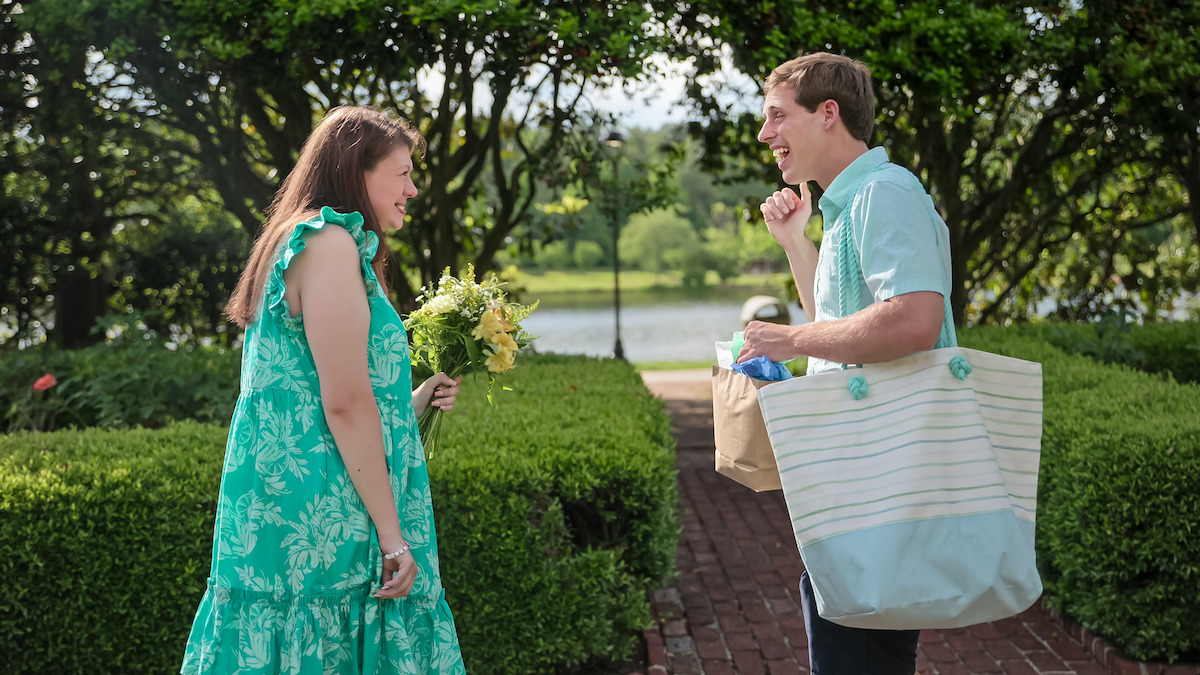
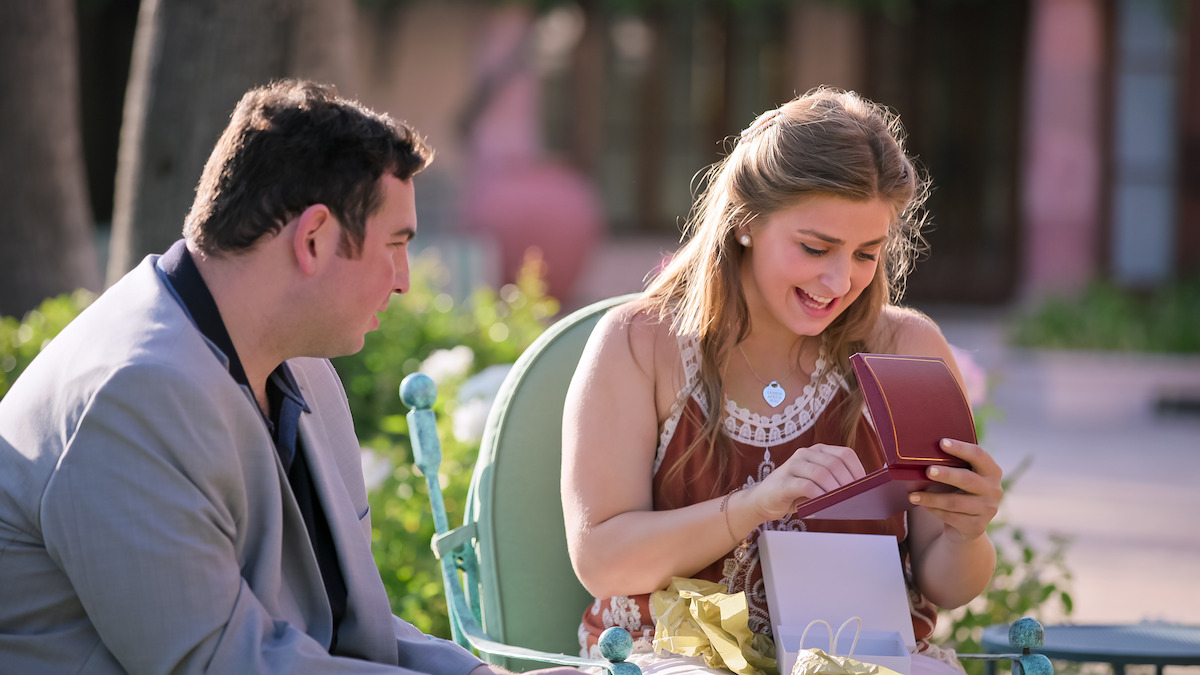
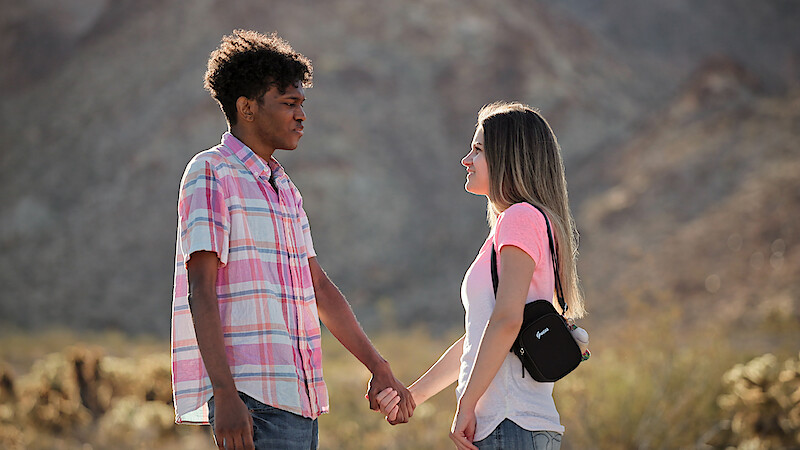
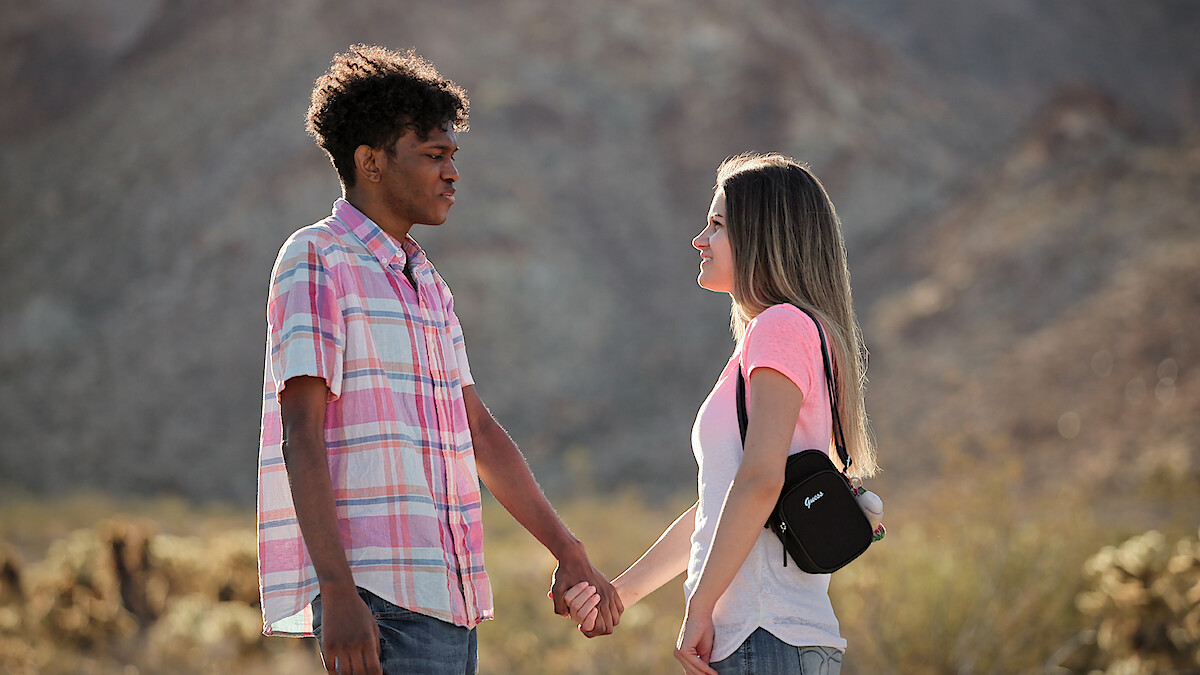
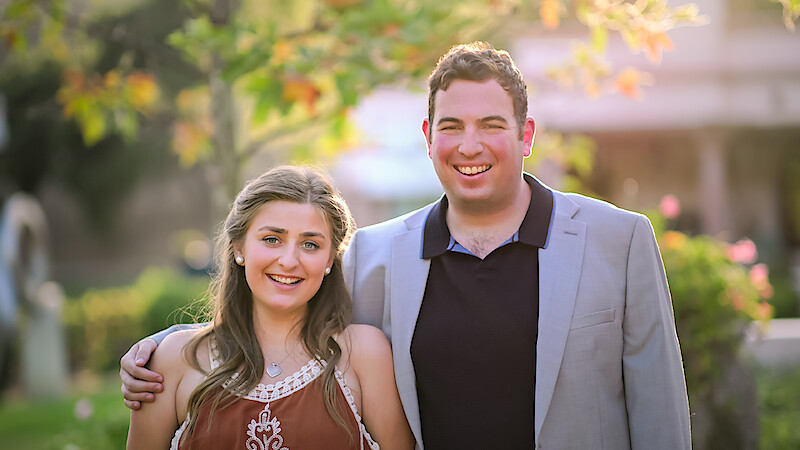
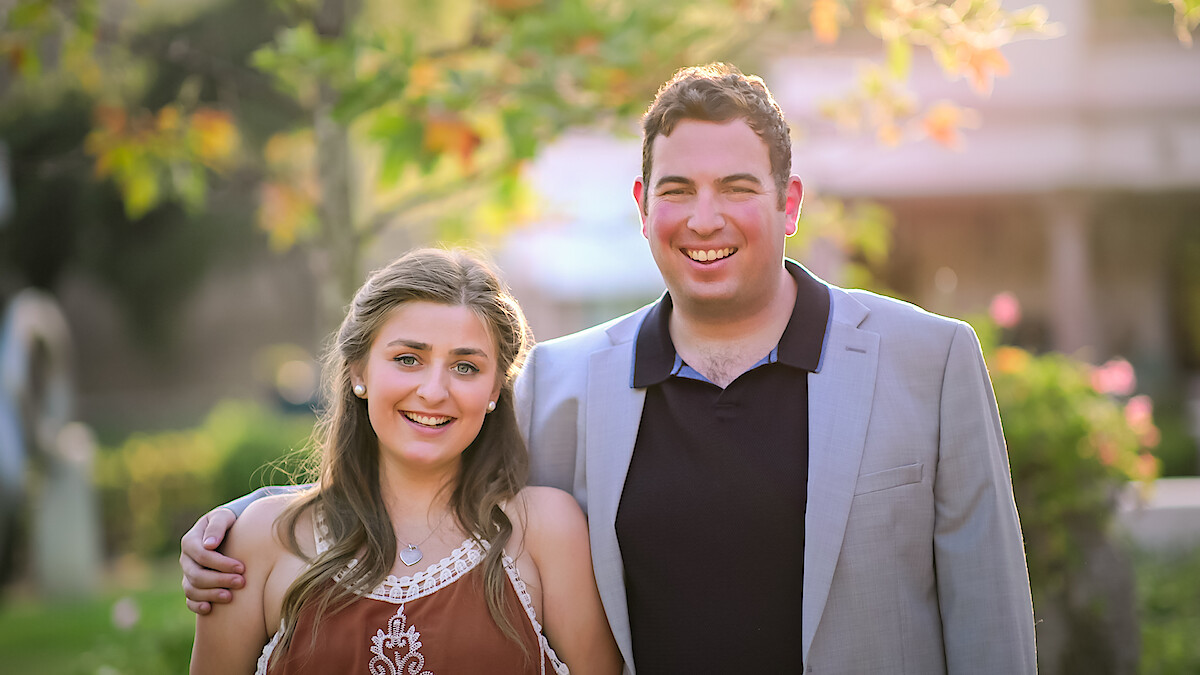
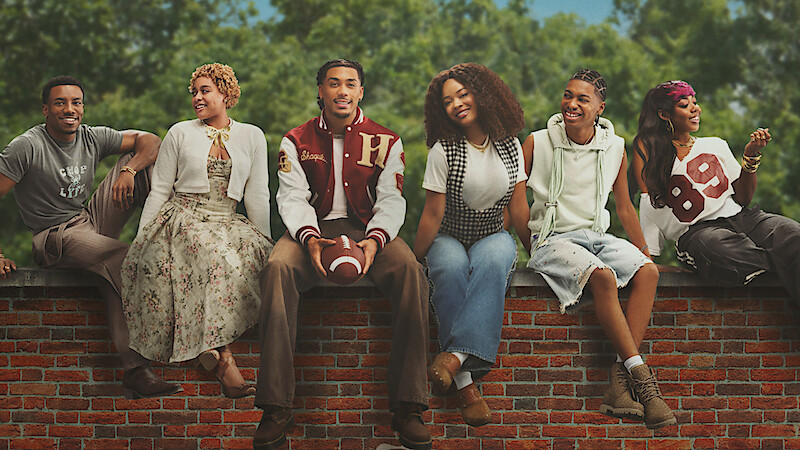
In its latest installment, returning fan favorites Abbey, David, Connor, Tanner, Adan, Dani, and James are joined by newcomers Madison and Pari, on a quest to find love. From monumental anniversaries and the magic of a first kiss to bumpy speed dates and discussions about boundaries, the new season is the Emmy Award–winning unscripted series at its most intimate.
“We’re connecting with people at a deeper level, seeing them blossom and seeing relationships grow,” executive producer and co-creator Cian O’Clery tells Tudum. “Because we’re following a lot of people that we have in previous seasons, [we’re] seeing people develop and continue on their journeys in a way that they have a lot more confidence. You can really feel it.”
That confidence has proven instrumental to Love on the Spectrum’s success, as fans watching since Season 1 have been moved to apply to the series, according to co-creator Karina Holden.
“The show itself has actually become the template for people to then think, ‘That’s what love can look like in my life, and I can be like that character who doesn’t necessarily fit the typical stereotype.’ The uniqueness of individuals within Love on the Spectrum has allowed people to be confident to pursue their version of relationships and friendships and love.”
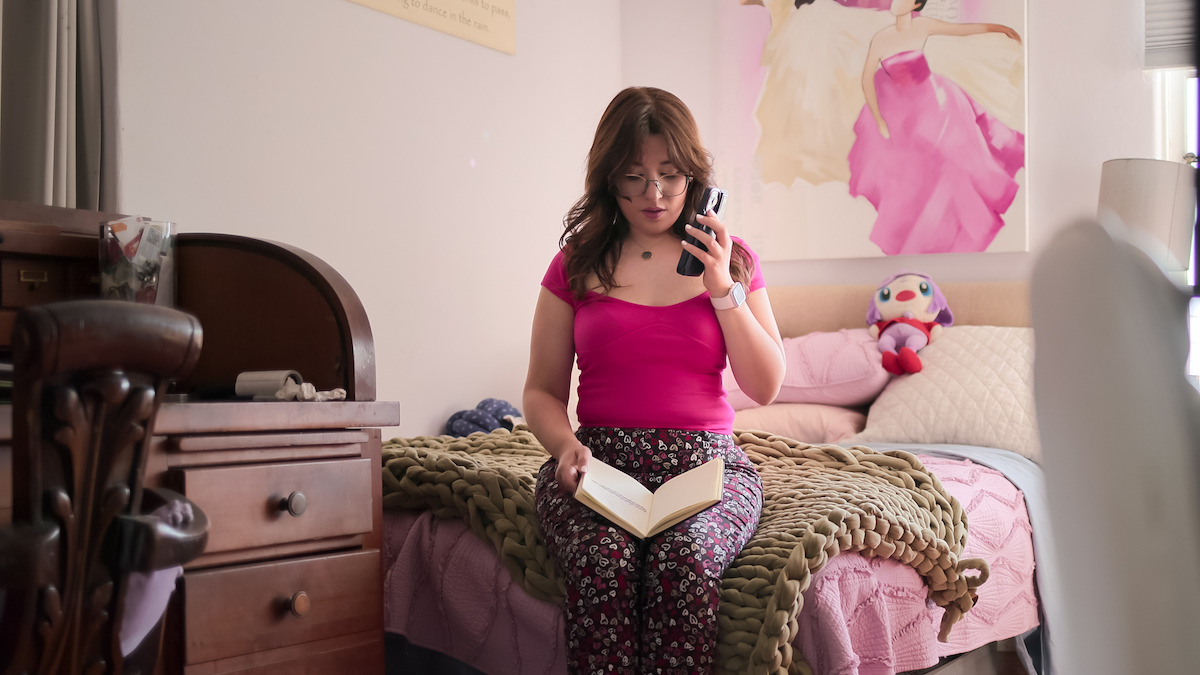
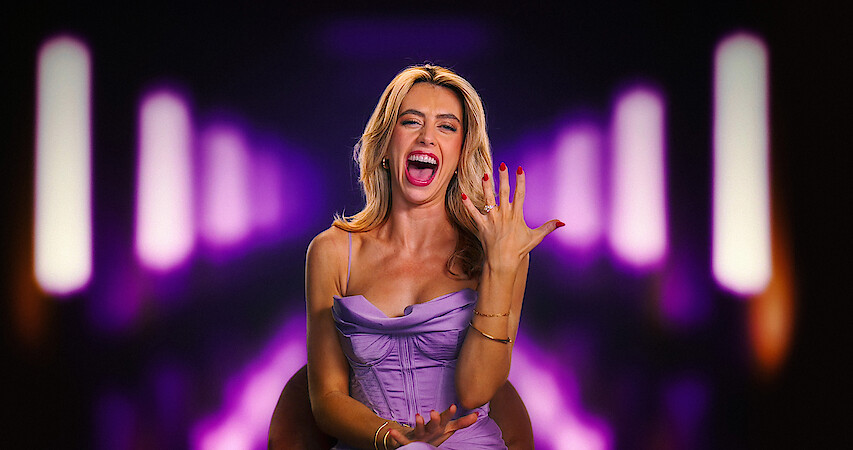
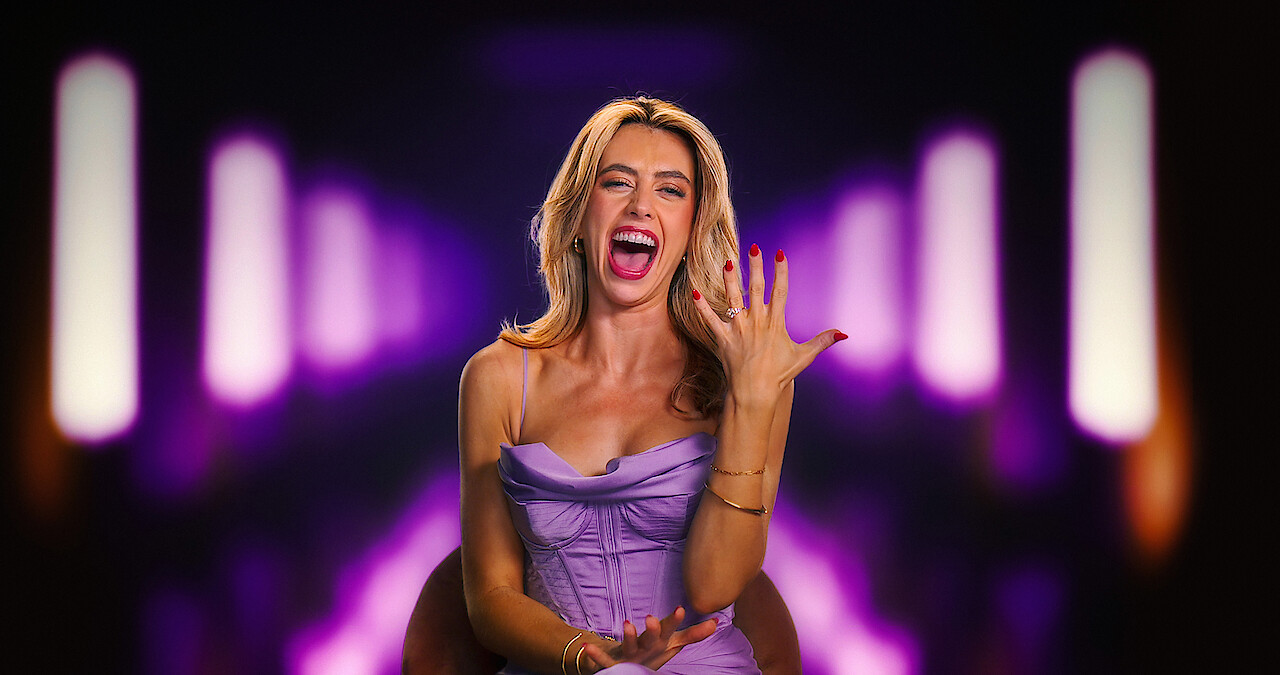
This season welcomes two new faces into the fold: Boston native and transit enthusiast Pari and American Girl doll collector Madison, who credits Abbey and David’s story with helping her realize she too could find love.
For the show’s creators — who also lead the casting team, a rare thing in the world of unscripted television — finding participants is about showcasing the diversity of the community and surfacing stories fans can become invested in. “You want to find people that you just automatically root for and really connect with their strong desire for love. Is this someone whose journey you can get behind, and immediately they light a fire within you?” Holden says. “The important thing for us is to keep evolving, meeting new people, and expanding the audience’s perspective. We feel like a little bit of fresh storytelling with new characters is always going to help this series.”
O'Clery and Holden’s approach to production is grounded in the immense trust they’ve built with the show’s participants and their support systems. “It’s quite amazing actually how quickly people feel comfortable with us,” O’Clery says. “We’re a really small crew. I shoot second camera, and I’m directing. A lot of similar shows will have 12 people coming into someone’s house. But we think it’s really important to keep a really local footprint [because] it just enables you to be able to shoot stories in a very truthful and honest way."
That holds especially true for Season 3, which embraces new territory, as the daters engage in frank discussions about sex and intimacy. “We're following people’s stories and where they’re at. This is just a natural thing that was developing with Dani and a little bit with Connor as well,” O’Clery tells Tudum. “It’s a show about dating and relationships, so we didn’t feel like we should shy away from it.”
Adds Holden, “It’s all about agency, isn’t it? We're never going to film anything that’s gratuitous, but we are absolutely going to normalize sex in relationships. If this topic comes up — just as any topic comes up about family, grief, hard things, as well as positive things — we have to lean into the human condition and the way that people take on their challenges and the things that are important to them.”
Key to the storytelling is how Love on the Spectrum is assembled in the editing bay. The series uses a team of editors, including Rachel Grierson-Johns, Leanne Cole, John Rosser, and Gretchen Peterson, with a background in documentary filmmaking to ensure the narratives brought to screen are true to life. It is an intensely collaborative process, with each editor first focused on building individual arcs for every dater. Only then are each of these stories woven together by the team into a tapestry that encompasses the larger story of the season.
“It’s that process of deciding how we’re going to balance it and how their arcs fit together,” Cole tells Tudum. Adds Rosser, “You want a real mix and a contrast in each episode and some happiness and some sadness and some funniness and some emotion. It’s very much like a jigsaw puzzle when it comes to deciding the running order of each episode.” The nature of their workflow allows for fresh perspectives throughout the editing process that can be crucial to the final product. “You can see with different eyes, it brings something out, and you go, ‘Oh, I didn’t think of using that shot that way,’” Grierson-Johns says.
Distilling hours of footage into seven episodes can be a daunting task, which necessitates leaving precious moments on the cutting room floor. The editing team reiterates that their goal is “don’t break the story,” as Peterson puts it, and to keep a delicate hand on the cuts they make in any given scene. “It’s an incredibly vulnerable place to be — to be on a date, let alone being on the spectrum and on a date. When we’re cutting, we’re very much aware that you’re just using your own emotions to go, ‘How would I feel if someone just said that to me?’ It’s just trying to use that human touch,” Peterson says.
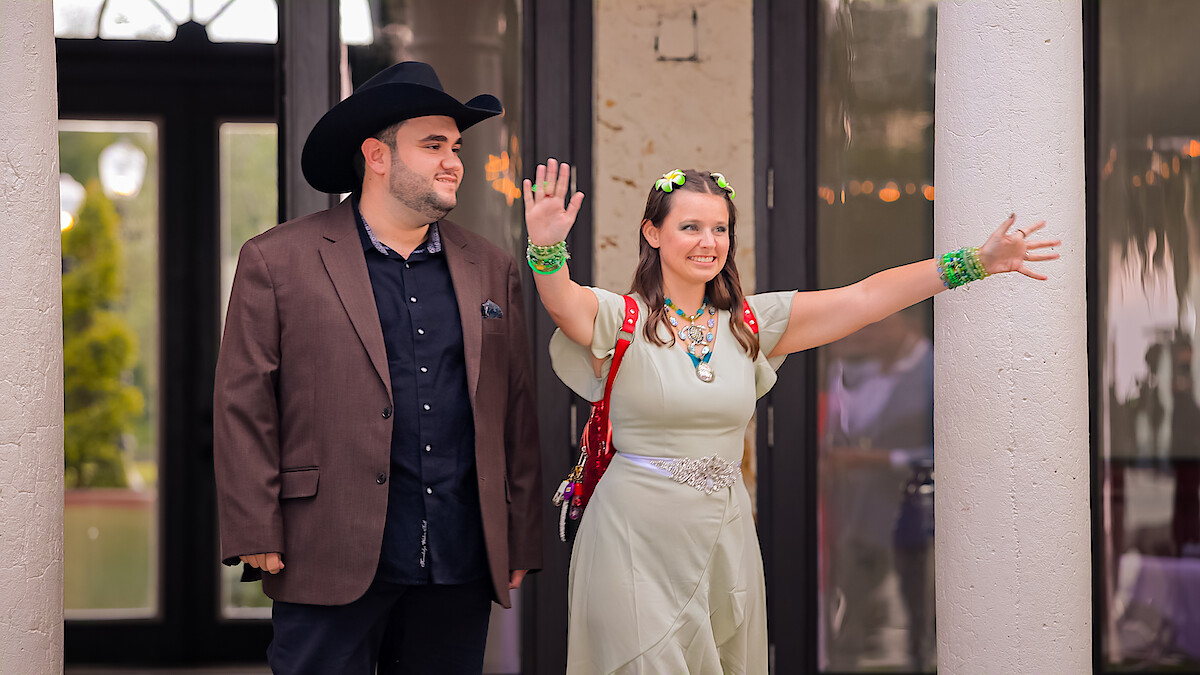
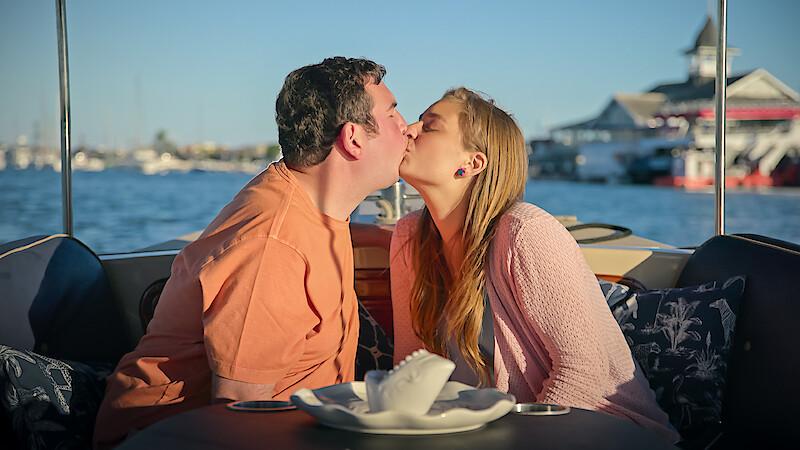
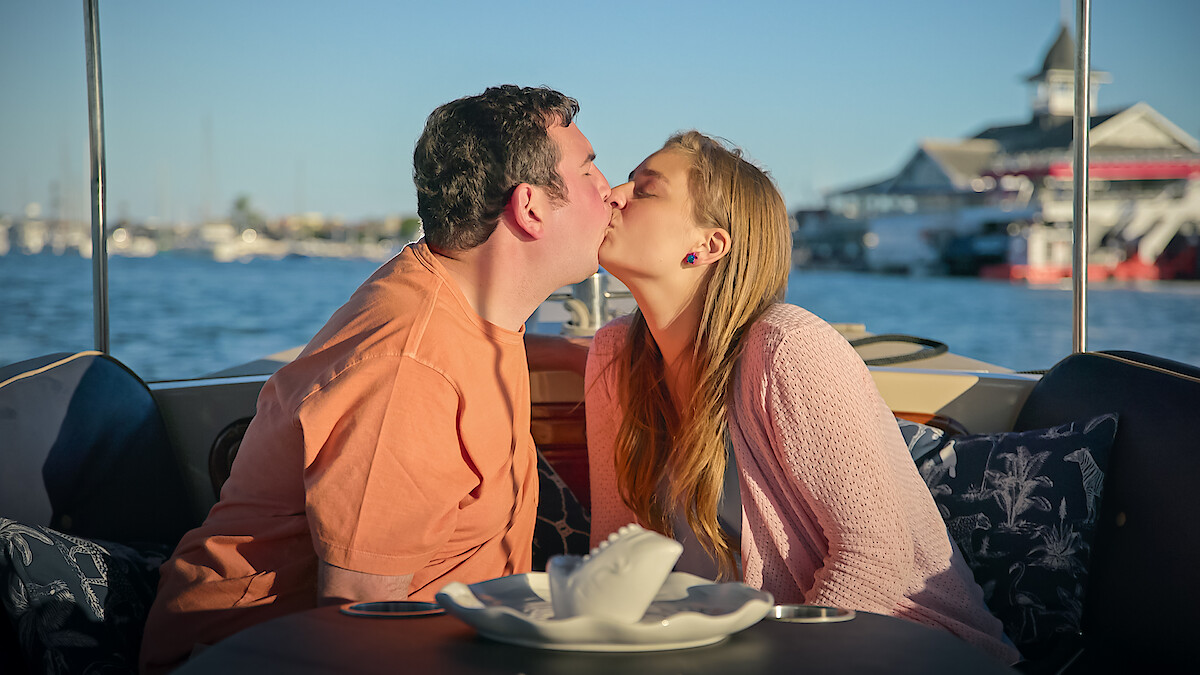
Love on the Spectrum is not afraid to show the highs and lows of the participants’ journeys, which makes the milestone moments like Abbey and David celebrating their three-year anniversary as a couple all the more triumphant.
“We have no idea where that story’s going to go. We have no idea how many times we’re going to go back to visit these people. We have no idea how many dates we might film,” O’Clery says. “It’s all just kind of worked out as we go and what's feeling right in terms of their individual stories.” Holden agrees: “With this show, it always builds. That’s because you get invested and deeper into the storytelling. By the time you get to the end of Season 3, you are just so drawn in. It’s such an incredible build and a beautiful payoff for so many stories.”