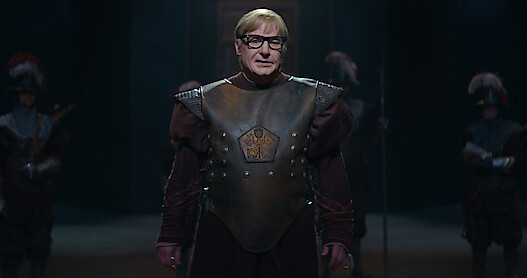
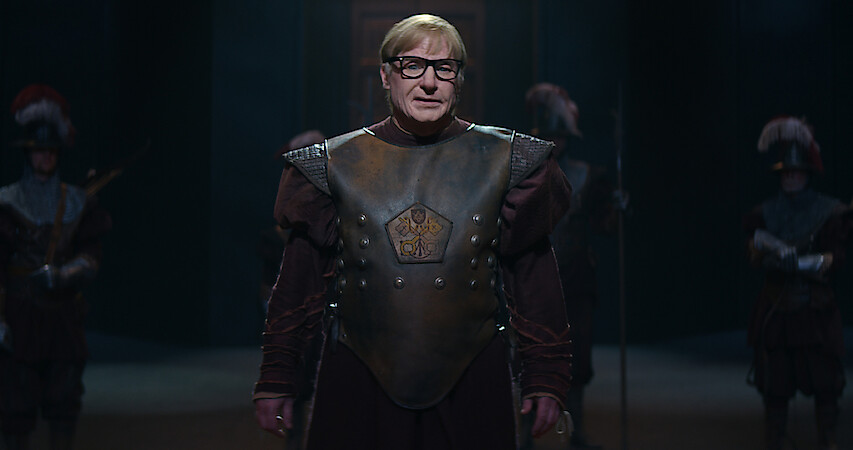
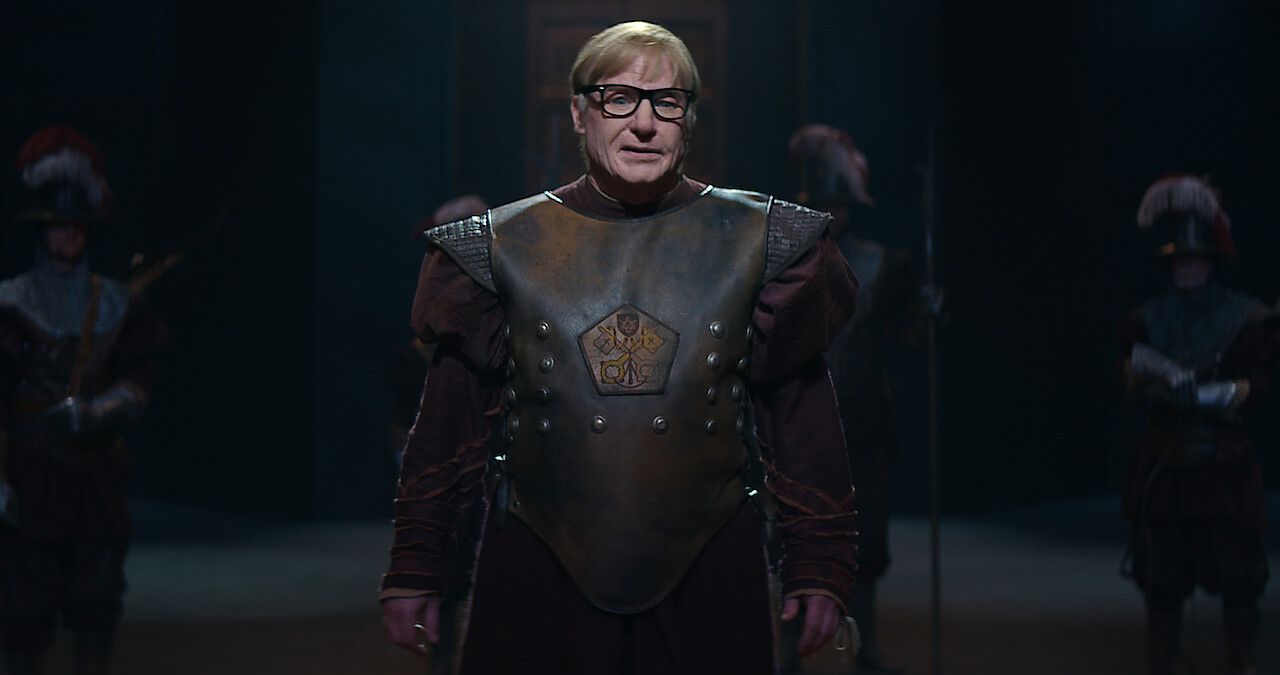
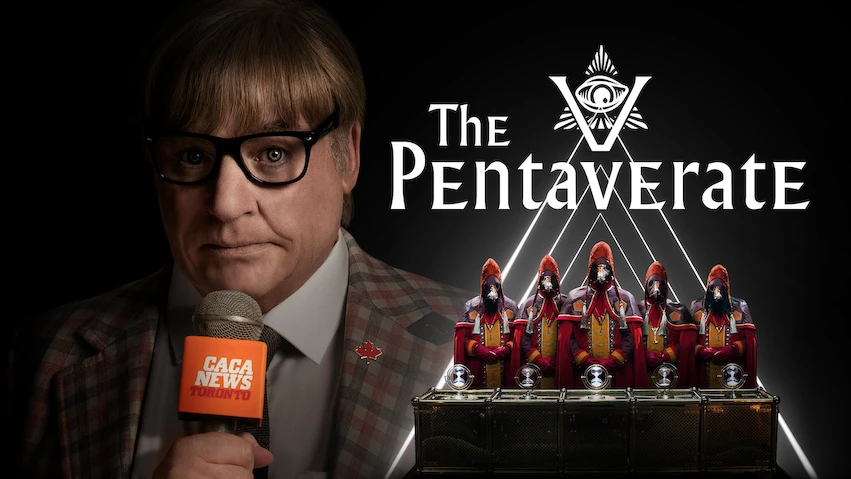
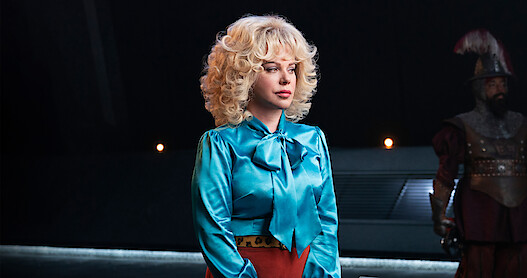
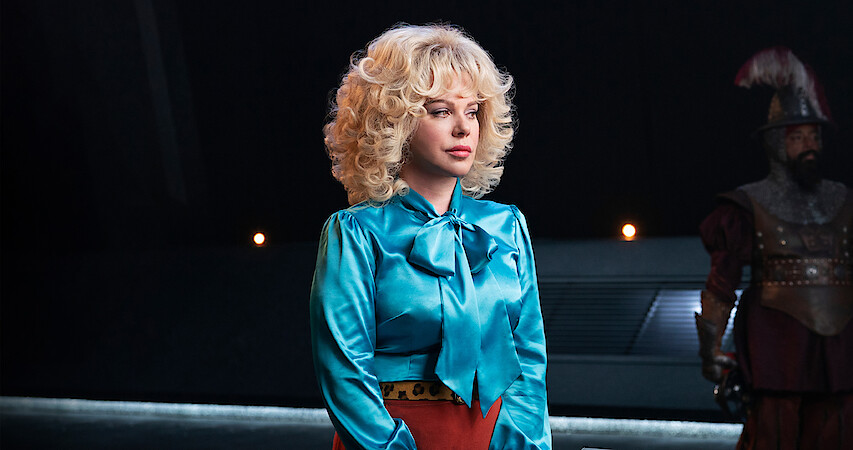
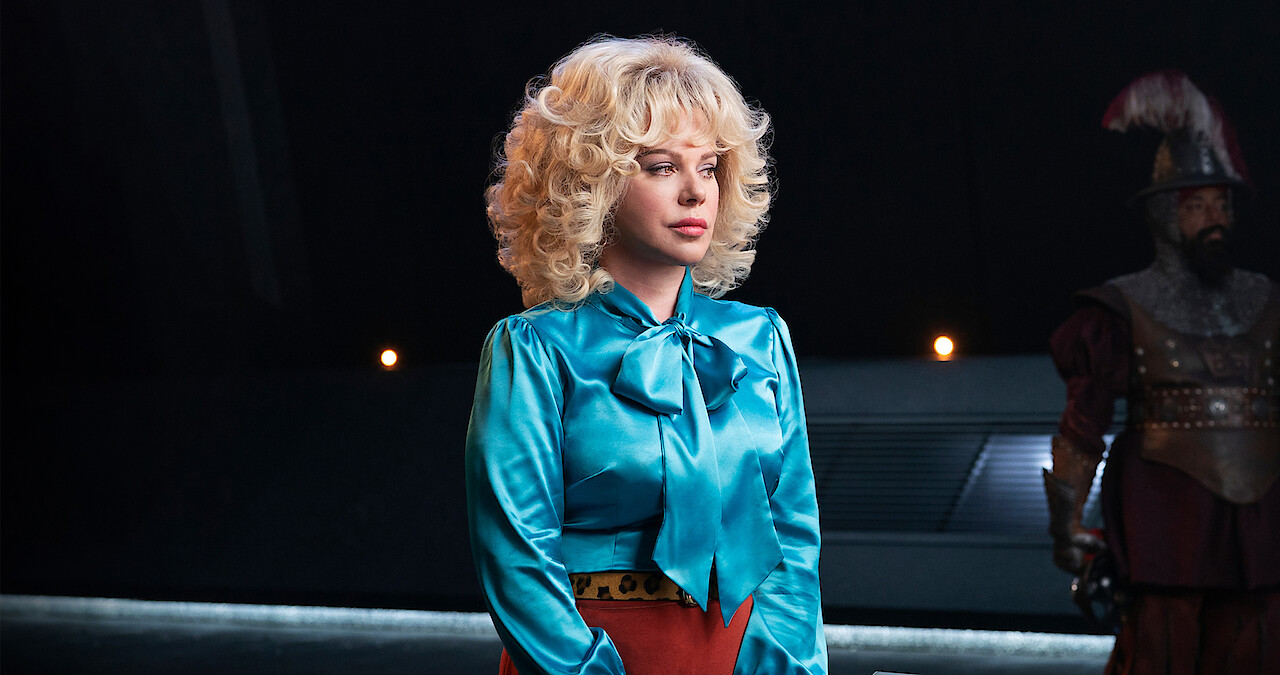
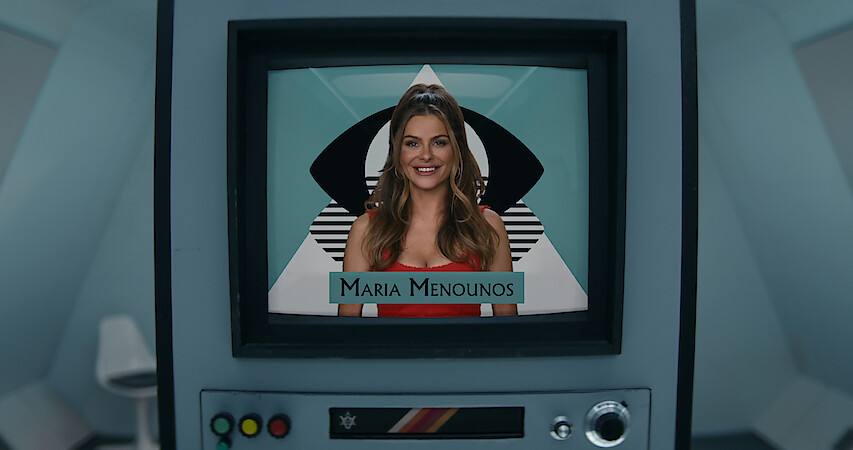
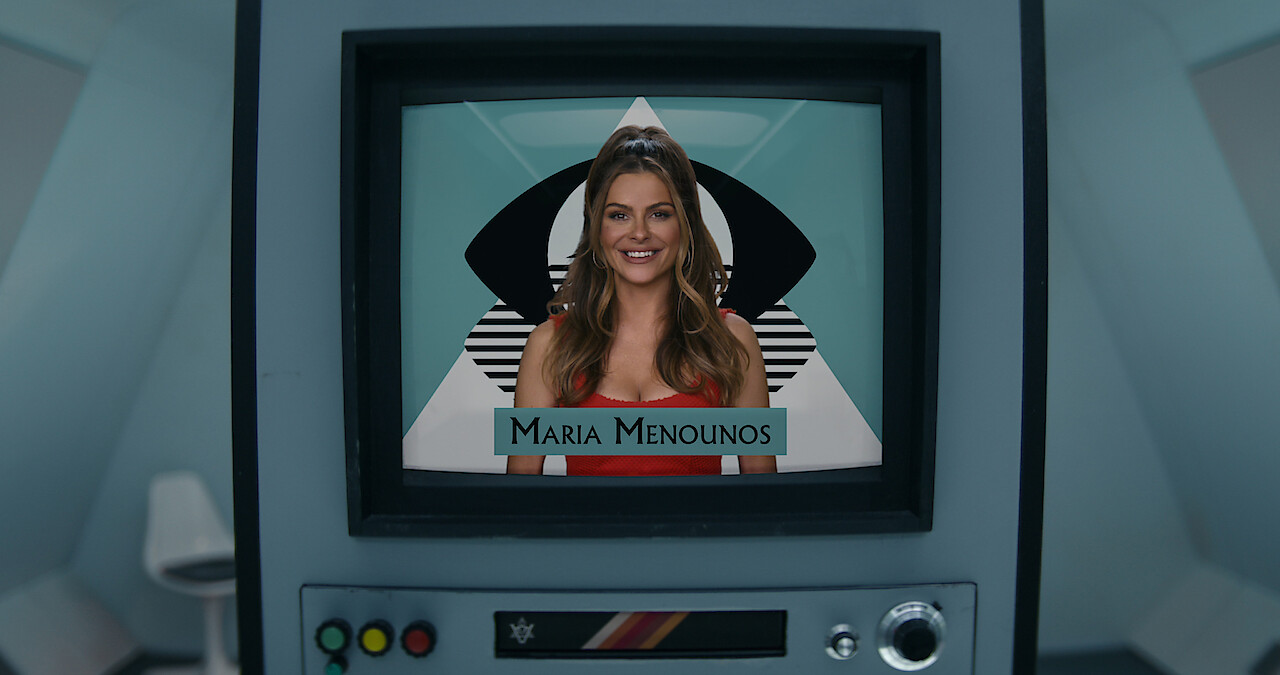
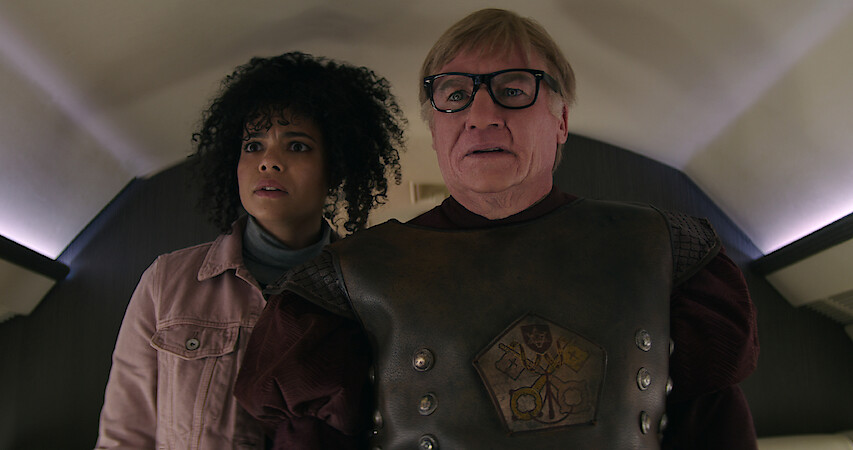
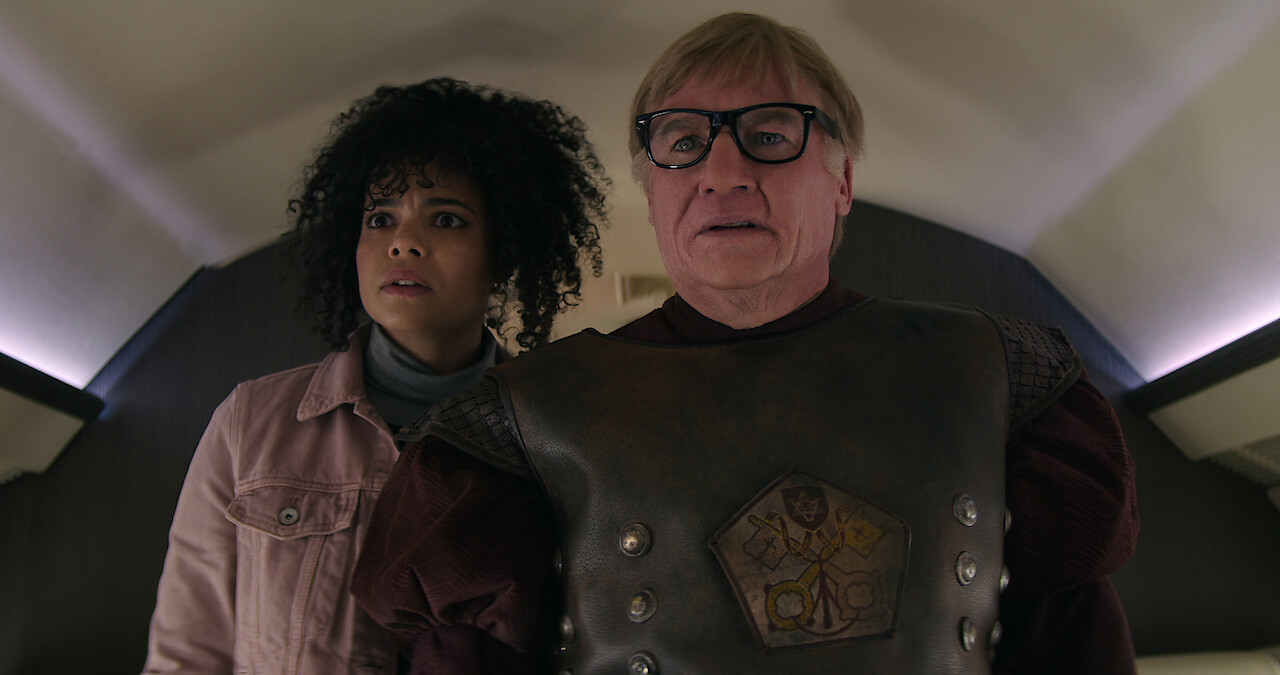
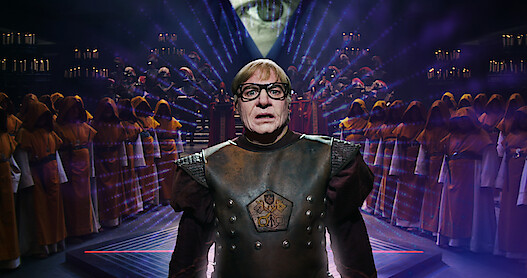
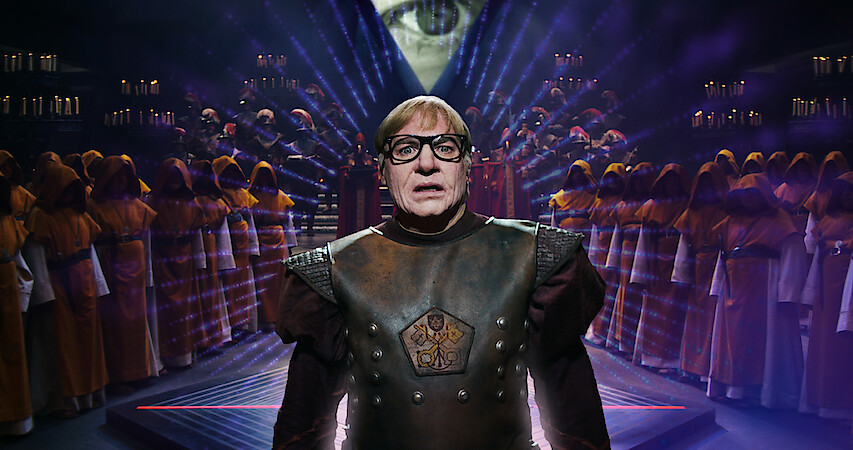
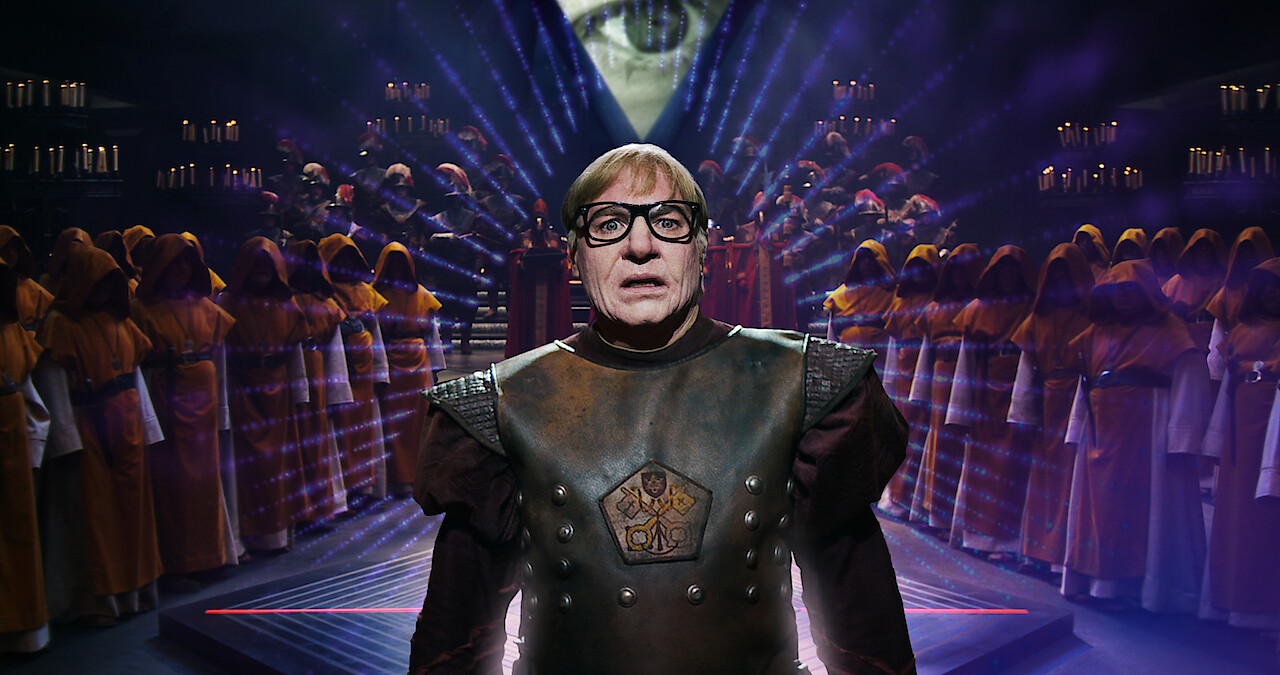
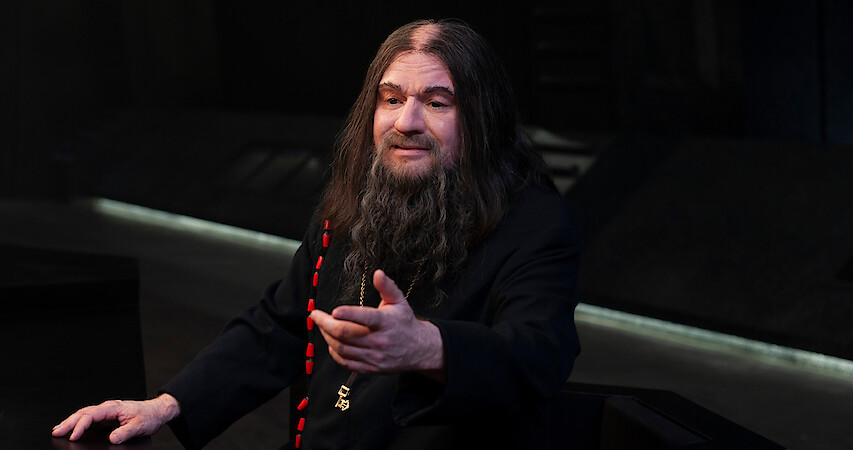
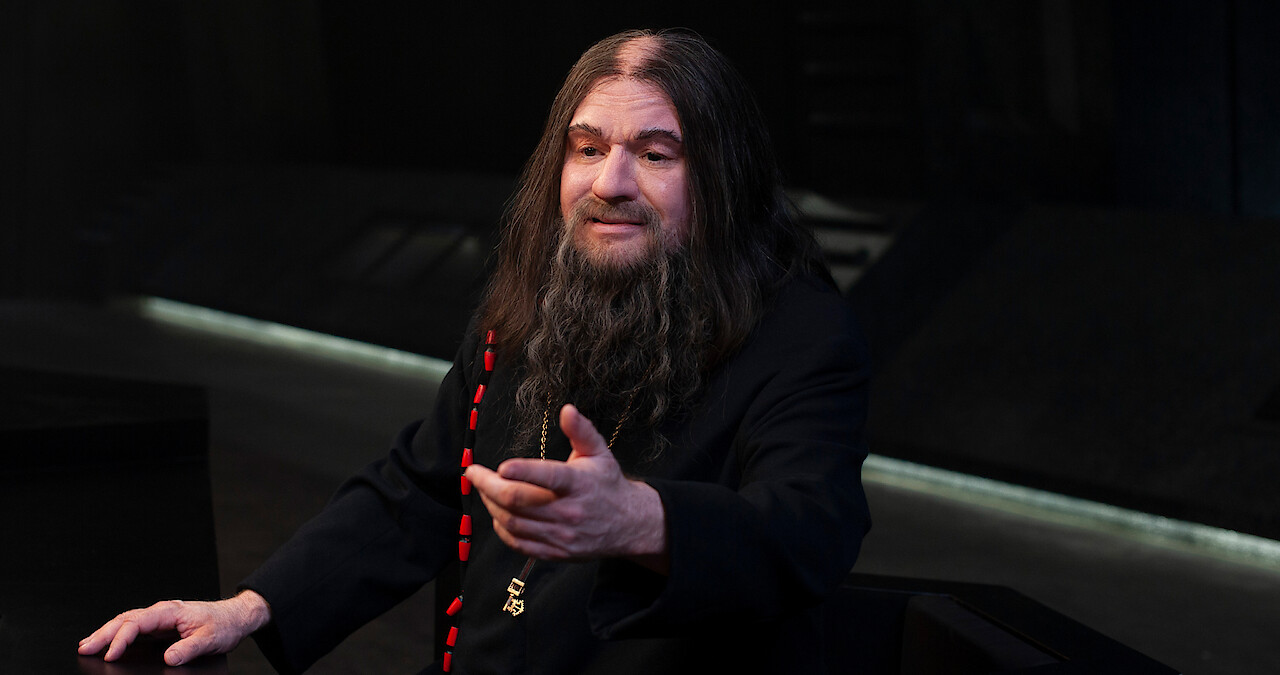
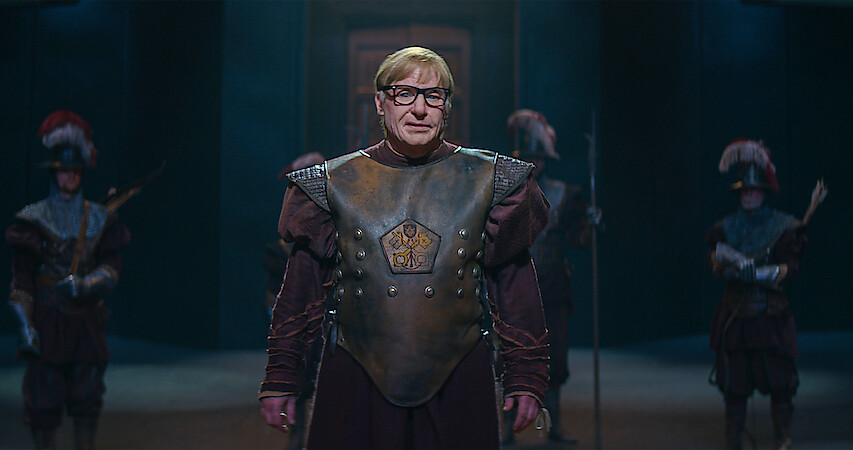
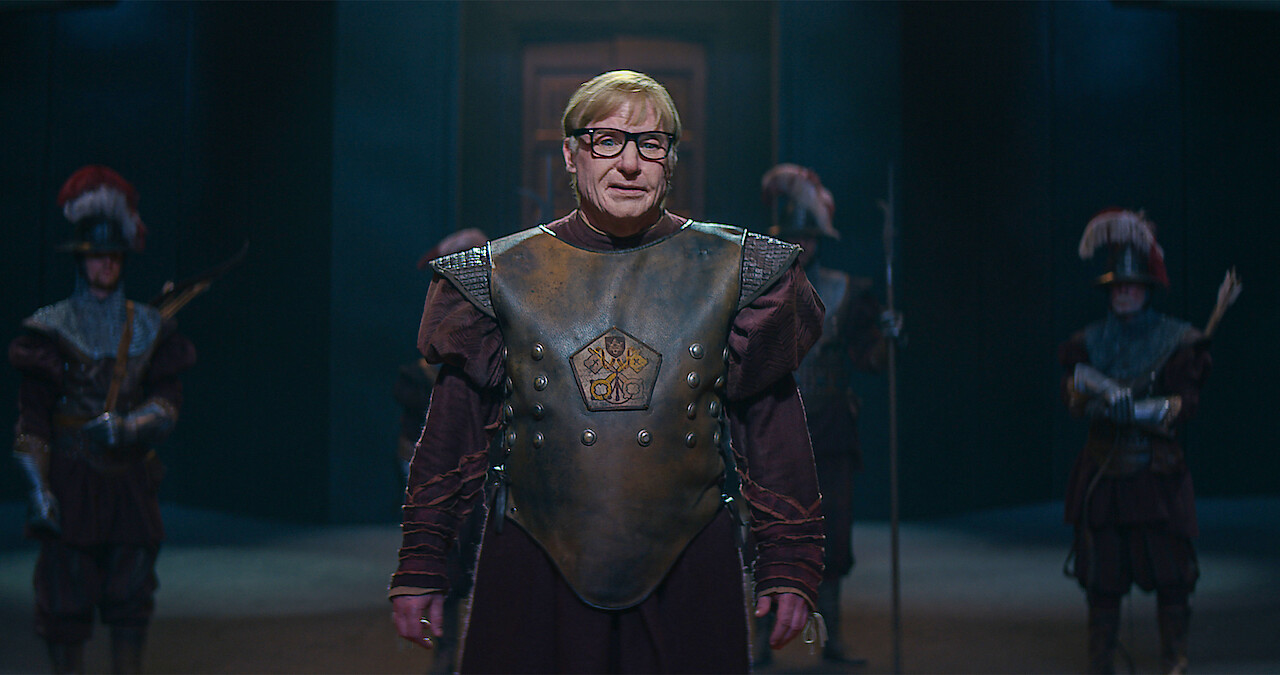
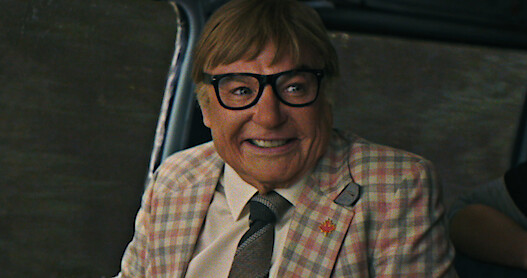
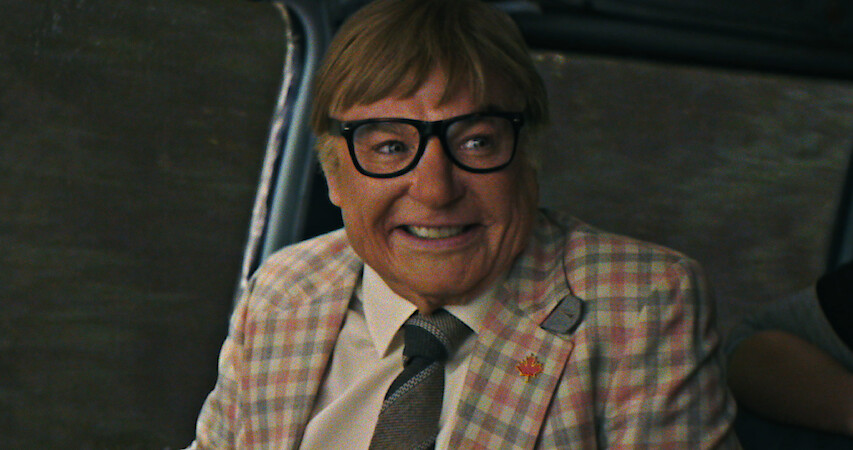
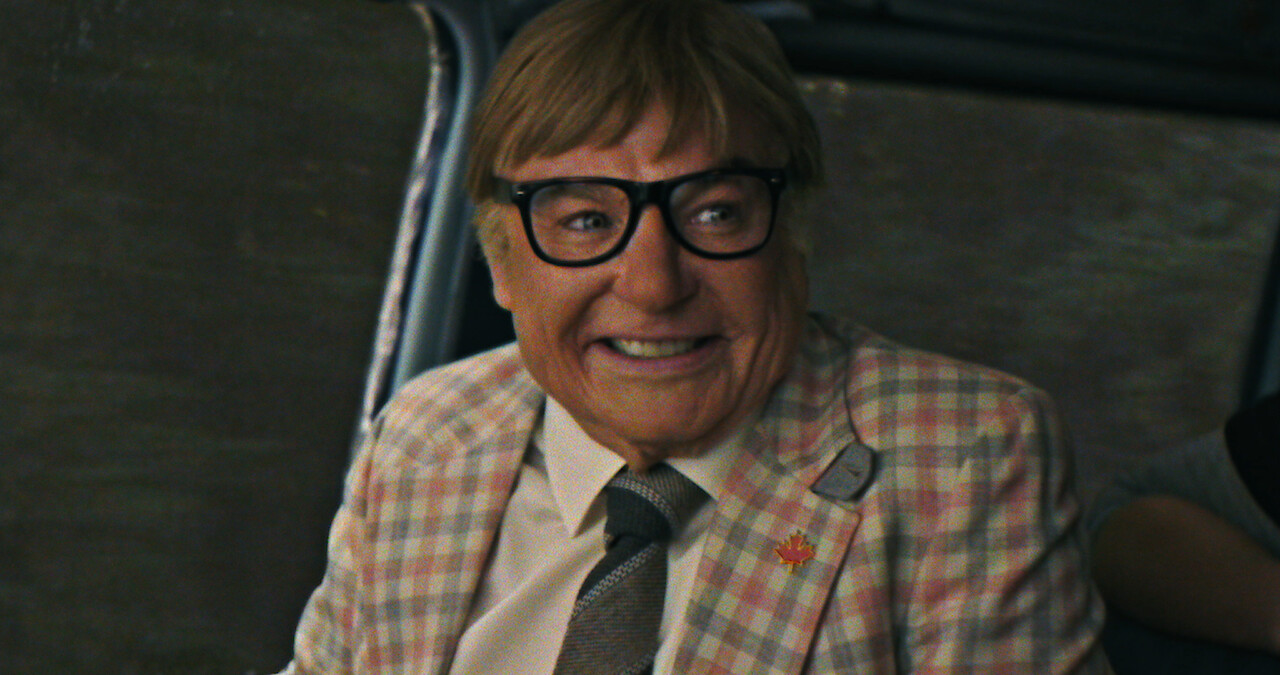
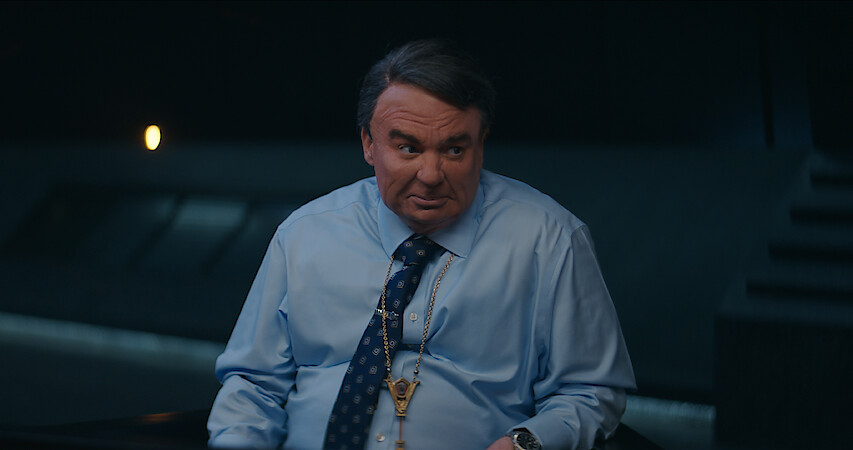
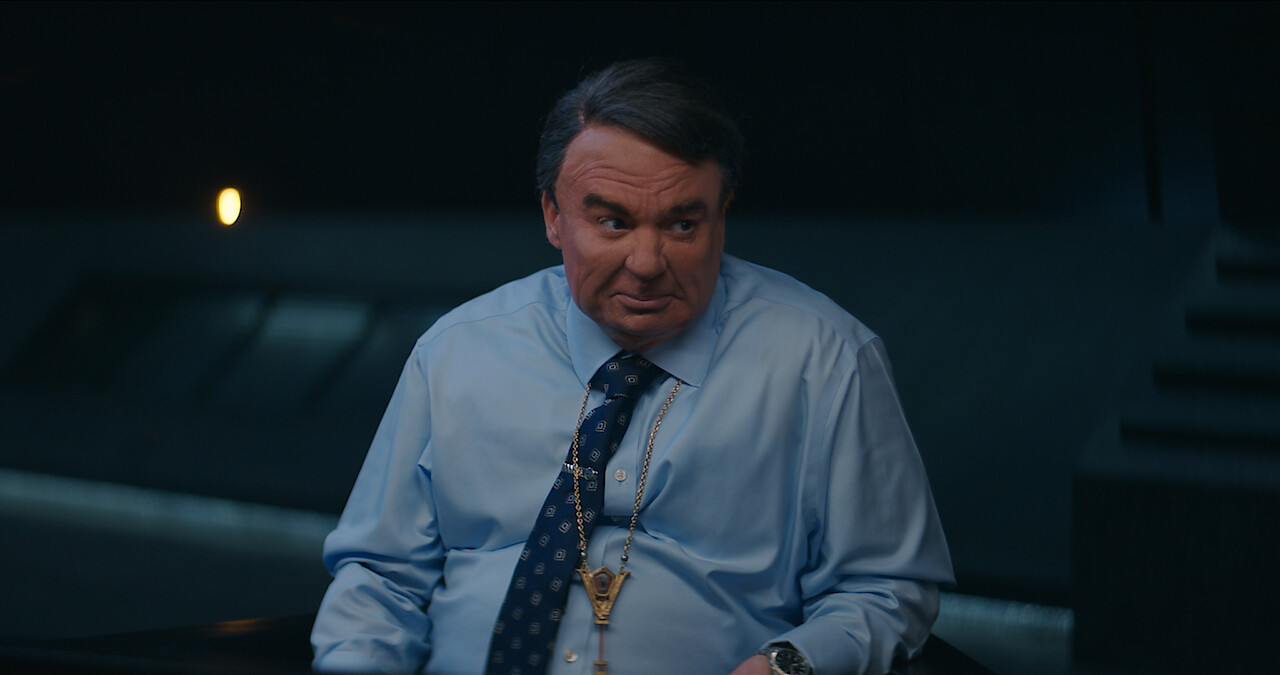
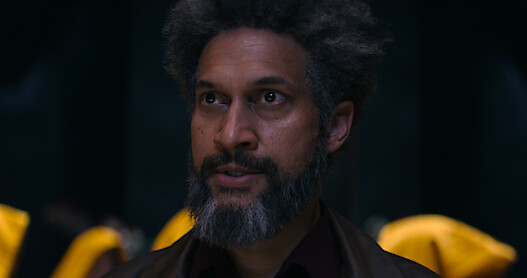
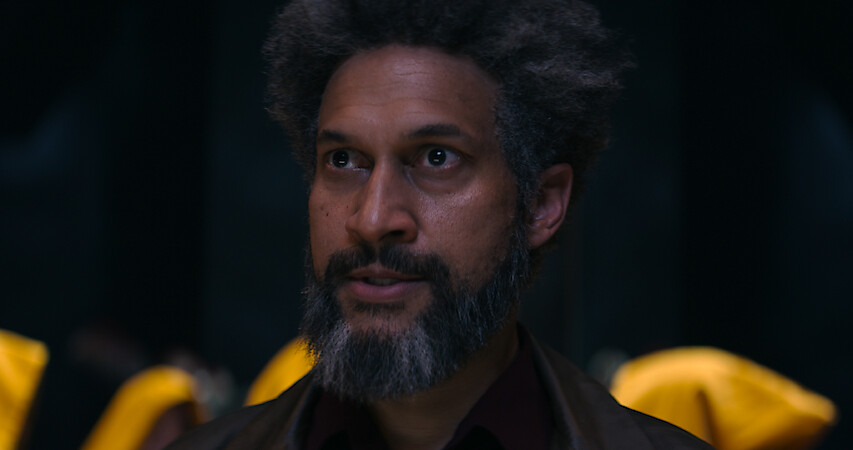
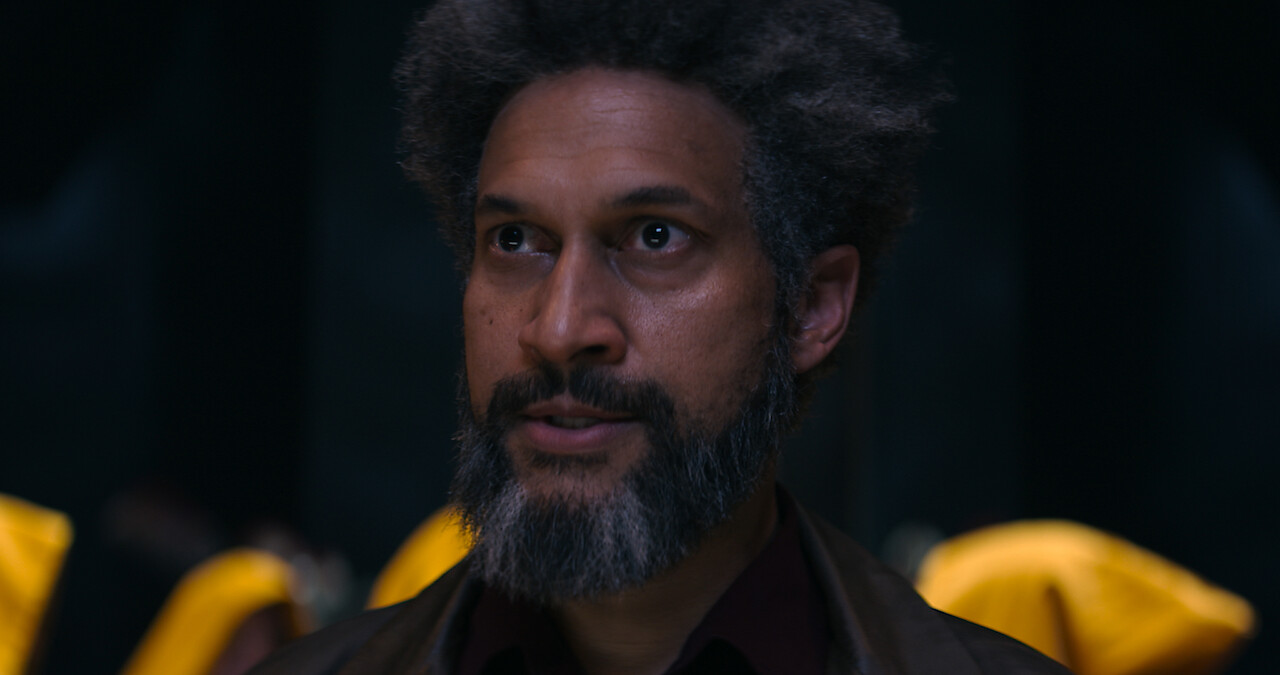
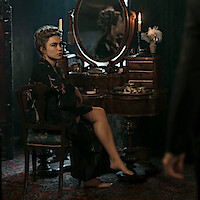
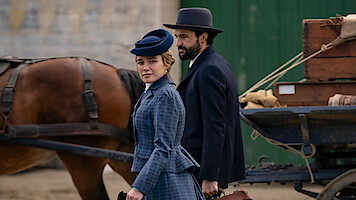
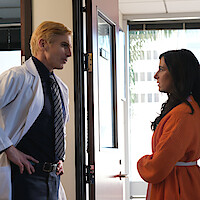
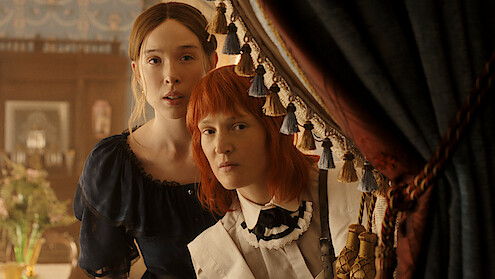
The world of the new Mike Myers series The Pentaverate is dark, sinister and — frankly — a bit goofy. Henchmen trot in unison around a multi-level windowless secret lair said to be situated somewhere in midtown Manhattan, while five (mostly old and white) men decide the future of humanity.
Myers has long been known as a master of hyper-specific references. The entire Austin Powers series is basically a satirical love letter to the spy thrillers of the ’60s and ’70s, while the original Wayne’s World sketches on Saturday Night Live were a riff on fringe cable access programming. The Pentaverate is no different as Myers and director Tim Kirkby (Look Around You, Fleabag, Veep) teamed up to pay tribute to their love of complicated worlds and over-the-top set design.
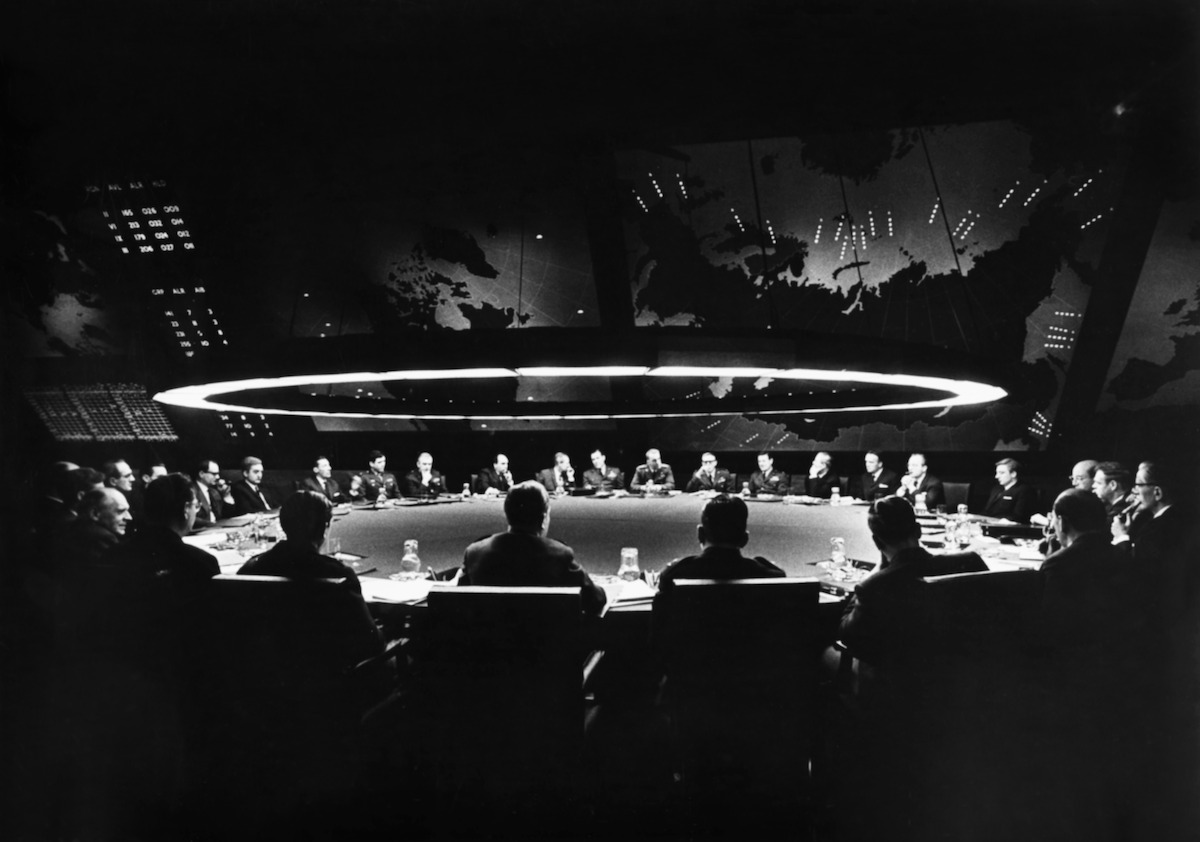
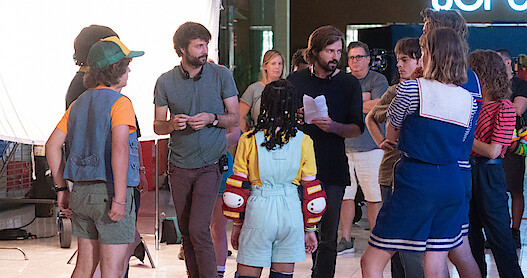
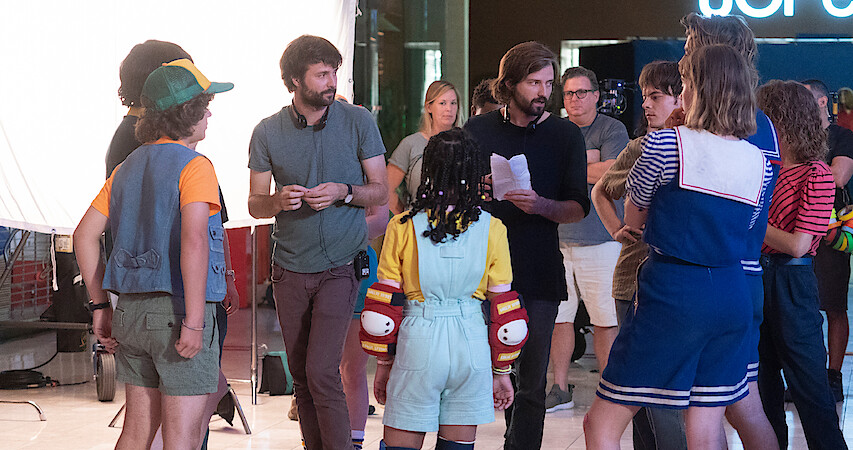
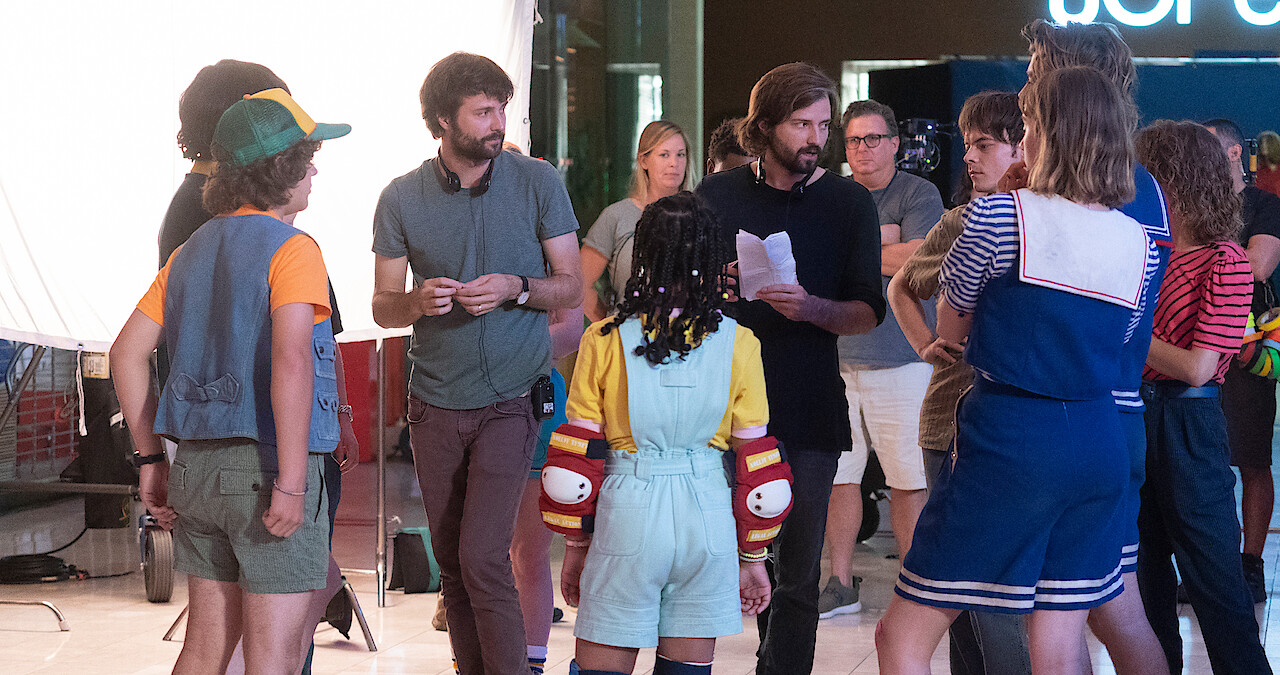
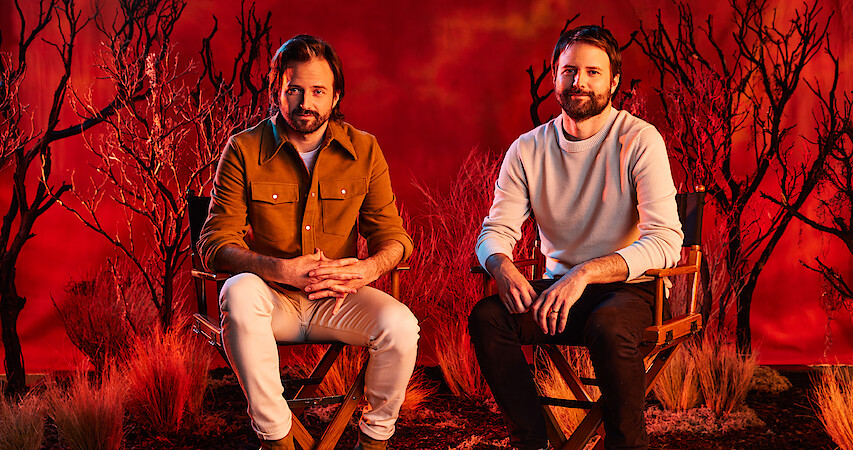
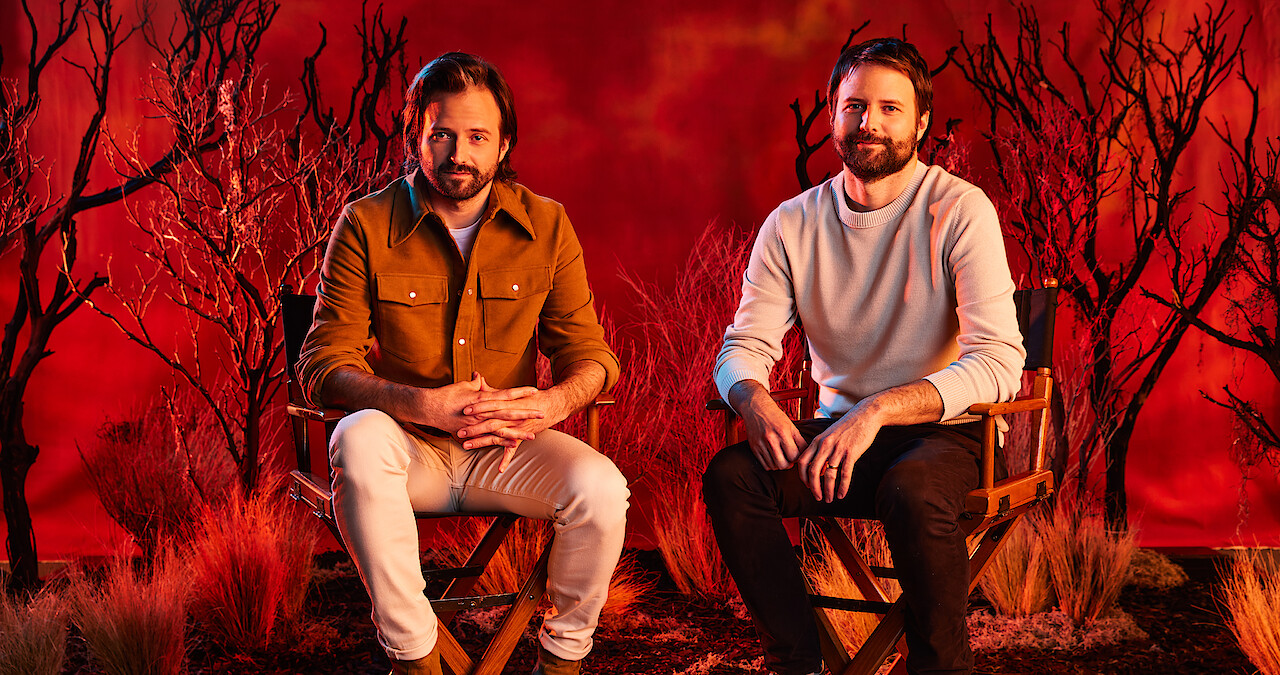
In a conversation with Tudum, Myers says Kirkby was the first person he thought of when he first started envisioning The Pentaverate — which, by the way, is the same secret organization referenced in 1993’s So I Married an Axe Murderer, so how’s that for a callback? Calling Kirkby “a brother from another mother,” Myers says he would often call the director in London for “a 10-minute call,” and end up spending hours on the phone. “It was just reference upon reference,” he says. “The first one we talked about was a TV show from the ’60s called The Prisoner. Then we talked about this movie called The Holy Mountain. Then we talked about Eyes Wide Shut. Then we talked about Dr. Strangelove. We had such a crazy rapport. My phone bills were off the charts.” From those conversations, Myers says, Kirkby helped create a “beautiful world” for the cast “to play in.”
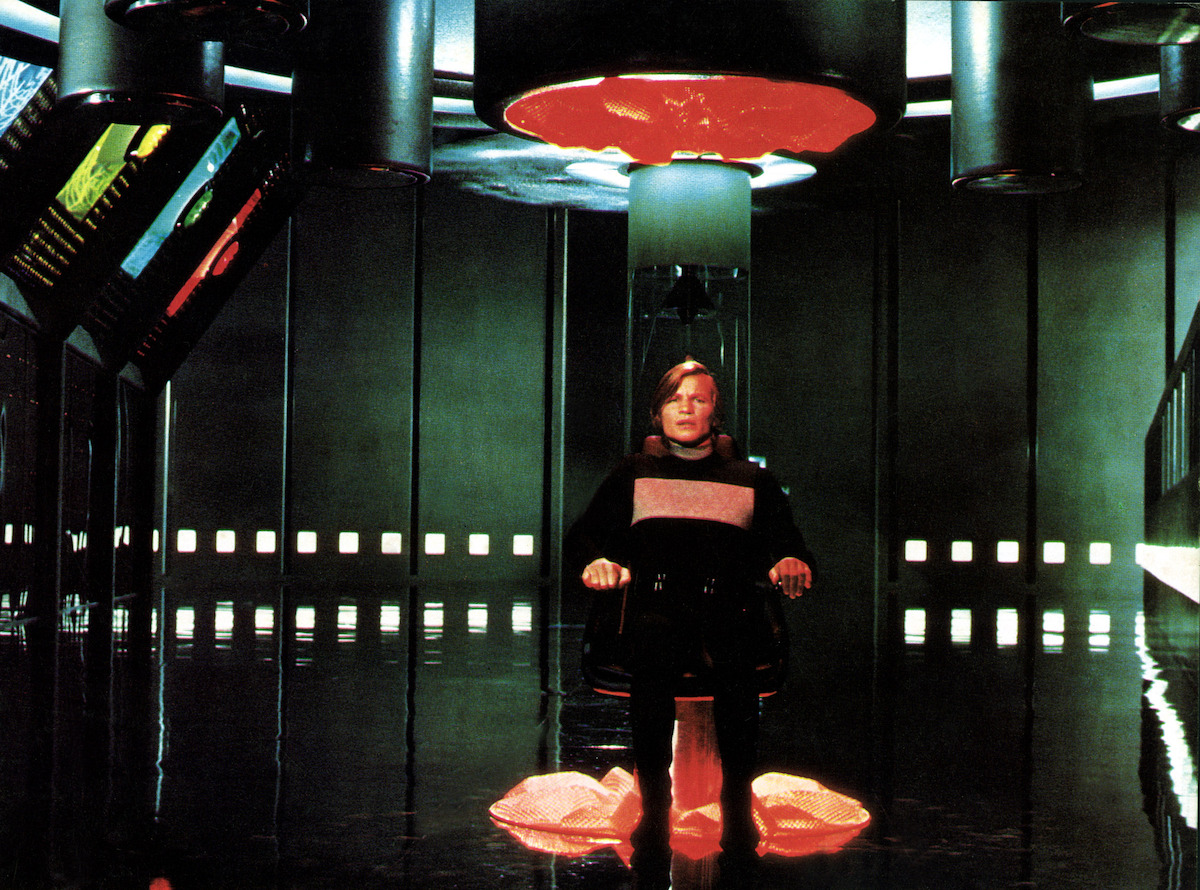
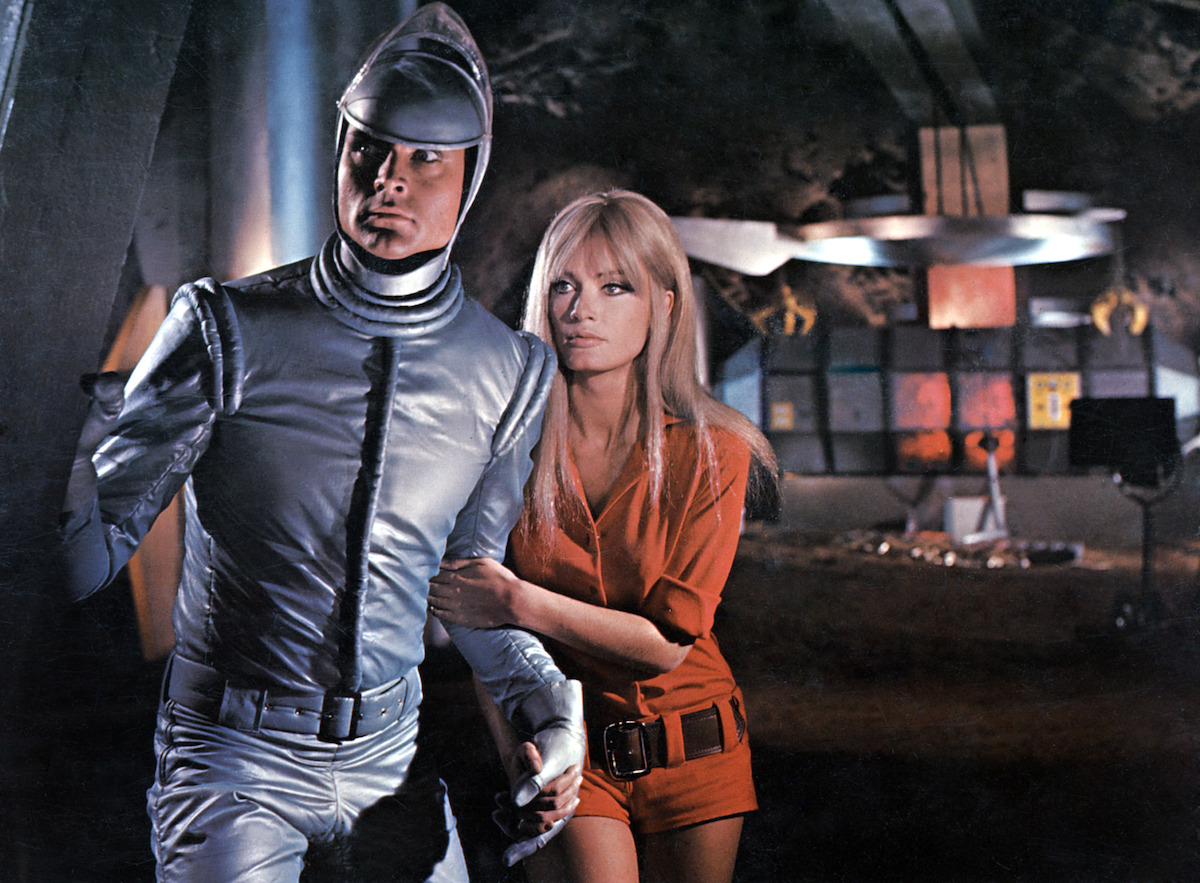
For his part, the director says he looked to shows or movies where he felt the filmmakers “pushed or were let loose.” He particularly thought about projects from the ’70s like Zardoz or Logan’s Run, saying that the decade “was a time when you do one [movie] for yourself, one for the studio.” He admires the “fantasy and the adventure” of movies like director Alejandro Jodorowsky’s aforementioned The Holy Mountain and drew from directors like “the mighty Stanley Kubrick” when thinking about The Pentaverate’s scale and scope. “Because the scale of the idea is so big in a sort of anamorphic frame,” he says, “you can feel the presence of it,” concluding that those types of shots allowed him to give the show a very “cinematic and dramatic feel.”
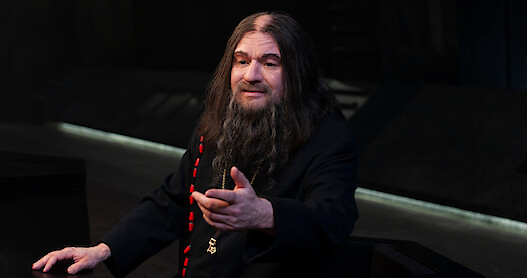
That type of camera framing also allowed for Myers’ multiple characters to all appear on-screen together at the same time, something Kirkby says wouldn’t have been possible “when it’s televisual, because you can’t frame them in properly.” Having the ability to have all of Myers’ characters in one frame meant the show’s editing didn’t have to jump around a bunch, giving each scene more weight and impact — as well as more comic potential.
After finishing the series, if fans of The Pentaverate want to explore more secret lairs and retro-futuristic interiors, Kirkby recommends movies like 1968’s Danger: Diabolik, Terry Gilliam’s Brazil and Three Days of the Condor, which, he says, really captures what The Pentaverate was going for in terms of conspiracy theories and paranoia. Of course, we’d be remiss if we didn’t once again mention The Holy Mountain, which both he and Myers adore and which Kirkby says “just blew his mind, visually.” One glimpse at just the trailer for Jodorowsky’s masterpiece, and you’ll definitely see what the pair were going for with The Pentaverate.