Interview
Is the Heist in ‘La Casa De Papel’ Actually Possible?
Researcher Sara Solomando explains how she fact-checked the series.
Feb. 10, 2022
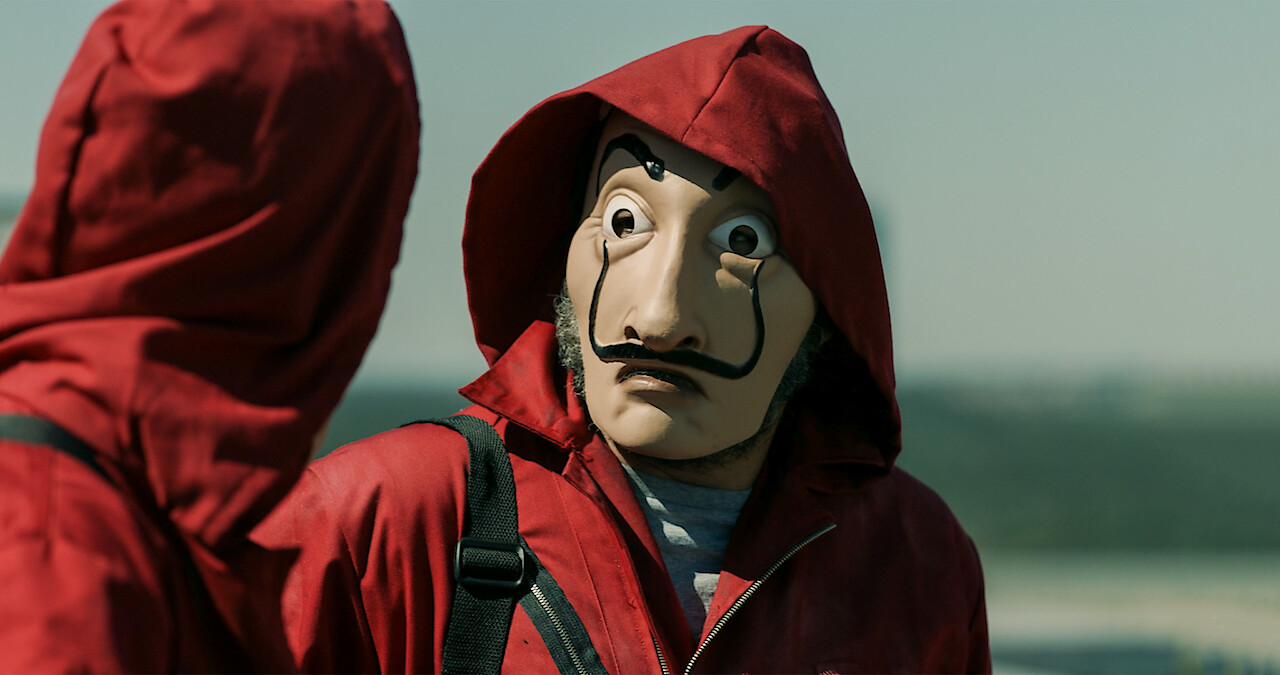
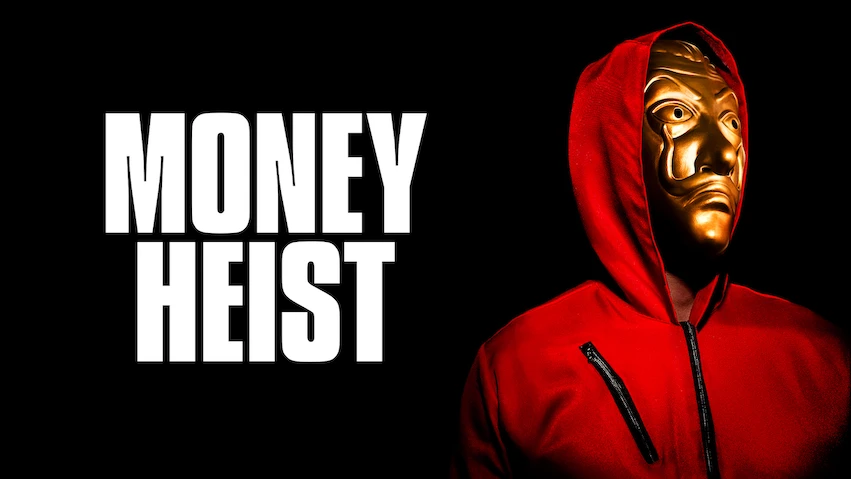
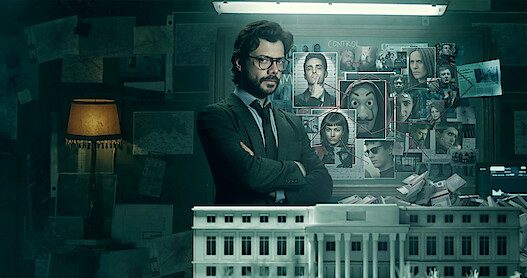
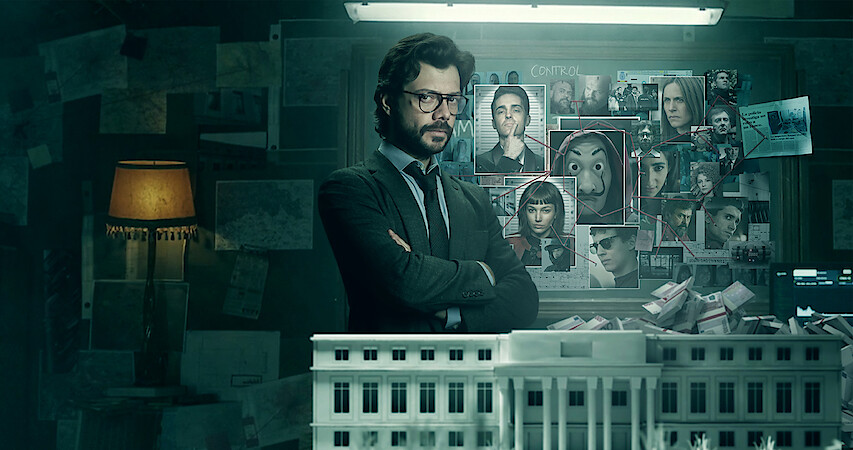
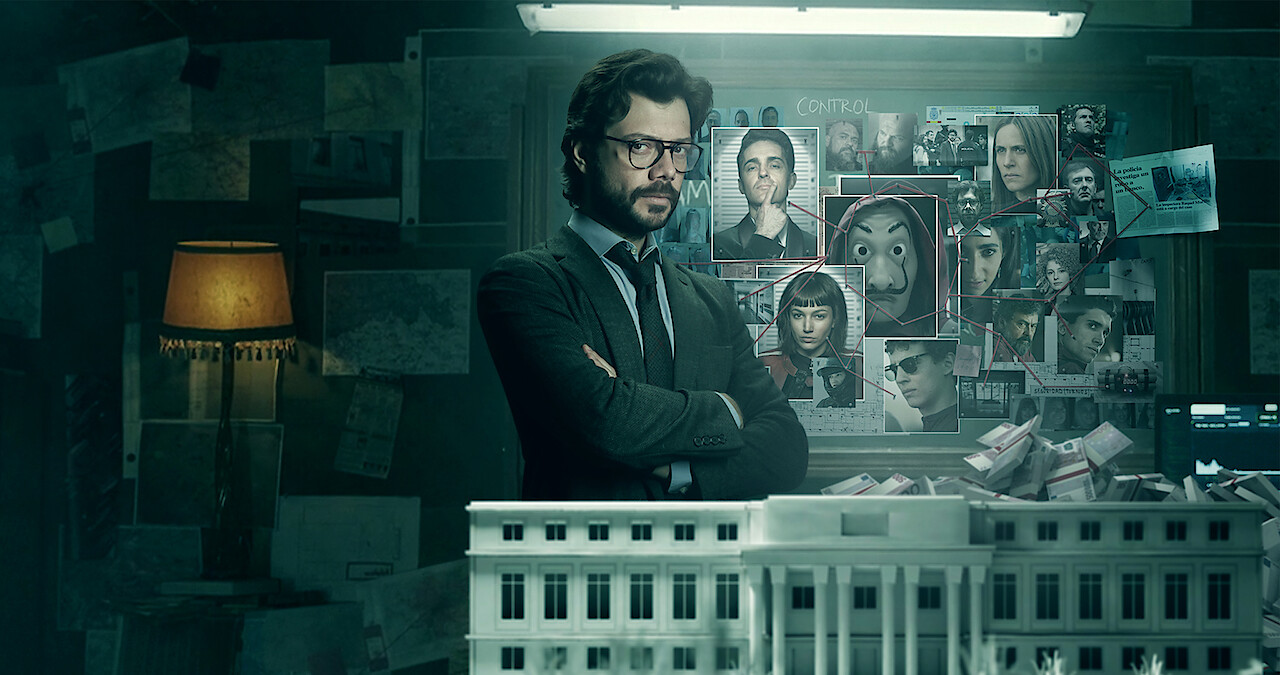
There were 52 versions of the first script of Money Heist (aka La Casa De Papel). Sara Solomando remembers this detail clearly — it was her job to fact-check. But Solomando didn’t just spend her time working on the production counting scripts: She was the person who tried to ensure that everything pictured in the heist series was actually possible.
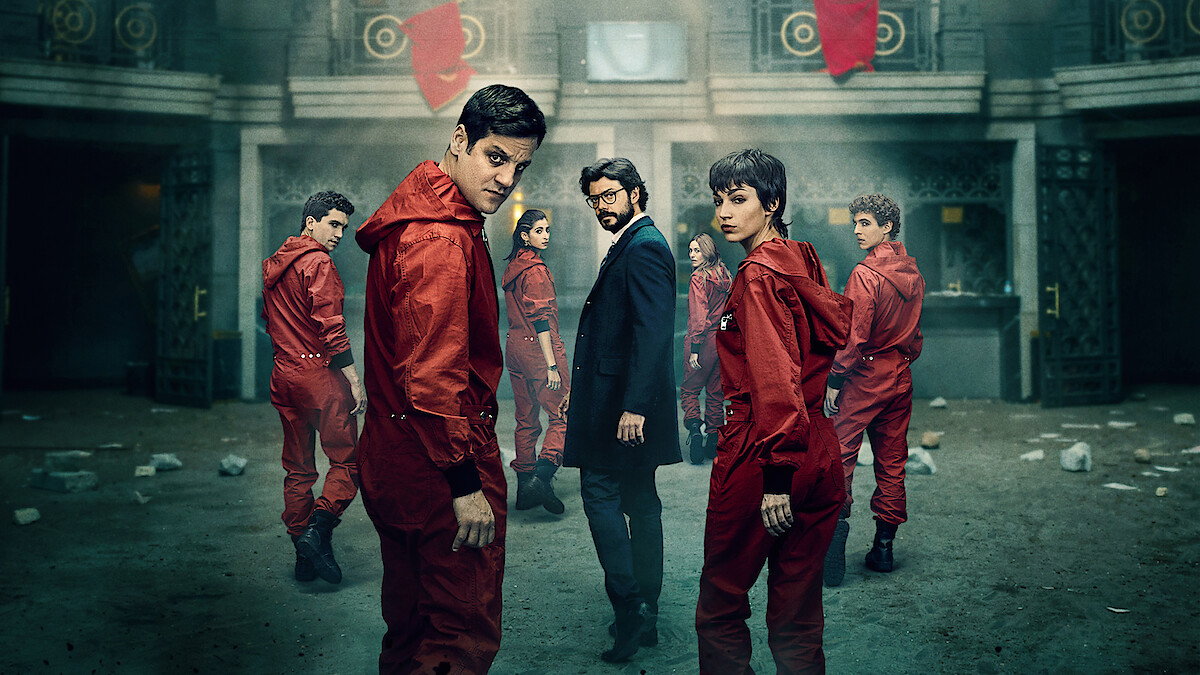
A journalist by trade, Solomando was a morning radio host in Spain when her then-husband, also a journalist and a writer on the show, recommended her for the gig. She had some free time in the afternoons, and so she spent them making sure the fanciful idea from writers, directors and producers — that a group of people could essentially hold the Royal Mint of Spain hostage while they printed their own money — was actually possible.
Turns out, it was — in all 52 versions.
"I had to make sure that it was actually feasible to print that much money in the time we were saying it was printed," she explains to Tudum.
But it wasn't just making sure certain feats were possible, it was also consistency. In addition to figuring out the consequences of someone getting shot in the shoulder versus the stomach, Solomando was tasked with keeping tabs on why two characters might switch between informal and formal ways of speaking with one another, whether a character has mentioned a brother or a sister, whether an address is the same in two different episodes and other minute, background details.

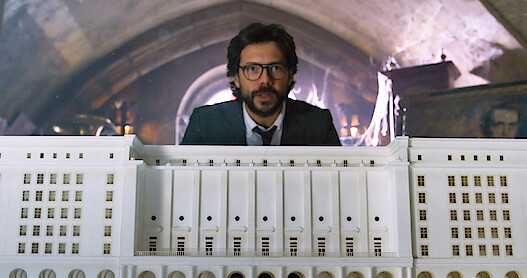
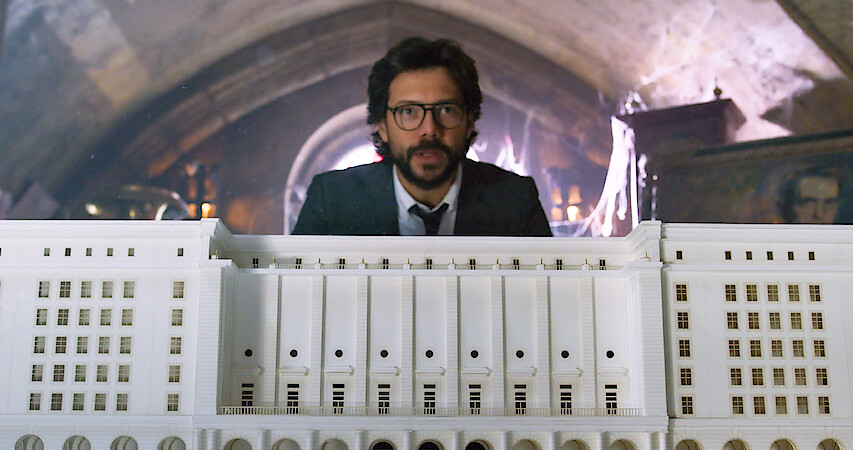
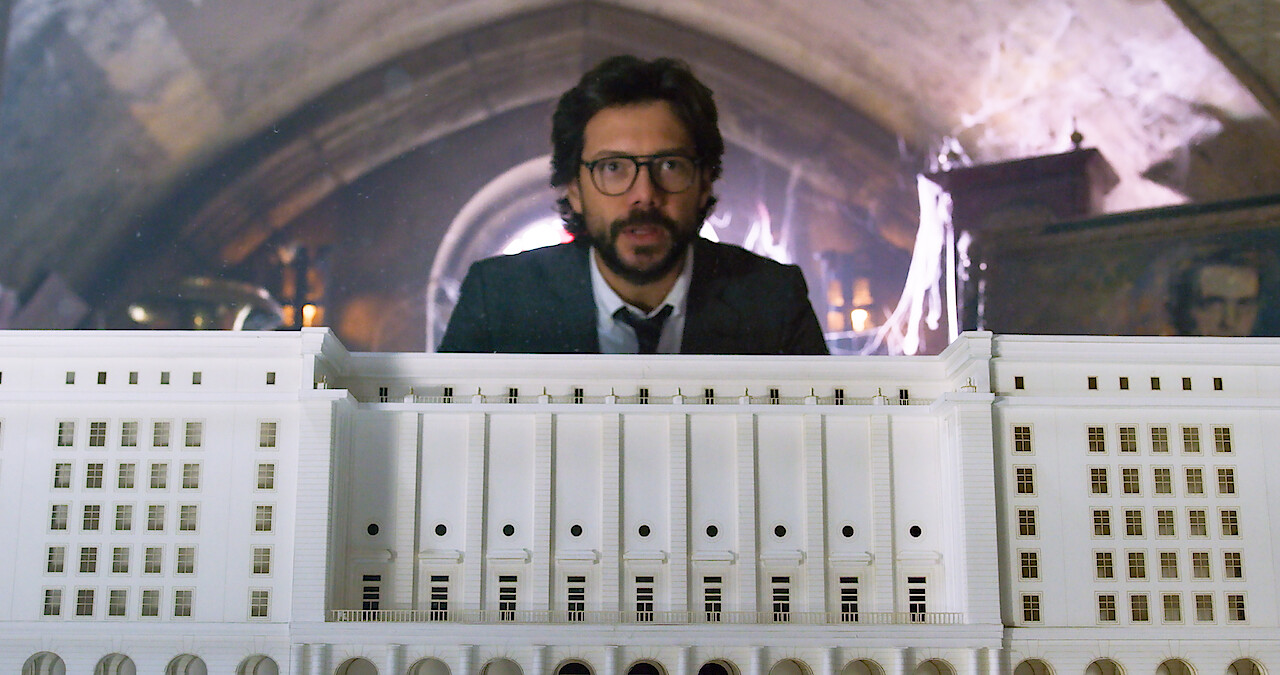
Naturally, she ran into obstacles on the way: Where does one even begin to find out if it's possible to print that much money in a short time period? Why, the Royal Mint itself, of course, one of two locations in Spain where all of the country’s money actually is printed. (Fun fact: The building used as the Royal Mint exterior on screen belongs to the Spanish National Research Council, which shares similar architectural features with the mint but is situated in a more convenient location, in Madrid, for filming.)
"I just decided the most logical thing was to call the Royal Mint and ask for the director," Solomando says. "And I called there, and he said, 'I'm sorry, this is confidential. This is a matter of national security. I cannot give you this information.' "
Okay, fine. The next step? Google.
When Spain transitioned to the Euro, plenty of journalists wrote articles about the process, often citing sources who worked in the Royal Mint. So, Solomando found the contact information for those sources and called them until they provided her with the information she needed. "Of course, I had to explain to them that I wasn't going to make anything public, and that I would never reveal my sources," she says. "And that this was just for a series, and it worked."
According to her sources, the big heist was definitely plausible — and thank goodness, because it had already been filmed by the time she spoke with them.
Government officials weren’t the only professionals Solomando consulted during the course of her work for the series. She often spoke with doctors — including her own parents, who are medical professionals — to try to make sure all of the characters’ injuries were treated realistically. When one character was shot and required surgery, the writers couldn't let go of "the idea of opening the thorax and cutting a rib to access the lung and thereby extracting the bullet. They have this image of cutting the rib, taking it out, and putting it on a metal tray. And you know, the sound, 'Clink.' "
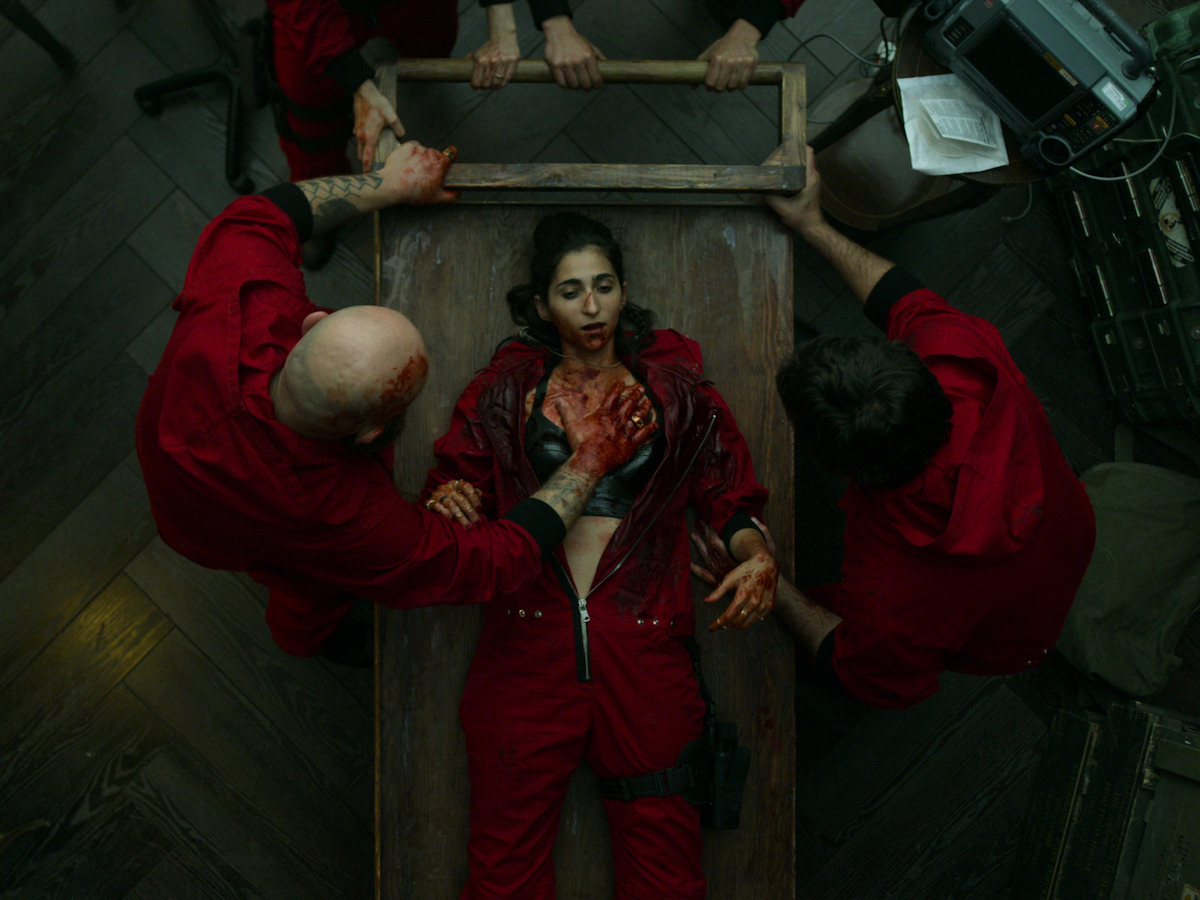
After consulting with surgeons, they told her, "No, we have this small device that opens up the ribs. You don't have to cut them."
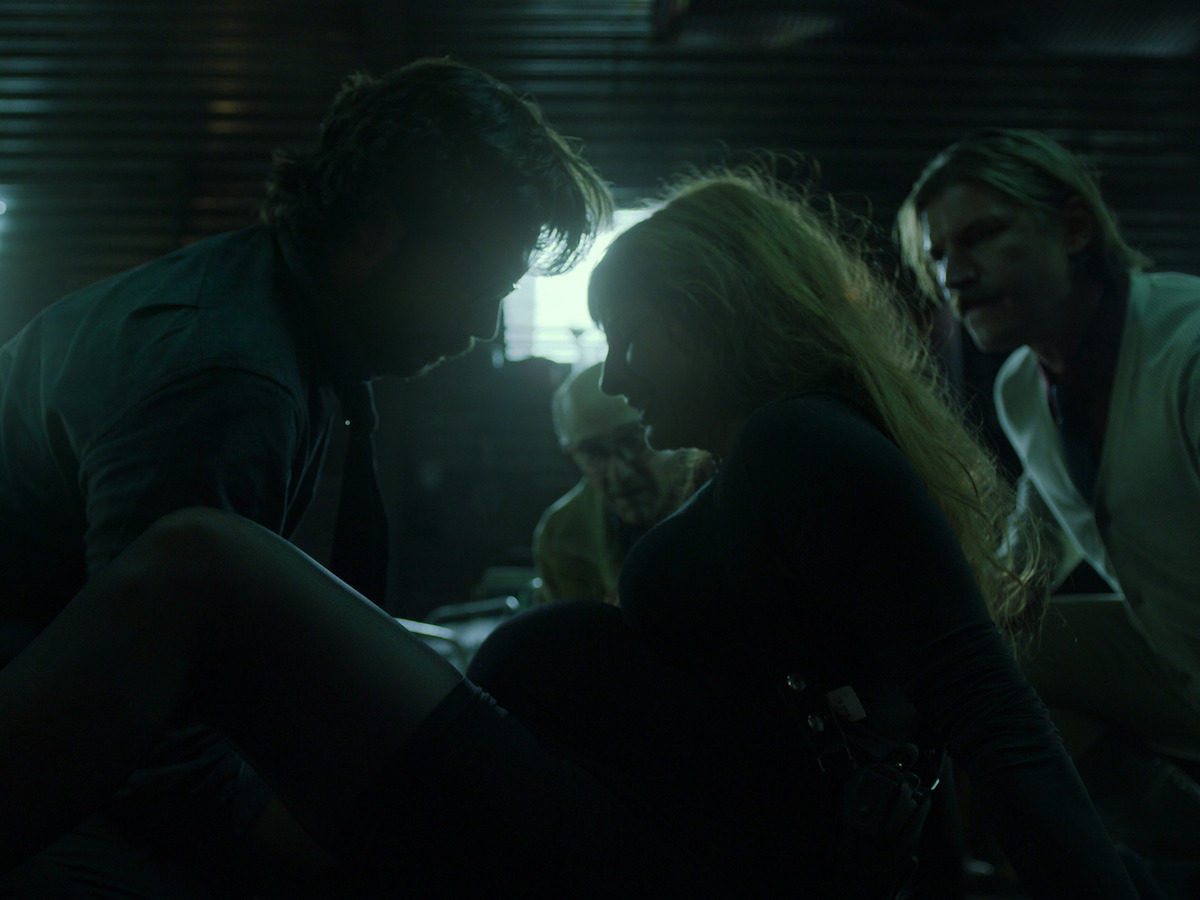
Another medical anecdote: According to Solomando, the writers originally wanted Sierra to give birth to her baby via a cesarean section, then have the character immediately go on the run. "I told them that I don't think a woman that just had a C-section would run around that way, because it really hurts and you have to rest up after that,” Solomando retorted. “So I had to figure out other complications that could come about so that the Professor could chime and do what he does."
The writers listened to her in that instance, but they didn't always take her suggestions. "Most of what I proposed doesn't end up in the script,” she says, explaining that writers still needed the dramatization of a fictional plot to drive their creative process forward.
Still, Solomando made it her mission to consistently read a script, take notes, then revisit it a few days later to make sure she didn't miss anything the first time through. If she had a lot of time, she'd read it a third or fourth time. But while she'd have a month or two to check the earliest scripts in a season, by the end, the production had caught up with the writing and she'd only have a week or two for the later ones.
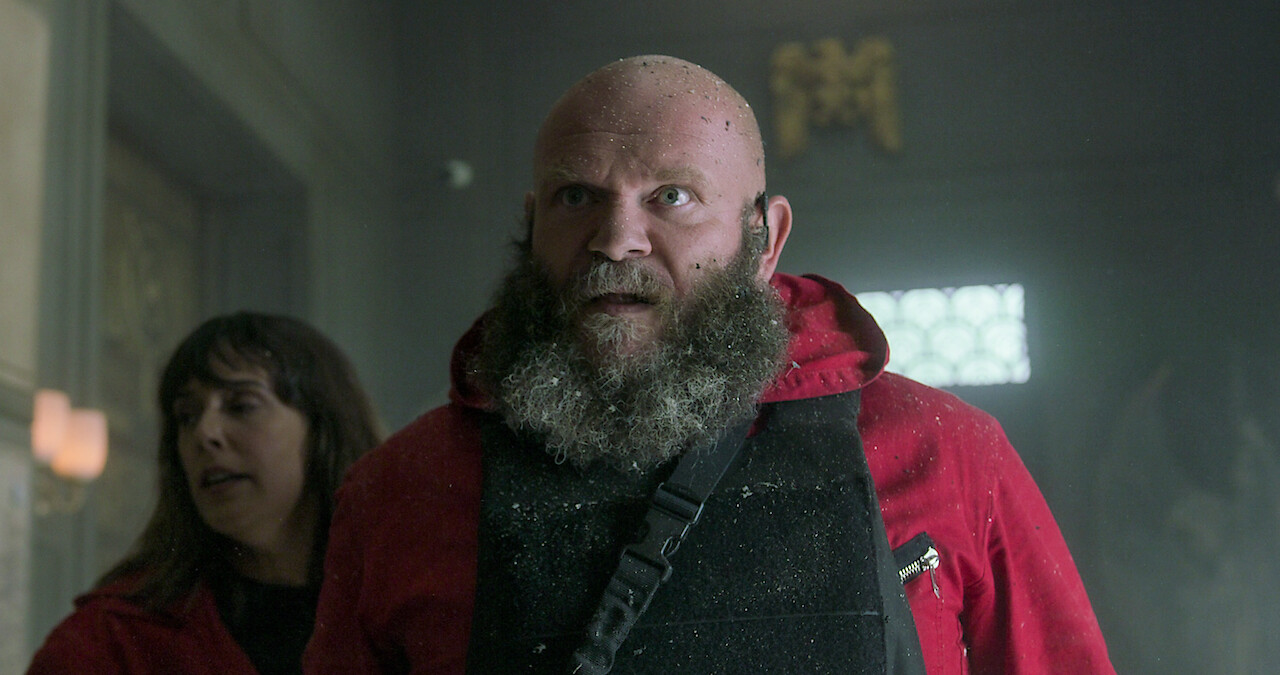
While she had many memorable fact-checking conversations over the years, one of her most unforgettable experiences involved the big museum battle scene in the first part of the fifth volume — and the grenade that Tokyo threw that was hidden inside a chicken butt.
"I know people in the army," Solomando explains. "I had to call the commander, and he explained how the grenades work."
Then, however, she had to get a little more specific: "Is it possible to introduce a grenade in the chicken's butt? And without it exploding, and actually being able to deactivate that? And he's like, 'What? Where? When? What do you want to do?' I mean, he explained that it can be done, but actually asking those questions can be a bit embarrassing."