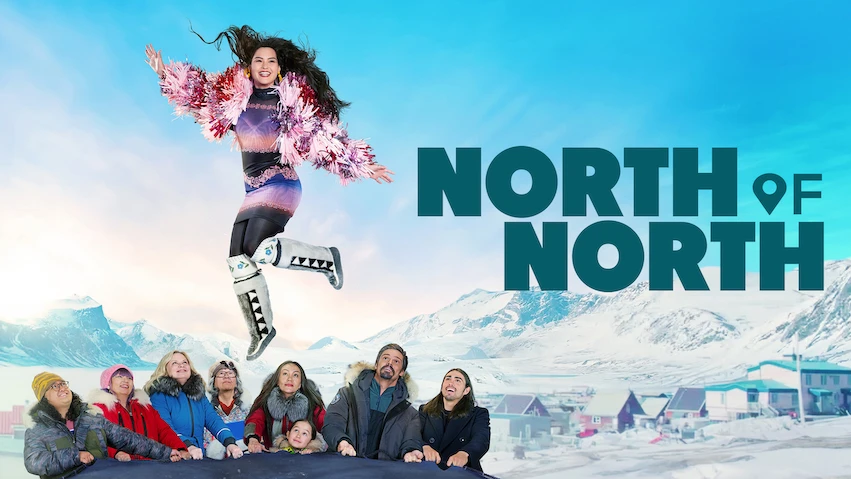
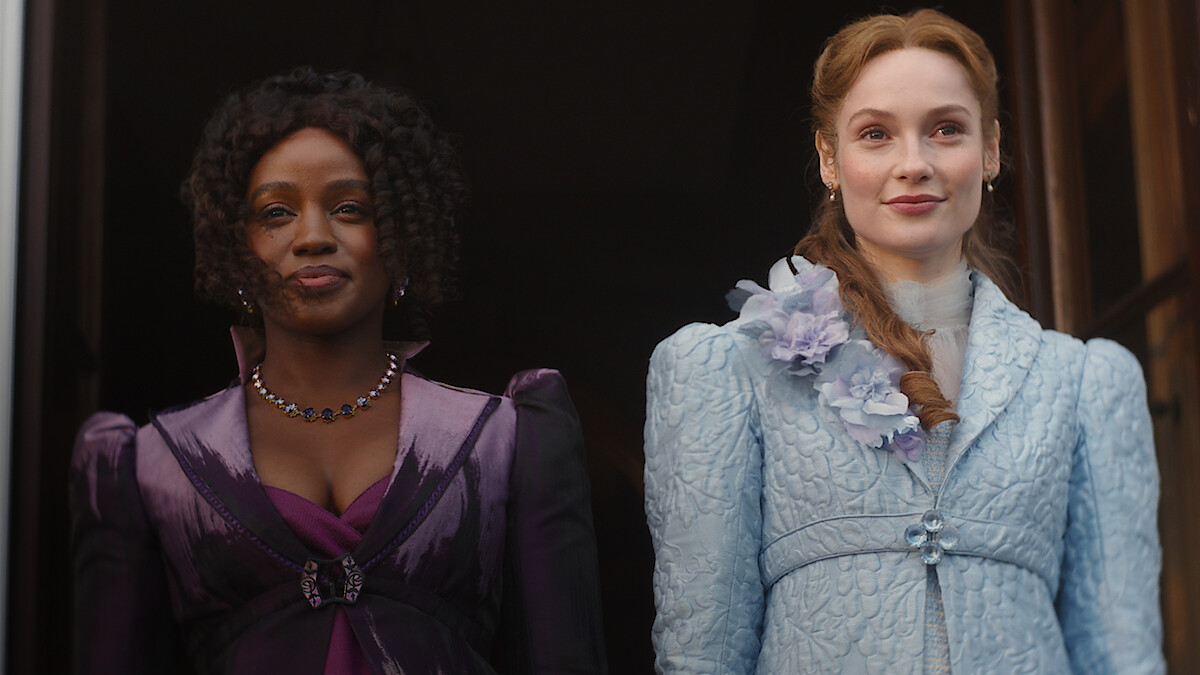
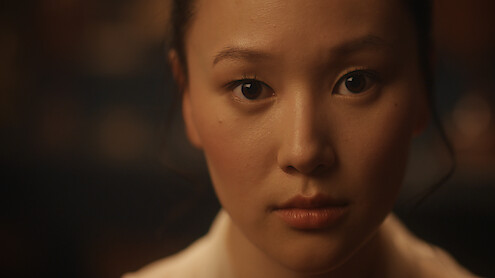
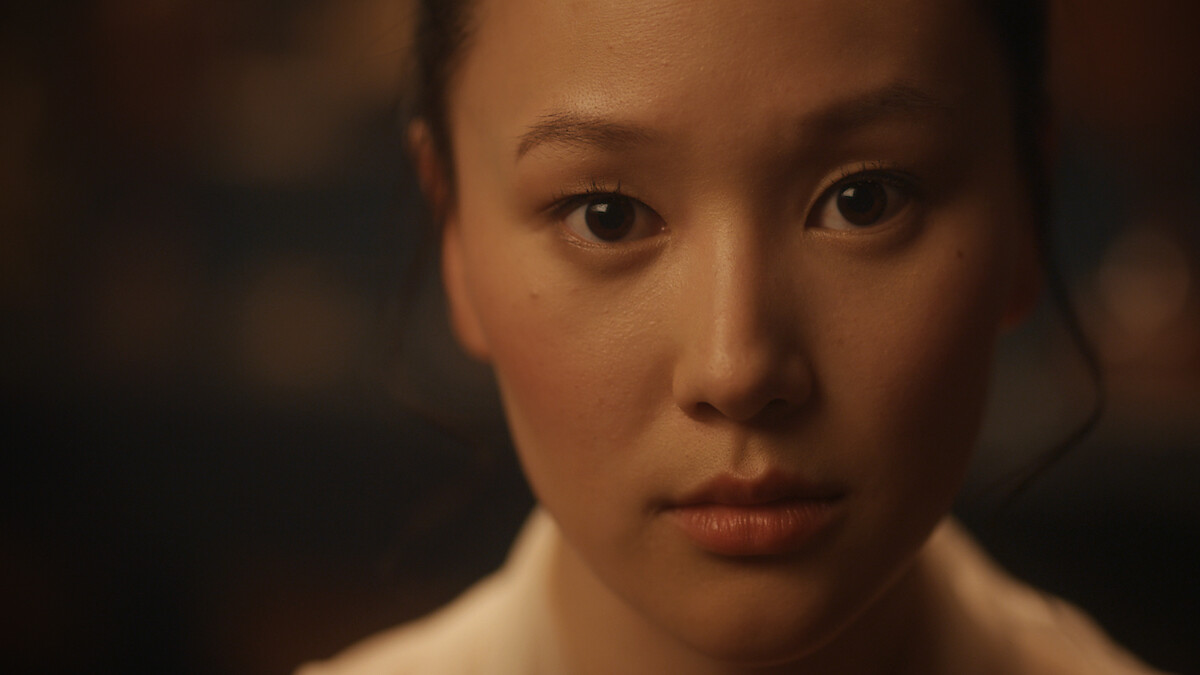
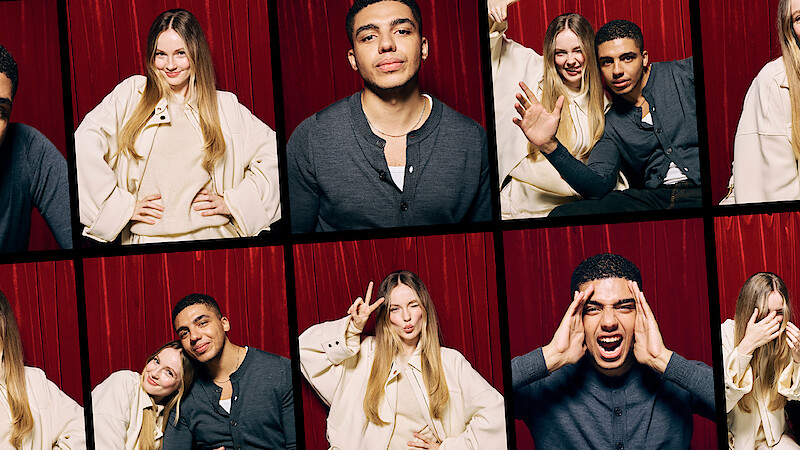
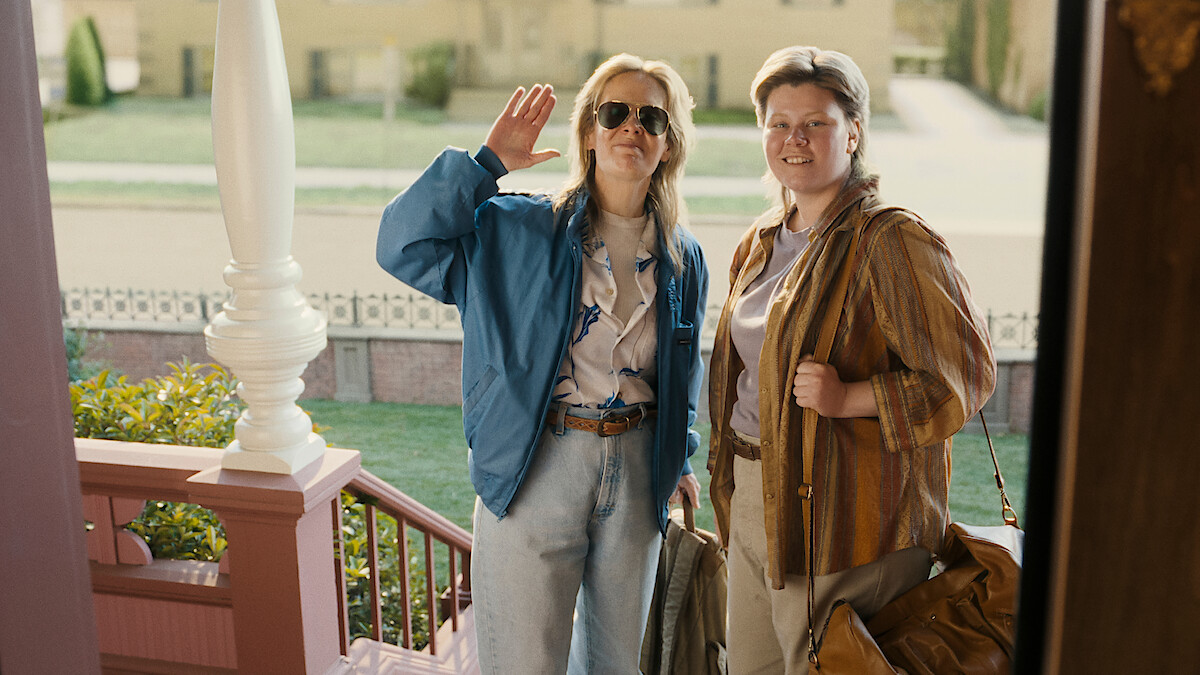
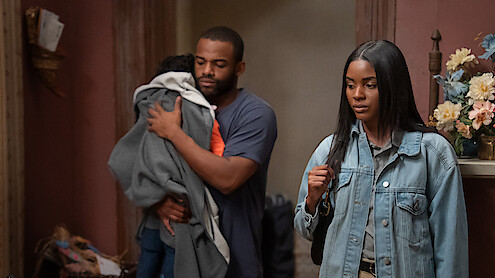
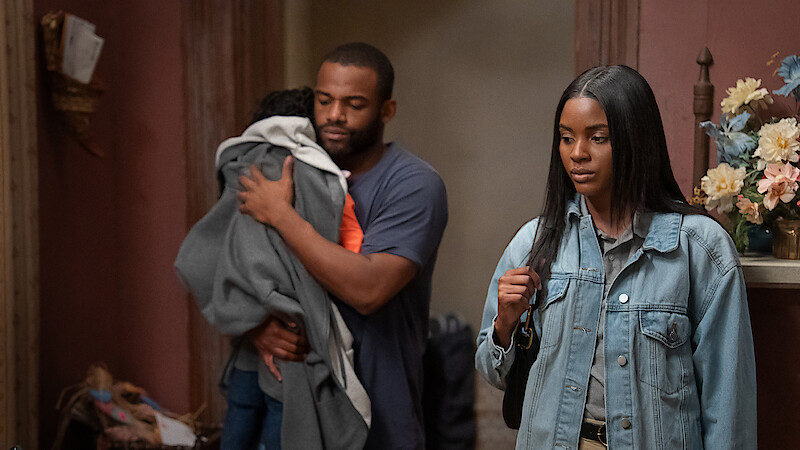
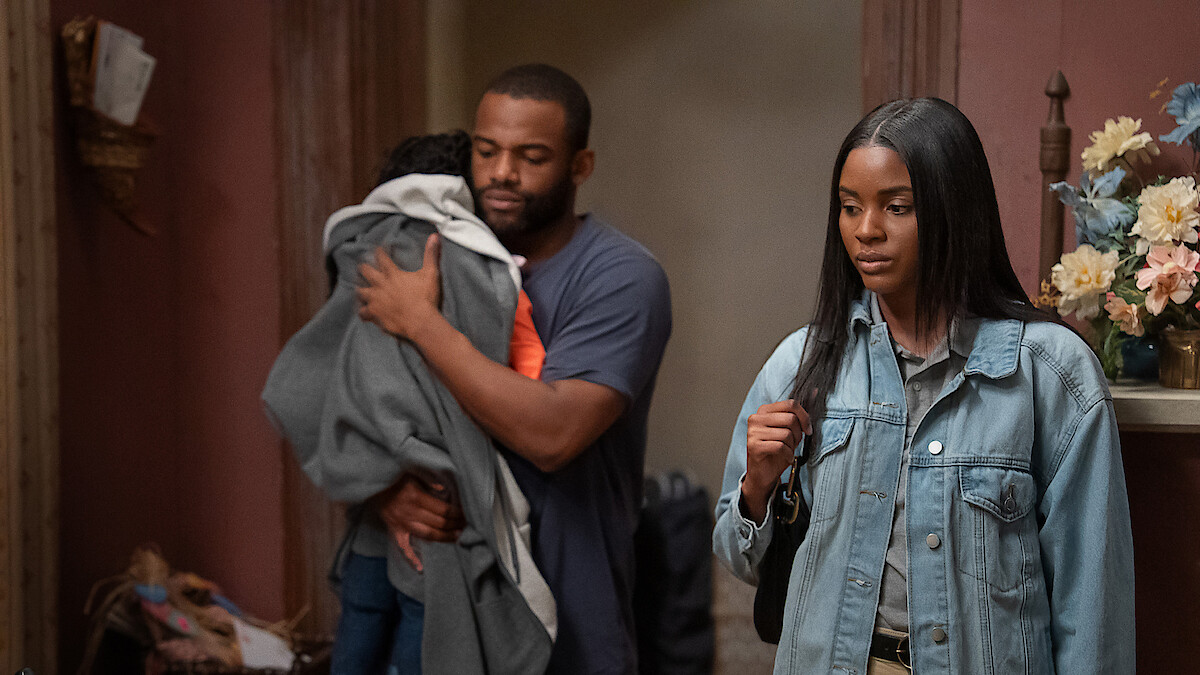
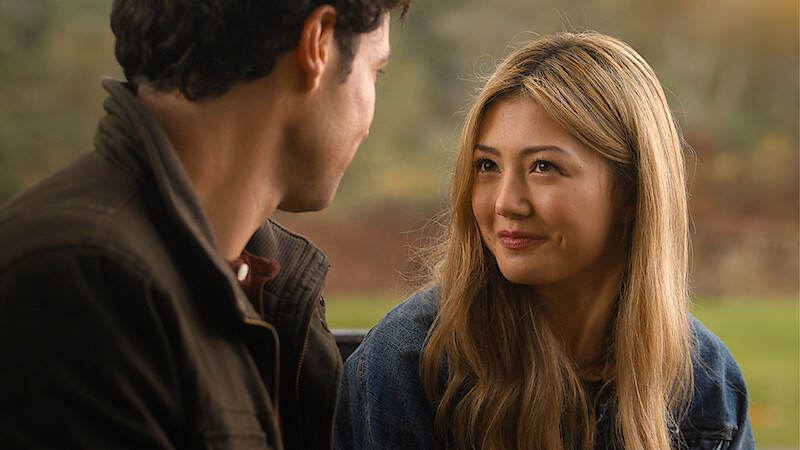
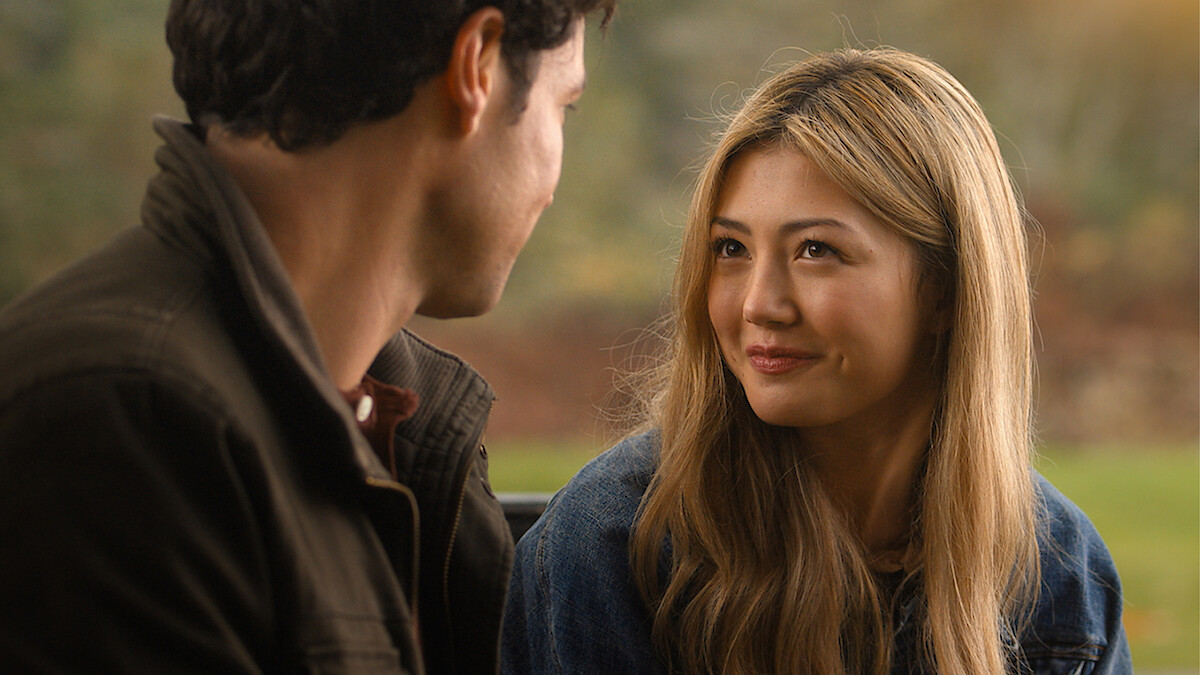
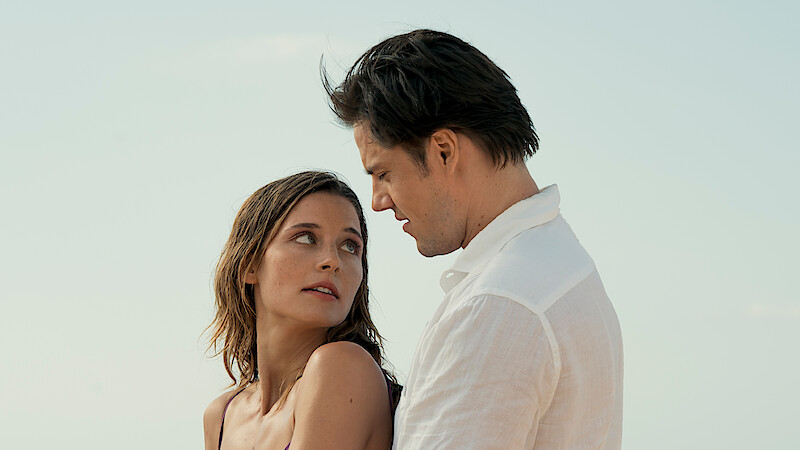
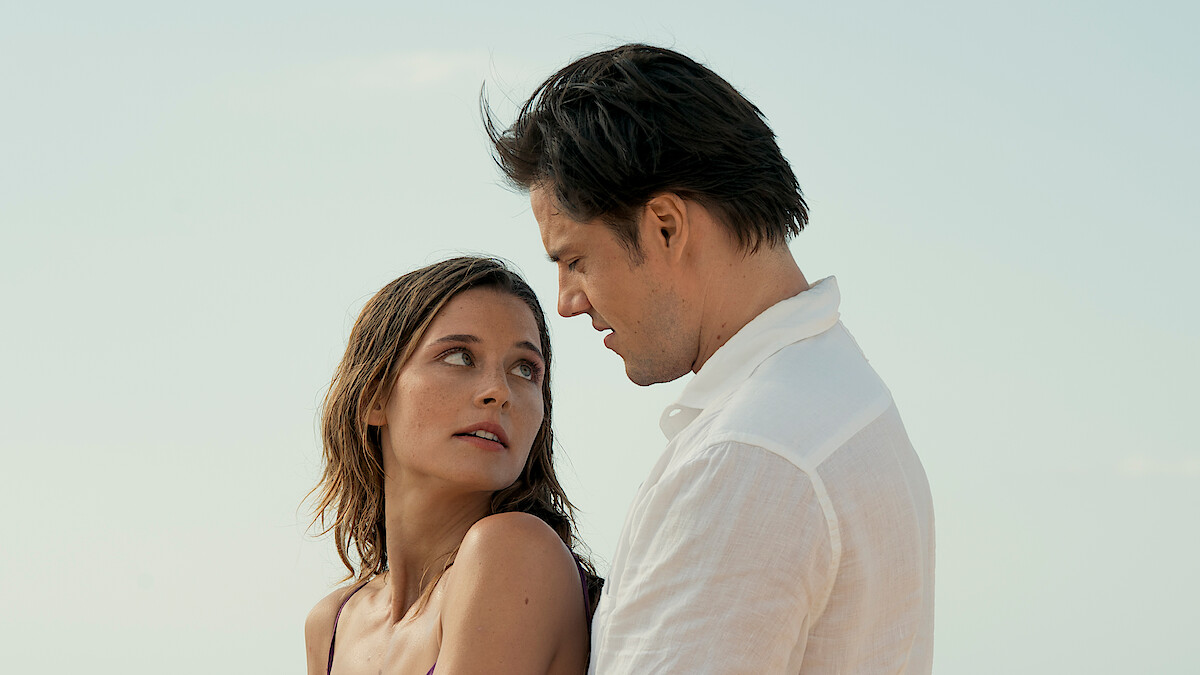
Nestled in the Arctic Circle, the fictional town of Ice Cove carries the pulse of the intimately connected Inuit community at the heart of North of North. The new comedy series follows Siaja (Anna Lambe), a young Inuk woman attempting to reboot her life in a place where everyone knows her business.
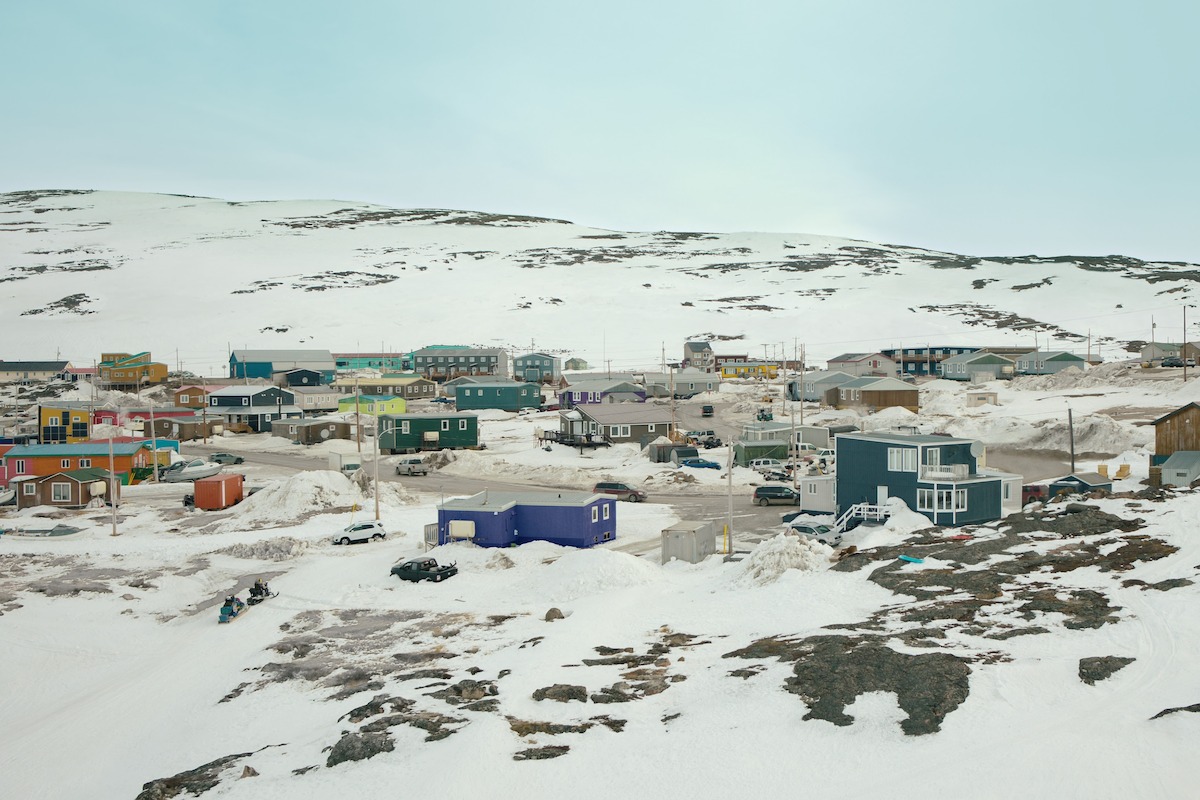
Filming occurred in Iqaluit, the real-life capital and most populous city of the Arctic Canadian territory of Nunavut. While the decision to shoot on location there may seem obvious, this is the first major television series of its size to film in the Arctic. It marked a significant milestone and launched a years-long endeavor to explore a community rich in cultural identity and showcase the breathtaking landscapes of the Arctic — all while consciously laying the groundwork for future productions in the region.
To ensure that the making of the series would be both logistically feasible and broadly representative of a modern Indigenous people who transcend national borders (Inuit live across the Arctic — in Canada, Alaska, and Greenland), series creators Stacey Aglok MacDonald (Qanurli, The Grizzlies) and Alethea Arnaquq-Baril (Angry Inuk, The Grizzlies) chose to set North of North in an imagined community to better capture the distinct flavors of Inuit life throughout the region.
“We set our show in the fictional community of Ice Cove, because Nunavut is diverse,” Aglok MacDonald tells Netflix, “and Inuit communities differ greatly.”
“We wanted to make a show that felt real and true for the both of us and for Inuit everywhere. We want Inuit everywhere to feel seen and represented,” says Arnaquq-Baril.
Executive producer Miranda de Pencier (Anne with an E, Beginners, The Grizzlies) adds, “Stacey and Alethea came up with the idea of grabbing the best of the Arctic and pulling it into one town.”
But filming in the region only became possible thanks to the unique collaboration that brought the series into being. North of North is Netflix’s first Canadian original series, a co-production with the Canadian Broadcasting Company (CBC) in partnership with the Aboriginal Peoples Television Network (APTN), and, de Pencier adds, “the combination of all these distribution partners enabled us to shoot in the Arctic.”
For Lambe, who hails from Iqaluit, “The idea of shooting the series in my hometown with Stacey, Alethea, and Miranda was a dream.” The production’s unprecedented spotlight on Inuit culture expanded to involve her fellow locals. “With this show being so huge, you would see the crew everywhere and they became a new part of the community,” Lambe says. “It was crazy to see the local crew and the people I grew up with come together to bring Ice Cove to life.”
Read on to learn more about the series’ cast, crew, and craftspeople from the community who made it all happen, and be sure to watch the exclusive featurette about the making of North of North at the top of this page.
The production design
Production designer Andrew Berry (In The Dark, The Kids in the Hall) tells Netflix that he dedicated significant time to engaging with the local community, speaking with “as many people as I can from different generations, sitting with elders and talking about hunting and surviving on the land,” in the spirit of making sure “every single decision on the show is influenced by trying to properly represent the culture.” That meant “understanding why that is and where that comes from and then getting the appropriate stuff into these sets,” according to Berry, whose team turned to the region’s “artisan-driven culture, with carvings, prints, drawings, paintings, and really beautifully homemade clothes everywhere.”
Transporting all the sets to Iqaluit was a logistical feat. Most sets were built in Toronto, disassembled, and flown in for reassembly, with each piece put on pallets and packed to perfectly fit inside the cargo plane’s fuselage. Berry’s team even built a jig in the shape of the fuselage profile that each pallet had to pass through before leaving the workshop.
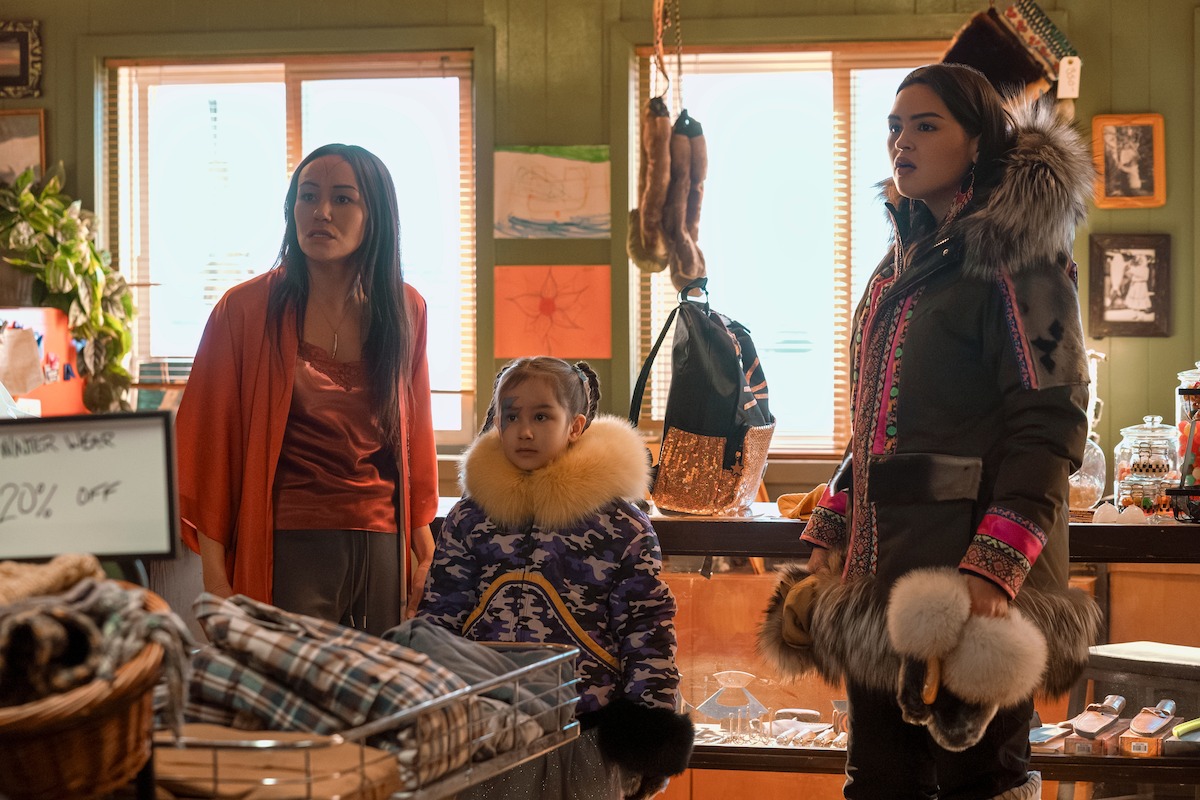
Two frequently featured sets — the community center and Neevee’s (Siaja’s mother, played by Maika Harper) store — were built locally with careful advance planning. “In a place like Iqaluit,” says Berry, “once the bay freezes, getting stuff in becomes a lot more difficult.” Because production was set to start in January, the team began stocking up months ahead. “In the summer on the last sealift, we sent up construction materials that we knew we would use no matter what, before I’d even designed the set, before I was even hired,” Berry adds.
Designing and sourcing the costumes
Aglok MacDonald and Arnaquq-Baril were touched by how the larger Inuit community bent over backwards to make featuring authentic costumes possible in North of North. Let’s put it this way: Inuk designer Victoria Kakuktinniq of Victoria’s Arctic Fashions traveled three hours by Ski-Doo snowmobile to transport Siaja’s wedding atigi (Inuktitut word for parka) to Iqaluit.
Head costume designer Debra Hanson (Schitt’s Creek, Orphan Black) wanted to honor the Northern community with her attention to detail and history, and to do right by her relatives living in the North and Iqaluit. The Emmy winner’s extended family tree includes her cousin-in-law Ann Meekitjuk Hanson, former commissioner of Nunavut and member of the Order of Canada. Hanson had been exposed to her relative’s “incredible” archive of Inuit art and culture, and she wanted to ensure she could understand and translate the accurate, traditional looks into more modern pieces. She invited regional Inuk artist Keenan “Nooks” Lindell from Arviat, Nunavut, to work as her assistant costume designer. During production, Lindell says he kept this standard in mind: “If my aunts watch the show, if my mom watches this show, what do I need to look out for to make sure this is authentic?”
Modern dress — from parkas to earrings
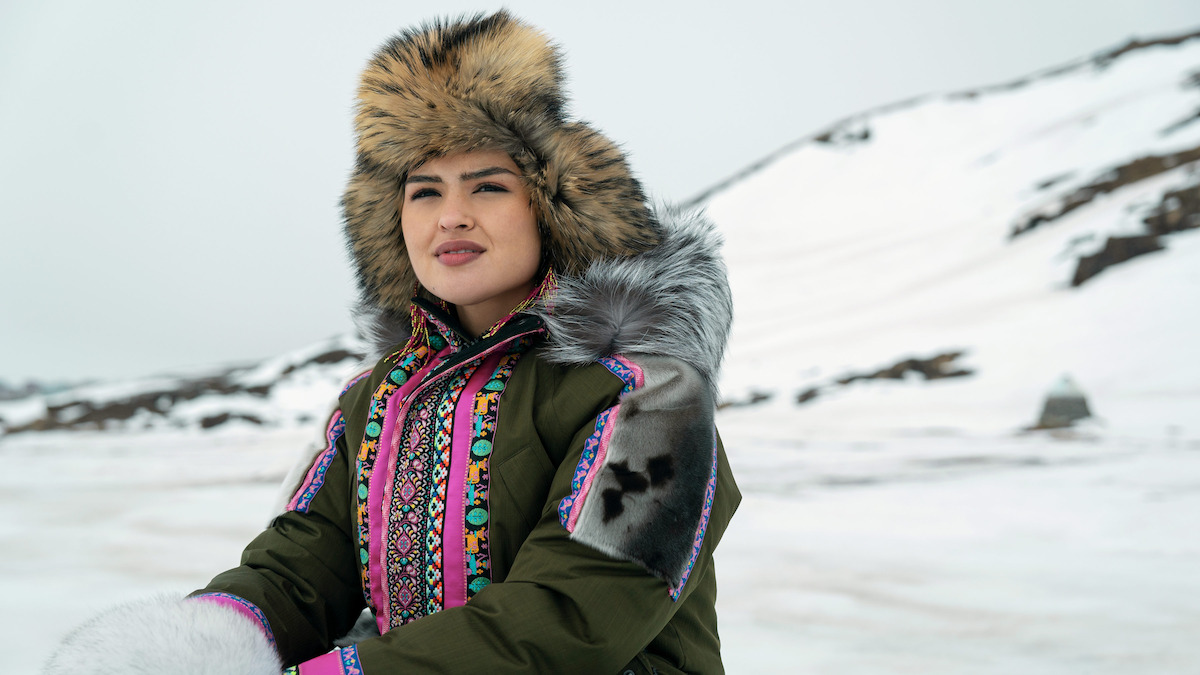
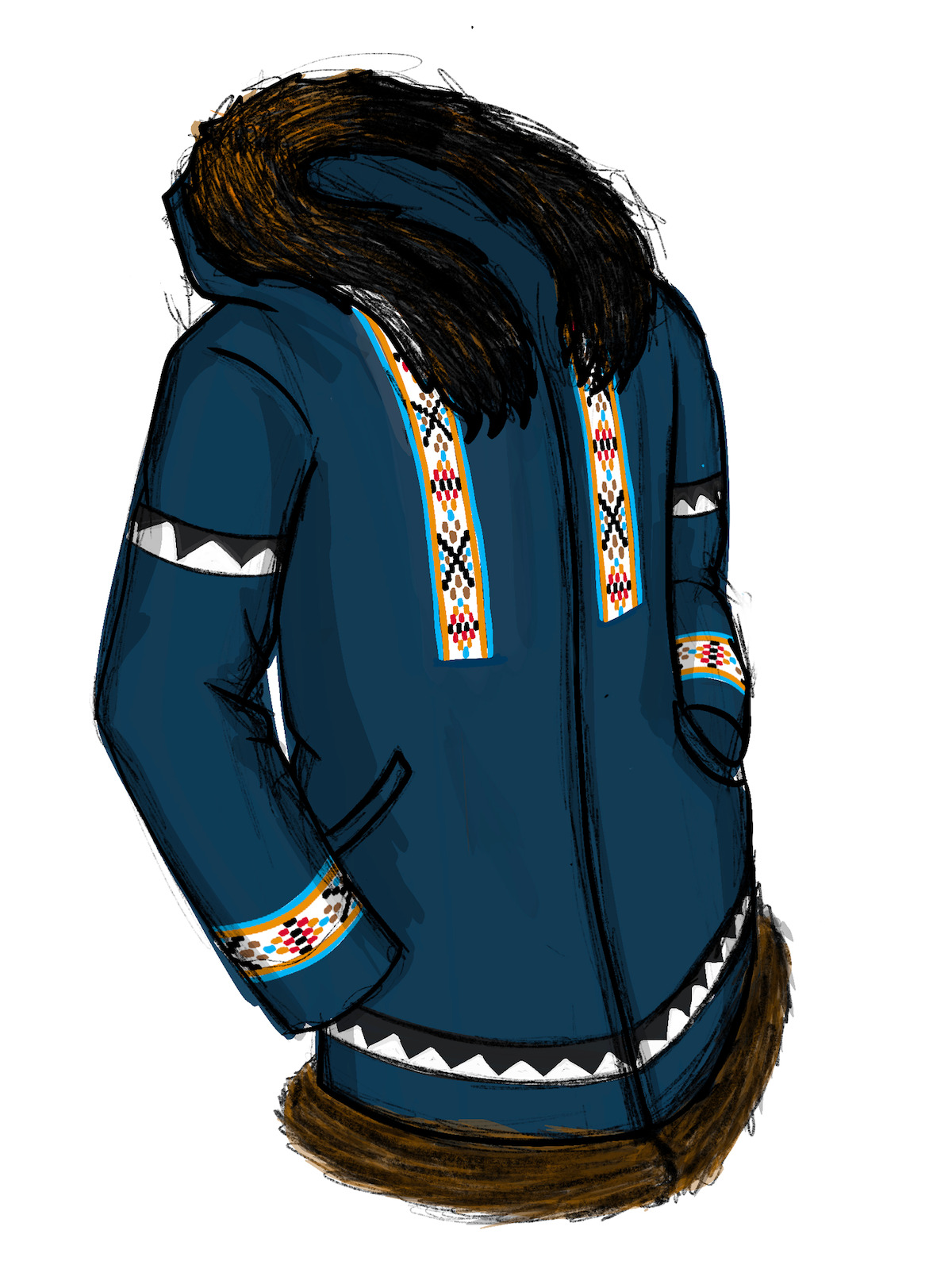
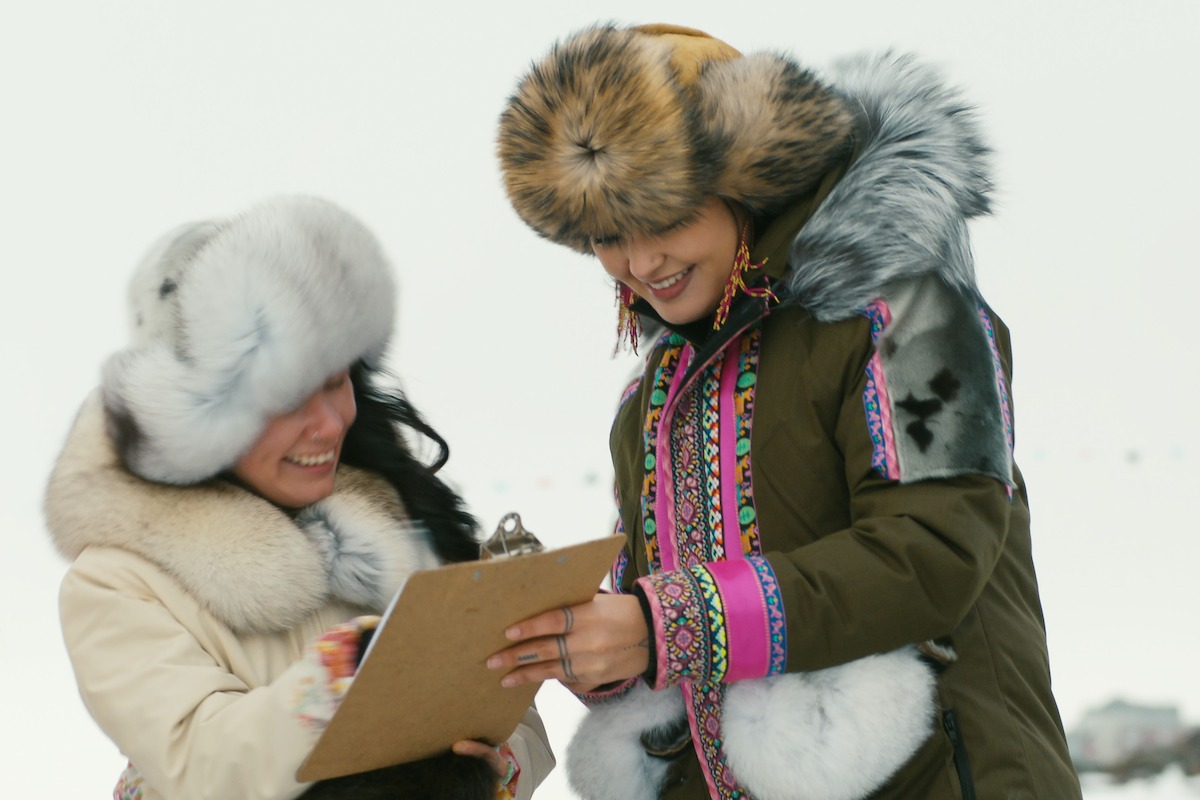
If you’ve watched North of North, you can indisputably recognize that the characters wear some of the most beautiful, vibrant parkas to ever grace a television screen. “It was really important to us that our parkas and anything traditional were made here in Nunavut, by Inuit artists, and Nooks and Debra were a part of curating that,” says Aglok MacDonald. Casting a wide net across Canada, Lindell and Hanson reached out to artisans including Chelsey St. John in Arviat, Victoria’s Arctic Fashion in Rankin Inlet, Nunavut, Winifred Nungak in Kangirsuk, Quebec, and Dorothy St. John in Winnipeg, Manitoba, to make their bespoke and custom designs a reality. St. John, in particular, came through to provide hard-to-find wolverine trim for Kuuk’s (Braeden Clarke) Western-inspired parka in a pinch. “It’s a privilege to be able to work with so many artists from across the Arctic. Ice Cove is a fictional town, so we wanted looks from every region, because almost every town has their own style,” says Lindell.
Beaded earrings were also an essential part of the styling for the characters, as a form of self-expression and as a nod to cultural heritage. Aglok MacDonald and Arnaquq-Baril themselves are always, always wearing earrings. “Alethea showed me her earring closet. It’s not an earring jewelry box — it’s a closet,” says Hanson. From the beginning, she and Lindell knew earrings would be an opportunity to show off the skills of Inuit artists, many of whom use natural materials. “Ivory is our gold. Bone and antler, that’s our platinum and silver. Instead of diamonds, we have beads,” says Lindell. They went to a number of craft festivals and also found designers online, devoting a good portion of their budget to earrings, since authentic Inuit earrings are not cheap. “So many people make their own earrings as a hobby, and then they become known,” says Hanson. “And different jewelry makers would tell us [about] somebody else.”
A Bridgerton-esque Arctic princess
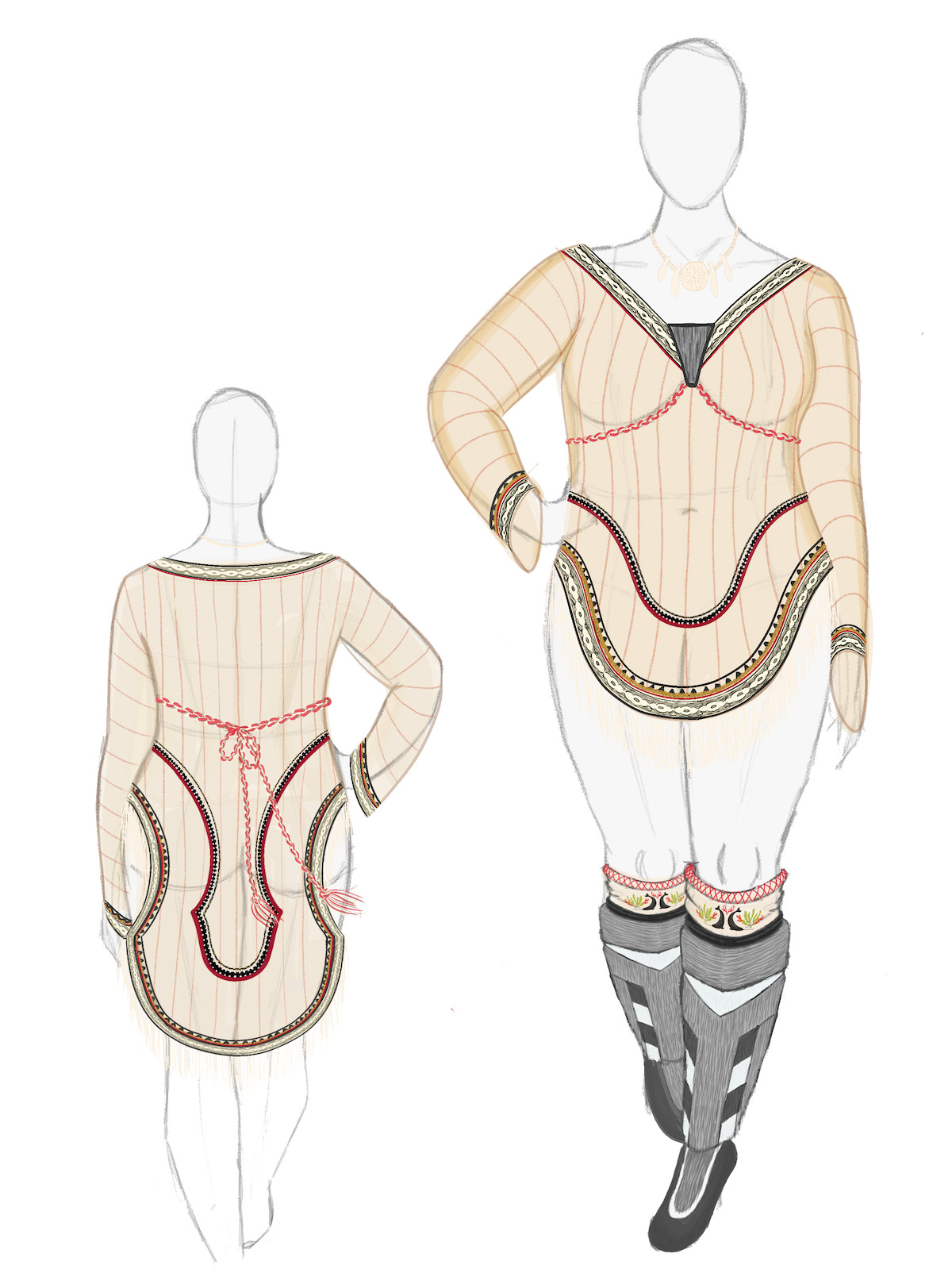
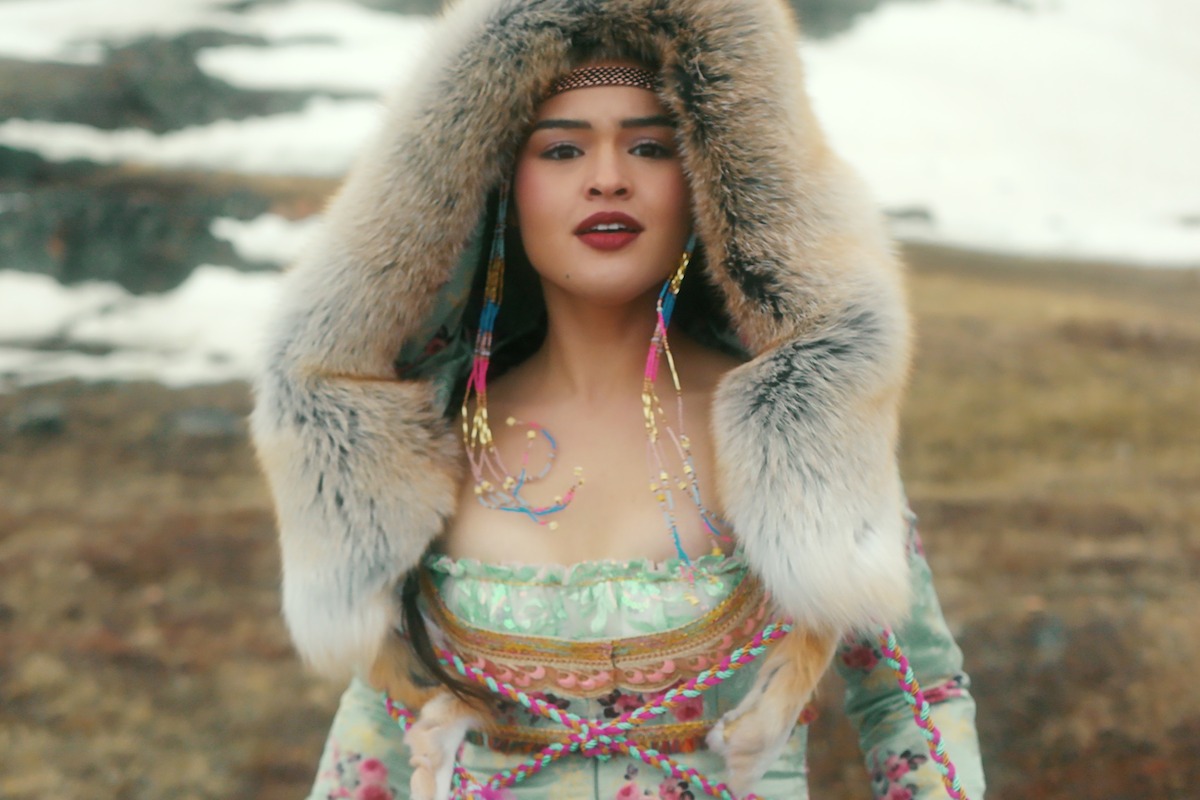
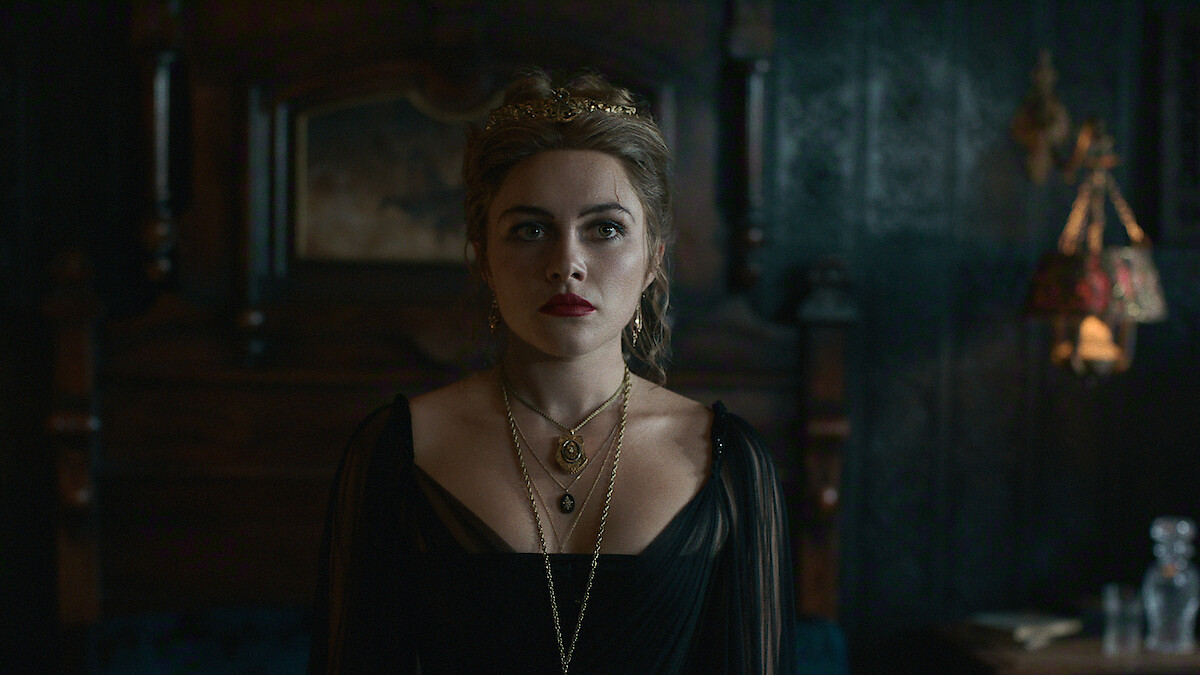
Episode 6 opens with a magical dream sequence, after Siaja falls asleep reading a Harlequin-style romance novel. Dressed like a fairy-tale Inuk princess who could only be from the Arctic, Siaja runs across the tundra toward her crush. Hanson and the showrunners wanted every element of the look to exude romance. The shimmery silk brocade of her soft blue dress takes on a gold sheen when the light hits it just right. And Hanson designed Siaja’s akuk (parka tail) so it would float behind her.
“The challenge was doing it as a period piece — to look at what would work, what I could transform into something that was Inuk and inspired by the period, and modernize it,” says Hanson. In addition to visiting museum archives of real period dresses, she and Lindell drew inspiration from Bridgerton and the way its creators and designers “play with the [Regency] period a little bit.” They consulted with furriers to find the correct cut and creamy feel for the trim. (In keeping with the tradition of using the whole animal, Inuit have relied on fur for centuries to endure the harsh Arctic climate. Incorporating real fur into the show's costumes represents an added, tangible layer of authenticity.) They also made sure to properly design the kukukpak (point of the hood). Details like these were “all very important parts that I knew Inuit were going to be looking closely at,” says Lindell.
Siaja’s qaurutik (for your forehead) is actually the finished version of a headpiece that Lindell had already been working on. It’s made from copper wire — the same kind you might find in your walls — that Lindell braided, heated up, tightened, and pounded into its shape. A qaurutik is usually beaded, so Lindell reached out to Alena Stevenson in Iqaluit to bead it for the production. “She beaded one of my other qaurutiks, so I knew she was really fast,” says Lindell. Luckily Stevenson had beads on hand that matched Hanson’s color scheme.
The copper element of the look ties back to another traditional Inuit way of living: Nothing useful is thrown away. “Some of the colonialist people had old copper pots, and when they got rid of them, Inuit people would transform them into jewelry or use them in sculpture,” says Hanson. “So having that headpiece is part of that tradition of transforming copper into something really beautiful.”
Nuliajuk the sea goddess
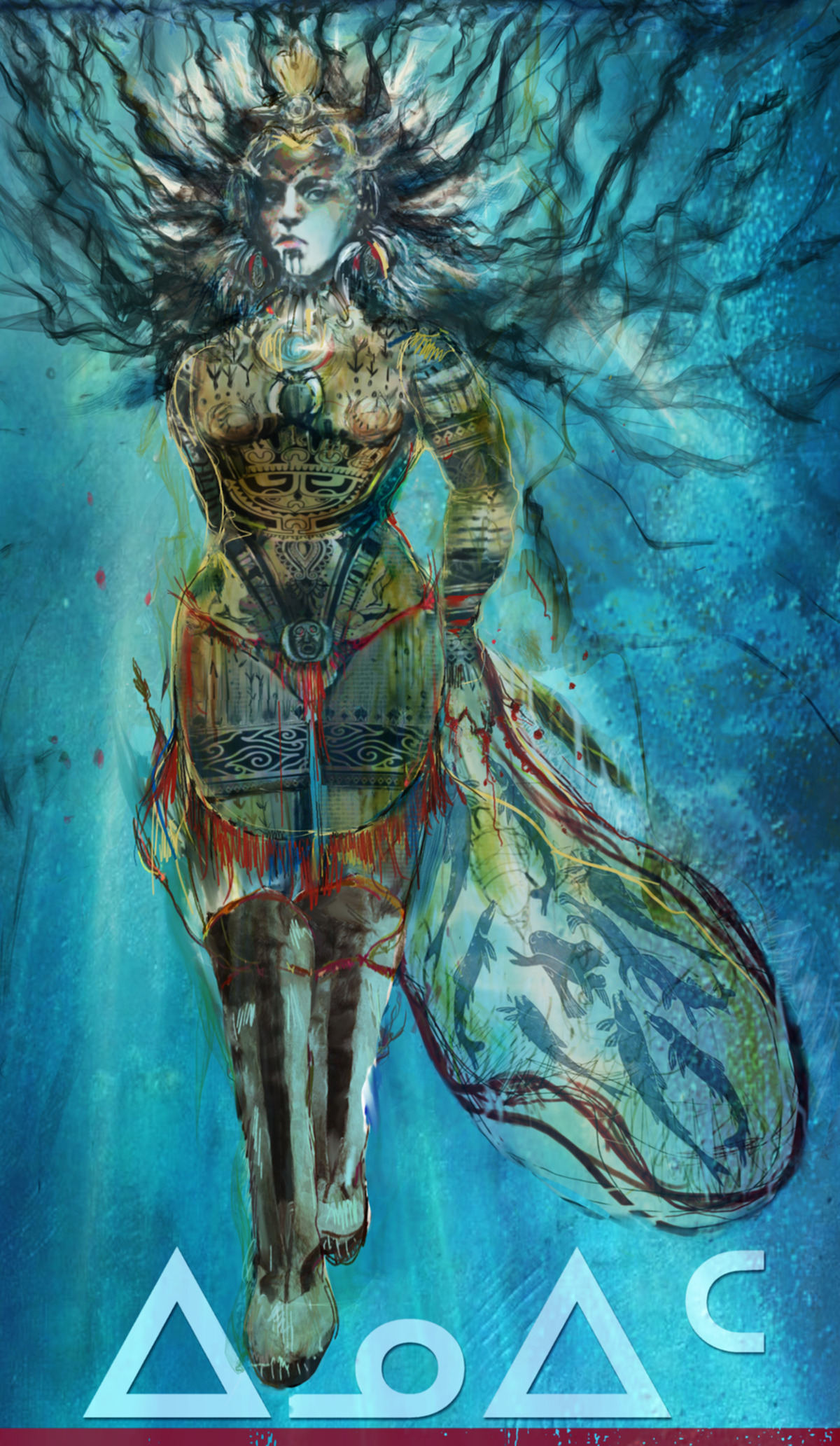
In the first episode, Siaja meets sea goddess Nuliajuk (Tanya Tagaq), who gives her a wake-up call to change her life. Known by many names, including Sedna, Taleelayuk, Takannaaluk, Arnajuinnaq, or Uinigumasuittuq, there are many different versions of this powerful sea goddess in mythology throughout the Arctic. “Her importance in the culture is very strong. It’s in modern and traditional art,” says Hanson. But growing up, Lindell only heard tell of Nuliajuk through whispers. “Because most towns are very Christian, one of the first things they did was ban any talk of Nuliajuk,” he says. So when Lindell read in the script that the guardian of sea animals and marine life would be part of North of North, he says, “I thought, ‘OK, this is going to be the return of Nuliajuk.’ ”
Lindell’s emotional investment and dedicated research helped unlock the look of the underwater goddess. Because Aglok MacDonald and Arnaquq-Baril wanted Nuliajuk covered in tattoos, Hanson and Lindell needed a material that was transparent enough to showcase them. The designers landed on a fabric that looked like Inaluaq, which is stretched seal intestines, “because Inuit would make this almost like a raincoat that people would wear while they were kayaking,” Lindell says.
Because Nuliajuk appears to Siaja while underwater, this marked the first time in Hanson’s career that she’d choose fabric by first putting it in water — not to mention checking the weight of the fabric and trims afterward with the series’ stunt coordinators. Hanson and Lindell also had to buy materials from their kamik (sealskin boot) artisan Geneva Noble in Iqaluit in order to replicate a pair for when Tagaq would be in a chlorinated pool during production. “The underwater scene was a big learning experience for everybody,” says Lindell.
Mentorship program and community involvement
The team’s collective attention to authenticity connects to another greater purpose. “Narrative sovereignty is the notion that Indigenous people deserve to be at the helm of our own stories,” says North of North director Danis Goulet (Night Raiders, Reservation Dogs), who is Cree-Métis. “When we do that, we don’t just change what ends up on screen, but we actually change the way we endeavor to make the work as well.” This philosophy guided every aspect of the making of the series, from writing and directing to casting and hiring local crew.
To that end, North of North hosted a mentorship program in which local trainees moved between various roles, gaining an understanding of the filmmaking process from multiple angles. As it nurtured homegrown talent through the mentorship program, the production also employed many locals and community members as background actors.
“We’ve had a number of trainees on the show, behind the scenes, on-screen. It’s been so fun to watch people start to understand what this industry is all about,” says Arnaquq-Baril. “I want Inuit to feel like we [all] made this show. I want Inuit from around the circumpolar Arctic to watch this show and feel like it’s reflective of what our lives are like today. The only way to make that possible is by having Inuit writers, showrunners, producers, and staff in all the departments.”
Glossary of key terms
Curious what anaana means? Or what a kamik is? Check out this vocabulary list verified by the showrunners and costume team to help immerse yourself in the world of North of North.
- aakuluk: Inuktitut expression of affection. The literal translation is akin to “dear one” but it’s commonly used to mean “I love you.” The recipient is expected to respond with raised eyebrows, which is like nodding yes.
- akuk: parka tail
- anaana: Inuktitut for “mother”
- anaanaga: “my mother” in Inuktitut
- ataata: “father” in Inuktitut
- atii: “let’s go” or “come on” in Inuktitut
- atigi: parka
- atikuluk: “Dear namesake” in Inuktitut
- bannock: a fried bread that originated in Scotland and has since become a staple food for Indigenous people in Canada
- bum hopping/hopper: an Inuit party game in which whoever jumps farthest wins
- ilaapatsuu: an Inuit insult or forceful condemnation without an exact translation — but not an explicit swear word
- inaluaq: intestines
- Inuk: singular form of Inuit
- kamik: a traditional Inuit sealskin or caribou skin boot
- kukukpak: the point of the hood
- Mamianaq: “I’m sorry” in Inuktitut
- niksik: Inuit hunting hook
- nuilak: fur trim on a hood
- palaugaaq: “bannock” in Inuktitut
- qamutik: traditional Inuit sled pulled by a snowmobile or a dog team
- qaurutik: Inuit headpiece
- qaviiq: an example of Inuit clowning or a “no smiling” challenge. The goal is to make your competitor and/or the crowd break and laugh. Whoever is most entertaining wins.
- quaq: frozen raw meat or fish, traditional Inuit food
- qujannamiik: “grateful” or “thank you” in Inuktitut
- Ski-Doo: a brand of snowmobile, but also used by Inuit to refer to all snowmobiles no matter the brand
- Southerners: anyone not from the Arctic, including the rest of Canada
- taima: “enough” or “stop” or “good enough” in Inuktitut
- throat singing cheerleaders: not a real thing. But throat singing, or katajjaq, is an Inuit tradition.
- tuktu: Inuktitut for “caribou,” also used as a term of endearment
- tunngasugit: Inuktitut for “welcome”
- ullaakkut: “good morning” in Inuktitut
- ulu: a crescent-shaped knife traditionally used by women
- walrus d*ck baseball: joking reference in the series to Inuktitut baseball, which was traditionally played using a walrus penis bone (because there are no trees in the north and therefore there was no wood except for driftwood, which is rare and precious).
Watch Season 1 of North of North on Netflix now.