Michelle Ashford was nominated for an Emmy for her writing on HBO’s World War II miniseries The Pacific and served as showrunner for the Golden Globe–nominated Showtime drama Masters of Sex. Now she’s turning her appreciation of history to film for the first time by writing Operation Mincemeat, an adaptation of Ben Macintyre’s 2010 book about a bizarre deception mission meant to fool the Nazis and pave the way for an Allied invasion of Sicily.
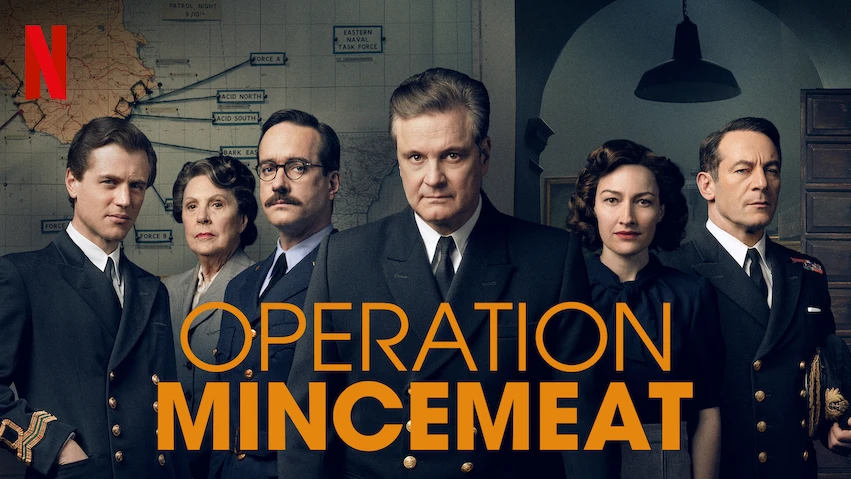
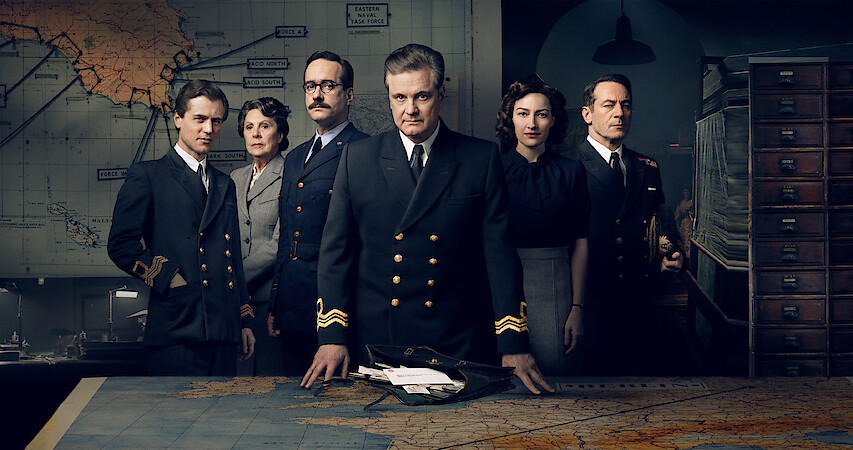
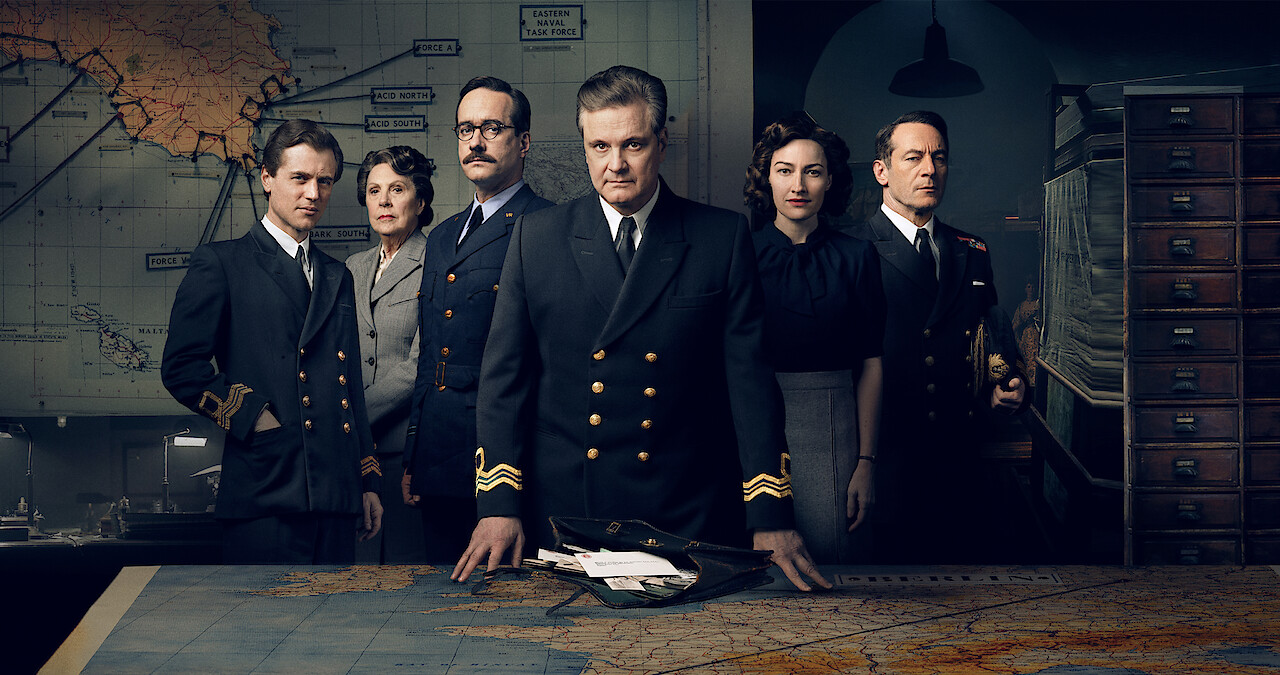
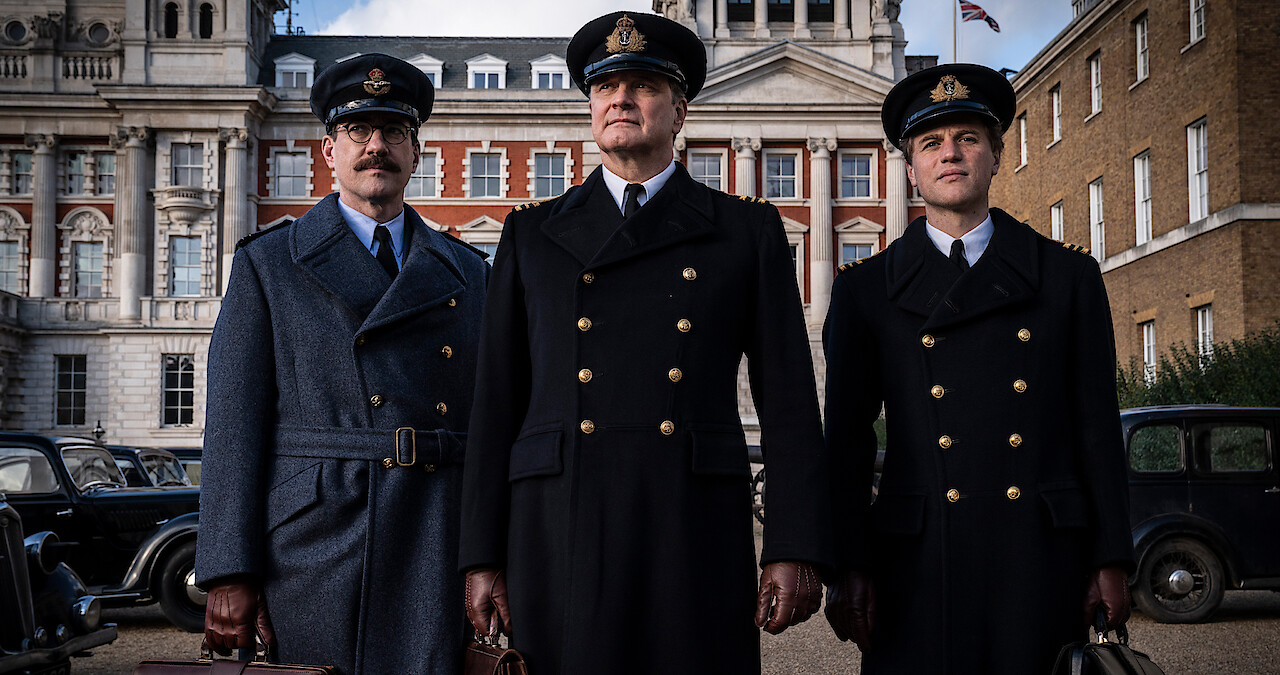
Operation Mincemeat stars Colin Firth as Ewen Montagu, a British intelligence officer who hatches the ambitious plan. He works with fellow intelligence officer Charles Cholmondeley (Matthew Macfadyen) on an elaborate ruse that involves a corpse and a fictional romance created with the help of MI5 secretary Jean Leslie (Kelly Macdonald). Ahead of the film’s May 11 release, Tudum talked to Ashford about working with Shakespeare in Love director John Madden, finding the right tone for Operation Mincemeat and the romance of spy stories.
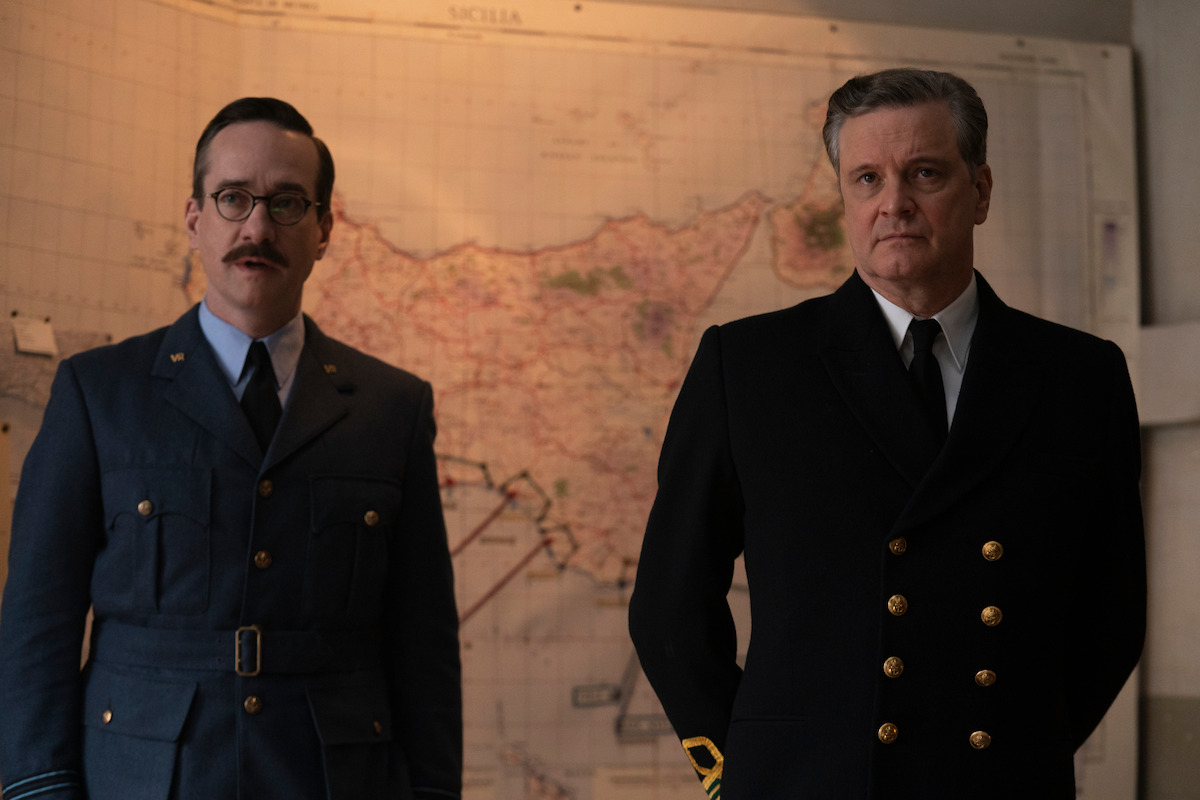
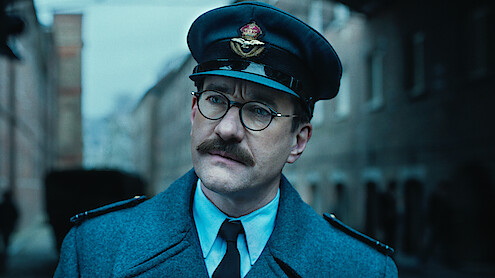
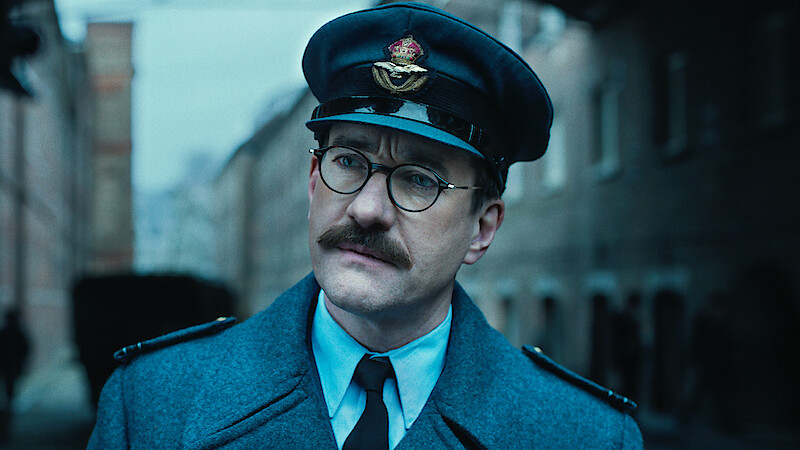
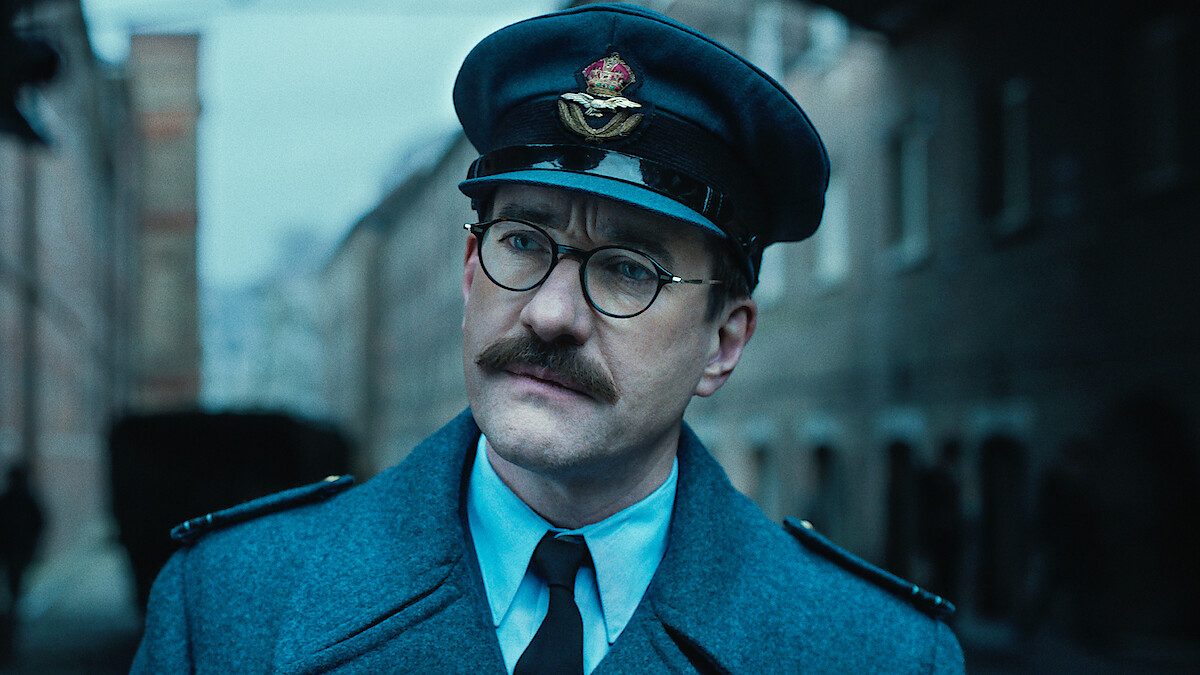
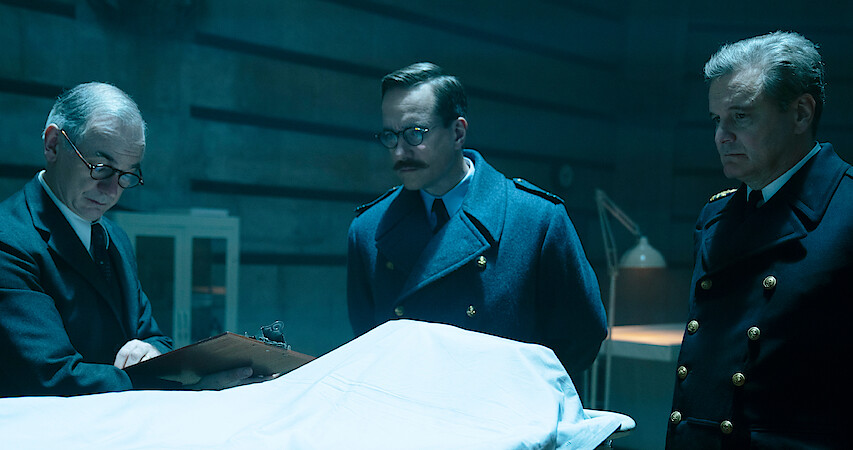
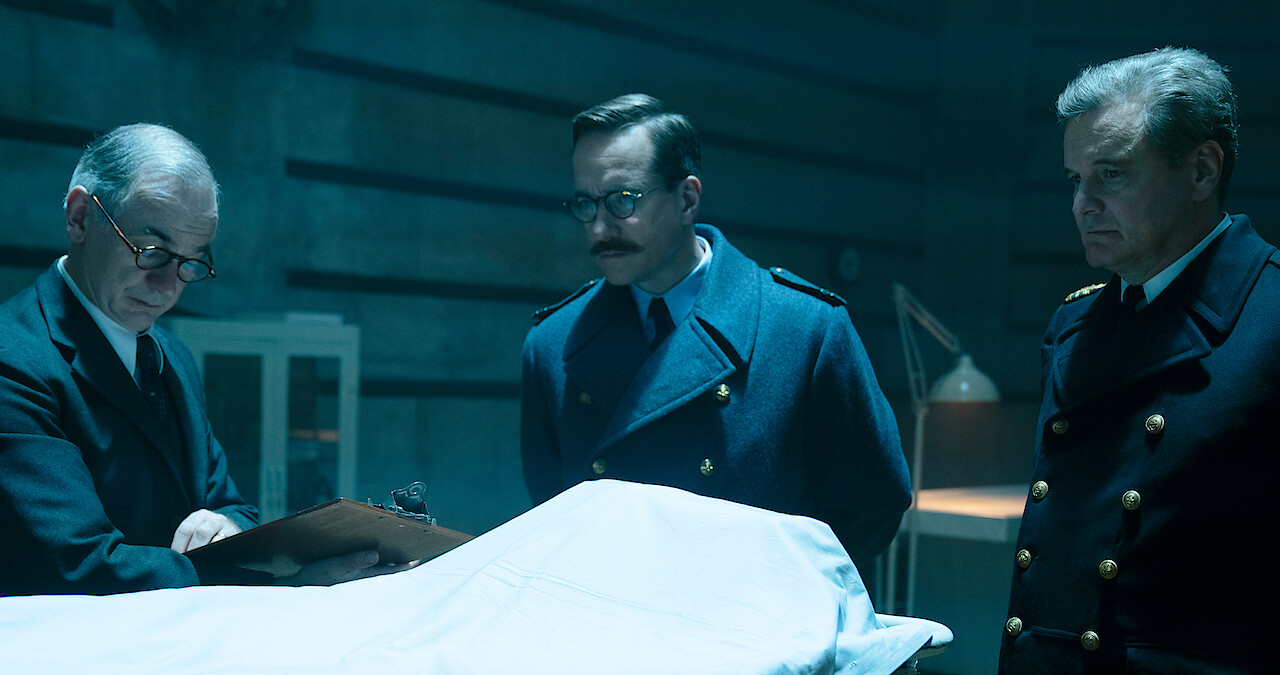
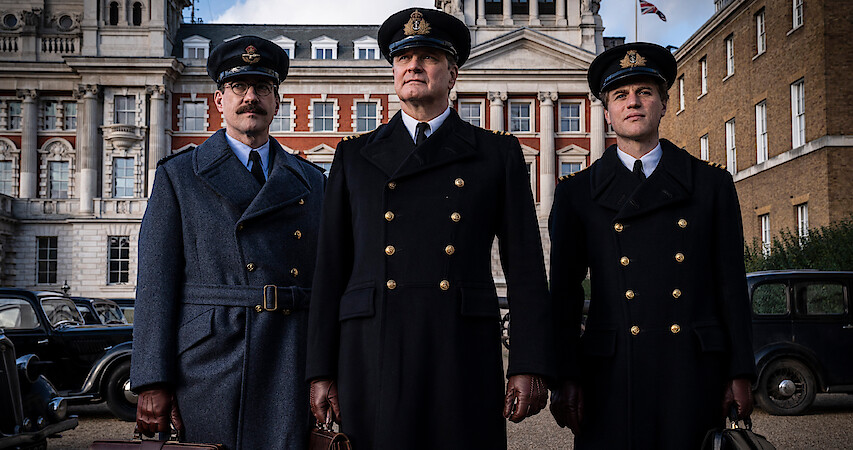
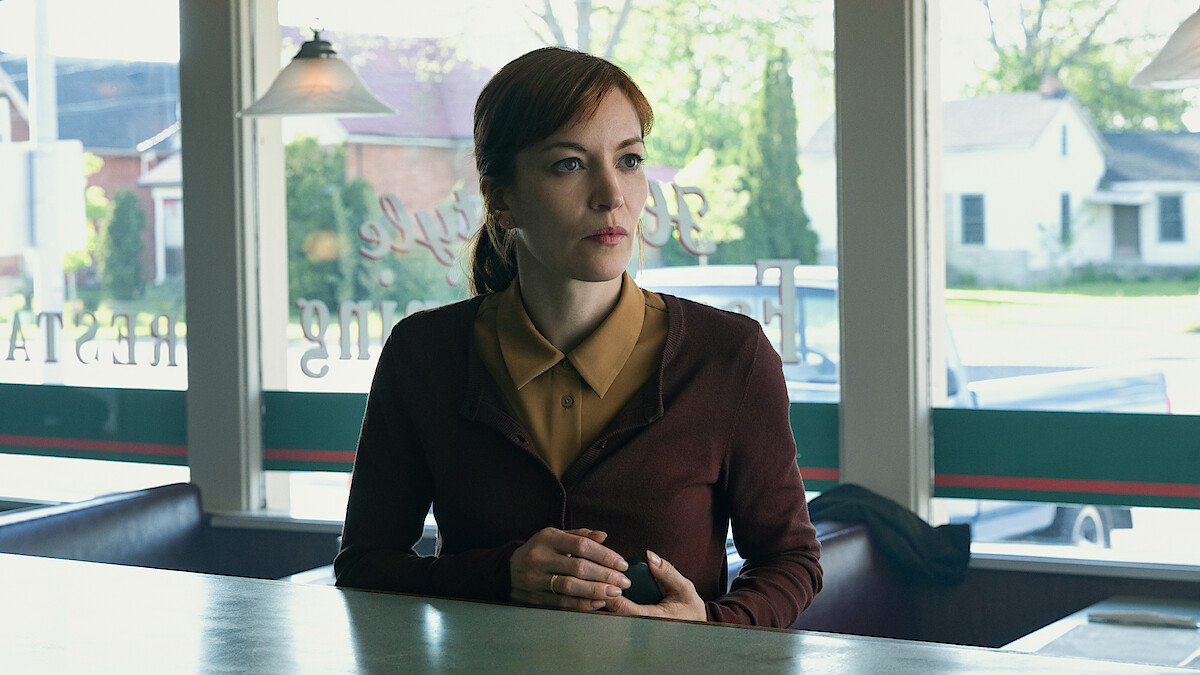
Charles Cholmondeley (Matthew Macfadyen) and Ewen Montagu (Colin Firth) work together to deceive the Nazis in Operation Mincemeat.
Giles Keyte/Courtesy See-Saw Films/Netflix
This is your first screenplay after a very long career in television. How do you think your previous experience shapes your approach to filmmaking?
I think there is no better training ground for a writer than television. Television is rigorous. You have to work fast, and if you’re working on a series, you have to just distill a tremendous amount of material and turn it around. It’s like bootcamp for writers. I have found that to be incredibly helpful in terms of approaching feature writing. It also makes me faster than most people who’ve only been working features, because in TV you really have to move.
Masters of Sex was also based on a nonfiction book, Tom Maier’s book, which was huge and exhaustive. I’m just used to taking these gigantic pieces of material and going, “Okay, how do you get your way through this?” Once I had Ben’s book, I didn’t feel like, “Oh my God, I’m so overwhelmed. I wouldn’t know where to begin with something like that.” I had already done it a lot.
You had a lot more time to get into all those details in four seasons of Masters of Sex than you do in the course of a single movie. How did you decide what to keep and what to cut for Operation Mincemeat?
It was really hard. I had to lay out everything in Ben’s book and say, “What really matters? What do I think is really fun? And how can you weave them together?” It took a while. I was working on this on and off for 10 years. It was a process. My first stab at this material was much funnier, kind of loopier. I really pulled in a lot of the crazy eccentricities that Ben details in his book. Over time working with John Madden, it just coalesced into the form that you see now.
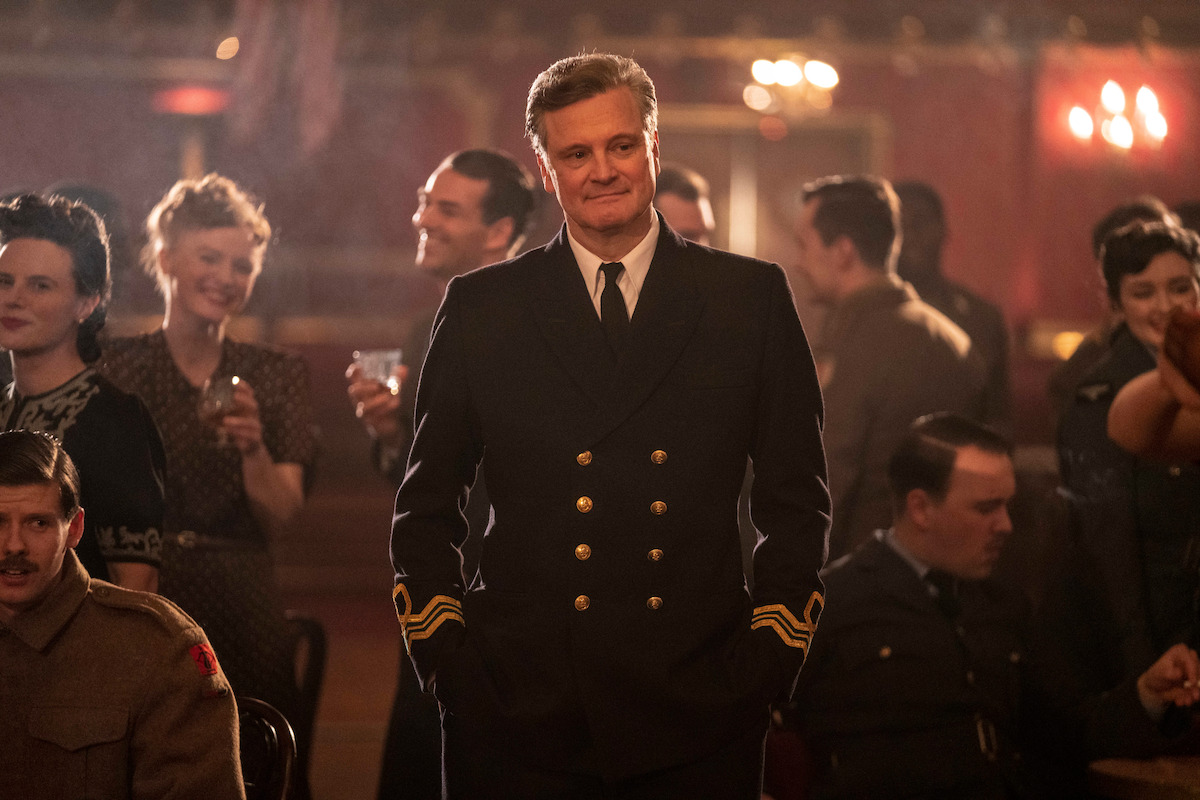
British intelligence officer Ewen Montagu (Colin Firth) comes up with a scheme to deceive the Nazis in Operation Mincemeat.
Giles Keyte/Courtesy See-Saw Films/Netflix
What made you decide to pivot away from the funnier version of the script?
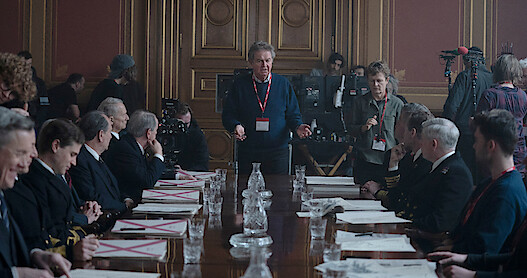
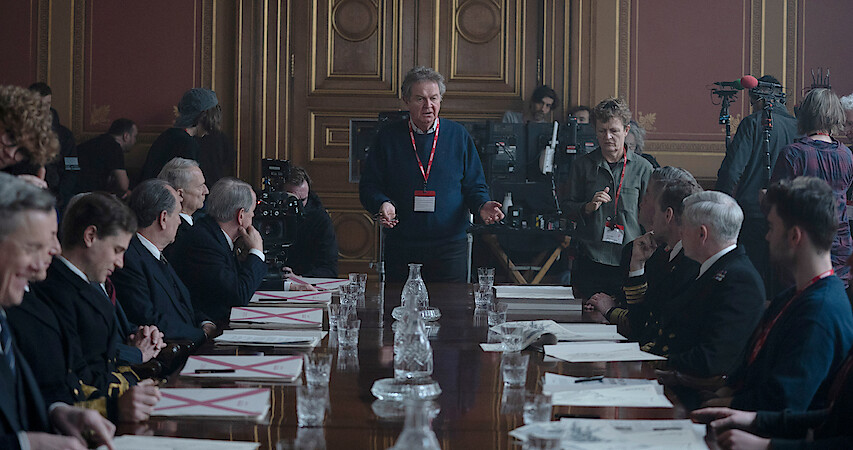
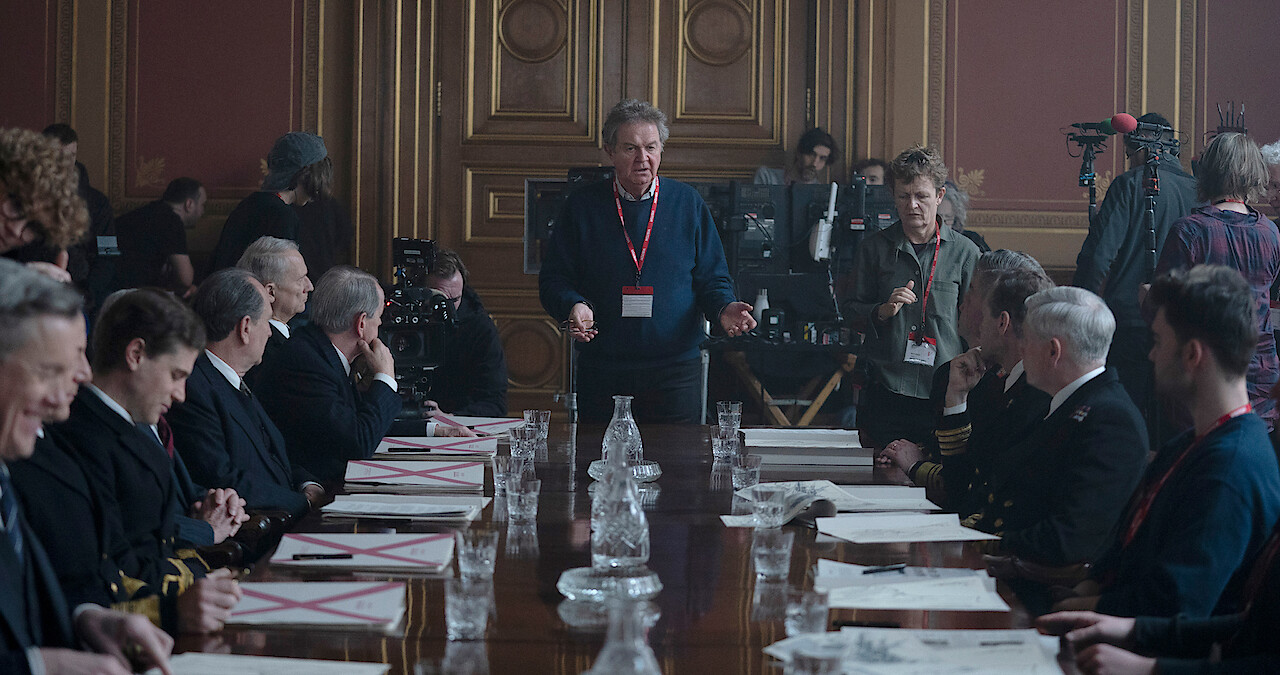
I did the pilot of Masters of Sex with John Madden, so we were good friends by that point. I had said to him, “I think you should do this story like you did Shakespeare in Love.” Shakespeare in Love has that incredibly buoyant kind of loopy quality to it until it turns into a proper story with some emotional weight to it. The thing that’s different though about this, and why you can’t quite do the Shakespeare in Love treatment to it, is that you are dealing with a very real war where hundreds of thousands of people were dying and the threat was very real. As we grappled with that reality, we realized you can’t have people slipping on a banana peel when boys are dying in Europe. I think the tone settled into what it is now because of us not minimizing what the stakes were.
What appeals to you about taking nonfiction books and turning them into dramatizations?
I get to go back to school. Every nonfiction story involves me going out, doing research, doing reading, talking to people, going through archives. That is a blast. It’s a tired, old cliché, but the notion that truth is stranger than fiction holds up. I could not have made the story of Operation Mincemeat up.
What kind of research did you do on the actual Operation Mincemeat when writing the film?
Normally, when I’m adapting some historical true story, I do a massive amount of research. I did less research on this than I would have on a normal historical subject, because Ben’s book is so exhaustive in every aspect of what this operation was and all the players. He did a brilliant job. I basically carried Ben’s book around for 10 years.
How did you first become aware of the book? What attracted you to it?
Malcolm Gladwell wrote a piece in The New Yorker right as Ben’s book was coming out in 2010. It wasn’t a book review so much as it was talking about the notion of deception and if that is a useful tool in war. What he was talking about, and what Ben’s book details so beautifully, is how deception starts to turn in on itself so that nobody knows what is true and what is not. I thought that was really interesting and that the book sounded good. I read the book, and from then on, I was determined to get to adapt it one way or another.
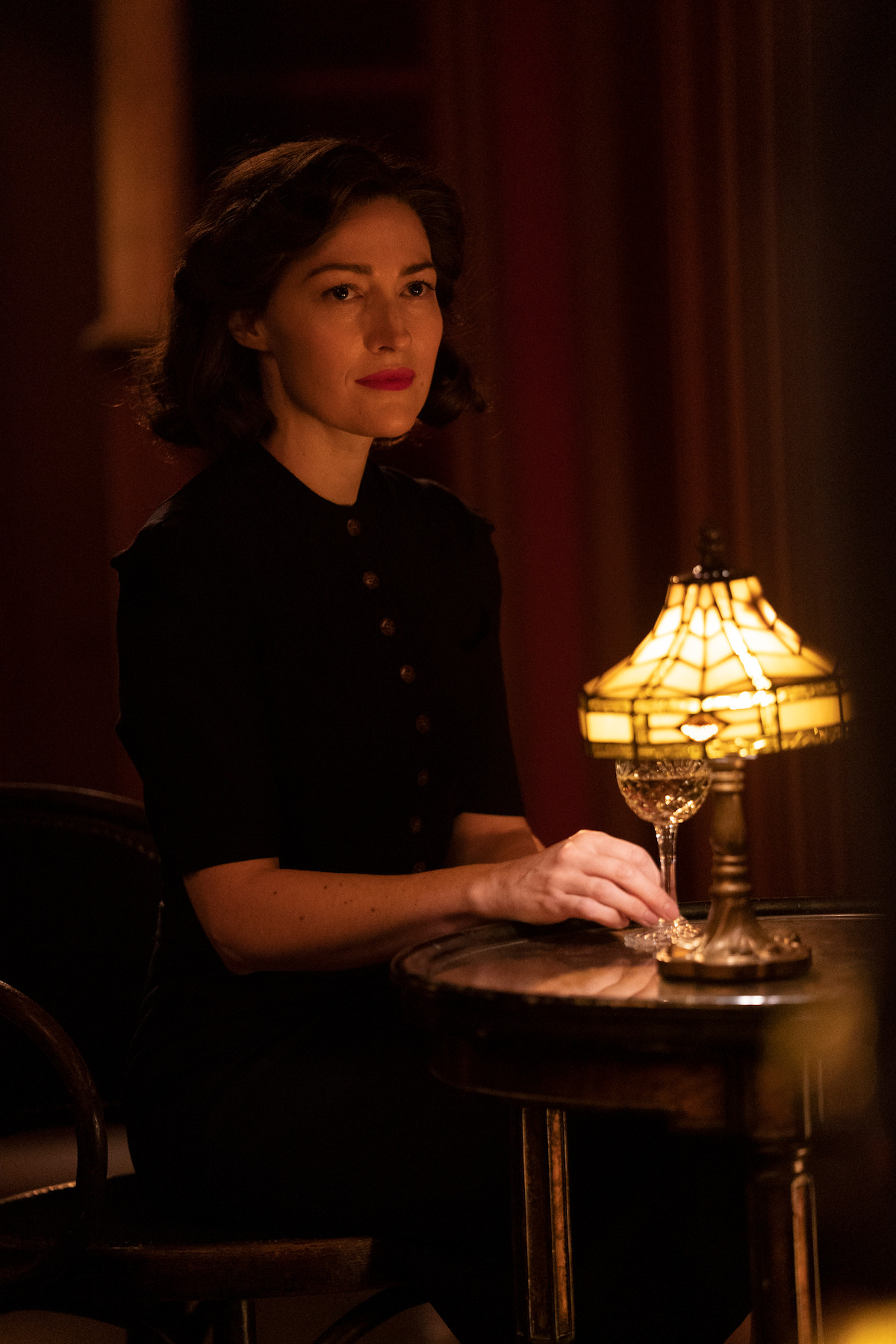
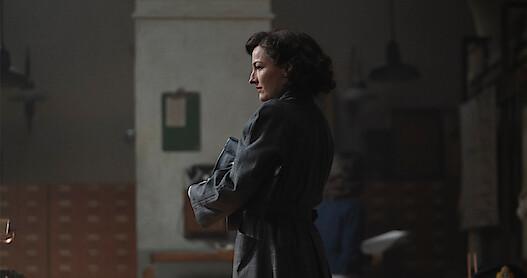
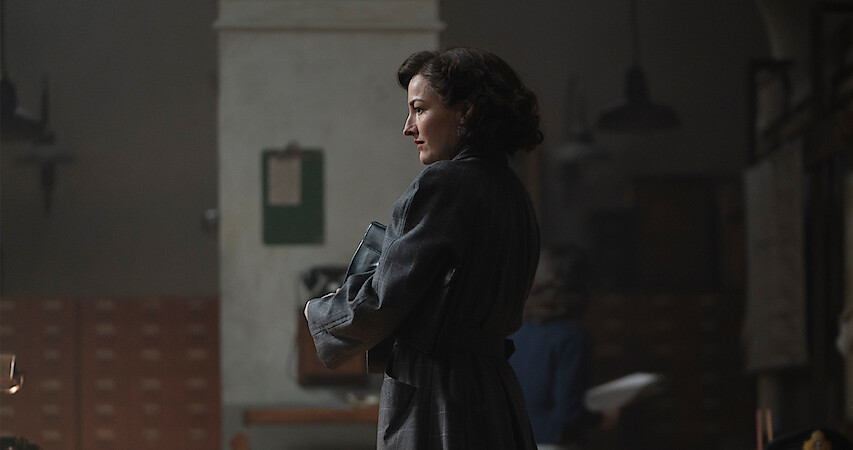
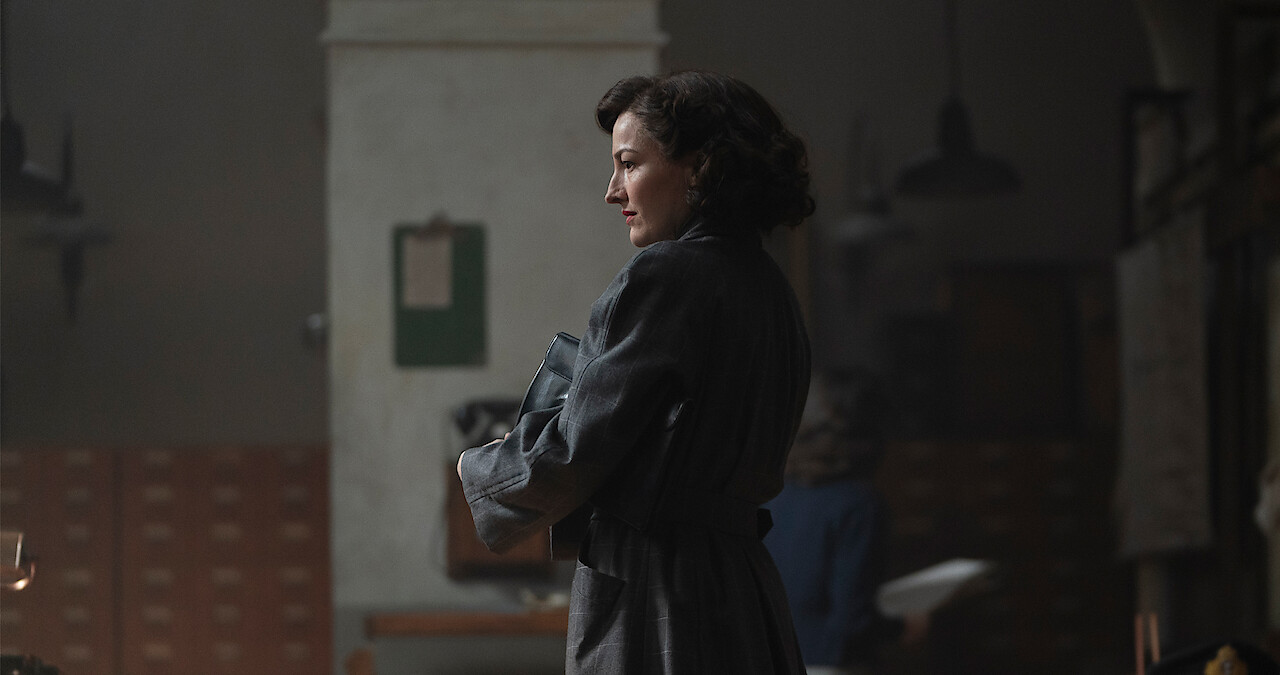
MI5 secretary Jean Leslie (Kelly Macdonald) provided a photo of herself to make the scheme at the heart of Operation Mincemeat more realistic.
Giles Keyte/Courtesy See-Saw Films/Netflix
What made you decide to add a romantic subplot between Ewen Montagu and Jean Leslie?
It was real. I did not make that up. I did add the love triangle. We don’t know, although we don’t not know, that Charles Cholmondeley had a crush on Jean Leslie. He could have. He was single. It’s within the realm of possibility. But the situation between Montagu and Jean Leslie was very true. They started to play act the roles, and they did it very thoroughly and enthusiastically. They started writing each other letters, and they would go out at night, and they started having this whole other existence as Bill and Pam [the fictional Royal Marine and his made up fiancée]. I maintain you can’t live for very long in this incredible fictional romance without it bleeding into actual real feelings. We made that more apparent, but all that stuff was true.
Operation Mincemeat is obviously a very different World War II story than The Pacific. Do you think that there was any crossover that you brought to Operation Mincemeat from working on The Pacific?
I think my work on The Pacific informed this only in the sense that I felt like I’d written about battles and being in combat. What I really loved about this story is that except for the little glimpses that you get of the landing in Sicily, it’s all about how wars are won from dark rooms in a basement where people are trying to figure out, “What are we doing and how are we going to do it?” It felt like an anti-war film to me in the sense that you’re far away from the battle. These are the unsung heroes. These are the people you never really hear about that actually get wars won in addition to the incredible sacrifice that comes from people fighting.
Were there challenges in trying to create suspense when the events are happening behind the scenes instead of the battlefields of the war?
The records on Operation Mincemeat weren’t made available to anyone until 1996, and the people who were involved in the operation thought they would never be released to the public. Those documents are incredibly candid, blow-by-blow descriptions of what was going right with the operation and what was going wrong. The operation was so bizarre and precarious. This could have gone south in so many ways, as I hope the movie makes clear. I felt like there was plenty of tension. The war is raging. They need to figure a way to fool the Germans and everybody is relying on this crazy plot to literally change the course of the war. That’s pretty suspenseful.
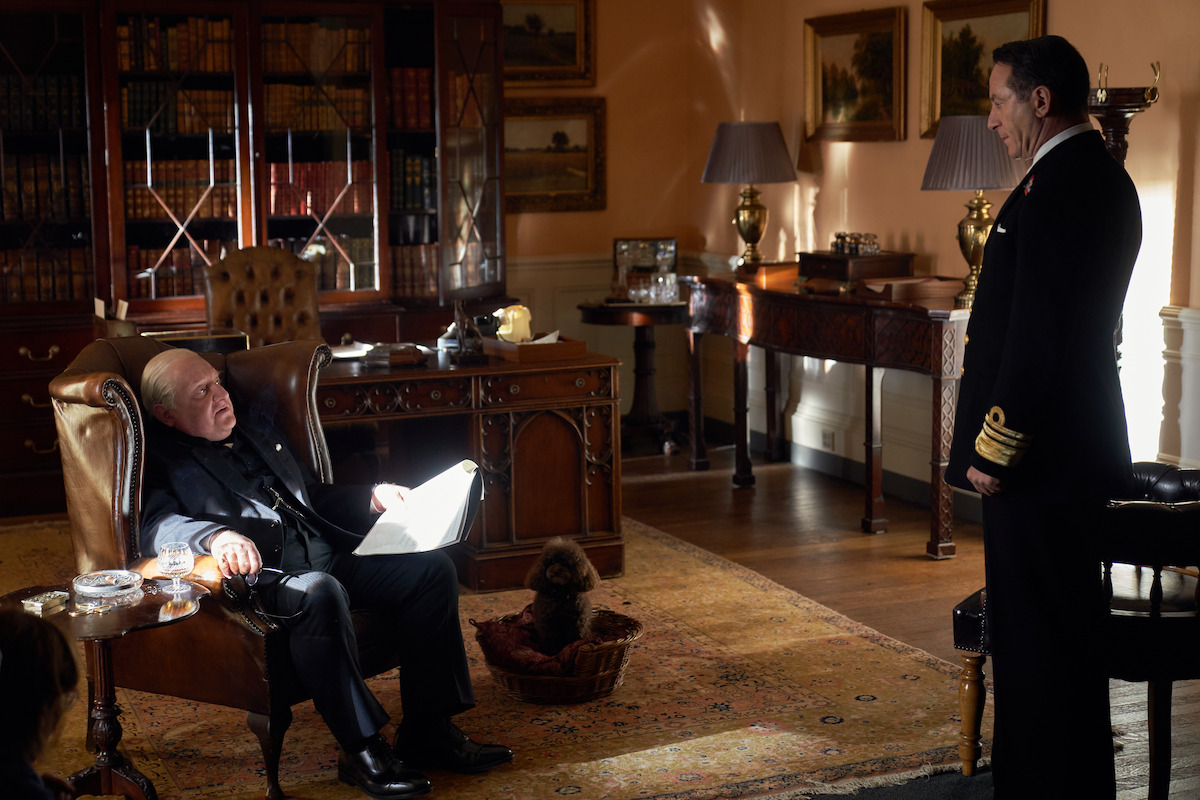
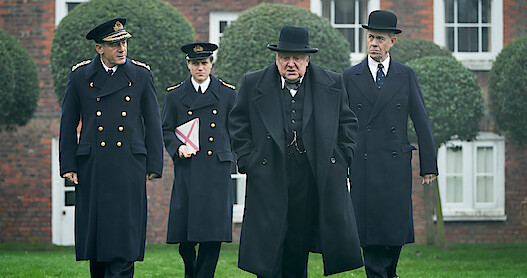
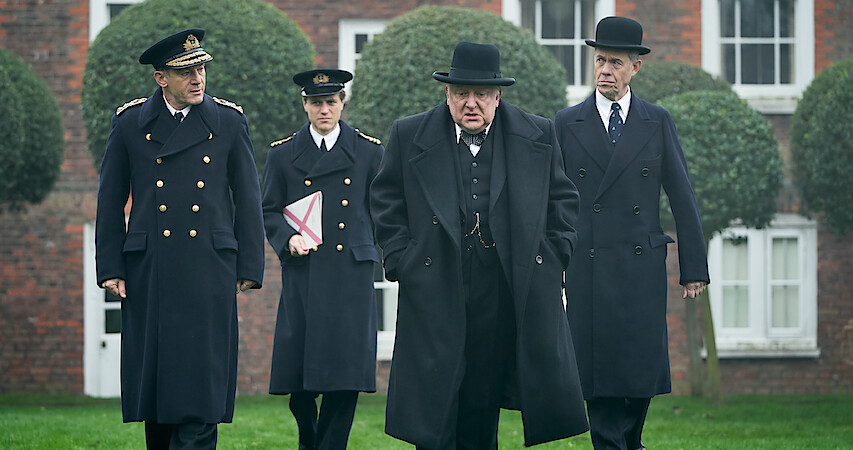
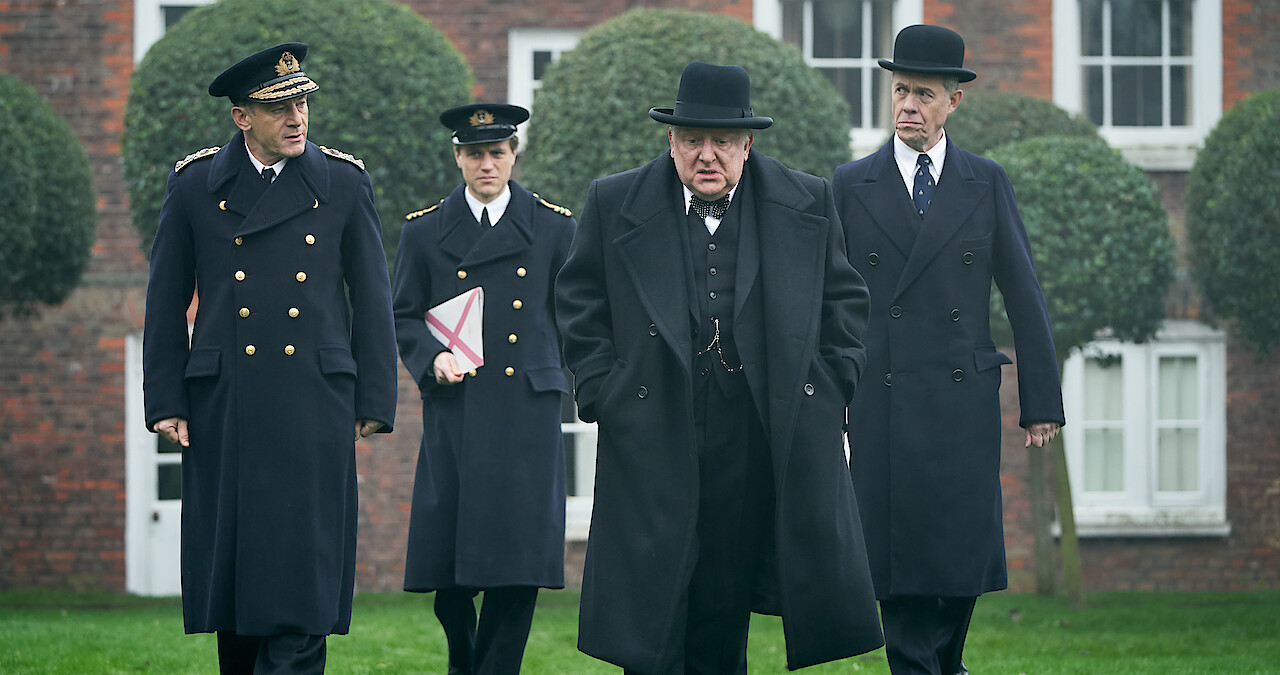
Winston Churchill (Simon Russell Beale) gets an update from Admiral John Godfrey (Jason Isaacs) in Operation Mincemeat.
Robert Viglasky/Courtesy See-Saw Films/Netflix
Are you a fan of spy novels?
Not really, but I’m incredibly aware of the grip that spy stories have on every culture. I’ve obviously seen James Bond movies, but when I read the book I thought, “Oh, how wild. This is like a weird valentine to spy stories and why we love them so much.” Even in that very real world, where people were doing the spy work, they were also caught up in the romance of spy stories because many of those people were writing spy stories. I loved that.
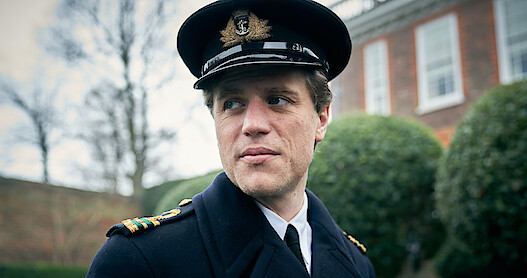
You’re putting words into the mouth of one of the most famous writers ever. How did you try to find Ian Fleming’s voice and perspective?
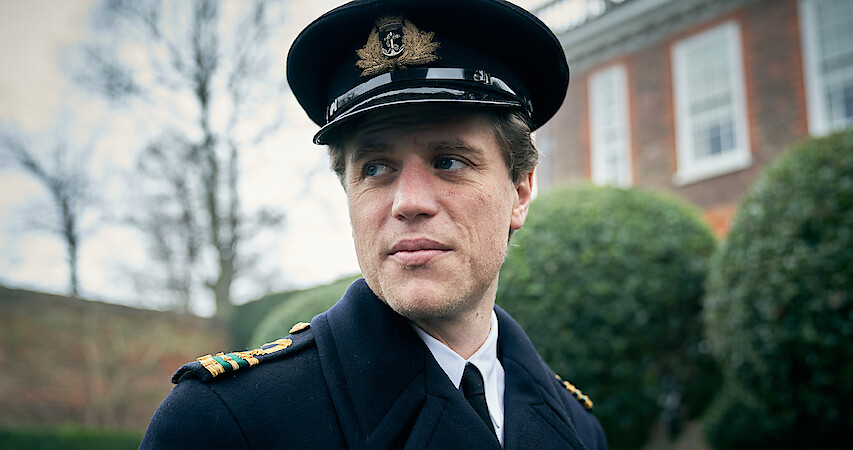
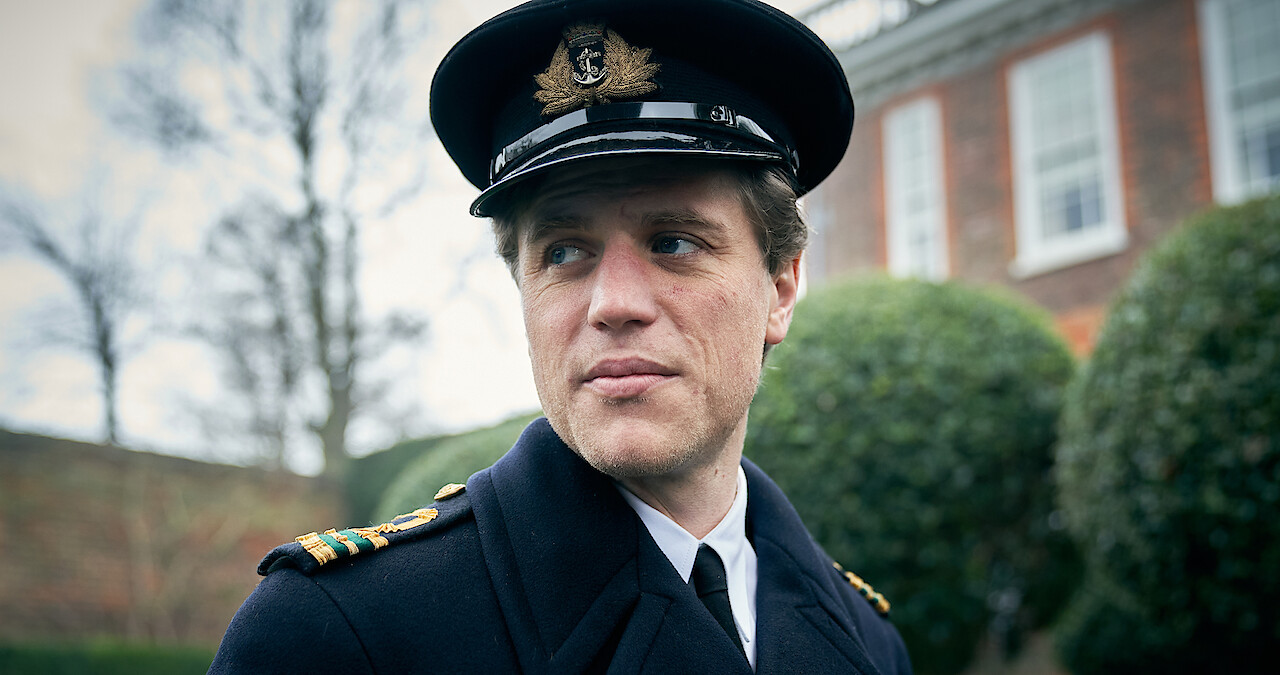
I went and looked at interviews with him where he was on film so that I had a sense of how he held himself and his tone. Then the actor Johnny Flynn did the same thing. I think he did a brilliant job of actually capturing how Ian Fleming moved through the world and what he even sounded like.
Did you do something similar for your version of Winston Churchill?
Churchill seems to be the holy grail of every actor’s career. We’ve had so many Churchills, so John and I were talking a lot about that. We decided not to try and reinvent the wheel but just to make it as honest to the guy as we could. It’s not very hard to find footage of Churchill. One of the other great things about working with John is he’s been doing this for so long and he knows so many wonderful actors. He said, “Simon Russell Beale will be so brilliant,” and he is. He’s such a wonderful actor.
We ended up going in a straighter direction with Churchill. There are so many clichés about Churchill. The one thing I did want a little bit more of was the dog. He was madly in love with his dog, Rufus.
What do you enjoy about working with Madden?
Everything. I love him. He’s a dear friend, and he’s incredibly smart with material, and he’s a brilliant, brilliant director. He can really take anything and find the most elegant way to depict it, and he’s the nicest person ever.